


An Overview Of What Made Tractors Popular for Farmers In The 1990s
By Tom Seest
At ClassicTractorNews, we help tractor lovers keep up with the latest news for classic and vintage tractors.
Please share this post with your friends, family, or business associates who may like old classic or vintage tractors.
What Made Tractors Popular for Farmers In The 1990s?
In the 1990s, tractors became increasingly popular among farmers for a multitude of reasons. One of the main factors driving this trend was the advancements in technology and design that made tractors more efficient and versatile than ever before.
One key feature that made tractors a valuable tool for farmers in the 1990s was the introduction of GPS and precision agriculture technology. With GPS guidance systems, farmers were able to more accurately navigate their fields and optimize their planting, spraying, and harvesting processes. This not only saved time and labor but also improved overall crop yields.
Additionally, the 1990s saw significant improvements in tractor design and performance. Tractors became more powerful and durable, allowing farmers to tackle larger fields and more challenging terrain with ease. Comfort features such as air-conditioned cabs and ergonomic seating also made long days in the field more bearable for farmers.
Furthermore, the 1990s brought about a shift towards more sustainable farming practices, and tractors played a crucial role in this movement. Tractors equipped with environmentally friendly technologies, such as low-emission engines and fuel-efficient designs, allowed farmers to reduce their carbon footprint and operate more sustainably.
Another factor that contributed to the popularity of tractors in the 1990s was the increasing size and scale of farms. As agriculture became more mechanized and specialized, farmers needed larger and more powerful equipment to meet the demands of their operations. Tractors provided the horsepower and versatility necessary to handle the modern agricultural landscape.
The 1990s also saw a surge in the adoption of no-till and conservation tillage practices, which further drove the demand for tractors. These methods required specialized equipment, such as no-till planters and drills, which could only be efficiently operated with the use of tractors.
Overall, the combination of technological advancements, improved design and performance, sustainable farming practices, and the increasing scale of agriculture all contributed to making tractors a popular choice for farmers in the 1990s. These versatile machines became an essential tool for modern farming operations, allowing farmers to work more efficiently, sustainably, and profitably.
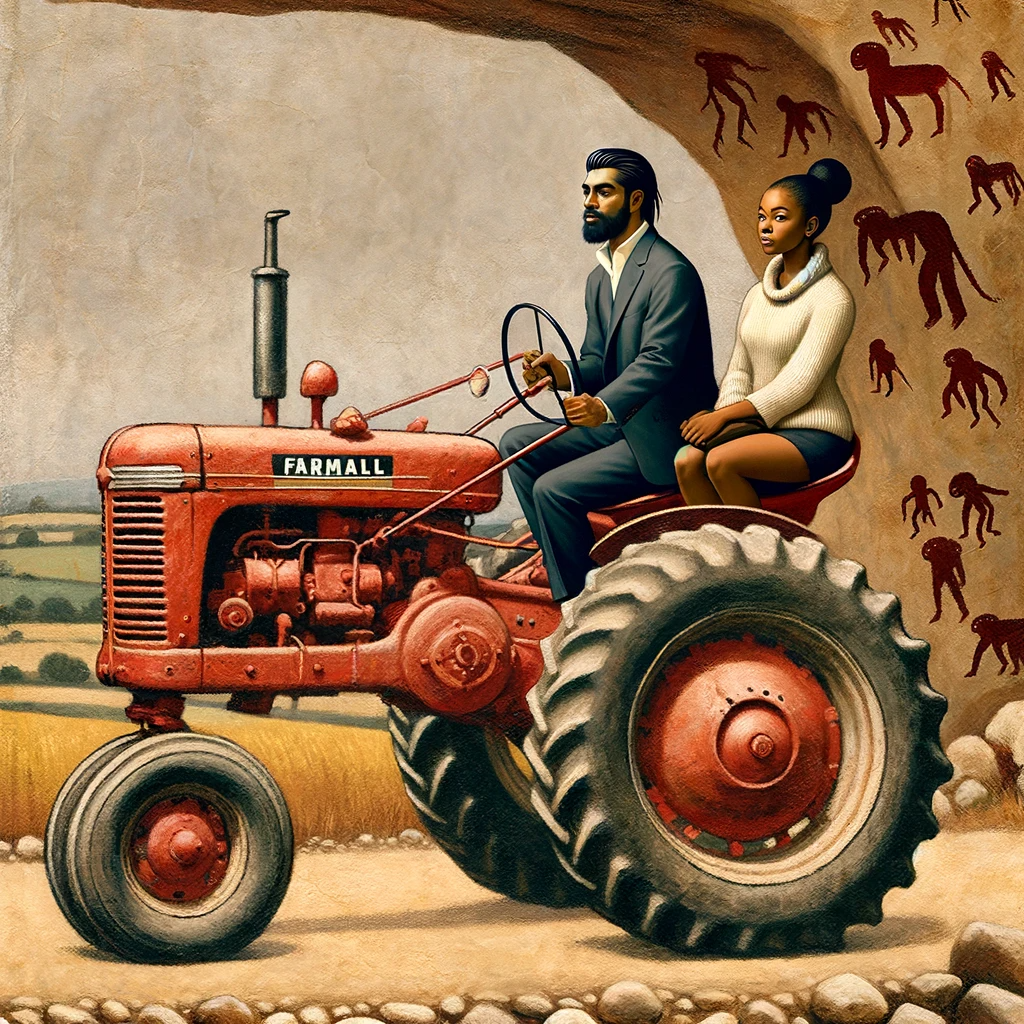
What Made Tractors Popular for Farmers In The 1990s?
What Made Tractors Popular for Farmers In The 1990s?
- Advancements in technology and design made tractors more efficient and versatile in the 1990s.
- GPS guidance systems improved navigation and optimized planting processes.
- Improved design and performance made tractors more powerful and durable.
- Tractors equipped with environmentally friendly technologies supported sustainable farming practices.
- The increasing size and scale of farms drove the demand for larger and more powerful tractors.
- The adoption of no-till and conservation tillage practices further increased the need for tractors.
- Tractors became an essential tool for modern farming operations, allowing farmers to work efficiently and sustainably.

What Made Tractors Popular for Farmers In The 1990s?
Table Of Contents
- What Made Tractors Popular for Farmers In The 1990s?
- What Technology Led to Increased Tractor Efficiency In The 1990s?
- Did Tractor Design Change to Meet The Needs Of Farmers In The 1990s?
- What Financial Factors Influenced Investment In Tractors In The 1990s?
- Did Government Policies Impact Tractors Among Farmers In The 1990s?
- Did Marketing Play In Promoting Tractors to Farmers In The 1990s?
- Conclusion
- Other Resources
What Technology Led to Increased Tractor Efficiency In The 1990s?
In the 1990s, advancements in tractor technology revolutionized the agricultural industry, leading to increased efficiency and productivity like never before. One key technology that played a significant role in this transformation was the development of GPS guidance systems.
Before GPS guidance systems, farmers relied on manual steering while operating tractors in the fields. This not only required a high level of skill and precision but also led to inefficiencies and overlapping of work. With the introduction of GPS guidance systems, farmers were able to program precise routes for their tractors to follow, resulting in straighter rows, reduced overlaps, and ultimately, increased efficiency.
GPS guidance systems also allowed farmers to more accurately apply fertilizers, pesticides, and other inputs, leading to better crop yields and a reduction in waste. By utilizing GPS technology, farmers were able to optimize their operations, saving time, fuel, and resources in the process.
Another technological advancement that contributed to increased tractor efficiency in the 1990s was the development of variable rate technology (VRT). VRT allowed farmers to adjust the application rates of fertilizers, pesticides, and other inputs based on the specific needs of different areas within a field. This targeted approach not only improved crop yields but also helped minimize environmental impact by reducing the amount of chemicals used.
In addition to GPS guidance systems and VRT, the 1990s also saw advancements in tractor design and engine technology. Tractors became more powerful, fuel-efficient, and environmentally friendly, allowing farmers to cover more ground in less time while minimizing their carbon footprint.
The integration of computer technology into tractors also played a significant role in increasing efficiency in the 1990s. Tractors were equipped with onboard computers that provided real-time data on performance metrics such as fuel consumption, engine temperature, and soil conditions. This enabled farmers to make informed decisions on the go, leading to more efficient operations and better outcomes.
Overall, the technological advancements in tractor technology in the 1990s revolutionized the way farmers approached their work. With the introduction of GPS guidance systems, VRT, improved tractor design, and onboard computer technology, farmers were able to increase efficiency, productivity, and sustainability in their operations, ultimately shaping the future of agriculture for years to come.

What Technology Led to Increased Tractor Efficiency In The 1990s?
What Technology Led to Increased Tractor Efficiency In The 1990s?
- Advancements in tractor technology revolutionized agriculture in the 1990s.
- The development of GPS guidance systems played a key role in increasing efficiency.
- GPS systems allowed for precise programming of tractor routes, reducing overlaps.
- The application of fertilizers and pesticides became more accurate with GPS technology.
- Variable rate technology (VRT) allowed for targeted input application in different field areas.
- Tractors became more powerful, fuel-efficient, and environmentally friendly in the 1990s.
- Integration of onboard computers provided real-time data for informed decision-making.

What Technology Led to Increased Tractor Efficiency In The 1990s?
Did Tractor Design Change to Meet The Needs Of Farmers In The 1990s?
In the 1990s, the world of farming was rapidly evolving. With advancements in technology and changes in the agricultural industry, farmers were facing new challenges and opportunities. As a result, tractor design needed to adapt to meet the changing needs of farmers during this time.
One of the key changes in the 1990s was the shift towards more efficient and sustainable farming practices. With an increasing focus on conservation and environmental stewardship, farmers were looking for tractors that were not only powerful and reliable but also fuel-efficient and environmentally friendly. Tractor manufacturers responded to this demand by developing new models that were equipped with more efficient engines and advanced emission control systems. These tractors were not only better for the environment but also helped farmers save on fuel costs and increase overall productivity.
Another major trend in the 1990s was the increasing size and scale of farming operations. As more and more farmers were consolidating their land and expanding their operations, there was a growing need for tractors that were bigger and more powerful. Manufacturers responded to this demand by introducing larger and more powerful models that could handle the demands of modern farming. These tractors were equipped with advanced technology and features that allowed farmers to work more efficiently and effectively, even on large-scale operations.
In addition to changes in efficiency and power, tractor design in the 1990s also saw advancements in comfort and convenience. Farmers were spending long hours in the field, and manufacturers recognized the need to make tractors more comfortable and user-friendly. As a result, new models were equipped with ergonomic seating, air conditioning, and advanced cab suspension systems. These features not only helped farmers work more comfortably but also contributed to increased productivity and reduced operator fatigue.
Overall, the design of tractors in the 1990s evolved to meet the changing needs of farmers in a rapidly advancing industry. From increased fuel efficiency and power to improved comfort and convenience, manufacturers worked to develop tractors that were better equipped to handle the demands of modern farming. As a result, farmers were able to work more efficiently and effectively, helping to drive the industry forward into a new era of agricultural innovation.

Did Tractor Design Change to Meet The Needs Of Farmers In The 1990s?
Did Tractor Design Change to Meet The Needs Of Farmers In The 1990s?
- Shift towards more efficient and sustainable farming practices.
- Developed tractors with efficient engines and advanced emission control systems.
- Increased size and scale of farming operations.
- Introduction of larger and more powerful tractors.
- Advancements in comfort and convenience in tractor design.
- New models with ergonomic seating, air conditioning, and cab suspension systems.
- The overall evolution of tractor design to meet the changing needs of farmers in the 1990s.

Did Tractor Design Change to Meet The Needs Of Farmers In The 1990s?
What Financial Factors Influenced Investment In Tractors In The 1990s?
In the 1990s, there were several key financial factors that influenced investments in tractors. One major factor was the overall economic climate at the time. The 90s were a period of economic growth and prosperity in many parts of the world, including the United States. This meant that farmers and other agricultural businesses had more disposable income to invest in new equipment, like tractors.
Additionally, advancements in technology played a significant role in driving investment in tractors during this time. New innovations in tractor design and functionality made them more efficient and cost-effective for farmers to use. These technological advancements made it more appealing for farmers to upgrade their equipment, leading to increased investments in tractors.
Another important financial factor that influenced investments in tractors in the 1990s was government policies and subsidies. Governments around the world offered various incentives to encourage farmers to modernize their equipment, including tax breaks and subsidies for purchasing new tractors. These financial incentives made it more affordable for farmers to invest in new equipment, further driving investment in tractors during this time.
Furthermore, the changing demographics of the agriculture industry also played a role in influencing investments in tractors in the 1990s. As older farmers retired and younger generations took over their operations, there was a growing interest in adopting new technologies and equipment to improve efficiency and productivity. This generational shift in the industry led to increased investments in tractors as younger farmers sought to modernize their operations.
Overall, a combination of economic growth, technological advancements, government incentives, and changing demographics all played a part in influencing investments in tractors in the 1990s. These factors created a perfect storm of conditions that drove farmers and agricultural businesses to invest in new equipment, like tractors, to enhance their operations and stay competitive in a rapidly changing industry.

What Financial Factors Influenced Investment In Tractors In The 1990s?
What Financial Factors Influenced Investment In Tractors In The 1990s?
- Economic growth and prosperity encouraged investments in tractors.
- Advancements in technology made tractors more efficient and cost-effective.
- Government policies and subsidies incentivized farmers to purchase new tractors.
- Changing demographics in the agriculture industry led to increased interest in modernizing equipment.
- A combination of economic growth, technological advancements, government incentives, and changing demographics influenced investments in tractors.
- These factors created conditions that drove farmers to invest in new equipment to enhance operations.

What Financial Factors Influenced Investment In Tractors In The 1990s?
Did Government Policies Impact Tractors Among Farmers In The 1990s?
In the 1990s, government policies definitely had an impact on the use of tractors among farmers. During this time, there were a number of regulations and programs that influenced the farming industry, including those related to environmental conservation, trade agreements, and subsidies.
One key area where government policies had an impact on tractors among farmers was in relation to environmental regulations. In an effort to promote sustainable agriculture and protect natural resources, the government implemented various rules and guidelines that influenced how farmers could use tractors and other heavy machinery. For example, regulations were put in place to limit the use of certain pesticides and fertilizers, which in turn affected the types of crops that farmers could grow and the equipment they needed to maintain their fields.
Additionally, trade agreements and tariffs also played a role in influencing the use of tractors among farmers in the 1990s. Changes in international trade policies could have a direct impact on the availability and affordability of tractors and other farming equipment. For example, if tariffs were imposed on imported tractors from certain countries, farmers may have been forced to pay higher prices for new equipment or explore alternative options.
Furthermore, government subsidies and support programs also affected the decisions that farmers made when it came to investing in tractors. Subsidies for certain crops or agricultural practices could incentivize farmers to purchase specific types of equipment, including tractors. Additionally, support programs that provided funding for equipment upgrades or maintenance could influence the overall use and adoption of tractors among farmers.
Overall, government policies in the 1990s did have an impact on the use of tractors among farmers. Whether through environmental regulations, trade agreements, or subsidy programs, the decisions made by policymakers could directly influence the choices that farmers made when it came to investing in and using tractors on their land. As with any industry, the relationship between government policies and farming equipment is complex and multifaceted, with a range of factors influencing the decisions that farmers make to this day.

Did Government Policies Impact Tractors Among Farmers In The 1990s?
Did Government Policies Impact Tractors Among Farmers In The 1990s?
- In the 1990s, government policies affected the use of tractors among farmers.
- Environmental regulations influenced how farmers could use tractors and heavy machinery.
- Trade agreements and tariffs impacted the availability and affordability of tractors.
- Changes in international trade policies could affect the equipment options for farmers.
- Government subsidies incentivized farmers to invest in specific types of equipment, including tractors.
- Support programs for equipment upgrades influenced the overall adoption of tractors among farmers.
- Policymaker decisions directly influenced farmers’ choices in investing in and using tractors.

Did Government Policies Impact Tractors Among Farmers In The 1990s?
Did Marketing Play In Promoting Tractors to Farmers In The 1990s?
In the 1990s, the agricultural industry saw a significant shift in the way tractors were marketed to farmers. Traditionally, tractors were seen as essential tools for farming, but manufacturers began to recognize the importance of marketing their products to appeal to a wider audience.
One of the key strategies used to promote tractors to farmers in the 1990s was the emphasis on technology and innovation. Manufacturers started incorporating advanced features such as GPS guidance systems, automatic steer technology, and precision farming capabilities into their tractors. These advancements not only increased the efficiency and productivity of farming operations but also helped to appeal to a new generation of tech-savvy farmers.
Additionally, manufacturers also focused on highlighting the durability and reliability of their tractors. With longer-lasting warranties and improved service and support options, farmers were reassured that their investment in a tractor would provide a long-term return.
Another important aspect of marketing tractors in the 1990s was the emphasis on customization. Manufacturers allowed farmers to tailor their tractors to suit their specific needs, whether it be for planting, cultivating, or harvesting. This level of personalization helped farmers feel more connected to their equipment and increased their loyalty to a particular brand.
Furthermore, manufacturers recognized the importance of promoting their tractors as not just tools but as partners in the farming process. By showcasing the versatility and adaptability of their tractors, manufacturers were able to build a stronger emotional connection with farmers, ultimately leading to increased sales and brand loyalty.
Marketing played a crucial role in promoting tractors to farmers in the 1990s. By focusing on technology, innovation, customization, durability, and reliability, manufacturers were able to appeal to a broader audience of farmers and increase their sales. The shift in marketing strategies during this time period helped to reshape the way tractors were perceived and solidified their place as essential tools in modern agriculture.

Did Marketing Play In Promoting Tractors to Farmers In The 1990s?
Did Marketing Play In Promoting Tractors to Farmers In The 1990s?
- In the 1990s, tractors began to be marketed to farmers in new ways.
- Manufacturers emphasized technology and innovation in their products.
- Durability and reliability were highlighted to assure long-term return on investment.
- Customization options allowed farmers to tailor tractors to their specific needs.
- Tractors were marketed as partners in the farming process, not just tools.
- Marketing strategies in the 1990s helped increase sales and brand loyalty.
- This shift in marketing reshaped how tractors were perceived in modern agriculture.

Did Marketing Play In Promoting Tractors to Farmers In The 1990s?
Conclusion
In the 1990s, tractors saw a surge in popularity among farmers, thanks to a perfect storm of technological advancements, improved design and performance, sustainability practices, and the evolving landscape of agriculture. With the introduction of GPS guidance systems and precision agriculture technology, farmers were able to navigate fields more accurately, saving time and labor and improving crop yields. Tractors became more powerful and durable, equipped with features like air-conditioned cabs and ergonomic seating, making long days in the field more bearable. In response to the shift towards sustainable farming practices, tractors with low-emission engines and fuel-efficient designs became essential tools for reducing carbon footprints.
As farms grew in size and scale, tractors provided the horsepower and versatility needed to meet increased demands. The adoption of no-till and conservation tillage practices further drove the need for specialized equipment, like tractors, to operate these methods efficiently. Tractor technology, including GPS guidance systems, variable rate technology, and advanced engine designs, revolutionized the efficiency and productivity of farming operations in the 1990s.
To meet the changing needs of farmers, tractor design evolved to focus on efficiency, power, and sustainability. Equipped with more efficient engines, emission control systems, and advanced technology features, tractors became not only powerful and reliable but also more fuel-efficient and environmentally friendly. With an emphasis on comfort and convenience, new models featured ergonomic seating, air conditioning, and advanced cab suspension systems, contributing to increased productivity and reduced operator fatigue.
Financial factors, including economic growth, technological advancements, government incentives, and changing demographics, influenced investments in tractors in the 1990s. As a period of economic prosperity, farmers had more disposable income to invest in new equipment, like tractors. Government policies, such as environmental regulations, trade agreements, and subsidies, impacted the use of tractors among farmers, shaping decisions on equipment purchases and farming practices. Marketing strategies also played a crucial role in promoting tractors to farmers, focusing on technology, innovation, customization, durability, and reliability to appeal to a broader audience and solidify tractors as essential tools in modern agriculture.

Conclusion
Conclusion:
- Tractors saw a surge in popularity in the 1990s due to technological advancements and improved design.
- The introduction of GPS guidance systems and precision agriculture technology improved accuracy and efficiency.
- Tractors became more powerful, durable, and comfortable with features like air-conditioned cabs.
- The shift towards sustainable farming practices led to tractors with low-emission engines and fuel-efficient designs.
- Tractor technology revolutionized farming operations with efficiency and productivity gains.
- Tractor design evolved to focus on efficiency, power, and sustainability in response to changing farmer needs.
- Financial factors, technological advancements, government policies, and marketing strategies influenced investments in tractors in the 1990s.

Conclusion
Other Resources

Other Resources
Here is a list of articles that discuss the factors contributing to the popularity of tractors among farmers in the 1990s:
- “Top 5 tractors by Decade, 1950-2000” – Digital Farm Manuals
- “All-Time Top 10 Tractor Series List” – DTN Progressive Farmer
- “Farm Tractors – A General Guide” – Tractors By
- “Classic Tractors From The ’80s Are Becoming Popular With Farmers Sick…” – Jalopnik
- “Ag Education: A Chronological Look at Early Tractor History” – MachineFinder
These articles cover the advancements in tractor technology, the economic and agricultural trends of the time, and the emergence of GPS technology for precision farming that made tractors indispensable tools for farmers in the 1990s.

Other Resources
At ClassicTractorNews, we help tractor lovers keep up with the latest news for classic and vintage tractors.
Please share this post with your friends, family, or business associates who may like old classic or vintage tractors.