


Revolutionizing Farm Tractors Through The Decades
By Tom Seest
At ClassicTractorNews, we help tractor lovers keep up with the latest news for classic and vintage tractors.
Please share this post with your friends, family, or business associates who may like old classic or vintage tractors.
What Improvements Came to Farm Tractors In Each Of The Past Decades?
In the world of farming, tractors have come a long way in the past several decades. From humble beginnings as simple steam-powered machines to the high-tech, GPS-guided behemoths of today, farm tractors have seen some significant improvements across the board.
Let’s start with the 1960s. This decade saw the introduction of hydraulic systems and power steering, making tractors much easier to operate and more efficient at performing tasks such as plowing and tilling. The 1960s also brought about the widespread use of diesel engines in tractors, providing farmers with more power and fuel efficiency.
Moving on to the 1970s, this decade saw the introduction of the cab tractor. Enclosed cabs offered farmers protection from the elements and provided a more comfortable working environment. The 1970s also saw improvements in tractor horsepower and tire technology, allowing for more versatility and power in the field.
In the 1980s, tractors saw improvements in technology with the introduction of computers and electronic controls. This decade also saw the rise of four-wheel drive tractors, which provided better traction and power for larger farming operations. Additionally, the 1980s saw the introduction of GPS technology, allowing farmers to precisely navigate their fields and improve efficiency.
The 1990s brought about improvements in tractor design and comfort. Tractors became more ergonomic and user-friendly, with features such as air conditioning, adjustable seating, and better visibility from the cab. This decade also saw advancements in transmission technology, with the introduction of continuously variable transmissions that provided better fuel efficiency and performance.
In the 2000s, tractors saw further advancements in technology with the widespread adoption of precision farming practices. GPS guidance systems became more common, allowing farmers to optimize their field operations and reduce waste. This decade also saw improvements in tractor fuel efficiency and emissions controls, as the industry focused on sustainability and environmental impact.
Today, farm tractors continue to evolve with advancements in automation, artificial intelligence, and connectivity. The rise of autonomous tractors and drones has revolutionized the way farmers manage their fields, increasing efficiency and reducing labor costs. With precision farming practices becoming more mainstream, the future of farm tractors looks bright as technology continues to drive innovation in the industry.
The past several decades have seen significant improvements in farm tractor technology, making them more efficient, powerful, and user-friendly than ever before. As technology continues to advance, the future of farming looks promising as tractors play a crucial role in feeding the growing population.

What Improvements Came to Farm Tractors In Each Of The Past Decades?
What Improvements Came to Farm Tractors In Each Of The Past Decades?
- 1960s: The introduction of hydraulic systems, power steering, and diesel engines for greater efficiency and power.
- 1970s: Introduction of cab tractors, improvements in horsepower, and tire technology for comfort and versatility.
- 1980s: Introduction of computers, electronic controls, four-wheel drive tractors, and GPS technology for better traction and precision.
- 1990s: Improvements in design, comfort, and transmission technology, with features like air conditioning and better visibility.
- 2000s: Widespread adoption of precision farming practices, GPS guidance systems, improvements in fuel efficiency, and emissions controls.
- Today: Advancements in automation, artificial intelligence, connectivity with autonomous tractors and drones for increased efficiency.
- Significant improvements in farm tractor technology over the years, driving innovation in the industry and ensuring a promising future for farming.

What Improvements Came to Farm Tractors In Each Of The Past Decades?
Table Of Contents
- What Improvements Came to Farm Tractors In Each Of The Past Decades?
- What Are The Latest Advancements In Farm Tractor Technology?
- How Do Modern Tractors Enhance Efficiency On The Farm?
- What Role Do Automation And GPS Technology Play In Tractor Development?
- What Are The Environmental Benefits Of Newer Tractor Models?
- How Have Safety Features Evolved In Farm Tractors Over The Years?
- What Are The Key Factors Driving Innovation In Tractor Design?
- What Improvements Came to Farm Tractors Between 1901 and 1910?
- What Improvements Came to Farm Tractors Between 1911 and 1920?
- What Improvements Came to Farm Tractors Between 1921 and 1930?
- What Improvements Came to Farm Tractors Between 1931 and 1940?
- What Improvements Came to Farm Tractors Between 1941 and 1950?
- What Improvements Came to Farm Tractors Between 1951 and 1960?
- What Improvements Came to Farm Tractors Between 1961 and 1970?
- What Improvements Came to Farm Tractors Between 1971 and 1980?
- What Improvements Came to Farm Tractors Between 1981 and 1990?
- What Improvements Came to Farm Tractors Between 1991 and 2000?
- What Improvements Came to Farm Tractors Between 2001 and 2010?
- What Improvements Came to Farm Tractors Between 2011 and 2020?
- Conclusion
- Other Resources
What Are The Latest Advancements In Farm Tractor Technology?
Over the years, farm tractor technology has made some impressive advancements, turning these essential pieces of machinery into highly sophisticated and efficient tools for modern agriculture. One of the latest innovations in farm tractor technology is the development of autonomous tractors. These self-driving machines are equipped with GPS technology and advanced sensors that allow them to navigate the fields with precision, reducing the need for human intervention and increasing efficiency.
Another exciting advancement in farm tractor technology is the integration of digital farming tools. These tools include data analytics software that can collect and analyze data from various sensors on the tractor, providing farmers with valuable insights into field conditions, crop health, and equipment performance. This information can help farmers make more informed decisions about crop management, leading to higher yields and reduced costs.
In addition to autonomous technology and digital farming tools, manufacturers are also incorporating electric and hybrid powertrains into farm tractors. These alternative power sources offer several benefits, including reduced emissions, lower fuel costs, and quieter operation. Electric and hybrid tractors are also more environmentally friendly, making them a more sustainable choice for farmers looking to reduce their carbon footprint.
Furthermore, advancements in connectivity and telematics have allowed farmers to remotely monitor and control their tractors from anywhere with an internet connection. This technology enables farmers to track the performance of their tractors in real-time, schedule maintenance proactively, and receive alerts for potential issues. This not only saves time and money but also helps prevent costly breakdowns and downtime.
Lastly, advancements in precision agriculture technology have revolutionized the way farmers approach field management. GPS-guided steering systems, variable rate technology, and implement control systems allow farmers to apply inputs such as fertilizer, pesticides, and water with unparalleled accuracy, reducing waste and increasing crop yields. These technologies can also help farmers optimize field operations, reduce fuel consumption, and minimize environmental impact.
The latest advancements in farm tractor technology are transforming the way farmers operate, offering increased efficiency, productivity, and sustainability. With autonomous tractors, digital farming tools, electric and hybrid powertrains, connectivity and telematics, and precision agriculture technology, farmers now have access to a wide range of tools to help them manage their operations more effectively. These advancements are not only improving the bottom line for farmers but also contributing to a more sustainable future for agriculture.

What Are The Latest Advancements In Farm Tractor Technology?
What Are The Latest Advancements In Farm Tractor Technology?
- Autonomous tractors equipped with GPS technology and advanced sensors.
- Integration of digital farming tools for data collection and analysis.
- Incorporation of electric and hybrid powertrains for reduced emissions and costs.
- Advancements in connectivity and telematics for remote monitoring and control.
- Precision agriculture technology for GPS-guided steering and variable rate technology.
- Transforming farm operations with increased efficiency, productivity, and sustainability.
- Contributing to a more sustainable future for agriculture.

What Are The Latest Advancements In Farm Tractor Technology?
How Do Modern Tractors Enhance Efficiency On The Farm?
Modern tractors have revolutionized the way farmers work the land, increasing efficiency and productivity in ways our farming ancestors could only dream of. These powerful machines are equipped with cutting-edge technology and features that make them essential tools on any modern farm.
One key way modern tractors enhance efficiency on the farm is through their advanced GPS systems. These systems allow farmers to precisely control the tractor’s movements, ensuring that every pass across the field is perfectly straight and overlapping is minimized. This not only saves time and fuel, but also reduces wear and tear on the equipment, ultimately leading to higher yields and lower costs.
Another major advantage of modern tractors is their increased horsepower and towing capacity. With larger and more powerful engines, these machines can pull heavier loads and cover more ground in less time. This means farmers can plant, harvest, and transport crops more quickly and efficiently, leading to increased productivity and profitability.
In addition to their power and precision, modern tractors are also equipped with a variety of attachments and implements that further enhance their versatility and efficiency on the farm. These include plows, seeders, sprayers, and harvesters, all of which can be easily attached and detached to meet the specific needs of each farming operation.
Furthermore, modern tractors are designed with comfort and convenience in mind, taking into consideration the long hours farmers spend behind the wheel. With spacious cabs, air conditioning, advanced suspension systems, and ergonomic controls, these machines make the workday more comfortable and less fatiguing for the farmer.
Overall, modern tractors play a crucial role in increasing efficiency on the farm by combining power, precision, versatility, and comfort in one machine. With their advanced technology and features, these workhorses of the field help farmers save time, reduce costs, and ultimately improve their bottom line. As agriculture continues to evolve, these machines will undoubtedly remain at the forefront of innovation and productivity in the industry.

How Do Modern Tractors Enhance Efficiency On The Farm?
How Do Modern Tractors Enhance Efficiency On The Farm?
- Modern tractors have revolutionized the way farmers work the land, increasing efficiency and productivity through advanced technology.
- GPS systems enable precise control of tractor movements, saving time and fuel while minimizing wear and tear on equipment.
- Increased horsepower and towing capacity allow modern tractors to cover more ground and pull heavier loads, leading to higher productivity and profitability.
- Modern tractors come with a variety of attachments and implements to enhance versatility on the farm, including plows, seeders, sprayers, and harvesters.
- Comfort features such as spacious cabs, air conditioning, and ergonomic controls make long hours behind the wheel more comfortable and less fatiguing for farmers.
- Overall, modern tractors combine power, precision, versatility, and comfort to improve efficiency, reduce costs, and increase profitability on the farm.
- As agriculture continues to evolve, modern tractors will remain at the forefront of innovation and productivity in the industry.

How Do Modern Tractors Enhance Efficiency On The Farm?
What Role Do Automation And GPS Technology Play In Tractor Development?
In the ever-evolving world of agriculture, automation and GPS technology have revolutionized the way tractors are developed and utilized. These advancements have not only increased efficiency and productivity but have also improved the overall precision and accuracy of farming operations.
Automation in tractor development has allowed for tasks to be completed with minimal human intervention. From planting and fertilizing to harvesting and spraying, tractors equipped with automation technology can navigate fields with precision and consistency. This not only reduces the margin of human error but also allows farmers to utilize their time more effectively, focusing on other essential aspects of their operation.
Furthermore, GPS technology has played a significant role in the development of tractors. With GPS guidance systems, tractors can now navigate fields with unprecedented accuracy, ensuring that every inch of land is utilized effectively. This not only increases productivity but also reduces waste, as crops can be planted, treated, and harvested with incredible precision.
One of the most significant benefits of automation and GPS technology in tractor development is the reduction of fuel consumption and environmental impact. By optimizing routes and tasks, tractors can operate more efficiently, saving fuel and reducing emissions. Additionally, the precision offered by GPS technology allows for targeted application of fertilizers and pesticides, minimizing runoff and environmental damage.
In addition to improving efficiency and reducing environmental impact, automation and GPS technology have also made farming operations safer for operators. With automated systems handling repetitive and potentially hazardous tasks, farmers can avoid exposure to dangerous chemicals and reduce the risk of accidents in the field.
Overall, the role of automation and GPS technology in tractor development cannot be overstated. These advancements have transformed the way tractors are designed, built, and utilized in agriculture, allowing for increased efficiency, productivity, and precision. As technology continues to advance, the future of tractor development looks brighter than ever, promising even greater advancements in automation and GPS integration.

What Role Do Automation And GPS Technology Play In Tractor Development?
What Role Do Automation And GPS Technology Play In Tractor Development?
- Automation and GPS technology have revolutionized tractor development in agriculture.
- Tasks can be completed with minimal human intervention, increasing efficiency and productivity.
- GPS guidance systems ensure tractors navigate fields with unprecedented accuracy, reducing waste.
- Reduction of fuel consumption and environmental impact is a significant benefit of automation and GPS technology.
- Improvements in efficiency and safety for operators are also seen with automation and GPS technology.
- Overall, these advancements have transformed tractor design and utilization, promising even greater advancements in the future.

What Role Do Automation And GPS Technology Play In Tractor Development?
What Are The Environmental Benefits Of Newer Tractor Models?
Modern advancements in tractor technology have brought a myriad of benefits to both farmers and the environment. These newer models are designed to be more efficient and environmentally friendly than their predecessors, offering a range of advantages that contribute to sustainable farming practices.
One of the key environmental benefits of newer tractor models is their improved fuel efficiency. By utilizing cutting-edge engine technologies and aerodynamic designs, these tractors are able to operate more efficiently, requiring less fuel to complete tasks. This not only saves farmers money on fuel costs, but also reduces greenhouse gas emissions associated with tractor operations. In fact, studies have shown that newer tractors can reduce carbon emissions by up to 20% compared to older models, making them a valuable tool for mitigating climate change.
Additionally, newer tractor models often come equipped with advanced emission control systems that help minimize harmful pollutants released into the environment. These systems utilize filters and catalytic converters to remove particulate matter and reduce nitrogen oxide emissions, which can have detrimental effects on air quality and human health. By investing in these cleaner technologies, farmers are not only protecting the environment but also safeguarding the health of their communities.
Furthermore, the precision technology integrated into newer tractor models allows for more efficient and targeted application of fertilizers and pesticides. This helps reduce the amount of chemicals used on crops, minimizing the risk of runoff and contamination of water sources. By precisely delivering inputs only where needed, farmers can optimize crop yields while minimizing environmental impact.
In addition to these benefits, newer tractor models are also designed to be more durable and long-lasting, reducing the need for frequent replacements and ultimately decreasing the amount of waste produced. This longevity contributes to a more sustainable farming system that prioritizes resource efficiency and waste reduction.
Overall, the environmental benefits of newer tractor models are clear. From improved fuel efficiency and reduced emissions to precision technology and durability, these advancements are helping farmers minimize their environmental footprint and adopt more sustainable practices. By investing in modern tractor technologies, farmers can not only increase their productivity and profitability, but also contribute to a healthier planet for future generations.

What Are The Environmental Benefits Of Newer Tractor Models?
What Are The Environmental Benefits Of Newer Tractor Models?
- Newer tractor models are designed to be more efficient and environmentally friendly than their predecessors.
- Improved fuel efficiency of newer tractors reduces fuel costs and greenhouse gas emissions.
- Advanced emission control systems in newer models help minimize harmful pollutants released into the environment.
- Precision technology integrated into newer tractor models allows for more efficient and targeted application of fertilizers and pesticides.
- Newer tractor models are more durable and long-lasting, reducing the need for frequent replacements and waste production.
- Advancements in tractor technology help farmers minimize their environmental footprint and adopt sustainable practices.
- Investing in modern tractor technologies can increase productivity, profitability, and contribute to a healthier planet for future generations.

What Are The Environmental Benefits Of Newer Tractor Models?
How Have Safety Features Evolved In Farm Tractors Over The Years?
Farm tractors have come a long way in terms of safety features over the years. In the early days of agriculture, tractors were simple machines designed to help farmers increase their productivity. But as technology has advanced, so too have the safety features of these indispensable pieces of equipment.
One of the most important safety features that has evolved in farm tractors over the years is the rollover protection structure (ROPS). ROPS are structures that are designed to protect operators in the event of a rollover accident. In the past, rollover accidents were a major cause of injuries and fatalities among farm workers. But thanks to the implementation of ROPS in modern tractors, the risk of serious injury or death in a rollover accident has been greatly reduced.
Another important safety feature that has evolved in farm tractors is the use of seat belts. Seat belts are now a standard feature in most modern tractors, and for good reason. In the event of an accident, a seat belt can prevent the operator from being thrown from the tractor and suffering serious injuries. It may seem like a simple addition, but seat belts have saved countless lives on farms across the country.
In addition to ROPS and seat belts, many modern tractors are also equipped with safety interlock systems. These systems are designed to prevent accidents by ensuring that certain safety protocols are followed before the tractor can be operated. For example, some tractors will not start unless the operator is securely seated and the seat belt is fastened. This helps to prevent accidents caused by operator error or negligence.
Other safety features that have evolved in farm tractors over the years include improved visibility, better lighting, and more ergonomic designs. These features are all designed to make operating a tractor safer and more comfortable for the operator.
Overall, the evolution of safety features in farm tractors has been a game-changer for the agriculture industry. Thanks to advancements in technology and a greater emphasis on safety, farming is now safer than ever before. But that doesn’t mean operators can let their guard down. Farming is still a dangerous profession, and accidents can happen when least expected. So, it’s important for farmers to stay vigilant, follow safety protocols, and make use of the safety features that are available to them. By doing so, they can help ensure that they make it home safely at the end of each day.

How Have Safety Features Evolved In Farm Tractors Over The Years?
How Have Safety Features Evolved In Farm Tractors Over The Years?
- Farm tractors have come a long way in terms of safety features over the years.
- One important safety feature is the rollover protection structure (ROPS) to protect operators in rollover accidents.
- Seat belts are now standard in most modern tractors to prevent operators from being thrown in accidents.
- Modern tractors also have safety interlock systems to prevent accidents caused by operator error.
- Other safety features include improved visibility, better lighting, and ergonomic designs.
- Advancements in safety features have made farming safer than ever before.
- It is important for farmers to stay vigilant, follow safety protocols, and make use of available safety features.

How Have Safety Features Evolved In Farm Tractors Over The Years?
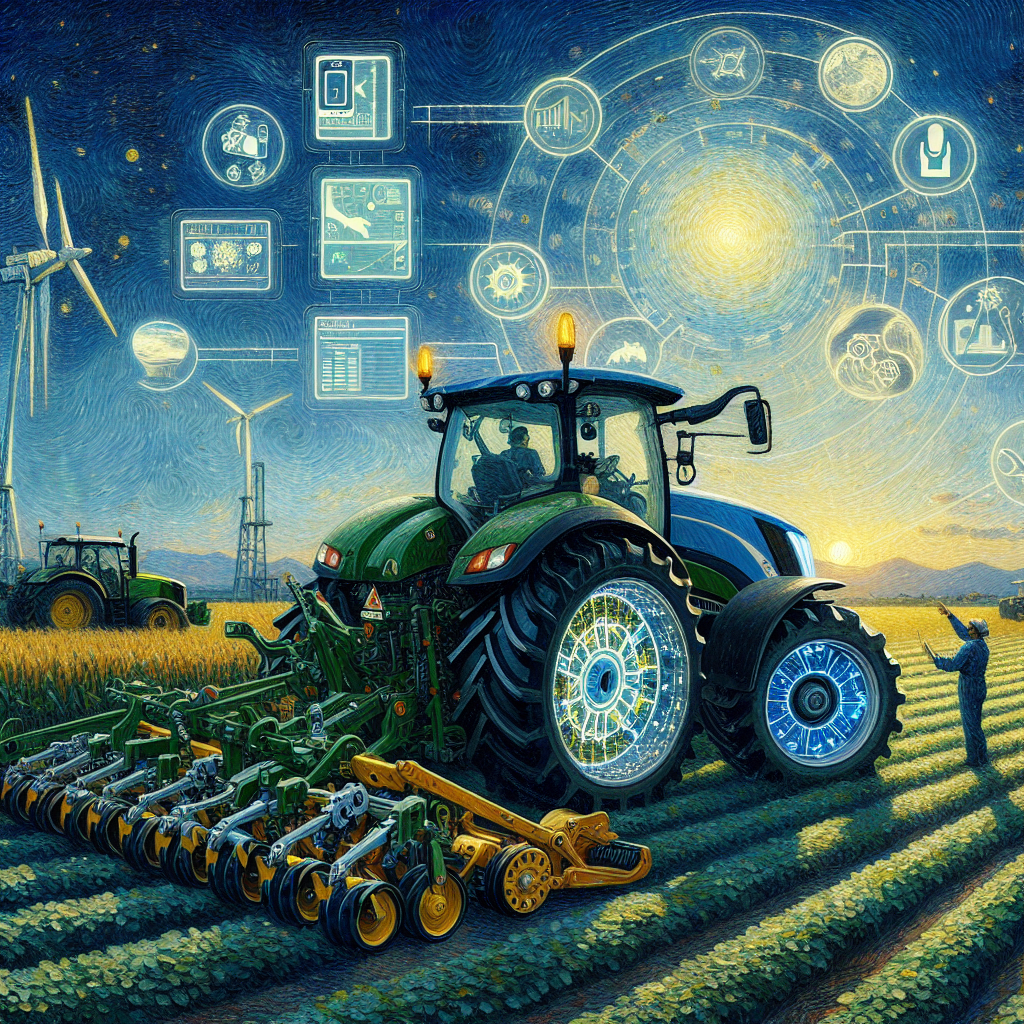
What Are The Key Factors Driving Innovation In Tractor Design?
When it comes to the evolution of tractor design, there are several key factors driving innovation in the industry.
First and foremost, advancements in technology have played a major role in shaping the way tractors are designed and manufactured. From GPS systems that can provide precision guidance in the field to sensors that can monitor soil conditions in real-time, modern tractors are equipped with an array of high-tech features that make them more efficient and productive than ever before. These technological advancements not only improve the performance of tractors but also contribute to higher yields and lower operating costs for farmers.
In addition to technology, the growing demand for sustainability and environmental stewardship has also influenced tractor design. With concerns about climate change and resource depletion on the rise, manufacturers are under pressure to develop tractors that are more fuel-efficient and environmentally friendly. This has led to the development of tractors that run on alternative fuels, such as biodiesel, as well as the implementation of emission-reduction technologies to minimize their impact on the environment.
Furthermore, the changing needs and preferences of farmers have also driven innovation in tractor design. As farming operations become more specialized and mechanized, there is a growing demand for tractors that are versatile and adaptable to different tasks. This has led to the development of tractors that can be easily customized with a variety of implements and attachments, allowing farmers to perform a wide range of tasks with a single machine.
Moreover, competition in the tractor market has forced manufacturers to continuously innovate and improve their products to stay ahead of the curve. With new players entering the market and existing ones constantly raising the bar, manufacturers are under pressure to design tractors that offer better performance, reliability, and value for money than their competitors. This competitive environment has driven manufacturers to invest in research and development to come up with new and innovative features that set their tractors apart from the rest.
A combination of technological advancements, environmental concerns, changing consumer preferences, and market competition are the key factors that are driving innovation in tractor design. As manufacturers continue to push the boundaries of what is possible, we can expect to see even more exciting developments in the world of tractors in the years to come.
What Are The Key Factors Driving Innovation In Tractor Design?
What Are The Key Factors Driving Innovation In Tractor Design?
- Advancements in technology have shaped tractor design, with features like GPS systems and real-time soil sensors improving performance and efficiency.
- Growing demand for sustainability has influenced the development of more fuel-efficient and environmentally friendly tractors.
- The changing needs of farmers have driven innovation in tractor design, with a focus on versatility and adaptability to different tasks.
- Competition in the tractor market has pushed manufacturers to continuously innovate and improve their products.
- A combination of technological advancements, environmental concerns, changing consumer preferences, and market competition are the key factors driving innovation in tractor design.
- Manufacturers are investing in research and development to set their tractors apart from competitors.
- Exciting developments in tractor design are expected in the coming years as manufacturers push the boundaries of what is possible.

What Are The Key Factors Driving Innovation In Tractor Design?
What Improvements Came to Farm Tractors Between 1901 and 1910?
In the span of just one decade, the world of farm tractors saw a remarkable evolution that forever changed the landscape of agriculture. At the turn of the 20th century, tractors were still in their infancy and were primarily steam-powered behemoths that required a team of skilled operators to navigate the fields. But by 1910, advancements in technology had ushered in a new era of efficiency and productivity on the farm.
One of the most notable improvements during this time period was the transition from steam power to gasoline engines. This shift brought about a revolution in the design and functionality of tractors, making them more compact, reliable, and easier to operate. With the introduction of internal combustion engines, farmers no longer had to contend with the logistical challenges of feeding and maintaining steam-powered tractors, making the entire farming process more streamlined and cost-effective.
In addition to the switch to gasoline engines, the 1900s also saw advancements in tractor design that greatly enhanced their capabilities in the field. Improved traction systems allowed tractors to navigate rough terrain with ease, increasing their versatility and enabling farmers to work more efficiently in all types of conditions. The incorporation of steel wheels and rubber tires further improved traction and maneuverability, making it easier for farmers to cover more ground in less time.
Furthermore, advancements in transmission systems and steering mechanisms made tractors more responsive and easier to control, giving farmers greater precision and accuracy in their fieldwork. The introduction of adjustable speed settings and hydraulic lift systems also allowed for more precise manipulation of implements, such as plows and harrows, making it easier for farmers to tailor their equipment to the specific needs of each task.
Another key improvement during this time period was the standardization of tractor components and parts, which made maintenance and repairs more straightforward and cost-effective for farmers. This shift towards interchangeable parts meant that farmers could easily find replacements for damaged or worn-out components, reducing downtime and ensuring that tractors remained operational for longer periods of time.
Overall, the advancements made in farm tractors between 1901 and 1910 revolutionized the agricultural industry and set the stage for further innovations in the years to come. With improvements in power, design, and functionality, tractors became indispensable tools for farmers looking to increase productivity and efficiency on the farm.

What Improvements Came to Farm Tractors Between 1901 and 1910?
What Improvements Came to Farm Tractors Between 1901 and 1910?
- The transition from steam power to gasoline engines revolutionized tractor design and functionality.
- Advancements in tractor design improved traction, maneuverability, and versatility in the field.
- The introduction of adjustable speed settings and hydraulic lift systems increased precision in fieldwork.
- Standardization of tractor components and parts made maintenance and repairs more cost-effective.
- Advancements in power, design, and functionality revolutionized the agricultural industry.
- Tractors became indispensable tools for increasing productivity and efficiency on the farm.

What Improvements Came to Farm Tractors Between 1901 and 1910?
What Improvements Came to Farm Tractors Between 1911 and 1920?
During the decade spanning from 1911 to 1920, farm tractors underwent a series of significant improvements that revolutionized agriculture. At the turn of the century, tractors were still in their infancy, often unreliable and inefficient compared to traditional horse-drawn equipment. However, advancements in technology and engineering during this period propelled tractors into a new era of productivity and efficiency on the farm.
One major improvement that came to farm tractors during this time was the development of more powerful engines. In the early 1900s, tractors were typically equipped with small, low-horsepower engines that struggled to handle heavy-duty farming tasks. However, by the 1910s, manufacturers were producing tractors with larger, more powerful engines that could plow fields, pull heavy machinery, and perform a variety of other demanding tasks with ease. These improved engines made tractors a more practical and valuable tool for farmers looking to increase their productivity.
Another key improvement during this time was the introduction of the rubber tire. Up until this point, tractors were outfitted with steel or iron wheels, which not only caused unnecessary wear and tear on the machinery but also made for a rough and bumpy ride for the operator. The advent of rubber tires revolutionized the tractor industry, providing a smoother and more comfortable experience for both the farmer and the machine. Rubber tires also improved traction, allowing tractors to navigate rough and uneven terrain more effectively.
In addition to more powerful engines and rubber tires, the design and functionality of farm tractors also saw significant advancements during this period. Manufacturers began incorporating features such as adjustable wheel widths, hydraulic lift systems, and interchangeable implements, allowing farmers to customize their tractors to suit their specific needs. These improvements made tractors more versatile and adaptable to a wide range of agricultural tasks, from plowing and planting to harvesting and hauling.
Overall, the improvements that came to farm tractors between 1911 and 1920 transformed agriculture and set the stage for the modern farming practices we see today. By increasing power, improving comfort, and enhancing functionality, tractors became an indispensable tool for farmers looking to work more efficiently and effectively. The innovations of this period laid the foundation for future advancements in tractor technology, shaping the way we farm for generations to come.

What Improvements Came to Farm Tractors Between 1911 and 1920?
What Improvements Came to Farm Tractors Between 1911 and 1920?
- During the decade spanning from 1911 to 1920, farm tractors underwent significant improvements in technology and engineering.
- One major improvement was the development of more powerful engines, enabling tractors to handle heavy-duty tasks with ease.
- The introduction of rubber tires revolutionized the industry, providing a smoother ride and improved traction on rough terrain.
- Manufacturers incorporated features such as adjustable wheel widths, hydraulic lift systems, and interchangeable implements for enhanced functionality.
- These advancements made tractors more versatile and adaptable to various agricultural tasks, from plowing to harvesting.
- The improvements between 1911 and 1920 transformed agriculture, making tractors indispensable for increasing efficiency and productivity on the farm.
- The innovations of this period laid the foundation for future advancements in tractor technology, shaping modern farming practices.

What Improvements Came to Farm Tractors Between 1911 and 1920?
What Improvements Came to Farm Tractors Between 1921 and 1930?
During the period between 1921 and 1930, farm tractors saw significant advancements that revolutionized the way farmers worked the land. One of the most notable improvements during this time was the move from steam-powered tractors to gasoline-powered ones. This shift allowed for more efficient and reliable operation, as gasoline engines were easier to start, maintain, and operate than their steam-powered counterparts.
In addition to the switch to gasoline power, farm tractors also saw improvements in their design and functionality. Manufacturers began incorporating features such as enclosed cabs, which provided protection from the elements and improved operator comfort. The introduction of rubber tires also improved traction and reduced soil compaction, making tractors more versatile and capable of working in a variety of conditions.
Another significant improvement that came to farm tractors between 1921 and 1930 was the development of the three-point hitch system. This innovation, pioneered by Harry Ferguson, allowed for easier attachment of implements such as plows, cultivators, and harrows, making tractors more versatile and efficient in performing a wide range of tasks. The three-point hitch system revolutionized tractor technology and became a standard feature on modern tractors.
The advancement of tractor technology during this time also saw an increase in horsepower and engine size. This allowed tractors to pull larger implements and work more efficiently, increasing productivity on the farm. Improved transmission systems and hydraulic controls further enhanced the performance and versatility of tractors, making them indispensable tools for farmers around the world.
Additionally, improvements in manufacturing processes and materials led to greater durability and reliability in farm tractors. These advancements resulted in longer service lives and lower maintenance costs, making tractors a more cost-effective investment for farmers.
Overall, the period between 1921 and 1930 was a time of significant innovation and progress in the world of farm tractors. From the switch to gasoline power and the development of the three-point hitch system to improvements in design, functionality, and performance, tractors underwent a transformation that forever changed the way farmers worked the land. These advancements paved the way for the modern agricultural industry we know today and continue to shape the future of farming.

What Improvements Came to Farm Tractors Between 1921 and 1930?
What Improvements Came to Farm Tractors Between 1921 and 1930?
- Switch from steam-powered tractors to gasoline-powered ones.
- Incorporation of enclosed cabs and rubber tires for comfort and increased traction.
- Development of the three-point hitch system for easier implementation of attachment.
- Increase in horsepower and engine size for greater efficiency.
- Advancements in transmission systems and hydraulic controls.
- Improvements in manufacturing for greater durability and reliability.
- Overall, significant innovation and progress in farm tractor technology during 1921-1930.

What Improvements Came to Farm Tractors Between 1921 and 1930?
What Improvements Came to Farm Tractors Between 1931 and 1940?
Between the years of 1931 and 1940, significant advancements were made in the realm of farm tractors that revolutionized the way agriculture was conducted. One key improvement during this time period was the transition from steel wheels to rubber tires on tractors. These rubber tires provided better traction and made tractors easier to maneuver, especially in wet or muddy conditions. This change allowed farmers to work more efficiently and effectively, increasing productivity on the farm.
Another important development in farm tractors during this decade was the introduction of the all-purpose tractor. These tractors were designed to be versatile and could perform a variety of tasks on the farm, such as plowing, planting, and harvesting. This innovation allowed farmers to use a single piece of equipment for multiple jobs, reducing the need for multiple specialized tractors and ultimately saving time and money.
Additionally, improvements in engine technology were made during this time period, leading to more powerful and efficient tractors. The introduction of diesel engines in tractors provided farmers with a more reliable and fuel-efficient option for powering their equipment. This increase in power allowed farmers to tackle larger fields and heavier loads, further increasing productivity on the farm.
Another notable advancement in farm tractors during the 1930s was the development of the three-point hitch system. This system revolutionized the way implements were attached to tractors, providing a more secure and stable connection. The three-point hitch allowed for easier and quicker attachment and detachment of implements, making it easier for farmers to switch between tasks in the field.
Furthermore, improvements in tractor design and ergonomics were also made during this period. Tractors were made more comfortable for operators with features such as adjustable seating, easier-to-reach controls, and improved visibility. These changes made operating tractors a more pleasant experience for farmers, leading to increased efficiency and reduced operator fatigue.
Overall, the improvements made to farm tractors between 1931 and 1940 had a profound impact on agriculture. These advancements allowed farmers to work more effectively, efficiently, and comfortably, ultimately leading to increased productivity and profitability on the farm. The innovations of this decade set the stage for further advancements in tractor technology in the years to come.

What Improvements Came to Farm Tractors Between 1931 and 1940?
What Improvements Came to Farm Tractors Between 1931 and 1940?
- The transition from steel wheels to rubber tires on tractors provided better traction and maneuverability.
- The introduction of all-purpose tractors allowed for versatility in performing various farm tasks.
- Improvements in engine technology led to more powerful and fuel-efficient tractors.
- Development of a three-point hitch system revolutionized implement attachment.
- Enhancements in tractor design and ergonomics improved operator comfort and efficiency.
- Increased productivity and profitability on farms due to tractor advancements.
- Advancements in the 1930s set the stage for further innovations in tractor technology.

What Improvements Came to Farm Tractors Between 1931 and 1940?
What Improvements Came to Farm Tractors Between 1941 and 1950?
During the tumultuous period between 1941 and 1950, farm tractors underwent some remarkable improvements that revolutionized the way farmers worked their land. Let’s take a closer look at some of the key advancements that took place during this pivotal decade.
One major improvement that came to farm tractors during this time was the widespread adoption of rubber tires. Prior to this development, many tractors still used steel wheels, which were not only less comfortable for the operator but also caused excessive wear and tear on the machinery. With the switch to rubber tires, tractors were able to navigate rough terrain more easily and operate more smoothly, increasing efficiency and productivity on the farm.
Another key improvement during this period was the introduction of hydraulic systems on tractors. This innovation allowed for easier control of various implements and attachments, such as plows and cultivators, making it simpler for farmers to perform a wide range of tasks without having to make constant adjustments manually. The use of hydraulics also helped to increase the power and versatility of tractors, enabling them to tackle heavier workloads with greater ease.
Furthermore, advancements in engine technology played a significant role in improving the performance of farm tractors during this time. Many manufacturers began to produce tractors with more powerful engines that were capable of generating higher levels of torque, allowing farmers to tackle larger fields and tougher terrain with greater efficiency. These improvements in engine design also led to increased fuel efficiency, helping farmers save money on operational costs.
In addition to these key advancements, the design and comfort of farm tractors also saw significant improvements during the 1940s and 1950s. Manufacturers began to focus on ergonomics and operator comfort, making tractors more user-friendly and less fatiguing to operate. Features such as adjustable seats, better visibility from the cab, and improved controls all helped to make tractors more comfortable and enjoyable to use for long hours in the field.
Overall, the period between 1941 and 1950 marked a transformative time for farm tractors, with significant advancements in technology, design, and performance that shaped the future of agricultural machinery. These improvements paved the way for more efficient and productive farming practices, helping farmers to increase their yields and work more effectively in the field.

What Improvements Came to Farm Tractors Between 1941 and 1950?
What Improvements Came to Farm Tractors Between 1941 and 1950?
- Widespread adoption of rubber tires for increased efficiency.
- The introduction of hydraulic systems will allow for easier control of implements.
- Advancements in engine technology for higher performance.
- Focus on ergonomics and operator comfort in tractor design.
- Improved navigation on rough terrain with rubber tires.
- The increased power and versatility of tractors with hydraulic systems.
- Enhanced fuel efficiency with more powerful engines.

What Improvements Came to Farm Tractors Between 1941 and 1950?
What Improvements Came to Farm Tractors Between 1951 and 1960?
In the decade between 1951 and 1960, farm tractors underwent some significant changes and improvements that revolutionized the way farmers worked their land. One of the most notable advancements during this time was the shift towards more powerful engines. Manufacturers began producing tractors with higher horsepower ratings, allowing farmers to tackle larger fields and tougher tasks with ease.
Along with increased power, tractors in the 1950s and 1960s also saw improvements in fuel efficiency. As technology advanced, farmers were able to get more work done on less fuel, saving both time and money in the long run. This efficiency was not only better for the farmer’s bottom line, but also for the environment, as tractors became more environmentally friendly with reduced emissions.
Another key improvement during this time period was the introduction of more comfortable and ergonomic designs. Manufacturers started prioritizing the comfort of the farmer, with features like adjustable seats, improved suspension systems, and easier-to-use controls. These changes not only made long hours in the field more bearable, but also increased productivity as farmers were able to work more efficiently and with less fatigue.
In addition to comfort, safety also became a focus for tractor manufacturers in the 1950s and 1960s. Roll-over protection structures, or ROPS, were introduced to help protect farmers in the event of a tractor overturn. This important safety feature helped to reduce the number of serious injuries and fatalities on the farm, making it a crucial advancement for the industry.
Furthermore, the 1950s and 1960s saw advancements in tractor technology that improved precision and accuracy in farming operations. Hydraulic systems became more common, allowing farmers to control implements with greater precision and efficiency. This increased control helped farmers to be more accurate in their planting, tilling, and harvesting, leading to higher yields and better overall results.
Overall, the improvements that came to farm tractors between 1951 and 1960 transformed the way farmers worked their land. With more power, efficiency, comfort, safety, and precision, tractors became indispensable tools for farmers looking to increase productivity and profitability. These advancements set the stage for the modern agricultural industry we know today, and continue to influence farming practices around the world.

What Improvements Came to Farm Tractors Between 1951 and 1960?
What Improvements Came to Farm Tractors Between 1951 and 1960?
- Shift towards more powerful engines.
- Improvements in fuel efficiency.
- Introduction of more comfortable and ergonomic designs.
- Focus on safety with the introduction of Roll-over protection structures (ROPS).
- Advancements in tractor technology for precision and accuracy.
- Transformed the farmers’ way of working the land.
- Set the stage for the modern agricultural industry.

What Improvements Came to Farm Tractors Between 1951 and 1960?
What Improvements Came to Farm Tractors Between 1961 and 1970?
In the decade spanning from 1961 to 1970, farm tractors saw significant advancements and improvements that revolutionized the way farmers worked their land. One of the most notable changes during this time period was the shift towards more powerful engines. Tractors became stronger and more efficient, allowing farmers to cover more ground in less time. This increase in power was a game-changer for farmers, as it meant they could plow, plant, and harvest with greater speed and ease.
In addition to more powerful engines, tractors of the 1960s and 1970s also featured improvements in safety and comfort. Manufacturers began to prioritize the well-being of the tractor operator, incorporating features like enclosed cabs, ergonomic seating, and improved visibility. These enhancements not only made operating a tractor more comfortable for farmers, but also helped to reduce the risk of accidents and injuries in the field.
Another major advancement in farm tractors during this time period was the introduction of hydraulic systems. These systems allowed for easier attachment of implements and accessories, making it simpler for farmers to switch between tasks without the need for complicated manual adjustments. The ability to quickly and easily attach plows, seeders, and other equipment meant that farmers could be more efficient in their work, saving valuable time and resources.
Furthermore, the 1960s and 1970s saw the advent of diesel engines in tractors, replacing the gas-powered engines that had been common in previous decades. Diesel engines were more fuel-efficient and durable, providing farmers with a cost-effective and reliable power source for their equipment. This transition to diesel engines marked a significant milestone in the evolution of farm tractors, setting the stage for further improvements in efficiency and performance in the years to come.
Overall, the advancements made to farm tractors between 1961 and 1970 played a crucial role in shaping modern agriculture. From more powerful engines and improved safety features to hydraulic systems and diesel engines, these innovations revolutionized the way farmers worked their land, increasing efficiency and productivity in the field. Thanks to the ingenuity and dedication of manufacturers in this era, farm tractors became more than just tools – they became indispensable partners in the daily work of feeding the world.

What Improvements Came to Farm Tractors Between 1961 and 1970?
What Improvements Came to Farm Tractors Between 1961 and 1970?
- In the 1960s and 1970s, farm tractors saw significant advancements in engine power, becoming stronger and more efficient.
- Improved safety and comfort features were introduced, such as enclosed cabs and ergonomic seating, reducing the risk of accidents and injuries.
- Hydraulic systems were implemented, allowing for easier attachment of implements and accessories, increasing efficiency in switching between tasks.
- The transition from gas-powered engines to diesel engines provided farmers with a more fuel-efficient and durable power source.
- These advancements revolutionized modern agriculture, increasing efficiency and productivity in the field.
- Thanks to the innovations of this era, farm tractors became indispensable partners in the daily work of feeding the world.

What Improvements Came to Farm Tractors Between 1961 and 1970?
What Improvements Came to Farm Tractors Between 1971 and 1980?
During the decade spanning from 1971 to 1980, farm tractor technology saw significant advancements that revolutionized the agricultural industry. One of the key improvements during this time period was the transition from gasoline-powered tractors to diesel-powered tractors. Diesel engines offered greater fuel efficiency and durability, making them the preferred choice for farmers looking to maximize productivity and minimize operating costs.
Another major innovation in farm tractors during this time was the introduction of power take-off (PTO) systems. PTO systems allowed tractors to transfer power from the engine to various implements, such as mowers, balers, and grain harvesters, without the need for additional engines. This made tractors more versatile and efficient, as farmers could easily switch between different tasks without having to invest in multiple pieces of equipment.
In addition to PTO systems, advancements in hydraulic technology also played a significant role in improving farm tractors. Hydraulic systems allowed farmers to easily control the movement of attachments and adjust the operating parameters of the tractor, such as the speed of the engine and the direction of travel. This increased precision and control over farming operations, leading to greater efficiency and productivity.
Furthermore, the introduction of four-wheel drive tractors during this decade provided farmers with increased traction and pulling power, allowing them to work more efficiently in challenging terrains and weather conditions. Four-wheel drive tractors also offered better stability and maneuverability, making them the preferred choice for tasks such as plowing, tilling, and pulling heavy loads.
Another notable improvement in farm tractors during this time period was the adoption of cab designs that prioritized operator comfort and safety. Cabs were equipped with features such as air conditioning, ergonomic seating, soundproofing, and improved visibility, allowing operators to work longer hours with less fatigue and distraction. This focus on operator comfort and safety not only improved the overall farming experience but also contributed to increased productivity and efficiency.
Overall, the advancements in farm tractor technology between 1971 and 1980 marked a significant shift towards more efficient, versatile, and comfortable farming equipment. These innovations revolutionized the agricultural industry, allowing farmers to increase their productivity, reduce operating costs, and improve the overall quality of their work.

What Improvements Came to Farm Tractors Between 1971 and 1980?
What Improvements Came to Farm Tractors Between 1971 and 1980?
- Transition from gasoline-powered tractors to diesel-powered tractors.
- Introduction of power take-off (PTO) systems.
- Advancements in hydraulic technology.
- Introduction of four-wheel drive tractors.
- Adoption of cab designs focusing on comfort and safety.
- Shift towards more efficient, versatile, and comfortable farming equipment.
- Revolutionizing the agricultural industry with increased productivity and reduced operating costs.

What Improvements Came to Farm Tractors Between 1971 and 1980?
What Improvements Came to Farm Tractors Between 1981 and 1990?
During the 1980s, the agricultural industry saw some significant improvements in farm tractors that revolutionized the way farmers worked the land. One of the most notable advancements during this time was the introduction of four-wheel drive tractors, which provided farmers with increased traction and power to effectively navigate through tough terrains and pull heavier loads.
Additionally, manufacturers began to focus on improving the comfort and safety of farm tractor operators. Cab designs were upgraded to include features such as air conditioning, radio, and ergonomic seating to provide a more comfortable working environment for farmers spending long hours out in the field. Safety features like Rollover Protection Structures (ROPS) were also introduced to reduce the risk of injury in the event of a rollover.
In terms of technology, the 1980s saw the implementation of electronic controls and monitoring systems in farm tractors. These advancements allowed for more precise control over various functions such as speed, fuel consumption, and hydraulic operations. Farmers were able to monitor vital information about their tractor’s performance in real-time, resulting in improved efficiency and productivity.
Engine technology also saw significant improvements during this decade. Manufacturers introduced more fuel-efficient engines with increased horsepower, allowing farmers to work more efficiently while reducing their overall fuel costs. These advancements in engine technology also resulted in quieter operation and reduced emissions, making farm tractors more environmentally friendly.
The 1980s also saw the introduction of new transmission options in farm tractors. Hydrostatic transmissions became more popular, offering farmers a smoother and more responsive driving experience. Powershift transmissions were also introduced, providing farmers with the ability to shift gears without losing momentum, ultimately improving overall performance in the field.
Overall, the 1980s brought about a wave of innovation in farm tractor technology. From improved traction and power to enhanced comfort and safety features, farmers were able to work more efficiently and effectively on their land. With the introduction of electronic controls, advanced engine technology, and new transmission options, farm tractors were able to perform at higher levels than ever before, setting the stage for even more advancements in the years to come.

What Improvements Came to Farm Tractors Between 1981 and 1990?
What Improvements Came to Farm Tractors Between 1981 and 1990?
- Introduction of four-wheel drive tractors for increased traction and power.
- Upgrade of cab designs with features like air conditioning and ergonomic seating.
- Implementation of electronic controls and monitoring systems.
- Improvements in engine technology for more fuel-efficient and powerful engines.
- Hydrostatic and powershift transmissions were introduced for smoother operation.
- Enhanced comfort and safety features such as Rollover Protection Structures (ROPS).
- The overall wave of innovation in farm tractor technology in the 1980s.

What Improvements Came to Farm Tractors Between 1981 and 1990?
What Improvements Came to Farm Tractors Between 1991 and 2000?
During the 1990s, farm tractors saw significant advancements and improvements in technology and design. These changes were aimed at increasing efficiency, productivity, and operator comfort on the farm.
One of the key improvements that came to farm tractors during this decade was the introduction of electronic controls and sensors. These advancements allowed for more precise control over the tractor’s functions, leading to improved accuracy in seeding, planting, and other farming tasks. Electronic controls also made it easier for operators to monitor the tractor’s performance and make adjustments as needed, resulting in more efficient operations and higher yields.
Another major development in farm tractor technology during the 1990s was the shift towards more powerful and fuel-efficient engines. Manufacturers began using advanced engine designs and technologies, such as turbocharging and electronic fuel injection, to increase horsepower and reduce fuel consumption. These more powerful and efficient engines allowed farmers to accomplish more work in less time while saving on fuel costs.
In addition to improvements in technology, farm tractors also saw enhancements in comfort and safety features during the 1990s. Manufacturers began paying more attention to the ergonomics of tractor cabs, designing them for maximum comfort and convenience for operators spending long hours in the field. Features such as air conditioning, adjustable seats, and soundproofing were added to improve the overall experience for tractor operators.
Safety features also saw significant upgrades during this time, with the introduction of rollover protection systems (ROPS) and improved visibility from the cab. These enhancements were aimed at reducing the risk of accidents and injuries on the farm, making tractors safer to operate for farmers and their employees.
Overall, the improvements that came to farm tractors between 1991 and 2000 represented a major leap forward in the industry. The introduction of electronic controls, more powerful engines, and enhanced comfort and safety features all contributed to making tractors more efficient, productive, and comfortable to operate on the farm. These advancements continue to benefit farmers today, allowing them to accomplish more work with less effort and greater peace of mind.

What Improvements Came to Farm Tractors Between 1991 and 2000?
What Improvements Came to Farm Tractors Between 1991 and 2000?
- Introduction of electronic controls and sensors for precise control over tractor functions.
- Shift towards more powerful and fuel-efficient engines using advanced designs and technologies.
- Enhancements in comfort and safety features such as ergonomically designed cabs and ROPS.
- Addition of features like air conditioning, adjustable seats, and soundproofing for operator comfort.
- Improvements in visibility from the cab to reduce the risk of accidents and injuries.
- Overall, advancements in technology and design made tractors more efficient, productive, and comfortable.
- These improvements continue to benefit farmers today by allowing them to accomplish more work with greater ease and peace of mind.

What Improvements Came to Farm Tractors Between 1991 and 2000?
What Improvements Came to Farm Tractors Between 2001 and 2010?
Between 2001 and 2010, farm tractors saw some significant improvements that made a real impact on the way farmers worked the land. One of the biggest changes during this time period was the shift towards more advanced technology and automation.
One key advancement was the integration of GPS technology into tractors. This allowed farmers to precisely navigate their fields and optimize their planting and harvesting patterns. GPS also enabled tractor operators to perform tasks with more accuracy and efficiency, resulting in higher yields and lower costs.
Another major improvement was the development of variable rate technology (VRT) in tractors. VRT allowed farmers to apply fertilizers, pesticides, and other inputs at varying rates across their fields, depending on specific conditions and needs. This not only increased crop productivity but also reduced environmental impact by minimizing excess use of chemicals.
In terms of comfort and convenience, tractors made significant strides between 2001 and 2010. Cab designs were improved to provide better visibility, ergonomic controls, and air conditioning for working in extreme weather conditions. The introduction of suspension systems and more comfortable seating made long hours on the tractor more bearable for operators.
Engine technology also saw some advancements during this time period. Tractors became more fuel-efficient and environmentally friendly, meeting stricter emissions standards while still delivering the power and performance needed for modern farming operations. The integration of power take-off (PTO) systems and hydraulic capabilities became more seamless, allowing for easier attachment of implements and accessories.
Furthermore, maintenance and serviceability were taken into consideration with the design of tractors in the 2000s. Manufacturers focused on making routine maintenance tasks easier for operators, such as changing oil and filters, greasing fittings, and accessing key components for inspection and repair. This reduced downtime and increased overall productivity on the farm.
Overall, the improvements made to farm tractors between 2001 and 2010 represented a significant leap forward in technology, efficiency, and comfort for farmers. These advancements continue to benefit agricultural operations today, allowing farmers to work smarter, not harder, and ultimately feed a growing population while being good stewards of the land.

What Improvements Came to Farm Tractors Between 2001 and 2010?
What Improvements Came to Farm Tractors Between 2001 and 2010?
- Integration of GPS technology into tractors for precise navigation and optimized planting patterns.
- Development of variable rate technology (VRT) for applying inputs at varying rates.
- Improvements in tractor cab design for better comfort and visibility.
- Advancements in engine technology for increased fuel efficiency and environmental friendliness.
- Focus on maintenance and serviceability for easier routine tasks and reduced downtime.
- Seamless integration of power take-off (PTO) systems and hydraulic capabilities.
- Overall, the improvements made between 2001 and 2010 represented a significant leap forward in technology, efficiency, and comfort for farmers.

What Improvements Came to Farm Tractors Between 2001 and 2010?
What Improvements Came to Farm Tractors Between 2011 and 2020?
Over the past decade, farm tractors have seen significant improvements in technology, efficiency, and comfort. From 2011 to 2020, farmers have witnessed a rapid evolution in the capabilities of these powerful machines.
One major advancement in farm tractors during this time period has been the integration of precision agriculture technologies. GPS systems, auto-steer capabilities, and data-collecting sensors have revolutionized the way farmers plant, fertilize, and harvest their crops. These technologies not only increase efficiency and yield but also help reduce costs and minimize environmental impact.
Another key improvement in farm tractors from 2011 to 2020 has been the development of more fuel-efficient engines. With a focus on sustainability and reducing carbon footprints, tractor manufacturers have made great strides in producing engines that provide more power while consuming less fuel. This not only benefits the environment but also saves farmers money on fuel expenses in the long run.
In addition to technological advancements, farm tractors have also become more comfortable and user-friendly over the past decade. The cabs of modern tractors are now equipped with air conditioning, ergonomic seating, and advanced suspension systems, making long days in the field more bearable for operators. Touchscreen displays and intuitive controls have also made operating these machines easier and more efficient.
Furthermore, the durability and reliability of farm tractors have improved significantly between 2011 and 2020. With enhanced engineering and quality control processes, today’s tractors are built to last longer and withstand tough working conditions. This means less downtime for farmers and more productivity in the field.
Overall, the improvements that have come to farm tractors in the past decade have transformed the agricultural industry. With precision technology, fuel-efficient engines, increased comfort, and enhanced durability, farmers are now able to work more efficiently and sustainably than ever before. As we look to the future, it’s exciting to think about the further innovations and advancements that await in the world of farm tractors.

What Improvements Came to Farm Tractors Between 2011 and 2020?
What Improvements Came to Farm Tractors Between 2011 and 2020?
- Integration of precision agriculture technologies.
- Development of more fuel-efficient engines.
- Increased comfort and user-friendliness.
- Improved durability and reliability.
- Transformation of the agricultural industry.
- Enhanced efficiency and sustainability.
- Exciting future innovations.

What Improvements Came to Farm Tractors Between 2011 and 2020?
Conclusion
In conclusion, farm tractors have seen remarkable advancements and improvements in technology and design across the decades. From the introduction of hydraulic systems and diesel engines in the 1960s to the integration of GPS technology and precision agriculture practices in the 2000s, tractors have evolved to become more efficient, powerful, and user-friendly than ever before. The advancements in automation, artificial intelligence, and connectivity have further transformed the agricultural industry, leading to increased efficiency, productivity, and sustainability on the farm. Safety features, such as ROPS and improved visibility, have also played a crucial role in ensuring the well-being of tractor operators. The shift towards more powerful engines, fuel efficiency, and greater comfort for operators has made farm tractors essential tools for modern agriculture. As technology continues to advance, the future of farm tractors looks promising, with further innovations on the horizon. With a focus on precision, efficiency, and sustainability, farm tractors will continue to play a vital role in feeding the growing population and shaping the future of farming. In summary, the past several decades have seen farm tractors undergo remarkable advancements that have transformed the agricultural industry and will continue to drive innovation in the years to come.

Conclusion
Conclusion:
- Farm tractors have evolved with advancements in technology and design over the decades.
- The introduction of hydraulic systems and diesel engines in the 1960s marked early improvements.
- Integration of GPS technology and precision agriculture practices in the 2000s further enhanced efficiency.
- Automation, artificial intelligence, and connectivity have revolutionized the agricultural industry.
- Safety features like ROPS and improved visibility have ensured operator well-being.
- Modern tractors boast powerful engines, fuel efficiency, and operator comfort.
- Future innovations will focus on precision, efficiency, and sustainability in farming.

Conclusion
Other Resources

Other Resources
Here are some articles that discuss the improvements in farm tractors over the past decades:
- Greatest improvements in ag in past 100 years? – Farm Progress: This article discusses the top 10 agricultural advancements from the past 100 years, including the evolution of the tractor and the introduction of electricity for rural areas.
- Farm Machinery and Technology Changes from 1776 to 1990 – ThoughtCo: This article provides a historical perspective on the changes in farm machinery and technology from 1776 to 1990.
- Tractors: The Backbone of Modern Agriculture – The Agrotech Daily: This article talks about how tractors have evolved from rudimentary designs to highly advanced pieces of agricultural machinery.
- The Evolution of Farm Tractors: A Historical Perspective: This article discusses the remarkable technological advancements in tractors in recent decades.
- The Evolution of Tractors: Remarkable Leaps in Agriculture Industry: This article highlights the advanced technology and innovative design incorporated in modern tractors.

Other Resources
At ClassicTractorNews, we help tractor lovers keep up with the latest news for classic and vintage tractors.
Please share this post with your friends, family, or business associates who may like old classic or vintage tractors.