


Reviving Old Tractors: A Cost-Effective Solution For Farmers
By Tom Seest
At ClassicTractorNews, we help tractor lovers keep up with the latest news for classic and vintage tractors.
Please share this post with your friends, family, or business associates who may like old classic or vintage tractors.
Can Restored Tractors Save Farmers on Equipment Investments?
When you think of a tractor, what comes to mind? For many, it’s the powerful backbone of rural life, that trusty beast of burden tearing through fields, planting seeds for tomorrow’s harvest and making way for the future. Yet, these machines come with a hefty price tag that can weigh heavy on a farmer’s wallet. It’s the kind of cost that makes you prepare for a conversation with your bank manager more than your neighbor. But what if I told you there’s another path? A road less traveled that could lead to savings without sacrificing performance?
Enter the world of restored tractors. Imagine a classic piece of machinery, perhaps a vintage Green or Red tractor, shining in the sunlight after a careful restoration. Not only can these machines offer a unique charm and character that modern equipment often lacks, but they can also represent a savvy investment for today’s farmers. Investing in a restored tractor allows you to pay a fraction of the cost for equipment that, although weathered, is often just as capable as its brand-new counterparts.
Now, let’s connect the dots here. When you’re out in the field, surrounded by the salty air and the chirp of crickets at dusk, there’s an undeniable satisfaction in knowing that you’re working with something that has a story, something with character. Those restored tractors are not just tools; they symbolize resilience. They come with years of hard work, dedication, and a strong spirit—the same qualities you bring to your farm every day. It’s the ultimate expression of resourcefulness.
Furthermore, restoring a tractor can often be a community endeavor. It offers an opportunity to engage with local mechanics, farmers, and enthusiasts who understand the importance of craftsmanship and the value of tradition. It fosters a rich sense of connection, reminding us that agriculture isn’t just about equipment; it’s about the people behind it.
In a world where everything is wrapped up in sleek packages and digital dashboards, a restored tractor feels like a commitment to authenticity, grit, and practicality. If you’re looking to save on equipment investments while honoring the legacy of farming, consider this: perhaps it’s not just about the brand-new machines that get the job done, but those classic, restored beauties that have stood the test of time.
So, roll up those sleeves, gather your tools, and consider giving an old tractor new life. It might just save you more than money—it could save a piece of your farming soul.

Can Restored Tractors Save Farmers on Equipment Investments?
Can Restored Tractors Save Farmers on Equipment Investments?
- Tractors symbolize the backbone of rural life, crucial for farming tasks like planting and harvesting.
- Purchasing new tractors involves significant costs that can strain a farmer’s finances.
- Restored tractors offer a cost-effective alternative without sacrificing performance.
- These vintage machines often possess unique charm and character absent in newer models.
- Restored tractors embody resilience, representing hard work, dedication, and resourcefulness.
- The restoration process fosters community connections among mechanics, farmers, and enthusiasts.
- Opting for restored tractors promotes authenticity and can save both money and a piece of farming heritage.

Can Restored Tractors Save Farmers on Equipment Investments?
Table Of Contents
- Can Restored Tractors Save Farmers on Equipment Investments?
- What Are The Benefits Of Using Restored Tractors For Farming?
- How Do Restored Tractors Compare To New Equipment In Costs?
- What Should Farmers Consider Before Investing In Restored Tractors?
- How Can Restored Tractors Impact Long-Term Farming Efficiency?
- What Maintenance Considerations Come With Owning Restored Tractors?
- Are There Specific Brands Or Models Of Restored Tractors To Prefer?
- How Does The Resale Value Of Restored Tractors Hold Up Over Time?
- Conclusion
- Other Resources
- Glossary Of Terms
- Other Questions
- Haiku
- Poem
- Checklist
What Are The Benefits Of Using Restored Tractors For Farming?
Ah, the good ol’ tractor. It’s the unsung hero of the farm, the trusty steed that tirelessly plows through sun-soaked fields and muddy lanes alike. In its pristine form, a tractor symbolizes hard work, dedication, and a deep-rooted connection to the land. But what if I told you that there’s a growing trend of using restored tractors that’s breathing new life into the very heart of farming? It’s not just a nostalgic nod to days gone by; it’s a practical and sustainable choice that brings a host of benefits to today’s farmers.
First off, let’s talk about sustainability. In a world where new machinery often comes with a hefty carbon footprint, restored tractors make a strong case for eco-friendliness. Reinventing these machines means repurposing what’s already there, reducing waste, and saving precious resources. It’s about keeping history alive while embracing the future, blending tradition with modern efficiency. Every restored tractor out on the field is a reminder that we can do more with less, and allow us to savor the stories behind each dent and scratch that history has etched upon it.
Cost is another big factor. Farming is not an easy business; every penny counts when it comes to maintaining your livelihood. Restored tractors often come at a fraction of the cost compared to brand-new models. You get a machine that’s equipped and ready to go, without that daunting price tag. And, let’s not forget about the potential for customizations. These tractors can be tailored to suit specific farming needs—whether it’s the horsepower, the attachments, or how you want to manage your crops.
Then there’s the reliability factor. Well-restored tractors are often built like tanks. Their simpler designs can be easier to maintain and repair, allowing you to spend less time in the shop and more time doing what you do best—farming. Many of these machines have been engineered for durability, standing the test of time in ways that today’s sometimes overly complicated gadgets can’t match.
Finally, there’s a distinct sense of community and camaraderie that comes with using restored tractors. Whether it’s gathering at local shows or sharing tips with fellow enthusiasts, there’s an unmatched connection that fosters trust and friendships rooted in a shared passion. Using a restored tractor means you’re part of something bigger—a movement that values the past while cultivating the future of farming.
So, if you’ve ever felt the call of the land and the lure of a well-loved tractor, there’s never been a better time to take the plunge. Your fields are waiting, and so is a brighter, more sustainable future.

What Are The Benefits Of Using Restored Tractors For Farming?
What Are The Benefits Of Using Restored Tractors For Farming?
- Tractors are essential for farming, symbolizing hard work and dedication.
- The trend of using restored tractors revitalizes farming with eco-friendly practices.
- Restored tractors help reduce waste and preserve resources by repurposing machinery.
- They are often more cost-effective than new models, making them accessible for farmers.
- Restored tractors offer customization options to meet specific farming needs.
- Well-restored tractors are reliable and easier to maintain, allowing for more farming time.
- Using restored tractors fosters a sense of community and connection among enthusiasts.

What Are The Benefits Of Using Restored Tractors For Farming?
How Do Restored Tractors Compare To New Equipment In Costs?
When you think about tractors, you might picture shiny new models rolling off the assembly line, complete with all the bells and whistles. They gleam under the sunlight, promising efficiency and low maintenance. But let’s take a moment to pull the curtain back and look at the often-overlooked world of restored tractors. These little workhorses can be both appealing and economical, yet they don’t always get the attention they deserve.
First off, let’s talk numbers. On the surface, new equipment can seem like the safer bet, but snap on your boots and delve a bit deeper. The average price tag for a new tractor can easily reach into the tens of thousands, if not more. Meanwhile, a quality restored tractor can often be had for a fraction of the cost. You might find an old Deere or Farmall that’s been brought back to life for half—or even a third—of what you’d pay for its shiny new counterpart. Yes, initial repairs and upgrades may add a few dollars to the overall investment, but remember: the price you see is not always the price you pay.
Now, let’s consider longevity. A restored tractor that’s been well cared for can last you decades. While new machines are engineered for durability, they’re also designed with an expiration date, often scheduled for planned obsolescence. The beauty of a well-restored tractor, with its story and character, is that it can serve you loyally for years to come if maintained properly. Plus, there’s a certain charm to working with equipment that has history and familiarity, don’t you think?
Of course, you’ll want to consider the maintenance aspect. New tractors come with warranties and a promise of less upkeep for a few years. But a restored tractor, often simpler in design, can be easier to repair. Many of us grew up around farm equipment and remember those Saturday mornings spent in the garage with a trusty wrench in hand, right? There’s something gratifying about getting your hands dirty and knowing exactly how every part functions.
So, whether you’re eyeing a slick new model or contemplating a classic restored tractor, the wisest investment often lies in what matches your needs, budget, and spirit. Embrace the journey of finding that perfect piece of history, and you just might discover not only savings but a connection to the land that newer models can’t replicate. Grab a cup of coffee, do your homework, and dive into the world of restored tractors—it could be just what you’re looking for!

How Do Restored Tractors Compare To New Equipment In Costs?
How Do Restored Tractors Compare To New Equipment In Costs?
- New tractors are often expensive, costing tens of thousands of dollars.
- Restored tractors can be much more economical, sometimes available for a fraction of the cost of new models.
- A well-cared-for restored tractor can last for decades, unlike new machines that may have scheduled obsolescence.
- Restored tractors have character and history, offering a unique charm and connection to the land.
- Maintenance for restored tractors can be simpler due to their less complex designs, making repairs easier.
- Investing in a tractor should depend on your specific needs, budget, and personal connection to the equipment.
- Exploring restored tractors may lead to savings and a fulfilling, hands-on experience.

How Do Restored Tractors Compare To New Equipment In Costs?
What Should Farmers Consider Before Investing In Restored Tractors?
So, you’re standing in the middle of a field, looking at that shiny restored tractor gleaming in the sunlight. There’s a little part of you that gets excited—who wouldn’t want a piece of farm equipment that almost feels like a classic car? But before you whip out your wallet and commit to that beauty, let’s take a moment to ponder what you really need to know.
First off, think about your day-to-day operations. Will that restored tractor serve a specific purpose on your farm, or is it more of a nostalgic centerpiece? Sure, it might haul a load of hay from time to time, but is it sufficient for your heavy-duty needs? Matching the tractor to the demands of your farm is crucial. After all, buying for style without considering functionality is like investing in a sports car but needing a pickup truck to get the job done.
Next, let’s talk money. Restored tractors can save a farmer bucks compared to brand-new models, but don’t forget; a beautiful paint job doesn’t always mean it’s mechanically sound. Check what’s under the hood! Speak to the seller about the restoration process and what modifications were made. Get a handle on their warranty policy—because when that tractor starts acting up, you’ll want a safety net under you.
And don’t skip the research! Dive into forums, read advice from fellow farmers, and ask around. You’d marvel at the wealth of knowledge out there! Other farmers have been in your shoes, and their experiences are gold. They can offer insights on brands, models, or even what to expect in terms of wear and tear.
Finally, consider your own skills. Do you fancy yourself handy, or is tinkering with machinery a bit of a stretch? If you enjoy rolling up your sleeves and getting dirty, a fixer-upper might be satisfying. But if mechanical might isn’t your forte, you might want to think twice.
Investing in a restored tractor isn’t just about the price tag; it’s about making choices that align with your farm’s rhythm. Listen to your intuition, weigh your options, and remember: farming is as much about relationships—with the land, the animals, and yes, the equipment. Embrace the journey, and let that tractor become a part of your story. That’s what it’s all about!

What Should Farmers Consider Before Investing In Restored Tractors?
What Should Farmers Consider Before Investing In Restored Tractors?
- Consider the tractor’s purpose: Is it needed for specific tasks or just a nostalgic item?
- Ensure the tractor meets heavy-duty needs rather than just being stylish.
- Restored tractors can be cost-effective, but mechanical soundness is essential.
- Investigate the restoration process and warranty policy with the seller.
- Research by engaging with forums and fellow farmers for valuable insights.
- Assess your mechanical skills: Are you comfortable with repairs or maintenance?
- Embrace the journey of integrating the tractor into your farming story.

What Should Farmers Consider Before Investing In Restored Tractors?
How Can Restored Tractors Impact Long-Term Farming Efficiency?
There’s something almost poetic about a tractor that’s seen decades of toil yet still stands proud in the field. These iron workhorses aren’t just vehicles; they’re a testament to hard work, innovation, and resilience. Restored tractors, with their retro charm and robust engineering, can breathe new life into your farming operation and significantly enhance long-term efficiency.
Picture this: you wake up at the crack of dawn, the fields glistening under a soft morning dew. You approach your trusty restored tractor, the engine purring with a familiarity that welcomes you to the day’s challenges. This isn’t just a machine; it’s a partner, a bridge between tradition and progress. When you step into the seat and grip the wheel, you’re connected to generations of farmers who have come before you, all sharing the same mission—to cultivate the land.
Now, you might wonder, “How exactly does a restored tractor improve my farming efficiency?” The answer lies in their reliability and the careful attention they receive during restoration. Many enthusiasts know that a well-maintained vintage tractor can outperform newer models when it comes to durability and simplicity. By stripping down and rebuilding these machines, farmers can ensure they have rugged equipment capable of tackling the tougher tasks while also being easier to repair.
It’s not just about getting the job done; it’s about gaining the confidence to push boundaries. Imagine knowing that the equipment you trust has stood the test of time and can adapt to your evolving farming needs. Restored tractors are often more fuel-efficient and can handle a variety of attachments that allow farmers to diversify their output, reducing reliance on multiple machines. This not only streamlines operations but can also save money in the long run.
Moreover, restoring these tractors instills a sense of pride. When you drive a piece of history across your field, every furrow you plow and every seed you plant is a nod to the dedication of those who’ve come before you. It’s an investment in the future that honors the past.
In essence, a restored tractor isn’t merely an option; it’s a smart strategic choice for any farmer looking to maximize productivity while embracing their agricultural heritage. So, roll up your sleeves and consider letting the past guide your future in farming—because in this ever-changing world, there’s something timeless about the hum of a well-tuned tractor.

How Can Restored Tractors Impact Long-Term Farming Efficiency?
How Can Restored Tractors Impact Long-Term Farming Efficiency?
- Restored tractors symbolize hard work, innovation, and resilience in farming.
- They enhance long-term efficiency and bring retro charm to farming operations.
- A restored tractor connects farmers to generations of agricultural tradition.
- Well-maintained vintage tractors often outperform newer models in durability.
- Restoration provides rugged, easily repairable equipment capable of tackling tough tasks.
- These tractors are typically more fuel-efficient and versatile, reducing reliance on multiple machines.
- Driving a restored tractor instills pride and honors the dedication of past farmers.

How Can Restored Tractors Impact Long-Term Farming Efficiency?
What Maintenance Considerations Come With Owning Restored Tractors?
Owning a restored tractor is like owning a piece of history—it’s not just a machine, but a testament to the sweat and dedication of those who came before us. When you park that gleaming tractor in your barn or alongside your toolshed, you’re not just showcasing a slice of the past; you’re stepping into a partnership that requires a little TLC to keep it running.
First off, let’s talk about the heart of the beast: the engine. Unlike the shiny, fuel-efficient wonders rolling off modern assembly lines, your restored tractor may need more than just a turn of the key. Regular oil changes and careful monitoring of fluid levels can mean the difference between a roaring engine and one that sputters out during that first pull. Remember, your tractor has seen decades of toil, and it deserves the same diligence you would give to a classic car, if not more.
Now, don’t forget about the tires. Those rugged rubbers—especially if they’re original—may need a closer look. Proper inflation not only helps with performance but also extends the life of your tires, which can be a hefty investment all on their own. A well-maintained tire is like a trusted friend, taking you through tough terrain and long days of work without a hitch.
Next up: the electrical system. Restored tractors often boast vintage wiring and electrical components that can be more temperamental than your teenage niece. Keeping an eye on connections, fuses, and the battery can save you from those awkward moments when a tractor refuses to start just when you’re in a hurry.
Furthermore, let’s talk about the restoration itself. It’s not just the shiny paint job or the polished metal that matters; it’s the love and detail put into making it run under the hood. Embrace the quirks; those idiosyncrasies are part of the charm! Understanding what parts have been replaced or refurbished can guide you in selecting quality replacement parts whenever necessary, ensuring that your restored tractor continues to live up to its storied legacy.
Lastly, take time to learn the nuances of your machine. Flipping through manuals, chatting with fellow enthusiasts, or even joining online forums can turn maintenance from a chore into a shared experience. The camaraderie and knowledge gained through these interactions will empower you to be a caretaker worthy of the legacy your tractor carries. After all, maintaining a restored tractor isn’t just about keeping up appearances; it’s about honoring the passion that brought it back to life. So roll up those sleeves, and get ready to dive into the rewarding world of classic maintenance. Your tractor—and its history—will thank you for it!

What Maintenance Considerations Come With Owning Restored Tractors?
What Maintenance Considerations Come With Owning Restored Tractors?
- Owning a restored tractor is a connection to history and a testament to past dedication.
- The engine requires regular maintenance, including oil changes and fluid monitoring, to ensure optimal performance.
- Proper inflation and maintenance of tires are essential for performance and longevity, especially if they are original.
- The electrical system may have vintage wiring that needs careful attention to avoid starting issues.
- The restoration involves attention to detail beyond appearance, including knowledge of replaced or refurbished parts.
- Learning about your tractor through manuals and community engagement enriches the maintenance experience.
- Maintaining a restored tractor honors the legacy of its history and the passion that revitalized it.

What Maintenance Considerations Come With Owning Restored Tractors?
Are There Specific Brands Or Models Of Restored Tractors To Prefer?
Are There Specific Brands or Models of Restored Tractors to Prefer?
When it comes to choosing a restored tractor, the options can seem as vast as a midwestern cornfield. But fear not! A few trusty brands stand out like a shining beacon to the dedicated enthusiast or casual collector. Whether you’re looking for a powerful machine to tackle some serious fieldwork or a charming piece of history to grace your ranch, knowing which brands to consider can make all the difference in your journey.
First, let’s talk about John Deere. With a legacy that stretches back to the 1830s, John Deere is synonymous with durability and reliability. These tractors aren’t just machines; they’re companions for countless farming stories. A restored John Deere model can often ignite a sense of nostalgia and connection to the land. From the classic two-cylinder models to the sleek modern variants, you can’t go wrong with a green and yellow beauty that’s stood the test of time.
Then there’s Ford. With its rich history and iconic blue paint, Ford tractors have a legion of loyal fans. Models like the Ford 8N are celebrated for their ease of use and versatility. They’ve been used in countless farming operations, and the stories behind these tractors are as varied as the terrain they’ve plowed. Plus, their design invites even the most novice gearhead to rev them up and make them their own.
Let’s not forget Farmall, a name that carries weight in agricultural lore. Their distinctive red tractors are not just eye-catching; they’re known for their superior performance. A restored Farmall can be your ticket to feeling the local soil beneath your feet—driving one is like connecting with generations of farmers before you.
When picking a restored tractor, consider what speaks to you personally. Do you want power for heavy-duty tasks, or is it vintage charm that tugs at your heartstrings? Don’t shy away from engaging with fellow enthusiasts or local clubs to learn about maintenance and operation; building connections in the community can enhance your experience.
Ultimately, investing in a restored tractor isn’t just about horsepower or collectible value; it’s about forging a connection—connecting with history, with craftsmanship, and perhaps most importantly, with the land. So, dive in! Find that perfect tractor that resonates with your journey, and start making your own stories today.

Are There Specific Brands Or Models Of Restored Tractors To Prefer?
Are There Specific Brands Or Models Of Restored Tractors To Prefer?
- Choosing a restored tractor offers many options, similar to a vast midwestern cornfield.
- John Deere is highly regarded for its durability and has a legacy dating back to the 1830s.
- Restored John Deere models evoke nostalgia and connection to farming history.
- Ford tractors, known for their iconic blue color, are popular for their ease of use and versatility.
- Farmall tractors, with their distinctive red color, are praised for superior performance.
- Consider personal preferences regarding power or vintage charm when selecting a restored tractor.
- Investing in a restored tractor is about connecting with history, craftsmanship, and the land.

Are There Specific Brands Or Models Of Restored Tractors To Prefer?
How Does The Resale Value Of Restored Tractors Hold Up Over Time?
When we talk about the resale value of restored tractors, it’s crucial to recognize that these machines carry a story, a legacy crafted by hands that understood their purpose long before they were polished to a shine. Whether you’re a seasoned farmer, a weekend warrior, or someone with a soft spot for these mighty machines, you might be wondering just how the value of a restored tractor holds up over time. Spoiler alert: It’s an organic, unvarnished journey.
First off, let’s acknowledge something important: Tractors aren’t just pieces of metal. They’re the embodiment of hard work, ingenuity, and often, family tradition. Think back to your grandfather, perhaps, who poured his soul into every nut and bolt, and that adds value you can’t quantify with mere dollars. Restoring a tractor isn’t just about replacing worn-out parts; it’s about reviving something that encapsulates memories. So, how do those memories translate into resale value?
It’s all about the condition, of course. A well-restored tractor—or a classic in the making—can hold its value surprisingly well. But this isn’t just about aesthetics; it’s about functionality. Buyers are always looking for tractors that can still get the job done, whether that’s tilling the land or stylishly occupying a spot in a collection. A restoration job that maintains or enhances performance can lead to solid resale prospects down the line.
Now, let’s talk about the market. You might think that trends in vintage machinery mirror the wild swings of a stock market. And while there is some truth to that, enthusiasts often create a steady demand for restored tractors, particularly if they are rare or in limited supply. Those who appreciate the craftsmanship and rich history of these beasts are usually equally willing to pay a premium for what they love.
So, if you’re eyeing that old Massey Ferguson or an International Harvester, consider this: investing time and heart into restoration isn’t just about the joy of driving it around on weekends; it’s also about securing a piece of value that may appreciate as the years go by. It’s not merely a transaction—it’s a connection to something larger. With a little care and dedication, that tractor in your barn could very well become not just a tool, but a treasured heirloom with enduring worth.

How Does The Resale Value Of Restored Tractors Hold Up Over Time?
How Does The Resale Value Of Restored Tractors Hold Up Over Time?
- Restored tractors carry a unique story and legacy linked to hard work and tradition.
- Value is deeply tied to memories and the personal history associated with the tractor.
- Condition and functionality play a crucial role in determining resale value.
- A well-restored tractor can retain its value and appeal to potential buyers.
- The market for vintage machinery can be steady, driven by enthusiasts seeking rare finds.
- Investing in restoration combines personal enjoyment with the potential for appreciating value.
- A restored tractor can become a cherished heirloom, connecting present and past generations.

How Does The Resale Value Of Restored Tractors Hold Up Over Time?
Conclusion
In the end, folks, the question isn’t just about whether restored tractors can save farmers some cash—they’re really about digging up something even richer: tradition, authenticity, and a deep-seated love for land that transcends generations. When you picture a farm, these vintage machines—whether they sport that iconic Green or the eye-catching Red—serve not just as tools, but as historical markers that remind us of our roots. They beckon us to remember that farming isn’t simply about technology and efficiency; it’s a tapestry woven from community spirit, a bit of elbow grease, and a love for a lifestyle that celebrates hard work.
The reality is, modern tractors come with shiny bells and whistles that can often leave our wallets feeling drained. But here’s the kicker: those restored tractors? They can be a homecoming. These beauties boast character and charm; they tell stories of toil and triumph through every dent and scratch. Sure, splurging on a brand-new model might seem like the safe play, but with a restored tractor, you’re investing in a legacy—one that offers you a slice of the past while providing practical advantages in the present. Think about fuel efficiency, customizations for specific farm needs, and a simplicity that makes maintenance easier.
Let’s not forget the environmental impact. Reviving older machines means repurposing what’s already in existence, keeping those carbon footprints small and reminding us that sustainability can walk hand in hand with tradition. And let’s talk about an emotional connection—the pride you feel when you climb into the seat of a restored tractor isn’t just about operating a machine; it’s about honoring the past of countless farmers who came before you.
But before you dive headfirst into the deep end, take time to consider what fits your unique situation. Ask yourself if a restored tractor can handle your specific needs, and don’t hesitate to reach out to community members. Join clubs, discuss with fellow farmers, and tap into shared knowledge—because buying and maintaining a restoration is as much about camaraderie as it is about cost and efficiency.
So, my friends, if you’re looking to marry fiscal prudence with vintage charm, a restored tractor may be your best bet. Embrace the idea of finally rolling up those sleeves and giving an old machine a new lease on life, saving not just dollars but a slice of your farming identity. It may just be the best decision you ever make for your farm and your soul.

Conclusion
Conclusion:
- Restored tractors symbolize tradition, authenticity, and a love for the land that spans generations.
- These vintage machines act as historical markers, reminding us that farming is about more than just technology and efficiency.
- Modern tractors may offer advanced features but can be financially burdensome, while restored tractors provide character and a sense of legacy.
- Investing in a restored tractor can yield practical advantages like fuel efficiency, customization for specific needs, and easier maintenance.
- Revitalizing older machines promotes environmental sustainability by repurposing existing equipment, helping to minimize carbon footprints.
- The emotional connection to a restored tractor involves honoring the legacy of past farmers, enriching the experience of operating the machine.
- Consider your specific needs and seek advice from the farming community when choosing a restored tractor, as camaraderie enhances the buying and maintenance process.

Conclusion
Other Resources

Other Resources
Here is a list of other resources you can review online to learn more:
- F.A.R.M. Tractor Show
- JCB
- Schilter
- Silver King
- Wingin
- Mercedes-Benz
- Earthmaster
- Minnesota’s Machinery Museum
- Hesston
- Terraplane
Use This Prompt To Get More Resources With Your Favorite Online AI Tool: Please provide me with a list of online articles with their URLs in a bulleted list that I can read regarding Can Restored Tractors Save Farmers on Equipment Investments?

Other Resources
Glossary Terms
Can Restored Tractors Save Farmers on Equipment Investments? – Glossary Of Terms
1. Restoration: The process of returning a tractor to its original condition through repairs, refurbishments, and part replacements.
2. Vintage Tractors: Older tractor models, typically manufactured before the 1980s, often sought after by collectors and farmers alike for their classic design and mechanical simplicity.
3. Cost-Effectiveness: The economic efficiency of restored tractors compared to new models, often measured by initial investment versus potential return on investment.
4. Depreciation: The reduction in value of a tractor over time; restored tractors may retain value better than newer models in certain cases.
5. Maintenance: Regular upkeep required to keep machinery functional; restored tractors may require more hands-on maintenance due to their age.
6. Farm Equipment Market: The economic ecosystem where tools, machinery, and tractors are bought, sold, and traded, impacting farmers’ investment decisions.
7. DIY Repairs: Do-it-yourself maintenance and repairs that farmers can conduct on restored tractors, potentially saving costs on professional services.
8. Parts Availability: The accessibility of replacement components for older tractors, which can affect the feasibility of restoring and maintaining them.
9. Reliability: The ability of a restored tractor to perform consistently without major breakdowns, which is critical for farmers’ workloads.
10. Investment Return: The profitability gained from purchasing and using restored tractors, including savings on equipment costs.
11. Customization: The ability to modify restored tractors to fit specific farming needs or personal preferences.
12. Sustainability: The practice of prolonging the lifespan of machinery through restoration instead of purchasing new, thereby reducing waste and resource consumption.
13. Technology Upgrade: Installing modern features or enhancements in a restored tractor to improve efficiency or usability while maintaining its vintage charm.
14. Operating Costs: Ongoing expenses associated with running equipment, including fuel, maintenance, and repairs, which can vary significantly between old and new tractors.
15. Financing Options: Various methods available to farmers for funding the purchase or restoration of tractors, which can influence investment decisions.
16. Collector’s Value: The market worth of restored vintage tractors, which can increase the investment potential for farmers who own such equipment.
17. Tractor Shows: Events where restored tractors are displayed, often serving as social gatherings for enthusiasts and a source of inspiration for restoration projects.
18. Machinery Auctions: Sales events where tractors and equipment are sold to the highest bidder, often influencing market values for both restored and new tractors.
19. Rural Economy: Economic segments of society that are heavily influenced by agriculture and farming practices, including the use of tractors.
20. Government Subsidies: Financial assistance from the government aimed at supporting farmers, sometimes applicable to equipment purchases or restoration efforts.
21. Insurance Costs: Financial implications of insuring vintage tractors, which can differ from modern equipment due to value and use.
22. Warranty: A guarantee provided with new tractors, often not applicable to restored models, affecting farmers’ purchasing decisions.
23. Fuel Efficiency: The effectiveness of a tractor in using fuel, which can vary significantly between new and restored tractors.
24. Field Performance: The ability of a tractor to perform agricultural tasks efficiently, impacting productivity and overall farm output.
25. Safety Features: Components that ensure the safe operation of tractors; older models may lack modern safety considerations compared to new tractors.
26. Community Knowledge: The expertise and experience shared among farmers regarding the restoration and maintenance of vintage tractors.
27. Resale Market: The potential for selling restored tractors in the future, influencing initial investment decisions for farmers.
28. Operational Longevity: The expected lifespan of a restored tractor with proper care, which may differ from brand new equipment.
29. Local Mechanics: Skilled professionals who specialize in restoring and maintaining tractors, playing a vital role in keeping vintage models operational.
30. Agricultural Trends: Evolving practices and preferences in farming that may influence the decision to restore tractors over purchasing new ones.

Glossary Of Terms
Other Questions
Can Restored Tractors Save Farmers on Equipment Investments? – Other Questions
If you wish to explore and discover more, consider looking for answers to these questions:
- What are the initial costs associated with restoring a tractor?
- How long does the restoration process typically take?
- What skills are necessary for restoring a tractor?
- Are there specific tractor brands that are more suitable for restoration?
- What should farmers look for when purchasing a restored tractor?
- How can farmers find reliable mechanics for tractor restoration?
- Are there grants or financial assistance available for farmers restoring tractors?
- What kind of parts are generally required for restoring a tractor?
- How does one assess the quality of a restored tractor before purchasing?
- Can restored tractors be modified for modern farming techniques?
- What are the environmental benefits of restoring tractors?
- How can farmers connect with communities interested in restored tractors?
- What legal considerations should farmers be aware of when buying restored tractors?
- What type of maintenance is necessary for restored tractors compared to new ones?
- How do restored tractors perform in comparison to modern tractors in specific tasks?

Other Questions
Haiku
Can Restored Tractors Save Farmers on Equipment Investments? – A Haiku
Old steel, life renewed,
Farming roots in memories—
Heartfelt yields endure.

Haiku
Poem
Can Restored Tractors Save Farmers on Equipment Investments? – A Poem
Ode to Restored Tractors: A Farmer’s Ally
In fields where golden harvests sway,
A trusty beast of burden plays,
Not sleek and shiny, but worn with grace,
An old restored tractor takes its place.
With paint that gleams in the morning light,
Every dent tells tales of labor and fight.
A cost-effective path, a farmer’s find—
With history etched in every line.
Economy thrives in this timeless choice,
A sturdy engine sings, a proud farmer’s voice.
Sustain the land with each turn of the wheel,
Less carbon footprint, more love to feel.
In community embrace, we gather ‘round,
Sharing laughter and wisdom, the bond is profound.
From John Deere greens to Ford’s azure hue,
Each model whispers dreams of the fields we pursue.
Investments here stretch far beyond cash,
Function meets charm; duties will clash.
Longevity blooms in careful repair,
As each farmer’s hands show homage with care.
Yet ponder well before you decide,
For purpose in the fields must coincide.
Check the heart beneath the gleaming shell,
History’s legacy we know so well.
With time and toil, their worth can soar,
A piece of past that opens doors.
So roll up your sleeves, embrace the old,
In restored tractors, find stories untold.
Thus, let them hum through the morning dew,
As steadfast partners, they’ll carry you through.
In the landscape of time with each plow’s embrace,
Restored tractors, dear farmers, hold your grace.
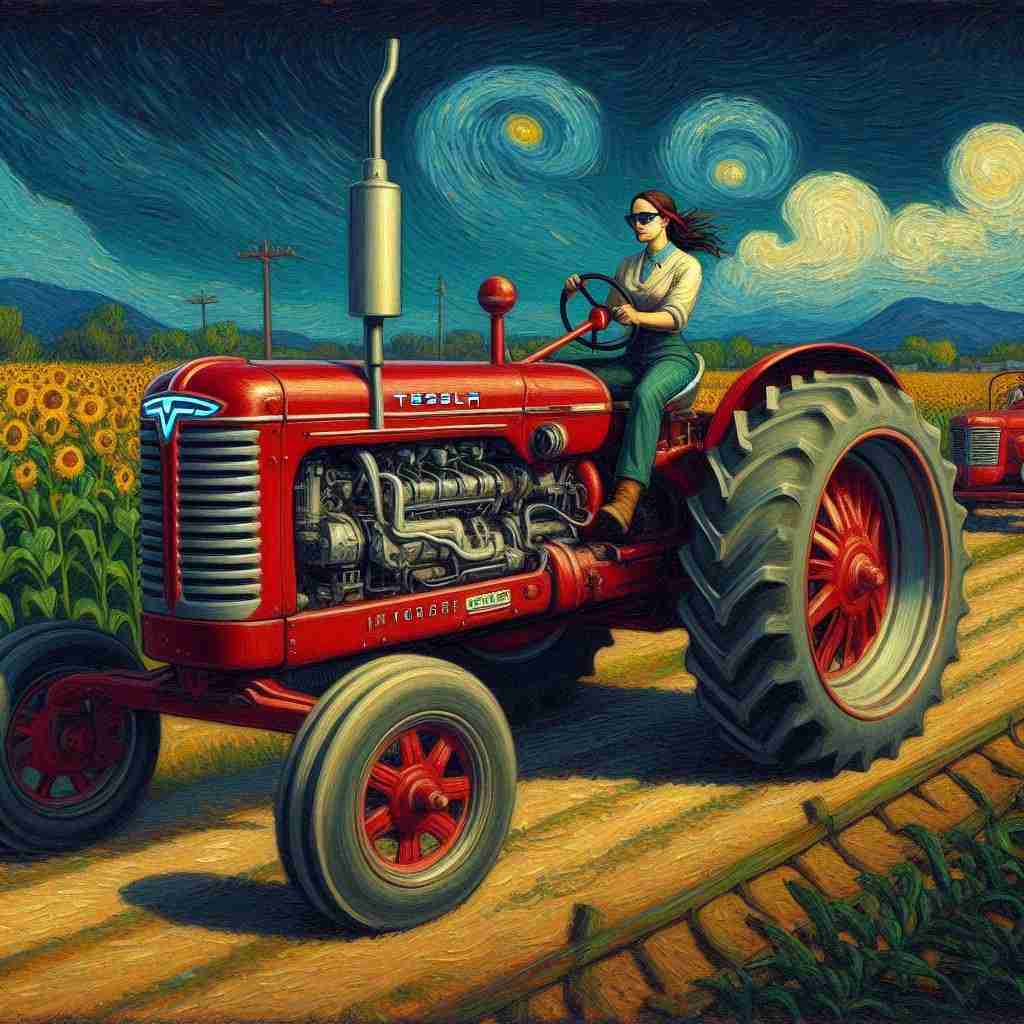
Poem
Checklist
Can Restored Tractors Save Farmers on Equipment Investments? – A Checklist
Checklist: Key Considerations for Investing in Restored Tractors
1. Assess Your Farming Needs
_____ Determine the specific tasks you need the tractor for (e. g. , hauling, plowing).
_____ Evaluate whether the restored tractor can meet your daily operational requirements.
2. Budget Understanding
_____ Research the average costs of restored tractors vs. new models.
_____ Plan for potential initial repairs and upgrades needed for the restored tractor.
3. Research and Community Engagement
_____ Consult forums and discussion groups for firsthand knowledge from other farmers.
_____ Visit local tractor shows or clubs to network and gather insights on specific brands and models.
4. Condition and History of the Restoration
_____ Inquire about the restoration process and any modifications made.
_____ Check the mechanical condition: review maintenance records and the history of parts replaced or refurbished.
5. Maintenance Skills Assessment
_____ Determine your level of mechanical skills: are you comfortable with DIY repairs?
_____ Consider if you are willing to learn about the machine’s maintenance needs.
6. Brand and Model Research
_____ Identify reputable brands known for durability, such as John Deere, Ford, or Farmall.
_____ Look into popular models; consider aesthetic appeal alongside practical functionality.
7. Evaluate Resale Value Potential
_____ Understand the market demand for specific brands and models.
_____ Assess how well the condition and performance will retain or appreciate the tractor’s value over time.
8. Long-Term Efficiency Outlook
_____ Consider the tractor’s fuel efficiency and adaptability to different farming tasks.
_____ Evaluate how the restored tractor will integrate into your current farming operations.
9. Community Support and Resources
_____ Join local clubs or online forums for ongoing support and knowledge sharing.
_____ Engage with other restored tractor owners for tips and camaraderie.
10. Personal Reflection
_____ Reflect on your connection to the tractor; does it resonate with your farming philosophy and style?
_____ Determine if owning a restored tractor aligns with your vision for your agricultural journey.
Feel free to use this checklist as a guide to help farmers assess their potential investment in restored tractors, ensuring they make informed and meaningful choices!

Checklist
At ClassicTractorNews, we help tractor lovers keep up with the latest news for classic and vintage tractors.
Please share this post with your friends, family, or business associates who may like old classic or vintage tractors.