


Unearthing The Unexpected: Historical Tractors As Farmer’s Therapy
By Tom Seest
At ClassicTractorNews, we help tractor lovers keep up with the latest news for classic and vintage tractors.
Please share this post with your friends, family, or business associates who may like old classic or vintage tractors.
Can Historical Tractors Offer Revolutionary Stress Relief for Farmers?
There’s something undeniably captivating about the whir of an engine as it roars to life, especially when that engine belongs to an old tractor steeped in history. For farmers who rise with the sun and toil through the day, this connection to the past can serve as more than just a practical tool; it can be a genuine source of stress relief.
Picture this: after a long week of battling the unpredictable whims of weather and market prices, you step into the rust-red cab of a vintage tractor, a model that once plowed the fields of a bygone era. As your fingers grasp the worn steering wheel, you can almost hear the echoes of your forebears, those hardy souls who braved the uncertainties of farming long before modern technology entered the picture. With every turn of the wheels, you’re not just moving earth—you’re cultivating a tangible bond to history, community, and tradition.
There’s a therapeutic quality to operating these old machines that modern equipment often lacks. With fewer buttons and gadgets, you’re forced to engage with the process in a more tactile way. Maneuvering a classic tractor requires focus and skill, inviting you to leave behind the overwhelming noise of emails, notifications, and the relentless pace of the contemporary world. Each bump on the dirt road serves as a reminder that life—like farming—isn’t always smooth. It’s the reminders that turn stress into resilience.
Engaging with historical tractors can also connect you with others who share your passion. Whether at a community event, a local farm show, or just down the road, many farmers find common ground in their love for these machines. These interactions foster friendships, share stories, and create a tight-knit community that can lighten the weight of those heavy days. And let’s face it, there’s something inherently calming about bonding with fellow farmers over the smell of grease and the sound of engines working in harmony.
So, if you’ve been feeling the strain of modern farming life, consider dusting off an old tractor or even tracking down a local club that celebrates these machines. Not only might you find a new outlet for stress relief, but you may also discover the joy of living history within the fields you nurture. In a world that often rushes forward, taking time to appreciate these vintage tractors can help anchor you, bringing serenity to even the busiest of days.

Can Historical Tractors Offer Revolutionary Stress Relief for Farmers?
Can Historical Tractors Offer Revolutionary Stress Relief for Farmers?
- The sound of an old tractor engine evokes a sense of history and nostalgia for farmers.
- Operating vintage tractors can provide emotional stress relief after challenging farming weeks.
- Old tractors offer a more tactile and engaging experience compared to modern equipment.
- Driving classic tractors encourages mindfulness and focus, removing distractions of modern life.
- Connecting with historical tractors fosters community and relationships among farmers.
- Sharing experiences with fellow enthusiasts creates a supportive network during tough times.
- Restoring or using vintage tractors can bring serenity and joy amidst the pressures of modern farming.
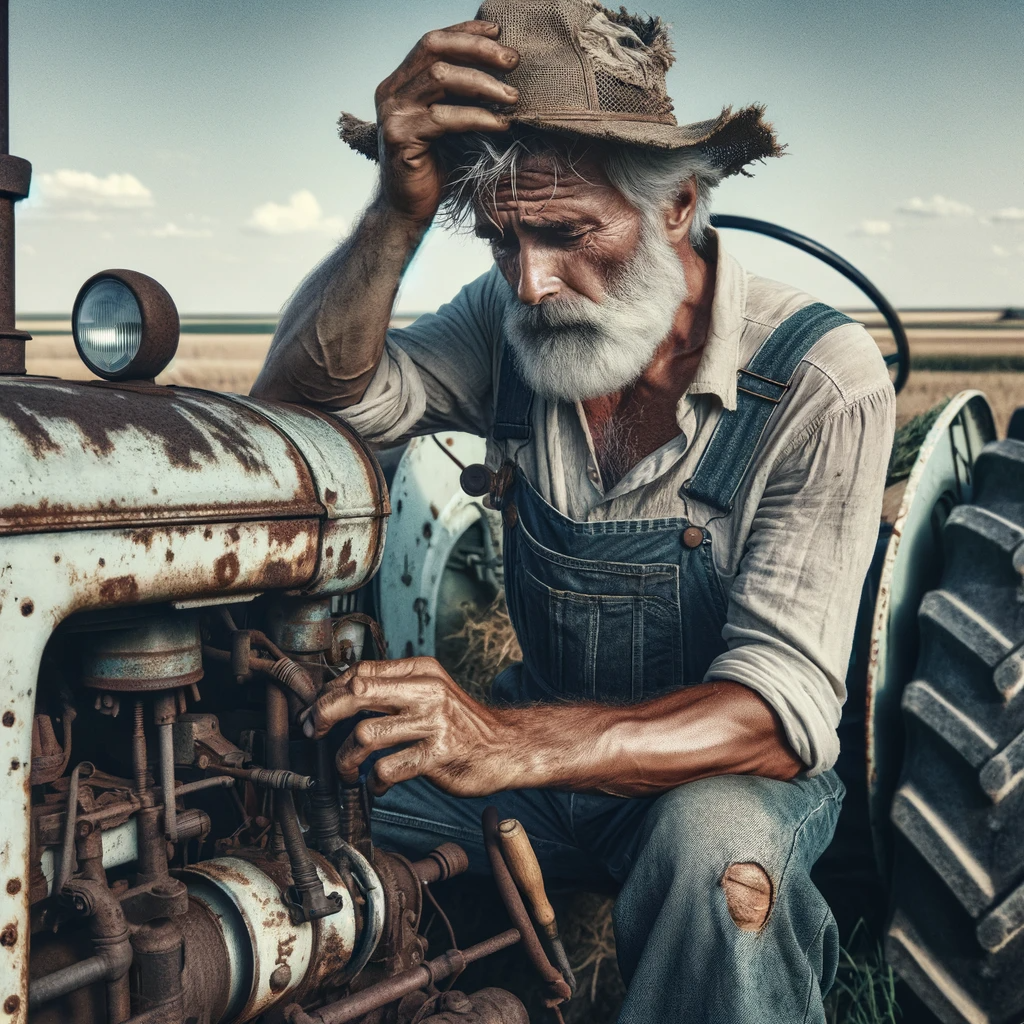
Can Historical Tractors Offer Revolutionary Stress Relief for Farmers?
Table Of Contents
- Can Historical Tractors Offer Revolutionary Stress Relief for Farmers?
- What Benefits Do Historical Tractors Provide For Modern Farmers?
- How Can Using Vintage Machinery Impact Farmer Mental Health?
- Are There Specific Historical Tractors Known For Stress Relief?
- How Does Nostalgia Play A Role In Farming’stress Reduction?
- What Are The Maintenance Costs Of Historical Tractors For Farmers?
- Can Operating Old Tractors Enhance Job Satisfaction Among Farmers?
- How Do Farmers Perceive The Use Of Historical Tractors Today?
- Conclusion
- Other Resources
- Glossary Of Terms
- Other Questions
- Haiku
- Poem
- Checklist
What Benefits Do Historical Tractors Provide For Modern Farmers?
When you think of tractors, your mind might drift to sleek, high-tech machines humming across fields at breakneck speeds, equipped with the latest gadgets and gizmos. But let’s take a moment to turn back the clock and appreciate the rugged charm of historical tractors. You may wonder, why dig up the past when we have cutting-edge technology at our fingertips? Well, the answer is as rich as the soil they were built to till.
First off, historical tractors bring a sense of nostalgia and connection to the land that many modern machines simply can’t match. These machines, often lovingly restored and maintained by their owners, embody the spirit of hard work and sustainability. Operating one is more than just a task; it’s an experience that invokes a connection to agricultural tradition that often gets lost in today’s fast-paced farming world. Imagine spending a sunny afternoon in the seat of a classic tractor, feeling the earth rumble beneath you, tapping into the wisdom of generations gone by. It’s not just farming; it’s a journey through time.
Moreover, let’s talk about practicality. Many historical tractors were built to last and are incredibly reliable. They may not have all the bells and whistles, but they’re resilient machines that can withstand the rigors of real farming life. For small-scale farmers or those in diversified agricultural operations, these tractors can be invaluable. They’re often easier to repair and maintain than their modern counterparts, meaning that you’ll spend less time running to the shop for diagnostics and repairs and more time tending to your crops.
And then there’s the sustainability factor. Using older tractors can be a nod toward environmentally conscious farming. These machines were built in an era when durability was key, often with far less impact on the planet. You can run an older tractor on biofuels or even retro-fit them to use more sustainable power sources. This not only reduces your carbon footprint but also celebrates a more thoughtful way to engage with agriculture.
Finally, what can be more inspiring than building a community around these vintage legends? Joining loads of farming enthusiasts who share stories, tips, and an appreciation for the craftsmanship of earlier times fosters connection. Embracing historical tractors allows modern farmers to forge relationships, enhance their skills, and keep the spirit of traditional farming alive.
So, next time you’re out on the field, consider the charm and benefits that historical tractors can bring to your farming operation. The past has a lot to tell us—if we’re willing to listen.

What Benefits Do Historical Tractors Provide For Modern Farmers?
What Benefits Do Historical Tractors Provide For Modern Farmers?
- Historical tractors evoke nostalgia and a deep connection to the land.
- These machines embody hard work and sustainability, offering an experience beyond just farming.
- Many historical tractors are reliable and built to last, making them valuable for small-scale and diversified farms.
- They are often easier to repair and maintain compared to modern tractors.
- Using older tractors supports environmentally conscious farming with less ecological impact.
- Older tractors can often be retro-fitted to run on biofuels or other sustainable power sources.
- Engaging with the community of vintage tractor enthusiasts fosters connection and keeps traditional farming alive.

What Benefits Do Historical Tractors Provide For Modern Farmers?
How Can Using Vintage Machinery Impact Farmer Mental Health?
There’s something undeniably profound about dusting off a vintage tractor and putting it back to work. For many farmers, these mechanical beasts are more than just old machines — they symbolize a connection to the land, a bridge to a simpler time. When you turn that ignition and hear that familiar rumble, it’s like greeting an old friend. The tactile nature of driving the tractor, feeling its vibrations beneath you, can ignite a sense of pride and nostalgia that lifts the spirits.
In today’s fast-paced world, farming can often feel like an uphill battle. Stress, isolation, and the pressures of modern agriculture can take a toll on mental health in ways that aren’t always visible. When you hop on that classic tractor, however, it’s a reminder of why the hustle began in the first place. Driving vintage machinery, with its rugged beauty and unwavering reliability, can whisk you away from all those worries, if only for a moment. You can almost hear the echoes of previous generations, their laughter and their labor, reminding you that you’re part of a larger story that stretches back in time.
The act of cultivating the earth with machinery that has weathered the years can evoke a sense of calm and reassurance. There’s a rhythm to it — steering through fields, plowing land, and planting seeds that feels almost meditative. Engaging with those vintage tractors can transform mundane routines into significant rituals. Each turn of the wheel and each row plowed can be a tangible accomplishment, reinforcing a farmer’s sense of purpose and belonging.
Furthermore, the vintage farming community is vibrant and welcoming. Whether you’re swapping stories at a local tractor show or simply sharing tips on restoration with fellow enthusiasts online, these interactions create a network of support that every farmer can tap into. When you find others who celebrate the beauty of these machines, it can foster friendships and create a sense of camaraderie — a lifeline during tougher times.
So, the next time you’re faced with a challenging day in the fields, consider turning to your vintage tractor. Embrace the moment, feel the history, and let that mechanical friend remind you that you’re not alone on this journey. Celebrate the past while cultivating hope for future harvests; after all, there’s not just dirt beneath your boots, but a rich history waiting to be honored.

How Can Using Vintage Machinery Impact Farmer Mental Health?
How Can Using Vintage Machinery Impact Farmer Mental Health?
- Restoring vintage tractors connects farmers to the land and evokes nostalgia.
- Driving these classic machines offers a retreat from the stresses of modern farming.
- The tactile experience of operating a tractor fosters pride and a sense of belonging.
- Engaging with vintage tractors can transform routine tasks into meaningful rituals.
- The vintage farming community is supportive and creates opportunities for friendship.
- Sharing experiences and knowledge among enthusiasts can be uplifting during tough times.
- Embracing the history of vintage tractors provides hope for future harvests.

How Can Using Vintage Machinery Impact Farmer Mental Health?
Are There Specific Historical Tractors Known For Stress Relief?
When you think of stress relief, your mind might wander to a spa day or a quiet retreat in the woods. But let me tell you, there’s something profoundly cathartic about stepping behind the wheel of a vintage tractor. Yes, you heard that right. The rumble of a well-tuned engine, the whiff of fresh earth—suddenly, you’re transported to simpler times, where worries dissipate like dew in the morning sun.
Let’s take a stroll down memory lane and look at some historical tractors that have not only shaped agriculture but have also become symbols of calm and restoration. Picture a Fordson Model F, the little powerhouse from the early 20th century. Built during a time when mechanization was just starting to change the landscape of farming, this tractor isn’t just an icon; it’s a testament to hard work and perseverance. When you sit on a Fordson, you feel a connection—not just to the machine, but to the farmers who relied on it, day in and day out. In that moment, the weight of modern life fades away, and you’re joined with generations of people who toiled to put food on the table.
Then there’s the International Harvester Farmall, known for its bright red paint and its role in transforming farming practices. After decades of pushing a pencil from 9 to 5, firing up a Farmall and watching the fields roll by can feel like hitting the reset button on life. There’s a rhythm in the way the tractor moves, a sense of being grounded that modern life often lacks. You find yourself focusing on the task at hand, whether it’s plowing or simply navigating through a field, and that focus can be incredibly liberating.
And let’s not forget the John Deere Model A, often hailed as the tractor of the American heartland. It’s a machine built for the long haul, just like the spirit of the farmers who knew its worth. Each curve and contour of its design speaks to a time when perseverance was paramount, and it invites you to slow down, breathe, and appreciate the beauty of hard work.
These tractors, with their history and charm, remind us that sometimes the best stress relief comes not from escaping reality, but from engaging with it in a thoughtful, tactile way. So, the next time life feels overwhelming, consider jumping on a classic tractor. You might just find that stress slipping away, replaced by the peaceful hum of machinery and the beauty of the great outdoors. Grab the wheel, and let history drive you to a moment of tranquility.

Are There Specific Historical Tractors Known For Stress Relief?
Are There Specific Historical Tractors Known For Stress Relief?
- Vintage tractors provide a unique form of stress relief through a tactile connection to simpler times.
- The Fordson Model F symbolizes hard work and perseverance, connecting users to historic farming traditions.
- The International Harvester Farmall, known for its vibrant red color, transforms the farming experience and offers a reset from daily life.
- Operating a Farmall promotes focus and provides a liberating feeling, grounding users in the present.
- The John Deere Model A represents the spirit of American farmers, encouraging appreciation for the beauty of hard work.
- These historical tractors serve as reminders that engaging with reality can be an effective way to relieve stress.
- Riding a classic tractor can lead to tranquility, as the peaceful hum of machinery connects users with nature.

Are There Specific Historical Tractors Known For Stress Relief?
How Does Nostalgia Play A Role In Farming’stress Reduction?
Let’s take a moment to talk about the good old days, those sun-soaked afternoons when the air was thick with the smell of freshly tilled soil and the rhythmic rumble of a trusty tractor was music to the ears. Nostalgia has a way of wrapping around us like a warm blanket, especially in the farming community. It evokes memories of simpler times—when life revolved around the changing seasons and family dinners were a way to reconnect after a long day in the fields.
When you’re standing at the edge of a cornfield, staring down at all the hard work you’ve put in, it’s easy to feel overwhelmed. The pressures of modern agriculture, from unpredictable markets to climate change, can weigh heavy on the shoulders of even the most seasoned farmers. But in those moments of stress, nostalgia offers a remarkable refuge. It beckons you to reminisce about sunny days spent learning the ropes from a grandparent or hearty conversations shared while passing the Sunday roast.
Remembering these cherished moments acts like a reset button for our minds. When we reconnect with those feelings of joy and security, it becomes easier to navigate the present challenges. Think about the sound of laughter filling the barn, the feel of a worn leather glove in your hand, or the sight of a gleaming tractor idling under the late afternoon sun. These images aren’t just memories; they’re reminders of why we do what we do and the deep-rooted traditions that connect us.
Engaging with nostalgia isn’t just a fleeting escape; it’s an invitation to find strength in our roots. Take time to share those stories, gather around the dinner table, or even take a ride on the tractor, allowing the familiar hum of the engine to transport you back to simpler times. This reconnection has an incredible ability to ground us, fortifying our resilience against the whims of modern life.
By fostering relationships—whether with family, friends, or the land itself—we cultivate a sense of community that can alleviate stress and anxiety. Embrace those nostalgic moments, let them fill you up, and watch as the burdens of the day fade away. It’s not just about farming; it’s about preserving those connections that sustain us through both tough times and abundant harvests. So, head back to those roots, and let nostalgia lift you up when the weight of the world feels too heavy.

How Does Nostalgia Play A Role In Farming’stress Reduction?
How Does Nostalgia Play A Role In Farming’stress Reduction?
- Nostalgia in the farming community evokes cherished memories of simpler times.
- Modern agricultural pressures, like unpredictable markets and climate change, can overwhelm farmers.
- Reminiscing about joyful moments provides a mental reset and helps navigate current challenges.
- Engaging with nostalgic memories strengthens connections to family traditions and values.
- Reconnecting with these memories enhances resilience against modern life’s stresses.
- Fostering relationships with family, friends, and the land creates a supportive community.
- Embracing nostalgia helps alleviate stress and reinforces the importance of connections during tough times.

How Does Nostalgia Play A Role In Farming’stress Reduction?
What Are The Maintenance Costs Of Historical Tractors For Farmers?
When you drive through the countryside, it’s hard not to feel a twinge of nostalgia as your eyes fall on those historical tractors—those bold, metallic giants that speak of days gone by and the unyielding spirit of farming. But for the modern farmer, these tractors aren’t just pieces of history; they are tools that come with a variety of costs and responsibilities.
Now, let’s talk shop. The maintenance costs of historical tractors can be a bit like farming itself—offering both rewards and challenges. While the allure of turning wrenches on a classic machine can be intoxicating, the reality is a blend of parts, labor, and yes, a little love and elbow grease.
First off, consider the age of your trusty tractor. Like any aging equipment, older models may require more frequent repairs. You might find yourself investing in new brake pads, fuel lines, or even tires. With historical tractors, sourcing those parts can be a little like scavenging for gold. Sometimes, you’ll stumble upon treasure at a local hardware store, and other times, you might have to dig through specialty shops online.
And let’s not forget the oil changes and fluid checks. Regular maintenance is key to keeping your tractor running smoothly, and trust me, it’s not just about ensuring that it turns on every day—it’s about preserving the heart of that machine. Skipping routine checks can lead to much deeper issues that can hit your wallet harder than the initial upkeep.
Remember too that farming doesn’t just happen in the fields. There’s that pesky issue of downtime. Every hour a tractor spends off the field—whether it’s waiting for repairs or parts—means time lost. It’s essential to choose wisely which repairs you handle yourself and which require the expert touch of a mechanic. Investing in professional help for complex repairs can be daunting, but it often saves both time and money in the long run.
So, while the passion for historical tractors may drive you into the garage, it’s crucial to keep an eye on the costs radiating from that passion. Balancing love for these machines with practical maintenance budgets can ensure you’re not just polishing history, but also keeping that history alive and working on the farm for years to come. Embrace the grit, but don’t underestimate the responsibility; trust me, your future self will thank you.

What Are The Maintenance Costs Of Historical Tractors For Farmers?
What Are The Maintenance Costs Of Historical Tractors For Farmers?
- Driving past historical tractors evokes nostalgia and represents the enduring spirit of farming.
- For modern farmers, historical tractors serve as functional tools, incurring various costs and responsibilities.
- Maintenance costs can be rewarding yet challenging, requiring parts, labor, and dedication.
- Older tractor models typically need more frequent repairs, including brake pads, fuel lines, and tires.
- Sourcing parts for historical tractors can be difficult, requiring visits to local stores and online specialty shops.
- Regular maintenance, including oil changes and fluid checks, is vital for ensuring the tractor’s longevity and performance.
- Balancing passion for historical tractors with practical maintenance budgets helps keep them operational on the farm.

What Are The Maintenance Costs Of Historical Tractors For Farmers?
Can Operating Old Tractors Enhance Job Satisfaction Among Farmers?
Let’s take a moment and picture a farmer waking up at dawn, the first light spilling over the horizon, casting a golden glow on the fields. There’s something comfortingly familiar about this time-honored ritual, particularly when it involves an old tractor rumbling to life. The sound of that engine is more than just noise; it’s a melody that has echoed through generations, a tune played on the keys of dirt, sweat, and hard work.
For many farmers, operating an old tractor isn’t merely a means to an end. It’s an experience full of character and tradition, a connection to the past that offers not just a practical advantage but also an emotional anchor. Imagine that worn leather seat, the way it settles just right after seasons of use, cradling the farmer as they navigate the familiar rows of crops. Each bump and jolt is a reminder of labor invested and rewards earned, fostering a deep sense of pride in their work.
Old tractors have stories to tell; they’ve seen the changing seasons, weathered the storms, and celebrated the harvests alongside their operators. This bond often nurtures job satisfaction. There’s an undeniable sense of accomplishment that comes from using machinery that may be older than some of their neighbors but still gets the job done. It’s that resilience, that grit, that resonates with many in the farming community. After all, they know firsthand what it means to dig deep and persist—qualities forged over years of toil in fields of uncertainty.
Moreover, operating an old tractor can serve as a gentle reminder of why one chose this demanding, yet fulfilling vocation in the first place. The simplicity of these machines allows farmers to engage with their land on a visceral level, blending labor and love in ways that modern technology can sometimes distance us from. When farmers climb aboard their trusty tractors, they don’t just step into a piece of machinery; they step into a legacy, a narrative that is as rich and textured as the soil they till.
So, if you find yourself hesitating at the thought of trading that ancient beast for a shiny new model, consider this: sometimes, stepping back in time can propel us forward in ways we never imagined. Embrace the past, relish the journey, and let the hum of that old tractor be the soundtrack to your labor of love.

Can Operating Old Tractors Enhance Job Satisfaction Among Farmers?
Can Operating Old Tractors Enhance Job Satisfaction Among Farmers?
- Farmers often start their day at dawn, with the sound of an old tractor marking the beginning of their work.
- Operating an old tractor is more than practical; it connects farmers to tradition and their past.
- The comfort of a well-used tractor seat symbolizes the years of hard work and dedication invested in farming.
- Old tractors have a rich history, witnessing the changes of seasons and celebrating harvests with their operators.
- Farmers experience job satisfaction through using reliable, older machinery that has proven its worth.
- The simplicity of old tractors allows farmers to connect deeply with their land and work.
- Choosing to keep an old tractor can evoke nostalgia and inspiration, propelling farmers forward in their vocation.

Can Operating Old Tractors Enhance Job Satisfaction Among Farmers?
How Do Farmers Perceive The Use Of Historical Tractors Today?
Picture a farmer, sun-kissed and grounded, standing beside a weathered tractor that has seen more seasons than the average person could count. There’s something about those old machines—a blend of nostalgia and grit—that speaks to the very soul of farming itself. These historical tractors are not just pieces of machinery; they are vessels of heritage, connecting farmers to their past while continuing to serve a purpose in the present.
A shared sentiment among many farmers is a deep respect for these classic workhorses. Unlike today’s high-tech tractors, which can automate almost every task, the older models demand a level of skill and intimacy that few can claim. Each dent and scratch tells a story—one of grit, perseverance, and countless hours spent plowing the fields or hauling the harvest. Farmers often perceive these tractors as character-building tools, helping them appreciate the sweat equity that goes into modern farming.
But the relationship doesn’t stop at admiration. Many farmers find that using a historical tractor in today’s operations fosters a sense of community. Local tractor shows and gatherings create an environment where stories are shared, and friendships are forged. It’s a space where seasoned farmers pass on wisdom to the next generation, ensuring that hard-earned knowledge is not lost. Whether it’s teaching youngsters how to roll a tractor’s start crank or sharing the tales of their first solo drive, these interactions build a bridge between history and the future of agriculture.
Interestingly, the perceived value of historical tractors extends beyond nostalgia. There’s a growing trend toward sustainability and the use of equipment that is simple to maintain and repair. In a world increasingly dominated by digital technology, some farmers favor the reliability and mechanical simplicity of vintage models. They recognize that, sometimes, the answer to modern challenges lies in appreciating and optimizing what has come before. It’s a reminder that sometimes our roots hold the key to future innovation.
So, the next time you see a farmer tending to an old tractor, remember that there’s more happening than meets the eye. It’s not just about farming; it’s about connecting generations, fostering relationships, and embracing our agricultural heritage. By honoring these historical machines, farmers are not only preserving their past but also paving the way for a sustainable, community-driven future in agriculture.

How Do Farmers Perceive The Use Of Historical Tractors Today?
How Do Farmers Perceive The Use Of Historical Tractors Today?
- Farmers often have a deep respect for historical tractors that embody nostalgia and grit.
- Older tractors require a level of skill and intimacy, unlike today’s high-tech automated models.
- Each scratch and dent on these tractors tells a story of perseverance and hard work.
- Using historical tractors fosters a sense of community among farmers through local shows and gatherings.
- These interactions allow seasoned farmers to pass on valuable knowledge to younger generations.
- There is a growing trend toward sustainability, with some farmers appreciating the simplicity of vintage tractors.
- Honoring these historical machines helps preserve agricultural heritage while supporting a sustainable future.

How Do Farmers Perceive The Use Of Historical Tractors Today?
Conclusion
Well, folks, as we close the lid on this conversation about historical tractors and their unexpected role in farming stress relief, let’s take a moment to appreciate the intersections of history, community, and mental well-being that a vintage tractor can represent. Sure, modern farming has brought us shiny tractors equipped with high-tech gizmos and all the bells and whistles. But sometimes, the hum of a well-loved classic can be the soothing balm for the soul that today’s fast-paced world so often overlooks.
Imagine hopping into the seat of a classic Fordson or a steadfast John Deere, the brass handles worn smooth from years of hard work, steering not just through fields but through memories that connect us to the generations that came before. There’s a nostalgic magic in that. When you’re plowing the land, you’re not just working; you’re engaging in a dance with history. Each bump on the dirt road reminds you that life isn’t always easy, but it’s the imperfections and challenges that cultivate our resilience.
And let’s not forget the community aspect—these are more than machines; they are vessels of camaraderie. Whether you’re tuning engines with fellow enthusiasts in a rusted barn or sharing a laugh at a local tractor show, the relationships formed over vintage machinery create support networks that help lift the weight of the farming life.
The benefits are as multifaceted as the tractors themselves. Sure, the maintenance may have its quirks—finding parts can feel like a scavenger hunt—but the connection you have to these machines runs deeper than the time and money spent. There’s an authenticity to operating a piece of history that reaffirms why you love farming in the first place. In a world that often rushes ahead, taking a moment to appreciate these vintage tractors gives us a chance to breathe, recharge, and thrive.
So, whether you’re a seasoned farmer or just starting, consider the potential stress relief that lies within those old engines. They’re not just machines; they’re memories, friendships, and a testament to the grit that defines the heart of farming. Grab the wheel, let the past remind you of your purpose, and you might just find that stress slips away, replaced by a renewed sense of hope, community, and connection to the land. Because at the end of the day, embracing our history not only enriches our present but also paves the way for a fruitful future.

Conclusion
Conclusion:
- Vintage tractors symbolize the intersection of history, community, and mental well-being.
- Classic models like Fordson and John Deere evoke nostalgia and connection to past generations.
- Operating a tractor becomes a way to engage with history and cultivate resilience amidst life’s challenges.
- Community building occurs through shared experiences around vintage machinery at shows and gatherings.
- Maintaining these machines may be challenging, but the emotional connection deepens the love for farming.
- Vintage tractors offer stress relief and a chance to recharge in a fast-paced world.
- Embracing historical machinery enriches the present and supports a hopeful future in farming.

Conclusion
Other Resources
Other Resources
Here is a list of other resources you can review online to learn more:
- Shibaura
- Advance-Rumely
- Heartland Acres Agribition Center
- Merlin
- Haas
- SAME
- Wuzheng
- Case
- Central Washington Agricultural Museum
- B.F. Avery
Use This Prompt To Get More Resources With Your Favorite Online AI Tool: Please provide me with a list of online articles with their URLs in a bulleted list that I can read regarding Can Historical Tractors Offer Revolutionary Stress Relief for Farmers?

Other Resources
Glossary Terms
Can Historical Tractors Offer Revolutionary Stress Relief for Farmers? – Glossary Of Terms
1. Agriculture: The science and practice of farming, including the cultivation of soil and rearing of animals for food, fiber, and other products.
2. Antique Tractors: Tractors that are typically over 25 years old and are often restored or preserved for their historical value and aesthetic appeal.
3. Biodiversity: The variety of plant and animal life in a particular habitat, which can contribute to a more balanced and sustainable agricultural system.
4. Community Farming: A farming approach that emphasizes collaboration among farmers and local communities, fostering relationships and reducing stress through shared responsibilities.
5. Cultivation: The process of preparing and using land for growing crops, which can be facilitated by tractors to enhance efficiency and reduce physical labor.
6. Depression: A common mental health disorder characterized by persistent sadness and a lack of interest, which can affect farmers due to the stresses of agricultural work.
7. Education: The absorption of knowledge regarding agricultural practices, maintenance of historical tractors, and the emotional benefits of farming activities.
8. Ergonomics: The study of people’s efficiency in their working environment, particularly relevant when considering the design of tractors and tools to reduce physical stress.
9. Farm Therapy: A therapeutic practice that incorporates farming activities to promote mental well-being and alleviate stress for individuals, including farmers.
10. Heritage: The legacy of historical tractors as part of farming culture, representing a connection to the past and providing a sense of pride and nostalgia for farmers.
11. Isolation: A common issue faced by farmers, particularly in rural areas, which can lead to heightened stress levels due to lack of social interaction.
12. Land Restoration: The process of returning degraded farmland to a healthier state, which can have therapeutic benefits for farmers involved in the rehabilitation process.
13. Mechanical Advantage: The benefit of using machinery, such as tractors, to perform tasks more efficiently, thereby reducing physical strain and mental stress for farmers.
14. Mental Health: Emotional well-being, which can be positively influenced by engaging in farming activities and connecting with historical tractors.
15. Nostalgia: A sentimental longing for the past, which can be evoked by the use of historical tractors, providing farmers with joy and stress relief.
16. Organic Farming: A sustainable farming method that refrains from synthetic chemicals, promoting environmental health and potentially providing mental solace during cultivation.
17. Post-Traumatic Stress Disorder (PTSD): A mental health condition that can affect farmers due to various stressors, potentially alleviated by engaging in grounding activities like farming.
18. Rural Community: A close-knit group living in the countryside, where social support systems can provide emotional resilience and stress reduction.
19. Sustainability: The capacity to maintain farming practices that do not deplete resources, creating a sense of responsibility and purpose for farmers, which can mitigate stress.
20. Therapeutic Farming: A practice that integrates farming and therapeutic techniques aimed at enhancing the mental health of participants, including farmers.
21. Tractor Restoration: The process of repairing and refurbishing historical tractors, which can serve as a rewarding and stress-relieving hobby for farmers.
22. Tradition: The transmission of customs or beliefs from generation to generation, often connected to the use of historical tractors in farming.
23. Stress Management: Techniques and practices aimed at controlling stress levels, which can be supported by engaging in satisfying farm activities and maintaining a historical tractor.
24. Teamwork: Collaborative efforts among farmers and their families, which can foster social connections and alleviate feelings of isolation and stress.
25. Therapeutic Landscapes: Natural environments that promote well-being, which can be enhanced by the presence and cultivation of historical tractors on farms.
26. Work-Life Balance: The equilibrium between work responsibilities and personal life, which can be improved through engaging in enjoyable farming tasks using tractors.
27. Yield: The amount of produce harvested from a farm, which can impact a farmer’s mood and stress levels, especially if aided by effective use of tractors.
28. Mindfulness: A mental practice of being present and fully engaged, which can be fostered through activities on farms and the nostalgic use of historical tractors.
29. Natural Remedies: Alternatives to conventional medicine focusing on nature, which can include the act of farming as a form of self-care for farmers.
30. Workshops: Educational sessions on tractor maintenance or farming practices that build skills, foster community, and can serve as social outlets for stress relief.

Glossary Of Terms
Other Questions
Can Historical Tractors Offer Revolutionary Stress Relief for Farmers? – Other Questions
If you wish to explore and discover more, consider looking for answers to these questions:
- What specific historical tractors are most popular among farmers today?
- How can farmers get involved with vintage tractor communities?
- What are some common challenges faced when restoring historical tractors?
- How do farmers balance the use of historical tractors with modern equipment?
- Are there documented examples of mental health improvements from using vintage machinery?
- What resources are available for farmers interested in learning about historical tractors?
- How do age and maintenance of historical tractors affect their usability?
- Are there safety concerns associated with operating older tractors compared to modern ones?
- What environmental benefits are associated with using historical tractors?
- How can the use of historical tractors impact a farmer’s overall efficiency?
- Do historical tractors require specialized parts that are hard to find?
- What role do local events play in promoting the use of historical tractors?
- How can historical tractors serve as educational tools for future generations of farmers?

Other Questions
Haiku
Can Historical Tractors Offer Revolutionary Stress Relief for Farmers? – A Haiku
Old iron hums calm tunes,
Connecting past to the now—
Farmers’ joy in wheels.

Haiku
Poem
Can Historical Tractors Offer Revolutionary Stress Relief for Farmers? – A Poem
Fields of Time
In rust-red cabins, history hums,
Where engines roar and nostalgia comes,
Farmers, weary from modern strife,
Find solace in the rhythms of life.
With each turn of the wheel beneath,
They plow through their worries, cultivate peace,
Hands on the steering, hearts intertwined,
In vintage tractors, the past is defined.
Echoes of ancestors whisper and call,
Through laughter and toil, they’ve weathered it all,
Bumps in the road, like life’s rough terrain,
Teach resilience, remind us of gain.
Nostalgia wraps round like a warm embrace,
In the scent of the earth, they find their place,
A dance with the soil, a ritual restored,
Old machinery, with stories stored.
Community blooms where shared passions lie,
At fairs and gatherings, friendships amplify,
With grease-stained hands, they forge bonds anew,
Preserving traditions, as farmers do.
In the embrace of machines weathered and wise,
Simplicity reigns—where true joy lies,
Job satisfaction in the hum of the old,
A legacy cherished, a spirit bold.
So, step through the dust to that cab long ago,
Let the past guide you, let the memories flow,
For in every heartbeat of those engines so brave,
Lives the strength of the land and the love that we save.

Poem
Checklist
Can Historical Tractors Offer Revolutionary Stress Relief for Farmers? – A Checklist
Checklist: Embracing Historical Tractors for Stress Relief and Connection
Personal Connection
_____ Reflect on your family’s farming history and stories connected to tractors.
_____ Consider how using a vintage tractor could enhance your connection to your land.
Stress Relief Practices
_____ Make time to operate a historical tractor weekly for relaxation.
_____ Use tractor time as a meditative practice—focus on the sounds and sensations of operating the machine.
Community Engagement
_____ Join a local club or community event that focuses on vintage tractors.
_____ Share experiences and tips with fellow vintage tractor enthusiasts.
Maintenance Awareness
_____ Assess maintenance needs of your historical tractor.
_____ Create a maintenance schedule to preserve the functionality of your equipment.
Nostalgia Exploration
_____ Take a moment to reminisce about farming traditions and their importance to your current practices.
_____ Organize a gathering with family or friends to share memories related to farming and historical machinery.
Practical Use
_____ Create a list of tasks or projects that could be completed using your vintage tractor.
_____ Keep a journal of experiences and feelings while operating historical tractors.
Sustainability Consideration
_____ Evaluate the potential for using older tractors in sustainable agriculture practices.
_____ Research modifications for running historical tractors on alternative fuels.
Enhance Job Satisfaction
_____ Reflect on the emotional and physical satisfaction gained from operating older tractors.
_____ Find joy in the uniqueness and character that historic machines bring to your farming routine.
Record Keeping
_____ Document the history and maintenance of your vintage tractor.
_____ Capture stories and feelings associated with each use of the tractor in a journal.
Support Network
_____ Identify local resources or online communities for support with vintage tractor upkeep and restoration.
_____ Seek mentorship or advice from seasoned farmers who have experience with historical tractors.
This checklist can serve as a practical guide for farmers looking to embrace the stress-relieving benefits of historical tractors while fostering community connections and ensuring their maintenance and functionality.

Checklist
At ClassicTractorNews, we help tractor lovers keep up with the latest news for classic and vintage tractors.
Please share this post with your friends, family, or business associates who may like old classic or vintage tractors.