


Revolutionizing Farming: The Rise Of Tractors In The 1940s
By Tom Seest
At ClassicTractorNews, we help tractor lovers keep up with the latest news for classic and vintage tractors.
Please share this post with your friends, family, or business associates who may like old classic or vintage tractors.
What Made Tractors Popular for Farmers In The 1940s?
In the 1940s, tractors became a game-changer for farmers across the country. This was an era marked by advancements in technology and mechanization, and tractors quickly became a staple on farms of all sizes. But what made these machines so popular among farmers during this time?
One significant factor was the efficiency and productivity that tractors brought to the agricultural industry. Before tractors, farmers relied on horses or manpower to plow fields and complete other labor-intensive tasks. Tractors, with their powerful engines and sturdy frames, made it possible for farmers to work faster and more efficiently than ever before. This increased productivity meant that farmers could get more done in less time, ultimately leading to greater crop yields and profits.
Another reason for the popularity of tractors in the 1940s was the impact of World War II on the agricultural industry. With many young men off fighting in the war, there was a labor shortage on farms across the country. Tractors helped to fill this void, allowing farmers to maintain their operations with fewer workers. This was especially important during a time when food production was critical to the war effort.
Furthermore, tractors offered farmers a level of versatility and convenience that was unmatched by traditional farming methods. Whether it was plowing fields, planting crops, or harvesting produce, tractors could do it all. This versatility allowed farmers to adapt to changing conditions and tackle a wide range of tasks with ease.
In addition to their practical benefits, tractors also represented a significant status symbol for many farmers in the 1940s. Owning a tractor was a sign of progress and modernity, and many farmers took pride in having the latest and greatest machinery on their land. Tractors were a symbol of the changing times and the dawn of a new era in agriculture.
The popularity of tractors among farmers in the 1940s can be attributed to their efficiency, productivity, versatility, and status symbol. These machines revolutionized the way that farmers worked, allowing them to increase their productivity, adapt to changing conditions, and keep up with the demands of wartime agriculture. Tractors truly were game-changers for farmers in the 1940s, and their impact can still be seen in the agricultural industry today.

What Made Tractors Popular for Farmers In The 1940s?
What Made Tractors Popular for Farmers In The 1940s?
- Tractors were a game-changer for farmers in the 1940s.
- Efficiency and productivity were key factors.
- Tractors allowed farmers to work faster and more efficiently.
- This led to greater crop yields and profits.
- Impact of World War II.
- Tractors helped fill the labor shortage on farms.
- Food production was critical to the war effort.
- Versatility and convenience of tractors.
- Tractors could perform a variety of tasks with ease.
- Adaptability to changing conditions.
- Tractors as a status symbol.
- Ownership symbolized progress and modernity.
- Represented a new era in agriculture.
- The overall impact of tractors on farming in the 1940s.
- Revolutionized farming practices.
- Still seen in the agricultural industry today.

What Made Tractors Popular for Farmers In The 1940s?
Table Of Contents
- What Made Tractors Popular for Farmers In The 1940s?
- How Did Tractors Revolutionize Farming Practices In The 1940s?
- What Features Made Tractors From The 1940s More Efficient?
- How Did The Use Of Tractors Impact Crop Yields And Labor Costs?
- Were There Any Challenges Farmers Faced When Adopting Tractors?
- What Role Did Government Policies Play In Promoting Tractor Use?
- How Did Tractors Contribute To The Overall Modernization Of Agriculture?
- What Advancements In Technology Made Tractors More Accessible?
- What Impact Did Tractors Have On The Rural Economy In The 1940s?
- How Did The Availability Of Tractors Change The Farming Landscape?
- What Long-Term Effects Did The Adoption Of Tractors Have On Farming Practices?
- Conclusion
- Other Resources
How Did Tractors Revolutionize Farming Practices In The 1940s?
In the 1940s, tractors brought about a monumental shift in the way farmers approached their work. Before these mechanical beasts entered the scene, farming was a labor-intensive and time-consuming endeavor. Plowing fields, planting seeds, and harvesting crops all required a significant amount of manpower and hours spent under the hot sun.
But with the introduction of tractors, everything changed. These powerful machines were able to do the work of multiple horses or oxen in a fraction of the time. Farmers were suddenly able to cover much larger areas of land in a single day, increasing their productivity and efficiency. This meant more crops could be grown, harvested, and brought to market, leading to higher profits for the hardworking men and women who toiled the land.
One of the biggest impacts of tractors on farming practices in the 1940s was the ability to mechanize tasks that were previously done by hand. Plowing, planting, and harvesting could now be done with relative ease and speed, thanks to these mechanical marvels. This not only saved time and energy for the farmers, but also allowed them to focus on other aspects of their operation that needed attention.
Additionally, tractors helped to level the playing field for smaller farmers who may not have had the resources to hire large teams of laborers or purchase expensive equipment. With a tractor, a single farmer could manage a larger piece of land and compete with larger agricultural operations. This democratization of farming equipment allowed for more people to enter the industry and make a living off the land.
Furthermore, tractors also played a key role in increasing the overall efficiency of farming practices. With the ability to plow, plant, and harvest crops in a fraction of the time it took with traditional methods, farmers were able to increase their output and meet the growing demands of a rapidly expanding population. This helped to ensure a stable food supply for the country and beyond.
The introduction of tractors in the 1940s revolutionized farming practices in ways that were previously unimaginable. These machines allowed for increased productivity, efficiency, and profitability for farmers of all sizes. They mechanized tasks that were once done by hand, leveled the playing field for smaller operations, and helped to meet the demands of a growing population. Tractors truly changed the game for farmers in the 1940s, and their impact can still be felt in the industry today.

How Did Tractors Revolutionize Farming Practices In The 1940s?
How Did Tractors Revolutionize Farming Practices In The 1940s?
- Tractors revolutionized farming in the 1940s, making work more efficient and productive.
- They replaced manual labor with mechanized tasks like plowing, planting, and harvesting.
- Tractors allowed farmers to cover more land in less time, increasing their profitability.
- Small farmers could now compete with larger operations thanks to tractors.
- The overall efficiency of farming practices improved with the use of tractors.
- Tractors helped meet the demands of a growing population by increasing crop output.
- The impact of tractors in the 1940s can still be seen in the farming industry today.

How Did Tractors Revolutionize Farming Practices In The 1940s?
What Features Made Tractors From The 1940s More Efficient?
Back in the 1940s, tractors underwent a major transformation that made them more efficient than ever before. One of the key features that helped boost efficiency was the introduction of the three-point hitch system. This system revolutionized the way implements were attached to the tractor, allowing for greater flexibility and control during fieldwork. The three-point hitch made it easier to adjust the height and angle of implements, resulting in more precise and efficient operations.
Another important feature that enhanced the efficiency of tractors in the 1940s was the introduction of hydraulic systems. These systems allowed for the easy operation of various implements, such as plows and harrows, by providing power to lift and lower them with minimal effort from the operator. This increased productivity and reduced the physical strain on farmers, making it possible to work longer hours and cover more ground in less time.
Additionally, improvements in engine technology played a significant role in making tractors from the 1940s more efficient. The development of more powerful and fuel-efficient engines allowed for higher speeds and more horsepower, enabling tractors to handle larger loads and work more effectively in the field. This not only increased productivity but also reduced the overall cost of operation, as less fuel was needed to accomplish the same tasks.
Furthermore, advancements in tire design and traction systems helped improve the efficiency of tractors in the 1940s. The introduction of pneumatic tires with better grip and traction made it possible to navigate rough and uneven terrain with greater ease, reducing slippage and increasing overall efficiency. This meant less time wasted getting stuck in mud or struggling to maneuver through tough conditions, allowing farmers to work more efficiently and effectively.
The features introduced in tractors from the 1940s played a crucial role in enhancing their efficiency and productivity. The three-point hitch system, hydraulic systems, engine technology, and tire design all contributed to making tractors more powerful, versatile, and dependable machines. These improvements not only transformed the way farming was done but also set the stage for further innovations in agricultural machinery in the years to come.

What Features Made Tractors From The 1940s More Efficient?
What Features Made Tractors From The 1940s More Efficient?
- The introduction of the three-point hitch system revolutionized the way implements were attached to tractors, allowing for greater flexibility and control during fieldwork.
- Hydraulic systems made it easier to operate various implements, increasing productivity and reducing physical strain on farmers.
- Improvements in engine technology led to more powerful and fuel-efficient engines, enabling tractors to handle larger loads and work more effectively in the field.
- Advancements in tire design and traction systems improved the efficiency of tractors by providing better grip and traction on rough terrain.
- Overall, the features introduced in tractors from the 1940s increased efficiency and productivity and reduced operating costs.
- These innovations set the stage for further advancements in agricultural machinery in the future.

What Features Made Tractors From The 1940s More Efficient?
How Did The Use Of Tractors Impact Crop Yields And Labor Costs?
Back in the day, before tractors came along, farmers had a tough job ahead of them. They had to rely on horses or oxen to plow the fields, which was a slow and labor-intensive process. Not to mention, planting and harvesting crops by hand was not a walk in the park either.
But then, along came the tractor – a game-changer in the world of agriculture. These bad boys revolutionized the way farmers worked their land. With the power of an engine behind them, tractors could plow, plant, and harvest in a fraction of the time it took with animals. This not only increased efficiency but also allowed for larger areas of land to be worked in a shorter amount of time.
The impact of tractors on crop yields was significant. With the ability to work more land in less time, farmers were able to increase their overall production. This meant more crops could be grown and harvested, leading to higher yields and bigger profits. In fact, studies have shown that the introduction of tractors led to a significant increase in crop productivity, as well as a decrease in the amount of land left fallow or unused.
But it wasn’t just about the crops – tractors also had a major impact on labor costs. Before tractors, farmers relied heavily on manual labor to get the job done. Hiring workers to plow, plant, and harvest was not only time-consuming but also expensive. With the introduction of tractors, farmers were able to do more work with fewer hands. This meant less money spent on labor costs and more money in their pockets.
Overall, the use of tractors had a dual impact on both crop yields and labor costs. By increasing efficiency and productivity, farmers were able to produce more crops in less time, leading to higher yields and profits. At the same time, the reduction in labor costs allowed farmers to save money and reinvest in their operations. It’s safe to say that tractors truly revolutionized the world of agriculture and forever changed the way we grow our food.

How Did The Use Of Tractors Impact Crop Yields And Labor Costs?
How Did The Use Of Tractors Impact Crop Yields And Labor Costs?
- Before tractors, farmers relied on horses or oxen for plowing, a slow and labor-intensive process.
- Tractors revolutionized agriculture, allowing for faster plowing, planting, and harvesting.
- Increased efficiency with tractors led to larger areas of land being worked in less time.
- Tractors significantly increased crop yields by enabling more production in less time.
- Tractors reduced labor costs by allowing farmers to do more work with fewer hands.
- Overall, tractors had a dual impact on crop yields and labor costs, increasing profits.
- Tractors revolutionized agriculture, changing the way food is grown forever.

How Did The Use Of Tractors Impact Crop Yields And Labor Costs?
Were There Any Challenges Farmers Faced When Adopting Tractors?
When farmers first began adopting tractors, they faced a number of challenges that tested their patience and problem-solving skills. One major obstacle was the cost of purchasing a tractor. These machines were not cheap, and many farmers struggled to afford the upfront investment. In order to make the switch from horses or mules to tractors, they often had to take out loans or save up for years.
Another challenge was learning how to operate and maintain the new technology. Tractors were a far cry from the traditional farming methods that farmers were used to, and many found themselves feeling overwhelmed by the complexity of these machines. It took time and practice to master the art of driving a tractor and understanding its various functions.
Additionally, tractors required a different type of fuel than horses or mules. Farmers had to figure out where to purchase gasoline or diesel, and how to safely store and transport it. This added an extra layer of complication to their daily routine.
One of the biggest challenges farmers faced when adopting tractors was resistance from those who were hesitant to embrace new technology. Many older farmers were set in their ways and saw no reason to switch to tractors when horses had served them well for so long. Convincing them to give tractors a chance was no easy task, and it often required a lot of persuasion and patience.
Despite these challenges, many farmers ultimately made the transition to tractors and never looked back. They soon discovered the many benefits of this new technology, from increased efficiency and productivity to the ability to work more land in less time. Tractors revolutionized the farming industry and paved the way for the modern agricultural practices that we see today.
In the end, the challenges that farmers faced when adopting tractors only served to make them stronger and more adaptable. They proved that they were willing to embrace change and take risks in order to improve their way of life. And thanks to their perseverance, tractors have become an essential tool in farming operations around the world.

Were There Any Challenges Farmers Faced When Adopting Tractors?
Were There Any Challenges Farmers Faced When Adopting Tractors?
- The cost of purchasing a tractor was a major obstacle.
- Farmers had to take out loans or save up for years to afford tractors.
- Learning how to operate and maintain tractors was a challenge.
- Tractors required a different type of fuel than horses or mules.
- Resistance from older farmers hesitant to embrace new technology.
- Despite challenges, many farmers benefited from increased efficiency and productivity with tractors.
- Adopting tractors ultimately made farmers stronger and more adaptable.

Were There Any Challenges Farmers Faced When Adopting Tractors?
What Role Did Government Policies Play In Promoting Tractor Use?
Government policies played a crucial role in promoting the use of tractors across the country. In the early days of agriculture, most farmers relied on manual labor and horse-drawn equipment to work the land. However, as the demand for food increased and the population grew, it became clear that more efficient methods were needed to improve productivity on farms.
To address this challenge, government agencies began implementing policies that encouraged the adoption of tractors. One of the most significant policies was the introduction of subsidies and incentives for farmers to purchase tractors. By offering financial assistance, the government made it more affordable for farmers to invest in this new technology, which ultimately helped to increase the number of tractors in use.
In addition to financial support, the government also played a role in promoting tractor use by investing in research and development. By funding studies and providing grants for technological advancements in tractor design, the government helped to improve the efficiency and effectiveness of these machines. This investment in innovation not only benefited farmers by making their work easier, but it also helped to drive economic growth in the agriculture sector.
Furthermore, government policies helped to create a regulatory environment that supported the use of tractors. By establishing safety standards and guidelines for tractor operation, the government ensured that farmers could use this equipment with confidence and minimize the risk of accidents or injuries. This regulatory framework also helped to create a level playing field for manufacturers, encouraging competition and driving further advancements in tractor technology.
Overall, the role of government policies in promoting tractor use cannot be overstated. By providing financial support, investing in research and development, and creating a regulatory environment that supported the adoption of tractors, the government helped to revolutionize the agriculture industry and improve productivity on farms across the country. Thanks to these policies, tractors have become an essential tool for modern agriculture, allowing farmers to work more efficiently and effectively than ever before.

What Role Did Government Policies Play In Promoting Tractor Use?
What Role Did Government Policies Play In Promoting Tractor Use?
- Government policies played a crucial role in promoting the use of tractors across the country.
- Government agencies implemented policies that encouraged the adoption of tractors to improve productivity on farms.
- One significant policy was the introduction of subsidies and incentives for farmers to purchase tractors.
- The government also invested in research and development to improve tractor design and efficiency.
- Regulatory standards and guidelines were established to ensure safe tractor operation.
- Government policies revolutionized the agriculture industry and improved productivity on farms.
- Tractors have become an essential tool for modern agriculture, thanks to government support.

What Role Did Government Policies Play In Promoting Tractor Use?
How Did Tractors Contribute To The Overall Modernization Of Agriculture?
Tractors have played a vital role in the overall modernization of agriculture, revolutionizing the way we cultivate and harvest crops. Before tractors came onto the scene, farmers relied on horses and manual labor to plow fields and complete other essential tasks. This was not only time-consuming but also physically demanding, limiting the amount of land that could be effectively managed.
With the introduction of tractors, farmers were able to increase their productivity and efficiency exponentially. These powerful machines could plow fields in a fraction of the time it took with horses, allowing farmers to work larger areas of land and produce more crops. Tractors also enabled farmers to work in a variety of conditions, from rough terrain to dense fields, making it easier to cultivate a wider range of crops.
One of the key contributions of tractors to the modernization of agriculture is their ability to perform multiple tasks. With the right attachments, tractors can be used for plowing, planting, tilling, harvesting, and more, reducing the need for separate machines and saving farmers time and money. This versatility has truly transformed the way we farm, making it easier to adapt to changing conditions and market demands.
Tractors have also helped farmers to increase their yields and improve the quality of their crops. By allowing for more precise planting and harvesting, tractors have helped farmers to optimize their crop production and reduce waste. This has not only made farming more sustainable but has also allowed farmers to meet the growing demand for food worldwide.
Furthermore, tractors have made farming safer and more comfortable for farmers. By taking on the heavy lifting and repetitive tasks, tractors have reduced the physical strain on farmers, helping to prevent injuries and improve overall well-being. Tractors also provide protection from the elements, allowing farmers to work in a more controlled and comfortable environment.
Tractors have been instrumental in the overall modernization of agriculture, transforming the way we farm and helping farmers increase their productivity, efficiency, and profitability. By providing power, versatility, and safety, tractors have become an essential tool for modern farmers, enabling them to meet the demands of a changing world and continue to feed the growing population.

How Did Tractors Contribute To The Overall Modernization Of Agriculture?
How Did Tractors Contribute To The Overall Modernization Of Agriculture?
- Tractors revolutionized agriculture by replacing horses and manual labor.
- Increased productivity and efficiency exponentially.
- Enabled farmers to work in a variety of conditions and cultivate a wider range of crops.
- Can perform multiple tasks with the right attachments, saving time and money.
- Helped farmers increase yields, improve crop quality, and meet growing food demand.
- Improved farm safety and comfort by reducing physical strain and providing protection from the elements.
- Essential tool for modern farmers, enabling them to meet changing demands and feed the growing population.

How Did Tractors Contribute To The Overall Modernization Of Agriculture?
What Advancements In Technology Made Tractors More Accessible?
In the world of agriculture, tractors have long been a crucial tool for farmers looking to increase efficiency and productivity on their land. But it wasn’t always easy for every farmer to access this game-changing piece of equipment. In the early days of tractors, they were expensive and often out of reach for smaller-scale farmers.
However, advancements in technology over the years have made tractors much more accessible to a wider range of farmers. One key advancement has been the development of more affordable and efficient tractor models. Manufacturers have been able to streamline production processes and incorporate new technologies, allowing them to offer tractors at a lower cost than ever before.
Another major advancement that has made tractors more accessible is the rise of financing options. In the past, farmers often had to pay for a tractor upfront, which could be a major financial burden. But today, there are a variety of financing options available that make it easier for farmers to afford a tractor. Whether it’s through loans, leases, or other financing programs, farmers now have more ways to purchase a tractor without breaking the bank.
Additionally, the rise of precision agriculture technology has made tractors more accessible by increasing their efficiency and effectiveness. GPS technology, for example, allows farmers to precisely plant crops, apply fertilizers and pesticides, and perform other tasks with their tractors. This not only improves the quality of their crops but also reduces the amount of time and resources needed to maintain their land.
Furthermore, the development of smaller, more versatile tractor models has also made them more accessible to a wider range of farmers. These compact tractors are easier to maneuver in tight spaces and are ideal for smaller farms or specialty crops. With a smaller footprint and lower operating costs, these tractors are a practical option for farmers who may not have the need or means for a larger, more powerful tractor.
Overall, advancements in technology have played a crucial role in making tractors more accessible to farmers of all sizes. From more affordable models to financing options to precision agriculture technology, these advancements have helped level the playing field and empower farmers to maximize their land’s potential. With these innovations, the future of farming looks bright and promising for all those who work the land.
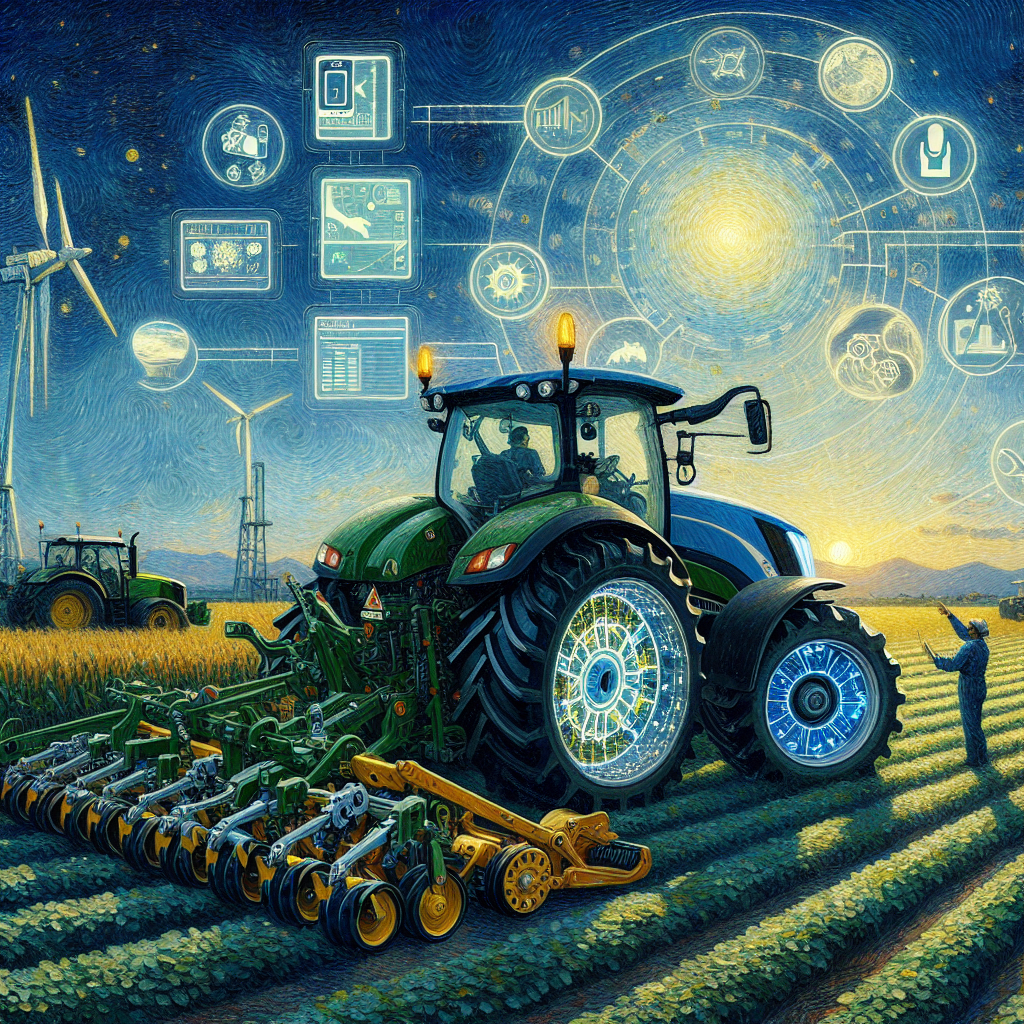
What Advancements In Technology Made Tractors More Accessible?
What Advancements In Technology Made Tractors More Accessible?
- In the world of agriculture, tractors have long been a crucial tool for increasing efficiency and productivity on farms.
- Advancements in technology have made tractors more accessible to a wider range of farmers by developing more affordable and efficient tractor models.
- The rise of financing options has also made it easier for farmers to afford a tractor, with loans, leases, and other programs available.
- Precision agriculture technology, such as GPS, has increased the efficiency and effectiveness of tractors, improving crop quality and reducing resources needed.
- The development of smaller, more versatile tractor models has made them more accessible to a wider range of farmers, especially for smaller farms or specialty crops.
- Advancements in technology have helped level the playing field for farmers of all sizes, empowering them to maximize their land’s potential.
- The future of farming looks bright and promising, and these innovations are making tractors more accessible.

What Advancements In Technology Made Tractors More Accessible?
What Impact Did Tractors Have On The Rural Economy In The 1940s?
In the 1940s, tractors revolutionized farming, setting the stage for significant changes in the rural economy. Before the widespread adoption of tractors, farming was a labor-intensive and time-consuming endeavor that required immense physical effort. With the arrival of tractors, farmers were able to increase their efficiency and productivity, leading to a transformation in the way agriculture was conducted.
One of the most significant impacts of tractors on the rural economy in the 1940s was the increase in agricultural output. Tractors allowed farmers to plow larger sections of land in a fraction of the time it took with traditional farming methods. This boost in productivity resulted in higher crop yields, providing farmers with more products to sell and increasing their overall profitability. As a result, the agricultural sector experienced substantial growth, contributing to the economic development of rural communities.
Furthermore, tractors played a crucial role in the wartime effort during the 1940s. With the onset of World War II, the demand for food supplies increased significantly, putting pressure on farmers to produce more crops to support the war effort. Tractors became essential tools in meeting this demand, allowing farmers to work faster and more efficiently to increase food production. The ability of tractors to plow, plant, and harvest crops at a rapid pace was instrumental in ensuring a stable food supply during the war years.
Additionally, the introduction of tractors in the 1940s had a profound impact on the labor force in rural areas. As tractors became more common on farms, the need for manual labor decreased substantially. Many farmers were now able to work their land with fewer workers, leading to a decline in the demand for farmhands. While this shift had negative implications for some individuals who relied on farm work for their livelihood, it also opened up new opportunities for employment in other sectors of the economy.
In conclusion, tractors had a transformative effect on the rural economy in the 1940s, revolutionizing the way agriculture was conducted and leading to significant changes in farming practices. The increase in productivity, the role of tractors in supporting the wartime effort, and the impact on the labor force all contributed to the economic development of rural communities during this period. The adoption of tractors marked a turning point in the history of farming and set the stage for continued advancements in agricultural technology in the years to come.

What Impact Did Tractors Have On The Rural Economy In The 1940s?
What Impact Did Tractors Have On The Rural Economy In The 1940s?
- Tractors revolutionized farming in the 1940s, leading to significant changes in the rural economy.
- Farmers were able to increase their efficiency and productivity with tractors, plowing larger sections of land in less time.
- This increase in productivity resulted in higher crop yields, boosting profitability and contributing to the economic growth of rural communities.
- Tractors played a crucial role in the wartime effort, helping farmers produce more crops to support the increased demand for food during World War II.
- The introduction of tractors led to a decrease in the need for manual labor on farms, impacting the rural labor force.
- While some individuals were negatively affected by the decline in farm labor demand, new employment opportunities emerged in other sectors.
- Overall, tractors had a transformative effect on the agricultural sector, setting the stage for advancements in farming technology in the future.

What Impact Did Tractors Have On The Rural Economy In The 1940s?
How Did The Availability Of Tractors Change The Farming Landscape?
Back in the day, before tractors came onto the scene, farming was a whole different ball game. Picture this – hardworking farmers toiling away in the fields, sweat dripping down their brows as they tilled the soil by hand or relied on horses to plow the land. It was a tough, labor-intensive job that required a lot of manpower and time.
But then, along came tractors. These powerful machines revolutionized the farming industry in ways that no one could have imagined. Suddenly, farmers were able to work faster, more efficiently, and on a much larger scale. With the help of tractors, they could plow fields in a fraction of the time it used to take, plant more crops, and harvest them with ease.
The availability of tractors completely changed the farming landscape. Small family farms started to give way to larger, more mechanized operations. Farmers were able to increase their productivity and output, leading to higher profits and better overall efficiency. The introduction of tractors also allowed farmers to diversify their crops and experiment with new farming techniques that were previously impossible.
Not only did tractors make farming easier and more efficient, but they also helped to feed a growing population. With the ability to produce more food in less time, farmers were able to keep up with the demands of an expanding society. Tractors played a crucial role in the agricultural revolution, helping to transform farming from a laborious, back-breaking task to a more streamlined and productive industry.
However, the introduction of tractors didn’t come without its challenges. As small family farms struggled to compete with larger, more mechanized operations, many were forced out of business. The farming landscape shifted dramatically, with fewer farms producing more food than ever before. This led to concerns about the loss of traditional farming practices and the impact on rural communities.
Despite these challenges, tractors have become an essential tool in modern agriculture. They have allowed farmers to work more efficiently, increase their productivity, and adapt to the changing demands of the industry. The availability of tractors has truly changed the farming landscape, shaping the way we grow and harvest our food for generations to come.

How Did The Availability Of Tractors Change The Farming Landscape?
How Did The Availability Of Tractors Change The Farming Landscape?
- Before tractors, farming was labor-intensive and relied on manual labor or animals.
- Tractors revolutionized farming by increasing efficiency and productivity.
- Tractors allowed farmers to work faster, on a larger scale, and increase profits.
- Small family farms gave way to larger, more mechanized operations with the introduction of tractors.
- Tractors helped feed a growing population by producing more food in less time.
- The introduction of tractors led to concerns about the loss of traditional farming practices and impact on rural communities.
- Despite challenges, tractors have become essential in modern agriculture, shaping the farming industry for generations to come.

How Did The Availability Of Tractors Change The Farming Landscape?
What Long-Term Effects Did The Adoption Of Tractors Have On Farming Practices?
When tractors first started to replace traditional farming methods, they were game-changers in agriculture. The adoption of tractors brought a wave of change that had both positive and negative long-term effects on farming practices.
One major long-term effect of tractors was the increase in efficiency and productivity on farms. With tractors, farmers were able to plow fields, plant crops, and harvest produce in a fraction of the time it took using horses or other manual labor. This increased efficiency allowed farmers to work larger amounts of land and produce more food than ever before. As a result, the agricultural industry saw a significant increase in output and profits.
Another long-term effect of tractors was the shift towards mechanization in farming practices. Tractors paved the way for other agricultural machinery to be developed, such as combines, seed drills, and balers. These advancements in technology further increased efficiency and productivity on farms, as well as reducing the need for manual labor. However, this shift towards mechanization also resulted in a decrease in the need for human workers on farms, leading to concerns about the impact on rural communities and job opportunities.
Despite the benefits of tractors, their adoption also had some negative long-term effects on farming practices. One major concern was the environmental impact of tractors and other agricultural machinery. The increased use of tractors and fertilizers led to soil erosion, water pollution, and other environmental issues. Additionally, the dependence on tractors and machinery made farmers more vulnerable to fluctuations in fuel prices and other economic factors.
The adoption of tractors also had social and cultural implications for farming practices. The shift towards mechanization led to a decrease in the number of small family farms and an increase in large industrial farms. This change in farming practices had a ripple effect on rural communities, as small farmers struggled to compete with larger operations. Additionally, the use of tractors and machinery in farming changed the way people viewed agriculture, shifting from a labor-intensive lifestyle to a more industrialized and commercialized industry.
Overall, the adoption of tractors had a lasting impact on farming practices, transforming the way food is produced and changing the agricultural industry as a whole. While tractors brought increased efficiency and productivity to farms, they also raised concerns about the environment, job opportunities, and the future of small family farms. As technology continues to evolve, it will be important for farmers to find a balance between adopting new advancements and preserving traditional farming practices.

What Long-Term Effects Did The Adoption Of Tractors Have On Farming Practices?
What Long-Term Effects Did The Adoption Of Tractors Have On Farming Practices?
- Tractors brought a wave of change to agriculture, replacing traditional farming methods.
- One major long-term effect of tractors was the increase in efficiency and productivity on farms.
- Tractors paved the way for other agricultural machinery, shifting towards mechanization in farming practices.
- Despite the benefits, there were negative long-term effects, such as environmental concerns and dependency on machinery.
- The adoption of tractors also had social and cultural implications, leading to a decrease in small family farms.
- Overall, tractors had a lasting impact on farming practices, transforming the agricultural industry.
- As technology evolves, it will be important for farmers to find a balance between new advancements and preserving traditional practices.

What Long-Term Effects Did The Adoption Of Tractors Have On Farming Practices?
Conclusion
In conclusion, the 1940s marked a significant turning point in the history of agriculture with the introduction of tractors. These powerful machines revolutionized farming practices, increasing efficiency, productivity, and crop yields for farmers across the country. Tractors became a staple on farms of all sizes, offering versatility, convenience, and a symbol of progress and modernity. The impact of World War II on the agricultural industry further propelled the popularity of tractors, as they helped fill the labor shortage and support the war effort by increasing food production. The efficiency and productivity brought by tractors, along with advancements in technology such as the three-point hitch system and hydraulic systems, made farming practices more accessible and profitable for farmers.
Despite the challenges faced in adopting tractors, such as the high costs and learning curves, farmers ultimately embraced this new technology and never looked back. The availability of tractors transformed the farming landscape, leading to larger, more mechanized operations and feeding a growing population. Government policies played a crucial role in promoting tractor use by offering subsidies, financing options, and investing in research and development. The long-term effects of tractors on farming practices were both positive and negative, with an increase in efficiency and output, as well as concerns about environmental impact, job opportunities, and cultural shifts in the industry. Overall, the adoption of tractors in the 1940s had a lasting impact on agriculture, shaping the way we grow and harvest our food for generations to come and setting the stage for continued advancements in agricultural technology. Tractors truly revolutionized farming practices in the 1940s, and their legacy can still be seen in the agricultural industry today.

Conclusion
Conclusion:
- The introduction of tractors in the 1940s marked a significant turning point in agriculture.
- Tractors revolutionized farming practices, increasing efficiency, productivity, and crop yields.
- Tractors became a staple on farms of all sizes, offering versatility, convenience, and symbolizing progress.
- World War II further propelled the popularity of tractors by helping fill the labor shortage and increase food production.
- The adoption of tractors led to larger, more mechanized operations and transformed the farming landscape.
- Government policies played a crucial role in promoting tractor use by offering subsidies and financing options.
- Despite challenges, farmers embraced tractors, shaping the future of agriculture and setting the stage for technological advancements.

Conclusion
Other Resources

Other Resources
Here are some articles and resources that discuss the factors contributing to the popularity of tractors among farmers in the 1940s:
These articles explore how World War II caused a revolution in productivity on the farm, leading to the end of the horse-drawn era and making tractors the primary means of farm work. They also discuss the technological advancements and the increased demand for farm products during the war.

Other Resources
At ClassicTractorNews, we help tractor lovers keep up with the latest news for classic and vintage tractors.
Please share this post with your friends, family, or business associates who may like old classic or vintage tractors.