


An Overview Of The History Of The Company That Made AGCO Allis Tractors
By Tom Seest
At ClassicTractorNews, we help tractor lovers keep up with the latest news for classic and vintage tractors.
Please share this post with your friends, family, or business associates who may like old classic or vintage tractors.
What Is The History Of The Company That Made AGCO Allis Tractors?
AGCO Corporation, the parent company of AGCO Allis tractors, has a history that’s as rich as the fields these machines plow. To appreciate where AGCO Allis fits into the great tapestry of agricultural machinery, we need to take a journey through time, trace back the origins, and explore how this conglomerate went from a small player to a heavyweight in the tractor industry.
The saga begins in the 1990s when AGCO was formally established in 1990, but it didn’t emerge from nowhere. The roots of AGCO run deep into the heart of the agricultural machinery landscape. The company was born from a series of strategic mergers and acquisitions, snapping up brands that were already synonymous with farming. The initial acquisition of Allis-Chalmers’ agricultural division laid the groundwork for AGCO’s entry into the tractor arena. Allis-Chalmers was a name that resonated with farmers. It was renowned for producing some of the most reliable tractors of the 20th century, making it a prized possession in fields across America.
As the saying goes, “If you want to know where you’re going, you have to know where you’ve been.” AGCO took this wisdom to heart. They embraced the Allis-Chalmers legacy and combined it with new technologies and innovations. In the late 1990s and early 2000s, AGCO expanded its portfolio to include other recognizable brands, such as Massey Ferguson, Fendt, and Valtra, effectively creating a farming powerhouse that catered to a global audience.
But it wasn’t just about acquiring names; AGCO was also about reinvention. By continuously investing in research and development, they ensured that their AGCO Allis tractors incorporated cutting-edge technology while remaining true to the rugged, hard-working nature that farmers love. With a commitment to sustainability and efficiency, AGCO began integrating precision farming technologies, which paved the way for smarter, greener agriculture.
Today, AGCO Allis tractors symbolize both the heritage of American agriculture and the technological advancements of modern farming. The company’s evolution mirrors the transformational arc of the farming industry itself—adapting, innovating, and facing challenges head-on. As they continue to push the envelope of what’s possible in agricultural machinery, AGCO stands as a testament to the past while confidently steering towards the future.

What Is The History Of The Company That Made AGCO Allis Tractors?
What Is The History Of The Company That Made AGCO Allis Tractors?
- AGCO Corporation, parent company of AGCO Allis tractors, has a rich history in agricultural machinery.
- Founded in 1990, AGCO emerged from strategic mergers and acquisitions, growing from a small player to a major tractor industry competitor.
- The initial acquisition of Allis-Chalmers’ agricultural division laid the foundation for AGCO’s entry into the tractor market.
- AGCO embraced the Allis-Chalmers legacy while integrating new technologies and innovations.
- In the late 1990s to early 2000s, AGCO expanded its portfolio by acquiring other notable brands like Massey Ferguson, Fendt, and Valtra.
- AGCO invested in research and development, incorporating cutting-edge technology while maintaining the rugged nature of AGCO Allis tractors.
- Today, AGCO Allis tractors represent a blend of American agricultural heritage and modern technological advancements, reflecting the industry’s evolution.

What Is The History Of The Company That Made AGCO Allis Tractors?
Table Of Contents
- What Is The History Of The Company That Made AGCO Allis Tractors?
- What Year Was AGCO Allis Tractors Corporation Founded?
- Who Were The Founders Of AGCO Allis Tractors?
- What Companies Merged to Create AGCO Allis?
- What Innovation Did AGCO Allis Tractors Bring to The Tractor Industry?
- How Did AGCO Allis Tractors Differ From Competitors?
- What Were The Key Models Produced By AGCO Allis Tractors?
- How Did AGCO Allis Tractors Impact Agricultural Practices?
- What Role Did AGCO Allis Play In The Global Market?
- When Did AGCO Acquire Allis-Chalmers Assets?
- What Challenges Did AGCO Allis Tractors Face In The Market?
- How Did AGCO Allis Tractors Evolve Over The Decades?
- What Are The Notable Features Of AGCO Allis Tractors?
- How Did AGCO Allis Tractors Contribute to Farm Mechanization?
- What Is The Legacy Of AGCO Allis Tractors In Modern Agriculture?
- How Has AGCO Allis Tractor Corporation Diversified Since Its Founding?
- Conclusion
- Other Resources
- Glossary Of Terms
- Other Questions
- Haiku
- Poem
- Checklist
What Year Was AGCO Allis Tractors Corporation Founded?
Picture this: the American heartland in the mid-20th century—a sprawling landscape teeming with farmers, fields ripe for harvest, and the relentless pursuit of progress. Among the industrious folk making their mark in agriculture were those who saw an opportunity to innovate, to create machines that would change the face of farming forever. One of those moments came in 1990 when the AGCO Allis Tractors Corporation was born.
Now, AGCO is no run-of-the-mill tractor company. This is a brand that rose from the merger of recognized names and formidable legacies. It was all about solving problems—primarily, how to make farming not just possible but also efficient and effective. By uniting forces under the AGCO umbrella, they could leverage the strengths of various industrial giants. Allis-Chalmers, the name that would ultimately emerge as AGCO Allis, had already earned a reputation for rugged, reliable machines, particularly in the post-World War II era, when the agricultural landscape was evolving rapidly.
In the late 1980s, as the landscape of agriculture changed and consolidation among manufacturers became the norm, AGCO entered the scene with a vision. Founded with a determination to provide a comprehensive line of agricultural equipment, AGCO’s foray into the tractor business brought with it a commitment to quality and innovation. Enter the AGCO Allis brand, which drew from Allis-Chalmers’ storied past while looking toward the future. The 1990 founding symbolized a new chapter, not just in branding, but in the approach to farming technology.
AGCO Allis focused its energies on understanding the needs of modern farmers. They didn’t just sell tractors; they sold solutions to challenges faced in the fields. By marrying vintage charm with cutting-edge technology, they aimed to create machines that were not only powerful but also intuitive. Farmers could now harness these advanced tools to maximize productivity and minimize their labor burden.
So, in 1990, AGCO Allis Tractors Corporation set out to carve a niche for itself in the bustling world of agricultural machinery. It’s a testament to the spirit of innovation that drives our agricultural landscape—taking a centuries-old practice and injecting it with modern prowess. The story of AGCO Allis is one of evolution, resilience, and unyielding dedication to the craft of farming. In a world where every season brings new challenges, they positioned themselves as reliable allies for farmers ready to forge ahead into the future.

What Year Was AGCO Allis Tractors Corporation Founded?
What Year Was AGCO Allis Tractors Corporation Founded?
- AGCO Allis Tractors Corporation was founded in 1990.
- The company emerged from the merger of established brands like Allis-Chalmers.
- AGCO aimed to innovate agricultural machinery to enhance farming efficiency.
- The late 1980s saw a shift in agriculture with increased manufacturer consolidation.
- AGCO Allis combined historical strengths of its founders with modern technology.
- The company focused on providing solutions tailored to the needs of contemporary farmers.
- AGCO Allis represents a blend of legacy and innovation in the agricultural machinery sector.

What Year Was AGCO Allis Tractors Corporation Founded?
Who Were The Founders Of AGCO Allis Tractors?
When you think of the rugged machinery that works hard in fields, farms, and backyards across America, it’s easy to forget the men and women who had the vision to create it. But deep within the metal frames and roaring engines of AGCO Allis tractors lies a narrative of invention, grit, and a touch of audacity. The founders of AGCO Allis didn’t just wake up one day and decide to make tractors; they were part of a larger tapestry woven from the threads of American agricultural history, driven by necessity and ingenuity.
The story began in the early 1990s, during a time when the farming industry was ripe for innovation. Farmers were struggling with outdated machinery that often fell short in efficiency and reliability. Enter the Allis-Chalmers brand, a name that had a storied legacy in agriculture dating back to the late 1800s. Originally known for its heavy machinery, Allis-Chalmers was no stranger to challenges, having witnessed the rise and fall of various agricultural movements. But by the time the 1980s rolled around, it was clear that a revival was needed.
This is where a new player emerged on the scene: AGCO Corporation. Founded in 1990 by Robert “Bob” K. Schaeffer and others who shared his vision, AGCO sought to revitalize the agricultural equipment market. Bob’s understanding of the industry was matched by a determination to bring quality tractors back to life, inspired by the farmers he’d met and the promises he made to improve their work lives. Through strategic acquisitions, AGCO picked up the Allis-Chalmers legacy, breathing new life into it, and thus, AGCO Allis tractors were born.
These machines embodied the spirit of innovation—the kind of innovation that happens when you listen to the needs of the people on the ground. AGCO Allis tractors combined modern technology with the classic reliability that farmers craved. The allure of power, efficiency, and dependability was hard to resist.
The founders of AGCO Allis understood that farming wasn’t just a job; it was a way of life, a tradition passed down through generations. Their tractors became a symbol of this enduring connection, giving farmers the tools they needed to harness the land. So, the next time you see a field turning under the wheels of an AGCO Allis tractor, remember it wasn’t just machinery—it was borne from the commitment of those who believed in the promise of agriculture and the power of modern engineering.

Who Were The Founders Of AGCO Allis Tractors?
Who Were The Founders Of AGCO Allis Tractors?
- AGCO Allis tractors represent the vision and innovation of their founders, rooted in American agricultural history.
- In the early 1990s, the farming industry faced challenges from outdated machinery, necessitating innovation.
- The Allis-Chalmers brand had a rich legacy in agriculture but needed revitalization by the 1980s.
- AGCO Corporation was founded in 1990 by Robert “Bob” K. Schaeffer and others, with the aim of revitalizing agricultural equipment.
- AGCO revitalized the Allis-Chalmers legacy through strategic acquisitions, leading to the creation of AGCO Allis tractors.
- AGCO Allis tractors merged modern technology with traditional reliability essential for farmers.
- The commitment of AGCO Allis’s founders highlighted farming as a way of life, producing tractors that symbolize farmers’ enduring connection to the land.

Who Were The Founders Of AGCO Allis Tractors?
What Companies Merged to Create AGCO Allis?
In the bustling world of agriculture machinery, few names resonate as strongly as AGCO Allis. Its story is one of innovation, adaptation, and, ultimately, collaboration between some significant industry players. To understand the roots of AGCO Allis, we have to look back to the aftermath of the agricultural and economic turbulence of the 1980s, a time when many companies found themselves at a crossroads—sharply aware that only through unity could they face an unpredictable future.
At the heart of this merger saga is the AGCO Corporation, which launched its operations in 1990. AGCO was born from the ashes of a fragmented industry. With a keen vision for consolidating manufacturing and distribution, AGCO first acquired the Allis-Chalmers brand, an iconic name with deep ties to farming equipment and a legacy stretching back to the late 19th century. Allis-Chalmers had become synonymous with powerful tractors, reliable combines, and durable implements. However, as the 1980s wore on, the pressures of competition and shifting market demands led to its decline. AGCO saw an opportunity, stepping in to revive and reimagine what Allis-Chalmers could be.
But the story doesn’t stop there. AGCO’s ambitions didn’t just end with Allis-Chalmers. They brought together other manufacturing giants, forging a robust lineup that could offer agricultural workers around the world an unparalleled variety of machinery. Among those acquisitions was the renowned tractor manufacturer, Deutz-Allis, which bolstered AGCO’s strength in the North American tractor market. This infusion of talent and technology brought advanced engineering and high-performance solutions to the fray, modernizing the lineup and paving the way for growth.
Along with the strategic mergers came significant innovation. AGCO Allis became a symbol of resilience, combining the rich histories of these esteemed brands while pushing the boundaries of what was possible in agricultural technology. With every tractor and combine that rolled off the line, farmers found more reliable, efficient, and powerful solutions to meet their needs.
As AGCO Allis built its legacy, it stood as a testament to the power of collaboration. In an industry where the soil is ever-changing, the seeds of these mergers allowed innovation to take root, growing a company that continues to thrive and support farmers with equipment they can depend on. The next time you’re behind the wheel of an AGCO Allis machine, remember the compelling history that brought it to life—an intricate tapestry of merging visions that led to a unified purpose.

What Companies Merged to Create AGCO Allis?
What Companies Merged to Create AGCO Allis?
- AGCO Allis is a significant player in the agricultural machinery industry, known for innovation and collaboration.
- The company emerged in the wake of economic and agricultural challenges in the 1980s, promoting unity among industry players.
- AGCO Corporation, founded in 1990, was established to consolidate manufacturing and distribution in a fragmented industry.
- The acquisition of Allis-Chalmers, a historic brand with a legacy in farming equipment, marked a pivotal moment for AGCO.
- AGCO expanded its portfolio through the acquisition of Deutz-Allis, enhancing its presence in the North American tractor market.
- Innovations developed under AGCO Allis led to advanced agricultural technology, delivering more reliable and efficient machinery.
- The company’s legacy reflects the benefits of collaboration and mergers, fostering growth and support for farmers worldwide.

What Companies Merged to Create AGCO Allis?
What Innovation Did AGCO Allis Tractors Bring to The Tractor Industry?
When you think about the world of agriculture, it’s easy to overlook the unsung heroes hidden behind the wheel of a tractor. But when AGCO Allis tractors rolled onto the scene, they didn’t just take their place in the field; they shook up the whole operation. With a blend of ingenuity and rugged toughness, these machines were designed not just to work, but to innovate—but let’s delve a little deeper into what that actually means.
First off, let’s talk about power and efficiency. AGCO Allis tractors were engineered with advanced engines that cranked out impressive horsepower without guzzling down fuel like a thirsty camel. The efficiency delivered through their innovative powertrains meant that farmers could spend less time worrying about refueling and more time plowing through endless acres of crops. Imagine being able to get more done in a day—fewer trips to the gas station and more time actually working the land. That’s not just innovation; that’s progress.
But it didn’t stop at just raw horsepower. AGCO Allis made significant strides in operator comfort and controls. They understood that a farmer’s day could stretch long into the evening, so they designed cabs that felt more like a command center than a metal box rattling down a dirt road. Spacious, ergonomic, and equipped with intuitive controls, these cabs allowed operators to focus on the task ahead rather than the pain in their back or cramped quarters. And let’s face it, when you’re sitting behind the wheel for hours on end, a little comfort goes a long way.
What about adaptability? AGCO Allis tractors were built with versatility in mind, able to accommodate a wide range of attachments—from plows and seeders to trailers and sprayers. This adaptability meant that a farmer could invest in one solid machine and tackle multiple tasks throughout the growing season, streamlining workflow like never before. In the world of agriculture, that’s more than just convenience; it’s a game changer.
In essence, AGCO Allis tractors didn’t just join the ranks of farm machinery; they took the whole industry for a spin. With fuel efficiency, operator comfort, and an adaptable design, they set a new standard that countless models would emulate. They understood that farming is hard work—but it doesn’t have to be painful. By marrying robust engineering with thoughtful design, AGCO Allis tractors truly reshaped the way farmers get the job done. So next time you see a tractor in the field, just remember that it might be the product of a little innovation from AGCO Allis, silently revolutionizing agriculture one row at a time.

What Innovation Did AGCO Allis Tractors Bring to The Tractor Industry?
What Innovation Did AGCO Allis Tractors Bring to The Tractor Industry?
- AGCO Allis tractors revolutionized agriculture with innovative designs and rugged toughness.
- Engineered for power and efficiency, these tractors provide high horsepower with minimal fuel consumption.
- Fuel efficiency allows farmers to focus more on work and less on refueling, enhancing productivity.
- Operator comfort is prioritized with spacious, ergonomic cabs and intuitive controls.
- Designed for adaptability, AGCO Allis tractors can accommodate various attachments, streamlining workflow.
- They set a new standard in the industry, influencing many subsequent tractor models.
- AGCO Allis tractors combine robust engineering with thoughtful design to reshape farming practices.

What Innovation Did AGCO Allis Tractors Bring to The Tractor Industry?
How Did AGCO Allis Tractors Differ From Competitors?
When you think of tractors, you might picture rugged machines lumbering through fields, fueled by the relentless spirit of American agriculture. Within that pantheon of heavy equipment stands AGCO Allis, a brand that emerged in the 1990s as a striking choice for farmers and agricultural contractors looking for an edge. But what set AGCO Allis tractors apart from the competition, you ask? Well, let’s plow into the details.
First off, AGCO Allis brought the heat with a range of unique designs tailored for demanding tasks. While many manufacturers were sticking to time-tested templates, AGCO Allis dared to innovate. The tractors featured a distinct blend of styling and functionality, often with a beefier appearance that attracted attention on any job site. Their colors, too—very often a bold orange and black—gave them a visual identity that was hard to overlook. In an industry where appearances might not matter much, AGCO Allis stood out like a sore thumb, and that wasn’t by accident.
Furthermore, AGCO Allis took a different approach to engineering. They strategically leaned into collaboration with other manufacturers, reaping the benefits of built-in expertise to broaden their capabilities. Part of the AGCO family, which included respected brands like Massey Ferguson and Fendt, AGCO Allis was able to utilize advanced technology and reliable components that were tried and true. You might say they harvested the best know-how from their network, helping them churn out sturdy machines while keeping costs in check.
And let’s not forget the human element in the equation—a reflection of customer-centric ethos. AGCO Allis was particularly tuned into the needs and feedback of farmers. In an era when many companies made a habit of focusing more on corporate profits than customer satisfaction, AGCO Allis created machines that strived to deliver real utility and value. Their tractors often featured user-friendly controls and a straightforward, no-nonsense approach to maintenance—something hardworking farmers truly appreciated after a long day on the field.
Lastly, performance potential is something that can’t be overlooked. AGCO Allis tractors were engineered to handle a range of tasks: from plowing and harvesting to hauling heavy loads. Farmers found that these machines could stand up to tough conditions and deliver reliable power without excessive breakdowns, which is no small feat when you’re racing against the harvest clock.
AGCO Allis didn’t just bring a tractor to the table; they brought reliability, performance, and individuality. And in an industry that often celebrates tradition, they reminded us that sometimes, looking a little different can lead to groundbreaking results.
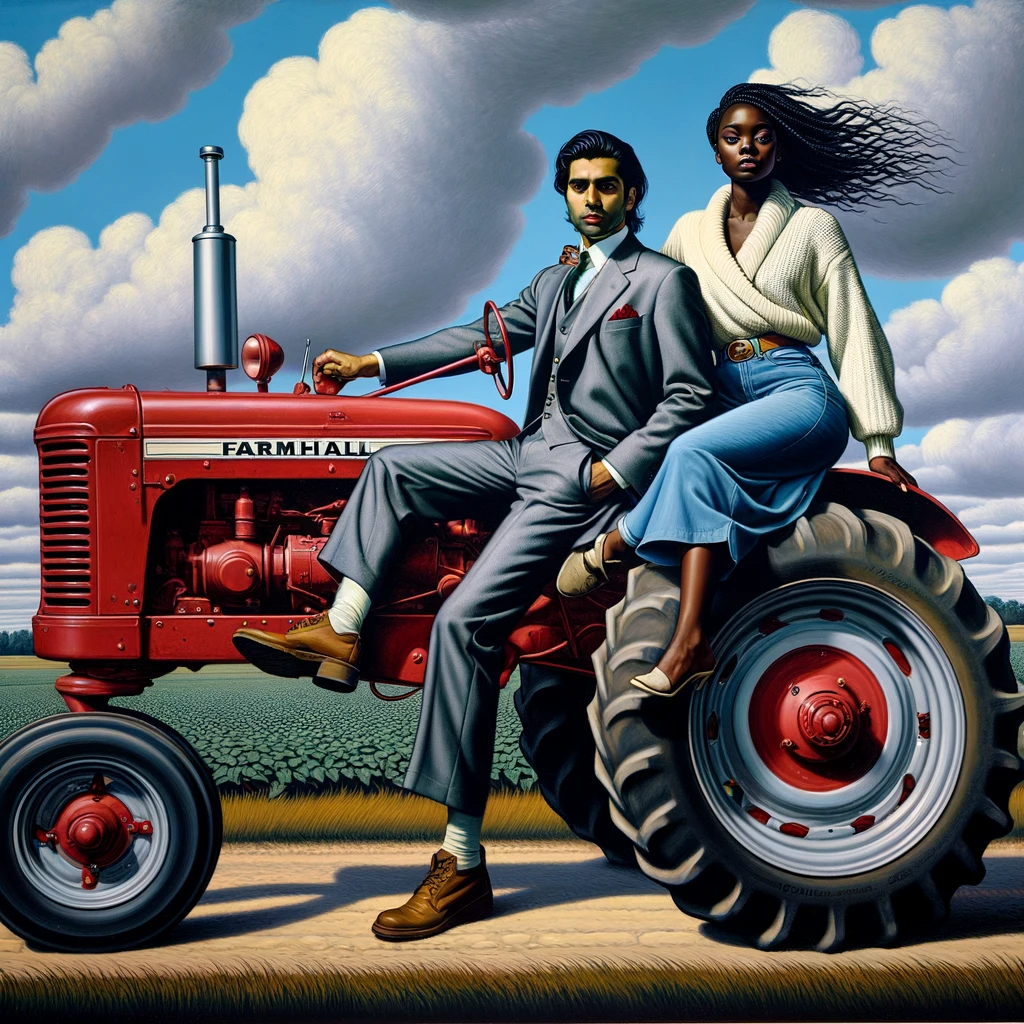
How Did AGCO Allis Tractors Differ From Competitors?
How Did AGCO Allis Tractors Differ From Competitors?
- AGCO Allis emerged in the 1990s as a unique brand for farmers and agricultural contractors.
- The brand featured innovative designs, prioritizing style and functionality over traditional templates.
- Eye-catching colors, particularly bold orange and black, set AGCO Allis tractors apart visually.
- AGCO Allis collaborated with other respected manufacturers to enhance engineering and technology.
- The brand emphasized a customer-centric approach, responding to the needs and feedback of farmers.
- Tractors were designed for versatility, able to perform various tasks reliably under tough conditions.
- AGCO Allis combined reliability and individuality, challenging industry norms while delivering strong performance.

How Did AGCO Allis Tractors Differ From Competitors?
What Were The Key Models Produced By AGCO Allis Tractors?
When you think of the rugged landscapes of American farmland, it’s hard not to picture the finely engineered machines powered by heart and grit. One such name that embodies this ethos is AGCO Allis, a brand born from the merging of innovative craftsmanship and farm-centric design. Over the years, AGCO Allis carved out a niche with a series of impressive models that made life just a bit easier for farmers, whether they were plowing fields, harvesting crops, or hauling hay.
Let’s kick off with the AGCO Allis 5630: a workhorse that really hit the sweet spot between power and efficiency. Equipped with a robust engine offering up to 63 horsepower, this tractor had a hydrostatic transmission that made it a breeze to maneuver—perfect for those tight turns found in smaller fields. This model became synonymous with reliability, allowing farmers to focus on the task at hand rather than worry about breakdowns.
Next in line is the AGCO Allis 6400 series, which introduced a host of features that made it a versatile option for any operation. With horsepower ranging from 75 to 105, this tractor was perfect for everything from tilling to transporting heavy loads. Its ergonomic design made it comfortable to work in for long hours—a game changer for those who toil from sunrise to sunset. And let’s not forget the 6400’s impressive hydraulic system, granting farmers the ability to attach various tools seamlessly.
Then we have the AGCO Allis 8500 series, a behemoth designed for large-scale agricultural needs. This model was built for the heavy hitters in the farming world—those who needed muscle to tackle vast acres of land. With horsepower reaching up to 150, and connectivity for sophisticated implements, it was a favorite among large farm operations. This powerhouse allowed for efficient planting and harvesting, contributing significantly to the productivity of its users.
Last but certainly not least, the 200 series deserves a mention, particularly the 205, known for its no-nonsense approach to farm work. With its straightforward design and solid performance, it catered to both seasoned farmers and newcomers alike. Its ease of operation and maintenance made it a trusty ally on any farm.
In summary, AGCO Allis tractors were built to last and designed with the modern farmer in mind. Each model brought something unique to the table, but they all shared a common thread—a commitment to getting the job done while standing the test of time, a true testament to agricultural evolution.

What Were The Key Models Produced By AGCO Allis Tractors?
What Were The Key Models Produced By AGCO Allis Tractors?
- AGCO Allis is a brand symbolizing innovative craftsmanship and farm-centric design.
- The AGCO Allis 5630 is a reliable tractor with 63 horsepower and hydrostatic transmission, ideal for maneuvering in smaller fields.
- The AGCO Allis 6400 series features between 75 to 105 horsepower, ergonomic design, and an impressive hydraulic system for versatility.
- The AGCO Allis 8500 series is designed for large-scale farming, boasting up to 150 horsepower and supports sophisticated implements.
- The 200 series, especially the model 205, is known for its straightforward design and solid performance, catering to a wide range of farmers.
- Each AGCO Allis tractor model offers unique features but all focus on durability and efficiency.
- AGCO Allis tractors reflect the evolution of agriculture, aimed at helping farmers meet their operational needs.
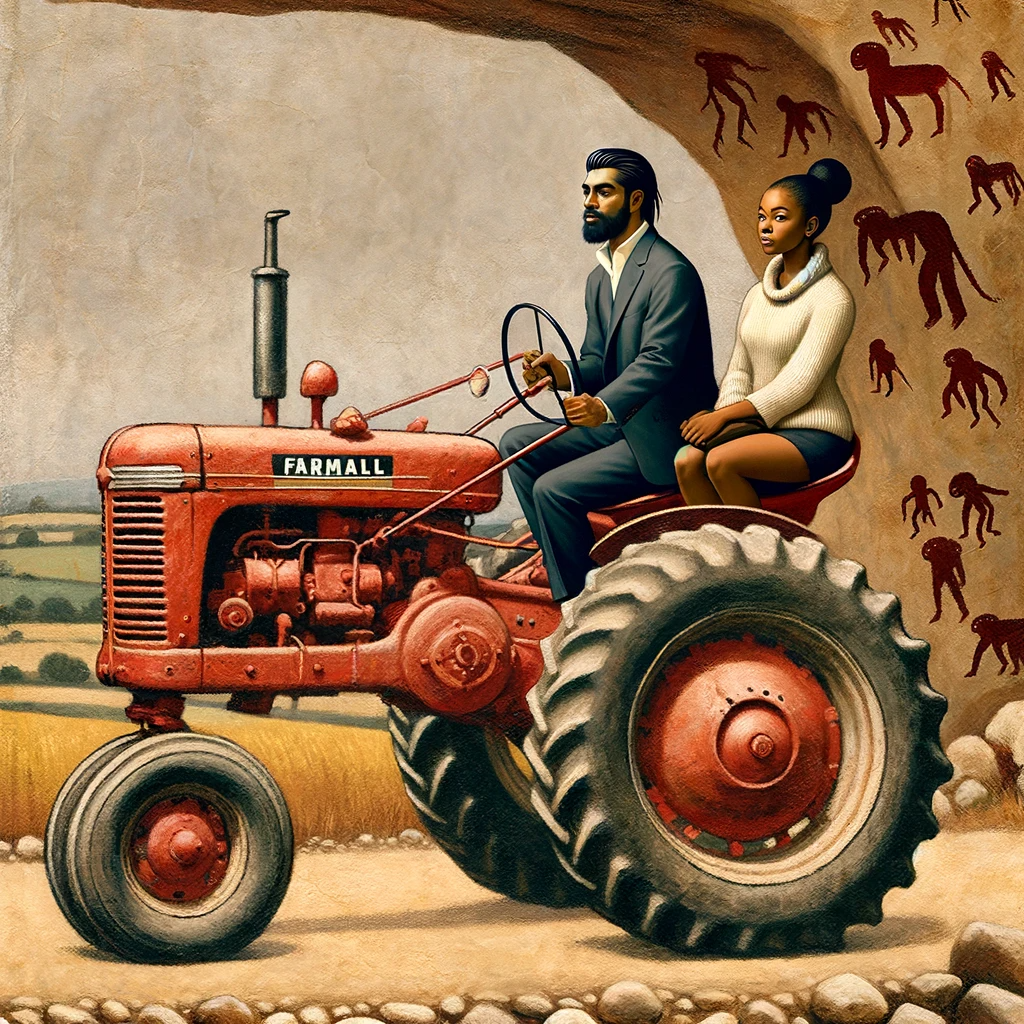
What Were The Key Models Produced By AGCO Allis Tractors?
How Did AGCO Allis Tractors Impact Agricultural Practices?
When we think about tractors, it’s easy to romanticize them as machines of muscle, grumbling through fields of green and gold, steady as a heartbeat. Yet, behind the roar of the engine lies a story of transformation, particularly when we turn our attention to AGCO Allis tractors. These machines didn’t just change the face of farming; they reshaped the very practices that define agriculture today.
Let’s rewind to the late 20th century, a time when agriculture was on the cusp of a revolution. Farmers were grappling with labor shortages and rising costs, while consumers demanded more food than ever before. Enter AGCO Allis, a name that became synonymous with innovation and efficiency. Their tractors combined power and technology in a way that allowed farmers to do more with less, turning back-breaking labor into a streamlined process.
One of the most significant impacts of AGCO Allis tractors was the advent of mechanization. Farmers who once relied on teams of horses or manual labor found themselves with efficient machines at their disposal. Just imagine a 6400 Series tractor, with its impressive horsepower and user-friendly controls, gliding seamlessly through fields. This increase in productivity meant that fewer workers were needed to cultivate larger swaths of land, paving the way for what we now recognize as industrial agriculture.
Moreover, AGCO Allis wasn’t just about raw power; it was also about precision. With their tractors, farmers could engage in precision agriculture long before it was a buzzword. The ability to control planting depth, optimize fuel use, and monitor crop health in real-time changed the game entirely. Farmers began to rely on data to make decisions, a paradigm shift that ensured better yields and minimized waste. A field wasn’t just a patch of earth anymore; it became a canvas of potential, painted with the strokes of technology.
There’s also the undeniable social impact. As these tractors rolled into fields across the country, they changed rural life. Farms evolved from family-run enterprises into larger operations, prompting shifts in demographics and community structures. With greater efficiency came the need for fewer hands, fundamentally altering the fabric of rural society.
In the grand scheme of things, AGCO Allis tractors didn’t just put food on our tables; they mechanized an agricultural revolution. They remind us that while farming may be rooted in tradition, the tools we use can push us toward a more productive and sustainable future. Through innovation and adaptability, AGCO Allis helped farmers reshape the landscape of agriculture, proving that sometimes, progress comes on four wheels.

How Did AGCO Allis Tractors Impact Agricultural Practices?
How Did AGCO Allis Tractors Impact Agricultural Practices?
- AGCO Allis tractors transformed farming practices, reshaping the agriculture landscape.
- In the late 20th century, they addressed labor shortages and rising costs while meeting consumer food demands.
- These tractors combined power and technology, streamlining agricultural processes.
- Mechanization allowed farmers to cultivate larger areas with fewer workers, leading to industrial agriculture.
- They enabled precision agriculture, allowing for better control over planting, fuel usage, and crop monitoring.
- As tractors became widespread, rural life transformed, shifting from family-run farms to larger operations.
- AGCO Allis exemplified how innovation in tools can create a more productive and sustainable agricultural future.

How Did AGCO Allis Tractors Impact Agricultural Practices?
What Role Did AGCO Allis Play In The Global Market?
In the ever-evolving landscape of agricultural machinery, AGCO Allis carved out a unique niche that resonated not just in American fields but across continents. This brand, a blend of innovation and tradition, emerged from the merger of Allis-Chalmers and AGCO Corporation, a partnership that symbolized resilience amid shifting agricultural practices and market demands. With roots tracing back to the early 20th century, AGCO Allis had a rich legacy that it carried into a new era of farming technology.
At its peak, AGCO Allis was synonymous with robust, efficient equipment that farmers relied on to power their operations. The company’s strategic focus is on producing reliable tractors and agricultural implements catered to both small-scale farms and larger operations that require serious horsepower to tackle demanding terrains and heavy workloads. This versatility began a ripple effect, allowing AGCO Allis to penetrate various global markets, from Europe to South America, meeting diverse farming needs across cultures and climates.
One of the defining features of AGCO Allis was its commitment to innovation. While the brand offered traditional machinery, it also embraced technological advancements, integrating new features that enhanced performance and productivity. The introduction of computerized systems and precision agriculture tools transformed how farmers operated, enabling them to optimize their yields and reduce waste. This willingness to adapt placed AGCO Allis on the cutting edge of agricultural trends, making its machinery not just tools but an integral part of modern farming.
Moreover, AGCO Allis understood the importance of collaboration. Through partnerships and relationships with local dealers worldwide, the brand was able to intertwine itself within various farming communities. This approach fostered a degree of loyalty among users who appreciated having access to support, spare parts, and expert advice close to home—key factors that respected the cultural nuances of farming practices around the globe.
However, as the global agricultural market became increasingly competitive, AGCO Allis faced challenges that required agility and foresight. The rise of international players and rapidly changing consumer preferences prompted the brand to rethink its strategies continually. Thus, AGCO Allis didn’t just play in the global market; it adapted, evolved, and, through its commitment to quality and innovation, left an indelible mark on the way we perceive agricultural machinery today.
In retrospect, AGCO Allis wasn’t merely about tractors and tillers—it was about crafting a legacy that acknowledged the past while pressing boldly into the future of agriculture.

What Role Did AGCO Allis Play In The Global Market?
What Role Did AGCO Allis Play In The Global Market?
- AGCO Allis emerged from the merger of Allis-Chalmers and AGCO Corporation, representing resilience in changing agricultural practices.
- The brand had a rich legacy dating back to the early 20th century, symbolizing a blend of innovation and tradition in farming technology.
- AGCO Allis was known for producing robust and efficient tractors and implements that catered to both small and large-scale farms.
- The company successfully penetrated global markets, meeting diverse agricultural needs across various cultures and climates.
- AGCO Allis embraced technological advancements, integrating features like computerized systems to optimize performance and productivity.
- Collaboration with local dealers worldwide fostered loyalty and provided vital support and resources to farming communities.
- Despite competitive pressures, AGCO Allis adapted and evolved, leaving a significant impact on the perception of agricultural machinery.

What Role Did AGCO Allis Play In The Global Market?
When Did AGCO Acquire Allis-Chalmers Assets?
When you think of the heavyweights in the agricultural machinery arena, you can’t overlook AGCO Corporation. This company, which has carved out a niche for itself in the world of farming equipment, made quite the splash in the mid-20th century. But for those who delve deeper into the history of agricultural machinery, the name Allis-Chalmers evokes a rich and storied past.
So, when did AGCO decide to scoop up Allis-Chalmers’ assets? The answer takes us back to 1990. Amidst a rapidly changing agricultural landscape, characterized by shifting consumer demands and evolving technology, AGCO stepped up to the plate. The company recognized that Allis-Chalmers was struggling, trying to keep its head above water in a fierce and competitive market. It was an opportune time for AGCO, and they seized the moment.
Allis-Chalmers, a company founded in the late 19th century, had made significant contributions to the world of farming and industrial machinery. By the late 1980s, however, it was facing considerable financial difficulties. Enter AGCO, a company on the rise, hungry for growth and opportunity. In 1990, AGCO acquired Allis-Chalmers’ agricultural equipment lines, including some well-known brands and valuable intellectual property. This strategic acquisition was about far more than just gaining access to a famous name; it was about absorbing decades of engineering prowess and a passionate legacy of innovation.
The deal not only expanded AGCO’s portfolio but also allowed the company to strengthen its position in the market—a savvy move that paid dividends in the following years. AGCO didn’t just inherit the name; they absorbed the spirit of Allis-Chalmers, infusing modern technology and doing what they do best: building robust, reliable equipment that farmers could count on.
So, if you find yourself in a field next to an AGCO machine, take a moment to appreciate the lineage. Behind that shiny exterior lies a connection to a bygone era, where grit and determination paved the way for the modern marvels of agriculture. The acquisition of Allis-Chalmers was a pivotal moment in AGCO’s history, marking not just an expansion of their business but a respectful nod to the craftsmanship that laid the groundwork for today’s agricultural successes.

When Did AGCO Acquire Allis-Chalmers Assets?
When Did AGCO Acquire Allis-Chalmers Assets?
- AGCO Corporation is a significant player in the agricultural machinery industry.
- AGCO acquired Allis-Chalmers’ assets in 1990 during a changing agricultural landscape.
- Allis-Chalmers faced financial difficulties by the late 1980s, prompting AGCO’s interest.
- The acquisition included Allis-Chalmers’ agricultural equipment lines and valuable intellectual property.
- This strategic move allowed AGCO to expand its portfolio and strengthen its market position.
- AGCO infused modern technology into the legacy of Allis-Chalmers, ensuring robust equipment for farmers.
- The acquisition marks a pivotal moment in AGCO’s history, connecting modern machinery to its historical roots.

When Did AGCO Acquire Allis-Chalmers Assets?
What Challenges Did AGCO Allis Tractors Face In The Market?
When you think about the agricultural machinery that powers America’s heartland, the name AGCO Allis might not be the first to spring to mind. Yet, this brand made some serious inroads in the tractor market back in the day. But like any underdog in a gritty story, AGCO Allis faced its fair share of headwinds as it sought to carve out a niche in a competitive landscape saturated with giants.
First and foremost, let’s talk about branding. AGCO, which acquired Allis-Chalmers in 1990, inherited not just a line of sturdy tractors, but also a legacy that was both a blessing and a curse. While the Allis-Chalmers name carried a certain nostalgia, it was also somewhat tarnished by past financial troubles. Farmers, often set in their ways, were naturally hesitant to embrace a brand that had stumbled. Convincing a rancher who has spent decades loyal to a particular color of tractor to switch brands isn’t exactly a walk in the park—especially when that color is synonymous with industry giants like Deere or Case IH.
Then there’s the challenge of innovation. As the agricultural landscape evolved with the advent of advanced technologies and precision farming practices, AGCO Allis found itself needing to keep pace. The company attempted to roll out models that incorporated modern efficiencies and emissions standards, but it often felt like playing catch-up. Meanwhile, competitors were continually pushing the envelope on performance, offering features that turned heads and won hearts. A tractor is more than just a machine; it’s a farmer’s work partner, and if it doesn’t offer the latest and greatest, it risks being left behind in the barn.
Supply chain issues also reared their ugly heads. As globalization tightened its grip, AGCO Allis had to navigate the complexities of sourcing parts and managing inventory. When you’re dealing with machinery that needs to withstand the brutal realities of farm life, any disruption in the supply chain can spell major trouble. Breakdowns in parts availability could mean stalled harvests, lost revenue, and, ultimately, the erosion of customer trust.
Lastly, there’s the looming presence of the international market. As foreign manufacturers made a push into the U.S. agribusiness scene, AGCO Allis faced increasing competition from brands that were not only aggressive in pricing but also quick to innovate. This intensified the pressure for AGCO Allis to demonstrate value, not just in machine longevity, but also in service and support—a critical aspect that farmers rely on during the demanding planting and harvesting seasons.
In the unforgiving game of agricultural machinery, AGCO Allis encountered these challenges head-on, all while striving to uphold a legacy in a world that wouldn’t slow down for anyone—much less an underdog.

What Challenges Did AGCO Allis Tractors Face In The Market?
What Challenges Did AGCO Allis Tractors Face In The Market?
- AGCO Allis faced significant challenges in carving out a niche in a competitive tractor market dominated by established brands.
- The legacy of Allis-Chalmers, acquired by AGCO in 1990, provided both nostalgia and a tarnished reputation due to past financial issues.
- Farmers’ brand loyalty and reluctance to switch from established tractor colors posed a hurdle for AGCO Allis.
- Innovation was essential, but AGCO Allis struggled to keep pace with advancements in technology and precision farming practices.
- Supply chain issues complicated the sourcing of parts and inventory management, affecting machine availability during critical farming seasons.
- International competition intensified as foreign manufacturers entered the U.S. market, necessitating better value in products and support from AGCO Allis.
- Despite these considerable challenges, AGCO Allis endeavored to maintain its legacy while adapting to a rapidly changing agricultural landscape.

What Challenges Did AGCO Allis Tractors Face In The Market?
How Did AGCO Allis Tractors Evolve Over The Decades?
When you trot down the winding path of agricultural history, one name stands out like a stout oak in a cornfield: AGCO Allis. From the onset in the mid-20th century, when the world was learning the ropes of mechanized farming, AGCO Allis made its entrance with an ambitious spirit and a sturdy lineup of tractors that aimed to revolutionize the way we cultivate our land.
The saga began in 1990 when AGCO Corporation absorbed the Allis-Chalmers brand, a company steeped in agricultural heritage since the 1840s. AGCO Allis took the reins, and right out of the gate, they sought to blend the old-school charm of traditional tractors with cutting-edge technology. Picture it: compact yet powerful machines rolling through farmlands, effortlessly plowing fields that were once the realm of horse-drawn implements.
By the mid-90s, they introduced the AGCO Allis line that featured the sleek, eye-catching designs and modern engineering, setting them apart in an industry full of drab machines. The emphasis on user-friendly controls and ergonomic design made farming not just productive but also a bit more enjoyable. Farmers were not merely operators; they became partners with these robust iron beasts.
As the decade wore on, innovation was the name of the game. The push towards tractor diversification led AGCO Allis to broaden its horizons, integrating features that catered to a range of farming needs—from broadacre pros to small-scale eco-farmers. They embraced technological advancements, rolling out models equipped with more powerful engines, better fuel efficiency, and advanced hydraulic systems. Each tractor became a symphony of efficiency and style.
By the early 2000s, the agricultural landscape was rapidly shifting, and AGCO Allis was no stranger to adaptation. The rise of precision farming ushered in a new era, and AGCO Allis responded in kind. Tractors began integrating GPS technology, enabling farmers to optimize their yields with surgical precision while reducing waste and environmental impact.
AGCO Allis didn’t just stand still; they partnered with farmers, listening to their experiences and incorporating feedback to develop even better machinery. This collaboration shaped the modern tractor, marrying the needs of today’s agricultural practices with the steadfast durability of yesteryears.
So, from humble beginnings to a cutting-edge powerhouse of agricultural machinery, AGCO Allis has not merely evolved; it’s transformed the very landscape of farming. And in a world where progress is paramount, it’s clear: this journey is far from over, with every revolution promising new horizons and richer harvests ahead.

How Did AGCO Allis Tractors Evolve Over The Decades?
How Did AGCO Allis Tractors Evolve Over The Decades?
- AGCO Allis emerged in the mid-20th century, aiming to revolutionize mechanized farming.
- The company was formed in 1990 when AGCO Corporation absorbed the Allis-Chalmers brand, which had agricultural roots since the 1840s.
- AGCO Allis combined traditional tractor charm with modern technology, introducing compact yet powerful machines for farming.
- In the mid-90s, AGCO Allis launched a line of tractors known for sleek designs and ergonomic user-friendly controls.
- Innovation led to diversification, integrating features suitable for various farming needs and enhancing efficiency with powerful engines and advanced hydraulic systems.
- By the early 2000s, the company embraced precision farming, integrating GPS technology to optimize yields and minimize waste.
- AGCO Allis fostered partnerships with farmers to incorporate feedback, shaping the evolution of modern tractors while maintaining durability.

How Did AGCO Allis Tractors Evolve Over The Decades?
What Are The Notable Features Of AGCO Allis Tractors?
When it comes to rural grit and backbone, AGCO Allis tractors stand out from the crowd like a steersman steering his way through a cacophony of machinery and hay bales. These tractors are engineered not just to work the land but to tackle the daily challenges of agriculture with a mix of power, efficiency, and user-friendly design that leaves little room for anything but admiration.
First off, let’s chat about horsepower. AGCO Allis tractors come with a range of engine options, giving farmers the flexibility to choose the right amount of muscle for their specific tasks. Whether you’re pulling heavy loads, plowing fields, or baling hay, you’ll appreciate the robust engines that deliver reliable performance. These machines aren’t just numbers on a spec sheet; they’re trusted workhorses ready for any challenge.
Moving on to their build quality – these tractors are as tough as a two-dollar steak. Constructed to withstand the wear and tear of daily agricultural activities, they offer rugged durability coupled with smart engineering. The frames are designed to provide stability, ensuring you won’t feel like you’re riding a bronco while operating on uneven terrain. This durable construction means fewer breakdowns and less downtime, which can be the difference between a successful harvest and a season of regrets.
Now, let’s not forget about versatility. AGCO Allis tractors come with an array of attachments that expand their capabilities, turning the tractor into a Swiss Army knife for the farm. From loaders to tillers, the ease of switching between tasks is intuitive and designed for maximum productivity. Farmers can easily equip their machines for whatever job demands attention, ensuring that each hour spent in the field counts.
Comfort and convenience are also hallmarks of AGCO Allis design. The cabs are roomy and thoughtfully designed, providing visibility and control that allows operators to focus on the job rather than the machine. Features like ergonomic seating and intuitive controls make long days in the field more manageable, minimizing fatigue and maximizing efficiency.
Lastly, AGCO Allis tractors are backed by the support of a strong dealer network that ensures you’re never left in the dust when it comes to maintenance or repairs. This commitment to service helps farmers keep their operations running smoothly, making AGCO Allis not just a brand, but a reliable partner in the field.
In summary, AGCO Allis tractors exemplify what it means to combine traditional strength with modern innovation, making them a top player in the agricultural machinery game. Whether you’re a seasoned farmer or a newcomer pushing boundaries, these machines are designed to get the job done – and done right.

What Are The Notable Features Of AGCO Allis Tractors?
What Are The Notable Features Of AGCO Allis Tractors?
- AGCO Allis tractors are designed for agricultural challenges with power, efficiency, and user-friendly features.
- They offer a range of engine options, providing farmers with flexibility to select the appropriate horsepower for various tasks.
- Known for their rugged durability, AGCO Allis tractors are built to withstand the wear and tear of daily farm operations.
- These tractors feature versatile attachments, allowing easy switching between tasks for maximum productivity.
- The cabs are spacious and ergonomically designed, enhancing operator comfort and minimizing fatigue during long hours of use.
- AGCO Allis provides strong dealer support for maintenance and repairs, ensuring reliable service for farmers.
- They combine traditional strength with modern innovation, making them a preferred choice for both seasoned and new farmers.

What Are The Notable Features Of AGCO Allis Tractors?
How Did AGCO Allis Tractors Contribute to Farm Mechanization?
When you think of the American farmland, what comes to mind? Rolling fields, the sound of machinery humming, and farmers tending to their crops with a tenacity that feels almost legendary. At the heart of that image, particularly from the late 20th century onward, are the tractors that revolutionized farming practices: AGCO Allis tractors. These machines didn’t just chug along mindlessly; they were the very backbone of modern agriculture, upping the ante and taking efficiency to new heights.
Let’s rewind a bit. The story of AGCO Allis begins in the mid-1990s when AGCO Corporation acquired Allis-Chalmers’ agricultural division. They took what was already a solid brand—one that had been around since the 19th century—and turned it into something extraordinary. By combining innovative engineering with user-friendly design, AGCO Allis tractors quickly became favorites among farmers looking to modernize their operations.
What made these tractors so transformative? First off, they introduced advanced features that simplified tasks previously thought cumbersome. Think about it—instead of plowing with a mule and a plow, you had machinery that could do the work of several teams, all while increasing productivity. These tractors came equipped with high-horsepower engines and robust transmissions, allowing them to handle various implements with ease, from seeders to cultivators. This adaptability meant that a farmer could liquidate their muscle-bound workforce of the past and replace it with a one-man show—and still get the job done.
Moreover, AGCO Allis didn’t just stop at powerful engines. The integration of technology into their machinery was a game changer. GPS systems, automatic steering, and advanced hydraulic systems gave farmers the ability to maximize precision while reducing labor costs. Suddenly, the once-intimidating landscape of farming was accessible to anyone willing to roll up their sleeves and climb into a cab.
The impact of AGCO Allis on farm mechanization extends beyond individual farms. As these tractors proliferated, they helped create a ripple effect throughout the agricultural industry, driving down costs and increasing food production at a remarkable rate. This was a critical time for the nation, as food supply had to keep pace with a burgeoning population.
In short, AGCO Allis tractors didn’t simply join the ranks of agricultural machines—they reshaped the entire framework of farming, pushing the boundaries of what was possible and paving the way for a future where technology and tradition work hand in hand. So, the next time you’re out in the fields or enjoying a meal, remember the iron beasts that helped turn the toil of farming into the thriving industry it is today.

How Did AGCO Allis Tractors Contribute to Farm Mechanization?
How Did AGCO Allis Tractors Contribute to Farm Mechanization?
- AGCO Allis tractors revolutionized farming practices from the late 20th century onward.
- AGCO Corporation acquired Allis-Chalmers’ agricultural division in the mid-1990s, transforming a historic brand.
- The tractors featured advanced technologies that simplified traditional farming tasks.
- High-horsepower engines and robust transmissions allowed tractors to efficiently handle various farming implements.
- Innovations like GPS systems and automatic steering increased precision and reduced labor costs for farmers.
- AGCO Allis tractors significantly impacted the agricultural industry, driving down costs and increasing food production.
- Overall, they reshaped farming, integrating technology with tradition for a more efficient future.

How Did AGCO Allis Tractors Contribute to Farm Mechanization?
What Is The Legacy Of AGCO Allis Tractors In Modern Agriculture?
When we think about the backbone of American agriculture, many names come to mind, but few evoke the kind of affection and nostalgia that AGCO Allis tractors do. These machines, with their unmistakable orange color and robust design, have left an indelible mark on both the fields they worked and the farmers who relied on them. It’s a legacy steeped in innovation, hard work, and, yes, the occasional grease stain on a hardworking pair of jeans.
AGCO Allis was born from the merger of several agricultural heavyweights and came to represent a key player in the machinery landscape. Its tractors were more than just metal and rubber; they were lifelines to farmers facing the challenges of modern cultivation. These powerful machines were designed to tackle tough jobs, whether it was plowing vast fields of corn or pulling hefty loads of hay bales. With engines that roared to life and endless torque, they became trusted partners to generations of farmers.
What truly sets AGCO Allis apart is its attention to farmer feedback. In a world increasingly obsessed with computerized diagnostics, there’s something refreshing about their commitment to simplicity and functionality. Farmers appreciated the ease of maintenance; a simple wrench was often all they needed to keep things running smoothly. This hands-on approach fostered a deep-rooted community of loyal owners who viewed their tractors not just as tools, but as family members that had witnessed countless seasons of sweat and success.
As we journey further into the 21st century, the principles instilled by AGCO Allis still resonate strongly in modern agriculture. With precision farming gaining momentum, the spirit of innovation that drove AGCO Allis remains relevant. Their legacy echoes through today’s high-tech tractors that employ advanced GPS systems for pinpoint planting and harvesting. But at the heart of it all is the essence of what AGCO Allis stood for: reliability, resilience, and respect for the land.
In an era where ag machinery often seems interchangeable, the distinct craftsmanship of AGCO Allis reminds us that every tractor has a story. For many, it’s not just a machine—it’s the embodiment of a way of life, rooted in hard soil and hard work. As modern agriculture continues to evolve, the principles of reliability and respect for the farmer’s craft remain ever relevant, ensuring that the legacy of AGCO Allis lives on, powering the future while honoring the past.

What Is The Legacy Of AGCO Allis Tractors In Modern Agriculture?
What Is The Legacy Of AGCO Allis Tractors In Modern Agriculture?
- AGCO Allis tractors are cherished for their distinctive orange color and robust design, creating a strong emotional connection with farmers.
- Born from the merger of several agricultural companies, AGCO Allis became a key player in the agricultural machinery sector.
- The tractors served as essential tools for farmers, capable of handling tough jobs like plowing fields and hauling hay bales.
- AGCO Allis prioritized farmer feedback, emphasizing simplicity and functionality over complex computerized systems.
- The brand fostered a loyal community of owners who viewed their tractors as family members, integral to their farming success.
- The legacy of AGCO Allis continues to influence modern agriculture, particularly with the rise of precision farming technologies.
- AGCO Allis represents a craftsmanship philosophy that highlights reliability and respect for farming traditions, ensuring its legacy endures in contemporary agriculture.

What Is The Legacy Of AGCO Allis Tractors In Modern Agriculture?
How Has AGCO Allis Tractor Corporation Diversified Since Its Founding?
Since its inception, AGCO Allis Tractor Corporation has embarked on a remarkable journey of diversification that mirrors the evolution of agriculture itself. Originally conceived as a manufacturer of farm machinery, the company has skillfully adapted to the changing landscapes of both farming practices and market demands, transforming itself into a multifaceted powerhouse in the agricultural sector.
The early days of AGCO were focused primarily on the production of reliable tractors and equipment tailored for traditional farming methods. It was an era when farmers relied heavily on the muscle of powerful machines to toil the land, and AGCO stepped up to the plate with innovative designs that made farming more efficient. But as the seasons changed and farming practices evolved, so too did AGCO’s vision. Rather than stand still, AGCO recognized that staying relevant meant embracing new technologies and trends.
Enter precision agriculture—an approach that utilizes data, GPS technology, and advanced machinery to optimize crop yields and resource management. By investing in research and development, AGCO became a frontrunner in integrating technology into their machinery. They didn’t just want to build tractors; they aimed to create a holistic farming experience. The result? A lineup of smart equipment equipped with cutting-edge technology to assist farmers in making informed decisions, thus maximizing efficiency and productivity.
Moreover, AGCO diversified its product portfolio, expanding beyond tractors to include a wide range of agricultural equipment. From combines and tillage tools to advanced harvesting machinery, the company has woven a tapestry of offerings that cater to the diverse needs of modern-day farmers. This strategic move not only broadened their market reach but also established AGCO as a one-stop shop for all things agricultural.
But innovation doesn’t stop at machinery. AGCO understands that fostering strong relationships within the agricultural community is vital. They have actively pursued partnerships and collaborations with agribusiness firms and technology companies, allowing them to stay at the forefront of industry trends and customer needs. This approach has enabled them to offer integrated solutions, combining machinery with software and data analytics, to create an all-encompassing platform for agricultural success.
In essence, AGCO Allis Tractor Corporation has navigated the passage of time with an agile mindset, consistently reinventing itself to meet the ever-changing demands of the farming world. Through diversification, technological innovation, and strategic partnerships, AGCO has not only survived but thrived in an industry defined by its capacity to evolve, making it a key player in the future of agriculture.

How Has AGCO Allis Tractor Corporation Diversified Since Its Founding?
How Has AGCO Allis Tractor Corporation Diversified Since Its Founding?
- AGCO Allis Tractor Corporation has followed a journey of diversification that reflects changes in agriculture.
- Initially focused on reliable tractors and traditional farming, AGCO adapted to evolving farming practices and market demands.
- The company embraced precision agriculture, leveraging data, GPS technology, and advanced machinery to optimize farming.
- AGCO invested in research and development, aiming to create an integrated farming experience with smart equipment.
- In addition to tractors, AGCO expanded its product range to include combines, tillage tools, and advanced harvesting machinery.
- AGCO actively pursues partnerships with agribusiness and technology companies to stay aligned with industry trends.
- Through innovation and strategic partnerships, AGCO has established itself as a key player in the evolving agricultural sector.

How Has AGCO Allis Tractor Corporation Diversified Since Its Founding?
Conclusion
As we wrap up this exploration of AGCO Allis tractors, it’s clear that the story of this brand is more than just a narrative of machinery; it’s a testament to resilience, innovation, and the relentless spirit of agriculture. Originating in 1990 through the savvy acquisition of Allis-Chalmers, AGCO Corp embarked on a transformative journey that would take the agricultural sector by storm. From its modest beginnings, AGCO Allis grew by intertwining the storied legacy of a renowned name with cutting-edge technology and modern engineering.
In weaving together this rich tapestry of history, AGCO Allis became synonymous with reliability and performance. Their tractors aren’t just machines—they’re lifelines for farmers who toil under the sun, often against formidable odds. With robust models powered by advanced engines, AGCO Allis provided farmers the power to do more with less, profoundly contributing to the mechanization revolution. The embrace of precision agriculture through features that allowed for optimized planting and harvesting truly reshaped the landscape of farming.
But it didn’t stop at raw power or innovation. AGCO Allis recognized that, at the end of the day, it’s about the people wielding the equipment. They took serious strides in understanding farmer feedback, designing intuitive controls and user-friendly features that catered to the actual folks in the fields. This focus on utility over unnecessary complexity fostered a loyal community that saw AGCO Allis tractors as trusted partners rather than mere tools.
Today, as farmers face new global challenges—from climate change to labor shortages—the legacy of AGCO Allis lives on not just in its hardy machinery but in the enduring philosophy it represents: a commitment to serving the agricultural community, embracing evolution, and pushing for sustainability. AGCO continues to diversify its offerings, melding traditional agricultural practices with advanced technology.
So, the next time you spot an AGCO Allis tractor plowing through a field or hauling hay, take a moment to appreciate the story behind it. It embodies the spirit of hard work, the wisdom of generations, and the ongoing evolution of an industry that’s vital to our sustenance and enjoyment of life. As we move forward in an ever-changing world, AGCO Allis remains anchored in its robust past while steadfastly pushing towards a more innovative and sustainable agricultural future. This is not just a tale of tractors; it’s a celebration of the very heart of farming itself.

Conclusion
Conclusion:
- AGCO Allis tractors are a symbol of resilience, innovation, and the spirit of agriculture.
- Founded in 1990 after acquiring Allis-Chalmers, AGCO Corp transformed the agricultural sector.
- AGCO Allis combines a historic legacy with cutting-edge technology in their reliable and high-performance tractors.
- These tractors act as essential tools for farmers, enabling them to achieve more with less and contribute to the mechanization revolution.
- The brand prioritizes farmer feedback, focusing on user-friendly designs that cater to the needs of those in the fields.
- AGCO Allis embraces sustainability, aiming to serve the agricultural community amidst challenges like climate change and labor shortages.
- The story of AGCO Allis tractors encapsulates the hard work and evolution of the farming industry, remaining committed to innovation and sustainability.

Conclusion
Other Resources

Other Resources
Here is a list of other resources you can review online to learn more:
- “History of AGCO”
- “AGCO”
- “AGCO Corporation”
- “AGCO: Acquiring Brands Led to Explosive Growth”
- “Historique d’AGCO”
- “AGCO Pubs”
- “RNAI key to glyphosate resistance”
- “Other Agricultural Ads”

Other Resources
Glossary Terms
What Is The History Of The Company That Made AGCO Allis Tractors? – Glossary Of Terms
1. AGCO Corporation: A global manufacturer of agricultural equipment formed in 1990 through the merger and acquisition of several agricultural brands.
2. Allis-Chalmers: An American manufacturer that produced machinery for various industries, including agriculture, and was one of the predecessors to AGCO.
3. Tractor: A powerful motor vehicle with large rear wheels, designed for pulling farm machinery.
4. Merger: The combination of two companies to form a new entity, often occurring to consolidate resources or expand market reach.
5. Lawn and Garden Equipment: Tools and machines, including small tractors, designed for residential gardening and landscaping.
6. Distributor: A business or individual that sells products from a manufacturer to retailers or directly to consumers.
7. Farm Machinery: Various vehicles and tools that assist with the cultivation and production of crops and livestock, essential to agriculture.
8. Heritage: The historical context and legacy associated with a company or brand, reflecting its origins and evolution over time.
9. Branding: The process of creating a unique name and image for a product or company in the consumer’s mind.
10. Innovation: The introduction of new ideas, products, or methods, which play a vital role in a company’s growth and adaptation.
11. Technological Advancements: Progress in technology that enhances the functionality, efficiency, and productivity of agricultural equipment.
12. Sustainability: Practices that meet current needs without compromising the ability of future generations to meet their own needs, increasingly important in agriculture.
13. Market Share: The portion of a market controlled by a particular company or product, indicating its competitiveness and consumer acceptance.
14. Acquisition: The act of one company buying the assets and operations of another company, often to expand its offerings.
15. Equipment Dealers: Businesses that sell agricultural machinery and provide after-sales support and services.
16. Farmland: Land that is cultivated for agricultural purposes, often employing various equipment for raising crops.
17. Diversification: A business strategy that involves expanding a company’s range of products or markets to reduce risk.
18. Sales Growth: An increase in sales revenue over a specified period, indicating a company’s expanding customer base or market penetration.
19. Research and Development (R&D): Activities aimed at developing new products or improving existing ones, critical for innovation in agricultural machinery.
20. Market Demand: The desire and ability of consumers to buy products, influencing production and marketing strategies.
21. Economic Impact: The effect that a company or industry has on the economy, including job creation and contribution to GDP.
22. Quality Assurance: A systematic way of ensuring that products meet specified quality standards, crucial for maintaining customer satisfaction.
23. Competitive Advantage: A condition or circumstance that puts a company in a favorable business position, such as superior technology or brand loyalty.
24. Supply Chain Management: The management of the flow of goods and services from raw materials to the end customer, essential for operational efficiency.
25. Regulatory Compliance: Adhering to laws and regulations concerning the manufacture and sale of agricultural equipment.
26. Machinery Design: The process of creating and engineering machinery that meets specific operational requirements and user needs.
27. Globalization: The process by which businesses develop international influence or operate on an international scale, affecting agricultural markets and practices.
28. Customer Support: Services provided to assist customers with product-related inquiries and troubleshooting, vital for maintaining a loyal customer base.
29. Trade Shows: Events where companies showcase and demonstrate their products to potential customers, including agricultural machinery exhibitions.
30. Heritage Brands: Brands that have significantly historical connections and traditional values, often leveraged for marketing and reputation in the industry.
This glossary provides insightful terminology related to AGCO and the historical context of AGCO Allis Tractors, illustrating the interconnectedness of agricultural machinery development and industry practices.

Glossary Of Terms
Other Questions
What Is The History Of The Company That Made AGCO Allis Tractors? – Other Questions
If you wish to explore and discover more, consider looking for answers to these questions:
- What were the initial challenges faced by AGCO after its founding?
- How did AGCO Allis tractors compare in price to competitors?
- What specific markets did AGCO Allis target for expansion?
- What maintenance practices are recommended for AGCO Allis tractors?
- How has consumer demand changed for AGCO Allis tractors over the years?
- What role did AGCO play in the development of precision agriculture?
- What technological advancements have been most influential in AGCO Allis tractors?
- How do AGCO Allis tractors contribute to sustainable farming practices?
- What is the customer feedback on AGCO Allis tractors?
- How has AGCO Allis maintained its legacy while innovating?
- What strategic partnerships has AGCO formed to enhance its market presence?
- How do AGCO Allis tractors perform in various farming environments?
- What future innovations are being explored by AGCO Corporation?
- How did AGCO Allis respond to the financial crisis affecting agriculture?
- What is the market outlook for AGCO Allis tractors in the coming years?

Other Questions
Haiku
What Is The History Of The Company That Made AGCO Allis Tractors? – A Haiku
AGCO Allis tractors,
Roots in farming’s rich legacy,
Innovation’s strength.

Haiku
Poem
What Is The History Of The Company That Made AGCO Allis Tractors? – A Poem
In nineteen hundred ninety’s dawn,
AGCO Allis was reborn,
From Allis-Chalmers, roots ran deep,
In machinery’s embrace, they’d leap.
With mergers strong, they took their stance,
A tapestry of farming’s dance,
Crafted tractors, sturdy, bright,
In orange and black, they took to flight.
The heartland echoed with their roar,
Across the fields, they’d boldly soar,
Innovation surged, efficiency soared,
Turning labor into tech’s reward.
From horsepower’s might to comfort’s care,
Designs that welcomed wear and tear,
They listened close to farmers’ pleas,
Creating machines that aim to please.
With every turn of sturdy wheel,
A promise made, a steadfast deal,
To power fields, to till the earth,
Embracing tech, enhancing worth.
Through challenges, they carved their name,
In markets fierce, they staked their claim,
Global reach, as seasons changed,
They faced the tide, yet never strained.
From humble start, they grew in might,
With GPS guiding through day and night,
A legacy of grit and grace,
In every harvest, they found their place.
So here’s to tractors, faithful friends,
In fields where toil and progress blend,
AGCO Allis, forever strong,
A modern tale of roots and song.

Poem
Checklist
What Is The History Of The Company That Made AGCO Allis Tractors? – A Checklist
Company History
_____ Year Founded: Identify the year AGCO Allis Tractors Corporation was established.
_____ Founders: Research the main founders and their contributions to the company.
_____ Mergers: List key companies that merged into AGCO Corporation to form AGCO Allis.
Innovation and Design
_____ Key Innovations: Note the major innovations AGCO Allis tractors introduced to the industry.
_____ Unique Features: Identify standout features unique to AGCO Allis tractors that differentiate them from competitors.
_____ Key Models: Catalog the key tractor models produced and their specific traits or advantages.
Market Impact and Challenges
_____ Market Adaptation: Analyze how AGCO Allis adapted to changes in the agricultural landscape over the decades.
_____ Global Role: Assess AGCO Allis’s presence and influence in the global agricultural market.
_____ Challenges Faced: List notable challenges AGCO Allis faced in the competitive tractor market.
Legacy and Evolution
_____ Impact on Agricultural Practices: Consider how AGCO Allis tractors influenced farming practices and mechanization.
_____ Modern Agriculture: Evaluate the legacy AGCO Allis has left on contemporary agricultural machinery and methodologies.
_____ Diversification: Describe the ways AGCO has diversified since its inception and into what markets or sectors.
Future Considerations
_____ Sustainability Practices: Research any sustainability or environmental practices AGCO Allis has implemented.
_____ Technological Advancements: Investigate technologies AGCO Allis may be integrating today to meet future agricultural challenges.
_____ Customer Engagement: Explore how AGCO Allis maintains relationships with farmers and agricultural communities.
Use this checklist to delve deeper into the fascinating world of AGCO Allis Tractors and to engage further with the history and innovations that have shaped modern agriculture.

Checklist
At ClassicTractorNews, we help tractor lovers keep up with the latest news for classic and vintage tractors.
Please share this post with your friends, family, or business associates who may like old classic or vintage tractors.