


Uncovering The True Value Of Vintage Tractors
By Tom Seest
At ClassicTractorNews, we help tractor lovers keep up with the latest news for classic and vintage tractors.
Please share this post with your friends, family, or business associates who may like old classic or vintage tractors.
How Much Are Old Tractors Worth?
When it comes to old tractors, determining their worth can be a bit like trying to guess the weight of a cow at the county fair – it’s all about the fine details. There are a variety of factors that can influence the value of an old tractor, from its make and model, to its age and condition.
One of the most important things to consider when assessing the value of an old tractor is its make and model. Some brands are more coveted by collectors than others, and certain models are rarer and more sought after. For example, a vintage John Deere or International Harvester tractor may fetch a higher price than a lesser-known brand.
Age is another key factor to consider when determining the value of an old tractor. Generally speaking, older tractors tend to be more valuable, especially if they are well-maintained and in working order. Tractors that are considered antique – typically those manufactured before the 1960s – are often highly prized by collectors and enthusiasts.
The condition of the tractor is also a critical factor in assessing its value. Tractors that have been restored to their original condition can command a premium price, as they are often seen as more desirable. On the other hand, tractors that are in poor or non-working condition may be worth significantly less, as they require more time and money to bring them back to life.
In addition to the make, model, age, and condition of the tractor, there are a variety of other factors that can influence its value. For example, the rarity of a particular model, the availability of replacement parts, and the tractor’s historical significance can all play a role in determining its worth.
Ultimately, the value of an old tractor is subjective and can vary widely depending on who is buying and selling. Some collectors may be willing to pay top dollar for a pristine example of a rare model, while others may be more interested in a project that they can restore themselves.
If you’re thinking about buying or selling an old tractor, it’s a good idea to do your research and consult with experts in the field. By considering all of the factors that can influence the value of an old tractor, you can make a more informed decision and ensure that you get a fair price for your piece of agricultural history.

How Much Are Old Tractors Worth?
How Much Are Old Tractors Worth?
- Making and modeling are important for determining the value of an old tractor.
- Certain brands and models may be more coveted by collectors.
- Age also plays a key role in the value; older tractors tend to be more valuable.
- The condition of the tractor is critical; restored tractors can command a premium price.
- Rarity, availability of replacement parts, and historical significance can influence value.
- The value of old tractors is subjective and can vary widely depending on the buyer and seller.
- Research and consulting with experts are recommended when buying or selling old tractors.

How Much Are Old Tractors Worth?
Table Of Contents
- How Much Are Old Tractors Worth?
- What Factors Determine The Value Of An Old Tractor?
- Where Can I Find Resources For Appraising Old Tractors?
- Are Certain Brands Or Models More Valuable Than Others?
- How Do I Properly Maintain The Value Of My Old Tractor?
- What Are Common Mistakes To Avoid When Buying Or Selling Old Tractors?
- What Makes a Rare Tractor Valuable?
- How Does Condition Affect Old Tractor Value?
- What Model Of Old Tractor Is Most Valuable?
- What Makes Year-Model Tractors Valuable?
- Conclusion
- Other Resources
What Factors Determine The Value Of An Old Tractor?
When it comes to determining the value of an old tractor, there are a myriad of factors to take into consideration. From the make and model of the tractor to its condition and history, there are several key elements that can impact just how much that vintage farm equipment is worth.
First and foremost, the make and model of the tractor play a significant role in determining its value. Certain brands and models are highly sought after by collectors and enthusiasts, while others may not hold as much appeal. For example, an old John Deere tractor or a classic Fordson model may fetch a higher price than a lesser-known brand with less historical significance.
The age of the tractor can also influence its value. Generally speaking, older tractors from the early to mid-20th century tend to be more valuable than newer models. This is often due to the craftsmanship and durability of the older machines, as well as their historical significance in the evolution of agricultural technology.
Another important factor to consider is the overall condition of the tractor. Tractors that have been well-maintained and kept in good working order are likely to be worth more than those that have been neglected or are in need of major repairs. Rust, dents, and missing parts can all detract from the value of a vintage tractor, so it’s important to carefully assess the condition of any potential purchase.
The rarity of a particular tractor can also impact its value. Some models were produced in limited numbers or have unique features that make them highly sought after by collectors. If you happen to come across a rare or hard-to-find tractor in good condition, it could fetch a premium price on the market.
Additionally, the provenance of the tractor can influence its value. Tractors with a known history or that have been owned by famous individuals or used in significant events may command a higher price than those with no documented background. Documented maintenance records, original manuals, and other historical documentation can all add to the value of an old tractor.
The value of an old tractor is determined by a combination of factors, including the make and model, age, condition, rarity, and provenance of the machine. By carefully considering these elements, you can better assess the true worth of a vintage tractor and determine if it’s a good investment for your collection or farm.

What Factors Determine The Value Of An Old Tractor?
What Factors Determine The Value Of An Old Tractor?
- Make and model of the tractor.
- Age of the tractor.
- Overall condition of the tractor.
- The rarity of a particular tractor.
- Provenance of the tractor.
- Factors that influence the value.
- Assessing the true worth of a vintage tractor.

What Factors Determine The Value Of An Old Tractor?
Where Can I Find Resources For Appraising Old Tractors?
Looking to determine the value of that old tractor sitting in your barn? You’re not alone. In fact, many people find themselves in the same situation, unsure of where to turn for answers. Luckily, there are a variety of resources available to help you appraise your old tractor and get a better understanding of its worth.
One of the first places to start is by reaching out to local agricultural experts or organizations. Farmers, mechanics, and antique tractor enthusiasts can often provide valuable insights into the value of your machine. They may be able to offer advice on specific makes and models, as well as provide general guidance on what to look for when assessing the condition of your tractor.
Additionally, local tractor clubs and shows can be a great resource for connecting with others who share your interest in antique machinery. These events often feature knowledgeable enthusiasts who can offer appraisals or point you in the right direction for further research. Attending these shows can also give you a chance to see similar tractors up close and get a better sense of their value.
Another valuable resource for appraising old tractors is online forums and websites dedicated to antique machinery. Websites like TractorByNet and AntiqueTractors.com offer forums where members can ask questions, share photos, and seek advice on appraising tractors. These online communities can be a wealth of knowledge for those looking to learn more about their tractor’s history and value.
If you’re looking for a more formal appraisal, there are also professional services available to help you assess the value of your old tractor. Auction houses, antique dealers, and restoration experts can provide expert appraisals based on their knowledge of the market and industry trends. While these services may come at a cost, they can offer a comprehensive and detailed assessment of your tractor’s value.
Ultimately, appraising an old tractor is a combination of research, experience, and insight. By leveraging the resources available to you, such as local experts, online forums, and professional services, you can gain a better understanding of your tractor’s worth and make informed decisions about its future. So don’t let that old tractor gather dust in the barn – take the time to explore your appraisal options and unlock its true value.

Where Can I Find Resources For Appraising Old Tractors?
Where Can I Find Resources For Appraising Old Tractors?
- Reach out to local agricultural experts, farmers, mechanics, and antique tractor enthusiasts for insights.
- Connect with local tractor clubs and shows to get appraisals and make connections.
- Visit online forums and websites dedicated to antique machinery for knowledge and advice.
- Consider professional services like auction houses and antique dealers for formal appraisals.
- Appraising an old tractor involves research, experience, and insight.
- By utilizing available resources, you can gain a better understanding of your tractor’s value.
- Don’t let your old tractor gather dust – explore appraisal options to unlock its true value.

Where Can I Find Resources For Appraising Old Tractors?
Are Certain Brands Or Models More Valuable Than Others?
When it comes to purchasing a new piece of equipment, whether it be a car, a tool, or a household appliance, there are often certain brands or models that tend to hold more value than others in the eyes of consumers. This can be due to a variety of factors, including reputation, performance, and perceived quality.
Some brands have been around for decades and have built up a strong reputation for producing reliable, durable products. These brands often command higher prices because consumers trust that they are getting a high-quality product that will last for years to come. On the other hand, newer or lesser-known brands may not have the same level of trust from consumers and, therefore, may not be as valuable in the resale market.
In addition to brand reputation, the specific model of a product can also impact its value. Certain models may have unique features or capabilities that make them more desirable to consumers, resulting in higher resale values. For example, a luxury car model with advanced technology and a sleek design may hold its value better than a basic model from the same brand.
Another factor that can influence the value of a brand or model is rarity. Limited edition products or models that are no longer in production can often fetch higher prices on the resale market. Collectors may be willing to pay a premium for a rare item that is hard to find.
Of course, value is ultimately subjective and can vary depending on individual preferences and needs. Some consumers may place a higher value on certain brands or models due to personal experiences or recommendations from friends and family. Others may prioritize price and opt for a more budget-friendly option, even if it means sacrificing some features or quality.
It’s important for consumers to carefully consider their own needs and preferences when choosing a brand or model. While certain brands or models may hold more value in the eyes of others, ultimately, the most valuable product is the one that best meets your specific requirements and provides the performance and reliability you are looking for.
There is no one-size-fits-all answer to the question of whether certain brands or models are more valuable than others. Value is subjective and can be influenced by a variety of factors, including brand reputation, model features, rarity, and personal preferences. Ultimately, the best way to determine the value of a product is to carefully consider your own needs and do your research to find the best option for you.

Are Certain Brands Or Models More Valuable Than Others?
Are Certain Brands Or Models More Valuable Than Others?
- Some brands have built strong reputations for reliability and durability.
- Newer or lesser-known brands may not hold as much value in the resale market.
- Specific model features can impact value, with unique capabilities driving up resale prices.
- A rarity of limited edition or out-of-production models can fetch higher prices.
- Value is subjective and can vary based on personal preferences and needs.
- Consumers should carefully consider their own requirements when choosing a brand or model.
- Ultimately, the most valuable product is the one that meets specific needs and provides desired performance and reliability.

Are Certain Brands Or Models More Valuable Than Others?
How Do I Properly Maintain The Value Of My Old Tractor?
So you’ve got yourself an old tractor, huh? That’s fantastic! Those machines have seen their fair share of work over the years, and if you want to keep them running smoothly and maintain their value, there are a few things you’ll want to keep in mind.
First and foremost, regular maintenance is key. Just like anything else with moving parts, tractors need to be taken care of in order to function properly. This means checking the oil, filters, and fluids on a regular basis. It also means keeping an eye out for any signs of wear and tear, such as loose bolts or worn-out belts. By staying on top of these small tasks, you can prevent bigger issues down the line and ensure that your tractor stays in top condition.
Another important aspect of maintaining the value of your old tractor is keeping it clean. I’m not just talking about a quick wash every now and then – I mean really getting in there and giving it a thorough cleaning. Dirt and grime can build up on the exterior of your tractor and lead to corrosion and rust. By regularly washing and waxing your machine, you can help protect its paint job and keep it looking sharp for years to come.
In addition to regular maintenance and cleaning, it’s also a good idea to store your tractor properly. This means keeping it covered and protected from the elements when it’s not in use. If you don’t have a garage or shed to store it in, consider investing in a good quality tractor cover. This will help shield your machine from rain, snow, and sun damage, all of which can take a toll on its appearance and performance over time.
Lastly, if you’re looking to maintain the value of your old tractor, it’s important to be mindful of how you use it. While it’s tempting to push your machine to its limits, doing so can cause unnecessary wear and tear. Instead, try to operate your tractor within its recommended limits and avoid putting too much strain on its engine and components. By treating your machine with care and respect, you can help prolong its lifespan and preserve its value for years to come.
Maintaining the value of your old tractor requires a combination of regular maintenance, cleaning, proper storage, and mindful operation. By following these guidelines, you can ensure that your machine stays in top condition and retains its worth for years to come.

How Do I Properly Maintain The Value Of My Old Tractor?
How Do I Properly Maintain The Value Of My Old Tractor?
- Regular maintenance is key for keeping old tractors running smoothly.
- Check oil, filters, and fluids regularly to prevent bigger issues.
- Keeping the tractor clean can prevent corrosion and rust.
- Store the tractor properly to protect it from the elements.
- Operate the tractor within recommended limits to avoid unnecessary wear and tear.
- Treat the tractor with care and respect to prolong its lifespan.
- Following maintenance, cleaning, storage, and operation guidelines can help maintain the value of an old tractor.

How Do I Properly Maintain The Value Of My Old Tractor?
What Are Common Mistakes To Avoid When Buying Or Selling Old Tractors?
When buying or selling old tractors, there are several common mistakes that can trip up even the most seasoned collector or enthusiast. Avoiding these pitfalls can save you time, money, and headaches down the road.
One of the biggest mistakes to avoid is not doing your research. Whether you’re buying or selling, it’s important to know the market value of the tractor you’re dealing with. This includes knowing the year, make, model, and any unique features that may affect its worth. Without this knowledge, you could end up paying too much for a tractor or selling it for far less than it’s worth.
Another common mistake is not thoroughly inspecting the tractor before making a purchase or listing it for sale. Tractors are complex machines with many working parts, and it’s easy to overlook potential issues if you don’t know what to look for. Before buying or selling a tractor, be sure to inspect it carefully for any signs of damage, wear and tear, or possible repairs that may be needed.
Additionally, failing to negotiate effectively can also be a costly mistake. Whether you’re buying or selling, negotiating the price of a tractor is a crucial part of the process. Be prepared to make a fair offer or counteroffer based on the market value of the tractor, its condition, and any repairs that may need to be made. Don’t be afraid to walk away if the deal doesn’t feel right – there are plenty of tractors out there to choose from.
It’s also important to be wary of buying or selling a tractor without proper documentation. This includes titles, registration papers, service records, and any other important paperwork that proves the tractor’s ownership history and maintenance. Without this documentation, you could run into legal issues or have trouble proving the tractor’s value in the future.
Finally, don’t overlook the importance of transportation when buying or selling an old tractor. Tractors are heavy and bulky machines that require specialized equipment to move safely. Before making a purchase or listing a tractor for sale, make sure you have a plan in place for transporting it to its new location. This will help ensure a smooth transaction and prevent any unexpected delays or costs.
By avoiding these common mistakes and approaching the buying or selling process with care and attention to detail, you can have a successful experience with old tractors. Happy hunting!

What Are Common Mistakes To Avoid When Buying Or Selling Old Tractors?
What Are Common Mistakes To Avoid When Buying Or Selling Old Tractors?
- Not doing proper research on the market value of the tractor.
- Not thoroughly inspecting the tractor for any signs of damage or wear.
- Failure to negotiate effectively when buying or selling.
- Buying or selling a tractor without proper documentation.
- Overlooking the importance of transportation for the tractor.

What Are Common Mistakes To Avoid When Buying Or Selling Old Tractors?
What Makes a Rare Tractor Valuable?
When it comes to rare tractors, value is determined by a combination of factors that go beyond just a shiny exterior. One of the most important aspects that can make a tractor valuable is its historical significance. Tractors that have played a pivotal role in agricultural advancements or have a unique design that revolutionized the industry are often highly sought after by collectors.
Another key factor that increases the value of a rare tractor is its condition. Tractors that have been meticulously cared for, restored to their original glory, and are in good working condition will command a higher price than those that are rusted, neglected, or missing key components. Attention to detail in the restoration process, using authentic parts and correct colors, can also significantly impact the value of a rare tractor.
The rarity of a tractor itself can also play a major role in determining its value. Tractors that were produced in limited quantities have unique features, or were only manufactured for a short period of time are typically more valuable due to their scarcity. Collectors are always on the lookout for rare tractors that are not easily found at auctions or in private collections.
In addition, the provenance of a rare tractor can also add to its value. Tractors that have a documented history, especially if they were owned by well-known figures or used in significant events, can fetch a higher price at auction. The story behind a rare tractor can make it more appealing to collectors and increase its value.
Lastly, the demand for a particular rare tractor can greatly impact its value. If there are several collectors vying for the same model or if a specific brand has a dedicated following, the price can skyrocket. Factors such as nostalgia, brand loyalty, and the availability of parts can all influence the demand for a rare tractor and ultimately drive up its value.
A rare tractor’s value is determined by a combination of factors, including its historical significance, condition, rarity, provenance, and demand. Collectors who understand these factors and carefully choose which tractors to invest in can potentially see a significant return on their investment in the future. Whether you’re a seasoned collector or just starting out, knowing what makes a rare tractor valuable can help you make informed decisions when adding to your collection.

What Makes a Rare Tractor Valuable?
What Makes a Rare Tractor Valuable?
- Historical significance plays a key role in determining the value of a rare tractor.
- The condition of a rare tractor, including meticulous restoration, can increase its value.
- The rarity of a tractor itself can greatly impact its value due to scarcity.
- The provenance of a rare tractor, such as documented history or famous ownership, can add to its value.
- The demand for a particular rare tractor can significantly drive up its value.
- Factors like nostalgia, brand loyalty, and parts availability can influence the demand for a rare tractor.
- Understanding the factors that determine a rare tractor’s value can help collectors make informed investment decisions.

What Makes a Rare Tractor Valuable?
How Does Condition Affect Old Tractor Value?
When it comes to determining the value of an old tractor, condition is everything. A tractor that has been well-maintained and kept in good working order will fetch a much higher price than one that has been neglected and left to rust in a field.
First and foremost, a tractor’s overall appearance can greatly impact its value. A tractor that has been carefully restored and repainted will generally be worth more than one that is covered in rust and peeling paint. Buyers are willing to pay a premium for a tractor that looks good and has been cared for.
Additionally, the mechanical condition of a tractor is crucial when determining its value. A tractor that runs smoothly, starts easily, and doesn’t have any major issues will be valued much higher than one that needs extensive repairs or has been sitting unused for years. Buyers want a tractor that they can put to work right away, not one that will require a lot of time and money to get up and running.
The age of a tractor can also play a role in its value, but it is not the most important factor. A well-maintained older tractor can still command a high price, while a newer tractor that has been neglected may not be worth as much. Ultimately, it all comes down to how the tractor has been taken care of and how well it has been kept up over the years.
In some cases, a rare or collectible tractor in poor condition may still be worth a decent amount of money to the right buyer. Some collectors are willing to pay top dollar for a rare model, even if it needs extensive restoration work. However, for the average buyer looking for a working farm or utility tractor, condition is key.
When buying or selling an old tractor, it is important to accurately assess its condition in order to determine a fair price. Buyers should take the time to thoroughly inspect the tractor, checking for signs of wear and tear, rust, and mechanical issues. Sellers should be transparent about the condition of their tractors and provide as much information as possible to potential buyers.
In the end, the value of an old tractor is largely determined by its condition. A well-maintained tractor that looks good and runs well will always be worth more than one that has been neglected and left to deteriorate. So whether you’re buying or selling, always remember that condition is king when it comes to old tractor values.
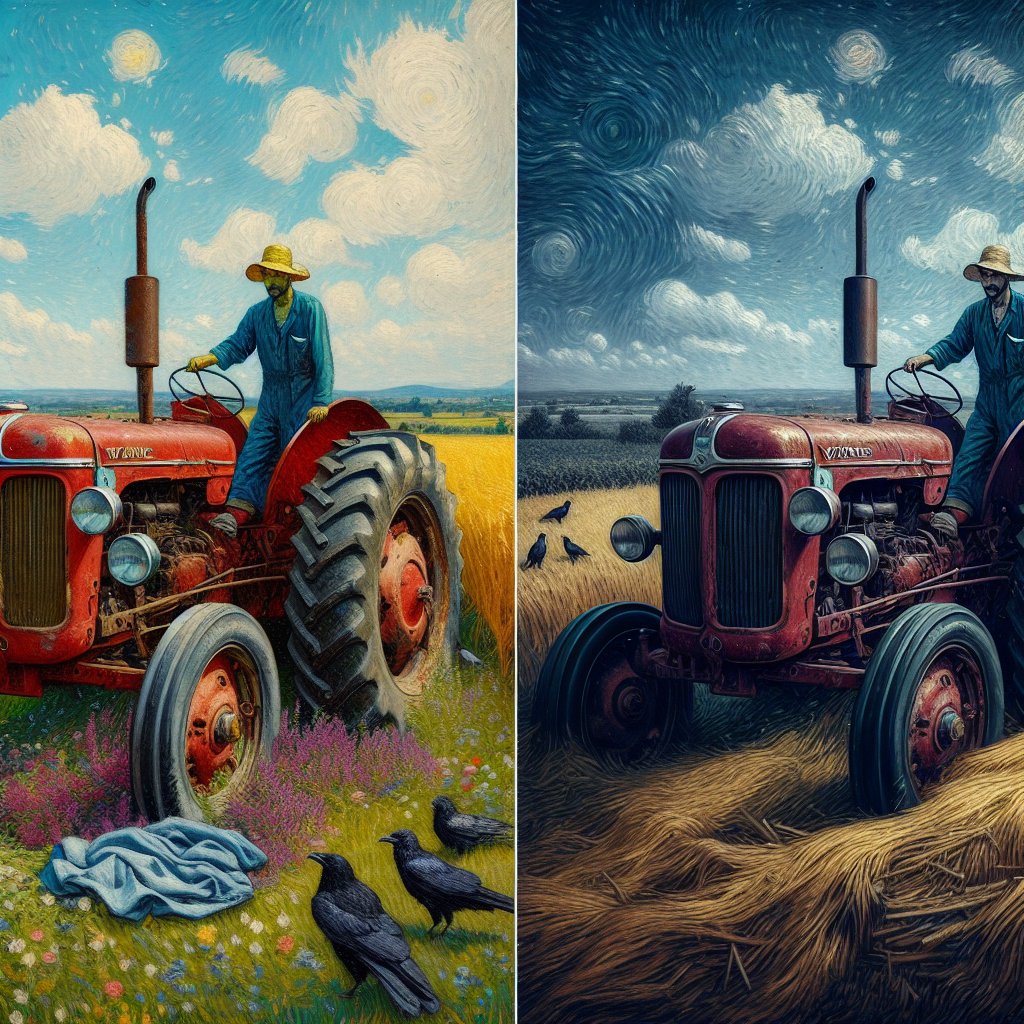
How Does Condition Affect Old Tractor Value?
How Does Condition Affect Old Tractor Value?
- Condition is key when determining the value of an old tractor.
- Well-maintained tractors fetch higher prices than neglected ones.
- Overall appearance, including restoration and paint, impacts value.
- Mechanical condition, like smooth running, is crucial for higher value.
- Age plays a role, but maintenance is more important.
- Rare models in poor condition may still be valuable to collectors.
- Accurate assessment of condition is important when buying or selling.
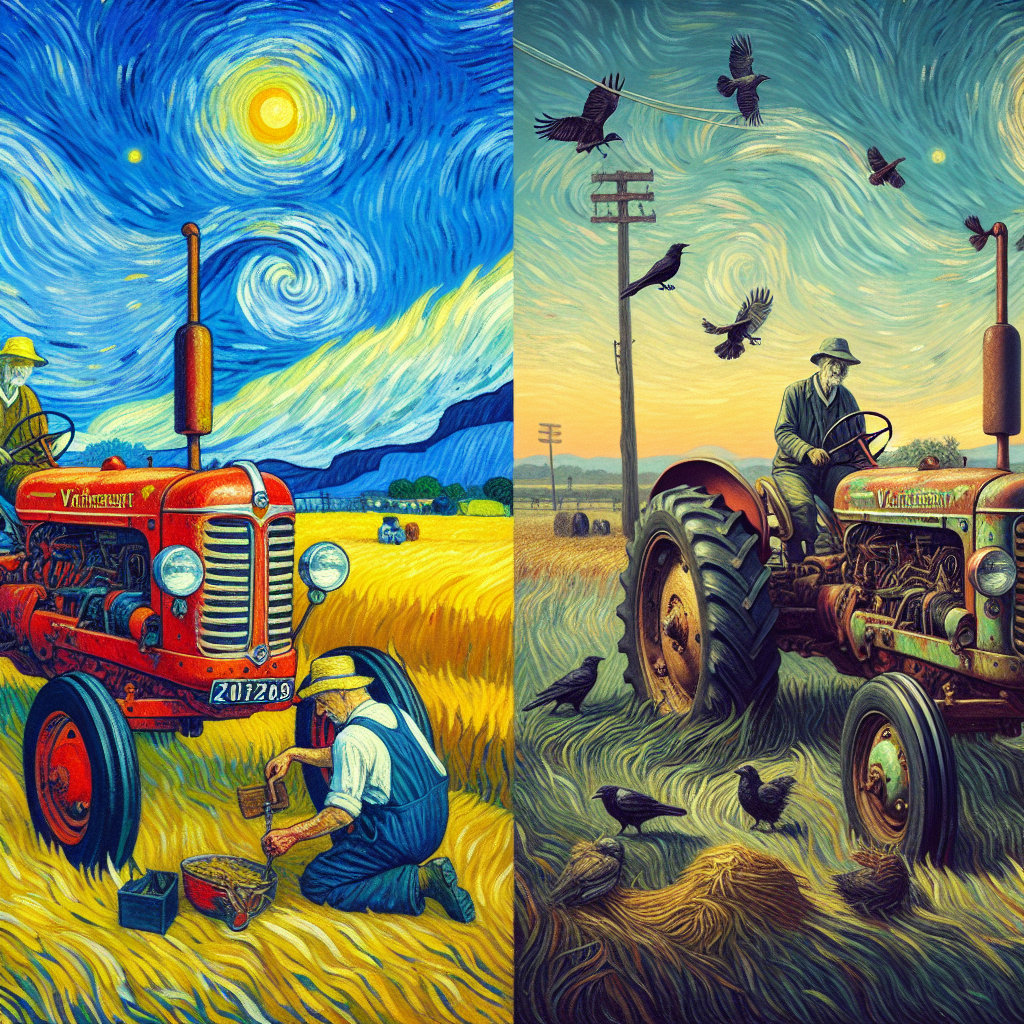
How Does Condition Affect Old Tractor Value?
What Model Of Old Tractor Is Most Valuable?
When it comes to antique tractors, there are a few models that stand out as the most valuable. These iconic machines have a combination of historical significance, rarity, and condition that make them highly sought after by collectors and enthusiasts alike.
One of the most valuable old tractor models is the John Deere Model D. This tractor was first introduced in 1923 and quickly became a popular choice for farmers due to its durability and power. Today, the John Deere Model D is a prized possession for many collectors, with fully restored models fetching high prices at auctions.
Another highly valuable old tractor model is the Ford 8N. Produced between 1947 and 1952, the Ford 8N is known for its innovative features such as a three-point hitch and a four-speed transmission. These tractors are still widely used today in agricultural settings, and well-maintained models can command impressive prices on the collector’s market.
The Farmall H is another old tractor model that is highly sought after by collectors. Produced by International Harvester between 1939 and 1953, the Farmall H was a versatile and reliable machine that was used for a wide range of farming tasks. Today, these tractors are prized for their classic design and sturdy construction, with restored models selling for top dollar.
One of the rarest and most valuable old tractor models is the Minneapolis-Moline UDLX. Produced in limited quantities between 1938 and 1941, the UDLX was a unique combination of a tractor and a luxury car, complete with a windshield, headlights, and a comfortable cab. Only around 150 of these tractors were ever made, making them extremely rare and valuable to collectors.
Ultimately, the value of an old tractor comes down to a combination of factors, including its make and model, rarity, condition, and historical significance. Whether you’re a seasoned collector or just starting out, owning a piece of agricultural history in the form of a valuable old tractor can be a rewarding experience. So if you happen to come across one of these iconic machines in your travels, take a moment to appreciate the craftsmanship and innovation that went into their design, and perhaps consider adding one to your own collection.

What Model Of Old Tractor Is Most Valuable?
What Model Of Old Tractor Is Most Valuable?
- John Deere Model D: Introduced in 1923, it is a prized possession for collectors.
- Ford 8N: Produced between 1947 and 1952, known for innovative features.
- Farmall H: Produced between 1939 and 1953, versatile and reliable.
- Minneapolis-Moline UDLX: Produced between 1938 and 1941, this unique combination of tractor and luxury car is extremely rare.
- Value factors: make and model, rarity, condition, historical significance.
- Owning an old tractor can be a rewarding experience for collectors.
- Appreciate the craftsmanship and innovation of old tractors.

What Model Of Old Tractor Is Most Valuable?
What Makes Year-Model Tractors Valuable?
When it comes to tractors, there’s something special about certain year-models that just make them stand out from the rest. So what exactly makes these machines so valuable? Let’s take a closer look.
First off, reliability is a key factor in determining the value of a year-model tractor. These old workhorses were built to last, with solid construction and durable parts that were made to withstand the test of time. Farmers and collectors alike appreciate these reliable machines that have proven themselves time and time again in the field.
Another reason why year-model tractors hold their value is their historical significance. These machines are a piece of agricultural history, representing a bygone era when farming was a way of life for many people. Owning a vintage tractor allows enthusiasts to connect with the past and pay homage to the generations of farmers who came before them.
Additionally, the nostalgia factor plays a big role in the value of year-model tractors. Many collectors have fond memories of riding on these machines as children, or watching their grandparents work the land with them. Owning a vintage tractor can transport them back to simpler times and evoke a sense of nostalgia that is priceless.
Furthermore, the design and engineering of year-model tractors are often far superior to modern machines. These old tractors were built with a level of craftsmanship and attention to detail that is hard to find in today’s mass-produced models. Collectors appreciate the intricate designs and unique features that make each year-model tractor a work of art in its own right.
Lastly, scarcity also plays a role in determining the value of year-model tractors. As time goes on, these machines become harder and harder to find, especially in good condition. Collectors are willing to pay top dollar for a rare year-model tractor that has been well-maintained and preserved over the years.
There are a variety of reasons why year-model tractors hold their value and appeal to collectors. From their reliability and historical significance to their nostalgia factor and unique design, these old machines are truly a treasure worth holding onto. So the next time you see a vintage tractor out in the field, take a moment to appreciate the history and craftsmanship that went into making it the valuable piece of farm equipment it is today.

What Makes Year-Model Tractors Valuable?
What Makes Year-Model Tractors Valuable?
- Reliability is a key factor in determining the value of a year-model tractor.
- Historical significance contributes to the value of year-model tractors.
- Nostalgia plays a big role in the value of year-model tractors.
- The design and engineering of year-model tractors are often superior to modern machines.
- The scarcity of year-model tractors increases their value.
- Year-model tractors hold their value due to a combination of reliability, historical significance, nostalgia, design, and scarcity.
- Vintage tractors are a treasure worth holding onto and appreciating for their history and craftsmanship.

What Makes Year-Model Tractors Valuable?
Conclusion
In the world of old tractors, determining their true value is a bit like guessing the weight of a cow at the county fair – it’s all about the fine details. From the make and model to the age and condition, there are a variety of factors that can impact the worth of a vintage tractor. Brands like John Deere and International Harvester are highly coveted, while models from the early to mid-20th century tend to be more valuable, especially those considered antique. A tractor’s condition plays a critical role as well – restored machines typically command a premium price, while those in poor shape are worth less.
But it’s not just about the make, model, age, and condition – rarity, availability of parts, and historical significance also come into play when determining a tractor’s value. Ultimately, the worth of an old tractor is subjective and can vary depending on the buyer and seller. Doing thorough research, consulting with experts, and carefully considering all factors can help ensure you get a fair price for your piece of agricultural history. So whether you’re buying or selling, remember that when it comes to old tractors, every detail counts in uncovering their true value.

Conclusion
Conclusion:
- In the world of old tractors, determining their true value is a bit like guessing the weight of a cow at the county fair; it’s all about the fine details.
- Factors such as make, model, age, and condition can impact the worth of a vintage tractor.
- Brands like John Deere and International Harvester are highly coveted.
- Models from the early to mid-20th century tend to be more valuable, especially those considered antique.
- A tractor’s condition plays a critical role in determining its value; restored machines typically command a premium price.
- Rarity, availability of parts, and historical significance also come into play when assessing a tractor’s worth.
- Ultimately, the value of an old tractor is subjective and can vary depending on the buyer and seller, so thorough research and consultation with experts is recommended.

Conclusion
Other Resources

Other Resources
Here is a bulleted list of articles that discuss the value of old tractors:
- Tractor Values based on Asking Price Reports – Yesterday’s Tractors: This article provides asking price reports for various tractor models, which can help gauge their market value.
- How to Determine Your Tractor’s Value – Antique Tractor Blog: Offers tips on how to determine the value of an antique tractor, including looking at auction results and eBay sold listings.
- What Is My Tractor Worth? 4 Quick Ways to Find Out: Discusses the valuation of second-hand tractors based on engine power, brand, and usage.
- How Much Is My Tractor Worth | Fastline: Provides insights into the value of tractors based on engine power and other factors.
- How Much Is My Tractor Worth? — Farm & Animals: Explains why older tractors can be just as valuable as new ones and factors that add to their value.
These articles should provide you with a comprehensive understanding of how to assess the value of old tractors.

Other Resources
At ClassicTractorNews, we help tractor lovers keep up with the latest news for classic and vintage tractors.
Please share this post with your friends, family, or business associates who may like old classic or vintage tractors.