

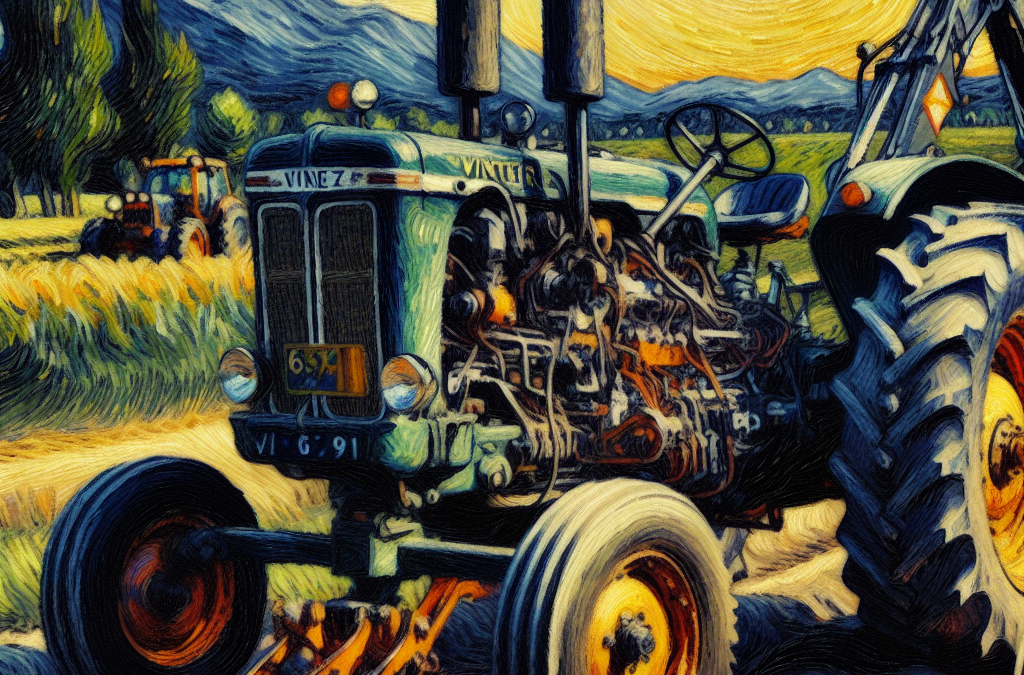
Reviving Farming’skills With Classic Tractors
By Tom Seest
At ClassicTractorNews, we help tractor lovers keep up with the latest news for classic and vintage tractors.
Please share this post with your friends, family, or business associates who may like old classic or vintage tractors.
Can Classic Tractors Help Farmers Master Basic Mechanics?
When you step onto a classic tractor, you’re not just climbing into a seat that’s seen generations of farming. You’re entering a machine that’s a testament to ingenuity and practicality, a toolbox on wheels. These robust relics, often caked in years of dirt and grease, embody a spirit of hands-on problem-solving. And that’s where the magic begins.
Basic mechanics might seem intimidating at first glance—wires here, levers there, and all those bits and pieces that form a tractor’s beating heart. But take a closer look at an old tractor’s guts, and you’ll find that the beauty lies in the simplicity of its design. The straightforward way they operate becomes a bridge to understanding how machines work. Each lever you pull, each screw you tighten, is a lesson waiting to unfold.
Picture a farmer starting her day with a well-loved tractor, the smell of diesel in the air, the engine rumbling to life with a familiar sound. If something goes awry, instead of calling for help at the first sign of trouble, she dives in. She knows the layout of the engine like the back of her hand—not because she’s a mechanic, but because she’s intimately familiar with this trusty piece of equipment. Changing a tire, tuning the engine, or troubleshooting a stubborn old system becomes a chance to engage hands-on with mechanics, building confidence along the way.
For many, these classic tractors serve as an entry point to not just farm-related skills, but vital problem-solving prowess that transcends the field. Handling these robust machines teaches patience and resilience; not everything will go smoothly, and sometimes, you’ll have to roll up your sleeves and get a little dirty. It’s about embracing the process, finding joy in the little victories, and learning that mistakes may be a natural part of the journey.
Whether you’re a seasoned farmer or just dipping your toes into the world of tractor maintenance, there’s something inherently rewarding about mastering basic mechanics. Classic tractors remind us that with a little curiosity and a willingness to learn, we can become the stewards of our equipment and environments. So next time you find yourself in the field, don’t just drive; engage. You might just unearth a new appreciation for the art of mechanics and the enduring legacy of those rugged machines.

Can Classic Tractors Help Farmers Master Basic Mechanics?
Can Classic Tractors Help Farmers Master Basic Mechanics?
- Classic tractors represent a blend of ingenuity and practicality, serving as a “toolbox on wheels.”.
- The straightforward design of old tractors simplifies the understanding of mechanics.
- Farmers develop intimate familiarity with their tractors, gaining practical mechanical skills over time.
- Engaging hands-on with tractor maintenance fosters confidence and problem-solving abilities.
- Working with these machines teaches patience and resilience, as challenges arise during maintenance.
- Mastering basic mechanics through classic tractors is rewarding for both seasoned and novice farmers.
- Embracing the process and learning from mistakes can deepen appreciation for the art of mechanics.

Can Classic Tractors Help Farmers Master Basic Mechanics?
Table Of Contents
- Can Classic Tractors Help Farmers Master Basic Mechanics?
- Can Classic Tractors Teach Farmers Basic Mechanical Skills?
- How Do Classic Tractors Differ From Modern Machines In Design?
- Can Hands-On Experience With Classic Tractors Boost Farmer Confidence?
- What Basic Mechanical Skills Can Farmers Learn From Classic Tractors?
- How Can Classic Tractors Serve As A Practical Learning Tool?
- What Resources Are Available For Learning On Classic Tractors?
- How Can Farmers Diagnose Issues In Classic Tractors Effectively?
- Conclusion
- Other Resources
- Glossary Of Terms
- Other Questions
- Haiku
- Poem
- Checklist
Can Classic Tractors Teach Farmers Basic Mechanical Skills?
When you think about it, tractors are more than just powerful machines; they are the unsung heroes of the farming world. These hulking beasts are the embodiment of hard work and ingenuity. But here’s the thing: classic tractors, with their exposed components and straightforward mechanics, have a unique way of bridging the gap between technology and hands-on learning. In the age of sleek, modern machinery, we may overlook the charm and practicality of these nostalgic powerhouses. However, they hold an unmatched potential for teaching aspiring farmers essential mechanical skills.
Imagine standing next to a vintage tractor—a marvel of engineering from a simpler time. Now, picture yourself rolling up your sleeves, tools in hand, ready to dive beneath that metal exterior. Classic tractors are like open textbooks; they lay bare their intricacies, allowing you to learn how to tinker and maintain your own machinery. This isn’t just about fixing things when they break down; it’s about nurturing a skill set that fosters confidence and self-reliance.
By engaging with these timeless machines, farmers can acquire a fundamental understanding of how things work—and that understanding translates into practical know-how. When you replace a worn-out belt or adjust the carburetor, you’re not just completing a task; you’re building a connection between yourself and the machine. It’s the type of hands-on experience that creates lasting knowledge, something that classroom theories often fail to deliver. Moreover, working with classic tractors can instill a sense of pride. There’s a significant difference between simply operating a machine and grasping its inner workings; it empowers you to take ownership of your equipment.
The beauty of learning through classic tractors is that anyone can do it, regardless of their background or prior mechanical experience. You don’t need a degree in engineering; you just need patience, curiosity, and a willingness to get a little dirt under your fingernails. And trust me, the moment you successfully fire up that vintage engine after a little TLC is nothing short of unforgettable.
So, whether you’re a seasoned farmer looking to sharpen your skills or a newcomer to the agricultural scene, consider taking a step back into the world of classic tractors. They embody a spirit of resilience and a wealth of knowledge just waiting to be uncovered. Embrace the process, and watch as those rusty gears turn into a newfound confidence that will serve you well on the fields ahead.

Can Classic Tractors Teach Farmers Basic Mechanical Skills?
Can Classic Tractors Teach Farmers Basic Mechanical Skills?
- Tractors are powerful machines and essential to the farming world.
- Classic tractors feature exposed components and simple mechanics, promoting hands-on learning.
- They serve as effective tools for teaching aspiring farmers essential mechanical skills.
- Engaging with vintage tractors fosters confidence and self-reliance through maintenance and tinkering.
- The practical know-how gained from working with these machines exceeds classroom theories.
- Learning with classic tractors is accessible to anyone, regardless of their mechanical background.
- Involvement with these machines can enhance skills and instill a sense of pride in ownership.

Can Classic Tractors Teach Farmers Basic Mechanical Skills?
How Do Classic Tractors Differ From Modern Machines In Design?
Let’s take a trip down memory lane and talk about tractors—those mighty machines that have helped us farm the land, year after year. Picture a classic tractor: you can almost hear the rumble of its engine, smell the fresh-cut hay, and imagine the sun setting over a sprawling field. Now contrast that with today’s modern machines, and the differences in design are as striking as a farmer’s tan in July.
Classic tractors, often built in the mid-20th century, were designed with simplicity in mind. They didn’t have all the flashy bells and whistles we see today; instead, they were all about function. Think of a classic tractor as the reliable old friend who shows up with a solid plan. Many models were equipped with basic features, emphasizing raw power, durability, and ease of maintenance. If something broke down, most farmers could roll up their sleeves and fix it with just a few basic tools. That kind of accessibility fostered a connection between the operator and the machine, making each repair a labor of love.
Fast forward to modern tractors, and we find ourselves in a world of advanced technology. These machines are marvels of engineering equipped with GPS, touchscreen displays, and automated systems that can outperform anything from yesteryear. They shine with innovation and promise incredible efficiency. However, this sophistication often comes at a price—both literally and figuratively. With reliance on electronic systems, the unpredictability of technology can leave the modern farmer feeling helpless when something goes wrong. You can bet that your great-granddad wouldn’t have recognized a tractor with more computer parts than metal!
But let’s not discount the new machines entirely. It’s essential to find a balanced view that respects the legacy of the classic tractor while embracing the advantages of modern technology. Today’s tractors—while more complex—offer efficiency, precision, and the ability to manage larger fields with less time and labor. They represent the future of farming, even if they lack that nostalgic charm.
Whether you’re a fan of the steadfast durability of classics or the cutting-edge tech of today, there’s something to admire in both. Maybe it’s time to gather up the family barn crew, fire up one of those old beauties, and truly feel the difference in design for ourselves. After all, every tractor has a story, and connecting with those stories is what keeps the spirit of farming alive. So let’s get out there, roll up our sleeves, and appreciate where we’ve been and where we’re headed.

How Do Classic Tractors Differ From Modern Machines In Design?
How Do Classic Tractors Differ From Modern Machines In Design?
- Classic tractors from the mid-20th century prioritized simplicity and function over flashy features.
- They were built for reliability, raw power, and ease of maintenance, allowing farmers to easily repair them.
- Modern tractors are advanced machines that incorporate GPS, touchscreens, and automated systems for efficiency.
- Despite their sophistication, modern tractors can be unpredictable and challenging to repair due to electronic systems.
- A balanced view highlights the importance of both classic tractors and modern technology in farming.
- Today’s tractors offer efficiency and precision, enabling larger field management with reduced labor.
- The legacy of both classic and modern tractors enriches the farming experience, encouraging appreciation for their stories.

How Do Classic Tractors Differ From Modern Machines In Design?
Can Hands-On Experience With Classic Tractors Boost Farmer Confidence?
There’s something about the gentle hum of an old tractor pulling into the field that whispers of a time when things seemed more straightforward. If you’ve ever had the pleasure of climbing onto the worn seat of a classic tractor, you know what I mean. Those machines may not have the tech-savvy dashboards or the seamless GPS integration of today’s modern marvels, but there’s a beauty and mechanical honesty about them that can ground any farmer—novice or seasoned.
Picture yourself gripping the steering wheel of a thirty-year-old tractor, the smell of freshly tilled earth mingling with the faint scent of gasoline. Each turn of the engine’s crank feels like a rite of passage, an initiation into a grand tradition of agricultural toil. This is where hands-on experience evolves beyond mere training; it’s about becoming part of a legacy. These classic tractors have stories embedded in their metal frames—tales of hardworking farmers who faced droughts, floods, and everything in between. There’s a comforting familiarity in knowing that your ancestors have faced similar challenges with only this equipment as their ally.
For those stepping into the farming world, getting behind the wheel of a classic tractor is akin to picking up a well-loved book—a chance to connect with the past while cultivating skills for the future. You learn about the intricate dance between man and machine, about how to coax power from a venerable piece of machinery that may have seen better days but is still capable of greatness. The rewards of hands-on experience can’t be overstated. It fosters not just technique but a burgeoning confidence—a confidence that builds like muscle memory until it feels second nature.
And let’s face it, farming can feel overwhelmingly complex in today’s world. With an arsenal of advanced machinery and precision agriculture promising efficiency, it’s easy to become disheartened. But the simple act of mastering a classic tractor can strip away that anxiety, replacing it with a sense of accomplishment that resonates deep within. It’s about rolling up your sleeves, getting dirt under your nails, and discovering what it truly means to work the land. When you’re able to make that machine roar to life, you’re reminded that with each challenge conquered, you’re not just learning how to farm—you’re gaining the confidence to thrive. So, whether you’re a fifth-generation farmer or just starting out, there’s magic in those old tractors waiting to spark your inner confidence.

Can Hands-On Experience With Classic Tractors Boost Farmer Confidence?
Can Hands-On Experience With Classic Tractors Boost Farmer Confidence?
- Old tractors evoke nostalgia and a sense of simplicity in farming.
- Climbing onto a classic tractor connects farmers to their agricultural legacy.
- These machines possess stories of resilience from past generations facing challenges.
- Operating a classic tractor offers hands-on experience and builds confidence.
- Farming today can be overwhelming with advanced technologies and methods.
- Mastering a classic tractor can alleviate anxiety and foster a sense of accomplishment.
- Classic tractors hold the potential to inspire confidence, whether for seasoned or novice farmers.

Can Hands-On Experience With Classic Tractors Boost Farmer Confidence?
What Basic Mechanical Skills Can Farmers Learn From Classic Tractors?
Ah, classic tractors—the backbone of American agriculture and the unsung heroes of the farm. If you’ve ever watched the sunlight glint off that bright-red paint or felt the reassuring rumble of an old diesel engine, you know there’s something magical about these machines. They’re not just tools; they’re the vessels of knowledge. Digging into the mechanics of classic tractors offers farmers an unparalleled opportunity to hone their skills and deepen their understanding of how agriculture operates.
For many new farmers, the idea of getting their hands dirty under the hood of a tractor can seem daunting. But let’s face it, every scratch on that metal tells a story, and every bolt deserves a little attention. Basic mechanical skills learned from classic tractors can serve as the cornerstone of farm life. Whether it’s tuning up an engine, replacing a tire, or understanding how a hydraulic system works, these tasks aren’t just for the mechanically gifted; they’re skills anyone can master with a little perseverance.
Finding joy in the journey starts with familiarity. Have an old tractor sitting in the barn that hasn’t seen the light of day in years? Why not schedule a “fix-it” weekend? Invite family or friends, grab some tools, and dive into those gears! Familiarizing yourself with the components—understanding how the engine breathes and how the transmission shifts—can bring a sense of confidence that translates far beyond the shop floor. You’ll learn how to problem-solve by diagnosing that rattle, and gain the satisfaction of turning a hunk of metal back into a working machine.
And let’s not forget that learning these skills doesn’t just prepare you for fixing a tractor; they lay the groundwork for better overall maintenance of your entire farming operation. The lessons from these machines extend into everyday practices, from routine inspections to effective record-keeping.
The truth is, classic tractors are a treasure trove of insights waiting to be explored. Each turn of a wrench or adjustment of a gauge connects you back to generations of farmers who’ve worn the same grease-stained gloves. It’s about continuity and commitment—a promise to your craft and the land it sustains. So, roll up your sleeves, jump into that seat, and embrace the age-old wisdom that these iconic machines have to offer. The engine of productivity is just a few repairs away, and trust me, those skills are worth the investment.

What Basic Mechanical Skills Can Farmers Learn From Classic Tractors?
What Basic Mechanical Skills Can Farmers Learn From Classic Tractors?
- Classic tractors are essential to American agriculture and symbolize the heart of farming.
- They provide farmers with valuable mechanical knowledge and skills necessary for effective farming.
- Basic mechanical tasks, like tuning engines and replacing tires, are accessible to all with practice.
- Restoring an old tractor can be a fun, family-oriented project that builds confidence and skills.
- Learning about tractors contributes to better maintenance practices across the entire farming operation.
- Each repair connects farmers to previous generations, fostering a sense of continuity and commitment.
- Investing time in understanding classic tractors can greatly enhance productivity on the farm.

What Basic Mechanical Skills Can Farmers Learn From Classic Tractors?
How Can Classic Tractors Serve As A Practical Learning Tool?
Picture this: A sun-soaked field, the aroma of fresh soil, and the gentle rumble of a classic tractor pulling up to the barn. There’s something timeless about these machines that goes beyond their rusted exteriors and vintage charm. They’re not just relics of a bygone era; they serve as practical learning tools that bridge generations and spark a deep-rooted appreciation for craftsmanship and hard work.
Classic tractors offer hands-on experiences that can’t be replicated in a textbook. Think about it—a young apprentice working beside a farmer, learning how to tackle mechanical issues on a vintage tractor. It’s a crash course on problem-solving where the stakes are real. Often, these tractors don’t come with glossy manuals; they come with the wisdom passed down from one generation to the next. This is where empathy and mentorship bloom outside of traditional classrooms. When the engine refuses to start, that moment transforms from frustration into a learning opportunity steeped in patience, collaboration, and ingenuity.
Let’s not forget the rich history embedded in these machines. Each tractor has a story—perhaps it was bought at a county auction or inherited after years of loyal service. Sharing these tales cultivates a sense of community and pride. Students grasp the importance of preserving not only the machinery itself but the values and practices that come with it. They learn about sustainability, the significance of local farming traditions, and the sheer resilience it takes to keep these machines running.
Moreover, whether it’s tinkering with the engine or mastering the art of hay baling, classic tractors empower individuals to develop a diverse skill set. They foster a sense of accomplishment that boosts self-confidence. The first time someone turns a wrench and successfully fixes a stubborn tractor? That’s not just a victory for any project—it’s a touchdown in the game of personal growth.
In a world where technology often isolates us from the real, tactile experiences, classic tractors remind us of the value in being hands-on. They encourage curiosity, ignite a passion for learning, and foster a collaborative spirit that’s priceless in today’s fast-paced society. So, roll up your sleeves, hop on that classic tractor, and get ready for not just an education—but a lifelong journey that connects you to the land, the people, and the traditions that define us.

How Can Classic Tractors Serve As A Practical Learning Tool?
How Can Classic Tractors Serve As A Practical Learning Tool?
- Classic tractors embody vintage charm and serve as practical learning tools linking generations.
- They provide hands-on experiences that teach problem-solving through real mechanical challenges.
- Wisdom is passed down from generation to generation, fostering empathy and mentorship beyond traditional classrooms.
- Each tractor tells a story, promoting community pride and the importance of preserving agricultural traditions.
- Interactions with classic tractors empower individuals to acquire a diverse skill set and boost self-confidence.
- They encourage curiosity and ignite a passion for learning in a world often dominated by technology.
- Engaging with classic tractors offers a lifelong journey that connects individuals to land, people, and culture.

How Can Classic Tractors Serve As A Practical Learning Tool?
What Resources Are Available For Learning On Classic Tractors?
##
If you’re anything like me, the mere thought of a classic tractor stirs up a nostalgia that’s hard to resist. Whether it’s that rumble of an engine starting up or the glint of polished metal catching the sun’s rays while sitting proudly in a field, classic tractors are more than machines—they’re a gateway into a simpler, more fulfilling way of life. But where do you turn when the itch to learn strikes? Fear not! The resources available are as diverse and plentiful as the models themselves.
First things first, online communities have transformed the way people learn about everything, including those magnificent tractors. Websites and forums dedicated to vintage machinery provide a wealth of knowledge, from restoration tips to maintenance tricks. Websites like TractorData are invaluable for tracking down specifications, history, and owner experiences of classic tractor models. Engaging with these communities can boost your confidence and give you a sense of belonging among fellow enthusiasts.
Let’s not overlook the power of books. A good book can be your best friend when you’re diving into the world of classic tractors. Titles like “The Farm Tractor” by John G. Wiggins or “Tractor: the Definitive Visual History” by John Haynes offer in-depth insights and captivating illustrations. These resources will not only sharpen your understanding but also ignite your passion for preserving these historic machines.
Don’t forget the magic of local workshops and clubs. Connecting with people who share that same fire for tractors can lead to hands-on experiences that are second to none. Many clubs host events, share maintenance knowledge, and even organize restoration projects where you can roll up your sleeves and get dirty. It’s rewarding work, and before you know it, you might be restoring a classic tractor yourself!
YouTube has also become a treasure trove for learners. From comprehensive guides to casual vlogs, videos can help demystify mechanical concepts. Witnessing a skill being practiced in real-time can cement those abstract theories into something tangible and relatable. Just be sure to look for reputable channels run by experienced restorers and mechanics!
In summary, when it comes to learning about classic tractors, remember that resources abound. Dive into online communities, lose yourself in the pages of a good book, forge friendships through local clubs, and soak up knowledge from video tutorials. The journey from novice to knowledgeable enthusiast is waiting for you—so go ahead, seize the wheel!

What Resources Are Available For Learning On Classic Tractors?
What Resources Are Available For Learning On Classic Tractors?
- Classic tractors evoke nostalgia and represent a simpler way of life.
- Online communities, like forums and websites, provide extensive resources for learning about classic tractors.
- Websites such as TractorData offer specifications, history, and experiences related to vintage machinery.
- Books like “The Farm Tractor” and “Tractor: the Definitive Visual History” deepen understanding and passion for classic tractors.
- Local clubs and workshops provide hands-on experiences and opportunities for restoration projects.
- YouTube offers valuable video resources, with guides and vlogs to help learners understand mechanical concepts.
- The journey from novice to knowledgeable enthusiast is accessible through diverse resources available.

What Resources Are Available For Learning On Classic Tractors?
How Can Farmers Diagnose Issues In Classic Tractors Effectively?
Let’s face it, tractors are more than just machines; they’re the heart and soul of countless farms. If you’ve got a classic tractor in your barn, you know it holds a special place in your operation—and in your heart. But just like any reliable workhorse, they can run into trouble. The key to keeping them purring like a well-tuned engine is knowing how to diagnose issues effectively.
First, let’s talk about a basic understanding of your tractor. Every icon and indicator on that dashboard has a story to tell. When something seems off, start by observing. Is it making strange sounds? Losing power? The clues are right there. Grab a notepad and jot down what you observe. Maybe it’s the sputtering or an unusual smell. Trust your instincts; they’re honed in the field and can guide your troubleshooting process.
Next, familiarize yourself with the manual. It’s easy to see a tractor as just an iron beast, but every classic machine comes with its own quirks and specifications. Having that manual by your side is like having a trusted friend with a wealth of knowledge. Whether you’re checking hydraulic systems or examining the ignition, the manual helps demystify the process and can lead you to the solutions you need.
Speaking of solutions, it might be time to pull out the old toolbox. Don’t shy away from using your hands. It’s where you’ll find both the problems and the solution. A little elbow grease can go a long way! Changing the oil, checking the filters, and tightening belts are all part of the ritual of upkeep you can easily handle. If you’re unsure or the issue feels beyond your comfort level, don’t hesitate to reach out to fellow farmers in your community. You’re not alone in this; more often than not, someone has walked down that same bumpy road and can share invaluable insights.
Remember, diagnosing issues in classic tractors is a journey, not a race. Make it a fun challenge, and embrace both the victories and setbacks that come with it. Whether your tractor runs like a dream or throws you for a loop, every twist and turn adds to the narrative of your partnership with it. So, roll up those sleeves, dive in, and give your trusty machinery the attention it deserves—you and your tractor will be better for it!

How Can Farmers Diagnose Issues In Classic Tractors Effectively?
How Can Farmers Diagnose Issues In Classic Tractors Effectively?
- Tractors are essential to farms, holding significant value both operationally and emotionally.
- Observing strange sounds, power loss, and other indicators is key to diagnosing tractor issues.
- Keeping a notepad handy for observations can help in troubleshooting effectively.
- Referencing the tractor’s manual provides guidance on handling specific quirks and issues.
- Hands-on maintenance, including oil changes and filtering checks, is crucial for upkeep.
- Community support from fellow farmers offers valuable insights and shared experiences.
- Embrace the process of diagnosing issues as a journey filled with both victories and setbacks.

How Can Farmers Diagnose Issues In Classic Tractors Effectively?
Conclusion
As we wrap up this exploration into the world of classic tractors, let’s take a moment to appreciate these mechanical marvels not just for their strength, but for what they can teach us about resilience, hands-on learning, and the sheer joy of getting our hands a little dirty. Climbing aboard one of these vintage machines is like stepping into a rich tapestry woven from the threads of generations past; each scratch and dent tells a story of hard work, grit, and ingenuity. These tractors are a bridge to a simpler time—an era where understanding the nuts and bolts of a machine was part and parcel of daily life on the farm.
Classic tractors are more than just relics—they serve as practical learning tools, helping farmers cultivate not only crops but also essential mechanical skills. The simplicity of their design demystifies the often intimidating world of mechanics, transforming a daunting task into an accessible, hands-on experience. It’s through this intimate engagement with the machine that we truly learn: every engine crank, every wrench turn is an invitation to deepen our understanding of how things work.
For many, the experience of troubleshooting a temperamental engine or changing a flat tire on a trusty old tractor instills a sense of confidence that transcends farming itself. It’s not just about fixing something that’s broken; it’s about fostering an attitude of problem-solving that will serve you well in any endeavor. Roll up those sleeves and dive in—the joy found in those little triumphs can be a powerful motivator that builds resilience.
Now, let’s not forget the camaraderie that springs from these tractors. Working alongside fellow enthusiasts and sharing stories creates a strong sense of community. It’s these interactions—sharing knowledge, lending a hand, celebrating victories—that help preserve the timeless principles of farming and mechanical stewardship. As we embrace the beauty of classic tractors, we’re reminded that the lessons they hold extend far beyond the fields.
So, whether you’re a seasoned farmer or a newcomer eager to learn, take the plunge into the world of classic tractors. Get your hands dirty, learn the history, and yes, become a steward of both machine and land. In doing so, you might discover a newfound appreciation—not just for the tractors themselves, but for the skills and legacies they represent. Happy farming, and may your engines roar!

Conclusion
Conclusion:
- Classic tractors symbolize resilience, hands-on learning, and the joy of engaging with machinery.
- Each vintage tractor has its own history, illustrated through its scratches and dents, reflecting hard work and ingenuity.
- These machines act as practical learning tools, teaching mechanical skills alongside crop cultivation.
- The simplicity of classic tractor design makes mechanics accessible and encourages hands-on experience.
- Troubleshooting issues on tractors builds confidence and fosters a problem-solving attitude valuable beyond farming.
- Camaraderie among tractor enthusiasts creates a strong community centered around knowledge sharing and collective experiences.
- Engaging with classic tractors instills a deeper appreciation for farming, machines, and the legacies they represent.

Conclusion
Other Resources

Other Resources
Here is a list of other resources you can review online to learn more:
- Ivel Agricultural Motors
- Cameco
- Sears
- Fendt International
- McCormick Intl
- Oliver
- Farm Collector Show Directory
- Antique Farm Equipment Museum
- Pioneer Tractor
Use This Prompt To Get More Resources With Your Favorite Online AI Tool: Please provide me with a list of online articles with their URLs in a bulleted list that I can read regarding Can Classic Tractors Help Farmers Master Basic Mechanics?

Other Resources
Glossary Terms
Can Classic Tractors Help Farmers Master Basic Mechanics? – Glossary Of Terms
1. Classic Tractor: A vintage farming machine that is generally 20 years or older, often valued for its simplicity and robust build.
2. Mechanics: The branch of applied physics that deals with the motion and behavior of physical systems; in this context, it refers to the fundamental principles governing machinery.
3. Maintenance: Regular check-ups and service performed on machinery to ensure it operates efficiently and to prevent breakdowns.
4. DIY (Do It Yourself): The practice of repairing and maintaining equipment independently, often emphasizing self-reliance.
5. Engine: A machine that converts fuel into mechanical energy; understanding its components is vital for effective tractor mechanics.
6. Transmission: The system in a vehicle that transmits power from the engine to the wheels; knowledge of gear systems is fundamental for operation.
7. Hydraulics: A technology that uses fluid to transmit power; used extensively in tractors for lifting and moving heavy loads.
8. Torque: A measure of rotational force; critical to understanding how power is transmitted through a tractor.
9. PTO (Power Take-Off): A device that transfers mechanical power from the tractor to other machinery; essential for various farming operations.
10. Fuel System: The series of components that deliver fuel to the engine; understanding how this system works is key to troubleshooting.
11. Electrical System: The components responsible for the electrical functions in the tractor, including starting, lights, and ignition.
12. Cooling System: The mechanism that prevents the engine from overheating; knowledge of this system helps in maintaining tractor performance.
13. Tires: The rubber coverings on the tractor’s wheels; their condition and type can significantly affect traction and performance.
14. Clutch: A device that engages and disengages the engine from the transmission; understanding its function is crucial for smooth operation.
15. Steering System: The components that enable the operator to control the direction of the tractor; vital for maneuvering in the field.
16. Chassis: The frame that supports the tractor’s mechanical components; knowing its structure aids in various repairs.
17. Tuning: The process of adjusting the engine and other systems for optimal performance; important for maximizing efficiency.
18. Propagation: The spread of knowledge and techniques; in this context, it refers to sharing mechanical skills among farmers.
19. Diagnostics: The process of identifying problems in machinery; essential for effective repairs and maintenance.
20. Operator Manual: A document that provides information on how to operate and maintain a specific tractor model; a key resource for farmers.
21. Cultivation: The agricultural preparation of soil for planting to improve its productivity; often done with tractors.
22. Fuel Efficiency: A measure of how effectively an engine converts fuel into work; important for cost-saving in farming operations.
23. Safety Protocols: Procedures designed to ensure safe operation of machinery; crucial for preventing accidents in farming.
24. Overhaul: A complete inspection and restoration of an engine or machine to restore it to proper working condition.
25. Parts Replacement: The process of substituting old or worn components with new ones; knowledge of parts is essential for maintenance.
26. Torque Specifications: The manufacturer-recommended values for tightening bolts and nuts; critical for proper assembly and safety.
27. Workshop: A designated area for repairing and maintaining equipment; often includes various tools and machinery.
28. Community Knowledge: The shared expertise and experiences of farmers and mechanics; fosters collaboration and learning in mechanical repair.
29. Skill Development: The process of improving one’s ability to perform mechanical tasks; classic tractors serve as practical learning tools.
30. Sustainable Farming: Agricultural practices that aim to preserve the environment while maintaining productivity; tractors play a role in efficient and sustainable practices.

Glossary Of Terms
Other Questions
Can Classic Tractors Help Farmers Master Basic Mechanics? – Other Questions
If you wish to explore and discover more, consider looking for answers to these questions:
- What are some common mechanical issues faced by classic tractors?
- How can farmers effectively troubleshoot problems with modern tractors?
- What tools are essential for maintaining classic tractors?
- Are there specific restoration techniques for classic tractors?
- What safety precautions should farmers take when working on tractors?
- How do different classic tractor models compare in terms of mechanical simplicity?
- What role do classic tractors play in sustainable farming practices?
- Where can I find local tractor clubs or communities for learning and support?
- How do vintage tractors influence contemporary farming techniques?
- What are the benefits of hands-on mechanical learning for young farmers?

Other Questions
Haiku
Can Classic Tractors Help Farmers Master Basic Mechanics? – A Haiku
Iron wheels rumble low,
Hands embrace the old and wise,
Farming roots revive.

Haiku
Poem
Can Classic Tractors Help Farmers Master Basic Mechanics? – A Poem
In the Heart of Iron and Grain
In the embrace of sunlit fields,
Classic tractors make their stand,
Robust, honest, like stories sealed,
A legacy crafted by skilled hands.
Not just wheels in the dirt they churn,
But tools of wisdom, rich and rare,
Each bolt and gear, a lesson to learn,
In the hum of engines, a farmer’s prayer.
With grease-stained hands, they dive right in,
A tire changed, a belt replaced,
Through challenges met, confidence begins,
In the dance of mechanics, they find their place.
No GPS to guide the way,
Just the rhythm of engines, the sun overhead,
Knowing each part, day after day,
Revives the knowledge of those long dead.
With patience and grit, the spirit thrives,
Embracing mess and the joy of toil,
From rusted joints, new skills arrive,
As hands grow tough in the warm, rich soil.
As classic tractors rattle and roar,
They tell of resilience, of pride,
Of young farmers learning, wanting more,
Teaching skills where their hearts reside.
So gather round those aged machines,
Their lessons timeless, their charm profound,
For within their frames, the future gleans,
A connection to the earth, where hope is found.

Poem
Checklist
Can Classic Tractors Help Farmers Master Basic Mechanics? – A Checklist
Checklist: Mastering Basic Mechanics with Classic Tractors
This checklist is designed to accompany the article “Can Classic Tractors Help Farmers Master Basic Mechanics?” and serve as a practical guide for readers interested in hands-on learning and maintenance with classic tractors.
Understanding Your Classic Tractor
_____ Familiarize yourself with the tractor’s manual for specifications and maintenance schedules.
_____ Take note of all indicators and icons on the dashboard; understand what each signifies.
Engaging with Mechanics
_____ Develop a routine for regular maintenance tasks (oil changes, filter checks, tire inspections).
_____ Learn how to diagnose common issues by observing sounds, smells, and performance changes.
Gathering Tools
_____ Assemble a basic tool kit including wrenches, screwdrivers, pliers, and oil filters.
_____ Ensure you have safety equipment on hand (gloves, goggles, and proper footwear).
Hands-On Learning
_____ Schedule a “fix-it weekend” to work on an old tractor with family or friends.
_____ Practice specific skills like changing a tire, tuning the engine, and adjusting mechanical components.
_____ Document your repair processes and solutions to build up a personal reference manual.
Community Engagement
_____ Join online forums or communities focused on classic tractors for tips and support.
_____ Connect with local tractor clubs or groups for workshops and hands-on learning opportunities.
_____ Attend tractor shows or fairs to network with fellow enthusiasts and share knowledge.
Embracing the Learning Journey
_____ Set small, achievable goals for each hands-on repair or maintenance task.
_____ Celebrate each success, no matter how minor, to build confidence in your mechanical abilities.
_____ Learn from mistakes; they are an integral part of the learning process.
Resources for Further Learning
_____ Explore books focused on classic tractors (e. g. , “The Farm Tractor” by John G. Wiggins).
_____ Watch tutorial videos on platforms like YouTube, focusing on reputable channels.
_____ Utilize websites like TractorData for research on specifications and troubleshooting.
Building a Mechanical Mindset
_____ Adopt a curious attitude; don’t hesitate to explore and understand how different parts of the tractor function.
_____ Approach each mechanical challenge with patience and willingness to learn.
_____ Reflect regularly on your learning journey and the skills you’ve gained.
This checklist aims to empower readers to connect with their classic tractors and enhance their mechanical skills, fostering confidence and a deeper understanding of farming equipment. Happy tinkering!

Checklist
At ClassicTractorNews, we help tractor lovers keep up with the latest news for classic and vintage tractors.
Please share this post with your friends, family, or business associates who may like old classic or vintage tractors.