

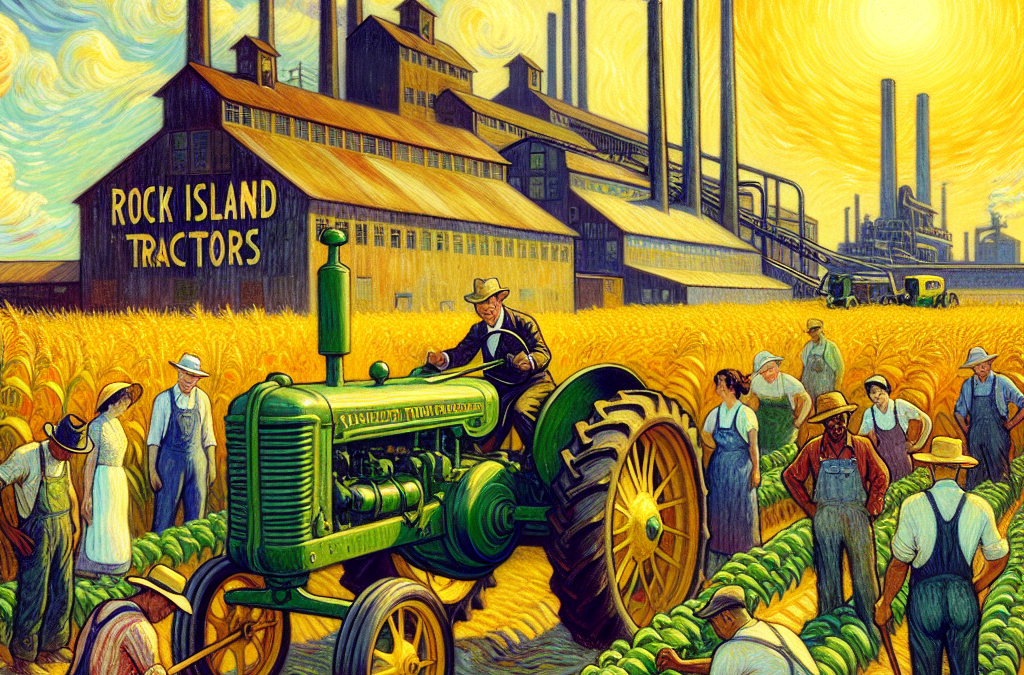
Farm Machines: A Sustainable Vintage Solution
By Tom Seest
At ClassicTractorNews, we help tractor lovers keep up with the latest news for classic and vintage tractors.
Please share this post with your friends, family, or business associates who may like old classic or vintage tractors.
Do Vintage Farm Machines Offer Lessons In Sustainability?
When we think about sustainability, our minds often drift toward modern technology—solar panels, electric vehicles, and the latest in precision agriculture. But if we take a step back and glance at those old vintage farm machines—traditional tractors, for instance—we might just find some valuable lessons hidden in the rust and nostalgia.
Now, picture a vintage tractor, with its faded paint and worn-out tires, standing proudly in a field. It’s a relic of a time when farming was as much a labor of love as it was a necessity. Back then, farmers relied on their tractors not just for their horsepower, but for their durability and versatility. These machines were built to last—designed not for obsolescence but for longevity. This isn’t just a quaint notion; it’s a fundamental principle of sustainability.
Today’s society often embraces the idea of “the newer, the better.” But as we’ve seen with the rise and fall of countless gadgets and gizmos, that isn’t always the case. Vintage tractors exemplify a different approach—a straightforward, robust design that focuses on function over flair. Many of these machines are still operational today, a testament to their quality and the craftsmanship behind them. By emphasizing repairability and ease of maintenance, these old workhorses remind us that sustainability isn’t solely about the latest tech but also about respecting and prolonging what we already have.
Moreover, these tractors were typically powered by fuel sources that, while not perfect, were locally sourced and utilized in a way that minimized waste. Unlike modern farming where efficiency often comes at the expense of the environment, vintage machinery illustrates a more symbiotic relationship with nature. They were part of an agricultural ecosystem where the objective was to work with the land, rather than impose rigid control over it.
Embracing vintage farm machines in our modern narrative offers more than just a blast from the past. It encourages us to rethink our approach to sustainability. By learning from these durable designs and their ability to withstand the test of time, we can reimagine how we build and utilize technology today. So, before we race toward the future, perhaps it’s wise to pause and engage with the past. Those vintage tractors might just hold the keys to a more sustainable agricultural future.
Do Vintage Farm Machines Offer Lessons In Sustainability?
Do Vintage Farm Machines Offer Lessons In Sustainability?
- Sustainability often conjures images of modern technology like solar panels and electric vehicles.
- Vintage tractors symbolize durability and versatility, offering valuable lessons in sustainability.
- These machines were designed for longevity, not obsolescence, which is a key sustainability principle.
- The trend of “the newer, the better” doesn’t always apply; vintage tractors showcase robust, functional design.
- Many vintage tractors remain operational today, reflecting their quality and craftsmanship.
- Powered by locally sourced fuel, these tractors exemplify a more environmentally harmonious relationship with nature.
- Engaging with vintage machines prompts a rethink of modern sustainability practices and how we build technology.
Do Vintage Farm Machines Offer Lessons In Sustainability?
Table Of Contents
- Do Vintage Farm Machines Offer Lessons In Sustainability?
- How Can Vintage Machines Contribute To Sustainable Farming?
- What Lessons In Resource Conservation Can We Learn From Them?
- Are Vintage Machines More Energy-Efficient Than Modern Ones?
- How Do Vintage Farm Practices Promote Biodiversity?
- What Are The Economic Benefits Of Using Vintage Farm Equipment?
- Can Vintage Machines Be Restored For Modern Use?
- How Do These Machines Impact Soil Health And Management?
- Conclusion
- Other Resources
- Glossary Of Terms
- Other Questions
- Haiku
- Poem
- Checklist
How Can Vintage Machines Contribute To Sustainable Farming?
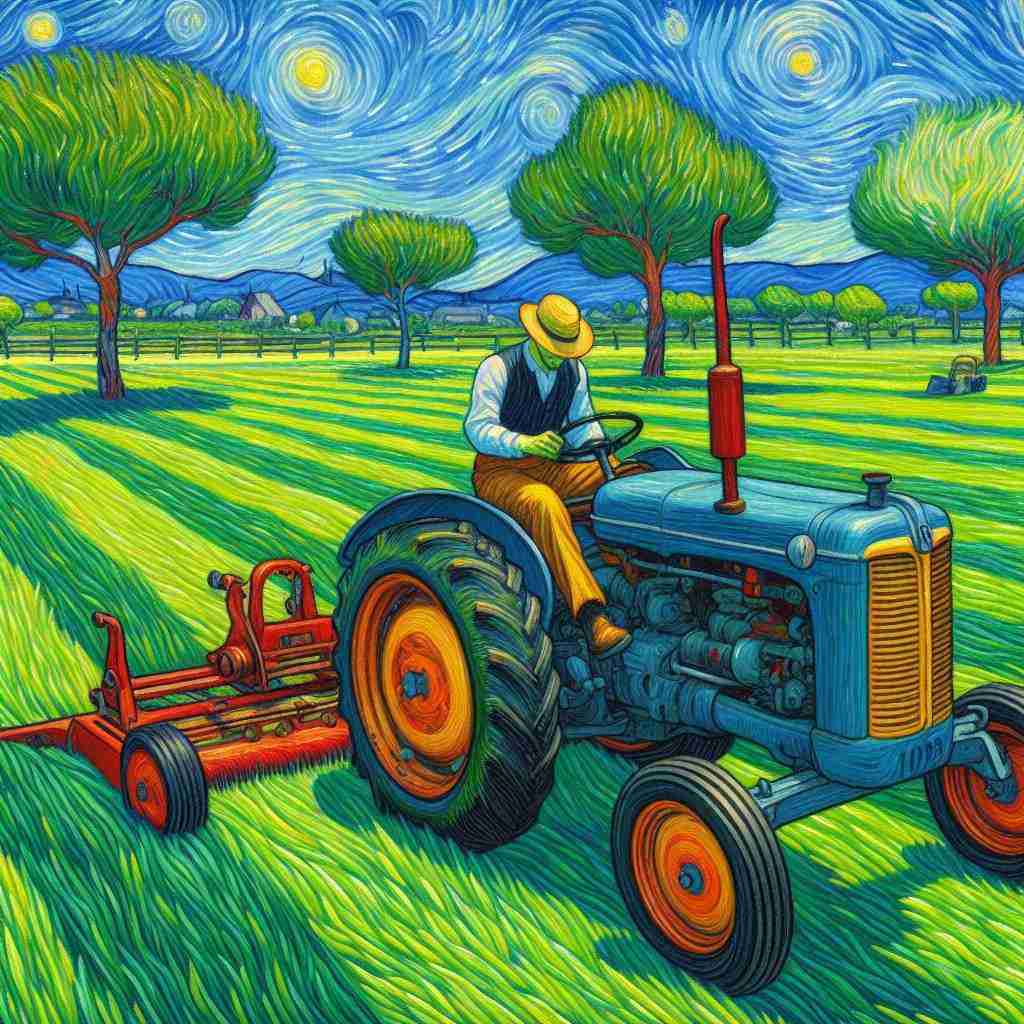
In an age where modern technology often takes center stage, the charm and practicality of vintage machines are making a compelling case for a return to simpler roots in sustainable farming. Picture a rusted tractor, one that’s seen decades of toil, still chugging along like it did in its prime. It’s more than just a nostalgic relic; it’s a testament to the principle that sometimes, old tools can outperform new ones, especially in a world grappling with environmental challenges.
Sustainable farming hinges on the idea of working in harmony with nature, and vintage machines can play a pivotal role in that equation. For starters, older tractors are typically built to last. Their simple mechanics mean that they can be repaired and maintained without needing advanced digital technology or specialized components. This durability not only extends the life of the equipment but also reduces the demand for manufacturing new machines, cutting down on the carbon footprint associated with production.
Moreover, vintage tractors often consume less fuel than their modern counterparts, especially when used for small to medium-sized operations. Many of these machines were designed before the rise of efficiency standards that often prioritize horsepower over resource conservation. For farmers operating on a smaller scale—or those who grow organic crops—these vintage models can provide the perfect balance of power and economy, allowing them to cultivate their fields without breaking the bank or draining resources.
Beyond the practicalities of operation, there’s an undeniable appeal to using machinery with character. Vintage tractors tell a story—a narrative of how agriculture has evolved alongside technology. They remind us of a time when farming was about craftsmanship and stewardship of the land. Using these machines fosters a deeper connection with the soil and the surrounding ecosystem, reinforcing the notion that farming isn’t just about producing crops, but about cultivating a sustainable future.
As the farming community looks to combat climate change and promote eco-friendly practices, reimagining the role of vintage tractors can be part of a larger strategy. These machines don’t merely represent a bygone era; they embody lessons and techniques that can inform the path ahead. So, while it might be tempting to chase the latest innovations, embracing the grit and sweat of vintage machinery could very well be the green solution we didn’t know we were missing. After all, sometimes, the best way to move forward is to take a step back.
How Can Vintage Machines Contribute To Sustainable Farming?
How Can Vintage Machines Contribute To Sustainable Farming?
- Vintage machines are gaining attention for their charm and practicality in sustainable farming.
- Older tractors are built to last with simple mechanics, making repair and maintenance easier.
- Using vintage equipment reduces the demand for new manufacturing, lowering carbon footprints.
- Many vintage tractors consume less fuel, making them cost-effective for small to medium-sized operations.
- Vintage tractors foster a deeper connection with the land and promote sustainable farming practices.
- Reimagining the role of vintage tractors can help combat climate change and promote eco-friendly practices.
- Embracing vintage machinery represents a potential green solution by valuing established techniques.
How Can Vintage Machines Contribute To Sustainable Farming?
What Lessons In Resource Conservation Can We Learn From Them?
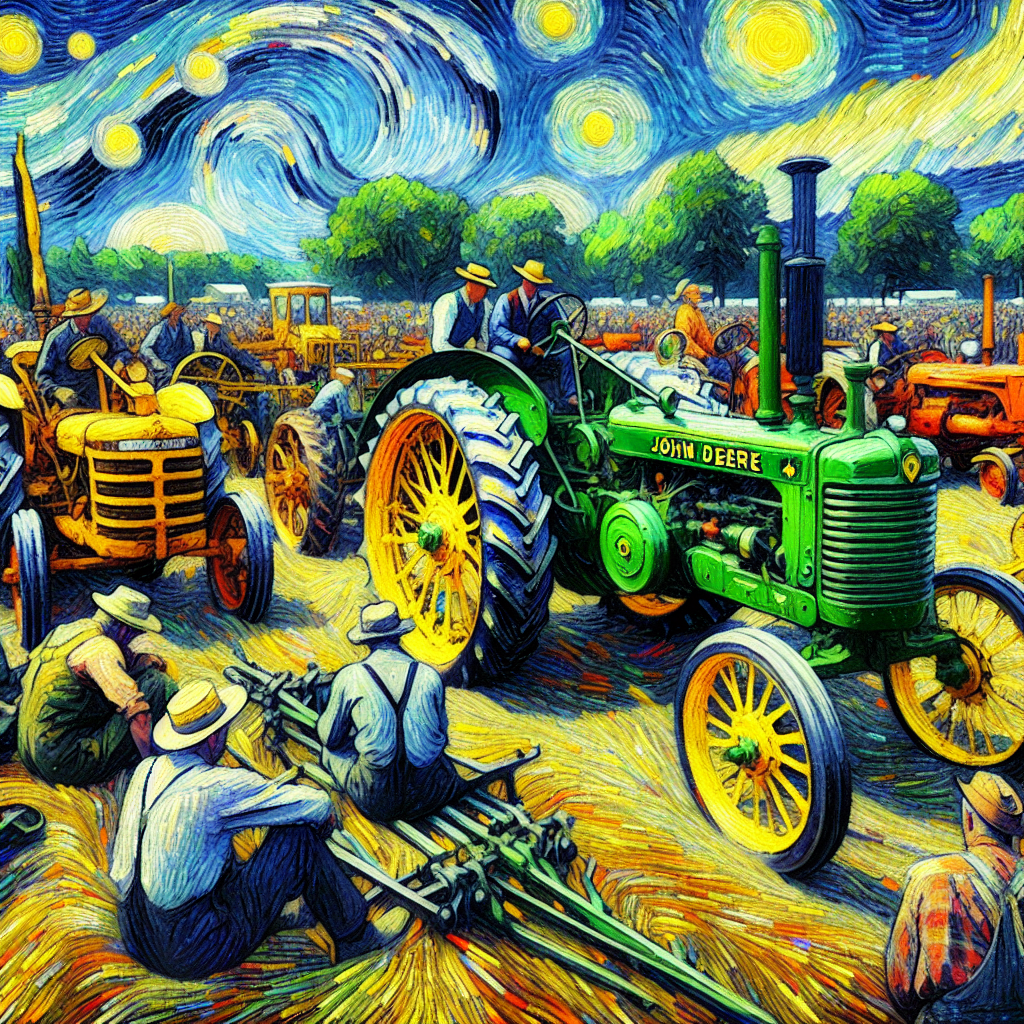
When you think of efficiency, the image of a well-oiled tractor humbling conjunctions of dirt and time probably springs to mind. Across the centuries, farmers and ranchers have honed their craft, epitomizing the notion of resource conservation, often without even realizing it. By observing their practices, we can gather valuable insights into how we can all do more with less.
Take the concept of crop rotation, for instance. Instead of drenching the same patch of earth with fertilizers and pesticides year after year, these folks understand the importance of diversifying their crops. Planting different species in a rotating system allows the soil to rejuvenate naturally, maintaining its nutrients without the need for synthetic interventions. Just like a tractor plowing through a field, their methods are grounded in the earth, emphasizing sustainability for future generations.
Another lesson lies in the art of precision. Farmers now utilize advanced technology that tracks data about soil health, rainfall, and crop yield. They don’t waste resources trying to guess what a field needs. Each drop of water, every ounce of fertilizer is carefully calculated for maximum output with minimal waste. It’s a bit like tuning a fine machine, every part playing its role, ensuring that nothing goes to waste—much like how we should manage our own resources.
Additionally, farmers demonstrate the virtue of recycling, though they might call it composting. Leftover scraps from last night’s dinner or the remains of crops that didn’t make the cut don’t just end up in a landfill. Instead, they’re turned into rich compost, nurturing the very soil that birthed those crops in the first place. This cyclical approach teaches us that waste is often a consequence of poor planning, and every leftover can have its place, much like parts of a tractor being put to their most efficient use.
From managing their tractors to maximizing yields while minimizing chemical inputs, these hard-working individuals remind us that conservation isn’t just a trendy slogan but rather a way of life. The lessons drawn from their labor extend far beyond agriculture. It’s about adopting a mindset that respects resources and understands the profound connection between our actions and the health of our environment. As we continue down the road of resource conservation, it becomes clear: sometimes, the toughest lessons come from the simplest, most honest practices. If we can channel that wisdom, we’ll find both inspiration and practical strategies to tread lightly on this Earth.
What Lessons In Resource Conservation Can We Learn From Them?
What Lessons In Resource Conservation Can We Learn From Them?
- Farmers and ranchers exemplify resource conservation through their efficient practices.
- Crop rotation promotes soil rejuvenation by diversifying crops instead of relying on fertilizers and pesticides.
- Advanced technology enables precise tracking of soil health, rainfall, and crop yield, maximizing output with minimal waste.
- Composting turns food scraps and leftover crops into nutrient-rich soil, highlighting the value of recycling.
- Waste reduction stems from careful planning, showing that every leftover can be useful.
- Conservation practices go beyond agriculture, emphasizing a mindset that respects resources and the environment.
- Adopting the wisdom of farmers can provide inspiration and practical strategies for sustainable living.
What Lessons In Resource Conservation Can We Learn From Them?
Are Vintage Machines More Energy-Efficient Than Modern Ones?
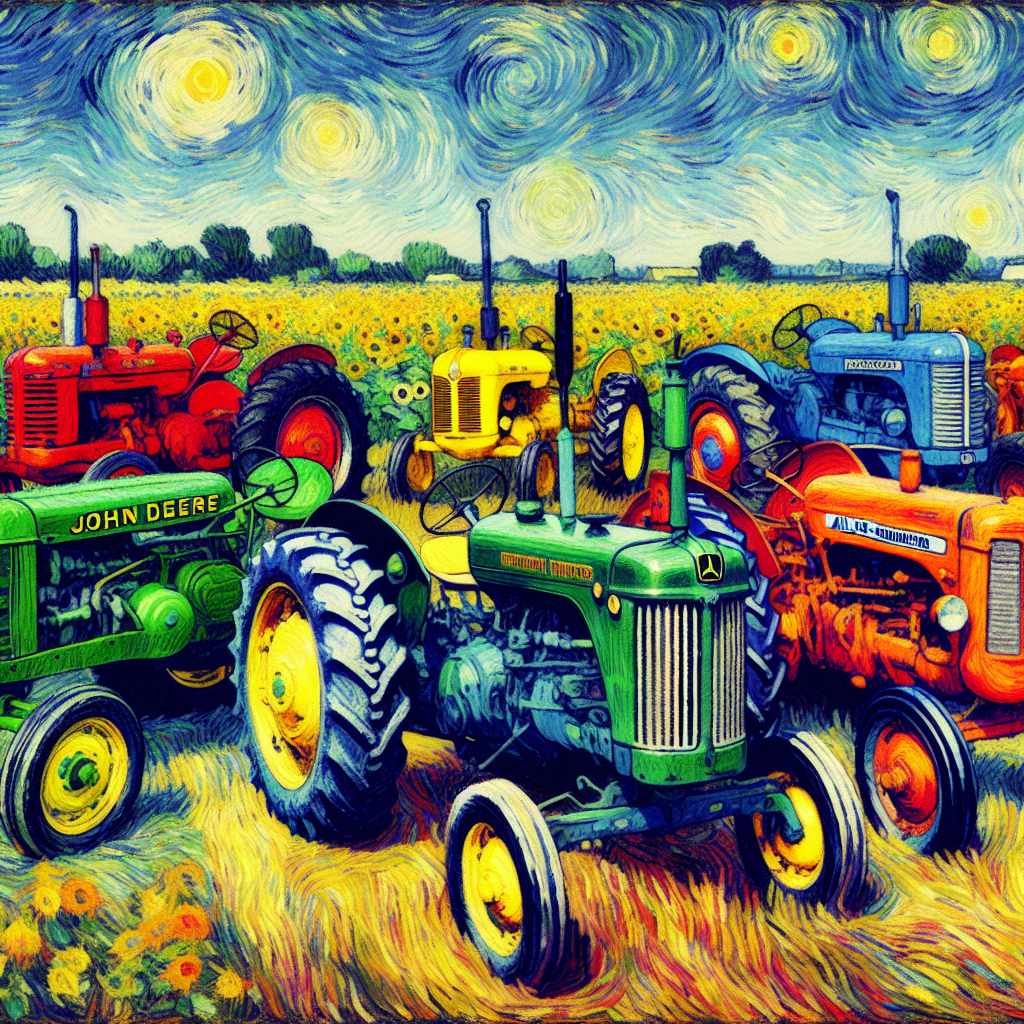
When we think about energy efficiency, the first image that often pops into our heads is the sleek, shiny machinery of the modern era. However, let’s take a moment to glance back, to the sturdy vintage machines—those hulking tractors and other tools of yesteryear that, despite their age, have a certain charm and character. You might wonder: are these antique powerhouses really more energy-efficient than their modern counterparts?
At first blush, it seems counterintuitive. After all, advancements in technology are designed to improve performance while minimizing energy consumption. Today’s tractors are packed with computer systems and fuel-injection technology that promise to do more with less. Yet, vintage machines often harness a kind of raw efficiency that we overlook in our desire for the latest and greatest.
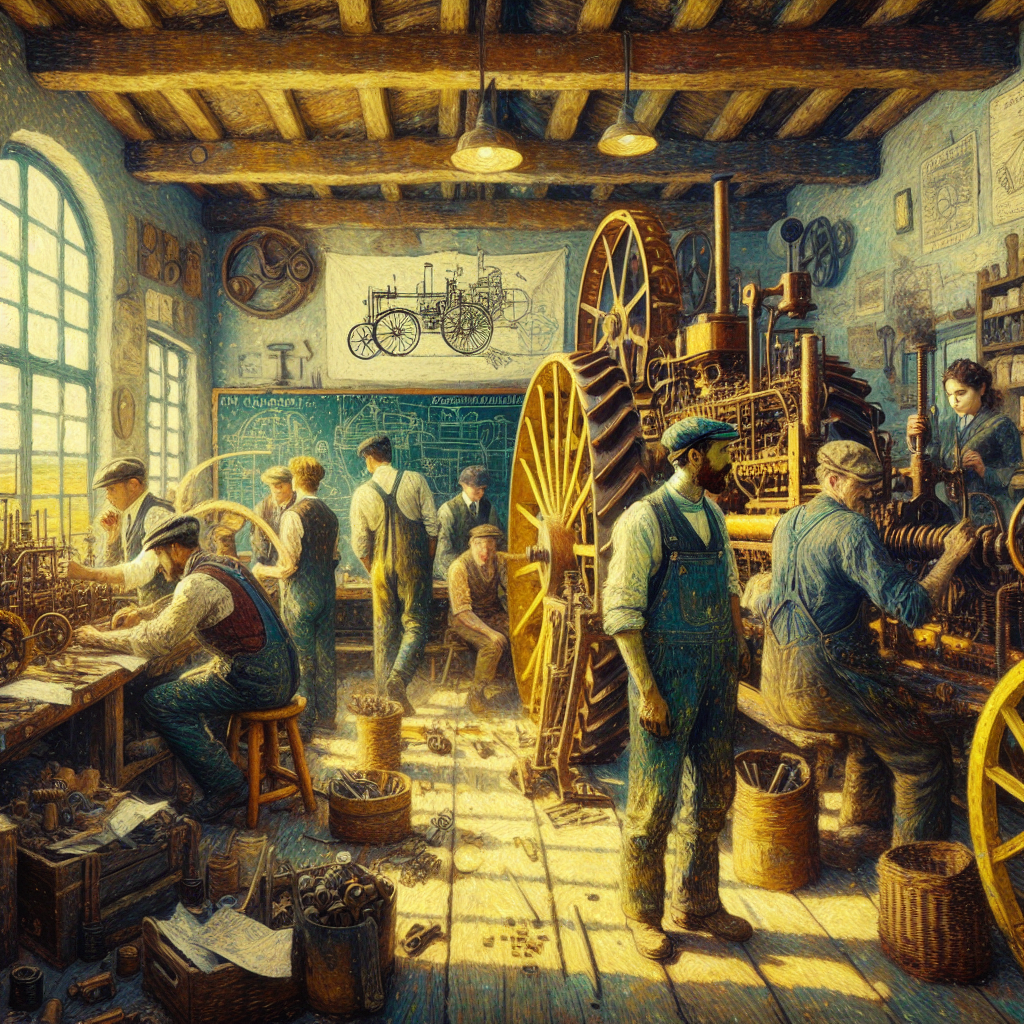
Consider this: vintage tractors were designed for durability and functionality, with fewer moving parts and simpler systems. A well-maintained 1950s tractor can still rise up like a loyal workhorse, tackling tasks on the farm without a hint of the obsolescence that plagues many modern machines. They use straightforward mechanics that don’t require an electrical grid to function. Sure, they might guzzle gas compared to modern fuel-sipping wonders, but let’s not ignore the fact that these older tractors often can run on lower-quality fuels or even biofuels, which can lessen their environmental impact.
On the flipside, those modern machines, while they might be ultra-efficient in controlled testing environments, often require complex systems that can be energy-intensive to manufacture and maintain. The push for faster and more automated machinery has led to a reliance on composite materials and computations that add layers of energy expenditure before the tractor even rolls out onto the field.
Consider maintenance as well. Vintage machines often allow for do-it-yourself repairs, putting power back in the hands of farmers. Modern tractors may need specialized technicians, driving up their energy footprint in service visits and repairs. In many ways, vintage machines embody a hands-on ethos—one that values simplicity and sustainability over complexity and convenience.
So, as we measure our machines and their energy efficiency, let’s not overlook the humble vintage tractor. They remind us that sometimes less really is more, and a return to basics can lead us down a more sustainable path. In a world chasing after the latest technology, it might just be time to take a second look backward.
Are Vintage Machines More Energy-Efficient Than Modern Ones?
Are Vintage Machines More Energy-Efficient Than Modern Ones?
- Energy efficiency is often associated with modern, high-tech machinery.
- Vintage machines, such as tractors from the past, possess unique charm and character.
- Despite advancements in technology, vintage tractors may offer a form of raw efficiency.
- Older tractors are designed for durability, with simpler systems and fewer moving parts.
- Vintage tractors can often run on lower-quality fuels or biofuels, potentially reducing their environmental impact.
- Modern machines require complex systems that can be energy-intensive to produce and maintain.
- Vintage tractors promote DIY repairs, fostering a sustainable and hands-on approach for farmers.
Are Vintage Machines More Energy-Efficient Than Modern Ones?
How Do Vintage Farm Practices Promote Biodiversity?
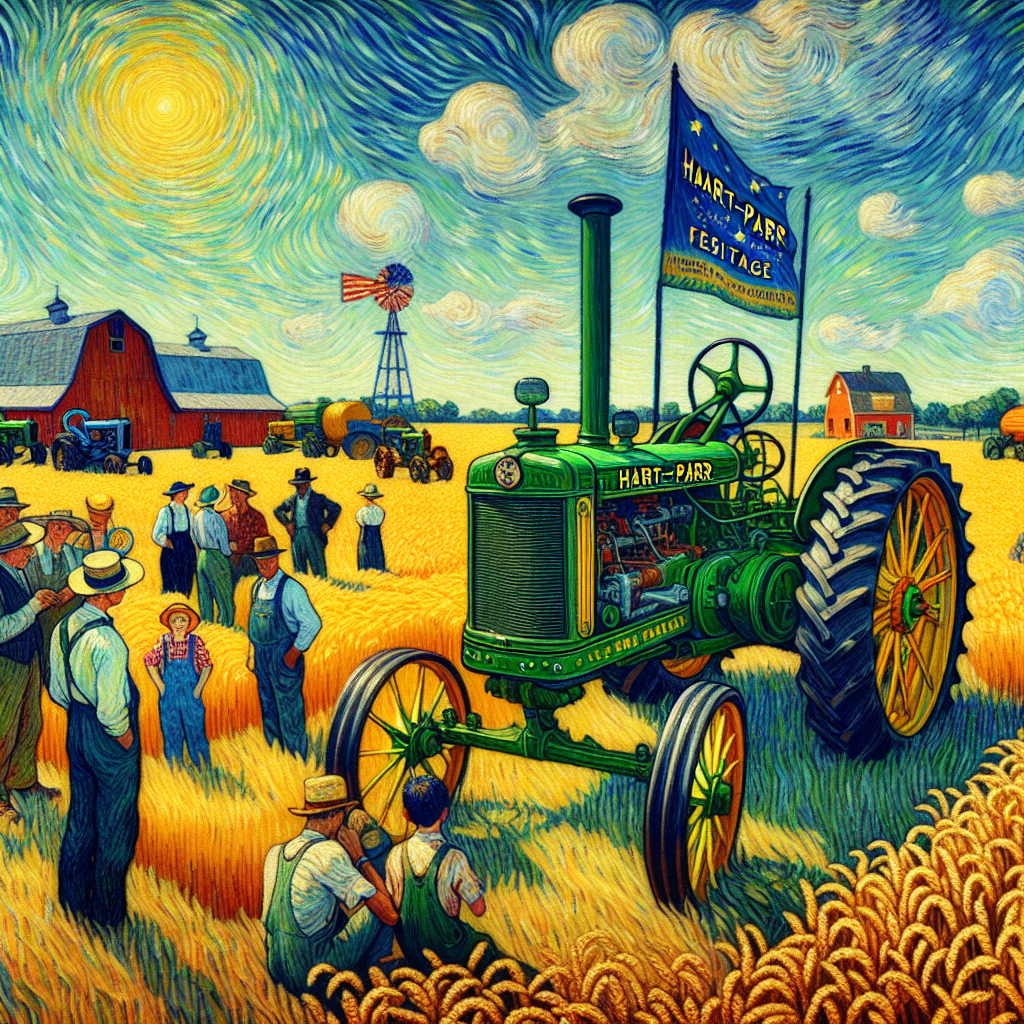
Vintage farm practices hold a treasure trove of wisdom that has the potential to transform modern agriculture, especially when it comes to promoting biodiversity. Now, when we think about the idyllic image of a farm, most of us picture a trusty old tractor sitting in the sun, a testament to years of hard work. This sturdy symbol isn’t just a tool for plowing fields; it represents a way of life that respects the land and its myriad inhabitants.
Let’s take a step back and consider the simplicity of old-school farming methods. In the past, farmers understood the value of crop rotation—not just for soil health, but for fostering diverse ecosystems. By alternating crops, they were able to keep pests at bay and encourage a variety of flora and fauna to thrive. It’s a natural cycle, one that breaks the monotony of monoculture, which is all too common in today’s industrial agriculture.
With vintage practices, you often see polycultures—growing multiple species in the same space. Think about the harmony of a field bursting with corn, beans, and squash, instead of endless rows of just one type of crop. This diversity brings a balance to the ecosystem, attracting beneficial insects and promoting healthier soil. When you plant fearlessly and allow nature to work its magic, you create a living tapestry that supports more than just what’s on your dinner plate.
Let’s not forget the role of livestock. Traditional farmers often kept a variety of animals and let them roam. Pigs rooting around aren’t just a charming sight; they’re great for tilling the soil and spreading nutrients. Chickens pecking about? They’re not just providing eggs; they’re eating pests and fertilizing the ground. In essence, each creature contributes to a vibrant ecosystem that thrives in synergy.
In the grand scheme, vintage farming is a testament to resourcefulness, where every aspect of the farm contributes to the bigger picture. Those old tractors—and more importantly, the mindset behind their use—remind us that agriculture isn’t just about yield; it’s about stewardship. By harnessing the wisdom of past generations, we can create farms that not only produce food but also foster a rich biodiversity that can endure for generations to come.
So, as we face the challenges of modern farming, let’s take a page from the old playbook. Embracing vintage practices may just be the key to cultivating a sustainable future where biodiversity thrives right alongside us.
How Do Vintage Farm Practices Promote Biodiversity?
How Do Vintage Farm Practices Promote Biodiversity?
- Vintage farm practices offer valuable insights that could enhance modern agriculture, particularly by promoting biodiversity.
- Old-school farming methods prioritized crop rotation to support soil health and diverse ecosystems.
- Polycultures, or growing multiple crop species together, promote ecological balance and attract beneficial insects.
- Traditional livestock farming practices contribute to soil health and pest control while enriching the ecosystem.
- Vintage farming exemplifies resourcefulness, with each farm element contributing positively to the entire system.
- The use of vintage farming tools symbolizes a stewardship mindset, focusing on sustainability rather than just yields.
- Adopting vintage agricultural practices could pave the way for a sustainable future, fostering biodiversity in farming.
How Do Vintage Farm Practices Promote Biodiversity?
What Are The Economic Benefits Of Using Vintage Farm Equipment?
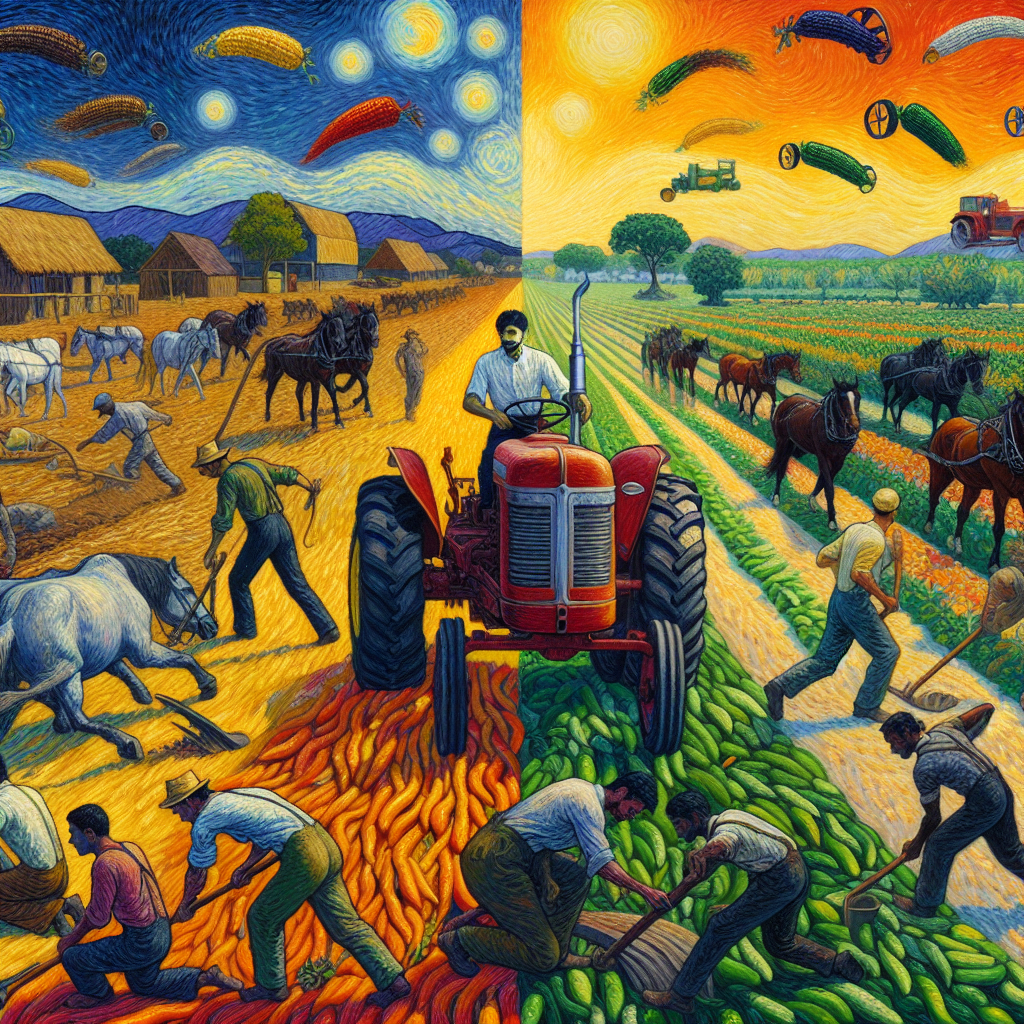
There’s something to be said about the charm and craftsmanship of vintage farm equipment. Take a good old tractor, for example—those hulking machines with their sturdy frames and relentless engines. They tell a story of an era when things were built to last, and when hardworking farmers depended on them to feed their families and the nation. But beyond nostalgia, using vintage equipment presents some significant economic benefits that today’s farmers ignore at their own peril.
First and foremost, vintage tractors and machinery are often more affordable than their modern counterparts. In a world where brand-new technology can run well into the six figures, vintage gear offers a budget-friendly alternative. Farmers looking to invest in equipment can often pick up a reliable vintage tractor at a fraction of the cost. After all, why break the bank when a well-maintained, older model can do the job just as well?
Secondly, these older models can also prove to be less complicated and easier to repair. In a field where downtime can mean lost revenue, the simplicity of vintage machinery can’t be overstated. With fewer computer systems and state-of-the-art components to troubleshoot, farmers can often fix a vintage tractor using basic tools and a little elbow grease. Plus, parts for many classic machines are still available and can often be found through specialty suppliers or enthusiasts. This ease of repair translates to minimized costs when something inevitably breaks down.
Another economic benefit lies in efficiency and sustainability. Vintage equipment, while not as fast or flashy as its modern peers, often operates on less fuel. While new machines have become more energy-efficient, many vintage tractors were designed with efficiency in mind for their time. This can translate to lower fuel costs over time, which is a boon for any farmer’s bottom line.
Lastly, there’s the potential for income through nostalgia-driven opportunities. Vintage farm equipment is becoming increasingly popular at fairs, festivals, and even social media platforms. Farmers can capitalize on this interest by showcasing their vintage machinery, perhaps even drawing tourists to their farms or generating side income through rentals or workshops.
Embracing vintage farm equipment isn’t just a romantic nod to the past; it’s a practical choice that can yield significant economic benefits today. Finally, returning to our roots may just be the best economic strategy farmers can employ as they navigate the complexities of modern agriculture.
What Are The Economic Benefits Of Using Vintage Farm Equipment?
What Are The Economic Benefits Of Using Vintage Farm Equipment?
- Vintage farm equipment, such as tractors, showcases charm and craftsmanship from a bygone era.
- These machines are often more affordable than modern alternatives, providing budget-friendly options for farmers.
- Older models are typically less complicated and easier to repair, reducing downtime and repair costs.
- Parts for many classic machines are still available, making maintenance simpler.
- Vintage tractors often operate on less fuel, translating to lower fuel costs over time.
- There are opportunities for income through nostalgia-driven events, rentals, and workshops showcasing vintage machinery.
- Embracing vintage equipment offers practical economic benefits while honoring agricultural roots.
What Are The Economic Benefits Of Using Vintage Farm Equipment?
Can Vintage Machines Be Restored For Modern Use?
When you think about vintage machinery, what often comes to mind is the aroma of motor oil, the sound of clanking metal, and the unmistakable sight of a classic tractor plowing through fields like it’s in a time capsule. But here’s the question that’s more relevant today than ever: can these relics of a bygone era be restored for modern use? The answer isn’t a simple yes or no; it’s a conversation about history, ingenuity, and the relentless march of progress.
Let’s face it, we live in an age where everything is designed for instant gratification. Newer machines are faster, smarter, and more efficient. But as technology advances, something essential is lost—the soul of these machines. A vintage tractor doesn’t just pull a plow; it tells a story, embodies craftsmanship, and keeps alive the traditions of those who came before us. Restoring such a machine is like reviving an old friend—one that has seen countless seasons.
Now, if you’re considering bringing a vintage tractor back to life, you’ll need to roll up your sleeves and dig deep into the mechanics. Many of these machines were built with a simplicity that’s refreshing by today’s standards. You can often find parts and resources that make restoration feasible, albeit labor-intensive. There’s an inherent satisfaction in getting your hands dirty, feeling the grit of grease while tackling rust and decay. It’s a labor of love that requires not only skill but also a connection to the past.
Yet, the road isn’t without its bumps. Restoring vintage machines for modern use raises questions about safety and efficiency. Today’s regulations on emissions, standards for operation, and technology integration can complicate what used to be straightforward. However, nothing quite compares to the feeling of taking that restored tractor out for a spin, perhaps to work the land or just show it off at a local fair. You’re not just using an object; you’re participating in a living history that defines us.
So, can vintage machines be restored for modern use? Yes. But it takes passion, patience, and a willingness to navigate the intersection of nostalgia and innovation. Restoring a vintage tractor may just remind you of the value in hard work and the beauty of craftsmanship. And that’s something we could all use a bit more of in today’s fast-paced world.
Can Vintage Machines Be Restored For Modern Use?
Can Vintage Machines Be Restored For Modern Use?
- Vintage machinery evokes nostalgia, characterized by motor oil aroma and clanking metal sounds.
- Restoration of vintage tractors prompts discussions about history, ingenuity, and progress.
- Modern technology offers faster and more efficient machines but may lack the “soul” of vintage counterparts.
- Restoring vintage tractors involves hands-on work and a connection to craftsmanship and tradition.
- Challenges include navigating modern safety regulations and technology integration during restoration.
- Successfully restored vintage tractors allow participation in living history and can be used for practical purposes.
- Restoration requires passion and patience, highlighting the value of hard work and craftsmanship in today’s fast-paced world.
Can Vintage Machines Be Restored For Modern Use?
How Do These Machines Impact Soil Health And Management?
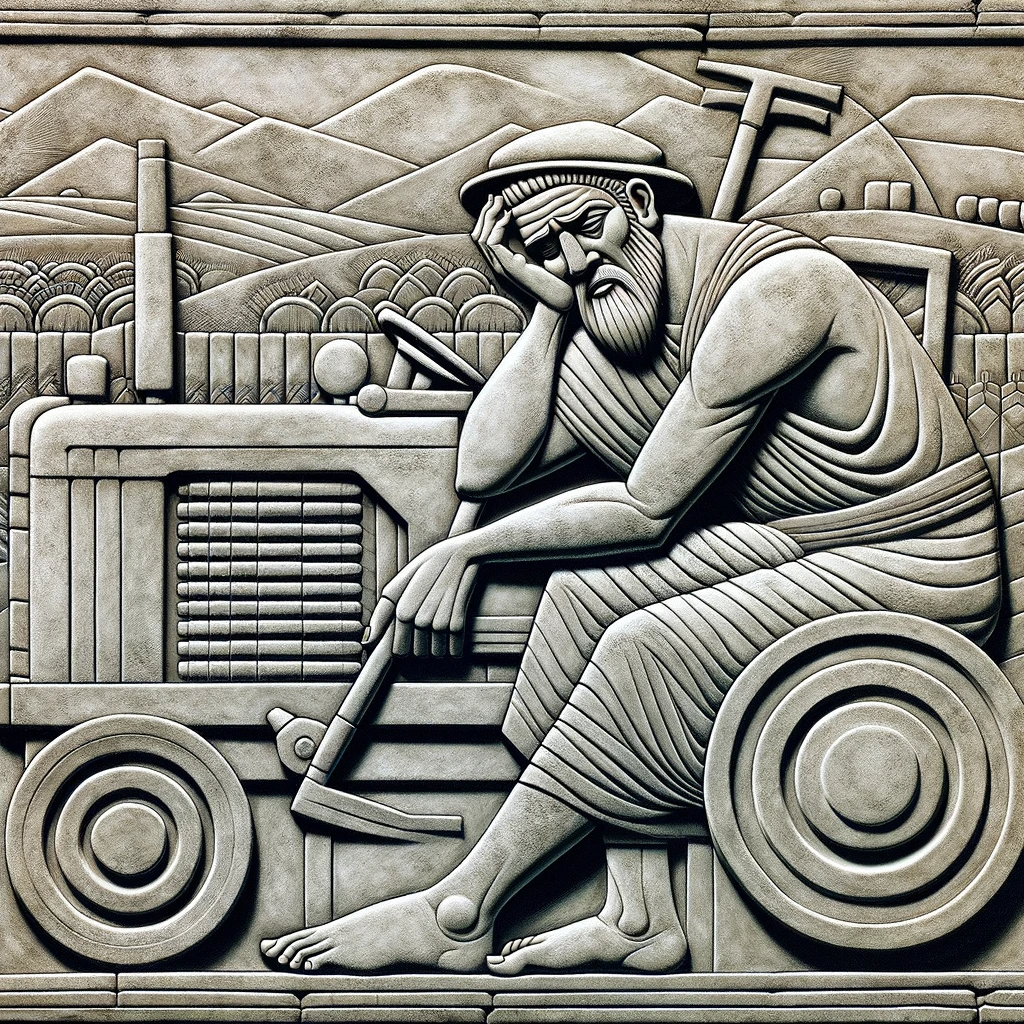
When you think about farming, the first image that often springs to mind is a big, hulking tractor thundering across a field. Sure, these machines are impressive, equipped with all kinds of bells and whistles that make life easier for farmers. But have you ever stopped to consider how they impact soil health and management? It’s a topic that deserves more of our attention, especially as we wrestle with the challenges of modern agriculture.
Tractors, with their powerful engines and advanced technology, can turn a once back-breaking job into a smooth and efficient operation. They help break up dense soil, prepare seedbeds, and even apply fertilizers and pesticides with surgical precision. On the surface, it might seem like a win-win scenario, but there’s a catch: over-reliance on these mechanical beasts can do serious damage to the very earth they’re working so hard to cultivate.
For one, when a tractor crushes down on soil, it can compact it so tightly that air and water struggle to penetrate. That’s akin to stacking a pile of books on a damp sponge; it’s going to lose its ability to absorb water and nutrients. And when soil becomes compacted, plants find it tougher to establish roots. This can lead to stunted growth or even crop failure, a nightmare scenario for any farmer trying to make a living.
Additionally, the relentless tilling that tractors engage in can strip away essential organic matter from the soil. This organic matter is a farmer’s best friend; it helps retain moisture, provides nutrients, and hosts a whole ecosystem of beneficial microorganisms. When tractors ripple through a field time and again, they can diminish this vital resource, pushing soil health to the edge.
That’s where smart management strategies come into play. Farmers are now finding ways to balance the power of their tractors with sustainable practices. For instance, adopting no-till farming or cover cropping can help preserve soil structure, improve fertility, and keep that rich organic layer intact. By using their tractors with a bit of finesse and a lot of foresight, farmers can harness technology while still nurturing the land that supports their livelihoods.
Tractors are invaluable tools in modern agriculture, but like any tool, they should be wielded with respect and care. By focusing on sustainable soil management practices, we can ensure that the ground we till today won’t become a barren wasteland tomorrow. After all, the health of our soil is directly tied to the health of our food systems, and it’s a legacy worth safeguarding.
How Do These Machines Impact Soil Health And Management?
How Do These Machines Impact Soil Health And Management?
- Tractors are impressive machines that ease farming operations but can negatively affect soil health.
- They efficiently prepare seedbeds and apply fertilizers, but their overuse can lead to soil compaction.
- Compacted soil struggles to allow air and water penetration, hindering root establishment and plant growth.
- Relentless tilling can strip essential organic matter, vital for moisture retention and nutrient provision.
- Farmers are adopting smart management strategies to balance tractor use with sustainable practices.
- No-till farming and cover cropping are effective methods for preserving soil structure and health.
- Respectful use of tractors with sustainable practices is crucial for maintaining healthy soil and food systems.
How Do These Machines Impact Soil Health And Management?
Conclusion
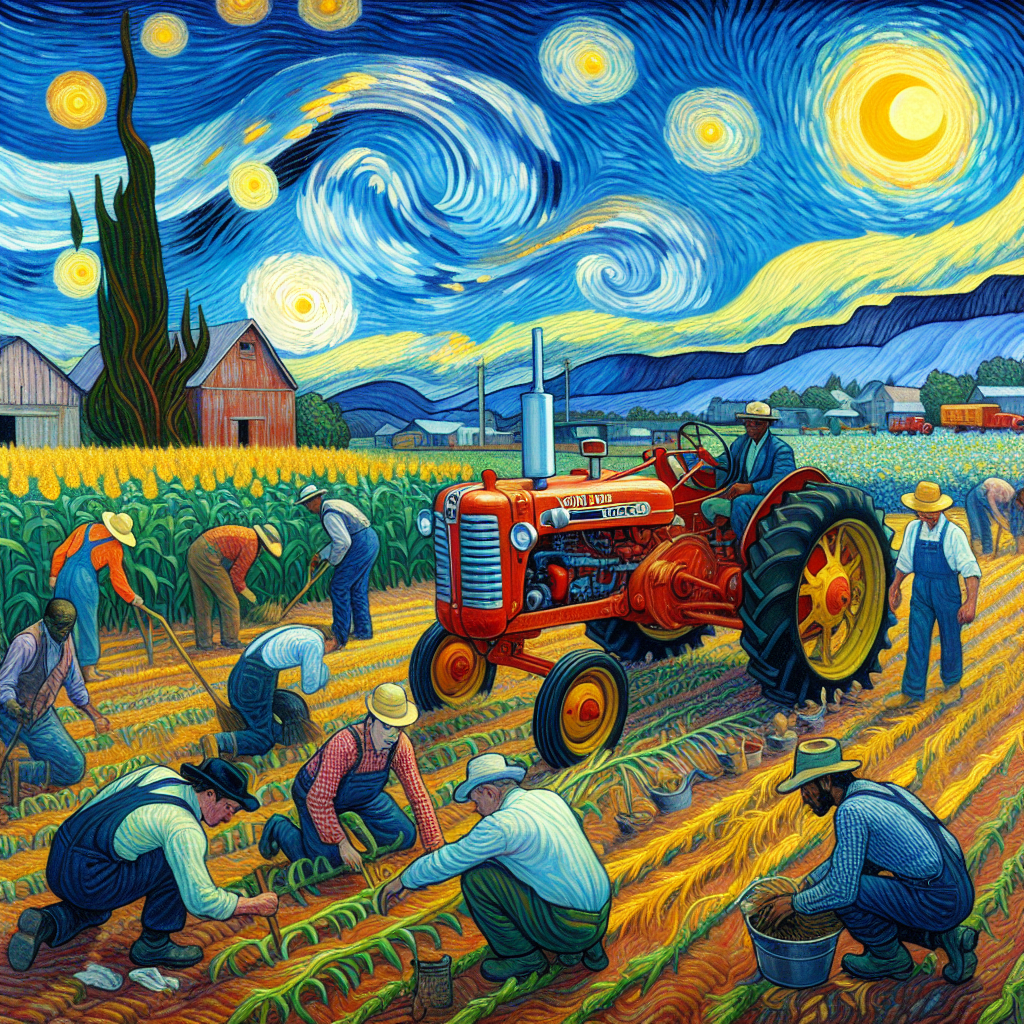
In today’s fast-paced world, we often chase the latest and greatest in technology, desperate to outrun the critical sustainability issues gripping our planet. But maybe, just maybe, it’s time to take a good, hard look at the past—specifically, those vintage farm machines sitting idle in fields or tucked away in barns. These hulking relics, with their rusted exteriors and unpolished charm, hold more than just nostalgic value; they teach us some vital lessons in sustainability that we can’t afford to ignore.
When you think about it, vintage tractors were built not for short-term trends but for longevity. In an era where things are designed for planned obsolescence, these machines tell a different story. They came equipped with simplicity and durability in mind, designed to get the job done and keep on going. Their straightforward mechanics demand minimal maintenance, reducing the need for new machines and lowering our carbon footprints. Rather than being tied to complicated, computerized systems, these tractors continue to prove their worth with ease of repair and operation.
Furthermore, these vintage vehicles represent a time when farming sought to coexist with nature rather than dominate it. They ran on locally sourced fuel, contributing to a more sustainable agricultural cycle. With them, farmers navigated the ebb and flow of seasons and systems, practicing techniques like crop rotation and polyculture that promoted biodiversity and enriched the soil rather than depleting it.
There’s also an undeniable economic angle here. Vintage machinery often comes with a lower price tag, both at the initial investment and in repairs—plus, they usually boast greater fuel efficiency than new tech, especially for smaller operations. And for many farmers, there’s something invigorating about the appeal of these working relics, offering a chance to connect with their land and history in ways high-tech machinery can’t replicate.
In the end, it’s about balance—taking the lessons from our predecessors and merging them with today’s knowledge to create a sustainable future. Vintage tractors and farming practices remind us that sometimes, we don’t need to chase better; we need to embrace what’s already been proven. So before we sprint into the future, let’s pause and glean some wisdom from the past. Those vintage machines may hold the keys to a truly sustainable agricultural landscape, one that thrives in respect for both land and labor. In a world craving simplicity, these old workhorses are not just relics; they’re shining examples of a smarter, more respectful way to farm.
Conclusion
Conclusion:
- Chasing modern technology often overshadows critical sustainability issues.
- Vintage farm machines offer valuable lessons in sustainability and longevity.
- They are designed for durability and ease of repair, minimizing carbon footprints.
- These tractors promote coexistence with nature through sustainable farming practices.
- Vintage machinery is cost-effective, both in initial purchase and maintenance.
- They connect farmers to their land and history in ways modern technology cannot.
- Embracing the wisdom of the past can lead to a more sustainable agricultural future.
Conclusion
Other Resources
Other Resources
Here is a list of other resources you can review online to learn more:
- Minot
- Happy Farmer
- General Ordnance
- Fox River Tractor Company
- Cecil County Farm Museum
- Force Motors
- Corbitt
- Branson Auto & Farm Museum
- California Antique Farm Equipment Show
Use This Prompt To Get More Resources With Your Favorite Online AI Tool: Please provide me with a list of online articles with their URLs in a bulleted list that I can read regarding Do Vintage Farm Machines Offer Lessons In Sustainability?

Other Resources
Glossary Terms
Do Vintage Farm Machines Offer Lessons In Sustainability? – Glossary Of Terms
1. Agriculture: The science of cultivating soil, growing crops, and raising animals for food, fiber, and other products.
2. Antique Machinery: Farm equipment that is at least 100 years old, often recognized for its craftsmanship and simplicity compared to modern counterparts.
3. Biodiversity: The variety of plant and animal life in a particular habitat, which vintage farming practices often promote by maintaining diverse ecosystems.
4. Composting: The process of recycling organic waste into a rich soil amendment, reducing waste, and improving soil health.
5. Crop Rotation: The practice of alternating the types of crops grown in a particular area, reducing soil depletion and pest populations.
6. Durability: The ability of vintage farm machines to withstand the test of time, often made from robust materials that contribute to sustainability.
7. Ecosystem Services: The benefits provided by natural ecosystems, such as pollination, nutrient cycling, and pest control, often enhanced by traditional farming practices.
8. Fuel Efficiency: The ratio of output (work accomplished) to input (fuel consumed). Many vintage machines were engineered for efficiency in resource use.
9. Heritage Farming: Farming practices that honor traditional methods and equipment, often associated with environmental stewardship.
10. Integrated Pest Management (IPM): A sustainable approach to managing pests by combining biological, cultural, and mechanical tactics.
11. Land Restoration: The process of returning damaged or degraded land to a healthy state, often supported by sustainable farming practices.
12. Mechanical Advantage: The benefit gained by using machines to amplify labor and resources, traditionally seen in vintage farming tools.
13. Organic Farming: Agriculture that avoids synthetic fertilizers and pesticides, focusing on natural processes and sustainable practices.
14. Permaculture: A holistic design system for creating sustainable agricultural ecosystems that embrace diversity and self-sufficiency.
15. Regenerative Agriculture: Practices aimed at restoring the health of soil, water, and ecosystem through techniques like cover cropping and reduced tillage.
16. Rural Resilience: The ability of rural communities to withstand economic and environmental challenges, often supported by sustainable farming practices.
17. Small-scale Farming: Farming operations that emphasize local production and often utilize vintage machinery, promoting sustainability and community resilience.
18. Soil Conservation: Practices aimed at preventing soil erosion and degradation, essential for long-term agricultural sustainability.
19. Sustainable Development: Development that meets present needs without compromising the ability of future generations to meet their own needs, including sustainable farming practices.
20. Traditional Agricultural Techniques: Time-honored methods of farming that prioritize sustainability, such as polyculture and minimum tillage.
21. Value-added Products: Products that have been processed or enhanced to increase their value, often derived from traditional farming methods.
22. Water Conservation: Strategies and practices for efficiently managing water resources in agriculture, emphasizing the importance of vintage irrigation methods.
23. Weed Management: Approaches to control undesirable plants in agriculture, often utilizing mechanical methods associated with vintage machinery.
24. Zero-waste Farming: Practices aimed at eliminating waste by reusing and recycling all materials in the farming process.
25. Cultivator: A vintage farming tool used for tilling soil and removing weeds, illustrating low-impact methods of soil management.
26. Tractor Restoration: The process of repairing and preserving vintage tractors, highlighting the importance of maintaining historical farming technology.
27. Agroecology: An ecological approach to agriculture that views agricultural areas as ecosystems, focusing on biodiversity and sustainability.
28. Farming Heritage: The traditions and practices passed down through generations, often linked to sustainable agriculture.
29. Sustainable Practices: Farming methods that protect the environment, enhance soil quality, and promote biodiversity.
30. Local Food Systems: Networks that promote the production and distribution of food within a local area, often influenced by vintage farming practices.
Glossary Of Terms
Other Questions
Do Vintage Farm Machines Offer Lessons In Sustainability? – Other Questions
If you wish to explore and discover more, consider looking for answers to these questions:
- What specific examples illustrate the sustainability lessons from vintage farm machines?
- How do vintage farm practices compare with modern sustainable farming techniques?
- What are the maintenance requirements for vintage farm machinery?
- Are there specific models of vintage tractors that are more sustainable or efficient?
- How can farmers integrate vintage machines into modern agricultural systems?
- What are the common challenges faced in restoring vintage farm equipment?
- How does the use of vintage machines affect the economics of small-scale farming?
- What are the environmental impacts of using vintage versus modern farm equipment?
- How do vintage farm machines contribute to soil health compared to modern ones?
- What is the role of community and culture in the use of vintage farming techniques?
- Are there any studies or data that support the benefits of using vintage farm machines?
- What kinds of fuels can vintage tractors operate on, and how does it affect emissions?
- How does the craftsmanship of vintage machines compare to modern equipment?
- What strategies can farmers use to enhance biodiversity when using vintage methods?
Other Questions
Haiku
Do Vintage Farm Machines Offer Lessons In Sustainability? – A Haiku
Vintage machines stand,
Lessons in lasting value,
Sustainability.
Haiku
Poem
Do Vintage Farm Machines Offer Lessons In Sustainability? – A Poem
In fields where faded memories lie,
Old tractors stand ‘neath open sky,
With rusted frames and paint that peels,
They whisper truths that life reveals.
In days when farming held more grace,
These sturdy machines held a rightful place,
Not built for trends that quickly fade,
But forged for use, in sunlight and shade.
Amidst the clatter of modern design,
We’ve overlooked the wisdom entwined,
In each dent and mark, a tale unfolds,
Of resourcefulness that never grows old.
With working hands, the soil they’ve tilled,
Their engines roar, yet nature’s filled,
Empowering eco-systems to thrive,
Every turn, every plow keeps dreams alive.
For crop rotation, too, these giants sang,
With harmony in cycles, the earth they rang,
Polyculture plants, in vibrant display,
Invite life to flourish, come what may.
Affordability in each steel bone,
A value rare in a world overthrown,
Simplicity reigns, making repairs a breeze,
While modern machines often bring farmers to their knees.
Fuel-efficient heartbeats, though not sleek in show,
They work quietly, letting resources flow.
From nostalgia, we find new income streams,
With stories and workshops and restoration dreams.
But tread with care on this sacred ground,
For every act, a ripple is found,
With no-till practices we reclaim our might,
Preserving soil health, our future stays bright.
So let’s pause in our haste, and look to the past,
Embrace the lessons these machines have amassed.
In vintage steel, we find more than mere clout,
We find sustainability, memories—and so much about.

Poem
Checklist
Do Vintage Farm Machines Offer Lessons In Sustainability? – A Checklist
1. Embrace Durability Over Obsolescence
_____ Consider investing in vintage machinery that is built to last rather than the latest models that may be designed for planned obsolescence.
2. Prioritize Repairability
_____ Assess the ease of maintenance for machines; choose simpler designs that allow for DIY repairs without specialized tools.
3. Utilize Locally Sourced Fuel
_____ Explore options for using biofuels or lower-quality fuels with vintage tractors that may have less stringent fuel requirements than modern machines.
4. Implement Resource Conservation Practices
_____ Look into traditional farming methods like crop rotation to enhance soil health and qualify for sustainable practices.
5. Encourage Polyculture Farming
_____ Integrate multiple species into your farming practices to promote biodiversity and reduce pest pressure.
6. Adopt Minimalist Machinery
_____ Evaluate the need for advanced technology; sometimes less complicated machinery can perform tasks just as well or better.
7. Track Energy Efficiency
_____ Compare the fuel consumption and operational efficiency of vintage machines against modern counterparts to make informed decisions.
8. Value Waste Reduction
_____ Use composting practices to recycle organic waste and enhance soil fertility, mirroring traditional farmers’ vegetable scraps.
9. Revive Historic Farming Techniques
_____ Incorporate vintage practices that preserve natural ecosystems and promote biodiversity.
10. Explore Economic Benefits
_____ Consider the cost savings associated with purchasing and operating vintage equipment, including lower repair costs and fuel efficiency.
11. Evaluate Restoration Feasibility
_____ Investigate the possibility and requirements for restoring vintage machines for modern agricultural use to preserve history and reduce waste.
12. Practice Smart Soil Management
_____ Combine the use of vintage tractors with sustainable methods, like no-till farming, to protect soil health and nutrient richness.
13. Engage with Community History
_____ Share and celebrate the history of vintage machines through local events or social media to foster connections within the agricultural community.
14. Promote Craftsmanship
_____ Encourage a mindset that values the craftsmanship of vintage machines over the mass production of newer models, connecting to tradition and quality.
15. Reflect on Sustainable Futures
_____ Use lessons learned from vintage machinery to inspire innovation in modern farming practices while respecting the past.
This checklist serves as a practical tool for anyone interested in exploring the sustainability lessons offered by vintage farm machines while fostering a deeper connection to agricultural heritage.
Checklist
At ClassicTractorNews, we help tractor lovers keep up with the latest news for classic and vintage tractors.
Please share this post with your friends, family, or business associates who may like old classic or vintage tractors.