


The Surprising Answer May Change Agriculture Forever
By Tom Seest
At ClassicTractorNews, we help tractor lovers keep up with the latest news for classic and vintage tractors.
Please share this post with your friends, family, or business associates who may like old classic or vintage tractors.
Can a Tractor Be Eco-Friendly?
When you think of tractors, the image that springs to mind is often one of hard work, mud-covered machinery, and a relentless drive to get the job done, no matter the toll on the environment. However, with a growing awareness of our planet and its delicate ecosystems, it’s time to ask the big question: can a tractor be eco-friendly? The answer might surprise you.
Let’s start by breaking down what eco-friendly really means. Essentially, it’s about minimizing harmful impacts on the environment while maximizing efficiency and productivity. In the world of agriculture, where tractors are the workhorses, there’s a growing trend toward greener alternatives. The good news? There are plenty of ways to make tractors much more Earth-friendly.
First up, let’s talk about technology. Modern tractors are equipped with advanced technology designed to improve fuel efficiency and reduce emissions. Features like precision agriculture and GPS-guided systems allow farmers to optimize field operations, minimizing waste and decreasing the amount of fuel needed. With some models boasting hybrid engine technologies, you can run on electricity as well as traditional fuels—talk about a game changer!
Next, consider the materials. Many manufacturers are exploring the use of sustainable materials and eco-friendly practices in the production process. These new age tractors are not just mechanically sound; they’re built with an eye toward reducing the carbon footprint right from the assembly line to the field.
Then there’s the growing trend of electric tractors. While it might sound a bit futuristic, electric tractors are already hitting the market. These machines tackle tasks quietly, without the noise pollution associated with their diesel counterparts. They still deliver the horsepower and torque needed for demanding jobs, while slashing emissions to virtually zero. That’s what we call progress.
Lastly, we can’t overlook the powerful role of regenerative agriculture. Tractors equipped with technology that promotes soil health and crop rotation can help farmers produce food sustainably. Each time these tractors hit the soil, they’re contributing to a system that thrives on health and balance rather than depletion and degradation.
While tractors have long been seen as a source of environmental concerns, they’re also at the forefront of a green revolution in agriculture. By embracing new technologies and sustainable practices, tractors can evolve from mere machines of labor into champions of eco-friendly farming—a welcome shift for our planet and the generations to come. So the next time you see a tractor plowing a field, remember: it might just be doing its part to save the Earth.

Can a Tractor Be Eco-Friendly?
Can a Tractor Be Eco-Friendly?
- Tractors are often associated with hard work and environmental impact.
- Eco-friendliness involves minimizing environmental harm while maximizing efficiency.
- Modern tractors feature advanced technology that improves fuel efficiency and reduces emissions.
- Manufacturers are increasingly using sustainable materials and eco-friendly production practices.
- Electric tractors are emerging, offering low noise and zero emissions while maintaining power.
- Regenerative agriculture practices are enhanced by tractors that support soil health and crop rotation.
- Tractors are evolving into champions of eco-friendly farming, contributing positively to the environment.

Can a Tractor Be Eco-Friendly?
Table Of Contents
- Can a Tractor Be Eco-Friendly?
- What Are the Benefits of a Tractor Without Diesel Emissions?
- How Can Tractors with Gas Engines Benefit the Environment?
- What are the Benefits of an Electric Tractor?
- What are the Benefits of Hybrid Tractor Engines?
- Can A Tractor Be Eco-Friendly?
- What Are The Benefits Of Eco-Friendly Tractors?
- How Do Hybrid Tractors Reduce Emissions?
- Conclusion
- Other Resources
- Glossary Of Terms
- Other Questions
- Haiku
- Poem
- Checklist
What Are the Benefits of a Tractor Without Diesel Emissions?
In a world increasingly aware of our environmental footprint, the benefits of a tractor without diesel emissions are hard to ignore. Imagine a machine that still delivers the same muscle and efficiency, but operates with a whisper instead of a roar, all while keeping harmful pollutants at bay. This isn’t just wishful thinking; it’s a reality that’s gaining traction on farms and job sites across the country.
First off, let’s talk about the air we breathe. Traditional diesel engines emit a cocktail of soot and nitrogen oxides that can suffocate even the healthiest of lungs. By eliminating these emissions, you’re not just making life easier for the folks working around these machines; you’re also doing your part for the community. Cleaner air means healthier workers, which means fewer sick days—something that’s beneficial for both farmers and their bottom line.
Then there’s the matter of noise pollution. We’ve all been on a job site where the din of loud machinery makes conversation impossible. With electric or alternative energy tractors, the sound level drops significantly. Picture yourself cruising through your fields or working on a construction site without the constant background roar. It’s not only a more pleasant environment, but it allows for better communication and focus, fostering a more productive atmosphere.
Of course, there’s the maintenance aspect to consider. Diesel engines require a small army of filters, oil changes, and other regular upkeep just to keep them chugging along. In contrast, tractors that run on electric or alternative fuels often come with fewer moving parts, leading to reduced maintenance costs over time. This means more money in the pocket of the operator and less downtime for repairs—something every farmer and contractor can appreciate.
Let’s not overlook the long-term sustainability factor. The world is moving to greener technologies, and embracing tractors without diesel emissions positions farmers and contractors as leaders in environmental stewardship. By investing in these clean-energy machines, you’re not just future-proofing your operation; you’re also contributing to a global movement toward sustainability.
In essence, a tractor without diesel emissions isn’t just a shiny new tool; it’s a game-changer loaded with benefits that echo far beyond the field. Cleaner air, less noise, lower maintenance costs, and a step toward a sustainable future—what’s not to love? As we continue to evolve, so too should our tools, and embracing this greener technology is a step in the right direction.

What Are the Benefits of a Tractor Without Diesel Emissions?
What Are the Benefits of a Tractor Without Diesel Emissions?
- Tractors without diesel emissions provide powerful performance while eliminating harmful pollutants.
- Cleaner air improves health for workers, leading to fewer sick days and benefiting community well-being.
- Alternative energy tractors reduce noise pollution, enhancing communication and productivity on job sites.
- Electric tractors require less maintenance due to fewer moving parts, resulting in lower maintenance costs.
- Investing in clean-energy tractors positions farmers and contractors as leaders in environmental stewardship.
- These tractors contribute to a global movement towards sustainability and future-proof farming operations.
- Overall, they symbolize a significant advancement in technology that prioritizes health, efficiency, and the environment.

What Are the Benefits of a Tractor Without Diesel Emissions?
How Can Tractors with Gas Engines Benefit the Environment?
When you think of tractors, you might picture vast fields being plowed under the midday sun, or the gentle hum of machinery weaving through rows of crops. It’s easy to overlook the impact these workhorses have on our environment. While many discussions swirl around electric or hybrid engines, gas-powered tractors often don’t get their fair share of the spotlight. Yet, these machines can play a part in helping our planet in ways you might not expect.
First things first: gas engines can actually promote better farming practices. When a farmer can efficiently till the land, prepare the soil, and plant crops in a timely manner, they are setting themselves up for success. A well-managed farm means healthier crops, which lead to better yields. More yields mean less land is needed to grow food, and that can help preserve natural habitats elsewhere. It’s a cycle where efficiency leads to conservation, and gas-powered tractors can help drive that efficiency.
Now, let’s talk about emissions. When we think of gas engines, it’s easy to immediately jump to thoughts of exhaust fumes and pollution. But advancements in technology have led to cleaner-burning gas engines that produce fewer emissions than their older counterparts. Many modern gas tractors come equipped with fuel-efficient designs and emission-reduction systems that significantly lessen their environmental footprint. When farmers invest in upgraded equipment, they’re not just investing in their own operations—they’re also contributing to a cleaner atmosphere.
Furthermore, gas engines offer a level of reliability and power that some alternatives struggle to match, especially in rugged terrain or extreme weather. Farmers rely on their tractors to get work done, and when a machine fails in the middle of planting or harvesting, the costs can be substantial—not just in lost time, but also in the environmental impact of inefficiency. Sticking with proven gas engines can help ensure that every acre is utilized rather than wasted.
Lastly, let’s not forget about the jobs. Agriculture is a backbone of the economy, and maintaining robust farming operations means sustaining livelihoods. By keeping gas-powered tractors in the game, farmers can focus on producing food sustainably, ensuring communities thrive while keeping economic impacts positive.
So next time you see a tractor rumbling through the fields, remember: it’s not just a hunk of metal spewing fumes. It’s a tool that, when used wisely, can help us create a more efficient, sustainable agricultural landscape.

How Can Tractors with Gas Engines Benefit the Environment?
How Can Tractors with Gas Engines Benefit the Environment?
- Gas-powered tractors can enhance farming practices through efficient tilling and soil preparation.
- Improved farming efficiency leads to healthier crops, better yields, and the conservation of natural habitats.
- Modern gas engines feature advancements that result in cleaner burning and reduced emissions.
- Upgraded gas tractors contribute to a cleaner atmosphere while supporting the farmer’s operational needs.
- Gas engines provide reliability and power needed for successful farming in tough conditions.
- Utilizing gas-powered tractors helps minimize wastage and maximizes productivity on the farm.
- Supporting gas-powered farming operations sustains agricultural jobs and positively impacts local economies.

How Can Tractors with Gas Engines Benefit the Environment?
What are the Benefits of an Electric Tractor?
When you think about tractors, you might picture diesel engines rumbling through fields and exhaust clouds billowing into the air. But let me tell you, folks, there’s a new player in town, and it’s quiet, efficient, and downright revolutionary: the electric tractor. Now, before you roll your eyes and think electric power is just a passing trend, let’s dig into the benefits that these machine marvels bring to the table.
First off, let’s talk about efficiency. Electric tractors are designed with modern technology that maximizes productivity. Their electric motors deliver power instantly, which means they can accelerate quickly and operate smoothly—no waiting for the gears to catch up. This responsiveness translates to reduced downtime in the fields, meaning farmers can get more done in less time. Efficiency isn’t just about speed; it also translates to energy savings. Electric tractors often cost significantly less to operate than their diesel counterparts, which is a major boon during challenging economic times.
Then there’s the issue of maintenance. Diesel engines require regular oil changes, fuel filters, and a slew of other maintenance tasks that take time, energy, and money. Electric tractors, on the other hand, have fewer moving parts and don’t require oil changes, resulting in lower maintenance costs and less time spent in the shop. For hard-working farmers who rely on their equipment day in and day out, this means more time spent in the fields and less time worrying about breakdowns.
Now, let’s not forget about the environmental impact. With electric tractors, you’re looking at lower emissions and a smaller carbon footprint. In a world that’s increasingly focused on sustainability and eco-friendly practices, adopting electric machinery is like embracing a new era of agriculture. These tractors run on clean energy, which can be generated from renewable sources like wind and solar power. That’s a powerful message to send, not only for the land we depend on but also for the generations that follow.
Lastly, there’s the silent strength of electric tractors. Imagine being able to work the fields without the roar of a diesel engine drowning out nature’s sounds. Electric tractors operate quietly, reducing noise pollution and allowing for more peaceful surroundings. For farmers who live and work in harmony with their land, that’s a game-changer.
In summary, electric tractors offer an impressive mix of efficiency, lower maintenance costs, environmental benefits, and silent operation. As agriculture continues to evolve, embracing these technologies may very well be the strategy that keeps our farming practices sustainable and thriving for years to come.

What are the Benefits of an Electric Tractor?
What are the Benefits of an Electric Tractor?
- Electric tractors introduce a quiet, efficient alternative to traditional diesel tractors.
- Designed for maximum productivity with instant power delivery and smoother operation.
- Offer significant energy savings and lower operational costs compared to diesel tractors.
- Require less maintenance due to fewer moving parts and no need for oil changes.
- Contribute to environmental sustainability with lower emissions and a smaller carbon footprint.
- Operate silently, reducing noise pollution and promoting a peaceful farming environment.
- Embracing electric tractors may ensure sustainable and thriving agricultural practices in the future.

What are the Benefits of an Electric Tractor?
What are the Benefits of Hybrid Tractor Engines?
When you think of a tractor, the image that likely comes to mind is of a powerful machine, chugging through fields, plowing the earth, and hauling massive loads. Now, add a layer of complexity, a wild mix of mechanics, and a splash of ingenuity, and you end up with what we call a hybrid tractor engine. This might sound like something out of a sci-fi flick, but hybrid engines are more than just a gimmick; they’re reshaping the agricultural landscape in ways that can’t be ignored.
First off, let’s talk efficiency. Traditional tractors can guzzle fuel like there’s no tomorrow. Hybrid engines, on the other hand, are designed to optimize energy use, blending the best of both worlds: diesel or gasoline and electric power. This clever combination allows farmers to achieve greater output with less fuel. Picture this – you’ve got a hefty field to plow, and instead of running solely on diesel, your tractor seamlessly switches to electric power when it can. That’s not just smart; that’s game-changing.
Now, while we’re on the subject of profit margins – every farmer worth their salt knows that every penny counts. By using a hybrid engine, fuel costs can be slashed. That’s right; think of it as a way to keep your hard-earned cash right where it belongs – in your pocket. Plus, with improved efficiency, you can tackle larger tasks in less time, meaning more productivity and profit per season.
Let’s not forget about the environment. Farming stirs up its fair share of dust and noise, but hybrid tractors contribute to reducing emissions and lowering the carbon footprint. Less fossil fuel consumption not only helps the farmer’s bottom line but also shows respect for the land. Guys, this is about more than just turning a profit; it’s about sustainability. The folks operating these hybrids can embrace the land and preserve it for future generations.
Finally, let’s talk maintenance. Farmers are used to the wear and tear that comes with farming gear, but hybrid engines are often designed with durability in mind. This means less downtime and more time doing what you do best – working the land. With fewer moving parts and advanced technologies, they can mean fewer repairs and longer lifespans.
So, whether you’re mulling over a new investment or just contemplating the future of farming, hybrid tractor engines are a smart move that bring together efficiency, profitability, and sustainability. Welcome to the new age of agriculture, where innovation and hard work meet head on.

What are the Benefits of Hybrid Tractor Engines?
What are the Benefits of Hybrid Tractor Engines?
- Hybrid tractors combine diesel or gasoline with electric power, enhancing efficiency in farming.
- They optimize fuel usage, allowing farmers to achieve greater output with less fuel.
- Using hybrid engines can significantly reduce fuel costs, increasing profit margins for farmers.
- Hybrid tractors contribute to environmental sustainability by lowering emissions and carbon footprints.
- They promote respectful farming practices, preserving land for future generations.
- Designed with durability in mind, hybrid engines reduce maintenance needs and downtime.
- Overall, hybrid tractor engines represent a smart investment for the future of agriculture.
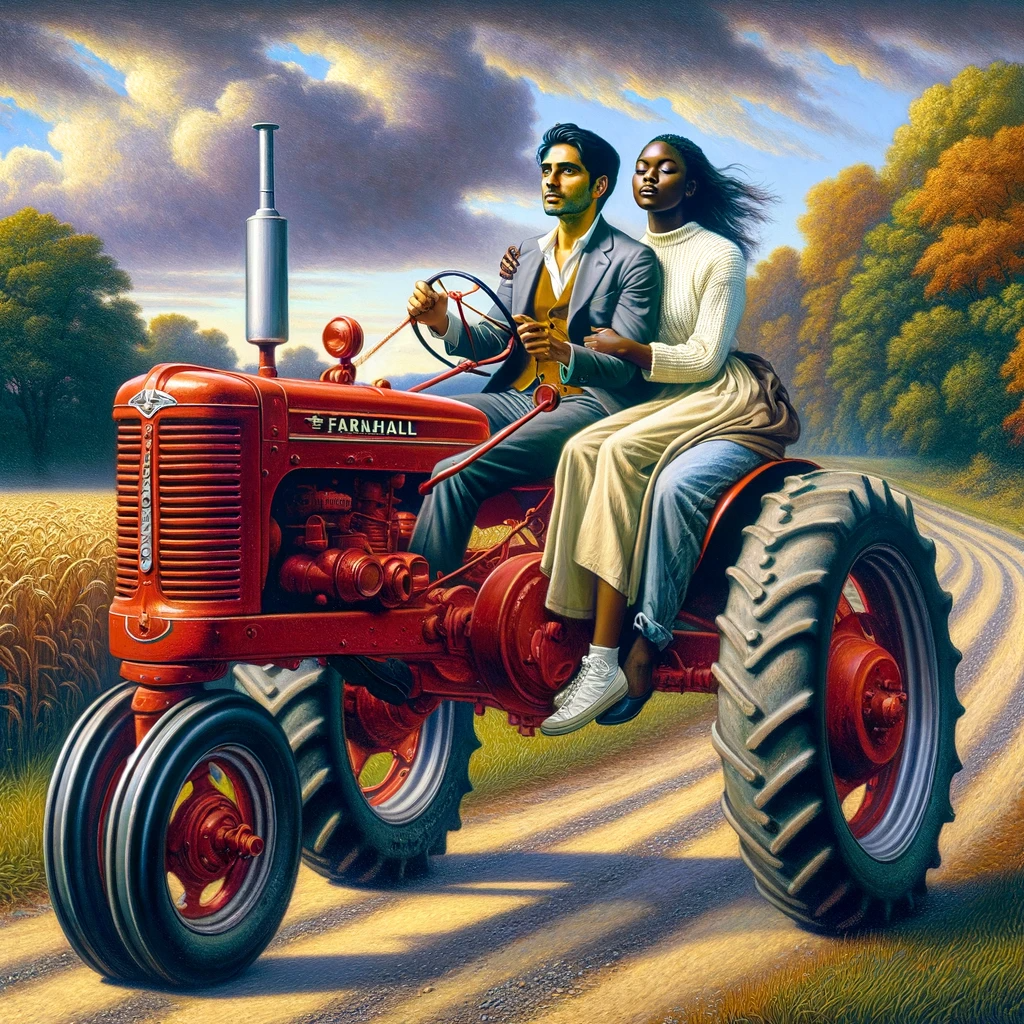
What are the Benefits of Hybrid Tractor Engines?
Can A Tractor Be Eco-Friendly?
Let’s face it: when you think of tractors, eco-friendliness might not be the first thing that springs to mind. You picture these hulking machines plowing through fields, kicking up clouds of dust and belching exhaust. But hold on—before you write off these agricultural workhorses as environmental offenders, it’s worth taking a closer look at how modern tractors are evolving to better respect Mother Nature.
First off, let’s talk about fuel. Traditional tractors have relied heavily on diesel, a fuel not exactly known for being kind to our planet. Enter electric and hybrid models, which are starting to pop up in fields across the nation. These machines harness battery power or a combination of gas and electricity, drastically reducing emissions. Imagine a fleet of whisper-quiet tractors gliding silently through the fields, leaving nothing but fresh air and fertile soil in their wake. It’s a sight that, just a few years ago, seemed like a pipedream.
Next on the docket is technology. Precision agriculture has taken front and center, bringing with it a treasure trove of eco-friendly practices. With satellite imagery and drones mapping out fields, farmers can now apply water, fertilizers, and pesticides more efficiently than ever. No more guesswork or widespread application; it’s all about targeted feeding. Think of it as the difference between throwing a handful of seeds into the wind and using a sniper’s precision to plant exactly where it matters. This technology minimizes waste and maximizes yield while keeping our soil and waterways cleaner.
But that’s just the tip of the iceberg. Many manufacturers are starting to think outside the box, incorporating biodegradable materials into their designs and using solar panels to power their operations. Just picture a tractor adorned with solar panels, soaking up the sun’s rays during the day and contributing to a greener planet while it’s at work. It’s a brilliant synergy between technology and nature.
Finally, let’s not overlook the human element. As more farmers become conscious of their environmental footprint, they’re pushing for innovations that marry efficiency with sustainability. They’re the ones demanding tractors that don’t just get the job done, but do so with the planet in mind. In this evolving landscape, the argument isn’t whether tractors can be eco-friendly; it’s how quickly we can adapt and embrace the future.
So, the next time you see a tractor rolling through the fields, remember: it might not just be a machine—it could be an eco-warrior in disguise.

Can A Tractor Be Eco-Friendly?
Can A Tractor Be Eco-Friendly?
- Modern tractors are evolving to become more eco-friendly despite traditional perceptions of their environmental impact.
- Electric and hybrid tractor models are emerging, significantly reducing emissions compared to traditional diesel tractors.
- Precision agriculture technology utilizes satellite imagery and drones to apply resources more efficiently, minimizing waste.
- Innovations include the use of biodegradable materials in tractor designs and solar panels to power operations.
- Farmers are increasingly conscious of their environmental footprint, pushing for sustainable innovations in tractor design.
- The focus is shifting from whether tractors can be eco-friendly to how quickly the industry can adapt to these changes.
- Tractors are becoming seen as potential eco-warriors, bridging the gap between agriculture and environmental sustainability.

Can A Tractor Be Eco-Friendly?
What Are The Benefits Of Eco-Friendly Tractors?
In a world that’s increasingly tuned into the rhythms of sustainability, eco-friendly tractors are popping up on farms like wildflowers after a spring rain. But what’s all this buzz about? Let’s get our hands dirty and dig into some real benefits that come along for the ride when you trade in that gas-guzzler for a greener machine.
First off, let’s talk about efficiency. Eco-friendly tractors are engineered with cutting-edge technology that reduces fuel consumption. By embracing alternative fuels and innovative energy-efficient designs, these tractors can deliver the same power and performance while using less energy. That means farmers can put more money back in their pockets rather than watching it evaporate into thin air—no small potatoes, if you ask me!
Next, consider the environmental impact. Conventional tractors can churn out more greenhouse gases than a barbecue cook-off, contributing to air pollution and climate change. With eco-friendly options that produce fewer emissions, farmers can not only help combat this crisis but also improve local air quality. Picture a vibrant, thriving ecosystem around the farm instead of choking on diesel smoke—a win-win for both the land and its caretakers.
Then there’s the soil—not just the dirt we walk on but the very foundation of agriculture. Eco-friendly tractors often use lighter materials and advanced tire technology to avoid compaction, preserving the soil structure essential for healthy crops. Healthy soil leads to healthy plants, which means better yields and a more robust food supply. Sustainable practices, paired with the right equipment, can redefine the relationship between farming and nature.
Let’s not ignore the benefits of noise reduction. Many eco-friendly tractors operate more quietly than their traditional counterparts, which can be a game changer for farmers working long hours. Picture it: long days in the field without the relentless roar of machinery. It’s a sound investment in both the farmer’s peace of mind and community tranquility.
Lastly, there’s the marketing angle. In a market that increasingly values sustainability, an eco-friendly tractor can be a branding asset. Consumers are becoming more conscious of where their food comes from, and eco-farming practices resonate with their values. By operating sustainably, farmers can tap into this shift, attracting customers who are eager to support responsible producers.
So there you have it! Eco-friendly tractors are not just a trend—they’re a tangible way for farmers to cultivate a more sustainable future. They save money, protect the environment, and foster a healthier community while enabling farmers to produce the food that keeps the world turning. And that’s something worth investing in.

What Are The Benefits Of Eco-Friendly Tractors?
What Are The Benefits Of Eco-Friendly Tractors?
- Eco-friendly tractors are becoming popular on farms, emphasizing sustainability.
- They offer increased efficiency through advanced technology that reduces fuel consumption.
- These tractors produce fewer emissions, contributing to improved air quality and environmental health.
- They use lighter materials to minimize soil compaction, promoting healthier crops and yields.
- Many eco-friendly tractors operate more quietly, improving the working conditions for farmers.
- Using sustainable practices can enhance branding, appealing to consumers who prioritize eco-friendliness.
- Eco-friendly tractors support a sustainable future, benefiting farmers, the environment, and communities.

What Are The Benefits Of Eco-Friendly Tractors?
How Do Hybrid Tractors Reduce Emissions?
When you think about tractors, you might picture big, rumbling machines churning through fields, spewing out smoke like they’re trying to recreate a scene from an old Western. But, just like the rest of the world, farming is evolving, making way for cleaner, greener technology. Enter the hybrid tractor—a true pioneer in the field, quite literally.
So, how exactly do these hybrid machines help reduce emissions? It all starts with the combination of two power sources: a conventional internal combustion engine and an electric motor. This dynamic duo allows hybrid tractors to operate more efficiently, cutting down the amount of fossil fuel they need to run. Instead of relying solely on that diesel engine, hybrids can switch to electric power when it’s advantageous—like during low-load tasks or when moving at slower speeds. Picture this: a tractor pulling a plow through a field. When the load is lighter, it can draw on that electric motor, saving precious diesel fuel and, in turn, reducing those carbon emissions that have been a thorn in the side of our planet.
But it doesn’t just stop there. Hybrid tractors are also designed with regenerative braking systems. Ever been driving and had to slam on the brakes? Not a pleasant situation, but in a hybrid tractor, that energy doesn’t just disappear into thin air. Instead, when the tractor slows down, it captures some of that kinetic energy and converts it back into electricity, which can be stored for later use. Talk about a smart retrieval strategy!
Moreover, these modern marvels come equipped with sophisticated sensors and software that monitor various aspects of the operating environment. They can determine the most efficient way to accomplish tasks—optimizing engine performance and minimizing fuel consumption in real-time. Imagine a farmer driving through a field, and the tractor’s onboard technology is crunching numbers and making adjustments on the fly. That’s like having a smart assistant right there in the cab, ensuring minimal emissions while maximizing productivity.
In essence, hybrid tractors represent a significant step toward sustainable farming. By combining electric and diesel power, utilizing regenerative braking, and employing advanced technology to optimize performance, these machines are not just greener options for farmers; they are also paving the way for a more sustainable future in agriculture. And in the end, that’s good news for everyone—farmers, consumers, and the environment alike. So the next time you see a tractor in action, remember: it’s not just a workhorse; it’s a shining example of how innovation can help us cultivate a cleaner future.

How Do Hybrid Tractors Reduce Emissions?
How Do Hybrid Tractors Reduce Emissions?
- Hybrid tractors combine a conventional internal combustion engine with an electric motor for increased efficiency.
- They reduce fossil fuel consumption by switching to electric power during low-load tasks or slow-moving operations.
- Hybrid tractors utilize regenerative braking systems to convert kinetic energy back into electricity when slowing down.
- Equipped with advanced sensors and software, hybrid tractors monitor and optimize engine performance in real-time.
- The technology helps minimize fuel consumption and ensure minimal emissions while maximizing productivity.
- Hybrid tractors signify a move toward sustainable farming practices and greener agricultural options.
- Overall, they contribute to a sustainable future in agriculture, benefiting farmers, consumers, and the environment.

How Do Hybrid Tractors Reduce Emissions?
Conclusion
In conclusion, the landscape of agriculture is undergoing a seismic shift, and tractors—the very backbone of farming—are leading the charge toward a more eco-friendly future. When we think of these machines, it’s easy to conjure images steeped in dust and diesel fumes, but the reality is evolving. Today’s tractors are embracing the challenge of eco-friendliness, and the changes are not just superficial; they’re transformational.
Let’s break it down. First and foremost, we’re witnessing advancements in technology that are nothing short of remarkable. Modern tractors are equipped with features like precision agriculture and GPS-guided systems, ensuring that every drop of fuel is used efficiently. It’s a far cry from the days of reckless consumption, as farmers can now minimize fuel use while maximizing yield. And wait, there’s more! Hybrid and electric models are inching into the spotlight, providing a sustainable alternative that cuts emissions and operates quietly. Imagine the hum of an electric motor working the fields, leaving behind clean air and an impression of progress.
But it’s not just about new engines; the materials and construction methods are getting a makeover too. Manufacturers are now focused on sustainability, using eco-friendly materials right from the assembly line to the field. So, while these tractors might still have the power and grit that farmers depend on, they’re also reducing their impact on our planet.
Now, let’s talk about the bigger picture. Eco-friendly tractors not only make environmental sense, they’re also economically wise. Lower emissions lead to cleaner air, which translates to healthier workers and communities. Reduced maintenance costs mean farmers spend less time fixing machines, and let’s not forget about reduced noise pollution that creates a more peaceful work environment. This is not just about changing gears; it’s about changing lives.
Moreover, the commitment to sustainable farming practices is echoing across the industry. Every time a tractor rolls out to cultivate a field, it brings with it the promise of a new agricultural era where productivity and environmental consciousness stride hand-in-hand.
So, the next time you see a tractor in action, don’t dismiss it as just a piece of machinery. Recognize it as an emblem of hope—a vehicle for change in how we nourish our planet while ensuring that farming remains a viable way of life for future generations. Welcome to the green revolution in agriculture, where every plow through the soil is a step toward a more sustainable world.

Conclusion
Conclusion:
- The agriculture landscape is shifting towards eco-friendliness with tractors leading the charge.
- Modern tractors feature precision agriculture and GPS systems to optimize fuel use and maximize yield.
- Hybrid and electric tractor models are reducing emissions and operating quietly, supporting sustainability.
- Manufacturers are using eco-friendly materials and construction methods in tractor production.
- Eco-friendly tractors offer economic benefits like lower emissions, maintenance costs, and reduced noise pollution.
- The industry is committing to sustainable farming practices, promoting the balance of productivity and environmental consciousness.
- Tractors symbolize hope and change in agricultural practices, contributing to a sustainable future for farming.

Conclusion
Other Resources

Other Resources
Here is a list of other resources you can review online to learn more:
- Valtra
- CLAAS of America
- Cecil County Farm Museum
- Orange County Farmers Museum
- Leyland
- Cockshutt
- IMT
- VST
- Bolens
Use This Prompt To Get More Resources With Your Favorite Online AI Tool: Please provide me with a list of online articles with their URLs in a bulleted list that I can read regarding Can a Tractor Be Eco-Friendly?

Other Resources
Glossary Terms
Can a Tractor Be Eco-Friendly? – Glossary Of Terms
1. Eco-Friendly: Products or practices that are not harmful to the environment and promote sustainability.
2. Sustainable Agriculture: Farming methods that maintain the health of the environment, economy, and community over the long term.
3. Biofuel: Renewable fuel derived from organic materials, such as crops or waste, which can be used to power tractors and other machinery.
4. Electric Tractor: A tractor powered by electricity instead of traditional fossil fuels, reducing emissions and environmental impact.
5. Hybrid Tractor: A tractor that combines two or more power sources, typically a conventional internal combustion engine and an electric motor, to improve efficiency and reduce emissions.
6. Carbon Footprint: The total amount of greenhouse gases emitted directly or indirectly by an activity, such as operating a tractor.
7. Renewable Energy: Energy derived from natural sources that replenish quickly, like solar, wind, and bioenergy, which can power eco-friendly tractors.
8. Compost: Organic matter that has decomposed and is used to enrich soil, contributing to sustainable agricultural practices.
9. Precision Agriculture: Farming management that uses technology and data analysis to optimize field-level management and reduce waste.
10. Tillage: The agricultural preparation of soil by mechanical agitation, which can affect soil health and emissions if not done sustainably.
11. Sustainable Practices: Farming techniques that promote environmental health, resource conservation, and economic viability.
12. Carbon Sequestration: The process of capturing and storing atmospheric carbon dioxide, which can be enhanced through improved agricultural practices.
13. Agroecology: An ecological approach to agriculture focusing on sustainability, biodiversity, and ecosystem health.
14. Farm Machinery Emissions: Pollutants released into the air from the operation of agricultural machinery, including tractors.
15. Maintenance: Routine checks and repairs necessary to keep tractors running efficiently, which can help reduce emissions and fuel consumption.
16. Renewable Diesel: A biofuel made from renewable sources, such as plant oils and animal fats, that can replace petroleum diesel in tractors.
17. Soil Erosion: The removal of the top layer of soil due to factors like water, wind, and tillage, which can be mitigated with sustainable practices.
18. Crop Rotation: Growing different crops in the same area across a sequence of seasons to improve soil health and reduce pest problems.
19. Greenhouse Gas (GHG): Gases that trap heat in the atmosphere, such as CO2, methane, and nitrous oxide, often emitted by traditional farming equipment.
20. Water Conservation: Practices aimed at reducing water use and preserving water resources in agriculture, which can be supported by eco-friendly technology.
21. Organic Farming: A method of farming that avoids synthetic fertilizers and pesticides, focusing instead on natural processes.
22. Energy Efficiency: The goal of using less energy to provide the same service, which applies to implementing eco-friendly practices in tractor operations.
23. Farm Sustainability: The capacity of a farm to maintain its production and profitability while minimizing environmental impact and preserving resources.
24. Alternative Fuels: Fuels derived from sources other than petroleum, such as natural gas, hydrogen, or biofuels, used to power tractors sustainably.
25. Soil Health: The state of the soil, which encompasses its physical, chemical, and biological properties, crucial for productive farming.
26. Emission Regulations: Laws governing the allowable levels of pollutants that can be emitted into the atmosphere from vehicles and machinery, including tractors.
27. Local Sourcing: Obtaining materials or biofuels from local producers to minimize transportation emissions and support local economies.
28. Smart Farming: The integration of advanced technologies (like IoT and AI) in agriculture to optimize planting, watering, and harvesting while reducing waste.
29. Biodiversity: The variety of life in a particular ecosystem, which farming practices can enhance or diminish depending on the methods used.
30. Farm diversification: The practice of growing a variety of plants or raising different animals to improve resilience and sustainability in agricultural operations.

Glossary Of Terms
Other Questions
Can a Tractor Be Eco-Friendly? – Other Questions
If you wish to explore and discover more, consider looking for answers to these questions:
- What specific technologies are being integrated into modern tractors to make them eco-friendly?
- How do electric tractors compare in cost to traditional diesel tractors over time?
- What are the long-term environmental benefits of using hybrid and electric tractors?
- Are there any government incentives or subsidies for farmers who switch to eco-friendly tractors?
- How do the performance and reliability of electric tractors compare to gas and diesel tractors?
- What challenges do farmers face when transitioning to using eco-friendly tractors?
- How can precision agriculture contribute to the eco-friendliness of tractor operations?
- What role do consumer preferences play in the adoption of eco-friendly tractors in agriculture?
- How do different types of electric tractor designs affect their environmental impact?
- What are the market trends for eco-friendly tractors in the agriculture sector?

Other Questions
Haiku
Can a Tractor Be Eco-Friendly? – A Haiku
Tractors in the field,
Powering green innovation,
Earth’s friends on the move.

Haiku
Poem
Can a Tractor Be Eco-Friendly? – A Poem
In fields once filled with diesel’s roar,
Where heavy clouds of ash once swore,
A whisper now glides through the earth,
Eco-friendly tractors, heralding rebirth.
From metal beasts that churned the soil,
To hybrids and electrics, a quest to uncoil,
The age-old laborer in grease and grime,
Transforms into a green force, intertwining with time.
Precision tech dances in fields anew,
With GPS guiding, it knows just what to do.
Cutting waste, saving fuel, emissions decline,
A future where farming and nature align.
Electric engines hum a tranquil song,
While heavy machinery’s days grow less strong.
Silent stewards, with power to spare,
Cultivating crops with tender care.
Hybrid wonders blend power and might,
Fueling efficiency with a system so right.
Less need for diesel, the air turns to gold,
With smart sensors watching, their stories unfold.
Soil stays hearty, no longer pressed down,
In eco-friendly ways, farmers wear the crown.
A healthier planet, fresh air to breathe,
For every next generation, a legacy to leave.
Amidst the farming landscape of changing roles,
New tractors rise to nurture and console.
With each turn of the wheel, a promise they weave:
That progress can flourish, if we all just believe.

Poem
Checklist
Can a Tractor Be Eco-Friendly? – A Checklist
Understanding Eco-Friendly Tractors
_____ Define Eco-Friendliness: Understand that it involves minimizing harmful impacts on the environment while maximizing efficiency and productivity.
Features of Eco-Friendly Tractors
Technology
_____ Advanced Technology: Ensure the tractor has features that improve fuel efficiency.
_____ Precision Agriculture: Check for GPS-guided systems to minimize waste.
_____ Hybrid Engines: Look for models that can run on both electricity and traditional fuels.
Sustainable Materials
_____ Eco-Friendly Production: Investigate if the tractor is built with sustainable materials to reduce its carbon footprint.
Electric Options
_____ Electric Tractors: Explore options that provide quiet operations and nearly zero emissions.
Regenerative Agriculture Support
_____ Soil Health Technology: Ensure the tractor supports practices like crop rotation and healthy soil management.
Benefits of Eco-Friendly Tractors
_____ Cleaner Air: Choose options that reduce harmful emissions, promoting healthier working conditions.
_____ Noise Reduction: Pick quieter models for reduced noise pollution at job sites.
_____ Lower Maintenance Costs: Consider electric or hybrid models with fewer moving parts for less frequent repairs.
Assessing Gas-Powered Tractors
_____ Efficiency in Operations: Evaluate how gas engines can still promote better farming practices and more efficient use of land.
_____ Emissions Advances: Look for modern gas engines that utilize emission-reduction systems.
Evaluating Hybrid Tractors
_____ Energy Optimization: Assess how hybrid engines optimize fuel use both in power and savings.
_____ Regenerative Features: Look for designs that capture brake energy to enhance efficiency.
Long-Term Sustainability Considerations
_____ Future-Proofing Operations: Evaluate how eco-friendly tractors position you as a leader in agricultural sustainability.
_____ Marketability: Understand how sustainable practices can resonate with consumers and enhance branding.
Embrace Change
_____ Stay Informed: Keep up with innovations and practices in eco-friendly tractor technology.
_____ Participate in Sustainable Farming Movements: Connect with other farmers and organizations that support eco-friendly practices.
Embrace this checklist as a guide to assess the eco-friendliness of tractors, ensuring that your agriculture practices contribute positively to the environment while promoting sustainability and productivity.

Checklist
At ClassicTractorNews, we help tractor lovers keep up with the latest news for classic and vintage tractors.
Please share this post with your friends, family, or business associates who may like old classic or vintage tractors.