


Uncovering The Legacy Of Co-Op Tractors
By Tom Seest
At ClassicTractorNews, we help tractor lovers keep up with the latest news for classic and vintage tractors.
Please share this post with your friends, family, or business associates who may like old classic or vintage tractors.
What Is The History Of The Company That Made Co-Op Tractors?
In the world of farming machinery, few names resonate with the same level of nostalgia and respect as Co-Op Tractors. At the heart of this iconic brand lies a story woven tightly with the fabric of American agriculture, a tale that began in the post-World War II boom.
The roots of Co-Op Tractors trace back to the late 1940s, a time when farmers were eager to embrace the new technology that promised to transform the way they worked the land. The National Farmers Organization (NFO) recognized this need and set out to create a solution. In 1946, they established the National Farmers Co-Operative Company, pooling resources to manufacture affordable, reliable tractors that would empower farmers.
By 1949, the first Co-Op tractor rolled off the assembly line, and it was an immediate hit. Known for their durability and efficiency, these machines were designed with the everyday farmer in mind. Combining practicality with reasonable pricing, Co-Op Tractors quickly became a staple on farms across the Midwest and beyond. It wasn’t just about the steel and wheels; it was about enabling farmers to do more with less and bringing a sense of community into an increasingly mechanized world.
The 1950s heralded a period of expansion for the Co-Op brand. New models were introduced, each one reflecting the evolving needs of agriculture. The Co-Op 30 and 40 series became known for their robust performance and ease of maintenance, solidifying the brand’s reputation. Notably, the tractors were manufactured as part of a member-driven cooperative, which meant that farmers had a voice in the design and functionality of the equipment they depended on.
However, like any good story, the narrative of Co-Op Tractors wasn’t without its challenges. The agricultural landscape was shifting, and by the late 1960s, increased competition from larger manufacturers began to erode Co-Op’s market share. By the 1970s, production dwindled, ultimately leading to the closure of its manufacturing facility in 1986. Although the tractors ceased production, their legacy lived on through the farmers who had relied on them.
Today, classic Co-Op Tractors are viewed not just as pieces of machinery, but as symbols of a bygone era when American farming was yoked to community spirit and innovation. Their history is a testament to the resilience of farmers and the cooperative model that once empowered them, and that continues to inspire anew.

What Is The History Of The Company That Made Co-Op Tractors?
What Is The History Of The Company That Made Co-Op Tractors?
- Co-Op Tractors is a nostalgic brand with deep ties to American agriculture, originating in the post-World War II era.
- Founded in the late 1940s by the National Farmers Organization (NFO) to provide affordable, reliable tractors for farmers.
- The first Co-Op tractor debuted in 1949, known for its durability, efficiency, and practical pricing.
- Co-Op Tractors became essential on farms, fostering a sense of community in an increasingly mechanized world.
- The 1950s saw expansion with models like the Co-Op 30 and 40 series, reflecting farmers’ needs and cooperative input in design.
- Increased competition in the late 1960s led to a decline in market share, with production ending in 1986.
- Classic Co-Op Tractors symbolize a past era of American farming, highlighting resilience and the cooperative spirit that inspired many farmers.

What Is The History Of The Company That Made Co-Op Tractors?
Table Of Contents
- What Is The History Of The Company That Made Co-Op Tractors?
- What Was The Founding Year Of The Co-Op Tractor Company?
- Who Were The Key Figures Behind Co-Op Tractors?
- How Did Co-Op Tractors Impact Farming Practices?
- What Innovations Did Co-Op Introduce In Tractor Design?
- Why Did Co-Op Tractors Become Popular Among Farmers?
- What Challenges Did Co-Op Face Throughout Its History?
- What Happened To Co-Op Tractors In The Late 20Th Century?
- How Can I Find Vintage Co-Op Tractors Today?
- Conclusion
- Other Resources
- Glossary Of Terms
- Other Questions
- Haiku
- Poem
- Checklist
What Was The Founding Year Of The Co-Op Tractor Company?
When you dive into the world of agriculture, you’re not just wading into rows of corn or fields of wheat; you’re stepping into a rich history of innovation and community. Among the many players in this ever-evolving industry is the Co-Op Tractor Company, a name that’s as synonymous with rural America as fresh dirt and growing crops. But when did it all begin?
The Co-Op Tractor Company was founded in 1943, a time that marked a significant turning point in American history. World War II was in full swing, and the nation was mobilizing for an unprecedented effort that would reshape not only its values but its industrial landscape. As soldiers headed off to fight, the home front was steeling itself with a focus on agricultural production. Farmers needed reliable equipment, and with the war demand for tractors on the rise, the need for something different emerged—a cooperative approach tailored to serve farmers directly.
This is where the brilliance of the Co-Op Tractor Company came into play. Instead of merely churning out machines to be sold to the highest bidder, this venture established a cooperative model, allowing farmers to pool their resources and share the benefits of their investment. It was a novel concept rooted in collaboration and community spirit, one that ensured local farmers weren’t just consumers of equipment but stakeholders in creating the very tools they needed to succeed. Talk about a win-win scenario!
Now, let’s take a step back and consider the importance of a founding year: 1943 was not just a number; it represented a commitment to serving the agricultural community in a way that would adapt to their unique needs. The Co-Op Tractor Company quickly found its footing in a market dominated by more traditional manufacturers, thanks to its focus on quality and fairness. It wasn’t merely about making a sale—it was about building relationships and understanding the challenges farmers faced daily. This hasn’t changed over the decades as they’ve remained dedicated to innovation that meets the real-world demands of those who cultivate the land.
In essence, the founding of the Co-Op Tractor Company is a testament to the ingenuity and resilience of farmers everywhere. With their initial steps in 1943, they sowed the seeds of a better tomorrow, proving once again that when people come together, they can cultivate not just crops, but also a stronger, more connected community.

What Was The Founding Year Of The Co-Op Tractor Company?
What Was The Founding Year Of The Co-Op Tractor Company?
- The Co-Op Tractor Company was founded in 1943, during World War II.
- The cooperative model was introduced to support farmers by allowing them to pool resources and share benefits.
- This innovative approach emphasized collaboration and community spirit, making local farmers stakeholders.
- 1943 represented a commitment to addressing the unique needs of the agricultural community.
- The company thrived in a market dominated by traditional manufacturers by focusing on quality and fairness.
- The Co-Op Tractor Company has continued to innovate and adapt to the challenges faced by farmers.
- The founding story highlights the ingenuity and resilience of farmers, fostering a stronger community.

What Was The Founding Year Of The Co-Op Tractor Company?
Who Were The Key Figures Behind Co-Op Tractors?
In the annals of agricultural innovation, certain names resonate more than others, and when it comes to Co-Op Tractors, a handful of visionary individuals stand out like beacons in a field of corn. These characters didn’t just roll out tractors; they ignited a revolution that changed the farming landscape forever.
At the forefront of this movement was E.M. “Tractorman” O’Dell, a name that lives on in hushed tones among those who appreciate the machinery that keeps America’s farms running. O’Dell wasn’t just an engineer; he was a relentless problem-solver with a fierce passion for all things agricultural. Born and raised in the Midwest, he spent his early years on a family farm, soaking in the sweat and toil required to make the land profitable. It was this intimate knowledge of farming life that motivated him to create a line of tractors that catered specifically to the needs of farmers. O’Dell understood the realities of the field—he didn’t design tractors in a sterile lab; he designed them in dirt, alongside the men and women who depended on them.
Another instrumental figure was Co-Op Tractor Company’s co-founder, A.J. Fageol. Now here’s a guy who brought together the best of both worlds: engineering prowess and innovative business acumen. Fageol recognized that the cooperative model would not only empower farmers but also streamline production. He believed that if farmers pooled resources, they could produce machinery that was not only more efficient but also more affordable. Under his guidance, Co-Op Tractors became a symbol of collaboration, bringing communities together to cultivate not just crops, but relationships.
Then, we have the unsung heroes behind the scenes—the skilled laborers and farmers themselves. Each tractor was a work in progress, constantly evolving through the input of those who used them day in and day out. These men and women weren’t just users; they were contributors, offering invaluable feedback that drove design modifications and improvements. Their lived experiences on the farm shaped every bolt, pedal, and plow.
The confluence of O’Dell’s engineering ingenuity, Fageol’s visionary business strategies, and the farmers’ real-world insights created something transformative. Co-Op Tractors didn’t just help till the soil; they till the very roots of community and cooperation. In a world where machines often stand alone, Co-Op Tractors managed to bring together people and purpose, demonstrating that sometimes, the whole is far greater than the sum of its parts.

Who Were The Key Figures Behind Co-Op Tractors?
Who Were The Key Figures Behind Co-Op Tractors?
- Co-Op Tractors revolutionized the farming landscape through agricultural innovation.
- E.M. “Tractorman” O’Dell was a passionate engineer and problem-solver, deeply rooted in farming life.
- O’Dell designed tractors based on firsthand knowledge and collaboration with farmers in the field.
- A.J. Fageol, co-founder of Co-Op Tractor Company, combined engineering and business acumen to empower farmers.
- Fageol promoted a cooperative model that made machinery production more efficient and affordable.
- Farmers played a crucial role in the development of Co-Op Tractors, providing feedback for design improvements.
- The collaboration among O’Dell, Fageol, and farmers fostered community and cooperation, enhancing agricultural practices.

Who Were The Key Figures Behind Co-Op Tractors?
How Did Co-Op Tractors Impact Farming Practices?
In the heart of America’s rural landscape, the whirring of Co-Op tractors became a symphony of change, transforming farming practices in ways that reverberate even today. Picture the early days of agriculture—a time when the land was tilled by hand, and every harvest required sheer muscle and sweat. Farmers relied on their wits, sheer determination, and perhaps a trusty mule or two to coax the soil into yielding its bounty. Now, imagine the dawn of the tractor era, where these machines rolled onto the scene, revolutionizing everything from soil preparation to harvesting.
Co-Op tractors, in particular, were more than just a mechanical tool; they became a lifeline for local farmers, binding them together in a shared mission of advancement and efficiency. The cooperative model fostered a sense of community where resources were pooled, and knowledge was exchanged. By sharing the costs and maintenance of these powerful machines, farmers could access technology that would have otherwise been out of reach. Gone were the days of relying solely on agrarian ingenuity; now, there was horsepower to spare.
The impact of Co-Op tractors on farming practices was profound. For starters, they allowed farmers to cultivate larger plots of land, resulting in increased productivity. With the ability to cover more ground in less time, crop rotation practices improved, which, in turn, enhanced soil health and reduced the fallow periods that used to haunt seasonal cycles. These tractors also made it easier to plant and harvest at optimal times, reducing the risk of crop loss due to unfavorable weather.
Moreover, the introduction of these tractors liberated farmers from the physically grueling aspects of their trade. Rather than toiling from dawn till dusk, they could now focus on strategizing and improving their operations. This shift not only elevated the lifestyle of the farmer but also allowed for more innovative agricultural practices to emerge, including mechanized irrigation and precision farming techniques.
As a result, the cooperative movement catalyzed by these tractors didn’t just enhance individual productivity; it set the stage for a new era of agricultural enterprise. Together, farmers implemented modern methods that skyrocketed yields and contributed to the burgeoning food demands of an expanding nation. It wasn’t just machines that were set in motion; it was a whole new way of thinking about farming—one where community, innovation, and cooperation would define the landscape for generations to come.

How Did Co-Op Tractors Impact Farming Practices?
How Did Co-Op Tractors Impact Farming Practices?
- Co-Op tractors transformed traditional farming practices in rural America.
- Before tractors, farming relied heavily on manual labor, mules, and farmers’ determination.
- Co-Op tractors provided a shared resource model, fostering community and collaboration among local farmers.
- These tractors increased productivity by allowing the cultivation of larger land areas and improved crop rotation practices.
- Farmers could plant and harvest more efficiently, minimizing crop losses due to weather conditions.
- The introduction of tractors reduced the physical strain on farmers, enabling them to focus on strategic improvements and innovative practices.
- The cooperative movement initiated by these tractors ushered in a new era of agricultural enterprise, emphasizing community, innovation, and collaboration.

How Did Co-Op Tractors Impact Farming Practices?
What Innovations Did Co-Op Introduce In Tractor Design?
When you think of the hum and rumble of a tractor, you might picture a rugged machine simply meant to plow the earth or haul bales of hay. But behind that simplicity lies a fascinating world of innovation, a realm where Co-Op made significant strides in tractor design that changed the farming landscape. This isn’t just about horsepower or torque; it’s about rethinking how we harness the land and make a living from it.
One of the standout innovations introduced by Co-Op was the concept of modular design. Instead of creating tractors that were rigidly built for specific tasks, Co-Op allowed for a level of customization that was groundbreaking at the time. Farmers could configure their tractors with different attachments depending on seasonal needs—from plowing fields in spring to hauling grains in fall. This versatility meant that a single machine could live many lives, saving farmers both time and money.
But let’s not stop there. Co-Op was also a pioneer in adopting ergonomic design principles. Traditionally, tractors were often uncomfortable, with long hours spent jostling in seats that felt more like rustic punishment than a cozy perch. Co-Op took a fresh approach by rethinking the operator experience. They introduced adjustable seats and intuitive controls that made it easier for farmers to manipulate their machines, reducing fatigue and enhancing productivity.
Then there’s the matter of power and efficiency. Co-Op was an early adopter of implementing advanced fuel systems and engine configurations that balanced horsepower with fuel economy. Picture a tractor that not only gets the job done but does so without guzzling gas like it’s Saturday night. Their commitment to sustainability meant that farmers could do more with less, conserving resources while maximizing output—a win-win if there ever was one.
And let’s not overlook the safety features. Co-Op stepped up by incorporating better visibility and advanced braking systems. Farming can be a hazardous business, and the last thing anyone wants is an accident due to poor visibility when operating heavy machinery. By revamping design to prioritize safety, Co-Op made strides toward ensuring that the hard-working men and women behind the wheel could focus on the job, knowing their equipment had their back.
In sum, Co-Op didn’t just build tractors; they crafted a new way of working the land. With innovations in modular design, ergonomic use, efficiency, and safety, Co-Op transformed the humble tractor into a reliable partner on the farm, creating a legacy that resonates in fields far and wide.

What Innovations Did Co-Op Introduce In Tractor Design?
What Innovations Did Co-Op Introduce In Tractor Design?
- Co-Op revolutionized tractor design, enhancing the farming landscape beyond traditional function.
- Introduced modular design allowing customization with different attachments for seasonal tasks, saving time and money.
- Pioneered ergonomic design, improving operator comfort with adjustable seats and intuitive controls to reduce fatigue.
- Implemented advanced fuel systems for better power and efficiency, balancing horsepower with fuel economy.
- Focused on sustainability, enabling farmers to conserve resources while maximizing productivity.
- Enhanced safety features with improved visibility and advanced braking systems to reduce the risk of accidents.
- Established a legacy by transforming tractors into reliable partners on the farm through innovative designs and features.

What Innovations Did Co-Op Introduce In Tractor Design?
Why Did Co-Op Tractors Become Popular Among Farmers?
Farmers are a practical bunch. They know a thing or two about hard work, and they appreciate tools that can help lighten the load—literally and figuratively. Enter the phenomenon of co-op tractors, a trend that’s been gaining traction across fields and farms. But why are these machines capturing the hearts of farmers everywhere?
First, let’s talk about the notion of collective ownership. In the world of agriculture, a co-op tractor is not just an iron beast; it’s a symbol of community. When farmers band together to purchase tractors, they’re essentially pooling resources, sharing the burden of maintenance, and reducing individual financial risk. It’s a win-win situation that fosters camaraderie and collaboration. You might say, when farmers come together, they’re plowing forward, one furrow at a time.
Cost is another compelling reason. Tractors can be a significant investment, and for many farmers, purchasing a high-quality machine outright just isn’t feasible. That’s where the cooperative model shines. By splitting costs, farmers gain access to modern equipment that they might otherwise only dream of. These aren’t just shiny toys; they’re essential tools that can enhance productivity, from tilling fields to hauling crops. The result? Increased efficiency and better yields that put more food on our tables.
Let’s also consider convenience. When a community has access to shared tractors, farmers can reduce downtime. Need to plow a field? No problem. Require a heavy-duty machine for harvest? The co-op likely has you covered. That flexibility allows farmers to focus on what they do best—growing food—without getting bogged down by machinery issues or logistics.
Then, there’s the matter of sustainability. More farmers are embracing sustainable practices, and cooperative ownership can promote environmentally friendly technologies. By sharing access to newer, more efficient tractors, co-ops can help reduce the carbon footprint of farming operations. It’s a way to ensure that the land remains viable for generations to come, while also embracing innovation that keeps pace with current agricultural challenges.
Ultimately, co-op tractors represent a shift in the agricultural landscape—a revival of the age-old principle that “together, we’re stronger.” Whether through shared resources, increased efficiency, or community spirit, farmers are discovering that the collective model is a powerful tool in their ongoing quest to feed the world. And that’s a narrative worth celebrating.

Why Did Co-Op Tractors Become Popular Among Farmers?
Why Did Co-Op Tractors Become Popular Among Farmers?
- Co-op tractors symbolize community and collective ownership among farmers.
- Pooling resources helps share maintenance burdens and reduce financial risks.
- The cooperative model allows farmers to access high-quality tractors without heavy investment.
- Shared equipment enhances productivity, resulting in better yields and increased efficiency.
- Convenience is a key benefit, with reduced downtime for essential farming tasks.
- Co-op ownership promotes sustainable practices and access to innovative technologies.
- The co-op model embodies the principle of “together, we’re stronger,” aiding farmers in feeding the world.

Why Did Co-Op Tractors Become Popular Among Farmers?
What Challenges Did Co-Op Face Throughout Its History?
Co-Op has navigated its fair share of storms over the years, facing challenges that would make even the toughest among us pause and take stock. These hurdles weren’t just minor setbacks; they were monumental tests of resilience, demanding creative solutions and unwavering commitment from everyone involved.
First and foremost, Co-Op battled the ebb and flow of the agricultural economy. Farmers faced unpredictable weather patterns, fluctuating commodity prices, and shifting consumer demands, each capable of throwing a wrench in the works. When crop prices dipped, it wasn’t just farmers feeling the pinch; it rippled through the entire cooperative system, impacting everyone from grain elevator operators to the local grocery store. The very bread and butter of Co-Op’s existence hinged on the whims of Mother Nature and the market.
Another major challenge was evolving consumer preferences. As people’s tastes changed, Co-Op found itself needing to adapt quickly. The rise of organic and locally-sourced goods called for a transformation of offerings that required innovation and foresight. Co-Op had to engage its membership actively to understand what customers wanted, ensuring it didn’t just respond to trends but anticipated them, all while staying true to its cooperative roots. This balancing act was no small feat, demanding a nimble strategy that often felt like running a gauntlet.
The rise of big-box retailers presented yet another hurdle. The massive purchasing power of these corporations threatened to overshadow local co-ops, luring consumers away with the promise of lower prices and broader selections. Co-Op had to dig deep, developing a compelling narrative that showcased its commitment to community, quality, and sustainability. Building a robust brand became essential—not merely for survival, but as a way to reconnect with consumers who valued their local economy.
Lastly, internal challenges couldn’t be overlooked. Maintaining effective governance while ensuring that every member had a voice is a tightrope walk. Leadership transitions, shifts in engagement, and the quest for transparency sometimes felt like navigating a minefield. Co-Op had to cultivate a culture that encouraged open dialogue and continuous improvement, ensuring that it remained inclusive and relevant.
Through these trials, the cooperative established an indomitable spirit that reflects its mission: to serve its members and the community. Every obstacle has reinforced the idea that cooperation is not just a business model—it’s a way of life, and it’s that spirit that continues to define Co-Op’s journey.

What Challenges Did Co-Op Face Throughout Its History?
What Challenges Did Co-Op Face Throughout Its History?
- Co-Op has faced significant challenges requiring resilience and commitment from all members.
- Struggled with the fluctuating agricultural economy, influenced by unpredictable weather and market conditions.
- Responded to evolving consumer preferences by adapting offerings to include organic and locally-sourced goods.
- Competed against big-box retailers by developing a strong narrative highlighting community, quality, and sustainability.
- Addressed internal governance challenges to ensure every member had a voice and maintained transparency.
- Cultivated a culture of open dialogue and continuous improvement to remain inclusive and relevant.
- Reinforced the spirit of cooperation as essential to serving members and the community throughout its journey.

What Challenges Did Co-Op Face Throughout Its History?
What Happened To Co-Op Tractors In The Late 20Th Century?
What Happened To Co-Op Tractors In The Late 20th Century?
In the vast landscape of American agriculture, Co-Op Tractors emerged as a beacon of innovation and utility throughout the mid-20th century, garnering a loyal following among farmers who prized their durability and simplicity. But as the clock ticked into the late 20th century, this beloved brand faced trials that would ultimately challenge its place in the market.
In the 1950s and 60s, Co-Op Tractors represented a practical solution for small to medium-sized farms, marrying the value of cooperative buying with rugged agricultural machinery. These tractors were designed to bridge the gap for farmers who needed tough, reliable equipment without the high price tag often associated with industrial giants. Built in association with the National Farmers Organization, the Co-Op brand tapped into the cooperative spirit and offered farmers a chance to own machinery that was both affordable and functional.
However, as the 1970s rolled in, the agricultural scene began to shift like a plow cutting through rich soil. Consolidation became the name of the game, with larger companies acquiring smaller ones at a staggering pace. The simple Co-Op tractors, while sturdy and dependable, were soon overshadowed by an influx of slick, technologically advanced machines boasting bells and whistles that the average farmer couldn’t have even dreamed of in the early days.
With rising production costs and fluctuating commodity prices, many small to medium-sized farms, the very heart of Co-Op’s customer base, began to dwindle. Farmers faced increasing pressure to modernize, often leading them to consider brands that offered more horsepower, advanced hydraulics, and a zip of electronic wizardry designed to improve efficiency. In short, the heartland was crying out for innovation that Co-Op struggled to provide.
By the 1980s, the iconic Co-Op brand was fading away, merging into the pages of agricultural history. Production ceased, and the once influential tractors became relics, driven by nostalgia rather than necessity. Parts became harder to find, and mechanics who once filled garages with these machines moved on to the flashier competition.
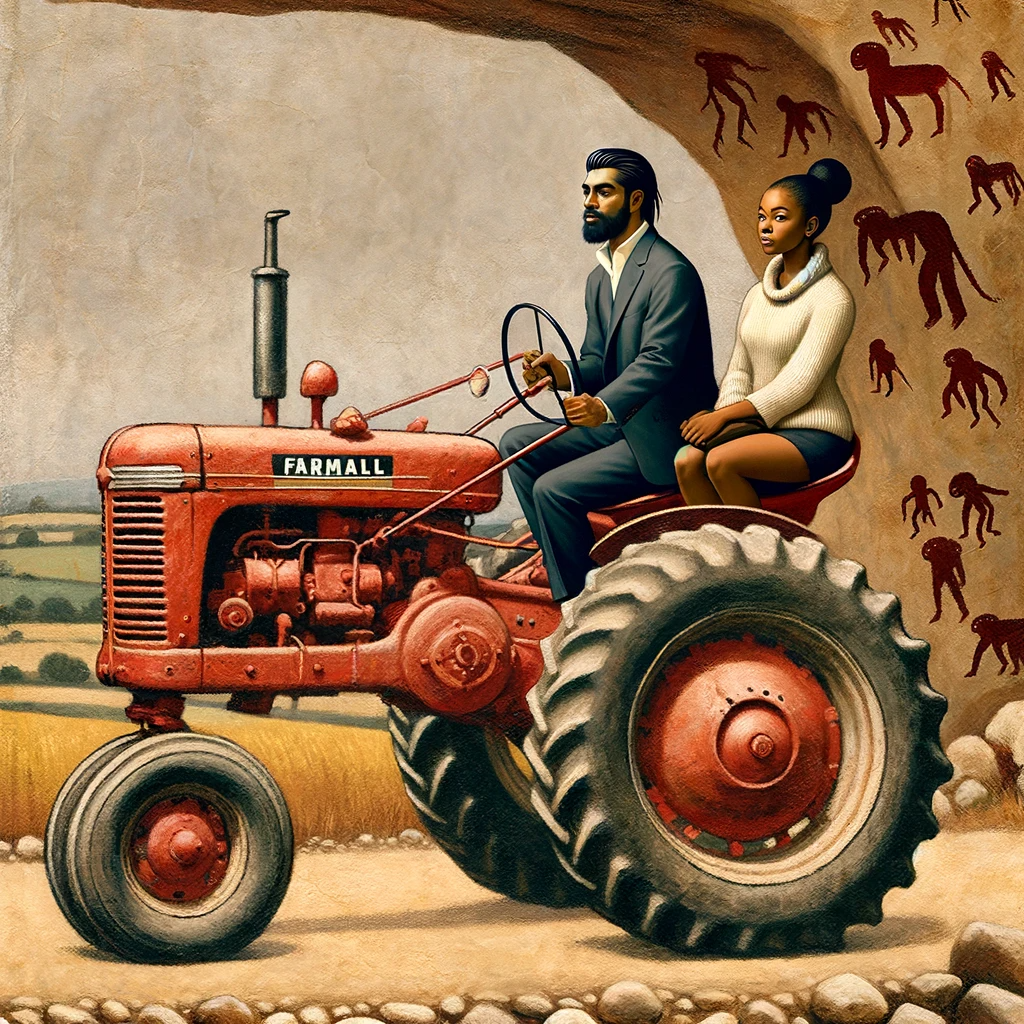
For many, the demise of Co-Op Tractors in the late 20th century encapsulated a painful transformation within agriculture itself—a shift from strong local roots to a world dominated by ever-larger corporate entities. Today, those who remember driving a Co-Op through fields often do so with a sense of longing, recalling a time when tractors like these were more than machines—they represented a way of life.
What Happened To Co-Op Tractors In The Late 20Th Century?
What Happened To Co-Op Tractors In The Late 20Th Century?
- Co-Op Tractors gained popularity in mid-20th century American agriculture for their durability and simplicity.
- Designed for small to medium-sized farms, Co-Op Tractors offered affordable, rugged machinery through cooperative buying.
- The brand was associated with the National Farmers Organization, promoting a cooperative spirit among farmers.
- In the 1970s, consolidation in the agricultural industry led to larger companies overshadowing Co-Op with advanced machinery.
- Rising production costs and market pressures caused many small farms, Co-Op’s core customers, to decline.
- By the 1980s, Co-Op production ceased, leading to the brand’s decline and transition into agricultural history.
- The demise of Co-Op Tractors symbolized a broader transformation in agriculture from local roots to large corporate dominance.

What Happened To Co-Op Tractors In The Late 20Th Century?
How Can I Find Vintage Co-Op Tractors Today?
If you’re on a mission to find vintage co-op tractors, you’re about to embark on a rewarding hunt—one that requires a blend of passion, patience, and a little bit of elbow grease. So grab your favorite ball cap, roll up your sleeves, and let’s dig into how you can uncover these charming relics of the agricultural past.
First and foremost, the internet is your friend, but it’s not the only place to look. Online auction sites and classified ad platforms like Craigslist or eBay can yield some golden finds, but make sure you do your homework. Search for terms specific to what you want—look for variations in the name or model. You might even join forums or social media groups dedicated to vintage machinery. These communities are filled with enthusiasts who often know of potential sales or can give you leads.
But don’t underestimate the power of grassroots exploration. How about hitting up local estate sales or auctions? Folks who’ve been farming for generations sometimes have a barn full of machinery they’re eager to part with. Tread lightly, but don’t be afraid to strike up a conversation with the owners. Many times, they’d rather see their beloved machines go to a fellow enthusiast rather than just an impersonal sale. Who knows? You might hear stories and learn a thing or two about the tractor’s history, too.
Alternatively, check with local farmers or agricultural co-ops. You’d be surprised at how often these established networks have leads on vintage tractors. Farm shows and classic tractor events can also provide an avenue for connection. Veteran farmers and collectors often congregate at these gatherings, sharing tips and even selling items from their own collections.
Now, if you do manage to find a potential tractor, take the time to see it in person and do your due diligence. Bring along someone knowledgeable—or better yet, someone who has experience restoring these machines. Look for signs of wear, rust, and those telltale signs of age. You want to ensure that what you’re buying isn’t just a yard ornament, but a piece of history that can once again grace the fields.
So, whether you’re scouring the web, attending a local event, or flipping through the pages of an old magazine, remember: finding vintage co-op tractors today is about exploration, connection, and a deep appreciation for what these machines represent. Happy hunting!

How Can I Find Vintage Co-Op Tractors Today?
How Can I Find Vintage Co-Op Tractors Today?
- Finding vintage co-op tractors requires passion, patience, and effort.
- The internet is a valuable resource, including online auction sites and classified ads like Craigslist and eBay.
- Join forums and social media groups dedicated to vintage machinery for leads and sales opportunities.
- Explore local estate sales and auctions where farmers may sell old machinery.
- Engage with local farmers or agricultural co-ops to find leads on vintage tractors.
- Attend farm shows and classic tractor events to connect with collectors and enthusiasts.
- Inspect potential purchases in person and assess for signs of age and wear, ideally with someone experienced in restoration.

How Can I Find Vintage Co-Op Tractors Today?
Conclusion
As we draw the curtain on the legacy of Co-Op Tractors, it’s hard not to feel a tinge of nostalgia. This iconic brand isn’t just a name to be filed away in the annals of agricultural machinery; it’s a testament to the ingenuity, collaboration, and spirit that define the heart of American farming. Beginning in the post-World War II era, the roots of Co-Op Tractors took hold like a well-planted seed, blossoming into a story of community and shared purpose. Founded in 1943 as a cooperative venture, Co-Op marked a revolutionary shift in how farmers accessed the robust machinery that would redefine their work. Rather than being beholden to hefty price tags from larger manufacturers, farmers came together to pool resources, creating a simpler, more affordable path to innovation—one that enriched not just their fields, but their sense of community.
Over the ensuing decades, Co-Op carved out a niche in the agricultural world. With models like the Co-Op 30 and 40 series, these machines stood the test of time, recognized for their durability and efficiency. But like many great stories, the tale of Co-Op isn’t without its hurdles. The tides of market shifts, rising competition, and changing agricultural practices began to erode their standing by the 1970s, leading to the inevitable decline of production by 1986. Yet, even as the last tractor rolled off the assembly line, the indelible impact of Co-Op continued to echo in the fields of farmers across the Midwest.
Today, vintage Co-Op Tractors are not merely artifacts; they symbolize a time when farming was as much about community as it was about mechanical innovation. The cooperative model cultivated not just crops, but relationships—sharing equipment, knowledge, and resilience among farmers. They transformed agriculture’s landscape, paving the way for efficiency and modern practices, while embodying the ethos that when people band together, they can overcome any challenge.
So, let’s celebrate this legacy. Co-Op Tractors are vehicles of tradition and innovation, reminding us that even as the world changes and evolves, the core values of collaboration and resourcefulness remain timeless. As we look toward the future of agriculture, let’s carry forward the lessons learned from Co-Op: that through cooperation, we can cultivate more than just fields—we can cultivate a vibrant community that honors its past while plowing ahead into tomorrow.

Conclusion
Conclusion:
- Co-Op Tractors represents a significant legacy in American agricultural machinery.
- Founded in 1943, Co-Op began as a cooperative venture to provide affordable machinery for farmers.
- The cooperative model allowed farmers to pool resources, enhancing community spirit and innovation.
- Co-Op produced durable and efficient models like the Co-Op 30 and 40 series.
- Market shifts and rising competition led to a decline in production, ending in 1986.
- Vintage Co-Op Tractors now symbolize a time of community and shared agricultural practices.
- The legacy of Co-Op emphasizes the importance of collaboration and resourcefulness in farming.

Conclusion
Other Resources

Other Resources
Here is a list of other resources you can review online to learn more:
- “Co-op tractors have interesting history”
- “FARMER COOPERATIVES IN THE …”
- “The History of Cooperatives – National Farmers Union”
- “65years”
- “Co-op Tractor”
- “THE FAMILY FARM IN THE POST-WORLD WAR II ERA”
- “Co-op Tractors”
- “The History of Agriculture in South Dakota: Components for a …”
- “History Project Data | Indiana AgEd History – Purdue Agriculture”
- “History Of Cooperatives In The United States: An Overview”
- “FORGOTTEN FIELDS: COCONINO COUNTY’s 100-YEAR …”
- “65 YEARS OF COOPERATIVE PARTNERSHIP”
- “100 Years in Livingston County”
- “CHAPTER 1 The Evolution of California Agriculture 1850- …”
- “Ohio’s Food Systems – Farms At The Heart Of It All”
- “From Forest to Field: Agriculture in Bonner County”
Bing Copilot Prompt: Please provide me with a list of online articles with their URLS in a bulleted list that I can read regarding What Is The History Of The Company That Made Co-Op Tractors?

Other Resources
Glossary Terms
What Is The History Of The Company That Made Co-Op Tractors? – Glossary Of Terms
1. Agriculture: The science, art, and practice of cultivating soil, growing crops, and raising livestock for food, fiber, and other products.
2. Cooperative: A business organization owned and operated by a group of individuals for their mutual benefit. CO-OP tractors were produced by agricultural cooperatives.
3. Tractor: A powerful motor vehicle with large rear wheels used mainly on farms for pulling farm machinery and hauling loads.
4. History: The study of past events, particularly in human affairs, which in this context refers to the evolution and milestones of the company that produced CO-OP tractors.
5. Manufacturing: The process of transforming raw materials into finished products, including the machinery used for production.
6. Farm Equipment: Machinery and tools used in farming, including tractors, plows, and harvesters, which improve agricultural productivity.
7. Brand: The name, term, design, or symbol that differentiates one company’s products from those of its competitors.
8. Innovation: The introduction of new ideas, products, or processes, which was crucial in the development of CO-OP tractors.
9. Economy: The system of production, distribution, and consumption of goods and services, which agriculture is a significant part of.
10. Rise in Mechanization: The shift from manual labor to the use of machines in agriculture during the 20th century, which led to increased demand for tractors.
11. Supply Chain: The entire system of production of goods, from raw materials to final distribution to customers, relevant in the context of tractor manufacturing.
12. Dealer Network: A system of retailers who sell the company’s products, critical for the distribution of CO-OP tractors.
13. Corporate Structure: The organization of a company, including its hierarchy, departments, and the relationship between management and employees.
14. Quality Control: Procedures implemented within manufacturing to ensure that products meet certain standards and specifications.
15. R&D (Research and Development): The division of a business dedicated to developing new products and improving existing ones.
16. Market Trends: The general direction in which a market is moving, affecting demand for agricultural machinery like CO-OP tractors.
17. Post-War Economy: The economic situation following World War II, which saw significant growth in agricultural mechanization and tractor sales.
18. Legacy: The lasting influence or contributions of a company, particularly its impact on the agriculture industry.
19. Community Impact: The effects that a company has on local areas, especially regarding employment and support for local farmers.
20. Sales Strategy: The approach a company takes to market and sell its products, crucial for the success of CO-OP tractors.
21. Competition: Other companies producing similar products, driving innovation and pricing strategies in the agricultural machinery sector.
22. Financial Stability: The ability of a company to maintain a steady financial performance, impacting its growth and investment in new technology.
23. Hull: Referring to the body of the tractor; the structural component that houses various mechanical systems.
24. Distribution Channels: The pathways through which a product passes from the manufacturer to the end consumer, essential for CO-OP tractors’ reach.
25. Farmer Cooperatives: Organizations formed by farmers pooling resources for mutual benefit, playing a role in the creation of CO-OP tractors.
26. Product Diversification: The process of a company expanding its product line, relevant in maximizing offerings beyond just tractors.
27. Economic Impact: The effect that a company’s operations have on the economy, including job creation and contributions to local economies.
28. Historical Milestones: Significant events or turning points in the company’s history influencing its development and success.
29. Maintenance: The upkeep and repair of machinery, which is an important consideration for tractor owners to extend the lifespan of their equipment.
30. Sustainability: Practices that promote the long-term health of the environment and economy, increasingly important in the agricultural sector.

Glossary Of Terms
Other Questions
What Is The History Of The Company That Made Co-Op Tractors? – Other Questions
If you wish to explore and discover more, consider looking for answers to these questions:
- What were the main models of Co-Op Tractors produced over the years?
- How did Co-Op Tractors compare to competitors in terms of performance?
- What are some testimonials from farmers who used Co-Op Tractors?
- What is the significance of the cooperative model in agricultural history?
- Are there any current companies that continue the Co-Op legacy?
- What types of attachments were compatible with Co-Op Tractors?
- How can one restore a vintage Co-Op Tractor?
- What were the most notable features of the Co-Op tractors?
- Are there communities or clubs for Co-Op Tractor enthusiasts?
- What impact did technology advancements have on Co-Op Tractors?

Other Questions
Haiku
What Is The History Of The Company That Made Co-Op Tractors? – A Haiku
Farming’s pride and past,
Co-Op tractors, strong and true,
Community’s soul.

Haiku
Poem
What Is The History Of The Company That Made Co-Op Tractors? – A Poem
Title: The Legacy of Co-Op Tractors
In the heart of fields where the soil meets the sky,
A tale of Co-Op Tractors whispers by—
Born in the post-war years, they stood proud and tall,
A beacon of hope, answering farmers’ call.
With roots dug deep in cooperative ground,
Farmers pooled dreams, and a solution was found.
From assembly lines, sturdy tractors rolled out,
With grit and with grace, they banished all doubt.
E.M. “Tractorman” O’Dell, a visionary mind,
Crafted machines with a purpose aligned.
A.J. Fageol, with wisdom and flair,
Brought forth a model that embraced the shared care.
In fields once tilled by mere muscle and sweat,
These tractors transformed the landscape they met;
Productivity soared, and harvests grew bright,
With engines that roared, bringing ease to the plight.
Through seasons of change and shifting demands,
Co-Op faced trials, adapting to plans.
Yet giants arose, with flashy new wares,
And the quiet Co-Op met challenges rare.
As markets consolidated and farmers took flight,
The tractors of yesteryear faded from sight.
Yet in the hearts of those who had known their embrace,
Lies a spirit of community, time cannot erase.
Now in the search for vintage remains,
Among estates and auctions, through whispers and chains,
These relics of toil still echo with grace,
A symbol of unity—a farmer’s strong base.
So let us remember, as time rolls ahead,
The Co-Op legacy, in history wed.
Not just iron and wheels, but a bond, pure and grand,
A reminder that together, we cultivate land.

Poem
Checklist
What Is The History Of The Company That Made Co-Op Tractors? – A Checklist
1. Understanding the Company’s History
_____ Familiarize yourself with the founding year of Co-Op Tractor Company (1943).
_____ Learn about the National Farmers Organization and its role in establishing Co-Op.
_____ Recognize key figures like E. M. “Tractorman” O’Dell and A. J. Fageol.
2. Analyzing Impact on Farming Practices
_____ Identify how Co-Op tractors transformed traditional farming methods.
_____ Note advancements in productivity and efficiency provided by these machines.
_____ Consider the role of cooperative ownership in fostering community among farmers.
3. Exploring Innovations in Tractor Design
_____ Understand the significance of modular design in Co-Op tractors.
_____ Review ergonomic design features that improved operator comfort.
_____ Recognize innovations in fuel efficiency and safety introduced by Co-Op.
4. Addressing Popularity Factors Among Farmers
_____ Investigate the benefits of collective ownership of tractors through co-ops.
_____ Assess how cost-sharing made modern equipment accessible to farmers.
_____ Consider how community spirit and collaboration influenced the popularity of Co-Op tractors.
5. Identifying Challenges Faced by Co-Op
_____ Evaluate economic challenges, including fluctuating commodity prices and production costs.
_____ Examine the impact of evolving consumer preferences and the rise of big-box retailers.
_____ Understand the internal governance challenges and the emphasis on member engagement.
6. Considering the Decline of Co-Op Tractors
_____ Review the factors that led to reduced market share in the late 20th century.
_____ Reflect on the implications of larger companies overshadowing Co-Op Tractors.
_____ Acknowledge the nostalgic value of vintage Co-Op tractors today.
7. Finding Vintage Co-Op Tractors
_____ Plan to search online auction sites and classified ads (eBay, Craigslist).
_____ Visit local estate sales and auctions for potential finds.
_____ Engage with local farmers or agricultural co-ops for leads on vintage models.
_____ Attend farm shows and classic tractor events to connect with collectors.
8. Evaluating Prospective Purchases
_____ Inspect the condition of vintage Co-Op tractors in person.
_____ Bring someone knowledgeable for advice on restoration and maintenance.
_____ Check for signs of wear, rust, and the overall integrity of the tractor.
Use this checklist as a guide to deepen your understanding of Co-Op Tractors and their legacy in American agriculture. Happy exploring!

Checklist
At ClassicTractorNews, we help tractor lovers keep up with the latest news for classic and vintage tractors.
Please share this post with your friends, family, or business associates who may like old classic or vintage tractors.