


Reviving Agriculture: Classic Tractors Vs Modern Challenges
By Tom Seest
At ClassicTractorNews, we help tractor lovers keep up with the latest news for classic and vintage tractors.
Please share this post with your friends, family, or business associates who may like old classic or vintage tractors.
What Urgent Problems Can Classic Tractors Solve for Farmers?
When you think about classic tractors, what comes to mind? Maybe it’s the rumble of a two-stroke engine or the sight of those gleaming old machines plodding steadfastly through fields. But these aren’t just relics of a bygone era; they’re unsung heroes of the farming world, tackling urgent problems that modern agriculture often overlooks.
Let’s face it, farming isn’t for the faint of heart. It’s a gritty, demanding job that requires ingenuity and resilience. Farmers today are battling challenges like climate change, rising costs, and the relentless march of urban development. But classic tractors offer a unique set of solutions that can empower farmers in ways that new machines sometimes can’t.
First off, let’s talk durability. Classic tractors, with their simple mechanics and robust construction, are built to last. A farmer can depend on a well-maintained vintage model in tough conditions—wet soil, rocky terrain, or the relentless heat of summer. These tractors don’t require fancy electronics or high-tech components; they are serviceable with basic tools and a bit of elbow grease. In a world where workflow interruptions can cost farmers dearly, having a reliable piece of equipment can mean the difference between a fruitful harvest and a lot of wasted effort.
Then there’s the matter of cost. Let’s be honest: farming can be an expensive endeavor, especially with the constant need for new technology that’s more likely to lead to frustration than satisfaction. Classic tractors come at a fraction of the price of their high-tech counterparts. They may not have a DVD player or Bluetooth connections, but they get the job done. For a farmer trying to balance the books, opting for a vintage tractor can provide immediate relief.
Now, consider the emotional connection. There’s something timeless about a classic tractor—it’s a piece of agricultural history. Groups of farmers bond over their restoration projects, sharing tips and stories. This camaraderie isn’t just about machines; it’s about the values of hard work, tradition, and the shared agrarian lifestyle.
So, whether you’re turning soil for the first time or taking on a new farming challenge, remember: classic tractors are more than just machines. They’re partners in the field, equipped to help farmers tackle today’s urgent issues. In the spirit of farming and community, embracing these iron giants can lead to creative solutions and a deeper connection to the land—because real progress often comes from honoring our roots.

What Urgent Problems Can Classic Tractors Solve for Farmers?
What Urgent Problems Can Classic Tractors Solve for Farmers?
- Classic tractors represent the resilience and ingenuity required in modern farming.
- They are durable machines, built with simple mechanics that withstand tough conditions.
- Classic tractors can be repaired with basic tools, minimizing workflow interruptions.
- They are significantly less expensive than modern, high-tech agricultural equipment.
- These tractors offer emotional connections and a sense of agricultural history.
- Farmers often bond through shared restoration projects and experiences.
- Classic tractors serve as reliable partners, helping farmers address current challenges.

What Urgent Problems Can Classic Tractors Solve for Farmers?
Table Of Contents
- What Urgent Problems Can Classic Tractors Solve for Farmers?
- What Are The Benefits Of Using Classic Tractors For Farming?
- How Can Classic Tractors Improve Fuel Efficiency?
- What Maintenance Challenges Do Classic Tractors Present?
- Can Classic Tractors Help Reduce Equipment Costs For Farmers?
- How Do Classic Tractors Compare To Modern Machines In Performance?
- What Role Do Classic Tractors Play In Sustainable Farming Practices?
- Are Classic Tractors Suitable For Diverse Farming Conditions?
- Conclusion
- Other Resources
- Glossary Of Terms
- Other Questions
- Haiku
- Poem
- Checklist
What Are The Benefits Of Using Classic Tractors For Farming?
When you think of modern agriculture, sleek, high-tech machines often come to mind. But let’s take a step back and consider the beauty and practicality of classic tractors. These machines, often with a bit of rust and a whole lot of character, can offer benefits that modern equipment just can’t touch. Imagine the rumble of a well-worn engine starting up – it’s more than just a sound; it’s a call to the hard-working nature inside each of us.
First off, classic tractors are built like tanks. Sure, they might not have all the flashing lights and high-tech gadgets, but they were designed for durability and reliability. These tractors have stood the test of time, and their robust construction means you’re less likely to find yourself stranded in the middle of a field, worrying about a fancy computer system that’s gone haywire. Instead, you can grab your tools and get to work, a reassuring simplicity in a world that often overcomplicates things.
Then there’s the cost factor. Many farmers are well aware that farming is more than just a 9-to-5 gig; it’s a way of life. Classic tractors generally come with a significantly lower price tag compared to their modern counterparts. This financial relief can let you invest in other crucial areas of your farm. Need to repair that barn roof or buy seeds for your next crop? A classic tractor will help you keep your budget in check, allowing you to focus on what really matters: sustainable, effective farming.
Moreover, using classic tractors can foster a deeper connection to the land. These machines often require a bit more hands-on work and maintenance, encouraging farmers to engage intimately with their equipment. That tactile experience can also translate to better understanding and care for your land. And let’s be honest, there’s something almost poetic about plowing fields with a machine that has its own story, a machine that’s shared in the journey of farming for generations.
And let’s not forget about community. Classic tractors have a way of bringing people together. Whether it’s attending local tractor shows, swap meets, or simply sharing stories with neighbors, you become part of a community that values hard work and tradition. So, if you’re contemplating which route to take for your farm, consider the classic tractor—an emblem of reliability, connection, and the kind of grit that makes farming not just a job, but a way of life.

What Are The Benefits Of Using Classic Tractors For Farming?
What Are The Benefits Of Using Classic Tractors For Farming?
- Classic tractors represent a blend of beauty and practicality, often embodying character and history.
- They are built for durability and reliability, reducing the chances of being stranded due to technology failures.
- Classic tractors typically come with a lower price tag, allowing farmers to allocate funds to other important areas.
- Using classic tractors encourages hands-on maintenance, fostering a deeper connection to the land.
- They provide a tactile farming experience that promotes better understanding and care for agricultural land.
- Classic tractors enhance community bonds through activities like tractor shows, swap meets, and neighborly storytelling.
- Choosing classic tractors embodies a commitment to reliability, tradition, and the essence of a farming lifestyle.

What Are The Benefits Of Using Classic Tractors For Farming?
How Can Classic Tractors Improve Fuel Efficiency?
There’s something special about classic tractors that stirs the soul. Maybe it’s the nostalgia of simpler times, or perhaps it’s the rugged charm of machinery that has proven its worth over decades. But beyond that familiar allure lies an often-overlooked aspect: these vintage beasts can significantly improve your fuel efficiency. Yes, you heard me right! That iconic, old-timey tractor sitting in your barn might be the answer to today’s fuel challenges.
First, let’s talk about the sheer simplicity of classic tractors. Modern machines are packed with complicated electronics that can be a fuel guzzler in disguise. Those unnecessary systems often lead to inefficiencies, where the tractor struggles to maintain optimal performance. In stark contrast, classic tractors are designed with straightforward engineering, making them easier to maintain and manage. You’d be surprised how many mechanics today find joy in the simplicity of these machines—they connect with the mechanics of yesteryear, which often translates to more efficient fuel usage.
And let’s not overlook the importance of proper maintenance. Owning a classic tractor often encourages a more hands-on approach to care. When you’ve got your hands greasy and your heart in it, you naturally pay closer attention to how your tractor is performing. Regularly checking the fuel system, ensuring tires are properly inflated, and keeping the engine tuned can make a remarkable difference in how much fuel you burn. Many owners report that their vintage machines run economically because they take the time to care for them the way they were intended.
Additionally, classic tractors often don’t have the hefty weight of modern systems that can drive up fuel consumption. They’re lightweight, nimble, and when utilized wisely, provide a fuel-efficient alternative. These tractors are not just about horsepower; they’re about how efficiently that power gets to the ground. With the right attachments, a classic tractor can accomplish as much as or more than its newer counterparts, all while sipping rather than guzzling fuel.
Finally, there’s a tangible satisfaction in using a classic tractor. It connects you to the roots of agriculture, giving you a sense of purpose as you work the land. When you can trust in the reliability, fuel efficiency, and performance of an older machine, you’re likely to find a deeper connection to your work—and become a better steward of both your resources and the environment. So, roll up those sleeves and put that classic tractor to good use; it may just transform your fuel efficiency into something worth bragging about!

How Can Classic Tractors Improve Fuel Efficiency?
How Can Classic Tractors Improve Fuel Efficiency?
- Classic tractors evoke nostalgia and have rugged charm, symbolizing simpler times.
- These vintage machines can significantly improve fuel efficiency compared to modern tractors.
- Classic tractors feature straightforward engineering, making them easier to maintain and manage.
- Proper maintenance encourages hands-on care, leading to better fuel performance.
- They tend to be lightweight and nimble, contributing to lower fuel consumption.
- Classic tractors can achieve performance levels comparable to newer models while using less fuel.
- Using a classic tractor enhances connection to agricultural roots and promotes better stewardship of resources.

How Can Classic Tractors Improve Fuel Efficiency?
What Maintenance Challenges Do Classic Tractors Present?
If you’re passionate about tractors, you know that there’s something special about a classic model. These beasts of burden, often seen rusting in fields or shining brightly at county fairs, tell stories of our agricultural past. But owning a classic tractor is more than a nostalgic affair; it’s an adventure fraught with unique maintenance challenges that can test your grit. Let’s dive into some of those head-scratchers that can leave even a seasoned mechanic shaking their head.
First off, have you ever tried to find parts for a tractor that’s older than your grandparents? Depending on the age and make of your machine, sourcing replacement parts can feel like searching for a needle in a haystack. Manufacturers have come and gone, and it’s not uncommon to encounter sheer frustration trying to locate the right gasket or filter. There’s a camaraderie among classic tractor owners—one that starts with a mutual understanding of the struggle to keep these old machines running smoothly. Rallying together at local swap meets or online forums, you might discover a hidden gem at a flea market or learn innovative repair techniques from someone who’s been there before.
Let’s not forget about the challenge of outdated technology. Classic tractors often lack the high-tech components of their modern counterparts, which means maintenance is often an art more than a science. You might find yourself in the position of having to implement good old-fashioned elbow grease into the upkeep. This can involve a bit of tinkering: adjusting timing, tweaking fuel systems, or even wrestling with stubborn bolts. It’s a rewarding experience, but don’t be fooled into thinking it’s all smooth sailing; expect to roll up those sleeves and earn your keep.
Then there’s the ever-present factor of wear and tear. Just like us, classic tractors have their quirks and health issues, and those can be costly. The age of a tractor isn’t just a number—it’s a historical timeline that reflects its use and the treatment it has received. Built with durability in mind, many classic tractors can endure a lot, but that doesn’t mean they’re invincible. Maintaining one takes patience and attention to detail, not to mention a pinch of creativity to tackle problems that crop up unexpectedly.
So, if you’re considering adopting a classic tractor into your family, know what you’re getting into. You’re not just acquiring a piece of machinery; you’re embarking on a journey filled with challenges that will test your resourcefulness and character. Each bump in the road presents an opportunity for growth, and each problem solved can deepen your connection to the history and legacy that classic tractors represent. Remember, every notch and scratch tells a story, and every challenge you face together just adds to that rich narrative.

What Maintenance Challenges Do Classic Tractors Present?
What Maintenance Challenges Do Classic Tractors Present?
- Classic tractors hold a special place in agricultural history and culture.
- Finding replacement parts for older tractors can be extremely challenging due to limited availability.
- Camaraderie and support among classic tractor owners are essential for sharing repair techniques and sourcing parts.
- Maintenance on classic tractors often requires hands-on tinkering and manual effort rather than advanced technology.
- Wear and tear issues are common in classic tractors, requiring patience and creativity for effective upkeep.
- Owning a classic tractor is a commitment that offers both challenges and rewards, enriching the owner’s connection to its history.
- Each experience with a classic tractor contributes to its narrative, making every scratch and repair significant.

What Maintenance Challenges Do Classic Tractors Present?
Can Classic Tractors Help Reduce Equipment Costs For Farmers?
There’s something undeniably captivating about classic tractors. You know the kind I’m talking about—those robust machines that rumbled onto the scene decades ago, designed with simplicity and reliability at their core. These tractors aren’t just pieces of farming history; they’re a lifeline for today’s modern farmers seeking to stretch their dollars further in a world where every penny counts.
Now, let’s break it down. Farming is not just a job; it’s a way of life. And for many, the price of new, flashy equipment can feel like an insurmountable hurdle. The allure of state-of-the-art technology is hard to resist, but the costs associated with those shiny new models can add up faster than you can say “bumper crop.” Enter the classic tractor—an economic act of genius hiding in plain sight!
Imagine stepping onto a well-loved tractor, the scent of aged metal mingling with the earth, ready to tackle the tasks at hand. These machines are often simpler to maintain, and if you take the time to learn their quirks, you’ll find that they can be profoundly reliable workhorses. With fewer bells and whistles, the chances of complex, costly repairs are drastically reduced. Plus, the parts for classic tractors are often much cheaper and widely accessible, thanks to a legion of dedicated enthusiasts who have kept the market alive.
Think about it: You’re not just purchasing a piece of machinery; you’re investing in a legacy. Classic tractors often have a charm that newer models can’t replicate. They evoke a sense of pride and connection to the land and the community of farmers who have come before you. And let’s face it—there’s a certain satisfaction that comes from keeping the old school alive while getting the job done efficiently.
So why not consider a classic tractor as your next investment? It may not be the trendiest option on the block, but if you’re looking to reduce equipment costs without sacrificing performance, it’s about time you took a ride into that nostalgic world. Join the ranks of farmers who are discovering the cost-effective benefits of these timeless machines. After all, in the fields where hard work meets ingenuity, sometimes the best solutions are the ones that have stood the test of time.

Can Classic Tractors Help Reduce Equipment Costs For Farmers?
Can Classic Tractors Help Reduce Equipment Costs For Farmers?
- Classic tractors embody simplicity and reliability, making them captivating machines from farming history.
- Modern farmers face High costs of new equipment, making classic tractors an economical choice.
- These machines require simpler maintenance, reducing the likelihood of complex repairs.
- Parts for classic tractors are often cheaper and more accessible, supported by a community of enthusiasts.
- Investing in a classic tractor connects buyers to a legacy and the farming community.
- Classic tractors combine nostalgia with efficiency, offering a unique charm absent in new models.
- Choosing a classic tractor can significantly lower equipment costs while maintaining performance.

Can Classic Tractors Help Reduce Equipment Costs For Farmers?
How Do Classic Tractors Compare To Modern Machines In Performance?
When it comes to the world of farming, the age-old debate of classic tractors versus modern machines stirs up a lot of passion. There’s something about those vintage iron giants that ignites nostalgia—maybe it’s the glint of sun on a well-worn hood, or the roar of an engine proudly carrying on years of tradition. But let’s dig deeper into the heart of the matter: how do these beloved classics stack up against their high-tech counterparts in terms of performance?
First off, classic tractors are often celebrated for their simplicity. With fewer bells and whistles, they represent a purer connection to the land. There’s a beauty in the mechanical straightforwardness; you can almost hear the nod to generations past as you turn the key and feel that powerful rumble beneath you. The beauty of these machines isn’t just skin-deep—their robust design and reliable engineering mean that when properly maintained, they can last decades, enduring the rigors of farm life. They require a certain level of know-how, fostering a hands-on connection between the operator and the machine that today’s automatics often lack.
On the flip side, modern tractors bring sophistication and prowess to the table. They come equipped with advanced technology that can optimize performance, reduce fuel consumption, and even facilitate precision farming. Think about it: GPS-guided systems can make a grown man feel like an artist painting a canvas of crops with unparalleled accuracy. And let’s not forget about comfort—air-conditioned cabs and ergonomic controls have transformed the operator’s experience from a sweaty slog to a serene air-conditioned oasis.
But let’s not pit these two worlds against each other in a classic vs. modern showdown. Instead, let’s celebrate the strengths of both. Classic tractors offer a visceral experience, wrapping you in the very fabric of farm life. Modern machines, however, harness technology to push the boundaries of what’s possible on the land, enhancing productivity while safeguarding the environment.
So where does that leave us? Well, if you’ve got the time and an appreciation for history, investing in a classic tractor can be a rewarding journey, a testament to craftsmanship. But if efficiency and tech-driven performance speaks to you, today’s machines are masterfully engineered stewards of the land. Ultimately, whether you’re behind the wheel of an old-school marvel or a shiny new powerhouse, both types of tractors hold pivotal roles in the ongoing narrative of agriculture—because at the end of the day, it’s not just about the tractor. It’s about the sweat, the soil, and the singular joy that both modern and classic machines bring to the work we cherish.

How Do Classic Tractors Compare To Modern Machines In Performance?
How Do Classic Tractors Compare To Modern Machines In Performance?
- The debate between classic tractors and modern machines sparks passion in farming communities.
- Classic tractors are cherished for their simplicity and connection to tradition.
- Well-maintained classic tractors can last decades due to their robust design and engineering.
- Modern tractors offer advanced technology for optimized performance and precision farming.
- Comfort features in modern tractors, such as air-conditioned cabs, enhance the operator experience.
- Both classic and modern tractors have unique strengths in the agricultural landscape.
- The choice between classic and modern machines reflects personal values concerning history and efficiency in farming.

How Do Classic Tractors Compare To Modern Machines In Performance?
What Role Do Classic Tractors Play In Sustainable Farming Practices?
Picture this: a bright morning on a sprawling farm, where golden sunlight kisses the earth and the air is rich with the scent of fresh soil. Out on that farm, amidst the lush fields and the gentle sway of crops, you might spot one of those old classic tractors. You know the ones I mean—the kind that have seen seasons change, brought harvests home, and endured not just time, but the trials of farming life. Nowadays, when we talk about sustainable farming practices, those trusty machines deserve a moment in the spotlight.
Classic tractors are more than mere relics of agriculture; they’re a testament to the heart and history of farming. Many of these tractors were built when efficiency was king, and farmers thrived on hard work and ingenuity. Their simple design and robust build make them environmentally friendly options that require less fuel and maintenance than modern machines. By keeping these time-tested assets running, farmers can significantly reduce their carbon footprint while maintaining productivity.
But let’s not stop there; the heart of sustainable farming goes beyond just equipment. Classic tractors enable farmers to harness the power of the land more responsibly. Many modern farming practices emphasize soil health, crop rotation, and organic methods—all of which align beautifully with the capabilities of these enduring machines. A sturdy classic tractor can pull plows, seeders, and other implements required to tackle these approaches effectively. It serves as a reliable partner that allows for a more hands-on, careful method of interacting with the land.
Moreover, classic tractors can be the cornerstone of community engagement within sustainable practices. Picture a local farmer restoring an antique tractor and then inviting neighbors to participate in a workshop. Together, they can share knowledge, teach skills, and inspire a new generation to appreciate farming traditions and sustainability.
So, the next time you see a classic tractor rolling through the fields, don’t just think of it as an old piece of machinery; see it for what it truly is: a bridge between past wisdom and future sustainability. Embrace the idea that these tractors remind us that farming isn’t just about efficiency—it’s about stewardship, community, and the enduring connection we have to the land. Each turn of the wheel is a commitment to a better, more sustainable tomorrow. And that’s a ride worth taking.
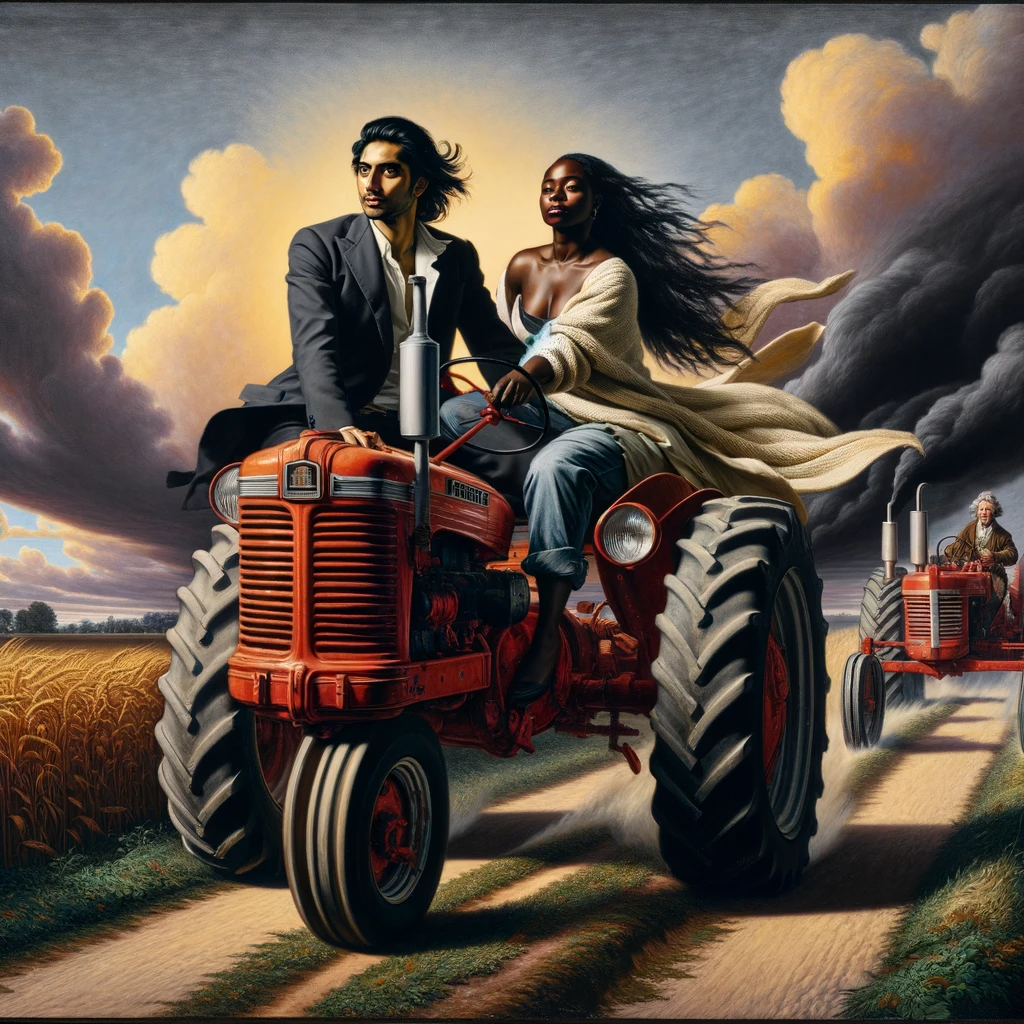
What Role Do Classic Tractors Play In Sustainable Farming Practices?
What Role Do Classic Tractors Play In Sustainable Farming Practices?
- A picturesque farm setting with classic tractors symbolizes the heart and history of agriculture.
- Classic tractors epitomize sustainable farming practices, requiring less fuel and maintenance than modern machinery.
- These tractors help reduce farmers’ carbon footprints while maintaining productivity.
- They align with modern farming practices focusing on soil health, crop rotation, and organic methods.
- Classic tractors enable a hands-on approach to farming, promoting responsible land management.
- Restoration of antique tractors fosters community engagement through shared knowledge and skills.
- Classic tractors remind us that farming involves stewardship and a deep connection to the land.

What Role Do Classic Tractors Play In Sustainable Farming Practices?
Are Classic Tractors Suitable For Diverse Farming Conditions?
When it comes to classic tractors, the conversation often branches out to the big question: Are they suitable for diverse farming conditions? Now, let’s take a moment to roll up our sleeves and get our hands a bit dirty with this topic.
Picture this: early morning, the sun just peeking over the horizon, golden rays illuminating the well-worn steel of a trusty classic tractor. There’s something inherently comforting about the sight of that sturdy machine; it’s like seeing an old friend who’s been through the grind and still stands tall. These tractors, with their timeless designs and proven efficiency, can be the heartbeat of a thriving farm, no matter the conditions.
Sure, modern technology has brought us impressive advancements, but classic tractors aren’t just relics of yesteryear; they are solid, dependable workhorses. Farmers across the nation have faced droughts, floods, and everything in between, and many have learned that there’s a certain magic in the simplicity of these machines. They’re easy to maintain and can be outfitted with various attachments, making them adaptable to a range of tasks, from plowing to planting to tilling. If there’s one thing farmers know, it’s that adaptability can make or break your operation.
Now, don’t get me wrong. Classic tractors might not have all the bells and whistles of their modern counterparts, but that’s where their beauty lies. They require a bit of elbow grease and an understanding of mechanics, which can be refreshing in an age when many systems rely on technology so advanced it often seems like magic. By working with classic tractors, farmers forge a connection with their land that’s deep-rooted in tradition. It’s about knowing the ins and outs of your equipment just as well as you know the nuances of the soil you’re tilling.
So, here’s the deal: if you’re navigating diverse farming conditions, classic tractors are more than just a nostalgic choice; they can be a reliable solution tailored to your needs. Embrace the grit and grace of these machines, and you might just find that they not only rise to the challenge but thrive in it. Trust in their legacy, and you may discover a robust partner in the field, ready to withstand the test of time and terrain. Whether you’re planting corn, clearing brush, or just getting in touch with your agricultural roots, this vintage machinery can bring a unique charm that supports the heart of any farming operation.

Are Classic Tractors Suitable For Diverse Farming Conditions?
Are Classic Tractors Suitable For Diverse Farming Conditions?
- Classic tractors are often questioned for their suitability in diverse farming conditions.
- They provide a comforting and reliable presence on farms, akin to old friends.
- Their timeless designs and efficiency make them essential for thriving agricultural practices.
- Classic tractors are easy to maintain and can be fitted with various attachments for different tasks.
- They foster a deep-rooted connection with the land, emphasizing tradition and mechanical understanding.
- Despite lacking modern features, their simplicity can be refreshing for farmers.
- Classic tractors can be a reliable solution for navigating various farming challenges, embodying durability and charm.

Are Classic Tractors Suitable For Diverse Farming Conditions?
Conclusion
As we pull back from the rich, detailed landscape of classic tractors in agriculture, it’s essential to grasp their role in today’s fast-paced farming environment. These robust machines, often glossed over in favor of high-tech alternatives, hold a unique charm and practicality that modern farmers would do well to consider. Think about it: the world of agriculture today is rife with challenges—soaring costs, unpredictable climate patterns, and an increasing urban sprawl that threatens farmlands. But lurking in those rusty corners of barns and garages are vintage tractors ready to tackle these issues head-on.
First off, let’s marvel at their resilience. Built like tanks, classic tractors boast a simplicity that cuts through the complications of modern equipment. They require fewer bells and whistles, often empowering farmers to serve their machines with basic tools and old-fashioned know-how. In the grit and dirt of the fields, there’s nothing quite like knowing that a well-maintained vintage tractor can carry out its duties reliably. And let’s be real here—the financial implications are huge. For farmers watching their budgets like hawks, the cost-effective nature of these machines translates into dollars saved. Vintage tractors don’t just sit pretty; they can significantly ease the financial burden of modern farming.
But it’s not only about cost and durability; it’s also about emotional connection and community. Classic tractors are more than mere machinery; they embody the spirit of agriculture itself. Farmers gather at shows and local meets, forging bonds over shared stories of restoration and labor, keeping traditions alive in a fast-changing world. This camaraderie fosters an environment where stewardship for the land prevails, a shared commitment to sustainable and productive practices.
Moreover, the ecological aspect can’t be ignored. Classic tractors generally demand much less fuel compared to their modern counterparts, reducing their carbon footprint. As farmers return to more organic methods that emphasize a healthy relationship with nature, classic tractors become invaluable allies in that mission. They load, plow, and cultivate with a gentler touch on the Earth, empowering farmers to integrate sustainable practices seamlessly.
So as we wrap this up, let’s not view classic tractors as a vestige of the past but as integral players in a new narrative of agriculture. Their time-tested capabilities can weather all kinds of storms—figurative and literal. They might even hold the keys to a bright and sustainable agricultural future. Whether you’re rolling up your sleeves for an engaging restoration or reviving your relationship with the land, classic tractors are a bridge to both tradition and innovation. In a world that demands adaptability, these old iron giants may just become the unsung heroes we never knew we needed.

Conclusion
Conclusion:
- Classic tractors play a crucial role in modern agriculture, often overlooked for high-tech alternatives.
- These robust machines are resilient and simpler to operate, allowing farmers to maintain them with basic tools and skills.
- They offer significant cost savings, easing the financial burden on farmers in today’s economic climate.
- Classic tractors foster emotional connections and community among farmers through gatherings and shared restoration stories.
- They contribute to ecological sustainability by requiring less fuel, thereby reducing carbon footprints.
- These vintage machines support a shift toward organic farming methods that promote a healthy relationship with the land.
- Classic tractors can be seen as vital to the future of agriculture, blending tradition with innovation in a rapidly changing environment.

Conclusion
Other Resources

Other Resources
Here is a list of other resources you can review online to learn more:
- Vintage Tractor Digest
- Toro
- Mercedes-Benz
- Ford
- Agriculture and the Environment
- Wagner
- The American Tractor Museum
- Komatsu
- County
- Indiana Farm Equipmentand Technology Expo
Use This Prompt To Get More Resources With Your Favorite Online AI Tool: Please provide me with a list of online articles with their URLs in a bulleted list that I can read regarding What Urgent Problems Can Classic Tractors Solve for Farmers?

Other Resources
Glossary Terms
What Urgent Problems Can Classic Tractors Solve for Farmers? – Glossary Of Terms
1. Power: The ability of tractors to perform heavy tasks on the farm, such as plowing, tilling, and hauling materials efficiently.
2. Versatility: The ability of classic tractors to be used for a variety of farming applications, from planting to harvesting.
3. Cost-Effectiveness: The economic advantage of using classic tractors, which are often cheaper to maintain and repair compared to modern counterparts.
4. Durability: The robust construction of classic tractors that enables them to withstand tough farming conditions and last for many years.
5. Simplicity: The straightforward design and fewer electronic components in classic tractors, making them easier to operate and repair.
6. Fuel Efficiency: The capability of classic tractors to use fuel efficiently, often leading to lower operational costs for farmers.
7. Soil Preparation: The process of preparing the land for planting, which classic tractors can accomplish through tilling and plowing.
8. Field Work: General tasks performed in agricultural fields, such as cultivating, sowing, or harvesting crops with classic tractors.
9. Transport: The ability of classic tractors to move equipment, supplies, and harvested crops across the farm efficiently.
10. Community Support: Classic tractors often spark a sense of nostalgia and pride within rural communities, promoting local involvement and support.
11. Reliability: The consistent performance of classic tractors under various farming conditions, ensuring farmers can complete tasks on time.
12. Customization: The ability to adapt classic tractors with various attachments and equipment to meet specific farming needs.
13. Restoration: The process of fixing up older tractors, allowing farmers to preserve machinery that has historical and practical value.
14. Farm Diversification: The use of classic tractors in various farming activities beyond traditional crops, enabling farmers to explore alternative income sources.
15. Accessibility: The availability of classic tractors at lower prices, making them accessible to new and small-scale farmers.
16. Sustainable Practices: The use of classic tractors in regenerative agriculture techniques, promoting soil health and reducing carbon footprints.
17. Mechanical Skills: The knowledge and ability required to repair and maintain classic tractors, fostering self-sufficiency in farming operations.
18. Increased Productivity: The boost in farm output gained from using classic tractors for routine agricultural tasks.
19. Heritage: The cultural significance of classic tractors that connects farmers with agricultural history and tradition.
20. Erosion Control: The use of certain farming techniques with classic tractors to prevent soil erosion, ensuring land stays fertile.
21. Labor Shortages: The alleviation of labor challenges faced by farmers through the mechanization provided by classic tractors.
22. Yield Improvement: Enhancing crop production through efficient fieldwork performed by classic tractors that can cover large areas quickly.
23. Intergenerational Farming: The passing down of classic tractors within families, supporting the continuity of family farms.
24. Crop Rotation: The practice of rotating crops for soil health, facilitated by the efficiency of classic tractors in managing fields.
25. Soil Compaction: The risk of soil compaction from modern heavy machinery, which classic tractors often mitigate due to their lighter weight.
26. Farm Equipment Compatibility: The widespread compatibility of classic tractors with various types of older farming equipment and tools.
27. Emergency Response: The ability of classic tractors to respond effectively in emergencies, such as transporting supplies or equipment during unforeseen events.
28. Agricultural Innovation: The integration of timeless classic tractor designs into modern farming solutions, enabling innovative farming methods.
29. Drought Resilience: The role of classic tractors in implementing irrigation practices that can help farmers manage water shortages.
30. Educational Opportunities: The ability for classic tractors to serve as educational tools for teaching new farmers about agricultural practices and machinery operation.
These terms cover a range of issues and benefits associated with classic tractors and their impact on modern farming practices.

Glossary Of Terms
Other Questions
What Urgent Problems Can Classic Tractors Solve for Farmers? – Other Questions
If you wish to explore and discover more, consider looking for answers to these questions:
- What are some specific examples of challenges that classic tractors can address?
- Who are the notable manufacturers of classic tractors?
- What are the environmental impacts of using classic tractors compared to modern ones?
- How do classic tractors support organic farming practices?
- What specific maintenance tips can help keep classic tractors in good working condition?
- Are there any government programs or incentives for using classic tractors?
- What should a farmer look for when purchasing a classic tractor?
- How does the resale value of classic tractors compare to modern tractors?
- What are the common modifications made to classic tractors for improved performance?
- Can classic tractors be used for specialized farming techniques, such as precision farming?
- How do farmers find replacement parts for older tractor models?
- What are the most popular classic tractor models among farmers today?
- What are the safety concerns associated with using classic tractors?
- How has the perception of classic tractors changed over the years?

Other Questions
Haiku
What Urgent Problems Can Classic Tractors Solve for Farmers? – A Haiku
Classic machines roll,
Forging bonds with earth and toil—
Past meets future’s needs.

Haiku
Poem
What Urgent Problems Can Classic Tractors Solve for Farmers? – A Poem
Ode to Classic Tractors
In fields where sunlight kisses earth so bright,
Stand iron giants, graced with rugged might.
With engines rumbling, old stories unfold,
These classic tractors, their charms manifold.
Against the storm of costs and change they stand,
Through climate’s wrath and urban sprawl so grand.
Built with simplicity, steadfast and true,
A farmer’s ally, tried, tested, and new.
Durable racers through soil rich and deep,
In every turn, a promise they keep.
With hands on the wheel and sweat on the brow,
These humble machines teach resilience now.
They whisper of history with every new grow,
Of bonds forged in fields, where deep roots can flow.
For in restoring these echoes of yore,
Farmers gather together—community at the core.
Economical wonders, they stretch every dime,
Allowing farmers to invest in their prime.
With parts easy found, they need little strive,
Keeping alive the traditions that thrive.
Fuel-efficient dancers, they sip rather than gulp,
With engines that purr, void of tech’s heavy yulp.
In caring for them, we tend to the land,
With each gentle touch, our legacies stand.
Adaptable laborers, through seasons they roll,
Tackling the droughts or floods as they toll.
Reminders of grit, of values we hold dear,
With each turn of the wheel, our purpose is clear.
So here’s to the classics, the trusted, the bold,
In the heart of farming, their spirit behold.
For the trials we face, they offer the key,
In honoring roots, we cherish what will be.

Poem
Checklist
What Urgent Problems Can Classic Tractors Solve for Farmers? – A Checklist
Checklist: Embracing Classic Tractors for Modern Farming
Use this checklist to evaluate the potential benefits and considerations of adopting classic tractors on your farm:
Durability & Reliability
_____ Assess the durability of classic tractors in tough farming conditions.
_____ Determine the maintenance practices required to keep vintage tractors operational.
_____ Evaluate historical performance data of classic tractors for various farming tasks.
Cost-Effectiveness
_____ Calculate initial investment costs versus modern tractors.
_____ Analyze long-term maintenance costs compared to high-tech machinery.
_____ Identify potential savings from reduced repair costs and cheaper parts for classic tractors.
Community & Tradition
_____ Explore local farming communities focused on restoring classic tractors.
_____ Attend tractor shows or local meet-ups to connect with other classic tractor enthusiasts.
_____ Engage in knowledge-sharing sessions with fellow farmers about restoration and maintenance.
Fuel Efficiency
_____ Investigate how classic tractors can contribute to improved fuel efficiency.
_____ Perform maintenance checks to maximize the fuel efficiency of your classic tractor.
_____ Compare fuel consumption rates of classic tractors with modern machinery in similar tasks.
Maintenance Challenges
_____ Identify challenges in sourcing parts for specific classic tractor models.
_____ Prepare for hands-on maintenance work and troubleshooting common issues.
_____ Create a network for support and information sharing on maintaining classic tractors.
Adaptability
_____ Explore the range of attachments available for classic tractors to accommodate different farming tasks.
_____ Assess how well classic tractors perform in various farming conditions, including drought or heavy rain.
Sustainability
_____ Evaluate how using classic tractors allows for traditional farming practices that can enhance sustainability.
_____ Consider the environmental impacts of classic tractors versus modern equipment.
_____ Engage in community projects that promote sustainability using classic tractors.
Personal Connection
_____ Reflect on your motivations for using classic tractors beyond just practicality.
_____ Share stories and experiences with others about the nostalgic and emotional connection to classic tractors.
_____ Take time to appreciate the craftsmanship and history behind classic tractors as part of farming heritage.
Final Thoughts
_____ Make an informed decision about the potential for integrating classic tractors into your farm operations.
_____ Develop a plan for transitioning to or incorporating classic tractors in your farming practices.
_____ Share your journey and insights about using classic tractors with fellow farmers and enthusiasts.
This checklist will help you explore the advantages and considerations of utilizing classic tractors in modern agriculture while keeping you grounded in the fundamentals of farming tradition.

Checklist
At ClassicTractorNews, we help tractor lovers keep up with the latest news for classic and vintage tractors.
Please share this post with your friends, family, or business associates who may like old classic or vintage tractors.