


Reviving Nostalgia: The Role Of Classic Tractors In Modern Agriculture
By Tom Seest
At ClassicTractorNews, we help tractor lovers keep up with the latest news for classic and vintage tractors.
Please share this post with your friends, family, or business associates who may like old classic or vintage tractors.
How Are Classic Tractors Essential for Tackling Modern Farm Issues?
##
Let’s take a moment to appreciate the simple, unpretentious beauty of a classic tractor. These hulking machines are more than just steel and rubber; they are a bridge between generations of farmers who have worked the land, each carving out their own piece of history while leaning into the future. While technology has undeniably transformed agricultural practices, the old-school charm of a classic tractor gives us a tool that resonates deeply with the very essence of farming.
In an era where precision agriculture and drones are the talk of the town, one might wonder: how does a tractor from decades ago still hold its ground? Well, it’s about so much more than just horsepower. These timeless machines were built to last, and they pack reliability that modern gadgets can’t always replicate. When the weather turns unpredictable—or worse, when that unexpected pest shows up to wreak havoc—farmers with classic tractors can engage in hands-on problem-solving. They can adapt, repair, and respond swiftly, often with little more than a wrench and some grit.
But it’s not only about their brawn. Classic tractors foster a connection to the land and the community that newer models often lack. Farmers, young and old, gather to share stories, techniques, and yes, even a few good-natured laughs over these machines. Restoring or caring for a vintage tractor becomes a shared endeavor, binding communities tighter through traditions and shared knowledge. It’s the kind of camaraderie that fuels passion, turning farming from a job into a labor of love.
Now, let’s not forget the sense of stewardship. Modern farming methods often come with a hefty ecological footprint. Classic tractors, on the other hand, can be neatly integrated into sustainable practices. Farmers can use them for smaller, more efficient plots of land, minimizing fuel consumption and soil disruption. It’s clear that these machines can serve as a cornerstone for innovative farming solutions that respect both the land and the farmer’s legacy.
So, when droughts threaten crops or unpredictable weather patterns leave us scratching our heads, classic tractors stand as both a reliable tool and a symbol of resilience. They prove that sometimes, the old ways can illuminate paths forward. We don’t need to abandon our roots, but rather embrace them, carrying the spirit of traditional farming into a future that demands adaptability and dedication. The solutions may very well be waiting right in the barn, dust-covered but ready to work.

How Are Classic Tractors Essential for Tackling Modern Farm Issues?
How Are Classic Tractors Essential for Tackling Modern Farm Issues?
- Classic tractors symbolize the connection between generations of farmers, embodying both history and future potential.
- Despite advancements in technology, classic tractors offer unmatched reliability and problem-solving capabilities in unpredictable circumstances.
- These machines foster a strong sense of community among farmers, encouraging shared stories, techniques, and camaraderie.
- Restoration and care of vintage tractors unite communities through tradition and knowledge sharing.
- Classic tractors can play a role in sustainable farming practices, minimizing ecological footprints and managing smaller plots of land.
- They serve as reliable tools that highlight the resilience of traditional farming methods in the face of modern challenges.
- Embracing the old ways can inspire innovative farming solutions while preserving the spirit of traditional practices.

How Are Classic Tractors Essential for Tackling Modern Farm Issues?
Table Of Contents
- How Are Classic Tractors Essential for Tackling Modern Farm Issues?
- How Do Classic Tractors Improve Farm Efficiency Today?
- What Modern Problems Do Classic Tractors Help Solve?
- Can Classic Tractors Reduce Environmental Impact On Farms?
- How Do Vintage Tractors Compare In Cost To New Models?
- What Role Do Classic Tractors Play In Sustainable Farming?
- Are Classic Tractors Reliable For Current Farming Needs?
- How Can Classic Tractors Support Local Farming Communities?
- Conclusion
- Other Resources
- Glossary Of Terms
- Other Questions
- Haiku
- Poem
- Checklist
How Do Classic Tractors Improve Farm Efficiency Today?
Let’s take a moment to step back in time, dust off the memories of those classic tractors that once rumbled across fields, and shine a light on their enduring legacy in today’s farming practices. These machines might be weathered, but their capabilities are timeless, offering a blend of nostalgia and performance that resonates with farmers, both young and old.
For many, a tractor isn’t just a machine; it’s a link to the land and a testament to hard work. Picture a classic tractor—its paint possibly chipped, the engine growling to life with a comforting rumble. This isn’t just machinery; it’s a piece of history that carries a deep-seated trust. The simplicity of design often translates into less downtime. Fewer bells and whistles mean less to go wrong, allowing farmers to focus on the job at hand instead of troubleshooting complex systems. When the sun is rising on a new day of planting, reliability is essential. Classic tractors prove time and again that they can be counted on.
Farmers today face an uphill climb with the pressures of higher production demands and ever-fluctuating markets. Now more than ever, efficiency is paramount. Classic tractors, typically powered by straightforward systems, are easier to maintain and repair, requiring less investment in specialized parts and knowledge. With fewer resources going into keeping them operational, farmers can reinvest back into their land and community. It’s about working smarter, not harder—exactly what the farming ethos has always been.
Moreover, classic tractors often have a versatility that modern equipment sometimes lacks. They can plow, seed, and haul without complicated setups. Just imagine driving down the farm lane and seeing that old workhorse effortlessly transition from one task to another, saving time and energy like it did when it was brand new.
And let’s not overlook the scope of community. Classic tractors have a way of fostering conversations, be it at county fairs, tractor pulls, or local farmers’ markets. These machines bring together generations, sharing stories of hard work and dedication, providing a sense of belonging in today’s frenetic world.
In short, classic tractors aren’t just relics of the past; they’re valuable assets that are navigating the present, reinforcing the bond between man, machine, and the land. Each time we fire one up, we pay homage to the grit and grace of those who came before us, all while steering us toward a more efficient future on the farm.

How Do Classic Tractors Improve Farm Efficiency Today?
How Do Classic Tractors Improve Farm Efficiency Today?
- Classic tractors hold a nostalgic yet timeless legacy in today’s farming practices.
- They serve as a link to the land and symbolize hard work, embodying trust and reliability.
- The simplicity of classic tractors often leads to less downtime and easier maintenance.
- Farmers benefit from the lower costs of operating classic tractors, allowing for reinvestment into their farms.
- Classic tractors are versatile, capable of multiple tasks without complicated setups.
- These tractors foster community and conversation at events such as county fairs and farmers’ markets.
- They represent valuable assets that connect past heritage with present and future farming efficiency.

How Do Classic Tractors Improve Farm Efficiency Today?
What Modern Problems Do Classic Tractors Help Solve?
##
When you think of a classic tractor, images of sun-drenched fields and nostalgia might come to mind, but there’s more to these hulking machines than meets the eye. These trusty workhorses are rolling solutions to some of the most pressing problems we face today. In a world where technology often runs at breakneck speed, classic tractors offer a moment to pause, consider, and embrace the wisdom of simpler, more dependable machinery.
First off, let’s talk sustainability. Today’s farmers grapple with the challenges of modern agriculture—soil erosion, chemical dependence, and energy consumption. Classic tractors, with their simpler mechanics and lower fuel requirements, provide a conscious alternative. Many enthusiasts restore these machines not just for the love of vintage design but for their eco-friendly footprint. By keeping older tractors in service, we reduce the demand for new manufacturing, which is a win-win for both the planet and our wallets.
Then, there’s the issue of accessibility. Not everyone can afford the latest high-tech farming equipment, packed with gadgets that may as well require a graduate degree to operate. Classic tractors, often more straightforward to maintain and repair, empower growers of all backgrounds. They enable smaller farms to thrive in a marketplace dominated by corporate giants. With a bit of elbow grease and know-how, anyone can revive a classic tractor, making farming accessible to those who may feel disenfranchised by the modern lexicon of agriculture.
Let’s not forget about community. Classic tractors often serve as a bridge, bringing people together around a shared passion for farming and craftsmanship. Local tractor shows and restoration clubs foster connections that span generations. They become a gathering point, an opportunity for the young to learn from the old, and for everyone to appreciate the hard work that goes into tending the land. When you’re gripping that vintage steering wheel, you are part of a story—a legacy of labor, love, and ingenuity.
So next time you spot a classic tractor chugging around a field, don’t just think of it as a relic. Recognize it for what it truly is: a solution to modern challenges, a symbol of sustainability, accessibility, and community. Embrace the power of these machines, and let them inspire your own pursuits, whether in farming or life beyond the fields. Sometimes, the best way forward is to respect where we’ve come from.

What Modern Problems Do Classic Tractors Help Solve?
What Modern Problems Do Classic Tractors Help Solve?
- Classic tractors symbolize nostalgia but also serve as practical solutions to modern agricultural issues.
- They offer sustainability through simpler mechanics and lower fuel usage, reducing demand for new manufacturing.
- Restoring classic tractors aligns with eco-friendly practices and helps reduce environmental impact.
- Accessibility is a key benefit, allowing small farmers to thrive without the need for advanced, expensive machinery.
- Classic tractors promote community, connecting people through shared interests in agriculture and craftsmanship.
- Local tractor shows and restoration clubs provide opportunities for intergenerational learning and appreciation of farming heritage.
- Engaging with classic tractors inspires respect for agricultural history and encourages forward-thinking in farming and life.

What Modern Problems Do Classic Tractors Help Solve?
Can Classic Tractors Reduce Environmental Impact On Farms?
Picture this: It’s the break of dawn on a sprawling farm, and the sun casts a golden hue over a classic tractor parked beside the barn. You can almost hear the engine hum to life, a sound steeped in nostalgia and practicality. Classic tractors are more than just relics from the past; they are symbols of a time when farmers relied on simplicity and efficiency to get the job done. And guess what? They may hold the key to reducing the environmental impact on modern farms.
Now, you might be wondering how a vintage machine can stand up to today’s high-tech models. Well, here’s the rub: in an era where everything seems to run on the latest gadgets and gizmos, these classic tractors offer a different kind of promise—one rooted in durability and reliability. Many of them were built to last, requiring less frequent replacement and often fewer resources to maintain. Their straightforward mechanics mean that farmers can often repair them on-site rather than relying on complex electronics that might fail or malfunction.
Additionally, these tractors are typically powered by diesel engines that may be less refined than today’s alternatives. But hold onto your hat—this can actually be a double-edged sword. While newer tractors may boast fuel efficiency, many classic models are easy to modify for increased sustainability. Farmers can invest in biofuels or alternative energy solutions, breathing new life into these robust machines while lessening their carbon footprints.
Beyond the mechanics, there is an undeniable romance associated with classic tractors that fosters connections. Picture yourself leaning against that weathered hood, sharing stories with your neighbors about the good old days. It cultivates a sense of community and pride among those who understand the value of tradition while respecting the necessity of innovation. As farmers band together to swap resources and ideas, they carve a path toward a greener future.
So, could classic tractors pave the way toward more sustainable farming practices? The answer is yes—if we lean into their timeless wisdom. Embracing these machines not only ensures that we honor our past but also enables us to forge a new future, one that values the land, our communities, and the generations yet to come. Now, isn’t that something worth driving home about?

Can Classic Tractors Reduce Environmental Impact On Farms?
Can Classic Tractors Reduce Environmental Impact On Farms?
- Classic tractors symbolize a time of simplicity and efficiency on farms.
- They offer durability and reliability compared to modern, high-tech models.
- Classic tractors require less frequent replacement, promoting resource conservation.
- On-site repairs are feasible due to straightforward mechanics, reducing dependency on complex electronics.
- Many vintage tractors can be modified for increased sustainability, such as using biofuels.
- They foster a sense of community and pride among farmers, encouraging resource and idea sharing.
- Embracing classic tractors can lead to more sustainable farming practices, honoring tradition while promoting innovation.

Can Classic Tractors Reduce Environmental Impact On Farms?
How Do Vintage Tractors Compare In Cost To New Models?
When it comes to tractors, the age-old debate between vintage charm and shiny new tech is one that farmers and enthusiasts alike often find themselves wrestling with. You might be wondering if a vintage tractor can hold its own against the latest models in today’s market. Well, let’s crack open that can of worms and get to the guts.
First off, it’s essential to look at the price tags swinging around in this tractor showdown. Vintage tractors often come with a pleasant surprise when it comes to cost. While a brand new tractor can set you back tens of thousands, an older model can sometimes be found for a fraction of that. Sure, you might find the perfect piece of equipment for just a few thousand dollars, a price that’s music to the ears of anyone managing a budget. But don’t let the low price fool you; just like any classic car, older tractors come with a history and a story—and sometimes, a bit of baggage.
Now, don’t get me wrong. New tractors have their own appeal. With cutting-edge technology, increased efficiency, and warranty protection, they are like the Swiss Army knives of farming. They boast touchscreen controls, GPS capabilities, and other fancy gadgets that can make your work easier and boost productivity. However, for those who have developed a bond with the land and cherish the nostalgia of a simpler time, vintage tractors offer a different kind of value—something that money can’t buy.
Maintenance is another ingredient in this comparative stew. While a new tractor comes with the warranty cushion and less frequent downtime, vintage models may require a bit more TLC. That said, working on an older tractor can forge a deeper bond between you and your machine. There’s a certain satisfaction in wrestling with a mechanical probem, soul-deep pride in bringing an old engine back to life — that’s not something you typically get from sitting behind a fancy dashboard.
Ultimately, whether you choose the seasoned character of a vintage tractor or the high-tech convenience of a new model, there’s no wrong answer. Consider your needs, budget, and emotional connection to the land, and rest assured that each tractor—old or new—can lead you down a fruitful path. So, make the choice that sings to your heart and suits your farm’s rhythm. After all, in the world of tractors, it’s not just about the cost; it’s about the stories you create along the journey.

How Do Vintage Tractors Compare In Cost To New Models?
How Do Vintage Tractors Compare In Cost To New Models?
- The debate between vintage tractors and new models is common among farmers and enthusiasts.
- Vintage tractors often have lower price tags, making them budget-friendly options.
- New tractors feature advanced technology, increased efficiency, and warranty protection.
- Vintage tractors hold sentimental value and a history that appeals to some users.
- Maintenance differs: new tractors require less downtime, while vintage models may need more attention.
- Working on vintage tractors can foster a deeper bond and satisfaction for their owners.
- The right choice depends on individual needs, budget, and emotional connection to farming.

How Do Vintage Tractors Compare In Cost To New Models?
What Role Do Classic Tractors Play In Sustainable Farming?
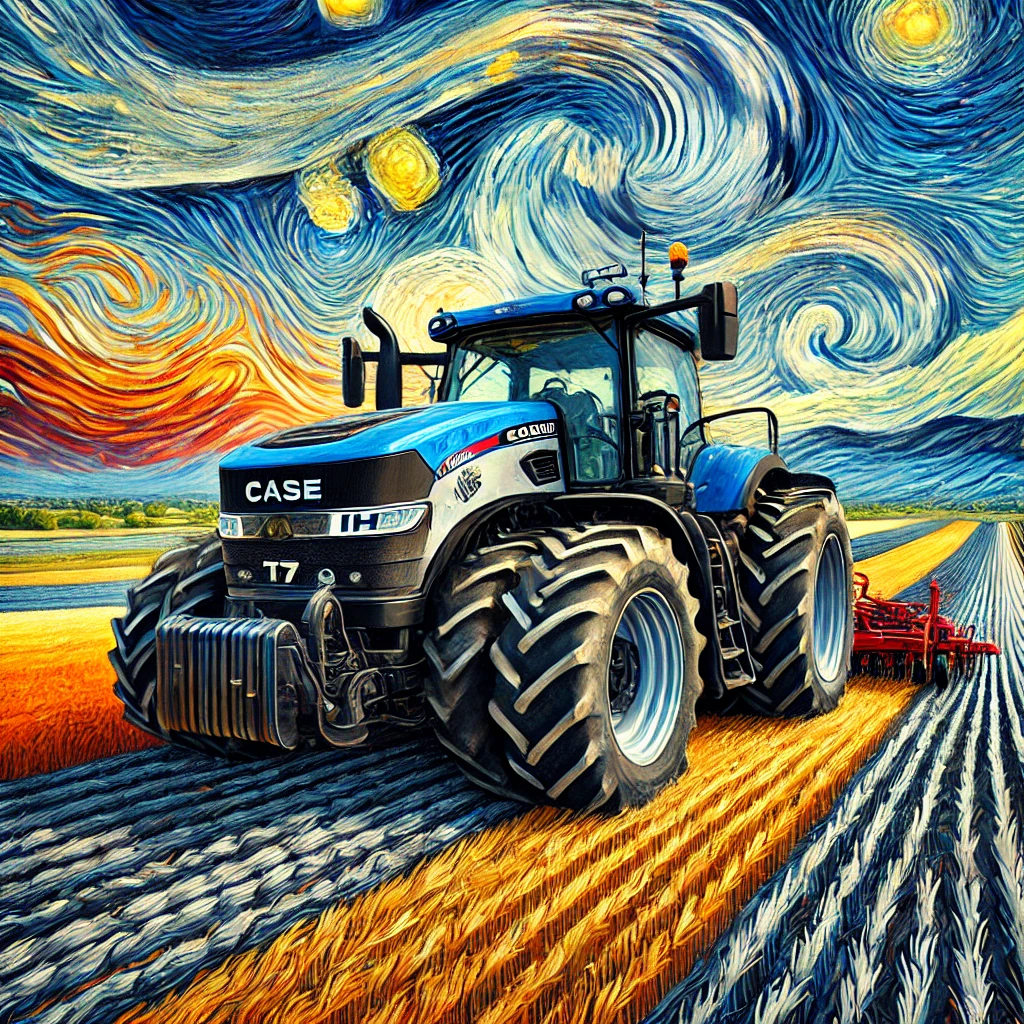
If you’ve ever been on a farm, you’ve likely experienced the unmistakable charm of a classic tractor. Those old machines might not have the high-tech gadgets found in today’s equipment, but there’s a reason they keep turning up in fields across the country: they’re reliable, efficient, and deeply rooted in the sustainable farming movement that’s gaining momentum today.
In a world rushing toward high-speed everything, it’s almost poetic to see a vintage tractor chugging along under the vibrant sun, turning soil with a sort of grace that machines of the digital age can’t seem to replicate. These sturdy beasts are not just pieces of machinery; they embody a philosophy of farming that cherishes connection with the land, resourcefulness, and preservation of tradition. They showcase a return to hands-on, thoughtful farming practices that respect the earth’s natural processes rather than trying to overpower them.
Classic tractors often have simpler engines and fewer electronic parts. This makes them easier to repair and maintain with a little elbow grease and know-how, fostering a spirit of self-sufficiency among farmers. Instead of relying on specialized service centers or exotic parts from around the globe, owners of these machines often find joy in tinkering and reviving them, making their dedication to sustainability tangible. They are a reminder that farming can—and often should—be about the relationship we cultivate with our machinery as much as with our crops.
Moreover, classic tractors excel in low-impact farming methods. Their lighter frames and fewer demands on fuel mean they can traverse fields with minimal disruption to the soil structure. In an age where conservation agriculture is gaining traction, using these tried-and-true machines can help preserve the delicate balance of nutrients and microorganisms that thrive in the earth.
Let’s not forget the community aspect of classic tractors. Farmers who embrace these vintage workhorses often share a wealth of knowledge, stories, and camaraderie. Whether it’s swapping tips at the local diner or gathering for a tractor show, these interactions foster trust and spark innovation, allowing sustainable practices to flourish through a collective effort.
So, if you’re driving down a back road and see a classic tractor rolling through a green expanse, take a moment. Appreciate its legacy and consider how, in a rapidly changing world, it carries a timeless message of sustainability, community, and respect for the land. It’s not just a machine; it’s a bridge to the future of farming that honors the past.

What Role Do Classic Tractors Play In Sustainable Farming?
What Role Do Classic Tractors Play In Sustainable Farming?
- Classic tractors embody a traditional farming philosophy, focusing on connection to the land and resourcefulness.
- These vintage machines are known for their reliability and efficiency, contrasting with modern high-tech equipment.
- Classic tractors have simpler engines, making them easier to repair and fostering self-sufficiency among farmers.
- Their lighter frames and lower fuel demands enable low-impact farming methods, preserving soil structure.
- Using classic tractors aligns with the principles of conservation agriculture, supporting the natural balance of soil ecosystems.
- Community interactions among classic tractor enthusiasts promote knowledge sharing and spark innovation in sustainable practices.
- Classic tractors symbolize a timeless message of sustainability and respect for the land amidst rapid modernization.
What Role Do Classic Tractors Play In Sustainable Farming?
Are Classic Tractors Reliable For Current Farming Needs?
Are Classic Tractors Reliable for Current Farming Needs?
Let’s take a moment to reminisce about the sturdy machines that graced our fields decades ago. There’s something timeless about a classic tractor, isn’t there? The rumble of an engine that has weathered seasons, the rusted paint that tells a story of hard work. These tractors were born from an era where simplicity reigned supreme, and their designs prioritized function over flashy features. But here’s the million-dollar question: Are they still reliable for today’s ever-evolving agricultural demands?
When we think of reliability, we shouldn’t just chalk it up to age or appearance. Today’s farming needs might differ from those of yesteryear, but the core tasks—plowing, cultivating, and harvesting—remain fundamentally the same. Classic tractors, with their straightforward engineering, can tackle these challenges head-on. Imagine a farmer climbing onto a well-loved machine, one that’s probably been passed down through generations. It’s not just a vehicle; it’s a piece of family history, a reliable partner that has always gotten the job done.
Now, let’s be real: a classic tractor isn’t going to have the fanciest GPS or the latest tech features. But what it does offer is something invaluable in the farming world: dependability. These machines often come equipped with robust engines and mechanical simplicity, making them easier to repair. In many cases, you can find parts in your local hardware store or even fabricate your own. In a time when fast-paced agriculture can often lead to equipment breakdowns needing specialized service, the allure of a classic tractor shines through.
And let’s not underestimate the emotional connection that these machines cultivate. Working with a classic tractor brings a sense of nostalgia and community. Picture yourself at the local fair, sharing stories with fellow farmers about the days spent in the fields, side-by-side with these resilient beasts of labor.
So, whether you’re considering investing in a vintage model or already have one parked in your barn, embrace the fact that these tractors—though perhaps a little worn—carry an irreplaceable spirit of perseverance. For many, they are not merely tools; they are trusted friends in the ever-challenging endeavor of farming. They remind us of our roots, while keeping us grounded for whatever the future may hold.

Are Classic Tractors Reliable For Current Farming Needs?
Are Classic Tractors Reliable For Current Farming Needs?
- Classic tractors are characterized by their sturdy design and simplicity, serving as a reminder of farming’s history.
- Core agricultural tasks like plowing, cultivating, and harvesting remain unchanged, making classic tractors still relevant.
- Classic tractors are often viewed as reliable machines, passed down through generations and associated with family history.
- They may lack modern technology like GPS, but offer dependability and ease of repair due to their straightforward engineering.
- Parts for classic tractors are frequently available at local hardware stores, which simplifies maintenance and repairs.
- Using a classic tractor fosters emotional connections through nostalgia and community interactions among farmers.
- Classic tractors are seen as trusted friends in farming, embodying perseverance and a reminder of agricultural roots.

Are Classic Tractors Reliable For Current Farming Needs?
How Can Classic Tractors Support Local Farming Communities?
There’s a certain charm about classic tractors that goes beyond their vintage aesthetic. These sturdy machines are not just relics of a bygone era; they are ties to our agricultural roots and lifelines for local farming communities. When you think about the iconic rumble of an old tractor pulling through the fields, it’s hard not to feel a tug on the heartstrings.
Imagine a small farm, perhaps nestled in the hills or out on the plains, where a family has tended the same land for generations. They rely on that trusty tractor to plow their fields, haul in the harvest, and transport goods to local markets. Each dent and scratch on its surface tells a story—of long days in the sun, unexpected storms, and the sheer grit it takes to keep a farm thriving. In this way, classic tractors do more than just work hard; they foster a deep sense of community.
When these vintage machines are restored and lovingly maintained, they become more than just equipment; they become symbols of resilience and commitment. Local farmers who invest in classic tractors often find themselves part of a larger network—sharing knowledge, resources, and camaraderie. Whether it’s a weekend gathering or a local parade featuring these storied tractors, the connection runs deep as farmers celebrate their heritage and each other.
Buying or restoring a classic tractor can be an excellent way to engage with local agriculture. By supporting businesses that specialize in vintage machinery, enthusiasts can help to keep these tractors on the field where they belong. You’re not just investing in a tractor; you’re investing in a community. Each classic model represents not only the craftsmanship of yesteryears but also the spirit of today’s local farmers who continue to innovate and adapt.
So, whether you’re an aspiring farmer or just someone with an appreciation for the land, consider the role that classic tractors play in supporting local farming communities. Get involved: join local clubs, visit farm markets, or volunteer your time. Your hands might get a little dirty, but there’s something deeply rewarding about connecting with the stories, traditions, and values that these tractors embody. Together, we can ensure these machines keep rolling for generations to come, reminding us all of the strength and bond that exists in the heart of local farming.

How Can Classic Tractors Support Local Farming Communities?
How Can Classic Tractors Support Local Farming Communities?
- Classic tractors embody a vintage charm and are tied to agricultural roots.
- They serve essential roles in farming, assisting with plowing, harvesting, and transporting goods.
- Every dent and scratch on a tractor tells the story of the hard work and dedication of farmers.
- Restored tractors symbolize resilience and commitment, fostering a sense of community among farmers.
- Investing in classic tractors helps support local agriculture and keeps farming heritage alive.
- Classic tractors represent both craftsmanship of the past and the innovative spirit of modern farmers.
- Engagement with classic tractors can bring individuals closer to farming traditions and values.

How Can Classic Tractors Support Local Farming Communities?
Conclusion
As we wrap up this stroll down the dusty lanes of agricultural history, let’s take a moment to truly appreciate the role of classic tractors in today’s evolving farming landscape. These hulking machines—often viewed as mere relics of a simpler time—are far from obsolete. They are bellwethers of tradition, adaptability, and community resilience in an industry constantly chasing the next technological marvel. In their own rugged way, classic tractors bridge the gap between generations of farmers who have sweated under the same sun.
You see, when the tools of modern farming become complicated and overwhelming, classic tractors stand resolute, embodying the essence of dependable workhorses. Their simplicity translates to less downtime, allowing farmers to engage in what they do best: farming. A farmer with a classic tractor doesn’t need a PhD in engineering to make necessary repairs—just some resourcefulness and a good old-fashioned wrench. These machines remind us that sometimes, the biggest solutions are rooted in the past.
But the magic doesn’t stop at mere functionality. Classic tractors are gateways to community. Whether at a county fair or a local restoration gathering, these storied machines become platforms for shared experiences. Generations bond over stories shared while tinkering in the shop, fostering a camaraderie that nurtures not just skills but an appreciation for the art of farming itself. They cement friendships and impart wisdom, creating a culture of support and innovation that transcends the individual.
And let’s talk eco-friendly practices. In a time where sustainable farming is more important than ever, the straightforward mechanics of a vintage tractor often complement modern demands for reduced environmental impact. With lower fuel consumption, less soil disruption, and a smaller ecological footprint, they align harmoniously with the principles of conservation agriculture.
So, as we turn our gaze toward the future, let us not forget the stout spirits of those vintage tractors still working hard on farms across the nation. As we forge ahead, let’s carry forward the rich heritage and practical lessons learned from these machines. With hard work, innovation, and an unwavering commitment to our land, perhaps the answers to today’s challenges lie in honoring our roots. Yes, the future is indeed bright, but let’s not be in such a rush that we overlook the reliable, rugged wisdom waiting right in our barns. It’s time to fire up those classic engines and pave a path from the past into tomorrow; I reckon the spirit of farming is alive and well—especially under the shadow of that vintage iron.

Conclusion
Conclusion:
- Classic tractors are vital in today’s evolving farming landscape, representing tradition, adaptability, and resilience.
- They provide simplicity and reliability, allowing for less downtime and ease of repairs without advanced technical knowledge.
- Classic tractors serve as platforms for community bonding and shared experiences among generations of farmers.
- These machines foster a culture of support, innovation, and appreciation for the art of farming.
- They align with eco-friendly practices due to lower fuel consumption and reduced environmental impact.
- Preserving the legacy of vintage tractors is essential for integrating lessons learned into future farming practices.
- Honoring these machines can offer durable insights to tackle modern agricultural challenges while paving a path forward.

Conclusion
Other Resources

Other Resources
Here is a list of other resources you can review online to learn more:
- Central Washington Agricultural Museum
- Park Rapids Antique Tractor & Engine Club
- Raba
- Schilter
- Ranch Hand
- Know Your Classic Tractors
- Muir-Hill
- CBT
- AGCO
Use This Prompt To Get More Resources With Your Favorite Online AI Tool: Please provide me with a list of online articles with their URLs in a bulleted list that I can read regarding How Are Classic Tractors Essential for Tackling Modern Farm Issues?

Other Resources
Glossary Terms
How Are Classic Tractors Essential for Tackling Modern Farm Issues? – Glossary Of Terms
1. Classic Tractors: Vintage or historical tractors typically manufactured before the 1980s, known for their durability and mechanical simplicity.
2. Sustainability: Agricultural practices that maintain ecological balance while meeting current food production needs without compromising future generations.
3. Precision Agriculture: Farming management concept utilizing technology and data analysis to optimize field-level management regarding crop farming.
4. Mechanization: The process of using machinery to perform agricultural tasks, enhancing productivity and efficiency in farming operations.
5. Soil Health: The capacity of soil to function as a living ecosystem, supporting plant growth, maintaining water quality, and facilitating nutrient cycling.
6. Crop Rotation: The agricultural technique of alternating different crops in a particular area across seasons to improve soil health and reduce pests.
7. Fuel Efficiency: The ability of a tractor or machinery to perform agricultural tasks with minimal fuel consumption, which is crucial for cost-effective farming.
8. Simplicity: The characteristic of classic tractors which often feature straightforward designs and mechanical systems that are easier to repair and maintain.
9. Cultivation: The agricultural practice involving tilling soil and preparing seedbeds for planting, traditionally performed by tractors.
10. Heritage Farming: Agricultural practices that emphasize the use of traditional methods and equipment, often linked to classic tractors.
11. Inter-row Cultivation: A practice to minimize weed growth and promote soil conservation by cultivating between rows of crops, often facilitated by older tractors.
12. Versatility: The capability of classic tractors to perform multiple functions (e. g. , plowing, planting, transporting) using various attachments and implements.
13. Restoration: The process of renovating old tractors to restore their functionality and appearance, increasing their relevance in modern farming.
14. Community-Based Farming: A local farming model that emphasizes collaboration between small-scale farmers, often utilizing classic equipment.
15. Cost-Effectiveness: The economic advantage of using classic tractors, which typically have lower initial investment and maintenance costs compared to new models.
16. Pollinator Habitat: Areas managed to attract and sustain pollinators, which can benefit from practices applied using classic tractors for soil and crop management.
17. Tillage: The agricultural preparation of soil by mechanical agitation, which is often accomplished with the help of traditional tractors.
18. Organic Farming: A method of agriculture that avoids synthetic fertilizers and pesticides, where classic tractors can play a role in sustainable practices.
19. Land Conservation: Practices to protect and manage land resources, with classic tractors facilitating low-impact farming methods.
20. Crop Resilience: The ability of crops to withstand environmental stresses, which can be aided by traditional practices facilitated by classic tractors.
21. Erosion Control: Techniques to prevent soil erosion, where classic tractors can assist in maintaining soil structure and crop placement.
22. Rural Aesthetics: The visual appeal of agricultural landscapes featuring classic tractors, contributing to rural heritage and tourism.
23. Smallholder Farms: Family-run farms that use classic tractors, often more sustainable and adaptive to local conditions compared to large-scale operations.
24. Agricultural Technology: Innovations and tools used in farming which can be adapted by classic tractors to enhance productivity.
25. Biodiversity: The variety of life in agricultural systems, which can benefit from traditional practices employed with classic tractor assistance.
26. Soil Compaction: The process of soil particles being pressed together, which can be alleviated by careful tractor operation.
27. Farm Diversification: The practice of diversifying crops and livestock to increase farm resilience, often supported by classic tractors.
28. Local Sourcing: The practice of procuring food from local farms, which may rely on classic tractors for efficient production and distribution.
29. Agroecology: An ecological approach to agriculture that works with natural processes, where classic tractors can facilitate traditional methodologies.
30. Cultural Heritage: The historical legacy of farming techniques and equipment, including classic tractors, which serve as a symbol of agricultural traditions.
Glossary Of Terms
Other Questions
How Are Classic Tractors Essential for Tackling Modern Farm Issues? – Other Questions
If you wish to explore and discover more, consider looking for answers to these questions:
- What are the most popular classic tractor models still in use today?
- How do maintenance costs for classic tractors compare to modern tractors?
- What has been the impact of vintage tractors on agricultural practices over the years?
- Are there specific regions or communities where classic tractors are particularly valued?
- What resources are available for farmers looking to restore classic tractors?
- How has the perception of classic tractors changed with the rise of modern technology in farming?
- What types of sustainable practices can be integrated with classic tractors?
- Are there any notable events or gatherings centered around classic tractors?
- How do farmers typically learn to operate and repair classic tractors?
- What role does nostalgia play in the continued popularity of classic tractors among farmers?

Other Questions
Haiku
How Are Classic Tractors Essential for Tackling Modern Farm Issues? – A Haiku
Classic steel giants,
Harvesting roots through the years,
Tradition lives on.
Haiku
Poem
How Are Classic Tractors Essential for Tackling Modern Farm Issues? – A Poem
Ode to the Classic Tractor
In fields where the sun begins to rise,
A rumble echoes, beneath the vast skies,
Old iron giants with stories to share,
Whispers of toil in the warm, fragrant air.
Crafted by hands that knew every task,
In their sturdy frames, the past dares to bask,
Nostalgia and grit in each rusted bolt,
From history’s forge, these engines exalt.
Against modern woes, they steadfast stand,
With fewer gadgets, yet so much more planned,
Easing burdens with simplicity’s charm,
A bond with the earth, their vintage calm.
Through droughts and tempests, they remain true,
Tools of the trade that the wise still pursue,
Where community gathers, in laughter and lore,
Classic tractors unite us, forevermore.
Their legacy shines in each plow and haul,
Reviving the heartbeat of farms, one and all,
For in every engine’s deliberate hum,
Lies a promise of futures, of what can become.
A bridge from the past to the paths we now seek,
With vision and purpose, they lovingly speak,
To cherish the land, to honor our roots,
Guiding us forward, with steadfast pursuits.
So here’s to the tractors, the timeless and wise,
With hearts intertwined, let our spirits arise,
For in their embrace, the old and the new,
We’ll cultivate dreams, together, anew.

Poem
Checklist
How Are Classic Tractors Essential for Tackling Modern Farm Issues? – A Checklist
Checklist for Embracing Classic Tractors in Modern Farming
Understanding the Role of Classic Tractors
_____ Appreciate the Nostalgia: Reflect on the history and stories associated with classic tractors.
_____ Recognize Their Reliability: Consider how classic tractors can be dependable tools for farming today.
Assessing Practical Benefits
_____ Evaluate Maintenance Needs: Understand that classic tractors often have simpler systems and are more straightforward to repair.
_____ Consider Cost-Effectiveness: Compare the cost of acquiring and maintaining classic tractors with new models.
Sustainability and Environmental Impact
_____ Analyze Fuel Efficiency: Investigate how classic tractors can have lower fuel requirements and a reduced ecological footprint.
_____ Explore Eco-Friendly Modifications: Look into how classic tractors can be adapted for biofuels or alternative energy sources.
Strengthening Community Connections
_____ Engage in Local Events: Participate in tractor shows, farmer markets, and community gatherings to share knowledge and bond with fellow farmers.
_____ Support Local Businesses: Invest in services that restore and maintain classic tractors, helping to sustain your local agricultural community.
Emphasizing Education and Tradition
_____ Share Knowledge: Mentor young farmers or enthusiasts about the importance and maintenance of classic tractors.
_____ Preserve Traditions: Encourage restoration efforts and the celebration of agricultural heritage within your community.
Fostering Modern Farming Practices
_____ Incorporate Classic Tractors into Modern Strategies: Identify specific tasks where classic tractors can complement modern technology and improve efficiency.
_____ Adapt to Current Needs: Assess how classic tractors can help tackle contemporary farming issues, such as market fluctuations and sustainability challenges.
Maintenance and Upkeep
_____ Establish a Regular Maintenance Schedule: Create a checklist for routine care of your classic tractor.
_____ Source Replacement Parts: Keep a list of local suppliers or online resources for vintage tractor parts.
Building a Support Network
_____ Join Tractor Clubs or Societies: Connect with like-minded tractor enthusiasts for tips and support.
_____ Start Community Restoration Projects: Organize efforts to restore classic tractors as a group, fostering teamwork and camaraderie.
Feel free to customize this checklist according to your specific audience or community focus!

Checklist
At ClassicTractorNews, we help tractor lovers keep up with the latest news for classic and vintage tractors.
Please share this post with your friends, family, or business associates who may like old classic or vintage tractors.