


Unleashing Creativity: The Impact Of Vintage Equipment On Problem-Solving
By Tom Seest
At ClassicTractorNews, we help tractor lovers keep up with the latest news for classic and vintage tractors.
Please share this post with your friends, family, or business associates who may like old classic or vintage tractors.
Does Vintage Equipment Study Sharpen Problem-Solving Skills?
In the world of hands-on learning, few things can rival the experience gained from working with vintage equipment. Picture a solid, rusty tractor, its faded paint telling a story of countless seasons in the field. As you turn the key and crank the engine to life, you might feel a tug of nostalgia, a connection to a time when things were built to last. But more than just a relic of the past, that old tractor serves as a superb platform for honing your problem-solving skills.
The moment you step into the seat of that vintage machine, you enter a world where critical thinking and creativity merge. Think about it: this isn’t a shiny, computerized piece of equipment with all sorts of bells and whistles that tell you when something’s wrong. No, this is raw machinery, often requiring a hefty dose of intuition and practical knowledge. You’ll learn to troubleshoot issues the old-fashioned way, breaking down a problem without a digital assistant or a manual to hold your hand.
When a tractor sputters and dies in the middle of the field, panic is not the answer. Instead, you’ll find yourself sifting through a mental checklist: Is it fuel? An electrical issue? Maybe the battery’s gone dead. Each scenario presents a unique puzzle begging for resolution. You have to think on your feet, using logic and resourcefulness to decipher the clues laid out for you by the stubborn machinery in front of you.
And it’s not just the act of fixing that sharpens your skills. The process itself fosters resilience. Sure, you might fumble through some initial diagnostics before you finally identify that pesky ignition issue. Each failure is a lesson, a stepping stone toward success. In this era of instant solutions and quick fixes, the grit required to salvage a vintage tractor becomes invaluable.
Throw in the richness of history and craftsmanship, and you’re not just fixing an old engine; you’re connecting with a lineage of innovation. It’s about understanding why things work, learning the ‘how’ behind the ‘what.’ The result? Sharper problem-solving skills that extend far beyond the realm of vehicles and machinery, translating into a mindset poised for tackling life’s myriad challenges.
So next time you spot a vintage tractor sitting forlornly in a field, consider the treasure trove of experience it represents. Embrace the grit, dive into the challenge, and discover how vintage equipment can reawaken your problem-solving prowess.

Does Vintage Equipment Study Sharpen Problem-Solving Skills?
Does Vintage Equipment Study Sharpen Problem-Solving Skills?
- Working with vintage equipment, like an old tractor, provides hands-on learning experiences that foster problem-solving skills.
- The nostalgia associated with vintage machinery connects users to a time when items were designed for durability.
- Unlike modern computerized equipment, vintage machines require critical thinking and creativity without digital assistance.
- Troubleshooting a malfunctioning tractor cultivates resourcefulness and logical thinking through real-world challenges.
- Experiencing trial and error in diagnostics builds resilience and a willingness to learn from mistakes.
- Connecting with the history and craftsmanship of vintage equipment deepens understanding of mechanical function and innovation.
- Engaging with vintage machinery enhances problem-solving abilities that are applicable to various life challenges.

Does Vintage Equipment Study Sharpen Problem-Solving Skills?
Table Of Contents
- Does Vintage Equipment Study Sharpen Problem-Solving Skills?
- How Can Vintage Tools Improve Hands-On Skills?
- What Role Does Nostalgia Play In Learning With Vintage Gear?
- Are Vintage Studies More Engaging Than Modern Methods?
- How Does Working With Old Equipment Foster Creativity?
- Can Vintage Tools Teach Perseverance And Patience?
- How Does Vintage Equipment Relate To Modern Problem-Solving Models?
- What Challenges Arise When Using Vintage Tools For Problem-Solving?
- Conclusion
- Other Resources
- Glossary Of Terms
- Other Questions
- Haiku
- Poem
- Checklist
How Can Vintage Tools Improve Hands-On Skills?
In a world where technology seems to govern every aspect of our lives, there’s a unique charm in wielding vintage tools that hark back to a simpler time. Whether it’s the weight of a classic hand saw or the tactile feedback from an antique chisel, these tools have a way of grounding us in the present while connecting us with generations of craftsmanship. When you hold a well-worn tool, you’re not just making a project; you’re participating in a tradition that often emphasizes hard work and meticulous attention to detail.
Imagine working on an old tractor, one that has seen years of toil on the farm. With every turn of the wrench, you engage in a physical and mental dance, firing up your latent problem-solving skills while also keeping your hands busy. There’s something inherently satisfying about diagnosing mechanical issues with the same tools your grandfather might have used. You develop an understanding of how things work—not just in theory, but in practice. The tactile experience gained from working with these vintage tools can sharpen one’s ability to visualize and manipulate materials in ways that modern gadgets often overlook.
Using vintage tools requires a different kind of engagement. It asks you to slow down, take a minute to think, and consider the impact of your actions. In a day and age dominated by speed and efficiency, this slower pace can be incredibly beneficial. It encourages focus, enhances dexterity, and fosters a level of craftsmanship that can get lost in the click of a button. When you pick up that old hammer, you’re not just striking a nail; you’re learning the nuances of force, control, and precision.
Moreover, vintage tools carry stories—they hold the essence of the skills absorbed by their previous users. Each scratch and dent is a reminder of countless projects, failures, and triumphs. As you use them, you’re not just honing your hands-on skills; you’re also learning to appreciate the value of history and the art of manual labor.
So the next time you’re faced with a project, consider reaching for that old toolbox instead of the nearest power tool. Embrace the challenge and experience the joy of working with your hands, just like those who came before you. You might find that vintage tools not only sharpen your skills but also deepen your understanding of the world around you.

How Can Vintage Tools Improve Hands-On Skills?
How Can Vintage Tools Improve Hands-On Skills?
- Vintage tools offer a unique charm, connecting us to simpler times and generations of craftsmanship.
- Using these tools encourages physical and mental engagement, enhancing problem-solving skills.
- They provide a tactile experience that sharpens the ability to visualize and manipulate materials.
- Engaging with vintage tools promotes a slower pace, encouraging focus and enhancing craftsmanship.
- Each tool carries stories and the essence of skills from previous users, adding historical value to the experience.
- Working with vintage tools fosters an appreciation for manual labor and the value of history.
- Choosing vintage tools over modern gadgets can deepen one’s understanding of the world and provide joy in craftsmanship.

How Can Vintage Tools Improve Hands-On Skills?
What Role Does Nostalgia Play In Learning With Vintage Gear?
Nostalgia is a curious substance, a blend of memory and emotion that can evoke a sense of warmth even in the chill of present-day reality. For many, vintage gear is a conduit to the past—a time when life seemed simpler, and the sound of a well-worn tractor rumbling to life spoke volumes about hard work and perseverance. It’s that rich tapestry of memories that often lights a fire of curiosity and ambition in learners, drawing them back to the tried-and-true tools and techniques that shaped generations.
When you fire up an old tractor, it’s not just about seeing if the engine churns; it’s about connecting with a legacy. Each scratch and dent tells a story—a testament to the hours spent in the fields, the sweat that poured, the laughter shared. Many learners find themselves absorbing more than just how to operate the machine; they immerse themselves in the history behind it. This connection to the past can lead to a deeper understanding of the present and the future. Vintage gear becomes more than a mere tool; it transforms into a bridge that spans time, instilling a sense of responsibility among those who use it.
Learning with classic equipment fosters a unique perspective. When students engage with vintage gear, like that old tractor parked in the barn, they aren’t just learning the technical skills necessary to operate it; they’re also absorbing the values tied to it—diligence, craftsmanship, and respect for the land. It’s reminiscent of the countless hours spent in the company of people who ran those machines, a means to honor their knowledge and experience while embracing the teachings they imparted.
Additionally, there’s something undeniably enticing about vintage gear that beckons a certain candor and authenticity in learning experiences. It strips away the pervasive distractions of the modern age and invites learners to focus on tactile reality—on muscle memory, the grip of the steering wheel, or the feel of gears sliding into place. This hands-on education is fortifying; it teaches patience, resilience, and resourcefulness.
In essence, nostalgia is the thread that weaves together the past and present, enriching the learning journey in unexpected ways. It celebrates the lessons learned from generations of hard work and invites new learners to step into their shoes, even if just for a moment. Vintage gear offers more than merely function; it delivers a profound sense of belonging to something larger than oneself—a timeless story waiting to be told, one tractor at a time.

What Role Does Nostalgia Play In Learning With Vintage Gear?
What Role Does Nostalgia Play In Learning With Vintage Gear?
- Nostalgia blends memory and emotion, evoking warmth amidst modern challenges.
- Vintage gear serves as a connection to the past, reflecting simpler times and hard work.
- Engaging with old machines provides insight into their history, enhancing understanding of the present and future.
- Classic equipment fosters values like diligence, craftsmanship, and respect for the land.
- Learning with vintage gear promotes a hands-on approach, emphasizing muscle memory and tactile experiences.
- Nostalgia enriches learning journeys, celebrating lessons from previous generations.
- Vintage gear instills a sense of belonging to a larger narrative, connecting learners to a timeless story.

What Role Does Nostalgia Play In Learning With Vintage Gear?
Are Vintage Studies More Engaging Than Modern Methods?
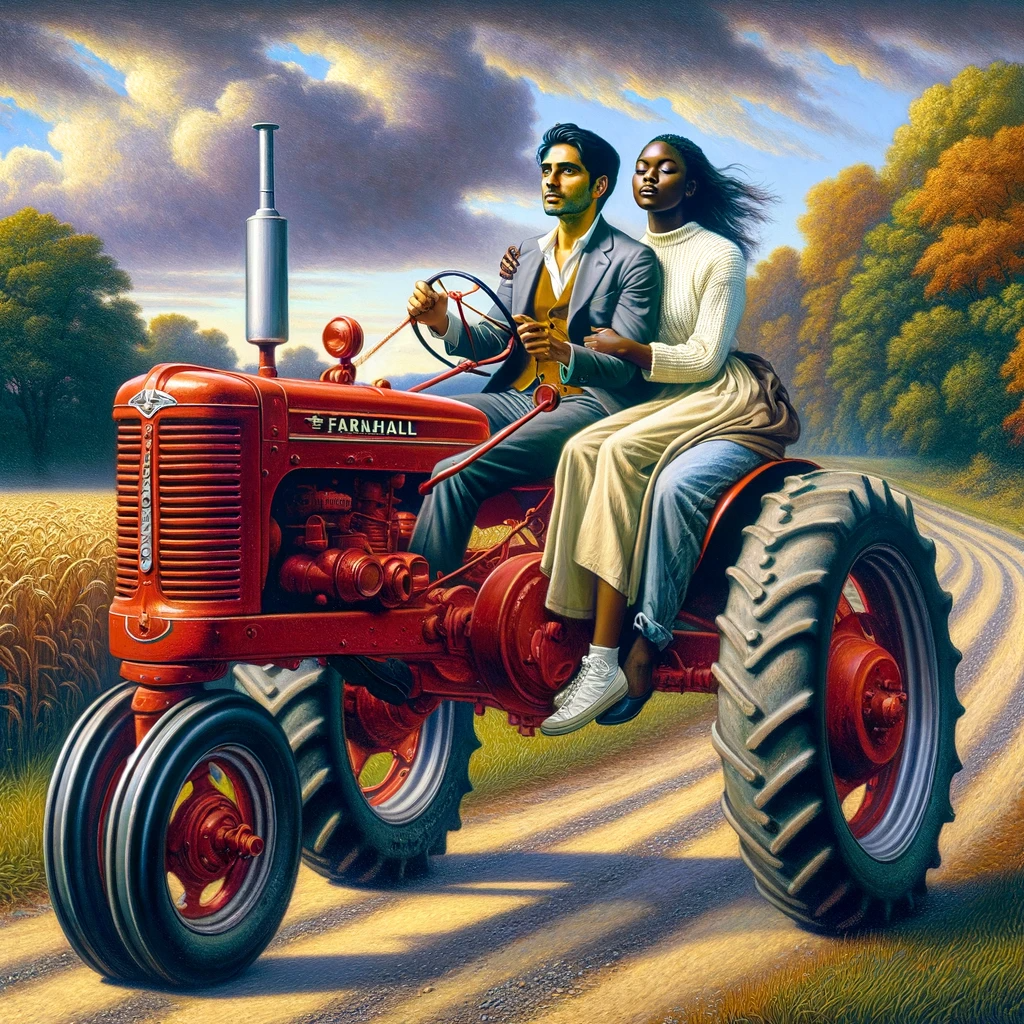
In the swiftly evolving world of education and research, the debate over the effectiveness of vintage studies versus modern methods often seems to split the room. Picture a classroom where textbooks are weathered, and the charm of the old tractor sitting outside the window reminds us of simpler times. There’s a certain allure to those dusty tomes, filled with timeless theories and methods, that speak not just to the brains, but to the experience of those who came before us.
Vintage studies, with their roots embedded deep in traditional practices, offer a unique perspective. They often draw on tried-and-true techniques that have withstood the test of time. It’s like the sturdy tractor, a piece of machinery designed not only for performance but also for durability. Just as that tractor can still tackle the toughest fields, vintage studies have the potential to cultivate a deeper understanding of complex topics that may outperform their flashier modern counterparts.
However, let’s not throw the baby out with the bathwater. Modern methods, with their sleek technology and interactive approaches, certainly have their place. They engage digital natives, utilizing multimedia tools that can make complex information accessible and exciting. But sometimes, amidst the digital noise, the profound insights gleaned from vintage studies get drowned out. There’s something enchanting about flipping through pages that are slightly yellowed; it encourages critical thinking and a genuine connection to historical context that slides through the cracks of modern speed.
Now, let’s consider the audience. Are learners more inclined to engage with a PowerPoint presentation brimming with stats, or would they rather gather around a charming tale of how earlier generations grappled with similar problems? That old tractor was once the pride of every farmer; it was a tool that linked communities, stories, and shared experiences. Likewise, vintage studies forge connections that resonate on an emotional level. They invite discussion, foster debate, and encourage reflections that modern methods, despite their flashy graphics, sometimes fail to evoke.
Perhaps the question shouldn’t be about which method is superior, but how can we blend the best of both worlds. The sturdy reliability of vintage insights can coexist with the dynamic energy of modern techniques. As we rev up our educational engines, let’s not forget to harness the strength of the past while embracing the future. After all, every great journey begins with understanding where we’ve been, and where we’re going.
Are Vintage Studies More Engaging Than Modern Methods?
Are Vintage Studies More Engaging Than Modern Methods?
- The debate on vintage studies versus modern methods divides opinions in education and research.
- Vintage studies offer timeless perspectives grounded in traditional practices, providing deeper understanding of complex topics.
- Modern methods utilize technology and interactive approaches, engaging digital natives and making information more accessible.
- Despite their benefits, modern methods can overshadow the insights from vintage studies, which promote critical thinking and historical context.
- Audience engagement may be greater through storytelling and historical perspectives rather than dry statistics and slides.
- Vintage studies foster emotional connections and discussions that modern methods sometimes overlook.
- Integrating both vintage and modern approaches can enhance education, leveraging the strengths of each to enrich learning experiences.

Are Vintage Studies More Engaging Than Modern Methods?
How Does Working With Old Equipment Foster Creativity?
In a world brimming with sleek gadgets and cutting-edge technology, there’s something undeniably invigorating about working with old equipment. Picture this: a weathered tractor, its paint peeling but its engine chugging away with a reliable rhythm. That old hunk of machinery might not have the bells and whistles of modern alternatives, but therein lies the beauty. When you’re faced with limitations, creativity blossoms.
Think about it. When the tractor breaks down, you can’t just whip out a smartphone and pull up a troubleshooting video. Instead, you dive into the nitty-gritty, getting your hands greasy and your mind working. This is where the magic happens. You bypass the easy out, and in doing so, you unleash a torrent of ingenuity. How do you fix that worn-out belt? How can you rig up that stubborn ignition? Each challenge presents a puzzle that demands an innovative solution.
Working with old equipment, particularly machines like tractors that have been around for decades, often requires a level of resourcefulness that our over-reliance on modern technology has dulled in many of us. Creativity doesn’t just stem from having a plethora of choices; it flourishes in adversity. When using older machines, you learn to improvise, cobble together parts, or even repurpose materials. It’s kind of like jazz – the best solos often come when you’re forced to think on your feet.
Imagine the thrill of taking that antique tractor and turning it into something unique. Maybe you modify it for an entirely new purpose, or you restore it and give it a fresh lease on life, often using materials that would otherwise have been tossed aside. This is a chance to craft a narrative, not just about the machine itself but the stories behind it. The sweat equity, the creativity, and the drive to make something out of what you have become the heart of the project.
So, yes, there’s a certain charm in the old. You might not win any races against shiny new models, but what you lose in speed, you gain in substance. It’s not just about the tractor; it’s about the journey it takes you on. And that journey, with all its bumps and detours, is where creativity really takes root. You come to appreciate not just the end result, but the process of discovering it.

How Does Working With Old Equipment Foster Creativity?
How Does Working With Old Equipment Foster Creativity?
- Working with old equipment, like weathered tractors, can be invigorating despite their lack of modern features.
- The limitations of older machinery stimulate creativity and problem-solving skills.
- Facing challenges, such as equipment breakdowns, encourages hands-on learning and ingenuity.
- Resourcefulness is heightened when using older machines; improvisation and repurposing materials become essential.
- Transforming antique tractors offers opportunities to create unique modifications and breathe new life into them.
- The charm of old machinery lies in the journey and process, rather than just the end result.
- Appreciating the journey involves embracing the creativity that flourishes through challenges and detours.

How Does Working With Old Equipment Foster Creativity?
Can Vintage Tools Teach Perseverance And Patience?
In a world dominated by instant gratification, it’s easy to forget the value of hard work and the lessons that come from tackling challenges head-on. Look no further than the vintage tools in our workshops, gathering dust but still brimming with potential. These relics of craftsmanship tell stories of perseverance and patience, offering lessons that are as relevant today as they were decades ago.
Take, for example, an old tractor sitting quietly in the barn. This isn’t just a piece of machinery; it’s a testament to the sweat of those who operated it. Operating a vintage tractor isn’t like hopping on the latest model; there’s a learning curve, and you can’t just hit a button and expect it to purr to life. You’ve got to get your hands dirty, troubleshoot its quirks, and yes, sometimes sweat through the challenges it presents. Each rusty bolt and stubborn lever teaches you something important: not every problem has an immediate solution, and some require time and a little elbow grease.
Using vintage tools also puts you in touch with the past, reminding us that the seemingly simple tasks of yesteryear demanded a level of focus and patience that’s increasingly rare today. Imagine hand-planes, hammers, or chisels—each one designed with purpose, requiring skill and a gentle touch. You can’t rush the craft when you’re using these tools. Each stroke of the hand requires concentration and a certain respect for the materials at hand. In an age where everything is automated, using these tools can feel like a slow dance with your work. It’s a beautiful reminder that mastery takes time.
Moreover, vintage tools come with their own frustrations. They may bind up or require frequent honing, teaching you that not everything will go according to plan. In confronting these challenges, we learn to embrace failure as part of the journey. Just like the farmers who relied on their tractors, we come to understand that persistence in the face of setbacks often leads to triumph.
In a way, every time we pick up a vintage tool, we’re engaging in a delicate experiment in patience and resilience. So, the next time you reach for that hand-chisel or fire up an old tractor, remember: those tools are more than just instruments of labor. They are bridges to a time when perseverance was not just appreciated—it was essential.

Can Vintage Tools Teach Perseverance And Patience?
Can Vintage Tools Teach Perseverance And Patience?
- Instant gratification overshadows the value of hard work and perseverance.
- Vintage tools symbolize craftsmanship, embodying patience and lessons from the past.
- An old tractor represents the effort and skills needed to operate it, contrasting modern technology.
- Using vintage tools requires focus, skill, and an understanding of the materials involved.
- Engaging with these tools teaches us that challenges often lack immediate solutions and require persistence.
- Failures encountered while using vintage tools emphasize the importance of resilience.
- Vintage tools serve as a reminder of a time when perseverance was essential in craftsmanship.

Can Vintage Tools Teach Perseverance And Patience?
How Does Vintage Equipment Relate To Modern Problem-Solving Models?
When you think of vintage equipment, what usually comes to mind? Perhaps it’s a sturdy, old tractor sitting in a field, that has seen better days but still holds a wealth of knowledge and experience in its rusted frame. It may seem like an outdated relic of the past, but these machines are more than just metal and grease—they are reservoirs of traditional problem-solving methods that remain relevant even in today’s tech-savvy world.
Take, for instance, the simple yet ingenious design of a vintage tractor. Every lever, crank, and gear had a purpose, crafted with the knowledge and skills of those who understood the challenges of their time. When farmers faced droughts or pests, they didn’t have the luxury of advanced technology to guide them. Instead, they had to rely on their instincts and the tools at their disposal. Much like modern problem-solving models that emphasize critical thinking and adaptability, those old systems required a person to assess their situation, experiment with different strategies, and iterate on their findings.
In many ways, today’s problem-solving models reflect this hands-on approach. We live in an age where data is king, and algorithms rule our decision-making processes. Yet, the heart of effective problem-solving still relies on the fundamental principles that vintage machines exemplify. Just like the experienced farmer who knows when to plow or when to let the land rest, modern professionals must continuously evaluate their circumstances, weigh their options, and make informed decisions.
Consider how many industries have seen shifts in their foundational practices. Robotics and artificial intelligence, while modern marvels, owe a great deal to the trial-and-error methods employed by those that came before us. The same way that a tractor could be modified to meet the needs of an evolving farm, so too must we adjust our models to align with the challenges of the present day.
Ultimately, vintage equipment serves as a reminder that while technology may change, the core principles of problem-solving remain steadfast. It’s about finding solutions rooted in experience, intuition, and a willingness to adapt—a philosophy that resonates whether you’re reviving a classic tractor or tackling contemporary challenges head-on. In an ever-complex world, those guiding principles are timeless, bridging the gap between past and present, mechanics and mindsets.

How Does Vintage Equipment Relate To Modern Problem-Solving Models?
How Does Vintage Equipment Relate To Modern Problem-Solving Models?
- Vintage equipment, like old tractors, embodies traditional problem-solving methods.
- Each part of a vintage tractor was designed with purpose, reflecting knowledge from its time.
- Farmers faced challenges without advanced technology, relying on instincts and available tools.
- Modern problem-solving models echo the hands-on approaches of vintage machinery.
- Today’s professionals need to continuously evaluate their circumstances and make informed decisions.
- Industries are evolving, drawing on the trial-and-error methods of the past, similar to modifying tractors.
- Vintage equipment reminds us that core principles of problem-solving are timeless and adaptable.

How Does Vintage Equipment Relate To Modern Problem-Solving Models?
What Challenges Arise When Using Vintage Tools For Problem-Solving?
When it comes to problem-solving, there’s nothing quite like the allure of vintage tools. They possess a charm that modern gadgets simply can’t replicate—an authenticity born from their years of service and the people who used them. However, as anyone who’s wrestled with a stubborn old tractor knows, relying on these tools can come with a set of unique challenges.
First off, let’s talk about practicality. Vintage tools often require a level of familiarity that can leave newcomers scratching their heads. A classic tractor, built robustly but without the user-friendly interfaces we’re accustomed to today, demands a different kind of engagement. Forget your sleek, touchscreen panels. Vintage machinery often relies on manual adjustments, requiring more than just a user’s manual—you need experience and a bit of mechanical intuition. This can make problem-solving a challenge, especially when dealing with intricate issues that arise not just from the tool itself, but from the outdated processes surrounding it.
Then there’s the issue of availability. Finding replacement parts for a vintage tractor can be akin to hunting for buried treasure. While there’s a great community of enthusiasts who adore these machines, they’re not always easy to come by. When a piece of your cherished vintage tool goes missing or breaks, you might find yourself facing long delays while you search for that one elusive part. This presents a pause in problem-solving that can be frustrating for anyone who’s accustomed to the instant gratification that modern technology offers.
Moreover, there’s the risk of overconfidence. Working with vintage tools can inflate a person’s sense of capability. They might think, “If I can fix this old tractor, I can tackle anything.” But all too often, this bravado is met with an unexpected setback. That old machine can turn from a reliable partner into a stubborn adversary, resisting attempts to diagnose or fix a problem.
Finally, we can’t ignore the limitations posed by time and the wear and tear of age. Vintage tools may not have the efficiency or precision of their more modern counterparts. What was once cutting edge might now feel more like a stumbling block, leading to trial and error that modern problem solvers aren’t always equipped to handle.
In short, while vintage tools bring a certain magic to the process, it’s essential to recognize and navigate the complexities they introduce. Embrace the journey, but be prepared for the bumps in the road. After all, every tractor—or vintage tool—has its quirks and challenges.

What Challenges Arise When Using Vintage Tools For Problem-Solving?
What Challenges Arise When Using Vintage Tools For Problem-Solving?
- Vintage tools offer unique charm and authenticity, distinct from modern gadgets.
- They require familiarity and mechanical intuition, making problem-solving more challenging.
- Finding replacement parts for vintage tools can be difficult and time-consuming.
- Overconfidence can arise from working with vintage machinery, leading to unexpected setbacks.
- Vintage tools may lack the efficiency and precision of modern counterparts.
- Using vintage tools introduces complexities that need to be navigated carefully.
- Embracing the journey with vintage tools means being prepared for their inherent quirks and challenges.

What Challenges Arise When Using Vintage Tools For Problem-Solving?
Conclusion
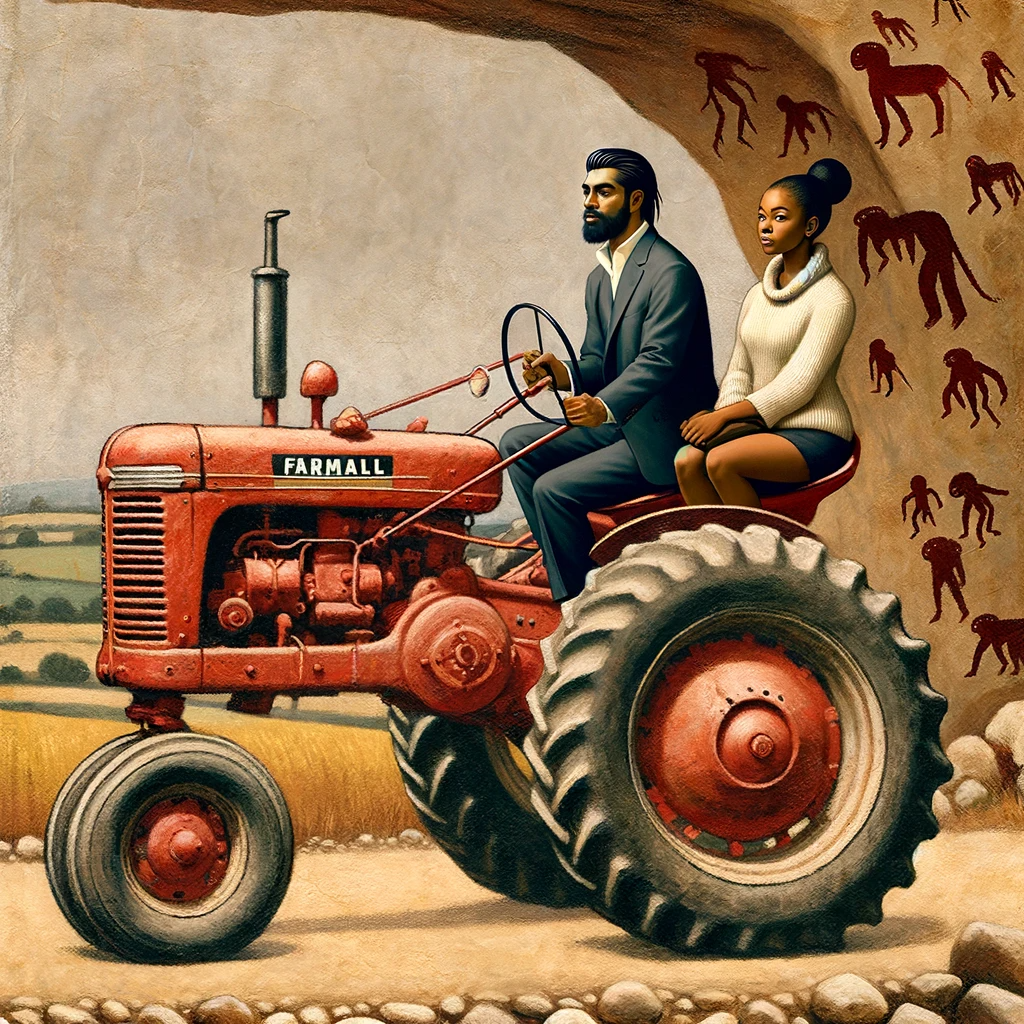
In this fast-paced digital world, it’s easy to overlook the value of vintage equipment and tools, buried beneath layers of nostalgia and rust yet brimming with potential for problem-solving and creativity. Imagine that old tractor, the one with peeling paint and a stubborn engine—it’s not just a relic; it’s a bridge to a time when hands-on learning was the name of the game. Engaging with vintage machinery forces us to roll up our sleeves, think critically, and embrace the challenges that come our way. When that tractor sputters in the middle of the field, we learn not to panic, but to approach the problem with a sense of logic and resourcefulness, sifting through possibilities one step at a time.
There’s a unique treasure in the tactile experience of working with tools from days gone by. They whisper the wisdom of craftsmanship—every dent and scratch tells a story that reminds us of hard work, patience, and resilience. Unlike today’s sleek devices, vintage tools demand our full attention—they’re a reminder that mastery takes time. So when you grab that old hand saw or fire up the tractor, you’re not just tackling a task; you’re connecting with a legacy that teaches vital life skills.
Moreover, vintage equipment fosters an environment ripe for creativity. Limited by their simple design, these tools force us to improvise and innovate. Think of it as emotional jazz—when you hit a roadblock, you don’t pull up a tutorial. Instead, you dive deeper, exploring the machine’s quirks and discovering unique solutions. It’s through these hands-on trials that we develop not only our mechanical skills but also the tenacity to face life’s hurdles head-on.
Let’s not forget the role of nostalgia. Engaging with vintage gear lights a fire of curiosity within us, connecting us with past generations. It’s more than mere mechanics; it’s about understanding the values tied to that piece of equipment—diligence, craftsmanship, and the respect earned through hard work. In a world clamoring for quick solutions, embracing the imperfections and challenges of vintage gear can cultivate a deeper, richer understanding of our craft and ourselves.
So, as we navigate the complexities of modern life, let’s not dismiss those rusty tools scattered in barns or dusty workshops. They hold lessons worth their weight in gold. Whether it’s skinning our knuckles or pondering a problem, there’s an immense amount of knowledge waiting to be uncovered by simply diving into the grit and determination of working with vintage equipment. In essence, these tools may just be the best instructors we never knew we needed.
Conclusion
Conclusion:
- Vintage equipment and tools hold untapped potential for problem-solving and creativity.
- Engaging with older machinery fosters critical thinking and resourcefulness.
- Each dent and scratch on vintage tools narrates stories of hard work, patience, and resilience.
- Working with these tools emphasizes the importance of taking time to master skills.
- Vintage gear encourages creativity through improvisation and exploration of unique solutions.
- Nostalgia from using vintage equipment connects us with past generations and their values.
- Rusty tools can provide invaluable lessons and insights into our craft and personal development.

Conclusion
Other Resources

Other Resources
Here is a list of other resources you can review online to learn more:
- Farm Heritage Museum
- Eicher
- Bukh
- Minneapolis-Moline
- C.O.D. Tractor Company
- Wagner
- McCulloch
- Agrico
- Aultman & Taylor
- Steyr
Use This Prompt To Get More Resources With Your Favorite Online AI Tool: Please provide me with a list of online articles with their URLs in a bulleted list that I can read regarding Does Vintage Equipment Study Sharpen Problem-Solving Skills?

Other Resources
Glossary Terms
Does Vintage Equipment Study Sharpen Problem-Solving Skills? – Glossary Of Terms
1. Vintage Equipment: Refers to tools, machinery, or devices that are at least 20-30 years old, often valued for their historical significance, craftsmanship, or design.
2. Problem-Solving Skills: The ability to identify a challenge, analyze it, and develop effective solutions through critical thinking and creativity.
3. Analytical Thinking: A cognitive process that involves breaking down complex information into smaller, manageable parts to understand it better and make decisions.
4. Manual Dexterity: The skill of using hands effectively to perform tasks, which can improve through handling vintage equipment.
5. Creativity: The ability to generate new ideas, approaches, or solutions; often enhanced by engaging with diverse materials and problem contexts.
6. Historical Context: Understanding the time and circumstances surrounding the creation of vintage equipment, which can influence its design and use.
7. Adaptability: The ability to adjust one’s thinking or behavior in response to new information or unexpected challenges, often refined through experience with older tools.
8. Critical Thinking: The objective analysis of facts to form a judgment, a skill that can be developed by evaluating the effectiveness of vintage equipment.
9. Hands-on Learning: An experiential approach to education where learners engage directly with materials, leading to practical understanding and skill acquisition.
10. Innovation: The process of translating an idea or invention into a good or service that creates value or for which customers will pay; often stimulated through creative use of vintage technologies.
11. Mechanical Intuition: An innate ability to understand how mechanical systems work, which can grow through experimentation and repair of vintage machinery.
12. Resourcefulness: The ability to find quick and clever ways to overcome difficulties; a skill often sharpened by the challenges posed by older equipment.
13. Collaboration: Working with others to solve problems or create solutions, which can be fostered through group projects involving vintage tools.
14. Trial and Error: A method of reaching a solution by trying various approaches and learning from mistakes, particularly relevant in using vintage equipment.
15. Systematic Approach: A method of problem-solving that involves following a structured process step-by-step, often utilized in repairs or restorations of older machinery.
16. Observation Skills: The ability to notice details about how equipment functions or fails, crucial for diagnosing problems.
17. Historical Preservation: The practice of maintaining and restoring vintage equipment to preserve its original state and functionality.
18. Skill Transfer: The application of knowledge or skills learned in one context (like vintage equipment) to another, such as modern problem-solving.
19. Technical Knowledge: Understanding the principles and workings of machinery or tools, essential for effectively using vintage equipment.
20. Intuitive Design: The inherent usability of equipment that often comes from older tools, instructing users in a straightforward manner.
21. Feedback Loop: A process in which the output of an action is used as input for future actions, enhancing learning and adaptation in problem-solving.
22. Cognitive Flexibility: The mental ability to switch between thinking about two different concepts or to think about multiple concepts simultaneously.
23. Innovation Through Constraints: The idea that limitations, such as those found in old equipment, can spark creativity and lead to novel solutions.
24. Self-directed Learning: The process where individuals take the initiative to learn, often prompted by the challenges of working with vintage equipment.
25. Precision: Refers to the accuracy with which a task or repair can be performed, often emphasized with older machinery that requires fine-tuning.
26. Complex Problem-Solving: The ability to solve intricate problems that may involve multiple variables and require deep thinking.
27. Ergonomics: The study of people’s efficiency in their working environment, which can be reflected in the design of vintage tools.
28. Sustainability: An approach that considers the long-term impacts of using and preserving vintage equipment, promoting responsible resource use.
29. Skill Mastery: The high level of proficiency achieved through persistent practice and experience, often seen with vintage tools.
30. Empathy for Technology: Understanding the relationship between humans and technology, which can be cultivated through engagement with historical equipment and its uses.

Glossary Of Terms
Other Questions
Does Vintage Equipment Study Sharpen Problem-Solving Skills? – Other Questions
If you wish to explore and discover more, consider looking for answers to these questions:
- What specific vintage equipment is best for enhancing problem-solving skills?
- Can vintage equipment be effectively used for modern educational purposes?
- What are some practical examples of problem-solving scenarios using vintage tools?
- How does the use of vintage tools compare to modern technology in learning environments?
- What skills are uniquely developed through the use of vintage equipment?
- Are there psychological benefits to working with vintage machinery?
- What are the historical contexts that make vintage equipment significant for learning?
- How can nostalgia impact the learning experience with vintage tools?
- What resources are available for sourcing vintage tools and equipment?
- How can educators incorporate vintage tools into their curriculum effectively?
- What challenges do learners typically face when using vintage equipment?
- Are there community groups or workshops focused on vintage equipment repair and use?
- How does hands-on experience with vintage tools contribute to overall skill development?
- What modern problem-solving models can be derived from the use of vintage equipment?
- How can vintage tools be adapted for contemporary challenges?

Other Questions
Haiku
Does Vintage Equipment Study Sharpen Problem-Solving Skills? – A Haiku
Old machines endure,
Nostalgia shapes our minds,
Crafting hope from rust.

Haiku
Poem
Does Vintage Equipment Study Sharpen Problem-Solving Skills? – A Poem
In fields where rust and history intertwine,
Old tractors rest, with tales in every line.
Their weathered metal sings of hands once deft,
Crafted with care, in their toil, hope was left.
They hum with lessons of grit and grace,
Where challenge births ingenuity’s embrace.
No screens to guide through the mechanical maze,
Instead, intuition lights the frail pathways.
With every turn of wrench and mindful glance,
The past connects us in a silent dance.
Each sputter, each stall, a puzzle laid bare,
Resilience sharpens in the hands that dare.
Vintage tools echo in the hearts of the brave,
Teaching patience, like tides that swell and wave.
In wood and in metal, our stories reside,
Crafting solutions where complexities hide.
Nostalgia weaves through the labor of old,
In every dent, a legacy bold.
For in the cadence of labor, there lies,
A richness of learning beneath open skies.
Yes, present and past can bridge time’s great chasm,
A tapestry woven from sweat and from wisdom.
When faced with the challenge, let courage ignite,
For every old tool is a spark of insight.
So, next time you’re tempted by gadgets that sing,
Remember the warmth that simplicity brings.
Embrace the old ways, let creativity flow,
In the heart of the vintage, new solutions will grow.

Poem
Checklist
Does Vintage Equipment Study Sharpen Problem-Solving Skills? – A Checklist
1. Explore Your Vintage Equipment
_____ Identify and gather vintage tools and machines you have access to.
_____ Research their history and previous uses to understand their significance.
2. Set Up a Workspace
_____ Create a dedicated area for working with vintage equipment, ensuring proper ventilation and safety measures.
_____ Organize your tools for easy access, ensuring each tool has a designated space.
3. Embrace Hands-On Learning
_____ Engage with the equipment directly—skip the digital manuals and rely on your instincts and practical knowledge.
_____ Take time to observe how each piece of equipment functions; note the intricacies.
4. Practice Problem-Solving Techniques
_____ When an issue arises, list potential problems you may encounter.
_____ Assess each scenario systematically: Is it a mechanical failure, fuel issue, or user error?
5. Foster Patience and Perseverance
_____ Allocate sufficient time for each project—don’t rush the process.
_____ Document frustrations and breakthroughs in a journal to reflect on your learning journey.
6. Encourage Creativity
_____ Challenge yourself to modify or repurpose vintage tools and equipment for new projects.
_____ Share your creative solutions with others or seek feedback from fellow vintage enthusiasts.
7. Leverage the Power of Nostalgia
_____ Reflect on personal or family stories connected to the equipment you’re using.
_____ Engage others by sharing your experiences and inviting them to participate in hands-on projects.
8. Engage with Community
_____ Join vintage equipment or tools forums online to connect with like-minded individuals.
_____ Attend local workshops or meet-ups focused on vintage tools and problem-solving strategies.
9. Document and Reflect
_____ Take photos or videos of your projects to document progress and share your journey.
_____ Reflect on the skills you’ve learned and consider how they apply to modern problem-solving scenarios.
10. Celebrate Your Successes and Failures
_____ Acknowledge both your successes and the challenges you faced while working with vintage equipment.
_____ Use your experiences, both good and bad, as learning lessons for future projects.
Utilizing vintage tools not only hones your practical problem-solving skills but also deepens your appreciation for craftsmanship and history. Enjoy the process, and embrace the journey of learning!

Checklist
At ClassicTractorNews, we help tractor lovers keep up with the latest news for classic and vintage tractors.
Please share this post with your friends, family, or business associates who may like old classic or vintage tractors.