

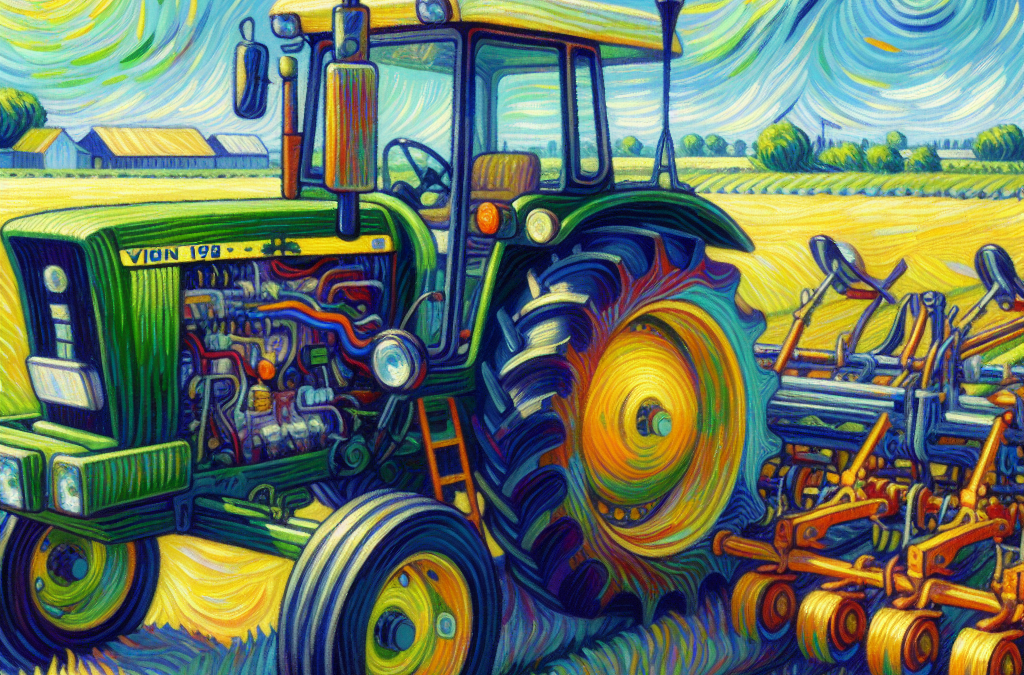
The Timeless Promise Of Classic Tractors: Securing Your Farming Legacy
By Tom Seest
At ClassicTractorNews, we help tractor lovers keep up with the latest news for classic and vintage tractors.
Please share this post with your friends, family, or business associates who may like old classic or vintage tractors.
Will The Reliability Of Classic Tractors Save Your Farming Dream
Will The Reliability of Classic Tractors Save Your Farming Dream?
In the world of agriculture, your tractor isn’t just a machine; it’s a steadfast partner in the pursuit of your farming dreams. When dawn breaks over the fields, the sight of a robust classic tractor hums with a familiar promise, one that transcends mere mechanics. It represents the soil’s potential, the weathered hands that toil, and the aspirations of a family legacy waiting to be nurtured.
You might ask, “Why invest in a classic tractor?” Let’s break it down. From a rational standpoint, these machines are often simpler to maintain, boasting an engineering integrity that modern gadgets can sometimes overlook. They are built with solid steel and snug bolts, not plastic and trends. The reliability of these tractors means you spend less time in the shop and more on your land, where every hour counts. That’s a victory for the head—because logic and practicality drive successful farming.
But let’s get to the heart of the matter. Think about the stories embedded in the old worn leather seat, the rusted metal that’s weathered storms and sunny days alike. Each scratch and dent reflects hard work, dedication, and a love for the land. When you fire up a classic, it not only starts its engine; it starts up memories of family gatherings, back-breaking labor, and the joy of watching crops grow. This emotional connection melts away the struggles of today, reminding you why you chose this life in the first place.
Then we shift to a social and ethical consideration. Investing in a classic tractor means you’re part of a community—joining the ranks of proud farmers who value tradition and sustainability. You’re preserving a piece of history while shaping the future of farming. These tractors often symbolize responsible stewardship of the land, echoing a commitment to environmental care that resonates with an increasingly eco-conscious public. It’s not just about tilling soil; it’s about nurturing a vibrant agricultural culture that future generations can inherit.
Finally, let’s talk about action. When you restore a classic tractor, you’re not just restoring metal; you’re reigniting your dream. You’re taking a stand against the throwaway culture, showing that stability can thrive in a fast-paced world. So, whether you’re a seasoned farmer or just starting out, consider this: the reliability of a classic tractor isn’t just a tool—it’s a cornerstone upon which you can build your farming dream, one field at a time. Embrace it, trust it, and let it lead you toward new horizons.
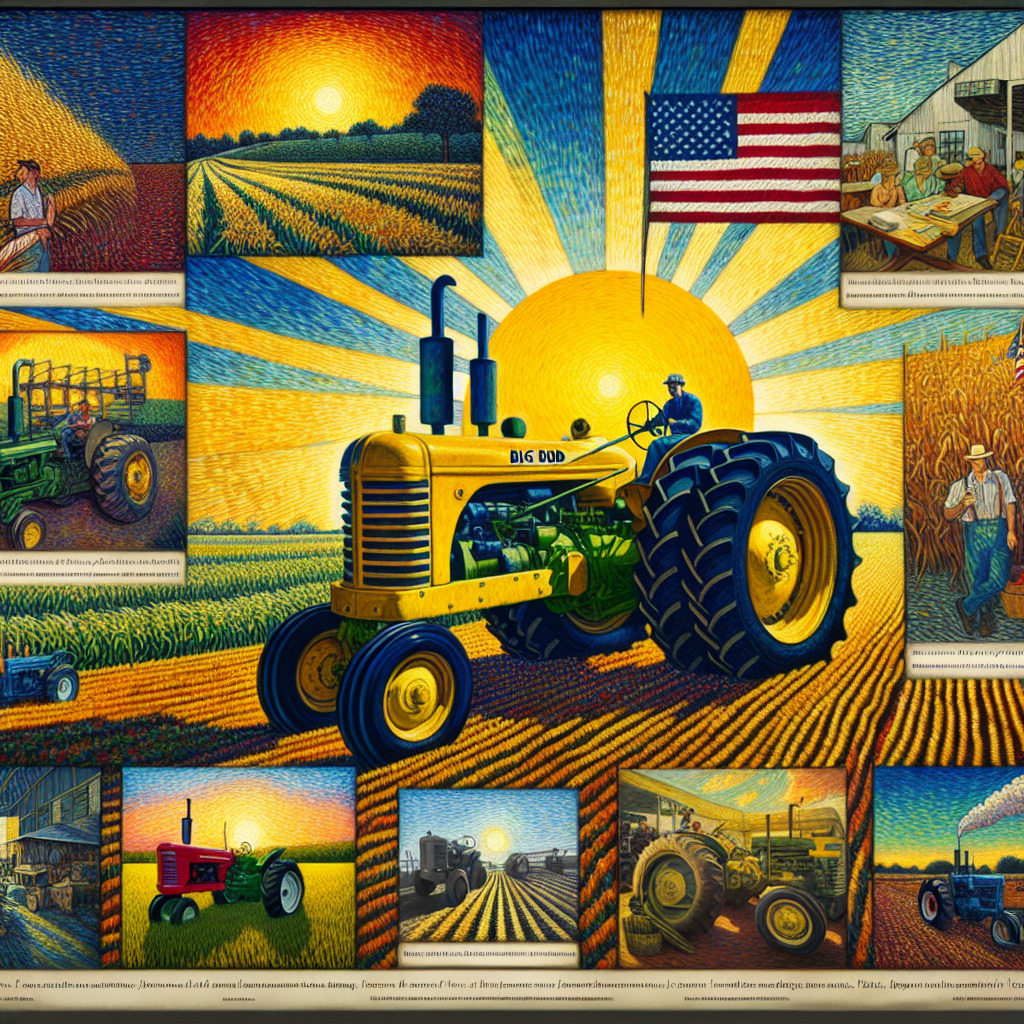
Will The Reliability Of Classic Tractors Save Your Farming Dream
Will The Reliability Of Classic Tractors Save Your Farming Dream
- A classic tractor is more than a machine; it symbolizes a partnership in achieving farming dreams.
- Classic tractors offer easier maintenance and reliable engineering compared to modern machines.
- Their durability allows farmers to spend more time working the land rather than in repairs.
- Each classic tractor carries stories of hard work and family dedication, creating an emotional connection.
- Investing in classic tractors fosters community and values tradition and sustainability in farming.
- They represent responsible land stewardship and commitment to environmental care.
- Restoring a classic tractor reignites farming dreams and counters the throwaway culture.
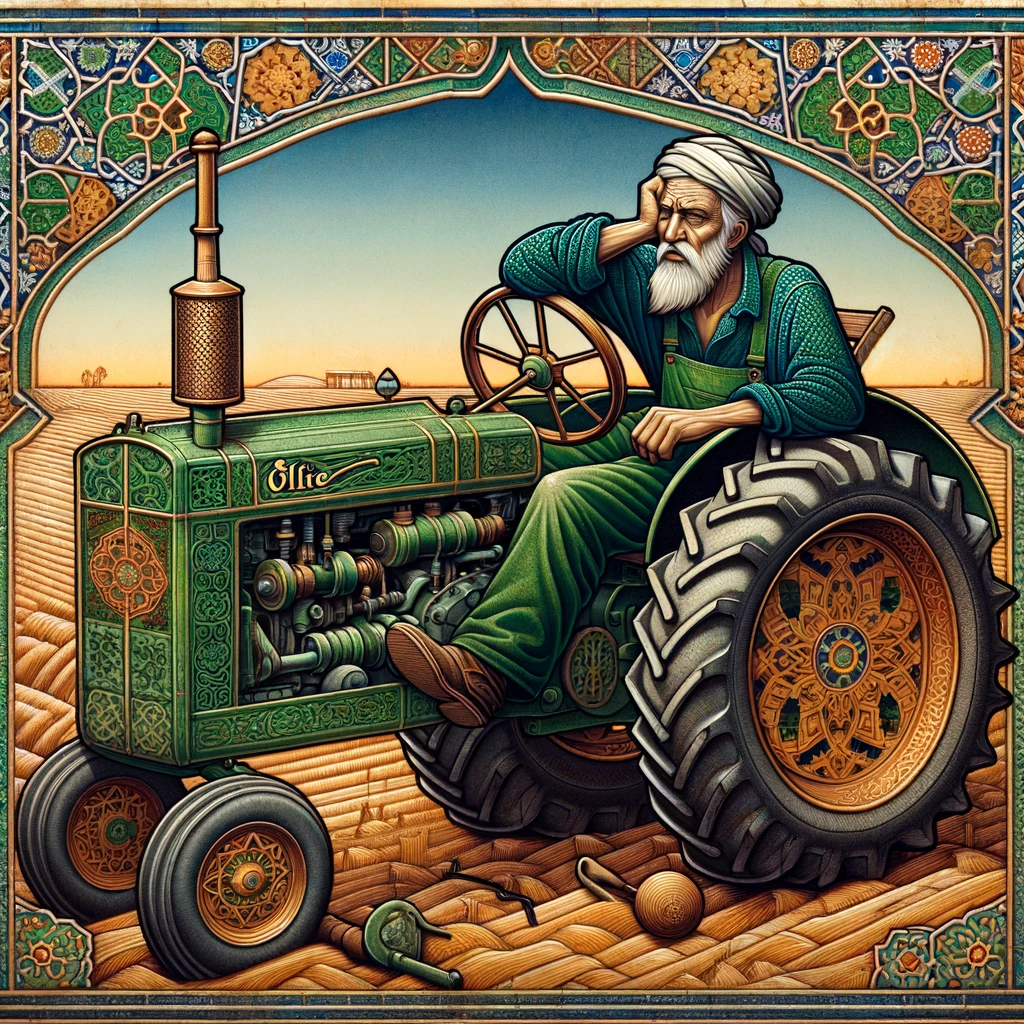
Will The Reliability Of Classic Tractors Save Your Farming Dream
Table Of Contents
- Will The Reliability Of Classic Tractors Save Your Farming Dream
- How Do Classic Tractors Deliver Consistent Performance In Tough Times?
- What Emotional Connections Do You Have With Classic Farm Machinery?
- Are You Ready To Invest In A Tractor That Stands The Test Of Time?
- How Do Classic Tractors Symbolize Sustainable Farming Practices Today?
- What Stories Do Classic Tractors Tell About Our Agricultural Heritage?
- How Do Community Opinions Shape Your View On Using Antique Tractors?
- Conclusion
- Other Resources
- Glossary Of Terms
- Other Questions
- Haiku
- Poem
- Checklist
How Do Classic Tractors Deliver Consistent Performance In Tough Times?
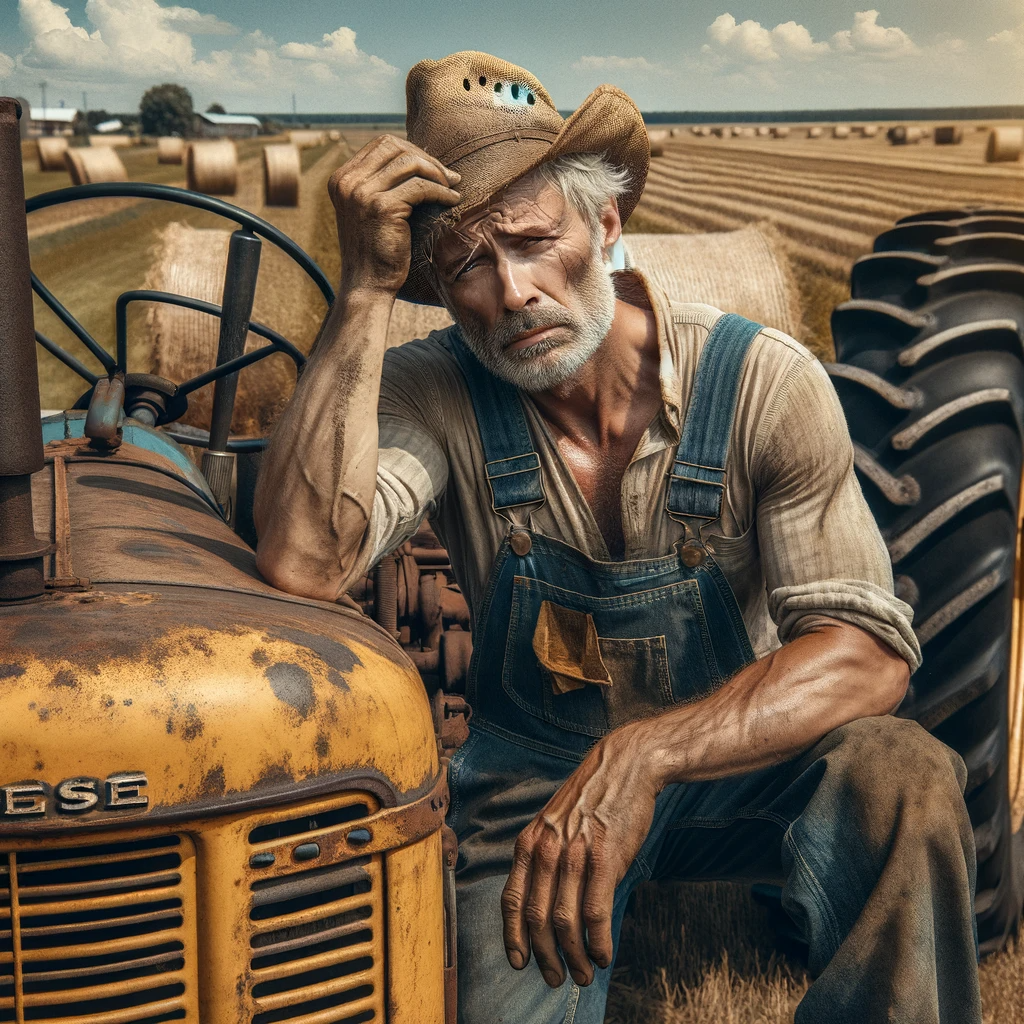
In a world that constantly pushes for innovation, there’s something undeniably comforting about the steadfast presence of classic tractors. These machines don’t just carry crops from the fields to the market; they embody a legacy of grit and resilience. When the skies darken and storms rage, there’s an assurance that the trusty barn red or John Deere green tractor will roar to life and get the job done.
Emotionally, these tractors represent the heart of farming families. Each scratch on the paint tells a story—a summer harvest, a winter repair, a father teaching his daughter how to drive while gripping the wheel tightly. This connection transcends generations. These tractors are not mere machines; they’re family heirlooms, steeped in history, embodying the blood, sweat, and tears of those who came before. During tough times, as uncertainty looms, it’s the legacy of these durable tractors that reassures us. They symbolize the undying spirit of hard work and tenacity, reminding us that we’ve faced hardships and emerged stronger before.
From a rational standpoint, classic tractors are engineered for endurance. With fewer electronic components and simpler mechanics, they are often easier to repair and maintain. In today’s fast-paced world, reliability isn’t just a luxury; it’s a necessity. When your livelihood depends on your ability to till the land, the last thing you need is to be stuck waiting for parts on a modern machine. Classic tractors, with their straightforward design, keep you moving forward, even when the going gets tough.
Ethically, investing in classic tractors is also an environmental choice. By reviving and reusing these robust machines, we’re opting for sustainability over disposability. We honor the craftsmanship that went into creating machines built to last, rather than succumbing to the throwaway culture that pervades the industry.
Moreover, there’s a narrative that binds farmers together, a shared understanding that translates to mutual respect. When you see your neighbor’s classic tractor in the field, there’s an unspoken bond formed through collective hardship and triumph. It’s the solidarity of a community who knows that, no matter how tough the times, they can rely on the old workhorse that proudly stands the test of time.
So, as you gaze upon that classic tractor rusting under the sun, remember—it represents more than just a tool. It embodies the strength of those who came before you, the promise of resilience, and the community that supports you in tough times. Embrace that legacy, and trust in the power of the classics to keep us moving, no matter the challenges ahead.
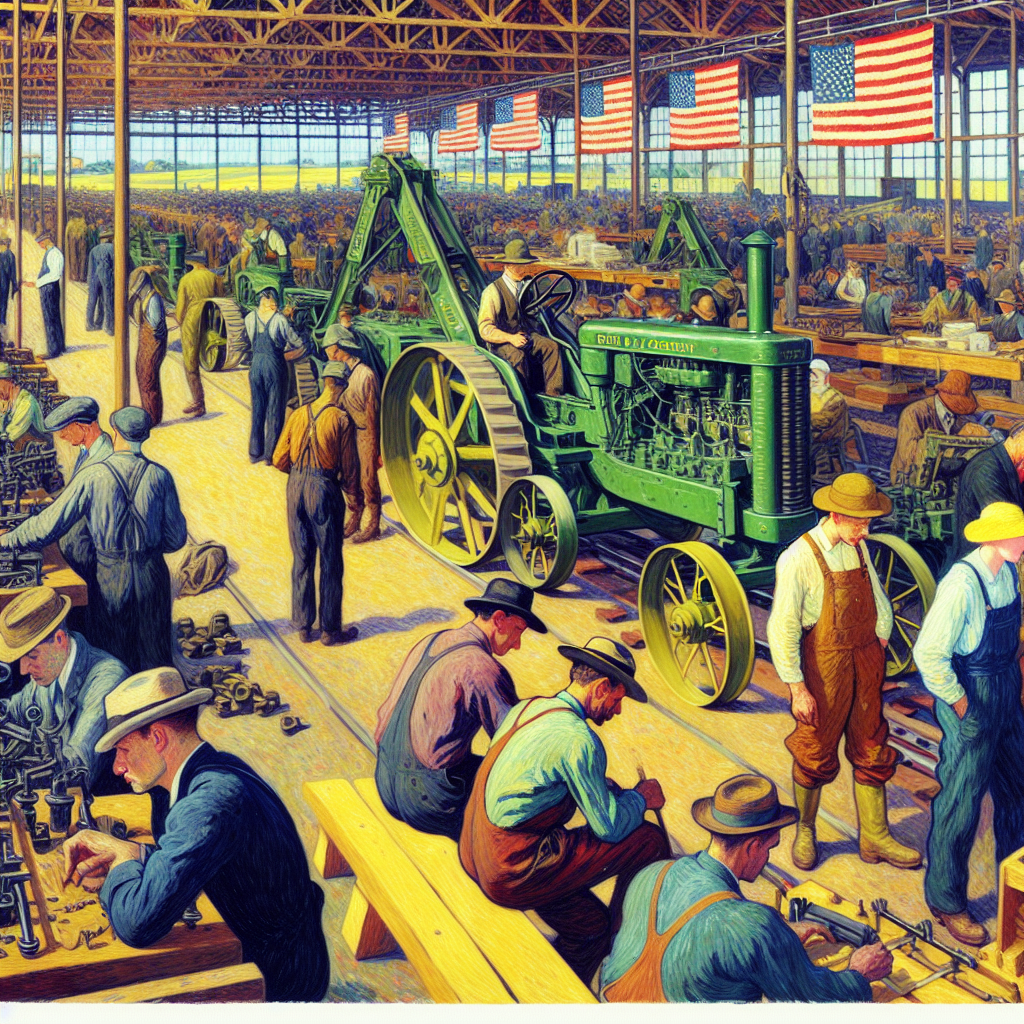
How Do Classic Tractors Deliver Consistent Performance In Tough Times?
How Do Classic Tractors Deliver Consistent Performance In Tough Times?
- Classic tractors symbolize a legacy of grit and resilience in agriculture.
- They represent emotional connections among farming families, embodying stories and traditions.
- Durable tractors serve as family heirlooms, carrying the history and hard work of previous generations.
- From a practical perspective, classic tractors are easier to repair due to simpler mechanics.
- Investing in these machines is an ethical choice, promoting sustainability over disposability.
- Classic tractors foster a sense of community and mutual respect among farmers.
- They embody the strength of past generations and the promise of resilience in challenging times.
How Do Classic Tractors Deliver Consistent Performance In Tough Times?
What Emotional Connections Do You Have With Classic Farm Machinery?
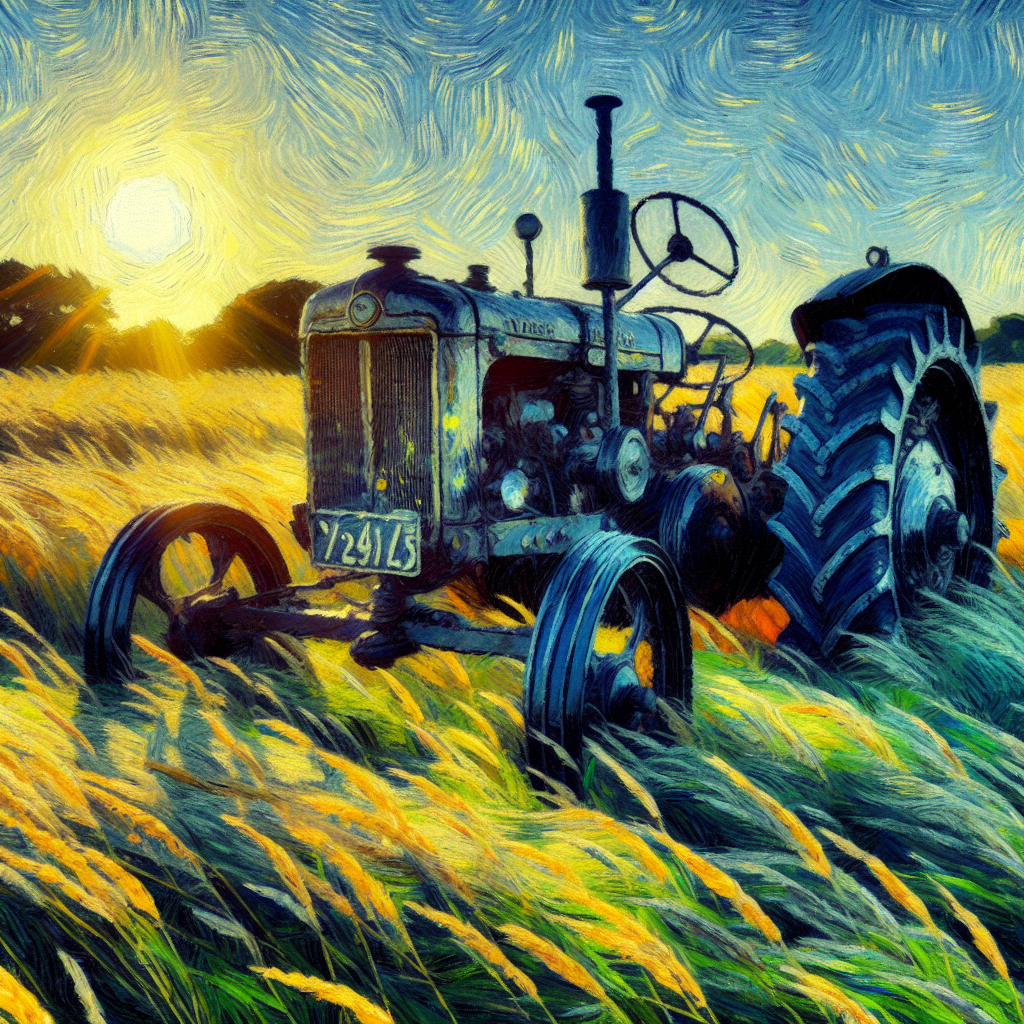
Picture a sun setting over a sweeping field, the golden light illuminating a weathered old tractor parked quietly near the barn. To some, it’s metal and mechanics; to those who have lived the farm life, it’s a treasure trove of memories, rich with the feeling of hard work and perseverance. The palpable hum of those diesel engines isn’t just machinery whirring to life; it’s a soundtrack to our most formative experiences, a connection to the earth that runs deeper than machinery itself.
Let’s start with the gut. When you’re seated on that tractor, the steering wheel cool against your palms, it’s more than a driver’s seat. You can almost feel the heartbeat of the land pulsing beneath you, urging you forward. Every turn of the wheel, every bounce over a rise, tugs on the threads of tradition sewn into the fabric of farming families across generations. You know that tractor has been through storms and droughts, carrying with it the hopes and dreams of those who rely on the very soil it till; it’s a symbol of resilience, a partner in the daily grind, and a testament to the grit inherent in rural life.
Then there’s the heart. Think of the stories intertwined with that machinery—the tales of early mornings spent planting seeds once sown by your grandparents. The memories flood in, flashing back to passing down wisdom on how to handle a stubborn piece of equipment or navigating tricky terrain. Each scrape and dent on that old tractor tells a story of its own, marking the passage of time. It’s a bridge connecting the past to the present, a reminder of both triumphs and trials in a life well-lived.
Let’s not forget the ethical ties we have as stewards of the land. Caring for machinery, especially during the changing tides of modern agriculture, speaks to our commitment not just to progress but to sustainability. By honoring these classic machines, we cherish what has come before while mindful of where we are headed. We foster a sense of authority about our choices; those tractors remind us of a time when every decision was made with the land in mind.
So, next time you dust off that classic piece of farm machinery, take a moment to reflect on what it represents. It’s not merely metal and oil; it’s a legacy, a connection to the heartbeat of a community that has shaped us all. Those emotional connections serve to remind us of who we are and the future we hope to cultivate together.
What Emotional Connections Do You Have With Classic Farm Machinery?
What Emotional Connections Do You Have With Classic Farm Machinery?
- Imagery of a sunset over a field with an old tractor near the barn symbolizes memories and hard work.
- The tractor serves as a connection to the earth, embodying resilience and perseverance in rural life.
- Sitting on the tractor offers a sensory experience, feeling the land’s heartbeat and tradition.
- The tractor carries the hopes and dreams of farming families, enduring through challenges like storms and droughts.
- Each mark on the tractor tells a story, bridging the past and present with familial memories and shared wisdom.
- Caring for machinery reflects an ethical commitment to sustainability and respect for agricultural history.
- Classic tractors symbolize a legacy and community connection, reminding us of our identity and future aspirations.
What Emotional Connections Do You Have With Classic Farm Machinery?
Are You Ready To Invest In A Tractor That Stands The Test Of Time?
When it comes to investing in a tractor, you’re not just making a purchase; you’re making a commitment to the land, the livelihood it supports, and the legacy you’ll leave behind. Picture the sun rising over your fields, the ground rich and ready, and you behind the wheel of a machine that feels more like a partner than a tool. This isn’t just about horsepower and torque; it’s about the sweat, determination, and dreams that fuel your every day.
Let’s get real for a second. You don’t want a flashy, trendy tractor that might give up on you after a season or two. You want a workhorse, a steadfast companion that stands the test of time. Trust me, there’s nothing more heartbreaking than watching your investment sputter just when the harvest is ripe for the taking. The right tractor should be reliable enough to weather storms—both literal and metaphorical—so you can focus on what truly matters: feeding your family and, by extension, your community.
Now, think about the generational wealth of knowledge you can pass down. A solid, durable tractor isn’t just a machine; it’s a cornerstone of that heritage. It’s something you can share with your kids, teaching them the importance of hard work, resilience, and respect for the land. When they’re behind the wheel, they’re learning lessons that extend far beyond farming—they’re understanding commitment, responsibility, and the satisfaction of a job well done.
You want a tractor that stands up against time, doesn’t back down in tough conditions, and holds its ground while you forge ahead. A well-made tractor isn’t just a purchase; it’s an investment in your future, wrapped up in a commitment to sustainability and ethical farming practices. You want to be part of that conversation—the kind that honors the soil beneath your boots and the fruits of your labor.
So, as you ponder this decision, consider the relationships you’re building—with the land, your family, and even your community. A tractor that lasts isn’t just a machine; it’s a testament to your dedication, integrity, and vision for a sustainable future. As you take this leap, ask yourself: is your next tractor ready to become a part of your story? Because it should be.
Are You Ready To Invest In A Tractor That Stands The Test Of Time?
Are You Ready To Invest In A Tractor That Stands The Test Of Time?
- Investing in a tractor signifies a commitment to the land, livelihood, and legacy.
- A reliable tractor is more than just machinery; it symbolizes hard work, determination, and dreams.
- Avoid flashy, unreliable tractors; seek a durable workhorse that can withstand time and challenges.
- A tractor represents generational wealth and knowledge, teaching lessons of responsibility and respect for the land.
- A well-made tractor is an investment in the future and a commitment to sustainability and ethical farming practices.
- Consider the relationships you build with the land, family, and community through your tractor choice.
- Your next tractor should be a testament to your dedication and vision for a sustainable future.

Are You Ready To Invest In A Tractor That Stands The Test Of Time?
How Do Classic Tractors Symbolize Sustainable Farming Practices Today?
In a world racing toward flashy technology and synthetic solutions, classic tractors stand as enduring symbols of sustainable farming practices, reminding us that sometimes, the old ways are not just the best; they are the most humane. These machines, with their rustic charm and rugged durability, evoke a nostalgia that’s about more than just aesthetics. They represent a time when farming was inherently connected to the land—where success wasn’t measured by the volume of produce but by the health of the soil and the community surrounding it.
Take a moment to picture a classic tractor, its paint weathered and worn, yet still powerhouse enough to plow through fields glowing gold with grain. This isn’t just a machine; it’s a testament to a forgotten ethos, where farmers returned to the earth’s rhythms—sowing, reaping, and nurturing ecosystems rather than merely extracting resources. By employing methods that lean on crop rotation and organic fertilizers rather than chemical interventions, utilizing the labor of these trusted machines, farmers today are not only preserving their heritage but also ensuring the welfare of future generations.
The heart of sustainable farming beats in the stories of those who have intimately shaped the land. Each scratch and dent on a classic tractor tells tales of early mornings, laborious efforts, and seasoned wisdom passed down through generations. Farmers using these powerful, albeit simple, tools foster a connection with their communities and teach their children that the most significant crop isn’t just what is harvested, but the respect and care given to the Earth.
From a rational standpoint, classic tractors exemplify efficiency and reliability. They are less dependent on modern fuel and complex electronics, often using resources that are local and renewable. This serves not only to lower costs but also minimizes the carbon footprint, embodying a zero-waste approach that few contemporary models can replicate.
On an ethical level, embracing these classic machines means promoting an agriculture system that respects animal welfare, minimizes chemical use, and enhances biodiversity. It’s about cultivating a farming culture that connects us back to our roots—a culture that prioritizes respect for the land we inhabit and the communities we cherish.
In a time when the world often feels detached from its agricultural roots, classic tractors invite us to remember what truly matters: a sustainable relationship with the earth, a commitment to community, and the understanding that less can indeed be more. By choosing to honor the past, we can forge a future that’s not just productive, but profoundly interconnected and filled with purpose.
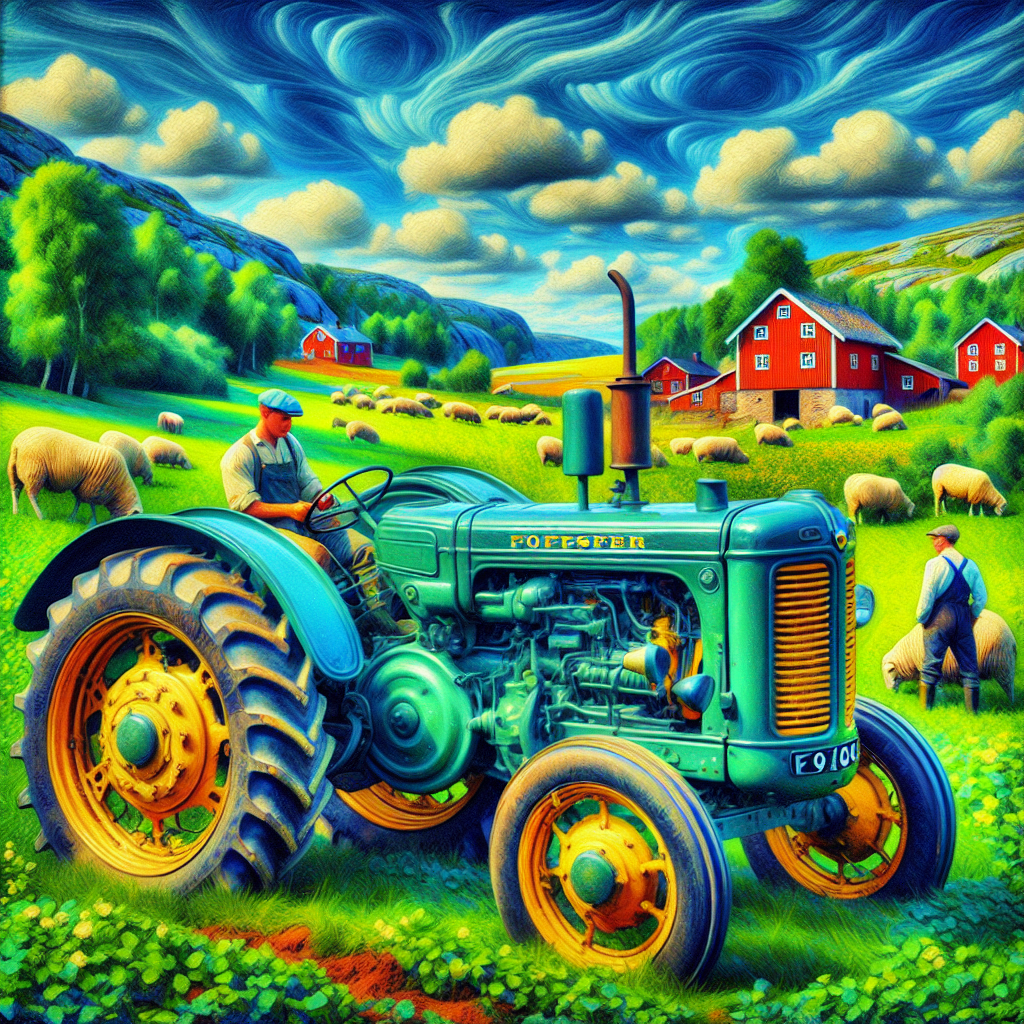
How Do Classic Tractors Symbolize Sustainable Farming Practices Today?
How Do Classic Tractors Symbolize Sustainable Farming Practices Today?
- Classic tractors symbolize sustainable farming practices, highlighting the value of old methods.
- These machines evoke nostalgia and represent a farming ethos connected to the land and community.
- Farmers using classic tractors employ sustainable practices like crop rotation and organic fertilizers.
- Each classic tractor tells stories of hard work and wisdom, fostering community connections.
- Classic tractors are efficient and reliable, using local and renewable resources while minimizing carbon footprints.
- They promote an agricultural system that respects animal welfare, reduces chemical use, and enhances biodiversity.
- Classic tractors remind us of the importance of a sustainable relationship with the earth and our communities.

How Do Classic Tractors Symbolize Sustainable Farming Practices Today?
What Stories Do Classic Tractors Tell About Our Agricultural Heritage?
There’s a story behind every classic tractor, one that stretches beyond mere mechanics to the heart of our agricultural heritage. Think about it. These machines, often rusted and weathered, are more than just relics of a bygone era; they are living testaments to the blood, sweat, and dreams of countless farmers who tilled the land. Each dent in the fender, every scratch on the paint, tells a tale of long hours under the sun, of triumphs and trials, a testament to resilience in the face of adversity.
From the rumble of the engine to the smell of freshly turned soil, these classic tractors evoke memories of generations of families cultivating the earth. They speak to the ethos of hard work and dedication, values that are as timeless as the fields they plow. When you step into the cab of a vintage John Deere or a McCormick Farmall, you’re not just operating a piece of machinery; you’re connecting with a lineage that shaped our landscapes and our communities.
Rationally, we can appreciate how these tractors transformed agriculture, revolutionizing the way we farmed and feeding a growing population. But the emotional pull of these machines goes far deeper. They represent an era when agriculture was intimately tied to the land, when farmers were stewards and caretakers rather than mere producers. In this fast-paced, technology-driven world, those stories remind us of our roots and the values we risk losing.
Ethically, it’s essential to recognize the relationship between a farmer and his or her tractor. This bond speaks volumes about the responsibility we hold for the environment and the future of farming. As we gaze upon these mechanical giants, adorned with scars of a lifetime’s labor, we see the importance of sustainable practices that honor the earth and its bounties.
The narrative surrounding classic tractors is not just a nostalgic look back at the past; it’s an invitation to engage with our agricultural future. As we gather at community fairs and tractor shows, we rekindle connections—with each other, with the stories of our forebearers, and with the land itself. So, let’s celebrate these machines as embodiments of our agricultural legacy, inspiring us to work together to cultivate a sustainable future while honoring our past. Each tractor still standing holds in its frame the promise of a more profound connection to our agricultural roots—a call to action for all of us.
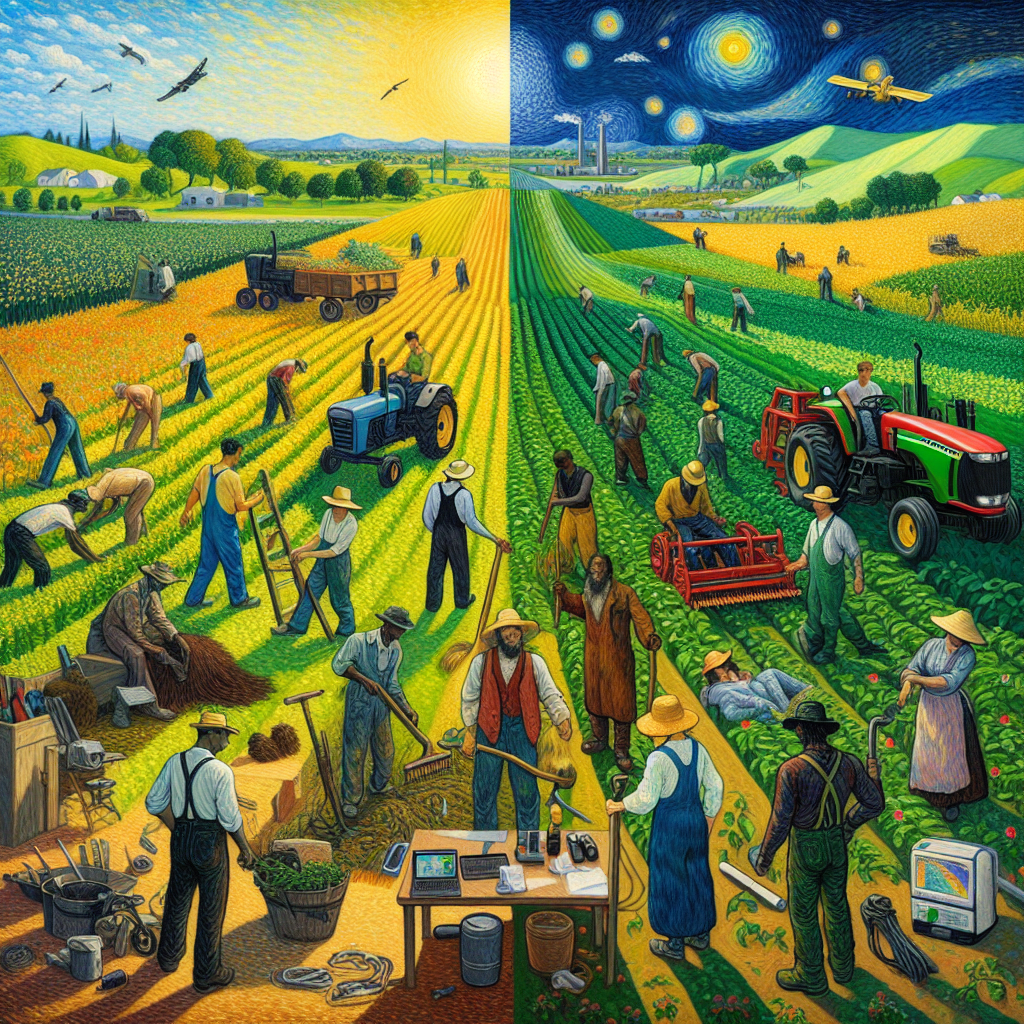
What Stories Do Classic Tractors Tell About Our Agricultural Heritage?
What Stories Do Classic Tractors Tell About Our Agricultural Heritage?
- Classic tractors symbolize agricultural heritage, beyond mechanical function.
- They represent the experiences of farmers, reflecting hard work and resilience.
- These machines evoke memories of family traditions tied to farming and land cultivation.
- Tractors transformed agriculture, revolutionizing farming methods and food production.
- The bond between farmers and their tractors emphasizes ethical responsibilities towards the environment.
- The narrative of tractors is an invitation to connect with agricultural history and future sustainability.
- Celebrating these machines reinforces community ties and inspires collective action for a sustainable future.
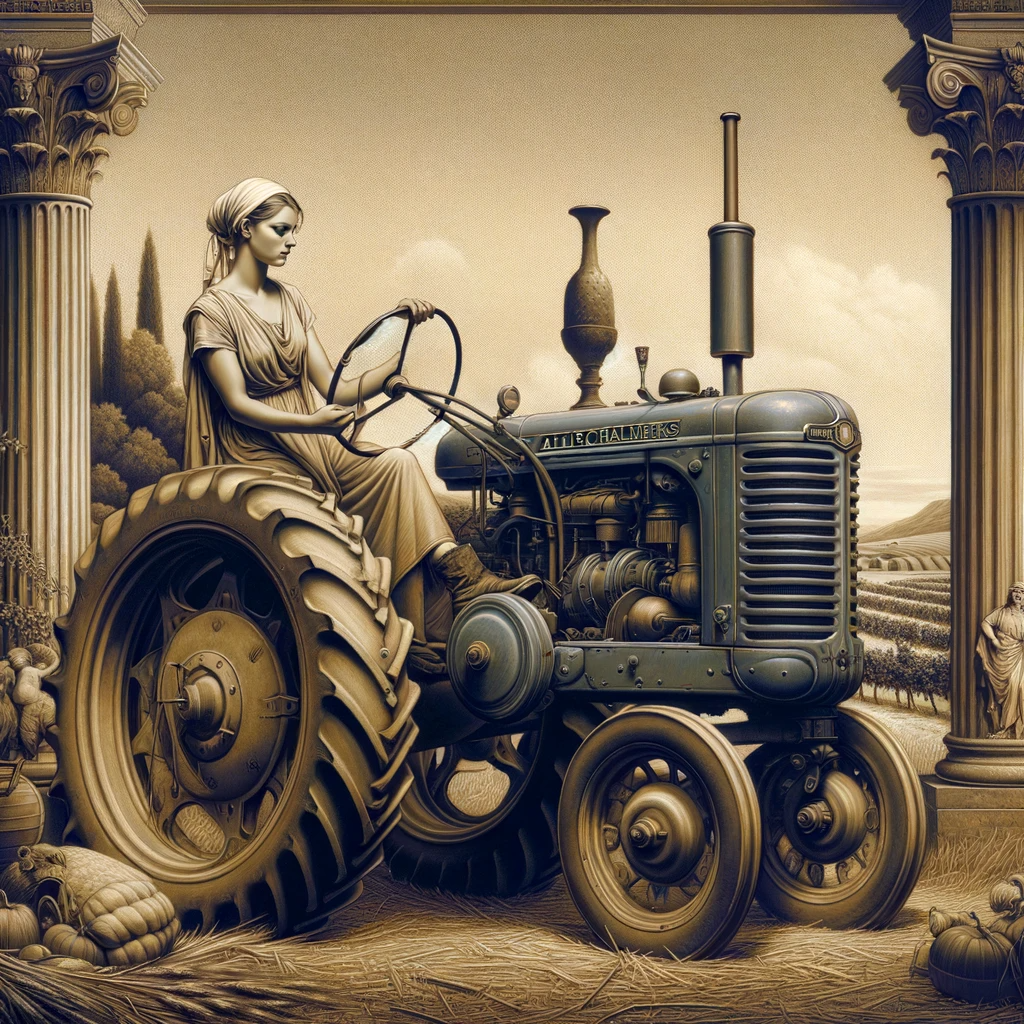
What Stories Do Classic Tractors Tell About Our Agricultural Heritage?
How Do Community Opinions Shape Your View On Using Antique Tractors?
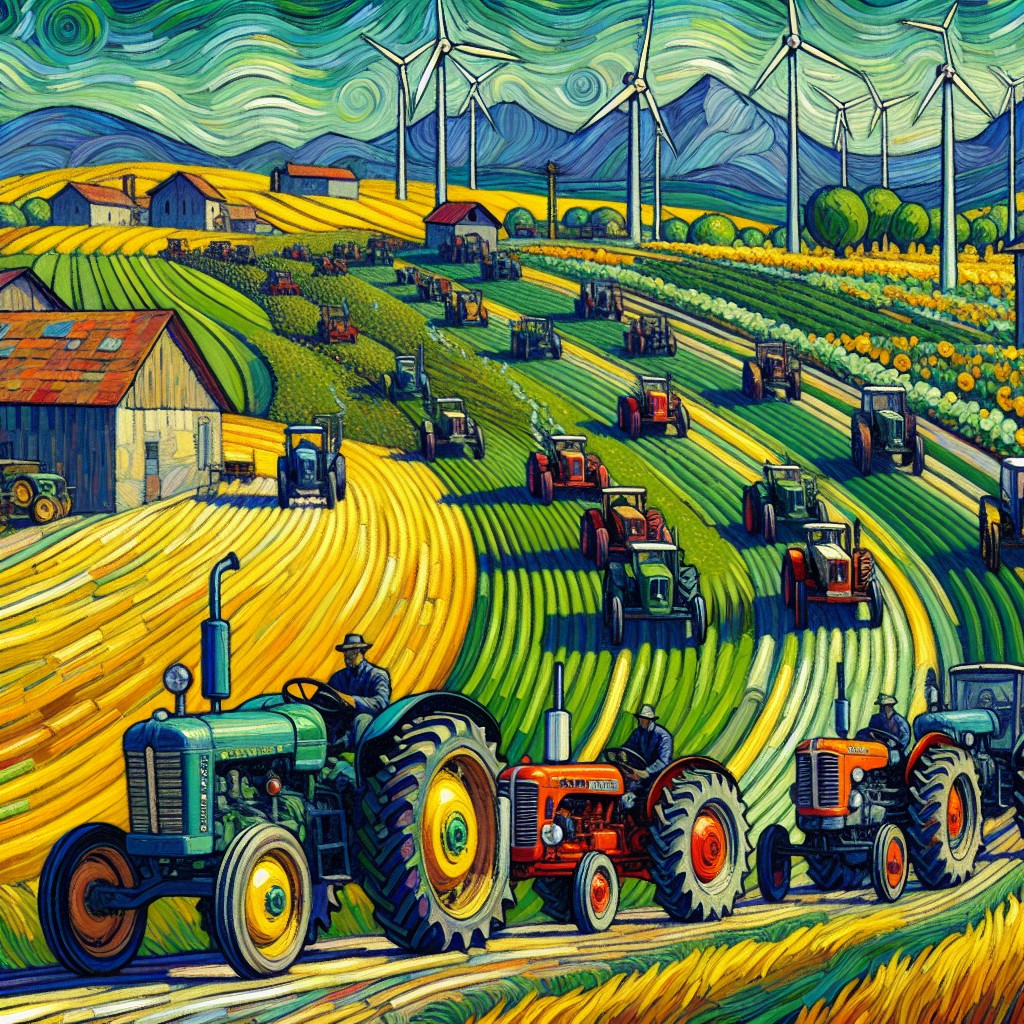
When you stand next to an antique tractor, there’s a kind of magic in the air, isn’t there? Those old machines have stories etched into their rusted metal, tales of sweat, toil, and generations of farmers who relied on them to build their dreams. But have you ever paused to consider how the people around you shape your view on using these timeless beasts?
Community is more than just a collection of individuals; it’s a tapestry woven with shared experiences and values. In rural areas, an antique tractor isn’t just a relic; it’s a badge of honor, a nod to the hard work that built the soil we stand on. Local farmers often gather to swap tips, share stories, and rally around those who embrace the old ways. When you hear these anecdotes, you can almost feel the grit and grime found in the engine’s crevices, the laughter of past harvests, and sometimes, the heartbreak of failed crops. Their voices intertwine with your thoughts, forming a narrative that guides your perception not only of the tractor itself but of the culture that surrounds it.
Your mind may wrestle with practicality—are antique tractors efficient? Can they match the green machines of today? Or should we simply pay homage to the past? Rational arguments abound, but let’s not forget the ethical twist here. By using these trusty machines, you’re not just embracing nostalgia; you’re honoring the labor of countless forebears who dedicated their lives to the earth. That’s an authentic connection to history and sustainability, supporting a way of life that values craftsmanship over convenience.
But what about the gut? Ah, that instinctual pulse within. When your neighbor fires up their antique tractor, you can feel the vibration in your bones. It’s a primal call to appreciate the journey from past to present, a reminder that while the world speeds ahead, there’s an undeniable charm to slowing down.
To truly understand the value of these machines, immerse yourself in that community. Go to local fairs, ask questions, and share your own experiences. The more you engage, the more you’ll realize that each tractor has its own personality, its own story that connects to yours. By participating in this vibrant community, you cultivate trust—not just in the tractors but in the people and the values they represent. So, why not dust off that old beauty sitting in your barn and take it for a spin? Your heart, head, and gut will tell you: it’s a journey worth taking.
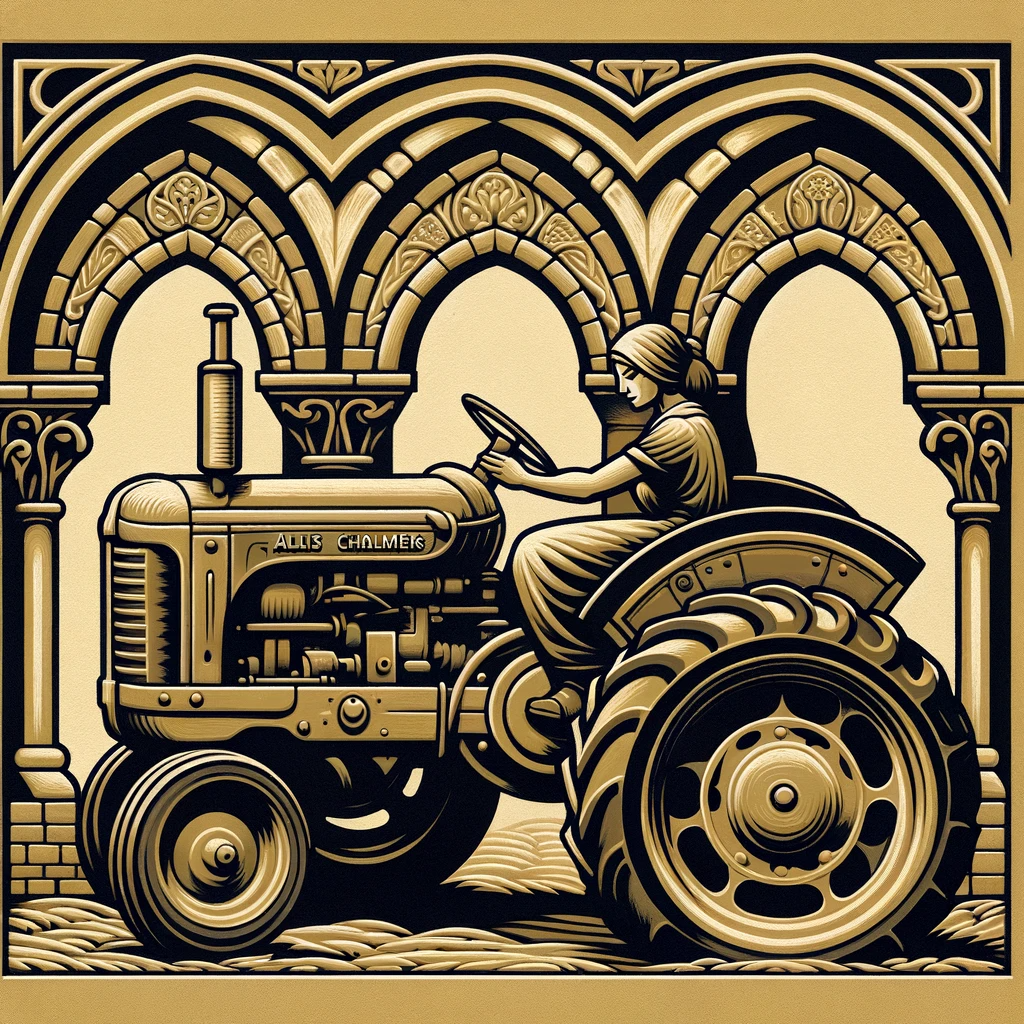
How Do Community Opinions Shape Your View On Using Antique Tractors?
How Do Community Opinions Shape Your View On Using Antique Tractors?
- Antique tractors embody stories and history, reflecting generations of farmers’ labor and dreams.
- Community shapes perceptions of antique tractors, transforming them into symbols of honor and hard work.
- Local farmers share experiences and support traditional farming methods, enriching the cultural narrative surrounding these machines.
- Using antique tractors connects individuals to history and sustainability, prioritizing craftsmanship over modern convenience.
- The instinctive appreciation for these machines is rooted in the physical and emotional vibrations they evoke.
- Engagement within the local community deepens understanding and connects personal and collective histories.
- Taking an antique tractor for a spin offers a rewarding journey that resonates with heart, mind, and instincts.
How Do Community Opinions Shape Your View On Using Antique Tractors?
Conclusion
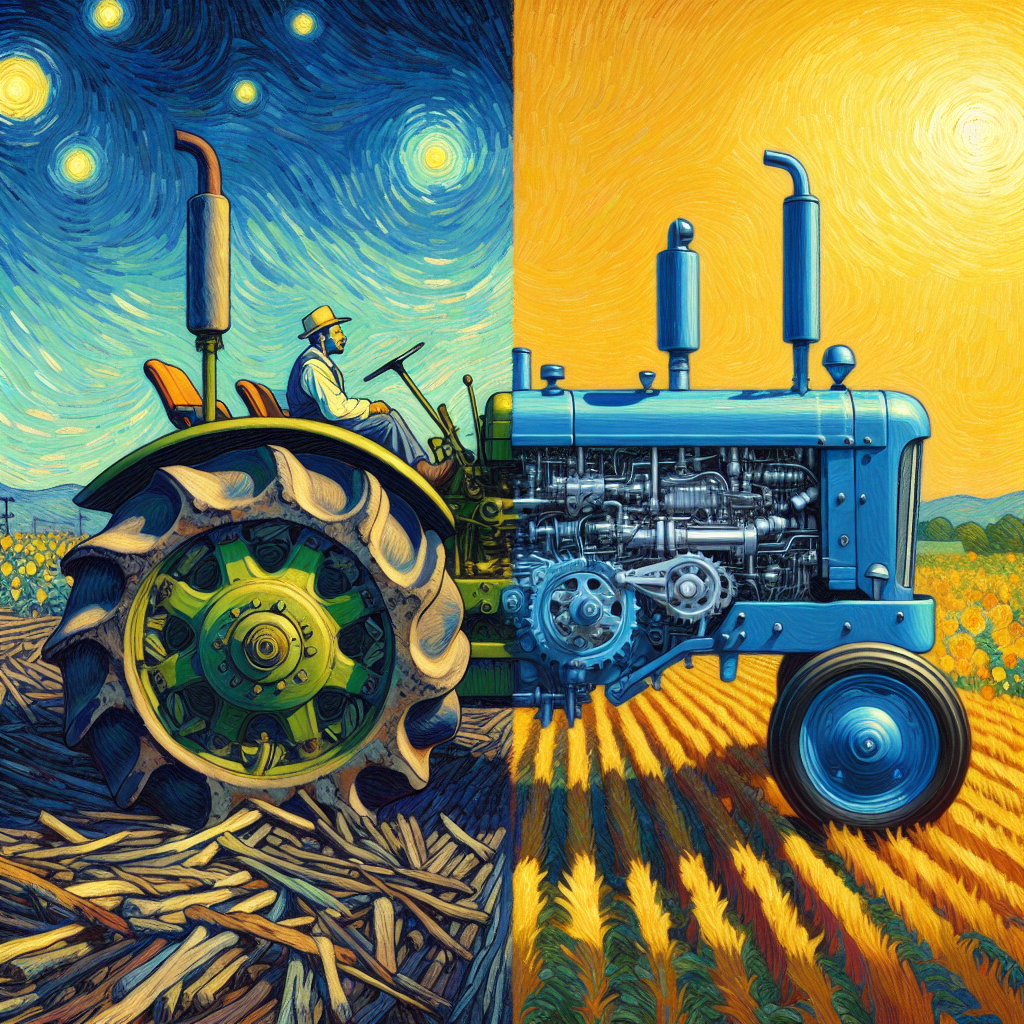
As I wrap up this exploration of classic tractors, let’s take a moment to reflect. Whether you’re a seasoned farmer or a passionate newcomer to the field, the allure of classic tractors isn’t just nostalgic; it’s a vital connection to the heart of farming itself. These machines are more than just agriculture’s heavy lifters; they are symbols of resilience, dedication, and timeless tradition—qualities that reinforce our commitment to the land and to each other.
Now, picture yourself at sunrise, seated behind the wheel of that old workhorse, its weathered frame echoing stories of yesteryear—stories of struggle, perseverance, and triumph. With every rumble of the engine, you’re not just igniting metal; you’re igniting memories—of ancestors who worked tirelessly to cultivate the earth, who faced storms that threatened their crops and economic survival, all while dreaming of a legacy. It’s an emotional cocktail that stirs something deep within us, reminding us why we toil under the open sky.
Rationally speaking, classic tractors offer us a pathway to unparalleled reliability. Simpler mechanics mean easier maintenance. In a world increasingly distracted by flashy technology, these robust machines embody a practicality that stands the test of time. They invite us to invest in sustainability, a promise to honor the earth and cultivate it responsibly—not with trendy gadgets but with tried-and-true craftsmanship. Such choices reinforce ethical farming practices that promote environmental health, nurturing not just our families but our future community.
On a broader scale, investing in classic tractors signifies joining a heritage of farmers who remain dedicated to their craft, who embrace tradition while navigating the challenges of modern agriculture. It fosters a sense of belonging to a community bound by shared values—hard work, respect for the earth, and the importance of storytelling passed through generations. Each scratch and dent on those machines is a testament to the bonds we share; they represent a collective commitment to sustainable practices that resonate with the insatiable call of our soil.
So, as you stand before that classic tractor, ask yourself: What does it mean to you? Trust in that connection—let it guide your farming path. Embrace the promise of a timeless, reliable partner that won’t just support your dreams today, but will stand ready for the generations that come after you. The question isn’t just whether you’ll invest in a classic tractor, but how you’ll weave its story into your own—a legacy of integrity, strength, and community spirit that endures long after the last crop is harvested.
Conclusion
Conclusion:
- Classic tractors symbolize resilience, dedication, and timeless farming traditions.
- They ignite memories of ancestors who faced challenges in cultivating the earth.
- Classic tractors provide unparalleled reliability due to simpler mechanics.
- They promote sustainable and ethical farming practices focused on responsible cultivation.
- Investing in classic tractors connects farmers to a heritage of hard work and shared values.
- The physical wear on tractors represents the bonds among the farming community.
- Owning a classic tractor creates a lasting legacy of integrity and community spirit.
Conclusion
Other Resources
Other Resources
Here is a list of other resources you can review online to learn more:
- Deutz-Fahr
- Mercedes-Benz
- Skoda-LIAZ
- Montgomery Ward
- Wingin
- First State Antique Tractor Club
- Fordson
- Wetmore
- Agriculture and the Environment
- M-R-S
Use This Prompt To Get More Resources With Your Favorite Online AI Tool: Please provide me with a list of online articles with their URLs in a bulleted list that I can read regarding Will The Reliability Of Classic Tractors Save Your Farming Dream
Other Resources
Glossary Terms
Will The Reliability Of Classic Tractors Save Your Farming Dream – Glossary Of Terms
1. Classic Tractor: A vintage tractor model that typically dates back to the mid-20th century and is valued for its durability and simplicity.
2. Reliability: The ability of a tractor to perform consistently without failure, ensuring it can handle farm tasks as expected.
3. Restoration: The process of repairing and refurbishing old tractors to return them to functional and aesthetic condition.
4. Maintenance: Regular servicing and care needed to keep a tractor running smoothly, including oil changes, part replacements, and inspections.
5. Durability: The quality of a tractor to withstand wear and tear over time, making it a trustworthy asset for farming operations.
6. Fuel Efficiency: The measure of how effectively a tractor uses fuel, influencing operating costs and the environmental impact of farming.
7. Torque: A rotational force produced by a tractor’s engine, essential for performing heavy-duty tasks like plowing and hauling.
8. Hydraulics: The system using liquid fluid to generate power, crucial for operating attachments like plows and loaders on a tractor.
9. Simple Mechanic Design: Refers to classic tractors having fewer complex electronics and systems, making them easier to repair for many farmers.
10. Tread: The pattern of the tractor tires that provides traction; important for maneuverability in various farming conditions.
11. Cultivation: The process of preparing land for growing crops, where tractors are often employed to till and aerate the soil.
12. Versatility: The ability of a tractor to perform multiple tasks (like plowing, harvesting, and towing) through various attachments.
13. Field Capacity: The efficiency of a tractor and its attachments to complete field tasks within a specific timeframe, impacting overall productivity.
14. Transmission: The system that transmits power from the engine to the wheels; essential for controlling speed and torque in a tractor.
15. Implement: Any tool or equipment attached to a tractor to perform specific tasks, such as plows, harrows, and seeders.
16. PTO (Power Take-Off): A mechanism that allows the tractor to transfer power to an implement, playing a crucial role in many farming operations.
17. Overhaul: A thorough repair process involving complete disassembly and rebuilding of a tractor, often to restore functionality.
18. Cost-Effectiveness: The consideration of economic value in using classic tractors, as their purchase and maintenance might save money in the long run.
19. Sustainability: The practice of maintaining farming methods that do not deplete resources; classic tractors often have a smaller environmental footprint.
20. Historic Value: The cultural and economic significance attributed to classic tractors, which can increase their worth over time.
21. Crop Rotation: The systematic planting of different crops in the same area across seasons, often facilitated by reliable tractors in managing land.
22. Agricultural Innovation: Refers to advancements in farming practices, including the integration of classic tractors within modern techniques.
23. Resale Value: The potential price at which a classic tractor can be sold in the future, often influenced by its condition and historical importance.
24. Power-to-Weight Ratio: A measure of how much engine power is available for the weight of the tractor, affecting performance and efficiency in the field.
25. Tillage: The agricultural preparation of soil by mechanical agitation, which classic tractors facilitate effectively.
26. Agronomic Practices: The methods and techniques used in farming to improve crop yield and soil health, for which tractors are essential tools.
27. Tire Pressure: The inflation level in the tractor tires; properly maintained tire pressure is vital for traction and fuel efficiency.
28. Owner’s Manual: A guide provided with the tractor that contains essential information for operation, maintenance, and troubleshooting.
29. Customization: Modifying a classic tractor to better suit specific farming tasks, including adding new technology or improving functionality.
30. Community Preservation: Efforts to maintain and celebrate the history of agricultural machinery, often fostering engagement among farmers and enthusiasts.
These terms collectively offer insight into the reliability of classic tractors and their impact on farming, ensuring that knowledge about versatile, durable machinery is accessible to those pursuing their farming dreams.
Glossary Of Terms
Other Questions
Will The Reliability Of Classic Tractors Save Your Farming Dream – Other Questions
If you wish to explore and discover more, consider looking for answers to these questions:
- What are the key features that make classic tractors more reliable than modern ones?
- How can I maintain and restore a classic tractor effectively?
- What are the best brands or models of classic tractors for investment?
- What should I consider before purchasing a classic tractor?
- How do classic tractors compare to modern tractors in terms of cost-effectiveness?
- Are there any local communities or clubs for classic tractor enthusiasts?
- What are the environmental benefits of using classic tractors over modern farming machinery?
- How can I find parts for older tractors that may no longer be manufactured?
- What role do classic tractors play in contemporary farming practices?
- Can classic tractors be adapted for modern agricultural needs?
- What are common misconceptions about using antique tractors in farming?
- How can classic tractors help in educating future generations about farming?
- Are there specific competitions or events focused on classic tractors?
- What are some stories or experiences shared by other classic tractor owners?
- How does using a classic tractor affect public perception of farming?
Other Questions
Haiku
Will The Reliability Of Classic Tractors Save Your Farming Dream – A Haiku
Classic iron hums low,
Stories woven in each dent,
Legacy drives dreams.
Haiku
Poem
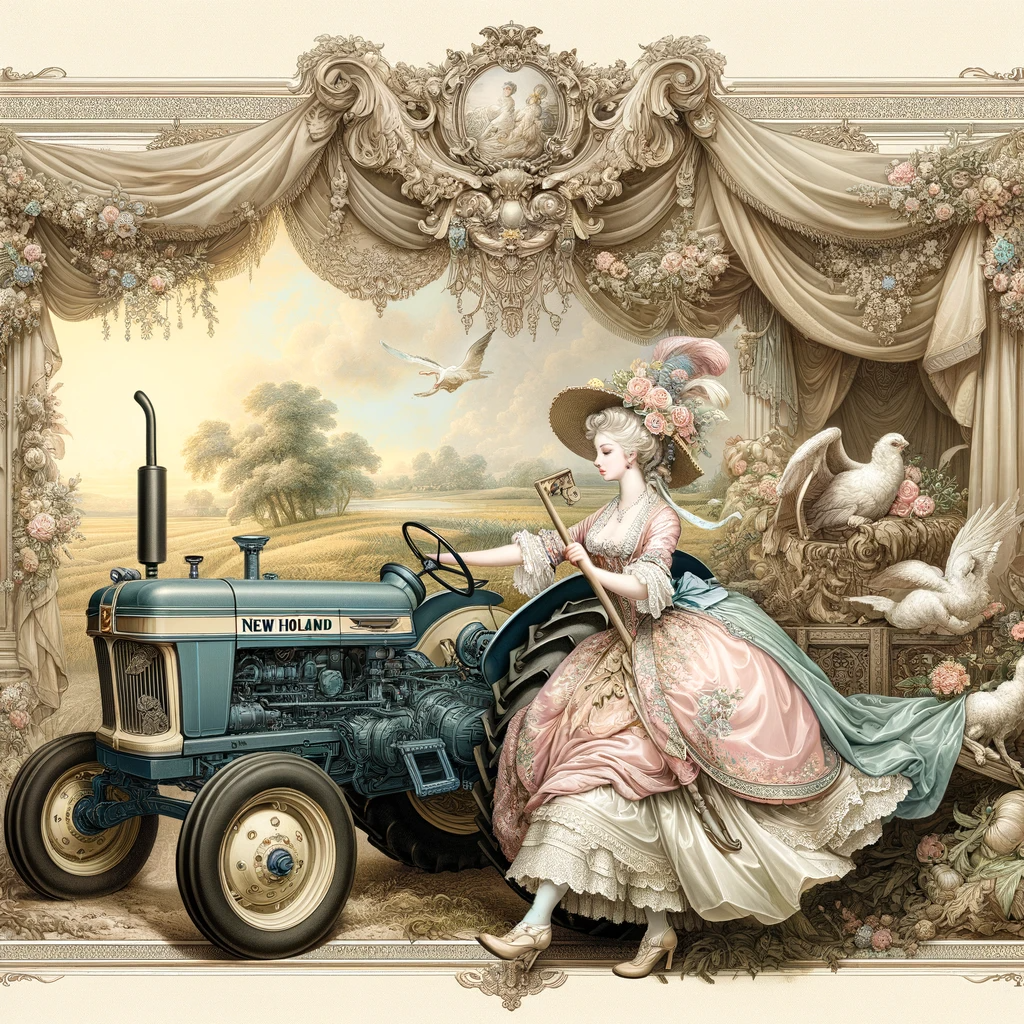
Will The Reliability Of Classic Tractors Save Your Farming Dream – A Poem
The Heartbeat of Fields
In the dawn’s embrace, a classic stands proud,
A tractor, a promise, a legacy loud—
Not just a machine, but a partner in toil,
Humming with memories, wrapped in rich soil.
With every scratch, a story untold,
Of sweat and of dreams, of the brave and the bold.
It whispers of harvests, of family delight,
Of laughter and lessons passed down in the night.
Rational minds seek steadfast design,
Simple mechanics that age like fine wine.
Built not for glamour, but for grit and for grace,
In storms and in sunshine, they carve out their place.
Ethics draw us back—our roots intertwine,
Honoring the earth, a commitment divine.
In each turn of the wheel, a bond softly blooms,
With neighbors beside us, in fields where hope looms.
Oh, the gut knows the magic, the pull of the past,
In the rumble of engines, our spirits are cast.
As dust fills the air and the sun sinks low,
We nurture a culture where respect can grow.
Let us rally together, hand-in-hand, strong,
With tractors as sentinels, we thrive and belong.
For every field turned, and each seed that we sow,
Is a pledge to our legacy—together we grow.
So, embrace the old ways, the stories they tell,
For classic tractors whisper, “All will be well.”
In our hearts, in our heads, let their spirit ignite,
A farming endeavor—our shared beacon of light.
Poem
Checklist
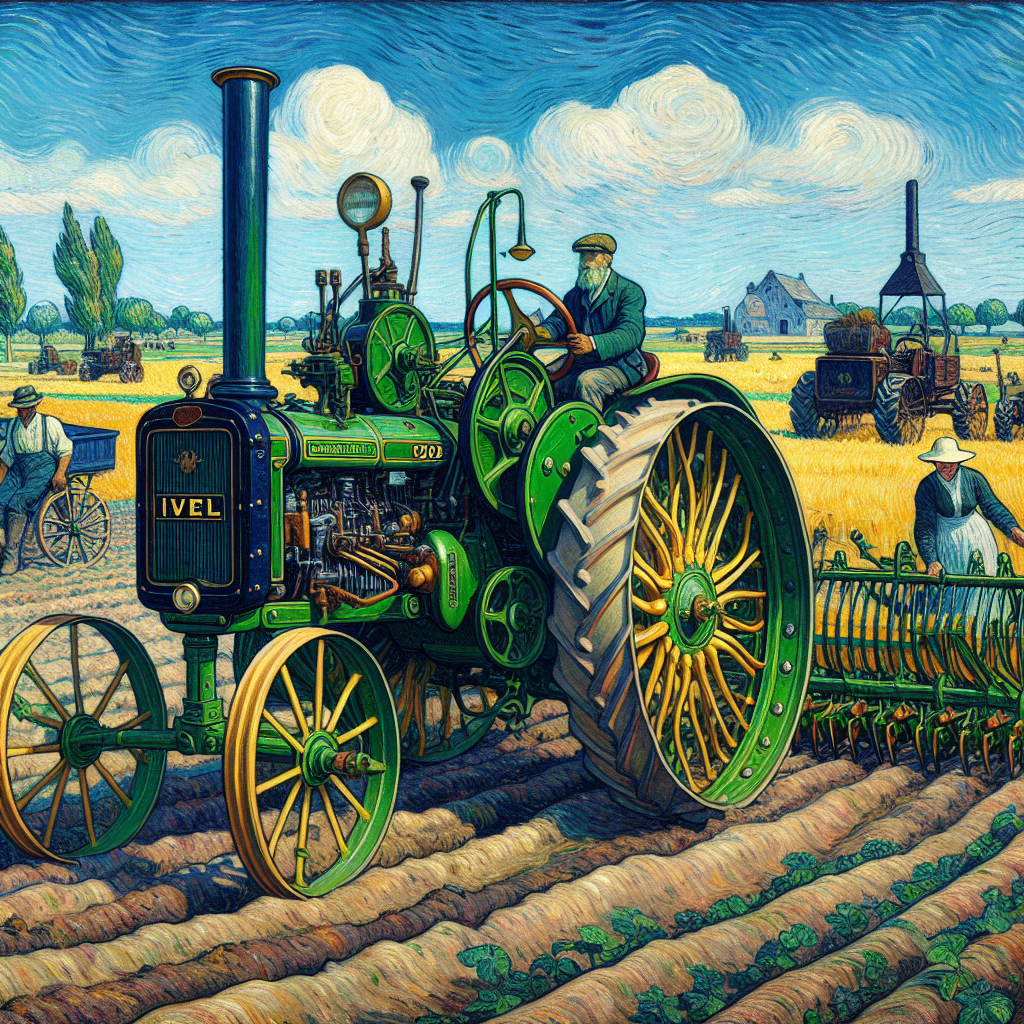
Will The Reliability Of Classic Tractors Save Your Farming Dream – A Checklist
Classic Tractors Checklist: Embracing Your Farming Legacy
Heart: Emotional Appeals
_____ Reflect on Your Memories: Write down a cherished memory associated with farming or a specific tractor.
_____ Share Stories: Talk to family members about their experiences with classic tractors and farming.
_____ Create a Family Tradition: Plan regular gatherings to celebrate farming heritage, incorporating old tractors.
Head: Rational Appeals
_____ Assess Maintenance Needs: List the maintenance requirements of classic tractors versus modern ones.
_____ Evaluate Cost-Benefit: Compare long-term costs of owning a classic tractor versus a new model.
_____ Research Efficiency: Investigate the reliability and performance metrics of classic tractors to support your decision.
Gut: Instinctual Appeals
_____ Feel the Connection: Spend time driving or working with a classic tractor to gauge your emotional response.
_____ Tune into Your Instincts: Reflect on how the presence of classic machinery makes you feel about your farming practices.
_____ Experience the Community: Engage with local farming groups to experience the heritage and camaraderie surrounding classic tractors.
Ethical Appeals
_____ Sustainability Commitment: Research how using classic tractors impacts the environment positively.
_____ Honor Craftsmanship: Reflect on the importance of preserving skilled manufacturing and traditional techniques in modern farming.
_____ Contribute to Community Values: Get involved in local farming initiatives that emphasize sustainable practices and support traditional farming methods.
Authority Appeals
_____ Consult Experts: Reach out to local historians or vintage machinery clubs to gain insights about classic tractors.
_____ Attend Workshops: Join seminars or workshops that focus on the upkeep and benefits of classic tractors.
_____ Read Literature: Gather books or articles that discuss the legacy and impact of classic agriculture tools.
Narrative Appeals
_____ Document Your Journey: Keep a journal of your experiences and thoughts about restoring or using a classic tractor.
_____ Visual Storytelling: Take photos of your tractor and farming journey to capture its story and share it with the community.
_____ Build a Narrative Around Your Farm: Consider how classic tractors contribute to your personal farming story and share that with others.
Social Appeals
_____ Join Local Clubs: Become a member of clubs focused on vintage tractors or sustainable farming.
_____ Participate in Community Events: Attend fairs and gatherings that highlight classic tractors and celebrate agricultural traditions.
_____ Engage on Social Media: Share your passion for classic tractors in online farming communities and connect with like-minded individuals.
Conclusion
Using this checklist, you can explore the multifaceted reasons behind investing in classic tractors while strengthening your connection to the land, your legacy, and the wider farming community. Embrace the journey that honors both past and future.
Checklist
At ClassicTractorNews, we help tractor lovers keep up with the latest news for classic and vintage tractors.
Please share this post with your friends, family, or business associates who may like old classic or vintage tractors.