

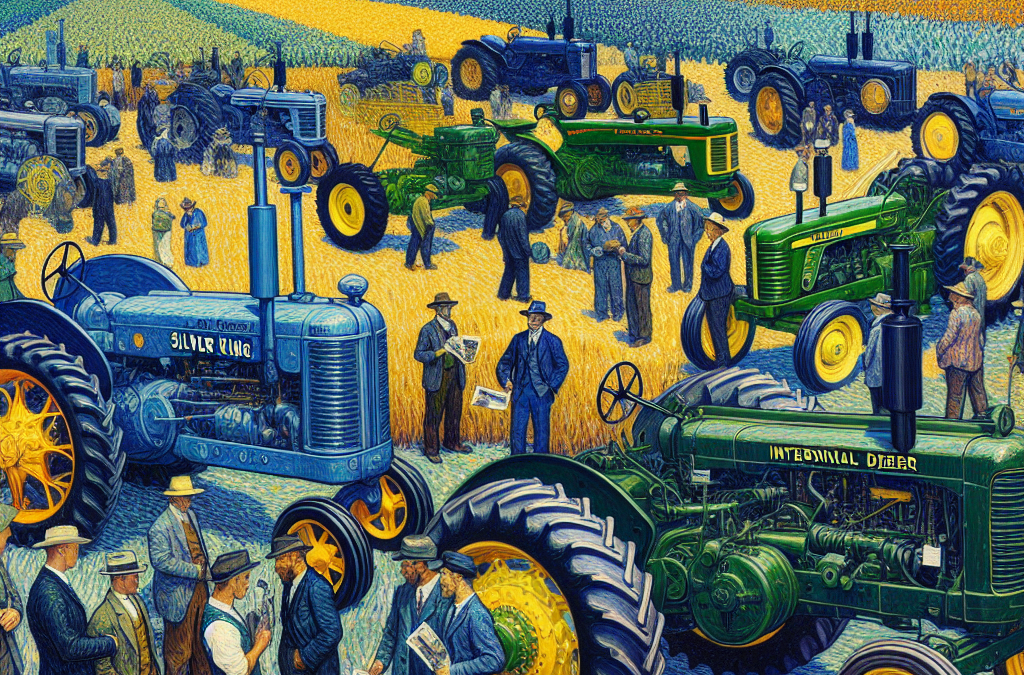
Reviving Tradition: The Power Of Classic Tractors In Uniting Farming Communities
By Tom Seest
At ClassicTractorNews, we help tractor lovers keep up with the latest news for classic and vintage tractors.
Please share this post with your friends, family, or business associates who may like old classic or vintage tractors.
Will Classic Tractors Strengthen Connections In Your Farming Community
?
When you think about the engines that drive a farming community, the mind often wanders to the hulking machinery that tills the soil and harvests the crops. But let’s hit the brakes for a moment and consider one of farming’s most enduring icons: the classic tractor. These robust machines do more than enhance productivity; they’re a bridge—one that links past to present, forging connections between generations of farmers.
Picture a dusty field at dawn, the sun rising over rows of cornstalks. There’s a sense of pride in the air, the same pride that fueled your grandparents as they rode those very tractors to cultivate the land. Classic tractors are a living testament to their hard work and ingenuity, embodying the struggles, triumphs, and traditions that shape your community. They tell stories—stories that remind us of our roots and the soil from which we came. They remind us of the times we spent learning from our parents and grandparents, grasping the steering wheel, and feeling the vibration of those sturdy engines beneath us.
But let’s talk about the rational side of the equation. Classic tractors don’t just connect us to our past; they serve practical purposes in today’s farming landscape as well. Many of these machines are still functional, often better than some modern counterparts, built to last and simple to repair. When community members come together to restore or showcase these tractors, they share skills, advice, and, yes, laughter, reinforcing a sense of social belonging. That shared labor and camaraderie strengthen the threads of connection that tie us to each other.
Ethically, our commitment to preserving these machines fosters a deeper appreciation for the craft of farming itself. They symbolize sustainability and respect for our agricultural heritage. By promoting events like tractor shows or parades, we champion not only the values of our rural communities but also the responsibility we bear to future generations. When we invite families to gather around these machines, we create a space where the youth can learn, ask questions, and appreciate the hard work that comes with the land.
As we remember the humble tractor’s role in our lives, we open the door to richer connections. So dust off that classic beauty collecting rust in the barn, and let’s gather. Let’s share our stories, our skills, and our dreams. You’ll find that the more we connect with our machines, the more we connect with each other. And in doing so, we cultivate a thriving community that’s as strong as the engines that power it.
Will Classic Tractors Strengthen Connections In Your Farming Community
Will Classic Tractors Strengthen Connections In Your Farming Community
- Classic tractors serve as enduring symbols of farming heritage, linking past and present generations.
- They embody the pride and hard work of farmers, reflecting the struggles and traditions of the community.
- Many classic tractors remain functional and are often easier to repair than modern machines.
- Restoration and showcasing of tractors foster community bonding through shared skills and laughter.
- Preserving these machines promotes an appreciation for farming craftsmanship and sustainability.
- Community events like tractor shows encourage youth engagement and learning about agricultural traditions.
- Connecting with classic tractors helps cultivate a stronger, thriving community.
Will Classic Tractors Strengthen Connections In Your Farming Community
Table Of Contents
- Will Classic Tractors Strengthen Connections In Your Farming Community
- How Do Classic Tractors Foster Community Among Farmers?
- Can Restoring A Classic Tractor Spark Local Friendships?
- How Do Classic Tractors Connect Generations In Farming?
- What Ethical Responsibility Do We Have To Preserve Farming Heritage?
- How Do Vintage Machines Tell The Story Of Our Agricultural Past?
- Can Classic Tractors Inspire Sustainable Farming Discussions?
- Conclusion
- Other Resources
- Glossary Of Terms
- Other Questions
- Haiku
- Poem
- Checklist
How Do Classic Tractors Foster Community Among Farmers?
There’s something magical about a classic tractor. It’s not merely a piece of machinery; it’s a living artifact that tells the story of generations. For many farmers, these rugged relics symbolize the unwavering grit and determination that run deep in their soil and spirit. When farmers gather at local shows or pull events, the heartbeats of these tractors echo the rhythm of shared history, bonding them in ways that are as powerful as the engines beneath the hoods.
Imagine a sun-drenched afternoon, the air tinged with the smell of freshly turned earth. Farmers, clad in worn jeans and sun-kissed hats, gather around their gleaming tractors—not just for competition, but for camaraderie. They swap stories, techniques, and old wives’ tales passed down through the years, each tale introduced with a twinkle in the eye and a rough-hewn chuckle. There’s an ethics in their shared respect for these machines, a recognition that their grunt work and commitment to the land is what sustaining communities is all about.
Classic tractors haul more than just crops; they carry the weight of tradition. It’s the sense of responsibility that stirs in your gut when you consider the sustainability of farming practices. When farmers share their experiences restoring these machines, they empower each other to maintain and honor the very tools that helped shape agriculture. This builds not just individual skills but also a collective resilience borne from generations of blood, sweat, and grit.
Through these gatherings, a fabric of trust is woven, stiched tightly by honesty and hard work. In an era where the farming landscape is rapidly changing, the souls of these tractors serve as a touchstone, reminding farmers of their roots. You hear tales of struggles and triumphs, local lore that transforms strangers into friends, neighbors, and allies.
As classic tractors roar to life in a friendly competition, the community rallies, fueled by a shared passion and an understanding that they’re all in this together. It’s about more than horsepower; it’s about heart power. Each machine standing tall represents a legacy—one that assures us that regardless of how modern farming becomes, the essence of farming lies in the connections we forge.
So the next time you see a classic tractor chugging down the road, remember: it’s not just a relic of the past; it’s a bridge to a community fueled by faith, hard work, and mutual respect—a reminder that when we gather around these machines, we are not just preserving history; we are building our future, together.
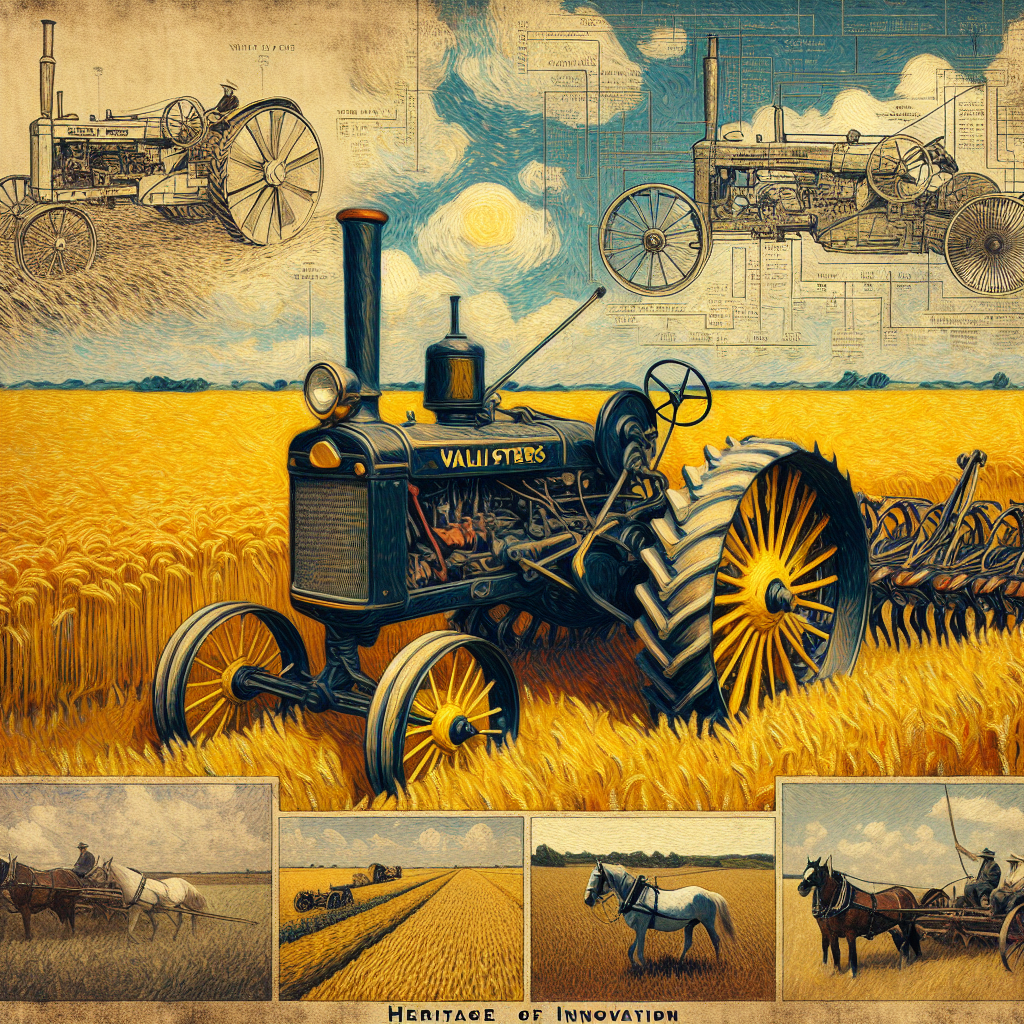
How Do Classic Tractors Foster Community Among Farmers?
How Do Classic Tractors Foster Community Among Farmers?
- Classic tractors symbolize the grit and determination of farmers, serving as living artifacts of agricultural history.
- Farmers bond at shows and pull events, sharing stories and techniques that foster a sense of community.
- These machines represent tradition and responsibility, highlighting the importance of sustainable farming practices.
- Restoring classic tractors empowers farmers, enhancing skills and building collective resilience through shared experiences.
- Gatherings create a fabric of trust, transforming strangers into friends through shared struggles and triumphs.
- Competitions showcase not just the power of tractors but the strength of community spirit and collaboration.
- Classic tractors remind us that preserving history is vital for building a connected future in farming.
How Do Classic Tractors Foster Community Among Farmers?
Can Restoring A Classic Tractor Spark Local Friendships?
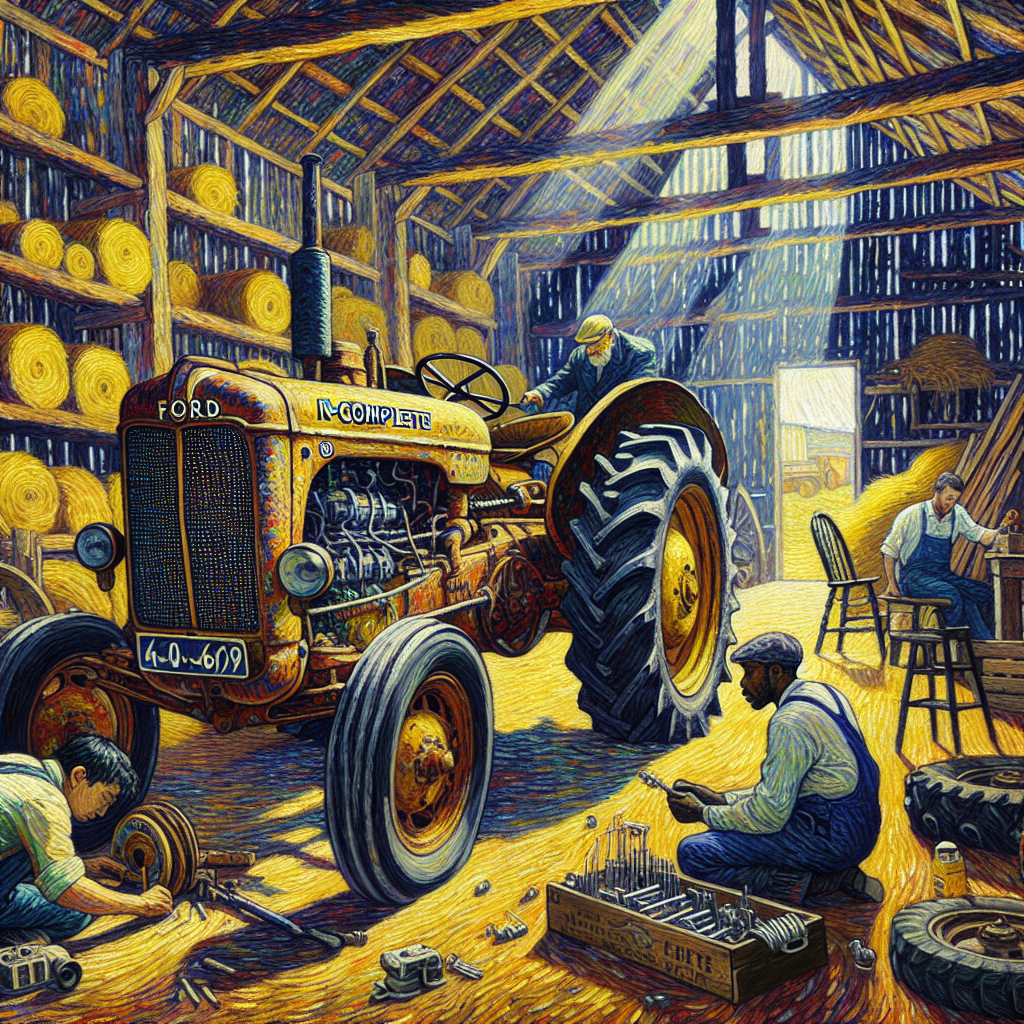
Restoring a classic tractor might seem like a solo endeavor—just you, a toolbox, and the echoing clang of metal against metal. But as you peel back the layers of rust and age, you uncover something much deeper: the potential for friendship in the most unexpected places. This isn’t just about grease-stained hands or resurrecting a machine; it’s about weaving a tapestry of human connection, one bolt at a time.
Picture this: you’re outside, dust swirling in the warm afternoon sun, working on a vintage tractor that has been sitting idle for decades. Every wrench turn not only brings this mighty beast back to life but also pulls on your memories—family stories, old barn dances, and the whispers of neighbors who’ve shared both laughs and burdens over the years. You might find yourself mending more than just metal; you’re revisiting the past and reigniting a sense of community layered beneath years of quiet.
As you dive into your project, the local coffee shop across the street becomes a hub of activity. Someone stops by to admire your work, offering tips or sharing their own stories of restoration. That’s all it takes—a shared interest in vintage machinery—to spark conversations that lead to budding friendships. You discover that the same person who offered a knowing nod over the tractor is also a local historian, a farmer, or even a neighbor with a wealth of wisdom to share. Suddenly, you’re not just restoring a tractor; you’re unlocking a network of camaraderie.
But let’s be honest; it’s not just about forming connections. It’s about the heart that pours into every scrape and polish, the ethical commitment to preserve something meaningful for future generations, and the social network that thrives in these interactions. The respect you earn goes beyond the mechanics; it’s about showing up for each other in a world increasingly disconnected.
In these moments, when you’re covered in grease and laughter, you come to realize that the value of restoring a classic tractor transcends the machine itself. It is a catalyst—it brings people together. So, grab your toolbox and dive in. Extend a hand, and you might just see those connections flourish in wonderful, unexpected ways. Because in the end, underneath all that machinery, it’s truly about cultivating friendships, one restored tractor at a time.
Can Restoring A Classic Tractor Spark Local Friendships?
Can Restoring A Classic Tractor Spark Local Friendships?
- Restoring a classic tractor is more than a solo task; it fosters unexpected friendships.
- Working on a vintage tractor evokes memories and a sense of community.
- The restoration process often leads to conversations and connections with passersby.
- Shared interests in vintage machinery can spark lasting relationships.
- Restoration signifies an ethical commitment to preserving history for future generations.
- Building connections through restoration helps counteract societal disconnection.
- The act of restoring a tractor serves as a catalyst for community and camaraderie.
Can Restoring A Classic Tractor Spark Local Friendships?
How Do Classic Tractors Connect Generations In Farming?
In the heart of the American countryside, classic tractors stand as symbols of a bygone era, yet they continue to create powerful connections across generations in farming. Picture that rusted, yet resilient, piece of machinery sitting quietly in a weathered barn; it’s much more than a mere tractor. For many families, it’s the physical embodiment of their heritage—a testament to the sweat, toil, and triumphs of those who cultivated the land before them.
Every dent and scratch tells a story. It’s the tale of a grandfather who taught a young boy how to plow a field, the two of them laughing and learning as the engine roared to life. That boy, now a man with his own farm, recalls sitting on his granddad’s lap, feeling the vibrations of the tractor beneath him, a rhythm that harkens back to simpler times. This connection isn’t just sentimental; it’s rooted in shared experience and knowledge passed down through generations—a living manual of life lessons and values that underscore the importance of hard work and resilience.
On a rational level, classic tractors serve as continual reminders of farming’s evolution. They allow us to appreciate the advancements in technology while grounding us in the essential skills that have sustained families for generations. Repairing an old tractor teaches problem-solving and creativity; every fix is a remix of past knowledge and modern ingenuity. It’s a dance between old and new, imparting the wisdom of the past into the hands of the present—equipping the next generation not only with tools for the farm but with a sense of pride in knowing where they came from.
Ethically speaking, there’s a responsibility inherent in maintaining these timeless machines. By preserving these tractors, farmers honor their ancestors and the hard work that built their livelihoods. They protect the values of stewardship and sustainability that have defined farming for centuries.
When families gather around their tractors during harvest season, those moments generate enduring bonds—stories and laughter shared over the hum of an engine, revealing the common thread that binds us all. This isn’t just farming; it’s a legacy. So, whether you’re a seasoned farmer or someone curious about the rural life, take a moment to appreciate that classic tractor. Embrace it as a bridge between past and future, for in the soil tilled under its wheels, you’ll find the heartbeat of generations.
How Do Classic Tractors Connect Generations In Farming?
How Do Classic Tractors Connect Generations In Farming?
- Classic tractors symbolize a bygone era, fostering connections across generations in farming.
- For many, these tractors embody family heritage, representing the hard work of ancestors.
- Every dent and scratch narrates personal stories, reflecting shared experiences in agriculture.
- Classic tractors remind us of farming’s evolution, highlighting advancements in technology alongside essential skills.
- Repairing old tractors encourages problem-solving and creativity, blending past knowledge with modern ingenuity.
- Maintaining these machines honors ancestors and promotes values of stewardship and sustainability.
- Gathering around tractors fosters enduring family bonds and celebrates the legacy of farming.
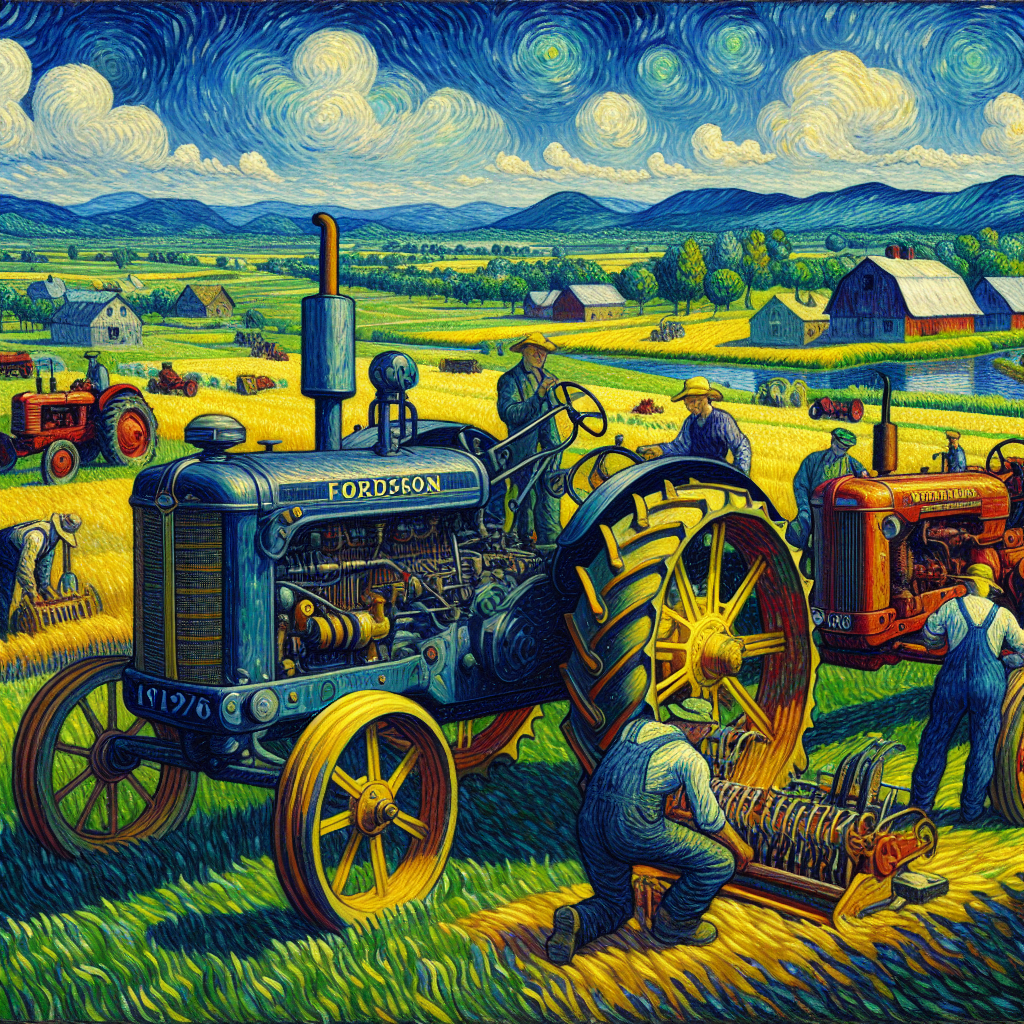
How Do Classic Tractors Connect Generations In Farming?
What Ethical Responsibility Do We Have To Preserve Farming Heritage?
What Ethical Responsibility Do We Have to Preserve Farming Heritage?
As the sun dips low over the horizon, casting a golden hue across the fields, one can’t help but feel the weight of history resting on our shoulders. Every tractor parked in the barn, every plowed row in the earth, tells a story of persistence, resilience, and a bond between generations. These aren’t just machines or crops; they’re symbols of our collective identity. Preserving our farming heritage isn’t merely an act of nostalgia—it’s a moral imperative deeply woven into the fabric of our society.
Let’s consider the gut punch that comes when we witness a family farm being swallowed by urban sprawl. It’s a dismissive nod to progress, and yet, what is lost in that transaction? The knowledge handed down from parent to child about planting and harvest rhythms, the seasonal rituals that bind communities, and the flavors that fill our kitchens with warmth—all of this hangs in the balance. We owe it to our ancestors, and to our descendants, to ensure that the stories of these land stewards live on.
From a rational standpoint, farming practices developed over generations offer solutions to today’s most pressing issues, like food security and sustainability. Think of the established wisdom that informs crop rotation and organic farming. Choosing to uphold these traditions isn’t merely about saving a way of life; it’s an actionable pathway toward a healthier planet. By respecting and protecting farming heritage, we provide farmers with the tools needed to combat modern challenges, turning the tide for communities hanging by a thread.
Ethically, it’s crucial to recognize that farming heritage is not a relic of the past; it’s a living legacy that requires active stewardship. In this age of rapid technological advancement, we must ensure that the irreplaceable skills and methodologies of traditional farming aren’t lost in the rush for automation. Like the strong, dependable tractor that carries the burden of untold, sweaty labor, our commitment to preserve this heritage carries equal weight.
Lastly, let’s not forget the social fabric vibrant across rural communities, where neighbors gather for harvest festivals and potlucks celebrating local produce. These bonds, built on shared experiences and communal labor, embody a spirit of unity we need more than ever in a fragmented world. When we invest in preserving farming heritage, we’re not just saving acres of land—we’re nurturing the connections that make us human. So let’s roll up our sleeves, honor that heritage, and cultivate a future that respects our past while growing toward a better tomorrow.
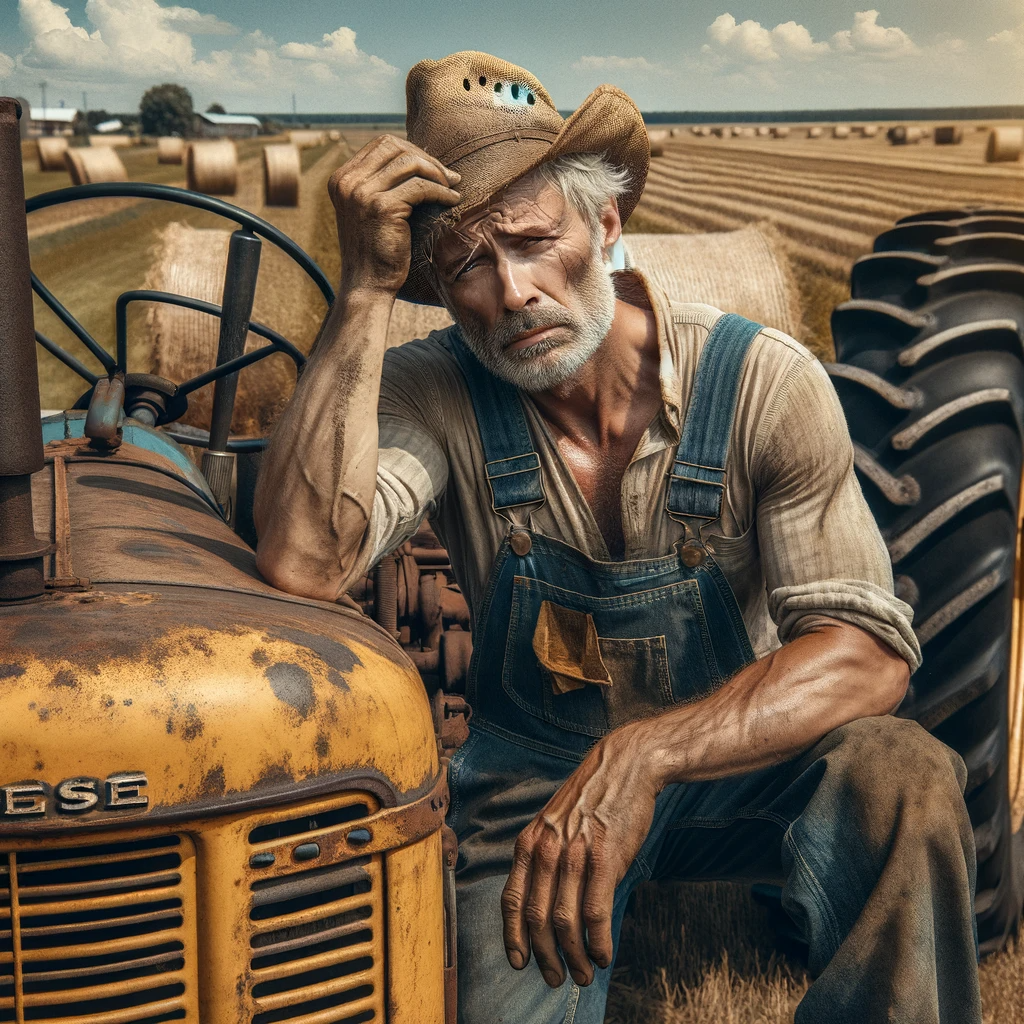
What Ethical Responsibility Do We Have To Preserve Farming Heritage?
What Ethical Responsibility Do We Have To Preserve Farming Heritage?
- Preserving farming heritage is a moral imperative and part of our collective identity.
- The loss of family farms to urban sprawl risks erasing knowledge and traditions passed down through generations.
- Traditional farming practices provide solutions for modern issues like food security and sustainability.
- Upholding farming traditions is an actionable pathway to a healthier planet.
- Farming heritage is a living legacy that requires active stewardship amidst rapid technological advancement.
- Community bonds, fostered through shared experiences like harvest festivals, are essential for social unity.
- Investing in farming heritage nurtures human connections while fostering respect for both the past and future.
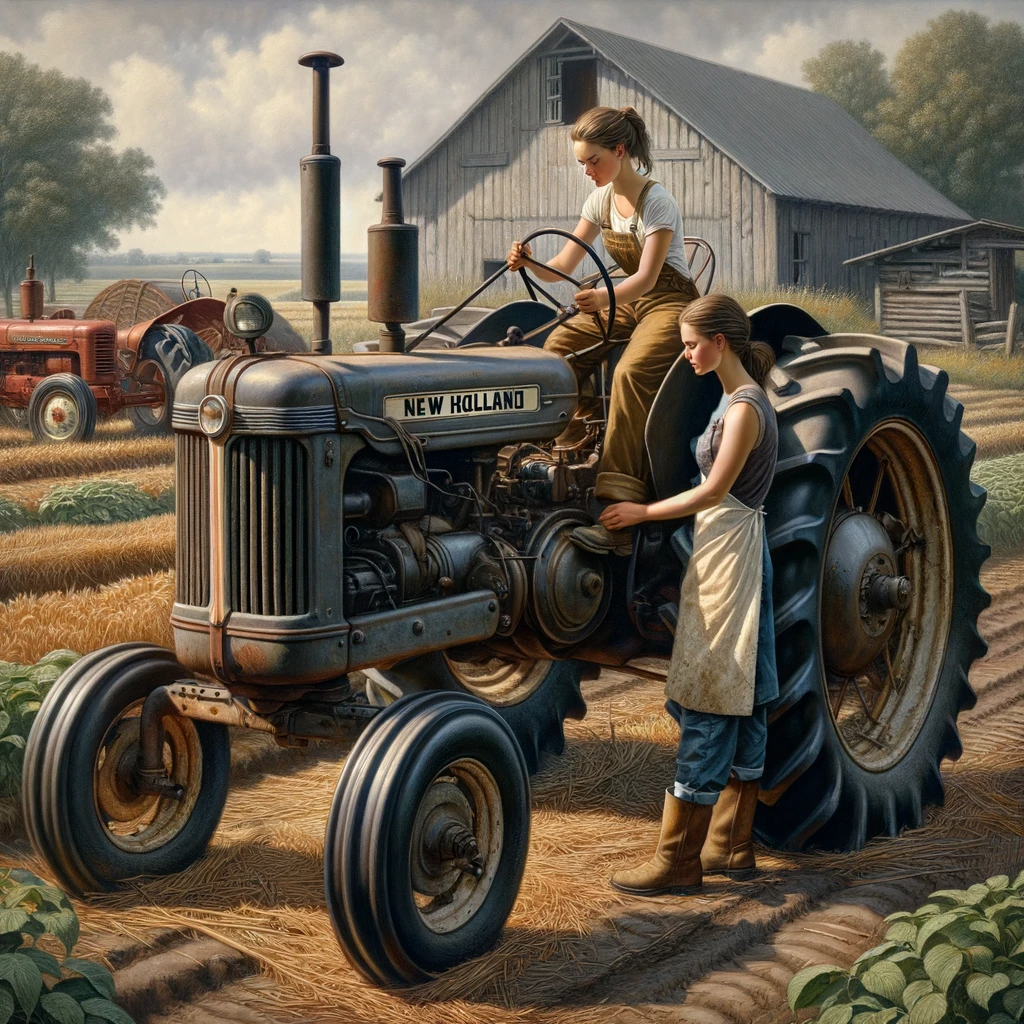
What Ethical Responsibility Do We Have To Preserve Farming Heritage?
How Do Vintage Machines Tell The Story Of Our Agricultural Past?
In the quiet embrace of a sun-kissed field, amidst the rustling whispers of the wind, stands an old tractor—a monument to the toil and triumph of generations past. This vintage machine isn’t just a relic; it’s a storyteller, harboring secrets and stories imprinted in its worn-out frame. Each scratch and dent on its surface tells tales of relentless harvests and the hands that guided it through storms and sunrises. As you run your fingers along the cold metal, you can almost hear the laughter of children playing nearby, the grunts of labor as farmers worked from dawn till dusk, and the sweet satisfaction of a hard-earned day’s work.
What strikes you most isn’t merely the size of the tractor or its outdated technology, but rather the inner strength embodied within. This machine represents a commitment to the land—an ethical bond between humans and nature that’s often overlooked in our fast-paced, tech-driven world. When we look back with reverence at these vintage marvels, it allows us to reflect on our roots and reassess our relationship with the earth. This contact with history urges us to think critically about the methods and madness of contemporary agriculture. What have we sacrificed in our haste for efficiency? As our fields grow ever more reliant on automation and big machinery, are we losing sight of what truly matters: connection, care, and community?
The tales spun by these vintage tractors resonate deeply. They are not just symbols of agriculture but of perseverance and pride. They remind us that the heart of farming lies not in the machines themselves but in the camaraderie of farmers working side by side, united by purpose. Behind the steering wheel of these tractors sat fathers, mothers, and even children who understood the rhythm of the seasons and the cycles of life. These machines carry the weight of those who came before, and in them, we recognize our shared heritage.
As we honor these vintage giants, we’re called to action, to advocate for farming practices that respect both the land and the laborers who nurture it. Rebuilding a strong connection to our agricultural past could prove invaluable for our future. So next time you spot a rusty tractor, take a moment. Listen closely. The stories are still there, waiting to inspire a new generation to honor the earth and embrace sustainable practices that uphold the very values forged in those dusty fields.
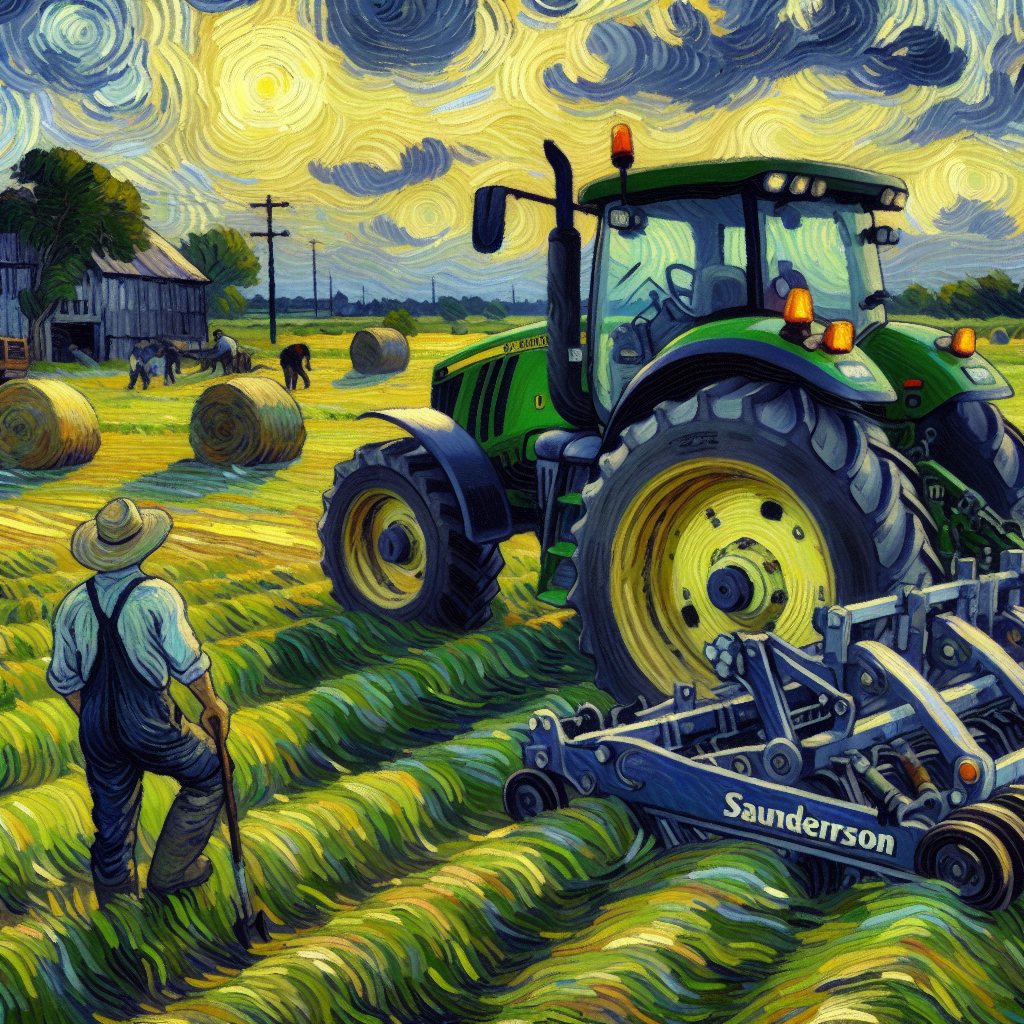
How Do Vintage Machines Tell The Story Of Our Agricultural Past?
How Do Vintage Machines Tell The Story Of Our Agricultural Past?
- An old tractor in a sun-kissed field symbolizes the toil and triumph of past generations.
- The vintage machine serves as a storyteller, reflecting the history and experiences of its use.
- Every scratch and dent conveys tales of hard work, community, and the cycles of life.
- The tractor embodies a commitment to the land, highlighting an ethical bond between humans and nature.
- Reflecting on these machines prompts critical thoughts about modern agricultural practices and efficiency.
- These tractors represent perseverance and pride, reminding us of the camaraderie among farmers.
- Honoring vintage tractors encourages advocacy for sustainable farming practices that respect both land and labor.
How Do Vintage Machines Tell The Story Of Our Agricultural Past?
Can Classic Tractors Inspire Sustainable Farming Discussions?
Picture a sun-soaked field, gleaming under a vast, blue sky, where the distinctive silhouette of a classic tractor stands proudly amidst the golden grains. It’s not just a relic of a bygone era; it’s a symbol of the agricultural spirit that shaped our very existence. Farmers of old understood that this sturdy machine, built for hard work, was more than just a tool—it was a partner in the noble quest to nurture the land. And today, reflecting on these classic tractors can offer us profound insights into the future of sustainable farming.
Let’s take a moment to appreciate what these machines represent. They embody not only the grit of generations past but also the continuity of traditions that form the backbone of our food system. Each rusted gear and weathered paint stroke carries stories of perseverance, reminding us that while technology evolves, our commitment to stewardship must remain steadfast. This connection—between the past and the present—calls us to consider how we treat our earth today and for generations to come.
Rationally speaking, the principles that guided farmers in the age of classic tractors still apply. They knew that healthy soil and responsible farming practices are essential for future yields. In a time when factory farming and industrial practices seem to dominate, these tractors can shift our discussions towards regenerative agriculture—practices that restore rather than deplete. The small-scale, sustainable methods of our ancestors can certainly inspire today’s farmers to innovate responsibly.
On an ethical level, we owe it to ourselves and the planet to critically evaluate our choices. Isn’t it our duty to ensure that future generations inherit not just technology, but an environment rich in resources? By embracing the venerable lessons of the past, we can foster a deeper emotional connection to the land and the art of farming.
Socially, conversations around sustainability can be woven into our communities. Let’s gather around these classic tractors, share stories, and spark dialogue about modern practices that respect the earth’s finite bounty. When we unite our voices, drawing inspiration from these enduring machines, we create a movement that echoes through fields and generations.
So, as we plow forward into the future of agriculture, let’s not forget the profound wisdom embodied in those classic tractors. They remind us that with every turn of the wheel, we’re not just cultivating crops, but also the ethical, rational, emotional connections that bind us to the land and to each other. The road to sustainable farming isn’t just technical—it’s deeply human.
Can Classic Tractors Inspire Sustainable Farming Discussions?
Can Classic Tractors Inspire Sustainable Farming Discussions?
- A classic tractor symbolizes the agricultural spirit and the partnership of farmers in nurturing the land.
- These machines represent traditions that form the backbone of our food system, reflecting perseverance through generations.
- The principles of past farmers emphasize healthy soil and responsible practices, relevant today amid industrial farming.
- Classic tractors can inspire a shift towards regenerative agriculture and sustainable methods.
- We have an ethical duty to ensure future generations inherit a rich environment and a strong connection to the land.
- Community conversations about sustainability can be sparked by sharing stories around classic tractors.
- The journey to sustainable agriculture combines technical knowledge with the human connections that unify us to our land.
Can Classic Tractors Inspire Sustainable Farming Discussions?
Conclusion
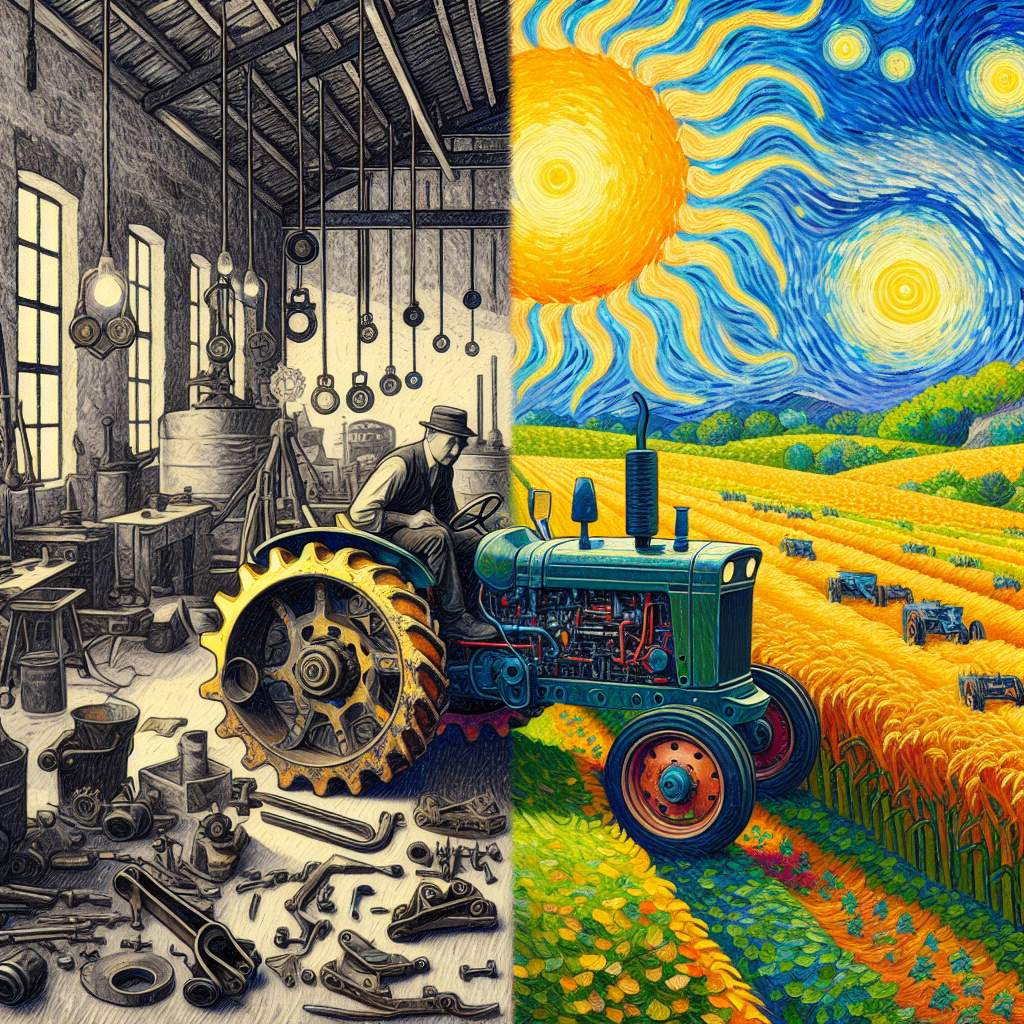
As we draw a line in the dirt and look back at the magnificent legacy of classic tractors, it’s clear that these rugged machines are more than mere relics; they are the heartbeat of our farming communities. They hold within their rusty frames the spirit of generations—the sweat, the laughter, and the lessons that have shaped our agricultural identity. Think about it: each dent, each scar, is not just a flaw; it’s a story, a testament to resilience and commitment that transcends time. Every farmer who climbed aboard one of these beasts wasn’t just working the land—they were nurturing a bond with their roots, intertwining their lives with the earth in ways that new machinery often overlooks.
But there’s more than nostalgia at play here. When we gather around our classic tractors, we’re engaging in acts of preservation that enhance our communities. The emotional connections forged during tractor restoration nights or local shows manifest into friendships that help to stitch together the rich tapestry of rural life. Shared laughter, problem-solving, and the exchange of skills foster a sense of belonging that extends beyond the mechanics of farming—it’s about the ethics of our existence and the stewardship of our shared heritage.
On a rational level, these machines remind us of enduring farming practices that prioritize not just productivity, but sustainability. The wisdom embedded in the maintenance of classic tractors teaches us that the past offers invaluable lessons for addressing today’s agricultural challenges. Each time we restore a tractor, we are also reviving the values of persistence and hard work that our ancestors instilled in us, reinforcing the notion that farming isn’t just a profession—it’s a way of life, rich with relational depth and purpose.
From a social perspective, gathering around these vintage tractors empowers our communities and sparks essential conversations about sustainability. As we reminisce and share stories, we take a vital step toward acknowledging our past while envisioning our future in agriculture. Connecting with these machines isn’t simply about maintaining a nostalgic link; it’s about cultivating a community that respects tradition and embraces innovation in sustainable practices.
So, let’s remember: when we brush the dust off that old tractor, we’re breathing life into not just the machinery, but into friendships, legacies, and an ethical commitment to the land that binds us all. Each time we fire up those engines, we are not only honoring our past but laying the groundwork for a future that respects our agricultural heritage, nurturing the connections that make our farming communities not just survive, but thrive. Grab that grease-stained tool, gather your fellow farmers, and let’s celebrate the beauty of connection, one classic tractor at a time.
Conclusion
Conclusion:
- Classic tractors are essential to farming communities, representing a rich legacy of agricultural identity.
- Each mark on a classic tractor symbolizes a story of resilience and commitment, connecting farmers to their roots.
- Restoration events foster emotional bonds and friendships that strengthen rural community ties.
- Classic tractors embody enduring farming practices that emphasize sustainability alongside productivity.
- Restoring tractors teaches invaluable lessons about hard work and persistence, reinforcing farming as a meaningful way of life.
- Gathering around classic tractors initiates important discussions about sustainability and the future of agriculture.
- Engaging with classic tractors honors the past while nurturing connections that support thriving farming communities.
Conclusion
Other Resources
Other Resources
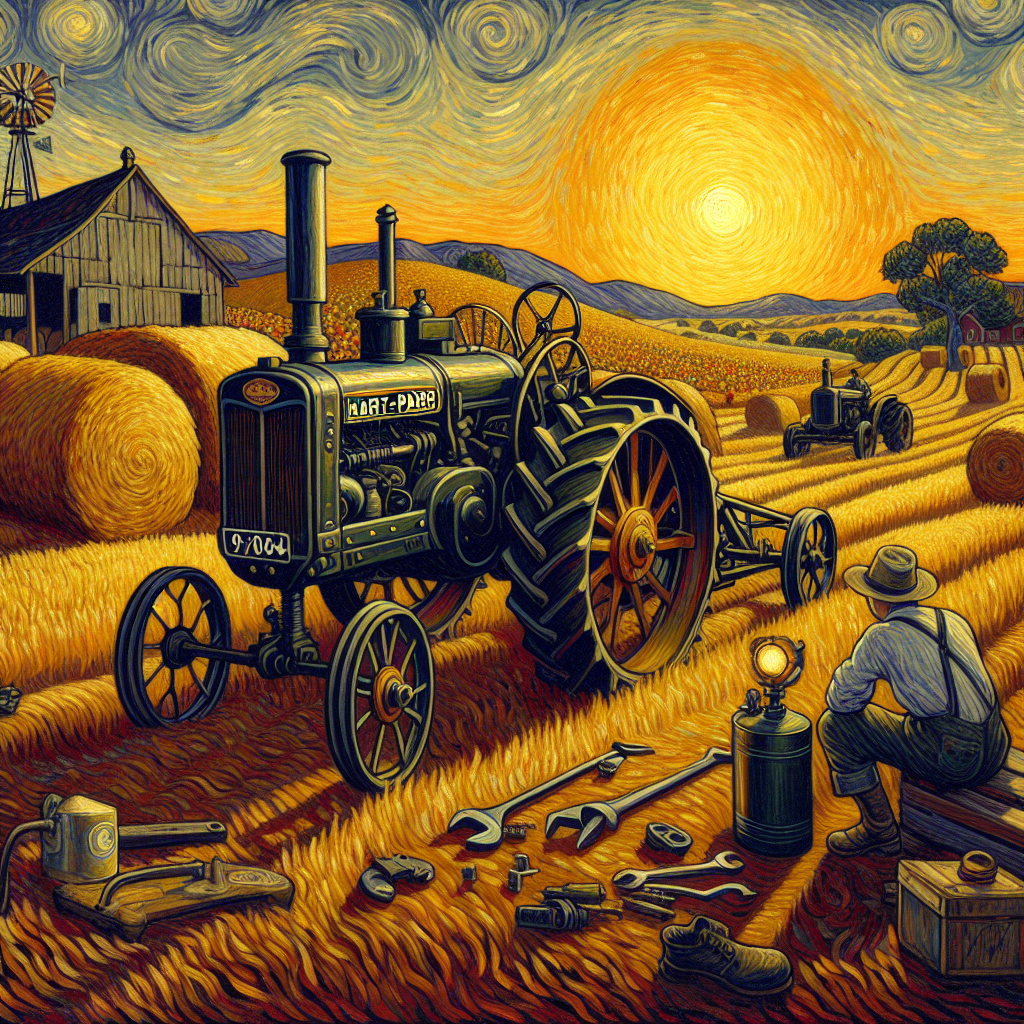
Here is a list of other resources you can review online to learn more:
- Long
- Parrett
- Woods & Copeland
- First State Antique Tractor Club
- Fordson
- Rutherford County Farm Museum
- Wetmore
- Chamberlain
- The National Farm Machinery Show
- Kioti Tractors
Use This Prompt To Get More Resources With Your Favorite Online AI Tool: Please provide me with a list of online articles with their URLs in a bulleted list that I can read regarding Will Classic Tractors Strengthen Connections In Your Farming Community
Other Resources
Glossary Terms
Will Classic Tractors Strengthen Connections In Your Farming Community – Glossary Of Terms
1. Agriculture: The science or practice of farming, including cultivation of soil and rearing of animals for food, fiber, and other products.
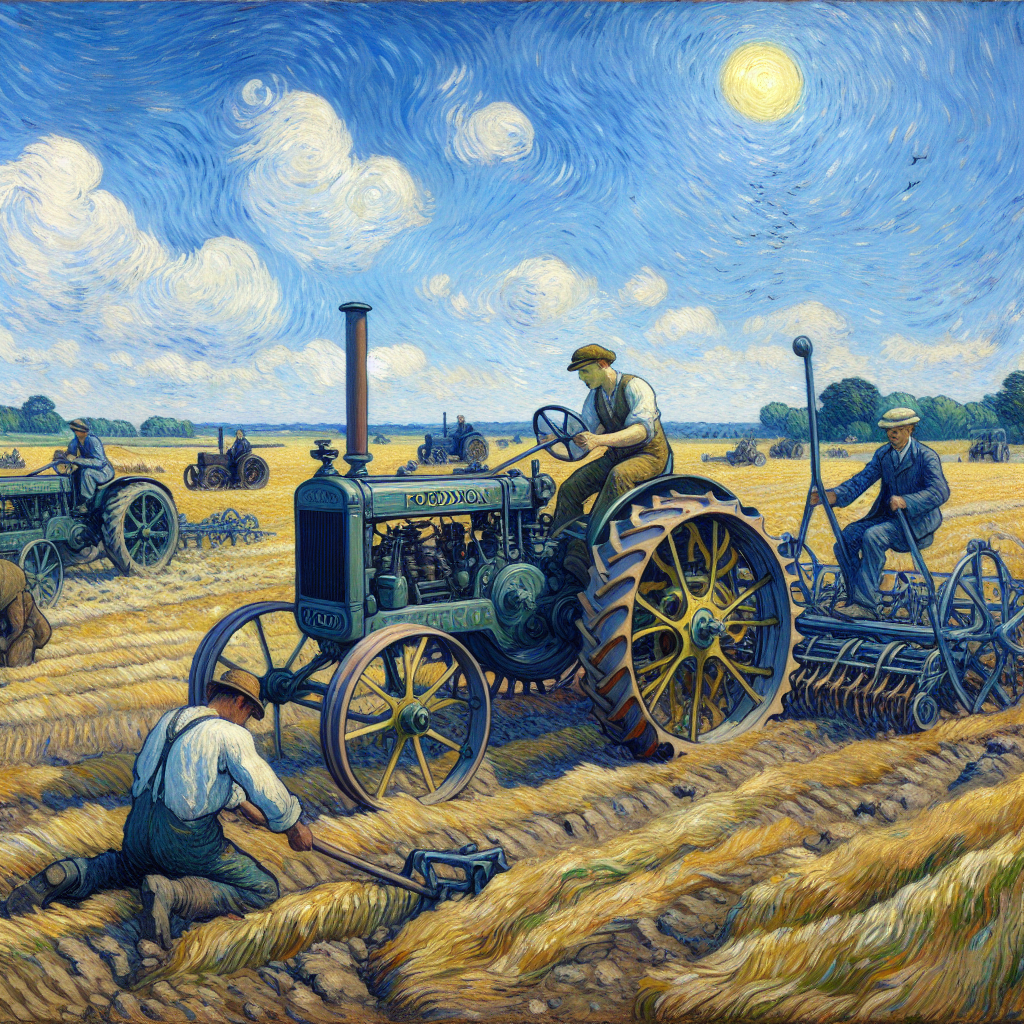
2. Classic Tractors: Older models of tractors that have been preserved or restored, often valued for their vintage design and historical significance.
3. Community: A group of individuals who share a common interest or connection, often residing in the same geographical area.
4. Camaraderie: A spirit of friendship and community among individuals who share similar interests, such as farming practices.
5. Restoration: The process of returning a classic tractor to its original condition or enhancing it while preserving its historical aspects.
6. Heritage: The legacy of cultural practices and historical artifacts from past generations, including farming techniques and equipment.
7. Meetups: Gatherings of individuals with similar interests, often organized to share experiences, advice, and camaraderie surrounding classic tractors.
8. Sustainability: Practices in agriculture aimed at meeting current needs without compromising the ability of future generations to meet their own needs.
9. Networking: The process of forming mutually beneficial relationships among individuals or groups, often to exchange knowledge and resources.
10. Showcase Events: Organized displays or exhibitions featuring classic tractors, allowing enthusiasts to view and interact with them.
11. Farming Techniques: Methods and strategies used in agricultural production, which may include equipment operations and cultivation practices.
12. Restoration Communities: Groups dedicated to the preservation and restoration of classic agricultural machinery and tractors.
13. Networking: The establishment of mutually beneficial relationships, helping individuals to share knowledge, resources, and support.
14. Farmers’ Market: A venue where local farmers sell their products, which can foster community connections and enhance local farming economies.
15. Show & Shine: An event where owners of classic tractors display their machines for judging and public appreciation, promoting community pride.
16. Workshops: Educational sessions that focus on the skills and knowledge needed for farming practices, including tractor maintenance and restoration.
17. Vintage: Items or practices associated with a particular era, often considered classic or of high quality, such as vintage tractors.
18. Collaborative Farming: A practice where farmers work together to share resources, knowledge, and equipment, increasing community cohesion.
19. Tractor Clubs: Organized groups that unite classic tractor enthusiasts, providing opportunities for social interaction and sharing information.
20. Farming History: The study and preservation of agricultural practices and machinery from the past, which can connect generations of farmers.
21. Equipment Exchange: The practice of sharing or trading farming equipment among community members to foster collaboration.
22. Harvest Festival: An event celebrating the harvest season, where community members can showcase their produce and farming equipment.
23. Mentorship: The guidance provided by experienced farmers to newer or younger members of the farming community, fostering knowledge sharing.
24. Sourcing Local: The practice of purchasing goods and services from local producers, strengthening local economies and communities.
25. Rural Identity: The sense of belonging and distinctiveness derived from living in rural areas and engaging with agricultural practices.
26. Community Supported Agriculture (CSA): A model where consumers buy shares in a farm’s harvest, creating a direct connection between producers and consumers.
27. Social Media: Digital platforms used to connect individuals and share farming experiences, stories, and restorations related to classic tractors.
28. Field Days: Events held on farms to educate the public about agricultural practices, often showcasing various equipment, including classic tractors.
29. Restoration Projects: Community efforts aimed at refurbishing classic tractors, promoting teamwork and shared goals among participants.
30. Legacy: The lasting impact or contribution of individuals or practices to future generations, particularly in relation to farming techniques and equipment.
Glossary Of Terms
Other Questions
Will Classic Tractors Strengthen Connections In Your Farming Community – Other Questions
If you wish to explore and discover more, consider looking for answers to these questions:
- What are some examples of classic tractors that are popular in farming communities?
- How have classic tractors evolved over the years?
- What practical benefits do classic tractors offer compared to modern tractors?
- How can communities promote events focused on classic tractors?
- What are the best practices for restoring a classic tractor?
- How can classic tractors contribute to educational programs for youth in farming?
- What role do tractor shows and parades play in strengthening community ties?
- How can restoring classic tractors lead to unexpected collaborations among farmers?
- What resources are available for farmers interested in classic tractor restoration?
- How do vintage machines influence the perception of modern farming among younger generations?
- What stories are commonly associated with specific classic tractor models?
- How can communities ensure the preservation of farming heritage beyond classic tractors?
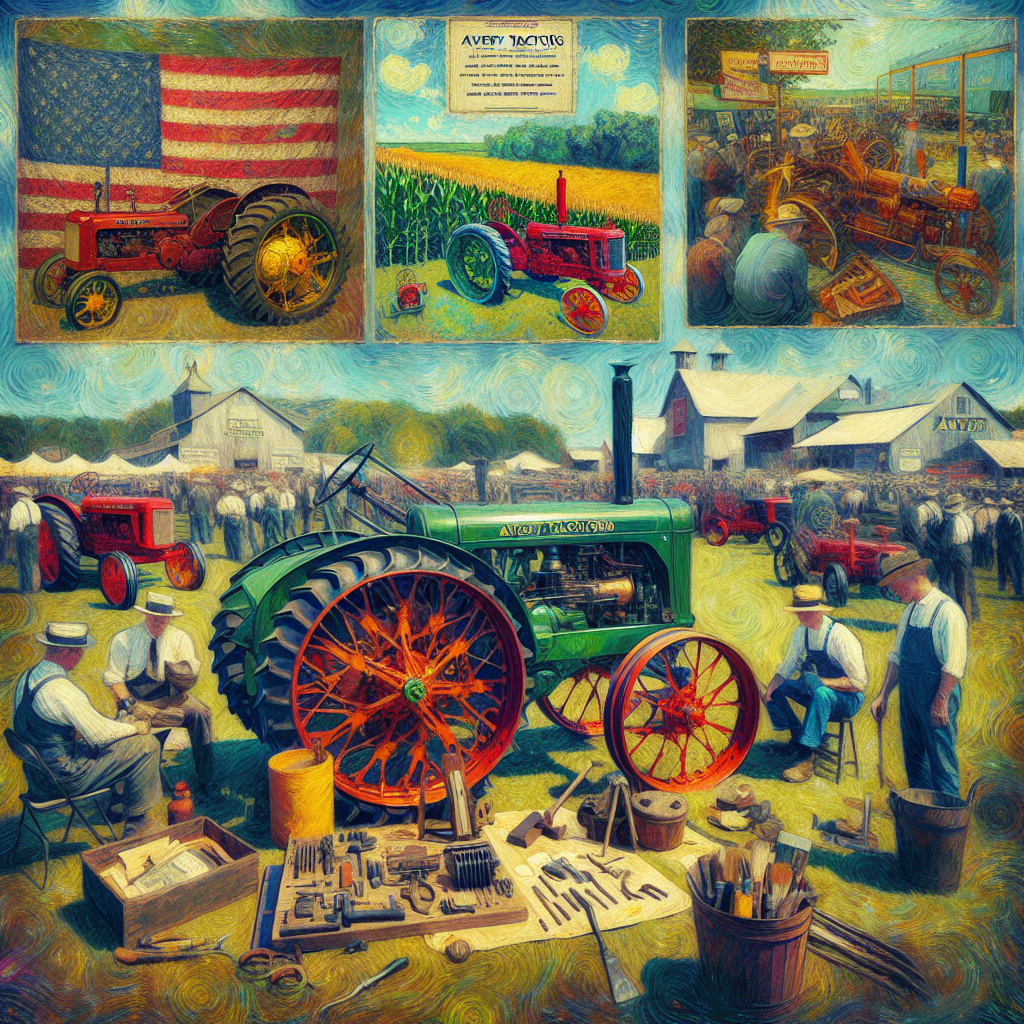
Other Questions
Haiku
Will Classic Tractors Strengthen Connections In Your Farming Community – A Haiku
Rusty giants stand tall,
Sharing tales through time and toil—
Roots of farming bloom.

Haiku
Poem
Will Classic Tractors Strengthen Connections In Your Farming Community – A Poem
Steel Hearts & Harvested Dreams
In fields where sun-kissed shadows play,
Classic tractors stand, come what may—
A bridge of metal, worn but grand,
Linked by stories, a legacy planned.
They hum with whispers of olden days,
Where grandfathers taught in sun-lit rays,
With laughter and grit, through mud they toiled,
In engines’ roar, their spirits coiled.
These machines, tired yet strong,
Speak of the past where we all belong.
Each dent tells tales of sweat and pride,
Of generations working side by side.
Rusty embrace, yet they still endure,
Functional marvels, solutions that cure.
In barns alive with community’s cheer,
Friendships bloom where machines draw near.
Together we restore, laugh, share, and mend,
Building a net of connections—no end.
Every wrench turned, a bond redefined,
In oil-stained hands, our futures entwined.
But beyond the tractors, we’ve a noble task,
To honor the earth—this we must ask:
How do we nurture, preserve, and defend
The heritage that farmers recommend?
For as we gather in fellowship bright,
We must forge ahead, keep sustainability in sight.
With classic steel as our guiding light,
We plant the seeds of communal might.
So next time you see those marvels of yore,
Remember they’re more than iron galore—
They’re vessels of history, ethics, and ties,
Uniting our hearts beneath endless skies.
In this farming tapestry, woven with care,
Steel hearts and harvested dreams fill the air,
With every revival, we echo anew,
Classic tractors and communities too.
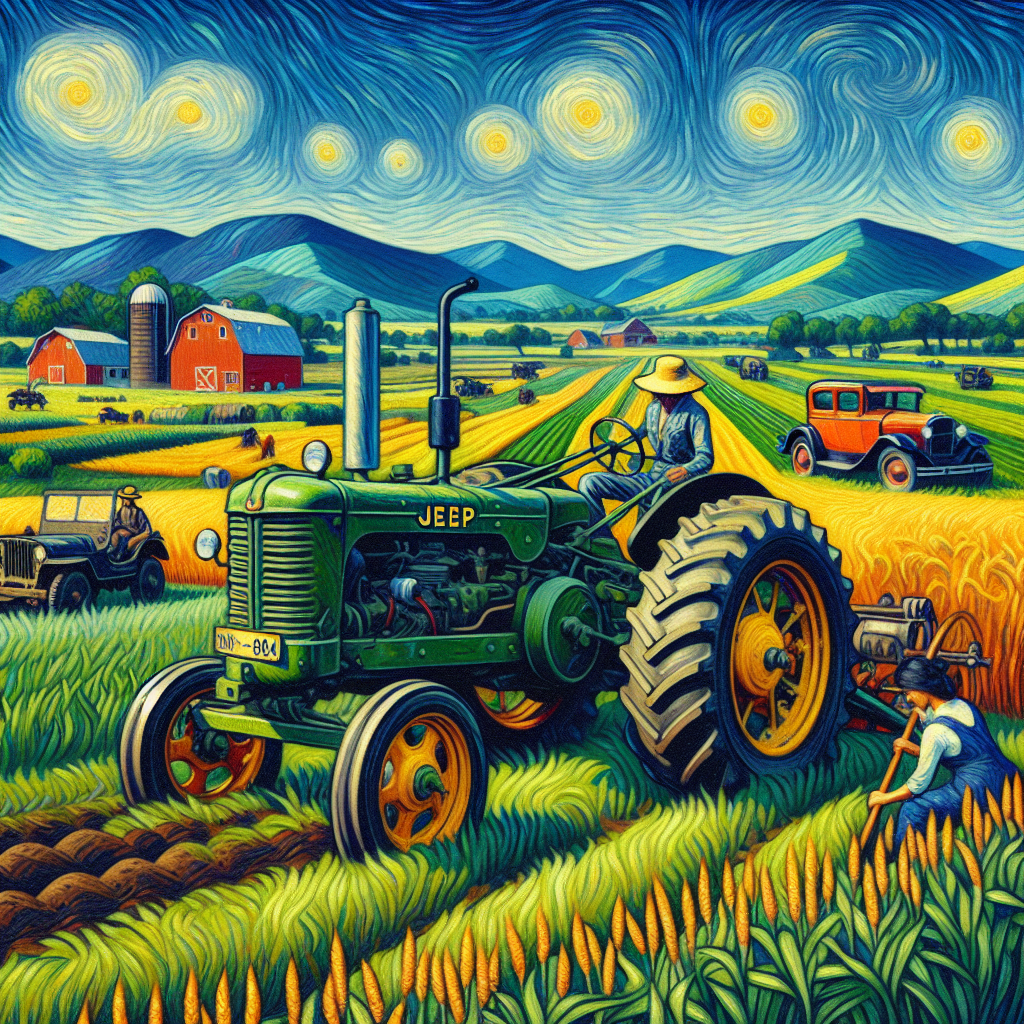
Poem
Checklist
Will Classic Tractors Strengthen Connections In Your Farming Community – A Checklist
Classic Tractors and Community Connection Checklist: Strengthening Your Farming Community
Emotional Appeal: Bridging Hearts
1. Share a Tractor Story: Write down a memorable story involving a tractor from your life or your family’s history.
2. Create a Memory Lane: Organize a local gathering where farmers share anecdotes about their first tractors or their family’s farming traditions.
3. Legacy Project: Start a scrapbook or digital archive for your community, compiling stories and photos of classic tractors.
Rational Appeal: Logical Connections
4. List Functional Uses: Identify practical tasks where classic tractors excel compared to modern machines—are they easier to repair? More reliable?
5. Assess Skills Sharing: Organize workshops for community members to learn restoration skills or equipment maintenance.
6. Explore Modern Application: Investigate how traditional techniques used with classic tractors can be applied to modern sustainable farming practices.
Ethical Appeal: Responsibility for Heritage
7. Farming Heritage Day: Plan an annual event to celebrate local farming history and the role classic tractors play in it.
8. Support Preservation Efforts: Collaborate with local organizations focused on preserving farming history—consider volunteering or donating.
9. Youth Engagement Program: Develop a program that invites youth to participate in tractor restoration projects, fostering a sense of responsibility for preserving heritage.
Authority Appeal: Seek Guidance
10. Invite Experts: Arrange talks or demonstrations by local historians or farming experts to discuss the impact of classic tractors on agriculture.
11. Field Trips: Set up visits to local museums or restoration shops specializing in vintage tractors to learn from professionals.
12. Create a Resource List: Compile and share books, websites, and documentaries that discuss classic tractors and sustainable farming practices.
Narrative Appeal: Shared Experiences
13. Documentary Project: Start a community project that records video interviews of local farmers sharing their experiences with classic tractors.
14. Tractor Tales Night: Host a storytelling night focused on the legends surrounding farming in your community, emphasizing the importance of classic tractors.
15. Community Recipe Book: Gather recipes from local families that are tied to harvest seasons, celebrating the agricultural identity strengthened by classic tractors.
Social Appeal: Building Connections
16. Tractor Show Participation: Join or organize local classic tractor shows where community members can come together to showcase their machines.
17. Build a Friendship Network: Create a dedicated social media group or online forum for farmers and enthusiasts to discuss restoration tips and share camaraderie.
18. Potluck Gatherings: Host seasonal potlucks where farmers bring dishes made from their harvests, emphasizing the relationships built through shared agriculture.
Use this checklist as a guide to not only celebrate the legacy of classic tractors in your farming community but also to strengthen the bonds that hold it together. Each point offers a way to connect emotionally, rationally, ethically, and socially with the rich culture of agriculture and the enduring legacy of these powerful machines.
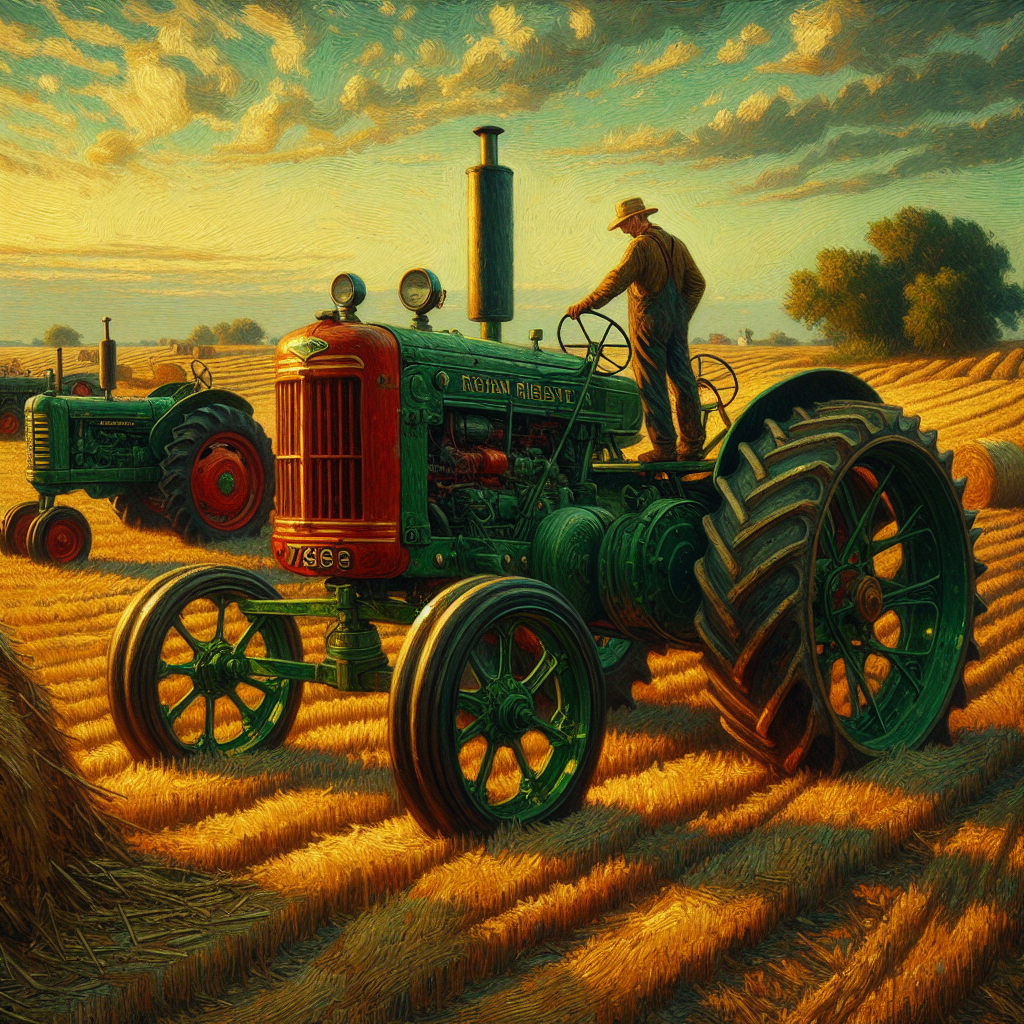
Checklist
At ClassicTractorNews, we help tractor lovers keep up with the latest news for classic and vintage tractors.
Please share this post with your friends, family, or business associates who may like old classic or vintage tractors.