

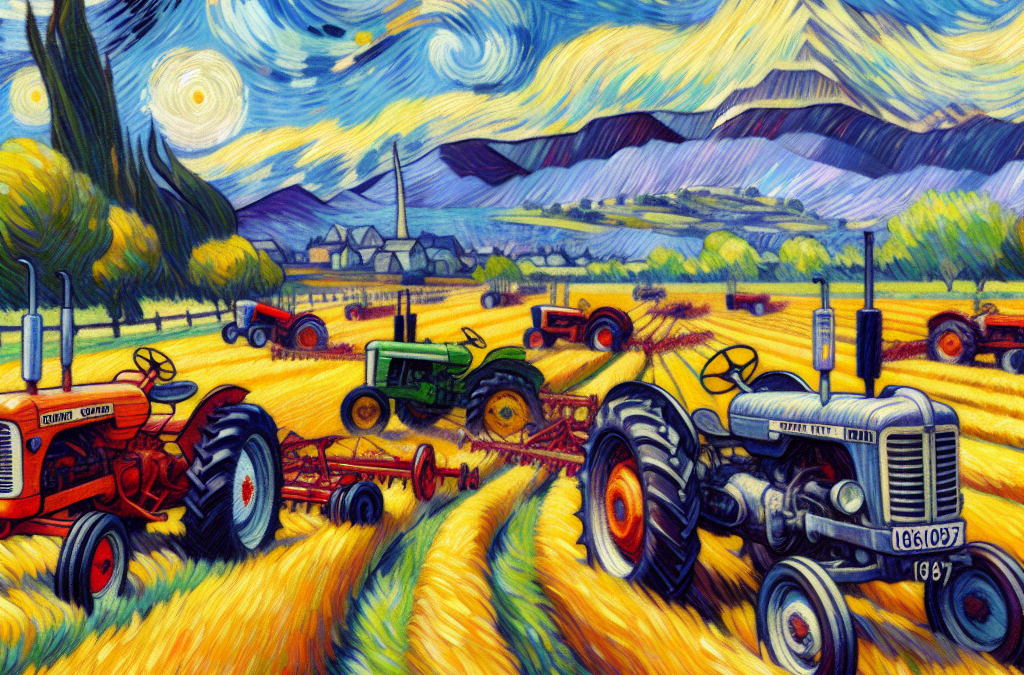
Discover How A Classic Tractor Can Transform Your Routine
By Tom Seest
At ClassicTractorNews, we help tractor lovers keep up with the latest news for classic and vintage tractors.
Please share this post with your friends, family, or business associates who may like old classic or vintage tractors.
Will Choosing a Classic Tractor Simplify Your Daily Grind
?
There’s something poetic about the rumble of a classic tractor cutting through the morning fog—an unmistakable sound that resonates in the heart of every farmer, mechanic, or weekend warrior. Picture this: you wake up at dawn, the world is painted in shades of orange and gold, and that trusty piece of machinery awaits you just outside your door. It’s not just a tractor; it’s a symbol of resilience, hard work, and a simpler way of doing things.
But beyond the nostalgia lies a rational appeal for choosing a classic tractor. Modern machinery, with all its bells and whistles, can feel daunting. You might wonder—what happened to requirements grounded in practicality? A classic model puts you back in the driver’s seat, both figuratively and literally. With less technical complexity, you can maintain it with your own hands, a wrench, and a bit of elbow grease. You don’t need a degree in engineering; just a willingness to roll up your sleeves and engage with the machine that has served you through thick and thin.
And then there’s the ethical dimension. In this age of disposable everything, opting for a classic tractor is a stand against a culture centered on convenience. It’s a commitment to sustainability—not just for your farm, but for generations to come. This mechanical commitment reflects values that are increasingly rare: durability, craftsmanship, and a connection to our roots. When you choose classic, you’re choosing quality over quantity, a principle that is more than just honorable; it’s a legacy.
Moreover, there’s something deeply communal about owning a classic tractor. You become part of a tribe, sharing stories of repair, modification, and ingenuity. From local gatherings to online forums, your choice lays the groundwork for connections that transcend generations. The familiar grunt of that engine becomes the soundtrack of shared experiences, triumphs, and the occasional misstep—a story that brings us closer together.
So, will choosing a classic tractor simplify your daily grind? In many ways, yes. It’s a decision that goes beyond the mechanics; it taps into something soulful, something deeply human. It invites us to slow down, to cherish the work in front of us, and ultimately, to reclaim our connection to the grit and grace of simpler times. In a world that constantly demands more, a classic tractor might just be the ally you need to embrace less.
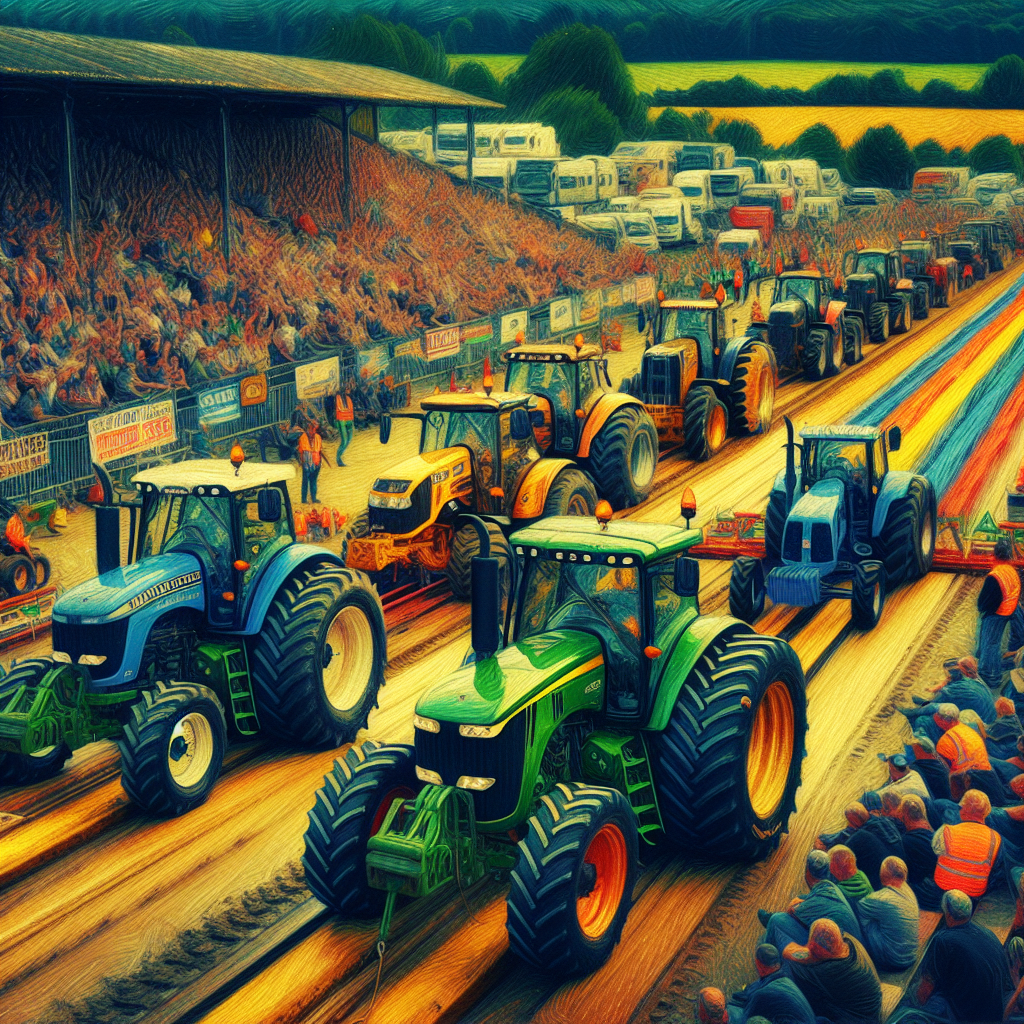
Will Choosing a Classic Tractor Simplify Your Daily Grind
Will Choosing a Classic Tractor Simplify Your Daily Grind
- The rumble of a classic tractor evokes nostalgia, resonating with farmers, mechanics, and enthusiasts.
- Classic tractors symbolize resilience, hard work, and a simpler lifestyle.
- They offer ease of maintenance, requiring only basic tools and a willingness to engage.
- Choosing a classic tractor represents a commitment to sustainability and durability over disposable, modern alternatives.
- Owning a classic tractor fosters community connections through shared stories and experiences.
- This choice invites individuals to slow down and appreciate their work, enhancing a sense of fulfillment.
- A classic tractor serves as an ally in embracing a simpler, more meaningful way of life.
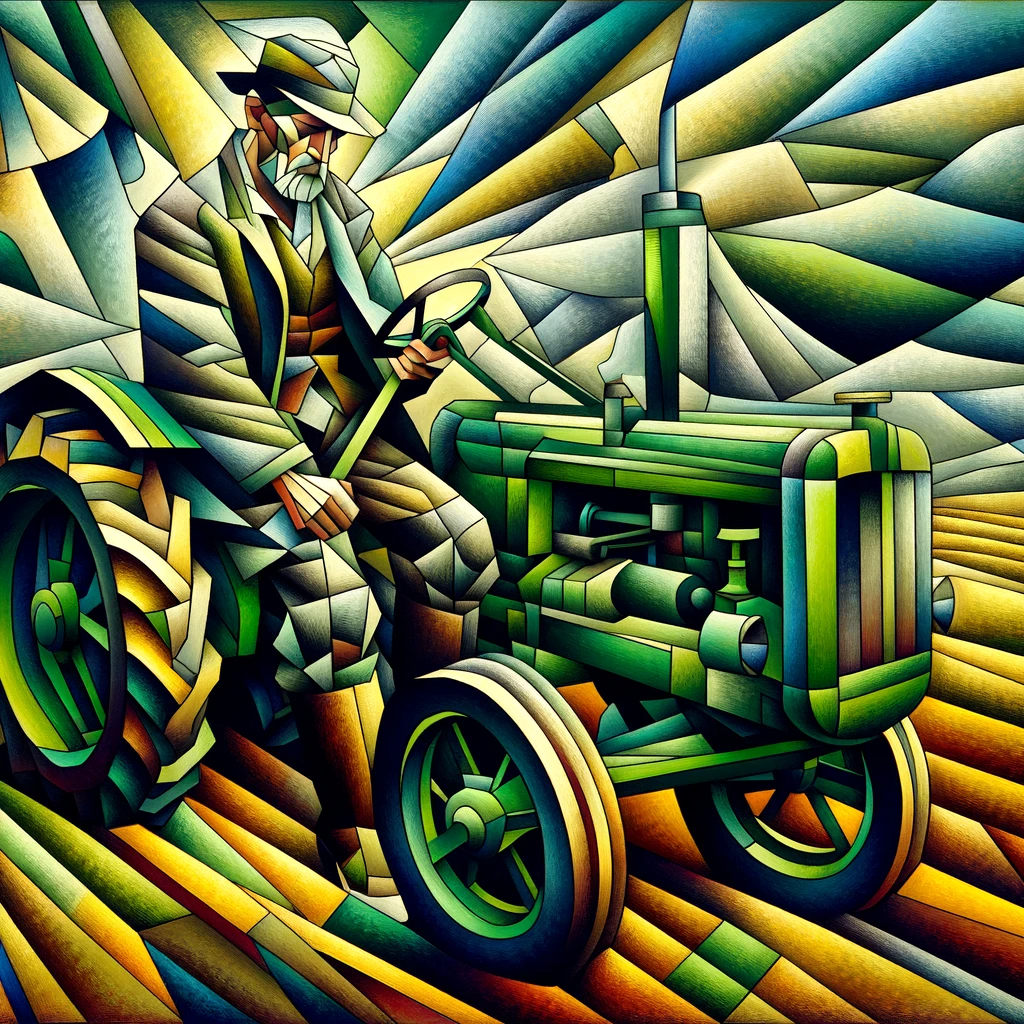
Will Choosing a Classic Tractor Simplify Your Daily Grind
Table Of Contents
- Will Choosing a Classic Tractor Simplify Your Daily Grind
- Can A Classic Tractor Improve Your Daily Productivity?
- What Are The Ethical Benefits Of Restoring Old Machinery?
- How Do Classic Tractors Symbolize Resilience In Farming Communities?
- Are Vintage Tractors A Wise Investment Compared To Modern Options?
- How Can Choosing A Classic Tractor Foster A Sense Of Community?
- What Stories Do Classic Tractors Hold About Our Agricultural Past?
- Conclusion
- Other Resources
- Glossary Of Terms
- Other Questions
- Haiku
- Poem
- Checklist
Can A Classic Tractor Improve Your Daily Productivity?
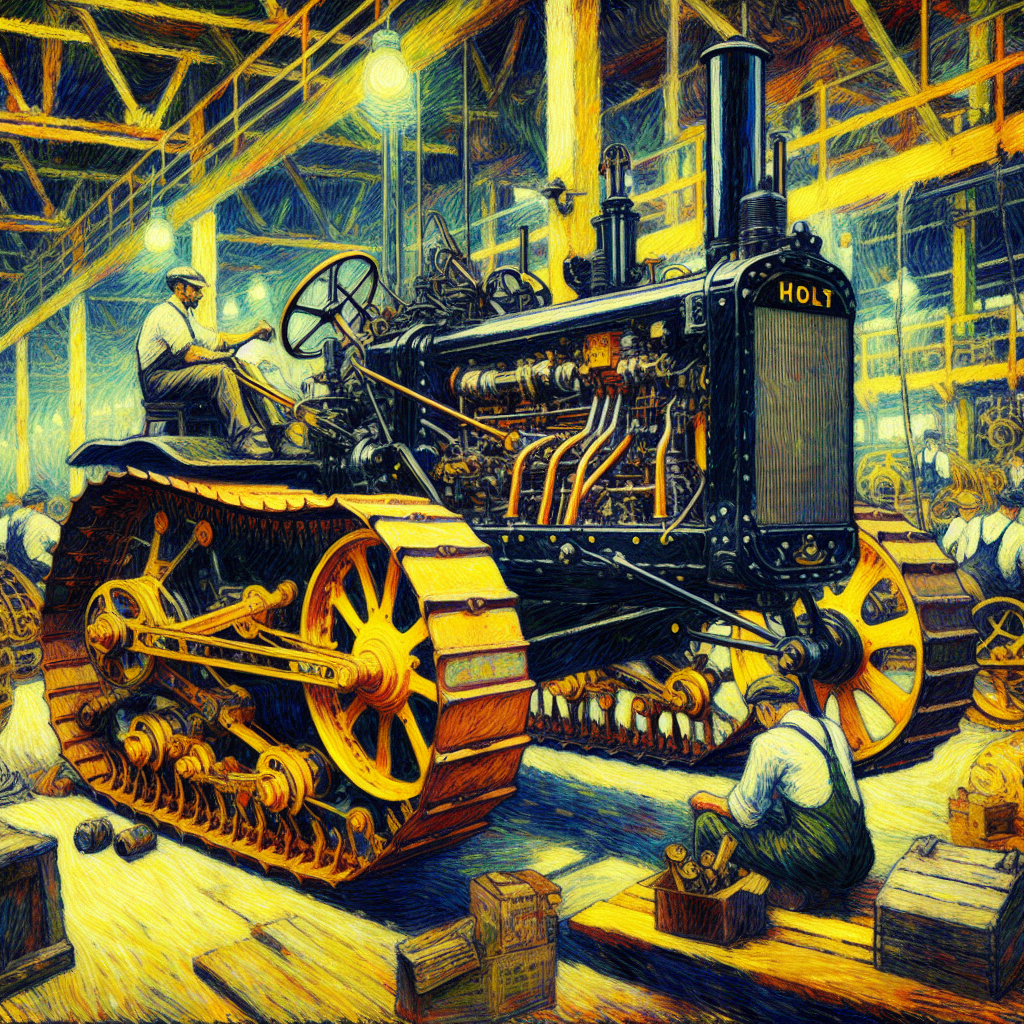
There’s something profound about a classic tractor. It’s not merely a tool of the trade; it’s a symbol of hard work, resilience, and the beauty of simplicity. Imagine driving that sturdy machine across a sun-kissed field, the roar of the engine harmonizing with the whispers of the wind. This wasn’t just a way to get the job done; it was about connection—between the land, the task at hand, and the person behind the wheel.
When you sit atop a classic tractor, you’re not just operating a piece of equipment; you’re tapping into generations of craftsmanship and ingenuity. Each bump of the road, each turn of the wheel, resonates with stories of toil and triumph—the farmers who once relied on these industrial beasts to cultivate the earth, to nurture crops, to build communities. You feel a sense of authority, an appreciation of what it means to work hard and produce something tangible.
In today’s rapid-paced world, where efficiency often eclipses the essence of labor, a classic tractor invites you to slow down, reflect, and embrace the satisfaction of getting your hands dirty. Rationally, it’s about productivity; these machines were built to last and are often simpler to repair than their modern counterparts. Less reliance on high-tech solutions means fewer headaches when things go awry. But emotionally, it’s about connecting with a legacy that transcends time.
Consider the ethical impact of owning a classic tractor. It fosters sustainability; these robust machines are typically more fuel-efficient than their modern equivalents, and they encourage practices that respect the land. You’re not just contributing to your productivity; you’re creating a ripple effect, positively influencing the environment and the agricultural community. You become part of the narrative that values craftsmanship, responsibility, and accountability.
Moreover, being seen on that classic tractor fosters social connection. It brings people together—family, friends, and neighbors—at harvest dances or community gatherings, celebrating the fruits of labor while rekindling relationships. In a world that often leaves us feeling isolated, there’s unmatched joy in sharing your journey with others.
Inviting a classic tractor into your daily life isn’t just about efficiency. It’s about embracing a culture of respect, intention, and community—a reliable partner in your pursuit of productivity, reminding you that the heart of hard work is never lost, just waiting to be reignited. So, if you’re ready for a boost in both productivity and purpose, maybe it’s time to consider investing in that classic piece of history. Your future self will thank you.
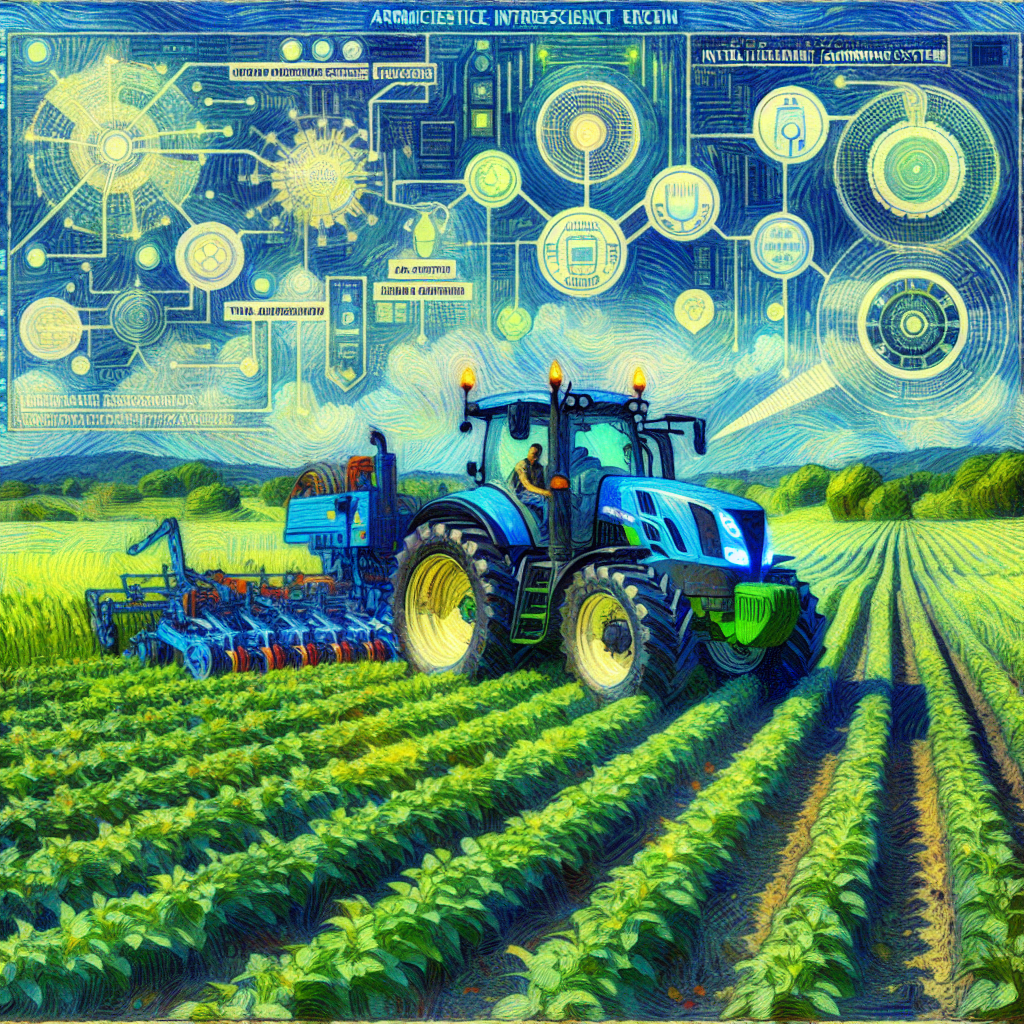
Can A Classic Tractor Improve Your Daily Productivity?
Can A Classic Tractor Improve Your Daily Productivity?
- Classic tractors symbolize hard work, resilience, and simplicity.
- Driving one fosters a connection between the land, the task, and the operator.
- They embody generations of craftsmanship and evoke stories of toil and triumph.
- Classic tractors encourage a slower, more reflective approach to labor.
- Owning one promotes sustainability and responsible agricultural practices.
- Using a classic tractor enhances social connections within the community.
- Investing in a classic tractor represents a commitment to productivity and purpose.
Can A Classic Tractor Improve Your Daily Productivity?
What Are The Ethical Benefits Of Restoring Old Machinery?
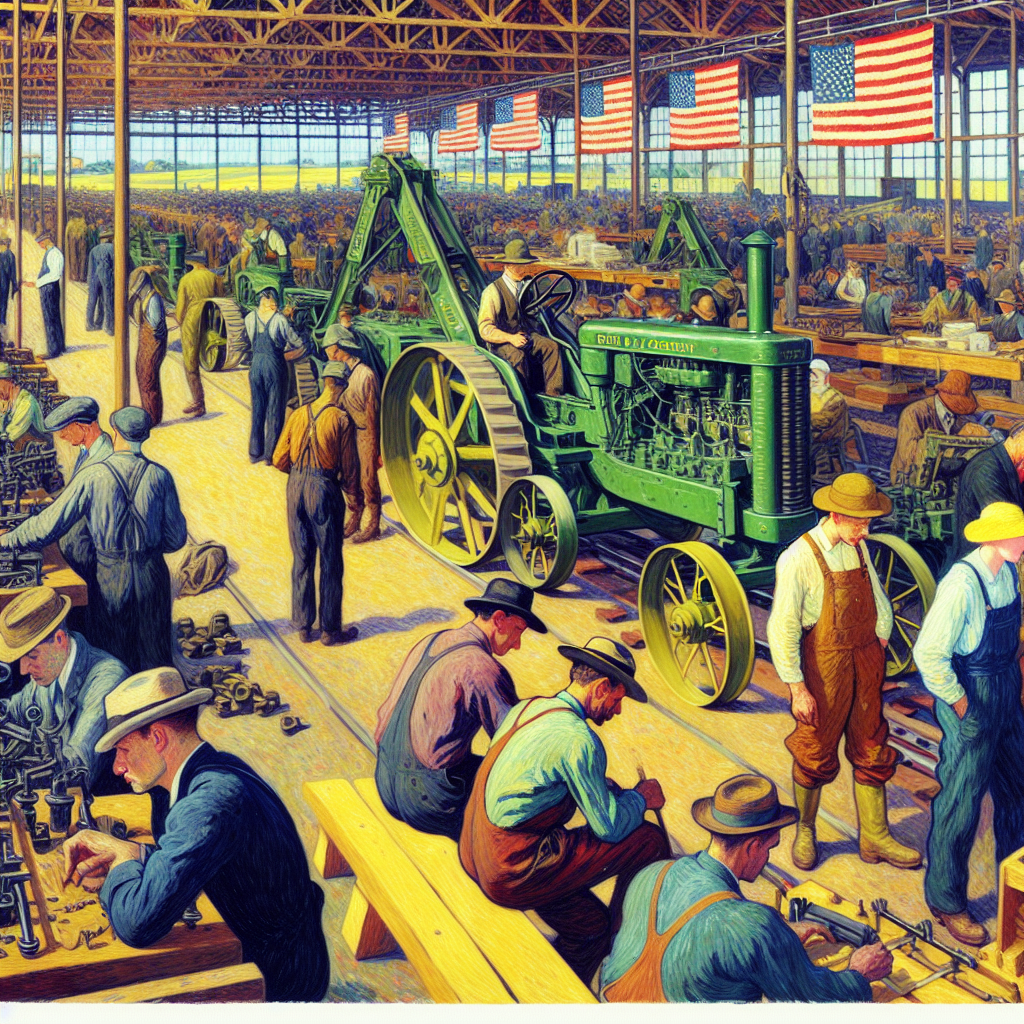
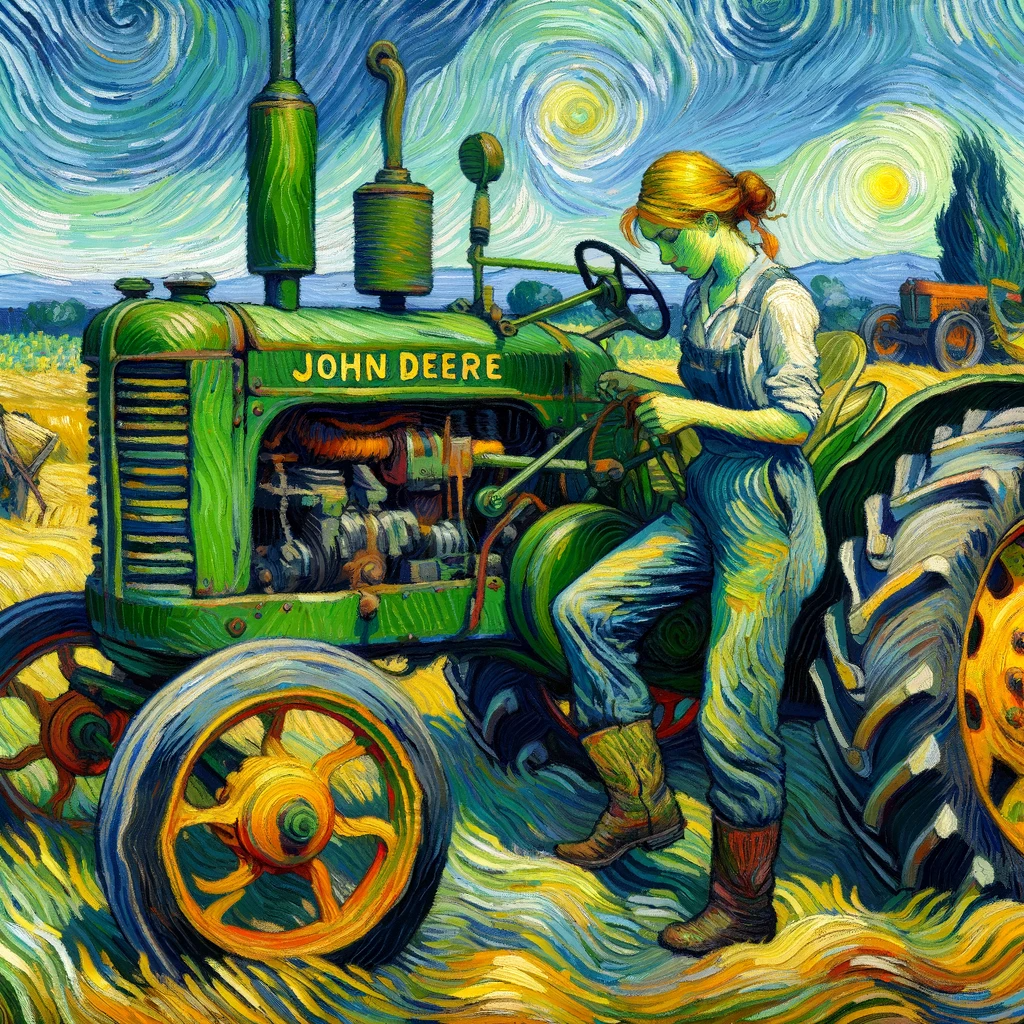
When you look out across a farmer’s field, that sturdy tractor sitting under the sun tells you a story steeped in tradition and toil. It’s more than just metal and gears; it symbolizes resilience, hard work, and an unwavering connection to the land. Restoring old machinery is an intimate act that not only honors these stories but also serves our planet and communities in profoundly ethical ways.
Let’s start by engaging the heart. Every dent and scratch on that vintage tractor speaks of countless sunrises and the joy of labor. When we choose to restore rather than discard, we embrace a sense of stewardship. This isn’t just machinery; it’s a homage to our ancestors’ techniques, to the lessons learned through grit and sweat. As we pull that old relic from obscurity, we’re weaving new threads into a rich tapestry of history—a history that’s still relevant today.
Then there’s the rational side of things. Restoring machinery is an environmentally sound decision. Every year, millions of tons of metal end up in landfills—wasted resources that could have been rejuvenated. When we repair and repurpose machines, we reduce waste, conserve materials, and avoid the energy-intensive process of manufacturing new equipment. It’s a win-win for both our pockets and our planet. Imagine the far-reaching impact if we all adopted this ethos—farming communities would thrive, innovation would spark anew, and the Earth would breathe a little easier.
Ethically speaking, when we restore old machinery, we’re making a statement about consumer culture and its relentless push for disposability. In a world that favors the shiny and new, the act of revitalizing an old tractor—filled with potential and history—asserts the value of longevity, craftsmanship, and thoughtfulness. This conscience-driven approach fosters trust within communities; it nostalgically recalls a time when a product’s worth lay in its durability, rather than in fleeting trends.
Let’s not ignore the deeper connections formed through this act. When enthusiasts gather to share tips, tricks, and tales of restoration, it strengthens local bonds and ignites a communal spirit. It’s about more than just machinery; it’s about belonging, sharing, and cultivating a love for something greater than ourselves.
So, consider this: Next time you pass that old tractor, think twice before passing it by. Dive into its story, extract its potential, and revive it for future generations. Embrace the benefits of restoring old machinery—the kind that lead not just to a cleaner environment, but also a richer, more connected way of life.
What Are The Ethical Benefits Of Restoring Old Machinery?
What Are The Ethical Benefits Of Restoring Old Machinery?
- Tractors symbolize resilience, hard work, and a deep connection to the land.
- Restoring old machinery honors tradition and promotes ethical engagement with our resources.
- Each scratch on a vintage tractor represents the joy of labor and stewardship over machinery.
- Restoration is environmentally sound, reducing waste and conserving materials.
- Revitalizing old equipment asserts the value of longevity over consumer disposability.
- Community bonds are strengthened through shared restoration efforts and discussions.
- Embracing restoration leads to not just a cleaner environment, but a more connected lifestyle.
What Are The Ethical Benefits Of Restoring Old Machinery?
How Do Classic Tractors Symbolize Resilience In Farming Communities?
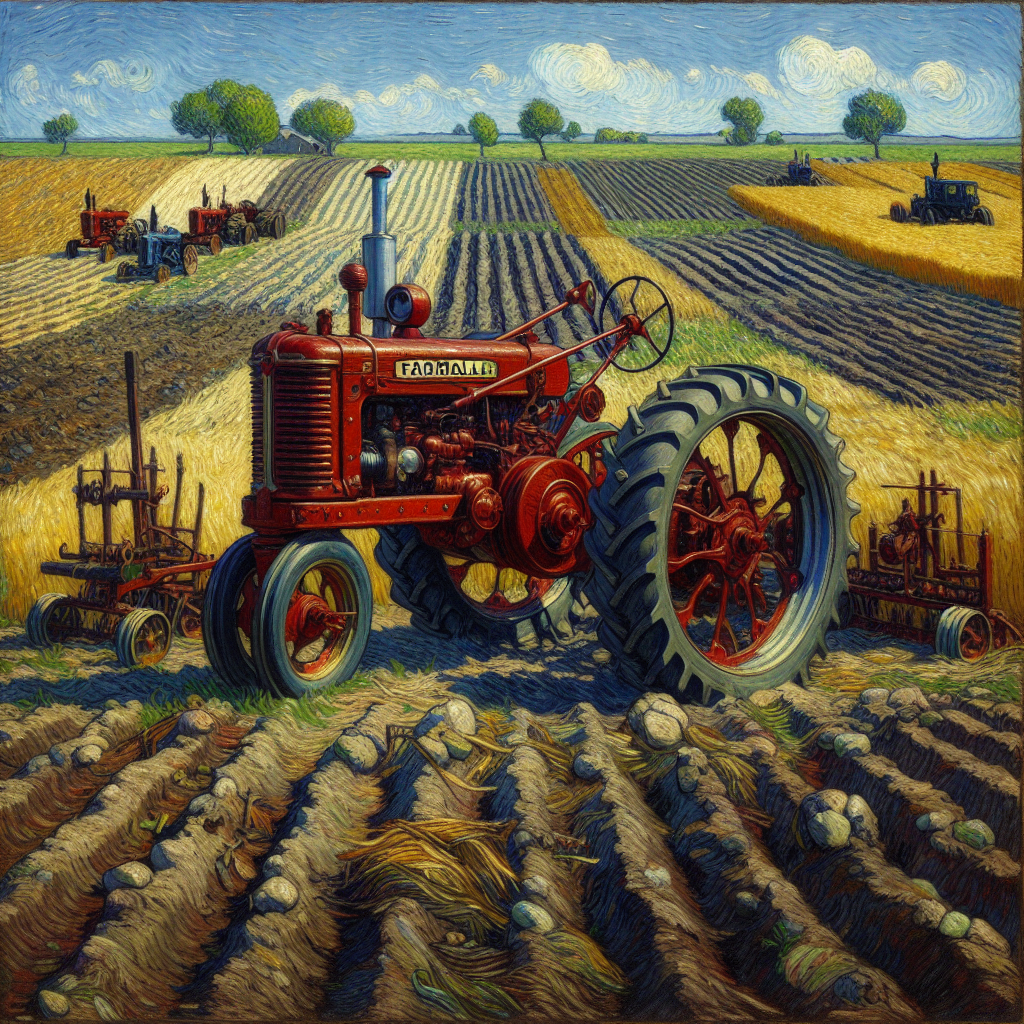
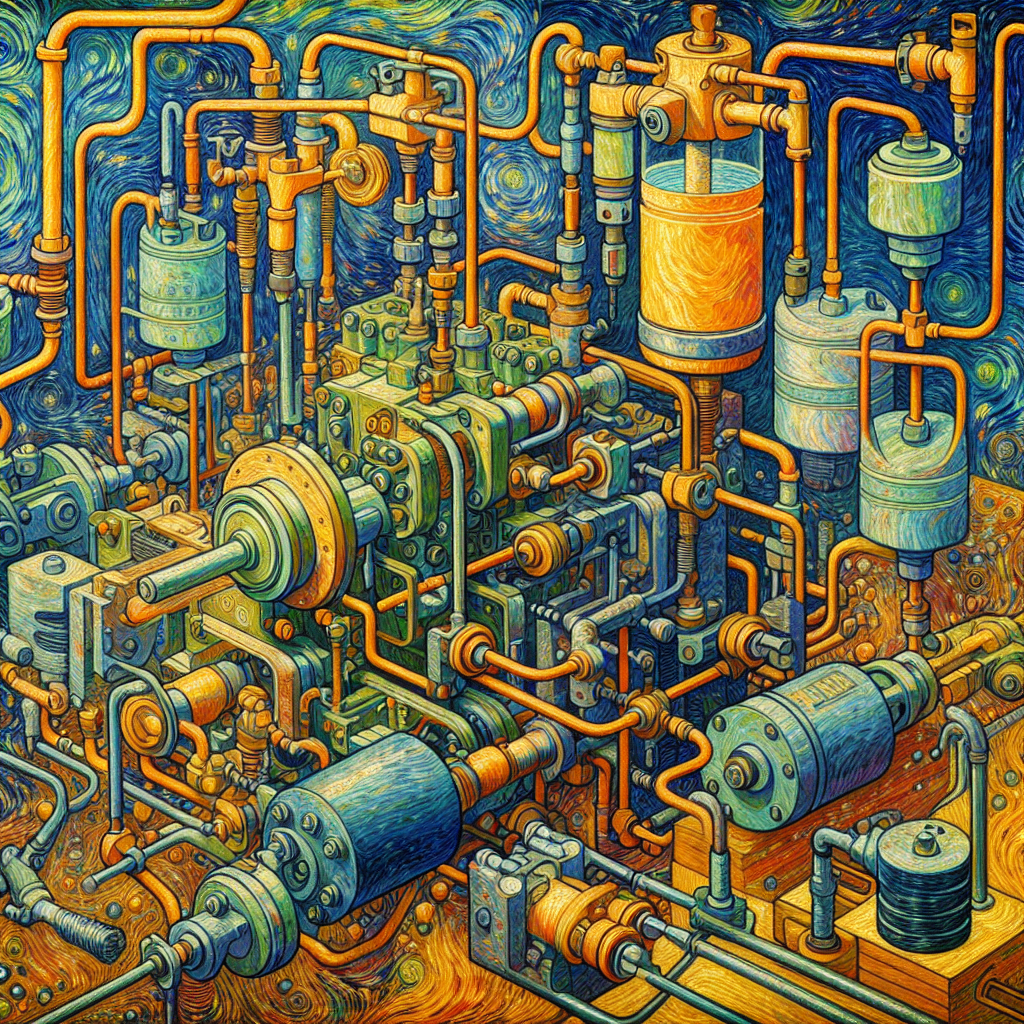
In the heart of rural America, where the sun rises with the promise of a new day and sets over fields rich with labor and dreams, classic tractors stand as steadfast sentinels of resilience. These machines are not just rusted metal and worn-out engines; they’re the embodiment of an enduring spirit that has weathered storms—both literal and metaphorical.
Picture a farmer, hands calloused from years of toil, leaning against the hood of a vintage tractor. This isn’t just any tractor; this is the very machine that helped break ground when times were tough. Each dent and scratch tells a story of perseverance, a testament to generations who have poured sweat and soul into the land. It serves as a reminder that farming is more than a job; it’s a way of life deeply rooted in tradition and community.
Now, think about the practicality of these machines. Designed to last, they symbolize the unwavering commitment of farmers to work the land sustainably. When modern advances seem to overshadow their existence, classic tractors remind us of the importance of reliability and simplicity in farming practices. They teach us that sometimes the most effective tools are not the flashiest, but the ones that require skill and dedication to operate.
But beyond the machinery, there’s an ethical resonance in the stories these tractors tell. Each one represents a family legacy, a collective memory intertwined with the heartbeat of the community. Farmers gather at local fairs, not just to showcase their agricultural prowess, but to share laughter, knowledge, and a few good tales—passing down wisdom from one generation to the next. This connection fosters unity among individuals who understand the trials of planting seeds and reaping harvests.
When we look at these classic tractors, we’re reminded of the hard-working souls who embody the spirit of resilience—not just in agriculture, but in life itself. They inspire us to face our own challenges with grit and determination. It’s not merely about managing a farm; it’s about cultivating a way of life, about honoring the soil that nourishes us.
As we admire these machines, let us draw inspiration from their durability and the community spirit they nurture. Because together, standing shoulder to shoulder—like those classic tractors—farmers are more than capable of overcoming even the toughest of seasons.
How Do Classic Tractors Symbolize Resilience In Farming Communities?
How Do Classic Tractors Symbolize Resilience In Farming Communities?
- Classic tractors symbolize resilience and the enduring spirit of rural America.
- Each vintage tractor tells a story of perseverance and dedication to farming traditions.
- These machines represent the unwavering commitment of farmers to sustainable land practices.
- Classic tractors emphasize the importance of reliability and simplicity over modern advances.
- Each tractor embodies a family legacy and is intertwined with community memories.
- Farmers share knowledge and stories at local fairs, fostering unity and tradition.
- Classic tractors inspire grit and determination, highlighting the deep connection to the land.
How Do Classic Tractors Symbolize Resilience In Farming Communities?
Are Vintage Tractors A Wise Investment Compared To Modern Options?
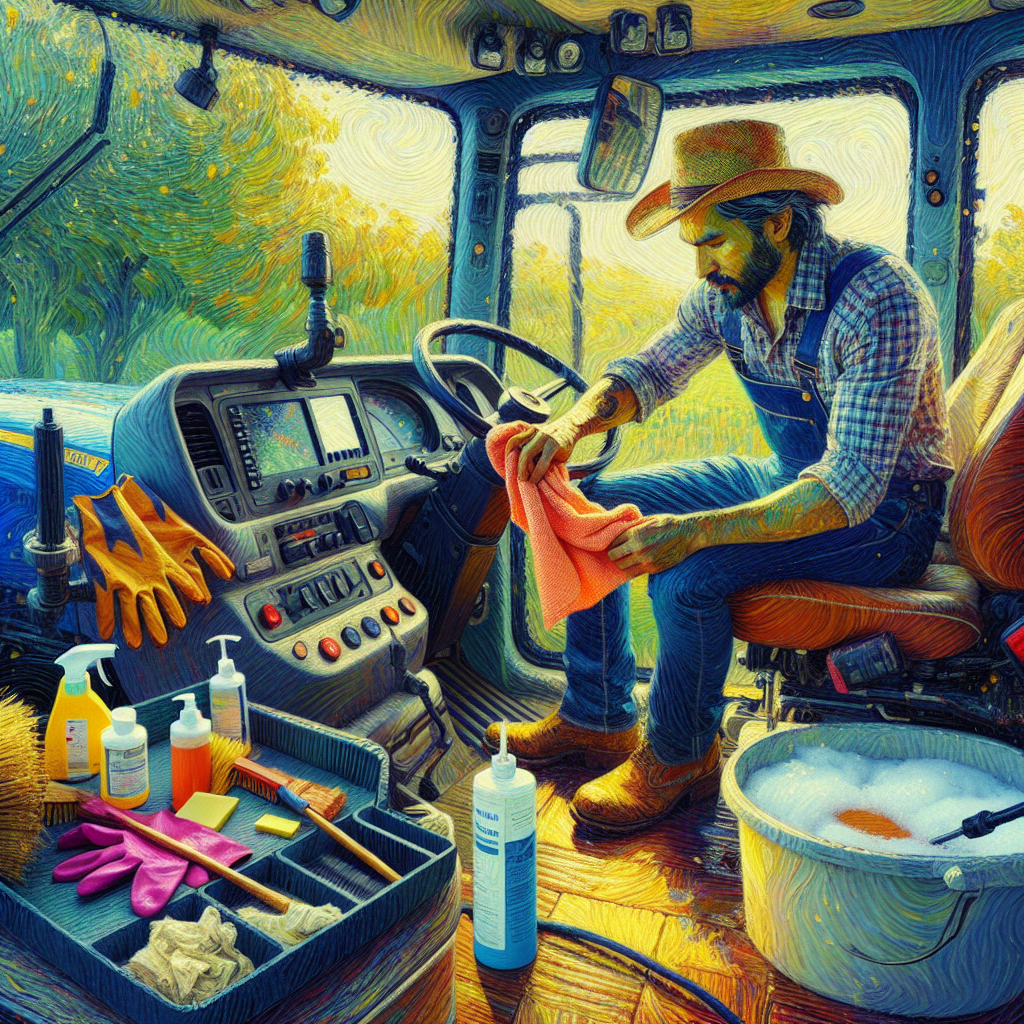
When it comes to tractors, the pull of vintage models is undeniable, isn’t it? They call to us in a way that sleek, modern machines simply can’t match. Picture this for a moment—a weathered old tractor, its paint chipped and faded, but still rumbling to life with the tenacity of a seasoned farmer. There’s a soul in that engine, a history that goes beyond horsepower and torque. It’s a testament to craftsmanship, to the generations who relied on its sturdy framework to plow fields and sow seeds of hope.
Now, let’s get practical. It’s easy to romanticize vintage tractors, but the real question is, are they a wise investment compared to their modern counterparts? Let’s talk numbers. On one hand, you’ve got the shiny new tractors, packed with bells and whistles, promising efficiency and productivity. However, these machines often come with a hefty price tag—one that depreciates faster than the grass can grow under their tires. Enter the vintage tractor. Not only can you pick up a classic for a fraction of the cost, but with proper care and restoration, its value can appreciate over time. It’s not just a tractor; it’s an investment that gets better with age.
But here’s where the argument shifts from the head to the heart. When you take home a vintage tractor, you’re not merely acquiring a machine; you’re becoming a steward of history. You’re keeping alive the tales of those who came before you, the farmers, the mechanics, the families who knelt in the dirt to cultivate their land. You’re entering a rich community of enthusiasts who share your passion, who know the satisfaction of restoring something that can still do the work it was designed for. The camaraderie in this crowd is infectious.
Now, let’s be honest. There’s an ethical aspect to this, too. Choosing a vintage tractor means embracing sustainability. Instead of contributing to a cycle of perpetual consumption, you’re opting for a piece of equipment that has an enduring legacy. It’s about preserving the past while embracing the future—a stance that not only benefits you but gives a nod to the generations that have relied on these machines.
So, as you weigh your options, remember that sometimes, the heart and gut will lead you to the most rational decision of all. Vintage tractors aren’t just a choice; they’re a celebration of resilience, a nod to authenticity, and a unique blend of nostalgia and practicality that modern models struggle to capture. You may find, like many before you, that the best investments are often those that tell a story—your story.
Are Vintage Tractors A Wise Investment Compared To Modern Options?
Are Vintage Tractors A Wise Investment Compared To Modern Options?
- Vintage tractors evoke nostalgia with their unique charm and character.
- Despite their age, vintage models can be efficient and resilient, embodying craftsmanship and history.
- They often present a more cost-effective investment compared to new tractors, which depreciate quickly.
- Properly cared-for vintage tractors can appreciate in value over time.
- Owning a vintage tractor connects you to a community of enthusiasts and a shared passion for restoration.
- Choosing vintage over modern supports sustainability and honors the legacy of previous generations.
- Ultimately, vintage tractors represent a blend of practicality, nostalgia, and personal storytelling.
Are Vintage Tractors A Wise Investment Compared To Modern Options?
How Can Choosing A Classic Tractor Foster A Sense Of Community?
How Can Choosing A Classic Tractor Foster A Sense of Community?
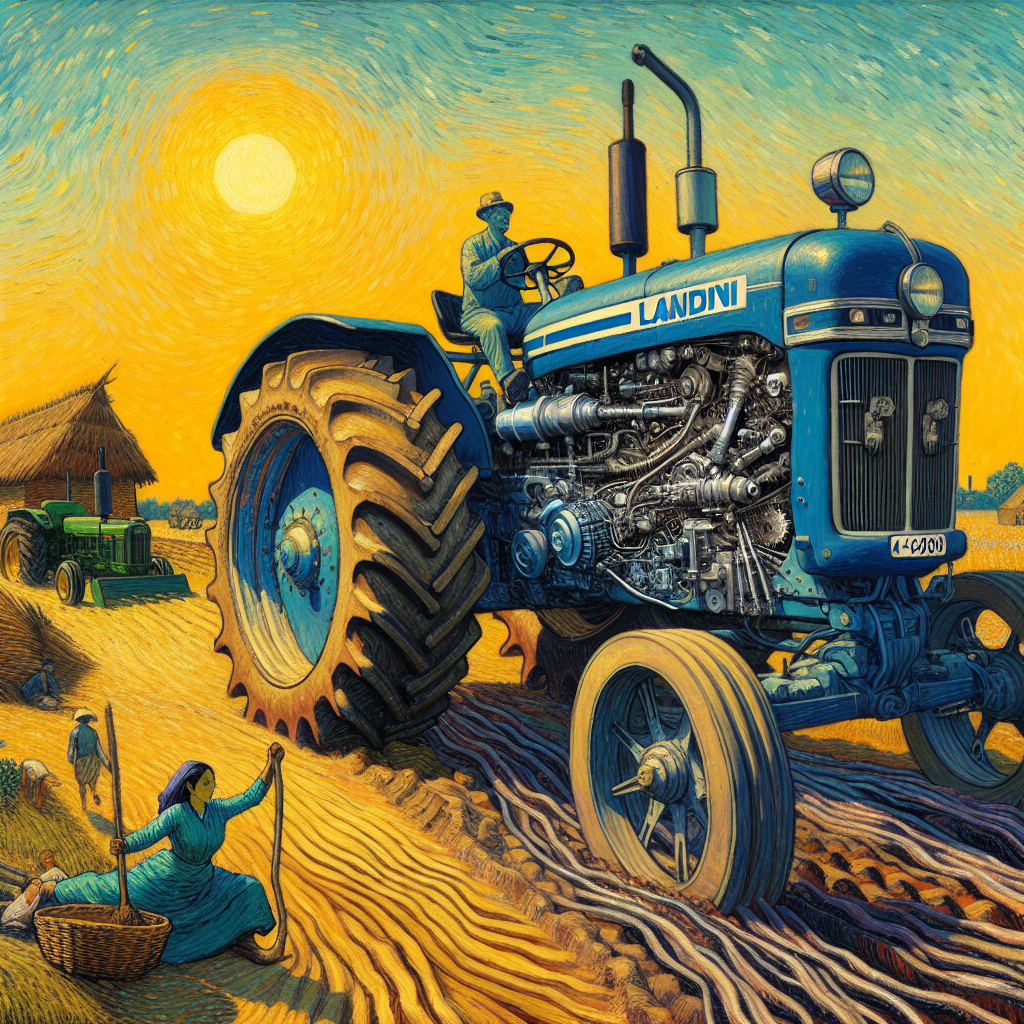
When you roll out that classic tractor, there’s something magical that happens. It’s not just a machine; it’s a time capsule that connects us to generations before us, reminding us of simpler days when life revolved around the land, hard work, and community. Owning a classic tractor is like holding a key to a shared heritage, a tangible piece of our past that invites conversations and camaraderie among neighbors and fellow enthusiasts.
As you approach that gleaming tractor parked proudly in your yard, you’re not just looking at metal and machinery; you’re witnessing the sweat and dreams of those who’ve plowed the same fields. It’s a reminder of the grit that built our communities, the stories etched into every dent and scratch. When you cultivate your relationship with a classic tractor, you cultivate a connection with your local history and your neighbors, too. Whether it’s a weekend plowing bees or an impromptu gathering at the local garage, these gatherings foster bonds that run deep. You share stories of how your granddad used a similar model or laugh about the time someone’s tractor broke down at the county fair—a tale that often culminates in much teasing and a cold drink with friends.
But the appeal of choosing a classic tractor goes beyond nostalgia. It’s also a smart choice, reinforcing values of sustainability and ethical living. These machines, built to last, stand in stark contrast to today’s throwaway culture. By restoring a tractor, you’re not only reducing waste but also honoring a bygone era of craftsmanship. It sparks conversations about preserving our resources and passing down wisdom—an ethical rallying cry that resonates within every community.
Emotionally, the classic tractor speaks to the heart. It’s the pride of ownership, the craftsmanship that’s woven into every bolt. When you see a neighbor’s tractor rolling down the road, it’s an invitation to wave, to chat, and to connect—reinforcing a spirit of togetherness.
Engaging with a classic tractor opens doors. It’s a chance to learn from those who’ve come before us, to share life lessons, and to bond over mutual interests. In choosing a classic tractor, you aren’t just investing in machinery; you’re nurturing a sense of belonging in your community—a community that thrives on hard work, shared stories, and genuine connection.
How Can Choosing A Classic Tractor Foster A Sense Of Community?
How Can Choosing A Classic Tractor Foster A Sense Of Community?
- Classic tractors are more than machines; they connect us to our past and foster a sense of community.
- Owning a classic tractor symbolizes shared heritage and invites conversations and camaraderie among enthusiasts and neighbors.
- These tractors represent the hard work and dreams of those who plowed the fields, creating bonds through shared stories and experiences.
- Gatherings centered around classic tractors, like plowing bees or local meet-ups, strengthen community ties and friendships.
- Choosing a classic tractor promotes sustainability and ethical living, contrasting with today’s throwaway culture.
- Restoring a classic tractor honors craftsmanship and encourages discussions about resource preservation.
- Engaging with classic tractors nurtures a sense of belonging and connection within the community, celebrating hard work and shared stories.
How Can Choosing A Classic Tractor Foster A Sense Of Community?
What Stories Do Classic Tractors Hold About Our Agricultural Past?
When we stand beside a classic tractor, we’re not just gazing at a piece of machinery; we’re looking at a monument to grit, sweat, and the human spirit. Each rusted fender and weathered seat holds stories that echo through the fields of time. These tractors were once the heartbeat of farms, chugging along the rows of corn and soybeans, pulling loads heavy enough to stretch a man’s muscles and his dreams. Their very presence conjures up images of families toiling together, creating a bond as strong as the iron that frames them.
Think about it. These machines were often the first taste of independence for many young farmers. Picture a teenager, nerves buzzing like the engine starting up for the first time, taking the wheel of Dad’s trusty old tractor. In that moment, it’s more than just a rite of passage; it’s a defining experience that resonates with our collective journey toward adulthood and responsibility. Each bump and turn on the field is a lesson in perseverance, where hard work meets the promise of growth.
Yet, let’s not forget the ethical dimension of these iconic machines. In an age where we’re constantly bombarded by technology and automation, a classic tractor reminds us of our roots, of the land we cultivate and the traditions we uphold. They symbolize a simpler time, where the connection between man and earth was palpable and respected. This very respect for the land is what sustains our families, our communities, and our future.
Moreover, these tractors foster connections across generations. Families gather to restore them, share stories, and remember loved ones who once manned that very same machine. It’s in these gatherings where wisdom is passed down like an heirloom, where the values of hard work and dedication are instilled in the young.
So, the next time you see a classic tractor parked in a field or gleaming under a barn’s eaves, take a moment to appreciate the depth of its story. It holds the laughter of children, the sweat of labor, and a promise to honor those who came before us. These machines tell tales of resilience in the face of hardship, reminding us that our agricultural past is not just history; it’s an ever-present narrative that shapes our lives today. Embrace those stories; in doing so, we honor the legacy of all who toil the land, and inspire future generations to cherish the earth and its bounty.
What Stories Do Classic Tractors Hold About Our Agricultural Past?
What Stories Do Classic Tractors Hold About Our Agricultural Past?
- Classic tractors symbolize human grit, sweat, and spirit, serving as monuments to agricultural history.
- Each tractor tells stories of farm life, evoking memories of families working together in the fields.
- For many young farmers, driving a tractor is a rite of passage representing independence and responsibility.
- Classic tractors remind us of our connection to the land and the traditions we uphold amidst modern technology.
- Restoring these machines fosters intergenerational connections and preserves stories and values of hard work.
- These tractors encapsulate the laughter, labor, and lessons learned through agriculture and resilience.
- Appreciating classic tractors honors the legacy of those who worked the land and inspires future generations.
What Stories Do Classic Tractors Hold About Our Agricultural Past?
Conclusion
Conclusion: Embracing the Legacy of Classic Tractors
When you think of classic tractors, what comes to mind? Is it the rumble of engines that herald a new dawn, or the weathered frames that stand as sentinels of grit and hard work? In an era marked by rapid innovation, these machines offer us more than mere utility; they beckon us to reconnect with our roots, our values, and one another. Picture yourself behind the wheel of a classic tractor, its simple yet sturdy mechanisms embodying the sweat and determination of generations past. Not only does it whisper tales of resilience, it asks you to consider what kind of legacy you wish to uphold in today’s frenetic world.
Rationally, there’s much to be said for the distinctive simplicity of classic tractors. While modern machines may dazzle with technology, they often come with complications that can lead to frustration. A vintage tractor invites you back to basics—open the hood, grab your tools, and get to work. Think back to a time when maintenance was an art perfected through hands-on experience—not a code-cracking puzzle. In doing so, it fosters a feeling of accomplishment that transcends the mundane grind of our daily lives.
But let’s dig deeper. Choosing a classic tractor isn’t just a pragmatic decision; it’s an ethical one. In a culture rife with disposability and instant gratification, these enduring machines advocate for sustainability. Each restoration signifies a stand against a throwaway society, fostering a culture of respect for craftsmanship and the environment. By breathing new life into old steel, you’re contributing to a community of like-minded individuals who cherish the values of durability and integrity.
Moreover, classic tractors weave a rich tapestry of social connections. Just like they bring farmers together at county fairs or harvest gatherings, these machines carry with them stories that bond us—our triumphs, our failures, and the shared joys of hard work. As you engage with fellow enthusiasts, you become part of a vibrant community committed to preserving this legacy.
So, if you’re looking to reclaim your connection to the land, nurture relationships, and embrace the heart of hard work, consider investing in a classic tractor. It’s not merely about achieving productivity; it’s about fostering a culture that values connection, intention, and the stories that shape our lives. In the end, your choice to welcome a classic into your routine could transform not just your workday but your very understanding of what it means to be part of something greater than yourself. So here’s to the classic tractor—a steadfast ally in the beautiful struggle of life!
Conclusion
Conclusion:
- Classic tractors evoke nostalgia and remind us of our roots and values in a rapidly changing world.
- They provide a simple, hands-on experience that fosters a sense of accomplishment.
- Choosing a classic tractor promotes sustainability and counters the culture of disposability.
- Restoring vintage tractors contributes to a community that values craftsmanship and integrity.
- These machines facilitate social connections and shared stories among enthusiasts.
- Investing in a classic tractor enriches relationships and enhances our understanding of hard work.
- Classic tractors serve as reminders of the importance of connection, intention, and legacy.

Conclusion
Other Resources
Other Resources
Here is a list of other resources you can review online to learn more:
Use This Prompt To Get More Resources With Your Favorite Online AI Tool: Please provide me with a list of online articles with their URLs in a bulleted list that I can read regarding Will Choosing a Classic Tractor Simplify Your Daily Grind
Other Resources
Glossary Terms
Will Choosing a Classic Tractor Simplify Your Daily Grind – Glossary Of Terms
1. Classic Tractor: A vintage or historical farming tractor, typically manufactured before the 1980s, known for its durability and nostalgic value.
2. Simplify: To make a process easier or more straightforward, often by reducing complexity or eliminating unnecessary steps.
3. Daily Grind: The routine tasks and labor involved in daily agricultural operations or other repetitive work.
4. Efficiency: The ability to achieve maximum productivity with minimum wasted effort or expense, particularly in the context of machinery.
5. Maintenance: The routine care and repairs needed to keep machinery, such as tractors, in optimal working condition.
6. Durability: The ability of a machine or tool to withstand wear, pressure, or damage, ensuring a longer lifespan.
7. Fuel Economy: A measure of how efficiently a tractor uses fuel, often expressed in miles per gallon (MPG) or liters per hour.
8. Versatility: The ability of a tractor to perform a variety of tasks, such as plowing, planting, or hauling, enhancing its usefulness on a farm.
9. Restoration: The process of repairing and refurbishing a classic tractor to restore it to its original condition or improve its functionality.
10. Torque: A measure of rotational force produced by the tractor’s engine, essential for heavy pulling tasks.
11. Hydraulics: A system utilizing fluid pressure to operate machinery components, commonly used in tractors for lifting or moving attachments.
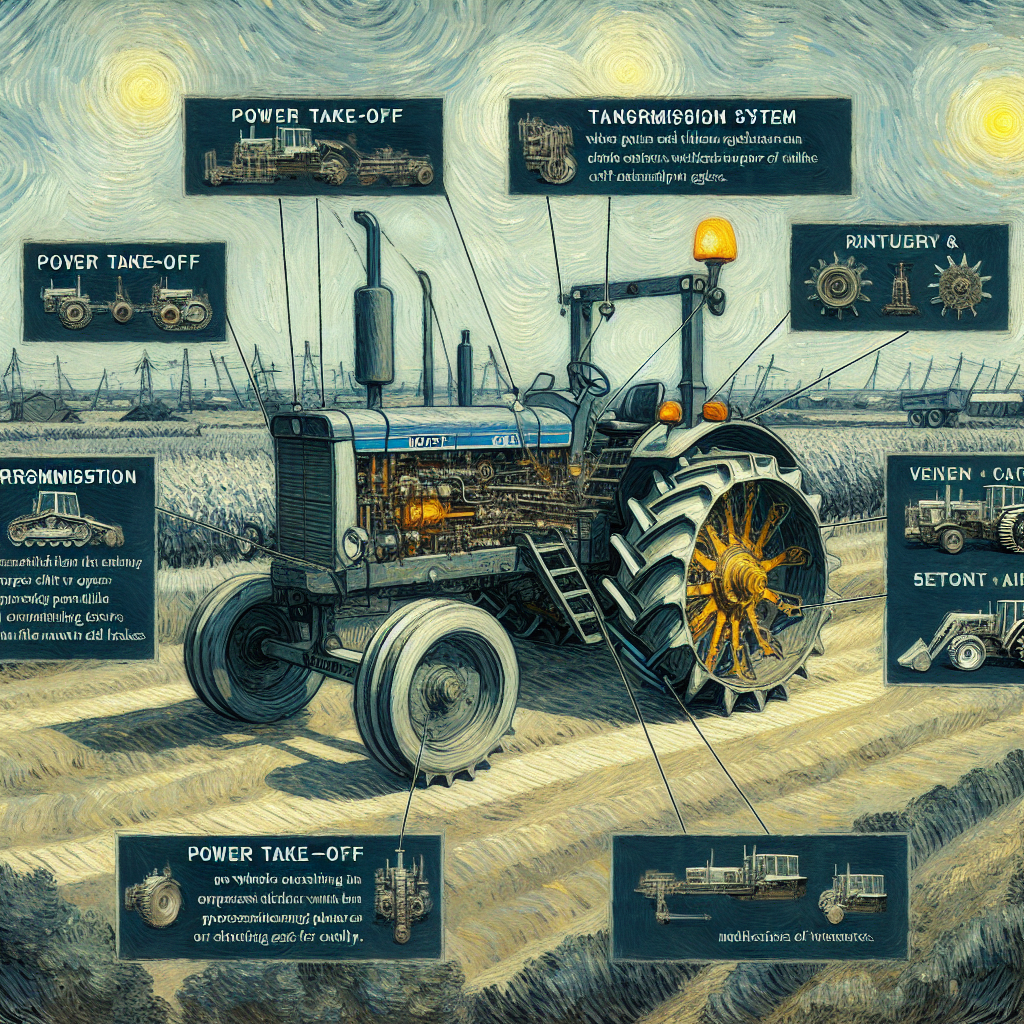
12. Power Take-Off (PTO): A device that allows the tractor’s engine to power additional implements or machinery, expanding its capabilities.
13. Tillage: The agricultural preparation of soil for growing crops, often requiring the use of tractors for plowing or cultivating.
14. Implement: Any attachment or tool (like plows or harrows) that can be connected to a tractor to assist in farming tasks.
15. User-Friendly: Referring to equipment or machinery that is easy to operate, often characterized by simple controls and clear instructions.
16. Reliability: The degree to which a tractor consistently performs its intended functions without failure.
17. Resale Value: The potential worth of a tractor when sold in the future, which can be influenced by its condition, age, and brand.
18. Cab Comfort: Refers to the ergonomics and features of the tractor’s operator compartment, which can affect the comfort and efficiency of the operator.
19. Gearing: The arrangement of gears in a tractor’s transmission that affects speed and power delivery.
20. Field Capacity: The maximum rate at which a tractor can complete tasks in a field, impacting productivity.
21. Tractor Brand: The manufacturer of the tractor, which can influence quality, performance, and availability of parts.
22. Collector’s Item: A tractor that is sought after by enthusiasts for its rarity, historical significance, or aesthetic appeal.
23. Customization: The modification of a tractor to better suit specific needs or preferences, enhancing its functionality or appearance.
24. Cost-Effectiveness: A measure of the benefits gained from the tractor relative to its purchase and operating costs.
25. Legacy Equipment: Tools and machinery passed down through generations or associated with historical significance in farming.
26. Workhorse: A term used to describe a reliable and hardworking tractor, often able to perform a variety of demanding tasks.
27. Operator Licensing: The requirement for individuals to obtain certification or a license to operate certain heavy machinery, including tractors.
28. Soil Health: Refers to the condition of soil as it relates to its ability to support plant growth, which can be affected by farming practices.
29. Agility: The ability of a tractor to maneuver easily in tight spaces or perform tasks with precision.
30. Legacy Farming: The practice of farming that emphasizes traditional methods and equipment, often characterized by the use of classic tractors.
Glossary Of Terms
Other Questions
Will Choosing a Classic Tractor Simplify Your Daily Grind – Other Questions
If you wish to explore and discover more, consider looking for answers to these questions:
- What are the key differences between classic tractors and modern tractors?
- How can a classic tractor be maintained and repaired by the owner?
- What types of classic tractors are best for different farming needs?
- What is the estimated cost of restoring a classic tractor?
- How do classic tractors contribute to sustainable farming practices?
- What is the typical lifespan of a classic tractor compared to modern alternatives?
- Are there community events centered around classic tractors?
- What resources are available for those interested in restoring classic tractors?
- How has the popularity of classic tractors changed over time?
- What challenges do owners of classic tractors face today?
- How do classic tractors influence the agricultural community’s identity?
- What are the top brands or models of classic tractors to consider?
- How can owning a classic tractor impact a farmer’s social interactions?
- What are the potential financial benefits of investing in a classic tractor?
- How do classic tractors serve as a source of education for younger generations?
Other Questions
Haiku
Will Choosing a Classic Tractor Simplify Your Daily Grind – A Haiku
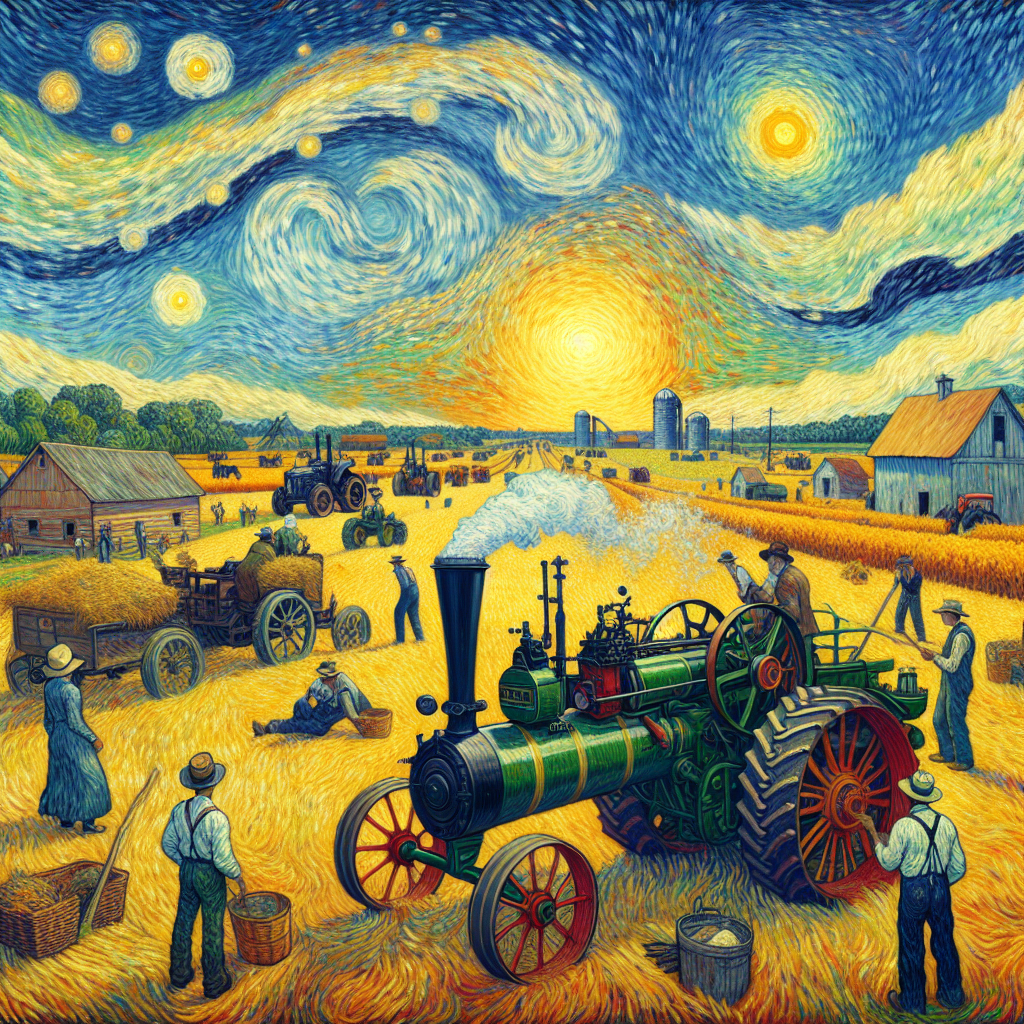
Rusty iron speaks loud,
Legacies of toil shared,
Tractors bridge our past.
Haiku
Poem
Will Choosing a Classic Tractor Simplify Your Daily Grind – A Poem
In Praise of the Classic Tractor
In morning’s orange glow, where fields breathe deep,
A classic tractor stands, its stories to keep.
A rumble through the fog, a heart that awakes,
It whispers of resilience, of the toil it takes.
Not merely iron and paint, but a legacy grand,
Each dent tells of labor, of a farmer’s strong hand.
With simple design, it invites us to mend,
A dance of mechanics, a true farmer’s friend.
Oh, how it nurtures a bond, a community’s cheer,
Gathered ‘round in the fields, all your neighbors draw near.
With laughter and stories, around harvest fires,
In the embrace of old engines, our spirit inspires.
For in each rumbling engine, a connection runs deep,
A handshake of history, a promise to keep.
In an age of disposables, it stands tall with grace,
Chooses earth over plastic, honors time and space.
Let’s cherish simplicity, the sweat and the soil,
In each rolling wheel, we find purpose in toil.
Investing in old iron, where tradition thrives still,
Embracing what’s lasting, of heart, grit, and will.
So choose that classic tractor, let its legacy grow,
In a world that moves faster, let’s take it slow.
Your daily grind simplified, your purpose restored,
In each plow through the earth, let our voices be poured.
For tractors may fade, but the stories remain,
A testament to farmers, and the joys and the pain.
As we cultivate fields and the bonds we can muster,
We weave together a tapestry—community, trust, and wonder.
Poem
Checklist
Will Choosing a Classic Tractor Simplify Your Daily Grind – A Checklist
Checklist: Embrace the Power of Classic Tractors
Emotional Appeal: Heart
_____ Reflect on Your Roots: Take a moment to connect with your own history and the legacy of hard work.
_____ Share Your Stories: Engage with family and friends about their memories related to tractors or farming.
_____ Visualize Your Connection: Imagine the joy and satisfaction of working with a classic tractor on your own land.
Rational Appeal: Head
_____ Assess Maintenance Needs: Take stock of your mechanical skills and consider the simplicity of maintaining classic equipment versus modern machinery.
_____ Evaluate Costs: Compare the investment potential of classic tractors against the rapid depreciation of modern models.
_____ List Practical Benefits: Make a note of the operational advantages of classic tractors, such as fuel efficiency and reliability.
Ethical Appeal: Ethical
_____ Consider Sustainability: Reflect on the environmental impact of choosing to restore rather than dispose of machinery.
_____ Promote Longevity: Advocate for the value of durability and craftsmanship in a throwaway culture.
_____ Commit to Stewardship: Pledge to be a responsible caretaker of the land and the machinery that supports it.
Authority Appeal: Authority
_____ Seek Expert Opinion: Reach out to local mechanics or vintage tractor clubs to gain insights into the benefits of owning classic tractors.
_____ Attend Workshops: Participate in tractor restoration or maintenance workshops to increase your knowledge and skills.
_____ Research Historical Models: Look into the historical significance and reliability of various classic tractor brands and models.
Narrative Appeal: Narrative
_____ Collect Personal Tales: Document your own stories or the experiences of family and friends with tractors.
_____ Create a Community Chronicle: Start a blog or journal capturing the collective experiences of people in your community related to vintage farming.
_____ Join or Form a Group: Connect with others passionate about classic tractors; share your journeys and challenges.
Social Appeal: Social
_____ Join Local Gatherings: Participate in community events, fairs, or tractor shows to connect with fellow enthusiasts and share stories.
_____ Volunteer for Projects: Get involved with local farming or restoration projects that focus on classic equipment.
_____ Celebrate Togetherness: Organize events centered around tractors that encourage social interaction and community bonding.
Take Action
_____ Choose a Classic Tractor: Reflect on your reasons for wanting a classic tractor and make a plan to find the right one for you.
_____ Share This Checklist: Give this checklist to friends, family, or fellow tractor enthusiasts to inspire them to consider the benefits of classic tractors as well!
Checklist
At ClassicTractorNews, we help tractor lovers keep up with the latest news for classic and vintage tractors.
Please share this post with your friends, family, or business associates who may like old classic or vintage tractors.