


Timeless Strength: The Lasting Value Of Simplicity Over Complexity
By Tom Seest
At ClassicTractorNews, we help tractor lovers keep up with the latest news for classic and vintage tractors.
Please share this post with your friends, family, or business associates who may like old classic or vintage tractors.
Why Your Grandfather’s Tractor Will Outlast Any Software-Locked Model
Why Your Grandfather’s Tractor Will Outlast Any Software-Locked Model
There’s something beautifully raw about a tractor built in a simpler time. It stands as a testament not just to engineering, but to the sweat and determination of those who relied on it. Your grandfather’s tractor isn’t just a machine; it’s a connection to a past infused with hard work and honest labor. It embodies a level of resilience rarely found in today’s disposable tech, where software locks dictate functionality and longevity.
Consider the sound of that engine roaring to life, a growl resonating with purpose, in stark contrast to the sterile silence of a sleek, software-locked model that may need a firmware update just to make a simple repair. The durability of those vintage machines speaks to an era where a farmer could tear apart a tractor in the barn, fix the problem with a few wrenches, and know it would run for decades more. The innate relationship between man and machine was built on trust. You learned every quirk, every hum, and every rattle, gaining respect for how things worked through sheer necessity.
Then there’s the ethical allure. It’s not just about maintaining a tractor; it’s about honoring the legacy of hard work and craftsmanship. Each dent, scratch, and rust mark tells a story—perhaps of a long summer day spent plowing fields or a storm that tried to knock it down but failed. That personal history often gets lost in the soulless world of software. Instead of embracing individuality and character, many modern machines come tethered to a manufacturer’s whims — frequently limited by updates or subscriptions.
Moreover, there’s an emotional element tied to these old tractors. They can evoke memories of family gatherings, of autumn harvests, of lessons learned under the honest, sun-soaked sky. It’s this narrative of shared experience that binds us to their existence. When your mind’s eye flashes back to the summer days spent with your grandfather, it’s the sight of that trusty tractor carving its path through the rows that remains vivid.
In a world of fleeting trends and constant upgrades, it’s a comfort to stand by something tried and true. Your grandfather’s tractor represents not just machinery, but a lifeline to values like hard work, reliability, and community. In a society where connections often feel strained or superficial, that rugged, reliable machine is a unifying thread linking generations, inspiring trust in its durability while reminding us what it means to work hard and take pride in our tools—an anchor against the tide of technological turmoil.

Why Your Grandfather’s Tractor Will Outlast Any Software-Locked Model
Why Your Grandfather’s Tractor Will Outlast Any Software-Locked Model
- Tractors from simpler times symbolize engineering and the dedication of their users.
- Your grandfather’s tractor connects to a past of hard work and resilience that modern tech lacks.
- Vintage tractors can be repaired easily without software locks or firmware updates.
- Each scratch and dent on old tractors represents personal history and craftsmanship.
- Emotional ties to these machines evoke memories of family and shared experiences.
- Such tractors embody values of reliability, community, and tradition in a fast-paced world.
- They serve as a reminder of the importance of hard work and pride in one’s tools.

Why Your Grandfather’s Tractor Will Outlast Any Software-Locked Model
Table Of Contents
- Why Your Grandfather’s Tractor Will Outlast Any Software-Locked Model
- Why Do We Trust Traditions Over Modern Technology?
- How Can Durability Define Worth?
- Are We Sacrificing Quality for Convenience?
- How Do We Measure the Value Of Craftsmanship?
- What Role Does Nostalgia Play In Our Choices?
- How Do Community Values Influence Our Purchasing?
- Conclusion
- Other Resources
- Glossary Of Terms
- Other Questions
- Haiku
- Poem
- Checklist
Why Do We Trust Traditions Over Modern Technology?
Traditions hold a place in our lives that technology struggles to reach. While modern tech dazzles us with its conveniences—from smartphones that connect us in seconds to machinery that can harvest crops faster than a person can blink—there’s something deeply ingrained in our psyche that still draws us toward the old ways. Think about the steady hum of a tractor as it moves through fields, each turn a nod to generations past.
Traditions carry weight; they are like the deep roots of an ancient oak. They offer a sense of belonging, a connection to our heritage that technology simply can’t replicate. When a family gathers to celebrate a holiday, sharing stories while passing dishes down the table, that moment feels timeless—wrapped in comfort and familiarity. Technology can enhance these moments but often does not replace them. It’s as though, amid the blare of notifications and the bright screens of modern gadgets, we crave the earthy satisfaction of working with our hands, feeling the soil under our fingers, much like we feel when loading hay onto a well-worn tractor.
On a rational level, traditions have stood the test of time. They survived the ages not by accident but by proving their worth. When we rely on Grandma’s recipe for chicken soup or granddad’s fishing technique, we lean on a foundation built from years of successes and failures. These methods may be less efficient than a high-tech solution, but they often yield richer, more fulfilling experiences. What’s more, they foster a bond; sharing these traditions can bind families together in ways that algorithms cannot calculate.
Ethically, there’s a nobility in valuing the wisdom shared through generations. We honor those who came before us when we carry on their practices, making us responsible stewards of their legacies. In an era filled with rapid change, that responsibility feels like a comforting anchor.
Moreover, the allure of tradition evokes feelings of trust and authenticity. There’s a reason we still hear “they don’t make ‘em like they used to.” It’s a reminder that despite the advances we aim for, the heart of our experiences often beats strongest when anchored in the past. Just like that reliable tractor, we find comfort in the familiar, connecting us all in this ever-evolving landscape of life. It’s about harnessing the old while we navigate the new, finding harmony in both.

Why Do We Trust Traditions Over Modern Technology?
Why Do We Trust Traditions Over Modern Technology?
- Traditions hold significance that technology struggles to replicate.
- They provide a sense of belonging and connection to heritage.
- Family gatherings and shared stories create timeless, familiar moments.
- Traditions have proven their worth over generations, enhancing experiences.
- They foster familial bonds in ways that technology cannot.
- Value in generational wisdom offers a sense of responsibility and stewardship.
- Traditions evoke trust and authenticity, grounding us amid rapid change.

Why Do We Trust Traditions Over Modern Technology?
How Can Durability Define Worth?
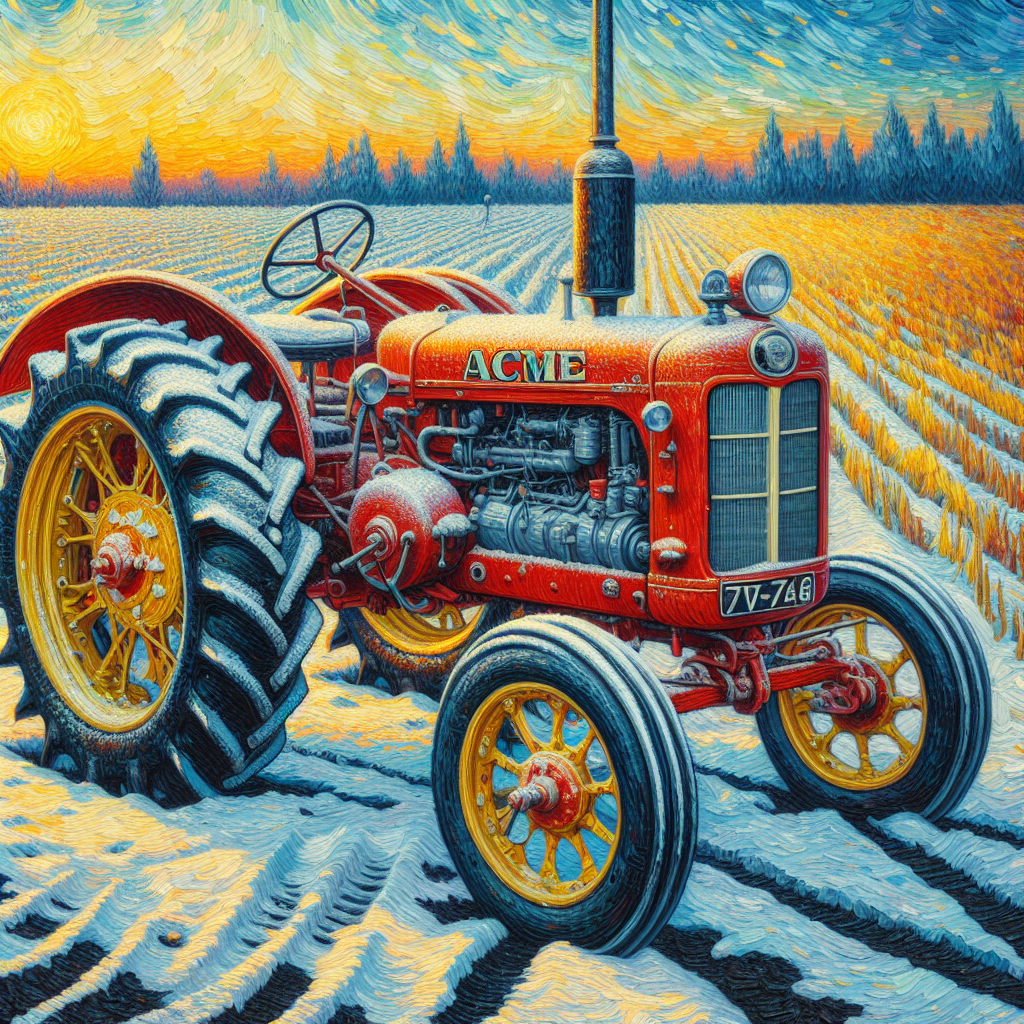
When we consider what gives objects their worth, we often overlook a crucial aspect: durability. It’s like the trusty tractor that clears the field season after season, engine humming through rain and shine. A durable tractor’s value isn’t just in its horsepower or brand name; it’s in its steadfastness, its ability to rise to the occasion when the stakes are high. Think about it – durability is a promise kept over time, a reliability that builds trust.
Emotions intertwine with durability in ways that shape our decisions. Picture a worn-out piece of furniture, each scratch and dent telling a story—a family gathering, a child’s first steps. That item transcends mere material value; it transforms into a vessel of memories, making its worth immeasurable. When we invest in things that withstand the test of time, we don’t just buy an object; we’re choosing continuity in a world that often feels fleeting.
From a rational perspective, durability offers savings in the long run. The initial sticker price of a well-built product may be higher, but factor in replacement costs and the time spent on repairs. A durable item provides peace of mind and lessens the frustration of frequent replacements. It’s the classic debate: quality over quantity. In a throwaway culture, opting for durability signals a shift toward valuing what endures rather than what’s easily discarded.
Ethically, embracing durability is a stand against the rampant waste our society produces. With each purchase of a long-lasting item, we contribute to sustainable practices. We’re saying no to disposability and yes to conscientious consumption. This choice reflects our values, where worth extends beyond the item to encompass the impact on our environment and future generations.
The stories of those who’ve fought to fix their beloved, old tractors rather than throwing them away resonate deeply. It’s the mechanic pouring sweat into a stubborn engine, learning the intricacies of how it works. This isn’t just a story of machinery; it’s about commitment, resilience, and the connection to a time-honored craft that feels increasingly rare.
Durability isn’t merely about things that last; it’s about relationships, values, and the stories we choose to carry with us. In every dented tractor and every seasoned piece of furniture, we find not just worth, but a definition of ourselves—a narrative that binds the past and the present into a tapestry rich with experience and meaning.
How Can Durability Define Worth?
How Can Durability Define Worth?
- Durability is a crucial aspect of an object’s worth, exemplified by reliable tractors.
- Durability builds trust and represents a promise of reliability over time.
- Emotional connections to durable items, like worn furniture, enhance their value beyond material worth.
- Investing in durable goods saves money long-term despite higher initial costs.
- Choosing durable products reflects a shift towards valuing longevity over disposability.
- Embracing durability supports sustainable practices and conscientious consumption.
- Durability encompasses relationships and narratives that connect past experiences to present values.

How Can Durability Define Worth?
Are We Sacrificing Quality for Convenience?
In a world that marches to a relentless beat of convenience, where a few taps on a screen can deliver dinner to our doorsteps, it’s easy to forget what we’ve left behind. Think of the last time you sat down to a home-cooked meal, the aroma wafting from the kitchen, the smiles shared over a table. Now, consider how often you opt for takeout instead, those flimsy containers perpetually crammed with food that tastes nearly identical, lacking the warmth of home. Are we, in our fervor to lighten our load, sacrificing not just quality but also the connections that come from creating something ourselves?
Imagine a farmer, sweating under the relentless sun, tending to his tractor as it rolls through the fields. This machine, a vital instrument of his trade, represents a connection to the land, to the generations that toiled before him. The tractor symbolizes hard work and care, a tangible link to quality outcomes born from hours sweat and commitment, feeding families and communities. Now picture that same farmer replaced by automation, a robot that knows only efficiency but lacks understanding. Convenience at its core might deliver results, but what does it strip away from the fabric of creation?
Quality isn’t just a buzzword; it’s the essence of craftsmanship, the invisible thread weaving together our stories. In our rush to save time, we’ve often sacrificed more than the labor involved. We miss moments of authenticity—whether in our meals, our hobbies, or how we connect with others. Each convenience we embrace has a hidden cost that extends beyond dollars and cent. Think of the local butcher who remembers your name, the baker who pours love into each loaf—these are the relationships that dissolve amidst the swiftness of app-based orders.
It’s not about demonizing progress; rather, it’s an invitation to find balance. Assess what truly matters to you. Dive into the rich offerings of life—cooking a meal from scratch, learning to fix that leaky faucet, or spending an afternoon crafting with your kids. Each of these moments brims with lessons, stories, and connections waiting to be forged.
Ultimately, we face a choice. Do we cling to convenience, letting it lead us to a less fulfilling existence? Or do we embrace the wisdom of the past while forging ahead? Investing in quality, in the slower, purposeful acts, can ultimately enrich our lives more than any gadget ever could. In this delicate dance between convenience and quality, let’s not forget what truly nourishes our hearts and minds.

Are We Sacrificing Quality for Convenience?
Are We Sacrificing Quality for Convenience?
- Modern convenience makes home-cooked meals less frequent, affecting quality and connections.
- A farmer’s labor symbolizes hard work and a connection to the land, contrasted with automation’s efficiency.
- Convenience often sacrifices authenticity in meals, hobbies, and relationships.
- Local businesses foster meaningful connections, which can be lost with app-based orders.
- Finding balance between progress and tradition is crucial for a fulfilling life.
- Engagement in meaningful activities, like cooking or crafting, offers valuable lessons and connections.
- Investing in quality experiences can enrich life more than modern gadgets.

Are We Sacrificing Quality for Convenience?
How Do We Measure the Value Of Craftsmanship?
How Do We Measure the Value of Craftsmanship?
Craftsmanship is often overshadowed by mass production and the allure of quick fixes, but there’s an undeniable weight that handcrafted quality carries; it speaks to something deep within us. Imagine a craftsman in a workshop, tools laid out like a painter’s palette, every piece crafted with care. Just like a tractor pulling its plow through the soil, solid and unyielding, true craftsmanship cultivates character and depth in our lives.
The value of craftsmanship can’t be measured by metrics alone. It’s about the relationship forged between the creator and the creation. When you hold a handcrafted item, there’s a palpable connection—the touch of the maker is embedded in each curve and stitch. That intimacy is missing in a factory-produced version, where assembly lines churn out uniformity instead of individuality.
Consider the story of a small-town carpenter who builds custom furniture. Each chair, table, or cabinet encapsulates not just wood and nails, but the essence of family stories, late nights, and the satisfaction of craftsmanship. Customers don’t just buy furniture; they buy a piece of that carpenter’s spirit, a slice of his life. Every scratch and dent tells a tale, forming a lineage far richer than anything in a big-box store.
Craftsmanship transcends economics; it touches our ethics. Supporting local artisans encourages sustainable practices and fosters community. It’s a conscious decision to choose quality over convenience and to invest in the future of our local economy. So, while a mass-produced item may be cheaper, the craftsmanship behind a handmade piece carries with it a conscience that reassures us we are supporting something genuine.
Moreover, there’s an authority in skilled craftsmanship. When a tradesman demonstrates expertise and passion, it inspires trust. People remember the feeling of pride accompanying a finely made product. It builds credibility, turning casual consumers into loyal advocates. Think of that neighbor who always insists on using local tradespeople; their confidence is rooted in the craftsmanship that resonates in their own life experiences.
Ultimately, to measure craftsmanship is to evaluate a story—the grip of the handle on a handmade tool, the warmth of a creator’s energy in every piece of finished work. It moves us beyond mere transaction; it stirs a bond rooted in appreciation. Just as a tractor navigates through unplowed fields, forging a path toward the future, so does craftsmanship pave the way for deeper connections, making each piece not just a product, but a legacy worth cherishing.

How Do We Measure the Value Of Craftsmanship?
How Do We Measure the Value Of Craftsmanship?
- Craftsmanship is often overlooked due to mass production and quick fixes but embodies deep meaning.
- The value of craftsmanship is rooted in the relationship between creator and creation, offering a tactile connection.
- Handcrafted items tell personal stories and carry the spirit of the maker, enhancing their uniqueness.
- Supporting local artisans fosters sustainable practices and strengthens community ties.
- Craftsmanship builds trust and loyalty through demonstrated expertise and passion from the creators.
- Each handcrafted piece embodies a narrative and emotional bond, transcending simple transactions.
- Ultimately, craftsmanship represents a legacy, linking consumers to deeper meanings and connections.

How Do We Measure the Value Of Craftsmanship?
What Role Does Nostalgia Play In Our Choices?
Nostalgia is a powerful force that shapes our decisions in ways we often overlook. Picture a worn tractor, steadfast and reliable, a symbol of our roots and the simplicity of life. Just like that old machine, nostalgia pulls us back to a time when things felt straightforward, when every choice seemed laden with meaning. Our memories are painted in vivid strokes—those backyard barbecues, summer road trips, or family gatherings—each a thread in the fabric of who we are.
In times of uncertainty, nostalgia serves as our emotional anchor. It offers comfort, reminding us of the people, places, and experiences that define our personal landscapes. When faced with choices about careers, relationships, or even where to live, we often find ourselves drifting back to those golden moments, letting them guide our decisions. The gut feels the weight of these memories; the heart yearns for connection. We crave familiarity in the chaos, and nostalgia provides it.
Rationally, this longing for the past can also be a grounding mechanism. When we think back to the joys of simpler times—like the thrill of a childhood bike ride or the laughter shared around a dinner table—we tap into a well of wisdom. There’s ethics in this too; it prompts us to consider the values instilled during those formative years. The lessons learned around that worn tractor may influence our work ethic or community engagement today.
Moreover, nostalgia does not exist in a vacuum; it echoes within our social circles. Sharing stories of nostalgia creates bonds. When we reminisce about what once was, we invite others to join in, fostering connections that transcend time. It becomes a shared narrative, reinforcing our sense of belonging and community.
Yet, nostalgia also serves as a cautionary tale, reminding us that while we might long for the past, we cannot live there. We must acknowledge the progress we’ve made and the lessons learned along the way. Balancing the allure of yesteryear with the imperative of living in the present is crucial.
Ultimately, nostalgia fuels our choices, inviting us to reflect on what truly matters—relationships, values, and experiences. Embracing these memories can inspire us to move forward with intention, ensuring that as we make choices today, we carry the best of our pasts into the future. It’s not just about looking back; it’s about using those reflections to chart a meaningful path ahead.

What Role Does Nostalgia Play In Our Choices?
What Role Does Nostalgia Play In Our Choices?
- Nostalgia shapes decisions and connects us to our roots, represented by symbols like a worn tractor.
- It serves as an emotional anchor, offering comfort during uncertain times by recalling meaningful memories.
- Nostalgic memories guide choices in careers, relationships, and lifestyle, appealing to our desire for familiarity.
- This longing for the past provides wisdom and instills values that influence current work ethic and community engagement.
- Sharing nostalgic stories fosters social connections and reinforces a sense of belonging within communities.
- Nostalgia serves as a reminder to live in the present while acknowledging the progress made from the past.
- Ultimately, nostalgia influences choices and helps reflect on important relationships, values, and experiences for a meaningful future.

What Role Does Nostalgia Play In Our Choices?
How Do Community Values Influence Our Purchasing?
Community values profoundly shape our purchasing habits, influencing not just what we buy, but why we choose to invest in specific products or services. Picture a small town, where the local tractor dealership isn’t just a business; it’s a vital part of the community fabric. When farmers gather to discuss their needs, it’s about more than machinery; it’s a shared understanding of hard work, legacy, and sustainability. The decision to purchase a tractor becomes less about features and more about supporting local livelihoods, echoing a commitment to a way of life that honors tradition.
Think about it. When a neighbor is considering which tractor to buy, they’re not solely evaluating horsepower or fuel efficiency. They’re considering the narrative woven into their community. They may talk to their uncle who has trusted that local dealership for decades, tapping into the authority of personal experience over slick advertising. That tractor becomes a symbol, a connection to family history, and a pledge to support local business. In that moment, the decision is deeply emotional, resonating with a longing to be part of something bigger—something that’s not just about the transaction but about preserving values that matter.
However, with the rise of big corporations and online shopping, we often find ourselves detached from those intimate connections. The ethics of our purchasing choices become muddied as we chase convenience and price. By opting for the impersonal, we risk not just our own sense of community but also the fabric that holds it together. Imagine walking into a store and being greeted by familiar faces, where the salespeople share tales of the tractors they sell—the stories of their capabilities, the families they’ve helped. This emotional engagement fosters trust and confidence, guiding decisions in a way that mere statistics can’t.
Let’s face it—when we choose to buy local, we’re not just getting a product; we’re affirming our values. It’s an assertion of what we believe in, a commitment to community sustainability, and a rejection of the throwaway culture that dominates our current shopping landscapes. Next time you’re in the position to make a purchase, remember the larger impact of those gold-plated tractors versus the lovingly crafted, locally supported ones. It’s not just about horsepower; it’s about heart, soul, and connection. Make your choice and shop with purpose—you’ll be supporting not just the economy, but the very principles that define your community.

How Do Community Values Influence Our Purchasing?
How Do Community Values Influence Our Purchasing?
- Community values shape purchasing habits, influencing the reasoning behind product choices.
- Local businesses, like tractor dealerships, are integral to community identity and heritage.
- Purchasing decisions often reflect emotional connections rather than just product features.
- Engaging with familiar local salespeople fosters trust and a sense of belonging.
- Consumer choices increasingly risk disconnection due to the rise of corporations and online shopping.
- Buying local signifies a commitment to community sustainability and shared values.
- Choosing local products emphasizes connection over convenience, enhancing community bonds.

How Do Community Values Influence Our Purchasing?
Conclusion
There’s an undeniable pull to the past, a magnetic force that draws us toward the robust machinery that embodies our family histories, like your grandfather’s tractor. These vintage machines represent more than just mechanical prowess; they illustrate a bygone era characterized by hard work and authentic craftsmanship. In stark contrast to modern, software-locked tractors, which often require updates and subscriptions just to operate, the old models exude a reliability rooted in simplicity. They serve as reminders of a time when farmers relied on their wits, tools, and a good understanding of their machinery, forging a bond built on trust and familiarity.
Embracing these iconic tractors means more than nostalgia; it’s an ethical stance valuing tradition against the backdrop of rapid technological advancement. Each scratch and dent holds a story, connecting generations through shared memories of labor done together. In a world often obsessed with the new, these classic machines defy the notion of disposability, symbolizing resilience and continuity against the tide of fleeting trends.
The emotional connection we hold with such machinery runs deep. It evokes senses of belonging and heritage, reminding us of sun-soaked days working fields or celebrating family milestones. It instills values that are increasingly rare—hard work, durability, and a sense of community—elements often overshadowed by today’s push for quick solutions and convenience.
Moreover, the allure of nostalgia has profound implications on our choices and relationships. The depth of craftsmanship in a grandfather’s tractor highlights how personal connections enrich our decisions, encouraging us to support local artisans and small businesses that honor quality and sustainability. In an era dominated by mass production, choosing to invest in robust, well-made items often means embracing the legacies of those who came before us.
As we navigate the modern world filled with ever-evolving technology, the choice remains clear—do we surrender the essence of our heritage for fleeting convenience, or do we stand firm in our appreciation for what endures? When we opt for the quality represented by methods and materials that have stood the test of time, we cultivate relationships rooted in trust and respect. Let’s celebrate the durability and authenticity reflected in those old tractors. They are not just relics; they are a compelling reminder of what truly matters—our connections to each other, our values, and the stories we choose to embrace as we move forward.

Conclusion
Conclusion:
- Vintage tractors embody family histories and a bygone era of hard work and craftsmanship.
- Old models offer reliability and simplicity compared to modern, software-locked tractors requiring updates.
- Embracing classic tractors represents an ethical stance valuing tradition amidst rapid technological advancement.
- Each scratch and dent tells a story, fostering connections across generations through shared labor experiences.
- The emotional bond with machinery evokes feelings of belonging, heritage, and community values.
- Choosing well-made items encourages support for local artisans and sustainable practices over mass production.
- Investing in durable machinery promotes trust and respect, celebrating connections and shared values.

Conclusion
Other Resources

Other Resources
Here is a list of other resources you can review online to learn more:
- Eastern Carolina Vintage Farm Equipment Club
- Mahindra
- Long
- McConnell-Marc
- KAMCO
- Massey Ferguson
- Florida Farm Days and Tractor Show
- Square Turn
- Fendt
- SAME Tractors
- Oklahoma City Farm Show
- Daedong
- Mmaine Antique Tractor Club
- Tractor Models
- Pioneer Farm Days
- John Deere
- Georgia National Antique Agriculture Show
- Ford
- Kirovets
- Fiat
Use This Prompt To Get More Resources With Your Favorite Online AI Tool: Please provide me with a list of online articles with their URLs in a bulleted list that I can read regarding Why Your Grandfather’s Tractor Will Outlast Any Software-Locked Model

Other Resources
Glossary Terms
Why Your Grandfather’s Tractor Will Outlast Any Software-Locked Model – Glossary Of Terms
1. Mechanical simplicity — Design with few moving parts and straightforward linkages that are easy to understand, diagnose, and fix.
2. Repairability — Ability to disassemble, replace, and reassemble components with common tools and knowledge.
3. User-serviceable — Items and procedures intended for owners/operators to maintain without factory intervention.
4. Modular design — Components grouped into replaceable modules so failures don’t require full-system replacement.
5. Spare-parts availability — Continued production or aftermarket supply of replacement parts over long time spans.
6. Overengineering — Use of conservative tolerances and beefy components that exceed nominal requirements for longevity.
7. Redundancy — Duplicate or parallel systems that preserve function when a component fails.
8. Mean time between failures (MTBF) — Statistical estimate of average operational lifetime before failure.
9. Planned obsolescence — Design practice that intentionally limits lifespan, common in some electronically locked products.
10. Right to Repair — Legal and social movement supporting consumer access to parts, tools, and documentation.
11. Proprietary software — Manufacturer-owned code that can restrict modification, repair, or reuse of hardware.
12. Software lock (digital lock) — Mechanisms that prevent firmware or software changes without authorized credentials.
13. Locked bootloader — Boot-stage restriction that accepts only manufacturer-signed firmware, blocking custom updates.
14. DRM (digital rights management) — Software controls that can limit device behavior or enable remote restrictions.
15. Firmware — Low-level embedded software that controls hardware behavior and can be a single point of failure.
16. Firmware update risk — The potential for updates to introduce bugs, remove features, or brick devices.
17. Bricking — Software or firmware action that renders hardware nonfunctional and irreparable by normal means.
18. Telemetry — Remote data collection from a device that can aid maintenance but also enable remote control or restrictions.
19. Remote kill switch — Capability to disable equipment remotely, whether for safety, anti-theft, or enforcement.
20. Walled garden — Closed ecosystem that limits interoperability, third-party parts, or alternative software.
21. Interoperability — The ability to work with other systems, tools, or parts; often greater in mechanical designs.
22. Open-source firmware/hardware — Public designs and code that allow community maintenance and long-term support.
23. Reverse engineering — Analyzing hardware or software to recreate missing documentation or compatibility.
24. Aftermarket parts — Third-party replacements that extend usable life independent of OEM policies.
25. Service manual — Detailed repair and maintenance documentation that empowers independent servicing.
26. Mean time to repair (MTTR) — Average time required to restore operation after a failure; typically lower for simple machines.
27. Lifecycle cost — Total cost of acquisition, operation, maintenance, and disposal over the equipment’s lifetime.
28. Circular economy — Design and business practices that prioritize reuse, repair, remanufacture, and long service life.
29. Material durability — Metallurgical choices, coatings, and treatments that determine wear resistance and fatigue life.
30. Maintainability — Ease, frequency, and predictability of maintenance tasks inherent in the design.

Glossary Of Terms
Other Questions
Why Your Grandfather’s Tractor Will Outlast Any Software-Locked Model – Other Questions
If you wish to explore and discover more, consider looking for answers to these questions:
- How do maintenance costs for an old tractor compare to a modern, software-locked model over its lifetime?
- Where can I find replacement parts and manuals for vintage tractors?
- What are the most common mechanical failures in older tractors and how difficult are they to fix?
- Can older tractors meet current emissions and safety regulations?
- What are the fuel efficiency differences between vintage and contemporary tractors?
- How does resale and collector value for well-maintained old tractors compare to depreciating new models?
- What are the risks and legal implications of bypassing software locks on modern tractors?
- Are there affordable retrofit options to add modern conveniences (like GPS or autosteer) to old tractors without compromising durability?
- How does “right to repair” legislation affect farmers’ ability to maintain or modify newer, software-restricted equipment?
- Do software-locked tractors offer measurable productivity or safety advantages that justify their restrictions?
- How do total cost of ownership and return on investment compare between restored vintage tractors and new machines?
- What insurance considerations differ between antique tractors and modern models with embedded software?
- How do community repair networks and local mechanics factor into the longevity of older equipment?
- What environmental trade-offs exist between keeping an old tractor running and buying a newer, cleaner model?
- How easy is it to source qualified technicians who know how to work on older mechanical systems?
- What are the safety differences for operators between old tractors and modern equipment with electronic safeguards?
- How does nostalgia influence purchasing decisions versus objective performance metrics?
- What steps are involved in restoring a vintage tractor, and what are typical timelines and costs?
- Are there communities, clubs, or specialty markets dedicated to preserving and trading vintage tractors?
- How do manufacturers’ subscription and update models affect long-term usability and ownership rights?
- What practical limitations do older tractors have for large-scale, modern farming operations?
- How transferable are attachments and implements between vintage and modern tractors?
- What ethical considerations should buyers weigh when choosing between disposable modern gear and repairable antiques?
- Can older tractors be safely converted to alternative fuels or electrified powertrains?
- What policies or incentives exist to support keeping durable equipment in service rather than replacing it?

Other Questions
Haiku
Why Your Grandfather’s Tractor Will Outlast Any Software-Locked Model – A Haiku
Old iron still stands strong,
Echoing tales of hard work,
Roots grip the rich soil.

Haiku
Poem
Why Your Grandfather’s Tractor Will Outlast Any Software-Locked Model – A Poem
In fields where toil and time entwine,
Amidst the roar of engines, memories shine.
Your grandfather’s tractor, a steadfast friend,
In simplicity and strength, its stories blend.
A relic of resilience, built from sweat and care,
Echoes of laughter linger in the air.
Rust marks, dents, a legacy bold,
Whispers of wisdom from generations of old.
Each part a tale, each rattle a song,
In a world of fast fixes, where do we belong?
Old tractors weave trust in threads worn yet true,
Tethered to tradition, not bound by what’s new.
Craftsmanship tender, a bond we can feel,
In every stitch and curve, the heart’s quiet zeal.
Nostalgia wraps us, brings community’s embrace,
As simple pleasures fade, they leave not a trace.
In comfort’s disguise, we chase fleeting ease,
Yet find in the old ways, true joy and release.
A call to remember the worth we once saw,
In durable things, the strength of the law.
Let choices reflect values, both deep and profound,
In a landscape of change, let our roots be the ground.
Buy from the heart, where community thrives,
In every transaction, let legacy drive.
So stand by the machines, the stories they tell,
In the hum of the engine, let your spirit swell.
For in each old tractor, a lesson we find,
Durability and heart, beautifully aligned.

Poem
Checklist
Why Your Grandfather’s Tractor Will Outlast Any Software-Locked Model – A Checklist
Emotional Appeals
✅______ Reflect on personal memories tied to family machinery \
✅______ Consider how a vintage tractor represents resilience and hard work \
✅______ Identify moments of community bonding related to farming traditions \
Rational Appeals
✅______ Assess the long-term savings of investing in durable, repairable machinery \
✅______ Compare the functionality and maintenance ease of older models to modern, software-locked options \
✅______ Weigh the benefits of quality over convenience in purchasing decisions \
Ethical Appeals
✅______ Recognize the importance of honoring craftsmanship and local traditions \
✅______ Evaluate the ethical implications of supporting sustainable practices through durable goods \
✅______ Consider the environmental impact of choosing long-lasting items over disposable technologies \
Authority Appeals
✅______ Seek insights from experienced farmers about the value of reliable machinery \
✅______ Consult with local artisans and craftsmen to understand the significance of their work \
✅______ Reflect on the wisdom passed down through generations regarding machinery maintenance \
Narrative Appeals
✅______ Share stories about the legacy of family-owned tractors and their role in your upbringing \
✅______ Construct a narrative about the journey of a vintage tractor and its impact on community and tradition \
✅______ Illustrate the personal connection to local businesses through anecdotes \
Social Appeals
✅______ Participate in local farming groups to share experiences related to machinery choices \
✅______ Advocate for buying from local dealerships to strengthen community ties \
✅______ Engage with peers in discussions about the significance of preserving traditional practices in modern agriculture \

Checklist
At ClassicTractorNews, we help tractor lovers keep up with the latest news for classic and vintage tractors.
Please share this post with your friends, family, or business associates who may like old classic or vintage tractors.