

Unlocking Your Tractor’s Potential: The Hidden Costs Of Compliance
By Tom Seest
At ClassicTractorNews, we help tractor lovers keep up with the latest news for classic and vintage tractors.
Please share this post with your friends, family, or business associates who may like old classic or vintage tractors.
Why You Can’t Fix Your New Tractor Without Manufacturer Permission
In today’s world, when you buy a new tractor, it feels like you’re not just investing in machinery; you’re investing in a promise: the promise of hard work transformed into productivity. But what happens when that shiny new tractor suddenly refuses to cooperate? You might think, “I own this thing. Why can’t I just fix it?” This question digs deeper than mere frustration; it speaks to our desire for control, autonomy, and the spirit of self-reliance.
Imagine for a moment that you’re in your barn, surrounded by the smell of fresh hay and the comforting rhythm of rural life. You’ve spent years nurturing your land, and that tractor is your partner. When it breaks down, it feels like a betrayal. You want to roll up your sleeves and dive into repairs, but the manufacturer’s gate swings shut, leaving you with a high-tech enigma wrapped in red tape.
This isn’t just about tractors, though. It’s a reflection of a larger issue where companies wield control over our tools, our lives, and our livelihoods. Manufacturers often restrict repairs to ensure quality and safety, but the core of the matter revolves around trust. When you can’t rely on your own hands to solve a problem, that trust erodes. You’re left feeling powerless, searching for a way to reclaim your agency amidst corporate regulations that benefit their bottom line more than your need for independence.
Yet, there’s an ethical quandary here. It’s about the values we hold dear—self-sufficiency, resilience, and community. Being forced to seek permission feels like surrendering a part of your identity as a craftsman or a farmer. There’s a story in every scratch on that tractor and a lesson in every repair—the kind that you want to pass down, just like heirloom seeds. When companies impose unnecessary barriers, they threaten this narrative.
Perhaps what we need is a movement that champions the right to repair. A collective realization that every scratch and dent tells a story of stubborn dedication. Imagine a community uniting not just around fixing tractors but forwarding an ethos of independence, a rallying cry: “We can fix what’s broken.”
In this age of dependence on tech and regulations, understanding why you can’t fix your new tractor without permission can ignite a desire for transparency and empowerment. It’s a call to action—to rethink our relationship with the tools of our trade and to advocate for the freedom to repair what we own. Clinging on to that spirit might just be the most revolutionary act of all.
Why You Can’t Fix Your New Tractor Without Manufacturer Permission
Why You Can’t Fix Your New Tractor Without Manufacturer Permission
- Buying a new tractor symbolizes an investment in productivity and autonomy.
- When a tractor malfunctions, it highlights the desire for control and self-reliance.
- Manufacturers often restrict repairs, which erodes trust and feelings of powerlessness.
- Companies’ restrictions reflect broader issues of control over tools and livelihoods.
- The ethical dilemma involves values like self-sufficiency and community identity.
- A movement advocating for the right to repair can foster independence and empowerment.
- Understanding these restrictions encourages a reevaluation of our relationship with tools.
Why You Can’t Fix Your New Tractor Without Manufacturer Permission
Table Of Contents
- Why You Can’t Fix Your New Tractor Without Manufacturer Permission
- What Emotional Impact Does Being Unable to Fix My Tractor Have?
- What Narratives Do Tractor Owners Share About Repair Frustrations?
- How Does Community Opinion Shape My View on Manufacturer Permissions?
- What Authority Do Manufacturers Have In Dictating My Repair Options?
- Why Do I Feel Helpless Without Manufacturer Support for My Tractor?
- Why Do We Feel Powerless When Our New Tractor Needs Repairs?
- Conclusion
- Other Resources
- Glossary Of Terms
- Other Questions
- Haiku
- Poem
- Checklist
What Emotional Impact Does Being Unable to Fix My Tractor Have?
When that trusty tractor of yours sits silent in the field, it’s more than just machinery; it becomes a symbol of dreams deferred and hard work stymied. Imagine the early mornings, coffee in hand, looking out at the sun rising over the horizon, your plans in motion for a day spent tending to the land. But there it is, the tractor, like a stubborn child refusing to budge, reminding you of a simple truth: not everything is within your control.
The emotional weight of being unable to fix your tractor isn’t just about the machine itself; it resonates profoundly within the heart and soul. Each scratch on that metal body tells a story—of long hours spent in the field, the laughter shared with friends as you worked side by side, and the sweat spilled on a hot summer day. Now, with the tractor inactive, those memories linger like ghosts, haunting yet beautiful. They bring forth feelings of frustration and helplessness. When the engine won’t start, it’s not just about repair; it’s about the loss of connection to the land, to your roots.
Rationally speaking, the inability to fix a tractor can lead to a significant setback in daily operations, impacting everything from planting crops to maintaining livestock. It’s a logistical nightmare that envelops your life. You might question your competence, feel insecure about your skills, or worry about expenses—both monetary and emotional. Yet, in those moments, it’s vital to remember that this experience isn’t isolated. Many have stood in your boots, staring down the same mechanical beast, feeling that heavy weight on their chests.
Ethically, society often glorifies self-sufficiency, placing a premium on the individual’s ability to fix things. However, vulnerability lies not in seeking help but in recognizing the limits of our own capabilities. It’s a call to the community—not every farmer can fix every issue alone. Stories abound of neighbors gathering to lend a hand, sparking connections that go far beyond the tractor, fostering a sense of belonging.
The act of reaching out, sharing your plight, opens up a dialogue about vulnerability and resilience. It cultivates empathy, inviting others to share their struggles and solutions. The narrative shifts from isolation to collaboration, transforming frustration into opportunity. By inviting others into your circle, you create a network of support that can carry you through tough times.
In those quiet moments beside your powerless tractor, remember: it’s not just metal and gears; it’s a catalyst for connection, a shared experience that underlines our collective struggles. Accepting help and offering it in return can turn despair into hope, reminding us that, together, we can find the strength to rise once more.
What Emotional Impact Does Being Unable to Fix My Tractor Have?
What Emotional Impact Does Being Unable to Fix My Tractor Have?
- A silent tractor symbolizes dreams deferred and disrupted hard work.
- The emotional burden of an inoperable tractor affects one’s heart and soul, evoking memories of toiling in the fields.
- Inability to repair the tractor results in setbacks for daily farming operations, creating logistical challenges.
- Feelings of self-doubt and insecurity can arise when faced with mechanical failures.
- Societal pressure values self-sufficiency; however, acknowledging our limits is essential.
- Reaching out for help fosters community connections and transforms isolation into collaboration.
- Accepting and offering assistance creates a support network that can turn despair into hope.

What Emotional Impact Does Being Unable to Fix My Tractor Have?
What Narratives Do Tractor Owners Share About Repair Frustrations?
For many, a tractor isn’t just a hunk of metal; it’s a lifeline. It embodies independence, hard work, and the relentless spirit of those who toil in fields under wide-open skies. But beneath that surface of rugged reliability, tractor owners often swim in a sea of repair frustrations that can test even the strongest character.
Imagine this: it’s the start of the busy harvest season. The sun rises, casting golden hues over the fields, and you’re ready to go. But, as luck would have it, your trusted tractor—a steadfast companion through countless seasons—decides this is the day for a malfunction. Perhaps it’s the stubborn engine that sputters while you watch the clock tick away. In those moments, the wait for parts or a technician feels like waiting for a rainstorm in a drought. Time stretches, and anxiety sets in.
Many tractor owners share stories that resonate deeply, not only about the inconvenience but also about the psychological burden these breakdowns impose. The bond one forms with this machinery extends beyond mere function; it’s about trust and reliability in a world that often feels chaotic. When a repair isn’t straightforward, feelings of helplessness and frustration can creep in, generating a sense of vulnerability that is both raw and real.
The narratives often shift, revealing not just frustration but also camaraderie among fellow tractor owners who, through shared experiences, connect over broken parts and long-awaited repairs. These stories foster a sense of community, where triumphs in getting a tractor back on the job are celebrated just as enthusiastically as the harvest. There’s almost an unspoken code: “I get it. I’ve been there.” This camaraderie serves as a reminder that no one is truly alone in their struggles.
Moreover, the ethical dimension of these frustrations comes into play. Many tractor owners reflect on the manufacturers’ roles, expressing a need for better parts availability and customer service. They advocate not just for their own frustrations but for their fellow owners who, like them, pour their sweat and soul into their land. Their voices rise to call for accountability and transparency from those who produce the machines they depend on daily.
Every repair story is a testament to resilience. It’s about getting back in the saddle, refusing to let frustration define the relationship. These narratives remind us that behind every breakdown is a chance for a comeback, and with every challenge, the bond with our tools strengthens. It’s not just a tractor; it’s a partner in the labor of life, forging connections through every rough patch encountered along the way.
What Narratives Do Tractor Owners Share About Repair Frustrations?
What Narratives Do Tractor Owners Share About Repair Frustrations?
- A tractor symbolizes independence, hard work, and resilience for many owners.
- Malfunctions often occur during critical times, causing significant stress and anxiety.
- Breakdowns lead to feelings of helplessness, highlighting the emotional bond between owners and their tractors.
- Shared experiences foster camaraderie among tractor owners, creating a supportive community.
- Tractor owners advocate for better parts availability and customer service from manufacturers.
- Stories of repair reflect resilience, emphasizing the importance of overcoming challenges.
- The relationship with a tractor transcends function, becoming a partnership in the labor of life.
What Narratives Do Tractor Owners Share About Repair Frustrations?
How Does Community Opinion Shape My View on Manufacturer Permissions?
Community opinion holds significant sway over how we perceive manufacturer permissions, especially when it comes to something as familiar as a tractor. Imagine a rural town where sturdy tractors are the backbone of agriculture, vital for local livelihoods. The decision to allow a particular manufacturer to operate not only affects the farmers using those machines but ripples through the entire community.
When manufacturers introduce new models or technologies, their permissions are often rooted in more than just corporate interests; they shape the very fabric of daily life. The stories of the people who rely on these tractors reveal a juxtaposition of trust and skepticism. A local farmer named Joe, for instance, had a harrowing experience when a new tractor design proved inadequate for his fields, leading to crop losses. The community rallied around him, sharing cautionary tales that stemmed from their collective experiences, reminding everyone that community sentiment can challenge decisions made solely in corporate boardrooms.
Moreover, there’s an ethical dimension at play. Understanding the concerns of farmers about durability, safety, and performance isn’t merely a transactional interaction; it’s a partnership built on shared values. When community voices advocate for transparent manufacturer permissions, they foster a dialogue that underscores the importance of accountability. It’s as if each voice builds a wall of trust, protecting against subpar products that could shatter livelihoods.
Narratively, consider how we often share tales over barbecues or coffee about the latest models, combining laughter with learning. These moments capture an essence of camaraderie; everyone pitches in, advising each other based on experiences with a specific manufacturer. Such gatherings not only strengthen social bonds but also cultivate a collective wisdom that shapes our purchasing decisions.
When we involve the community in discussions about manufacturer permissions, we acknowledge their role as stakeholders—not just in the economic sense but in emotional and cultural dimensions. Their opinions reflect a shared identity and an investment in the common good, emphasizing that decisions about tractors are much more than sweet machinery—they’re about honoring people’s lives and aspirations.
Thus, as we ponder how community consensus shapes our views on manufacturer permissions, we recognize an intrinsic truth: opinions anchored in shared experiences can ignite action, inviting manufacturers to engage responsibly with the communities that fuel their success. This isn’t merely about the products; it’s about the people who use them, making every tractor more than a tool—it becomes a symbol of community resilience.
How Does Community Opinion Shape My View on Manufacturer Permissions?
How Does Community Opinion Shape My View on Manufacturer Permissions?
- Community opinion significantly influences perceptions of manufacturer permissions, especially regarding tractors vital for agriculture.
- Manufacturer decisions affect farmers and reverberate throughout the entire community.
- New tractor models can create a blend of trust and skepticism among users, as seen in local farmer Joe’s negative experience.
- Farmers’ concerns about product durability, safety, and performance highlight the ethical partnership between communities and manufacturers.
- Community conversations about tractors encourage transparency and accountability from manufacturers.
- Social gatherings foster shared wisdom and influence purchasing decisions based on collective experiences.
- Engaging community voices acknowledges their cultural and emotional stakes, making tractors symbols of resilience rather than just tools.
How Does Community Opinion Shape My View on Manufacturer Permissions?
What Authority Do Manufacturers Have In Dictating My Repair Options?
When you think about a farmer working long hours under the sun, tending to their fields, only to have a tractor break down at the worst moment, it’s gut-wrenching. The sudden halt can have devastating effects on harvests, income, and livelihoods. But here’s where the rubber meets the road: Who gets to decide what happens next? The power dynamics between you, as a consumer, and manufacturers can feel unbalanced, almost unfair. Imagine having your options limited by a giant corporation that hasn’t seen your land or understood your hustle.
Manufacturers wield significant authority over your repair options, often claiming it’s about preserving quality and safety. They insist that using only certified parts or technicians ensures that every machine meets the highest standards. Ethically, it seems reasonable—after all, you want your tractor running right. Still, let’s not overlook the other side: this can feel less like protection and more like a restraint that limits your freedom to repair. It’s akin to being told you can only buy fuel from one source, regardless of accessibility or cost. You’re the one who owns that tractor, yet the manufacturer tries to hold the reins.
Consider a personal story—a farmer who, frustrated by high service costs and limited parts availability, took matters into their own hands, learning about repairs online and joining local repair groups. Their determination transformed not just their equipment but their entire outlook. They connected with others, shared tips, and ultimately, reclaimed their independence. This communal spirit speaks volumes about the power of taking back agency from manufacturers. The heart of the matter lies not only in mechanics but in the relationships and stories that arise when we refuse to be sidelined.
Socially, we’re all in this together, advocating for transparency and choice. Our voices resonate when we share experiences—discussing hacks, frustrations, and solutions creates a ripple effect that can challenge manufacturers’ authority. It’s a dialogue that fosters trust and community, uniting individuals to push for change. As we stand in solidarity, we remind these giants that they’re about more than just profits; they’re tied to our hopes, our struggles, and our resilience.
Let’s inspire action. Call on these manufacturers to recognize the value in our wisdom and our right to repair. It’s not about dismantling a relationship; it’s about cultivating one where collaboration outweighs control—a partnership where every tractor in the field may break down once in a while, but every owner has the authority to keep it running.
What Authority Do Manufacturers Have In Dictating My Repair Options?
What Authority Do Manufacturers Have In Dictating My Repair Options?
- Farmers face challenges with equipment failures affecting their livelihoods.
- Power dynamics exist between consumers and manufacturers regarding repair options.
- Manufacturers promote the use of certified parts and technicians for quality assurance.
- This restriction on repair choices can feel limiting and unfair to owners.
- A personal story illustrates a farmer who gained independence through self-repair and community support.
- Sharing experiences fosters a sense of community and empowers collective advocacy for change.
- The call to action emphasizes collaboration over control in manufacturer-consumer relationships.
What Authority Do Manufacturers Have In Dictating My Repair Options?
Why Do I Feel Helpless Without Manufacturer Support for My Tractor?
Picture this: it’s early morning, the sun peeking over the horizon, and you’re standing in front of your trusted tractor. This giant machine is more than just a piece of equipment; it’s an extension of your hard work and aspirations. You’ve relied on it through countless seasons—plowing fields, hauling loads, and turning barren land into fertile ground. But then, disaster strikes. You encounter a problem, and the manufacturer support that once felt like a lifeline is gone. Suddenly, you’re left feeling small and overwhelmed.
Feeling helpless in this situation is not unusual. It stems from a very human desire for support and reassurance, especially when facing the complexities of machinery that are designed to enhance our lives. Without that safety net, it’s easy to feel vulnerable. You’ve committed time, money, and effort into this tractor, yet without assistance, you confront a daunting reality. The emotional weight of doubt creeps in: Am I capable of fixing this? What if I can’t finish my tasks in time, jeopardizing my livelihood?
Rationally, the equation is as straightforward as the engine of the tractor itself: good support leads to better performance. Manufacturers understand their machines inside and out, and when that knowledge isn’t accessible, it breeds frustration. You’re left with a heavy heart and an unsettled gut as you resort to trial and error or rely on the wisdom of fellow farmers, sometimes leading to a tense game of guessing. But know this—there’s a collective bond among us. We’re all navigating the same trials, and that sense of community can be a powerful antidote to helplessness.
Ethically, we invest in our tools, expecting manufacturers to honor that relationship. It’s not just about the metal and bolts; it’s about trust and mutual respect. Your tractor represents hard work, dreams, and legacy, and when you feel abandoned, it can feel like not just an oversight but a breach of that sacred contract.
Ultimately, remember that every mechanical hiccup is an opportunity to learn. Engage with your support community, dig into online forums, or find a neighbor with some experience. This is your chance to not only resolve a problem but to deepen your connection to the craft you love. When faced with adversity, it’s our resilience that shines, transforming feelings of helplessness into empowerment, one repair at a time. Embrace that journey, and take pride in the knowledge that you are not alone on this path.
Why Do I Feel Helpless Without Manufacturer Support for My Tractor?
Why Do I Feel Helpless Without Manufacturer Support for My Tractor?
- Morning scene with a tractor symbolizes hard work and aspirations.
- Encountering problems leads to feelings of helplessness without manufacturer support.
- Human desire for support fosters vulnerability and emotional doubt.
- Good support correlates with better performance; lack of knowledge breeds frustration.
- A community bond among farmers can alleviate feelings of isolation and helplessness.
- Investing in tools includes expectations of trust and respect from manufacturers.
- Mechanical issues can provide opportunities for learning and connection to the craft.

Why Do I Feel Helpless Without Manufacturer Support for My Tractor?
Why Do We Feel Powerless When Our New Tractor Needs Repairs?
There’s something deeply disheartening about standing next to our shiny new tractor, that very symbol of progress and independence, only to find it in need of repairs. Just a few weeks ago, this machine represented hard work, dreams, and the promise of a bountiful harvest. Now, it feels like a stubborn child, refusing to cooperate at the most inconvenient time.
When that engine sputters or the hydraulic system fails, it’s not just a mechanical issue; it strikes at the heart of our identity as producers. We pour our sweat and aspirations into the fields, and a breakdown can make us feel not just grounded but utterly powerless. It’s a reminder that despite our best efforts, we’re not always in control.
Emotions surge: frustration, anxiety, and a little guilt. The rational part of us knows that machinery is fallible. We’ve heard the stories—every farmer has a tale of a tractor failing right before the harvest. Yet, when it happens to us, it feels personal. It’s the bond we’ve formed with that tractor—a trusted partner in our daily labors—now hampered by something we can hardly fix.
On an ethical level, it raises questions about our dependency on technology. Have we become too reliant on machines, losing sight of our own capabilities? It’s an uncomfortable realization that amid progress, we’ve traded some control for convenience. But consider this: even with cutting-edge technology, every farmer knows the value of community. That moment of feeling powerless can also be a bridge to connection. It’s often in these mishaps that we lean on our neighbors, share tips, and strengthen those bonds.
Imagine this: you’re deep in the fields, the sun shining, and suddenly your tractor stops. Instead of wallowing in frustration, you reach for your phone and call a fellow farmer. They come over, and in the process, share a few laughs, a couple of life lessons, and the hard-won knowledge of repairing tractors. Suddenly, what felt like a setback transforms into a shared experience, reminding you of the resilience that runs through your community.
So, while that new tractor may sit idle for a bit, don’t view it solely as power lost. Instead, see it as an opportunity to reconnect with the roots of farming — the people, the stories, and the lessons we learn along the way. It’s not just about fixing machinery but about mending the fabric of our community and the enduring spirit of those who plow the land.
Why Do We Feel Powerless When Our New Tractor Needs Repairs?
Why Do We Feel Powerless When Our New Tractor Needs Repairs?
Why Do We Feel Powerless When Our New Tractor Needs Repairs?
Conclusion
In the heart of rural America, tractors symbolize not just machinery, but dreams, hard work, and the promise of productivity. When that new tractor fails, it feels like a betrayal; a heavy burden, where dreams confront the harsh reality of mechanical failure. This frustration runs deeper, touching on our thirst for independence and autonomy. We envision ourselves as craftsmen, capable of mending what we own, but corporate restrictions often deny us this basic right.
The simple desire to fix what’s ours clashes with manufacturer permissions, revealing a broader issue of trust in our relationship with these corporations. They argue that limiting repair options safeguards quality and safety, yet it often feels more like restraint than protection. The ethical implications are significant; we yearn for self-sufficiency and community, and when manufacturers impose barriers, they undermine that bond. Every scratch on the tractor narrates a story—a testament to a life lived in tandem with the land, a craft honed over the years, all threatened by corporate red tape.
This is not just a mechanical inconvenience—it’s emotional, steered by the weight of expectations and the reality of helplessness. Each breakdown resonates, reminding us of our vulnerability in a world tightly bound by technical dependencies. Many in our community feel this crisis, yet together, we can define the narrative. By sharing these experiences, we build connections that remind us we are not alone, igniting a collective push for the right to repair.
Amid this struggle lies a sense of purpose: advocating for transparency and fostering a culture of independence. Communities that unite can reshape how we view these machines, transforming frustrations into opportunities for problem-solving and support. As neighbors gather around a broken tractor, helping one another, they revive not just machinery but shared values of resilience and collaboration.
It’s time we harness this spirit. The journey begins by acknowledging that every setback, every call for help, strengthens our resolve and deepens our connections. Manufacturers should remember—they are not just selling machines; they are nurturing relationships with those who labor under the open skies. Embracing the right to repair is not just an individual win; it’s a communal act, reclaiming our agency in the face of corporate oversight. In the dialogue between consumers and manufacturers, we must advocate for the changes we seek—not just for our tractors, but for the very essence of our livelihoods. Together, we can ensure that every machine remains a partner in our lives, forged in trust and shared experiences.
Conclusion
Conclusion:
- Tractors symbolize dreams, hard work, and productivity in rural America.
- A new tractor’s failure feels like a betrayal, confronting dreams with harsh realities.
- The desire to fix our own machinery clashes with corporate restrictions on repairs.
- Manufacturers claim to ensure quality and safety, but this often feels like restraint.
- Breakdowns evoke emotional responses, highlighting vulnerability in a technical world.
- Communities can unite to advocate for the right to repair and support one another.
- Embracing the right to repair is a communal act that strengthens bonds and relationships.
Conclusion
Other Resources
Other Resources
Here is a list of other resources you can review online to learn more:
- SAME
- Fieldking
- Mastodon
- Pioneer Tractor
- Huber
- RK Tractors
- Eagle
- CAAntique Farm Equipment Show
- Ivel Agricultural Motors
- NEATTA
- FARMSHOW Magazine
- Eicher Tractors
- Zetor Zebra
- Mmaine Antique Tractor Club
- American Tractor Museum
- Just Farm Kids Tractor Show
- McCormick
- Nuffield
- LS
Use This Prompt To Get More Resources With Your Favorite Online AI Tool: Please provide me with a list of online articles with their URLs in a bulleted list that I can read regarding Why You Can’t Fix Your New Tractor Without Manufacturer Permission
Other Resources
Glossary Terms
Why You Can’t Fix Your New Tractor Without Manufacturer Permission – Glossary Of Terms
1. Original Equipment Manufacturer (OEM): The company that designs and sells the tractor; controls parts, software, manuals, and authorization for repairs.
2. Warranty: A manufacturer promise covering defects under certain conditions; performing unauthorized repairs can void coverage.
3. Warranty Void Clause: Contract language that specifies actions (e. g. , third‑party repairs, using non‑OEM parts) that cancel warranty protections.
4. End‑User License Agreement (EULA): A legal contract for embedded software that limits how owners may access, modify, or redistribute the tractor’s code.
5. Service Agreement: Paid contracts that grant authorized service rights and restrict who may perform covered maintenance or diagnostics.
6. Intellectual Property (IP): Patents, copyrights, and trade secrets protecting designs, software, and repair methods that manufacturers control.
7. Patent: Legal protection of inventions and repair methods that can prohibit third‑party replication or tooling without permission.
8. Copyright: Protection for software and manuals that can limit copying or redistribution of repair documentation and code.
9. Trade Secret: Confidential technical knowledge (diagnostic procedures, calibrations) withheld by manufacturers to prevent unauthorized repairs.
10. Digital Rights Management (DRM): Technical controls embedded in software to prevent unauthorized access, modification, or copying of tractor firmware and tools.
11. Software Lock / Lockdown: Mechanisms that prevent the tractor from operating unless authorized software, keys, or signatures are present.
12. Electronic Control Unit (ECU): The tractor’s embedded computer; manufacturers often restrict reprogramming and require authenticated tools.
13. Firmware: Low‑level software on components that must be updated or signed by the OEM, preventing independent flashing or modification.
14. Code Signing / Software Authentication: Cryptographic checks that allow only manufacturer‑approved firmware or updates to run on the tractor.
15. Diagnostic Trouble Code (DTC): Manufacturer‑specific error codes that often require OEM diagnostics to interpret and clear safely.
16. OEM Diagnostic Software: Proprietary tools used to read codes, run tests, and perform calibrations; access is typically limited to authorized users.
17. Proprietary Service Tool: Specialized hardware (connectors, interfaces, meters) required to service systems that the manufacturer controls.
18. Authorization Codes / Service Keys: One‑time or recurring codes issued by OEMs to permit certain repairs, reprogramming, or part activations.
19. Telematics / Remote Telemetry: Connected systems that transmit tractor data to OEMs and can enable remote diagnostics, updates, or lockouts.
20. Remote Lockout / Remote Disable: Manufacturer capability to disable or restrict tractor functions remotely during unauthorized tampering or for security.
21. Calibration: Precision adjustments required after repairs (engine, hydraulics, sensors) that often need proprietary procedures and tools.
22. Safety Certification / Compliance: Regulatory approvals tied to original configuration that can be invalidated by unauthorized repairs, affecting legal use.
23. Liability Exposure: Manufacturer and owner legal risk for injuries or damage resulting from non‑authorized repairs, which manufacturers cite to restrict independent fixes.
24. Authorized Dealer / Service Network: The OEM’s approved repair and parts channel, used to control quality, data access, and revenue from servicing.
25. OEM Parts Serialization / Authentication: Serial numbers and electronic pairing that prevent non‑OEM parts from functioning or being recognized by the tractor.
26. Proprietary Fasteners / Tamper‑Proof Hardware: Specialized bolts, adhesives, or shields that hinder disassembly and discourage DIY repairs.
27. Technical Service Bulletin (TSB): Manufacturer advisories about fixes or updates that may require OEM procedures or parts, not publicized for independent repair.
28. Restricted Service Manual: Detailed repair documentation often gated behind paywalls, subscriptions, or dealer-only portals.
29. Anti‑circumvention Law (e. g. , DMCA provisions): Legal prohibitions on bypassing technical protection measures that can make reverse engineering or jailbreaking illegal.
30. Reverse Engineering Restriction: Contractual or legal barriers and technical complexity that deter independent diagnosis, reproduction of parts, or software modification.
Glossary Of Terms
Other Questions
Why You Can’t Fix Your New Tractor Without Manufacturer Permission – Other Questions
If you wish to explore and discover more, consider looking for answers to these questions:
- Who legally owns the software and diagnostic data in my tractor?
- Can a manufacturer legally prohibit me from repairing a tractor I own?
- How does having a warranty affect my right to repair?
- Will performing my own repairs void the manufacturer’s warranty?
- How can I obtain permission from the manufacturer to perform repairs?
- What are the costs of using authorized dealer service versus an independent mechanic?
- Where can I find official repair manuals, schematics, and parts lists?
- Are essential parts available from third-party suppliers or only from the manufacturer?
- What diagnostic tools or software are required to troubleshoot modern tractors?
- Do manufacturers restrict diagnostic access through software locks or DRM?
- Can independent technicians legally access the manufacturer’s diagnostic codes and tools?
- What safety and liability risks do I face if I attempt repairs myself?
- How long do manufacturer-authorized repairs typically take during peak season?
- What local or online community resources (forums, co-ops, repair groups) can help?
- What training or certifications should I seek to perform complex tractor repairs safely?
- How do software updates from the manufacturer affect existing repairs or third‑party parts?
- Are there common failures in new tractors that owners should anticipate?
- What immediate steps should I take when my tractor breaks down in the field?
- How can I document DIY repairs to preserve resale value or meet disclosure obligations?
- What consumer protections or right-to-repair laws exist in my country or state?
- How have right-to-repair movements affected agricultural equipment manufacturers so far?
- What evidence do manufacturers present when arguing repairs must be restricted for safety?
- How can farmers collectively advocate for more transparent repair access?
- What insurance implications exist if I or an independent shop repairs my tractor?
- Are there safe, simple repairs owners can reasonably perform without specialized tools?
- How do retrofit or aftermarket upgrades interact with manufacturer restrictions?
- How do repair restrictions affect long-term total cost of ownership and depreciation?
- What alternatives exist if the manufacturer refuses to provide parts or service in a timely manner?
- Which organizations or regulatory bodies can mediate disputes between owners and manufacturers?
Other Questions
Haiku
Why You Can’t Fix Your New Tractor Without Manufacturer Permission – A Haiku
New machine awaits,
Dreams entwined in rust and dust,
Hands reach for lost skill.
Haiku
Poem
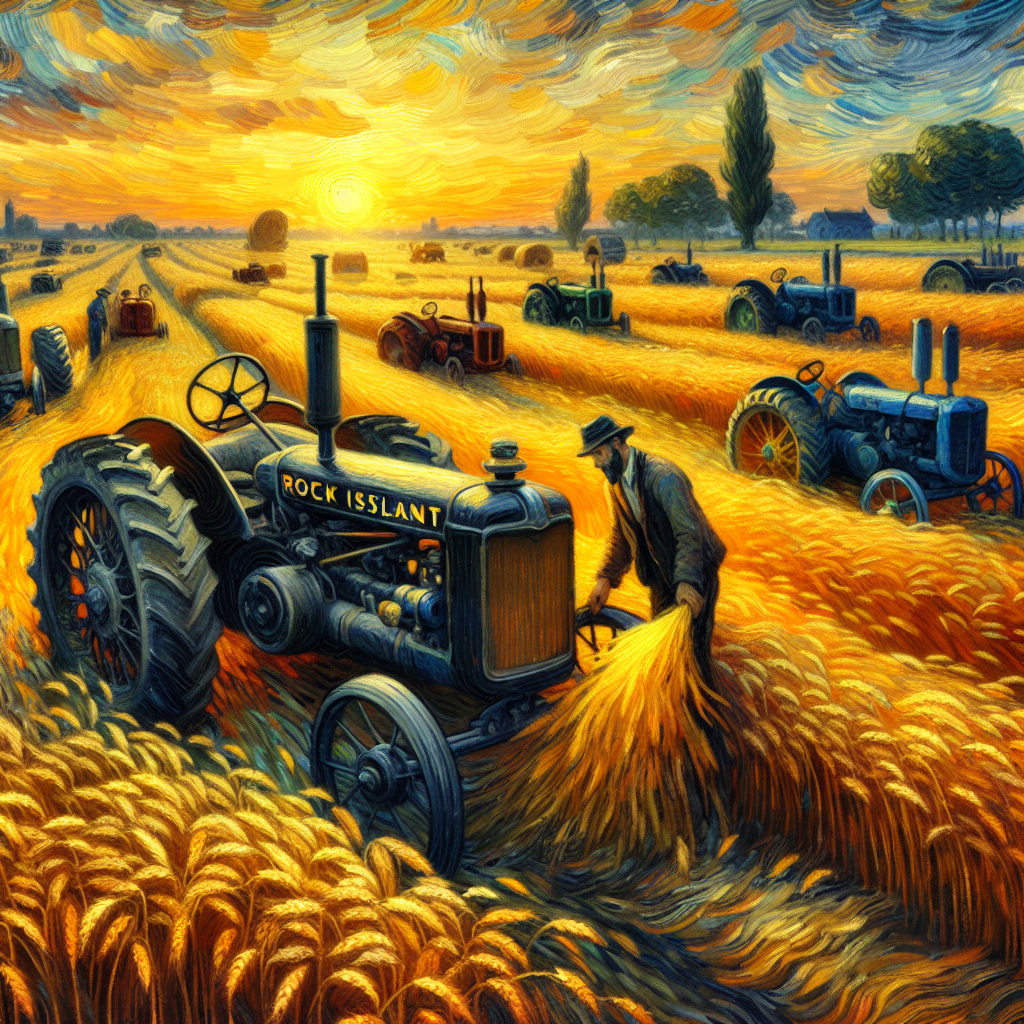
Why You Can’t Fix Your New Tractor Without Manufacturer Permission – A Poem
In fields where dreams take flight,
A tractor stands, a guiding light.
With promise bound in metal might,
Yet when it stalls, we face a plight.
Ownership, a cherished creed,
Turns to doubt when help we need.
With every scratch, a story grows,
Yet gates of commerce tightly close.
We toil to mend what’s ours by right,
But corporate rules snuff out our fight.
In unity, let voices rise,
For every fix, a heart will try.
Around the barn, hands intertwine,
With shared tales of loss and shine.
Frustration breeds not only strife,
But bonds that pulse with rural life.
Manufacturers grip, a heavy yoke,
Yet from this struggle, strength we stoke.
Community whispers, “We can repair,”
Through grit and grace, we breathe the air.
So when that engine sputters low,
Connect the threads, let knowledge flow.
In every break, a chance to mend,
Together strong, we’ll rise again.
Poem
Checklist
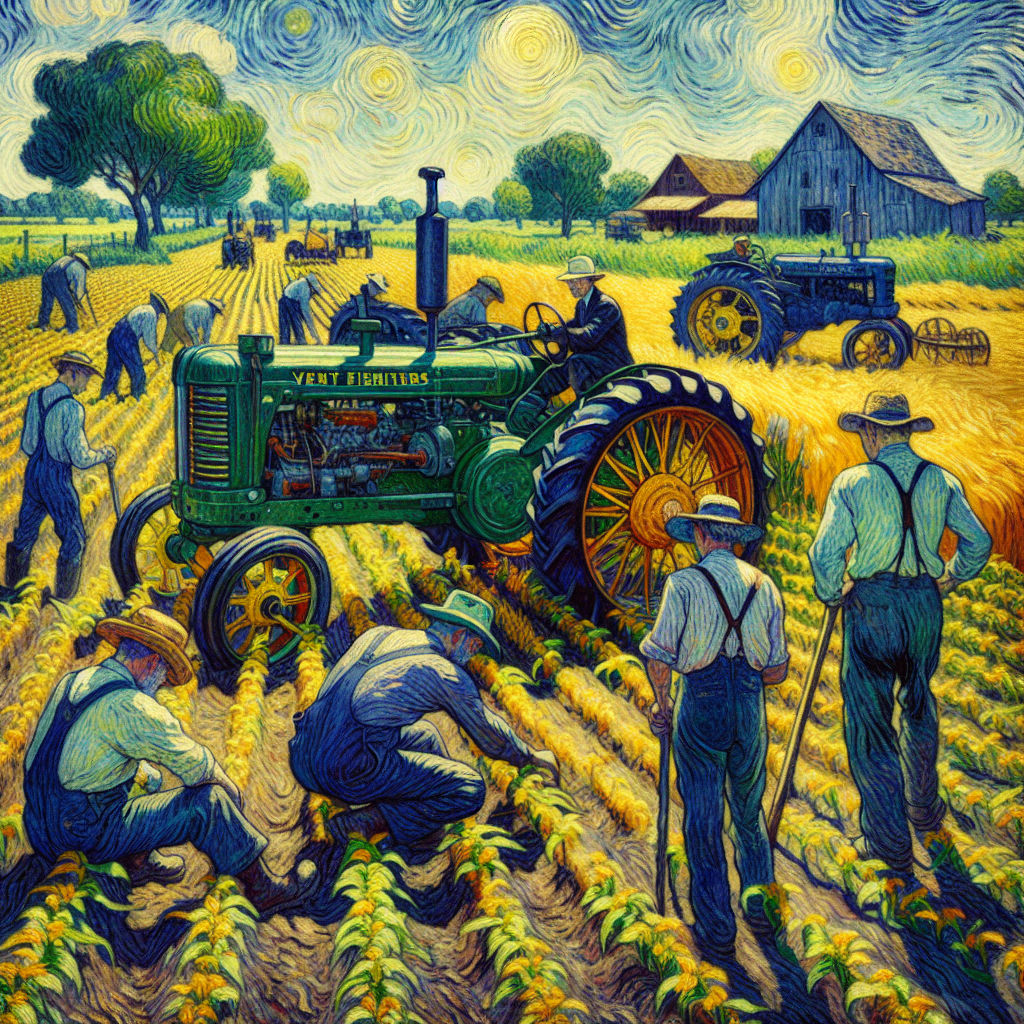
Why You Can’t Fix Your New Tractor Without Manufacturer Permission – A Checklist
Checklist: Unlocking Your Tractors Potential
✅______ Reflect on your connection to your tractor. What memories does it hold?
✅______ Consider how repair challenges impact your farming narrative.
✅______ Acknowledge feelings of frustration and helplessness. Share them with your community.
Rational Appeals
✅______ Analyze the reasons behind manufacturer repair restrictions.
✅______ Identify the logistical challenges posed by repair limitations.
✅______ Assess potential losses from downtime and unauthorized repairs.
Ethical Appeals
✅______ Evaluate the balance between safety and consumer autonomy.
✅______ Engage in discussions about the right to repair within your community.
✅______ Advocate for transparency and accountability from manufacturers.
Authority Appeals
✅______ Research authorized repair options and their implications.
✅______ Seek out local experts or community members with expertise in repairs.
✅______ Connect with manufacturers regarding their repair policies and options.
Narrative Appeals
✅______ Share personal anecdotes related to your tractor repair experiences.
✅______ Collect stories from other tractor owners—celebrate both successes and setbacks.
✅______ Foster a community narrative around the importance of repair and resilience.
Social Appeals
✅______ Join or form local repair groups to share knowledge and skills.
✅______ Participate in community conversations about repair rights.
✅______ Encourage collective advocacy for more flexible manufacturer permissions.
Checklist
At ClassicTractorNews, we help tractor lovers keep up with the latest news for classic and vintage tractors.
Please share this post with your friends, family, or business associates who may like old classic or vintage tractors.