


The Timeless Power And Practicality Of Traditional Tractors
By Tom Seest
At ClassicTractorNews, we help tractor lovers keep up with the latest news for classic and vintage tractors.
Please share this post with your friends, family, or business associates who may like old classic or vintage tractors.
Why Traditional Tractors Still Rule Small Farm Operations
When you step onto a small farm, your senses awaken. The smell of rich, fertile soil wafts through the air as you watch a tractor roll out of the barn, its familiar hum echoing like an old friend’s laughter. It’s not just a machine; it’s a trusted partner in a labor of love that generations have shared. Traditional tractors, with their roots deep in agricultural history, continue to be the beating heart of small farm operations for a reason.
First, let’s appeal to the gut. There’s something undeniably comforting about a sturdy, classic tractor. They don’t require the flashiness of modern technology to get the job done; they embody resilience and reliability. Farmers can often recount stories of their own fathers or grandfathers using the same model to cultivate the land, a tradition passed down like a beloved family heirloom. It’s a symbol of continuity, and that emotional connection transforms a piece of equipment into a trusted ally in the fields.
Now, let’s shift to the head. While shiny new machines promise advanced technology and higher efficiency, they often come with a hefty price tag, both financially and in terms of maintenance. Traditional tractors stand out as a beacon of pragmatism. They are straightforward, easy to repair, and can last decades with proper care. For a small farmer, investing in a reliable piece of machinery that doesn’t demand constant upgrades or specialized training is simply smart economics. You get the job done without draining your wallet, and that speaks volumes in the tight margins of today’s agricultural market.
We must also tap into ethical concerns. In a world racing towards automation, there’s a growing movement advocating for sustainable farming practices. Traditional tractors often consume less fuel, leaving a smaller carbon footprint per acre farmed compared to their high-tech counterparts. By embracing these tried-and-true machines, small-scale operators align their practices with environmental stewardship principles, fostering a sense of community responsibility.
As discussions about farming evolve, it’s clear: traditional tractors not only honor a legacy but also anchor us in the present, linking us with our land and each other. They remind us that sometimes the old ways are the best ways, not just for efficiency, but for connection—connecting us to our roots, our communities, and the promise of the harvest still to come. Whether pulling a plow or ferrying supplies, they continue to prove that in the world of small farms, tradition holds its own weight, quite literally.

Why Traditional Tractors Still Rule Small Farm Operations
Why Traditional Tractors Still Rule Small Farm Operations
- The experience of entering a small farm awakens the senses, highlighted by the rich smell of soil and the sound of tractors.
- Traditional tractors symbolize resilience and reliability, offering comfort and emotional connections through family traditions.
- They serve as a pragmatic choice, being straightforward, easy to repair, and long-lasting compared to modern machines.
- Investing in traditional tractors is economically smart for small farmers due to low maintenance costs and no need for constant upgrades.
- Traditional tractors contribute to sustainable farming by consuming less fuel and reducing carbon footprints.
- They provide a connection to agricultural heritage and foster community responsibility among small-scale operators.
- Overall, traditional tractors emphasize the importance of legacy, efficiency, and connectivity in small farm operations.

Why Traditional Tractors Still Rule Small Farm Operations
Table Of Contents
- Why Traditional Tractors Still Rule Small Farm Operations
- How Do Traditional Tractors Enhance Our Connection To The Land?
- Are Traditional Tractors More Reliable Than Modern Equipment?
- What Is The Cost-Effectiveness Of Maintaining A Classic Tractor?
- How Do Small Farmers Choose Between Traditional And Modern Machinery?
- How Can We Leverage Tradition While Embracing Modern Farming Methods?
- Why Do Many Farmers Prefer The Simplicity Of Older Models?
- Conclusion
- Other Resources
- Glossary Of Terms
- Other Questions
- Haiku
- Poem
- Checklist
How Do Traditional Tractors Enhance Our Connection To The Land?
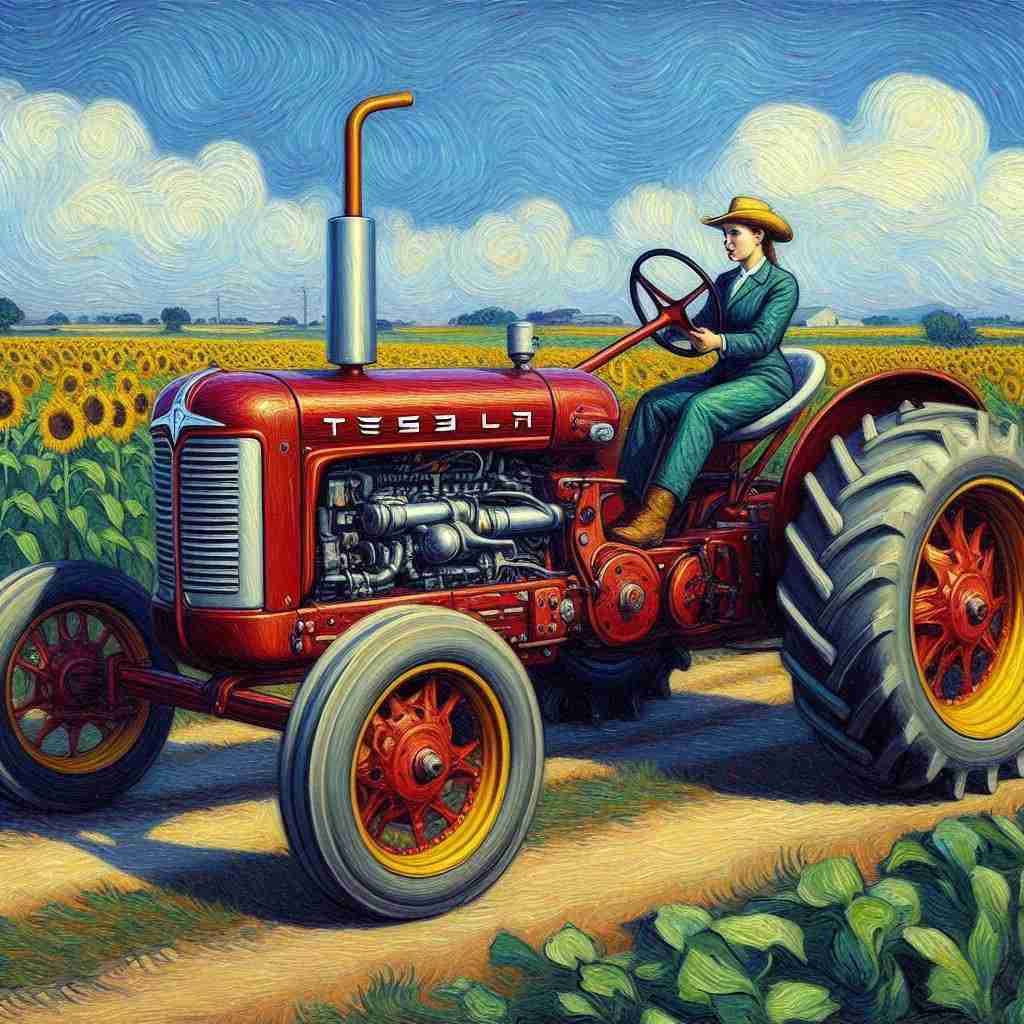
When you sit behind the wheel of a traditional tractor, you’re not just operating a machine; you’re stepping into a long lineage of human ingenuity and resilience. Picture it: a sturdy, steel frame rumbling to life under your hands, the unmistakable scent of fresh earth swirling around you, and the rhythmic sound of the engine harmonizing with the pulse of the land. This is more than just farming; it’s a vibrant conversation between you and nature, a dialogue steeped in history and heritage.
Take a moment to consider the craftsmanship and engineering that go into these tractors. Each one is a testament to decades, perhaps centuries, of hard-earned knowledge passed down through generations of farmers. When you drive a traditional tractor, you’re embracing that wealth of experience. You’re not just planting seeds; you’re nurturing the very roots of your community—instilling trust and confidence that you’re engaging with your land ethically and sustainably.
Now, let’s get real for a second. Every turn of the tractor’s wheel digs a little deeper into your connection to the earth. It’s not just about tilling soil; it’s about understanding the intricate rhythms of the seasons and the importance of stewardship. Every time you plow a field, you’re participating in a ritual as old as time itself. It’s both humbling and empowering—knowing that with each sunrise, you have the opportunity to cultivate not just crops, but also your relationship with the landscape.
But let’s face it: farming isn’t just hard work; it’s a labor of love. Traditional tractors remind us of that simple truth. They invite you to slow down in our fast-paced world, urging you to be present and mindful. They tell stories of hard winters endured, of harvests that brought families together, and of the quiet joy found in watching the fruits of your labor thrive. These machines create a bond not just with the land, but with your neighbors too—each field cultivated stands as a testament to shared goals and collective memories.
So the next time you find yourself in the seat of a traditional tractor, remember this: it’s not just about the work you’re doing; it’s about rekindling the profound connection we all share with the land that feeds us. It’s a call to action—a reminder that we are not merely caretakers of the earth; we are inherently part of its story.
How Do Traditional Tractors Enhance Our Connection To The Land?
How Do Traditional Tractors Enhance Our Connection To The Land?
- Driving a traditional tractor connects you to a rich lineage of human ingenuity and resilience.
- The experience includes the embrace of craftsmanship and engineering passed down through generations.
- Operating a tractor helps nurture community roots, emphasizing ethical and sustainable land use.
- Every turn of the tractor’s wheel deepens your connection to the earth and its seasons.
- Farming is portrayed as a labor of love, highlighting the importance of being present and mindful.
- Traditional tractors symbolize hard work and shared memories among communities.
- Rekindling the connection with the land is a reminder of our role as caretakers in its story.

How Do Traditional Tractors Enhance Our Connection To The Land?
Are Traditional Tractors More Reliable Than Modern Equipment?
In the world of farming, when the sun peeks over the horizon, and the dew on the fields glistens like diamonds, there’s a sense of pride in knowing that behind the scenes, a trusty tractor stands ready. For many seasoned farmers, traditional tractors are more than just tools; they are trusted companions, laden with memories and hard work. There’s a story behind every scratch and dent, a history forged through rain-soaked fields and long days of toil.
From the gut, you can feel the weight of this legacy. Imagine the sound of an old engine rumbling to life, its spitting exhaust mingling with the earthy scent of freshly tilled soil. That familiar rumble is more than mechanic function; it’s the unmistakable heartbeat of a farmer’s life. The go-to machine that has plowed, planted, and harvested harmoniously with the rhythm of the seasons displays a reliability that modern gadgets often fail to replicate. With traditional tractors, the deep-seated knowledge and skills of past generations echo through their gears and bolts.
Thinking critically, one might wonder—are we too quick to dismiss the value of simplicity? Modern equipment, while often brimming with flashy technology, tends to come with complex systems that can leave farmers scratching their heads when troubleshooting. The more advanced the technology, the more potential points of failure. With a classic tractor, if something breaks down, it’s likely a matter of wrenches rather than computer codes.
Ethically speaking, there’s a bond between farmer and machine, a relationship cultivated through years of shared sweat and determination. In a world increasingly focused on disposable culture, the ethos of maintaining and cherishing traditional tractors stands tall. It represents a commitment to craftsmanship and sustainability, a reminder that the heart of farming often beats in sync with things built to last, not just to trend.
On a social level, think of the stories shared at the local diner or the county fair—a room filled with laughter as farmers swap tales of their trials and triumphs, often centered around those steadfast tractors. There’s camaraderie in the shared experience, an unbreakable connection through a common thread.
So next time you’re out in the fields, take a moment to appreciate that old faithful tractor. It may not have all the bells and whistles, but when it comes to reliability, sometimes the classics are worth holding onto. Let’s not forget that in the heart of agriculture, steadfastness is the backbone of trust.

Are Traditional Tractors More Reliable Than Modern Equipment?
Are Traditional Tractors More Reliable Than Modern Equipment?
- Farmers see traditional tractors as trusted companions, embodying memories and hard work.
- Each scratch and dent on a tractor tells a story, reflecting years of toil in the fields.
- The familiar sound of an old engine is a vital part of a farmer’s life and heritage.
- Classic tractors offer reliability that modern equipment often lacks due to their simpler mechanics.
- Maintaining traditional tractors promotes a commitment to craftsmanship and sustainability.
- Farmers share camaraderie and stories around their tractors, strengthening community bonds.
- In agriculture, tradition and steadfastness are key elements of trust and effectiveness.

Are Traditional Tractors More Reliable Than Modern Equipment?
What Is The Cost-Effectiveness Of Maintaining A Classic Tractor?
Picture this: the golden sun dipping below the horizon, casting a warm glow on a field where a classic tractor stands proudly, its paint chipped but its spirit unyielding. Maintaining a classic tractor is more than just numbers and spreadsheets; it’s about preserving the heart and soul of agriculture. Every rusted bolt tells a story, evoking memories of hands that toiled on that very machine, of generations who relied on its dependable engine for survival.
But let’s be real: we’re not living on nostalgia alone. The practicality of maintaining a classic tractor can often stir a bittersweet mix of emotions and logic. Sure, the initial repairs may sting a bit – think new parts, labor, and the occasional unexpected hiccup like an old stubborn engine that just won’t turn over. Yet, when you compare that to the staggering costs of modern equipment, the scales start to tip in favor of old faithful. These classic machines, when looked after, can outlast their high-tech counterparts, often doing their job just as well, if not better.
From an ethical standpoint, choosing to restore a classic tractor isn’t merely about saving a few bucks. It’s about valuing craftsmanship over consumerism, honoring the legacy of those who farmed before us. In a world obsessed with disposability, maintaining a classic tractor fosters a deeper connection to the land and our agricultural roots. You become not just a user, but a steward of this history.
And think about the community aspect. Classic tractor enthusiasts often band together, sharing tips on maintenance, parts hunting, and the sheer joy of operating a piece of history. You’re not alone in this. Many have paved a similar path, creating bonds over grease and grit, reminding us that we’re not just preserving machinery, but a way of life.
In this vibrant tapestry of machinery and memories, the cost-effectiveness of maintaining a classic tractor reveals itself. It’s an act of respect—for our ancestors, our land, and our future. When you invest in that classic bulldog of a tractor, you’re not only securing your farming operation’s success but also safeguarding a legacy. Now that’s worth every penny.

What Is The Cost-Effectiveness Of Maintaining A Classic Tractor?
What Is The Cost-Effectiveness Of Maintaining A Classic Tractor?
- Classic tractors symbolize the heart and soul of agriculture, holding stories of past generations.
- Maintaining these tractors involves practical challenges, including repairs and maintenance costs.
- Classic tractors can be more cost-effective in the long run compared to modern equipment.
- Restoring classic tractors emphasizes craftsmanship over consumerism, fostering a deeper connection to agriculture.
- Being a classic tractor enthusiast creates a sense of community through shared experiences and knowledge.
- Investing in classic tractors shows respect for agricultural history and legacy.
- Maintaining a classic tractor contributes to successful farming operations while preserving a way of life.

What Is The Cost-Effectiveness Of Maintaining A Classic Tractor?
How Do Small Farmers Choose Between Traditional And Modern Machinery?
When small farmers stand at the crossroads of choosing between traditional and modern machinery, it’s not just a matter of horsepower and fuel efficiency; it’s a decision that resonates deep within the fabric of their lives. Imagine a farmer, hands weathered by years of toil, staring out over a sun-drenched field. There, under the wide-open sky, a tractor—maybe an old reliable friend or a shiny new model—beckons. This isn’t merely a piece of equipment; it’s a lifeline to the land and a catalyst for change.
On one hand, the allure of modern machinery is undeniable. The latest models boast technology that can optimize every aspect of farming, from planting to harvest. Farmers hear success stories of others who have integrated precision agriculture into their operations, cutting costs and boosting yields. There’s an undeniable rational appeal here: Why wouldn’t one choose a machine that promises efficiency and increased profits? But as the heart beats louder, the reasons for sticking with the tried and true begin to reveal themselves. A farmer may remember the comforting hum of a trusty tractor gliding across the field, the way it has never failed them during countless seasons, forging a bond that no amount of gadgetry can replicate.
Ethically, many farmers grapple with not only their choices but their impact on their community and environment. The responsibility weighs heavy when considering the long-term consequences of modern machinery, with its looming ecosystem footprint. They often wonder, is there a path toward sustainability, or are they abandoning their roots? As stewards of the land, they want to honor not just the earth but those who have come before them.
The social dynamic is palpable, as community discussions swirl around the breakfast table or during evenings at the local feed store. Peer opinions and shared experiences blend into a cacophony of voices that guide decision-making. Every farmer wants to connect, to share not just in the harvest but in the essence of what farming means to them.
Choosing isn’t easy; it’s a balancing act of head and heart, a battle between tradition and innovation. But in every choice lies a story, a narrative woven through generations—a chance to carry forth the legacy of hard work and dedication to a new age of farming. Small farmers find themselves at the epicenter of this journey, embodying the courage to move forward while honoring the past. It’s a powerful reminder that in every tractor, old or new, lies the heartbeat of a farmer’s dream.

How Do Small Farmers Choose Between Traditional And Modern Machinery?
How Do Small Farmers Choose Between Traditional And Modern Machinery?
- Small farmers face a critical decision between traditional and modern machinery that impacts their lives significantly.
- Modern machinery offers advanced technology for precision agriculture, enhancing efficiency and profitability.
- Farmers often have sentimental attachments to their older tractors, reflecting years of reliability and trust.
- The ethical implications of choosing modern machinery include concerns about environmental impact and sustainability.
- Community influences play a crucial role in decision-making, with conversations shaping farmers’ choices at local social gatherings.
- The decision-making process is a complex interplay of emotional and rational factors, balancing tradition with innovation.
- Every choice made by farmers contributes to a narrative of legacy, embodying the connection between past practices and future aspirations.

How Do Small Farmers Choose Between Traditional And Modern Machinery?
How Can We Leverage Tradition While Embracing Modern Farming Methods?
In the field of agriculture, where heritage runs deep and soil tells stories, there’s a growing movement that marries time-honored traditions with cutting-edge technology. Picture this: generations of farmers standing shoulder to shoulder with modern innovators, each teaching the other in this intricate dance of progress. It’s in this blend of old and new that true farming resilience emerges.
Tradition is the sturdy tractor of our agriculture—the iron beast that sows seeds of wisdom passed down from our forebearers. These long-held practices are rooted in a profound respect for the land, cultivated through sweat and toil. Yet, in a world accelerating faster than a revving engine, we can’t afford to rely solely on methods that worked fifty years ago. Today’s challenges—climate change, resource scarcity—demand a new approach. This isn’t about choosing one over the other; it’s about harmonizing both.
Imagine a farmer, weathered hands gripping the wheel of a state-of-the-art tractor, navigating fields that are both a canvas of rich history and a beacon of future possibilities. That tractor represents our leap into sustainable practices—precision agriculture, drone mapping, soil health monitoring—tools designed to ensure our fields yield the abundance we need without compromising the earth beneath our feet. When these technologies are applied alongside time-tested methods, the results can be nothing short of extraordinary.
But this fusion of tradition and innovation isn’t just practical; it’s visceral. It stirs something deep within us—a responsibility to honor our past while securing our future. As stewards of the land, we must embody both the wisdom of those who farmed before us and the boldness required to adapt. There’s an ethical imperative here: we owe it to our communities and the generations yet to come to embrace all avenues that promote sustainability.
Let’s also consider the community aspect. Farmers aren’t solitary figures, isolated in their silos. They’re part of a larger fabric—a network of families, neighbors, and mentors. Engaging with this circle allows for shared learning, where ideas flow as freely as the morning dew. By fostering this connection, we build trust and inspire confidence in the direction we are taking.
So, the next time you see a tractor gliding through fields woven with history, think about what it symbolizes: a bridge connecting where we’ve been to where we’re headed. It reminds us that together, with respect for tradition and an eye toward innovation, we can cultivate a farming future that honors our roots while nurturing the earth for generations to come.

How Can We Leverage Tradition While Embracing Modern Farming Methods?
How Can We Leverage Tradition While Embracing Modern Farming Methods?
- A growing movement in agriculture combines traditional practices and modern technology.
- Generations of farmers and modern innovators collaborate to foster resilience in farming.
- Tradition provides valuable wisdom, yet adapting to contemporary challenges is crucial.
- Utilizing advanced tools like precision agriculture promotes sustainable practices.
- Embracing both tradition and innovation is vital for ethical land stewardship and community well-being.
- Farmers are part of a supportive network, enhancing shared learning and trust.
- Modern farming practices symbolize a bridge between historical roots and future possibilities.

How Can We Leverage Tradition While Embracing Modern Farming Methods?
Why Do Many Farmers Prefer The Simplicity Of Older Models?
In the delicate dance between tradition and modernization, one question lingers in the air, almost like the sweet scent of freshly tilled earth: Why do many farmers still gravitate toward older tractor models? It’s a story woven with threads of experience, feeling, and practicality—a narrative so familiar that it resonates across farmlands and small towns alike.
Let’s first consider the emotional ties farmers have to their older tractors. These machines aren’t just vehicles; they’re reliable partners that have seen countless sunrises and endured fierce storms. Picture a farmer, weathered hands resting on a worn steering wheel, gazing at fields where generations of his family have planted, nurtured, and harvested. That tractor symbolizes not only years of labor but also an unbreakable bond with the land—a heritage that newer models often lack. When faced with the complexities of modern technology, many farmers prefer the simplicity of designs that resonate with their foundational values of hard work and authenticity.
Now, speaking from the head—the rational side of this equation—old tractors come with a practicality that can’t be overlooked. Newer models may dazzle with high-tech features and automation, but that sophistication often brings with it an unwanted baggage: higher costs and complex repairs. An older model, with its straightforward mechanics and ease of maintenance, allows farmers to get back to what really matters—farming. Time is precious, and when equipment breaks down, understanding how to fix it without a degree in engineering is a huge advantage.
Ethically, choosing older models speaks volumes about sustainability. In a world increasingly focused on the carbon footprint, sticking with what you’ve got—those trusted workhorses of yesteryears—holds a certain nobility. It’s not just a cost-saving measure; it’s a conscious decision to honor the past while nurturing the future.
And let’s not forget the social aspect: farmers form a tight-knit community, and many share stories of their favorite vintage tractors. They swap tips and embrace camaraderie in maintaining these machines, further reinforcing a sense of belonging and shared identity. Older tractors represent not just a tool to till the soil, but an embodiment of community, stories, and shared struggles.
In choosing simplicity, farmers find clarity amid the chaos. The old adage rings true: sometimes, the best innovations are the ones that have stood the test of time. And that connection between a farmer and their older tractor? It’s unshakeable.

Why Do Many Farmers Prefer The Simplicity Of Older Models?
Why Do Many Farmers Prefer The Simplicity Of Older Models?
- Farmers are emotionally attached to older tractor models, viewing them as reliable partners in their agricultural journey.
- Older tractors symbolize a deep bond with the land and family heritage, contrasting with the complexity of modern technology.
- Practicality is a key reason for favoring older models, as they are easier to maintain and repair compared to newer, high-tech tractors.
- Understanding the mechanics of older tractors allows farmers to resume work swiftly when equipment breaks down.
- Choosing older tractors aligns with sustainability values, emphasizing a conscious decision to honor the past while considering the future.
- Farmers build a sense of community through shared stories and experiences associated with vintage tractors, fostering camaraderie.
- The bond between farmers and their older tractors exemplifies the notion that sometimes, the best innovations are those that have endured through time.

Why Do Many Farmers Prefer The Simplicity Of Older Models?
Conclusion
As we conclude this exploration of traditional tractors and their enduring relevance on small farms, let’s take a moment to reflect. There’s something profoundly satisfying about the sight of a vintage tractor rolling through a field, its engine humming a familiar tune—a nostalgic melody that echoes the history and heritage of farming itself. These aren’t just machines; they’re vessels of love and labor, imbued with the sweat and dedication of those who came before us. The connection between farmer and tractor is not simply functional; it’s deeply emotional, resonating in every scratch and dent earned from years of hard work.
Traditional tractors present a gut-level comfort and a sense of reliability that can often outshine their glitzy modern counterparts. Let’s face it: they’re the stalwarts of agriculture—the no-nonsense workhorses that embody grit and resilience. Many farmers have stories—rich, textured narratives of perseverance—anchored in these machines. In their simplicity lies an unmistakable charm; they do the job without the frills, allowing farmers to focus on what matters most: the land, the harvest, and the community.
From a rational perspective, traditional tractors offer an unbeatable mix of cost-effectiveness and ease of maintenance. Let’s be real: modern technology can dazzle with promises of efficiency, but often at a price—both monetary and in terms of training. Farmers today face razor-thin margins. Investing in equipment that’s simple and trustworthy isn’t just common sense; it’s a sound economic strategy that acknowledges the realities of farming life.
Ethically speaking, as communities rally around sustainable practices, traditional tractors stand as beacons of responsible stewardship. They often consume less fuel and require less complex upkeep, contributing to a smaller carbon footprint. Farming isn’t just about individual crops anymore; it’s about nurturing the soil and fostering community connections.
And you know what? There’s power in that collective experience. Every shared laugh at a local diner or spirited debate at the co-op is steeped in a legacy of relationships built around agriculture. This sense of community is integral in deciding which tractors take precedence on farms.
At the end of the day, traditional tractors carry not just the weight of the past, but the promise of the future. In an increasingly hurried world, they remind us of the enduring values of simplicity, reliability, and shared stories. As we stand at the crossroads of tradition and innovation, let’s remember: it’s not about choosing one over the other; it’s about embracing both. These steadfast machines connect us to our roots while guiding us forward into a sustainable agricultural future. In their embrace lies the heart of farming—a legacy worth cherishing.

Conclusion
Conclusion:
- Traditional tractors evoke nostalgia, symbolizing the history and heritage of farming.
- They are emotionally significant to farmers, representing years of dedication and hard work.
- These tractors provide reliability and comfort, often surpassing modern machines in practicality.
- Farmers have rich stories linked to these machines, showcasing their resilience and perseverance.
- Traditional tractors are cost-effective, easy to maintain, and a sound investment in tight economic times.
- They promote sustainable practices by consuming less fuel and requiring simpler upkeep, leading to a smaller carbon footprint.
- These machines foster a sense of community, bridging relationships among farmers and contributing to shared agricultural experiences.

Conclusion
Other Resources

Other Resources
Here is a list of other resources you can review online to learn more:
- Jacobsen
- Rome
- Ford
- Jackson County Iowa Fair Antique & Classic Tractor Show
- Terrion
- The National Farm Machinery Show
- Central Washington Agricultural Museum
- SAME Tractors
- Know Your Classic Tractors
- Hefty
Use This Prompt To Get More Resources With Your Favorite Online AI Tool: Please provide me with a list of online articles with their URLs in a bulleted list that I can read regarding Why Traditional Tractors Still Rule Small Farm Operations

Other Resources
Glossary Terms
Why Traditional Tractors Still Rule Small Farm Operations – Glossary Of Terms
1. Traditional Tractor: A farm vehicle designed primarily for agricultural purposes, often characterized by its strength, durability, and versatility in various farming tasks.
2. Small Farm Operations: Agricultural enterprises typically characterized by limited acreage, often run by families or small groups with the goal of producing crops and livestock efficiently.
3. Versatility: The ability of traditional tractors to perform multiple tasks, such as plowing, planting, and hauling, making them valuable for small farms with diverse needs.
4. Durability: The quality of being able to withstand wear, pressure, or damage; traditional tractors are renowned for their longevity and reliability in rugged farming environments.
5. Cost-Effective: Referring to the economic advantage of using traditional tractors, which often have lower purchase and maintenance costs compared to modern machinery.
6. Simplicity: The straightforward design of traditional tractors, making them easier to operate and maintain for farmers who may not have advanced technical skills.
7. Fuel Efficiency: The effective use of fuel in traditional tractors, allowing them to operate economically over longer periods compared to larger modern machines.
8. Maintenance: The process of keeping a tractor in good working condition through regular servicing, which is often more manageable for traditional tractors.
9. Tillage: The agricultural preparation of soil by mechanical agitation, traditionally accomplished using tractors equipped with plows and harrows.
10. Attachment Compatibility: The ability of traditional tractors to accept various implements and attachments, allowing for a wide range of agricultural tasks.
11. Field Work: Tasks performed on the farm that include planting, cultivating, and harvesting crops using tractors and associated equipment.
12. Resilience: The inherent feature of traditional tractors that enables them to function effectively in various weather conditions and challenging terrains.
13. Community Farms: Agricultural operations that are often localized and managed by a community of small-scale farmers working together to enhance sustainability.
14. Legacy Equipment: Refers to older tractor models that have proven their effectiveness over time and remain in use for their reliability and performance.
15. Ergonomics: The study of how equipment design affects comfort and efficiency; many traditional tractors are designed with farmer ergonomics in mind for comfort during long hours of work.
16. Sustainability: A principle that emphasizes environmental stewardship and efficient resource use, often illustrated by small farms that utilize traditional tractors effectively.
17. Soil Health: The condition of soil’s ability to sustain agricultural plant growth; proper tillage using traditional tractors can enhance soil health.
18. Crop Rotation: The practice of alternating crops in a given field to improve soil health and reduce pest risks, often managed with traditional tractors.
19. Local Economy: The economy of a small area that benefits from localized farming operations; traditional tractors can support this through their practical use on small farms.
20. Agility: The capability of traditional tractors to maneuver easily in smaller fields or confined spaces, making them suitable for diverse farming layouts.
21. Farming Heritage: The historical significance and cultural practices surrounding traditional farming methods, including the use of conventional tractors.
22. Hands-On Farming: An approach to agriculture that emphasizes direct involvement and manual skills, often associated with the use of traditional tractors.
23. Small-Scale Agriculture: Farming that focuses on producing food primarily for local markets and communities, often made viable through traditional tractor use.
24. Skill Development: The process of enhancing farming skills, which can be more easily achieved with the familiar mechanics of traditional tractors.
25. Intensive Farming: A type of agriculture that aims to maximize output per acre using traditional tractors for intensive labor tasks in limited spaces.
26. Restraint on Size: The idea that small and manageable farm operations benefit more from traditional tractors that are scaled appropriately than from larger machinery.
27. Farming Innovations: New techniques and improvements in agricultural practices that can still utilize traditional tractors as foundational tools.
28. Cultural Connection: The bond between farmers and their equipment that resonates through generations, often strengthened through the use of traditional tractors.
29. Operational Efficiency: The ability to use resources effectively and minimize waste while performing farming tasks, often enhanced through the appropriate use of traditional tractors.
30. Rural Livelihood: The economic activities and income-generating practices within rural areas, heavily reliant on small farms and the use of traditional tractors.

Glossary Of Terms
Other Questions
Why Traditional Tractors Still Rule Small Farm Operations – Other Questions
If you wish to explore and discover more, consider looking for answers to these questions:
- What are the key features of traditional tractors that make them appealing to small farmers?
- How do traditional tractors compare with modern tractors in terms of fuel efficiency?
- What maintenance practices are essential for keeping traditional tractors in working condition?
- What are some famous brands or models of traditional tractors that are still popular today?
- How do farming practices evolve with the use of traditional tractors over time?
- Are there specific environmental benefits associated with using traditional tractors?
- How much can a farmer expect to spend on maintaining a traditional tractor annually?
- What role do community and shared stories play in the culture of using traditional tractors?
- What challenges do farmers face when transitioning from traditional to modern machinery?
- How can farmers effectively balance the use of traditional and modern farming equipment?
- What impact do traditional tractors have on local economies and agricultural sustainability?
- Is there a market for vintage or restored traditional tractors?
- What are the most common issues that arise with traditional tractors, and how can they be resolved?
- Can traditional tractors be retrofitted with modern technology?
- If so, how?

Other Questions
Haiku
Why Traditional Tractors Still Rule Small Farm Operations – A Haiku
Classic tractors hum,
Rooted in timeless stories,
Tradition, heart, strength.

Haiku
Poem
Why Traditional Tractors Still Rule Small Farm Operations – A Poem
In Praise of the Old Iron Grit
In the heart of the fields where the seasons impart,
Awaits a trusted companion, a machine with a heart.
A tractor, steadfast, its frame tells a tale,
Of sunlit mornings, of storms and of hail.
Beneath the warm sun, with soil rich and deep,
It hums like an old friend, where memories sleep.
Not just metal and gears, but a legacy grand,
A voice of the past, that ties us to land.
With the flick of the switch, the engine comes alive,
Echoing laughter of fathers, where traditions thrive.
A gut feeling of comfort, a bond not to sever,
These tractors remind us—what matters forever.
The pulse of history hums through each winding gear,
As farmers recall those they hold most dear.
The wisdom of ages, in their straightforward style,
Simplicity reigns in a world full of guile.
Oh, the glamour of gadgets, with promises untold,
Yet hidden complexities are often too bold.
For the head knows it well, the numbers don’t lie—
The true wealth is in value, not the flash of the sky.
In the depths of our choices, ethical threads weave,
Sustainability whispers, in craft we believe.
As we till the earth gently, our duty is clear,
To honor our ancestors, to hold them near.
The community gathers, with stories to share,
At diners and fairs, with camaraderie rare.
Each rusted bolt, a connection re-found,
In the laughter and toil, our roots are unbound.
So let’s celebrate old iron, with gratitude sewn,
In every hard-earned harvest, our resilience shown.
For in fields cultivated, both hand in hand,
Lies the heartbeat of farming, the bond with the land.
Together we gather, tradition in sight,
Merging the old ways with paths of new light.
In each rumbling engine, in each love-filled plot,
We find the true essence of everything taught.
A blend of the past and a hopeful embrace,
We plant seeds of a future, together we trace.
With tractors as anchors, in fields we hold dear,
We cultivate not just crops, but a legacy clear.
Poem
Checklist
Why Traditional Tractors Still Rule Small Farm Operations – A Checklist
Checklist: Embracing the Power of Traditional Tractors in Small Farm Operations
Heart (Emotional Appeals)
_____ Recall Personal Stories: Reflect on the memories tied to tractors in your family—share these stories with loved ones.
_____ Invoke Tradition: Consider how using traditional tractors can celebrate family legacies and agricultural histories.
_____ Cultivate Community Bonds: Engage with neighbors and fellow farmers to share experiences and stories related to traditional tractors.
Head (Rational Appeals)
_____ Evaluate Cost-Efficiency: Calculate the long-term savings of maintaining a traditional tractor versus investing in new, high-tech machinery.
_____ Assess Reliability: Compare the ease of repairs and maintenance of traditional tractors to the complexities of modern equipment.
_____ Research Resilience: Look into the proven track record of traditional tractors in various farming conditions.
Gut (Ethical/Social Appeals)
_____ Think Sustainably: Explore the environmental impact of using traditional tractors versus modern machinery. How do these choices affect your carbon footprint?
_____ Commit to Craftsmanship: Reflect on the importance of valuing and restoring craftsmanship over opting for disposable, trendy machinery.
_____ Join the Movement: Connect with local or online communities dedicated to traditional farming practices and engage in dialogues around sustainability.
Authority (Expert Appeals)
_____ Seek Expert Opinions: Attend workshops, webinars, or local farming events where experts discuss the benefits of traditional farming equipment.
_____ Access Resources: Utilize books, articles, or documentaries focused on traditional agriculture and its impact on local communities.
_____ Follow Successful Farmers: Look for established farmers who share their insights on maintaining and operating traditional tractors effectively.
Narrative (Storytelling Appeals)
_____ Document Your Journey: Create a log or journal detailing your experiences with traditional tractors, documenting milestones and lessons learned.
_____ Share Your Narrative: Write or share your stories online or with local groups to illustrate the significance of traditional equipment in modern farming.
_____ Engage Others’ Stories: Host a meeting or a gathering to have fellow farmers share their experiences with traditional tractors, fostering community storytelling.
Social (Community Appeals)
_____ Build Support Networks: Connect with others in your farming community to exchange tips and maintenance ideas for traditional tractors.
_____ Participate in Events: Attend local fairs, tractor shows, or community farming events that celebrate traditional equipment and practices.
_____ Promote Awareness: Advocate with fellow farmers and the community about the value of traditional tractors through discussions or social media campaigns.
Final Note
Embrace the timeless power of traditional tractors to enhance not only your farming operations but also the fabric of community and heritage they represent. By leveraging emotional ties, rational considerations, ethical responsibilities, authority insights, narrative strength, and social connections, you can cultivate a richer, more meaningful relationship with both your land and your equipment.

Checklist
At ClassicTractorNews, we help tractor lovers keep up with the latest news for classic and vintage tractors.
Please share this post with your friends, family, or business associates who may like old classic or vintage tractors.