


Unlocking Heritage: The Smart, Trustworthy Choice For Your Future
By Tom Seest
At ClassicTractorNews, we help tractor lovers keep up with the latest news for classic and vintage tractors.
Please share this post with your friends, family, or business associates who may like old classic or vintage tractors.
Why Software Lockouts Make Classic Tractors the Smart Choice
Classic tractors, with their time-tested designs and enduring charm, represent more than just machines; they are a testament to the values of hard work, resilience, and connection to our roots. Imagine walking into a field, the sun warming your back as you grasp the familiar contours of a well-worn tractor. It’s not just the robust engines that draw farmers back to these dependable workhorses; it’s the stories they carry and the lasting impact they have on generations.
One of the key features that underscore the appeal of classic tractors is the concept of software lockouts. In an era defined by rapid technological change and the obsolescence of modern machinery, classic tractors offer simplicity and reliability that modern counterparts often lack. Picture a farmer in the middle of harvest season, sweat dripping down his brow, only to face a blinking dashboard that hints at a software glitch. With classic tractors, there’s no need to worry about a software lockout preventing you from getting the job done. Instead, you can easily troubleshoot and maintain them, fostering a sense of independence and self-sufficiency that resonates deeply within the farming community.
The emotional draw of these machines stems not only from their functionality but also from the legacy they embody. They remind us of our ancestors who toiled under the same sun, relying on their resourcefulness, the heartbeat of their tractors echoing the pulse of the land. These tractors symbolize a way of life that values craftsmanship over consumerism, roots over replacement. They stand as a bridge connecting the past to the present, inviting new generations to appreciate the beauty of simple, effective tools.
Moreover, the ethical responsibility that comes with choosing classic tractors cannot be overlooked. In a world increasingly focused on sustainability, these machines exemplify longevity. Their potential for repair and reuse stands in stark contrast to the disposable mindset that often accompanies newer technology. By opting for a classic tractor, you invest in a machine that is a reflection of your values—a commitment to sustainability, community, and the preservation of history.
As you embrace the allure of classic tractors, think of them not just as tools but as companions on your farming journey. Each scratch and dent tells a story; each ride across the field is a step closer to understanding the roots of modern agriculture. In choosing a classic tractor, you don’t just make a smart choice for your farm; you become part of a legacy that honors the tradition, hard work, and integrity that farming embodies. These machines are more than just tractors; they are a way to cultivate trust, for you, your land, and your community.

Why Software Lockouts Make Classic Tractors the Smart Choice
Why Software Lockouts Make Classic Tractors the Smart Choice
- Classic tractors symbolize hard work, resilience, and connection to agricultural roots.
- Their design offers simplicity and reliability, lacking modern software lockout issues.
- Farmers appreciate the emotional legacy tied to these machines and their link to past generations.
- Classic tractors encourage independence and self-sufficiency in maintaining equipment.
- They represent craftsmanship, emphasizing repair and reuse over disposable technology.
- Choosing classic tractors reflects a commitment to sustainability and community values.
- These machines serve as companions, enhancing the farming journey and honoring tradition.
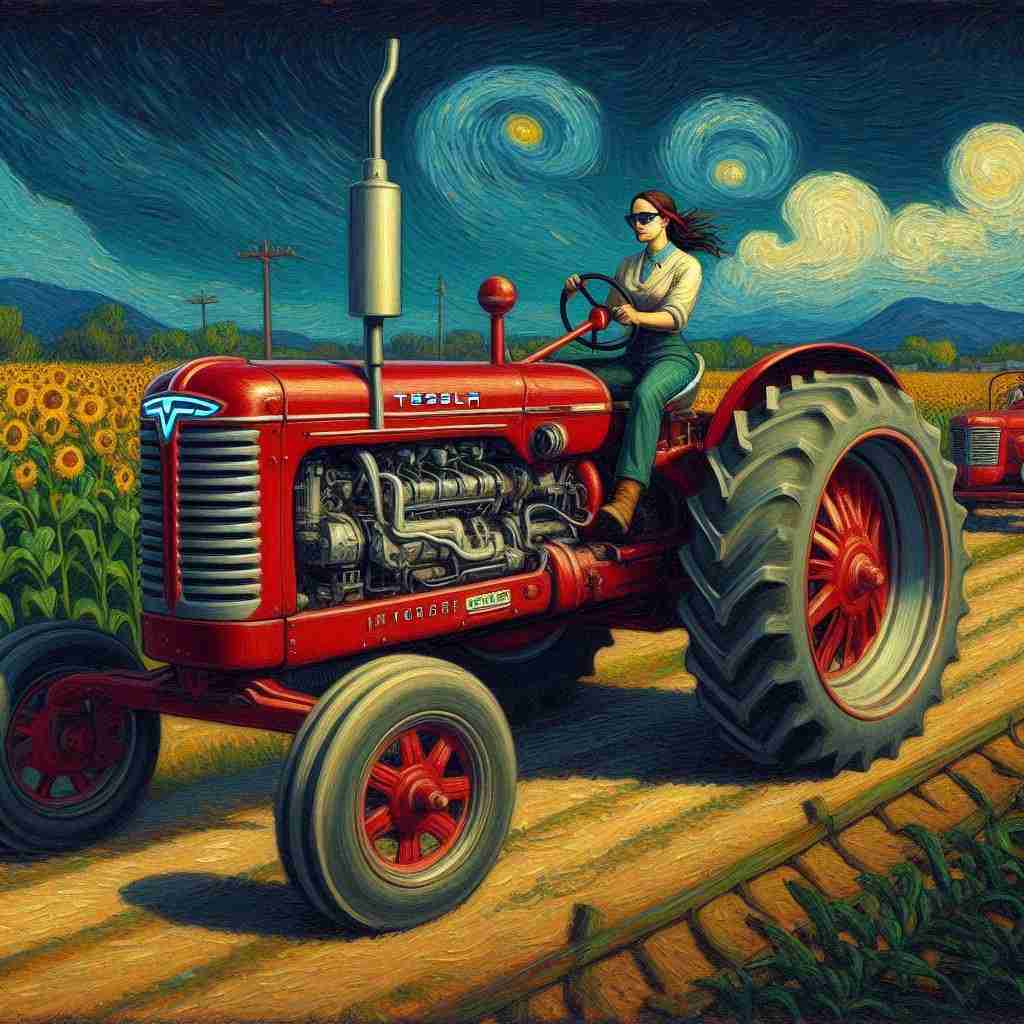
Why Software Lockouts Make Classic Tractors the Smart Choice
Table Of Contents
- Why Software Lockouts Make Classic Tractors the Smart Choice
- Why Do Classic Tractors Connect Us to Our Agricultural Roots?
- How Can Software Lockouts Enhance the Longevity Of Classic Tractors?
- What Ethical Considerations Arise with Modern Tractor Technology?
- What Stories Of Farmers Have Been Shaped By Using Classic Tractors?
- How Can the Community Support Classic Tractor Enthusiasts?
- What Are the Financial Implications Of Investing In Classic Tractors?
- Conclusion
- Other Resources
- Glossary Of Terms
- Other Questions
- Haiku
- Poem
- Checklist
Why Do Classic Tractors Connect Us to Our Agricultural Roots?
Take a moment to picture a classic tractor, its vibrant paint chipped yet proud, standing resolute against the backdrop of a sprawling field. This hulking machine is more than just a relic of the past; it’s a tangible link to our agricultural heritage, a symbol of hard work, resilience, and the deep-seated bond we share with the land. Each rusted bolt and worn-out tire tells a story—stories of families toiling from dawn till dusk, braving the elements to coax life from the soil.
Classic tractors evoke nostalgia, reminding us that agriculture isn’t just a job; it’s a way of life steeped in tradition. They connect generations, as children listen wide-eyed to their grandparents’ tales of summers spent driving those sturdy machines, learning to sow seeds of hope and harvest the rewards of patience. This is where the heart finds its home; in the shared values of grit, perseverance, and community.
Rationally, the engineering and innovation behind these tractors illuminated a path for modern farming. They marked a turning point, when agriculture transformed from backbreaking labor to a more efficient means of food production. Yet, despite the leap in technology, the soul of farming remains entangled with these classic machines. They remind us that progress doesn’t mean forgetting our roots.
Ethically, owning or restoring a classic tractor is a commitment to sustainability and respect for our agricultural history. It’s a statement that we honor those who came before us, recognizing the sacrifices they made to feed generations, and it’s a promise to pass on the values of stewardship to those who will follow.
Narratively, consider the tractor not merely as a piece of equipment but as a character in the story of rural life. It’s the faithful companion in a farmer’s journey, grinding through tough seasons, helping families sustain themselves. These machines anchor us in the moment—a reminder that amid rapid change, there’s value in the wisdom of the past.
Socially, classic tractors cultivate community. Vintage tractor shows bring people together, fostering bonds over shared experiences and mutual admiration for craftsmanship. In these gatherings, old rivals swap tales while young enthusiasts discover their legacy.
In a world racing forward, classic tractors hold steady, urging us to remember our agricultural roots. They embody a spirit of resilience, connecting us to the land and to each other, reminding us all of the sweat and determination that feed not only our bodies but also our souls. Let’s honor that connection, allowing it to pave the way for future generations to engage with the rich tapestry of farming history.

Why Do Classic Tractors Connect Us to Our Agricultural Roots?
Why Do Classic Tractors Connect Us to Our Agricultural Roots?
- Classic tractors symbolize agricultural heritage and the bond with the land.
- They evoke nostalgia and connect generations through shared stories and experiences.
- The engineering behind these tractors revolutionized farming efficiency while retaining traditional values.
- Owning or restoring a classic tractor reflects a commitment to sustainability and respect for agricultural history.
- Tractors serve as characters in rural narratives, highlighting resilience and the importance of the past.
- Vintage tractor shows foster community, connecting enthusiasts through shared admiration and history.
- Classic tractors remind us of the determination and hard work that nourish both bodies and souls.

Why Do Classic Tractors Connect Us to Our Agricultural Roots?
How Can Software Lockouts Enhance the Longevity Of Classic Tractors?
There’s something deeply satisfying about the steady rumble of a classic tractor, an ode to simpler times when hard work was etched into the soil. These machines are enduring symbols, not just of agriculture but of a way of life. But as with any prized possession, they require care and attention to continue their legacy. Enter software lockouts – an unexpected but vital tool in preserving these classics for future generations.
Imagine your grandfather’s old tractor, the one he used during harvest seasons. You can picture its worn, sun-bleached paint and the way it stood resolute against time. Now, think about the electronic systems modern tractors employ to maximize efficiency and minimize emissions. Software lockouts, in essence, allow us to incorporate some of that modern technology while still respecting the heart of classic machines. These lockouts can restrict certain high-performance modifications that may enhance efficiency, but at the expense of authenticity. By protecting the tractor’s original capabilities, we’re ensuring that it doesn’t just run; it tells a story.
The rational appeal is clear: by using software lockouts, we mitigate risks. Classic tractors are often vulnerable to mishaps when we push them beyond their intended limits. Think of it as a safety net that prevents untrained hands from making irreversible changes. In this capacity, lockouts act as guardians, ensuring the heart of the machine continues to beat without the threat of an unexpected heart attack.
Ethically speaking, preserving these tractors isn’t merely about personal joy; it’s about honoring the craftsmanship and hard work that went into them. Every scratch and dent tells a story of toil, resilience, and family heritage. Using software lockouts, we can ensure those stories aren’t lost to the whims of overzealous technicians or misguided enthusiasts.
On a social level, it’s a bridge to community. Picture a classic tractor rally where enthusiasts gather, swapping tales while proudly showcasing their machines. Those lockouts not only bolster confidence in the integrity of the vehicles but also spark conversations about preservation techniques and the responsibility we share in keeping these relics alive.
Ultimately, the decision to employ software lockouts can help ensure that our classic tractors, those beautiful embodiments of history, continue to roar to life for generations to come. They’re more than just machines; they’re a connection to our past, and with the right care, they’re ready to share their stories with the future.

How Can Software Lockouts Enhance the Longevity Of Classic Tractors?
How Can Software Lockouts Enhance the Longevity Of Classic Tractors?
- Classic tractors symbolize a connection to simpler times and hard work.
- They require care and attention to preserve their legacy.
- Software lockouts help incorporate modern technology while maintaining authenticity.
- Lockouts act as a safety net, preventing irreversible changes and mishaps.
- Preserving classic tractors honors the craftsmanship and family heritage behind them.
- Lockouts foster community engagement through events like tractor rallies.
- They ensure classic tractors continue to thrive and share their stories with future generations.

How Can Software Lockouts Enhance the Longevity Of Classic Tractors?
What Ethical Considerations Arise with Modern Tractor Technology?
In the early days of farming, a tractor was merely a tool – a humble machine transforming laborious tasks into manageable chores. Now, it’s at the heart of an intricate web of modern agriculture, teeming with ethical implications that resonate beyond the fields. As we drive these technological marvels into the future, we must pause and consider: at what cost?
Modern tractors are equipped with advanced technologies like GPS, sensors, and data analytics. They promise increased efficiency and productivity, but they also raise red flags about labor displacement. Picture this: a farmer, once reliant on a small crew of workers, now watches as a machine autonomously sows and harvests vast fields. While this may seem like progress, it begs reflection on the human costs. In the pursuit of efficiency, are we sidelining the skilled hands that traditionally nurtured the land? The empty homes of those workers echo a truth we can’t ignore – technology shouldn’t just improve output; it should also enhance lives.
Moreover, consider the environmental implications. Tractors today come with settings that adjust for various terrains and crop needs, aiding sustainable practices. But this innovation often comes with a price: equipment upgrades can be prohibitively expensive for many small farmers. They face a choice – invest in new technology for survival or remain tethered to outdated methods. This dilemma can create an unintentional divide where only the affluent can afford the tools necessary to thrive. It’s a stark reminder that access to technology may not equate to its ethical application.
Yet, amidst these challenges lies an opportunity for a renewed sense of community. Imagine a world where farmers share knowledge about tractor technology, forming co-ops that collectively invest in sustainable practices. They’d not only reap the benefits of modern equipment but also forge social bonds, enhancing trust within their communities. As we stand at this crossroads, we must champion a vision that prioritizes collaboration over competition, where modern farming tools foster connections instead of division.
Ethical considerations in tractor technology aren’t merely academic; they touch our hearts, minds, and guts. They challenge us to envision a future where machines serve humanity – enhancing livelihoods, preserving the environment, and nurturing communities. By reflecting on these dilemmas and opportunities, we can ensure that as we plow forward, we don’t leave behind the very values that connect us to our roots. After all, the real power of a tractor lies not just in its horsepower, but in its capacity to unite and uplift us all.

What Ethical Considerations Arise with Modern Tractor Technology?
What Ethical Considerations Arise with Modern Tractor Technology?
- Tractors have evolved from simple tools to central figures in modern agriculture, intertwined with ethical implications.
- Advanced technologies in tractors, such as GPS and sensors, improve efficiency but pose risks of labor displacement.
- Increased automation may undermine traditional agricultural jobs, raising concerns about the human cost of technological progress.
- Sustainability practices are enhanced by modern tractor capabilities, but equipment upgrades are costly for small farmers.
- This financial barrier can lead to a divide where only affluent farmers can afford modern tools, highlighting ethical issues in technology access.
- There is potential for community building through knowledge sharing and cooperative investments in sustainable practices among farmers.
- Ethical considerations in tractor technology call for a balance between efficiency and the well-being of communities and the environment.

What Ethical Considerations Arise with Modern Tractor Technology?
What Stories Of Farmers Have Been Shaped By Using Classic Tractors?
What Stories of Farmers Have Been Shaped By Using Classic Tractors?
In farm country, tractors are more than just machines; they’re the heartbeats of rural life, the stubborn engines that have powered stories of resilience and renewal. Picture an aging farmer, calloused hands gripping a worn steering wheel, each bump in the field echoing decades of labor, love, and legacy. These classic tractors, often passed down through generations, become vessels of memory, nostalgia, and identity.
Consider a family farm in Iowa where a rusty, red tractor once sat idle, a monument to a bygone era. It wasn’t until the new generation returned from the city, seeking authenticity and connection to their roots, that the tractor’s true value was rediscovered. As they rolled it back into action, each revolution of the engine seemed to awaken spirits of those who had sown and harvested before them. They learned that the wisdom of their ancestors isn’t just preserved in dusty diaries but lives and breathes through the vibrant hum of a classic tractor. This vehicle transformed not only their fields but also their understanding of belonging and responsibility to the land.
Tractors embody a farmer’s ethical commitment to stewardship—the drive to cultivate the earth sustainably and honor the work that came before. They represent a promise: to respect the land with reverence, recognizing that farming is not just about profit but about nurturing a culture, a community. When fields are plowed with a classic tractor, it resonates with a deeper truth—the kind of truth that sometimes gets lost in modern machinery’s hum.
In conversations among farmers gathered at local barns or county fairs, stories of triumph and tribulation are often intertwined with tales of classic tractors. These machines spark camaraderie, a shared understanding that farming is a lifestyle woven into the fabric of a community.
When these farmers reflect on their journeys, they don’t just recount yields or profits but emotional landscapes—losses that taught them resilience, victories that brought neighbors together, and the simple joy of witnessing generations play in the dirt, shaping their future. It’s a robust tapestry made richer by the threads of every classic tractor that continues to toil under the sun.
As we embrace these stories, we are invited to consider our own connections to machines, symbols of tradition, and the grounded, tangible work of those who dare to dream and cultivate. In every turn of a wheel, we find not merely a vehicle but a testament to our shared humanity—stories waiting to be told and retold, linking heart, head, and gut in the endless cycle of planting hope.

What Stories Of Farmers Have Been Shaped By Using Classic Tractors?
What Stories Of Farmers Have Been Shaped By Using Classic Tractors?
- Classic tractors symbolize resilience and renewal in rural life.
- They are often passed down through generations, becoming vessels of memory and identity.
- A family farm in Iowa rediscovered the value of their aging tractor, connecting generations.
- Tractors represent farmers’ commitment to sustainable stewardship of the land.
- Conversations among farmers highlight shared experiences tied to classic tractors.
- Farmers reflect on emotional landscapes shaped by losses, victories, and community bonds.
- Every tractor embodies a deeper truth about farming and human connection.

What Stories Of Farmers Have Been Shaped By Using Classic Tractors?
How Can the Community Support Classic Tractor Enthusiasts?
Supporting classic tractor enthusiasts isn’t just about machines; it’s about embracing a community steeped in rich history and soulful craftsmanship. These tractors aren’t mere vehicles; they are tangible connections to our past, embodying stories of hard work and resilience.
Imagine an early dawn, the mist rising over a simple farm where the roar of a vintage tractor breaks the tranquility. Each rumble is a heartbeat of agricultural heritage, echoing the commitment of those who came before us. Supporting classic tractor enthusiasts means recognizing that every time these mentors share their passion, they’re not just preserving iron and paint but passing down values of dedication, ingenuity, and respect for the land.
Communities can take action in myriad ways. First, consider hosting local gatherings or farm shows. These events can serve as a vibrant tapestry, weaving together enthusiasts from diverse backgrounds, all drawn by a mutual love for these magnificent machines. Imagine a weekend where families and friends come together under a sprawling oak tree, swapping stories and sharing laughs, each tale an homage to not just the tractor, but the labor and love that goes into each restoration. This collective spirit fosters lifelong friendships and strengthens community bonds, reminding us that we share not just a hobby, but a legacy.
Furthermore, local businesses can provide tangible support by organizing workshops. Offering spaces where enthusiasts can learn from experienced restorers not only enhances skills but also builds a new generation of tractor aficionados. The ethics of mentorship, where seasoned hands guide newcomers, boosts confidence and cultivates a sense of belonging. Picture a young girl, grease-stained and grinning, as she learns to tune an engine from her grandfather—true memories shaping the future leaders of the community.
We can also leverage social media to unite enthusiasts. Virtual forums and groups can become lifelines, where tales of triumph, trials, and tricks of the trade are shared. This digital camaraderie can inspire local clubs and gatherings, creating a culture where passion meets purpose.
Lastly, let’s not overlook the power of advocacy. By championing preservation efforts for classic tractors and their history, we endorse not just machinery but a way of life. Every time someone restores a tractor, they reclaim a piece of history and promote an ethical responsibility to honor our rural roots.
The heart of this community beats with a commitment to celebrate the past while nurturing the future. Together, let’s ensure that these remarkable machines, and the stories they tell, keep rolling on for generations to come.

How Can the Community Support Classic Tractor Enthusiasts?
How Can the Community Support Classic Tractor Enthusiasts?
- Classic tractors symbolize a community rich in history and craftsmanship.
- They serve as connections to the past, embodying stories of hard work and resilience.
- Supporting enthusiasts involves recognizing the values of dedication, ingenuity, and respect for the land.
- Community gatherings and farm shows foster connections and share the legacy of tractor restoration.
- Local businesses can support through workshops and mentorship, cultivating new tractor aficionados.
- Social media unites enthusiasts, facilitating the sharing of experiences and knowledge.
- Advocacy for preservation efforts honors rural roots and promotes a sustainable future.

How Can the Community Support Classic Tractor Enthusiasts?
What Are the Financial Implications Of Investing In Classic Tractors?
Investing in classic tractors is more than just an economic decision; it’s an emotional journey that digs deep into our roots. Picture an old tractor, its paint a bit chipped but its heart still beating strong. Every scratch tells a story, a testament to those who worked the land long before us. Owning a classic tractor is like holding a piece of history in your hands—an artifact that connects generations and evokes nostalgia.
When we talk about the financial implications, it’s critical to look beyond mere monetary value. Yes, classic tractors can appreciate over time, but the real reward is in the experience. Think about a farmer or a hobbyist who spends weekends restoring a vintage machine, the satisfaction that comes from reviving something that served a purpose long ago. That investment is not just in physical labor but in memories, warmth, and connection. It’s taking a step back in time while solidifying our current identity.
From a rational perspective, consider the limited supply and the increasing demand for classic tractors as a niche investment. Unlike a shiny new model that depreciates the moment it leaves the lot, a well-maintained classic can fetch a pretty penny years down the line. The key is making informed choices and understanding market trends, much like a savvy collector who knows which pieces resonate with history and heart.
Ethically, investing in classic tractors supports a community of artisans and restorers who breathe new life into these machines. It preserves craftsmanship in an era that often favors mass production. By restoring and caring for these tractors, you’re not just holding onto a relic; you’re championing a more sustainable approach to machinery and honoring the farmers and workers who relied on these vital tools.
Sharing stories—like how a local farmer restored his grandfather’s tractor and now uses it to teach his kids the value of hard work—builds a sense of camaraderie. These narratives galvanize connections and foster trust among enthusiasts and potential investors. Ultimately, when you invest in a classic tractor, you’re not merely acquiring a piece of equipment; you’re joining a wider community of people who cherish history, craftsmanship, and the stories that bind us.
The thrill lies not just in the investment itself but in the legacy being built, showcasing the tractor not just as metal and machinery but as a beacon of our shared human experience, rich with promise for the future.

What Are the Financial Implications Of Investing In Classic Tractors?
What Are the Financial Implications Of Investing In Classic Tractors?
- Investing in classic tractors combines economic decision-making with emotional connections to history.
- Each vintage tractor tells a story, serving as a link between generations and evoking nostalgia.
- Real rewards from owning classic tractors come from experiences and emotional satisfaction, not just financial returns.
- Classic tractors offer limited supply and increasing demand, making them a valuable niche investment.
- Investment supports artisans and restorers, preserving craftsmanship in a mass-produced era.
- Sharing personal stories about classic tractors fosters community and trust among enthusiasts.
- Investing in classic tractors builds a legacy, highlighting their significance beyond machinery to human experience.

What Are the Financial Implications Of Investing In Classic Tractors?
Conclusion
Classic tractors embody resilience, craftsmanship, and a profound connection to our agricultural roots. As we navigate a world overwhelmed by rapid technological advancements, these machines stand strong, reminding us of the values instilled by generations of farmers. They represent more than just mechanical function; they carry the weight of stories and traditions that resonate in the heart of every farmer. The essence of choosing a classic tractor over modern alternatives lies in the concept of software lockouts, which uphold the integrity and reliability of these machines, safeguarding them from the pitfalls of modern technology.
These lockouts offer peace of mind, ensuring that farmers are not left stranded by a software glitch or reliant on potentially untrustworthy tech support. Instead, they cultivate independence and self-sufficiency, enabling farmers to troubleshoot and maintain their equipment with familiarity and ease. This ethos of self-reliance appeals not just emotionally but ethically; it aligns with a commitment to sustainability and a rejection of disposable consumer culture.
Classic tractors create emotional connections, linking us with our ancestors who toiled under the same sun, carving out a legacy of hard work and perseverance. They serve as vessels of memory, carrying the weight of experiences that bind generations. By choosing these machines, one supports a sustainable future that respects craftsmanship over convenience. It’s about honoring the past, while also recognizing the ethical responsibility we have toward future generations.
Community plays a crucial role in preserving this heritage. Classic tractor enthusiasts often gather, sharing stories and celebrating a common bond that transcends differences. These machines become the backdrop for social events, where the narratives of triumph and struggle are interwoven with laughter and camaraderie. In this shared experience, there lies a rich tapestry of connection, reminding us of the importance of maintaining these traditions.
Investing in classic tractors is more than a financial decision; it’s an emotional investment in heritage, community, and sustainability. The tactile experience of restoring a vintage machine fosters a deep-rooted appreciation for the hard work that built our agricultural systems. It calls on us to cherish these pieces of machinery not just as tools, but as symbols of our culture and shared humanity.
As we contemplate the future, let us hold steadfast to these values, cultivating trust and responsibility within our communities. Classic tractors are more than just machines; they are profound reminders of our agricultural history and the enduring spirit that connects us all. By embracing and preserving this legacy, we ensure that these machines continue to tell their stories for generations to come.

Conclusion
Conclusion:
- Classic tractors symbolize resilience, craftsmanship, and a connection to agricultural traditions.
- They serve as reminders of values taught by generations of farmers amidst technological advancements.
- Software lockouts in classic tractors maintain reliability and independence for farmers.
- Choosing classic tractors supports sustainable practices and rejects disposable consumer culture.
- These machines evoke emotional connections to ancestors and shared experiences of labor and perseverance.
- Classic tractor communities share stories and memories, strengthening social bonds and traditions.
- Investing in classic tractors is an emotional commitment to heritage, community, and appreciation of craftsmanship.

Conclusion
Other Resources

Other Resources
Here is a list of other resources you can review online to learn more:
- Waterloo Boy
- Modern Farmers
- Fendt
- Belarus
- Acremaster
- Deutz-Fahr
- Fordson
- Cecil County Farm Museum
- Merlin
- McCormick Intl
- CAAntique Farm Equipment Show
- Minneapolis-Moline
- Sublette Farm Toy & Antique Tractor Show
- Bobcat
- Simpson Jumbo
- Atlantic Farm Mechanization Show
- Eicher
- AGCO
- Argo Tractors
Use This Prompt To Get More Resources With Your Favorite Online AI Tool: Please provide me with a list of online articles with their URLs in a bulleted list that I can read regarding Why Software Lockouts Make Classic Tractors the Smart Choice

Other Resources
Glossary Terms
Why Software Lockouts Make Classic Tractors the Smart Choice – Glossary Of Terms
1. Software lockout — A restriction in modern equipment where software prevents use, repair, or modification; contrasts with classic tractors that remain fully operable without digital gatekeepers.
2. Proprietary firmware — Vendor-controlled embedded code that can limit access or customization; classic tractors lack this, enabling independent fixes.
3. ECU (Engine Control Unit) — Electronic module that governs engine functions; its absence or simplicity in older tractors reduces software-imposed downtime.
4. Right to Repair — Legal and practical ability to fix equipment; classic tractors naturally align with repairability since they rely on mechanical parts, not locked software.
5. Planned obsolescence — Design to force replacement through software updates or incompatibility; classic tractors avoid this through durable mechanical design.
6. Vendor lock-in — Dependency on manufacturer services, parts, or software keys; classic tractors minimize lock-in by using standard, interchangeable components.
7. Mechanical simplicity — Fewer electronic systems and more manual controls, making diagnosis and repair straightforward and less dependent on software access.
8. Telemetry lock — Remote disabling or restrictions applied via networked systems; classic tractors without telematics cannot be selectively locked out.
9. Diagnostics port — Modern access point for software-based troubleshooting that can be restricted; classic tractors require hands-on inspection, visible to owners.
10. Aftermarket support — Independent parts and services; classic tractors have a robust aftermarket because they don’t require proprietary software for operation.
11. Retrofit — Replacing or adding components; classic tractors are easier to retrofit mechanically without needing integrated software authorization.
12. CAN bus — Controller Area Network used in modern vehicles for module communication; lack of CAN in classic tractors eliminates a common vector for software lockouts.
13. Immobilizer — A system that prevents engine start via electronic authorization; classic tractors typically lack such digital immobilizers.
14. Firmware update — Software changes pushed to a device that can alter functionality; classic tractors don’t depend on updates to operate.
15. Cybersecurity risk — Vulnerabilities introduced by software-connected systems; classic tractors have reduced attack surface by being mechanically simple.
16. Parts interchangeability — Ability to swap components across models and makers; classic tractors’ standard parts reduce dependence on software-matched components.
17. Maintainability — Ease of ongoing maintenance; classic tractors score high because tasks can be performed without software tools.
18. Diagnostics software — Manufacturer tools for error codes and reprogramming that may be restricted; classic tractors rely on visual and mechanical cues instead.
19. Repair cost predictability — Stable, often lower repair costs for mechanical fixes versus unpredictable fees tied to proprietary software services.
20. Operational transparency — Clear, observable system behavior; classic tractors provide direct feedback without obscuring software layers.
21. Resale value stability — Value retention due to long-term mechanical usefulness and lower software-induced obsolescence.
22. Local workshop compatibility — Ability of local mechanics to repair equipment without specialized software access, favoring classic tractors.
23. Emissions control modules — Software-driven systems that can limit operation if tampered with; classic pre-electronic designs are less prone to software enforcement.
24. Redundancy — Mechanical backups and straightforward fail-safes in classic tractors that avoid single-point software failure.
25. Serviceability — Degree to which owners can perform service; classic tractors maximize owner serviceability by design.
26. Total cost of ownership (TCO) — Lifetime cost including software subscriptions, forced updates, and proprietary repairs; classic tractors often present lower TCO due to fewer software dependencies.
27. Legacy parts supply — Continued availability of long-used mechanical components, enabling long service lives independent of software ecosystems.
28. Regulatory dependence — Modern vehicles can be subject to regulation enforced through software updates; classic tractors are less controlled by remote software mandates.
29. Hands-on diagnostics — Diagnosis using mechanical inspection, gauges, and test tools rather than locked digital interfaces common to modern equipment.
30. Adaptability — Ease of modifying or customizing function for specific farm tasks; classic tractors allow mechanical adaptations without negotiating software permissions. Glossary Of Terms
Other Questions
Why Software Lockouts Make Classic Tractors the Smart Choice – Other Questions
If you wish to explore and discover more, consider looking for answers to these questions:
- What exactly is a software lockout and how does it differ from mechanical restrictions?
- How do software lockouts work technically on tractors?
- Can software lockouts be added to fully mechanical classic tractors, and if so, how?
- What are the main benefits of implementing software lockouts on classic tractors?
- What are the potential drawbacks or risks of using software lockouts on vintage machinery?
- Do software lockouts affect a tractor’s performance or fuel efficiency?
- How do lockouts impact the resale value of a classic tractor?
- Are software lockouts reversible, and can they be safely removed or overridden?
- Who is qualified to install, diagnose, or maintain software lockouts?
- What does retrofitting classic tractors with modern electronics cost on average?
- Are there standardized protocols or vendors for tractor software lockouts?
- How do software lockouts influence warranty, liability, or insurance for classic tractors?
- Are there legal or regulatory restrictions on modifying tractor software or using lockouts?
- How do lockouts affect compliance with emissions and agricultural equipment regulations?
- Can software lockouts help prevent unsafe or inexperienced operation by restricting functions?
- Do lockouts create new safety hazards, for example by disabling needed functions during emergencies?
- How do classic-tractor enthusiasts balance authenticity with modern lockout technology?
- What ethical issues arise when using technology to limit modifications to heritage machines?
- How do communities and clubs view tractors that have been modified with software lockouts?
- What criteria do vintage tractor shows or registries use to judge authenticity when lockouts are present?
- Where can enthusiasts source parts and electronics for retrofitting or repairing lockouts?
- What training or certifications are available for maintaining classic tractors with modern control systems?
- How does the presence of software change routine maintenance and troubleshooting practices?
- What data, if any, do lockout systems collect and are there privacy concerns for farmers?
- How do lockouts affect compatibility with attachments, implements, or aftermarket performance parts?
- Are there documented case studies where lockouts extended the operational life of a classic tractor?
- How should a buyer inspect a classic tractor to spot installed software or electronic tampering?
- What financing or grant options exist to help small farmers invest in preservation-friendly upgrades?
- How do software lockouts interact with attempts to modernize a tractor for increased efficiency?
- What best practices exist for documenting restorations that include software or electronic changes?
- How can communities support knowledge-sharing about safe, ethical use of lockouts and retrofits?
- What are the long-term sustainability and lifecycle impacts of adding electronics to classic tractors?
- How do software lockouts influence the cultural and emotional value owners place on classic tractors?
- Which manufacturers or third-party providers offer lockout solutions designed specifically for vintage equipment?
- What steps should be taken if a software lockout malfunctions in the middle of critical farm work?
- How can owners verify that a lockout preserves original operating characteristics rather than altering them?

Other Questions
Haiku
Why Software Lockouts Make Classic Tractors the Smart Choice – A Haiku
Rusty heartbeats roar,
Crafted stories on the land,
Heritage endures.

Haiku
Poem
Why Software Lockouts Make Classic Tractors the Smart Choice – A Poem
In fields where history lies,
Classic tractors rise, steadfast and wise.
With rusted paint and engines strong,
They echo tales of toil, of where we belong.
Each scratch a story, each dent a memory,
Embodied resilience, a cherished legacy.
No software lockouts to hinder their might,
Just honest machines that work day and night.
They bridge the past with contented grace,
Teaching the young the worth of their place.
Investing in future, honoring roots,
Craftsmanship over quick, modern pursuits.
In every rattle and engines roar,
Lives the spirit of farmers, rich folklore.
Communities gather, sharing their pride,
Fostering bonds that in labor abide.
Ethical choices weave through the land,
Sustainable practices guided by hand.
For every classic tractor holds within,
The heartbeat of history, where journeys begin.
So cherish these machines, embrace their call,
For in their presence, we honor it all.
A path to the past, a future to grow,
Classic tractors—the seeds of tomorrow we sow.

Poem
Checklist
Why Software Lockouts Make Classic Tractors the Smart Choice – A Checklist
Emotional Appeal
✅______ Reflect on your connection to agricultural heritage and the stories behind classic tractors.
✅______ Share your personal memories or family stories related to farming and the use of tractors.
✅______ Consider how classic tractors evoke a sense of nostalgia and pride in hard work.
Rational Appeal
✅______ Evaluate the benefits of classic tractors over modern ones, focusing on reliability and ease of maintenance.
✅______ Research the historical significance and technological innovations of classic tractors that paved the way for modern agriculture.
✅______ Analyze the investment potential of classic tractors as a stable asset over time.
Ethical Appeal
✅______ Explore your commitment to sustainability by opting for classic tractors that prioritize longevity and repairability.
✅______ Recognize the importance of preserving farming history and craftsmanship in modern agriculture.
✅______ Discuss the ethical responsibility of honoring past generations by maintaining heritage equipment.
Authority Appeal
✅______ Seek advice from experienced restoration experts and classic tractor enthusiasts.
✅______ Attend workshops or gatherings to learn from skilled craftsmen in the community.
✅______ Stay informed about the latest trends and best practices in classic tractor preservation and maintenance.
Narrative Appeal
✅______ Collect and share stories from fellow farmers about their journeys with classic tractors.
✅______ Create a community narrative around the significance of these machines in local history.
✅______ Highlight the emotional journeys tied to specific classic tractors in your community.
Social Appeal
✅______ Join local clubs or online communities dedicated to classic tractors for shared learning and support.
✅______ Organize or participate in tractor shows and events to celebrate the craftsmanship and history of classic tractors.
✅______ Engage with others on social media platforms to share insights, restoration tips, and collaboration opportunities.

Checklist
At ClassicTractorNews, we help tractor lovers keep up with the latest news for classic and vintage tractors.
Please share this post with your friends, family, or business associates who may like old classic or vintage tractors.