


Reviving Tradition: Smart Sensors Transform Classic Tractors’ Legacy
By Tom Seest
At ClassicTractorNews, we help tractor lovers keep up with the latest news for classic and vintage tractors.
Please share this post with your friends, family, or business associates who may like old classic or vintage tractors.
Why Smart Sensors Make Classic Tractors Even Better
Why Smart Sensors Make Classic Tractors Even Better
In a world that’s racing ahead, it’s easy to forget the comforting weight of tradition. Classic tractors represent more than just machinery; they symbolize hard work, resilience, and the intangible bond between people and the land they cultivate. But what happens when you marry this nostalgic powerhouse with cutting-edge technology? That’s where smart sensors come into play, breathing new life into these beloved machines, turning them into something not just relevant, but essential.
Imagine standing beside a classic tractor, its paint a bit faded, the engine still roaring with memories of harvests past. Now picture that same tractor equipped with smart sensors, monitoring soil health, moisture levels, and even weather patterns. With one quick glance at a smartphone app, a farmer gains insights that were once only possible through years of experience working the field. It’s as if the tractor itself is now a knowledgeable partner, always looking out for you and optimizing the work you do. This isn’t merely an upgrade; it’s a revolution grounded in respect for the past while embracing the future.
The emotional connection to a tractor runs deep. Perhaps it’s the one your grandfather taught you to drive, or the first one you restored with friends over weekends. Each nick and scratch tells a story. Now, imagine sharing those stories with a new generation while also teaching them how smart technology can enhance what’s been done for decades. This fusion fosters a new narrative, one that celebrates both tradition and innovation, engaging young minds eager to learn about their agricultural heritage.
Rationally, the use of smart sensors leads to increased efficiency and productivity. A farmer using traditional methods can only guess when to water or fertilize, often leading to wasted resources. Smart sensors provide real-time data, allowing for targeted actions that save time and money. It’s a practical transformation that acknowledges the continual struggle to feed a growing population without exhausting our precious resources.
Ethically, integrating technology with classic tractors showcases a commitment to sustainable farming practices. It bridges the gap between honoring our agrarian roots and taking responsibility for the planet. It’s more than just farming; it’s about stewardship, ensuring future generations inherit a thriving, viable landscape.
When community members gather to discuss their experiences—with those classic tractors now enhanced by smart insights—they foster a sense of camaraderie and shared purpose. This isn’t just farming; it’s building a legacy—where tradition meets technology for a better tomorrow. The marriage of smart sensors and classic tractors doesn’t just create better farming; it reinvigorates our connection to each other and the land we love, making every seed planted a promise for a brighter future.

Why Smart Sensors Make Classic Tractors Even Better
Why Smart Sensors Make Classic Tractors Even Better
- Classic tractors symbolize hard work and a bond with the land.
- Integrating smart sensors revitalizes these machines, enhancing their relevance.
- Smart sensors provide real-time data on soil health and weather patterns.
- This technology fosters a connection between generations, merging tradition with innovation.
- Smart sensors increase efficiency, reducing wasted resources in farming.
- Integrating technology promotes sustainable farming practices and stewardship of the land.
- Community engagement around these enhanced tractors builds camaraderie and a shared legacy.

Why Smart Sensors Make Classic Tractors Even Better
Table Of Contents
- Why Smart Sensors Make Classic Tractors Even Better
- Why Do Classic Tractors Need Smart Sensors to Thrive?
- How Can Smart Sensors Enhance Tractor Safety?
- What Emotional Connection Do We Have with Classic Tractors?
- How Do Smart Sensors Improve Farming Efficiency and Outcomes?
- What Is the Ethical Impact Of Modernizing Classic Tractors?
- How Can Smart Sensors Reshape the Narrative Of Agricultural Heritage?
- Conclusion
- Other Resources
- Glossary Of Terms
- Other Questions
- Haiku
- Poem
- Checklist
Why Do Classic Tractors Need Smart Sensors to Thrive?
Classic tractors, those steadfast giants of the farming world, symbolize our enduring connection to the land and the sweat of our ancestors. Yet, in an age dominated by technology, these icons face a pressing challenge: to adapt and thrive in a world that is rapidly changing. Enter smart sensors, the unsung heroes that can bridge the gap between the nostalgic past and the dynamic future of agriculture.
Imagine a farmer waking before dawn, their hands roughened by labor, the scent of earth mingling with the morning mist. As that farmer climbs into their beloved tractor, they carry not just the weight of the day’s work, but a legacy. These machines represent generations of hard work, embodying the spirit of grit and perseverance. But without the integration of smart sensors, that legacy risks becoming obsolete.
Smart sensors offer more than just data; they provide a lifeline. These technologically advanced tools monitor everything from soil moisture levels to engine performance, delivering real-time insights that can maximize crop yields while minimizing costs. It’s not merely about efficiency; it’s about stewardship. By harnessing this technology, farmers can work smarter, conserving resources and ensuring the land remains vibrant for future generations. This is where the emotional pull becomes evident; it’s about feeling responsible for the earth and the communities that rely on it.
There’s also an ethical dimension to this adoption. As stewards of the land, farmers have a duty to uphold sustainable practices. Smart sensors contribute significantly to this mission. They allow for precise control over inputs like water and fertilizers, reducing waste and mitigating environmental impact. This isn’t just about bottom lines; it’s about our collective responsibility to nurture the planet that nurtures us.
Consider a story from the Midwest—an older farmer who inherited a classic tractor from his father. Initially hesitant about modernizing, he discovered that retrofitting with smart sensors transformed his farming practices. His yields increased, and he breathed easier knowing he was reducing his chemical runoff. What began as a sentimental journey ended with a practical solution that honored the past while embracing the future.
In a world that sometimes feels at odds with tradition, smart sensors can reconcile these two worlds. They offer a way to honor the grit and determination behind every classic tractor, ensuring they remain vital, not just relics of the past, but integral players in the future of agriculture. Embracing this innovation is not a departure from tradition; it’s a tribute to it, allowing us to respect our roots while planting seeds for tomorrow.

Why Do Classic Tractors Need Smart Sensors to Thrive?
Why Do Classic Tractors Need Smart Sensors to Thrive?
- Classic tractors symbolize a deep connection to farming traditions and the hard work of previous generations.
- These tractors face challenges in adapting to rapidly changing technological landscapes.
- Smart sensors can bridge the gap between traditional practices and modern agricultural needs.
- They provide critical data on soil and engine performance, enhancing crop yields and reducing costs.
- The use of smart sensors promotes sustainable practices and resource conservation.
- A Midwest farmer’s experience showcases the successful integration of smart sensors with classic tractors, improving efficiency and environmental responsibility.
- Embracing technology honors tradition while ensuring the future viability of agriculture.

Why Do Classic Tractors Need Smart Sensors to Thrive?
How Can Smart Sensors Enhance Tractor Safety?
Smart sensors are transforming the landscape of farming safety, particularly when it comes to tractors. Think about it: we trust these massive machines with our livelihoods and often, on treacherous terrain. Integrated smart sensors can act as an unseen guardian, turning a routine day in the field into a safer experience for everyone involved.
Imagine a farmer, let’s call her Sarah, who spends her mornings tending to her fields. With the sun rising high and the ground moist from last night’s rain, Sarah hops onto her tractor, ready to create a harvest that sustains her family. Unbeknownst to her, the tractor is equipped with smart sensors that monitor not only its own performance but also its surroundings. Suddenly, as she maneuvers over a slight incline, the sensors detect an unstable incline and emit a gentle warning, allowing her to adjust her path before disaster strikes. In this instance, the sensors become a lifeline—saving not just her tractor, but her very life.
These technologies provoke a feeling of trust. When we think about the risks associated with operating heavy machinery, we can’t help but feel a gut reaction regarding safety. Smart sensors actively engage with the equipment’s operational aspects, alerting the operator to potential hazards—like when the ground conditions aren’t fit for turning or if obstacles are in the way, turning a mere task into an exercise in caution and awareness.
From a rational standpoint, the benefits are clear. Operational efficiency increases as accidents drop. The financial implications of accidents, not to mention the emotional toll they take, can be devastating. Investing in smart sensors isn’t just an investment in technology; it’s an investment in peace of mind, safety, and productivity.
Ethically, farmers have a responsibility not only to themselves but to their communities and families. Implementing these sensors is about creating a safer work environment and reinforcing the sense of trust in one another. Safety isn’t merely a checkbox; it’s a culture—one that embraces innovation while nurturing generations of farmers who will inherit not just the land, but the knowledge of how to operate it wisely.
Now, consider how much we rely on technology in every aspect of our lives. Farming isn’t just about tilling the land; it’s also about being adaptable and prepared for the unexpected. Dive into this new era of farming where smart sensors are the silent partners in the field. Our tractors don’t just pull plows; they’re evolving into the safety coaches of our agricultural efforts. The future of farming lies in embracing these advancements, ensuring that every farmer, like Sarah, can navigate not just the fields but also the challenges of safety with confidence and courage.

How Can Smart Sensors Enhance Tractor Safety?
How Can Smart Sensors Enhance Tractor Safety?
- Smart sensors enhance farming safety, particularly for tractors operating in challenging environments.
- These sensors act as guardians, providing warnings to prevent accidents, such as detecting unstable terrain.
- A farmer named Sarah exemplifies how smart sensors ensure safety during routine tasks, safeguarding both equipment and lives.
- Trust is built through improved hazard detection, helping operators navigate obstacles and unsafe conditions.
- Operational efficiency improves as accidents decrease, leading to financial and emotional benefits for farmers.
- Farmers have an ethical duty to implement safety technologies that foster a culture of responsibility and trust within communities.
- Embracing smart sensors represents an adaptation to modern farming, enhancing safety and productivity for future generations.

How Can Smart Sensors Enhance Tractor Safety?
What Emotional Connection Do We Have with Classic Tractors?
Classic tractors represent more than just machinery; they symbolize a way of life, a heritage that resonates with countless individuals. When we hear the roar of an old engine or feel the rugged wheel beneath our hands, it’s like stepping into a time machine, anchoring us to simpler days, where hard work and determination drove not just the vehicle, but entire communities.
Think of your grandfather’s tractor, the one that was parked proudly next to the barn, diagnosing sunny afternoons of toil in the fields. It was more than a tool; it was a partner, a silent witness to the laughter, sweat, and occasional tears shed in pursuit of dreams. Every scratch and dent tells a story—stories of long hours spent plowing fields, fixing fences, or simply watching the sunset after a long day. These machines are imbued with memories, the scents of earth and gas lingering in the air, forming an emotional fabric that binds families together.
From a rational standpoint, classic tractors embody the spirit of innovation and resilience. They remind us of simpler engineering—a time when function reigned supreme, and every bolt and gear had a purpose. While technology has advanced, the fundamental principles of agriculture remain unchanged, and these tractors can bridge the gap between the past and present. There’s something profoundly ethical about valuing things built to last, embracing sustainability by restoring and using what generations before us once relied upon. In a world obsessed with the new, classic tractors stand as testaments to durability and craftsmanship.
Sharing stories at local tractor shows or community fairs fosters social connectivity. Enthusiasts gather, trading tales of restores and refurbishments, their eyes lighting up with passion. These gatherings remind us that we are part of something larger—an extended family of sorts, connected by shared interests and values. As we connect with others, we also reclaim our roots, allowing us to feel grounded in our identities.
One striking aspect of classic tractors is their unyielding presence in modern culture, often representing a return to authenticity in an age of disposable everything. They invite us to reflect on what it means to stand the test of time—both as machines and as markers of our human experience. These tractors don’t just till the fields; they till the soil of our memories, reminding us to nurture our connections with each other and the land we inhabit.

What Emotional Connection Do We Have with Classic Tractors?
What Emotional Connection Do We Have with Classic Tractors?
- Classic tractors symbolize heritage and a way of life, connecting individuals to simpler times.
- They serve as memories of hard work, laughter, and community, witnessing the lives lived around them.
- Each scratch and dent reflects stories of labor, showcasing their role beyond mere machinery.
- Classic tractors represent the spirit of innovation and durability, highlighting simpler engineering principles.
- They promote sustainability by valuing restored machinery and enduring craftsmanship in a disposable culture.
- Local gatherings foster community, allowing enthusiasts to share stories and connect over shared interests.
- These tractors evoke reflection on authenticity and the importance of nurturing relationships with each other and the land.

What Emotional Connection Do We Have with Classic Tractors?
How Do Smart Sensors Improve Farming Efficiency and Outcomes?
Imagine a farmer, standing amidst endless rows of corn, the sun setting behind her, casting a warm glow over the fields. Each stalk sways gently in the breeze, a testament to her hard work and dedication. Now, picture that farmer equipped with smart sensors, hidden among her crops, whispering secrets about the soil, moisture levels, and even potential pest threats. These tiny technological marvels are redefining what it means to be a farmer in today’s world.
At the heart of smart sensor technology lies the promise of efficiency and precision. Traditional farming often felt like throwing darts in the dark, relying on gut instinct and experience. Smart sensors illuminate the path, delivering real-time data that enables farmers to make informed decisions based on what their crops genuinely need. It’s akin to transforming a rudimentary tractor into a state-of-the-art machine that can navigate fields autonomously. With each sensor’s insight, farmers can optimize irrigation, reducing water waste and enhancing yield. The once arduous chore of managing resources becomes a strategic endeavor, allowing farmers to focus not just on productivity, but on sustainability.
But let’s dig deeper. Beyond the improvements in yield and resource management, smart sensors create a profound connection between humans and the land. Picture a family farm passed down through generations, where the scent of rich soil and the sound of a tractor evoke a sense of belonging. Families are now entering a new era, one where technology bridges tradition and innovation. These smart sensors foster a bond with the environment, promoting ethical farming practices that not only benefit the farm but also contribute to the community. They help mitigate climate impact, ensuring future generations inherit a healthy planet.
Consider the story of a small co-op of farmers, once skeptical of modern technology, banding together to adopt smart sensors. Initially reluctant to put their trust in gadgets, they soon saw their crops flourish with precise water management. This transformation not only boosted their profits but revitalized their spirit. The farmers shared their stories of success; they became advocates for change, inspiring others to look beyond their established ways.
Smart sensors are not just tools; they are part of a larger narrative that champions collaboration, innovation, and stewardship of the land. With each sensor deployed, a new chapter in farming is written—one that not only embraces new technology but respects the timeless traditions of agriculture. This agricultural revolution invites everyone to take part, reinforcing the idea that farming is not merely a job but a shared journey towards a sustainable future.

How Do Smart Sensors Improve Farming Efficiency and Outcomes?
How Do Smart Sensors Improve Farming Efficiency and Outcomes?
- Farmers are utilizing smart sensors to monitor soil, moisture levels, and pest threats, transforming modern agriculture.
- Smart sensors provide real-time data, enhancing decision-making and efficiency compared to traditional farming methods.
- These technologies help optimize irrigation, reduce water waste, and improve crop yields.
- Smart sensors foster a connection between farmers and the land, promoting ethical farming and sustainable practices.
- Adoption of smart sensors has revitalized small farming co-ops, leading to increased profits and a renewed sense of community.
- These tools symbolize a shift towards collaboration and innovation in agriculture while respecting traditional practices.
- The movement encourages collective action towards a sustainable future in farming.

How Do Smart Sensors Improve Farming Efficiency and Outcomes?
What Is the Ethical Impact Of Modernizing Classic Tractors?
When it comes to classic tractors, we often think of the steadfast machinery that has tilled our fields for generations, each dent and scratch telling tales of hard work, family heritage, and a simpler time. But the push toward modernizing these iconic machines raises questions that tug at our heartstrings and challenge our values. Can we honor the past while embracing the future?
Picture a farmer standing in a field, the sun rising over rows of crops, the old tractor sputtering to life. This is no ordinary machine; it’s a family heirloom, a relic of labor and love. Modernizing it might mean adding efficiency and technological sophistication, potentially enhancing productivity. But at what cost? There’s a delicate balance between progress and nostalgia. The heart aches at the thought of losing that connection to the land, to the way things were done. It’s more than just a piece of equipment; it embodies a lifestyle and a community.
Rationally speaking, the arguments for modernization are strong. Today’s tractors equipped with GPS guidance and advanced analytics can reduce waste, improve yields, and lessen the environmental footprint. This sounds like a win-win, but there’s a complexity to consider. Are we sacrificing the very essence of farming — the tactile relationship with the earth, the rhythm of the seasons — for mere efficiency? It’s worth contemplating if our quest for innovation is diluting our agricultural roots.
Engaging with the ethical dimensions of modernizing classic tractors invites us to consider not only our legacy but also our social responsibility. When we replace the old with the new, we risk alienating the very communities that formed around these machines. There’s a narrative here, one that speaks volumes about heritage and stewardship, about maintaining an agricultural culture that respects both technology and tradition.
In this age of rapid change, there’s an opportunity to bridge the gap. Picture a hybrid approach: a way to retrofit classic tractors with modern technology while preserving their authenticity. This isn’t just a compromise; it’s a revolution in how we think about progress. It invites future generations to respect the past while wielding the tools to cultivate a more sustainable future.
By engaging in this conversation, we not only honor our roots but also inspire a cultural revival—one where tractors can still be seen as symbols of hard work, love, and ingenuity. In taking action to modernize while cherishing tradition, we can forge a legacy that resonates through the generations, fostering trust, community, and connection to the land that sustains us all.

What Is the Ethical Impact Of Modernizing Classic Tractors?
What Is the Ethical Impact Of Modernizing Classic Tractors?
- Classic tractors symbolize hard work, family heritage, and a simpler time.
- Modernization raises questions about maintaining a connection to the land and tradition.
- New technologies can improve efficiency, reduce waste, and lessen environmental impact.
- There is concern that modernization may dilute the essence of farming and its traditions.
- Ethically, modernizing classic tractors risks alienating communities centered around these machines.
- A hybrid approach can retrofit tractors with modern technology while preserving their authenticity.
- This conversation promotes a cultural revival, honoring tradition while fostering sustainable practices.

What Is the Ethical Impact Of Modernizing Classic Tractors?
How Can Smart Sensors Reshape the Narrative Of Agricultural Heritage?
In the quiet rhythms of rural life, where the heart of agriculture beats in tandem with the land, smart sensors are transforming not just how we farm but how we think about our agricultural heritage. Picture this: a tractor rolling through fields, its plow cutting through the soil like a musician’s bow across a violin string. This is where tradition meets technology, a harmonious marriage that honors our past while boldly stepping into the future.
Smart sensors tap into the very essence of farming, measuring moisture levels in the soil as if they were listening to its heartbeat. They provide data that allows farmers to make informed decisions about when to plant, water, and harvest. It’s not merely about higher yields; it’s about stewardship of land handed down through generations. Imagine a fifth-generation farmer, patterned hands cradling a smartphone that reveals insights glistening under the sun. It’s a small yet potent reminder that while the methods may have evolved, the love for the land remains timeless.
As agriculture adapts, it must grapple with ethical questions. Will these advancements draw us closer to or further from our roots? By harnessing technology, we can forge a balance—a new paradigm that preserves cherished practices while integrating innovative tools. Consider how smart sensors track the health of crops, allowing for accurate pesticide application. This not only safeguards the environment—a nod to our responsibility—but deepens a connection with consumers who increasingly seek ethically produced food.
Furthermore, the narrative of agricultural heritage isn’t just a story of the past; it’s a thriving tapestry woven with the threads of community and resilience. As farmers share their experiences, from tractor-driven to sensor-enabled, they build a collective identity that honors both their roots and their aspirations. An old orchard, once tended by hand, may now be monitored by the very technology that could ensure its longevity for future generations. That’s a story worth telling.
Ultimately, smart sensors are not just devices; they symbolize hope and innovation, celebrating our farming legacy as they usher in a sustainable and prosperous future. Let’s embrace these technologies together, fostering connections that honor our rich heritage while cultivating a stronger bond with the Earth, the community, and each other. In this synergy lies the potential to reshape our agricultural narrative, ensuring it resonates with the heart, head, and gut for generations to come.

How Can Smart Sensors Reshape the Narrative Of Agricultural Heritage?
How Can Smart Sensors Reshape the Narrative Of Agricultural Heritage?
- Smart sensors are transforming agriculture by integrating technology with traditional farming practices.
- They measure soil moisture, helping farmers make informed decisions on planting, watering, and harvesting.
- These advancements emphasize stewardship of the land, fostering a lasting connection to agricultural heritage.
- Smart sensors address ethical questions, balancing innovation with the preservation of cherished practices.
- They enhance crop health monitoring and promote environmentally responsible pesticide use.
- The narrative of agriculture is a blend of community resilience and modern technology, connecting the past with the future.
- Smart sensors symbolize hope and innovation, aiding in the development of a sustainable agricultural future.

How Can Smart Sensors Reshape the Narrative Of Agricultural Heritage?
Conclusion
In an era where technology is often seen as detached from our roots, the fusion of smart sensors with classic tractors emerges as a remarkable testament to the resilience of tradition and the potential of innovation. Classic tractors have always symbolized the labor of love and the connection we hold with the land. Each scratch and dent narrates stories of toil and triumph, yet they face the challenge of remaining relevant amidst the rapid changes in agriculture.
Enter smart sensors, the subtle yet powerful allies transforming these beloved machines into modern marvels. They do more than enhance productivity—they cultivate a deeper relationship between farmers and their land. Picture a farmer harnessing real-time data to make informed decisions, optimizing resources while conserving the earth’s precious gifts. This transformation isn’t just an upgrade; it’s an evolution that respects ancestral wisdom while embracing cutting-edge technology.
But the emotional connection runs deeper. Smart sensors honor the legacy of classic tractors, allowing for the sharing of these stories with new generations who can appreciate the marriage of innovation and heritage. It’s about instilling a sense of stewardship for the earth, highlighting our ethical duty to nurture the community and the environment. Farmers can now step confidently into the future, all the while keeping close the values that shaped their lives.
Safety, too, receives a significant boost through these advancements. Smart sensors act as vigilant guardians, alerting operators to potential pitfalls and enhancing the overall farming experience. This commitment to safety fosters trust within families and communities, turning the act of farming into a collaborative endeavor grounded in shared values.
Classic tractors, once relegated to nostalgia, can now stand at the forefront of sustainable agriculture. By integrating technology, farmers cultivate not only crops but also connections with each other and the land. This narrative transcends generations, inviting everyone to participate in a collective journey toward a sustainable future. It’s a celebration of authenticity, where each plow, each seed, carries the promise of a brighter tomorrow.
In this dance between past and future, we find profound hope. As we honor the grit and dedication of generations past, we plant the seeds for a resilient agricultural landscape. The symbiosis of classic tractors and smart sensors embodies the heart, head, and gut of farming—where nostalgia meets necessity, honoring our heritage while paving the way for innovation, sustainability, and shared purpose.
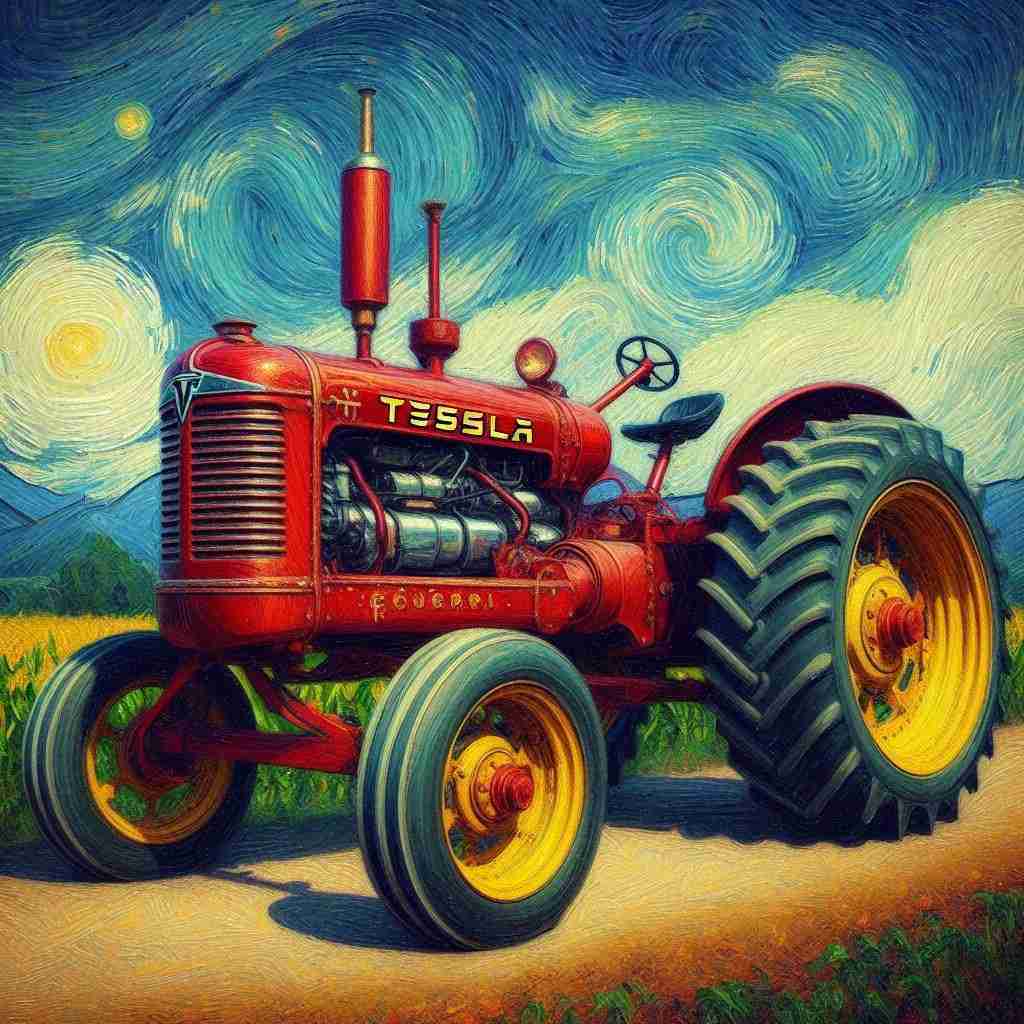
Conclusion
Conclusion:
- The fusion of smart sensors with classic tractors showcases tradition and innovation in agriculture.
- Classic tractors symbolize hard work and a connection to the land, facing modern agricultural challenges.
- Smart sensors enhance productivity and help farmers make informed, resource-optimizing decisions.
- This technology respects ancestral wisdom while modernizing the farming experience.
- Smart sensors preserve the legacy of classic tractors and foster stewardship for the earth.
- Safety in farming improves with smart sensors, creating trust within families and communities.
- Classic tractors can lead sustainable agriculture, inviting collective participation in a sustainable future.

Conclusion
Other Resources

Other Resources
Here is a list of other resources you can review online to learn more:
- SOMECA
- Merlin
- Orange County Farmers Museum
- XTZ
- Memo
- Sears
- Huber
- TwinCity
- Minneapolis-Moline
- TYM
- Shaktimaan
- Ageless Iron
- Heider
- Pasquali
- Zetor Zebra
- Hello Tractor
- Summit Tractors
- Fieldking
Use This Prompt To Get More Resources With Your Favorite Online AI Tool: Please provide me with a list of online articles with their URLs in a bulleted list that I can read regarding Why Smart Sensors Make Classic Tractors Even Better

Other Resources
Glossary Terms
Why Smart Sensors Make Classic Tractors Even Better – Glossary Of Terms
1. Smart sensor: A sensor with onboard processing and communications that converts physical measurements into usable digital data.
2. Retrofit kit: A package of sensors, mounts, cabling, and interfaces designed to add modern sensing to classic tractors.
3. Telematics: Remote collection and transmission of vehicle data (location, health, usage) for monitoring and analysis.
4. CAN bus: A robust vehicle communication network standard used to share sensor and control data between modules.
5. IoT (Internet of Things): A network paradigm connecting sensors and devices so tractor data can be accessed and acted on remotely.
6. Edge computing: Local processing on the tractor that analyzes sensor data in real time to reduce latency and bandwidth use.
7. GNSS: Satellite positioning systems (GPS, GLONASS, etc. ) that provide location and navigation data for guidance and mapping.
8. RTK (Real‑Time Kinematic): A correction technique that delivers centimeter‑level GNSS positioning for precise guidance and implement control.
9. Precision agriculture: Farming methods that use sensor data and positioning to optimize input application and field operations.
10. Sensor fusion: Combining measurements from multiple sensors to produce a more accurate, reliable estimate of state or environment.
11. IMU (Inertial Measurement Unit): A compact package of accelerometers and gyros providing motion, tilt, and orientation data.
12. Accelerometer: Measures linear acceleration and vibration useful for engine, chassis, and implement diagnostics.
13. Gyroscope: Measures angular rate, helping detect steering, roll, and implement orientation changes.
14. Hall effect sensor: Detects rotational speed or position (e. g. , PTO shafts, wheel speed) without mechanical contact.
15. Strain gauge: Senses deformation on structural parts to infer loads, stresses, and attachment strain.
16. Load cell: Measures force or weight on implements and hitch points to monitor payload and implement performance.
17. Temperature sensor: Monitors engine, transmission, hydraulic, and ambient temperatures to prevent overheating and optimize operation.
18. Pressure sensor: Measures oil, fuel, and hydraulic pressures to detect leaks, clogs, or pump wear.
19. Flow sensor: Tracks hydraulic or fuel flow rates to monitor consumption and detect anomalies.
20. Soil moisture sensor: Measures soil water content to inform irrigation, seeding, and tillage decisions.
21. Proximity sensor: Detects the presence or position of implements, gates, or obstacles for safety and automation.
22. HMI (Human‑Machine Interface): Displays, controls, and dashboards that present sensor data and allow operator interaction.
23. Telematics gateway: An onboard aggregator that collects sensor data, applies local logic, and sends it to cloud services.
24. MQTT: A lightweight publish/subscribe messaging protocol commonly used to transmit IoT sensor data efficiently.
25. FOTA (Firmware Over‑The‑Air): Remote update capability for sensors and controllers to add features or fix bugs without shop visits.
26. Data logger: Local storage that records sensor streams for later analysis, troubleshooting, or regulatory records.
27. Predictive maintenance: Using trends and anomalies in sensor data to forecast component failures and schedule service proactively.
28. Geo‑fencing: Virtual boundaries that trigger alerts or actions when a tractor enters or leaves specified zones.
29. Actuator: A device (electrical, hydraulic, or pneumatic) that converts control signals into mechanical movement on retrofitted systems.
30. IP rating: An ingress protection code that specifies a sensor enclosure’s resistance to dust and water for field durability.

Glossary Of Terms
Other Questions
Why Smart Sensors Make Classic Tractors Even Better – Other Questions
If you wish to explore and discover more, consider looking for answers to these questions:
- What specific types of smart sensors are most useful for retrofitting classic tractors?
- How do soil moisture sensors integrate with a tractor’s existing systems?
- What is the typical cost to retrofit a classic tractor with smart sensors?
- How long does it take to install smart sensors on a classic tractor?
- Are there DIY retrofit kits available, or is professional installation recommended?
- Which classic tractor models and years are compatible with modern sensor systems?
- How do smart sensors affect the fuel efficiency and engine performance of older tractors?
- What power sources are required for sensors—battery, tractor power, or solar?
- How reliable are sensor readings under harsh field conditions (dust, vibration, rain)?
- How is sensor data transmitted in areas with poor cellular or internet coverage?
- What apps or platforms are best for viewing and analyzing sensor data?
- Can sensor systems integrate with existing farm-management software or GPS guidance?
- How secure is the data collected by smart sensors, and who owns it?
- What privacy or data-ownership concerns should farmers consider?
- How do sensors improve tractor safety in practice—what specific warnings or interventions do they provide?
- Do sensors require regular calibration, and how is that performed?
- What maintenance and servicing do sensors need over time?
- How long do sensors typically last before needing replacement?
- What is the expected return on investment (ROI) from adding sensors to a classic tractor?
- Are there government grants, subsidies, or insurance incentives for sensor retrofits?
- How do smart sensors reduce environmental impacts like runoff and pesticide overuse?
- Can sensors help with precision application of seed, fertilizer, and pesticides on older tractors?
- How do sensors handle variability across different fields and soil types?
- What training is required for operators to use sensor-enabled tractors effectively?
- How will adding sensors affect the tractor’s resale or collector value?
- How can farmers preserve the aesthetic or historic authenticity of a classic tractor while modernizing it?
- Are there case studies or measurable examples showing yield improvements from retrofitted tractors?
- Which manufacturers or suppliers offer proven retrofit solutions for vintage tractors?
- How do sensors behave in extreme temperatures or during winter storage?
- Can sensors interface with modern implements and attachments not originally designed for classic tractors?
- What happens to sensor functionality if the tractor loses power or connectivity during critical operations?
- Are there open-source sensor solutions versus proprietary systems, and what are the trade-offs?
- How do smart sensors influence farm workflow and labor requirements?
- What troubleshooting steps are common when sensor-readouts appear inaccurate?
- How do farmers measure the ethical or community benefits of modernizing classic tractors?

Other Questions
Haiku
Why Smart Sensors Make Classic Tractors Even Better – A Haiku
Legacy machines hum,
Sensors bridge past and the now—
Roots grow in fresh earth.

Haiku
Poem
Why Smart Sensors Make Classic Tractors Even Better – A Poem
In fields where echoes of legacy thrive,
Classic tractors breathe, robust, alive.
Symbols of toil, of love passed down,
Yet facing a future, they wear a frown.
Enter the sensors, sleek and wise,
Transforming old giants, to rise and surprise.
They whisper to farmers of moisture and earth,
Turning hard labor to a measured rebirth.
No longer mere metal, they partner, they guide,
With data in hand, innovation beside.
Efficiency blossoms, resources saved,
A balance of progress that must be braved.
The heart tugs at roots, traditions held dear,
Yet ethics awaken, our duty is clear.
Stewards of land, with each seed we sow,
Modern tools help us harvest what we know.
Families gather, a community strong,
Sharing their stories, where hearts all belong.
Classic and smart, together they stand,
Crafting a future that honors the land.
So let us embrace this evolving tale,
Where tractors and sensors together prevail.
A legacy written with every new dawn,
The heart, head, and gut—together, weve drawn.

Poem
Checklist
Why Smart Sensors Make Classic Tractors Even Better – A Checklist
Emotional Appeals
✅______ Reflect on personal stories tied to classic tractors and their significance.
✅______ Create a sense of nostalgia by sharing memories associated with these machines.
✅______ Engage younger generations with shared stories that blend tradition and modern technology.
Rational Appeals
✅______ Analyze the benefits of smart sensors for efficiency (e.g., real-time data on soil health).
✅______ Evaluate productivity increases through targeted watering and fertilization.
✅______ Consider the cost savings from reduced waste and optimized resource management.
Ethical Appeals
✅______ Assess the commitment to sustainable farming practices through technology integration.
✅______ Discuss the responsibility to preserve agricultural heritage while innovating.
✅______ Highlight stewardship of the land for future generations.
Authority Appeals
✅______ Gain insights from agricultural experts on the advantages of smart technology.
✅______ Reference case studies or success stories from farmers who have adopted smart sensors.
✅______ Cite statistics that demonstrate improvements in yield and sustainability.
Narrative Appeals
✅______ Share compelling stories that illustrate the transition from tradition to innovation.
✅______ Highlight testimonials from farmers about their experiences with technology.
✅______ Create a community narrative around collaboration and shared farming values.
Social Appeals
✅______ Encourage discussions at local farming events about modernizing equipment.
✅______ Foster a sense of community by forming groups focused on integrating smart technology.
✅______ Celebrate the blending of traditional farming techniques with innovative practices among peers.

Checklist
At ClassicTractorNews, we help tractor lovers keep up with the latest news for classic and vintage tractors.
Please share this post with your friends, family, or business associates who may like old classic or vintage tractors.