


Discover The Heartfelt Truth: Simplicity Can Save Lives On The Farm
By Tom Seest
At ClassicTractorNews, we help tractor lovers keep up with the latest news for classic and vintage tractors.
Please share this post with your friends, family, or business associates who may like old classic or vintage tractors.
Why Simplicity Equals Lower Blood Pressure on the Farm
Why Simplicity Equals Lower Blood Pressure on the Farm
In the heart of the countryside, life moves at a different pace. From dawn’s first light, the steady rumble of a tractor slicing through the morning mist signals the start of another day filled with hard work and simple pleasures. Amidst the hustle and bustle, it’s the simplicity of farm life that fosters a sense of calm and lowers blood pressure, both for the farmer and the land he tends.
Consider the ritual of waking up with the sun. There’s something instinctual about it—like the natural clock ticking in harmony with the earth. Farmers tend to the fields with intent. Every seed sown and every row plowed is a testament to a life grounded in purpose. This connection to the land instills clarity, creating a routine that resonates with stability. Simplicity isn’t just a way of life; it’s a profound source of peace. When surrounded by the vastness of open fields, the chaos of urban living feels like a distant memory.
But it goes deeper than that. Imagine standing by the fence, watching the cattle graze, their rhythmic movements calming the mind. This is where stress dissipates, replaced by the patient understanding of nature’s cycles. The repetitive tasks, whether it’s checking irrigation systems or repairing a fence, become a meditative practice. They demand focus and presence, pulling you away from the distractions that often cloud judgment and elevate anxiety levels. In these moments, with dirt on your hands and the sun on your back, you’re more connected—both to your work and to yourself.
Let’s not forget the social aspect. Farming communities thrive on relationships built through shared experiences. Neighbors lend a hand during harvest, sharing laughter and stories while navigating the challenges of life on the farm. This collective effort fosters a sense of belonging; it’s a reminder that you’re not alone. The bonds formed in these interactions provide emotional support, reducing feelings of isolation and the stress that often accompanies it.
Ultimately, the essence of simplicity lies in its authenticity. Farmers are stewards of the land, embracing a lifestyle that values connection over complexity. This commitment to a straightforward way of living not only nurtures the crops but also cultivates peace of mind. As the sun sets, casting golden hues across the fields, it’s evident: in this serene simplicity, lower blood pressure isn’t just a physical outcome—it’s a testament to a life well-lived, rooted in the earth and rich in purpose.

Why Simplicity Equals Lower Blood Pressure on the Farm
Why Simplicity Equals Lower Blood Pressure on the Farm
- Farm life operates at a slower pace, fostering calm and lowering blood pressure.
- Waking up with the sun creates a natural rhythm and purpose in farming.
- The connection to the land promotes stability and clarity, contributing to peace.
- Observing nature and engaging in repetitive tasks offer meditative experiences.
- Farming communities strengthen bonds through shared experiences and support.
- Authenticity in lifestyle emphasizes connection over complexity for farmers.
- Simplicity on the farm is linked to a life of purpose, leading to overall well-being.

Why Simplicity Equals Lower Blood Pressure on the Farm
Table Of Contents
- Why Simplicity Equals Lower Blood Pressure on the Farm
- Why Is It Vital to Simplify Our Farming Practices?
- How Can Simplicity Improve Mental Health In Farming?
- What Ethical Benefits Arise From a Simpler Farming Approach?
- How Does Reducing Complexity In Farming Lower Stress Levels?
- In What Ways Can Uncomplicated Farming Boost Community Bonds?
- How Does a Simpler Lifestyle Influence Blood Pressure Regulations?
- Conclusion
- Other Resources
- Glossary Of Terms
- Other Questions
- Haiku
- Poem
- Checklist
Why Is It Vital to Simplify Our Farming Practices?
Farming, at its core, is about resilience and connection — not just to the land or the crops, but to each of us. Picture a farmer on a vast expanse, a trusted tractor humming softly behind him, the earth crumbling between his fingers. There’s a rhythm to this life, a dance between man, machine, and nature. But today, that dance has become a jarring cacophony, burdened with complex practices and overwhelming systems. It’s time to change the tune.
Simplifying our farming practices is not only vital; it’s an imperative for our collective future. When we strip away the layers of complexity, we’re left with the essence of what truly matters: sustainable growth and responsible stewardship of the land. Think about it: a farmer with less complicated methods can focus more on nurturing healthy soil, understanding ecosystems, and fostering biodiversity. The result? Crops that thrive without the heavy reliance on harsh chemicals. It’s a smarter, more ethical approach to farming, fostering a connection not just with the land, but with the food we put on our tables.
The stakes are high. As we battle climate change, invasive species, and dwindling resources, the pressure on farmers increases. They’re not just stewards of the land; they’re the last line of defense against a food crisis that affects us all. Simplifying farming practices can lead to increased efficiency, reduced costs, and better yields. Rationally, it’s a win-win, and it inspires confidence that we can produce food without sacrificing our health or the environment.
But let’s get to the heart of the matter. Each harvest tells a story — the sweat, the hope, the unyielding spirit of those who toil under the sun. When we simplify, we honor those stories. We create a community of farmers who can learn from one another, support local economies, and cultivate relationships that sustain not just their livelihoods but our collective future. It’s a movement back to our roots, where we recognize the significance of every seed sown and every tractor that rolls across the fields.
In a world swirling with complexity, let’s embrace simplicity. It’s not just about farming; it’s about fostering a life that maintains harmony with nature. It’s an invitation to connect, to grow, and to redefine what it means to be a steward of the earth, one field at a time.

Why Is It Vital to Simplify Our Farming Practices?
Why Is It Vital to Simplify Our Farming Practices?
- Farming embodies resilience and connection to land and community.
- The complexity of current farming practices disrupts this connection.
- Simplifying farming is vital for sustainable growth and land stewardship.
- Less complicated methods allow focus on healthy soil and biodiversity.
- Simplification can improve efficiency, reduce costs, and enhance yields.
- Each harvest reflects the dedication and stories of farmers.
- Emphasizing simplicity fosters harmony with nature and strengthens community ties.

Why Is It Vital to Simplify Our Farming Practices?
How Can Simplicity Improve Mental Health In Farming?
Simplicity is more than just a buzzword; it’s a lifeline for farmers navigating the ups and downs of agricultural life. Imagine standing in the middle of a vast field, the hum of a tractor in the background, feeling the earth beneath your boots and the sun warming your back. This connection to the land is what farming is all about, yet too often, the complexities of modern agriculture—market pressures, technology, and endless paperwork—distract from that foundational relationship.
Farming can sometimes feel like a high-stakes game, with the weight of every decision pressing down like the heaviest plow. When farmers simplify their approach, they reclaim that sense of purpose. For instance, consider a farmer who’s been using a plethora of expensive software to track crops and sales. In the quest for efficiency, they may find themselves overwhelmed by data instead of focusing on what really matters: the health of their fields, their livestock, and their mental health. By reducing their reliance on technology and streamlining processes, they can transform their operation back into a craft—one of skill, intuition, and connection, not just spreadsheets and metrics.
Think about the stories passed down through generations. A farmer remembers their grandfather, who tended to his small patch of land with pride, emphasizing the importance of each season, each harvest. This narrative isn’t just nostalgia; it’s a reminder that simplicity leads to fulfillment. By embracing a minimalist mindset, farmers can foster a stronger bond with their work, which translates to improved mental health. The joy of witnessing a seed germinate and grow can outweigh the stress of balancing budgets or negotiating prices.
Furthermore, there’s a profound ethical aspect to simplicity in farming. Reducing unnecessary complexities can lead to more sustainable practices—focused operations that respect the land instead of exploiting it. By cultivating fewer crops but doing so with care, farmers not only benefit themselves but also contribute positively to the environment and society.
When farmers embrace simplicity, they create a space where mental wellness can flourish alongside their crops. With less clutter weighing down their minds, they’re free to engage more deeply with their communities, share experiences, and mentor the next generation. The tractor, a symbol of hard work and resilience, can also become a vessel of renewed passion and purpose. In the heart of farming, simplicity isn’t just a strategy; it’s a path to a more fulfilling life.

How Can Simplicity Improve Mental Health In Farming?
How Can Simplicity Improve Mental Health In Farming?
- Simplicity is essential for farmers to navigate the complexities of agricultural life.
- Modern agriculture often distracts from the fundamental relationship with the land.
- Simplifying approaches helps farmers reclaim a sense of purpose in their work.
- A minimalist mindset fosters stronger bonds with farming, leading to better mental health.
- Simplicity promotes sustainable practices that respect the land and environment.
- Embracing simplicity allows farmers to engage more deeply with communities and mentor others.
- Simplicity in farming enhances overall fulfillment and passion for the craft.

How Can Simplicity Improve Mental Health In Farming?
What Ethical Benefits Arise From a Simpler Farming Approach?
In the vast expanse of agriculture, there’s an age-old tractor chugging along, a humble machine connecting farmers to their roots. But beyond the metal and wheels lies something profound—a simpler farming approach that cultivates not just crops but ethical benefits that resonate deep within our society.
Consider a family farmer who decides to forgo monoculture, choosing instead to plant diverse crops in harmony with the land. This isn’t just a practical decision; it’s an ethical one that reflects a commitment to sustainability and community well-being. This farmer understands that nurturing the soil with natural fertilizers and reducing reliance on harmful pesticides not only produces healthier food but also safeguards the environment for future generations. By embracing this simpler methodology, they challenge the notion that bigger is always better, an idea that’s often driven by profit rather than purpose.
Think about the stories behind your food. Each harvest carries the weight of choices made by those who sow the seeds. When farmers turn to simpler methods, they become stewards rather than dominators of the land. This shift invites a more profound connection between us and our food; we appreciate the hands that tend the fields and the ethics behind each bite. It’s about creating a narrative that celebrates each farm and its unique contribution to the tapestry of our communities, nourishing the soul as much as the body.
In embracing simplicity, we also discover a holistic way to view our relationship with nature. We tap into the wisdom of generations past, understanding that nature thrives in diversity. This perspective fosters a sense of authority—farmers become trusted leaders in their communities, willing to share their knowledge and inspire change rather than simply selling products. It’s a call to come together, to look beyond the bottom line and recognize our role in a larger ecosystem.
The ethical benefits of simpler farming weave through our lives, enhancing not just our diets but our values. We’re reminded that each bite of food is a reflection of our decisions—a reminder that we hold the power to support practices that respect both the earth and the labor that cultivates it. So, the next time you spot that well-worn tractor on the field, think of the ethical choices behind it. It’s more than just farming; it’s about fostering trust, community, and a sustainable future. Together, we can dig deeper into our relationship with food, nurturing both the land and our shared values.

What Ethical Benefits Arise From a Simpler Farming Approach?
What Ethical Benefits Arise From a Simpler Farming Approach?
- Tractors symbolize a connection between farmers and their roots, embodying a simpler, ethical farming approach.
- Family farmers opting for diverse crops over monoculture reflect a commitment to sustainability and community well-being.
- Nurturing soil with natural fertilizers and minimizing pesticides leads to healthier food and environmental protection.
- Choosing simpler farming methods fosters stewardship of the land and a deeper appreciation for food sources.
- Emphasizing simplicity allows insight into the wisdom of diversity in nature, promoting a holistic view of agriculture.
- Farmers become community leaders, sharing knowledge and inspiring sustainable practices beyond mere profit.
- Each bite of food reflects our choices, highlighting the power to support ethical farming that respects the environment and labor.

What Ethical Benefits Arise From a Simpler Farming Approach?
How Does Reducing Complexity In Farming Lower Stress Levels?
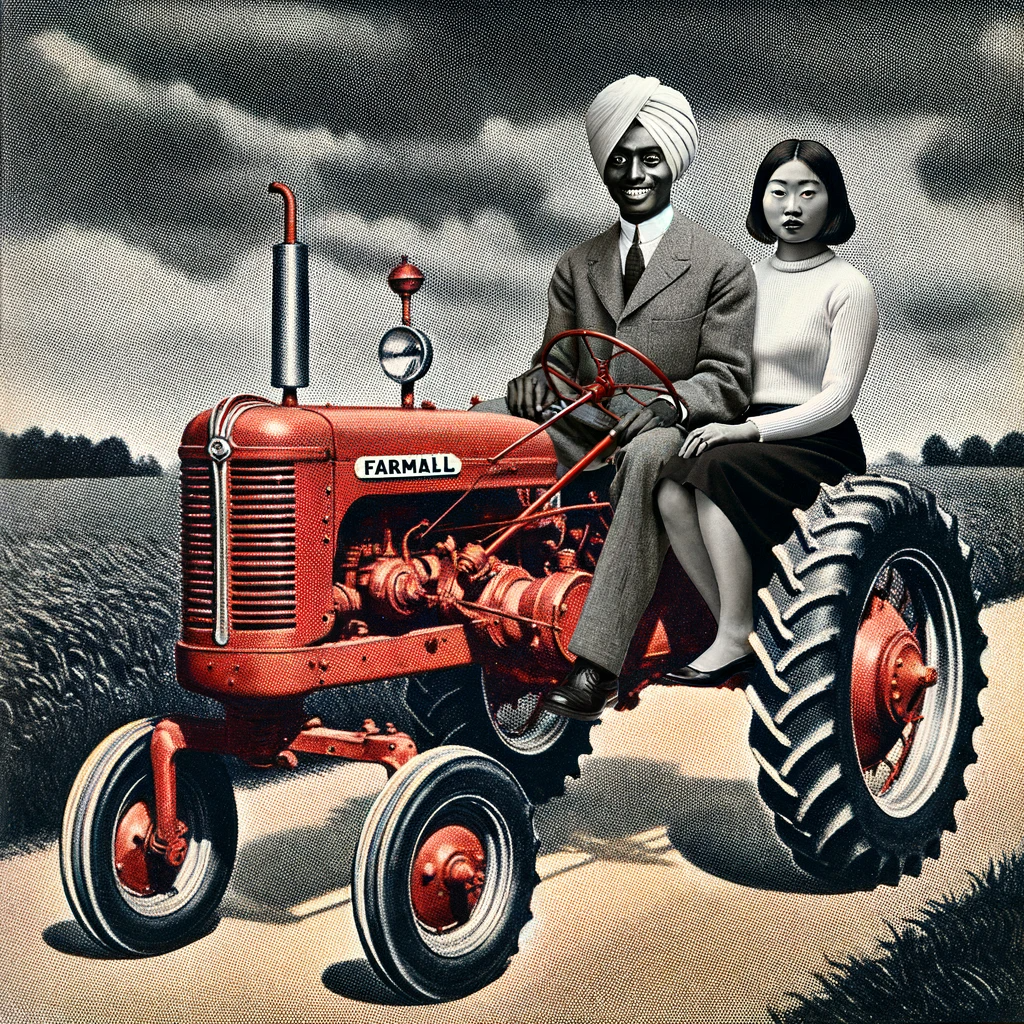
Reducing complexity in farming can be a game-changer, not just for the land but for the heart and mind of every farmer out there. Picture this: a farmer stands beside their trusty tractor, weathered yet reliable, a symbol of countless hours spent in the fields. As seasons change, the burdens of overscheduling, complex crop rotations, and an endless array of technologies can create a pressure cooker environment, leading to burnout and stress. Simplifying operations doesn’t just lighten the load; it cultivates a sense of clarity and focus.
A common misconception in agriculture is that more technology and complicated systems yield greater success. But the truth often lies in the power of simplicity. Just as a well-tuned tractor runs best when its engine isn’t bogged down by unnecessary modifications, so too does a farmer thrive when their operations are streamlined. Imagine a farmer shifting from a multi-crop chaos to a focused, rotational grazing system. Instead of fighting the weeds and pests of varied crops, they gain back time, allowing them to nurture what truly matters—their farm, their family, and their own well-being.
The emotional toll of farming strains not only relationships but also mental health. A personal story comes to mind: a farmer I once met decided to downsize their operation after years of struggle against complexity. Initially, the idea felt daunting. Would they be letting go of their dreams? Yet, as they scaled back and returned to simpler practices, they found joy in monitoring a single crop, engaging deeper with the land. Their stress levels dwindled, and the misgivings of judgment from peers—often harsh in the competitive farming community—slowly faded. They became a local role model, inspiring others to embrace simplicity, showcasing that it’s possible to find peace in honest labor.
The ethical choice to reduce complexity allows farmers to reconnect with their purpose: sustainable practices that promote not only the environment but also their own peace of mind. With fewer moving parts, there’s room to breathe, to feel the soil, and to truly celebrate the fruits of labor. By fostering community and dialogue around simplifying farming, we create a circle of support. It’s about cultivating relationships—nurturing both crops and connections—where the tractor isn’t just a machine, but a partner on the journey of prosperity and fulfillment. Simplifying isn’t about giving up; it’s about gaining clarity, focus, and, ultimately, a richer, more satisfying life in farming.
How Does Reducing Complexity In Farming Lower Stress Levels?
How Does Reducing Complexity In Farming Lower Stress Levels?
- Reducing complexity in farming enhances the emotional well-being of farmers.
- Overscheduling and complicated systems can lead to burnout and stress.
- Simplifying operations cultivates clarity and focus.
- Success in farming can often be linked to the power of simplicity over technology.
- Streamlined operations allow farmers to nurture what truly matters: their farm and family.
- Downsizing and adopting simpler practices can rejuvenate farmers’ joy and mental health.
- Building community support around simplicity fosters meaningful relationships in farming.

How Does Reducing Complexity In Farming Lower Stress Levels?
In What Ways Can Uncomplicated Farming Boost Community Bonds?
Uncomplicated farming is more than just tilling the soil; it’s a living testament to the power of community. Imagine a tranquil morning, the sun rising over fields where a group of neighbors gathers, each armed with a tractor, ready to lend a hand. This is where the magic begins—when the simple act of planting a garden becomes a communal endeavor.
At its core, uncomplicated farming fosters connections that run deeper than the roots of the crops we cultivate. There’s an undeniable richness in sharing labor. This isn’t just about growing food; it’s about nurturing relationships. When the local farmer’s market opens for the season, it’s not just an event; it’s a reunion. Adults reconnect, children play together, and stories are exchanged over fresh-picked tomatoes and homemade jams. Those moments cultivate trust, weaving together the fabric of community life.
From a rational standpoint, engaging in uncomplicated farming provides people with a tangible reason to come together. Planning, planting, and harvesting necessitate collaboration. Each voice is heard, each idea valued—because when you’re planting a vegetable garden, everyone has a role. These interactions build social capital, creating an environment where people feel safe to share, explore, and support one another.
Ethically, farming invites us back to our roots, a call to respect our land and each other. This respect transcends individual ownership; it’s about stewardship of resources for the next generation. When families gather to care for the earth, they pass down lessons steeped in tradition and responsibility.
Narratively, consider the story of a small town where a community garden bloomed in an empty lot. What began as a patch of weeds transformed into a retreat, attracting not only seasoned farmers but also children learning the beauty of dirt under their fingers. They share laughter, knowledge, and occasionally, a few tears over lost crops. These moments don’t just enhance our connection to the earth; they nurture the bonds that unite us.
Finally, there’s an original truth in the simplicity of uncomplicated farming—while our society races toward the digital, this return to basic practices grounds us in reality. Nothing compares to the visceral joy of pulling a carrot from the ground or sharing a meal from your neighbor’s harvest. It’s an invitation to reconnect, to support, and to thrive together, ensuring that our communities aren’t just surviving but flourishing, one crop at a time.

In What Ways Can Uncomplicated Farming Boost Community Bonds?
In What Ways Can Uncomplicated Farming Boost Community Bonds?
- Uncomplicated farming emphasizes community connection beyond just tilling soil.
- Neighbors collaborate in gardening, fostering deeper relationships through shared labor.
- Local farmers markets serve as community reunions, strengthening social ties.
- Collaboration in farming creates a welcoming environment where every voice matters.
- Farming promotes ethical stewardship of land and resources for future generations.
- Community gardens transform neglected spaces into learning and bonding grounds.
- This return to basic practices offers a joyful reconnection to nature and each other.

In What Ways Can Uncomplicated Farming Boost Community Bonds?
How Does a Simpler Lifestyle Influence Blood Pressure Regulations?
Life’s complexities can often feel like a heavy weight on our shoulders—imagine a tractor plowing through a field, the steady rhythm almost soothing yet undeniably labor-intensive. In a world filled with hustle, we often forget the power of simplicity, which can profoundly affect our health, especially when it comes to regulating blood pressure.
Consider a story from a farmer who swapped the chaos of city living for a simpler rural life. This farmer, surrounded by the open sky and vast fields, found not only peace but also a remarkable change in his health. With fewer distractions and a newfound connection to nature, his once-worrisome blood pressure began to stabilize. He attributed this transformation to the reduction of stress, the natural rhythms of farm life, and the wholesome food he harvested.
Rationally, reducing life’s complications can lower stress levels, which directly impacts blood pressure. Chronic stress triggers the release of hormones, like cortisol, which can push blood pressure to unhealthy heights. By simplifying life—whether it’s decluttering the home, minimizing digital distractions, or embracing slower routines—we give ourselves the opportunity to breathe, relax, and find balance. Imagine trading frantic mornings for peaceful sunrises, where the only sounds are birds chirping and the hum of a nearby tractor. That shift alone translates to a calmer mindset.
Ethically, we owe it to ourselves to seek simplicity. Today’s fast-paced lifestyle often prioritizes productivity over well-being, leading us down a path where our health suffers. We must ask ourselves: is that worth it? We thrive in connection—with nature, with each other, and with ourselves. This authenticity not only fosters a sense of community but also empowers healthier choices.
Sharing these stories within our circles creates a ripple effect, inspiring others to rethink their own lifestyles. As we talk about our journeys, we build trust, becoming living proof that simplicity is not just a trend but a sustainable way of living. It’s in our narratives—the anecdotes that resonate with our gut—that true inspiration lies.
In essence, embracing a simpler lifestyle is like tending to a field with care. The results may not be immediate, but over time, as we pull out the weeds of complexity and nurture the soil of our well-being, we can cultivate a life where blood pressure remains in check, vitality thrives, and the heart feels light. Simple choices lead to significant health rewards, connecting us to ourselves and to each other in meaningful ways.

How Does a Simpler Lifestyle Influence Blood Pressure Regulations?
How Does a Simpler Lifestyle Influence Blood Pressure Regulations?
- Life’s complexities can feel overwhelming, likened to a tractor plowing a field.
- Simplifying life can significantly improve health, particularly in regulating blood pressure.
- A farmer’s transition from city life to rural living led to improved health and reduced stress.
- Chronic stress releases hormones that can raise blood pressure, making simplicity beneficial.
- Adopting simpler routines fosters relaxation and a positive mindset.
- Seeking simplicity promotes well-being over productivity in today’s fast-paced world.
- Sharing experiences of simplicity can inspire others and create a community focused on health.

How Does a Simpler Lifestyle Influence Blood Pressure Regulations?
Conclusion
In the heart of our rural landscape, the rhythm of farm life offers a compelling narrative about simplicity and its impact on our well-being. This journey begins at dawn, where the farmer, with the sun at his back, embodies purpose through every seed sown and row plowed. In this serene environment, stress fades while a deep connection to nature flourishes. Each repetitive task becomes a meditation, a chance to shed the distractions of modernity, grounding us in a simpler, more authentic existence.
Simplicity in farming isn’t merely about techniques; it’s about embracing a philosophy that nurtures both our land and our mental health. Recalling the stories of past generations reminds us of the joys of hands-on cultivation, fostering not just healthier crops but healthier minds. When the burden of complexity falls away, farmers can focus on what truly matters: their fields, livestock, and communities. As they navigate the pressures of climate change and food security, uncomplicated practices offer a path not just to sustainability but to mental clarity and joy.
There’s a profound ethical dimension intertwined with this simplicity. Choosing diverse, organic methods fosters respect for the land and promotes a thriving ecosystem. Each crop tells a story of stewardship rather than exploitation, inspiring community connections and reinforcing the notion that we are all part of a greater fabric. When farmers support each other, sharing resources and experiences, they create a network of resilience that echoes through generations.
The heart of these simple practices reveals a powerful truth: when we strip away the chaos, we create space for meaningful relationships. Whether through communal events at local markets or the shared sweat of harvest season, uncomplicated farming cultivates bonds that transcend mere economics. As neighbors come together to support one another, they shift from isolated silos into thriving communities built on trust and shared purpose.
Ultimately, embracing a simpler lifestyle offers a roadmap to lower blood pressure and a more fulfilled existence. It tasks us with considering our place in a world rife with distractions and invites us to slow down, breathe, and reconnect. By celebrating the authenticity of farm life and the stories behind the food we eat, we find inspiration to cultivate not just crops but our health, values, and community. Here, simplicity becomes a powerful ally, reminding us that a life rooted in purpose yields the most profound rewards—both in the fields and within ourselves.

Conclusion
Conclusion:
- The rhythm of farm life illustrates simplicity’s impact on well-being, starting at dawn with purposeful activities.
- Farming embraces a philosophy that nurtures land and mental health, recalling joyful hands-on cultivation.
- Simplicity allows farmers to focus on essential aspects: fields, livestock, and community amidst climate challenges.
- Diverse, organic practices respect the land and foster a thriving ecosystem, reinforcing community connections.
- Sharing resources and experiences among farmers creates resilience networks that span generations.
- Uncomplicated farming cultivates meaningful relationships and builds trust within communities through collaborative efforts.
- Embracing a simpler lifestyle leads to lower stress and fosters a deeper connection to health, values, and community.

Conclusion
Other Resources

Other Resources
Here is a list of other resources you can review online to learn more:
- New Holland
- GBT
- Mercedes-Benz
- Billings Farm
- Minnesota Machinery Museum
- Jackson
- Ford
- Merlin
- Indiana Farm Equipmentand Technology Expo
- Montana
- Oklahoma City Farm Show
- C.O.D. Tractor Company
- Fiat-Hesston
- Acremaster
- Bristol
- Allis Chalmers
- The AgriCultural Museum & Arts Center
- Ursus
- Central Washington Agricultural Museum
Use This Prompt To Get More Resources With Your Favorite Online AI Tool: Please provide me with a list of online articles with their URLs in a bulleted list that I can read regarding Why Simplicity Equals Lower Blood Pressure on the Farm

Other Resources
Glossary Terms
Why Simplicity Equals Lower Blood Pressure on the Farm – Glossary Of Terms
1. Simplicity — The deliberate reduction of tasks, possessions, and choices on the farm to lower mental and physical strain.
2. Blood pressure — The force of blood against artery walls, influenced by stress, activity, and lifestyle.
3. Hypertension — Chronically elevated blood pressure that increases risk for heart and kidney disease.
4. Stress — Psychological and physiological strain that triggers bodily responses raising blood pressure.
5. Cortisol — A stress hormone that affects circulation, metabolism, and blood pressure regulation.
6. Sympathetic nervous system — The “fight-or-flight” branch of the nervous system that raises heart rate and blood pressure.
7. Parasympathetic nervous system — The “rest-and-digest” branch that calms the body and lowers blood pressure.
8. Routine — Predictable daily patterns that reduce decision fatigue and emotional arousal.
9. Workload — The volume and intensity of farming tasks that determine physical and mental load.
10. Prioritization — Choosing essential tasks first to reduce overwhelm and unnecessary exertion.
11. Delegation — Assigning tasks to others or to seasonal help to spread physical and mental burden.
12. Mechanization — Use of tools and machinery to simplify labor and reduce prolonged physical strain.
13. Ergonomics — Task and workspace design that minimizes awkward postures and peak blood-pressure responses.
14. Time management — Structuring the day to avoid rushed work and chronic overexertion.
15. Slow living — A paced lifestyle that emphasizes presence, rest, and lower physiological arousal.
16. Biophilia (nature exposure) — Regular contact with plants, soil, and animals that soothes stress pathways.
17. Physical activity — Farm work and purposeful movement that, when balanced, supports healthy blood pressure.
18. Rest and recovery — Planned breaks and downtime that allow cardiovascular and nervous-system recovery.
19. Sleep quality — Depth and regularity of sleep that influence blood-pressure regulation and stress hormones.
20. Nutrition — Simple, whole-food eating patterns that support vascular health and stable blood pressure.
21. Sodium — Dietary salt, which in excess can contribute to higher blood pressure.
22. Potassium — A mineral abundant in many farm foods that helps balance sodium and support healthy blood pressure.
23. Hydration — Adequate fluid intake that maintains blood volume and circulatory stability.
24. Social support — Family, neighbors, and peers whose help and companionship reduce isolation-induced stress.
25. Community networks — Cooperative arrangements (work swaps, markets, co-ops) that lighten individual burdens.
26. Financial simplicity — Streamlined finances and budgeting that lower chronic economic stress on farmers.
27. Minimalism — Reducing material complexity to cut maintenance demands and cognitive load.
28. Seasonal rhythms — Aligning tasks with natural cycles to avoid unpredictable workload spikes.
29. Mindfulness — Focused attention practices that calm the nervous system and reduce blood-pressure elevations.
30. Preventive care — Routine monitoring and early management of risk factors to keep blood pressure within healthy ranges. Glossary Of Terms
Other Questions
Why Simplicity Equals Lower Blood Pressure on the Farm – Other Questions
If you wish to explore and discover more, consider looking for answers to these questions:
- What scientific evidence links simpler lifestyles or farming practices to lower blood pressure?
- Are there peer-reviewed studies showing lower hypertension rates among farmers versus urban populations?
- Which specific farming practices most effectively reduce stress and improve cardiovascular health?
- How quickly can blood pressure improve after simplifying daily routines or farm operations?
- What measurable metrics should farmers track to evaluate stress reduction and health benefits?
- How does diet on the farm (fresh food, less processed food) contribute to blood pressure changes?
- What role does physical activity on the farm play in cardiovascular health compared with recreational exercise?
- Which simple changes yield the biggest reductions in workload without harming productivity?
- How can small-scale farmers transition from complex to simpler methods without losing income?
- What are the economic trade-offs of simplifying—cost savings versus potential yield changes?
- How do uncomplicated practices affect long-term soil health and biodiversity?
- What specific examples or case studies illustrate successful simplification on farms?
- How can large or industrial farms adopt simplicity principles at scale?
- What technologies support simplicity (not complexity) and which should be avoided?
- How does simplifying crop selection (polyculture vs monoculture) impact pest management and stress?
- What are the best rotational grazing practices that reduce labor and improve animal welfare?
- How do community networks and mutual aid reduce individual farmer stress?
- What local or government programs support farmers in simplifying practices financially or with training?
- How can farmers measure and document mental health improvements related to operational changes?
- What common barriers prevent farmers from simplifying, and how can they be overcome?
- How does seasonal variability affect the ability to maintain a simpler routine year-round?
- What minimal recordkeeping approaches still satisfy regulations while reducing paperwork stress?
- How can younger or beginning farmers be trained in simplicity-focused farming techniques?
- What ethical frameworks guide decisions about reducing inputs like pesticides or fertilizers?
- How do simplified farming methods affect product pricing, marketability, and consumer perception?
- What risks or downsides exist when simplifying too much or too quickly?
- How can farmers balance simplicity with the need to adapt to climate change and extreme weather?
- What role do sleep quality, rest, and daily schedules on the farm play in blood pressure regulation?
- How does social isolation or community cohesion on different types of farms influence mental health?
- What practical step-by-step plan can a farmer follow to simplify operations over one season?
- Which crops or enterprises are most suitable for a low-complexity, high-resilience farm model?
- How can consumers support simpler, ethically minded farms through purchasing or advocacy?
- Are there measurement tools or apps designed for low-tech farmers to track well-being and farm performance?
- How to handle credit, loans, or debt when downsizing or simplifying a farming operation?
- What cultural or regional differences affect how simplicity is implemented in farming communities?
- How can farmers communicate the value of simplified practices to customers, neighbors, and policymakers?

Other Questions
Haiku
Why Simplicity Equals Lower Blood Pressure on the Farm – A Haiku
Farms breathe in sunlight,
Simplicity calms the heart,
Roots entwine, life thrived.

Haiku
Poem
Why Simplicity Equals Lower Blood Pressure on the Farm – A Poem
In fields where sunlight kisses the earth,
Life blossoms slow, whispering worth.
A farmer wakes with the dawn’s embrace,
Finding solace in the quiet space.
Tractors hum a familiar tune,
As simplicity brings peace to the noon.
Hands in the soil, heart in the air,
Each row planted with love and care.
Stress ebbs with the rhythm of the land,
Where nature teaches, and we understand.
In community circles where laughter flows,
The weight of the world gently goes.
Every harvest tells tales of sweat,
Of dreams sowed deep, no regrets.
Simplifying life, we nurture our souls,
Building bonds that make us whole.
With fewer burdens, clarity thrives,
In such harmony, true living arrives.
Ethical choices sway with the breeze,
Sustaining land, and hearts at ease.
So let the stories of farmers unfold,
In every seed, a legacy bold.
For in simplicity, we find our way,
To live well, to love, and to gather each day.

Poem
Checklist
Why Simplicity Equals Lower Blood Pressure on the Farm – A Checklist
Emotional Appeals
✅______ Reflect on moments in nature that bring peace and joy ✅______ Share a heartfelt story about a simple farming experience ✅______ Engage in community activities that celebrate farming traditions
Rational Appeals
✅______ Assess current farming practices for unnecessary complexities ✅______ Identify methods to streamline operations for better efficiency ✅______ Evaluate the cost savings of simpler, sustainable practices
Ethical Appeals
✅______ Commit to sustainable farming that prioritizes the health of the land ✅______ Choose diversity in crops to promote environmental stewardship ✅______ Support local producers who practice ethical farming methods
Authority Appeals
✅______ Seek guidance from seasoned farmers who embrace simplicity ✅______ Attend workshops or webinars on sustainable farming practices ✅______ Follow published research on the health benefits of simple lifestyles
Narrative Appeals
✅______ Share personal anecdotes about the impact of simplicity on well-being ✅______ Discuss success stories of farmers who adopted simpler practices ✅______ Create a community narrative that highlights the benefits of a connected farming lifestyle
Social Appeals
✅______ Build local networks for knowledge sharing among farmers ✅______ Organize community farming days to foster collaboration and support ✅______ Promote participation in local farmers’ markets to strengthen community ties

Checklist
At ClassicTractorNews, we help tractor lovers keep up with the latest news for classic and vintage tractors.
Please share this post with your friends, family, or business associates who may like old classic or vintage tractors.