

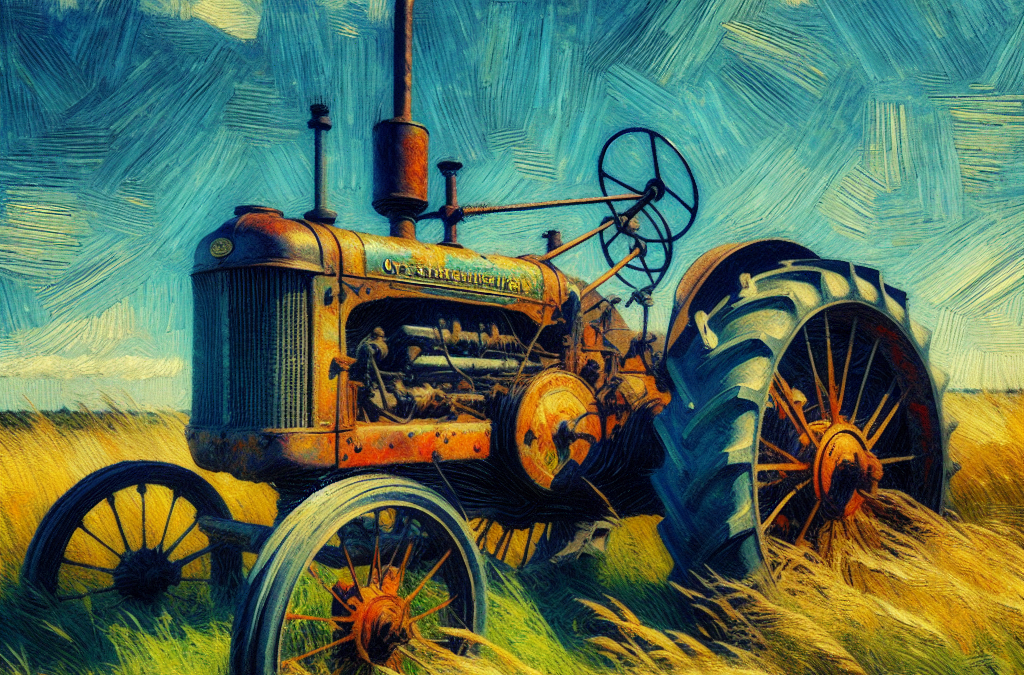
Discover The Timeless Power Of Simplicity In Farming Innovation
By Tom Seest
At ClassicTractorNews, we help tractor lovers keep up with the latest news for classic and vintage tractors.
Please share this post with your friends, family, or business associates who may like old classic or vintage tractors.
Why Simple Mechanical Tractors Beat High-Tech Every Single Day
In a world where high-tech gadgets and flashy screens dominate our lives, there’s something undeniably special about the simplicity of a mechanical tractor. These machines, with their rugged bodies and straightforward mechanics, speak to an era where hard work and reliability reigned supreme. It’s not just about plowing fields; it’s a celebration of craftsmanship, dignity, and the roots of our agricultural heritage.
Imagine a farmer rising before the sun, a calloused hand gripping the steering wheel of a trusty old tractor. This isn’t just machinery; it’s a partner that has weathered storms and tilling seasons. There’s a bond here, forged in the rich, dark soil of dedication and labor. With every roll of the tires over freshly plowed earth, there’s a palpable connection to the land—a visceral reminder that the simplest tools can yield the greatest rewards.
High-tech solutions may promise efficiency, but they often come with a mountain of complications. A mechanical tractor, though, strips away the unnecessary. There’s no need for a degree in computer science to understand its workings. Every individual knows intuitively how to check the oil, replace a belt, or tune the engine. This sense of competence fosters self-reliance and confidence, appealing to our head and gut. In an age of disposability, these machines remind us of the value of maintenance, of nurturing what we already possess. They teach us resilience.
Ethically, our reliance on intricate technology leads to a disconnect between the producer and the product. With a mechanical tractor, the emphasis shifts back to the farmer and the harvest. It’s about respecting the craftsmanship and the effort that goes into every furrowed line in the field. This is not just a job; it’s a vocation, a responsibility intimately tied to family, community, and future generations.
And consider the stories unfolding on the fields. Each tractor, like the family that operates it, has a saga ingrained in its metal. A grandfather teaching his grandson how to drive—those lessons aren’t just about farming; they’re about life. The machine represents the wisdom of the past, grounding future generations while they navigate a fast-paced, digital world.
Choosing a simple mechanical tractor isn’t just a functional decision; it’s a statement of values, a reverberation of tradition in modern times. It embodies a tangible connection to our roots, preserving the sense of purpose that comes from working with your hands and cultivating the earth you love. In every rev of the engine, there lies not just labor, but a legacy.
Why Simple Mechanical Tractors Beat High-Tech Every Single Day
Why Simple Mechanical Tractors Beat High-Tech Every Single Day
- Mechanical tractors symbolize simplicity in a high-tech world, celebrating craftsmanship and agricultural heritage.
- Farmers develop a bond with their tractors, viewing them as partners in labor and dedication.
- Compared to complicated technology, mechanical tractors promote self-reliance and easy maintenance.
- These machines highlight the importance of nurturing and maintaining one’s tools, fostering resilience.
- Ethically, they reconnect producers with their products, emphasizing the value of craftsmanship in farming.
- Tractor operations often involve family stories and lessons, linking generations through shared experiences.
- Choosing a mechanical tractor reflects core values and a commitment to preserving traditional practices.
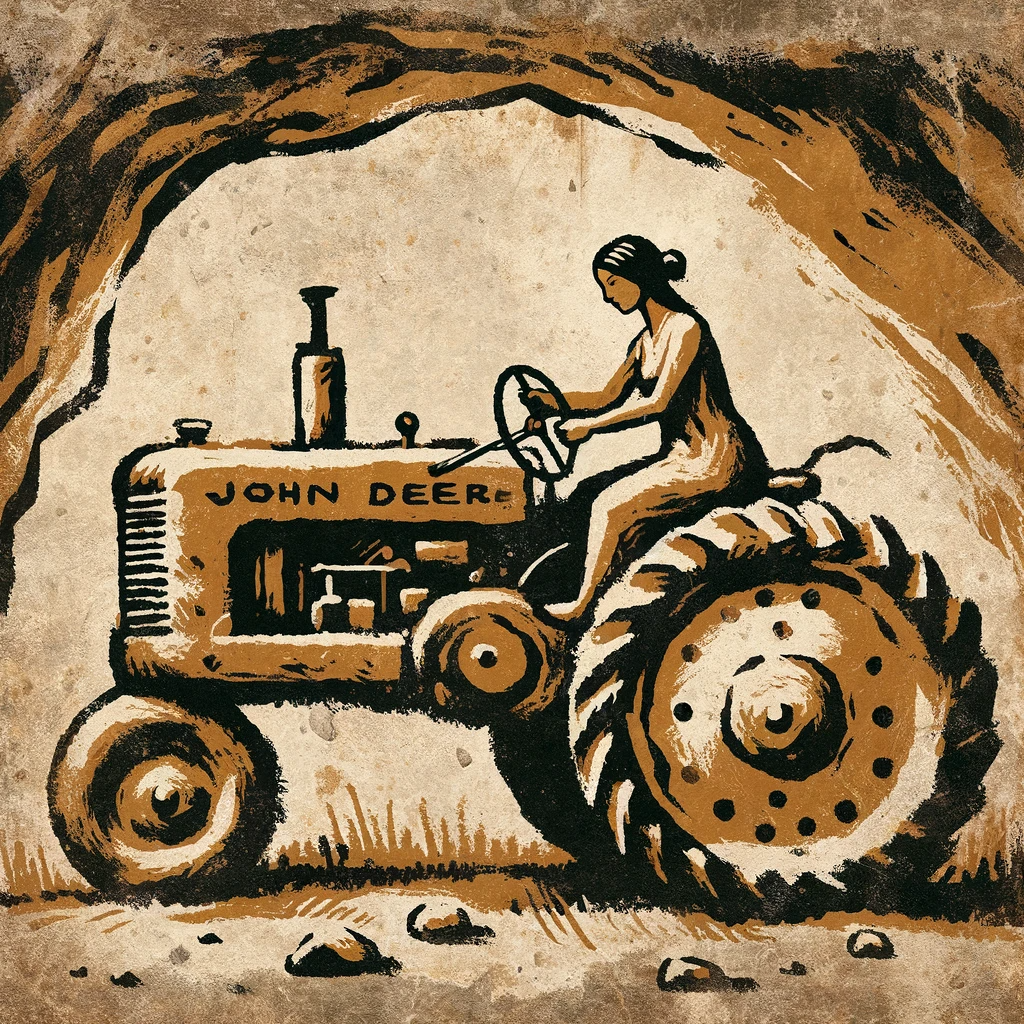
Why Simple Mechanical Tractors Beat High-Tech Every Single Day
Table Of Contents
- Why Simple Mechanical Tractors Beat High-Tech Every Single Day
- Why Do Simple Tractors Bring Peace Of Mind to Farmers?
- How Do Basic Machines Simplify Daily Tasks?
- Can Simplicity In Farming Lead to Greater Community Ties?
- What Emotional Stories Highlight the Reliability Of Simple Tractors?
- How Do Low-Tech Solutions Reduce Stress In Farming Operations?
- How Do Straightforward Designs Foster Trust Among Users?
- Conclusion
- Other Resources
- Glossary Of Terms
- Other Questions
- Haiku
- Poem
- Checklist
Why Do Simple Tractors Bring Peace Of Mind to Farmers?
Why Do Simple Tractors Bring Peace of Mind to Farmers?
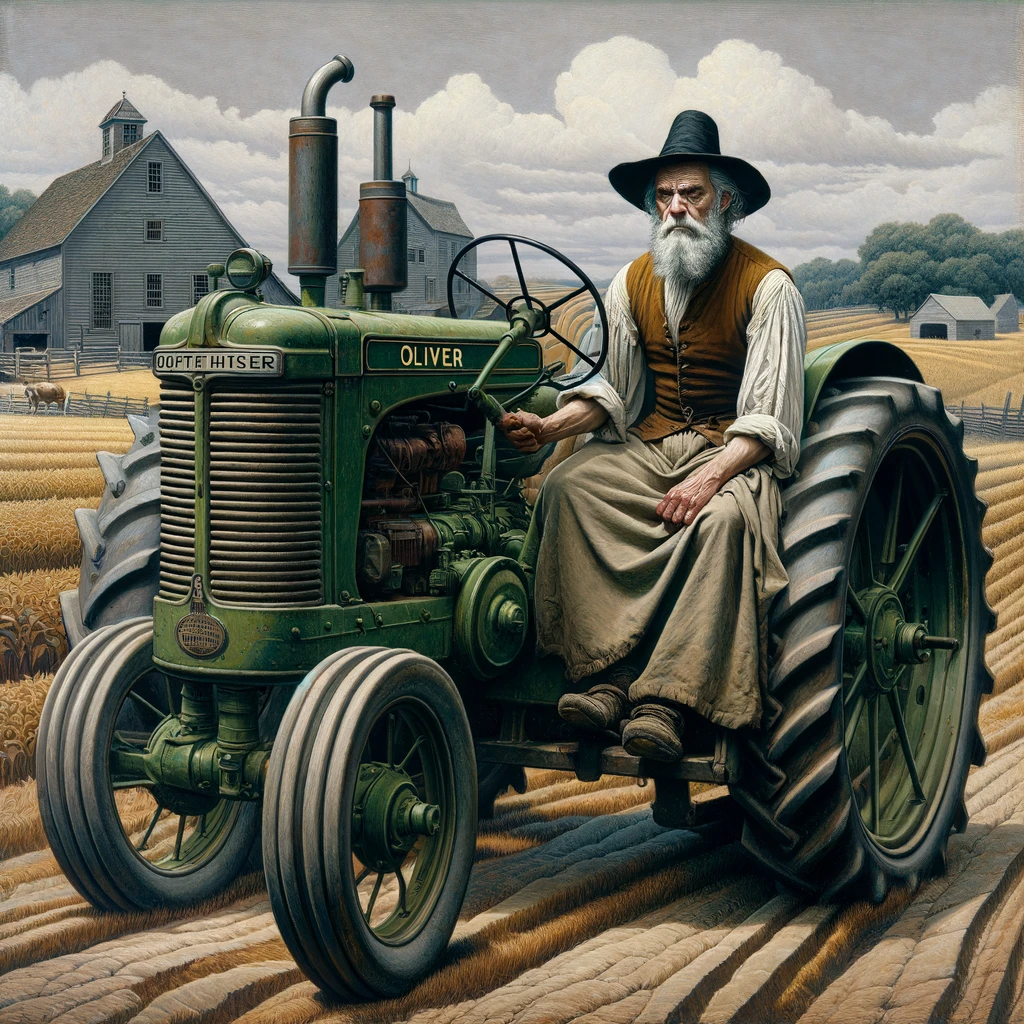
In the heart of America’s farmlands, there’s a beloved companion found in simple tractors, those steadfast machines that have weathered seasons and storms. When you see a farmer, weathered hands resting on the wheel, there’s a deep, unspoken bond that transcends just machinery. It’s about trust. Trust in their tool, trust in the land, and trust in the future they are cultivating.
For many farmers, these tractors are more than just a means to till soil or haul bales; they embody a way of life steeped in tradition and hard work. The sound of a tractor humming to life in the early morning light signals not just another day of labor, but a promise of stability. They represent predictability in an often chaotic world. With simple mechanics and reliable performance, these tractors offer clarity amidst complexity, fostering a sense of control over the unpredictable whims of nature.
There’s a narrative spun into each furrow they plow—a story of generations. A farmer may recall the tales of their parents or grandparents who battled the elements, using the very same machines to build a life. This connection to history and heritage infuses purpose into every task. It’s not merely about work; it’s about preserving legacies. When a farmer mounts their tractor, they are not just getting to work; they are honoring their roots, nurturing the pride that comes from connection to land and family.
The simplicity of these tractors reflects an ethos; they work hard and expect nothing in return but dedication and respect. This lockstep between farmer and machine nurtures a reciprocal relationship that reinforces ethics of stewardship. The farmer learns to listen—the gentle groan of an engine, the subtle vibrations that mark a job well done. There’s an understanding that every turn of the wheel directly impacts the soil, the crops, and ultimately, the community.
Moreover, the community thrives as a byproduct of this relationship. Farmers often share knowledge, tools, and stories, weaving a social fabric that cultivates camaraderie and resilience. With each shared experience, trust deepens across the fields, creating a network that stands firm in adversity.
In a world bursting with the complexities of technology and modernity, the simple tractor stands as a beacon of reliability and connection. It offers peace of mind, assuring farmers that as long as they have these steadfast companions, they’re equipped to face whatever lies ahead. And therein lies the heart of farming—finding confidence and solace in simplicity, rooting down deep to rise again, season after season.
Why Do Simple Tractors Bring Peace Of Mind to Farmers?
Why Do Simple Tractors Bring Peace Of Mind to Farmers?
- Simple tractors symbolize a deep bond of trust between farmers and their tools.
- They represent a way of life rooted in tradition and hard work.
- The sound of a tractor signifies stability and predictability amidst chaos.
- Each tractor interacts with a farmer’s legacy, connecting them to previous generations.
- The simplicity of tractors fosters a strong relationship built on stewardship and respect.
- Farmers share knowledge and experiences, creating a resilient community network.
- Simple tractors offer peace of mind and confidence to face challenges in farming.
Why Do Simple Tractors Bring Peace Of Mind to Farmers?
How Do Basic Machines Simplify Daily Tasks?
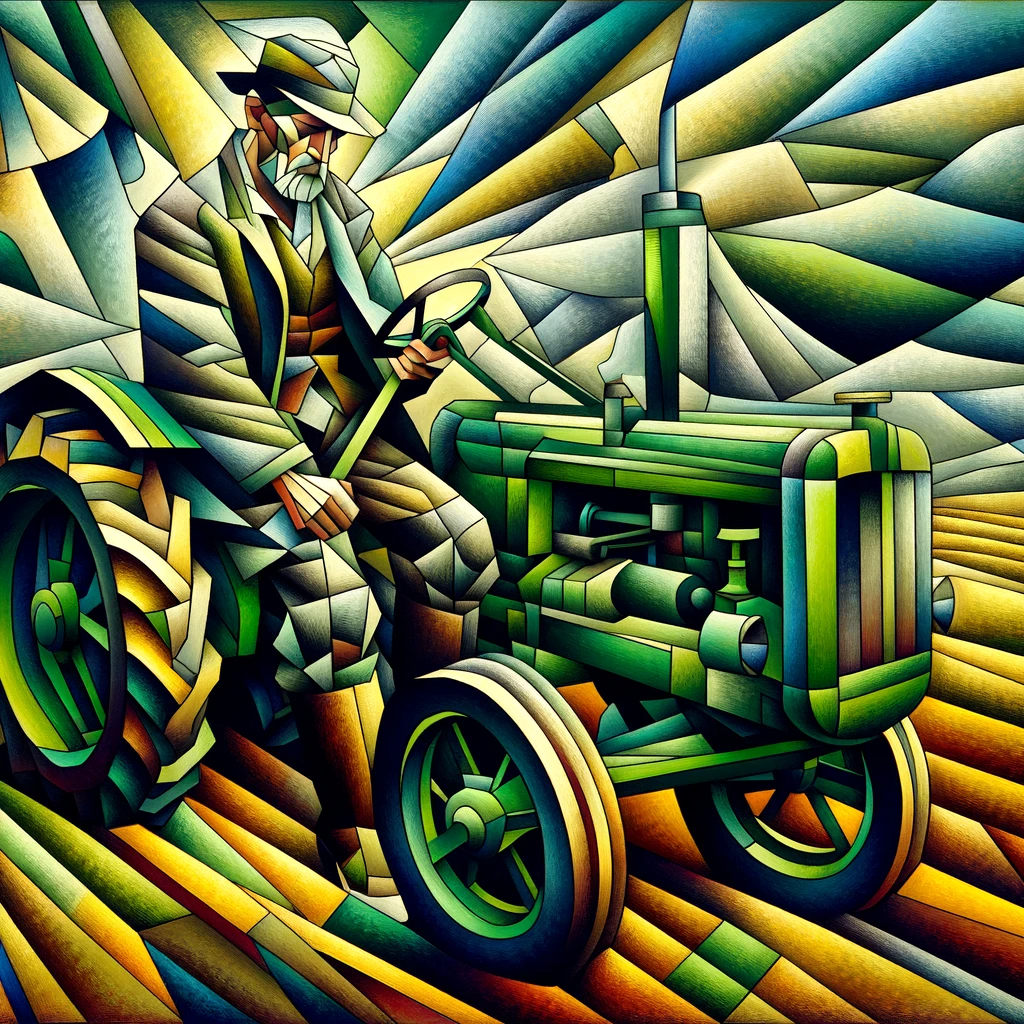
Every day, we encounter tasks that seem simple on the surface but can quickly become overwhelming. Basic machines, the unsung heroes of our daily lives, transform these mundane chores into manageable activities, giving us more time to pursue what truly matters. Picture a farmer in the early morning sun, standing beside a tractor, a powerful machine that simplifies an arduous day of plowing fields. Without that reliable piece of equipment, the task would transform from a few hours of driving to backbreaking manual labor that stretches long into the day.
Machines provide us with leverage, a concept that dates back to Archimedes’ assertion that with a sufficient lever, he could move the world. Think of a simple wheelbarrow, a tool that makes transporting heavy loads of dirt and rocks not only feasible but almost enjoyable. When we use these tools, we don’t just complete tasks; we become part of a long lineage of innovators who have sought to enhance productivity through ingenuity. It’s a reminder of our collective human experience—a narrative of progress.
But let’s dig deeper. Basic machines aren’t just utilitarian; they represent a moral choice. By adopting tools designed to simplify our lives, we invest in efficiency that can reduce our carbon footprint. Consider the farmer; by employing a tractor, he maximizes yield while minimizing waste. It’s an ethical balance of working smarter, not harder, where machines help sustain the land for future generations. The tractor becomes more than a tool; it symbolizes stewardship—a commitment to making the world a better place through mindful labor.
The emotional connection is palpable. Think back to childhood: the first time pedaling a bike felt like freedom, powered by gears and wheels—a moment of joy brought about by basic mechanics. That intimate relationship with these machines fosters confidence in tackling challenges, big or small. Each time we utilize basic tools, we reawaken that sense of empowerment, reminding us that progress is not just about technology but about the stories we carry forward.
In today’s fast-paced world, the harmony between humans and machines beckons us to embrace the future while honoring our past. It’s about more than ease; it’s about connection—to our work, our community, and the earth beneath our feet. Machines, in their simplest forms, inspire us not only to take action but to celebrate the artistry of everyday life. They remind us that while tasks may be simplified, the heart of our labor remains deeply human.
How Do Basic Machines Simplify Daily Tasks?
How Do Basic Machines Simplify Daily Tasks?
- Basic machines simplify tasks that can become overwhelming, allowing more time for meaningful activities.
- Machines like tractors transform labor-intensive tasks into manageable ones, enhancing productivity.
- They serve as tools of leverage, reminiscent of Archimedes’ assertion about moving the world.
- Basic machines represent a moral choice, promoting efficiency and sustainability.
- Using machines fosters emotional connections, reminiscent of childhood experiences that inspire confidence.
- The relationship with machines emphasizes a balance between progress and honoring human stories.
- Machines symbolize a connection to work, community, and the environment, celebrating the artistry of everyday life.

How Do Basic Machines Simplify Daily Tasks?
Can Simplicity In Farming Lead to Greater Community Ties?
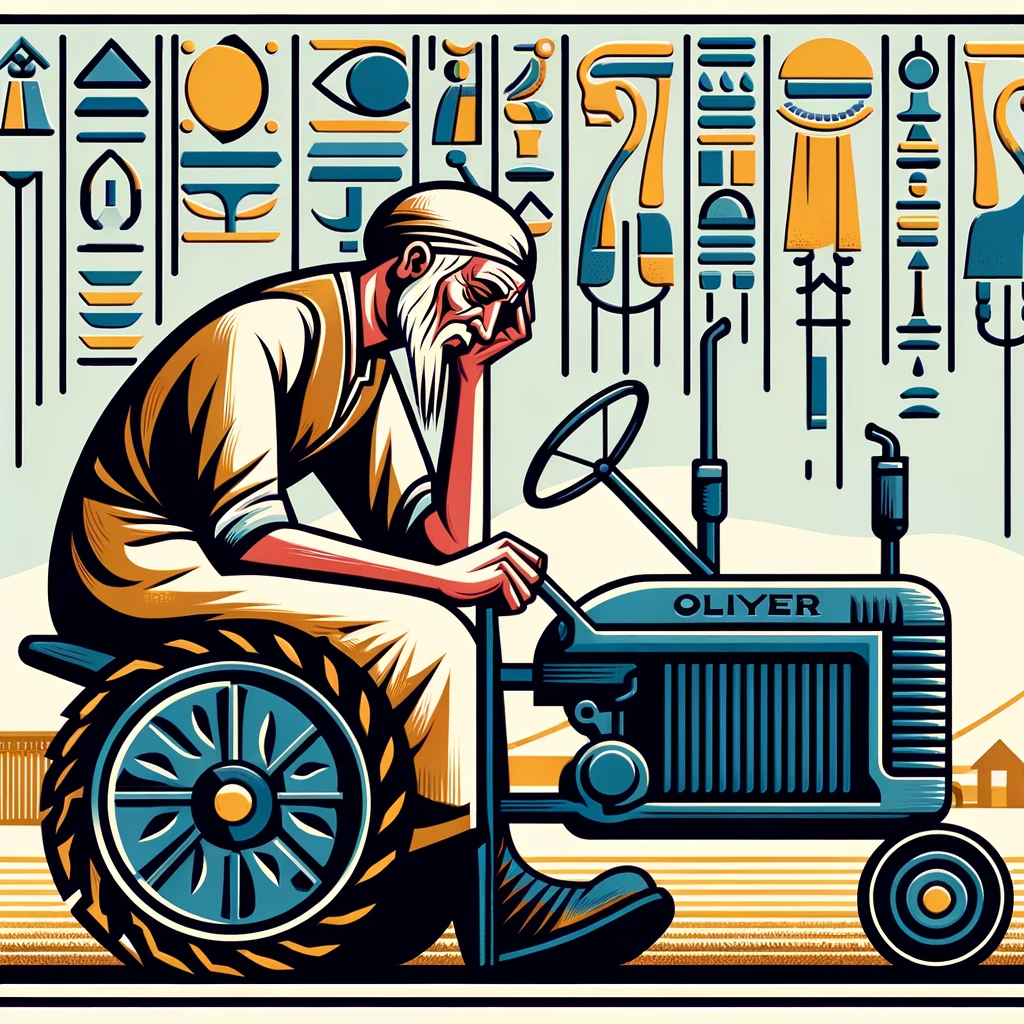
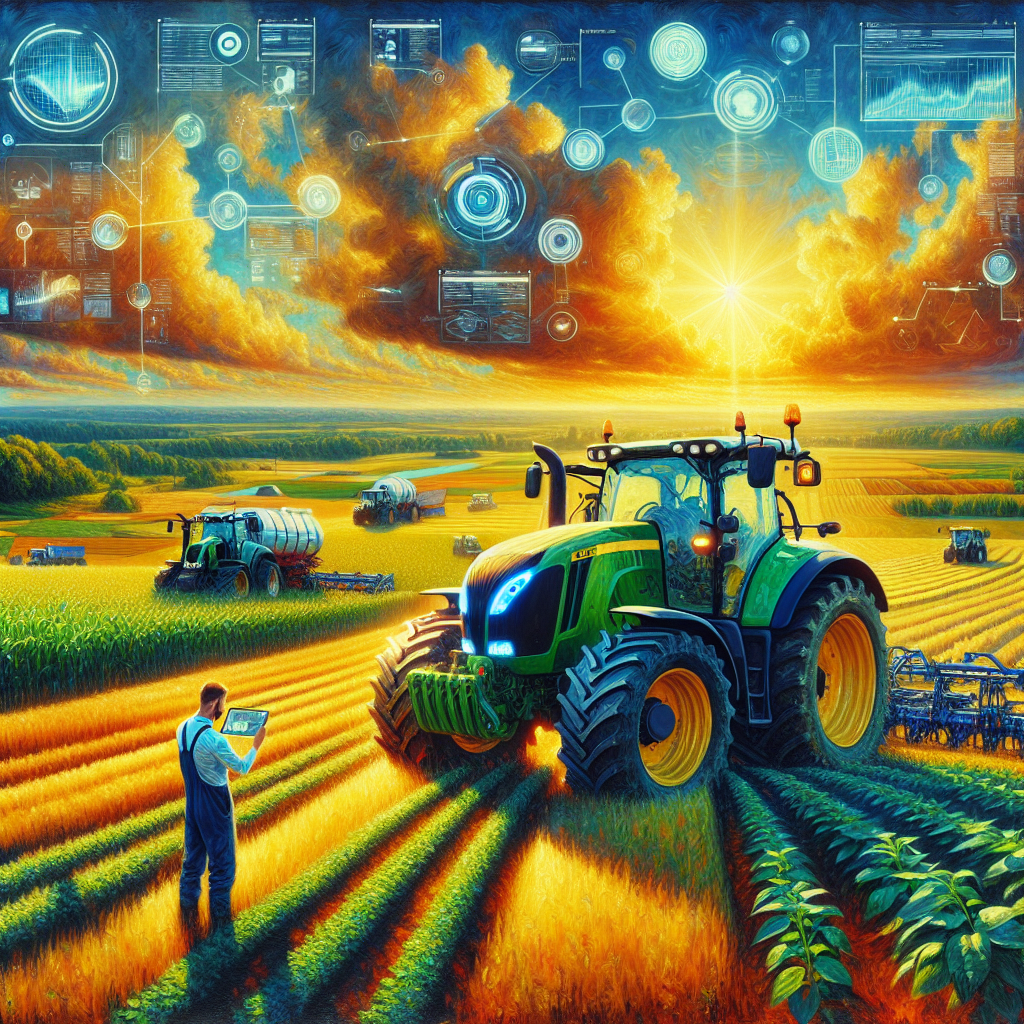
In the bustling rhythms of rural life, simplicity often takes a backseat to complexity. We’ve come to believe that progress demands intricate systems, shiny tractors, and high-tech gadgets. But what if the true backbone of farming—and our communities—lies not in these advancements, but in the very simplicity we sometimes overlook? Picture a farmer, early morning light breaking over the horizon, tending to his crops with nothing but a trusty tractor and a deep-rooted connection to the land. This image beckons a deeper conversation about farming practices and the social fabric they weave.
Simplicity in farming cultivates more than just crops; it can nourish relationships, strengthen communities, and bind people together like the sturdy roots of a well-planted seed. Consider the local farmers’ market, a gathering place where neighbors exchange not only goods but stories, laughter, and life lessons. In stark contrast to the impersonal aisles of a corporate supermarket, these markets are vibrant ecosystems where the community gathers, fostering trust and supporting local economies. Each fresh tomato and handmade jam isn’t just a product; it’s a testament to hard work, care, and shared humanity.
I once attended a small-town harvest festival where farmers—their faces weathered yet full of pride—shared their stories from the field. One farmer talked about how he teaches his children to work the land from sunrise to sunset, instilling values of hard work and respect for nature. His simple tractor, though aged, becomes a symbol of this legacy, much like the stories that drift around the bonfire at night. It’s these connections that inspire the next generation to carry forth the tradition, leading to greater community resilience.
But simplicity isn’t just about nostalgia; it serves a practical purpose in today’s world. As eco-consciousness gains ground, many are recognizing that small-scale, sustainable farming practices can combat climate change while fostering community bonds. Imagine neighborhoods coming together to support a local farm—everyone pooling resources, sharing not just food but the labor and joy that comes with it.
By embracing a simpler approach to farming, we can cultivate relationships as rich as the soil itself, creating a web of connection where everyone feels valued. In this landscape, the humble tractor stands not as a mere tool but as a bridge, linking hands and hearts in an age-old dance of community that thrives on trust, simplicity, and shared purpose.
Can Simplicity In Farming Lead to Greater Community Ties?
Can Simplicity In Farming Lead to Greater Community Ties?
- Simplicity in farming contrasts with modern complexity, emphasizing connection to the land.
- Local farmers’ markets foster community, exchanging goods, stories, and relationships.
- Fresh produce symbolizes hard work and shared humanity, distinct from corporate supermarkets.
- Farmers instill traditional values in the next generation, promoting resilience and respect for nature.
- Small-scale, sustainable farming practices can combat climate change and strengthen communities.
- Community efforts in supporting local farms create shared resources and joy.
- The humble tractor represents a bridge linking community members through trust and purpose.
Can Simplicity In Farming Lead to Greater Community Ties?
What Emotional Stories Highlight the Reliability Of Simple Tractors?
What Emotional Stories Highlight the Reliability of Simple Tractors?
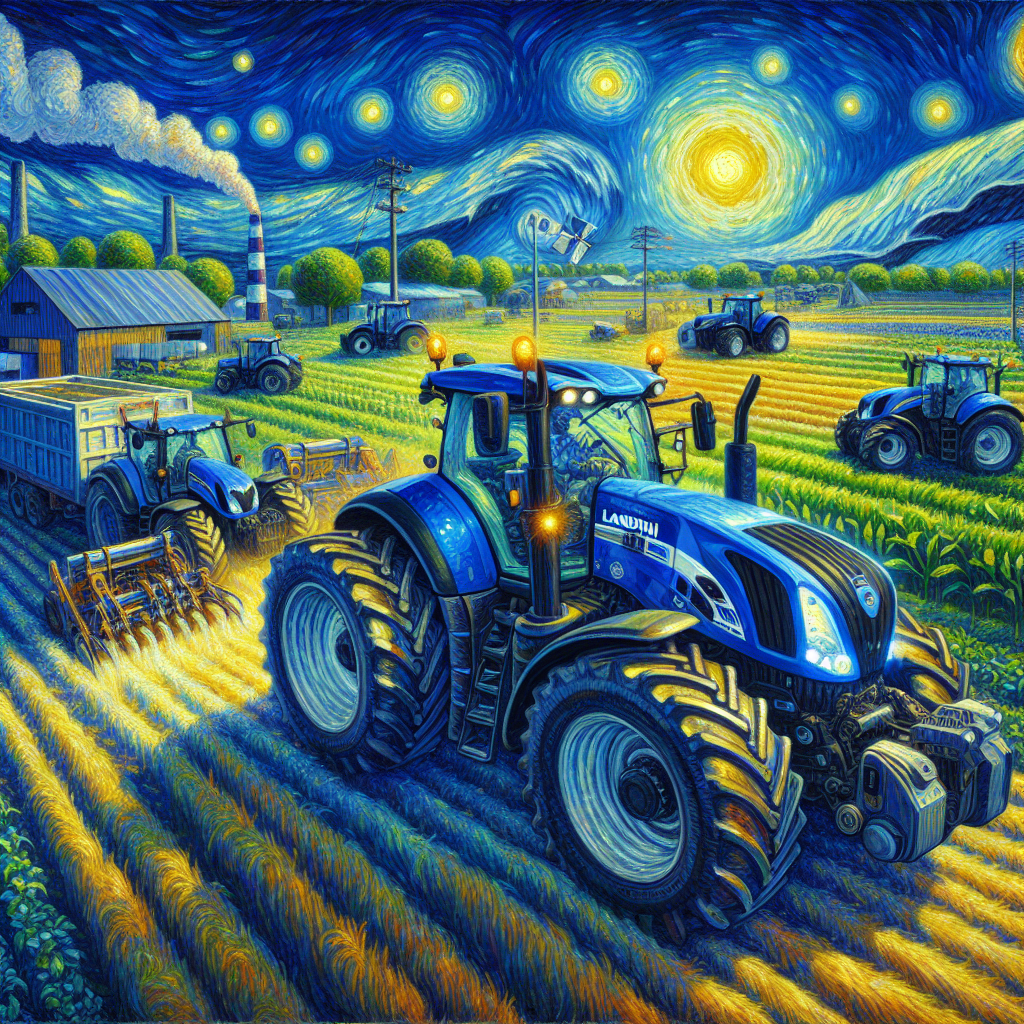
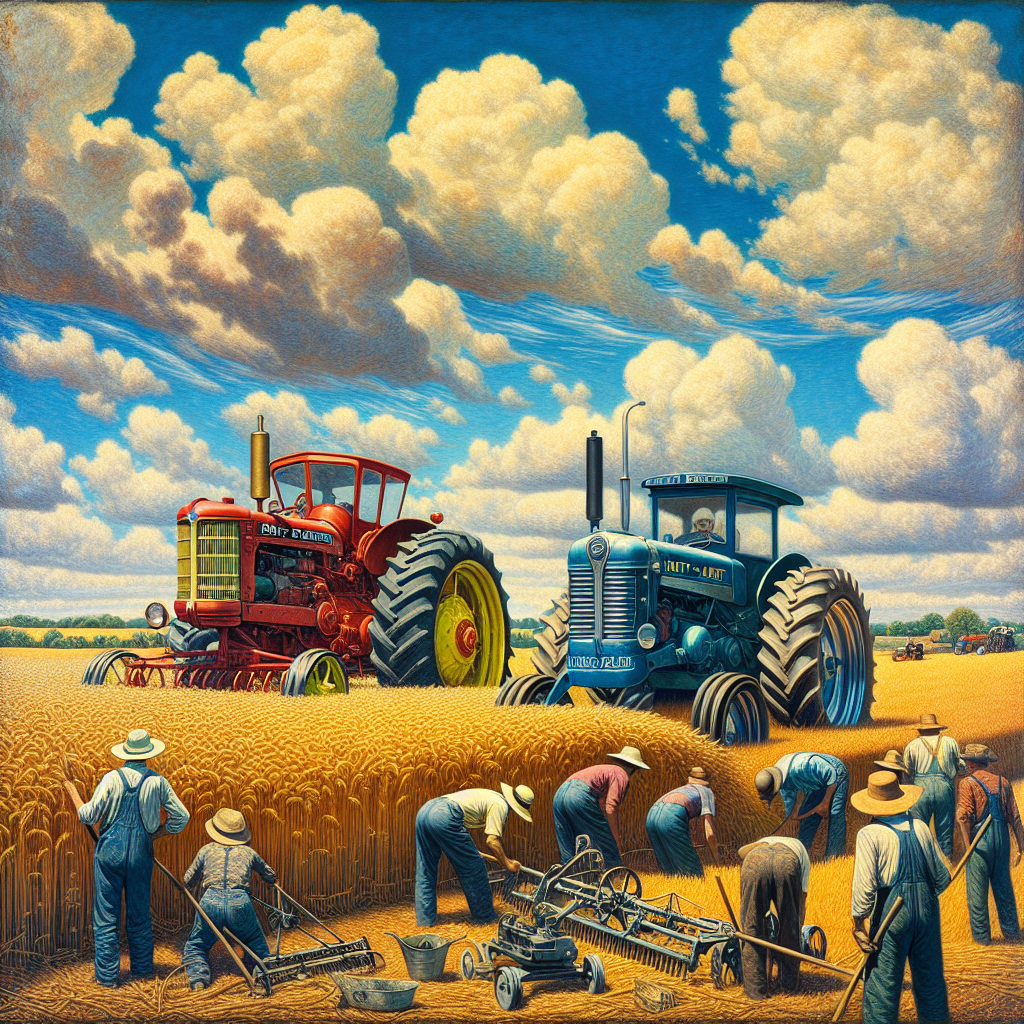
Nothing quite captures the essence of hard work like the rumble of a simple tractor slicing through a field at dawn. Those machines, often unassuming in their design, become the backbone of countless families, a lifeline in rural communities, and a source of pride. Their reliability is more than mechanical; it’s woven into the stories of the people who depend on them.
Take, for instance, the tale of a farmer named Joe, whose hands have been weathered by years of toil. When a devastating storm swept through his small town, many homes were damaged, but Joe’s fifty-year-old tractor continued to run without fail. It became the tool that cleared roads, helped neighbors salvage their belongings, and ensured the community was back on its feet faster than anyone thought possible. In Joe’s world, the tractor isn’t just a machine; it’s a trusted friend, built strong enough to withstand the elements and kind enough to lend a helping hand when times are tough.
But let’s step back and reflect on the sentiment behind that reliability. The simple tractor, with its familiar roar, represents more than just functionality; it embodies resilience. In a world chasing the latest innovations and digital solutions, these steadfast machines remind us of the value of consistency and dependability. Whether it’s a farmer plowing a field to feed his family or a neighbor helping out with a community project, every turn of the tractor’s wheel tells a story of commitment to the land and to each other.
These machines foster connections that go beyond farming. They symbolize generations of families working together, celebrating harvests, and overcoming challenges. Consider the child who watches their parent operate that tractor for the first time, eyes wide with wonder. It’s not simply a lesson in agriculture; it’s a lesson in perseverance, tradition, and the power of hard work. That emotional imprint sticks, influencing future choices and values, creating a tapestry of shared experiences where each person finds their place.
A simple tractor is one of life’s unsung heroes. Its value lies not just in the crops it produces but in the stories it helps create — a testament to the dependable choice amid an unpredictable world. Every time that engine starts, it’s a reminder that when life gets tough, we can always count on those humble machines and the relationships they support.
What Emotional Stories Highlight the Reliability Of Simple Tractors?
What Emotional Stories Highlight the Reliability Of Simple Tractors?
- Simple tractors symbolize hard work and reliability in rural communities.
- Joe’s fifty-year-old tractor exemplifies unwavering dependability during a devastating storm.
- Tractors serve as a tool for neighborly support and community recovery.
- These machines embody resilience and the importance of consistency in a tech-driven world.
- Tractors foster intergenerational connections, teaching perseverance and tradition.
- They create lasting emotional imprints and shared experiences for families.
- Their value extends beyond agriculture, acting as unsung heroes in challenging times.
What Emotional Stories Highlight the Reliability Of Simple Tractors?
How Do Low-Tech Solutions Reduce Stress In Farming Operations?
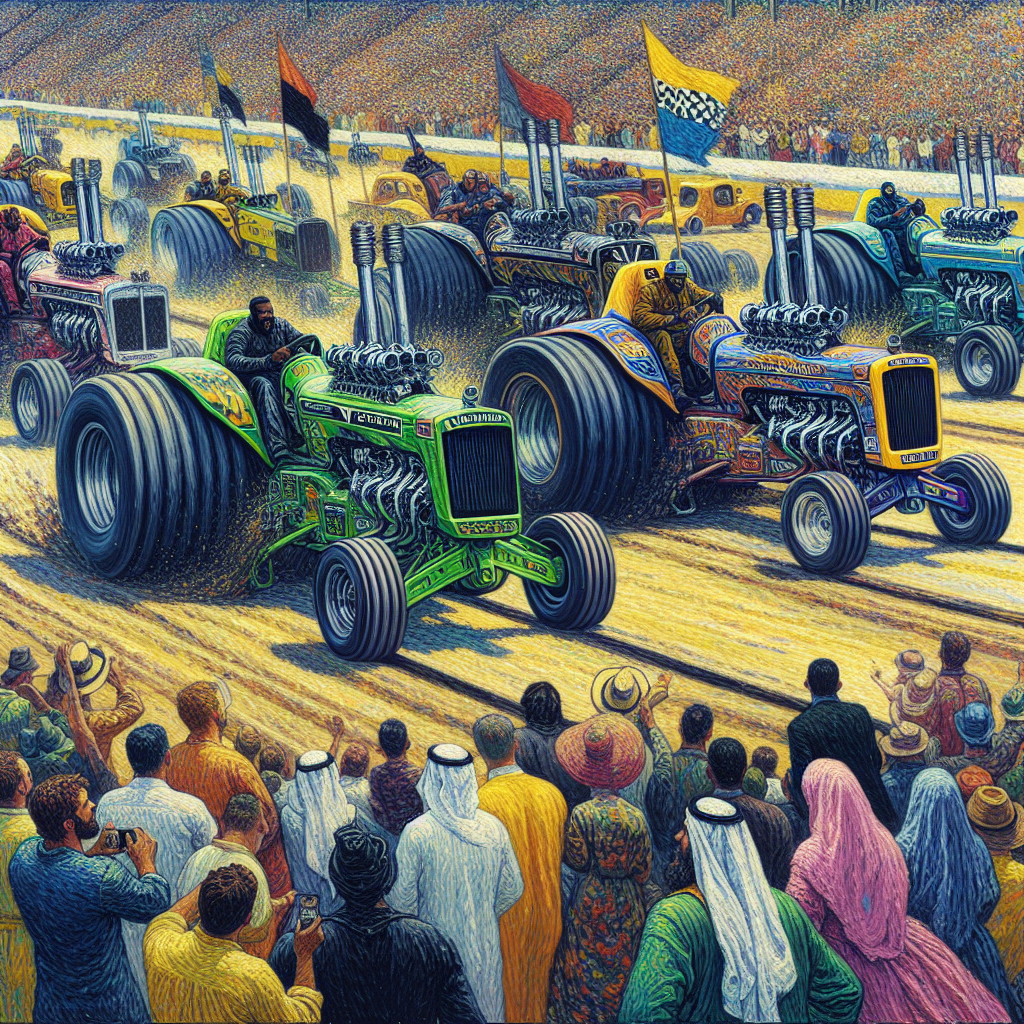
In the world of farming, the juxtaposition of high-tech gadgets and low-tech solutions can often feel like a tug-of-war between progress and practicality. Low-tech solutions may seem, at first glance, outdated or simplistic—like opting for an old, trusty tractor instead of the latest automation tech. Yet, these methods cultivate not just crops, but also peace of mind, reducing stress in ways that modern solutions often overlook.
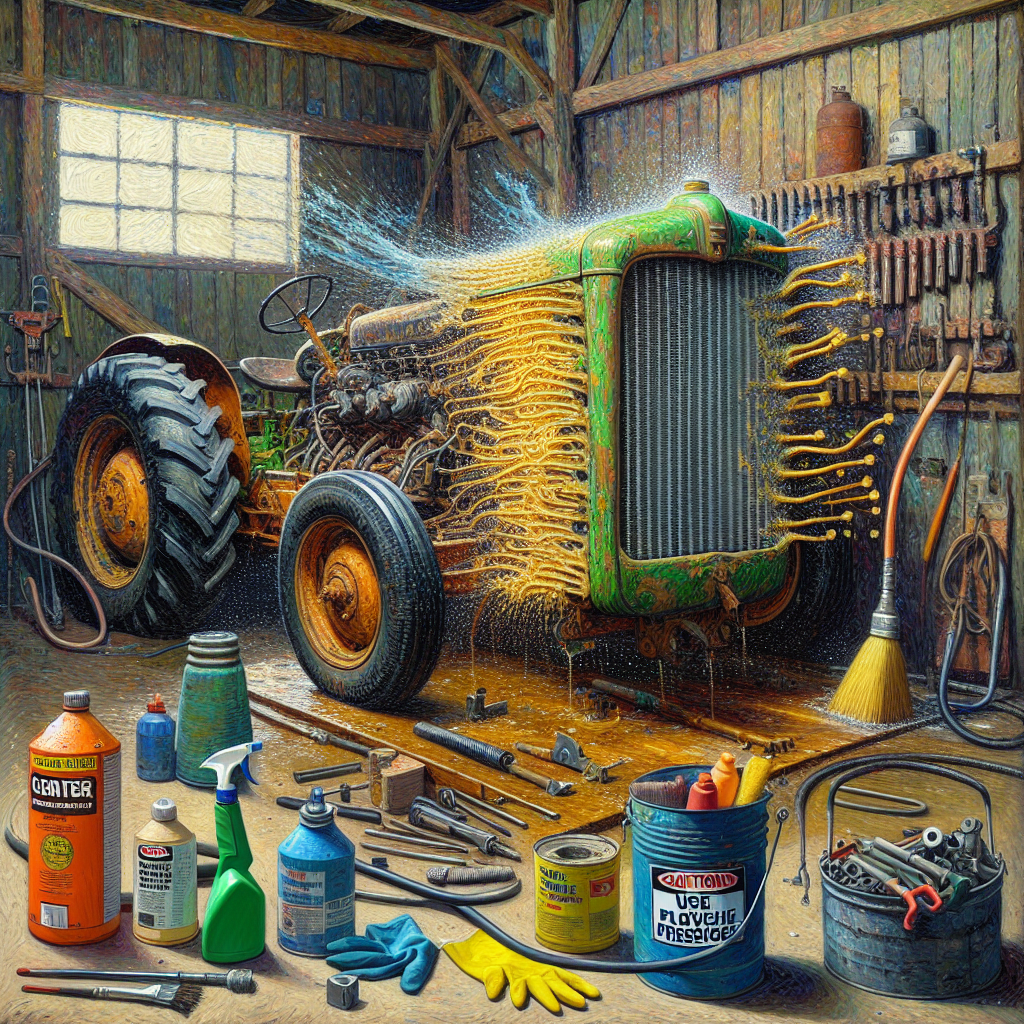
Imagine a farmer standing in the morning light, the hum of a well-worn tractor buzzing softly in the background. This tractor, with its simple mechanics, becomes an extension of the farmer’s own heartbeat. It’s reliable, an anchor in the unpredictable seas of agriculture. Unlike complicated machinery with glowing screens and endless error codes, this robust workhorse demands little in terms of technology but offers back so much more in human connection and control. There’s a certain beauty in getting your hands dirty, in the tactile experience of repairing, maintaining, and fully understanding the very equipment that serves you. This fosters not only a sense of ownership but also an emotional bond—an understanding that transcends the mechanical.
Low-tech approaches, such as crop rotation or manual weeding, promote a connection to the land and a respect for the rhythms of nature. They encourage mindfulness in practices that can feel overwhelmingly complex in a high-tech world. By adopting these solutions, farmers can reclaim a sense of autonomy; they aren’t just operators of machines but stewards of the land. This sense of responsibility can alleviate stress, transforming what is often viewed as a burden into an empowering experience.
Furthermore, the ethical implications of low-tech farming are profound. Supporting local ecosystems and preserving traditional methods of agriculture fosters a connection to community. This is more than about individual farms; it’s about the collective wellbeing of communities that rely on sustainable agricultural practices. The resilience built through these practices creates a support network, instilling a culture of camaraderie among farmers that technology cannot replicate.
At the end of the day, it’s the simplicity of low-tech solutions that resonates. It invites farmers to slow down, breathe, and find rhythm in their work. When the noise of the world fades away, what remains is the heart of farming itself—a genuine, unfiltered relationship with the land, the crops, and ultimately, ourselves. The tractor becomes more than just a tool; it’s a trusted companion in this journey of growth, a symbol of perseverance and connection in the ever-evolving narrative of farming.
How Do Low-Tech Solutions Reduce Stress In Farming Operations?
How Do Low-Tech Solutions Reduce Stress In Farming Operations?
- The contrast between high-tech and low-tech farming often highlights a balance between innovation and practicality.
- Low-tech solutions, such as reliable tractors, provide emotional connection and reduce stress in farming.
- Simple mechanics foster ownership and understanding of equipment, enhancing the farming experience.
- Methods like crop rotation promote mindfulness and respect for nature’s rhythms.
- Low-tech approaches empower farmers as stewards of the land, alleviating burdens and stress.
- These practices support local ecosystems and traditional agriculture, connecting communities and fostering resilience.
- Simplicity in farming allows for a deeper relationship with the land, crops, and self, creating a fulfilling agricultural experience.
How Do Low-Tech Solutions Reduce Stress In Farming Operations?
How Do Straightforward Designs Foster Trust Among Users?
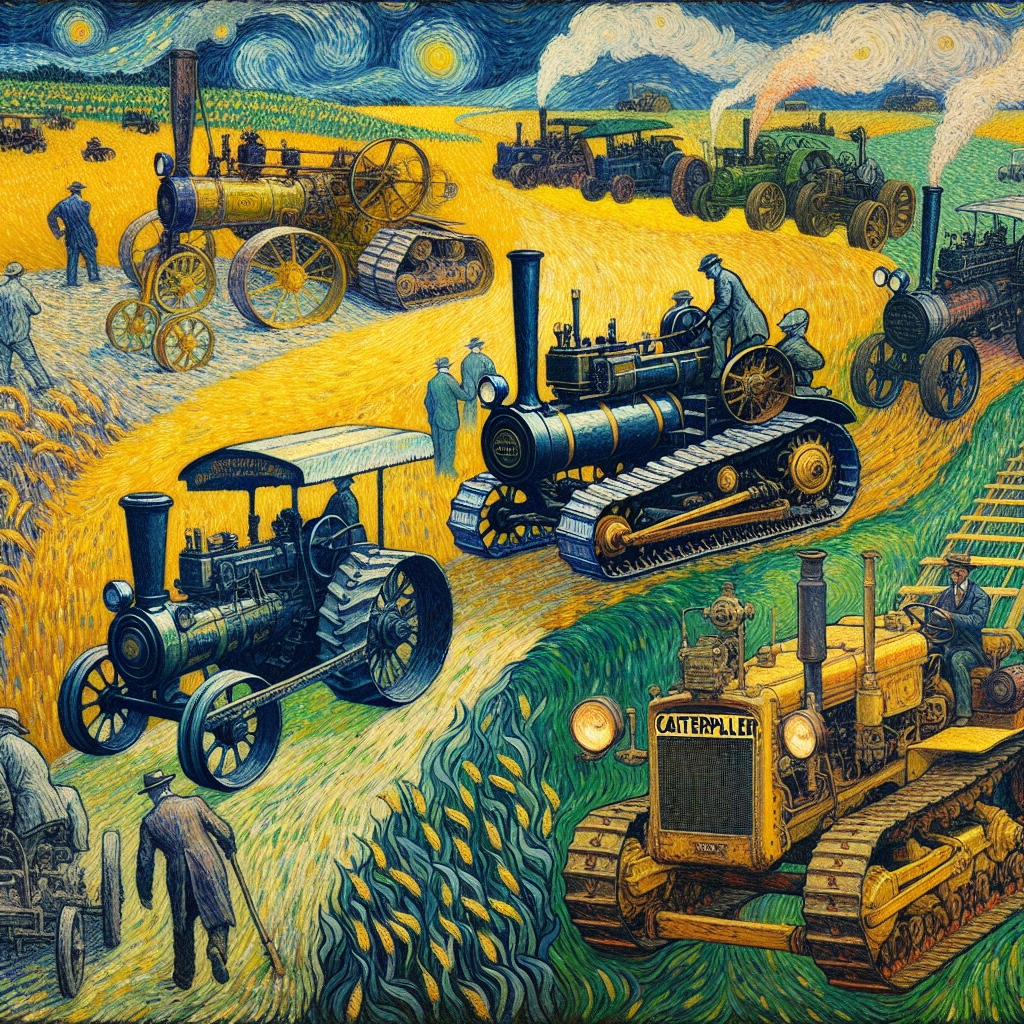
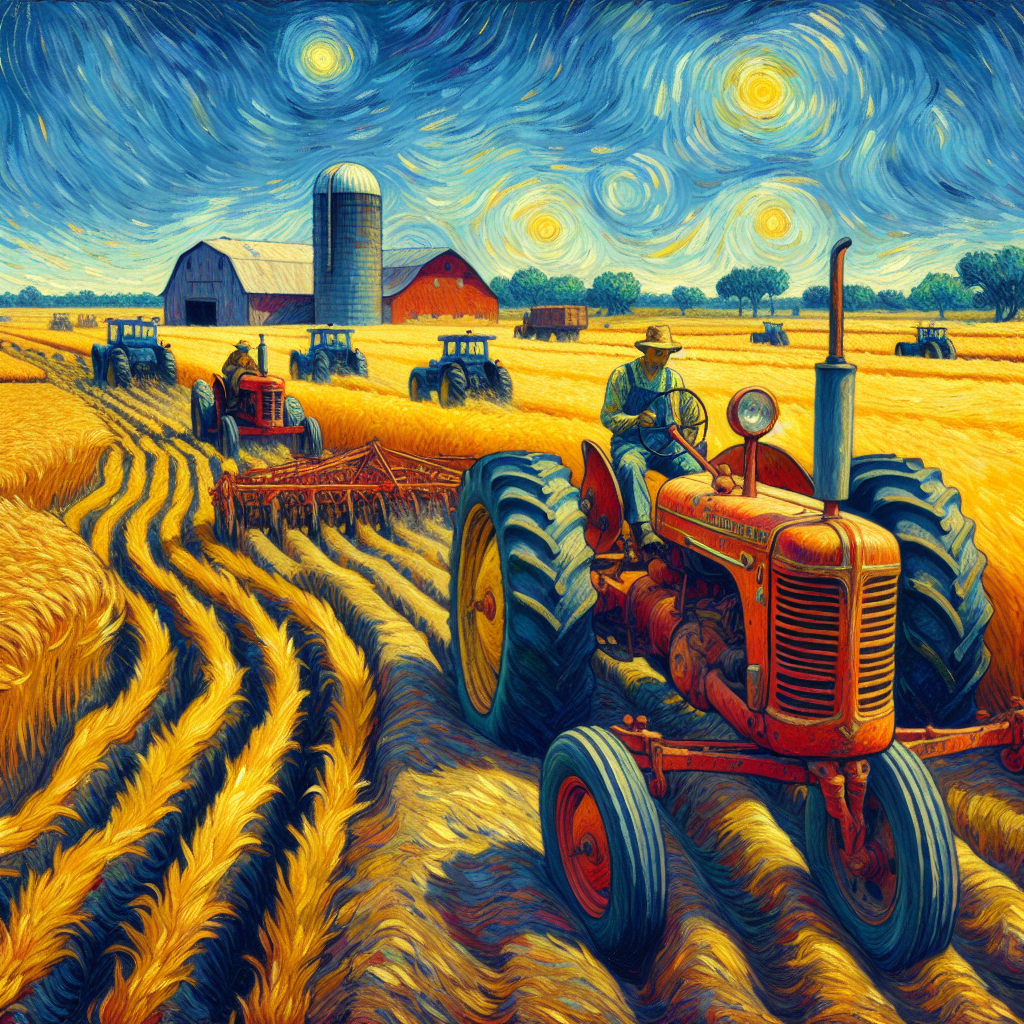
Straightforward designs create an inviting space where users feel at home, much like stepping into a well-kept barn on a sunny afternoon. Picture a tractor parked outside, its shiny paint and sturdy frame signifying years of reliable service. This imagery resonates deeply—it’s not just machinery; it’s a tool that facilitates hard work, fosters productivity, and ultimately, cultivates trust.
When faced with a cluttered interface, users often feel overwhelmed, unsure of where to turn for answers. A simple, intuitive layout functions as a guiding hand, leading them through a digital landscape with confidence. Think of it as the path leading from the tractor to the field, clear and unobstructed, allowing the farmer to focus on what truly matters—growing crops and nurturing the land. By stripping away complexity, we allow users to engage fully, fostering a sense of connection that transcends mere functionality.
Moreover, straightforward designs speak to our rational minds. They signal transparency—a critical element in any relationship, whether with a friend or a brand. Just as the tractor is engineered with purpose, a well-crafted interface is built on user needs, creating an environment where choices are clear and consequences are understood. This principle draws on ethical design practices that prioritize user experience, ensuring that every button pressed and every page navigated builds upon a foundation of respect and consideration.
Let’s not forget the narrative embedded in every interaction. Stories are powerful, and straightforward designs tell a tale of clarity and purpose. Imagine walking through a community where everyone shares the same goal: to improve lives and support one another. When a design aligns well with user expectations, it fosters trust—much like knowing the neighbor will lend a hand when your tractor breaks down. This sense of community translates into brand loyalty, as users not only return but recommend the experience to friends and family.
In a world where choices abound, it’s the simplicity of design that resonates most profoundly. It strips away pretense and showcases authenticity. Users want to feel connected, to believe they are not just another cog in the machine. A straightforward design helps humanize the experience, crafting a bridge between intentions and actions. From the tractor’s dependable whistle to the ease of a well-designed interface, trust is cultivated when users can engage without hesitation, ensuring they’re not just seen but genuinely valued.
How Do Straightforward Designs Foster Trust Among Users?
How Do Straightforward Designs Foster Trust Among Users?
- Straightforward designs create inviting spaces, likened to a well-kept barn, fostering a sense of belonging.
- A cluttered interface overwhelms users, while simple, intuitive layouts guide them confidently through digital landscapes.
- Stripping away complexity allows for deeper user engagement and connection beyond mere functionality.
- Transparent designs signal trust, essential in relationships between brands and users, built on ethical design practices.
- Design narratives enhance clarity and purpose, aligning user expectations with trust-building elements.
- Simplicity in design resonates profoundly, fostering authenticity and user connections beyond transactional interactions.
- Effective design humanizes the experience, bridging intentions and user actions, cultivating trust and value.
How Do Straightforward Designs Foster Trust Among Users?
Conclusion
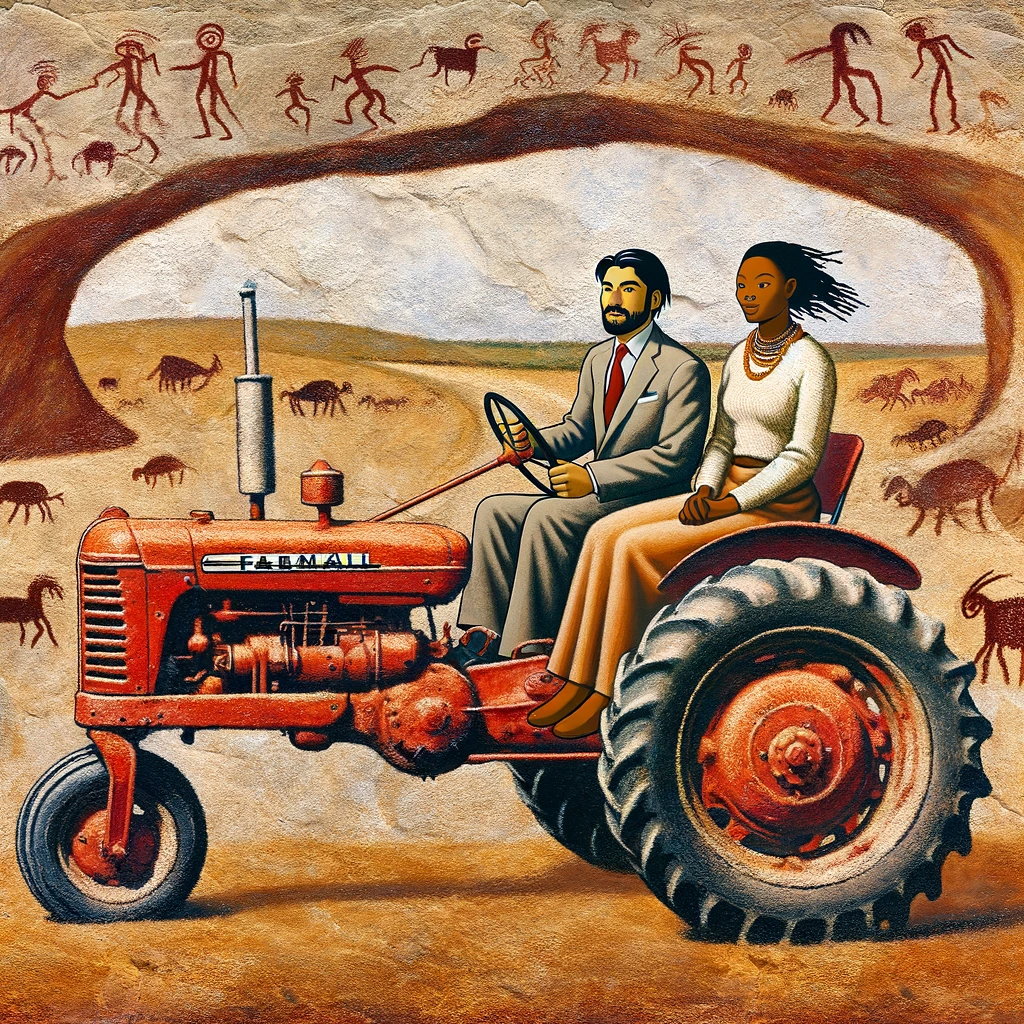
In a world racing toward high-tech solutions, simple mechanical tractors stand as beacons of tradition and reliability in the farming landscape. These rugged machines are not just commodities; they are partners in toil, embodying a spirit of craftsmanship and a robust connection to the land. The image of a farmer, hands weathered but steady, gripping the wheel of a trusted tractor evokes a sense of dignity tied to generations of hard work. Each turn of the tires over freshly plowed earth fosters a deep-rooted bond, reminding us that the simplest tools often yield the most significant rewards.
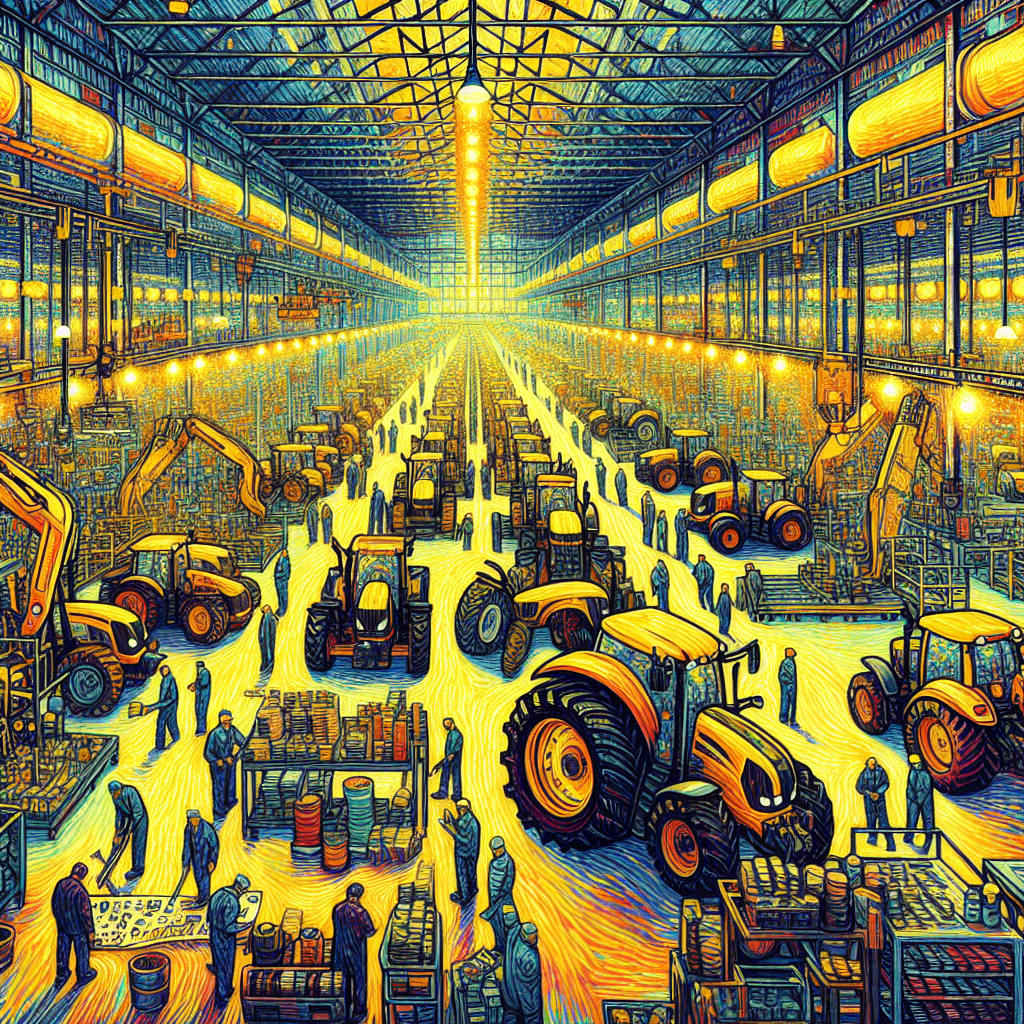
High-tech gadgets may lure us with promises of advanced efficiency, yet they come steeped in complications. A mechanical tractor, conversely, offers straightforward functionality—no intricate systems or digital screens, just mechanics anyone can understand. This simplicity cultivates competence and self-reliance, appealing directly to our heads and guts. It emphasizes the value of maintenance and nurtures resilience, teaching us to cherish what we possess rather than seek replacements in an age marked by disposability.
Ethically, the simplicity of these machines restores the relationship between the producer and product. The focus shifts back to the farmer, revealing the dedication and craftsmanship that goes into every field plowed. Each tractor has a story, a legacy passed down through generations, representing not just a job but a shared responsibility to family and community. The lessons imparted from generation to generation extend beyond agriculture; they instill values of perseverance and pride that echo through the ages.
The emotional ties to these machines manifest in powerful narratives—like that of Joe, a farmer whose fifty-year-old tractor became the lifeline for his community after a devastating storm. Such stories emphasize reliability and resilience, showcasing the enduring spirit of both the operator and the machine.
Moreover, opting for simpler tractors fosters peace of mind. The predictability they offer amidst chaos allows farmers to embrace their work with confidence. These machines symbolize a commitment to sustainability, leveraging resources responsibly while reducing stress. They cultivate not only crops but the bonds that strengthen community ties.
In choosing a simple mechanical tractor, farmers make a statement of values. It’s a declaration that tradition and hard work still matter, an acknowledgment of the connection to both land and legacy that cannot be replicated by flashing screens. Ultimately, within each rev of the engine lies not just a commitment to farming but a celebration of human ingenuity and a steadfast connection to our roots.
Conclusion
Conclusion:
- Mechanical tractors symbolize tradition and reliability in farming.
- They foster a sense of dignity and connection to the land through hard work.
- Simple functionality promotes competence and self-reliance without complicated systems.
- These machines restore the relationship between producer and product, emphasizing craftsmanship.
- Stories of farmers and their tractors highlight reliability and community resilience.
- Choosing mechanical tractors reflects values of tradition, sustainability, and hard work.
- They cultivate not only crops but also strong community bonds and pride.
Conclusion
Other Resources
Other Resources
Here is a list of other resources you can review online to learn more:
- SAME Tractors
- Case IH
- J.I.Case
- Valmet
- Graham-Bradley
- Carraro
- Stihl
- Belarus
- Ferguson
- Froelich Tractor Museum
- AgTrac
- Mastodon
- Fate-Root-Heath
- Corbitt
- Shaktimaan
- Wingin
- Farm Collector
- Kirovets
- Ag King
- Hinomoto
Use This Prompt To Get More Resources With Your Favorite Online AI Tool: Please provide me with a list of online articles with their URLs in a bulleted list that I can read regarding Why Simple Mechanical Tractors Beat High-Tech Every Single Day
Other Resources
Glossary Terms
Why Simple Mechanical Tractors Beat High-Tech Every Single Day – Glossary Of Terms
1. Mechanical simplicity — Design that uses few moving parts and straightforward linkages, reducing failure points and easing maintenance.
2. Reliability — Consistent operation under varied conditions due to proven, low-tech components.
3. Maintainability — Ease with which routine service and repairs can be performed using basic tools and skills.
4. Reparability — Ability to fix failures promptly in the field with common parts and minimal diagnostics.
5. Mean Time Between Failures (MTBF) — Average operational time before a failure; higher for simple, robust systems.
6. Mean Time To Repair (MTTR) — Average time required to restore service; lower for tractors with accessible, standardized parts.
7. Parts commonality — Use of interchangeable, widely available components that simplify stocking and repair.
8. Standardization — Adoption of common sizes, threads, fittings and protocols that enable cross-compatibility and easy sourcing.
9. Field-serviceable — Designed so repairs can be performed onsite without specialized shop equipment.
10. Modularity — Construction from separate modules or attachments that can be swapped quickly to restore function.
11. Analog controls — Mechanical levers and linkages that are intuitive, durable, and don’t rely on software.
12. Torque curve — Engine torque characteristics favoring low-end pulling power and predictability in simple diesel engines.
13. Power Take-Off (PTO) — Standard mechanical interface that allows broad, plug-and-play use of implements.
14. Gear drive — Direct mechanical transmission type valued for efficiency, durability, and ease of repair.
15. Hydrostatic drive — Higher-tech alternative; included to contrast its complexity and potential service needs.
16. Fuel efficiency — Practical fuel use in real-world conditions often achieved through simple, mechanically efficient designs.
17. Uptime — Total time a tractor remains operational; typically higher for simple machines due to quicker fixes.
18. Total Cost of Ownership (TCO) — All expenses over a machine’s life; lower for simple tractors because of cheaper parts, labor, and longer serviceability.
19. Lifecycle cost — Long-term expense profile including purchase, maintenance, and disposal; simplicity often reduces lifecycle cost.
20. Obsolescence — Risk of components becoming unsupported; lower for tractors built from generic, non-proprietary parts.
21. Supply chain resilience — Ability to obtain parts locally or from multiple sources, minimizing downtime after disruptions.
22. Diagnostic complexity — Degree of effort and specialized tools required to find faults; minimal in mechanical systems.
23. Sensor dependence — Reliance on electronic sensors and controls that can fail or require recalibration in high-tech models.
24. Software lock-in — Proprietary firmware or telematics that restrict ownership, repairs, or interoperability.
25. Interoperability — Ease with which implements and components from different manufacturers work together; favored by simple mechanical standards.
26. Redundancy — Use of simple mechanical backups or robust design margins that maintain function when one element fails.
27. Robustness — Capacity to tolerate abuse, dirt, heat, and vibration without functional loss.
28. Preventive maintenance — Regular simple tasks (oil, filters, belts) that prolong life and are straightforward on basic tractors.
29. User autonomy — Operator control and ability to diagnose and fix problems without vendor dependence.
30. Local repair ecosystem — Community of farmers, mechanics, and small suppliers capable of servicing and fabricating parts quickly. Glossary Of Terms
Other Questions
Why Simple Mechanical Tractors Beat High-Tech Every Single Day – Other Questions
If you wish to explore and discover more, consider looking for answers to these questions:
- How do simple mechanical tractors compare in productivity to modern high-tech tractors?
- What are the upfront purchase costs and long‑term maintenance expenses for simple tractors versus high‑tech models?
- How easy is it to find replacement parts and qualified mechanics for older mechanical tractors?
- Can simple tractors scale to meet the needs of large commercial farms?
- What is the typical lifespan of a well‑maintained mechanical tractor?
- How do simple tractors affect fuel consumption and emissions compared to newer machines?
- Are simple tractors more reliable in extreme weather or remote locations?
- What safety differences exist between basic mechanical tractors and high‑tech, automated equipment?
- How do labor requirements and labor costs change when using simple tractors?
- Can older tractors be retrofitted with modern features like GPS, telemetry, or safety upgrades?
- What routine maintenance tasks are essential to keep a mechanical tractor running?
- How much technical training is required for young farmers to operate and maintain simple tractors?
- How do resale values of vintage or simple tractors hold up over time?
- What are the insurance and financing considerations for buying older versus new high‑tech tractors?
- Are there government incentives, grants, or subsidies that favor low‑tech or sustainable farming equipment?
- How do simple tractors contribute to community resilience during disasters or supply‑chain disruptions?
- What crop types, soil conditions, or terrains are best suited to simple mechanical tractors?
- How do low‑tech farming practices affect long‑term soil health and sustainability?
- What are the economic trade‑offs of repairing an old tractor versus buying a new high‑tech model?
- Are there documented case studies or success stories showing measurable benefits of using simple tractors?
- How do straightforward machine designs foster trust and ease of use among new operators?
- What role do local co‑ops, tool‑sharing programs, or community repair shops play in supporting low‑tech farming?
- How do simple tractors influence farm productivity per acre compared with precision agriculture technologies?
- What cultural or generational attitudes influence the choice between simple and high‑tech equipment?
- How do simple tractors impact farmers’ stress levels and overall mental well‑being?
- What environmental impacts result from choosing low‑tech approaches versus adopting high‑tech solutions?
- How do supply‑chain dependencies (dealers, software subscriptions) differ between mechanical and smart tractors?
- What regulatory standards, safety inspections, or certifications apply to older mechanical tractors?
- How can communities and policymakers encourage the preservation and use of simple, repairable machinery?
- What are the best practices for passing maintenance knowledge and tractor stewardship to the next generation?
- How do simple tractors perform economically during volatile market conditions or fuel price spikes?
- Can simple tractors be integrated into hybrid workflows that use select modern technologies without losing simplicity?
- What are common failure modes of older tractors and how costly are those failures to fix?
- Where can farmers find resources, manuals, or parts catalogs for vintage or basic tractor models?
Other Questions
Haiku
Why Simple Mechanical Tractors Beat High-Tech Every Single Day – A Haiku
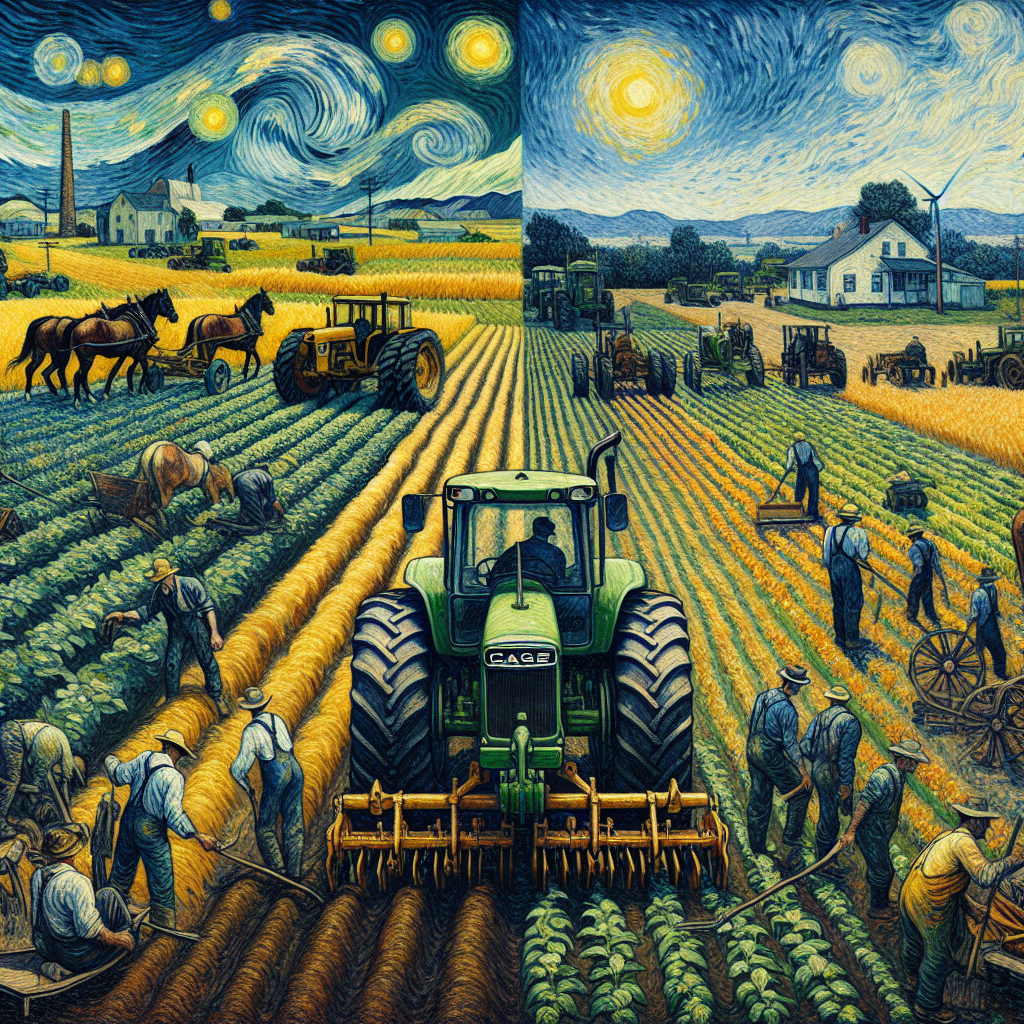
Simple tractor roars loud,
Bonds forged in fields of hard toil,
Roots of trust run deep.
Haiku
Poem
Why Simple Mechanical Tractors Beat High-Tech Every Single Day – A Poem
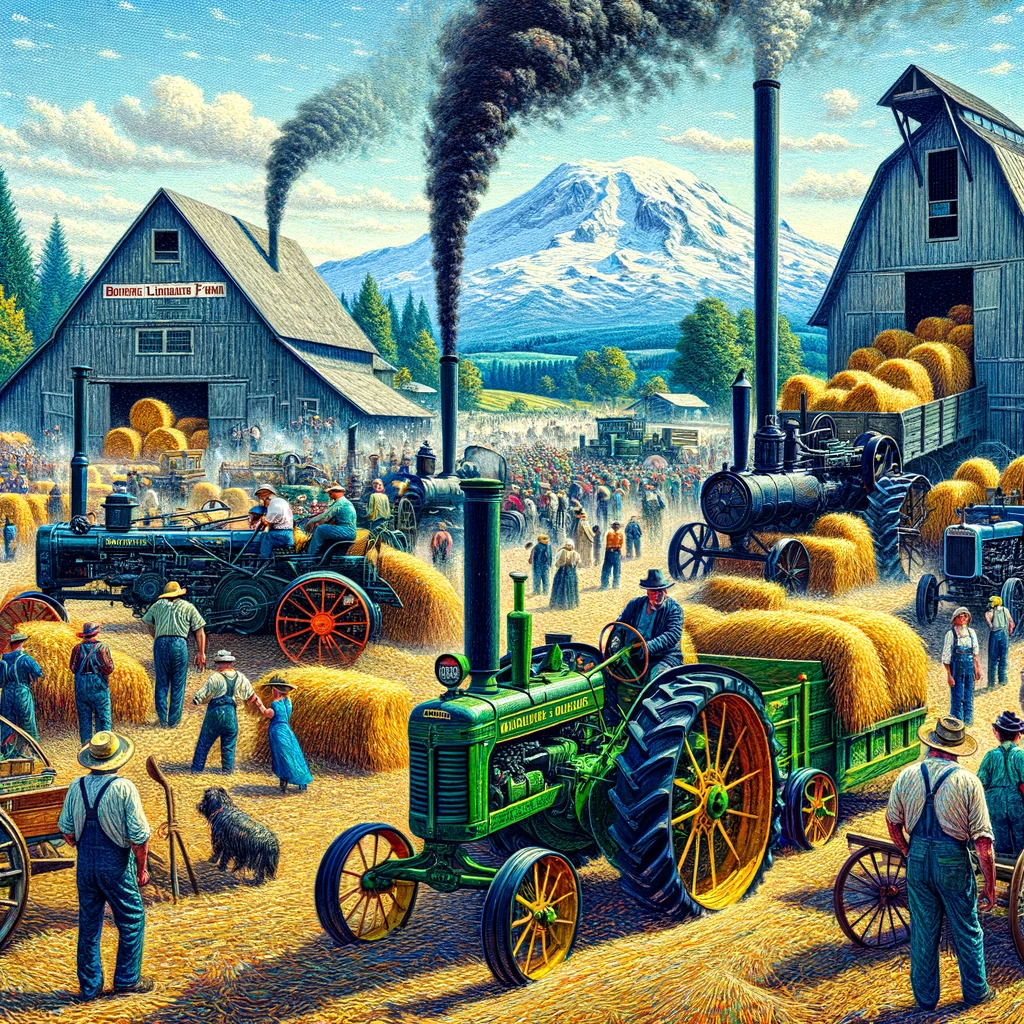
In fields where simplicity reigns,
A sturdy tractor hums its tune,
Forged from steel, with weathered charm,
It whispers tales beneath the moon.
A farmer’s hands, with calloused grace,
Grip the wheel of dependable kin,
Through sunlit morns and stormy nights,
Together they toil, their legacy spun.
High-tech solutions promise ease,
Yet in their glow, complexity brews,
A straightforward tool, steadfast and true,
Bridges the gap between heart and views.
Each furrow etched in rich, dark earth,
Speaks of stories, of sweat and pride,
A bond with the land, a vow to preserve,
In simple machines, our hopes reside.
These tractors teach us resilience,
In community ties, we find our might,
With every turn, new friendships bloom,
Working in rhythm, hearts take flight.
So here’s to the humble, mechanical friend,
With its roar, it ignites our dreams,
In simplicity, we reclaim our roots,
And harvest the joy of life’s sweet seams.
Poem
Checklist
Why Simple Mechanical Tractors Beat High-Tech Every Single Day – A Checklist
Emotional Appeals
✅______ Reflect on your personal stories with tractors or farming.
✅______ Consider the emotional bond between farmers and their simple machinery.
✅______ Share a memory that showcases resilience in agriculture.
Rational Appeals
✅______ Analyze the practical benefits of using a mechanical tractor versus high-tech equipment.
✅______ List maintenance tasks that anyone can perform on a mechanical tractor.
✅______ Evaluate the impact of simplicity on productivity and efficiency.
Ethical Appeals
✅______ Discuss the importance of respecting craftsmanship in agricultural practices.
✅______ Highlight how low-tech solutions contribute to environmental sustainability.
✅______ Consider the ethical implications of disconnecting from technology in farming.
Authority Appeals
✅______ Reference farmers or experts who promote the use of simple machinery.
✅______ Include statistics or studies that favor low-tech solutions in agriculture.
✅______ Share testimonials from communities valuing simplicity and tradition.
Narrative Appeals
✅______ Create a story of a farmer’s legacy linked to their mechanical tractor.
✅______ Illustrate a day in the life of a farmer using a simple tractor.
✅______ Share transformative community experiences rooted in traditional farming practices.
Social Appeals
✅______ Encourage sharing experiences or photos of local farmers markets.
✅______ Link to community events that celebrate farming and simplicity.
✅______ Promote networks or clubs for people interested in traditional farming and tractors.
Checklist
At ClassicTractorNews, we help tractor lovers keep up with the latest news for classic and vintage tractors.
Please share this post with your friends, family, or business associates who may like old classic or vintage tractors.