

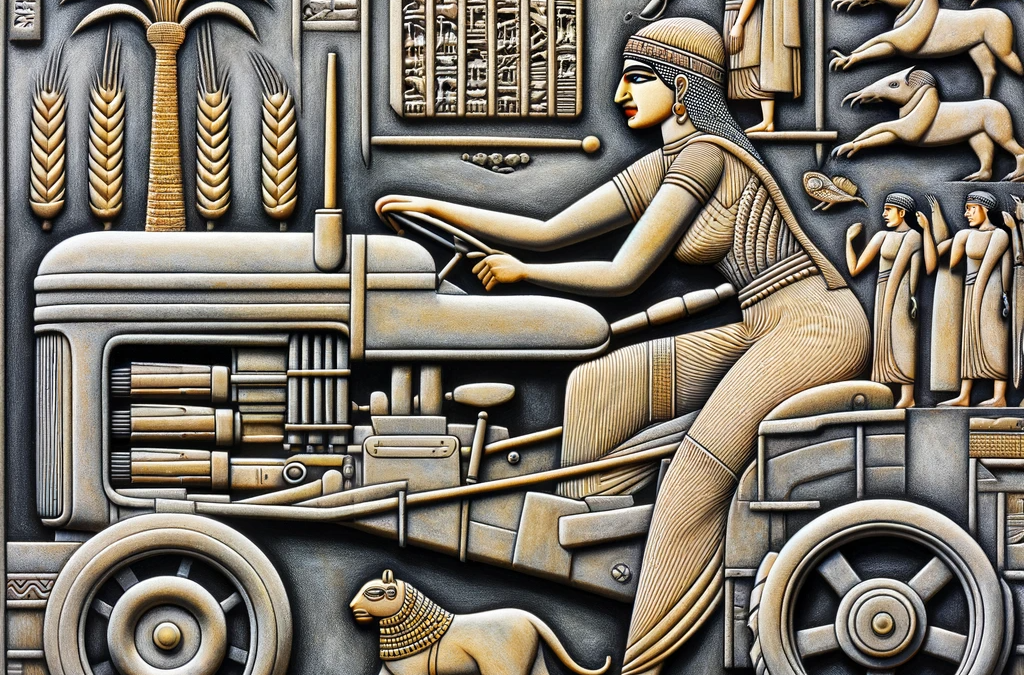
Reviving Tradition: The Timeless Utility Of Classic Tractors
By Tom Seest
At ClassicTractorNews, we help tractor lovers keep up with the latest news for classic and vintage tractors.
Please share this post with your friends, family, or business associates who may like old classic or vintage tractors.
Why Should You Consider Classic Tractors for Your Farming Needs
When it comes to farming, the heart of the operation often revolves around one indelible piece of machinery: the tractor. And while shiny, high-tech models have their place in the modern landscape, classic tractors hold a unique allure that resonates deeply with many farmers. Let’s take a moment to peel back the layers of their appeal, and you might find yourself considering one for your own operation.
First and foremost, classic tractors represent a connection to our roots. For many, these machines evoke memories of bygone days, where every scrape, dent, and rust patch tells a story of perseverance and hard work. Picture a sun-drenched field, with a sturdy machine humming softly as it plows the earth; it’s not just a tool but a part of the family legacy. Many farmers who grew up on these stalwarts of industry often find themselves reminiscing about the pride of using a machine that has stood the test of time.
Now, let’s think rationally for a moment. Classic tractors may not come with all the bells and whistles of modern variants, but they bring unmatched reliability to the table. Many enthusiasts argue that their simplicity is a significant advantage. Fewer gadgets mean fewer things that can break, and when repairs are necessary, they’re often straightforward and affordable. This is particularly vital for farmers who need solutions that don’t drain their pockets.
Beyond the personal and practical, there’s an ethical component at play—doing right by our planet. Classic tractors typically require less fuel and can often utilize biofuels more effectively than their contemporary counterparts. Embracing these machines not only means taking a step toward sustainability but also honors the values of stewardship that farming has always represented.
Finally, let’s talk community. Classic tractor events and rallies are a celebration of our shared agricultural heritage. When you become part of this world, you are not merely an operator; you are a steward of history, connecting with like-minded individuals who appreciate the significance of these machines.
So, as you consider your farming needs, reflect on what resonates most deeply with you. Classic tractors offer more than just functionality; they invite you into a community of tradition, reliability, and ethical farming practices. Embrace the grit and grace of the classics, and you might just find the perfect companion for your agricultural journey.
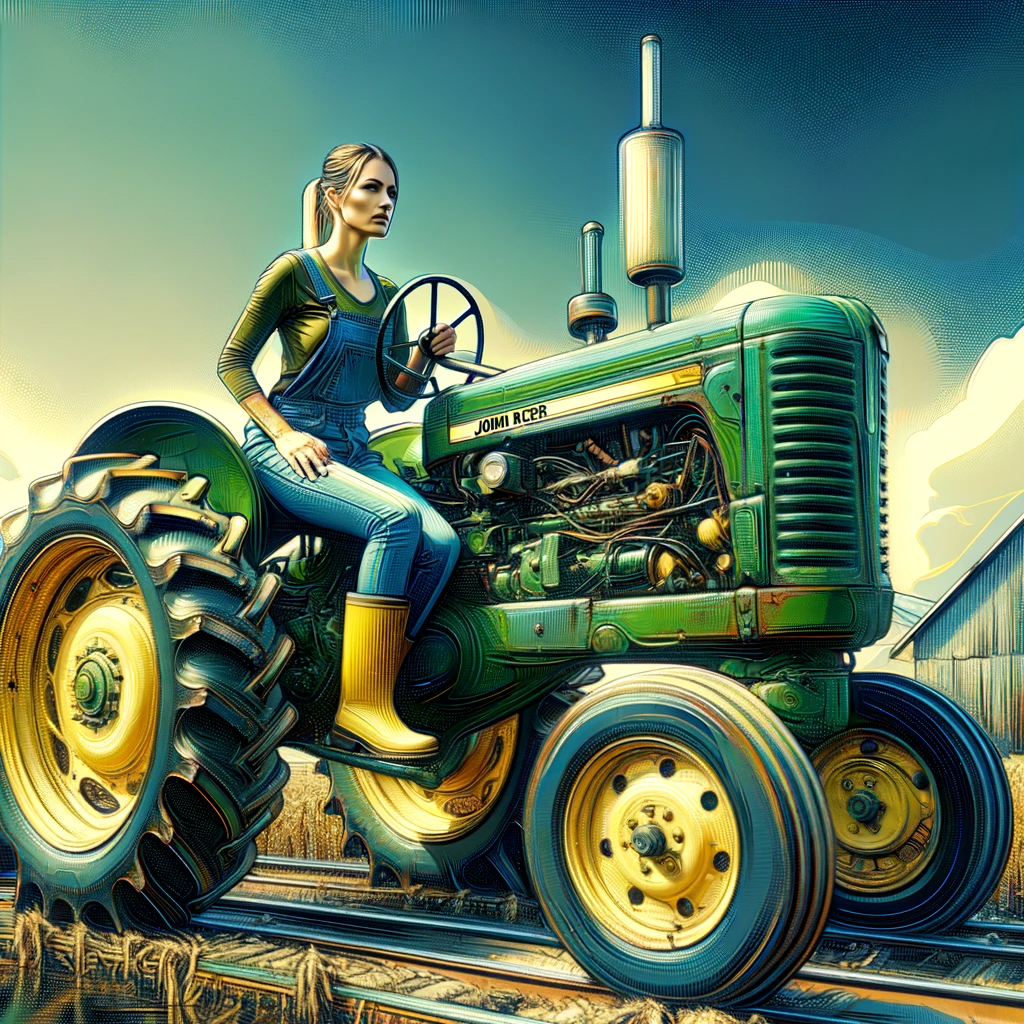
Why Should You Consider Classic Tractors for Your Farming Needs
Why Should You Consider Classic Tractors for Your Farming Needs
- Classic tractors symbolize a connection to farming roots and family legacy.
- Each scratch and rust patch on a classic tractor tells a story of hard work and perseverance.
- They offer unmatched reliability due to their simpler design, which leads to fewer repairs and lower costs.
- Classic tractors typically consume less fuel and can effectively use biofuels, promoting sustainability.
- Owning a classic tractor fosters a sense of community among farmers who share an appreciation for agricultural history.
- Classic tractors combine functionality with tradition and ethical farming practices.
- Choosing a classic tractor can enhance your agricultural journey and connect you to a broader community.
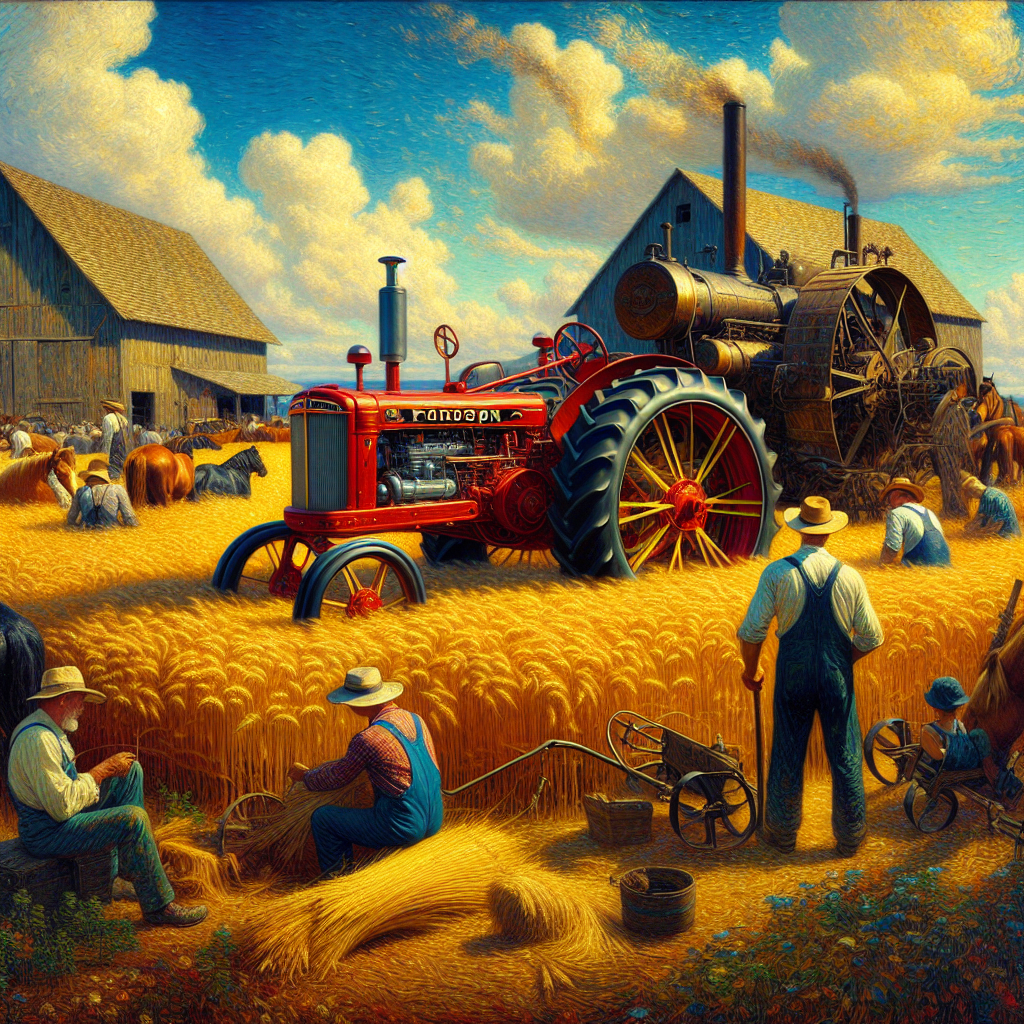
Why Should You Consider Classic Tractors for Your Farming Needs
Table Of Contents
- Why Should You Consider Classic Tractors for Your Farming Needs
- What Makes Classic Tractors A Timeless Investment For Farmers?
- How Do Classic Tractors Compare In Cost-Effectiveness Over Time?
- What Stories Of Success Can Classic Tractors Tell From The Past?
- How Do Classic Tractors Uphold Sustainable Farming Practices Today?
- What Emotional Connection Do Farmers Have With Classic Tractors?
- How Do Classic Tractors Simplify Maintenance And Repairs For Farmers?
- Conclusion
- Other Resources
- Glossary Of Terms
- Other Questions
- Haiku
- Poem
- Checklist
What Makes Classic Tractors A Timeless Investment For Farmers?
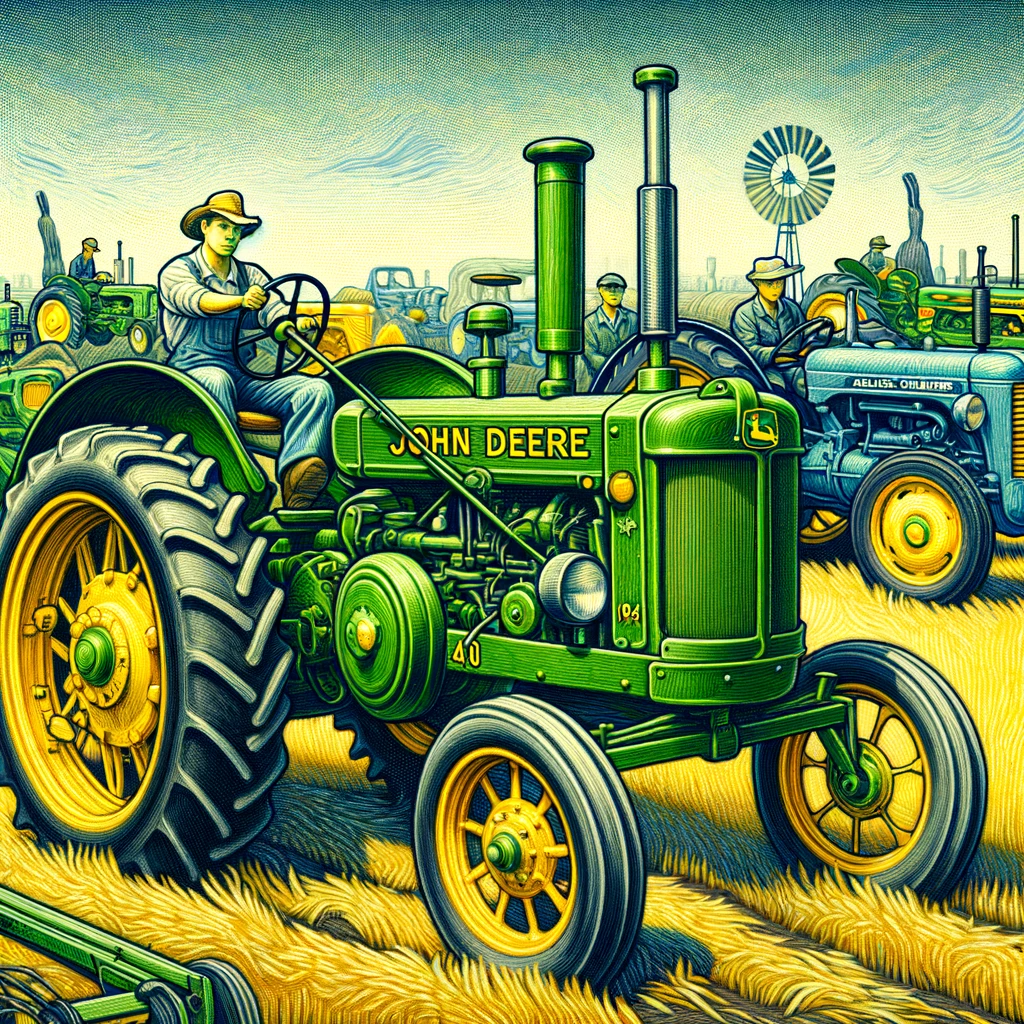
In the world of farming, few symbols resonate with the soul quite like a classic tractor. Picture it: a well-worn beast of burden, glinting in the sun, its paint slightly chipped but still standing proud. This isn’t just a machine; it’s a connection to the very roots of agriculture, a testament to hard work, tradition, and the grit of those who came before us. It invokes a sense of nostalgia and integrity, reminding us of simpler times when a farmer’s handprint was as permanent as the furrows carved in the field.
From an emotional standpoint, owning a classic tractor is like carrying a piece of history with you into every planting and harvest. It’s a brotherhood of sorts; a conversation starter at county fairs, a cherished heirloom passed down through generations. Imagine sharing stories over coffee with fellow farmers, each tale woven together with the common thread of these rugged machines. Their character and charm elicit strong connections—not just between the farmer and the land, but also within the community that thrives on shared experiences and respect for craftsmanship.
Now, if we shift to the rational side, the classic tractor is a shrewd investment. Equipped with simpler technology and built to last, these machines require less frequent repairs than their modern counterparts, which can be burdened by complexities and gimmicks. Whether you’re tilling soil, hauling loads, or simply maintaining your homestead, a classic tractor offers reliability when it matters most. Financially, it’s not just about the cost of purchase—it’s about longevity and depreciation rates. Classic tractors often retain their value better than new models, making them not just a nostalgic choice, but a smart financial one, too.
Let’s not forget the ethical dimension. Investing in a classic tractor supports sustainable farming practices—machines that are easier to repair and upgrade, promoting a culture of reuse rather than disposal. In an age where we often chase the newest model, embracing these timeless machines honors the values of sustainability and craftsmanship.
So, dear farmer, if you stand at a crossroads pondering the right investment, consider the legacy of a classic tractor. It’s more than just metal and wheels; it’s a tribute to the values we hold dear: hard work, community, and the relentless spirit of agriculture. It invites you to forge your own story while honoring those who paved the way before you. Wouldn’t you want to trust in something with such deep roots? After all, we all have a story to tell, and a true classic can be a big part of it.
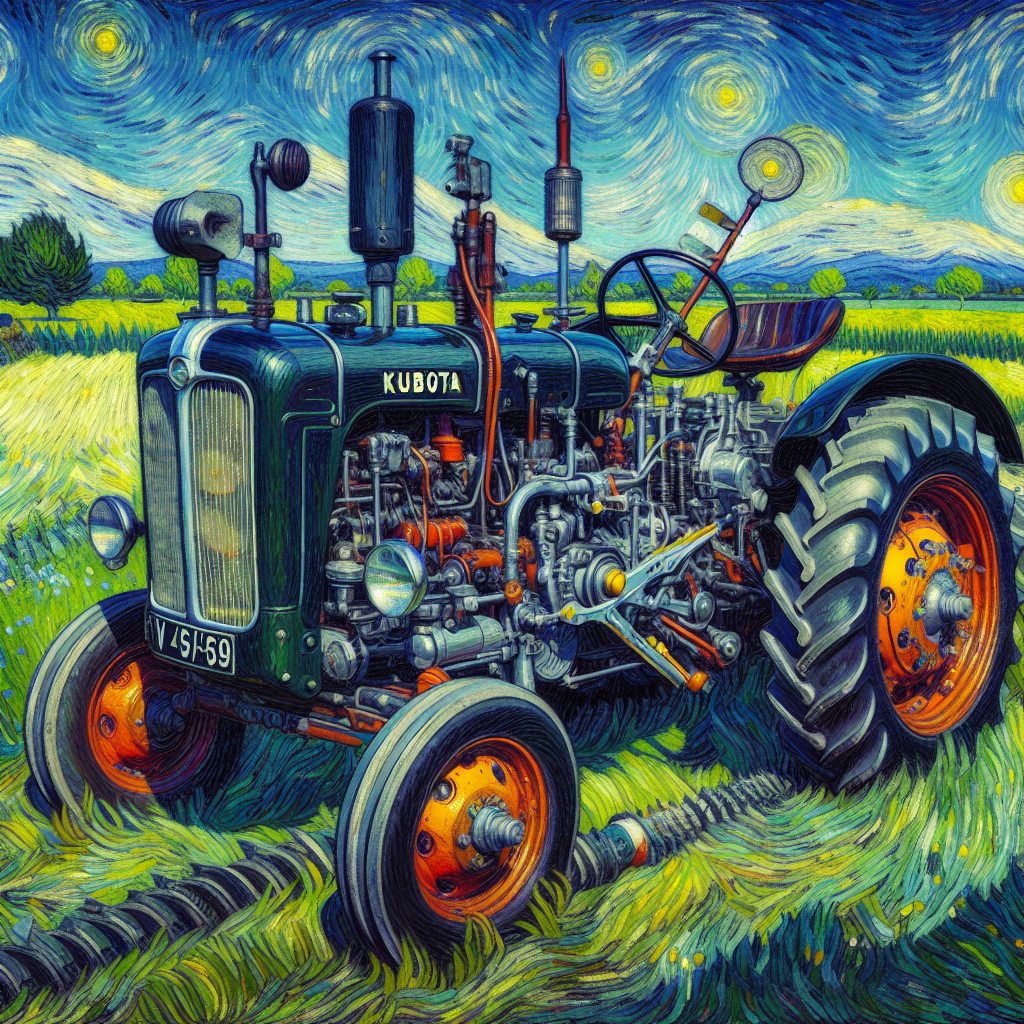
What Makes Classic Tractors A Timeless Investment For Farmers?
What Makes Classic Tractors A Timeless Investment For Farmers?
- A classic tractor symbolizes the roots of agriculture, embodying hard work, tradition, and nostalgia.
- Owning one connects the farmer to a piece of history and fosters a sense of community through shared experiences.
- Classic tractors serve as conversation starters, allowing farmers to bond over stories at gatherings like county fairs.
- From a practical perspective, these tractors are reliable, requiring less frequent repairs due to their simpler technology.
- Financially, classic tractors often retain their value better than modern models, making them a smart investment.
- Investing in a classic tractor promotes sustainable farming by supporting machines that are easier to repair and upgrade.
- A classic tractor embodies the values of hard work and community, inviting farmers to create new stories while honoring past traditions.
What Makes Classic Tractors A Timeless Investment For Farmers?
How Do Classic Tractors Compare In Cost-Effectiveness Over Time?
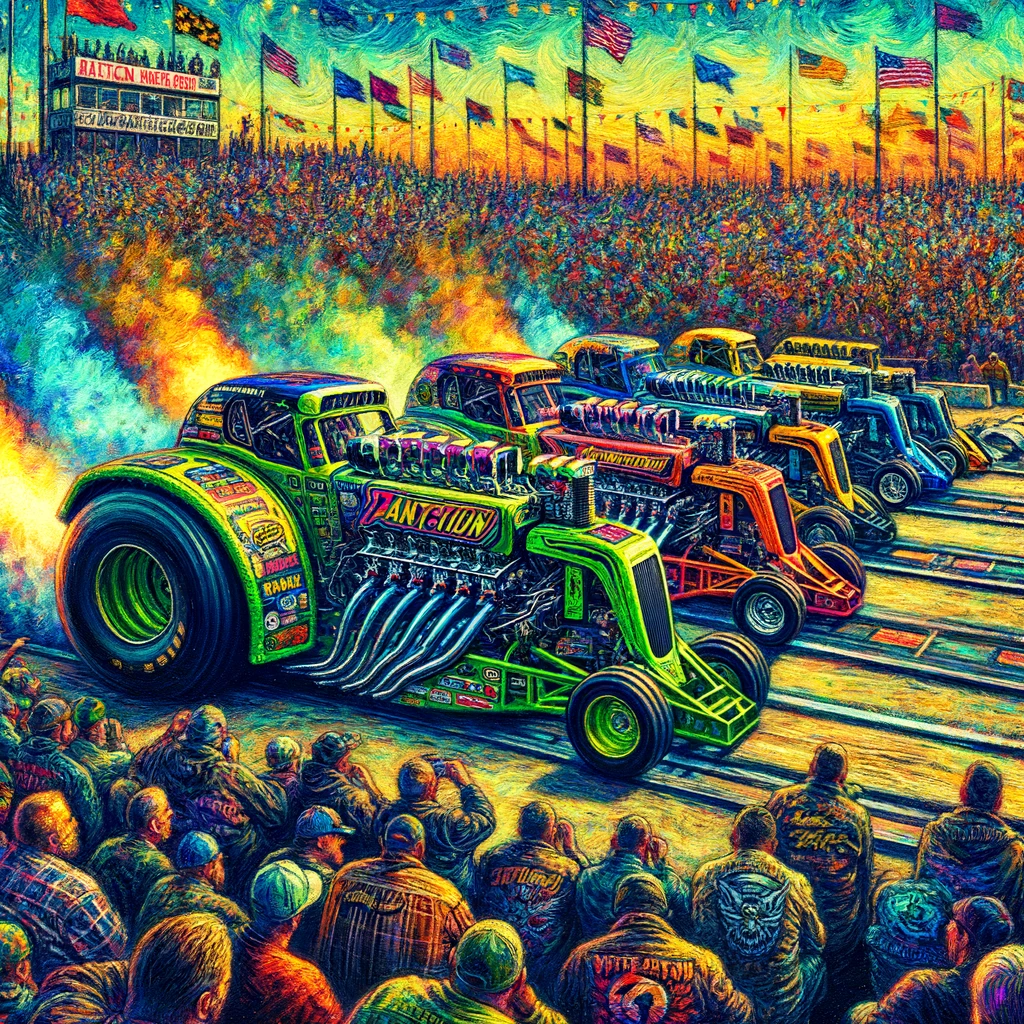
When it comes to tractors, the allure of classic models resonates deep within those of us who appreciate the timeless grit and ingenuity of older machines. But let’s take a moment to consider: how do classic tractors compare in cost-effectiveness over time? Once you unwrap the layers of nostalgia and nostalgia’s good friend—real savings—you might find your heartstrings tugged in a way that feels a bit like mowing your first field.
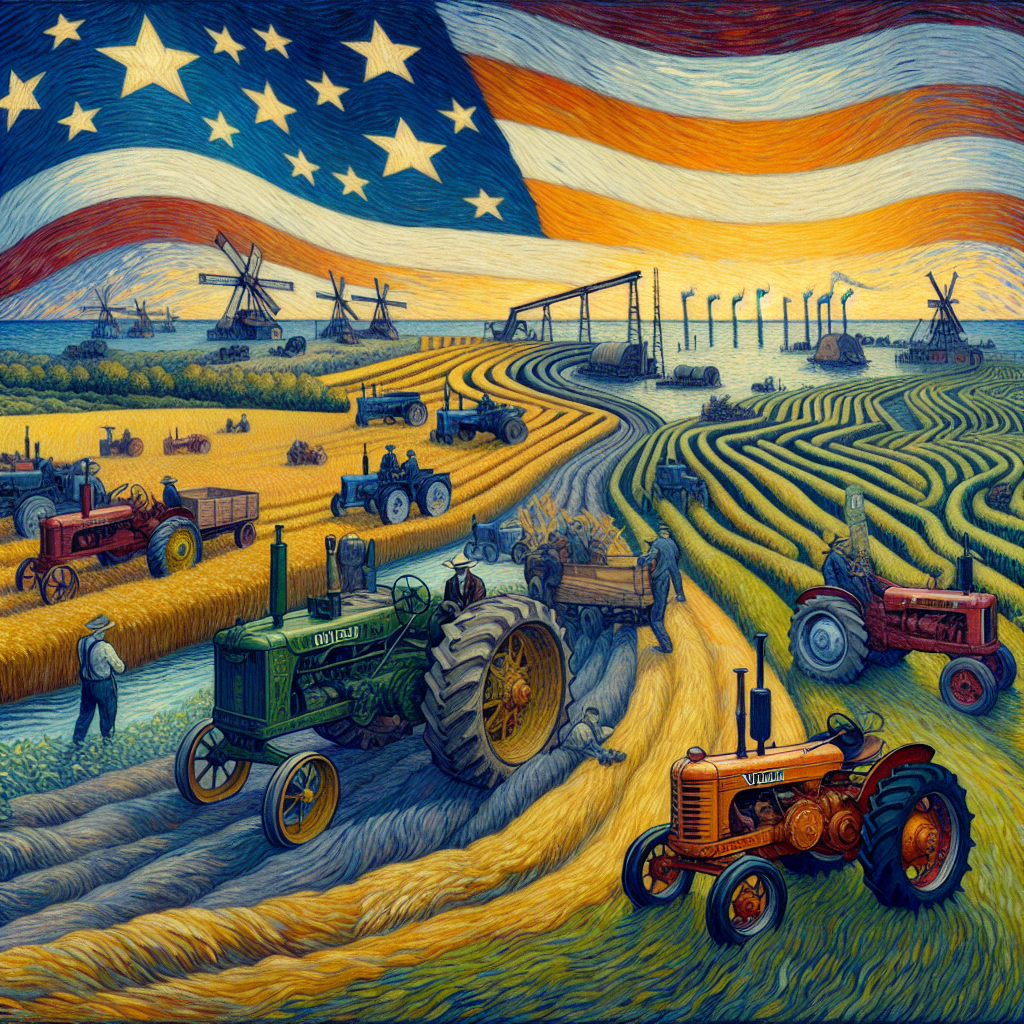
At first glance, you might see a classic tractor sitting on a dealership lot or in a farmer’s barn and think it’s just an old hunk of metal. Yet, scratch the surface, and you’ll see a tale of hard work and perseverance. In many cases, these machines have been tried and tested over decades, proving their durability in ways that often outshine their modern counterparts. Classic tractors often require less maintenance due to simpler engineering. Whether it’s wrenching on a vintage John Deere or tinkering with a farm-all, enthusiasts can often find satisfaction and savings in tackling repairs with their own hands. It’s not just about saving dollars; it’s about investing time and skill, too.
Then there’s the ethical dimension. In a world clamoring for green alternatives and sustainability, restoring and utilizing these classic machines reminds us of a simpler farming ethos—one that respects both the land and the labor behind it. You’re not just keeping an old tractor alive; you’re participating in a legacy that honors the commitment of generations who understood the importance of reliable equipment. It’s renewable in every sense: maintain, re-use, appreciate.
Moreover, practical economics favor classic tractors as well. Sure, the initial investment may vary, but when you consider the longevity and reliability paired with resale value, you’ll often find that the numbers don’t lie. A well-maintained classic tractor can not only hold its value but appreciate over time—a rarity in today’s technology-driven world.
And let’s not forget the social appeal. Owning and restoring a classic tractor can immerse you in camaraderie with fellow enthusiasts. Communities spring up around this shared passion, creating bonds that enrich your understanding of agriculture and heritage. You become part of something much bigger.
So, when you’re weighing the cost of a tractor, look beyond the price tag. Choose one that speaks to your gut and your heart while echoing a story woven into the fabric of farming. Opting for a classic isn’t just a decision; it’s a commitment—a promise to honor the craftsmanship of the past while sowing the seeds of tomorrow.
How Do Classic Tractors Compare In Cost-Effectiveness Over Time?
How Do Classic Tractors Compare In Cost-Effectiveness Over Time?
- Classic tractors embody timeless grit and ingenuity, resonating with enthusiasts of older machines.
- These models have proven durability, often requiring less maintenance due to simpler engineering.
- Owners can save money by repairing tractors themselves, investing time and skill in the process.
- Restoring classic tractors aligns with sustainable farming practices and respects historical labor and land use.
- Classic tractors often hold or appreciate in value, making them a sound economic choice over time.
- Owning a classic tractor fosters community and camaraderie among fellow enthusiasts.
- Choosing a classic tractor is a commitment to honoring the past while supporting future agriculture.
How Do Classic Tractors Compare In Cost-Effectiveness Over Time?
What Stories Of Success Can Classic Tractors Tell From The Past?
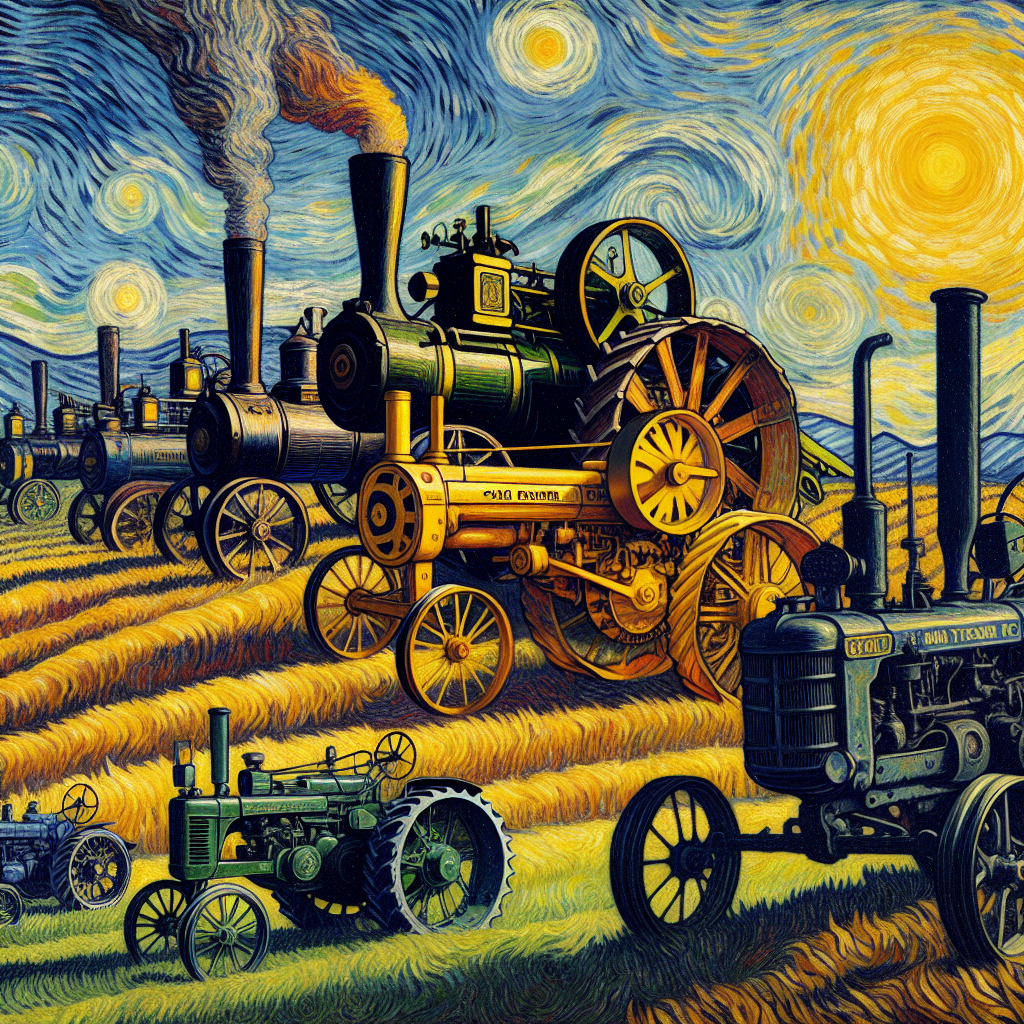
Classic tractors stand as robust symbols of progress and perseverance, their rusted frames and faded paint whispering tales of hard work that resonate with anyone who’s ever put in a long day’s labor. Imagine a farmer, worn from long hours but fueled by dreams, navigating their fields atop a venerable machine, a tractor that has seen both seasons of drought and abundance. This narrative isn’t just relics of the past; it reflects our struggles to steer our lives and ambitions through the unpredictable terrains of existence.
These tractors, equipped with simple yet effective engineering, remind us that sometimes the most powerful solutions are the most straightforward. They teach us an invaluable lesson about resilience and innovation. When faced with challenges — whether a malfunctioning plow or a dwindling harvest — those who operated these classic machines worked tirelessly to overcome. Their grit and resourcefulness shine through each dent and scratch, embodying the spirit of generations who relied on these machines to feed their families and communities.
Let’s be honest, the allure of restoration runs deep. Every wrench turn and paint stroke is not just about fixing a tractor; it’s a heartfelt homage to the labor and dreams that built our very foundations. Restoring a classic tractor allows us to reconnect with our past, reminding us of the ethics and values instilled in those who came before us. We draw inspiration from their commitment, their willingness to get their hands dirty, and the bonds they forged with family and neighbors through shared struggles and triumphs.
In a world that often seems chaotic and disconnected, classic tractors offer a tangible connection to the simplicity and authenticity of hard work. They encapsulate narratives of community, showcasing how these machines transcended the individual, fostering connections among family, friends, and neighbors. Perhaps this is why we are drawn to them; they serve as a bridge to our roots—reminding us that whether we’re tilling fields or tackling life’s challenges, the essence of craftsmanship and heart remains the same.
So, the next time you spot a classic tractor, pause for a moment. Consider the countless stories etched into its frame—the triumphs, the trials, the life lessons. It’s more than metal and bolts; it’s the embodiment of a legacy shaped by the hands that operated it and the hearts that relied on it, urging us to keep that legacy alive in our own journeys.
What Stories Of Success Can Classic Tractors Tell From The Past?
What Stories Of Success Can Classic Tractors Tell From The Past?
- Classic tractors symbolize progress and perseverance, reminiscent of hard work.
- They reflect life’s struggles, navigating through challenges and ambitions.
- Simple engineering teaches resilience and innovation in the face of difficulties.
- Operators exemplified grit and resourcefulness, overcoming every obstacle.
- Restoration honors the labor and dreams of past generations, reconnecting us to our history.
- Classic tractors promote community, emphasizing shared struggles and triumphs.
- They serve as a reminder to appreciate the legacies of craftsmanship and hard work.
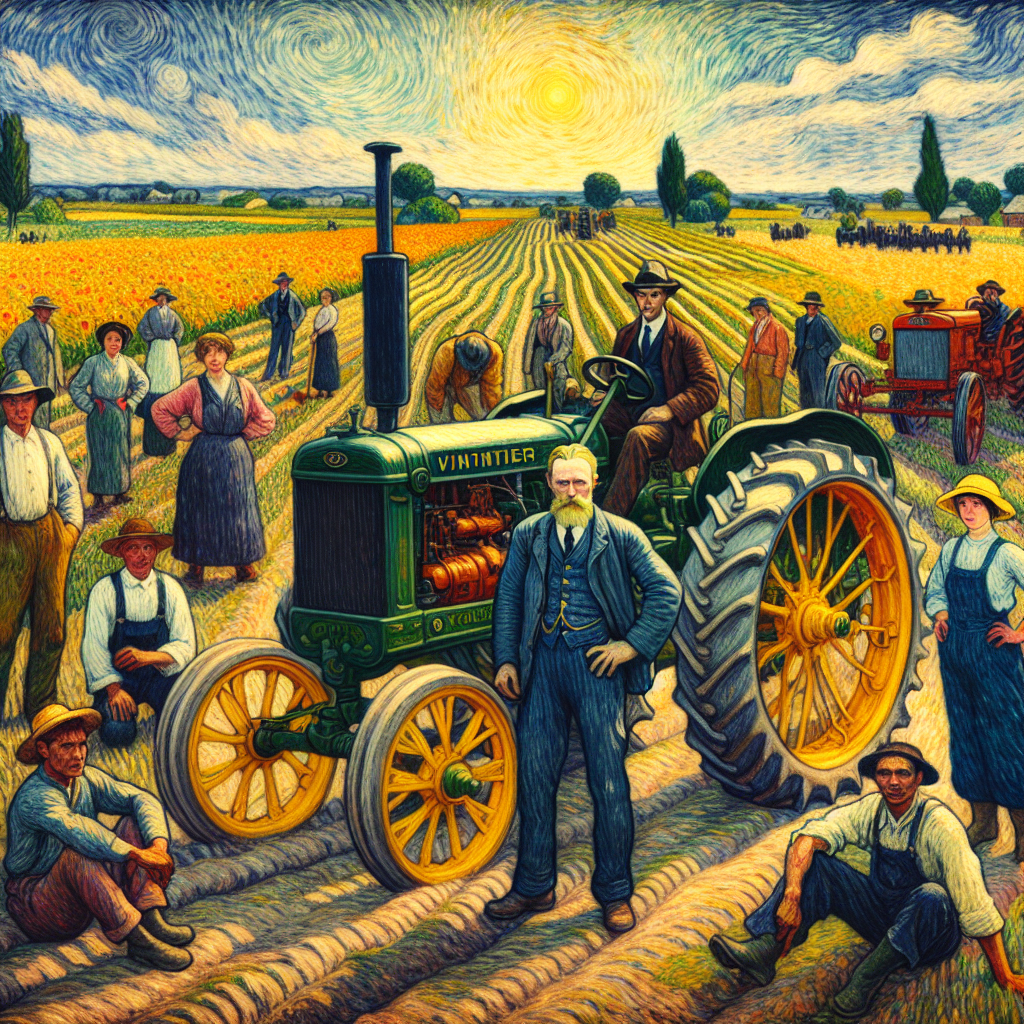
What Stories Of Success Can Classic Tractors Tell From The Past?
How Do Classic Tractors Uphold Sustainable Farming Practices Today?
In a world racing toward automation and high-tech solutions, it’s comforting to look back at the simplicity and reliability of classic tractors. These machines, with their sturdy frames and dependable engines, evoke a sense of nostalgia while embodying the principles of sustainable farming that resonate deeply with both our hearts and our values. There’s something inherently human about operating a classic tractor: the hands-on connection to the land, the rhythm of the engine echoing the heartbeat of generations past, and the responsibility of caring for the soil.
Classic tractors aren’t just relics of the past; they are symbols of ethical farming practices that prioritize stewardship over exploitation. These machines were built to last, designed with repairability in mind. When a part wears out, it’s not a throwaway society moment but an opportunity for farmers to roll up their sleeves and fix what they’ve got. This isn’t just practical; it’s a powerful statement against the fast-paced consumer culture that dominates our lives. By choosing to maintain and use classic tractors, farmers collectively embrace a mindset of respect for the earth and its resources—a path that today leads us toward lower emissions and healthier ecosystems.
Let’s take a moment to picture that farmer, covered in dirt and sweat, as they navigate their field aboard a classic tractor. Each turn of the wheel is a choice made in harmony with nature, rather than in opposition to it. They’re not just growing crops; they’re building a legacy, one rooted in the principles of sustainability. And when those crops flourish, providing nourishment for families and fueling local economies, it’s a reminder that good farming doesn’t require the latest gadget—it requires heart, passion, and wisdom passed down through generations.
The camaraderie among those who cherish classic tractors is a testament to their enduring appeal. Communities gather to celebrate their heritage, sharing stories that span the decades. They understand the power of tradition coupled with innovation rooted in simplicity. When farmers choose these dependable workhorses, they champion not only their own livelihood but also a collective commitment to a sustainable future, reminding us all that agriculture can be both modern and mindful.
As we face the complex challenges of climate change and food security, let’s embrace the timeless lessons taught by classic tractors. They stand as a beacon of trust—not just in their mechanics but in the profound belief that agriculture can be both productive and sustainable, preserving our land for future generations. It’s a way forward that appeals to our hearts, strikes a chord with our ethics, and fuels the gut-level resolve to cultivate better practices.
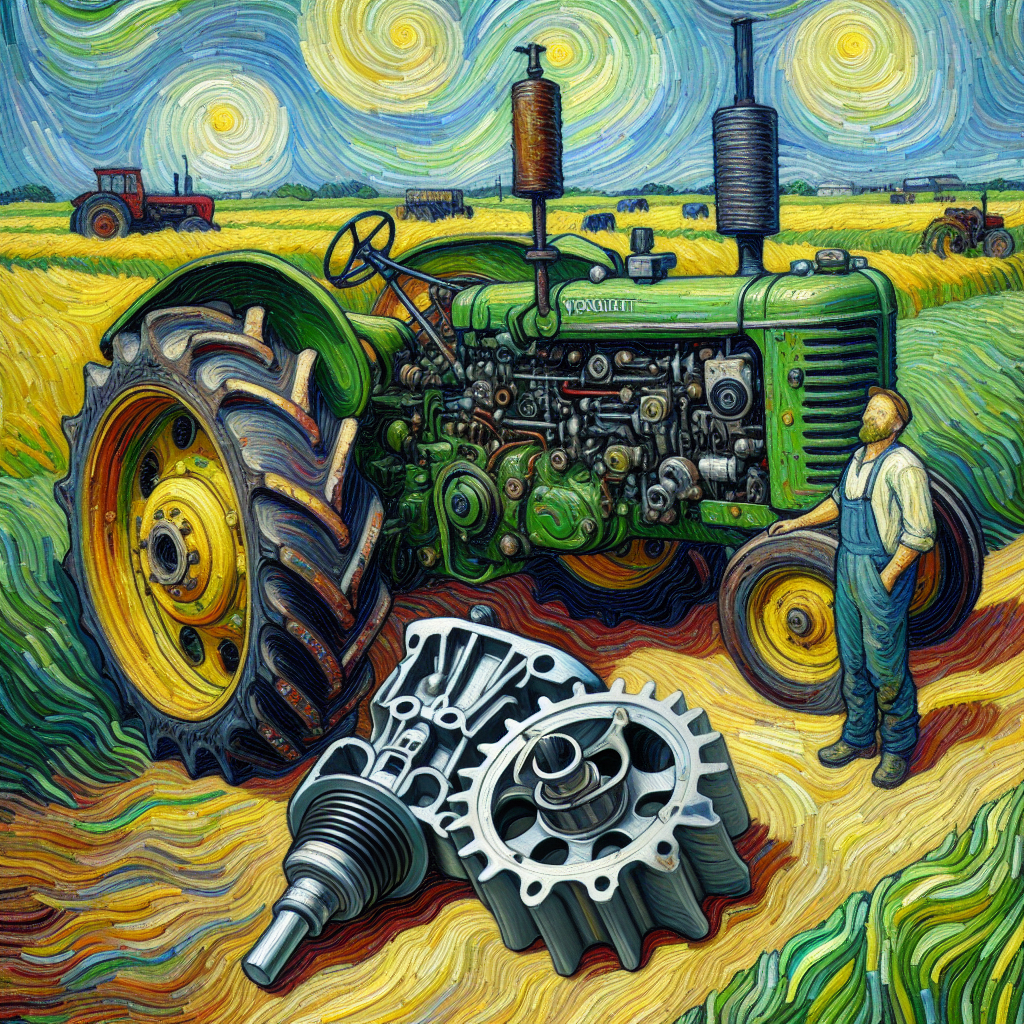
How Do Classic Tractors Uphold Sustainable Farming Practices Today?
How Do Classic Tractors Uphold Sustainable Farming Practices Today?
- Classic tractors symbolize a return to simplicity and reliability in an automated world.
- They promote sustainable farming, emphasizing stewardship over exploitation.
- Built for durability and repairability, they challenge throwaway culture.
- Using classic tractors encourages a respect for the earth and its resources.
- Farmers operating these tractors embody a hands-on connection to the land and tradition.
- Communities celebrate classic tractors, highlighting the blend of tradition and innovation.
- Classic tractors offer valuable lessons for addressing climate change and food security sustainably.
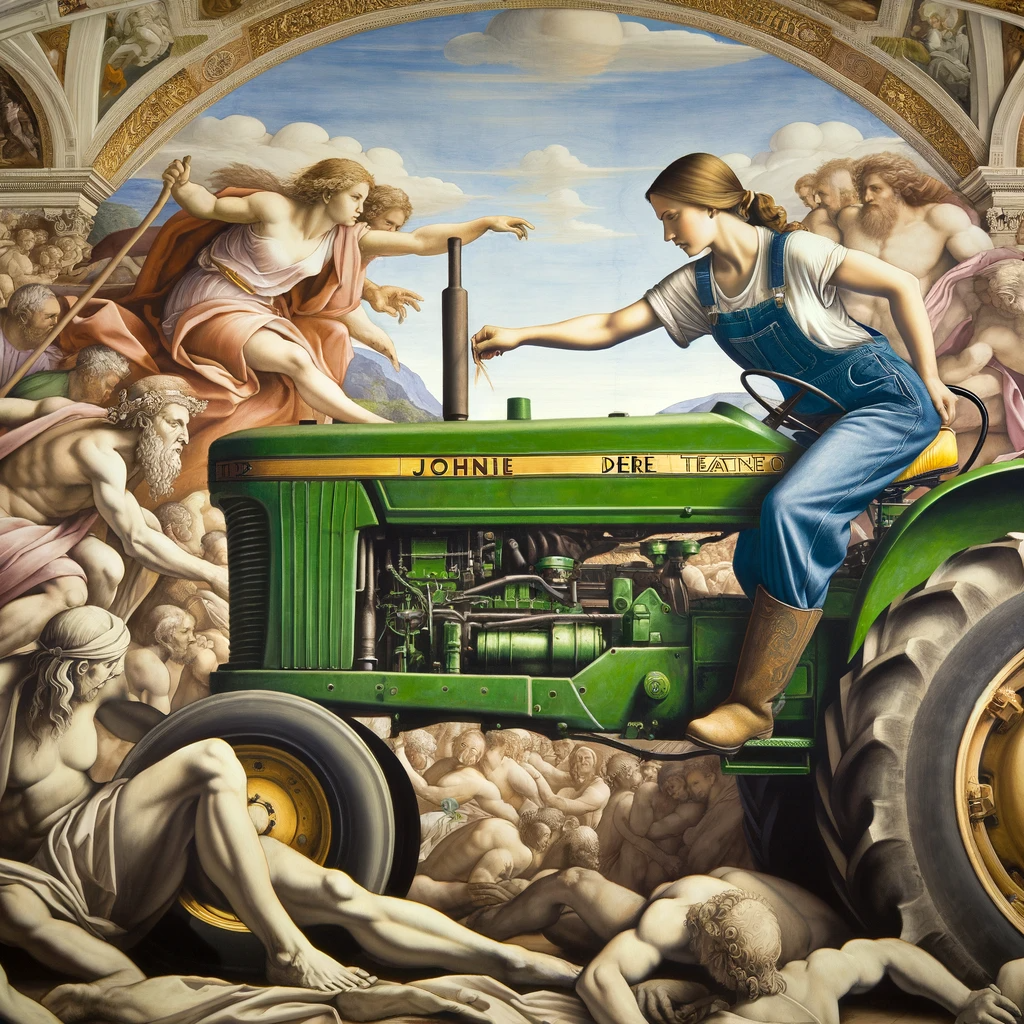
How Do Classic Tractors Uphold Sustainable Farming Practices Today?
What Emotional Connection Do Farmers Have With Classic Tractors?
Picture a late afternoon sun draping over endless fields, with the warmth kissing the rusted fenders of a classic tractor. That machine, with its vintage paint peeling like dried skin, isn’t just a piece of equipment—it’s a living artifact of a farmer’s legacy. To understand the bond farmers have with their tractors, you must first embrace the stories etched into their frames, tales of grit and perseverance hidden within every dent and scratch.
These tractors are often the silent witnesses to generations of toil, each scratch a testament to countless seasons logged in the soil. When a farmer climbs onto the weathered seat, they aren’t merely starting an engine; they’re igniting memories of fathers and grandfathers, of laughter shared over a drive down the rows, of hard lessons learned in a swirling maelstrom of mud. These machines carry the imprint of family history, lovingly handed down like cherished heirlooms—a connection that runs deep, through blood and sweat.
But this bond extends beyond nostalgia. Intellectually, these classic tractors embody an era when craftsmanship mattered, when a farmer could fix a problem with little more than a wrench and a will to work. In a world awash with technology, there’s something grounding about these tractors. They demand respect and mastery, reminding us that behind every thriving farm is a story of hard-won success built on the fertile land they tend. Their simplicity stands in stark contrast to today’s automated marvels, creating a visceral connection to the earth—and to our own humanity.
Ethically, a farmer’s commitment to preserving these classic machines speaks volumes. It’s about sustainability, honoring the footprint left behind while forging a path towards the future. By restoring and maintaining these tractors, farmers are not just keeping history alive; they’re fostering a sense of community, sharing their tales, and instilling a respect for tradition in younger generations.
Finally, there’s the social aspect. There’s something inherently unifying about sharing a passion for these tractors, bringing farmers together at fairs and exhibitions, where stories are exchanged, and friendships are forged. When one drives that ol’ beauty through town, it’s not just a tractor on display—it’s a conversation starter, a bridge that connects individual stories into a collective narrative.
So next time you see a farmer with their classic tractor, remember: it’s not just an agricultural tool; it’s a warm embrace of history, identity, and community, vibrating with life and heart. That tractor is more than metal; it’s soul.
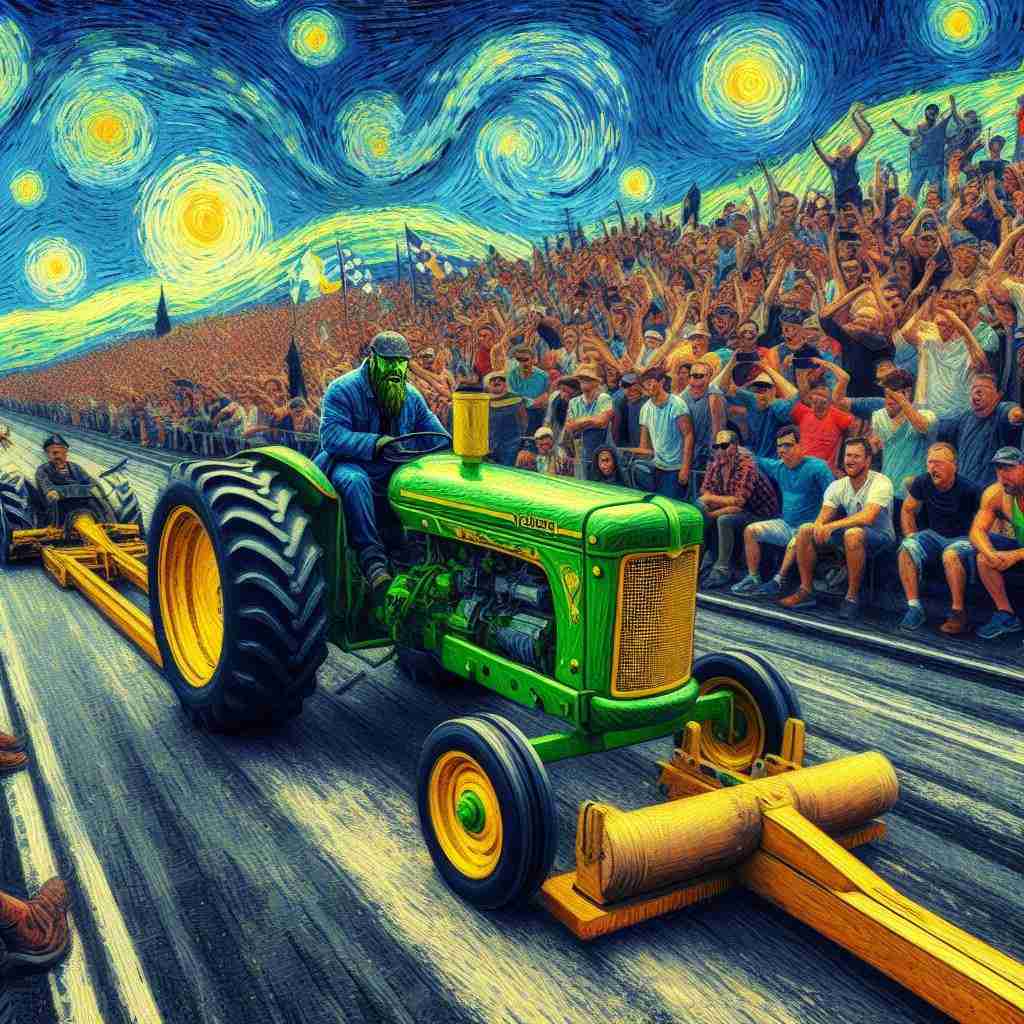
What Emotional Connection Do Farmers Have With Classic Tractors?
What Emotional Connection Do Farmers Have With Classic Tractors?
- Classic tractors symbolize a farmer’s legacy, marked by stories of hard work and perseverance.
- Each scratch and dent on a tractor represents generations of toil and shared family memories.
- These machines connect farmers to their history, evoking memories of ancestors and lessons learned over time.
- Classic tractors stand for craftsmanship and mastery, contrasting with today’s automated farming technology.
- Farmers’ dedication to restoring these tractors reflects their commitment to sustainability and community.
- Tractors serve as social connectors, uniting farmers at events where they share tales and build friendships.
- A farmer’s tractor is not just a tool but a representation of history, identity, and a vibrant community spirit.
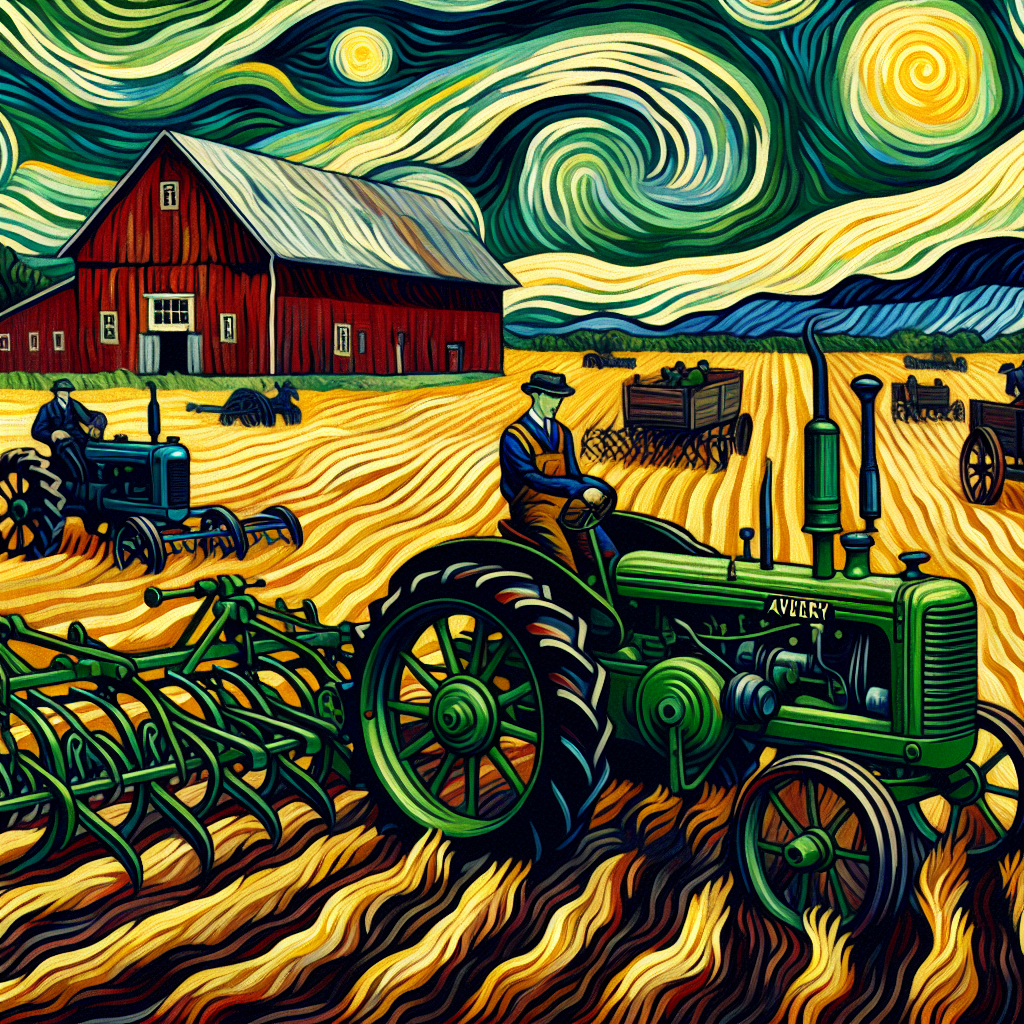
What Emotional Connection Do Farmers Have With Classic Tractors?
How Do Classic Tractors Simplify Maintenance And Repairs For Farmers?
Let’s face it: farming isn’t just a job—it’s a way of life. And at the heart of that life is often a trusty tractor. But not just any tractor; it’s the classic ones, the workhorses that have weathered storms and seasons with farmers who depend on them. You know the kind: simple, rugged, and dependable. These machines do more than just plow fields; they foster a bond that’s as deep as the roots of the crops they help cultivate.
When you think of a classic tractor, what comes to mind? Reliability? Simplicity? These machines were built with purpose, offering straightforward designs that most farmers today can tackle without a Ph.D. in engineering. With far fewer electronic components compared to modern models, troubleshooting a classic tractor often means just rolling up your sleeves and getting your hands dirty. Any farmer with a love for the land—and a commitment to the field—can feel the reassuring mechanics beneath their fingertips. As you adjust the carburator or replace a gasket, it’s akin to reconnecting with an old friend.
On an emotional level, these tractors carry stories. The memories of family gatherings, late nights in the barn shed, the smell of engine oil mingling with fresh-cut hay—it’s woven into the very fabric of farm life. They symbolize tradition and a connection to the past, reminding us that farming has always been about hard work, community, and resilience. By choosing classic tractors, farmers honor that history.
Now let’s get practical. The ease of finding parts for these timeless machines cannot be overstated. Unlike their flashy counterparts, which may require specialized tools or knowledge, classic tractors usually rely on widely available components. That means lower costs and less downtime—both essential when the corn is ripe or the hay needs bailing.
Ethically, owning and maintaining a classic tractor aligns with values of sustainability. These durable machines can be repaired, refurbished, and repurposed rather than discarded. They teach us the importance of stewardship, showing us the value of preserving our resources.
So here’s the bottom line: classic tractors offer trust, confidence, and a call to action. By embracing these machines, farmers not only save time and money but also nurture their connection to the land, their community, and their legacy. After all, when the rubber meets the road— or the dirt— it’s the classic tractor that gets the job done and keeps farmers moving forward, one field at a time.
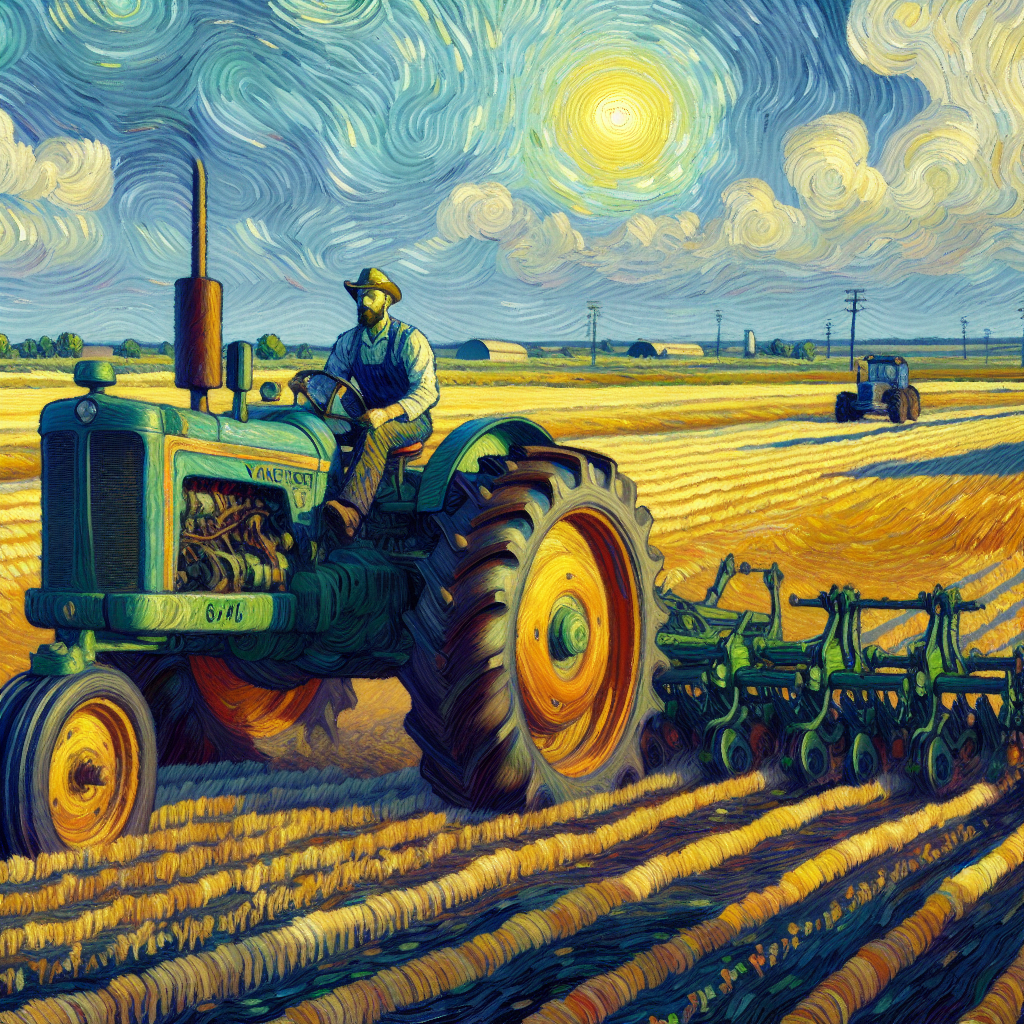
How Do Classic Tractors Simplify Maintenance And Repairs For Farmers?
How Do Classic Tractors Simplify Maintenance And Repairs For Farmers?
- Farming is a way of life, centered around classic, dependable tractors.
- Classic tractors are simple and rugged, built for reliability and ease of use.
- These machines foster emotional bonds and carry stories intertwined with farm life.
- Owning a classic tractor connects farmers to tradition, hard work, and community resilience.
- Parts for classic tractors are easily accessible, resulting in lower costs and less downtime.
- Maintaining classic tractors reflects sustainability values through repair and repurposing.
- Classic tractors offer trust and nurture connections to the land and legacy, keeping farmers moving forward.
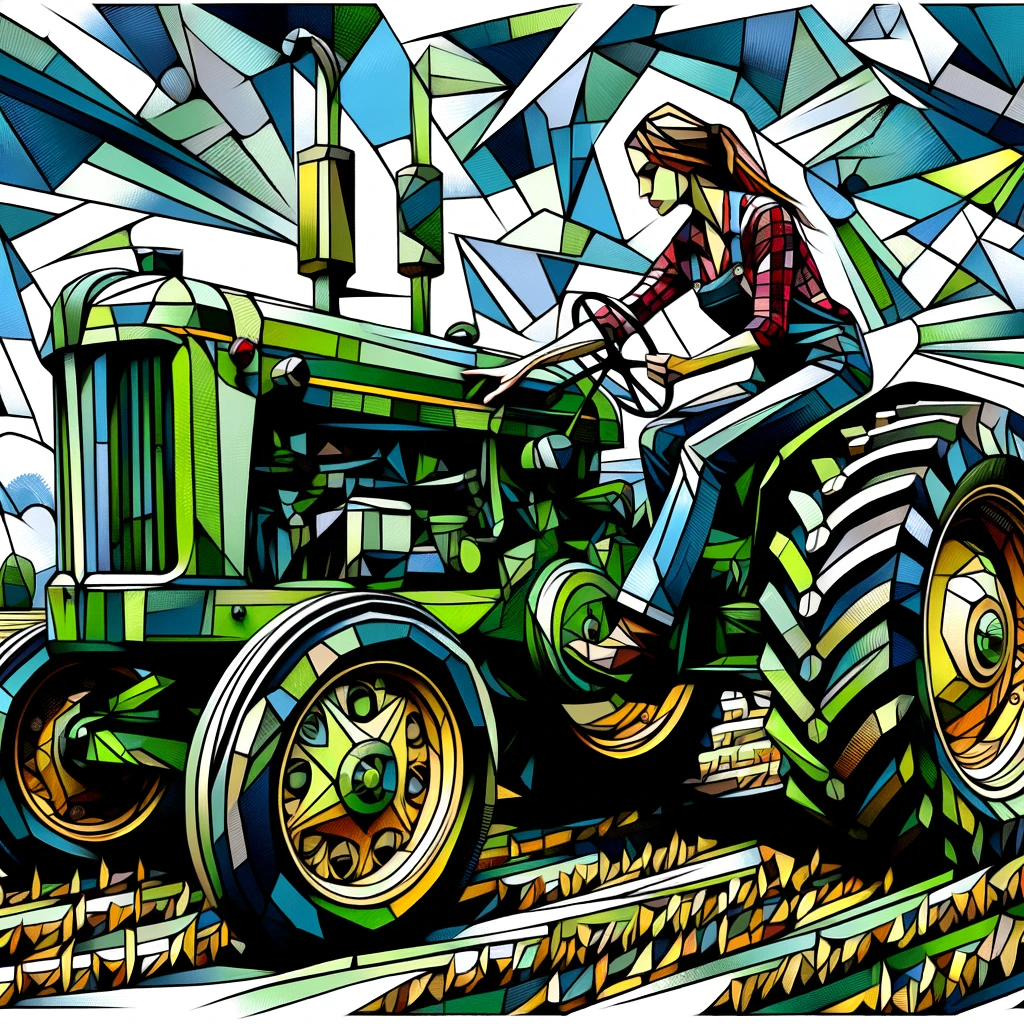
How Do Classic Tractors Simplify Maintenance And Repairs For Farmers?
Conclusion
As we wrap up this exploration of classic tractors, let’s take a minute to consider what these machines really mean to us in the world of farming. Sure, we see the modern marvels at dealerships, flashing their shiny exteriors and smart technologies, but when we turn back to the classic tractors, something deeper resonates. These stalwarts aren’t just machines; they are living connections to our roots, embodying the spirit of generations who tirelessly plowed the land with the grit and determination that defines our agricultural legacy.
Emotionally speaking, classic tractors evoke nostalgia, reminding us of a time when farming was a hands-on craft. Each dent and scratch on these machines tells a story—a testament to ample seasons spent in the fields. They symbolize not only hard work but also the bonds formed between family and neighbors, whispering tales of shared triumphs and tribulations. When a farmer climbs aboard their classic tractor, they’re not just rolling out to till the fields; they’re reigniting a legacy, a tangible reminder of their heritage, and passing on values to future generations.
Now let’s apply some good old-fashioned reason. Classic tractors bring reliability to the table. Their simpler engineering means that they require fewer repairs, and those repairs are often something a dedicated farmer can tackle on their own, saving both time and money. Additionally, these machines often hold their value better than newer models, providing a smart financial choice in an economy that can sometimes feel like it’s spinning out of control.
On the ethical front, embracing classic tractors is a conscious step toward sustainability. These machines typically consume less fuel and can be more easily repaired. By choosing to restore and maintain these older models, we reject the throwaway culture in favor of stewardship and long-lasting relationships with our equipment and land.
Yet beyond the mechanics and economics, there’s a thriving community that rallies around classic tractors—people coming together to celebrate shared passions, stories, and traditions at events and fairs. By stepping into this world, you don’t just acquire a machine; you become part of a living tapestry, woven together by shared values and experiences.
So, as you ponder your agricultural future, consider letting a classic tractor guide your journey. It’s not just about tilling land or hauling loads; it’s about cultivating a sense of identity, connection, and community—and maybe even writing a few new stories along the way. Trust in the legacy of the past, invest in something that aligns with your values, and add your chapter to this timeless narrative. After all, the world of farming is not just about what you do; it’s about who you are, and a classic tractor is a steadfast companion on that journey.
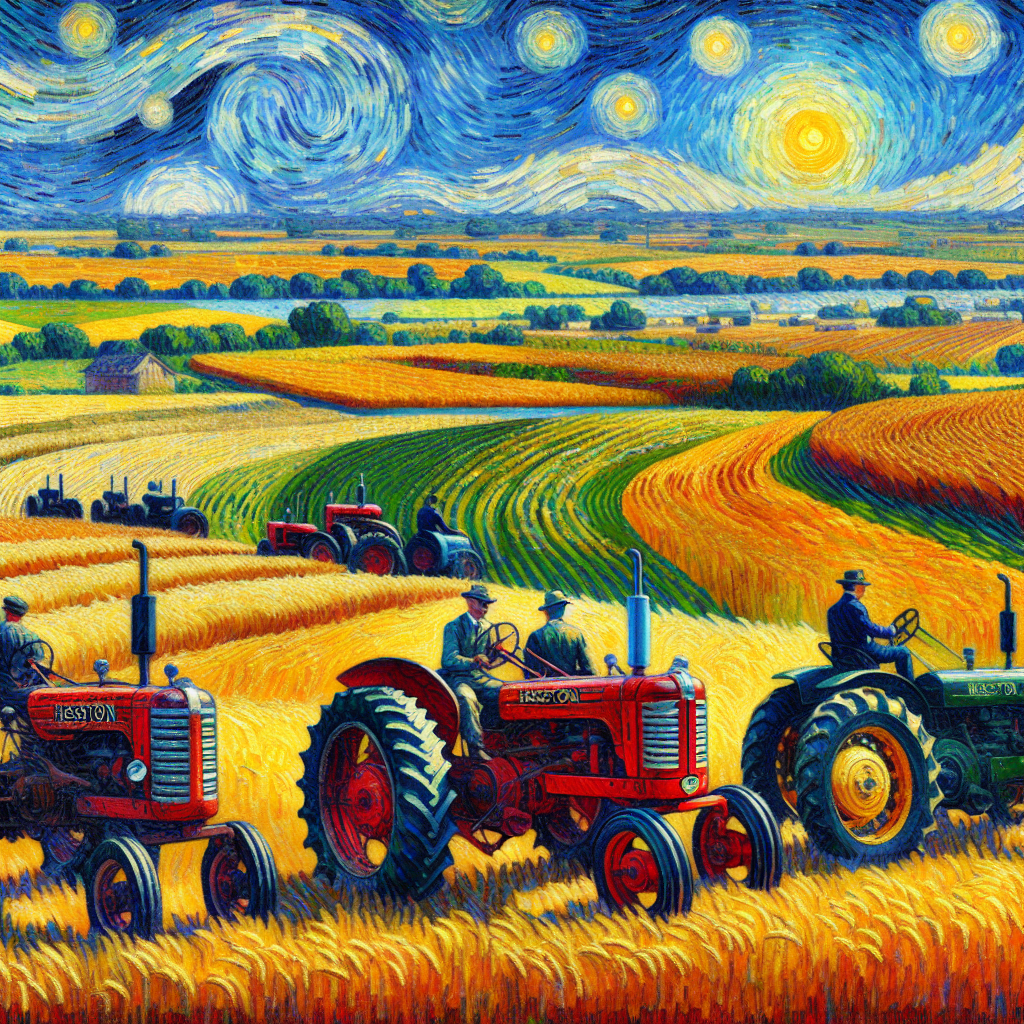
Conclusion
Conclusion:
- Classic tractors serve as crucial links to our agricultural heritage, representing generations of hard work.
- They evoke nostalgia, with each imperfection telling a story of time spent in the fields.
- These machines foster connections among families and communities, symbolizing shared experiences in farming.
- Classic tractors are reliable due to their simpler engineering, making repairs manageable for dedicated farmers.
- They often retain their value better than modern counterparts, offering a sound financial investment.
- Choosing classic tractors promotes sustainability, encouraging repair and maintenance over disposability.
- A vibrant community surrounds classic tractors, uniting individuals through shared passions and traditions.
Conclusion
Other Resources
Other Resources
Here is a list of other resources you can review online to learn more:
- Fairfield County Antique Tractor Club
- Advance-Rumely
- CO-OP
- Saunderson
- Florida Flywheelers Antique Engine & Tractor Show
- Wetmore
- Atlantic Farm Mechanization Show
- Hill Country Antique Tractor & Engine Club Show
- Heider
- Ranch Hand
Use This Prompt To Get More Resources With Your Favorite Online AI Tool: Please provide me with a list of online articles with their URLs in a bulleted list that I can read regarding Why Should You Consider Classic Tractors for Your Farming Needs
Other Resources
Glossary Terms
Why Should You Consider Classic Tractors for Your Farming Needs – Glossary Of Terms
1. Antique Tractor: A tractor that is typically over 25 years old, often valued for its historical significance and nostalgic appeal.
2. Vintage Equipment: Machinery that is older but still functional, often associated with a particular era in agricultural history.
3. Restoration: The process of restoring classic tractors to their original condition, including mechanical, paint, and aesthetic upgrades.
4. Agricultural Heritage: The traditional practices, tools, and machinery used in farming over generations, showcasing the evolution of agriculture.
5. Cultivator: An attachment or implement used with tractors to prepare soil, control weeds, and promote healthy crop growth.
6. Durability: The quality of being able to withstand wear and tear, often a defining feature of classic tractors due to their robust construction.
7. Simplicity: Classic tractors often feature simpler technology, making them easier to maintain and repair compared to modern machines.
8. Cost-Effectiveness: Classic tractors can be a more affordable option for farming needs, both in initial purchase price and maintenance.
9. Fuel Efficiency: Many classic tractors have efficient engines designed for reliability, appealing to farmers looking to manage fuel costs.
10. Collector’s Item: Classic tractors can be seen as collectibles, often increasing in value over time, making them both practical tools and investment assets.
11. Nostalgia: A sentimental longing for the past, driving some farmers to choose classic tractors for their emotional and historical value.
12. Versatility: The ability of classic tractors to be equipped with multiple attachments, allowing them to perform different farming tasks.
13. Community: An often-close network of classic tractor owners and enthusiasts who share tips, resources, and host events.
14. Historic Significance: The importance of classic tractors in illustrating the development of agriculture and technology over the years.
15. Maintenance: The care and inspection required to keep classic tractors in good working condition; often simpler than that of modern machines.
16. Vintage Shows: Events where classic tractors are displayed, celebrated, and sometimes showcased through demonstrations and competitions.
17. Manual Transmission: Classic tractors typically feature manual gear systems, offering greater control and connection between the operator and the machine.
18. Adjustable Implements: Tools that can be fitted onto classic tractors to perform a variety of field tasks, enhancing the tractor’s functionality.
19. Power Take-Off (PTO): A mechanism allowing power to be transferred from the tractor to various implements, crucial for many farming operations.
20. Self-Sustainability: The potential of classic tractors to contribute to self-sufficient farming practices, often coupled with organic or traditional methods.
21. Economic Resilience: The ability of farmers using classic tractors to weather economic challenges by relying on less expensive and more durable equipment.
22. Compact Size: Many classic tractors are smaller, making them suitable for small farms or for navigating tighter spaces compared to larger models.
23. Farm Demonstrations: Events where classic tractors are used to perform farming tasks, showcasing their capabilities and historical techniques.
24. Restoration Clubs: Groups formed by enthusiasts who share a commitment to restoring and preserving classic tractors and farming equipment.
25. Tractor Shows: Exhibitions where vintage machinery is displayed, providing education and entertainment for attendees interested in agricultural history.
26. Sustainable Practices: Farming methods that utilize classic tractors, emphasizing environmental care, resource efficiency, and biodiversity.
27. Local Farming: A practice often supported by classic tractors, encouraging community-based agriculture and direct sales to consumers.
28. Ergonomic Design: Many classic tractors feature designs that prioritize operator comfort and ease of use, despite their age.
29. Field Adaptability: The ability of classic tractors to adapt to various types of terrain and farming needs, making them versatile tools.
30. Legacy: The enduring impact of classic tractors on farming communities and the agriculture industry, symbolizing tradition and innovation.
Glossary Of Terms
Other Questions
Why Should You Consider Classic Tractors for Your Farming Needs – Other Questions
If you wish to explore and discover more, consider looking for answers to these questions:
- What are the top brands of classic tractors and their unique features?
- How does one determine the value of a classic tractor?
- What are the most common maintenance issues faced with classic tractors?
- Where can I find classic tractors for sale?
- What are the historical models of classic tractors that are most sought after?
- How have classic tractors influenced modern agricultural practices?
- What resources are available for restoring classic tractors?
- What safety considerations should be taken into account when operating classic tractors?
- How do classic tractors perform compared to modern tractors in certain farming conditions?
- Are there community organizations or clubs dedicated to classic tractor enthusiasts?
- What can be learned from the stories of farmers who use classic tractors today?
- In what ways can classic tractors be used in sustainable farming beyond just operation?
Other Questions
Haiku
Why Should You Consider Classic Tractors for Your Farming Needs – A Haiku
Rustic tales unfold,
Classic tractors plow the heart—
Roots of community.
Haiku
Poem
Why Should You Consider Classic Tractors for Your Farming Needs – A Poem
In the Fields of Tradition
In a sun-drenched field where tales unfold,
Classic tractors stand, with stories bold,
Rusted fenders and weathered grace,
They whisper of lives, of toil, of space.
Each dent tells a tale of sweat and pride,
A farmer’s journey, with earth as their guide.
Beyond mere machines, they’re legacies bright,
Echoes of families, igniting the night.
With engines that hum a nostalgic tune,
They plow through the past, beneath the moon.
Simplicity reigned where gadgets abound,
In rugged charm, true resilience is found.
For the heart of the land beats in rhythm and rhyme,
Where each turn of the wheel dances through time.
An investment in history, in ethics and care,
Classic tractors promise—if you dare.
In the bonds of the community, they weave a thread,
From county fairs to shared stories, the path is widespread.
Repairable, sustainable—notes of the past,
With hands in the dirt, they’re built to last.
So turn your gaze to these timeless machines,
Embrace the old ways—a life intertwined.
For in every roar of the engine’s warm heart,
Lies a promise of farming, a graceful art.
In fields lush with promise, let’s honor what’s true,
With legacy woven, in skies deep and blue.
Choose not just a tool, but a spirit, a friend,
For classic tractors help our roots transcend.
Poem
Checklist
Why Should You Consider Classic Tractors for Your Farming Needs – A Checklist
Here’s a checklist titled “Classic Tractors: The Heart, Head, and Gut Appeal for Your Farming Journey. ” This checklist incorporates emotional, rational, ethical, authority, narrative, and social appeals to resonate with readers at multiple levels:
Classic Tractors: The Heart, Head, and Gut Appeal for Your Farming Journey
Emotional Appeals:
1. Reflect on Your Roots: Consider the stories and traditions connected to classic tractors in your family. How do they represent your farming heritage?
2. Create New Memories: Envision the joy of operating a classic tractor—how can this enrich your farming experiences?
3. Join the Community: Think about the camaraderie found in rallies and events. Who can you connect with that shares your passion for classic farming equipment?
Rational Appeals:
4. Evaluate Reliability: Research the maintenance requirements of classic tractors. How do they compare to modern models in terms of repairs and longevity?
5. Financial Consideration: Assess the resale value and cost-effectiveness of classic tractors over time. Can they save you money in maintenance and fuel?
6. Emphasize Simplicity: List the benefits of simpler engineering. How does it reduce repair complexities and repair costs for everyday farming tasks?
Ethical Appeals:
7. Support Sustainable Practices: Reflect on how classic tractors can promote sustainable farming. Are you contributing to a culture of reuse and respect for the earth?
8. Promote Craftsmanship: Consider how restoring and maintaining classic tractors honors the traditions of craftsmanship and skilled labor. What does that mean to you?
Authority Appeals:
9. Seek Expert Knowledge: Connect with farmers or mechanics who specialize in classic tractors. What insights can they provide on choosing the right machine?
10. Leverage Online Resources: Engage with online communities and forums dedicated to classic tractors. How can shared knowledge enhance your understanding and ability to maintain these machines?
Narrative Appeals:
11. Discover Success Stories: Research and share testimonials from farmers who have benefited from owning classic tractors. What challenges did they overcome?
12. Embrace the Legacy: Write down anecdotes that highlight the significance of classic tractors in history and agriculture. What legacies do you want to create or continue?
Social Appeals:
13. Encourage Family Involvement: Involve family members in discussions about the choice of a classic tractor. How can their insights and experiences shape your decision?
14. Participate in Local Events: Make a plan to attend local tractor shows or meets. What connections can you foster with others in the farming community?
Final Thoughts
Completing this checklist can help you connect more deeply with your farming journey, ushering in a blend of tradition, reliability, and sustainability that classic tractors offer. Remember, this isn’t just about machinery; it’s about carrying forward a legacy.
Checklist
At ClassicTractorNews, we help tractor lovers keep up with the latest news for classic and vintage tractors.
Please share this post with your friends, family, or business associates who may like old classic or vintage tractors.