


The Timeless Appeal Of Classic Tractors For Modern Small Farms
By Tom Seest
At ClassicTractorNews, we help tractor lovers keep up with the latest news for classic and vintage tractors.
Please share this post with your friends, family, or business associates who may like old classic or vintage tractors.
Why Should Every Small Farmer Consider Classic Tractors Today
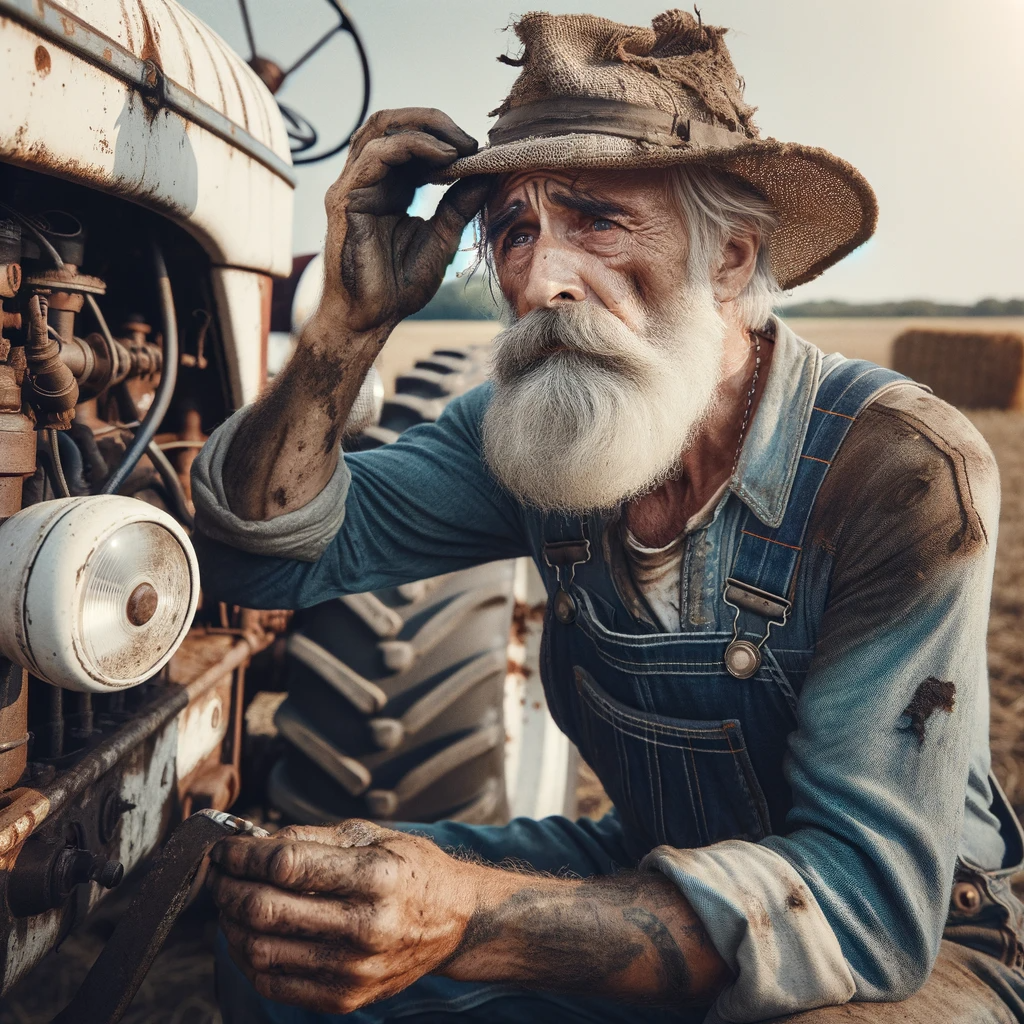
Picture this: the sun is just beginning to rise, casting a golden glow over your fields. You’re standing beside a classic tractor, its worn paint and rusted chassis telling stories of decades gone by. There’s something about those machines—an undeniable charm and an Americana spirit—that modern contraptions simply can’t match. But let’s get into why every small farmer should consider these vintage workhorses today.
At its core, agriculture has always been about connection—to the land, to your family, and to the community. Classic tractors embody that connection. They’re not just machines; they are vessels of history, carrying forward the wisdom of generations who understood what it takes to nurture the earth. When you climb into the seat of a classic tractor, you’re not just operating equipment; you’re embracing a legacy that resonates with heart and purpose.
From a practical standpoint, classic tractors offer simplicity in a world that often seems too complicated. Many small farmers struggle with the relentless march of technology, which can be both overwhelming and financially burdensome. Classic tractors, with their straightforward mechanics, are easier to repair and maintain, reducing downtime and saving you money in the long run. Less time tinkering under the hood means more time working the land and connecting with what matters most.
Ethically, supporting classic tractors is about sustainability and preserving a way of life. These machines were built to last—designed with durability at their core, rather than disposable convenience. By opting for a classic tractor, you’re making a statement that you value quality and longevity over the quick-fix mentality that infects our consumer culture.
And the authority of classic tractors? It’s etched right into the fabric of farming itself. Many small farmers today find solidarity in the stories of those who worked tirelessly with these very machines, facing challenges with grit and determination. It’s a reminder that true strength comes not from the latest gadgets but from hard work, resilience, and pride in one’s craft.
So, as you ponder your farming future, think heartily of a classic tractor. Consider how it can serve you, your land, and your legacy. Let’s restore that connection and cultivate not just crops, but relationships—between farmer and machine, community and tradition. After all, it’s these choices that define the soul of farming, one turn of the wheel at a time.

Why Should Every Small Farmer Consider Classic Tractors Today
Why Should Every Small Farmer Consider Classic Tractors Today
- Classic tractors evoke a nostalgic Americana spirit and charm that modern machines lack.
- They embody a deep connection to the land, family, and farming community, serving as vessels of history.
- Classic tractors offer practical simplicity, making them easier to repair and maintain than modern technology.
- This simplicity helps small farmers reduce downtime and save money, allowing more time for important farming tasks.
- Supporting classic tractors promotes sustainability and the preservation of durable, quality equipment over disposable options.
- Classic tractors provide a sense of solidarity and pride for small farmers, reminding them of traditional farming values.
- Embracing a classic tractor can help restore connections between farmers, their machines, and their communities.

Why Should Every Small Farmer Consider Classic Tractors Today
Table Of Contents
- Why Should Every Small Farmer Consider Classic Tractors Today
- Why Do Classic Tractors Evoke Feelings Of Nostalgia For Farmers?
- How Can Classic Tractors Improve Efficiency On Small Farms?
- What Is The Financial Impact Of Maintaining A Vintage Tractor?
- Can Using Classic Tractors Enhance Community Ties Among Farmers?
- How Do Classic Tractors Lend Credibility To Small Farming Enterprises?
- What Stories Do Classic Tractors Tell About Farming History?
- Conclusion
- Other Resources
- Glossary Of Terms
- Other Questions
- Haiku
- Poem
- Checklist
Why Do Classic Tractors Evoke Feelings Of Nostalgia For Farmers?
Why Do Classic Tractors Evoke Feelings of Nostalgia For Farmers?
For many farmers, seeing a classic tractor is like turning the page of a well-worn family album—it conjures memories that tug at the heartstrings and awaken a sense of pride. Each scratch and dent on that vintage machine tells a story, echoing the toil of past generations. From early mornings in the fields to summer evenings spent repairing engines, these tractors symbolize more than just tools; they are tangible reminders of a life intertwined with the land.
Nostalgia is a powerful force, and for farmers, these classic tractors serve as a link to their roots. It’s not just about the machinery itself; it’s about the values they embody—the hard work, determination, and love for the land that have been passed down like an heirloom. When a farmer reminisces about their grandfather plowing fields with the very same model, it’s as if that legacy comes to life, bridging time and generations. Farmers can recall the smell of fresh earth, the hum of the engine, and even the laughter shared over grease-stained tools while working side by side.
Rationally, it’s easy to understand why these tractors hold such a place in our hearts. Classic tractors were built to last, often outlasting their owners. They embody the principles of craftsmanship, built with care and durability in mind. In an age dominated by disposability, it’s refreshing to encounter something that stands the test of time. Each restoration is a labor of love, a project that connects people not only to their own pasts but to a community of fellow enthusiasts who share in that passion.
Ethically, there’s something to be said about preserving history. By cherishing and maintaining classic tractors, farmers are not just keeping old machinery alive—they’re honoring the legacy of agriculture itself. They represent sustainability, a time when farming was more than a business; it was a way of life steeped in respect for the earth.
When classic tractors roll into community parades or local fairs, it isn’t just machinery showing off its paint; it’s a symbol of continuity. It’s a shared language among farmers, a storytelling medium that unites people who understand the depth of this experience. Every time these tractors are fired up, they spark connections—not just with the past, but with the future of farming.
In a world that often lacks connection, classic tractors invite us to remember, to appreciate, and to share—reminding us that the roots of agriculture run deep, and they’re worth celebrating.

Why Do Classic Tractors Evoke Feelings Of Nostalgia For Farmers?
Why Do Classic Tractors Evoke Feelings Of Nostalgia For Farmers?
- Classic tractors evoke nostalgia in farmers, akin to viewing a cherished family album.
- Each scratch and dent on vintage tractors tells a story of past generations’ toil and pride.
- These machines symbolize values like hard work, determination, and love for the land passed down through generations.
- Farmers recall sensory experiences associated with classic tractors, bridging their personal pasts with familial legacies.
- Classic tractors represent durability and craftsmanship, standing in contrast to modern disposable culture.
- By preserving classic tractors, farmers honor agricultural history and sustainability, emphasizing farming as a way of life.
- Classic tractors foster connections at community events, uniting people through shared stories and the celebration of their agricultural roots.

Why Do Classic Tractors Evoke Feelings Of Nostalgia For Farmers?
How Can Classic Tractors Improve Efficiency On Small Farms?
When you think of a small farm, what comes to mind? Is it the vibrant fields, the smell of rich soil, or perhaps the sturdy old tractor sitting proudly in the barn? These classic machines are more than just relics; they’re the beating heart of many operations, silently transforming the arduous tasks of farming into manageable routines. In a world that often pushes toward the latest and greatest, there’s something undeniably reassuring about relying on a time-tested tractor that has stood the test of seasons.
Now, let’s talk efficiency. Sure, modern farming tech can dazzle us with its bells and whistles, but let’s not overlook the simple beauty of classic tractors. These machines were designed not just for performance but also for reliability. Picture a morning where the sun’s just beginning to rise, and that dependable tractor roars to life, ready to plow the field. It doesn’t just till the soil; it can sow the seeds of your dreams, creating a path for your small farm to thrive. That’s the difference—classic tractors are built to last, and with regular maintenance, they can offer reliable service for decades.
Using a classic tractor isn’t merely a practical choice; it’s a nod to sustainability and ethics. In an age of disposable culture, choosing a vintage machine is an homage to resilience and stewardship. Each scratch and dent tells a story, linking current farmers to generations before them. You’re not just using a piece of equipment; you’re participating in a lineage, one where hard work and resourcefulness become a point of pride.
Imagine gathering with fellow farmers, sharing tales over coffee, each recounting their own experiences with these beloved machines—conversations filled with laughter, wisdom, and camaraderie. Owning a classic tractor fosters that connection, creating a community where stories are shared and collective knowledge thrives. It’s about building relationships—not just with the land, but with each other.
So as you weigh your options on the farm, consider the humble yet powerful classic tractor that has the potential to be a foundational tool in your quest for efficiency. It’s more than just an investment in machinery; it’s an investment in your values, your community, and the future of small farming. Embrace the past while plowing toward a more sustainable future. Because in the end, when that old tractor rolls into the sunset, it’s not just soil it’s tilling; it’s futures it’s cultivating.

How Can Classic Tractors Improve Efficiency On Small Farms?
How Can Classic Tractors Improve Efficiency On Small Farms?
- Classic tractors are vital to small farming, transforming arduous tasks into manageable routines.
- Despite modern tech advancements, classic tractors offer reliability and performance.
- They can endure decades of reliable service with proper maintenance.
- Using vintage machines promotes sustainability and reflects a commitment to stewardship.
- Each tractor tells a story, linking current farmers to past generations.
- Owning a classic tractor fosters community, encouraging the sharing of experiences and knowledge among farmers.
- Investing in a classic tractor is an investment in values, community, and the future of small farming.

How Can Classic Tractors Improve Efficiency On Small Farms?
What Is The Financial Impact Of Maintaining A Vintage Tractor?
When you own a vintage tractor, you’re not just holding onto machinery; you’ve got a piece of history that resonates with the echoes of labor and love. It’s a connection to our roots, to a time when dirt roads were a challenge, not just a setting for nostalgia. But let’s get real about the financial impact of keeping that old iron running.
At first glance, maintaining a vintage tractor seems like a daunting task. Parts are often scarce, and repairs can stretch your budget thinner than a farmer’s grin at harvest time. But think about it: what other machine can offer you not just utility, but also the charm and nostalgia of your grandfather plowing under a setting sun? Those nostalgic vibes come with a price, one that’s often underestimated. You might find yourself investing in specialized services or sourcing parts from ten different states. This can supercharge costs, but those dollars become a ticket to a journey—a journey that builds your connection to the land, your family, and to yourself.
Rationally speaking, investing in regular upkeep may seem counterintuitive. However, consider this: a well-maintained vintage tractor can hold its value, often outperforming modern machines when it comes to resale. While new tractors depreciate faster than last week’s vegetables, your classic can become an appreciated asset. It—like any investment—requires diligence and care. Just as we nurture relationships to keep them strong, proper maintenance nurtures your connection to this tractor.
Emotionally, there’s something powerful about preserving a piece of machinery so richly woven into the fabric of agricultural life. Each rusted bolt and worn seat tells a story, a narrative that deserves to be cherished, just like the memories of family dinners under the stars after long days in the field.
Ethically, owning a vintage tractor can be seen as a stand against a throwaway culture. Every repair you undertake is a stand for sustainability, a nod to craftsmanship—the sort of values that define hard work and community.
And let’s not forget the social aspect. Owning and maintaining a vintage tractor opens doors to a community that shares your passion. Find the local gatherings, attend the vintage tractor shows, and connect with others who speak your language. Each interaction amplifies the significance of your investment, making it not just a financial burden, but a treasure trove of memories to be shared and celebrated.
So, yes, the financial impact of maintaining that vintage tractor can be substantial, but the rewards—both tangible and intangible—are worth every penny. Investing in your tractor means investing in your legacy, your community, and yourself.

What Is The Financial Impact Of Maintaining A Vintage Tractor?
What Is The Financial Impact Of Maintaining A Vintage Tractor?
- Owning a vintage tractor connects you to agricultural history and labor.
- Maintenance can be costly due to scarce parts and specialized services.
- A vintage tractor offers nostalgia and utility, evoking memories of family heritage.
- Well-maintained vintage tractors can hold or increase their value over time.
- Preserving older machinery honors the stories and traditions of agricultural life.
- Owning a vintage tractor promotes sustainability and craftsmanship against a throwaway culture.
- Being part of the vintage tractor community enriches your experience and creates lasting connections.

What Is The Financial Impact Of Maintaining A Vintage Tractor?
Can Using Classic Tractors Enhance Community Ties Among Farmers?
When you see an old tractor rolling down a dirt road, it’s more than just machinery — it’s a vehicle steeped in tradition, history, and community bonds. In an age where technology often isolates us, the sight of a classic tractor can evoke a deep sense of connection. Picture an early morning, dew sparkling on the grass, as neighbors gather to discuss crops while engines hum to life. These machines possess a charm that transcends their basic utility. Each rusted bolt and dented fender tells a story, possibly one of a grandparent tirelessly working the fields or a family tradition passed down through generations.
Now, let’s think with our heads for a moment. The beauty of using classic tractors isn’t just in nostalgia; it’s in practicality. These machines are built to last, often requiring less tech-savvy maintenance than modern counterparts. Farmers can share tips and tricks, bonding over shared experiences instead of getting lost in a digital manual. What could be more fulfilling than gathering for a community workshop, where problems are solved together, laughter is shared, and everyone leaves a little smarter?
From an ethical standpoint, there’s something sacred about nurturing local resources. When we choose classic over modern, we’re aligning our choices with sustainability and stewardship. We’re making a statement: We value craftsmanship and community over convenience and mass production. By working with what we have, we strengthen our roots — both literally and metaphorically.
Finally, let’s not overlook the social appeal. There’s camaraderie in gathering around a classic tractor during county fairs or working together during harvest. Those bonds, forged in the fields, create a network of support that can uplift an entire community. When we celebrate our histories together, we forge connections that become the foundation of our collective future.
So, whether you’re a lifelong farmer or just starting out, consider the impact of a classic tractor. These more than machines; they’re vessels of connection, opportunities for learning, and symbols of a rich community spirit. By integrating them into our lives, we can cultivate not just crops but friendships, trust, and a sense of home. So let’s fire up those engines and ride into a future that honors our past while strengthening our community ties. After all, farming isn’t just about the land; it’s about the people who share it.

Can Using Classic Tractors Enhance Community Ties Among Farmers?
Can Using Classic Tractors Enhance Community Ties Among Farmers?
- Classic tractors symbolize tradition, history, and community connection.
- They evoke a sense of nostalgia and belonging among neighbors during gatherings.
- Classic tractors are built for durability and require simpler maintenance than modern machines.
- Sharing knowledge and experiences fosters strong community bonds and collective learning.
- Choosing classic tractors aligns with sustainability and values craftsmanship over convenience.
- Social gatherings around tractors strengthen community ties and support networks.
- Integrating classic tractors into farming nurtures friendships and a sense of belonging.
Can Using Classic Tractors Enhance Community Ties Among Farmers?
How Do Classic Tractors Lend Credibility To Small Farming Enterprises?
The Legacy of Classic Tractors in Small Farming Enterprises
In the heart of America’s rural landscape, classic tractors are more than just machines; they are the embodiment of tradition, resilience, and hard work. Picture one of these iconic vehicles rustling through a sun-dappled field, its sturdy frame bearing the marks of countless sunrises and the toil that accompanies them. For small farming enterprises, owning a classic tractor isn’t merely a matter of utility; it’s a declaration of intent—a testament to a farmer’s dedication to their craft and their community.
These vintage machines carry with them not just the weight of iron and steel, but the stories of generations. A classic tractor has seen it all—the struggles of drought, the rejoicing of harvests, and the quiet moments that connect a farmer to the land. When a small farming operation adopts one of these timeless pieces, they claim a part of that legacy. It’s an emotional connection that inspires trust and confidence in their practices. Customers appreciate the authenticity and are more likely to support businesses that honor their roots, seeing their favorite local farmers as custodians of history.
Rationally, classic tractors are often more resilient and easier to maintain than their modern counterparts, offering an array of operational advantages. They symbolize sustainable agricultural practices, aligning with the growing demand for local, organic produce. Small farmers can demonstrate their commitment to stewardship of the land—a message that resonates deeply today amid discussions of climate change and food security. By incorporating these enduring vehicles into their operations, they show they’re not just concerned about profit but about principles that matter.
Ethically, investing in classic tractors supports a smaller, more sustainable economy. When farmers restore these machines, they often engage in a labor-intensive process that fosters a connection to their craft. Their hard work transforms a worn-out piece of history into an asset that nurtures the soil and feeds families. This dedication to quality and care speaks volumes, creating a narrative that consumers can relate to and trust.
Lastly, in small farming communities, these classic tractors become social artifacts. They’re often at the heart of local gatherings, from farmer’s markets to county fairs, where stories are exchanged, and bonds are established. This camaraderie invites collaboration, and the classic tractor stands as a shared symbol of determination and grit.
In every scratch on the metal and every rumble of the engine, classic tractors tell a story of love for the land, and when small farming enterprises embrace that heritage, they invite customers to be part of something greater—a legacy worth believing in.

How Do Classic Tractors Lend Credibility To Small Farming Enterprises?
How Do Classic Tractors Lend Credibility To Small Farming Enterprises?
- Classic tractors symbolize tradition, resilience, and hard work in rural America.
- Owning a classic tractor is a declaration of a farmer’s dedication to their craft and community.
- These vintage machines carry deep emotional connections and stories of generations, enhancing customer trust.
- Classic tractors are often more resilient and easier to maintain, promoting sustainable agricultural practices.
- Investing in classic tractors supports a smaller, sustainable economy and fosters a connection to craftsmanship.
- In small farming communities, classic tractors serve as social artifacts, promoting collaboration and community bonding.
- They invite customers to be part of a greater legacy, showcasing a dedication to the land and its stories.

How Do Classic Tractors Lend Credibility To Small Farming Enterprises?
What Stories Do Classic Tractors Tell About Farming History?
Tractors are more than mere machinery; they’re the pulse of farming history, each one a rugged testament to generations of toil, triumph, and transformation. When you see a classic tractor rolling through a field, you’re not just witnessing an old piece of equipment; you’re looking at a living narrative carved into iron and paint. These machines embody the grit and perseverance of farmers who, for centuries, have faced the capriciousness of nature armed with little more than sheer determination and a leaky bucket of hope.
Imagine a sprawling farm in the early 20th century, where a farmer, perhaps your great-grandfather, navigated the rocky terrain of his land atop a trusty tractor. It was far more than a mode of transportation; it was a lifeline, a tool that turned endless sweat into something tangible. For many, that tractor was the difference between survival and starvation—the embodiment of innovation that lifted families from hardship into a better tomorrow. These stories are sewn into the very fabric of rural life, striking a chord that resonates deep within our collective consciousness.
But there’s also a rational story here—one of progress. The shift from horse-drawn plows to powerful tractors signified a seismic cultural shift in farming practices. With each evolution, from the steam-powered giants of the late 1800s to the sleek, GPS-enabled behemoths of today, agriculture transformed from a labor-driven endeavor to a sophisticated industry. Those engines of efficiency didn’t just change how crops were grown; they altered the dynamics of communities, economies, and even social structures. Just think—what does it take to farm today? Innovation, yes, but at heart, it still requires courage and integrity.
As we stand at a precipice in our agricultural legacy, it’s essential to consider the ethical dimensions of this transformation. Classic tractors remind us of our roots, of the people who tilled the land before us. They evoke a sense of duty to honor their sacrifices and wisdom, to ensure that the land remains fertile for future generations. The next time you encounter a classic tractor, listen closely. It’s a story begging to be told—about hardships endured, victories celebrated, and an unwavering faith in the power of the earth.
So let’s not just admire these machines from afar; let’s embrace the narratives they weave. When you connect with their history, you link arms with the very heart of farming, fostering a sense of community that transcends time. Whether you’re a farmer, a history buff, or simply someone who believes in the power of a good story, these tractors invite you into a conversation about the land—its past, present, and future. And believe me, those conversations can be downright transformative.

What Stories Do Classic Tractors Tell About Farming History?
What Stories Do Classic Tractors Tell About Farming History?
- Tractors symbolize the rich history of farming, reflecting generations of hard work and perseverance.
- Classic tractors are not just machinery; they embody the narratives of farmers’ struggles and hopes.
- For many farmers, tractors represented survival, transforming labor into tangible rewards.
- The evolution of tractors marked a significant cultural shift from horse-drawn farming to modern agricultural practices.
- Advancements in agricultural machinery reshaped communities, economies, and social structures.
- Classic tractors serve as a reminder of our agricultural roots, highlighting the importance of honoring past sacrifices.
- Engaging with the history of tractors fosters a sense of community and connection to the land’s past, present, and future.

What Stories Do Classic Tractors Tell About Farming History?
Conclusion
As we round the corner to the conclusion of this journey through the fields of agriculture and nostalgia, let’s pause to appreciate the timeless charm and profound significance of classic tractors in today’s small farming landscape. These machines are not just relics of a bygone era; they represent something far deeper—a heartbeat of tradition, a connection to the land that has supported generations of families.
Imagine starting your day beside a rugged old tractor, its paint faded but its spirit unbroken. Each scratch tells a story; every dent carries a memory of labor, perseverance, and community spirit. These tractors embody not just the mechanics of farming, but a rich tapestry of history that links today’s farmers to their pasts. When you fire up that engine, you’re not just engaging machinery—you’re reviving a legacy, a guiding wisdom handed down through generations that understood the importance of hard work and resilience.
But let’s not get lost in sentiment alone. From a rational perspective, classic tractors make a compelling case for modern small farms. Their simplicity translates into reliability, often outmatching high-tech alternatives that can be intimidating or prohibitively expensive to maintain. You’re investing not only in a durable tool but also in a sustainable practice—one that stands against the disposability of our current consumer culture. Owning a classic tractor means choosing quality, longevity, and responsibility over the latest gadget. When you make that choice, you’re also making a statement about your values in farming—about nurturing the land, preserving craftsmanship, and honoring our agricultural heritage.
And what about community? Classics serve as social glue, linking farmers through shared experiences and the stories that come with them. Whether you’re swapping restoration tips over coffee or gathering for a local fair, these machines cultivate connections that transcend the fields, creating bonds rooted in trust and camaraderie. It’s about celebrating a way of life, a culture deeply intertwined with the earth.
As you contemplate the future of your small farm, consider the allure of the classic tractor. What it can offer isn’t just efficiency or utility, but a revival of connection—to your land, your community, and your family’s history. So, let’s embrace these marvelous machines. They are not merely tools; they are bridges to our past and pathways to a sustainable, unified future. In each turn of the wheel, we’re not just farming—we’re telling our story, one that deserves to be celebrated. Let’s ride into this future with confidence, knowing that the road ahead honors those who’ve come before us while nurturing what lies ahead.

Conclusion
Conclusion:
- Classic tractors embody the charm and significance of tradition in small farming today.
- Each tractor holds stories of labor, perseverance, and community spirit, linking farmers to their pasts.
- They represent a legacy of hard work and resilience, reviving forgotten agricultural wisdom.
- From a practical standpoint, classic tractors offer reliability and simplicity compared to high-tech alternatives.
- Owning a classic tractor promotes sustainable practices and values, opposing modern consumerism.
- These machines foster community through shared experiences and connections among farmers.
- Classic tractors serve as bridges to the past and pathways to a unified, sustainable future in agriculture.

Conclusion
Other Resources

Other Resources
Here is a list of other resources you can review online to learn more:
- Park Rapids Antique Tractor & Engine Club
- David Brown
- Sublette Farm Toy & Antique Tractor Show
- The AgriCultural Museum & Arts Center
- Silver King
- White
- Marshall
- Benefits of Classic Tractors
- Kioti
- East Wind
Use This Prompt To Get More Resources With Your Favorite Online AI Tool: Please provide me with a list of online articles with their URLs in a bulleted list that I can read regarding Why Should Every Small Farmer Consider Classic Tractors Today

Other Resources
Glossary Terms
Why Should Every Small Farmer Consider Classic Tractors Today – Glossary Of Terms
1. Classic Tractor: A vintage or older model of a tractor, often characterized by its unique design and mechanical simplicity, typically built before the late 1980s.
2. Durability: The ability of a classic tractor to withstand everyday use and harsh conditions without significant wear or failure, often attributed to robust engineering.
3. Simplicity: Refers to the straightforward design and mechanics of classic tractors, making them easier to repair and maintain compared to modern counterparts.
4. Restoration: The process of returning a classic tractor to its original condition, which might include mechanical repairs, cosmetic enhancements, and repainting.
5. Fuel Efficiency: The ability of a tractor to perform its tasks using minimal fuel, often seen as a cost-saving advantage for farmers operating older models.
6. Nostalgia: A sentimental longing for the past, which may drive farmers to prefer classic tractors due to their historical significance and emotional connections.
7. Affordability: The cost-effectiveness of purchasing and maintaining classic tractors compared to modern machinery, making them accessible for small farms.
8. Agricultural Heritage: The historical traditions and practices in farming that classic tractors represent, connecting current farmers with previous generations.
9. Cultivation: The process of preparing and using land for growing crops, in which classic tractors can play an important role through tillage and soil management.
10. Versatility: The ability of classic tractors to perform a wide variety of farming tasks, from plowing to hauling, suitable for different farming operations.
11. Resale Value: The potential market value of a classic tractor when resold, which can often appreciate over time if maintained well.
12. Community: Refers to the network of classic tractor enthusiasts, collectors, and farmers who share tips, restore projects, and foster a sense of connectedness.
13. Sustainability: The strategic use of resources and practices in farming that support environmental health, where classic tractors can play a role due to their longer lifespan.
14. Customization: The process of altering or upgrading a classic tractor to meet specific needs or preferences, enhancing its performance or aesthetics.
15. Independence: The self-sufficiency that comes from owning and operating classic tractors, allowing farmers greater control over their farming operations.
16. Mechanical Skills: The practical knowledge and abilities needed to repair and maintain classic tractors, which can be beneficial for small farmers.
17. Cost of Ownership: The total expenses incurred when owning a tractor, including purchasing price, maintenance, fuel, and repairs, which can be lower for classic tractors.
18. Heritage Preservation: The act of maintaining and protecting classic tractors as part of agricultural history, reflecting cultural and technological advancements in farming.
19. Land Management: The process of managing land resources to maximize productivity and sustainability, where classic tractors can facilitate efficient practices.
20. Workhorse: A term describing a tractor’s reliability and capability to perform hard labor on the farm, making classic models highly valued.
21. Rural Economy: The economic system of rural areas, where classic tractors can contribute by supporting local farming practices and businesses.
22. Hands-On Learning: The practical experience gained from working with classic tractors, which can educate farmers about mechanics and agriculture.
23. Biodiversity: The variety of crops and livestock on a farm, where classic tractors can help maintain a diverse farming system by supporting varied farming practices.
24. Functionality: The capacity of a classic tractor to efficiently perform necessary tasks on a farm, often meeting the practical needs of small-scale farming.
25. DIY Maintenance: The ability of farmers to conduct their own maintenance and repairs on classic tractors, which can reduce costs and enhance self-reliance.
26. Farming Community Events: Gatherings such as tractor shows, fairs, and parades that celebrate classic tractors and promote community engagement among farmers.
27. Long-Term Investment: Viewing the purchase of a classic tractor as a strategic financial choice that can yield benefits over an extended period.
28. Horsepower: A measurement of the tractor’s engine power, defining its capability to perform agricultural tasks efficiently.
29. Local History: The significance of classic tractors in the history of a community, showcasing the evolution of agriculture and technology over the decades.
30. Ecosystem Restoration: The practice of using farming techniques, possibly aided by classic tractors, to rejuvenate and restore natural ecosystems and environmental health.

Glossary Of Terms
Other Questions
Why Should Every Small Farmer Consider Classic Tractors Today – Other Questions
If you wish to explore and discover more, consider looking for answers to these questions:
- What are the specific advantages of classic tractors over modern ones in terms of performance?
- How do classic tractors influence the sustainability of small farming practices?
- What are some common models of classic tractors that small farmers should consider?
- How does one go about restoring a classic tractor?
- What are the costs associated with maintaining a classic tractor compared to a modern tractor?
- Where can small farmers find parts for vintage tractors?
- What techniques can be used to enhance the efficiency of classic tractors?
- How do classic tractors contribute to a farmer’s brand identity?
- What role do community events and fairs play in promoting the use of classic tractors?
- How do classic tractors affect the emotional well-being of farmers?
- What historical events have significantly impacted the production of classic tractors?
- How can farmers effectively share their stories related to classic tractors with their community?
- What role do classic tractors play in educating future generations about farming?
- How do vintage tractor shows and clubs support farmers and enthusiasts?
- What are the best practices for integrating classic tractors into modern farming methods?

Other Questions
Haiku
Why Should Every Small Farmer Consider Classic Tractors Today – A Haiku
Classic Tractors’ Call
Rusty frames tell tales,
Legacy of heart and earth,
Roots that bind us strong.

Haiku
Poem
Why Should Every Small Farmer Consider Classic Tractors Today – A Poem
In the Heart of the Fields: A Legacy in Iron
In dawn’s soft embrace, a tractor stands proud,
Echoes of laughter from long-gone crowds,
Worn paint, rusted steel, each dent and each scar,
Tell tales of resilience, as old as the stars.
Whispers of farmers, with hands thick in soil,
Spinning old stories of struggle and toil,
Each rise of the sun, a new page to turn,
For more than just crops—the legacy we earn.
Oh, classic machines, the soul of the land,
In your humble frames, we find a strong hand,
No gadgets or gizmos can match your fine grace,
For in your simplicity, tradition we trace.
Sustainably steered, with ethics that guide,
You stand against trends that threaten to hide
The roots of our farming—deep, rich, and bold,
Preserving our heritage, like stories retold.
With every repair, there’s a bond that grows strong,
A community thriving—where we all belong,
Side by side, we gather, sharing wisdom and cheer,
In the hum of your engine, our purpose is clear.
You’re more than a tractor; you’re history’s heart,
A thread through the ages, where farming’s a part.
When we choose you, dear machine, we proudly declare,
To honor our past and our future, we care.
So fire up those engines, let’s roll into day,
For the dirt on our boots paints a beautiful way,
To cultivate more than mere crops in the field,
But friendships and values, where love is revealed.
In every turn of the wheel, let’s forge what is true,
Bound by our stories, both old and brand new,
For farming’s not just work; it’s a passion shared wide,
With classic tractors, our heartbeats abide.

Poem
Checklist
Why Should Every Small Farmer Consider Classic Tractors Today – A Checklist
Classic Tractors & Small Farming: A Heartfelt Checklist
This checklist is designed to inspire small farmers in their consideration of classic tractors, appealing to the heart, head, and gut through emotional, rational, ethical, authority, narrative, and social lenses.
Emotional Appeals
1. Reflect on Nostalgia
_____ What memories do you have associated with classic tractors from your childhood or your family’s farming history?
2. Embrace the Legacy
_____ Consider how owning a classic tractor connects you to generations of farmers before you and their stories.
3. Capture Community Spirit
_____ How can a classic tractor enhance your bond with fellow farmers and create a sense of belonging in your community?
Rational Appeals
4. Evaluate Practical Benefits
_____ What are the mechanical advantages of classic tractors compared to modern ones in terms of maintenance and repairs?
5. Assess Cost Efficiency
_____ Have you calculated the potential long-term savings associated with owning a durable, classic tractor?
6. Consider Resale Value
_____ Are you aware that well-maintained classic tractors can hold or even appreciate in value over time?
Ethical Appeals
7. Champion Sustainability
_____ How does choosing a classic tractor reflect your commitment to sustainable farming practices and a throwaway culture?
8. Honor Craftsmanship
_____ In what ways can you value and support local craftsmanship by investing in vintage machinery rather than mass-produced alternatives?
Authority Appeals
9. Learn from Experts
_____ What insights can you gain from seasoned farmers who have experience with classic tractors and their contributions to farming success?
10. Engage with Communities
_____ Have you participated in local farming workshops or tractor shows to learn more about the history and maintenance of classic tractors?
Narrative Appeals
11. Share Your Story
_____ How can you document and share the history of tractors used on your farm, connecting past, present, and future generations?
12. Listen to Others’ Narratives
_____ What stories can you gather from other farmers about their experiences and relationships with classic tractors?
Social Appeals
13. Join a Community
_____ Have you found local or online groups that share your passion for classic tractors and farming heritage?
14. Celebrate Together
_____ How can you participate in or organize community events that feature classic tractors to strengthen social ties and foster a sense of tradition?
15. Mentor & Collaborate
_____ In what ways can you teach others about classic tractors, fostering knowledge sharing and camaraderie within your farming community?
By using this checklist, small farmers can thoughtfully consider how classic tractors can enhance not only their farming practices but also their connection to their community and the very roots of agricultural tradition.

Checklist
At ClassicTractorNews, we help tractor lovers keep up with the latest news for classic and vintage tractors.
Please share this post with your friends, family, or business associates who may like old classic or vintage tractors.