


Reviving The Past: Cost-Effective Wisdom For A Sustainable Future
By Tom Seest
At ClassicTractorNews, we help tractor lovers keep up with the latest news for classic and vintage tractors.
Please share this post with your friends, family, or business associates who may like old classic or vintage tractors.
Why Repairing Old Is Cheaper Than Maintaining New
In today’s world, we often get caught up in the allure of the new—the shiny gadgets, the latest models, the promise of technology that never sleeps. But there’s a compelling argument for restoring the old, particularly when it comes to machinery like tractors. The story of a farmer named Jack illustrates this perfectly. Jack owns an aging tractor that’s been in his family for generations. While his neighbor decided to invest in a brand-new machine, Jack knew that fixing his trusty old friend was a much smarter choice.
Repairing old equipment often comes with a sturdy combination of emotional, rational, and ethical considerations. Think about the history attached to these machines. They’ve seen seasons change, families grow, and hard work pay off. Each dent and scratch tells a story of perseverance. There’s an emotional connection that new machinery simply cannot replicate. Jack felt the whispers of his father’s handiwork in every repair, grounding him in tradition and purpose.
From a rational viewpoint, repairing old tractors often turns out to be significantly cheaper than maintaining new ones. New equipment brings not only high upfront costs but also ongoing expenses such as insurance, interest, and depreciation. Yet, for Jack, pouring resources into his old tractor meant investing in something durable and reliable. He was able to achieve better results with less money by embracing the grit of the old rather than succumbing to the flashy new.
Ethically, there’s a growing sense of respect for sustainability. By choosing to repair rather than discard, we honor the craftsmanship of a bygone era while also reducing our environmental footprint. Jack’s decision not only saved him money but also aligned with values that resonate with communities, fostering a spirit of cooperation and resourcefulness.
There’s undeniable authority in the history of machinery like tractors. Just as Jack learned the ins and outs of maintaining his tractor from mentors and family, we gain valuable insights from those who have walked this path before us. Their knowledge is a treasure trove that empowers us to make informed decisions.
By sharing stories like Jack’s, we connect on a relatable level, inviting others to rethink the pursuit of the new. Repairing old not only keeps the fabric of our communities intact, but it also inspires a collective effort to nurture what we have. So, the next time you think about throwing something away for the latest model, remember the old engine that still has plenty of life—and stories—left to tell.

Why Repairing Old Is Cheaper Than Maintaining New
Why Repairing Old Is Cheaper Than Maintaining New
- The allure of new technology can overshadow the value of restoring old machinery.
- Jack, a farmer, chooses to repair his family’s aging tractor instead of buying a new one.
- Repairing old equipment carries emotional, rational, and ethical benefits.
- Old tractors have historical significance and a personal connection that new machines lack.
- Repairing old machinery is often more cost-effective than maintaining new equipment.
- Choosing to repair promotes sustainability and honors traditional craftsmanship.
- Sharing stories of repair encourages a communal spirit and rethinks the need for new models.

Why Repairing Old Is Cheaper Than Maintaining New
Table Of Contents
- Why Repairing Old Is Cheaper Than Maintaining New
- Can Repairing the Old Lead to Unexpected Savings In the Long Run?
- Is Nostalgia a Valid Reason to Keep Old Belongings?
- What Hidden Costs Do We Face with New Items?
- Do We Trust the Craftsmanship Of Older Products More?
- Could Repairing Items Reduce Our Overall Environmental Impact?
- What Stories Do Our Old Possessions Tell About Our Lives?
- Conclusion
- Other Resources
- Glossary Of Terms
- Other Questions
- Haiku
- Poem
- Checklist
Can Repairing the Old Lead to Unexpected Savings In the Long Run?
Picture an old tractor, seasoned by years in the sun and soil, every scratch a story, every dent a testament to hard work. Now, imagine deciding whether to fix it or to let it rust away, replaced by a shiny new model that promises efficiency but lacks character. This decision, while seemingly simple, mirrors a broader contemplation: repairing the old can often lead to unexpected savings, both financially and emotionally.
First, consider the cost of new machinery. The initial price tag can be daunting, but that’s just the start. Maintenance costs, parts that wear out faster than expected, and the hidden expenses of financing can add up. In contrast, the reinforced steel of an old tractor not only embodies reliability but often showcases parts that are more affordable and easier to find. It’s a classic case of “better the devil you know.” By investing a bit in repairs—say, a new engine or fresh paint—you breathe new life into machinery with a known history of performance.
Now, let’s be honest. There’s something deeply fulfilling about reviving what’s old. It’s akin to restoring a family heirloom, where the emotional depths run as deep as the pockets. Every turn of the wrench, every brush of paint, isn’t merely about maintenance; it’s an investment in memories. As you work on your tractor, you’re not just fixing a tool; you’re rekindling stories of hard summers and fruitful harvests, strengthening a bond that runs through generations.
Moreover, the ethical aspect shouldn’t be overlooked. In today’s world of disposable culture, where everything is designed to be replaced rather than repaired, choosing to fix what you have sends a powerful message. It fosters a sustainable mindset, encouraging others in your community to do the same. There’s an undeniable authority in leading by example; when you choose to repair over replace, you inspire a shift in thinking, promoting resourcefulness and care for our shared environment.
The narrative continues as your rejuvenated tractor works its magic in the fields. Each cut of the blade leads to a better yield, directly reflecting your investment in something old. By shifting your focus from the allure of newness to the value of restoration, you not only realize immediate savings but also cultivate a deeper connection to your roots.
It’s not just about money saved; it’s about honoring the past while securing the future. Choosing to repair isn’t just a financial strategy; it’s a way to embrace life’s complexities, illustrating that sometimes the old ways, with a little care, can pave the path to unexpected rewards.

Can Repairing the Old Lead to Unexpected Savings In the Long Run?
Can Repairing the Old Lead to Unexpected Savings In the Long Run?
- Choosing to fix an old tractor reflects a deeper contemplation about costs and emotional value.
- The expenses of new machinery include high initial costs and hidden maintenance fees.
- Old tractors often have affordable and accessible parts, representing reliability.
- Repairing an old tractor fosters a sense of fulfillment and connection to family memories.
- Repairing instead of replacing sends a sustainable message, promoting resourcefulness in the community.
- A rejuvenated tractor improves productivity and connects the owner to their roots.
- Choosing to repair highlights the importance of honoring the past while preparing for the future.

Can Repairing the Old Lead to Unexpected Savings In the Long Run?
Is Nostalgia a Valid Reason to Keep Old Belongings?
Nostalgia has a funny way of tethering us to the past, much like a rusty old tractor left to rust in the corner of a faded barn. It’s not just a simple fondness for things gone by; it’s a bridge. That tractor may no longer shine under the sun, yet it holds memories of summer days spent plowing fields, the smell of freshly tilled earth, and laughter shared with loved ones. The stories it tells are not found in textbooks but in the hearts of those who have driven, repaired, and reminisced about it.
When we consider the reason to clutch onto old belongings, nostalgia emerges as a powerful narrative thread weaving through our lives. It speaks to our head with rationality; those items can serve as markers of personal history. They remind us of who we were, the journeys taken, and the lessons learned. Every scratch and dent tells a story, carrying the weight of experience that fosters resilience. Let’s face it, memories can fade, but objects can hold the essence of those times forever, echoing our experiences in tangible form.
On an ethical level, keeping these reminders fosters a sense of belonging and continuity. We live in a world that constantly pushes for newness, yet history has a voice that deserves to be heard. By preserving our belongings, we honor our past—both personal and cultural. These items can serve as teaching tools for future generations, offering glimpses into a way of life that shaped our communities.
From the emotional angle, consider the warmth of a quilt stitched by a grandmother’s hand. Each patch represents a piece of family history, a connection to roots. When we hold onto such items, we’re not just keeping clutter; we’re safeguarding the love, pride, and effort woven into those threads—a reflection of our identity.
In a society that often measures success by accumulation, we must recognize that the greatest treasures are often the least tangible. How many times have we looked into the eyes of a friend while sharing laughter over an old photograph or debated the merits of a long-forgotten toy? It’s these shared experiences that create bonds far stronger than anything modern consumerism can provide.
In short, nostalgia is a valid reason to keep old belongings. It’s not about hoarding but about valuing the moments that shaped us. Holding onto these fragments of history—with all their imperfections—allows us to tell the stories that define who we are and where we come from. So, the next time you stand before that dusty old tractor or the box in the attic, remember: each item is a silent witness to your journey.

Is Nostalgia a Valid Reason to Keep Old Belongings?
Is Nostalgia a Valid Reason to Keep Old Belongings?
- Nostalgia connects us to the past, serving as a bridge to cherished memories.
- Old belongings act as markers of personal history, reminding us of our journeys and lessons.
- Each object’s imperfections carry stories and experiences that contribute to our resilience.
- Preserving items fosters a sense of belonging and honors both personal and cultural history.
- Heirlooms, like a quilt, represent family history and a connection to our roots.
- Shared experiences with nostalgic items strengthen bonds beyond materialism.
- Nostalgia values moments over accumulation, allowing us to tell our stories through memories.

Is Nostalgia a Valid Reason to Keep Old Belongings?
What Hidden Costs Do We Face with New Items?
When we think about purchasing new items, the excitement often overshadows the reality of hidden costs lurking beneath the shiny surface. It’s easy to succumb to the lure of that brand-new tractor, picturing all the work it will accomplish on our land, but what about the expenses we don’t see coming? There’s a story that illustrates this well.
Not long ago, a neighbor excitedly charged into my driveway, beaming about his new tractor. He had visions of transforming his property, dreams of cashing in on a bumper crop. But, not three months later, I noticed his smile had waned. He was buried under unexpected expenses—the rising costs of maintenance, insurance, and repairs, not to mention the fuel prices that were spiraling upward. This wasn’t just a matter of dollars and cents; it was a gut punch to his aspirations. His excitement had been replaced with frustration, as he struggled to keep his head above water in a sea of costs he hadn’t anticipated.
This brings us to a fundamental truth about new items: they come with a price tag that often extends far beyond what we see at the counter. We tend to focus on upfront costs, but every purchase carries a suite of hidden expenses like maintenance, repairs, and even the emotional toll of unexpected challenges. Each time we invest in something new, we must evaluate the total cost of ownership, which can spawn sleepless nights when the unforeseen hits.
What if we reframed how we approach buying? Instead of simply penciling in the “purchase price,” we could ask ourselves tough questions: Is this tractor a tool for our future or a potential anchor dragging us down? Engaging with our peers, learning from their experiences, especially when they’ve faced hardships, fosters a collective wisdom that can guide us.
Buying new isn’t inherently bad, but the thrill should not overshadow the responsibility it entails. Consider joining forums, seeking out the stories of those who’ve navigated similar paths, and taking heed of both their triumphs and missteps. This type of communal knowledge can arm us with the insights to manage not just what we can afford but what we can live with.
New items can indeed enhance our lives, but they can also paralyze us in self-doubt and worry if we’re not careful. The journey to understanding the true costs—those hiding in the shadows—is not just a financial lesson; it’s a deeper dive into what it means to engage responsibly with our choices in life.

What Hidden Costs Do We Face with New Items?
What Hidden Costs Do We Face with New Items?
- Excitement of purchasing new items often hides hidden costs.
- A neighbor’s new tractor exemplifies the unforeseen expenses of maintenance and fuel.
- Unexpected costs can undermine aspirations and lead to frustration.
- True total cost of ownership includes maintenance, repairs, and emotional impact.
- Reframing purchase decisions involves asking if an item is a beneficial tool or a burdensome anchor.
- Engaging with others’ experiences can provide valuable insights for responsible purchasing.
- Understanding hidden costs is crucial for making informed life choices.
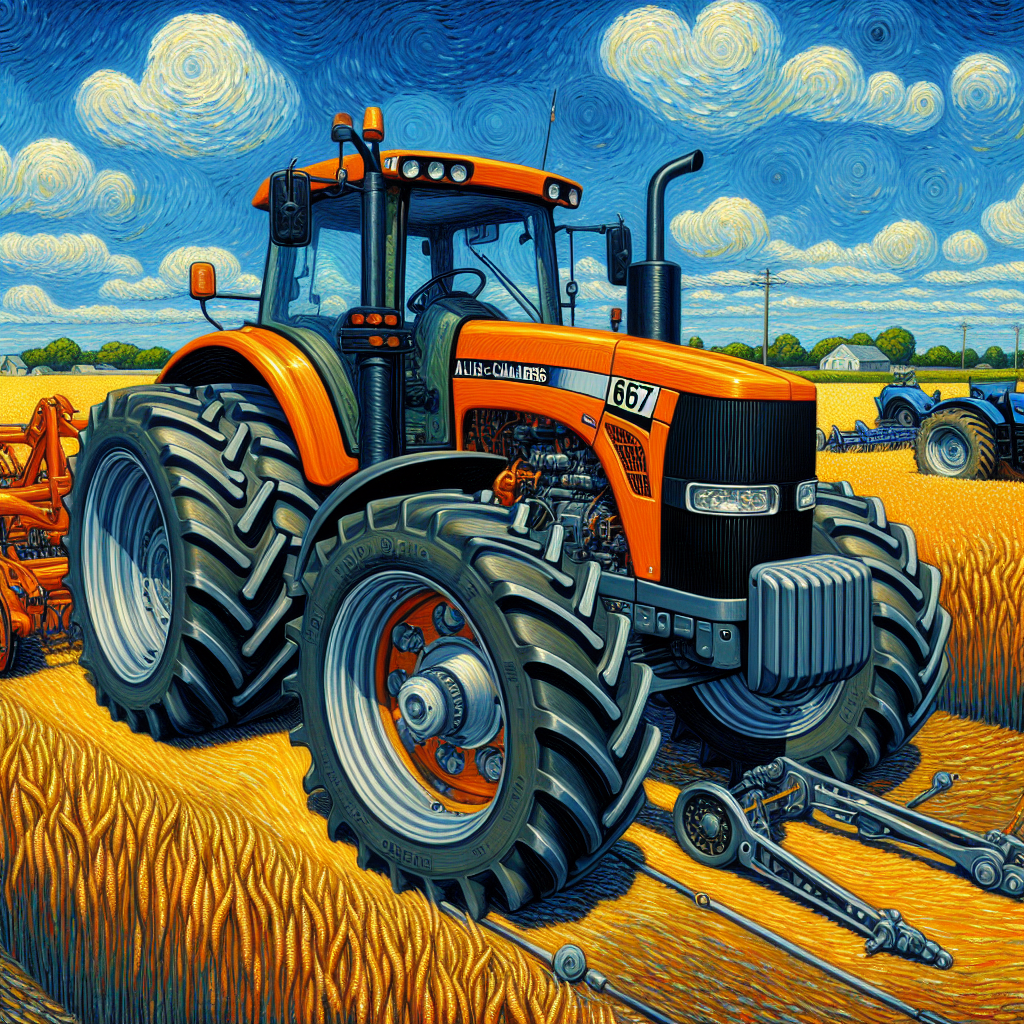
What Hidden Costs Do We Face with New Items?
Do We Trust the Craftsmanship Of Older Products More?
In a world where convenience often trumps quality, it’s worth reflecting on our deep-seated love for products born of a different era—those built with hands and heart. Take a tractor, for instance. Imagine a robust machine, weathered yet standing tall, with the kind of craftsmanship that echoes stories of farmers who worked dawn to dusk, relying on their trusty steed to plow the fields of their ancestors. This relationship with older products goes beyond mere nostalgia; it resonates on a far deeper level, intertwining our values with the very essence of what it means to create something to last.
Craftsmanship is palpable in the very materials and methods of days gone by. Back then, a product was an extension of the maker, imbued with pride, effort, and know-how. When we encounter an old tractor, we see not just metal and mechanics, but the thousands of hands that crafted it, the generations that maintained it, and the communities built around its humble power. Each scratch tells a story, each dent a lesson learned. It’s an ethos of resilience, an understanding that true craftsmanship is a labor of love, not just a transaction.
Consider for a moment what we’ve sacrificed at the altar of mass production. We’ve traded depth for speed, and yet, in our rush, we’ve lost something integral—confidence in our possessions. The charm of older products lies in their reliability. They hold the weight of expectations, a promise of durability that feels rare in today’s marketplace. People are hungry for the assurance that comes with well-built items. When we choose an older product, we choose a legacy, a commitment to sustainability, and, on a fundamental level, an ethical stance against disposable culture.
Sharing stories of my father restoring a vintage tractor, I remember the sparkle in his eyes, the thrill of bringing back to life something that had served so many before us. It wasn’t just about fixing a machine; it was about restoring a connection to our roots. I realized then that trust isn’t merely built on the product’s appearance but on the stories we share—the narratives that link us across generations.
We need to embrace the idea that older products aren’t just relics of the past; they are beacons of quality, integrity, and hard work. When we choose to trust in their craftsmanship, we’re not merely opting for a product; we’re affirming our values and our very identity as consumers and, ultimately, as a community.

Do We Trust the Craftsmanship Of Older Products More?
Do We Trust the Craftsmanship Of Older Products More?
- Older products, like vintage tractors, symbolize craftsmanship and connection to tradition.
- Craftsmanship reflects the effort and pride of makers, creating reliable and enduring items.
- Each imperfection in older products tells a story and represents the history of their creation.
- Mass production has led to a loss of confidence in possessions, favoring speed over quality.
- Older products foster a commitment to sustainability and reject disposable consumer culture.
- Restoration of vintage items connects individuals to their roots and shared narratives.
- Choosing older products affirms personal values and reinforces community identity.

Do We Trust the Craftsmanship Of Older Products More?
Could Repairing Items Reduce Our Overall Environmental Impact?
In a world where the latest gadget steals our attention with vibrant packaging and enticing features, the idea of repairing what we already own can feel completely out of touch. Yet, beneath that shiny veneer lies a profound truth: fixing our belongings not only champions sustainability but also nurtures a relationship with the very tools that shape our lives. Picture your grandfather’s old tractor, a steadfast machine that served his farm for decades. With every rusted bolt and worn tire, it carries stories and struggles that new models can’t replicate. Repairing that tractor isn’t just maintaining a piece of equipment; it’s honoring a legacy, teaching the next generation the value of perseverance, and recognizing the history embedded in our everyday items.
When we choose to repair instead of replace, we’re not merely making a philosophical statement; we’re engaging in a rational, ethical act that echoes through our communities and the planet. Each repaired item represents resources conserved—less energy consumed in manufacturing, fewer raw materials extracted, and less waste cluttering our landfills. Imagine the impact if everyone opted for a repair over a purchase! It would ripple through our economy, shift our consumption patterns, and foster a culture that prizes longevity over convenience.
The heart of the issue lies in our collective mindset. In a society that celebrates the new and the fast, taking a moment to repair, to breathe new life into an object, can feel revolutionary. It invites a sense of pride, a connection to craftsmanship that mass production rarely offers. Reflect on your own experiences. Have you ever joyfully fixed a heirloom lamp or mended a favorite pair of jeans? Those moments create bonds—not just with the objects, but with the people around us who share those experiences.
Moreover, repairing reinforces community. Think of local repair shops as modern-day town squares, places where knowledge is exchanged, skills are honed, and relationships blossom. When you walk into one of these spaces, you’re not just a customer; you become part of a larger story, contributing to an ecosystem that values sustainability and collaboration.
Imagine a future where we restore before we discard, where every repaired tractor tells its story with pride. The invitation here is to rethink not just what we own but how we value it, fostering a connected world that thrives on restoration rather than replacement. Through repair, we can transform not only our belongings but also ourselves, nurturing a deeper respect for the resources that sustain us.

Could Repairing Items Reduce Our Overall Environmental Impact?
Could Repairing Items Reduce Our Overall Environmental Impact?
- Repairing belongings promotes sustainability and fosters a connection with personal history.
- Maintaining items like heirloom tractors honors legacies and teaches perseverance.
- Choosing repair over replacement conserves resources and reduces waste, positively impacting the environment.
- Repairing instills a sense of pride and craftsmanship that mass-produced items lack.
- Local repair shops act as community hubs, enhancing collaboration and knowledge exchange.
- A cultural shift towards restoration encourages valuing longevity over convenience.
- Repair transforms both possessions and personal values, deepening respect for resources.

Could Repairing Items Reduce Our Overall Environmental Impact?
What Stories Do Our Old Possessions Tell About Our Lives?
Our old possessions are more than mere objects; they are vessels of memory, each one a chapter in the story of who we are. Take, for instance, an old tractor parked in the corner of a weathered barn. To the casual observer, it might seem like just a rusty piece of machinery. But to someone who grew up on that farm, it represents early mornings spent working the land, laughter shared with family, and lessons learned in the dirt. It symbolizes resilience, hard work, and the deep connection to roots that many of us carry, even if we’ve left that lifestyle behind.
In the realm of possessions, we often form an unspoken bond with the things we hold onto. A faded photograph might be tucked away in a drawer, the faces smiling back at us from a time when the world felt simpler. It carries with it laughter, heartache, and those fleeting moments of joy that are all too easily forgotten. Each crease and tear tells a story; every dust particle rests in the echoes of our lives. It’s a tangible reminder of the people and places that shaped us, urging us to remember our past as we navigate our present.
Of course, possessions also serve a practical purpose. A well-used kitchen tool, the one that has seen countless family dinners, tells us about our routines and values. It’s the centerpiece of countless gatherings, the silent witness to family traditions and cultural heritage. In holding onto such items, we preserve not just memories, but the essence of who we are and what we stand for. This connection fosters a sense of belonging, reminding us that in a world that constantly changes, there are anchors we can rely on.
Let’s not forget, there’s an ethical imperative in preserving our stories. As we hand down these items to the next generation, we are passing on wisdom, not just the object itself. When a grandchild cradles a beloved childhood toy, they are embracing a legacy, a piece of history that’s now part of their identity. Each old possession becomes a touchpoint, sparking conversations and connections that bridge gaps between generations.
So, the next time you stand in the attic surrounded by the relics of your past, consider the stories they hold. Each item is an invitation to reflect—not just on what it was, but on what it continues to be: a connection to our roots, our values, and ultimately, a clearer understanding of ourselves.

What Stories Do Our Old Possessions Tell About Our Lives?
What Stories Do Our Old Possessions Tell About Our Lives?
- Old possessions are vessels of memory, representing chapters in our personal stories.
- A rusty tractor symbolizes early farm life, family bonding, and resilience.
- Possessions foster unspoken bonds and remind us of simpler times through photographs and memories.
- Items like kitchen tools reflect family traditions, routines, and cultural heritage.
- Preserving items allows us to maintain a sense of belonging in a changing world.
- Handing down possessions carries wisdom and connects generations, embracing legacy.
- Old possessions invite reflection on our roots, values, and self-understanding.

What Stories Do Our Old Possessions Tell About Our Lives?
Conclusion
Repairing old equipment, like that sturdy family tractor, isn’t merely a financial decision; it speaks to a deeper relationship we have with our past and our possessions. Jack’s choice to fix his aging tractor rather than invest in the latest model reveals an emotional connection, a tangible reminder of family history and hard work. Each dent and scratch is a badge of honor, whispering stories of perseverance through generations.
From a rational perspective, the costs associated with new machinery can be staggering. Beyond the initial purchasing price lies a tangled web of maintenance, insurance, and unexpected repairs that can quickly overshadow initial enthusiasm. Conversely, older machinery often calls for straightforward repairs, easier-to-source parts, and less financial burden. By investing time and resources into these older pieces, we often find that they offer both reliability and intimacy that new models overlook.
Ethically, choosing to repair rather than replace aligns us with sustainable practices. In a world enamored with disposability, opting for restoration is a vote for resourcefulness and a commitment to care for our communities. It promotes a culture of sustainability that respects craftsmanship from a bygone era and inspires a healthier relationship with the environment.
Stories of repair resonate deeply, reflecting collective values that bind communities. Every time we choose to restore a piece of machinery or an old object, we’re not merely revitalizing a tool; we’re safeguarding memories, teaching skills to younger generations, and cultivating a mindset that honors the past amidst modern haste. In essence, we’re knitting together a fabric of continuity and pride that enhances our social bonds.
Finally, in trusting the craftsmanship of older products, we affirm our values—not just about durability, but about identity itself. Each restored item becomes a symbol of reliability and legacy, reinforcing a communal sense of belonging. As we move forward, let’s take a moment to consider the allure of maintaining what we have, to embrace the old, for therein lies not just potential savings but a connection to our roots, reminding us that sometimes, the best path forward is the one that acknowledges the wisdom of looking back.

Conclusion
Conclusion:
- Repairing old equipment reflects an emotional connection to family history and hard work.
- Older machinery often requires straightforward repairs, reducing overall costs compared to new models.
- Choosing to repair promotes sustainable practices, contrasting the disposable culture of modern society.
- Restoration aids in safeguarding memories and teaching skills to younger generations.
- The act of repairing reinforces community values and social bonds.
- Restored items symbolize reliability and legacy, enhancing a sense of belonging.
- Embracing older products fosters a connection to our roots and acknowledges the wisdom of the past.

Conclusion
Other Resources

Other Resources
Here is a list of other resources you can review online to learn more:
- Jacobsen
- Schwanke Car, Tractor and Truck Museum
- Thieman Harvester
- Erkunt
- FTMTA
- Fortschritt
- Memo
- IMR Rakovica
- The Magicof Old Tractors
- Bombardier
- Waterloo Manufacturing Company
- TYM
- Eicher Tractors
- Sonalika Tractor
- Case IH
- Antique Tractor Supply
- Holt
- Fahr
- SOMECA
- Ohio Crawford County Antique Farm Equipment Museum
Use This Prompt To Get More Resources With Your Favorite Online AI Tool: Please provide me with a list of online articles with their URLs in a bulleted list that I can read regarding Why Repairing Old Is Cheaper Than Maintaining New

Other Resources
Glossary Terms
Why Repairing Old Is Cheaper Than Maintaining New – Glossary Of Terms
1. Total Cost of Ownership (TCO): Sum of acquisition, operation, maintenance, repair, and disposal costs over an asset’s life; repairing old assets often lowers TCO compared with high upkeep demands of newer, complex models.
2. Lifecycle Cost: The cumulative cost from purchase through disposal; emphasizes that lower upfront costs for new items can be offset by higher long-term maintenance.
3. Depreciation: The decline in value of an asset over time; older items may have lower annual depreciation, making repair more cost-effective than replacing with a rapidly depreciating new model.
4. Capital Expenditure (CapEx): One-time expense to acquire an asset; replacing is a CapEx event often larger than incremental repair costs.
5. Operating Expenditure (OpEx): Ongoing costs to operate and maintain equipment; maintaining new, complex systems can increase OpEx relative to repairing simpler old units.
6. Mean Time Between Failures (MTBF): Average operational time between failures; older equipment with stable MTBF and known weak points can be cheaper to support than new designs with uncertain reliability.
7. Mean Time To Repair (MTTR): Average time required to repair a failure; shorter MTTR for familiar older equipment reduces downtime and labor costs.
8. Preventive Maintenance: Scheduled servicing to avoid failures; newer systems may require more specialized preventive work, raising maintenance costs versus ad hoc repairs of older gear.
9. Corrective Maintenance: Repairs after failure; often cheaper on older, repairable designs than on new systems that demand vendor intervention.
10. Repairability: Degree to which an item can be inspected, dismantled, and restored; high repairability lowers cost and favors repairing old devices.
11. Serviceability: Ease and speed of performing maintenance; greater serviceability in older designs reduces technician time and expense.
12. Modularity: Component-based design that allows replacing parts rather than whole units; many older systems are modular, enabling inexpensive targeted repairs.
13. Standardization: Use of common parts and protocols; standardized components in older equipment reduce spare part costs and simplify repairs.
14. Spare Parts Availability: Presence of interchangeable parts in supply chains; abundant, low-cost spares for older models make repairs economical.
15. Obsolescence: When parts or technologies become unavailable or unsupported; while a risk for very old items, many legacy parts remain available cheaply, whereas new tech may sunset quickly.
16. Vendor Lock-in: Dependency on a single supplier for parts or service; new proprietary systems can force expensive vendor maintenance compared to independent repair of older open designs.
17. Remanufacturing: Restoring used components to like-new condition; remanufacturing older parts is often cheaper than buying new equivalents.
18. Refurbishment: Cleaning, repairing, and upgrading used equipment; a cost-effective alternative to replacing new units with high maintenance needs.
19. Secondary Market: Resale and parts markets for used equipment; robust secondary markets lower repair costs for older assets.
20. Salvage Value: Residual value after repair or at end of life; higher salvage value for maintainable items offsets repair costs.
21. Sunk Cost Fallacy: Tendency to continue investing in an asset because of past expenditures; awareness prevents unnecessary replacement when repair is cheaper.
22. Return on Investment (ROI): Measure of profit from an investment; small repair investments in old equipment can yield higher short-term ROI than costly upgrades with slow payback.
23. Economies of Scale (Repair): Cost advantages from high-volume repair workflows; common older models benefit from established repair economies.
24. Skill and Human Capital: Availability of technician expertise; experienced technicians for legacy systems reduce labor costs compared with training for new technologies.
25. Complexity Cost: Expenses that increase with system complexity; new products often introduce complexity that raises maintenance difficulty and cost.
26. Interoperability: Ability of systems to work together; older equipment with standard interfaces is cheaper to maintain within existing setups than new, incompatible units.
27. Retrofit: Adding new components to old equipment to extend life; retrofits can be a lower-cost alternative to full replacement and ongoing maintenance of new systems.
28. Reliability-Centered Maintenance (RCM): Strategy focusing resources on critical functions; applying RCM to older assets targets inexpensive repairs that preserve value.
29. Hidden Costs: Indirect expenses such as downtime, training, or integration; new products can incur unexpected hidden costs that make their maintenance more expensive than repairing old items.
30. Design for Repairability: Engineering with disassembly and part replacement in mind; older designs often implicitly embody this, lowering repair costs compared with newer designs optimized for other goals.

Glossary Of Terms
Other Questions
Why Repairing Old Is Cheaper Than Maintaining New – Other Questions
If you wish to explore and discover more, consider looking for answers to these questions:
- How do you calculate the true total cost of ownership for repairing an old tractor versus buying a new one?
- What typical repair costs should I expect for common tractor problems (engine, transmission, hydraulics)?
- When is it more economical to replace rather than repair a piece of machinery?
- How can I estimate the remaining useful life of an older machine after repairs?
- Where can I find affordable, high-quality replacement parts for vintage tractors?
- Are there reliable suppliers or networks for hard-to-find or discontinued parts?
- What skills and tools are required to perform common repairs myself?
- How do labor costs for professional repairs compare with DIY repairs in the long run?
- What safety precautions should be taken when repairing heavy machinery?
- How does repairing old equipment affect insurance premiums and coverage options?
- Can repairing older tractors improve fuel efficiency or emissions performance?
- What are the environmental impacts of repair vs. replacement (energy use, waste, carbon footprint)?
- Are there standardized metrics or lifecycle analyses to compare environmental benefits of repair?
- How can I document repairs and maintenance to preserve resale value or historical provenance?
- Does repairing older machinery affect its resale value positively or negatively?
- What warranties or guarantees are available for major repairs or rebuilt components?
- How do financing, interest, and depreciation influence the decision to repair or buy new?
- Are there tax incentives, grants, or subsidies for repairing equipment or using sustainable practices?
- What upgrades or retrofits are feasible to modernize older tractors (electronics, safety, emissions)?
- How compatible are modern parts and technologies with vintage machinery?
- Where can I learn restoration techniques or find mentors (clubs, forums, maker spaces)?
- How do local repair shops and community repair initiatives operate, and how can I support them?
- What are common pitfalls or hidden costs people overlook when restoring old equipment?
- How long does a typical restoration project take, from diagnosis to full operation?
- What criteria should I use to prioritize which items are worth restoring in a household or farm?
- How can I assess the authenticity and provenance of a vintage machine before investing in repairs?
- What documentation or records should be kept during a multi-year restoration?
- How does repairing older items contribute to community resilience and local economies?
- What ethical considerations arise when choosing to repair versus replace (e.g., labor, sourcing parts)?
- How can repair skills be passed to the next generation in practical ways?
- Are there certification programs for repair shops that specialize in vintage agricultural equipment?
- What are safe disposal or recycling options for parts that cannot be repaired?
- How do manufacturers respond to repair culture—do they offer support, parts, or documentation for older models?
- What are the best practices for long-term storage and preservation after a restoration?
- Can repairing items be monetized (restoration as a business or hobby income)?

Other Questions
Haiku
Why Repairing Old Is Cheaper Than Maintaining New – A Haiku
Old machines whisper tales,
To mend is to revive dreams,
Sustain, restore, thrive.

Haiku
Poem
Why Repairing Old Is Cheaper Than Maintaining New – A Poem
In fields where memories grow,
Old tractors stand in silent show,
Rust and wear, like lines on skin,
Whisper tales of where weve been.
Jacks hands restore what time has worn,
A legacy, in labor born,
Emotional pull of historys thread,
Where family roots and stories spread.
New machines gleam with false allure,
Yet hidden costs are not so pure,
Insurance, wear, and fleeting thrill,
Draw us back to what is real.
Nostalgia binds our hearts so tight,
Old quilts and toys, a precious light,
Each dent and scratch, a tale to tell,
A shrine to moments we know so well.
With every fix, a chance to pause,
To save the world and mend the flaws,
For repairing items fuels the soul,
A path towards conserving whole.
In craftsmanship, we find our trust,
Old products hold the weight of us,
A chance to link the past and now,
Restoring bonds, we take a vow.
So gather round those timeworn things,
Their stories soar on gentle wings,
Embrace the old, let new entice,
In every thread, a life’s advice.

Poem
Checklist
Why Repairing Old Is Cheaper Than Maintaining New – A Checklist
Heart Appeals
✅______ Reflect on the emotional connections you have with old items. What stories do they tell?
✅______ Consider how repairing fosters a sense of family heritage and tradition.
✅______ Acknowledge the sentimental value attached to items that have witnessed your journey.
Head Appeals
✅______ Evaluate the long-term costs associated with new items (maintenance, repairs, insurance).
✅______ Compare the cost-effectiveness of repairing older items versus purchasing new ones.
✅______ Investigate the ease of sourcing parts and the reliability of older products.
Gut Appeals
✅______ Trust your instincts: does the allure of the new outweigh the comfort and familiarity of the old?
✅______ Assess the emotional satisfaction derived from fixing and revitalizing old possessions.
✅______ Consider the sustainability impact of choosing repair over replacement.
Ethical Appeals
✅______ Recognize the importance of reducing waste through repair and promoting sustainability.
✅______ Honor the craftsmanship and legacy of older items versus modern, disposable culture.
✅______ Encourage a mindset that values longevity and resourcefulness in your community.
Authority Appeals
✅______ Share stories or testimonials from others who have successfully repaired old items.
✅______ Seek out expert advice or workshops that provide insights on repair techniques.
✅______ Learn from seasoned individuals how preserving older items can enhance life quality.
Narrative Appeals
✅______ Collect narratives about meaningful old possessions—what memories do they evoke?
✅______ Use examples from your life or those around you to illustrate the merits of repair.
✅______ Encourage sharing personal experiences that highlight lessons learned through restoration.
Social Appeals
✅______ Engage with community repair events or workshops to share knowledge and skills.
✅______ Create a network of friends or family who value repair and sustainability.
✅______ Promote the idea that repairing fosters community bonding and shared histories.

Checklist
At ClassicTractorNews, we help tractor lovers keep up with the latest news for classic and vintage tractors.
Please share this post with your friends, family, or business associates who may like old classic or vintage tractors.