


Unlocking The True Cost: The Hidden Price Of A New Tractor Over A Decade
By Tom Seest
At ClassicTractorNews, we help tractor lovers keep up with the latest news for classic and vintage tractors.
Please share this post with your friends, family, or business associates who may like old classic or vintage tractors.
Why Owning a New Tractor Costs 4X More Over 10 Years
Owning a new tractor is a dream for many, conjuring images of wide-open fields, fresh air, and the satisfaction of hard work. Yet, behind that shiny exterior lies a reality that can chew up your budget faster than those diesel engines can churn out horsepower. The stark truth is that over a decade, the costs associated with owning a new tractor can skyrocket, often costing four times more than you initially anticipated.
Let’s get down to brass tacks. You might think of that tractor as a badge of honor, a symbol of your farming prowess. But remember, this machine isn’t just a set of wheels; it’s an investment that pulls weight—literally and financially. First off, consider depreciation. The shiny tractor you drive off the lot loses a chunk of its value faster than you can say “maintenance.” That’s a hard pill to swallow when you realize it might be worth half as much five years down the road.
Then there’s the maintenance—what every farmer knows and fears in equal measure. Those little leaks and hiccups can escalate into costly headaches, not to mention the unexpected repairs that seem to pop up at the worst possible time. It’s like that moment when your kid spills grape juice on your new carpet; you swear they save it for when you’re least prepared.
And let’s address the elephant in the field: financing. Many folks think they can manage a new tractor by merely tackling the monthly payments. That’s where the gut punch comes in. Interest can turn what looks like a manageable expense into a financial burden, dragging you into a cycle where you’re never really yours to own. Beware the allure of “payments you can afford,” as this often leads us down a road paved with burdensome debt.
Now, think about community. Imagine the stories shared over a cup of coffee. Folks gathered around the local café, swapping tales of hard winters and bountiful harvests. Each tractor represents not just a financial decision but a part of a broader narrative—the life of a community rooted in shared struggles and triumphs. Investing in equipment without understanding its true long-term implications can risk not just your wallet but the very fabric of this community you cherish.
Owning a new tractor isn’t just about the mechanics; it’s about knowing your limits, thinking ahead, and honoring the connection we have with our land and our people. Before you leap, remember that a tractor can be a powerful ally or an anchor, depending on the choices you make.

Why Owning a New Tractor Costs 4X More Over 10 Years
Why Owning a New Tractor Costs 4X More Over 10 Years
- Owning a new tractor can cost up to four times more over ten years than initially anticipated.
- Depreciation significantly reduces the tractor’s value, often halving it within five years.
- Maintenance and unexpected repairs can lead to substantial financial burdens for owners.
- Financing can create a cycle of debt, making the tractor feel less like an asset and more like a liability.
- Each tractor represents a financial decision intertwined with community narratives and shared experiences.
- Understanding long-term implications is vital to avoid risking both personal finances and community ties.
- Owning a tractor requires careful thought about financial limits and future implications.

Why Owning a New Tractor Costs 4X More Over 10 Years
Table Of Contents
- Why Owning a New Tractor Costs 4X More Over 10 Years
- Why Does a New Tractor Feel Like a Heavy Financial Burden?
- How Can Budget-Friendly Tractors Revolutionize Farming Efficiency?
- Are There Hidden Costs In Tractor Ownership That We Overlook?
- What Are the Long-Term Benefits Of Investing In a Quality Tractor?
- How Do Maintenance Costs Add Up Over a Decade Of Tractor Use?
- Is It Ethical to Prioritize Short-Term Savings Over Long-Term Value?
- Conclusion
- Other Resources
- Glossary Of Terms
- Other Questions
- Haiku
- Poem
- Checklist
Why Does a New Tractor Feel Like a Heavy Financial Burden?
There’s a moment of unparalleled excitement when you first lay eyes on your new tractor. A gleaming machine, full of promises and possibilities, it stands like a sentinel in your yard, ready to revolutionize your farming experience. Yet, with that excitement comes a weight that many don’t anticipate—a heavy financial burden that can make the heart race for the wrong reasons.
Buying a new tractor often feels like handing over a small fortune. The price tag isn’t just numbers; it’s years of hard work, sweat, and dreams wrapped in steel and horsepower. You can almost hear the echo of your bank account dwindling, and with it, a nagging worry creeps in. Will this shiny beast truly increase my productivity, or have I just committed to a weighty financial obligation?
It’s not just about the initial purchase. There are ongoing expenses—financing costs, maintenance, insurance, and fuel—each bite a reminder of the fiscal commitment you’ve made. Your vision of easy mornings on the field can quickly morph into a mental math problem: Do I have enough to cover the bills? When do I break even? It’s enough to give anyone pause as they survey that imposing machine they now own.
But let’s not forget the underlying purpose of that tractor. Beyond its cost lies the heart of every farmer or landowner—the desire to cultivate, to create, to foster life. You aren’t just investing in equipment; you’re investing in your future, your family legacy, and the land that sustains you. Every time you sit in the cab, your hands gripping the wheel, remember that you’re not just operating machinery; you’re carrying forward a tradition that has sustained generations.
Take a moment to connect with the stories of those who’ve come before us. Picture a farmer in the early 20th century, wrestling with a horse-drawn plow, dreaming of the day when tractors would make their labor lighter. That dream fueled innovation, and today, you stand on the shoulders of giants with a new tractor ready to further that legacy.
Embrace the challenge of integration. Rather than seeing the tractor as a financial anchor, view it as an indispensable ally on your journey. If you think of each row you till, each harvest you bring in as steps toward a sustainable future, that burden starts to feel less heavy—more like an investment in an abundant tomorrow.
Ultimately, the new tractor isn’t just a financial commitment; it’s a commitment to yourself, to your land, and to every future crop awaiting its chance to flourish. In that light, the weight transforms into a badge of honor—an emblem of not just survival, but thriving against the odds.

Why Does a New Tractor Feel Like a Heavy Financial Burden?
Why Does a New Tractor Feel Like a Heavy Financial Burden?
- Excitement and anticipation accompany the purchase of a new tractor, symbolizing promises for farming.
- Financial burden arises from the high cost, reminding buyers of hard work and dreams invested in the purchase.
- Ongoing expenses include financing, maintenance, insurance, and fuel, leading to concerns about financial sustainability.
- The tractor represents the desire to cultivate and create, linking to future family legacies and sustainable practices.
- Historic perspective highlights the evolution of farming tools and the dreams of earlier generations.
- Viewing the tractor as a valuable ally encourages a mindset shift from seeing it as a burden to recognizing it as an investment.
- The commitment extends beyond finances, symbolizing dedication to land, legacy, and future harvests.

Why Does a New Tractor Feel Like a Heavy Financial Burden?
How Can Budget-Friendly Tractors Revolutionize Farming Efficiency?
In the heart of rural America, every farmer has a story that begins with the hum of a tractor. Imagine an old, rusting machine parked in a field, its paint chipped but still proud; it’s not just a vehicle; it’s a lifeline. Enter budget-friendly tractors—machines that promise to transform the future of farming without breaking the bank. These aren’t just affordable alternatives; they’re the heroes in a narrative where efficiency and sustainability collide.
With the rising costs of farming, investing in high-priced equipment can feel like a gamble, one that many are hesitant to make. Yet, a budget-friendly tractor isn’t merely a cost-saving option—it embodies a new mindset. Consider a small family farm that’s been handed down through generations. The owner, grappling with the financial strain of maintaining such a legacy, discovers a reliable, economical tractor. Suddenly, farming becomes less about survival and more about thriving. This tractor hauls produce, plows fields, and even sparks enthusiasm for younger generations to step back into agriculture, fostering a connection with the land that had begun to fade.
Budget-friendly tractors redefine efficiency. These machines aren’t just about horsepower; they symbolize accessibility, allowing farmers—both seasoned and newcomers—to harness technology that was once out of reach. Imagine a single mother balancing work and raising children who, with the help of an inexpensive yet powerful tractor, cultivates her land. She not only produces food for her family but also brings fresh produce to local markets, nurturing her community while bridging the gap between generations. The tractor becomes a tool of empowerment, proving that farming is an attainable dream rather than a relic of the past.
Moreover, the ethics of sustainable farming become intertwined with these budget-friendly solutions. It’s about nurturing the soil and supporting local economies. Each tractor tasks not just a farmer but a steward of the earth, highlighting the responsibility we share in preserving our resources. When more people can afford quality tractors, fewer are reliant on fossil fuels and more are turning to lightweight, energy-efficient models. This shift doesn’t just benefit individual farmers but invigorates entire communities.
As we step into an era where innovation meets necessity, budget-friendly tractors emerge not just as machines but as catalysts for change. They invite us to imagine agricultural landscapes filled with collaboration, sustainability, and hope, reminding us all that farming isn’t just about the crops we grow but the stories we harvest together. So let’s rev up this revolution. Every seed sown in good faith is one step closer to transforming our world—one efficient, budget-friendly tractor at a time.

How Can Budget-Friendly Tractors Revolutionize Farming Efficiency?
How Can Budget-Friendly Tractors Revolutionize Farming Efficiency?
- Budget-friendly tractors are crucial for modern farming, providing affordable alternatives that enhance efficiency and sustainability.
- As farming costs rise, these tractors embody a new mindset, helping farmers transition from survival to thriving.
- They reconnect younger generations to agriculture, ensuring the continuation of family farming traditions.
- These machines symbolize accessibility, making advanced farming technology available to both seasoned and novice farmers.
- Budget-friendly tractors empower individuals, such as single parents, to cultivate land, produce food, and support local markets.
- Sustainable farming practices are promoted through the use of these tractors, fostering responsibility towards resource preservation.
- They serve as catalysts for change, inviting collaboration and hope within agricultural communities.

How Can Budget-Friendly Tractors Revolutionize Farming Efficiency?
Are There Hidden Costs In Tractor Ownership That We Overlook?
When you think about owning a tractor, the image that often comes to mind is one of freedom and hard work — endless fields to till, crops to nurture, and the satisfaction of a job well done. Yet, beneath that shiny exterior lies a world of hidden costs that can turn your dream of ownership into a financial burden.
Consider the emotional connection many feel toward their tractors. It’s not just a machine; it’s a trusted companion. I remember a neighbor, a rugged farmer, who tended to his tractor with a care usually reserved for family heirlooms. He swore it gave him a competitive edge at the county fair. But one day, the engine sputtered to a halt, and he found himself staring down a hefty repair bill. What he learned that day was a lesson echoed by many: the heart of tractor ownership is often overshadowed by unforeseen expenses.
From fuel inefficiencies and maintenance costs to insurance and storage fees, the numbers can stack up faster than accumulated barn dust. It’s easy to overlook the cost of regular servicing — what seems reasonable in principle can add up quickly when you consider parts and labor. Each oil change isn’t merely an expense; it’s an opportunity to keep your tractor running smoothly, but it can also feel like throwing money into an abyss.
On the rational side, consider depreciation. A tractor might be a solid investment, but it’s also a rapidly declining asset, losing value faster than your neighbor can claim the biggest pumpkin at the fall fair. Buyers often forget the impact of age on tractors, with newer models boasting advanced tech that makes older machines look like relics. This isn’t just about money; it’s about making the right choices that will serve you in the long haul.
Ethically speaking, there’s a responsibility that comes with ownership. If you’re going to invest in such a powerful piece of machinery, treating it well translates to better performance and longevity. This fosters a connection with your work, ensuring you’re not just another operator but a steward of the land.
Finally, there’s a social component. The network of tractor owners isn’t just about boasting the newest model; it’s about sharing experiences and supporting one another through the ups and downs of ownership. One evening at the local diner, a group of farmers shared both laughter and trials, united by their machines and the stories they carried.
Owning a tractor is an intricate dance of joy and responsibility, rich with emotional ties and practical realities. Recognizing these hidden costs can turn the journey from merely surviving to truly thriving. Embrace the connections that come with tractor ownership, and ensure your passion and investment yield bountiful returns.

Are There Hidden Costs In Tractor Ownership That We Overlook?
Are There Hidden Costs In Tractor Ownership That We Overlook?
- Owning a tractor symbolizes freedom and hard work, but it comes with hidden costs that may create financial burdens.
- Emotional connections to tractors transform them into more than just machines; they become trusted companions.
- Hidden costs include fuel inefficiencies, maintenance, insurance, and storage fees, which can accumulate quickly.
- Regular servicing is necessary, yet often overlooked, leading to potentially high expenses over time.
- Depreciation affects tractors significantly, with older models losing value rapidly in comparison to newer technology.
- Ownership carries ethical responsibilities; proper care ensures better performance and fosters a connection to the land.
- Social networks among tractor owners provide support and shared experiences, enhancing the sense of community.

Are There Hidden Costs In Tractor Ownership That We Overlook?
What Are the Long-Term Benefits Of Investing In a Quality Tractor?
Investing in a quality tractor is more than a simple purchase; it’s a commitment to your land, your livelihood, and your legacy. Picture the first day you take that metal beast out for a spin. It’s not just machinery; it’s the promise of productive days ahead, the hum of the engine echoing dreams of prosperity. Owning a reliable tractor represents a partnership with the earth, transforming your toil into tangible rewards.
A quality tractor stands tall against the test of time, not just in its performance but in the stories it helps create. Think about generations of farmers before you, their hands rough from work but their hearts warm with pride. That old tractor tucked away in the barn isn’t just a relic; it’s a testament to perseverance. The memories of laughter, sweat, and the aroma of freshly turned soil connect us to a larger narrative of hard work that’s woven into the fabric of our communities.
From a rational standpoint, investing wisely in a tractor means fewer repairs and downtime. Picture this: every hour you save on repairs is another hour spent with your family or pursuing your passions. The cost of a quality machine might feel steep initially, but consider it a wise investment. Over time, it pays dividends. With increased efficiency and productivity, you can scale your operations or focus on new ventures, creating additional streams of income that can sustain you through lean seasons.
Ethically, there’s a profound responsibility that comes with investing in quality equipment. It signifies a commitment to sustainability and responsible stewardship of the land. A well-built tractor minimizes waste and reduces energy consumption, supporting a more eco-conscious approach to farming. It’s not just about you; it’s about ensuring a healthy planet for future generations.
Socially, investing in a reliable tractor helps elevate your standing within the community. It cultivates respect among peers, showcasing your commitment to quality and progress. You become part of a network united by common goals and shared struggles, fostering connections that enrich your life and those around you.
Ultimately, this investment goes beyond mere functionality. It’s about connecting with your roots and realizing that you are part of something much larger. As that tractor rolls across your fields, it carries not only your harvest but also your hopes, dreams, and a bond with the earth that will endure for years to come. It’s not just a machine; it’s your ally in the journey of life.

What Are the Long-Term Benefits Of Investing In a Quality Tractor?
What Are the Long-Term Benefits Of Investing In a Quality Tractor?
- Investing in a quality tractor is a commitment to land, livelihood, and legacy.
- A reliable tractor symbolizes a partnership with the earth, leading to productive outcomes.
- A quality tractor withstands time and aids in creating lasting stories of agricultural perseverance.
- Wise investment results in fewer repairs and downtime, allowing more family and leisure time.
- Investing in a tractor promotes sustainability and responsible land stewardship.
- A reliable tractor enhances community standing and fosters valuable connections among peers.
- This investment transcends functionality, embodying hopes and dreams tied to the land.

What Are the Long-Term Benefits Of Investing In a Quality Tractor?
How Do Maintenance Costs Add Up Over a Decade Of Tractor Use?
How Do Maintenance Costs Add Up Over a Decade of Tractor Use?
Picture this: a dusty field stretches out under the warm sun, a sturdy tractor stands at the ready, its engine humming a tune of promise. For many, that tractor isn’t just a machine; it’s a steadfast partner in the often-rugged journey of farming. Yet, as the seasons pass, the costs associated with that trusty steed can accumulate faster than you can say “harvest time.” Understanding how maintenance costs build up over a decade helps us appreciate the relationship we have with our tractors and the work they do.
Let’s talk numbers. A well-maintained tractor could easily last a decade or more, but every hour in the field wears it down a little bit more. Regular oil changes, filter replacements, and tire rotations might seem like small expenses, but over a decade, those costs can stack up into a mountain of bills. Picture emptying your wallet each time you take that tractor to the shop. Through those years, you might find your investment in maintenance has nearly equaled your initial purchase price.
However, let’s not chase the green-eyed monster of despair just yet. There’s a silver lining: a tractor that’s well cared for often leads to increased efficiency and productivity, ultimately translating to higher yields. Think of it as investing in a trusted friend who helps you succeed year after year. Such investments foster a relationship built on trust, sustainability, and respect for the earth.
Here’s a fresh take: consider the emotional costs of neglecting maintenance. When you overlook needed repairs, you’re not just losing dollars; you’re risking your connection to the land and its cycles. That moment your tractor stalls in the middle of planting season isn’t just inconvenience; it interrupts the rhythm of life. The heartache of watching your hard work falter due to preventable breakdowns can resonate far deeper than the financial outlay for maintenance.
Reflect on your own journey. Maybe it’s those late nights you spent fixing your tractor with your father, sharing stories amid the grease and grime, that bonded you more than any family reunion could. That’s the essence of tractors and their upkeep; they symbolize resilience, community, and hard work.
When you add up those maintenance costs over a decade, you’re not merely tallying numbers. You’re assessing a relationship, a commitment to your land, and the legacy you’re building for future generations. Embrace it, knowing that every dollar spent is a testament to a partnership that helps your dreams grow, year after year.

How Do Maintenance Costs Add Up Over a Decade Of Tractor Use?
How Do Maintenance Costs Add Up Over a Decade Of Tractor Use?
- Maintenance costs for tractors accumulate significantly over a decade.
- Regular services like oil changes and filter replacements can equal the initial purchase price.
- A well-maintained tractor enhances efficiency and productivity, leading to higher yields.
- Ineffective maintenance can cause emotional distress and disrupt agricultural cycles.
- Repairing tractors can strengthen bonds and create lasting memories within families.
- Tractors represent a commitment to land stewardship and a legacy for future generations.
- Every maintenance dollar spent reflects the partnership between farmers and their equipment.
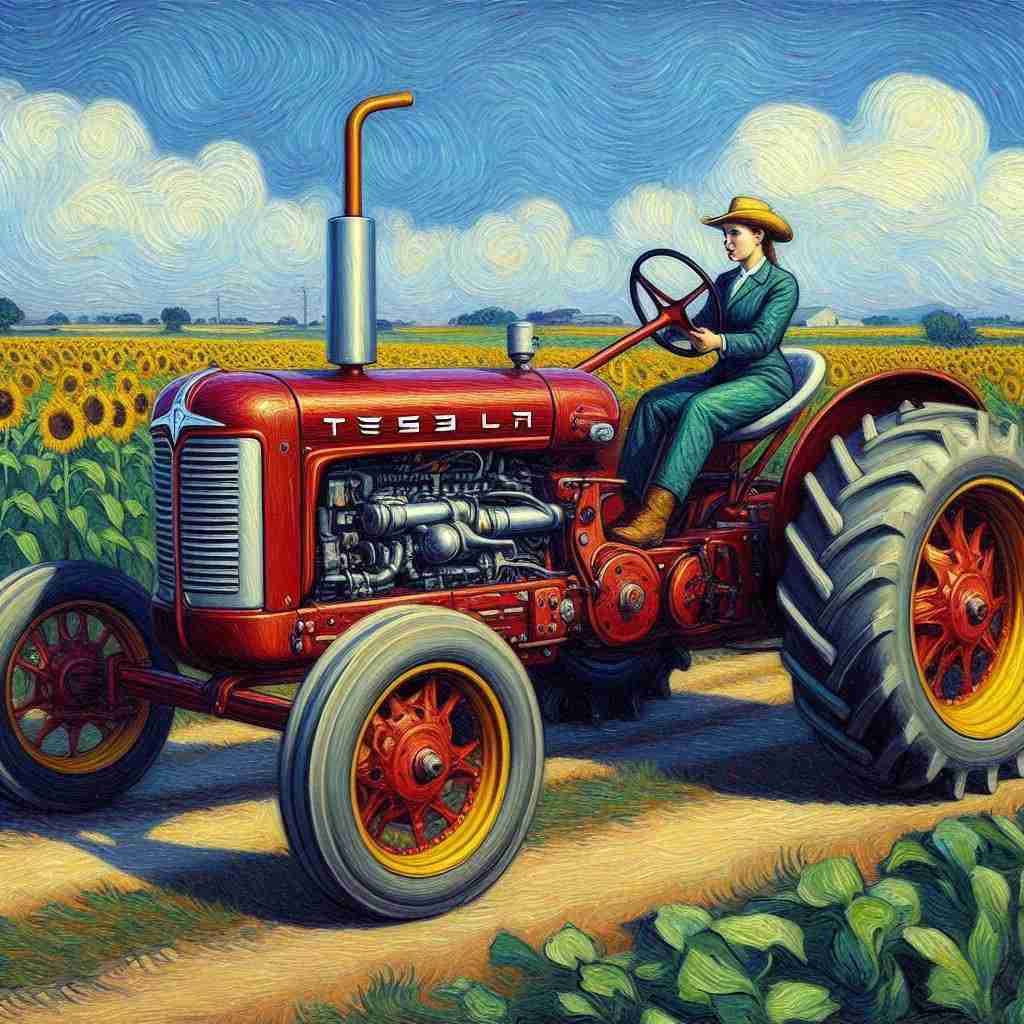
How Do Maintenance Costs Add Up Over a Decade Of Tractor Use?
Is It Ethical to Prioritize Short-Term Savings Over Long-Term Value?
When we think about the choices we make around money, it often feels like standing at a crossroads in the middle of a vast field. Imagine you’re behind the wheel of a tractor, pivoting between immediate profits and long-term potential. Each decision sends a ripple through your finances, relationships, and ultimately, your sense of purpose.
Short-term savings can resemble the shiny, attractive bauble that catches your eye—sure, it glimmers, but what’s lurking beneath the surface? It’s easy to chase those immediate rewards, yet this constant pursuit can lead us to a barren landscape devoid of long-term growth. Consider the farmer who saves every penny by avoiding new equipment. Initially, the savings might seem favorable. However, over time, those outdated tools can lead to decreased productivity. With every harvest that falls short, the reality hits: the tractor, once a symbol of effort and hope, now sits idle, rusting away in the corner of the barn.
What if we paused to reframe our value system instead? Prioritizing long-term value invites a deeper conversation about legacy and sustainability. It’s not just a matter of cents and dollars; it’s a question of ethical responsibility. When we opt for short-term savings at the expense of long-term investments, we risk sacrificing quality for quantity. This can seep into our relationships, too. How often do we cut corners in our connections—choosing instant gratification over trust and commitment?
Let’s evoke the spirit of community. Think of the local businesses that prioritize quality and craftsmanship over fleeting trends. They invest in their story, knowing that while their gains might not be immediate, the trust and loyalty built over time create a robust foundation. These businesses set an example, showing us that value is often found in patience and perseverance.
So, when faced with the temptation of short-term savings, consider the broader horizon. Ask yourself: what am I investing in today that will bear fruit tomorrow? Life isn’t just calculated risks or immediate rewards; it’s about nurturing growth, understanding the cycles of both the land and our relationships. In embracing long-term value, we embrace something bigger than ourselves—a legacy, rooted in trust and progress. That’s a perspective worth cultivating, just like the fertile fields waiting to be harvested by a sturdy, dependable tractor, moving forward with purpose.

Is It Ethical to Prioritize Short-Term Savings Over Long-Term Value?
Is It Ethical to Prioritize Short-Term Savings Over Long-Term Value?
- Decision-making regarding money resembles standing at a crossroads, balancing immediate profits with long-term potential.
- Short-term savings can be tempting but may lead to a lack of long-term growth, similar to outdated farming equipment.
- Prioritizing short-term savings risks sacrificing quality for quantity, affecting financial health and personal relationships.
- Building a value system that focuses on long-term investments encourages ethical responsibility and sustainability.
- Community-oriented businesses exemplify the benefits of investing in quality and trust over immediate gains.
- Reflect on what current investments will yield future benefits, nurturing both personal and financial growth.
- Embracing long-term value contributes to a legacy grounded in trust, progress, and purpose.

Is It Ethical to Prioritize Short-Term Savings Over Long-Term Value?
Conclusion
Investing in a new tractor can feel like tossing a coin into the fountain of your dreams, but it’s essential to peel back the shiny surface and examine the reality behind that gleaming machine. The allure of a brand-new tractor often blinds us to the hidden costs that eventually crop up, and over a decade, those expenses can add up to four times the initial investment. It’s not just about the price tag. It’s about depreciation—the heart-wrenching realization that your shiny new companion loses value faster than you can say “maintenance.” Maintenance itself is a double-edged sword. Initially, it seems manageable, but once you start facing unexpected repairs or routine costs like oil changes, the financial strain can grow like weeds in a garden.
Let’s also talk about financing. Sure, monthly payments might seem like an easy fix. However, the real danger lies in the interest and the potential for chronic debt that clouds your farm’s future. You could soon find yourself on a roller coaster of financial stress, threatening the very dreams you hoped that tractor would help fulfill.
But beyond the numbers and maintenance issues is the deeper narrative of connection to the land and community. Each tractor isn’t merely a machine; it embodies stories of resilience, hard work, and the pulse of rural life. Owning a tractor is about being a part of a legacy, a shared journey with others who navigate the challenges of farming, creating an emotional bond that transcends mere ownership.
Budget-friendly tractors have emerged as transformative allies in this journey. They empower farmers for whom financial flexibility is paramount, enabling them to cultivate their land without being crushed by debt. These machines symbolize accessibility and innovation, allowing both seasoned farmers and newcomers to participate in the agricultural community without compromising their dreams.
Investing wisely, whether in quality tractors or budget-friendly options, means recognizing the long-term implications of your choices, respecting the land, and forging connections that enrich your life and those around you. In the field and in the café, the stories of the past remind us that our choices today will ripple through generations to come.
Owning a tractor can be a badge of honor, but it’s crucial to balance that pride with financial wisdom and community responsibility. Each decision creates a foundation for your agricultural journey, where the risks can either sow seeds of prosperity or bury your dreams in debt. A new tractor has the potential to be not only a financial commitment but a powerful partner in your legacy of farming. Choose wisely and remember, you’re investing in so much more than just machinery.

Conclusion
Conclusion:
- Investing in a new tractor involves hidden costs that can total four times the initial price over a decade.
- Depreciation quickly reduces the value of a new tractor.
- Maintenance costs can escalate due to unexpected repairs and routine upkeep.
- Financing a tractor may lead to chronic debt and financial stress.
- Tractors represent stories of resilience and connection to land and community.
- Budget-friendly tractors provide financial flexibility and empower more farmers to participate in agriculture.
- Owning a tractor is both a financial commitment and a partnership in the farming legacy.

Conclusion
Other Resources

Other Resources
Here is a list of other resources you can review online to learn more:
- Sheppard Diesel
- CLAAS
- Old Tractors
- Wagner
- Bima
- Deutz
- Belarus
- TwinCity
- Johnson Manufacturing
- Schluter
- Somerset Vintage & Classic Tractor Show
- Classic Old Tractors
- Antique Tractor Blog
- Ford-New Holland
- Buhler Industries
- Bristol
- Erkunt
- Northern Neck Farm Museum
- Benye
Use This Prompt To Get More Resources With Your Favorite Online AI Tool: Please provide me with a list of online articles with their URLs in a bulleted list that I can read regarding Why Owning a New Tractor Costs 4X More Over 10 Years

Other Resources
Glossary Terms
Why Owning a New Tractor Costs 4X More Over 10 Years – Glossary Of Terms
1. Purchase price — Upfront cost to buy a new tractor, including MSRP, dealer fees, and taxes.
2. Depreciation — Reduction in tractor value over time; most rapid in initial years.
3. Resale value — Expected amount recovered when selling or trading the tractor.
4. Salvage value — Residual worth at end of useful life for parts or scrap.
5. Loan interest — Finance charges paid when purchasing with borrowed funds.
6. Financing term — Length of the loan, affecting monthly payments and total interest.
7. Down payment — Initial cash paid that reduces the financed amount.
8. Total cost of ownership (TCO) — Sum of purchase, operating, maintenance, financing, and disposal costs over a set period.
9. Operating expenses (OpEx) — Recurring costs such as fuel, oil, tires, and consumables.
10. Capital expenditures (CapEx) — Large investments in equipment, upgrades, or attachments.
11. Maintenance costs — Scheduled servicing, inspections, and routine upkeep.
12. Repair costs — Unplanned expenditures for breakdowns and part replacements.
13. Warranty coverage — Manufacturer or dealer protections that cover certain defects and repairs.
14. Extended warranty — Paid extension of warranty coverage beyond the factory period.
15. Parts availability — Ease and cost of obtaining replacement parts and components.
16. Labor rates — Hourly cost for mechanics and service technicians.
17. Downtime cost — Lost productivity or revenue while the tractor is out of service.
18. Utilization rate — Hours of use per year; higher use spreads fixed costs but accelerates wear.
19. Cost per hour — Combined fixed and variable costs divided by annual operating hours.
20. Fuel efficiency — Fuel consumed per hour or per acre; directly impacts operating cost.
21. Fuel price volatility — Variability in fuel prices that affects budgeting and TCO.
22. Insurance premium — Cost to insure the tractor against damage, theft, and liability.
23. Property/ad valorem tax — Ownership taxes based on equipment value in some jurisdictions.
24. Registration and licensing — Fees required to legally operate or register farm equipment.
25. Incentives and rebates — Manufacturer, dealer, or government programs that reduce initial cost.
26. Opportunity cost — Foregone alternatives from investing capital in a new tractor.
27. Technology premium — Additional cost for advanced features (GPS, automation, emission controls).
28. Telematics/connectivity — Remote monitoring and diagnostics systems that affect service and resale.
29. Lifecycle analysis — Assessment of costs and performance over the tractor’s usable life to determine replacement timing.
30. Economies of scale — Cost advantages from operating multiple machines or larger-scale operations that lower per-unit costs.

Glossary Of Terms
Other Questions
Why Owning a New Tractor Costs 4X More Over 10 Years – Other Questions
If you wish to explore and discover more, consider looking for answers to these questions:
- What is the total cost of ownership (TCO) for a new tractor over 5, 10, and 15 years?
- How is depreciation calculated for tractors and how quickly do different models lose value?
- How do financing terms (interest rate, loan length, down payment) change the long-term cost?
- Are leasing or rental options cheaper than buying new for my workload?
- How does buying used compare to buying new in total lifecycle cost and reliability?
- What are typical annual maintenance and repair costs by tractor class or horsepower?
- Which components are most likely to fail and what are typical repair costs for those parts?
- How many service hours or miles typically trigger major overhauls or component replacements?
- What is the expected lifespan (in hours) of a quality tractor under normal farm use?
- How do fuel type and fuel efficiency affect operating costs year to year?
- Are electric or hybrid tractors cost-effective compared with diesel over a decade?
- How do insurance, registration, and storage fees factor into total ownership costs?
- What warranty options exist (factory vs extended) and are extended warranties worth the price?
- How does availability of local dealer support and parts affect downtime and repair costs?
- What is the resale or trade-in market like for different makes and models?
- How can I estimate cost per acre or cost per hour for a specific tractor and implements?
- What tax implications, depreciation schedules, or incentives (e.g., Section 179, grants) apply?
- What financing pitfalls and predatory loan terms should buyers watch for?
- How do advanced electronics and telematics change maintenance needs and long-term costs?
- Which brands or models have the best reliability and lowest long-term ownership costs?
- How does implementing preventive maintenance reduce total costs over a decade?
- What are best practices for off-season storage to minimize deterioration and costs?
- How does tractor size and horsepower impact fuel, maintenance, and labor savings?
- When does replacing an old tractor with a new one make financial sense (break-even analysis)?
- What are the environmental costs and benefits of different tractor choices?
- Are there government programs, subsidies, or low-interest loans for small farmers buying equipment?
- How do attachments and implements affect purchase price, compatibility, and maintenance?
- What safety features and operator training are required or recommended, and what do they cost?
- How much downtime should owners plan for each year, and how does that affect productivity?
- What are common hidden costs (transportation, modifications, licensing, emissions compliance)?
- How do seasonal workload variations influence the most economical tractor choice?
- Can contracting custom work or hiring machine services be more cost-effective than ownership?
- How do labor savings from mechanization translate into measurable financial returns?
- What metrics and worksheets should I use to compare long-term costs of competing tractors?
- How do community factors—local repair skills, parts sharing, cooperative ownership—change costs?

Other Questions
Haiku
Why Owning a New Tractor Costs 4X More Over 10 Years – A Haiku
Shiny dreams on fields,
Costs rise like the morning sun,
A choice to invest.

Haiku
Poem
Why Owning a New Tractor Costs 4X More Over 10 Years – A Poem
In fields where dreams take flight,
A tractor stands, gleaming bright,
Its promise whispers of the land,
Yet hidden costs stretch forth a hand.
Once a badge of pride and steam,
It drags the weight of hope’s sweet dream;
With every turn and heartfelt toil,
A balance struck tween joy and spoil.
From rusting steel to engines purr,
Each turn reveals a tale to stir,
Yet beneath its power, dread resides
Depreciation, where value hides.
Repairs, like weeds, they spring anew,
Draining resources—what to do?
Interest mounts on loans that bind,
While community ties mustn’t unwind.
Budget-friendly paths invite a glance,
Efficiency dances in the farmers chance;
An old machine may still impress,
Crafting connections that we bless.
A legacy thats built on trust,
Investing in soil, its a must;
With quality’s embrace, we defy the strife,
Transforming plots into fruitful life.
As we calculate each cost and gain,
Remember the heart in this labor’s lane;
For it’s not just metal, nor mere machinery,
But hope for generations, tethered in our history.
So as we steer through fiscal fears,
Let passion guide through the sweat and tears;
The tractors hum, a farmer’s creed,
Navigating dreams, planting hope’s seed.

Poem
Checklist
Why Owning a New Tractor Costs 4X More Over 10 Years – A Checklist
Emotional Appeals
✅______ Reflect on your connection to farming and how a tractor symbolizes your legacy.
✅______ Consider the emotional toll of financial strain versus the joy of investing in your future.
Rational Appeals
✅______ Evaluate the total cost of ownership: initial purchase price, financing, maintenance, insurance, and fuel.
✅______ Calculate the long-term depreciation and compare it to the potential increase in productivity.
Ethical Appeals
✅______ Assess the responsibility of choosing quality equipment over short-term savings.
✅______ Think about the environmental impact and sustainability of your tractor choice.
Authority Appeals
✅______ Consult with experienced farmers or financial advisors about their ownership experiences.
✅______ Review expert opinions on maintenance and investment tips for tractor ownership.
Narrative Appeals
✅______ Gather stories from your community about their tractors and the lessons learned over the years.
✅______ Share personal anecdotes to understand the emotional journey of tractor ownership.
Social Appeals
✅______ Engage with local farming groups to discuss shared experiences and challenges.
✅______ Connect with others to explore how investments in equipment can strengthen community ties.

Checklist
At ClassicTractorNews, we help tractor lovers keep up with the latest news for classic and vintage tractors.
Please share this post with your friends, family, or business associates who may like old classic or vintage tractors.