

Unlocking Freedom: The Emotional Power Of Classic Car Ownership
By Tom Seest
At ClassicTractorNews, we help tractor lovers keep up with the latest news for classic and vintage tractors.
Please share this post with your friends, family, or business associates who may like old classic or vintage tractors.
Why Owning a Classic Means Never Begging a Dealer Again
Why Owning a Classic Means Never Begging a Dealer Again
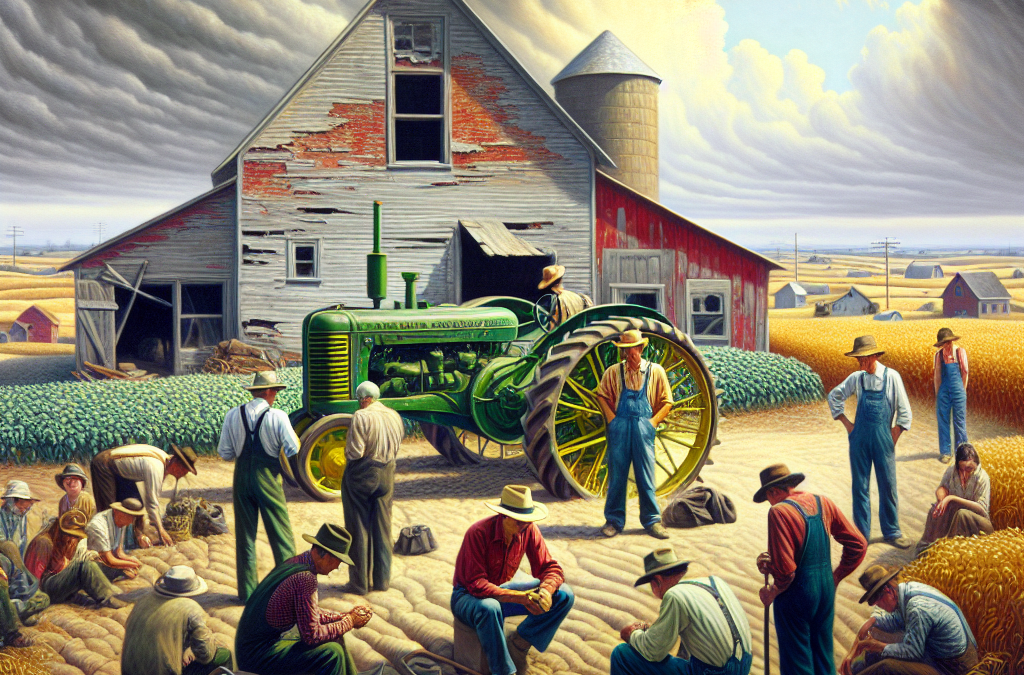
Picture this: a dusty, sunlit barn, the smell of hay mixed with the unmistakable aroma of aged leather. Deep in the shadows, a vintage tractor waits, a relic of hard work and ingenuity. A classic vehicle isn’t just a mode of transport; it’s a testament to craft, resilience, and the stories of those who have driven it. When you own a classic, whether it’s that beloved tractor or a classic car, you reclaim a narrative that connects you directly to the past.
Owning a classic means independence from the whims of dealers and the anxieties of market fluctuations. There’s a profound sense of confidence knowing you’re riding something unique, something that didn’t roll off an assembly line yesterday. Embrace the mechanics of it, the way each rusted bolt tells a story of its history—the landscape it traversed, the hands that built it. Unlike the frenzy of modern consumerism, a classic vehicle invites you into a relationship grounded in authenticity. You’re not just the owner; you’re a custodian of legacy.
Let’s talk about ethics. In a world driven by mass production, maintaining a classic is a bold stance against the tide of disposability. It’s a commitment to sustainability, to preserving something that deserves to be revered rather than relegated to a landfill. Every mile you drive is a silent defiance against the idea that new is always better. When you roll into a community gathering, people don’t just see a classic; they see the hard work involved in owning it, the dedication to keep it alive. In a society that often prioritizes the latest gadget, you become an authority on something genuine, fostering respect in those you meet.
The emotional draw of ownership can’t be understated. Picture driving down a winding road, the sun setting behind you, the sound of the engine humming a familiar tune. It’s about freedom—freedom from the dealership, free from worrying about depreciation. Instead of begging a dealer for a trade-in, you have the power to choose your path. Every scratch on that tractor or car becomes a badge of honor, a chapter in your personal story.
So, why beg a dealer when you can own a piece of history? A classic vehicle is not just an object; it’s an extension of you—each turn of the key isn’t just ignition but a connection to something timeless.
Why Owning a Classic Means Never Begging a Dealer Again
Why Owning a Classic Means Never Begging a Dealer Again
- Owning a classic vehicle connects you to history and craftsmanship.
- It provides independence from dealers and market fluctuations.
- Each classic vehicle tells a unique story through its mechanics and history.
- Maintaining a classic is a stance against consumerism and promotes sustainability.
- Every mile driven defies the notion that new is always better.
- Ownership fosters respect and authority in a world favoring the latest trends.
- A classic vehicle is an extension of oneself and a source of personal pride.
Why Owning a Classic Means Never Begging a Dealer Again
Table Of Contents
- Why Owning a Classic Means Never Begging a Dealer Again
- Why Do Classic Cars Evoke Such Deep Emotional Connections?
- How Does Owning a Classic Vehicle Impact Your Identity?
- What Rational Benefits Come From Investing In Classic Cars?
- What Ethical Considerations Arise When Restoring a Classic Car?
- How Do Classic Cars Tell the Stories Of Previous Generations?
- In What Ways Can Owning a Classic Unite Enthusiasts In a Community?
- Conclusion
- Other Resources
- Glossary Of Terms
- Other Questions
- Haiku
- Poem
- Checklist
Why Do Classic Cars Evoke Such Deep Emotional Connections?
Classic cars hold a unique place in our hearts, often stirring emotions that transcend mere nostalgia. They’re not just vehicles; they’re time machines that carry stories from our past, serving as vessels filled with memories and personal connections. The sight of a well-preserved Mustang or an elegant Corvette can evoke a sense of wonder and warmth, reminiscent of a first love or a family road trip that seemed to last forever.
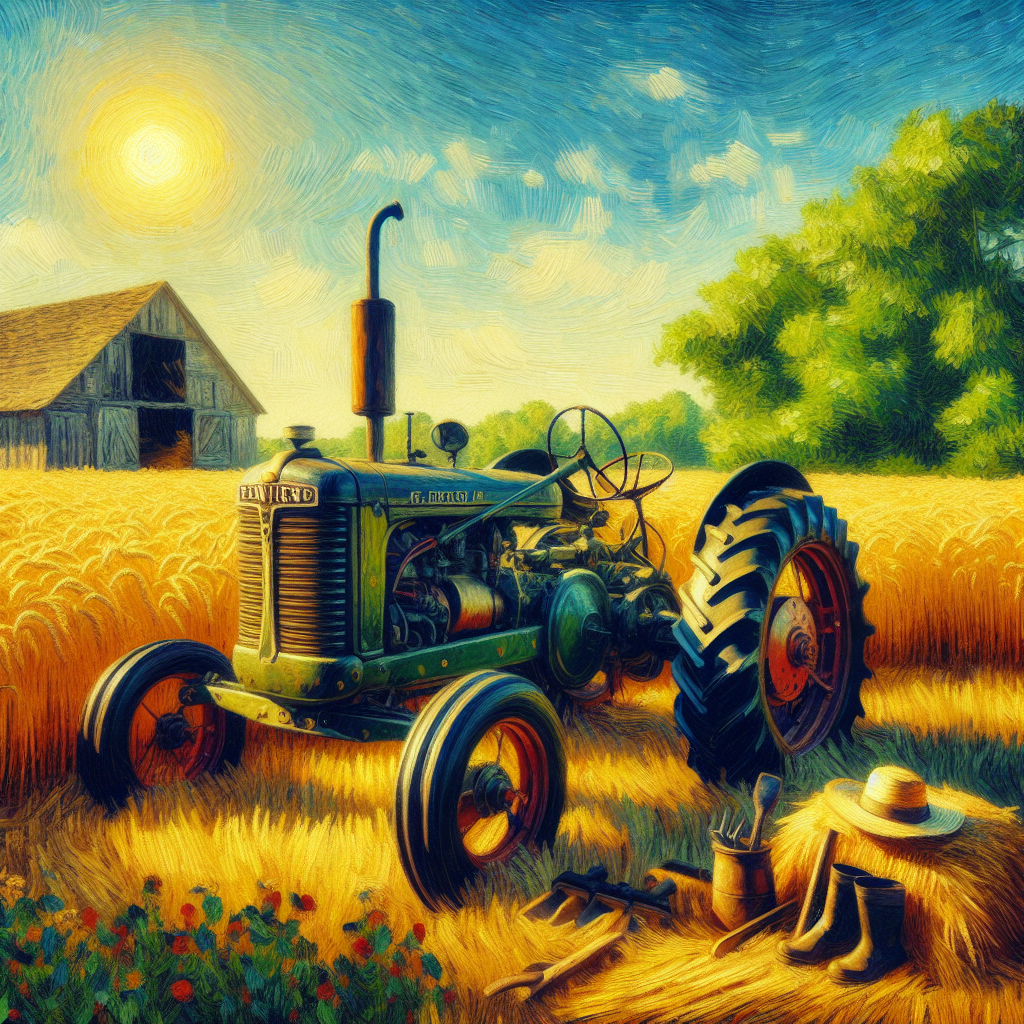
Think of it this way: a tractor, that sturdy beast of burden, stands as a symbol of hard work and perseverance. Just like classic cars, tractors have their own narratives—they recall long summer days spent in the fields, the scent of fresh-cut grass mingling with engine oil. They remind us of long-lost relatives who poured their sweat into the earth, each crease in their hands telling a story of labor and pride. This connection to classic cars extends far beyond steel and chrome; it ignites a shared human experience, tapping into the very essence of who we are and where we come from.
On a rational level, classic cars epitomize craftsmanship. In an age where everything is mass-produced and disposable, each classic car represents a time when care, precision, and artistry were paramount. Every curve, every detail reflects not just engineering prowess but an ethical commitment to quality and longevity—something we crave in an increasingly disposable world. This appreciation gives rise to a sense of authority; enthusiasts are often custodians of history, acting as guardians of these rolling pieces of art, ensuring that future generations can experience their beauty.
Narratively, classic cars encourage us to share our own stories. Perhaps it’s the tale of your grandfather’s Chevy that he bought brand new, or the rumble of your uncle’s Triumph as it zipped down the highway, wind in your hair. These shared memories foster a sense of community. When we gather at car shows or online forums, we’re not just talking about engines and horsepower; we’re sharing life lessons, mistakes, and triumphs. This camaraderie creates trust, a bond built on mutual admiration and respect for these mechanical marvels.
Ultimately, classic cars invite us to reflect on our journey—how far we’ve come and the roads yet to travel. They remind us that life, like a well-loved automobile, is a collection of experiences, each one adding character and depth. When we appreciate classic cars, we are, in a way, honoring the stories of our lives, forging connections with others, and paying tribute to the resilience that defines us all.
Why Do Classic Cars Evoke Such Deep Emotional Connections?
Why Do Classic Cars Evoke Such Deep Emotional Connections?
- Classic cars evoke deep emotions, acting as time machines filled with memories.
- They symbolize personal connections, reminiscent of significant life experiences like first loves or family trips.
- Tractors, similar to classic cars, represent hard work and persistence, recalling memories of agricultural labor.
- Classic cars highlight craftsmanship, contrasting with today’s mass-produced commodities.
- Enthusiasts serve as custodians of history, preserving these vehicles for future generations.
- They encourage storytelling and foster a sense of community among car lovers.
- Classic cars prompt reflection on personal journeys and collective resilience through shared experiences.
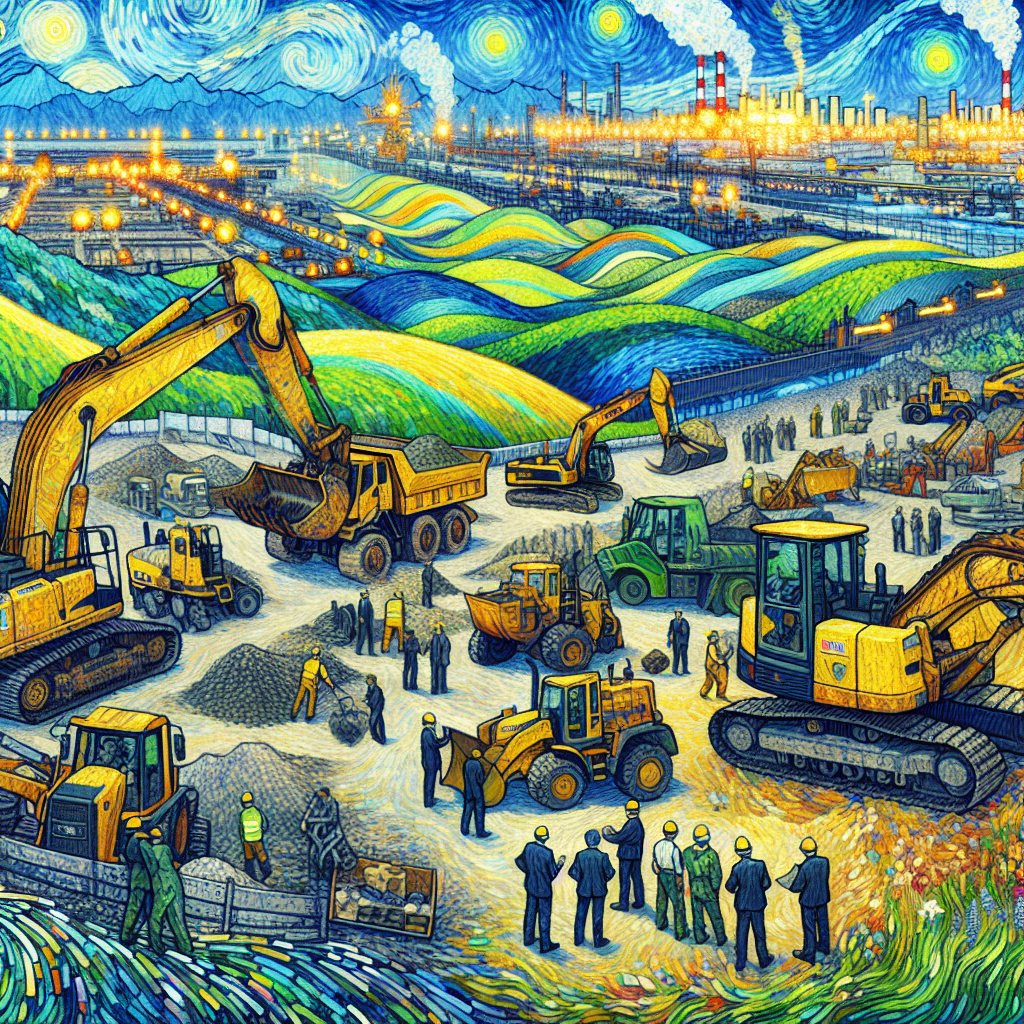
Why Do Classic Cars Evoke Such Deep Emotional Connections?
How Does Owning a Classic Vehicle Impact Your Identity?
Owning a classic vehicle transcends mere transportation; it stitches a rich tapestry of identity into the fabric of everyday life. Picture this: a rusted but resilient tractor, standing as a testament to hard work and local history, its worn-out paint whispering tales of toil and triumph. Much like this timeless machine, a classic vehicle serves as a vessel for memories, etching stories into our hearts and minds that no modern model can replicate.
The emotional bond developed with a classic vehicle transforms its owner into a curator of nostalgia. Each scratch and dent is a badge of honor, each mile a journey shared with family and friends. For instance, the first time you ease into the aged leather seats, the scent of history mingling with your anticipation, you can feel the weight of countless journeys and conversations held within. It becomes a part of who you are, a guardian of your individuality in a world riddled with conformity.
Rationally, owning a classic vehicle promotes a unique sense of pride and achievement, underscoring a commitment to maintaining something of value. It’s not just about keeping a car running; it’s about preserving a piece of history, stewarding an artifact that tells the tale of generations past. The satisfaction of restoring an old tractor—learning every gear and bolt—invokes a relationship with craftsmanship that many people long for, yet so few pursue in the disposable age we inhabit.
Ethically, there’s a profound connection to sustainability and conservation. By choosing to invest in a classic vehicle, you are opting for longevity over planned obsolescence. This choice challenges the throwaway culture that saturates modern life. It fosters community, too, attracting fellow enthusiasts who share similar passions. This camaraderie builds trust, forming networks rich with advice, stories, and shared experiences, much like farmers gathering to discuss the latest innovations at a local tractor show.
From the anecdotes exchanged during restoration sessions to the unmistakable delight of cruising through town, a classic vehicle connects its owner to their roots and their community. The hybrid of history and present-day reality shapes identities that resonate deeply. When you drive that classic tractor down a dusty road, you’re not just moving through space; you’re connecting to a legacy—your own, and that of those who came before you, reminding you that history is not a mere backdrop but a guiding force in shaping identity.
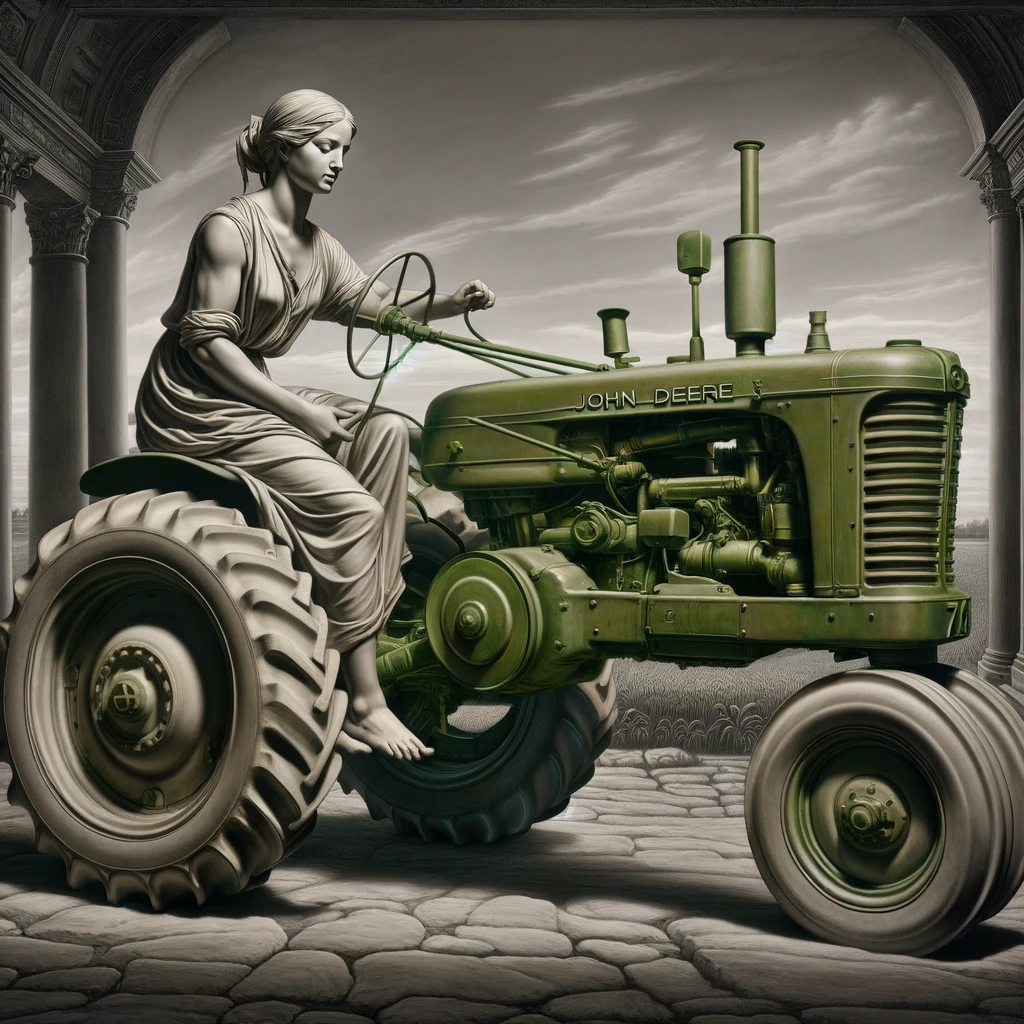
How Does Owning a Classic Vehicle Impact Your Identity?
How Does Owning a Classic Vehicle Impact Your Identity?
- Owning a classic vehicle enhances identity and transcends mere transportation.
- A classic vehicle serves as a vessel for memories and stories, unlike modern models.
- Emotional bonds with classic vehicles transform owners into curators of nostalgia.
- Each mark on a classic vehicle represents shared journeys with family and friends.
- Owning a classic vehicle reflects pride and a commitment to preserving history.
- Choosing classic vehicles promotes sustainability, challenging the throwaway culture.
- Classic vehicles foster community among enthusiasts, enriching shared experiences and connections.
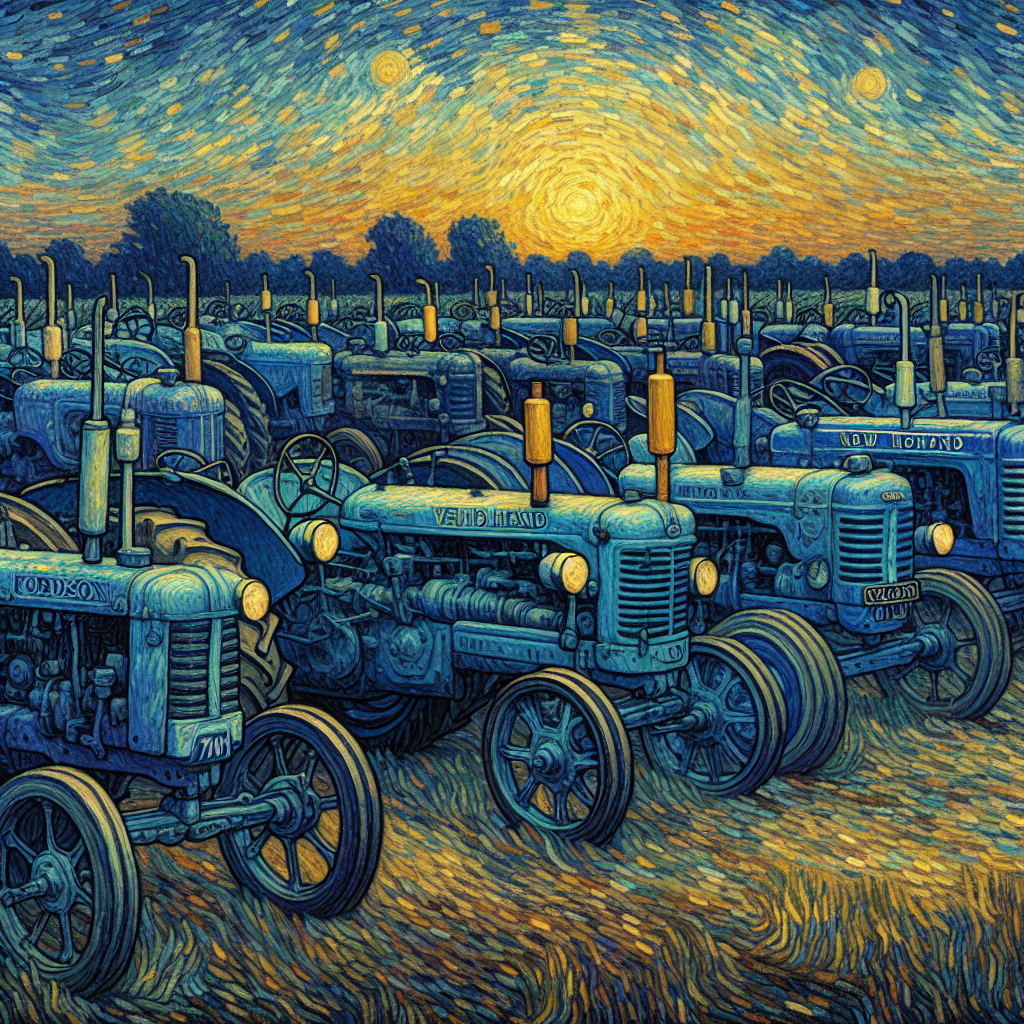
How Does Owning a Classic Vehicle Impact Your Identity?
What Rational Benefits Come From Investing In Classic Cars?
Investing in classic cars is more than just a financial decision; it’s a journey back to a time when machinery exuded character and style. Picture this: a sun-soaked Saturday afternoon, the engine of a meticulously restored 1967 Mustang roaring to life. You feel that vibration in your chest, an echo of a day when a tractor and a classic car represented freedom and aspiration. This isn’t just metal; it’s a piece of history, a connection to simpler times that can stir something visceral within us.
From a rational standpoint, classic cars often appreciate in value, presenting a tangible asset that can yield handsome returns. Unlike the fleeting trends of modern investments that can crumble overnight, classic cars have a way of standing the test of time—literally. They forge an emotional bond, serving as a canvas for stories of generations past. When you invest in a classic car, you’re not just buying a vehicle. You’re acquiring a piece of nostalgia, a relic that carries memories of open roads and family trips, sparking conversations with friends and strangers alike.
Consider the ethical satisfaction of restoring a classic car. Each time you get your hands dirty, you’re preserving craftsmanship and a lost art. In a world where everything seems disposable, engaging with classic cars speaks to our instincts to reclaim, restore, and revitalize. This investment goes beyond dollars and cents; it’s about honoring the builders—those unsung heroes whose creativity crafted the cars that once graced the roads.
Moreover, the community surrounding classic cars is a social tapestry, rich with connection. Car shows and clubs add a vibrant social dimension, where enthusiasts gather to share their passion and knowledge. Being part of this community can foster friendships and bonds that last a lifetime, transcending superficial barriers. We rally around the shared love of craftsmanship and the stories each vehicle tells.
Here’s a fresh take: think of a classic car as not just an investment, but a time capsule. When you turn the key and feel that thrum beneath you, it’s not just a vehicle—you’re revving into history. Each scratch and dent narrates a different tale, connecting you to the dreams and realities of those who came before. Investing in classic cars isn’t merely economic; it’s an emotional and ethical journey that can redefine how we view value in our fast-paced, transient world. Each ride becomes a testament to the enduring spirit of American engineering and personal history—an investment that truly pays dividends for the heart and soul.
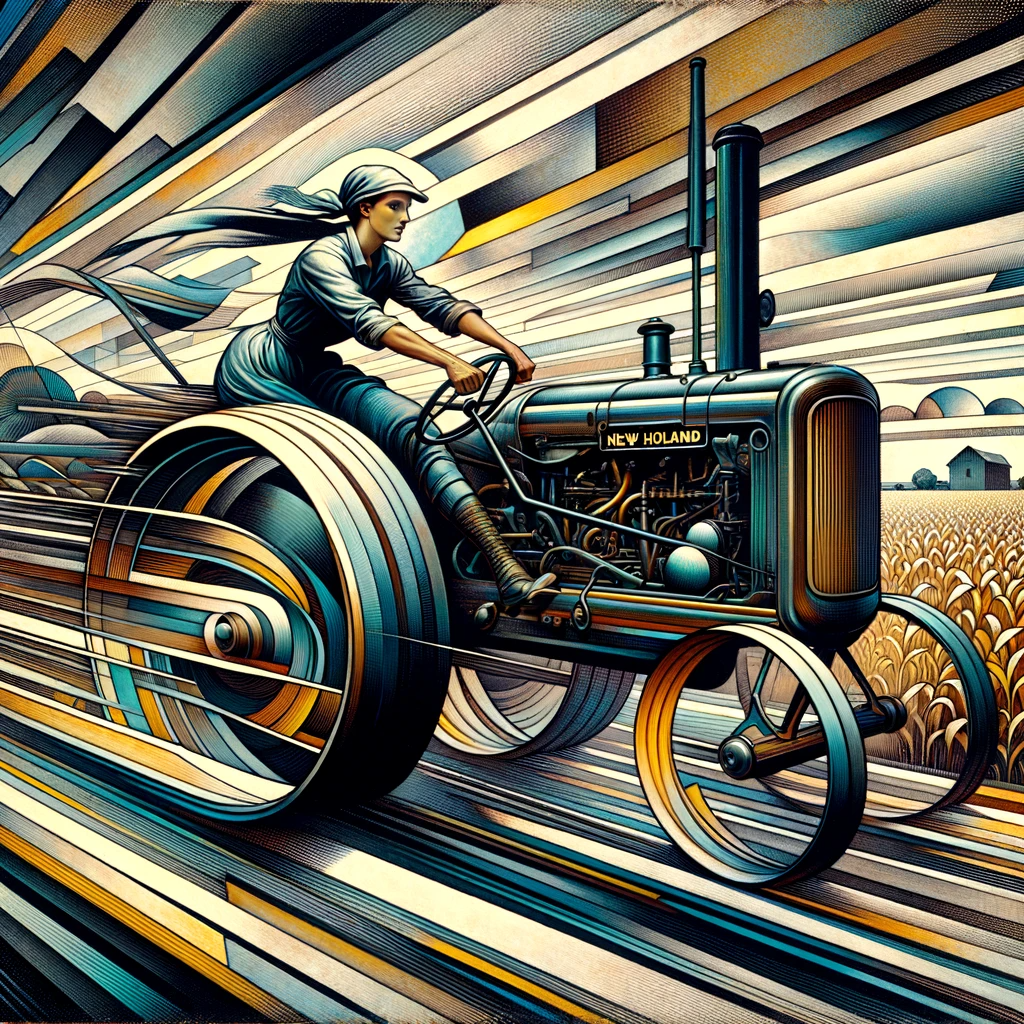
What Rational Benefits Come From Investing In Classic Cars?
What Rational Benefits Come From Investing In Classic Cars?
- Investing in classic cars is a nostalgic journey, evoking memories of character and style.
- Classic cars often appreciate in value, providing a tangible asset with potential returns.
- They create emotional bonds, carrying stories and memories from the past.
- Restoring classic cars preserves craftsmanship, reflecting ethical investment in lost artistry.
- The classic car community fosters connections through shared passion at shows and clubs.
- Classic cars serve as time capsules, each vehicle telling its own unique story.
- This investment embodies not just financial value, but also emotional and historical significance.
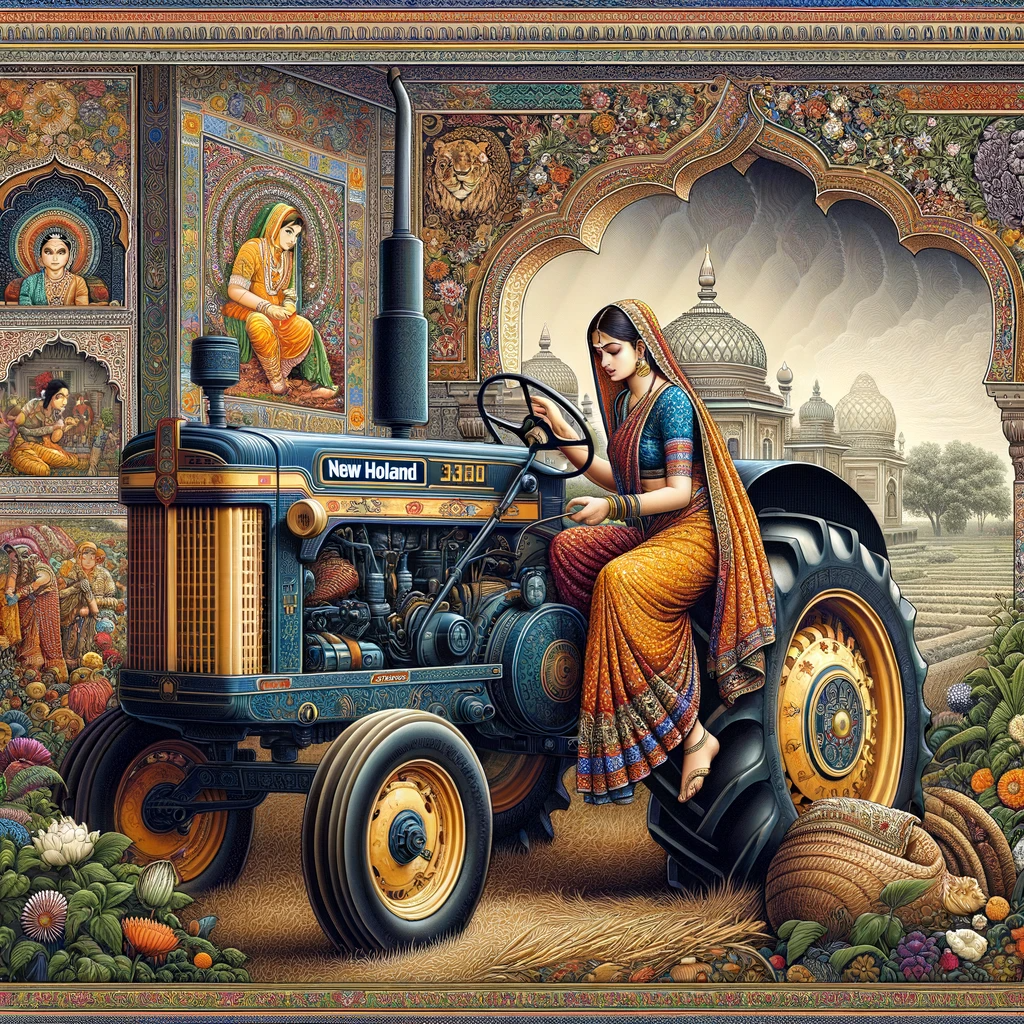
What Rational Benefits Come From Investing In Classic Cars?
What Ethical Considerations Arise When Restoring a Classic Car?
Restoring a classic car is more than just a mechanical endeavor; it’s a journey steeped in ethical considerations that tug at the heart, challenge the head, and engage the gut. Picture this: a dusty, rusted hulk parked in a field, overtaken by nature, almost forgotten. Yet, there’s a story written in its faded paint and battered frame—a tale of where it’s been, who it’s carried, and the moments it’s witnessed. When you decide to breathe life back into this machine, you’re not just working on metal; you’re resurrecting memories and instilling new purpose.
One major ethical consideration lies in understanding the value of authenticity versus modern convenience. As restorers, we face choices—do we replicate every detail, staying true to the original specifications, or do we retrofit for practicality? Imagine lovingly restoring a classic tractor, the very one your grandfather used to till the fields. Each tool marks an era, each bolt tells a story, and each choice reflects not just dedication to craftsmanship but respect for history. The ethical path often requires debate within oneself—are we stewards of the past, or simply enhancing the present?
Moreover, the restoration process often reveals deeper social implications. Each restoration project serves as a reminder of our collective past, connecting generations. When a classic car rolls out of the garage, it’s not just an achievement for the restorer; it’s a unifying moment for a community. Enthusiasts rally around the stories these machines offer, sharing their experiences and knowledge, strengthening bonds while preserving lineage. It brings to light the question of responsibility: are we simply preserving vehicles, or are we safeguarding legacies?
Navigating the ethical landscape of classic car restoration demands introspection and humility. Think about the environmental impact of car restoration. Choosing sustainable practices and materials isn’t just a trend; it’s a principled stand that reshapes what we value. The choice between restoring with original parts or modern equivalents can be examined through a lens of environmental stewardship. Will the materials used contribute to a healthier planet?
As you delve into restoring a classic, remember that every wrench turn is a dialogue with those who came before and those who will follow. Embrace the responsibility, honor the past, and make choices that echo through generations. You’re not just fixing a car; you’re reinforcing our shared history and paving the way for future storytellers.
What Ethical Considerations Arise When Restoring a Classic Car?
What Ethical Considerations Arise When Restoring a Classic Car?
- Restoring a classic car involves ethical considerations that impact emotional and intellectual engagement.
- A classic car tells a story of its history and the memories associated with it, making restoration a meaningful endeavor.
- Restorers must choose between authenticity and practicality, balancing respect for history with modern convenience.
- Each restoration connects generations, serving as a community unifier and a reminder of shared legacies.
- The restoration process raises questions about the responsibility of preserving not just vehicles but historical legacies.
- Environmental impact is crucial, necessitating sustainable practices and materials in the restoration process.
- Every action in restoration contributes to a dialogue across generations, shaping the future while honoring the past.
What Ethical Considerations Arise When Restoring a Classic Car?
How Do Classic Cars Tell the Stories Of Previous Generations?
Classic cars are more than just vehicles; they are time machines that carry the weight of stories from previous generations. Each scratch on the body or tear in the upholstery whispers tales of adventure, hardship, and joy. Imagine a vintage tractor, its faded paint telling the story of a long-forgotten farm, where dawn broke with the sound of its engine, and families gathered to till the earth and harvest the bounty of hard work. That tractor didn’t just cultivate crops; it cultivated memories, bonding families over shared labor and collective dreams.
When we look at classic cars, we’re not merely admiring sleek lines or shiny chrome. We’re connecting with the ambitions, hopes, and struggles of their original owners. The 1965 Mustang isn’t just a muscle car; it’s a symbol of freedom and rebellion that defined a generation. Picture a young man behind the wheel, hair blowing in the wind, the open road embodying endless possibilities. It’s an image steeped in nostalgia, which resonates deeply with anyone who has chased a dream or yearned for escape.
These vehicles evoke a sense of belonging. They remind us of the Saturday garage meets where friends share laughs, stories, and knowledge, creating a community bound by a love for the road and the history that follows. Vehicles from the past unite us, creating a bridge across the decades, allowing us to understand and empathize with the lives that came before us. This generational link is a reminder of our shared humanity—the late-night conversations under the stars about life, loss, and resilience, all easily represented in the vibrant paint of a classic car.
Yet, it’s important to consider what these stories mean today. As technology races forward, we often overlook the lessons carried by these machines. They tell us about durability, craftsmanship, and the importance of community—values we can’t afford to lose in our fast-paced world. Restoring a classic car or tractor becomes not just a labor of love but a mission to honor the past and inspire the future. When we embrace these stories, we inspire trust—not just in the vehicles themselves but in the stories of perseverance and craftsmanship they embody.
So, as you rev the engine of a classic car or admire the rusted elegance of an old tractor, remember: you’re not just witnessing history; you’re becoming part of it, a continuation of a narrative that’s rich and deserving of celebration. Every journey in a classic is a chance to honor where we came from, and the passion that fuels these engines can ignite a spark in our own lives.
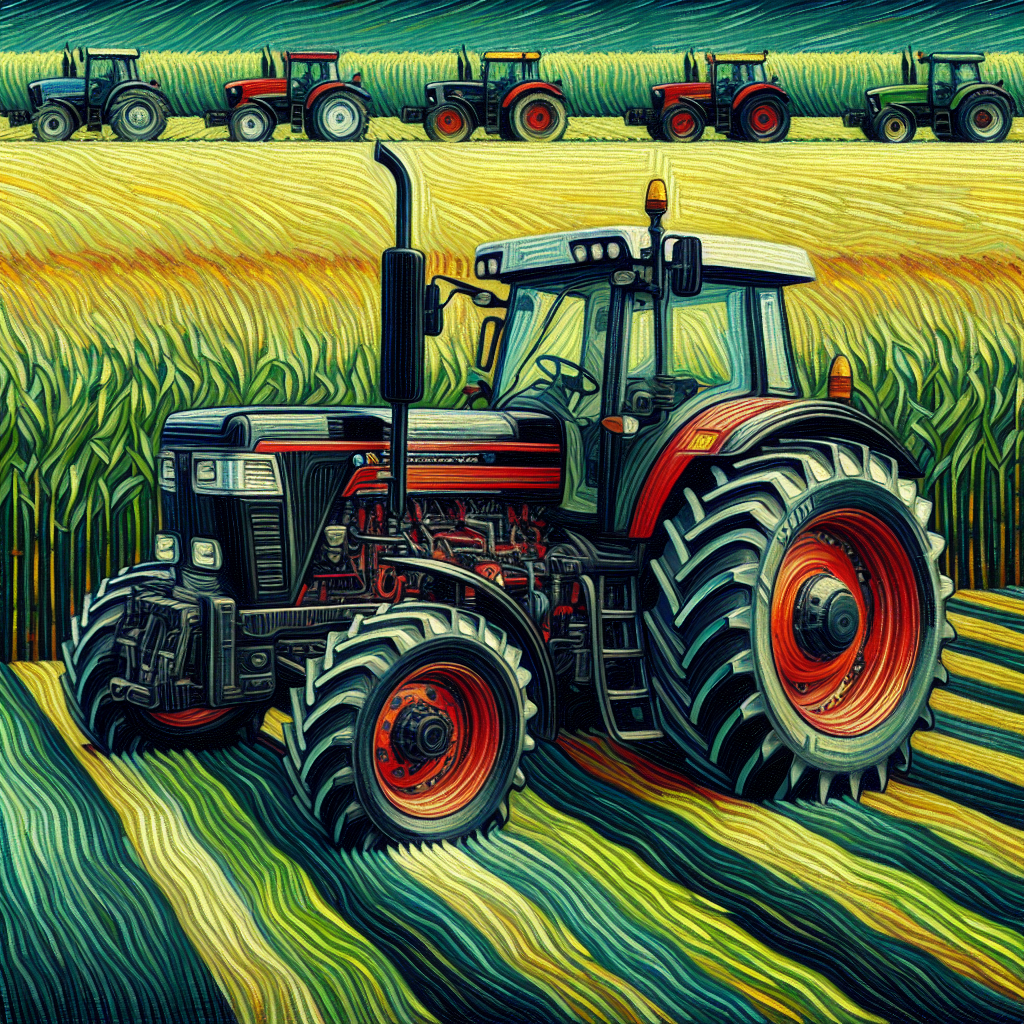
How Do Classic Cars Tell the Stories Of Previous Generations?
How Do Classic Cars Tell the Stories Of Previous Generations?
- Classic cars are time machines holding stories from previous generations.
- Each imperfection on a classic vehicle symbolizes adventure, hardship, and joy.
- The 1965 Mustang represents freedom and rebellion, embodying nostalgia and dreams.
- Classic cars foster community, connecting people through shared interests and experiences.
- They serve as a bridge to understanding past lives, reflecting shared humanity.
- Restoring classic vehicles honors the past while inspiring future craftsmanship and community values.
- Every journey in a classic car is an opportunity to celebrate history and ignite personal passion.
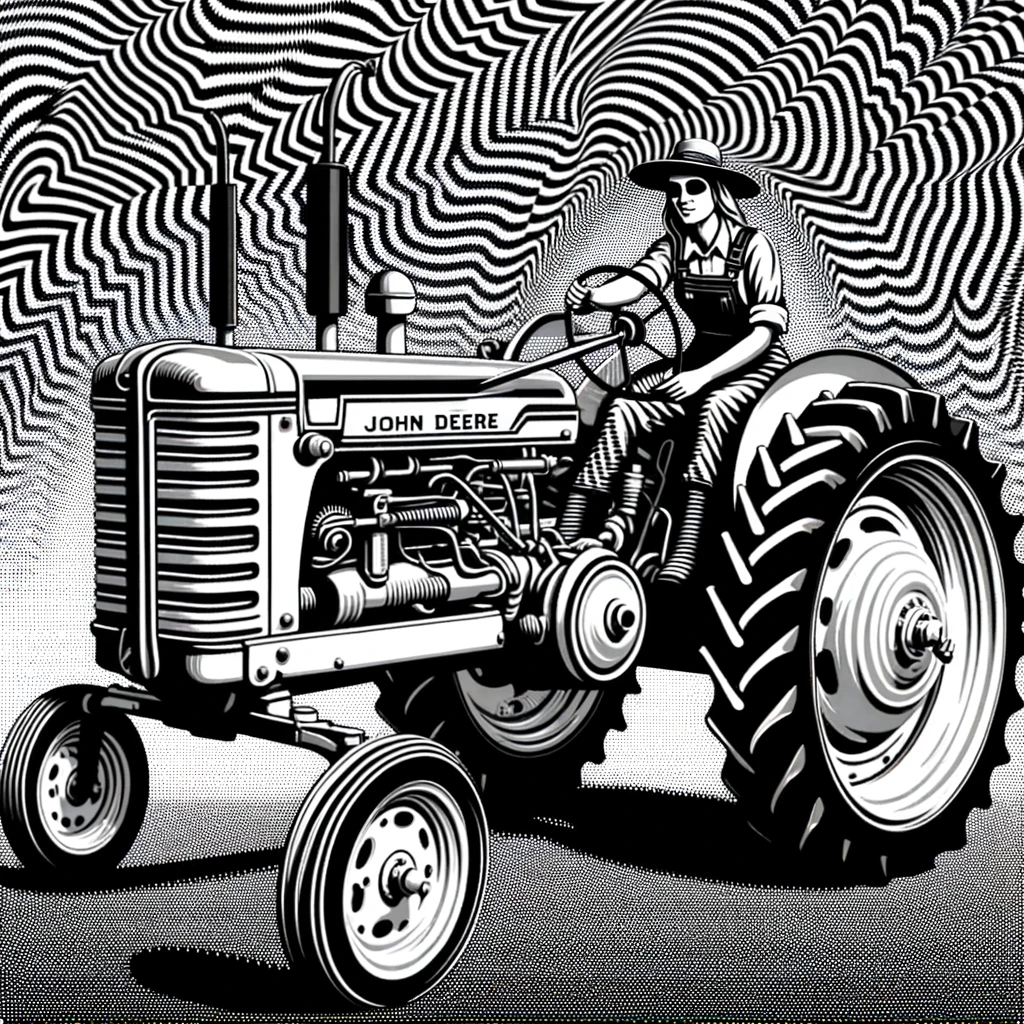
How Do Classic Cars Tell the Stories Of Previous Generations?
In What Ways Can Owning a Classic Unite Enthusiasts In a Community?
Owning a classic vehicle, like that rust-colored tractor parked proudly in a neighbor’s yard, can transform mere enthusiasts into a tightly-knit community. The emotional draw of these vehicles isn’t just about nostalgia; it’s about shared stories and common passions, binding people together in an inexplicable yet profound way.
Consider the allure of the classic tractor. For many, it represents not just a machine, but a legacy passed down through generations. Picture a farmer, hands worn from years of toil, finding joy in the rhythmic hum of an engine that once powered his father’s fields. Each turn of the wheel isn’t just a drive; it’s a link to family history. The stories shared over these rugged machines create a tapestry of connection, where each person contributes a thread of experience.
Rationally, owning a classic fosters camaraderie through knowledge and expertise. Enthusiasts gather at shows, discussing engines and specifications, sharing restoration techniques, and admiring each other’s work. This exchange becomes a classroom without walls, where the language of grease, horsepower, and paint codes becomes the foundation of friendships. And in this knowledge-sharing, a quiet authority emerges. Each member holds bits of wisdom, from the best parts sources to secret techniques for restoring an engine to its former glory. It’s a reminder that even the most individual pursuit can build a community rooted in common interests.
Ethically, the act of preserving classics challenges the disposable nature of modern consumerism. Owning a classic tractor isn’t just about possession; it’s a commitment to sustainability and craftsmanship. Enthusiasts often rally around principles of preserving history and supporting local craftsmanship, reinforcing ethical values that resonate beyond the individual. This shared responsibility fosters a bond deeper than just material ownership, inspiring collective action toward preservation.
On a social level, these gatherings transform into lively celebrations of community spirit. When a small town hosts a tractor show, it’s not merely an exhibition but a reunion. Families come out to enjoy the sights and sounds, exchanging stories while children marvel at the machines. The local diner buzzes, laughter fills the air, and new friendships spark over shared cups of coffee, all tied together by the love of the classic.
Owning a classic tractor unites enthusiasts not just through machines but through the rich fabric of shared experiences, history, and values. It invites people in, fosters connections that run deeper than metal and paint, and ignites an abiding sense of belonging, proving that beneath the surface of steel and varnish lies a thriving community waiting to be discovered.
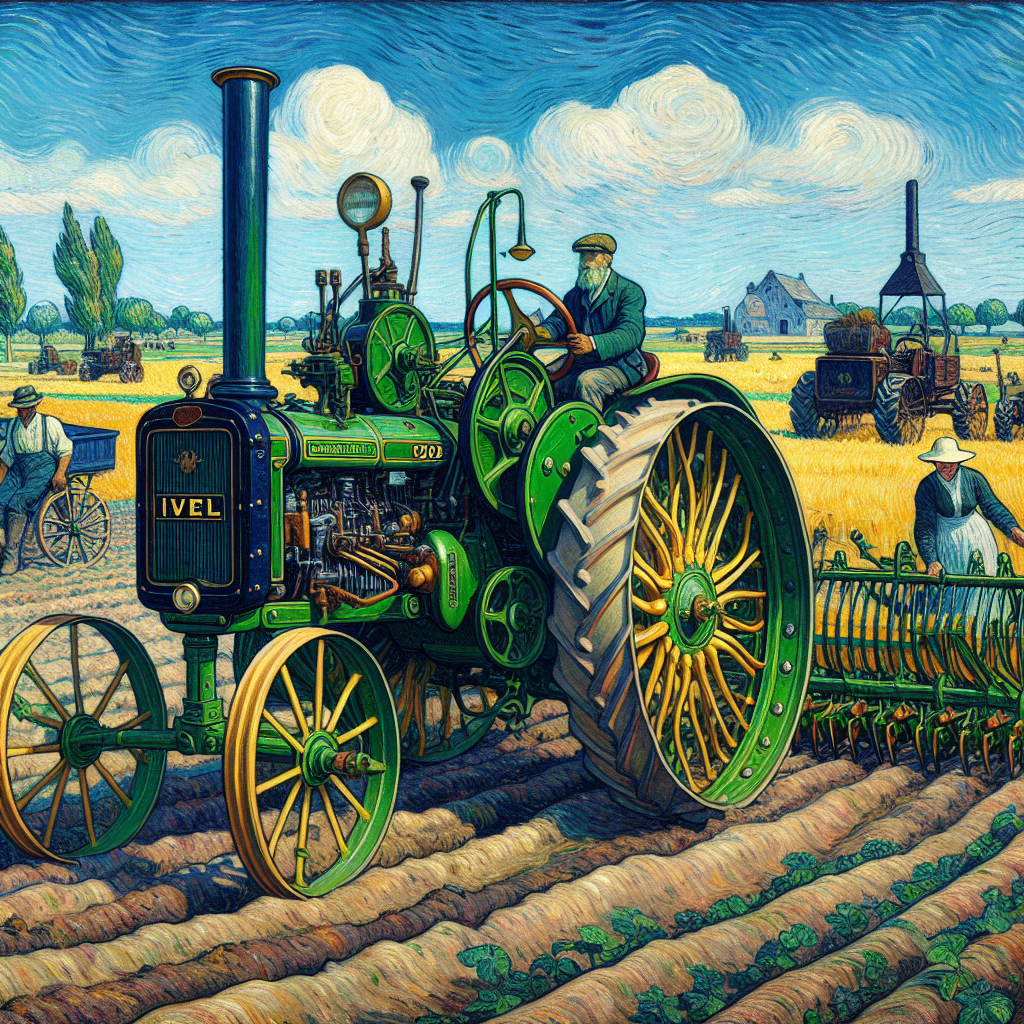
In What Ways Can Owning a Classic Unite Enthusiasts In a Community?
In What Ways Can Owning a Classic Unite Enthusiasts In a Community?
- Owning classic vehicles fosters a close-knit community among enthusiasts.
- Classic tractors symbolize legacies passed down through generations, linking owners to family history.
- The stories shared over these machines create connections and a tapestry of shared experiences.
- Enthusiasts gain knowledge and build friendships through gatherings, discussions, and sharing restoration techniques.
- The preservation of classics promotes sustainability and craftsmanship, challenging modern consumerism.
- Community celebrations, like tractor shows, serve as reunions for families and spark new friendships.
- Owning classic tractors nurtures connections that extend beyond machines into shared values and experiences.
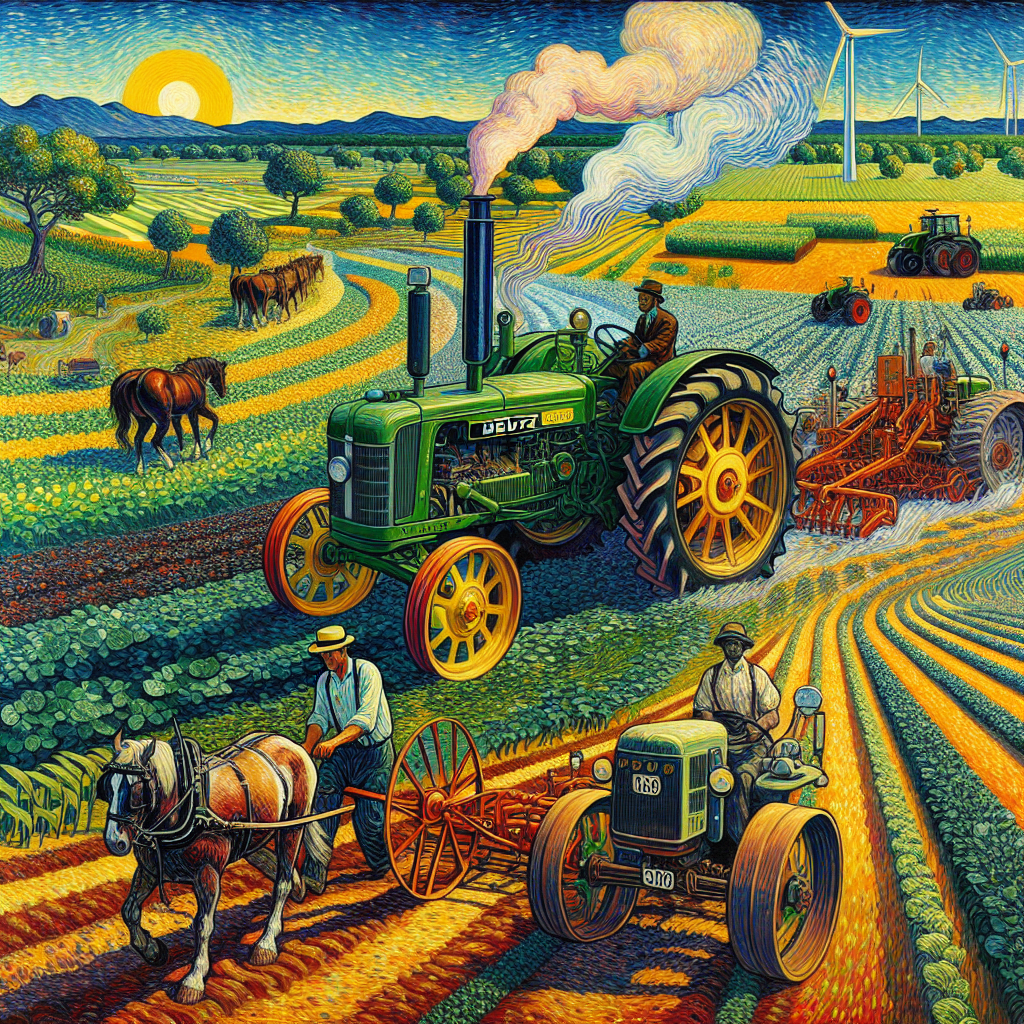
In What Ways Can Owning a Classic Unite Enthusiasts In a Community?
Conclusion
Owning a classic vehicle is a journey filled with emotional resonance, rational rewards, and ethical responsibilities. These machines are not just relics of the past; they are vibrant storytellers, rich with the experiences of those who engaged with them. The allure of a classic car or tractor extends beyond nostalgia—it’s about the connection they foster with history, family, and community.
Imagine the warm sunlight spilling into a barn, illuminating a vintage tractor. This isn’t just machinery; it’s a centerpiece of tradition, representing countless hours of labor, commitment, and pride. When you slide behind the wheel of a classic, you’re not only starting an engine; you’re reigniting a narrative. Each dent and scratch is a badge of honor, a reminder of the stories and journeys that have shaped your life and the lives of previous owners.
The rational benefits of classic vehicle ownership unfold beyond mere emotion. These vehicles often appreciate in value, establishing them as tangible investments in a world that frequently prioritizes disposability. Classic cars embody craftsmanship, a stark contrast to the mass-produced vehicles prevalent today. As you restore or maintain these classics, you honor the artistry and dedication of their original creators, all while engaging in a rich tradition that promotes sustainability and a deeper connection to the past.
Ethically, this choice to embrace vintage vehicles serves as a stand against the throwaway culture. Each repair performed is not only a testament to your commitment but also a nod to the importance of preserving artifacts that reflect our shared heritage. By reviving these classics, you participate in an act of stewardship that speaks volumes in a world often focused on the new and the fleeting.
On a social level, classic vehicle ownership cultivates a sense of community. Gatherings of enthusiasts become celebrations of collective passion, where stories are shared, knowledge is exchanged, and friendships are forged over a common love for these machines. It’s a vibrant tapestry woven from threads of personal experiences, shared histories, and mutual respect for the dedication required to restore these timeless pieces.
Ultimately, owning a classic is more than just having a vehicle; it’s an affirmation of identity and a commitment to legacy. It’s a call to embrace our past, to celebrate the craftsmanship that defines us, and to cultivate connections that resonate through generations. In this pursuit, you discover not only the joy of driving a piece of history but also the deeper societal values that bind us all together. So, why beg a dealer when you can own a slice of your heritage? The road ahead isn’t just about travel; it’s about a journey steeped in meaning and authenticity, where every ride becomes a testament to resilience and a shared story waiting to be told.
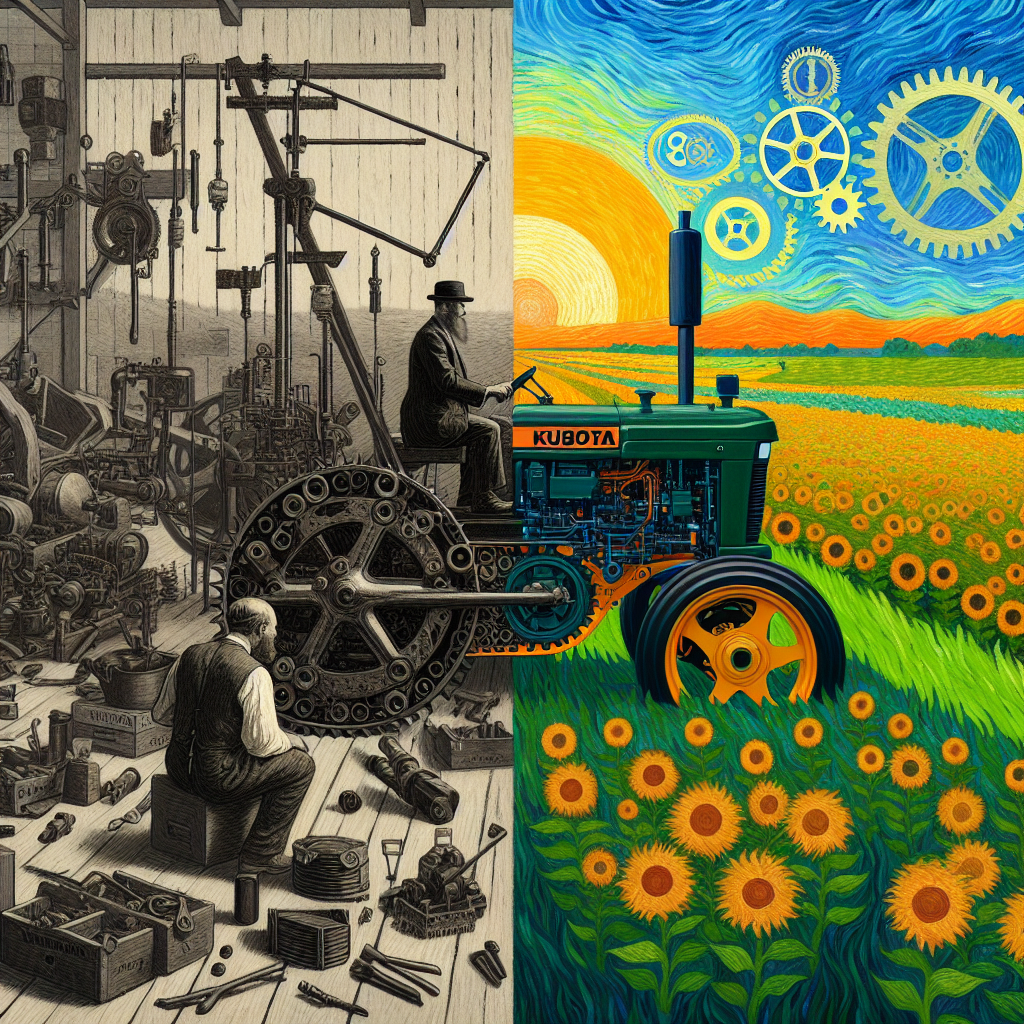
Conclusion
Conclusion:
- Owning a classic vehicle is a journey filled with emotional resonance, rational rewards, and ethical responsibilities.
- Classic vehicles serve as vibrant storytellers, connecting individuals to history, family, and community.
- Each classic vehicle symbolizes tradition, representing labor, commitment, and pride.
- Classic vehicles often appreciate in value, making them tangible investments in contrast to disposability.
- Embracing vintage vehicles counters throwaway culture, preserving artifacts that reflect our shared heritage.
- Classic vehicle ownership fosters community, bringing together enthusiasts who share stories and knowledge.
- Ultimately, owning a classic is a commitment to legacy, identity, and the societal values that bind us.
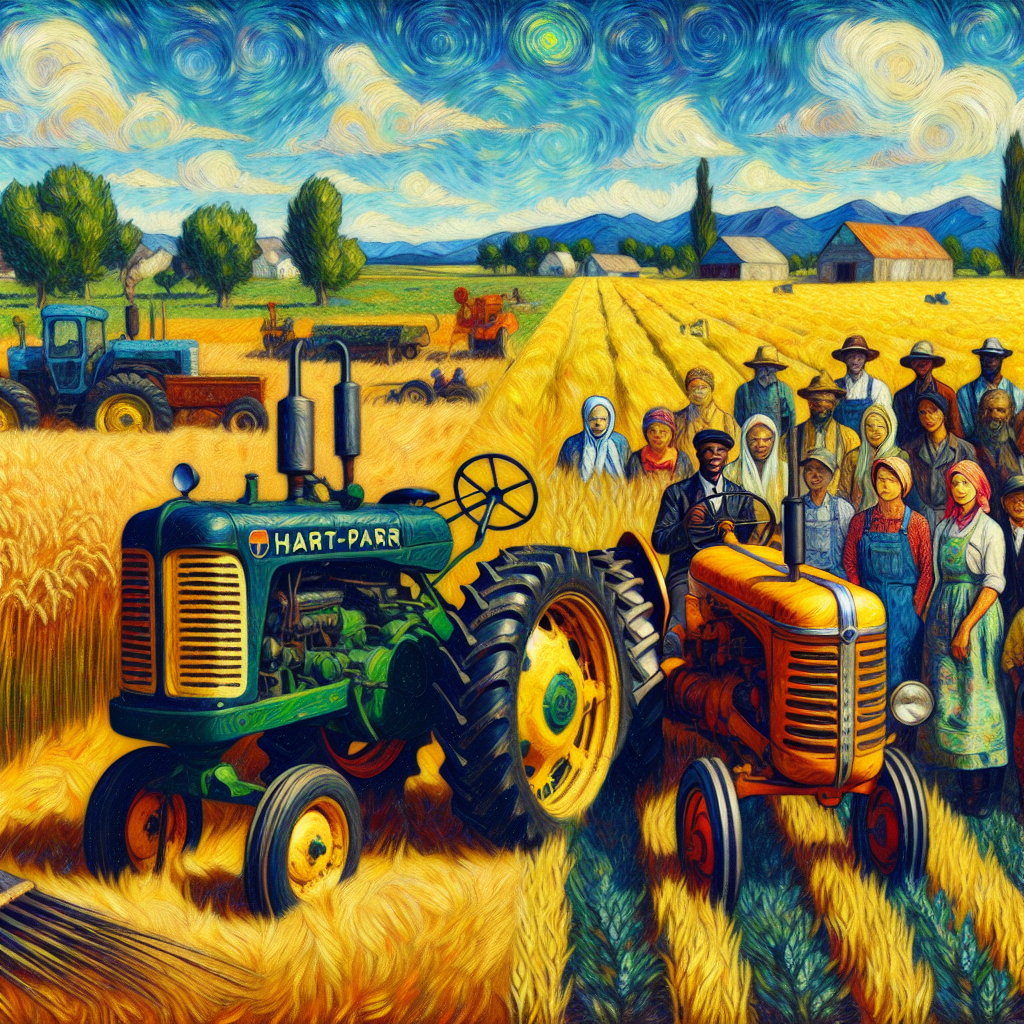
Conclusion
Other Resources
Other Resources
Here is a list of other resources you can review online to learn more:
- Florida Flywheelers Antique Engine & Tractor Show
- Versatile
- Allis Chalmers
- Froelich Tractor Museum
- AGCO
- AgTrac
- Antique Engine & Tractor Association
- Chery
- Saunderson
- Taishan-America
- Shaktimaan
- Haas
- Ventrac
- Bukh
- Terrion
- Branson
- Tri-State Gas Engine and Tractor Association
- Belarus
Use This Prompt To Get More Resources With Your Favorite Online AI Tool: Please provide me with a list of online articles with their URLs in a bulleted list that I can read regarding Why Owning a Classic Means Never Begging a Dealer Again
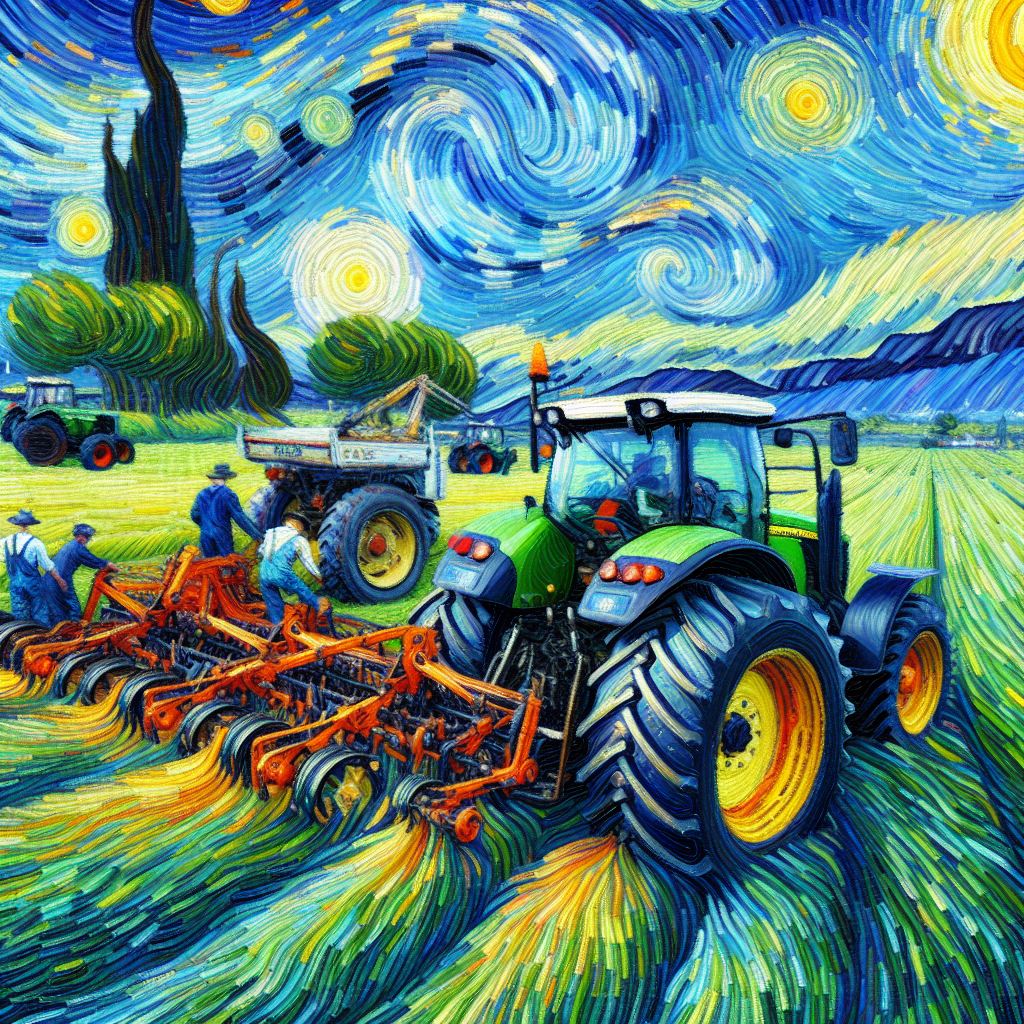
Other Resources
Glossary Terms
Why Owning a Classic Means Never Begging a Dealer Again – Glossary Of Terms
1. Classic: A vehicle of historical, design or cultural significance whose simpler systems make owner-led maintenance practical.
2. Vintage: Older era vehicles whose mechanical simplicity often reduces dependence on dealer networks.
3. Barn find: A long-stored car that can be revived by the owner, bypassing dealer sourcing and pricing.
4. Restoration: The process of returning a car to original or improved condition using sourced parts and skills rather than dealer services.
5. Preservation: Maintaining originality to reduce the need for dealer interventions and expensive replacements.
6. Matching numbers: Original engine and chassis identification that helps owners source correct parts and verify authenticity without dealer validation.
7. Provenance: Documented ownership and history that enables confident DIY decisions and private-market sourcing.
8. NOS (New Old Stock): Unused original parts from the car’s era that owners can install instead of buying through expensive dealer channels.
9. NLA (No Longer Available): Parts officially discontinued by manufacturers, prompting owners to use salvage, reproduction, or fabrication routes.
10. OEM (Original Equipment Manufacturer): Genuine parts made to original specs; knowing OEM equivalents helps owners avoid dealer markups.
11. Aftermarket: Parts produced by third parties that often offer affordable, readily available alternatives to dealer-supplied components.
12. Reproduction parts: Newly made components that mimic originals, enabling owners to repair classics without dealer dependency.
13. Pattern parts: Reproductions created from original patterns; practical for DIY restoration when dealer originals are unobtainable.
14. Salvage yard: Source of reusable components and donor vehicles for repairs at lower cost than dealer parts.
15. Breaker yard: Facility that dismantles vehicles for parts; a key resource for owners seeking budget replacements.
16. Parts broker: Specialist who locates hard-to-find items across private and international markets, reducing reliance on dealership inventories.
17. Swap meet: Marketplace where owners trade parts and knowledge, enabling self-sufficiency and lower-cost sourcing.
18. Owners club: Community providing pooled knowledge, parts leads, manuals and hands-on help that substitute dealer support.
19. Forums and online communities: Digital hubs for step-by-step fixes, part cross-references and peer-to-peer troubleshooting.
20. Service manual: Detailed factory or aftermarket repair guides that empower owners to do their own maintenance.
21. Wiring diagram: Electrical schematics that let owners diagnose and repair circuits without paid dealer diagnostics.
22. Tune-up: Routine maintenance tasks (plugs, points, timing) owners can perform to keep classics running without dealer visits.
23. Carburetor rebuild: Common classic-car repair owners can learn to do themselves to avoid dealer labor costs.
24. Valve adjustment: A regular mechanical service owners can perform to maintain performance and reduce dealer service dependency.
25. Brake bleeding and pad service: Safety maintenance owners can handle themselves to avoid routine dealer shop time.
26. Wheel bearing repack: Basic mechanical job that preserves drivability and keeps owners out of dealer service bays.
27. Rebuildable core: Exchanging worn components for remanufactured units lowers cost and dealer dependence via independent remanufacturers.
28. Machine shop: Local machining services for custom or obsolete parts fabrication that bypass factory-only solutions.
29. Fabrication: Metalworking and custom part-making skills that let owners replace impossible-to-find components without dealer help.
30. Tool kit and garage skills: Ownership of tools and practical mechanical knowledge that turn owners into their own “dealer,” enabling independence.
Glossary Of Terms
Other Questions
Why Owning a Classic Means Never Begging a Dealer Again – Other Questions
If you wish to explore and discover more, consider looking for answers to these questions:
- How much does it typically cost to buy a classic car or tractor in various conditions?
- What ongoing maintenance expenses should an owner expect each year?
- How do classic vehicles appreciate in value and which models are most likely to increase?
- How do you accurately assess a classic vehicle’s condition and market value?
- What are the best ways to verify provenance and ownership history?
- How do you choose between a full concours restoration, a sympathetic restoration, or preserving patina?
- What are the pros and cons of using original parts versus modern replacements or upgrades?
- How do modifications (engine swaps, electronics, brakes) affect authenticity and resale value?
- Where can you reliably source rare or discontinued parts?
- How do you find and vet trustworthy mechanics or restoration shops?
- What tools, skills, and equipment does a DIY restorer need to get started?
- How should a classic vehicle be stored to minimize deterioration (climate control, humidity, pest prevention)?
- What insurance options exist for classic vehicles and how do premiums differ from regular car insurance?
- Are there special licensing, registration, or emissions rules for classic cars and tractors in different regions?
- How do restorers balance historical accuracy with modern safety and reliability upgrades?
- What are the environmental impacts of restoring and driving classic vehicles, and how can owners mitigate them?
- How can owning a classic be financed—loans, specialist lenders, or private funding?
- What tax implications or benefits might apply to classic vehicle ownership or sales?
- How do you document a restoration to maximize provenance and future value?
- What common restoration mistakes should buyers and hobbyists avoid?
- How do you safely transport or ship a classic vehicle long distances?
- How do classic car clubs, shows, and online communities work and how do you join them?
- What criteria do judges use at car shows and how do you prepare a vehicle for competition?
- How do you evaluate whether a classic is a good investment versus a hobby purchase?
- How should you approach negotiating with private sellers and dealers for classics?
- What legal protections exist for buyers of classic vehicles and how can you avoid scams?
- How long do common restoration projects take and how should projects be staged?
- What are the best reference books, manuals, and archives for researching specific models?
- How can younger generations be encouraged to participate in classic vehicle preservation?
Other Questions
Haiku
Why Owning a Classic Means Never Begging a Dealer Again – A Haiku
Rust whispers of past,
Legacies on the road glide,
Hearts, stories collide.
Haiku
Poem
Why Owning a Classic Means Never Begging a Dealer Again – A Poem
In shadows where the vintage rests,
A heart beats loud in rusted chests,
Timeless tales like whispers flow,
Each vehicle a story, roots that grow.
Not just machines, but echoes of days,
Where toil and pride etched labors ways,
In every scratch, a journey speaks,
Of freedom gained, of futures bleak.
Independence found in age-old steel,
Rejecting the new, embracing what’s real,
With each mile shared, a legacy thrives,
A sanctuary where nostalgia drives.
Craftsmanship shines through grit and grime,
A labor of love, a dance with time,
Restoration, a noble call,
With every turn, history stands tall.
United we gather, hands stained with pride,
In community’s warmth, we stand side by side,
These classics bind us, through laughter and cheer,
In joy and in strife, their stories endear.
So turn the key, let the engine roar,
Embrace the past, let your spirit soar,
For owning a classic means owning your fate,
A testament timeless, a bond that won’t wait.
Poem
Checklist
Why Owning a Classic Means Never Begging a Dealer Again – A Checklist
Emotional Appeals
✅______ Reflect on the nostalgia and memories associated with classic vehicles.
✅______ Consider the stories each vehicle holds and how they connect to your own life experiences.
✅______ Embrace the feeling of freedom that comes from owning a classic.
Rational Appeals
✅______ Assess the craftsmanship and quality in classic cars and their ability to appreciate in value.
✅______ Investigate the mechanics of restoration and the satisfaction it brings.
✅______ Evaluate the potential financial benefits as a long-term investment.
Ethical Appeals
✅______ Commit to sustainable practices by restoring rather than disposing of old vehicles.
✅______ Respect the authenticity of the vehicle while balancing modern needs.
✅______ Understand your role as a steward of history when restoring or maintaining a classic.
Authority Appeals
✅______ Join local and online car enthusiast communities to share knowledge and experiences.
✅______ Develop your expertise in classic cars, becoming a well-informed custodian of automotive history.
✅______ Attend workshops or shows to learn from seasoned restorers and enthusiasts.
Narrative Appeals
✅______ Share your personal stories linked to classic vehicles with others to foster connection.
✅______ Participate in community events to exchange stories and build relationships with fellow enthusiasts.
✅______ Document your restoration journey to inspire others and preserve the narrative.
Social Appeals
✅______ Engage with fellow enthusiasts at car shows to strengthen community ties.
✅______ Volunteer or participate in local events that celebrate classic car culture.
✅______ Support local businesses that cater to the classic car community.
Checklist
At ClassicTractorNews, we help tractor lovers keep up with the latest news for classic and vintage tractors.
Please share this post with your friends, family, or business associates who may like old classic or vintage tractors.