


Trusty Companions: The Heartfelt And Timeless Truth Of Old Tractors
By Tom Seest
At ClassicTractorNews, we help tractor lovers keep up with the latest news for classic and vintage tractors.
Please share this post with your friends, family, or business associates who may like old classic or vintage tractors.
Why Old Tractors Feel More Reliable Than New Ones
Why Old Tractors Feel More Reliable Than New Ones
There’s a quiet dignity in an old tractor that whispers of stories long forgotten. Picture an early morning on a farm: the sun just peeking over the horizon, dew glistening on the grass, and an old tractor standing steadfast beneath the barn. It’s not just machinery; it’s a monument to hard work and perseverance. These machines were built not only to function but to endure, crafted with a sense of purpose that seems to resonate through their very frames.
When you climb onto the worn seat of a vintage tractor, you immediately sense its history. It’s a connection that modern models struggle to replicate. Sure, the latest tractors may come equipped with flashy screens and sophisticated technology, but that’s not what makes a tractor feel reliable. It’s the hum of the engine that feels like a heartbeat, the gears that shift with a reassuring clunk, and the ease of maintenance that asks little more than a wrench and some grease. This familiarity reassures the soul in a world that too often feels excessively complicated.
There’s an ethical dimension to this love for old tractors—an appreciation for craftsmanship that values durability over disposable convenience. In our fast-paced lives, the ability to restore something timeless rather than buying the latest model is a statement in itself. It’s about honoring the legacy of those who came before us, respecting their labor and skill. A farmer bonding with his old tractor isn’t just nurturing a piece of machinery; he’s nurturing a lineage that stretches back generations.
Consider the narrative of a family-owned farm: the father taught his son how to plow with that very tractor, passing down not just skills but values. It’s in the stories shared while working side by side, the laughter echoing across the fields, where trust is built. When those tractors work, they carry not only the weight of the soil but also the weight of memory.
Moreover, the social appeal of these vintage machines is undeniable. They foster community, attracting enthusiasts who appreciate the craftsmanship and stories behind each one. Tractor shows and restoration clubs flourish because they encourage connection—connecting past to present, stories to experiences, and people to each other.
In a world increasingly focused on the new and the now, old tractors stand as a testament to reliability rooted in authenticity. They remind us that sometimes, the best way to move forward is to hold on to what has stood the test of time. Whether you’re driving one through a field or simply admiring it, that old tractor represents trust, dependability, and a shared human experience that resonates deeply in our hearts, our heads, and yes, even our guts.

Why Old Tractors Feel More Reliable Than New Ones
Why Old Tractors Feel More Reliable Than New Ones
- Old tractors embody a sense of history and purpose, showcasing hard work and perseverance.
- Connection to vintage tractors creates an emotional bond that modern models fail to replicate.
- Reliability is defined by the simplicity of maintenance and the familiar sounds of the machinery.
- Appreciation for old tractors reflects a value of craftsmanship over modern convenience.
- The narrative of family farms highlights the transmission of skills and values across generations.
- Vintage tractors foster community through events and clubs centered on shared appreciation and storytelling.
- They symbolize trust and dependability, reminding us of the importance of heritage in a rapidly changing world.

Why Old Tractors Feel More Reliable Than New Ones
Table Of Contents
- Why Old Tractors Feel More Reliable Than New Ones
- Why Do We Trust Old Tractors More Than New Technology?
- What Stories Make Old Tractors Memorable In Our Lives?
- How Do the Simpler Designs Of Old Tractors Resonate with Us?
- How Can Seeing Old Tractors Evoke Nostalgia and Comfort?
- What Role Does Community Play In the Appreciation Of Old Tractors?
- How Does the Craftsmanship Of Older Tractors Compare to New Models?
- Conclusion
- Other Resources
- Glossary Of Terms
- Other Questions
- Haiku
- Poem
- Checklist
Why Do We Trust Old Tractors More Than New Technology?
There’s something about an old tractor that speaks to you. Maybe it’s the rugged, weathered frame, the familiar roar of its engine, or the memories we attach to it. When I think about how we instinctively turn to these machines, it’s not just about their reliability; it’s rooted deeply in our shared experiences and values.
Old tractors are more than mere tools; they represent a connection to our past. Take a moment to recall a grandparent or an uncle teaching you how to plow a field. That old metal beast, with its rust and dents, was less a machine and more a partner in crime. As you hopped on, the engine sputtered to life, grounding you in a reality where labor meant something—a testament to hard work and perseverance. There’s trust built into the very fabric of those machines, a belief that they’ll get the job done, day in and day out, regardless of the conditions.
Contrast that with the newest gadgets—sleek, shiny, and packed with features. They promise efficiency and speed but often come with an instruction manual thicker than a phone book. These high-tech marvels can feel more like a gamble than a guarantee. Trust is earned, and while technology dazzles on paper, it often lacks the soul that a simple, dependable tractor provides. We gain confidence from knowing that, when the rubber meets the road, those old machines have been tested by time.
Additionally, ethical considerations come into play. In a world obsessed with technology, where everything is designed for quick fixes and fleeting trends, the durability of an old tractor stands out as a moral choice. It symbolizes sustainability, resourcefulness, and a respect for craftsmanship. You’re not just cultivating the land; you’re nurturing a legacy, one that values time-honored methods over the latest gimmicky innovations.
And let’s not forget the social narrative that shapes our choices. In rural communities, there’s a collective appreciation for the familiar and the tried-and-true. Sharing stories about the old tractor evokes nostalgia and creates bonds. It’s about recognizing the collective wisdom passed down through generations, where trust is the currency of the heart.
Ultimately, when we choose old tractors over new technology, we’re tapping into a wellspring of emotional connections, shared experiences, and a desire for authenticity. It’s not merely a preference; it’s a profound affirmation of what we value in our lives—things that last, things that mean something, and things we can rely on, no matter what.

Why Do We Trust Old Tractors More Than New Technology?
Why Do We Trust Old Tractors More Than New Technology?
- Old tractors evoke nostalgia and connect us to shared experiences and values.
- They represent a trustworthy partnership rather than just a tool, symbolizing hard work and perseverance.
- In contrast, new gadgets often lack reliability and require extensive instructions, making them feel uncertain.
- Old tractors are viewed as a moral choice, embodying sustainability and respect for craftsmanship.
- Their durability nurtures a legacy that values traditional methods over trendy innovations.
- In rural communities, old tractors serve as a symbol of collective wisdom and social bonds.
- Choosing old tractors reflects a desire for authenticity and the importance of lasting values in our lives.

Why Do We Trust Old Tractors More Than New Technology?
What Stories Make Old Tractors Memorable In Our Lives?
Old tractors are more than just machines—they embody the spirit of generations. Every dent, rusty bolt, and faded paint job tells a story that connects us to our roots. Picture this: a weathered tractor sitting in a sun-drenched field, its engine long since silenced, yet it echoes with laughter from summers past, the tune of a farmer’s hard work, and the stories woven into the very fabric of our lives.
These hulking pieces of machinery are often the backdrop to our most formative experiences. Take that old red tractor, for instance. It belonged to my grandfather, a man of few words but profound wisdom. I remember vividly helping him in the field, my tiny hands gripping the lever as he guided me through the process of plowing. Every row turned was a lesson in perseverance and diligence. That same tractor is a link to the past, where sweat and toil defined success, and the bond between grandfather and grandson was forged in the dirt.
Yet, the stories don’t just belong to families. They ripple through communities. A local farmer may share tales of how his childhood tractor saved the harvest one year during a relentless storm, reinforcing the idea that these machines are lifelines. They remind us that tradition and innovation can coexist. Each engine rev is a symphony of dedication—the sound of a community coming together, turning the soil that feeds us all.
Perhaps what makes these tractors truly memorable is how they embody resilience. Like the farmers who operate them, they have weathered countless storms, symbolizing endurance in the face of adversity. When we restore an old tractor, we aren’t just fixing a machine; we are breathing life back into memories, creating a bridge to the past while acknowledging our journey forward. The act becomes a powerful reminder that the essence of hard work and determination can be revived.
In a world racing toward the latest technology, there’s something grounding about these tractors—they remind us of simplicity and the art of handiwork. They teach us to cherish the journey as much as the destination. When we gather around, sharing stories of these machines, we are not just reminiscing; we are celebrating the grit that has shaped our lives and communities.
So the next time you see an old tractor, remember: it’s more than just iron and paint. It’s a vessel of memories, a beacon of resilience, and a testament to the lives we’ve lived and the stories we must continue to tell.

What Stories Make Old Tractors Memorable In Our Lives?
What Stories Make Old Tractors Memorable In Our Lives?
- Old tractors symbolize the spirit of generations and connect us to our roots.
- Every imperfection tells a story, embodying laughter and hard work.
- They serve as the backdrop to formative experiences, linking families and traditions.
- Tractors symbolize resilience, weathering storms alongside farmers who operate them.
- Restoring tractors breathes life into memories and acknowledges past journeys.
- They remind us of simplicity and the importance of handiwork in a technology-driven world.
- Old tractors are vessels of memories, resilience, and a testament to our lived experiences.
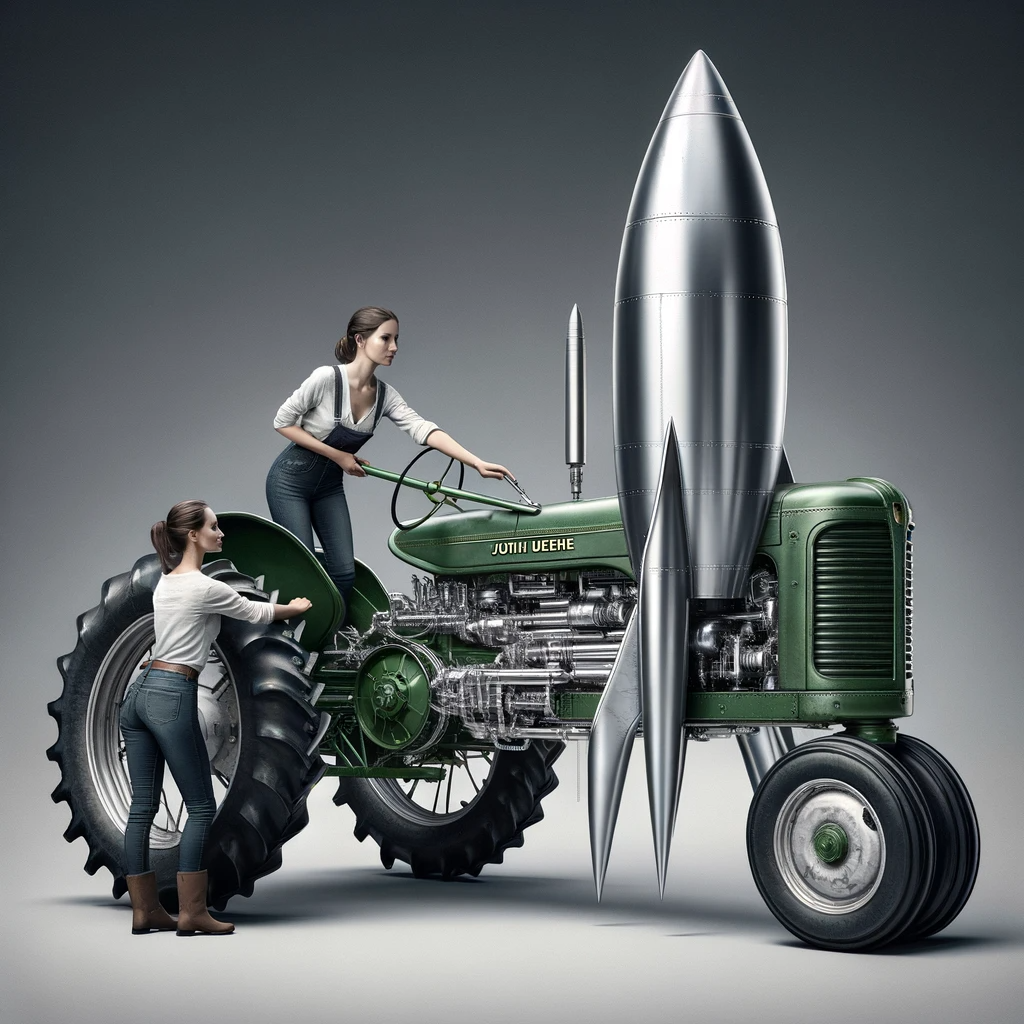
What Stories Make Old Tractors Memorable In Our Lives?
How Do the Simpler Designs Of Old Tractors Resonate with Us?
There’s something undeniably captivating about old tractors. These machines, with their rugged simplicity, evoke memories that stretch far beyond the dusty fields they once tilled. They stand as symbols of a time when life was slower, and technology didn’t dictate our every move. Each scratch on the metal and rust on the chassis tells a story—one of perseverance, hard work, and a deep connection to the land.
Consider the first time you sat behind the wheel of one. That raw power beneath your fingertips, the gentle rumble of the engine, and the way it seemed to almost whisper the wisdom of years gone by. It’s an experience that resonates on a profound level. It brings to mind our grandparents or parents, awakening nostalgia that binds generations together. This connection doesn’t just evoke sentimental feelings; it grounds us in a shared history that values effort and craftsmanship.
Old tractors, with their uncomplicated designs, remind us of our roots. They symbolize the ethics of industriousness and self-reliance. In a world filled with rapid advancements and relentless change, there’s a certain comfort in knowing that these sturdy machines are built to last, serving their purpose time and again without unnecessary bells and whistles. Their durability is a testimony to human ingenuity, and they embody values that we often find ourselves longing for in modern life: simplicity, reliability, and authenticity.
The stories attached to these vehicles are as varied as the fields they’ve plowed. Picture a farmer, standing alongside his trusty red tractor, recalling the backbreaking days of harvest, when sweat mixed with soil and the air buzzed with the scent of freshly cut hay. These tales resonate with the hard-working spirit we all aspire to. They remind us that whether in a small-town farm or a corporate office, we all share a common thread—the desire to be anchored in something meaningful.
When we see an old tractor, we’re not just looking at a machine; we’re gazing at a piece of history. It invites us to look back and recognize the effort of those who came before us. In that respect, these machines do more than just perform tasks; they foster a sense of belonging and identity. They bridge the gap between past and present, encouraging us to appreciate the beauty of simpler designs—both in tractors and in life itself. Recognizing this power can inspire us to embrace our own journeys, rooted in authenticity and purpose, as we navigate the complexities of our modern world.

How Do the Simpler Designs Of Old Tractors Resonate with Us?
How Do the Simpler Designs Of Old Tractors Resonate with Us?
- Old tractors symbolize a slower, simpler time and evoke nostalgia.
- Each tractor tells a story of perseverance and a connection to the land.
- They represent values of industriousness and self-reliance.
- Their durability showcases human ingenuity and a longing for authenticity.
- Stories of farmers’ hard work resonate with our collective desire for meaning.
- Old tractors serve as pieces of history, reminding us of past efforts.
- They encourage appreciation for simplicity in both machinery and life.

How Do the Simpler Designs Of Old Tractors Resonate with Us?
How Can Seeing Old Tractors Evoke Nostalgia and Comfort?
Seeing an old tractor doesn’t just conjure up images of rusty machinery; it opens a portal to forgotten landscapes and simple pleasures, igniting a kaleidoscope of memories tucked away in the corners of our minds. Growing up, I remember my grandfather’s well-worn tractor—a hulking green beast that stood as a testament to hard work and resilience. It was more than just a vehicle; it was a source of pride and connection to the land he cherished. That tractor embodied the very spirit of his labor, a link to both family tradition and farm life that resonated deep in my gut.
Old tractors tell stories. Each dent and scratch represents a day spent toiling under the sun, a season of waiting, and a year of harvests celebrated or endured. They evoke a sense of nostalgia for simpler times when community seemed to mean something, and neighbors would gather to lend a hand. This shared experience is powerful; it reminds us that we’re part of a larger tapestry, woven together by our collective toil and triumph. There’s a profound comfort in knowing that behind every aged exterior lies a narrative of perseverance and dedication.
Rationally speaking, these machines symbolize a time when things were built to last, contrasting sharply with today’s disposable culture. Their durability serves as a comforting anchor in a rapidly changing world, inviting us to slow down and appreciate what truly matters. Many of us find ourselves overwhelmed by constant progress, yet old tractors remind us that some things are worth preserving. They challenge us to ask: what legacies are we creating, and what will endure beyond the trends of today?
Ethically, valuing the craftsmanship of these mechanical giants leads to a conversation about sustainability and respect for our roots. It fosters a connection not just to our past, but to each other, reinforcing the idea that our stories, our struggles, and our successes are intertwined. When we gather around a vintage tractor, we foster an environment of shared appreciation, where wisdom flows from one generation to the next.
Ultimately, each glance at an old tractor can stir something primal within us, calling attention to the values instilled by our ancestors. Perhaps that’s why seeing these machines evokes such a powerful response; they remind us that even in a world racing forward, it’s the slower, simpler moments that hold the most profound beauty.

How Can Seeing Old Tractors Evoke Nostalgia and Comfort?
How Can Seeing Old Tractors Evoke Nostalgia and Comfort?
- Old tractors evoke memories and nostalgia for simpler times and hard work.
- A grandfather’s tractor symbolizes pride, connection to the land, and family tradition.
- Each dent and scratch represents labor, seasons of waiting, and communal support.
- These machines contrast today’s disposable culture, highlighting durability and lasting value.
- They encourage reflection on legacies we create and what will endure beyond trends.
- Valuing their craftsmanship connects us to our roots and each other, emphasizing shared stories.
- Old tractors serve as reminders that slower, simpler moments hold profound beauty.

How Can Seeing Old Tractors Evoke Nostalgia and Comfort?
What Role Does Community Play In the Appreciation Of Old Tractors?
The soul of an old tractor goes far beyond its rusty frame and faded paint. It echoes within the community that treasures it, reminding us of the hard work and commitment that built our landscapes. Take a moment to picture a small town on a Sunday morning, its quiet streets coming alive as neighbors gather for a tractor show. The engines roar to life, and the air fills with stories—stories of resilience, of families who toiled under the sun, and of traditions that bind generations.
Old tractors are more than machines; they are symbols of shared history and collective pride. They evoke memories of harvests passed, of hands stained with dirt and sweat, of laughter ringing through fields. When the community unites to celebrate these machines, they breathe life into nostalgia. The farmer next door, who once used his tractor to plow the very land you walk on, becomes a storyteller, a keeper of wisdom that fuels curiosity among the younger generation. The tractor, in this instance, is not just a relic but a bridge between eras.
There’s a charming irony in the fact that tractors, once the hallmark of solitary labor, now serve as the catalyst for community bonding. These gatherings are more than exhibitions; they’re opportunities for connection, for learning, and for gratitude—an acknowledgment of our roots. The old machines spark conversations that trace back to our shared values: hard work, perseverance, and sustainability. It’s a reminder that taking care of our environment, just as our ancestors did, fosters respect and responsibility toward future generations.
Consider how these gatherings inspire confidence and action. An elderly gentleman, proud of his restored tractor, may share tips on maintenance, igniting a passion in a young enthusiast. In this way, the tractor serves not only as an object of appreciation but also as a foundation for mentorship, where knowledge flows seamlessly across generations, creating trust within the community.
Finally, appreciate the emotional weight this carries. For those who grew up in rural settings, the sight of an old tractor can evoke vivid memories; the smell of freshly tilled earth, the hum of machinery, the laughter of family working together. This emotional tapestry weaves through community events, deepening our appreciation not just for the tractors, but for one another, and what we can achieve when we come together. Each tractor tells a story—the personal stories intertwined with hard work, sacrifice, and celebration, echoing the very essence of community itself.

What Role Does Community Play In the Appreciation Of Old Tractors?
What Role Does Community Play In the Appreciation Of Old Tractors?
- The soul of an old tractor symbolizes community, hard work, and commitment.
- Tractor shows bring neighbors together, reviving stories of resilience and tradition.
- Old tractors serve as symbols of shared history and evoke memories of past harvests.
- These gatherings foster connection and gratitude, acknowledging roots and values.
- Tractors facilitate mentorship, passing down knowledge from one generation to the next.
- They evoke strong emotions and memories for those from rural backgrounds.
- Each tractor represents personal stories of hard work and the essence of community.

What Role Does Community Play In the Appreciation Of Old Tractors?
How Does the Craftsmanship Of Older Tractors Compare to New Models?
The craftsmanship of older tractors stands as a testament to an era where engineering met a rugged aesthetic, ensuring that each machine was built to last. In a world increasingly driven by convenience and cost-cutting, these vintage models reflect a spirit of resilience that resonates deeply. When we think about a tractor, it’s more than just a workhorse; it’s a symbol of the land it serves and the lives it sustains.
Imagine your grandfather, weathered hands gripping the wheel of a gleaming Ford 8N, its engine purring like a well-tuned symphony amidst sprawling fields of golden wheat. There’s a certain intimacy to how older tractors were crafted; every detail was considered, from the hand-painted finish to the robust steel frame that could withstand the harshest of conditions. These machines weren’t just products of assembly lines; they were labor of love, often built by skilled craftsmen who poured their heart into every weld and bolt.
Contrast that with today’s models, which, while undeniably efficient and packed with modern technology, can sometimes feel impersonal. Sleek and shiny, they dominate the market with flashy features and computer-driven performance, but do they foster the connection that older tractors did? There’s something empowering about turning a key in an older model and feeling that raw power underneath—it’s a reminder of what it means to work hard, to get your hands dirty, and to face the elements head-on.
It’s not just a personal connection; it’s about community. Farmers gather in fields to share techniques, swap stories, or simply admire a classic Model T Fordson. There’s an unspoken understanding among them, a respect for the craftsmanship that transcends generations. The very sight of a well-maintained vintage tractor can spark conversations, reigniting nostalgia and shared values rooted in hard work and perseverance.
Moreover, older tractors often offer a clarity of function that newer models sometimes obscure with complexity. They invite you to engage directly with the machine. Instead of relying solely on a dashboard of lights and screens, you learn to listen to the engine, feel the vibrations, and appreciate the simplicity that allows for intuitive operation. This tangible connection fosters skills that are becoming scarce in today’s automated world.
In these moments, sitting on that well-used seat, you’re not just a farmer; you’re part of a larger narrative. You’re connected to the past, grounded in the present, and, as you gaze across the fields, you can see a future where craftsmanship continues to thrive. The humble tractor becomes a vessel of tradition, resilience, and pride—a true emblem of the sweat and toil that have shaped our society.

How Does the Craftsmanship Of Older Tractors Compare to New Models?
How Does the Craftsmanship Of Older Tractors Compare to New Models?
- Older tractors exemplify craftsmanship from an era prioritizing engineering and durability.
- These vintage models symbolize resilience and a deep connection to the land and community.
- Older tractors feature intimate details, such as hand-painted finishes and robust steel frames.
- Modern tractors, while efficient, can lack the personal connection and empowering experience of older models.
- Farmers share techniques and stories, fostering respect for craftsmanship that spans generations.
- Older tractors provide clear functions, encouraging hands-on engagement and skill development.
- They represent a narrative of tradition and hard work, embodying the values that shape society.

How Does the Craftsmanship Of Older Tractors Compare to New Models?
Conclusion
Old tractors resonate deeply with us, bridging emotional connections to bygone eras filled with hard work and perseverance. These machines, weathered yet steadfast, tell stories that speak to the heart, reminding us of family ties and simpler times. Picture an early morning on the farm: the soft glow of the sun, dew-kissed grass, and the sight of a vintage tractor patiently waiting in a barn. It’s not just machinery; it’s a symbol of reliability, echoing the echoes of generations who relied on its unwavering performance.
Unlike the shiny, high-tech tractors of today that come with an array of buttons and screens, old tractors offer a tactile connection that feels almost alive. The reassuring rumble of the engine, the sturdy shift of gears; these sounds become a comforting heartbeat that reflects the endless toil behind farming life. The simplicity of these machines invites us to reconnect with our roots, fostering feelings of nostalgia and warmth.
Ethically, choosing to cherish these tractors represents a commitment to sustainability over disposability. It honors the craftsmanship that values durability, where every dent and rust mark narrates a chapter of resilience. This respect for the past translates into a moral choice reflecting our desire for authentic, lasting experiences. Emphasizing community, these tractors foster social bonds through shared tales and collective pride, reminding us of the importance of nurturing connections in a world increasingly focused on the new and fleeting.
The narratives surrounding these machines carry profound significance—lessons learned, skills passed down, and values shared. When farmers gather to celebrate old tractors, it’s not merely an exhibition; it’s a revival of tradition and a tribute to the hard work of our forebears. It’s about standing shoulder to shoulder, sharing stories that reinforce our bonds and strengthen our communal spirit.
The connection we feel toward old tractors speaks to something primal within us, urging us to recognize the beauty of simplicity amidst the complexities of modern life. They serve as reminders that sometimes, it’s the things that have withstood the test of time that offer the most comfort and reliability. In choosing to appreciate these trusty companions, we tap into a legacy that urges us to honor our past while nurturing hope for the future. With every roar of an old tractor, we weave the fabric of our stories—grounded in authenticity, resilience, and trust.

Conclusion
Conclusion:
- Old tractors evoke emotional connections to past eras of hard work and perseverance.
- They symbolize reliability, reminding us of family ties and simpler times.
- Unlike modern tractors, old tractors offer a tactile connection and comforting sounds.
- Cherishing these tractors represents a commitment to sustainability and durability.
- They foster social bonds through shared stories and collective pride in tradition.
- Celebrating old tractors reinforces community spirit and the values passed down through generations.
- They remind us of the beauty of simplicity amidst modern complexities, urging us to honor our past.

Conclusion
Other Resources

Other Resources
Here is a list of other resources you can review online to learn more:
- Kirovets
- Toro
- Kubota
- Jackson County Iowa Fair Antique & Classic Tractor Show
- Summit Tractors
- Advance-Rumely
- Minot
- Chamberlain
- Jacobsen
- Foton
- David Brown
- Bolens
- Ultimate Antique Tractor Guide
- Idaho Farmand Ranch Museum
- Schramm
- RK Tractors
- Farmtrac
- Solis
- Oliver
Use This Prompt To Get More Resources With Your Favorite Online AI Tool: Please provide me with a list of online articles with their URLs in a bulleted list that I can read regarding Why Old Tractors Feel More Reliable Than New Ones

Other Resources
Glossary Terms
Why Old Tractors Feel More Reliable Than New Ones – Glossary Of Terms
1. Mechanical simplicity — Fewer moving parts and straightforward mechanisms reduce failure points and make systems easier to understand and maintain.
2. Analog controls — Physical levers and knobs provide predictable, instantaneous control without software layers that can fail or behave unpredictably.
3. Manual diagnostics — Observable symptoms (smoke, noise, leaks) guide troubleshooting without needing electronic scanners or proprietary codes.
4. Serviceability — Components are accessible and designed to be serviced in the field with basic tools, shortening downtime.
5. Modularity — Subsystems are often separate and replaceable, allowing individual units to be swapped without specialized equipment.
6. Overengineering — Conservative design margins and heavier components result in parts that tolerate abuse and age better.
7. Robust metallurgy — Thicker castings and simpler heat treatments in older designs often yield parts that endure wear and shock.
8. Minimal electronics — Limited reliance on sensors, ECUs, and complex wiring lowers the likelihood of electrical/software faults.
9. Mechanical fuel systems — Carburetors and mechanical injection pumps are repairable and adjustable without electronic calibration.
10. Mechanical governor — A physical speed control that is simpler to inspect, adjust, and repair than electronic governing systems.
11. Direct linkages — Mechanical linkages deliver tactile feedback and predictable responses compared with sometimes abstract electronic controls.
12. Simpler wiring harnesses — Shorter, less-complex harnesses reduce corrosion points, connector failures, and diagnostic ambiguity.
13. Predictable failure modes — Failures tend to be gradual and observable (wear, looseness, seal failure) rather than sudden electronic lockouts.
14. Field repairability — Owners and local mechanics can fix many problems on-site without dealer-only tools or software.
15. Parts interchangeability — Longer production runs and common, standardized parts make spares cheaper and more available.
16. Familiarity — Long-term user experience and accumulated oral knowledge simplify maintenance and quick fixes.
17. Tactile feedback — Direct mechanical sensations (vibration, resistance) inform operators about machine health in real time.
18. Conservative tuning — Engines and drivetrains tuned for longevity rather than peak output suffer less stress and fail less frequently.
19. Lower software dependence — No firmware updates or software incompatibilities that can immobilize the machine after maintenance.
20. Simpler emissions systems — Fewer complex aftertreatment components (DPF, SCR) reduce failure-prone subsystems and maintenance burdens.
21. Heavy chassis and mounts — More mass and simpler mounting strategies absorb shock and reduce stress concentration on components.
22. Redundancy of simple systems — Parallel mechanical systems (manual pumps, secondary filters) provide backup when primary systems fail.
23. Proven designs — Long-standing platforms with incremental changes have predictable performance and known weak points.
24. Ease of adjustment — Mechanical timing, valves, and linkages can be tuned with basic tools, allowing preventative corrections.
25. Lower electronic vulnerability — Less risk from voltage spikes, sensor drift, software bugs, or EMC issues affecting operation.
26. Owner-modifiability — Simpler electronics and mechanical architectures encourage user upgrades and bespoke fixes.
27. Simpler cooling systems — Fewer thermostats and sensors make cooling circuits easier to diagnose and keep running.
28. Fewer supplier dependencies — Use of generic fasteners and parts reduces reliance on single-source proprietary components.
29. Psychological trust — Operators who grew up with older tractors often trust them more, interpreting roughness as reliability.
30. Perceived maintainability — The visible ability to work on and understand a machine increases the feeling that it can be kept running long-term. Glossary Of Terms
Other Questions
Why Old Tractors Feel More Reliable Than New Ones – Other Questions
If you wish to explore and discover more, consider looking for answers to these questions:
- How do I choose the right vintage tractor model for my needs?
- What are the most common mechanical problems with old tractors?
- Where can I find affordable replacement parts for vintage tractors?
- How much does a typical restoration cost and what factors affect price?
- How difficult is routine maintenance and what basic tools are required?
- Are parts still manufactured or do I need to rely on salvage and reproduction parts?
- How do I inspect a used old tractor before buying?
- What systems (electrical, fuel, brakes, hydraulics) should I prioritize when restoring?
- How does fuel efficiency of old tractors compare to modern models?
- Can old tractors be safely retrofitted with modern safety features (ROPS, seatbelts, lights)?
- What are the legal and registration issues for driving vintage tractors on public roads?
- How do emissions and environmental impact compare between old and new tractors?
- Are vintage tractors economical for actual farm work today or mainly for hobby use?
- How do I source original manuals and documentation for repair guidance?
- What fuel types do older tractors use and are conversions (e.g., to diesel) feasible?
- How do transmission and clutch systems in old tractors differ from modern ones?
- What safety risks are inherent to operating older tractors and how can they be mitigated?
- How well do old tractors retain their value compared to new machines?
- What are the best practices for long-term storage and preservation of vintage tractors?
- How hard is it to find qualified mechanics who work on vintage tractors?
- Which vintage tractor brands are most sought after by collectors?
- How can I verify the provenance or history of a vintage tractor?
- What aftermarket upgrades are popular and which compromise authenticity?
- How do I choose appropriate implements and attachments for an older tractor?
- What community resources, clubs, or shows exist for vintage tractor enthusiasts?
- Are there tax incentives, grants, or subsidies for restoring or preserving historical farm equipment?
- How do older tractors perform in extreme weather or cold starts?
- What are realistic timelines for a full restoration project?
- How do vintage tractor engines compare in horsepower and torque to modern equivalents?
- What finishing and paint options preserve authenticity versus modernizing appearance?
- How should I budget for ongoing maintenance vs. a one-time restoration investment?
- What insurance options exist for antique and restored tractors?
- How do modular or simple designs in older tractors simplify troubleshooting?
- What ethical or environmental arguments exist for restoring versus recycling old tractors?
- How can younger generations be engaged in preservation and maintenance of vintage tractors?

Other Questions
Haiku
Why Old Tractors Feel More Reliable Than New Ones – A Haiku
Old tractors stand firm,
Whispers of hard work and love,
Roots connect us all.

Haiku
Poem
Why Old Tractors Feel More Reliable Than New Ones – A Poem
In fields where stories intertwine,
Old tractors stand, like ancient signs,
Rusty frames, yet hearts they hold,
Tales of labor, bravery bold.
Morning sun on dew-kissed grass,
A whisper of legacy as time does pass,
Engines hum like hearts that beat,
Unrushed rhythm, steadfast, sweet.
Crafted hands that shaped their mold,
Tools of the past, tales retold,
A bond with farmers, lineage and sweat,
Lessons in toil, we shant forget.
Against the slick allure of new,
Reliability in simplicity rings true,
Not gadgets bright with fleeting charm,
But sturdy trusts that keep us warm.
Communities gather, tales ignite,
Heritage blooms in shared delight,
Each dent a memory, each scratch a song,
In this dance of timelessness, we all belong.
Old tractors remind us, pause and see,
In the hum of engines, echoes of we,
Resilient and rooted, they hold our past,
A legacy forged, a bond that will last.

Poem
Checklist
Why Old Tractors Feel More Reliable Than New Ones – A Checklist
Heart (Emotional Appeals)
✅______ Recall a fond memory associated with tractors (e.g., family farming experiences).
✅______ Reflect on the sense of community fostered during tractor gatherings or shows.
✅______ Consider the stories of past farmers that evoke feelings of nostalgia and pride.
Head (Rational Appeals)
✅______ Compare the simplicity of old tractors versus the complexity of new models.
✅______ Evaluate the durability and longevity of older machines.
✅______ Analyze the cost-effectiveness of maintaining older tractors.
Gut (Ethical Appeals)
✅______ Reflect on the ethics of sustainability when restoring and using classic tractors.
✅______ Acknowledge the craftsmanship and hardworking values embedded in vintage machinery.
✅______ Consider the impact of consumer behavior on modern disposable culture versus embracing enduring quality.
Authority (Expertise Appeals)
✅______ Seek advice from local farmers or restoration enthusiasts about maintenance and care.
✅______ Read literature or join clubs focused on vintage tractor restoration to gain insights.
✅______ Attend workshops or demonstrations on old tractor operation techniques.
Narrative (Storytelling Appeals)
✅______ Share personal or community stories related to experiences with tractors.
✅______ Create a narrative around how tractors have shaped family legacies over generations.
✅______ Document and celebrate local history linked to old tractors in your community.
Social (Community Appeals)
✅______ Participate in or organize local tractor shows to celebrate their history and craft.
✅______ Engage with online forums or social media groups dedicated to vintage tractors.
✅______ Encourage conversations with neighbors about their experiences and connections to old machinery.

Checklist
At ClassicTractorNews, we help tractor lovers keep up with the latest news for classic and vintage tractors.
Please share this post with your friends, family, or business associates who may like old classic or vintage tractors.