

Unearthing Tradition: The Shift From Modern Machinery To Time-Tested Tools
By Tom Seest
At ClassicTractorNews, we help tractor lovers keep up with the latest news for classic and vintage tractors.
Please share this post with your friends, family, or business associates who may like old classic or vintage tractors.
Why More Farmers Are Parking New Tractors and Pulling Out Old Ones
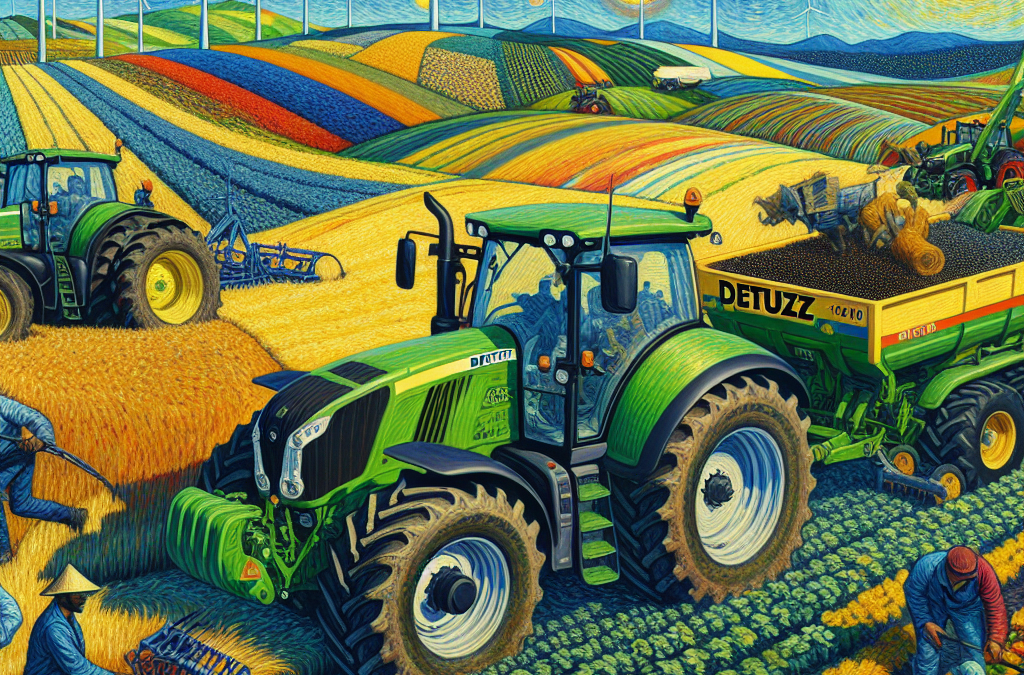
As dawn breaks over the farmlands, the majestic tractors—symbols of progress and promise—sit idle, gleaming under the soft light like forgotten heroes of an aging epic. For many, this isn’t merely a shift in machinery; it’s a profound change in lifestyle and philosophy, a turning away from the relentless pursuit of novelty to embrace the familiar grit of tradition.
Farmers across the nation are parking their new tractors and dusting off the old ones, not out of nostalgia but as a practical response to shifting priorities. The allure of the latest technology, once irresistible, has become overshadowed by the weight of operating costs, maintenance, and the nagging question: Are these advancements genuinely improving our lives or merely complicating them? Consider the farmer who recently traded in his sleek, cutting-edge model for an older tractor—functioning but simple. Instead of spending hours on computerized diagnostics, he now enjoys hands-on work, fixing, adjusting, and tuning. This visceral connection to his equipment not only nurtures his skills but also re-establishes a bond with the land he’s worked for generations.
There’s an ethical dimension here, too. By opting for older machines, farmers make a commitment to sustainability. They’re not just reducing their carbon footprint by avoiding excess manufacturing; they’re also invoking a farmers’ creed—that commitment to land and home, to doing right by the soil that feeds us all. It’s a dance between responsibility and identity. That older tractor tells stories, wear marks that speak volumes about experience, resilience, and lessons learned the hard way.
Moreover, this trend fosters community connections. September nights filled with stories around bonfires replace the isolating hum of digital interfaces; farmers share tips about repairs, swap parts, and gather for potlucks, emphasizing a collective strength that’s part of our agricultural heritage. The rust on those older tractors becomes a badge of honor, evidence of a journey well-travelled and a commitment to stay grounded amid societal pressures to modernize constantly.
This thoughtful shift may seem counterintuitive, but it’s rooted in an understanding that sometimes, embracing the old equips us better for the challenges ahead. So, the next time you see a rugged old tractor, recognize it for what it truly represents—a legacy, an invitation to reconnect not just with the land but also with each other.
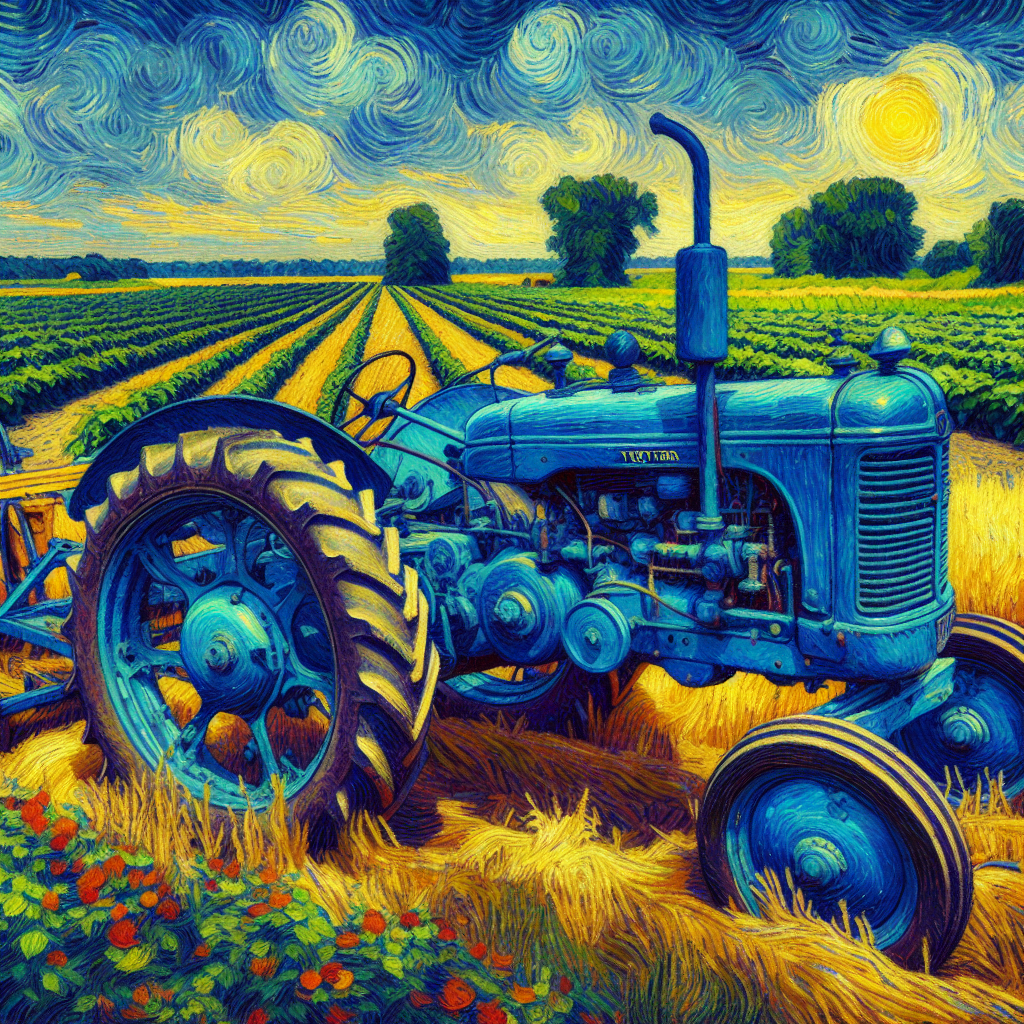
Why More Farmers Are Parking New Tractors and Pulling Out Old Ones
Why More Farmers Are Parking New Tractors and Pulling Out Old Ones
- Tractors symbolize progress and tradition as farmers embrace older models over new technology.
- This shift reflects a deeper change in lifestyle and philosophy towards practicality and familiarity.
- Farmers are prioritizing hands-on work, fostering skills and connections to the land.
- Opting for older machines supports sustainability, reducing carbon footprints and avoiding excessive manufacturing.
- The wear and tear on older tractors signifies experience, resilience, and a rich agricultural history.
- Community connections strengthen through shared experiences, repairs, and gatherings, replacing isolation with camaraderie.
- Embracing the old equips farmers for future challenges while celebrating their legacy and identity.
Why More Farmers Are Parking New Tractors and Pulling Out Old Ones
Table Of Contents
- Why More Farmers Are Parking New Tractors and Pulling Out Old Ones
- Why Are Farmers Choosing to Let New Tractors Go Unused?
- What Is Driving the Trend Of Parking Modern Farming Equipment?
- What Emotional Toll Does This Trend Have on Agricultural Communities?
- Are Older Tractors Still More Reliable Than New Models for Farmers?
- How Does Machinery Maintenance Influence Farming Decisions Today?
- What Role Does Sustainability Play In Choosing Tractor Models?
- Conclusion
- Other Resources
- Glossary Of Terms
- Other Questions
- Haiku
- Poem
- Checklist
Why Are Farmers Choosing to Let New Tractors Go Unused?
In a world where high-tech tractors gleam under the sun—innovation wrapped in steel—it’s surprising to see many of these machines sitting idle. The story behind why farmers are choosing to let new tractors go unused goes beyond mere economics; it’s a tale woven with threads of tradition, heart, and an evolving sense of purpose.
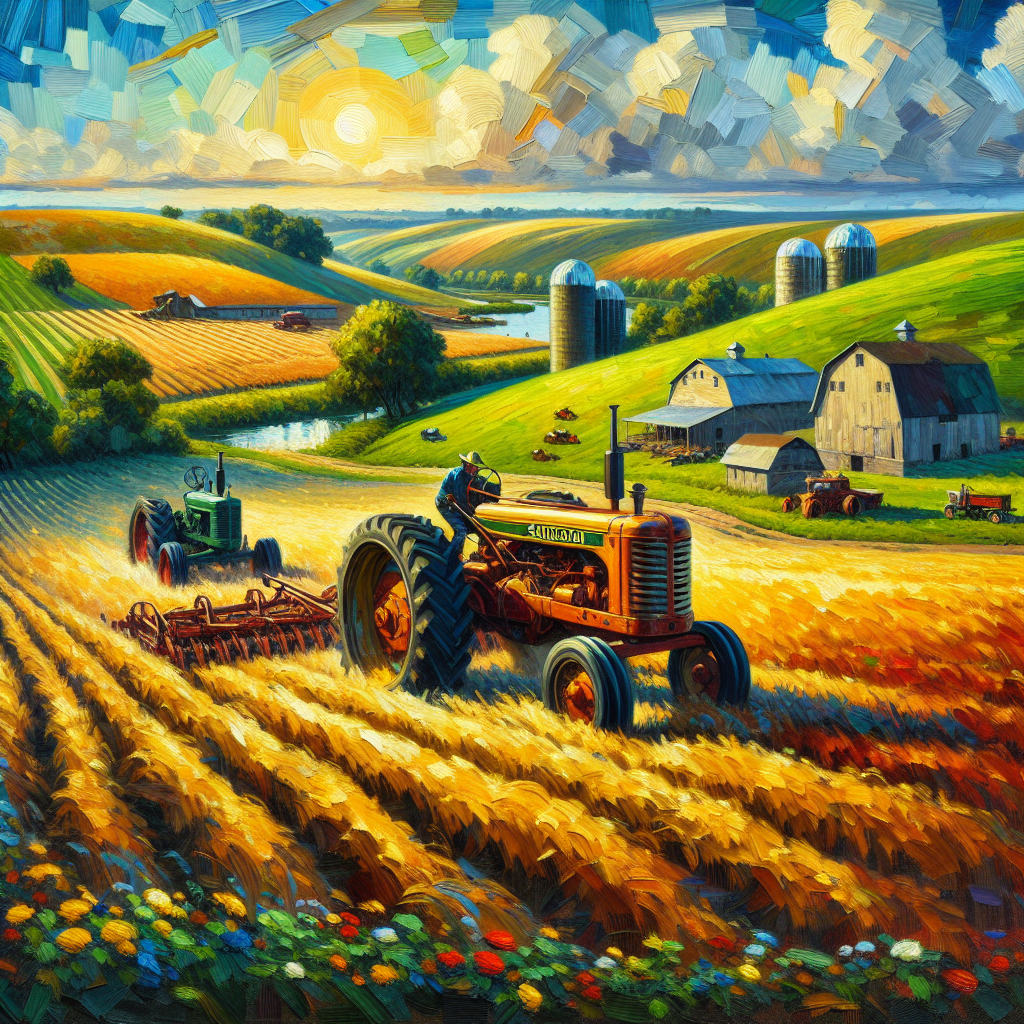
Picture this: a farmer standing in a vast field, the horizon stretching endlessly, dotted with the tractors that could revolutionize their work. Yet, they choose not to start the engines. This isn’t just about financial constraints but a deeper connection to the land and the rhythms of nature. The heart beats stronger for those weathered paths and fields tilled by hand, echoing decades of heritage. In their bones, these farmers feel the weight of history—a responsibility to uphold practices passed down through generations. The new tractors can promise efficiency, but they can’t rekindle the intimate bond with the earth.
Economically, the decision to leave tractors idle can be equally perplexing. While the cost of maintenance and fuel for these powerful machines looms large, the reality is also about market dynamics. With fluctuating crop prices and unpredictable weather, farmers often find themselves in a precarious balancing act. There’s a prevailing sense of skepticism; what if that new tractor does more harm than good? When every dollar spent can mean the difference between a good harvest and a crisis, even the most advanced machines can seem like an expensive gamble.
Ethically, many farmers grapple with the concept of sustainability. As soil health becomes a growing concern, some resist mechanization in favor of organic practices that prioritize the land’s longevity. They question whether those new tractors truly align with their commitment to preserve the environment. In their quest for ethical farming, they choose to let these machines rust, believing their hands can yield better outcomes than that flashy machinery ever could.
On a personal note, take John, a fifth-generation farmer who watched as his father nurtured their land. For him, using his granddad’s vintage tractor is more than a practical decision; it’s an emotional tribute to a legacy that cannot be replicated. He finds allies in peers who share similar values, forming a community that champions tradition over technology. Together, they redefine success—not by bushels produced, but by the ethos of their practices and the bonds forged in their fields.
In this story of tractors left unused, there’s greater wisdom: it’s an invitation to reflect on what it means to truly cultivate life—a blend of heart, duty, and resilience. Embracing technology is not inherently wrong, but the choice to pause and preserve traditions is a reminder of what really nourishes our roots. It’s a call to honor the past while navigating an uncertain agricultural future.

Why Are Farmers Choosing to Let New Tractors Go Unused?
Why Are Farmers Choosing to Let New Tractors Go Unused?
- High-tech tractors often remain unused due to a complex mix of tradition, emotional connection, and evolving values among farmers.
- Farmers prefer time-honored practices over mechanization, valuing their historical bond with the land.
- Economic factors, such as maintenance costs and fluctuating crop prices, contribute to the reluctance to utilize new machinery.
- Concerns about sustainability lead some farmers to favor organic methods over high-tech farming equipment.
- John, a fifth-generation farmer, illustrates the emotional significance of using vintage tractors as a tribute to family legacy.
- A community of farmers promotes traditional methods, reshaping their definition of success beyond mere productivity.
- The narrative emphasizes the importance of preserving agricultural heritage while facing modern challenges.
Why Are Farmers Choosing to Let New Tractors Go Unused?
What Is Driving the Trend Of Parking Modern Farming Equipment?
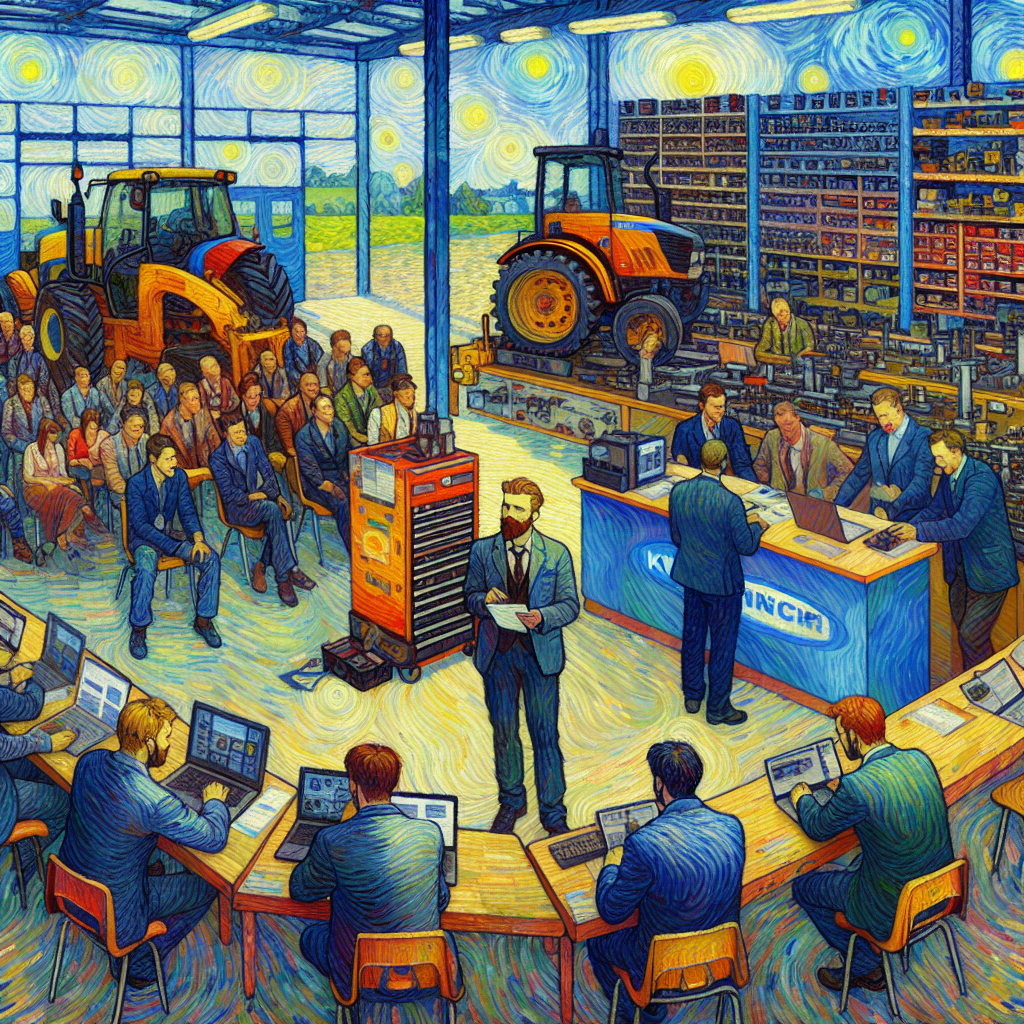
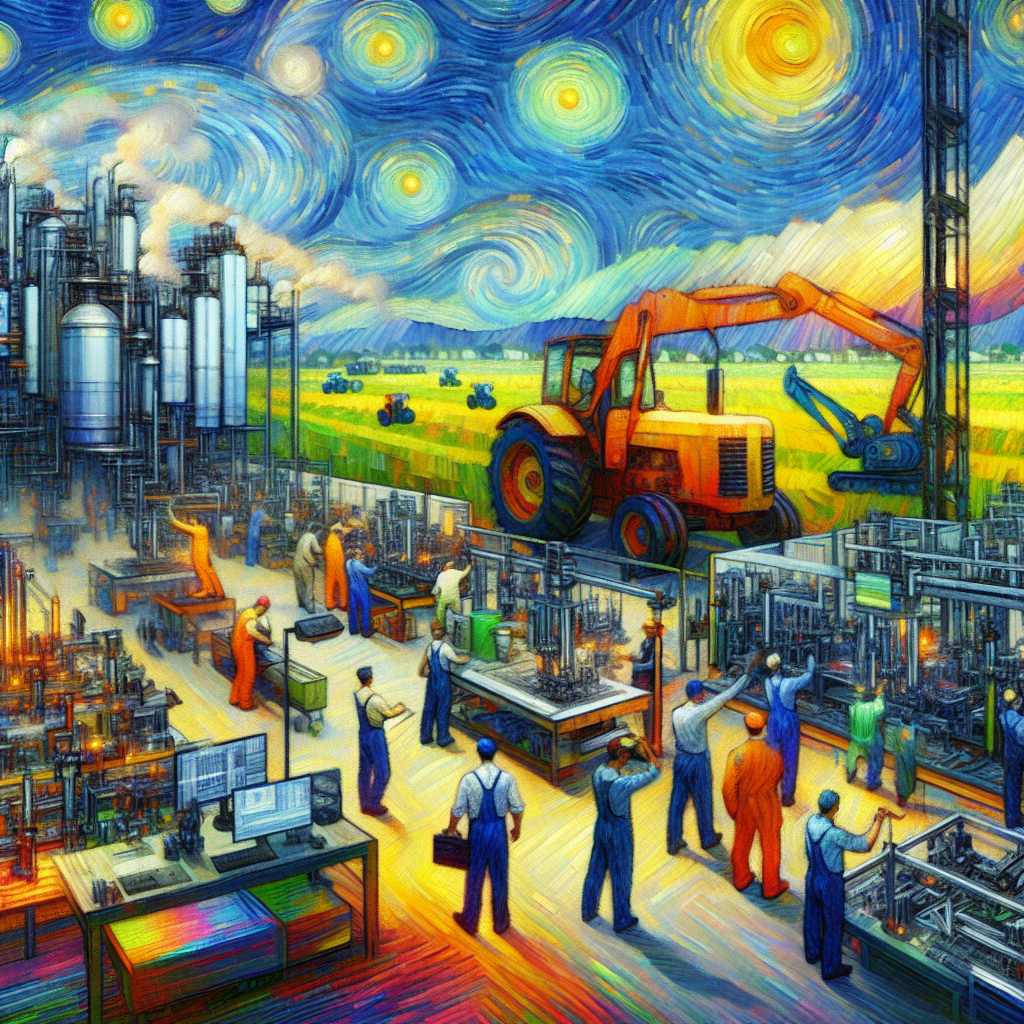
Modern farming equipment is no longer just a symbol of progress; it’s a beacon of connection to the land and the family heritage that nourishes us. In a world increasingly dominated by technology, the sight of a shining tractor in the early morning light serves not merely as a tool of agriculture but as a reminder of tradition and resilience.
The current trend of parking modern farming equipment is more than just a practical matter—it’s a statement of intent. Farmers are choosing to showcase their equipment, creating a dialogue about what it means to work the land. This visibility draws attention to the dedication and craftsmanship that goes into each piece of machinery. Just as a painter regards their easel, the tractor becomes part of the artist’s canvas—an extension of the farmer’s identity.
This trend resonates emotionally for those with roots in agriculture. Picture a young child watching their grandparent atop a tractor, cultivating the same soil that has nourished generations. These machines are not solely instruments for productivity; they symbolize a shared purpose, a legacy, and an unspoken bond between people and the earth. Each rustle of grain in the wind tells a story, and every parked tractor reflects the dreams and sacrifices of those who till the soil.
Rationally, displaying modern farming equipment invites communities to engage with agriculture on a deeper level. In an era where many are detached from the origins of their food, these machines can serve as a bridge. When people see well-maintained tractors and equipment, they recognize the diligence and innovation behind the produce they consume. It fosters appreciation and respect for those who cultivate the land, inspiring today’s youth to consider a future in farming.
Ethically, showcasing farming equipment acknowledges the environmental and social responsibilities of farming. It highlights sustainable practices and encourages dialogue around ethical farming, offering a chance to reshape perceptions. When people see tractors parked not only as tools but as guardians of sustainability, they are more likely to engage in conversations about food sourcing and environmental stewardship.
The heart, head, and gut of this trend stir a collective awakening to our roots. There’s a sense of pride in each parked tractor; it signifies hope—not just for our farmers but for our communities. As we rally to support these modern-day stewards of the land, we foster an ethos of trust, respect, and action. In this approach, we aren’t only observing farming; we are participating in the very narrative of nurturing our planet and its people.
What Is Driving the Trend Of Parking Modern Farming Equipment?
What Is Driving the Trend Of Parking Modern Farming Equipment?
- Modern farming equipment symbolizes progress and connection to land and heritage.
- Parking equipment serves as a statement of intent and showcases farmers’ dedication.
- Tractors represent an extension of the farmer’s identity and craft.
- These machines evoke emotional connections, linking generations through shared agriculture experiences.
- Displaying farming equipment encourages community engagement and appreciation for agriculture.
- Showcasing equipment highlights ethical practices in farming and promotes sustainability dialogues.
- The trend fosters a collective awakening to agricultural roots, building trust and respect within communities.
What Is Driving the Trend Of Parking Modern Farming Equipment?
What Emotional Toll Does This Trend Have on Agricultural Communities?
In agricultural communities, the emotional impact of changing trends hits home like the steady roar of a tractor in the early morning light. These hardworking folks have always understood the delicate balance of nature—planting seeds, nurturing crops, and harvesting the fruits of their labor. But today, as modern demands clash with traditional practices, many feel the weight of uncertainty hanging over their fields.
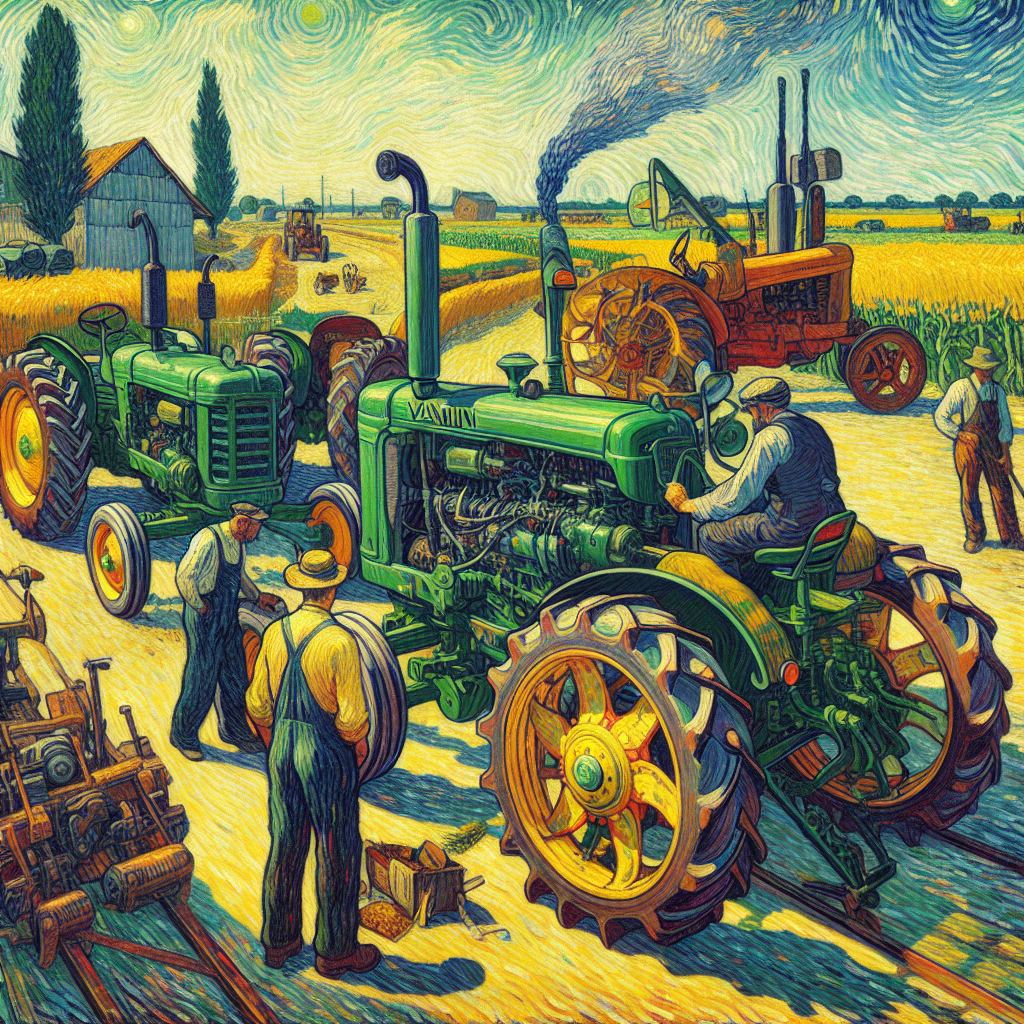
Take, for instance, a farmer named Joe. Each dawn, he kisses his kids goodbye, hops onto his tractor, and heads out to the fields. His family has been farming this land for generations, but lately, the pressure to adopt new technologies has begun to grind at his spirit. Joe feels torn between the legacy of his father’s farming methods and the unrelenting push towards innovation, which comes with both promise and peril. The emotional toll is palpable; it’s not just about changing equipment or techniques—it’s about the very identity of a community that has withstood the test of time.
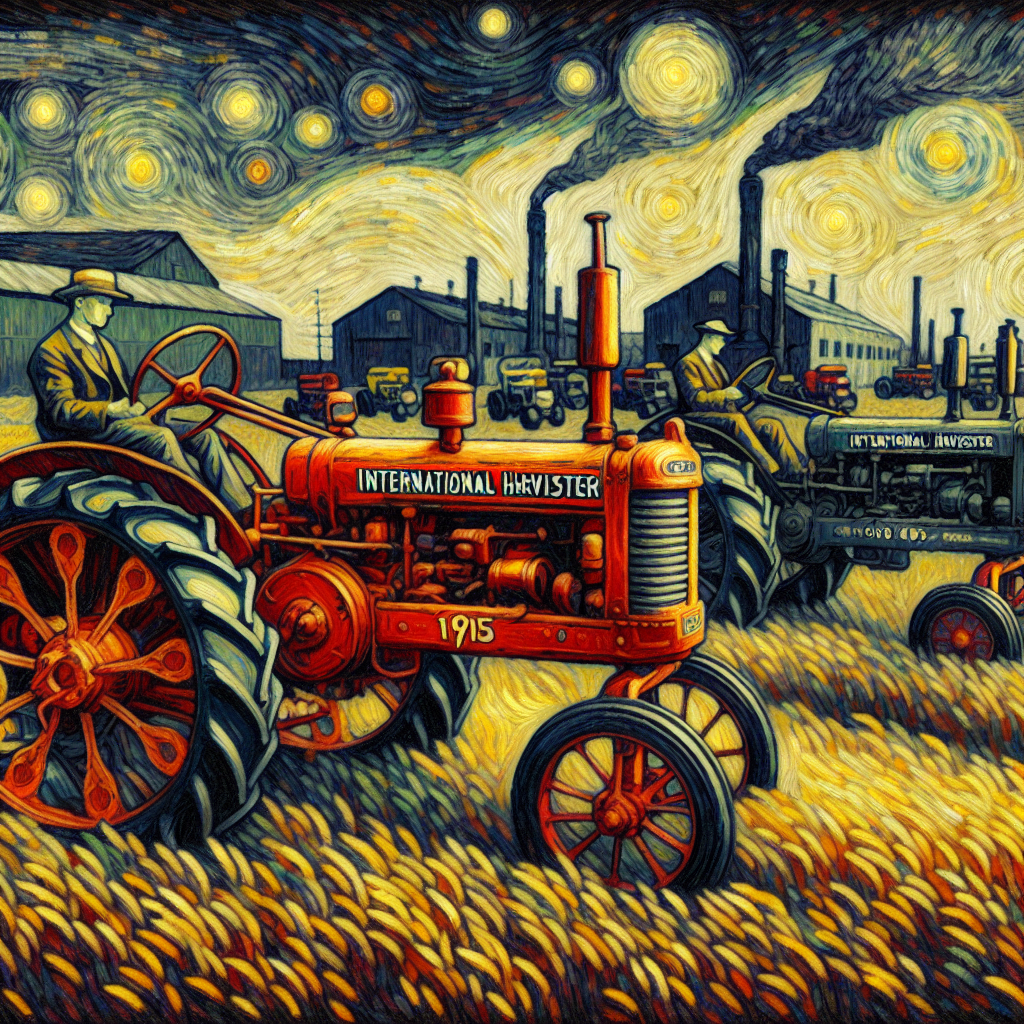
This evolving landscape evokes a powerful narrative. Each agricultural shift can feel like an uphill battle, leaving farmers questioning their worth and purpose. When friend after friend sells their land or abandons the profession, it creates a ripple effect, fostering a sense of isolation. The community bonds that once thrived over shared harvests now strain under the weight of uncertainty. It’s like watching a favorite old tractor rust away—each lost farmer represents another slow erosion of connection, trust, and shared values.
However, this trend also invites an opportunity for growth and resilience. Communities can band together to harness the strengths of both innovation and tradition. Embracing sustainable practices while respecting the legacies of previous generations can yield not only economic benefits but a renewed sense of purpose. Farmers like Joe can lead the charge, showing that adaptation doesn’t mean abandoning roots; instead, it means evolving alongside them.
The conversation must shift from mere survival to celebration—celebration of the grit, the relentless spirit of agricultural workers, and the continued importance of their role in feeding the world. By sharing their stories, like Joe’s, and advocating for their needs, these communities can inspire a movement that honors where they’ve come from while confidently steering toward the future. Each tractor traversing the land is a symbol not just of work but of a richer heritage that deserves to be woven into the future of farming, uniting heart, head, and gut in a shared journey.
What Emotional Toll Does This Trend Have on Agricultural Communities?
What Emotional Toll Does This Trend Have on Agricultural Communities?
- Agricultural communities face emotional impacts from changing trends, reminiscent of the reliability of tractors.
- Farmers like Joe grapple with balancing traditional farming methods with modern technological demands.
- The pressure of innovation creates feelings of uncertainty and identity crisis within farming communities.
- Loss of farmland and abandonment of the profession lead to isolation and weakened community bonds.
- There exists an opportunity for growth by blending innovation with respect for traditional practices.
- Adaptation can be viewed as evolving alongside roots, rather than abandoning them.
- Celebrating the spirit of agricultural workers can inspire movements that honor heritage while looking to the future.
What Emotional Toll Does This Trend Have on Agricultural Communities?
Are Older Tractors Still More Reliable Than New Models for Farmers?
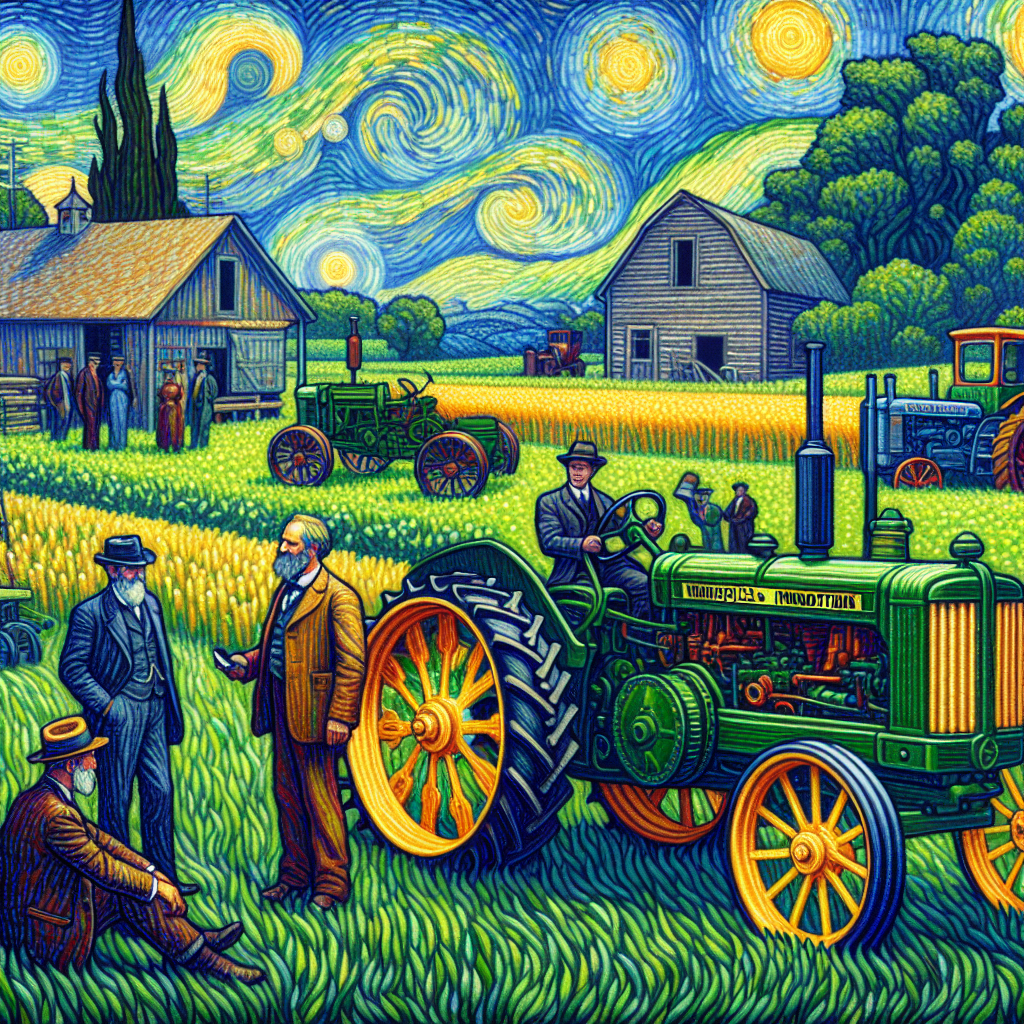
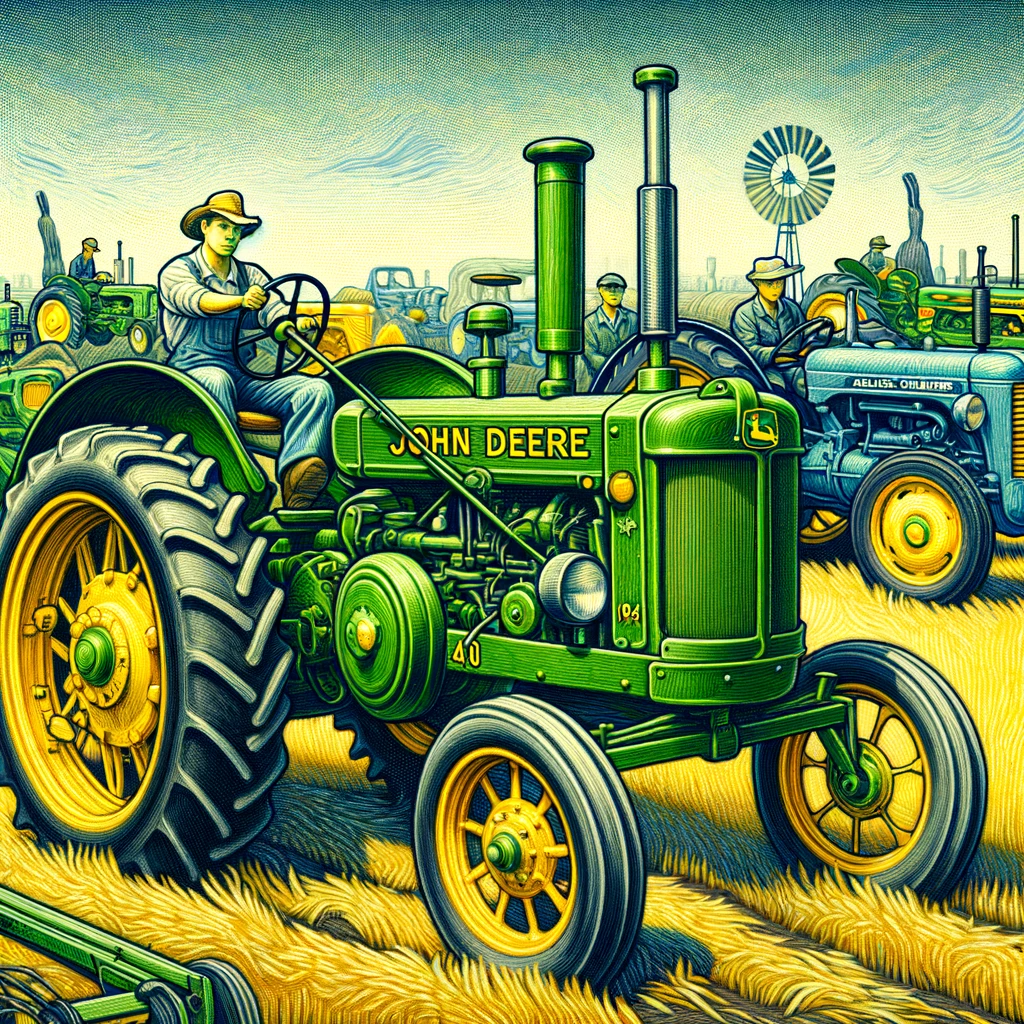
When you step onto a farm, the heartbeat of the land can often be felt through the hum of the machinery. For many farmers, the trusty tractor is not just a piece of equipment; it’s a companion steeped in history. There’s a palpable bond between the farmer and their tractor, especially the older models that have weathered countless seasons. These machines don’t just pull plows; they pull memories, hard work, and generations of pride.
Consider the story of a family that has relied on the same vintage tractor for decades. It’s not just a matter of reliability; it’s a testament to resilience. Through endless field trials, rain-soaked harvests, and blistering summers, that old tractor has been a steadfast partner. There’s a reason farmers often reminisce about the simplicity of those older machines. They’re easier to fix and, frankly, less complicated. When something breaks, a farmer doesn’t need a degree in robotics to get it back up and running. They can dig under the hood and make adjustments, using instincts honed over years. That self-reliance fosters confidence.
Newer models, with their bells and whistles, undoubtedly offer advancements. They’re quieter, often boast better fuel efficiency, and come equipped with high-tech features that promise greater productivity. But are they truly more reliable? In the hard, unvarnished world of farming, reliability often takes precedence over tech. When the rain clouds gather and the harvest is on the line, it’s that older tractor—a loyal workhorse—that farmers trust to get the job done.
Ethically, there’s an argument to be made for supporting the repair and maintenance of older tractors. In a world fiercely focused on innovation, there’s an undervalued charm to preserving the past. By keeping these machines operational, we acknowledge the work that went into building them and the value of craftsmanship. It’s a nod to sustainability, ultimately reducing waste while fostering community among farmers who share stories about these timeless machines.
Whether it’s through feeling the rumble of an aged engine or witnessing the sheer determination of a farmer at work, older tractors evoke a sense of connection to both the land and our shared agricultural history. They embody a gritty, relentless spirit—one that newer models sometimes can’t replicate. So, the question isn’t just about reliability; it’s about the heart and soul that keeps farms thriving, sometimes right at the heart of that old, beloved tractor.
Are Older Tractors Still More Reliable Than New Models for Farmers?
Are Older Tractors Still More Reliable Than New Models for Farmers?
- The tractor is a vital companion for farmers, steeped in history and emotion.
- Older tractors symbolize resilience, enduring through numerous farming challenges.
- Farmers appreciate the simplicity and ease of repair of vintage tractors.
- Newer tractor models feature advanced technology but may not always offer greater reliability.
- There is an ethical argument for preserving and maintaining older tractors for sustainability.
- Older tractors foster a sense of community and connection among farmers.
- Ultimately, the true value lies in the heart and soul that older tractors bring to farming.
Are Older Tractors Still More Reliable Than New Models for Farmers?
How Does Machinery Maintenance Influence Farming Decisions Today?
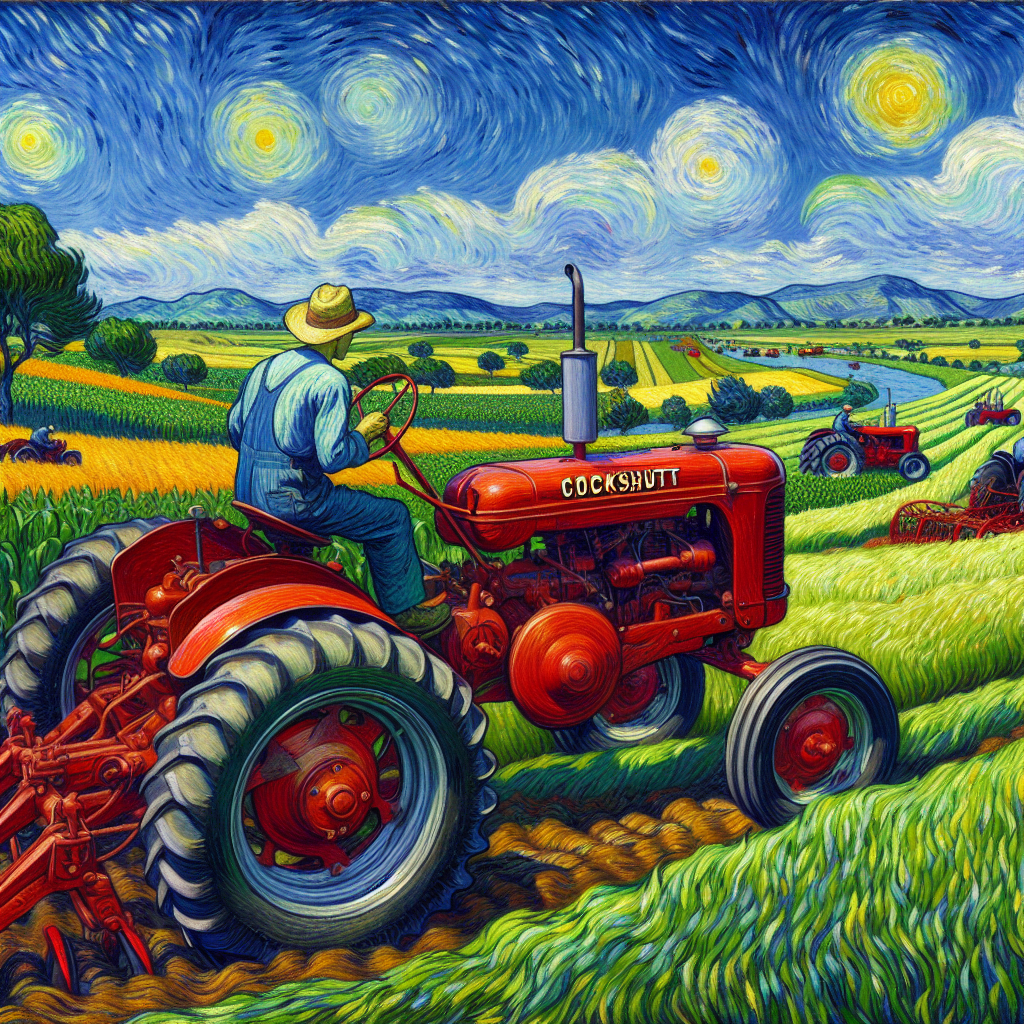
In the heart of agriculture lies a simple, yet profound truth: the machine is only as good as the care it receives. Imagine stepping into the boots of a farmer, standing in front of a trusty tractor, a steed of steel that has plowed countless fields. Each scratch on its surface tells a story, each dent a lesson learned. When farmers invest in machinery maintenance, they’re not just preserving a tool; they’re securing their livelihood and nurturing the bonds within their rural communities.
For many, the tractor is more than a machine; it’s a symbol of resilience and perseverance. Take, for instance, the tale of a farmer who faced a particularly unforgiving season. After neglecting regular maintenance, his tractor broke down during the critical planting window. The consequences were more than financial; he felt the weight of his family’s expectations, the uncertainty in their eyes. Had he prioritized maintenance, he could have averted that loss and maintained not just his crop, but his peace of mind.
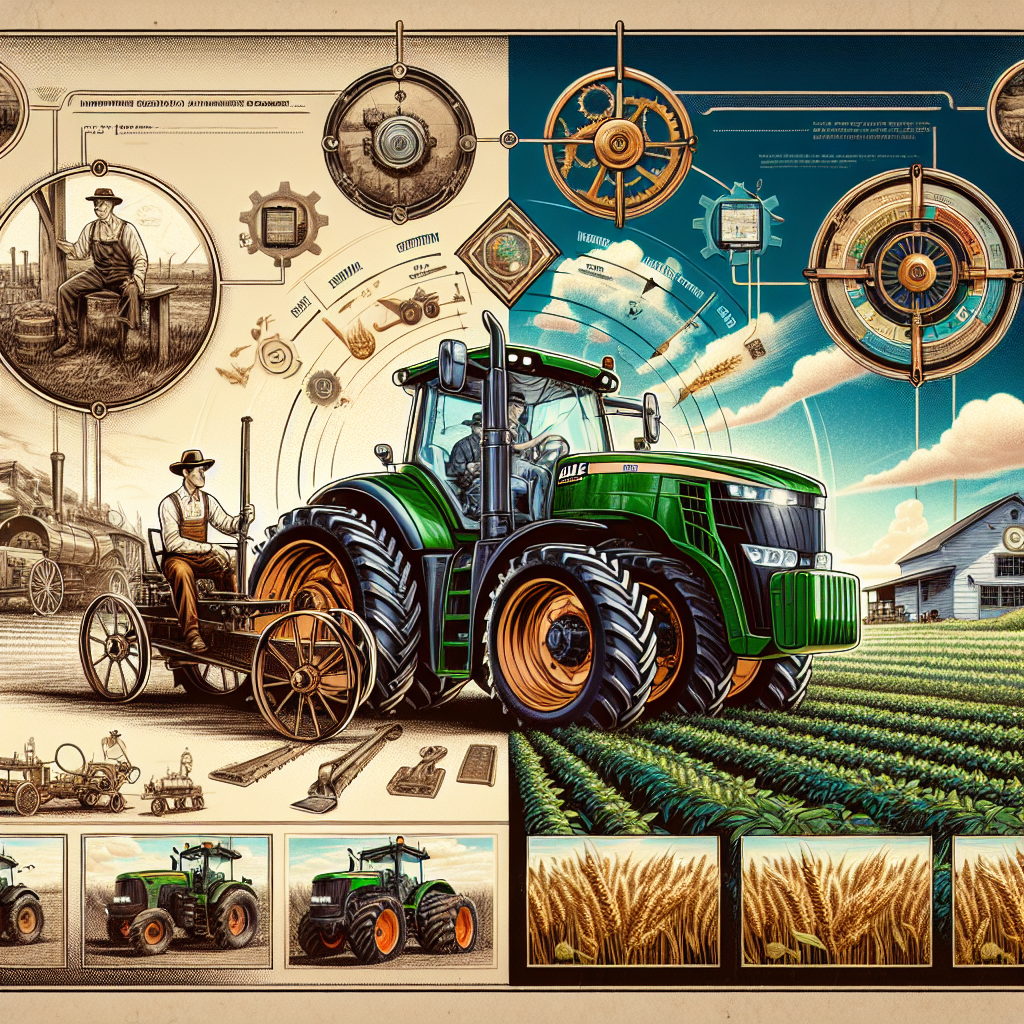
This isn’t just about machines; it’s about the decisions and responsibility they represent. By prioritizing maintenance, farmers make choices that reflect commitment to their craft and their communities. They understand that a well-maintained tractor increases efficiency, reduces downtime, and ultimately sustains the health of their farms. In today’s rapidly changing climate, where every day can bring a new challenge, this realization becomes paramount. The farmer’s choice to maintain machinery is, in essence, a vote of confidence in the future—a testament to their stewardship of the land and their readiness to face whatever comes next.
Emotionally, the connection between farmer and tractor is powerful. Each squeak and roar of the engine resonates with the rhythm of toil and triumph. Rationally, the data backs this sentiment up: maintenance saves money long-term. Ethically, farmers owe it to their families and the environment to operate responsibly. This combination of heart, head, and gut lays the groundwork for sustainable practices that rippling through entire agricultural communities.
As we move forward, let us recognize the human stories behind every piece of machinery. By making maintenance a priority, farmers not only preserve their own futures but also help cultivate a rich narrative that inspires trust, fosters resilience, and strengthens the ties that bind us all in the agricultural tapestry. So when you see that tractor in the field, remember: it’s not just metal and mechanics; it’s a lifeline, a legacy, and a commitment to growth.
How Does Machinery Maintenance Influence Farming Decisions Today?
How Does Machinery Maintenance Influence Farming Decisions Today?
- The care a machine receives directly impacts its performance and reliability.
- For farmers, tractors symbolize resilience and the struggles of agricultural life.
- Neglecting maintenance can lead to significant consequences, affecting both crops and family expectations.
- Prioritizing maintenance reflects a farmer’s commitment to their craft and community.
- A well-maintained tractor enhances efficiency and sustains farm health, especially amid changing climatic conditions.
- Emotional connections between farmers and their machinery are strong, intertwined with their labor and successes.
- Maintenance not only preserves the future of farming but also strengthens community ties and promotes sustainable practices.
How Does Machinery Maintenance Influence Farming Decisions Today?
What Role Does Sustainability Play In Choosing Tractor Models?
When it comes to choosing a tractor, it’s easy to get lost in the technical specifications and horsepower ratings. But let’s get real—sustainability isn’t just a buzzword; it’s the future of farming. Picture yourself on a sprawling farm, the sun rising over the fields, and your trusty tractor by your side. It’s more than just a machine; it’s a vital partner in a delicate ecosystem. The tractor you choose doesn’t just affect your yield; it impacts the environment, your community, and, ultimately, the legacy you leave behind.
Consider the emotional connection we have with our land. Every crop sown and every harvest reaped is a testament to generations of hard work, care, and perseverance. A sustainable tractor doesn’t just cut fuel costs and reduce emissions; it honors that legacy by minimizing the impact of farming on the planet. Think about it this way: when you invest in a tractor that enhances soil health with precision technology or utilizes renewable energy sources, you’re not only improving your farm’s efficiency but also nurturing the land for future generations. This approach can be likened to a long-term friendship; it grows deeper, pays dividends, and cultivates trust.
Rationally, consider the math. Sustainable tractors often incorporate innovative designs that reduce fuel consumption and increase productivity. Imagine saving money at the pump and simultaneously boosting your output. It’s a win-win that appeals to the head. If you doubt the numbers, just talk to the farmers who’ve made the switch. Their testimonies tell a powerful story of success. They’ll share how their commitment to sustainability translates into tangible results—less downtime, lower operating costs, and higher yields. Add that to the fact that eco-friendly practices can enhance marketability. Consumers are increasingly drawn to products that are grown responsibly, making sustainability a crucial selling point.
Ethically, it’s about stewardship. Each time you roll out your sustainable tractor, you’re taking a stand for the future—one that’s less about depletion and more about rejuvenation. This sense of responsibility extends beyond the farm; it’s about the collective impact we have. When we choose to invest in sustainable technology, we become part of a greater movement.
Choosing a tractor model is more than just a business decision; it’s an ethical commitment to leave the world a little better than we found it. So, next time you’re in the market, remember: the right tractor can help you cultivate not just crops, but a more sustainable future for all.
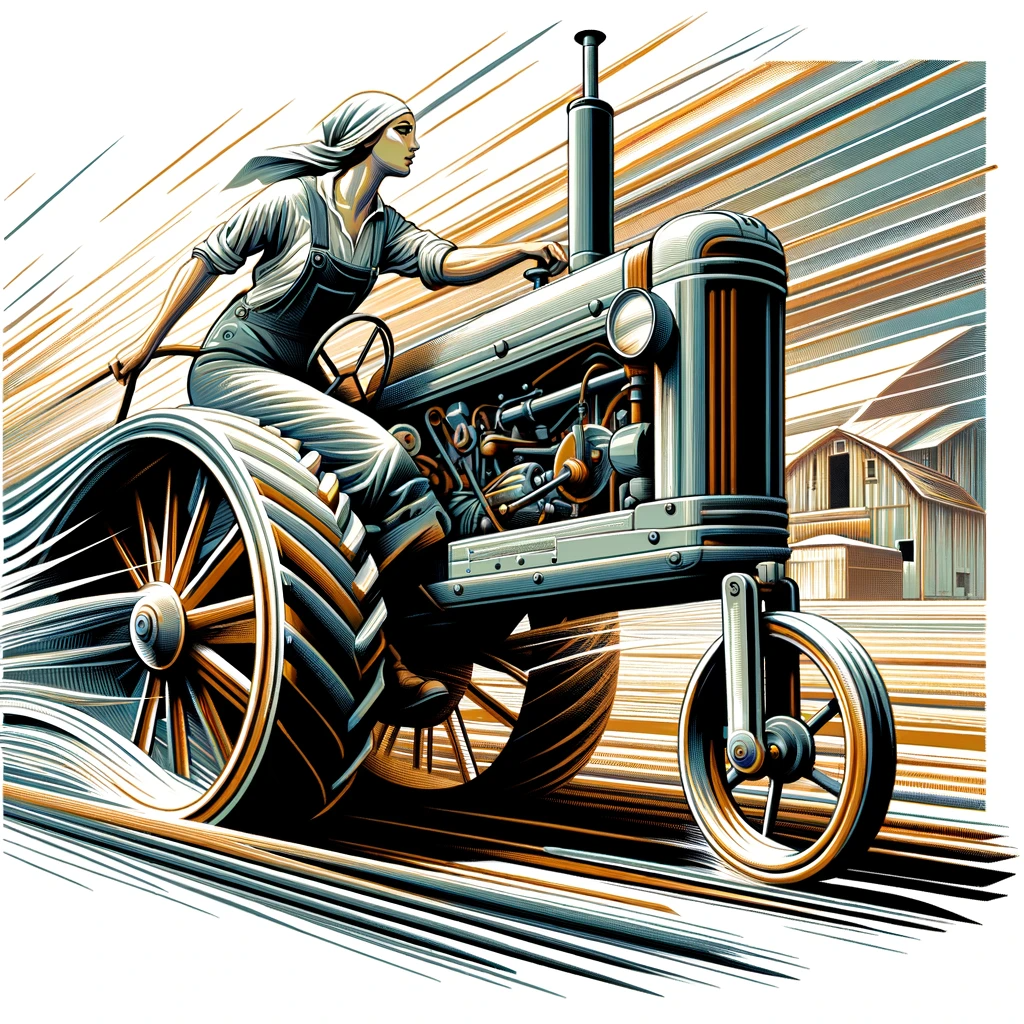
What Role Does Sustainability Play In Choosing Tractor Models?
What Role Does Sustainability Play In Choosing Tractor Models?
- Sustainability is essential for the future of farming, transcending technical specifications.
- The choice of tractor influences yield, environmental impact, and community legacy.
- Sustainable tractors honor agricultural heritage by reducing emissions and cutting fuel costs.
- Investing in innovative tractor technology enhances soil health and boosts farm efficiency.
- Farmers who switch to sustainable practices experience less downtime and higher yields.
- Eco-friendly farming increases marketability as consumers favor responsibly grown products.
- Choosing a sustainable tractor reflects an ethical commitment to environmental stewardship.
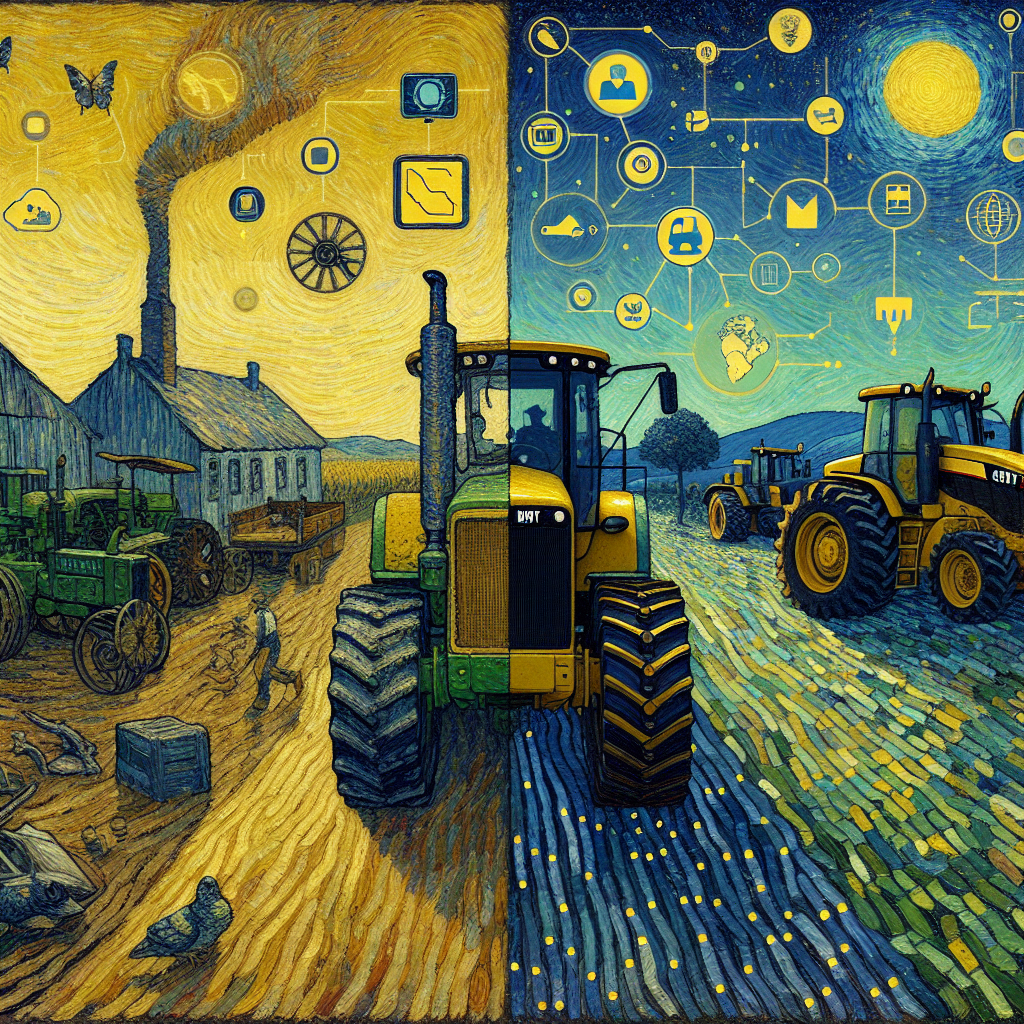
What Role Does Sustainability Play In Choosing Tractor Models?
Conclusion
As dawn breaks over the farmland, it’s not just the tractors that capture the eye; it’s the stories they tell. More farmers are parking their new, high-tech machines and choosing to bring back the old, reliable ones. This isn’t merely a nod to nostalgia; it’s a powerful statement about identity, sustainability, and community. Imagine a farmer, fingers dirty from hands-on work, tuning an older tractor while the sun warms the Earth—the intimate connection is palpable. With costs mounting and complexities rising, farmers are asking themselves the crucial question: Do these modern advancements truly enhance our lives or merely complicate them?
The decision to favor older tractors reflects a profound commitment to ethical farming and sustainability. By opting for traditional machines, farmers not only reduce their carbon footprints but also reconnect with their roots, honoring the land that’s been their livelihood for generations. Those worn-out tractors bear the marks of stories unprecedented, representing resilience and long-held practices. In a world racing toward modernization, this return to the roots also revitalizes community bonds. Instead of isolated fieldwork, farmers gather around bonfires, sharing tales and traditions, reinforcing the collective spirit that defines agricultural life.
This trend emphasizes a thoughtful shift. Today’s farmers understand that embracing the simplicity of the past can forge a stronger path forward. Instead of succumbing to the pressures of new technologies, they opt for the tried-and-true, reinforcing not only their skills but also a deep-seated commitment to caring for the land. The idle modern tractors serve as a canvas for this narrative—a canvas filled with stories of sacrifice, triumph, and lessons learned.
As we witness this movement, it’s vital to recognize what the tractors—old and new—represent: a legacy of hard work, community spirit, and an unwavering connection to the soil. Each old machine tells the tale of every farmer who has sat at the wheel, weathering storms both literal and metaphorical, embodying both strength and purpose. So, the next time you see those classic tractors standing proud among the fields, remember they are not simply relics of a bygone era; they are vibrant symbols of loyalty to the land, echoing the rich tapestry of who we are as stewards of agriculture. This is a call to honor tradition while navigating the challenges of the modern world, reminding us all that sometimes, the old ways carry the wisdom we need to secure our future.
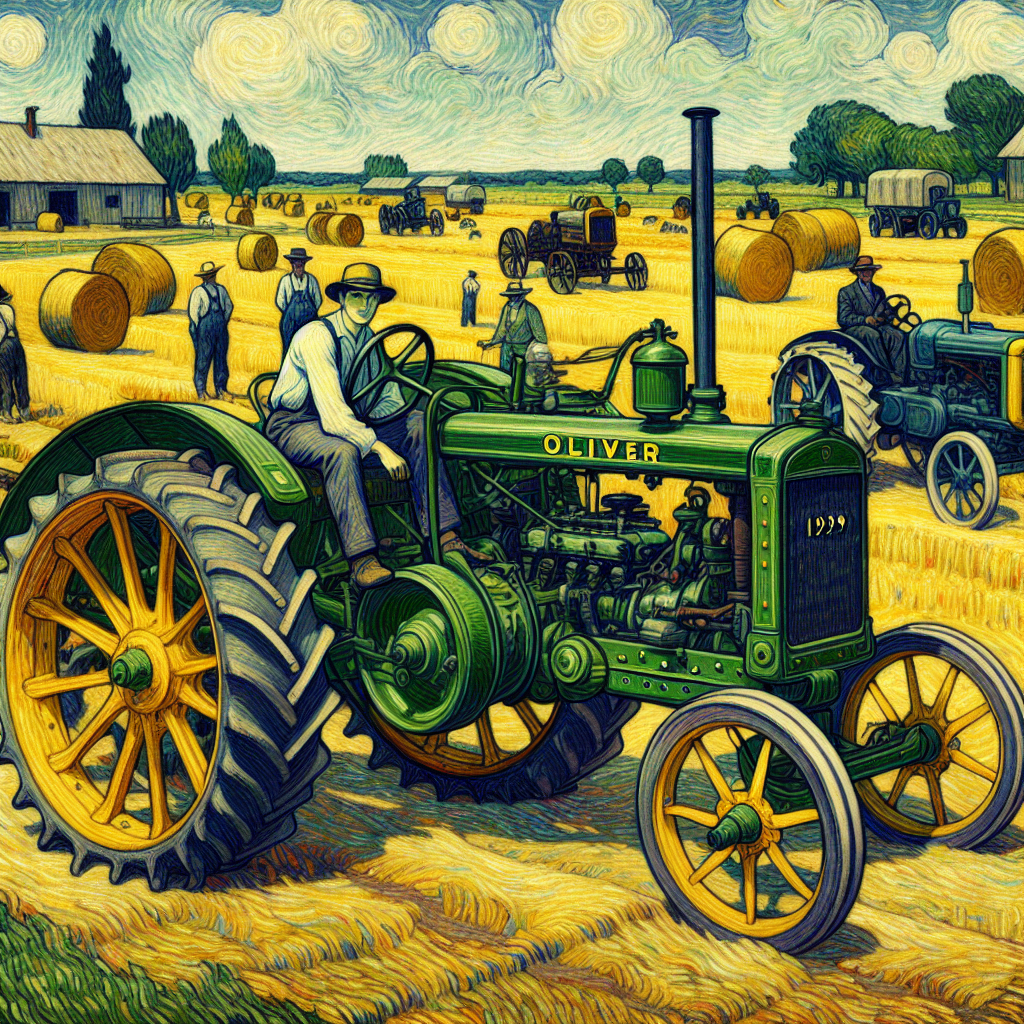
Conclusion
Conclusion:
- Farmers are increasingly favoring old, reliable tractors over new high-tech machines.
- This shift reflects a commitment to identity, sustainability, and community.
- Choosing traditional machines helps reduce carbon footprints and reconnects farmers with their roots.
- Old tractors carry stories of resilience and long-held practices.
- The trend fosters community bonding through shared experiences and traditions.
- Farmers realize that simplicity can lead to a stronger future, reinforcing their skills and land stewardship.
- Old tractors symbolize a legacy of hard work and a deep connection to the soil, embodying strength and purpose.
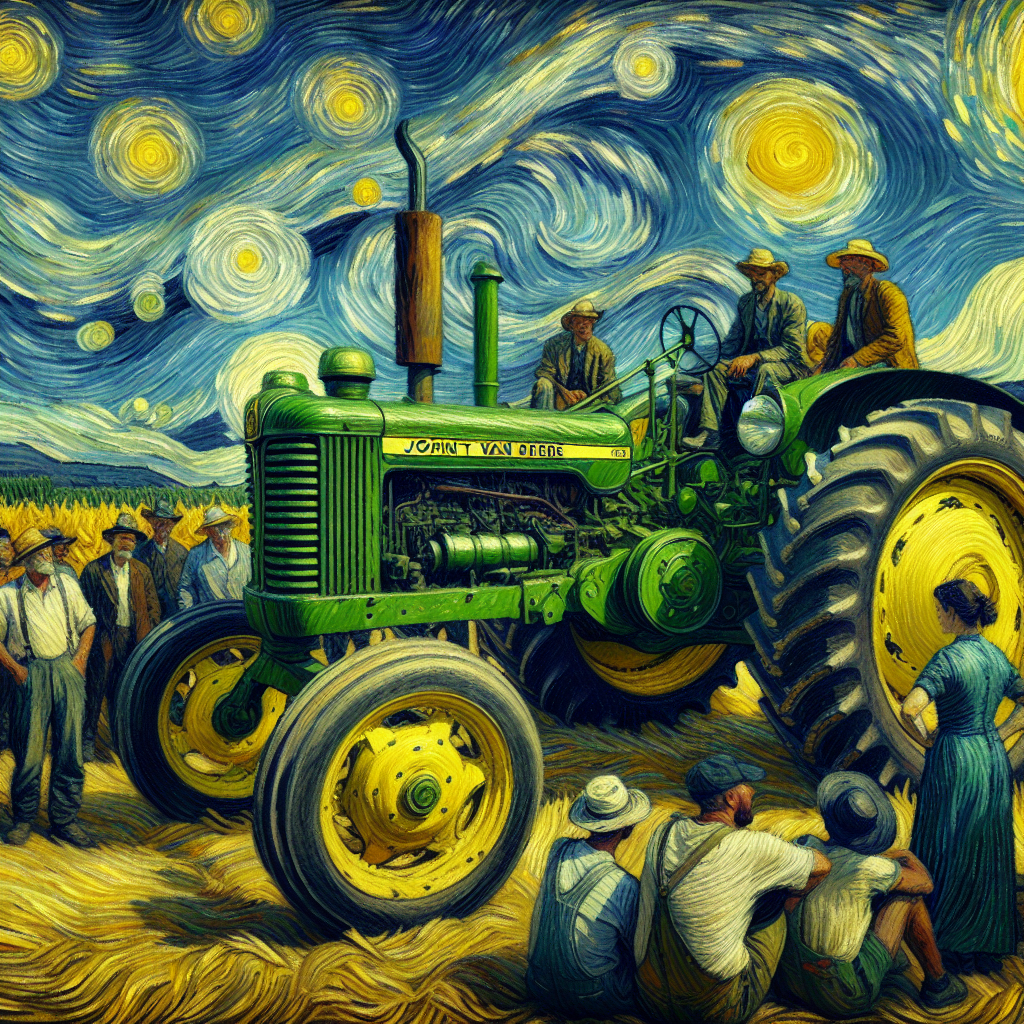
Conclusion
Other Resources
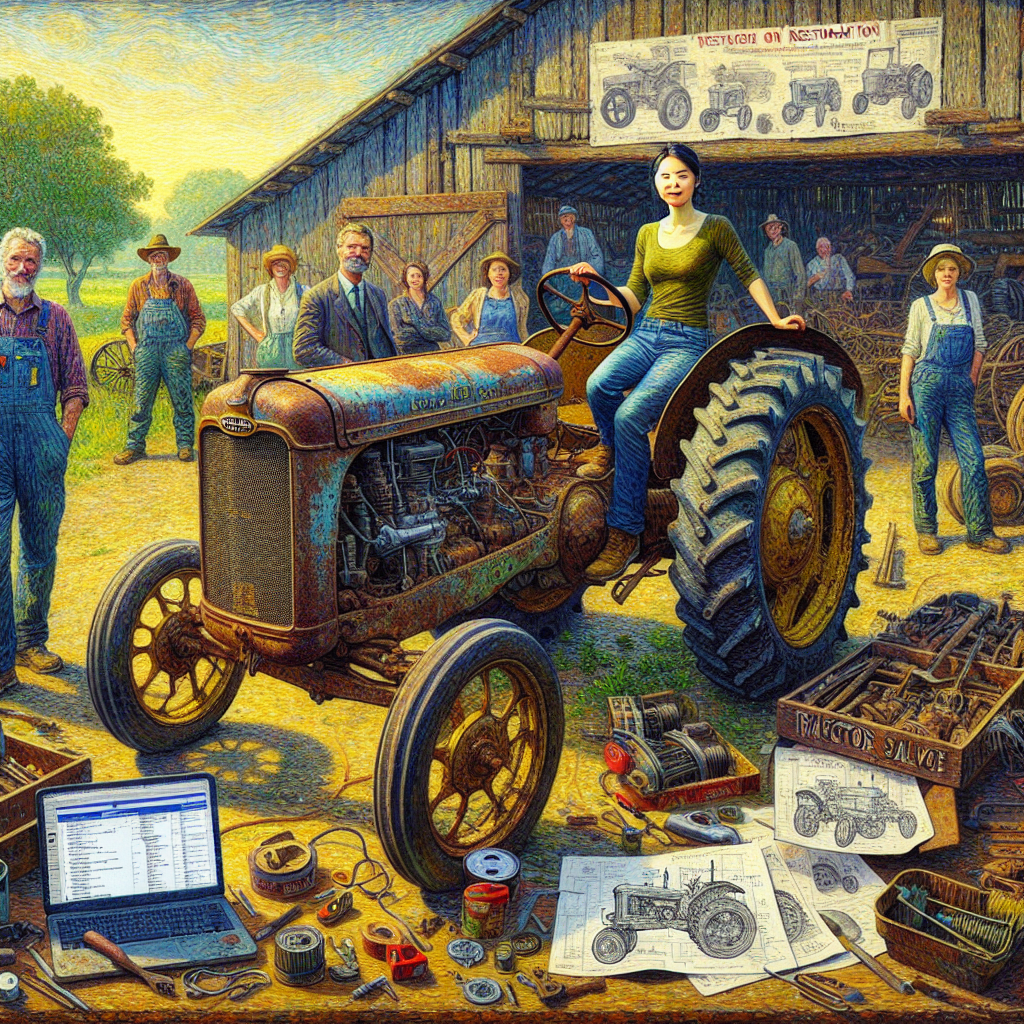
Other Resources
Here is a list of other resources you can review online to learn more:
- Satoh
- UTB/Universal
- Apollo
- Minneapolis
- Classic Tractor Fever
- American Farm Tractor Museum
- Empire
- South Dakota Tractor Museum
- Wuzheng
- Cub Cadet
- Agriculture Heritage Center & Museum
- Kioti
- Minnesota’s Machinery Museum
- Baldwin
- Ag King
- Hefty
- Racine County Fair Antique Tractors
- Muir-Hill
- Best
Use This Prompt To Get More Resources With Your Favorite Online AI Tool: Please provide me with a list of online articles with their URLs in a bulleted list that I can read regarding Why More Farmers Are Parking New Tractors and Pulling Out Old Ones
Other Resources
Glossary Terms
Why More Farmers Are Parking New Tractors and Pulling Out Old Ones – Glossary Of Terms
1. Right-to-repair — The legal and practical ability of owners and independent shops to diagnose, fix, and modify equipment without manufacturer restrictions; a key factor in farmers favoring older, serviceable tractors.
2. Telematics — Remote data-collection systems reporting hours, location, and performance to manufacturers or cloud services; can create dependence and data-control concerns.
3. Precision agriculture — GPS, sensors, and software-driven farming techniques integrated into modern tractors; adds capability but increases complexity and cost.
4. Proprietary software — Manufacturer-owned code that controls machine functions and diagnostics, often preventing third-party repairs or modifications.
5. Electronic Control Module (ECM) — Onboard computer managing engine and drivetrain functions; software issues or locked ECMs can immobilize new tractors without dealer support.
6. Firmware lock/immobilizer — Software protections that prevent operation or repair unless unlocked by the manufacturer or authorized dealer.
7. Dealer lockout — Situations where dealers control access to keys, diagnostics, or updates, creating service bottlenecks and dependency.
8. Subscription model — Recurring fees for software features, maps, or updates embedded in modern equipment business models.
9. Total cost of ownership (TCO) — All costs over a machine’s life (purchase, fuel, maintenance, downtime); older tractors sometimes yield lower TCO for certain farms.
10. Depreciation — The loss of an asset’s value over time; rapid depreciation of high-tech tractors can make older models more economical.
11. Planned obsolescence — Design choices or software changes that shorten useful life, encouraging earlier replacement of equipment.
12. Maintainability — Ease and speed of performing routine service and repairs; older tractors often score higher for farmer- or local-mechanic maintenance.
13. Reliability — Consistency of performance without failure; simple, proven older machines are often perceived as more reliable in the field.
14. Parts commonality — Use of interchangeable, widely available components across models; facilitates quicker, cheaper repairs for older tractors.
15. Aftermarket parts — Non-OEM replacement components and upgrades that expand repair options and lower costs for legacy equipment.
16. Retrofit kit — Add-on hardware or software used to update older tractors (e. g. , GPS, emissions controls) rather than buying new.
17. Manual controls — Mechanical levers, clutches, and gauges preferred by some operators for predictability and repair simplicity.
18. Hydraulics vs. electronic controls — The contrast between fluid-driven mechanical systems and computerized actuators; hydraulics are often simpler to troubleshoot.
19. Power Take-Off (PTO) — Shaft that transfers engine power to implements; compatibility and control differences between old and new tractors can complicate implement use.
20. CAN bus — Controller Area Network used for module communication in modern tractors; diagnostic complexity and proprietary protocols hinder independent fixes.
21. Remote diagnostics — Manufacturer-led troubleshooting via connectivity; speeds diagnosis but can restrict farmer control over repairs.
22. Cybersecurity — Protections against hacking or unauthorized access; connectivity in modern tractors introduces new operational and trust concerns.
23. Data ownership — Control over machine and farm data collected by equipment; unclear ownership drives some farmers to avoid connected new machines.
24. Warranty terms — Conditions under which manufacturers cover repairs; restrictive terms may mandate dealer servicing and limit farmer autonomy.
25. Service intervals — Scheduled maintenance requirements; modern machines may demand specialized or more frequent service, increasing costs.
26. Skill gap/mechanic shortage — Decline in available technicians for either older mechanical systems or newer electronics; affects repairability choices.
27. Resale market — Secondary-market demand and value for used tractors; strong markets for older models can encourage retention rather than buying new.
28. Emissions regulation — Government limits that drive complex after-treatment systems in new engines; added maintenance and cost can favor older machines.
29. Downtime risk — Likelihood and cost of machines being out of service due to repairs, parts delays, or software issues; lower downtime risk of simple tractors is attractive.
30. Ownership philosophy/simplicity ethos — Farmer preference for straightforward, repairable, long-lived machinery based on independence, cost-control, and proven performance.
Glossary Of Terms
Other Questions
Why More Farmers Are Parking New Tractors and Pulling Out Old Ones – Other Questions
If you wish to explore and discover more, consider looking for answers to these questions:
- What specific cost factors make new tractors more expensive to operate than older models?
- How do maintenance and repair costs compare between new and old tractors?
- Are older tractors actually more reliable in real-world farm conditions?
- How does fuel efficiency of vintage tractors compare with modern machines?
- What impact does the choice of tractor have on crop yields and productivity?
- How does tractor selection affect soil health and long-term sustainability?
- What role do government subsidies, tax incentives, or regulations play in this trend?
- How are manufacturers responding to farmers who prefer older equipment?
- Is availability of replacement parts for older tractors becoming a problem?
- How does resale value differ between new and used tractors and how does that influence decisions?
- Are there safety trade-offs when using older tractors that lack modern safety features?
- How does precision-agriculture technology change labor needs and required skill sets?
- What training or certification is needed to operate and maintain high-tech tractors?
- Can older tractors be retrofitted with modern features like GPS, telematics, or emissions controls?
- How do insurance premiums and liability concerns differ for vintage versus modern machinery?
- What are the environmental implications of keeping old tractors running versus buying new, cleaner models?
- How much does cultural identity and community tradition influence equipment choices?
- Does parking new tractors affect short-term and long-term farm profitability?
- How do fluctuating commodity prices and market uncertainty influence machinery decisions?
- What financing and leasing options exist for purchasing or maintaining tractors?
- How do extreme weather events and climate change alter the calculus of machine choice?
- Are there cooperative or shared-equipment models to give smaller farms access to high-tech machinery?
- What effects does this trend have on rural employment and the aspirations of younger farmers?
- How widespread is the trend geographically and across different types of farming operations?
- What practical strategies do farmers use to balance tradition with technological innovation?
- How do software locks, warranties, and manufacturer repair restrictions on new tractors affect farmer autonomy?
- Are there health implications (noise, emissions, ergonomics) for farmers using older tractors?
- How do informal community networks (parts swapping, repair cooperation) operate today?
- What economic or technological developments could reverse or accelerate this trend in the coming years?
- How do consumers, retailers, and food buyers perceive farms that use older versus newer equipment?
Other Questions
Haiku
Why More Farmers Are Parking New Tractors and Pulling Out Old Ones – A Haiku
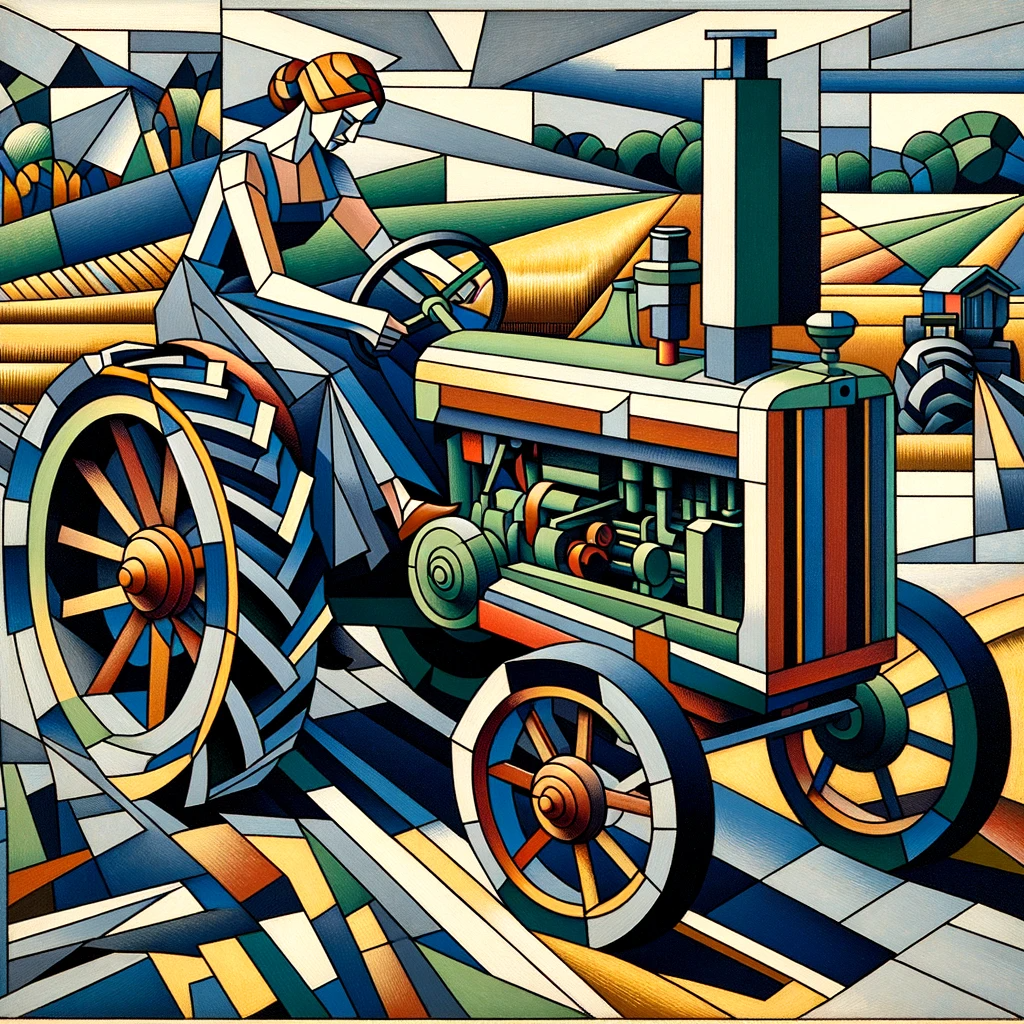
Old iron rests in fields,
Roots of tradition grow deep,
Harvests of the heart.
Haiku
Poem
Why More Farmers Are Parking New Tractors and Pulling Out Old Ones – A Poem
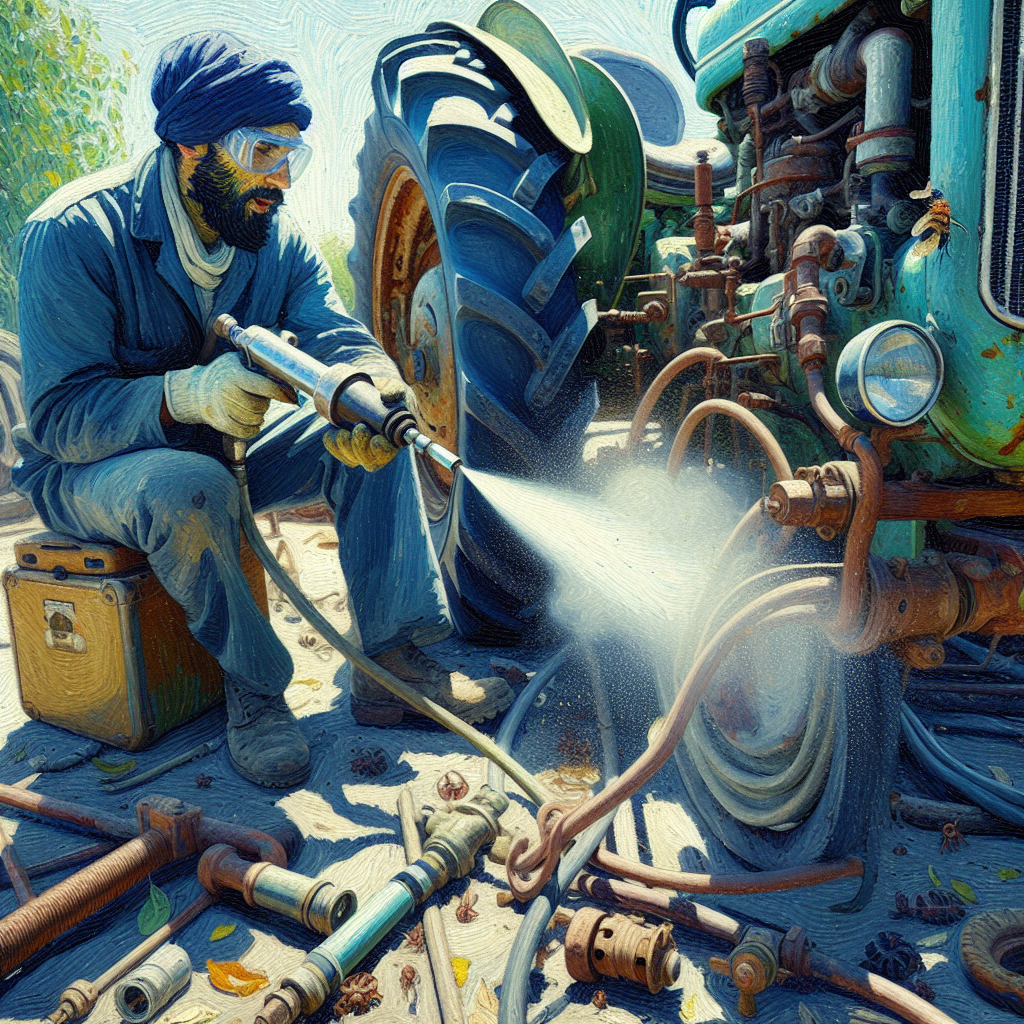
Upon the dawn, the tractors gleam,
Old comrades rest, part of a dream.
Once symbols of progress, now parked in the light,
Echoes of history whisper through night.
Farmers choose age, not for mere nostalgia,
But to weave tradition with sustainable karma.
Old iron machines, with stories to tell,
Hold bonds to the earth that prospered so well.
With hands in the soil, they join heart and skill,
Rejecting the burden of techs constant thrill.
In simplicity lies a wisdom profound,
A shift to the past where true roots are found.
The rust on the metal, a badge worn with pride,
Binds farmers together, no longer to hide.
In circles of trust, each story shared bright,
Around flickering fires, they gather at night.
Reliability, not in circuits or screens,
But in grit and in labor — the fabric of dreams.
For every new tractor, slick in its guise,
Cannot match the bond found in dirt, sweat, and sighs.
In every decision, the heart takes a stance,
Of legacy cherished, a reverent dance.
So let the old tractors, in fields gently roam,
For where they stand still, true roots call us home.
Poem
Checklist
Why More Farmers Are Parking New Tractors and Pulling Out Old Ones – A Checklist
Emotional Appeals
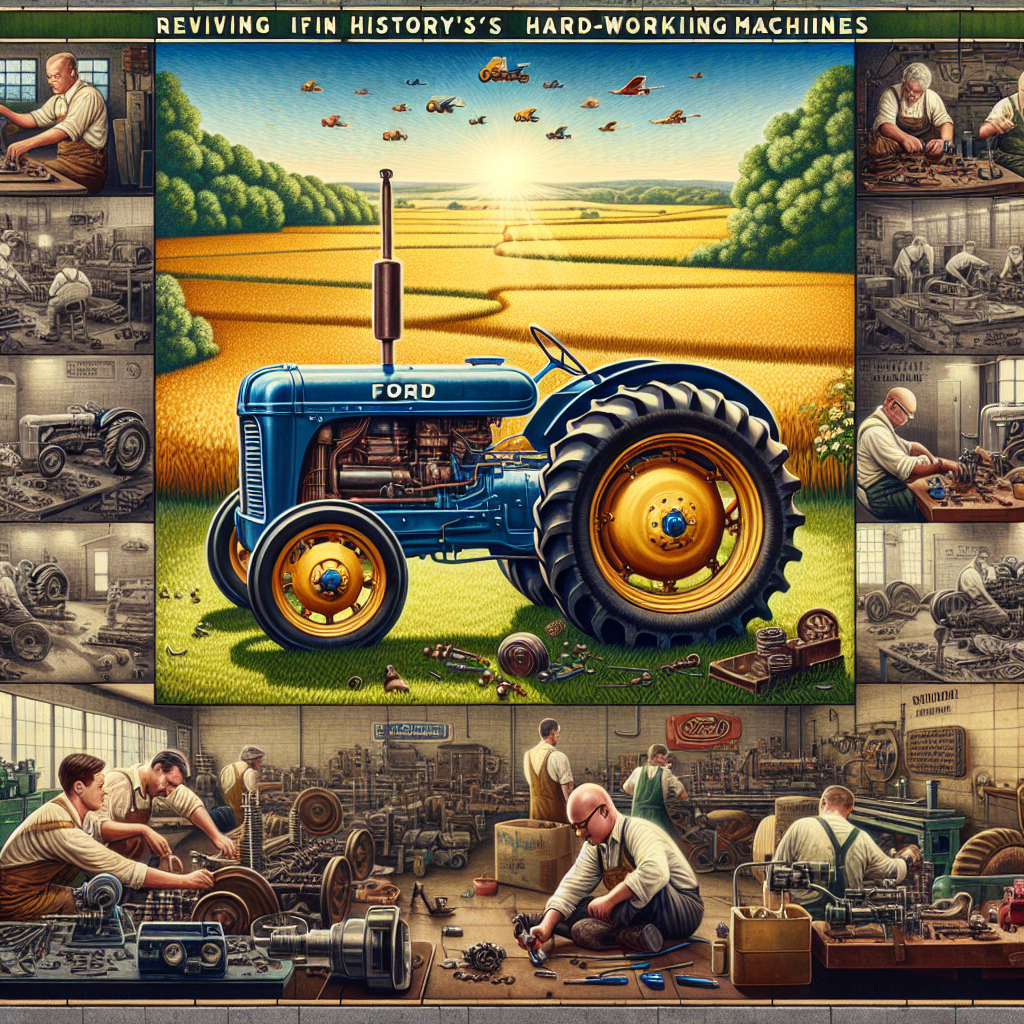
✅______ Reconnect with heritage. Reflect on family traditions and stories associated with farming.
✅______ Celebrate resilience. Acknowledge the durability and history of older tractors as symbols of perseverance.
Rational Appeals
✅______ Assess cost-effectiveness. Evaluate the long-term savings and efficiency of maintaining older equipment versus new models.
✅______ Examine reliability. Compare the performance and maintenance needs of vintage tractors with modern machinery.
Ethical Appeals
✅______ Commit to sustainability. Make choices that reduce carbon footprints and promote eco-friendly practices.
✅______ Honor craftsmanship. Appreciate the value of older machinery that supports sustainable farming and reduces waste.
Authority Appeals
✅______ Learn from experienced farmers. Seek advice and insights from seasoned agriculturalists who have transitioned back to older equipment.
✅______ Support community initiatives. Engage with local agricultural organizations that advocate for traditional practices.
Narrative Appeals
✅______ Share personal stories. Document and tell the tales of how older machinery has impacted your farming journey.
✅______ Highlight community connections. Foster relationships through shared experiences and exchanges in agricultural practices.
Social Appeals
✅______ Encourage community gatherings. Organize or participate in events that bring farmers together to share knowledge about traditional practices.
✅______ Promote local farming. Support and advocate for community-based agriculture that prioritizes tradition and sustainability over high-tech solutions.
Checklist
At ClassicTractorNews, we help tractor lovers keep up with the latest news for classic and vintage tractors.
Please share this post with your friends, family, or business associates who may like old classic or vintage tractors.