

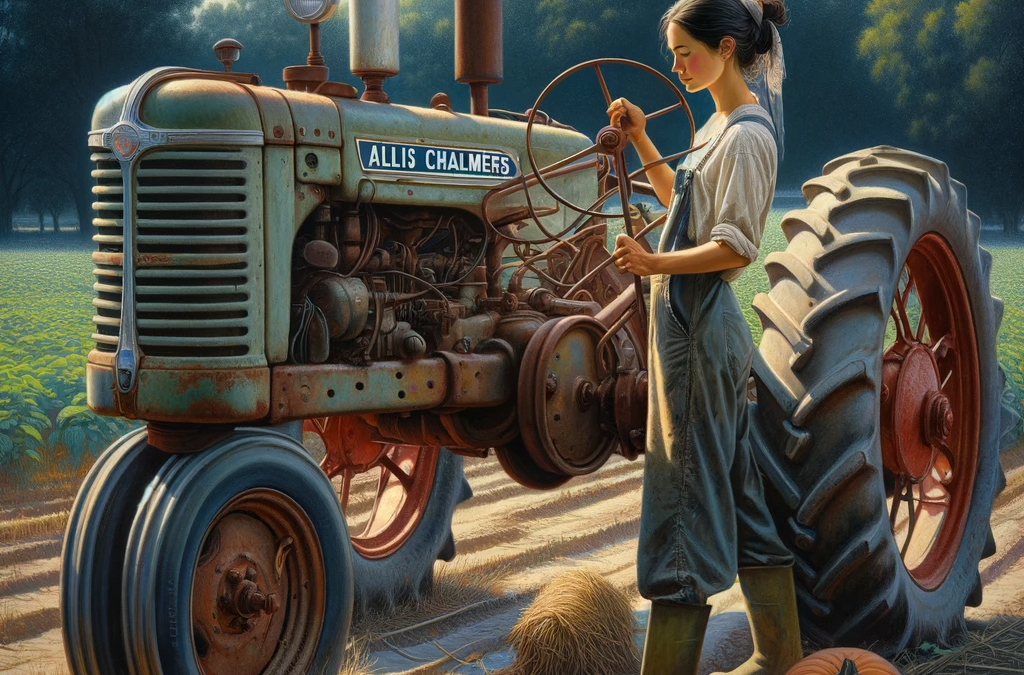
Unveiling The Distrust: A Farmer’S Struggle For Control And Trust
By Tom Seest
At ClassicTractorNews, we help tractor lovers keep up with the latest news for classic and vintage tractors.
Please share this post with your friends, family, or business associates who may like old classic or vintage tractors.
Why Modern Tractors Treat Owners Like Criminals
In a world where convenience reigns supreme, it’s easy to overlook the hidden handcuffs that modern technology places on the very people it aims to serve. Think about it: the tractor, that steadfast symbol of rural pride and hard work, has transformed into a sophisticated digital machine that often feels more like a jailer than an ally. Owners are being treated with a level of suspicion that belies their dedication to their fields, their families, and their livelihood.
Imagine a farmer, waking at dawn to plow the land handed down through generations. This farmer invests not only their money but also their heart and soul into that trusty tractor, a machine that should represent freedom. Yet, as engines roar to life, a chilling reality creeps in—this very tool could suddenly turn into an enemy. With built-in restrictions, mandatory software updates, and licensing agreements, you might feel less like the master of the land, and more like a tenant on a rented machine. Why? Because manufacturers now wield the power to dictate how and when that tractor is used, casting farmers into a realm of suspicion.
This shift raises an important question: are we not the stewards of our machines? When did our tractors start demanding trust while treating us like potential criminals? With the rise of corporate ownership in agriculture, the ethos of trust has been replaced by a culture of surveillance. The narrative of the farmer as the villain is neither logical nor ethical. Instead, it undermines the very values of camaraderie and respect that bonds us to our land.
Every time a farmer logs into their tractor’s software and finds restrictions on usage, it’s not just a minor inconvenience—it’s an affront to their autonomy, a reminder that they are not in full control of their destiny. It’s akin to finding that your own house is locked up by someone else, with you inside, at the mercy of their whims.
The irony is that modern tractors were designed to enhance farming efficiency, yet they ensnare owners in red tape and digital chains. As the lines between ownership and servitude blur, a call for change is essential. Trust needs to be restored, and the narrative must shift back to honoring the hardworking individuals who depend on these machines. Farmers deserve more than a partnership that questions their integrity; they should be celebrated as the backbone of our society, free to operate their equipment without fear or suspicion.
Change is possible, but it requires collective action, shared stories, and a commitment to reclaiming the dignity and autonomy that rightly belongs to those who cultivate the land.
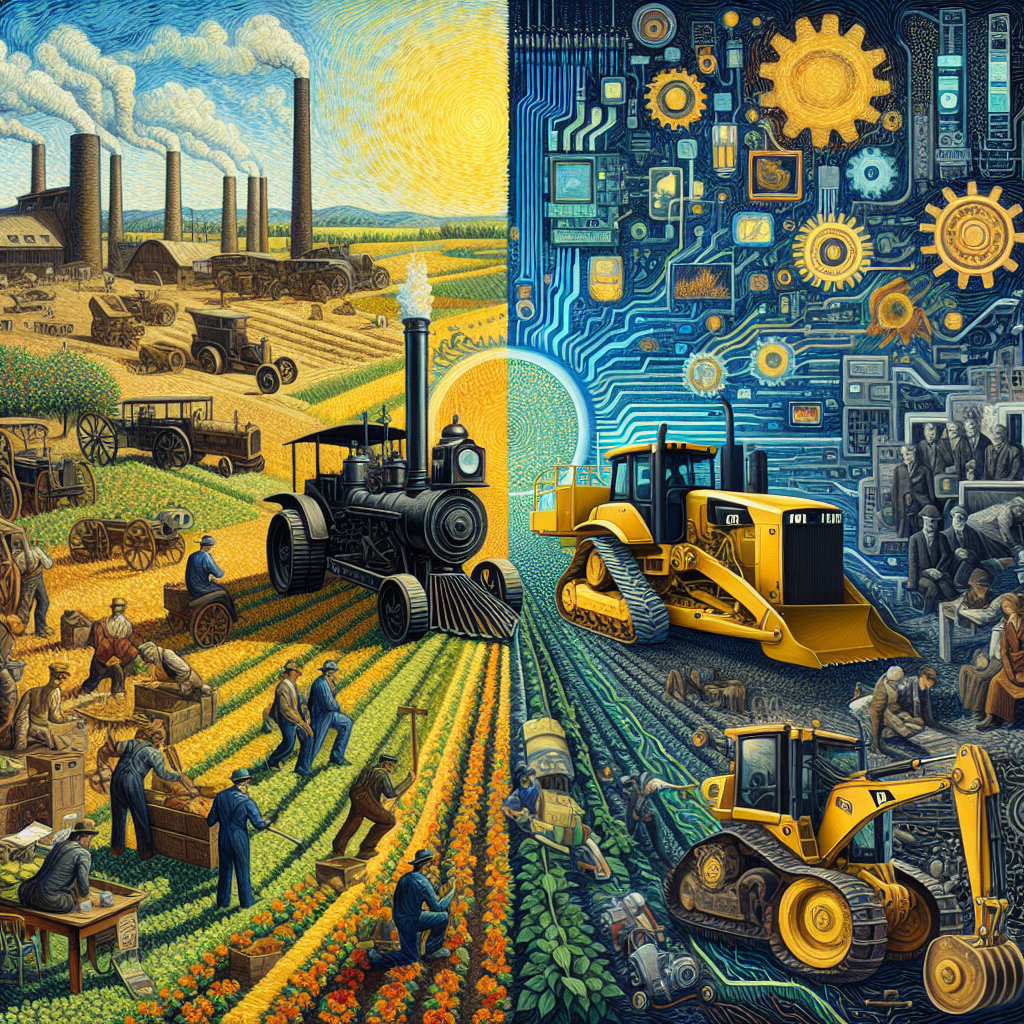
Why Modern Tractors Treat Owners Like Criminals
Why Modern Tractors Treat Owners Like Criminals
- Modern tractors have transformed from tools of freedom to digital machines that impose restrictions on owners.
- Farmers invest deeply in their tractors, which now act more like jailers than allies due to built-in limitations and software mandates.
- There is a troubling shift in perception; corporations treat farmers with suspicion rather than trust.
- The culture of surveillance undermines the values of camaraderie and respect between farmers and their land.
- Restrictions on tractor usage are a serious affront to farmers’ autonomy and control over their work.
- Despite their design to enhance efficiency, modern tractors entrap owners in bureaucracy and digital constraints.
- A call for change emphasizes restoring trust and recognizing farmers as essential contributors to society.
Why Modern Tractors Treat Owners Like Criminals
Table Of Contents
- Why Modern Tractors Treat Owners Like Criminals
- What Ethical Concerns Arise From Tractor Surveillance?
- In What Ways Does Technology Complicate Traditional Farming Practices?
- Are Farmers Being Punished for Seeking Independent Repairs?
- How Does Proprietary Software Impact the Ability to Cultivate Land?
- Why Is Access to Equipment Data Crucial for Farmers’ Success?
- What Social Ramifications Emerge From Tractor Lockouts?
- Conclusion
- Other Resources
- Glossary Of Terms
- Other Questions
- Haiku
- Poem
- Checklist
What Ethical Concerns Arise From Tractor Surveillance?
In recent years, the rise of tractor surveillance has illuminated a critical intersection between innovation and ethics in agriculture. Think about it: a farmer, someone who has weathered storms both literal and metaphorical, now faces a new challenge—not just the unpredictable skies, but also the scrutiny of surveillance technology that can track every move made on their land. It raises fundamental questions. Do we trust technology to respect the earth and the people who nurture it?
First, let’s address the heart. Imagine a third-generation farmer working tirelessly to cultivate the land passed down from their ancestors. The pride of planting seeds and watching them grow is deeply personal. Yet, the moment tractors equipped with cameras and sensors roll into the field, that autonomy is under siege. It’s not just about productivity; it’s about identity, tradition, and the soft whisper of the wind among the crops. The idea of being constantly monitored can feel like an infringement on one’s private space, akin to a family member peering over your shoulder during a moment meant for quiet reflection.
Moving to the head, the implications of such technology warrant serious consideration. On one hand, these high-tech tractors promise improved efficiency through data-driven insights. But to what end? The risk of farming becoming a data-driven commodity—where every decision is analyzed and adjusted based on algorithms—threatens to strip the soul from an age-old practice. We must ask: whose data is it? Safeguarding farmers’ privacy should be as crucial as improving yields, recognizing that personal information has a value far beyond numbers on a spreadsheet.
Turn now to ethical concerns. With great power comes great responsibility—the adage rings true in agriculture as much as in technology. Are companies behind these systems ensuring that surveillance is used solely to benefit farming communities rather than exploit them? Trust must be nurtured. After all, the same way a farmer tends to their crops, the tech industry must cultivate a community based on transparency.
The narrative here isn’t just about tractors or surveillance; it’s about people, their stories, and safeguarding an intrinsic connection to their land. Picture a dad teaching his child the ropes of plowing, the hum of the tractor providing rhythm to life lessons passed down through generations. The specter of surveillance should not overshadow this relationship.
Ultimately, it’s vital to create a space where farmers feel empowered, not encumbered. Crafting policies that respect individual rights while embracing innovation is essential. A collaborative effort—where farmers voice their concerns, tech companies prioritize ethics, and communities come together—can forge a path forward that honors both tradition and progress, ensuring the future of farming remains as rich as its past.
What Ethical Concerns Arise From Tractor Surveillance?
What Ethical Concerns Arise From Tractor Surveillance?
- The rise of tractor surveillance highlights critical ethical and innovative challenges in agriculture.
- Surveillance technology tracks every move of farmers, raising trust and privacy concerns.
- Constant monitoring threatens the autonomy and identity of traditional farming practices.
- While high-tech tractors promise efficiency, they risk reducing farming to mere data analysis.
- Safeguarding farmer privacy is as important as improving agricultural yields.
- Ethical responsibilities of tech companies must focus on benefiting farming communities.
- Collaboration between farmers and tech companies is essential for respecting rights and embracing innovation.
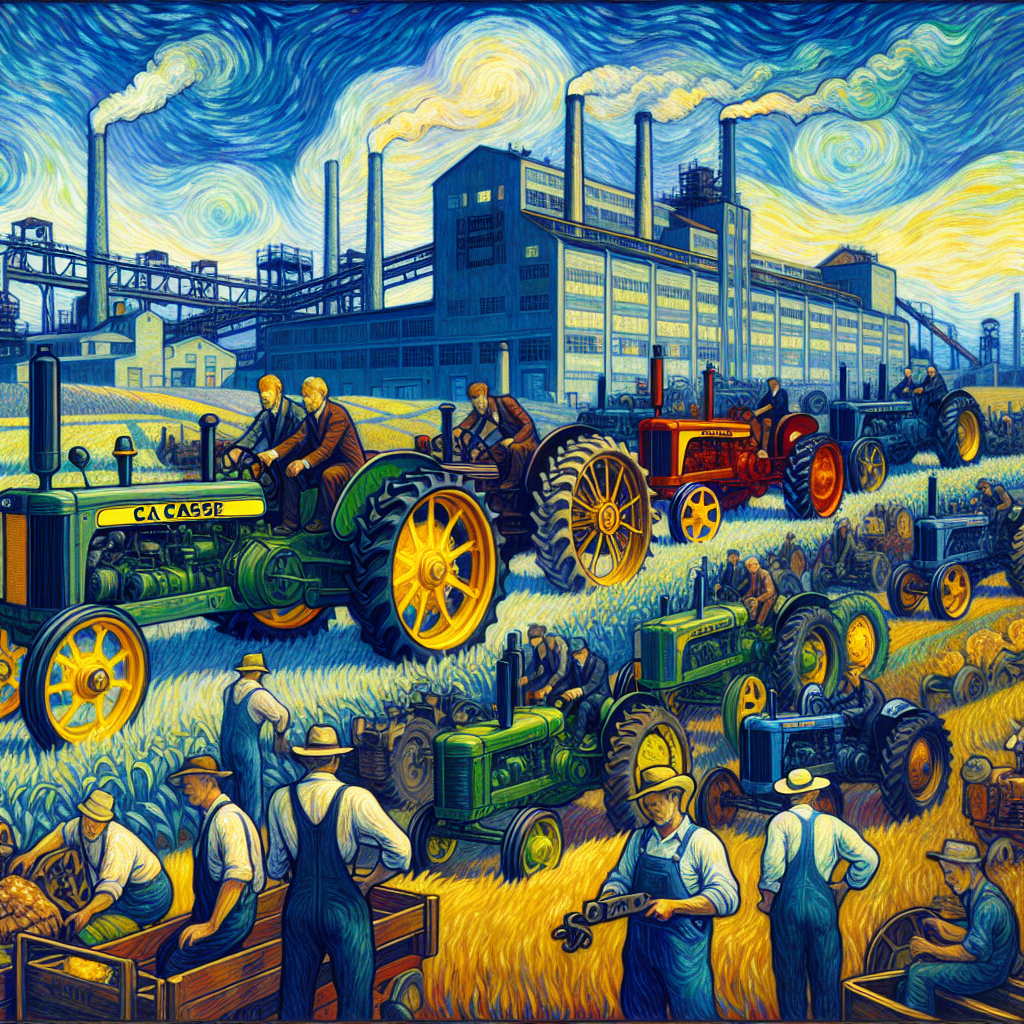
What Ethical Concerns Arise From Tractor Surveillance?
In What Ways Does Technology Complicate Traditional Farming Practices?
Imagine a wide-open field, the sun rising over rows of rich, fertile soil, and a trusty tractor rumbling to life at dawn. For generations, this scene symbolized the heart of farming—a labor of love deeply intertwined with tradition. Yet, as technology storms onto the agricultural landscape, the very foundations of these cherished practices are being put to the test. While advancements promise efficiency, they often bring with them a complex tapestry of complications that can feel overwhelming.
Take a moment to consider the impact of precision agriculture. Drones and satellite imagery are now commonplace, capable of analyzing crop health like never before. At first glance, this seems revolutionary, but it comes with a hefty price tag. Many small farmers, those who embody the spirit of grit and resilience, find themselves in a race they never signed up for. The hefty investment in tech means they’re not just planting seeds; they’re also planting a mountain of debt, all while trying to maintain their connection to the land. It’s a harsh reality that many producers face: the same tools that promise to enhance productivity are sealing their fates in a complex financial web.
Let’s turn to the heart of the issue. Consider the farmer who grew up hand-planting corn with his family, passing down stories from generations. Now, he’s faced with algorithms and apps dictating every decision he makes about his crops. This shift can feel alienating, stripping away the sense of stewardship and connection to the earth that farming once nurtured. The tablet might tell him when to water, but it can’t convey the wisdom of years spent observing the changing seasons.
As technology advances, ethical questions emerge. Should we embrace every new innovation at the cost of our time-tested practices? When does efficiency compromise the essence of farming? If we lose touch with the land, we risk not only our crops but also our community—the bonds forged by shared experiences are quickly fraying as digital screens take precedence over face-to-face connections in the field.
By blending tradition with technology thoughtfully, farmers can reclaim their narrative. It’s crucial to recognize that embracing change doesn’t mean abandoning values. The tractor, once a symbol of progress, can coexist with the past, serving as a bridge that connects old and new ways. Through shared stories, farmer cooperatives, and community discussions, we can navigate this complex landscape together, preserving the heart of farming while reaching for the technological future.
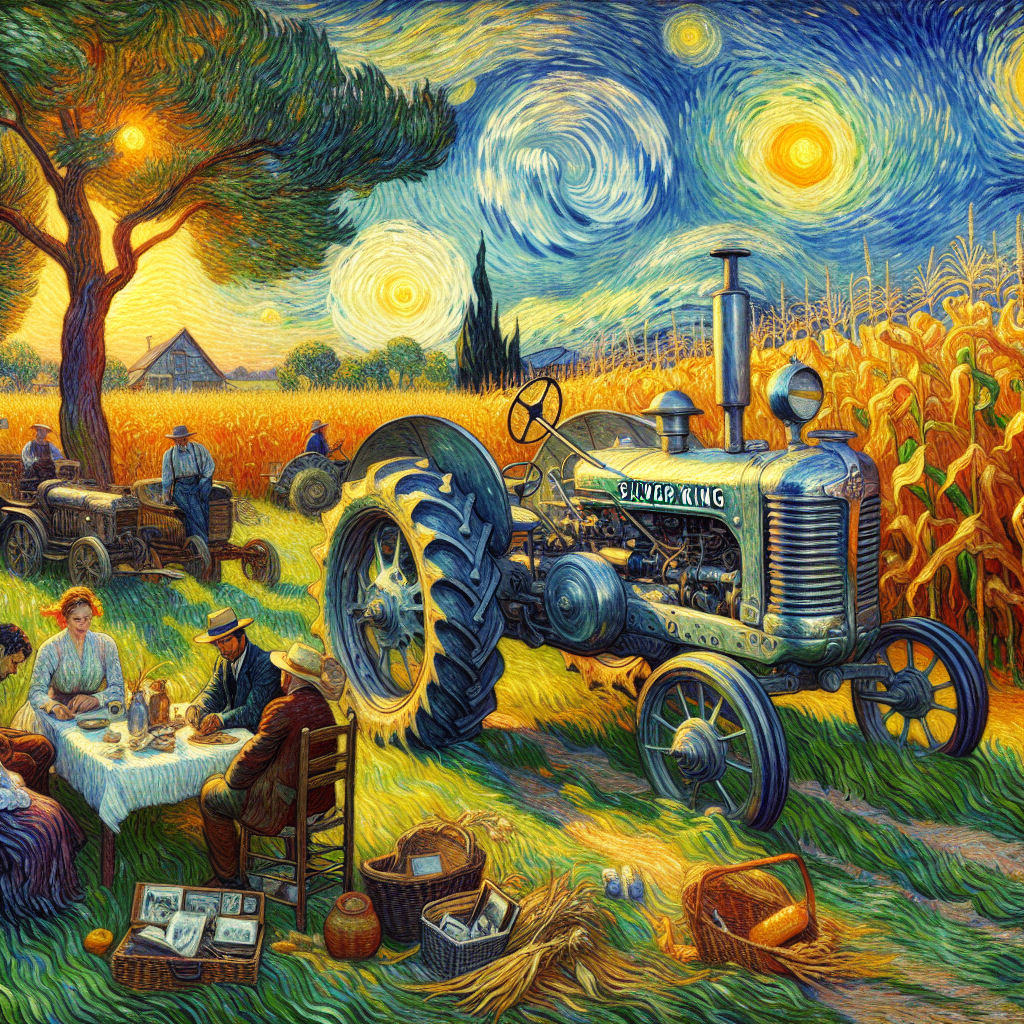
In What Ways Does Technology Complicate Traditional Farming Practices?
In What Ways Does Technology Complicate Traditional Farming Practices?
- The traditional farming scene is being challenged by advancing technology.
- Precision agriculture, including drones and satellite imagery, offers new capabilities but incurs high costs, especially for small farmers.
- Farmers face financial strain as technological investments result in debt while maintaining connections to the land.
- The shift from manual farming to tech-driven practices can alienate farmers from their heritage and stewardship.
- Ethical concerns arise regarding the balance between embracing innovation and preserving time-honored practices.
- Losing touch with the land may jeopardize community bonds, as technology replaces personal interactions.
- Thoughtful integration of technology and tradition can help farmers preserve their identity and values while adapting to modern advancements.
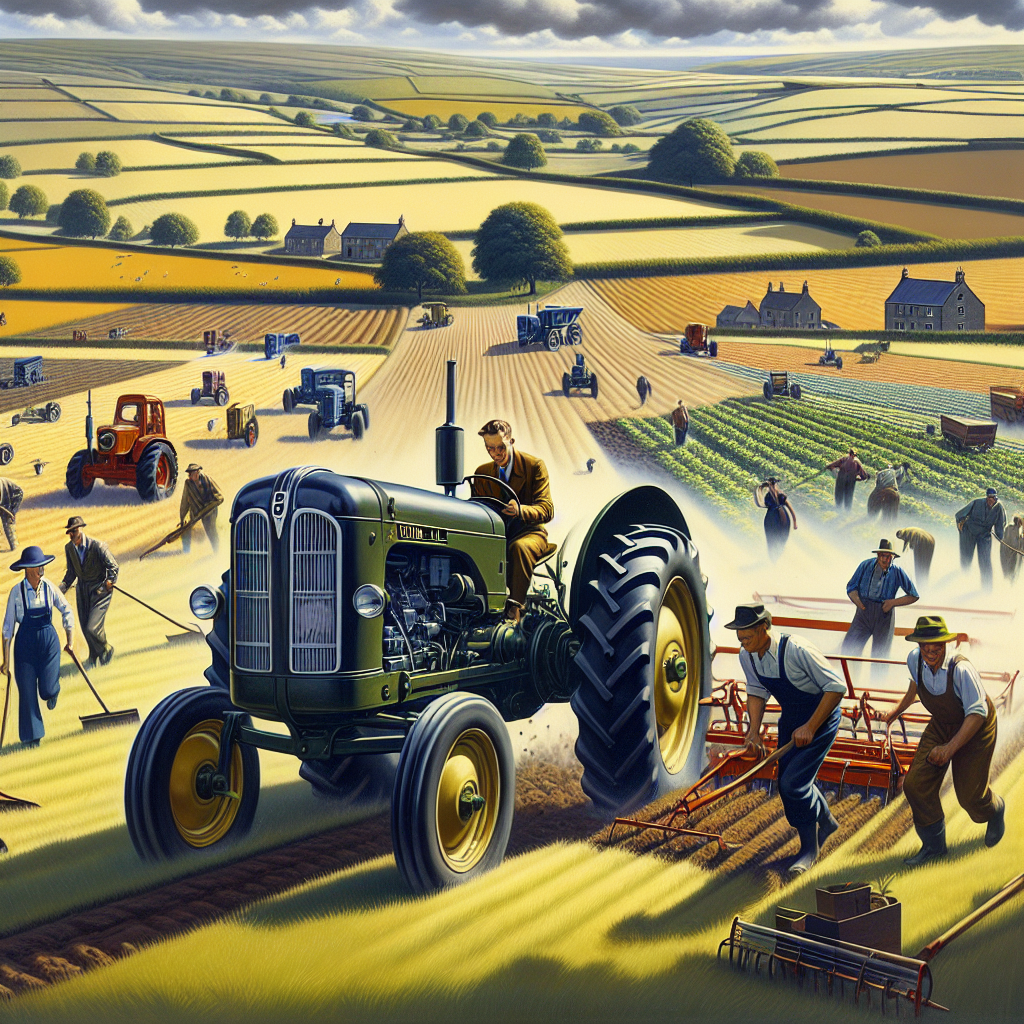
In What Ways Does Technology Complicate Traditional Farming Practices?
Are Farmers Being Punished for Seeking Independent Repairs?
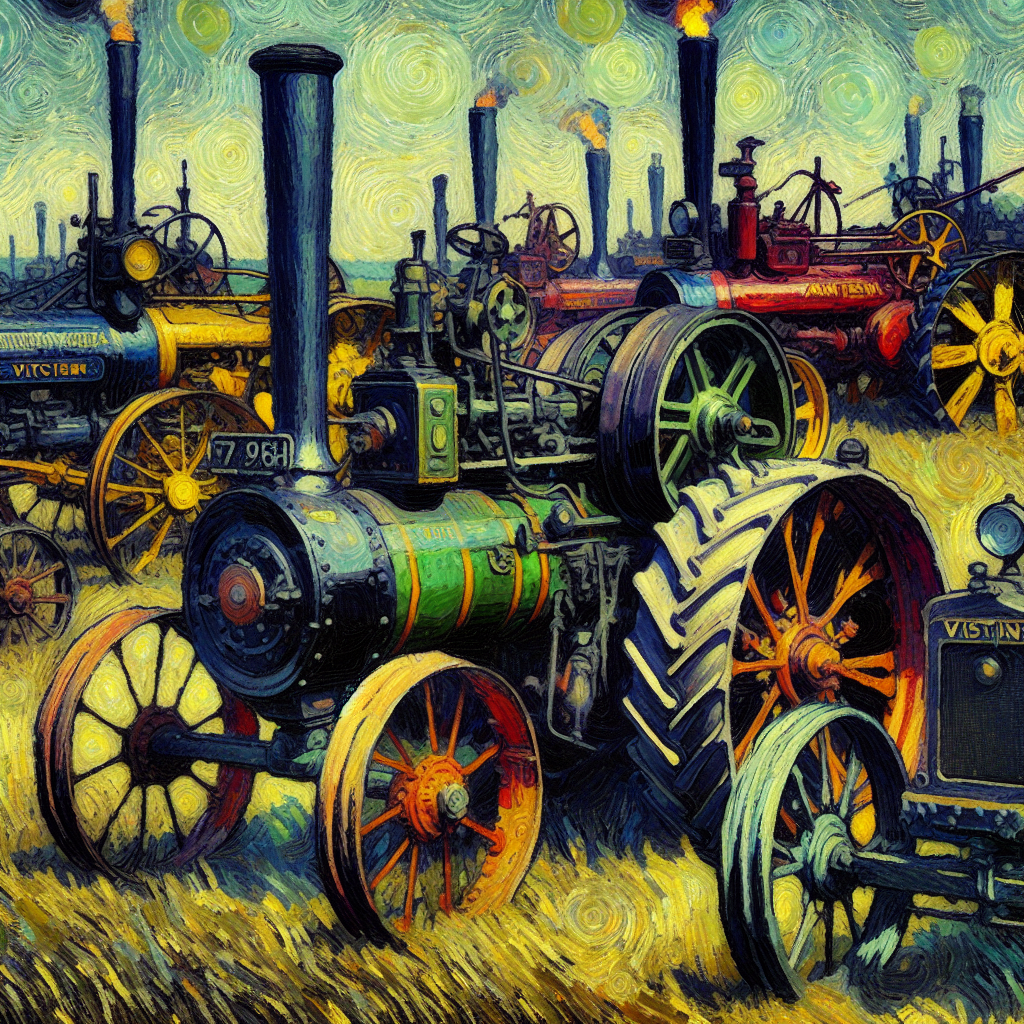
Imagine waking up at dawn, the smell of earth mixed with fresh dew filling the air. You step into your boots, ready to conquer the day, but your trusted tractor won’t start. For a farmer, that isn’t just an inconvenience; it’s a looming disaster. The soil waits patiently, crops demand attention, and every minute of downtime translates to lost income. The freedom to repair that tractor independently shouldn’t be a battleground, yet increasingly, it feels like farmers are facing consequences for simply seeking to fix what is theirs.
The heart of the issue lies in an unsettling paradox: while farmers cultivate the land, their tools—the very tractors that empower their livelihood—often become shackled by restrictive corporate policies. These restrictions often make independent repairs perilous and costly. Imagine a farmer with a tractor that’s seen generations of toil, but who now faces diminishing options, forced to adhere to restrictive agreements that leave them dependent on expensive, often distant, manufacturer services. Here is where the story gets personal.
One farmer, let’s call her Martha, found herself ensnared in this dilemma. After years of trusting the dealership for repairs, she learned that a simple fix was now tied to a laundry list of authorized parts and costly labor, pushing her budget to the brink. She reminisced about her father’s days, where tinkering under the hood was a family event—an investment of time and knowledge, passed down like heirlooms. Today, that memory seems like a fading echo against the harsh reality of modern agriculture.
Rationally, this isn’t just about convenience; it’s about equity. Farmers, who pour their sweat into the land, should possess the autonomy to care for their equipment without fear of corporate retaliation. There’s an ethical dilemma at play. Should a person’s ability to repair their own possessions be dictated by a monopoly that values profit over service?
The narrative is clear: the fabric of farming is woven with independence, resilience, and hard work. Making it difficult for farmers to repair their equipment undermines everything they believe in. Community connection is now more vital than ever, as farmers band together, sharing knowledge and experiences. When they unite against corporate restrictions, they not only safeguard their rights but ignite broader discussions about ownership, accountability, and the future of agriculture.
If we truly value our farmers, we must advocate for their right to repair with dignity, ensuring that the hands that harvest our fields are also the hands that can fix the machines that help cultivate them. Stand beside them, because when our farmers thrive, we all reap the benefits.
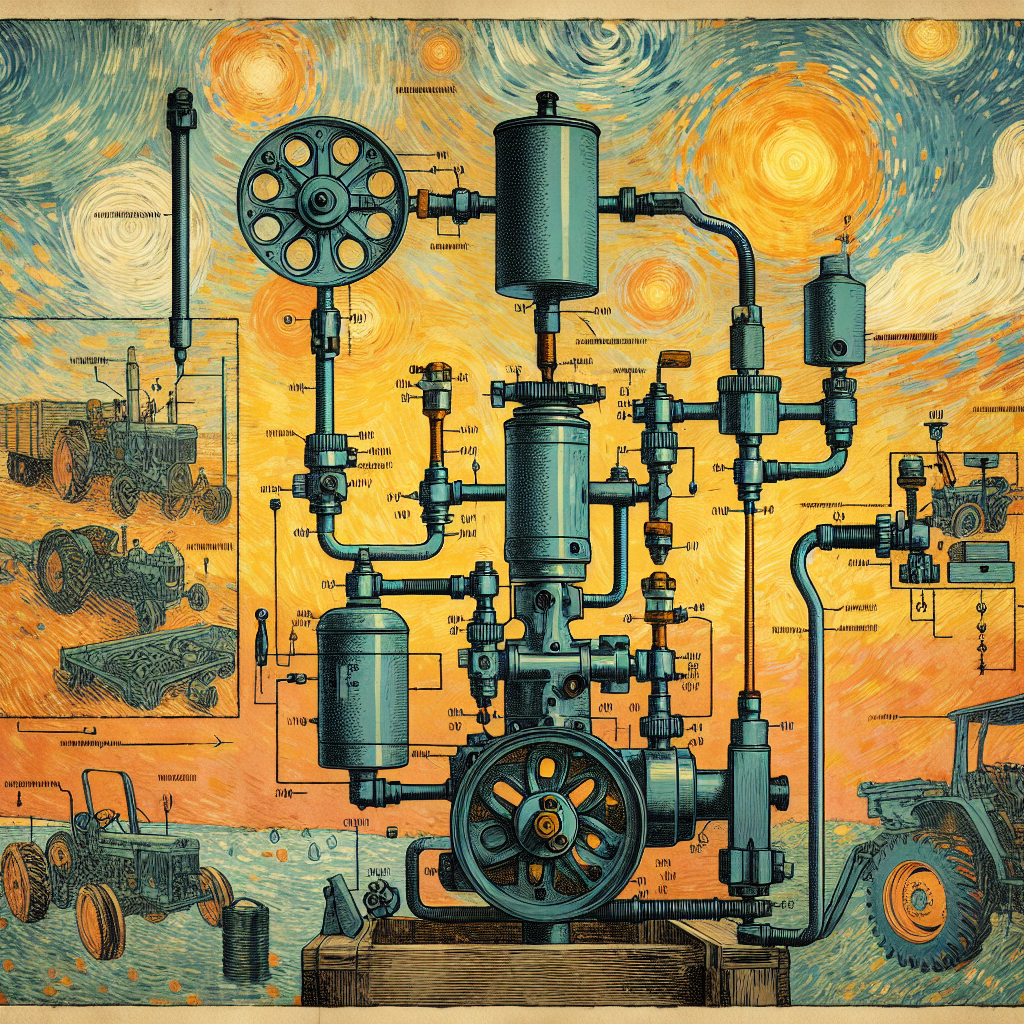
Are Farmers Being Punished for Seeking Independent Repairs?
Are Farmers Being Punished for Seeking Independent Repairs?
- Farmers face significant challenges when their essential equipment, like tractors, fails to operate.
- Restrictive corporate policies complicate independent repairs, leading to increased costs and reliance on manufacturers.
- A farmer named Martha illustrates the struggle of dealing with expensive authorized repairs and loss of traditional repair autonomy.
- Equity is a central issue, as farmers should be able to repair their own tools without corporate constraints.
- The farming community’s independence and resilience are threatened by these corporate practices.
- Farmers are increasingly banding together to share knowledge and address corporate restrictions on repairs.
- Advocating for farmers’ right to repair is essential for sustaining agricultural practices and supporting their livelihoods.
Are Farmers Being Punished for Seeking Independent Repairs?
How Does Proprietary Software Impact the Ability to Cultivate Land?
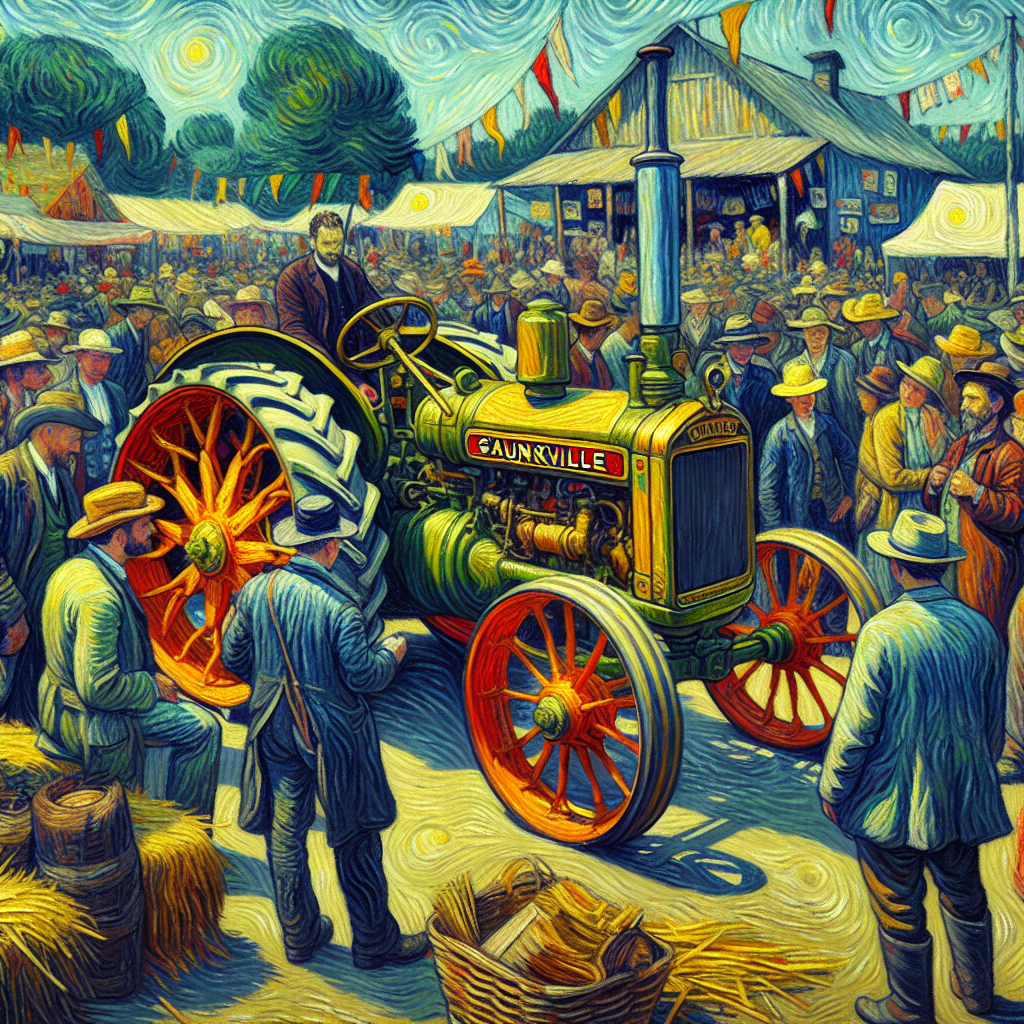
In the vast fields where the sun kisses the earth, farmers are more than just producers; they are stewards of the land. They wake at dawn, their hands calloused from years of toil, navigating the complexities of nature. Yet, amidst this rugged resilience, a new force has emerged: proprietary software. It permeates agriculture, promising efficiency and data-driven decisions, but at what cost?
Consider the story of a family farm that has been passed down for generations. Each tractor, a steadfast companion, has helped them till the soil and nurture crops. On the surface, welcoming proprietary software into their operations seems like a no-brainer. It offers precise insights into weather patterns, soil conditions, and crop needs. However, lurking beneath the surface is a growing dependency on technology—one that can ultimately tie farmers to the whims of software companies, eroding their autonomy over land they have lovingly cultivated.
The heart of the matter is connection. When farmers rely on proprietary tools, they risk losing the intuitive bond they’ve built with their land. The ancient wisdom of knowing when to plant or to harvest is overshadowed by algorithms and data points. A farmer once shared how during a particularly challenging season, it was his understanding of seasonal changes—not the software feedback—that saved the crop. This experience reinforces the message that reliance on proprietary solutions can diminish inherent knowledge, making one feel like a spectator in a game they’ve played all their lives.
On a rational level, the value of proprietary software can’t be dismissed. It streamlines operations, collects critical data, and can yield higher profits. Yet, this efficiency comes with ethical and social implications. Local farmers may find themselves competing against agribusiness giants who can afford the latest technological advancements. Such disparities can widen the gap, leading to a landscape where small, family-run farms struggle against corporate giants, transforming agriculture from a community-centric endeavor into an impersonal race for profit.
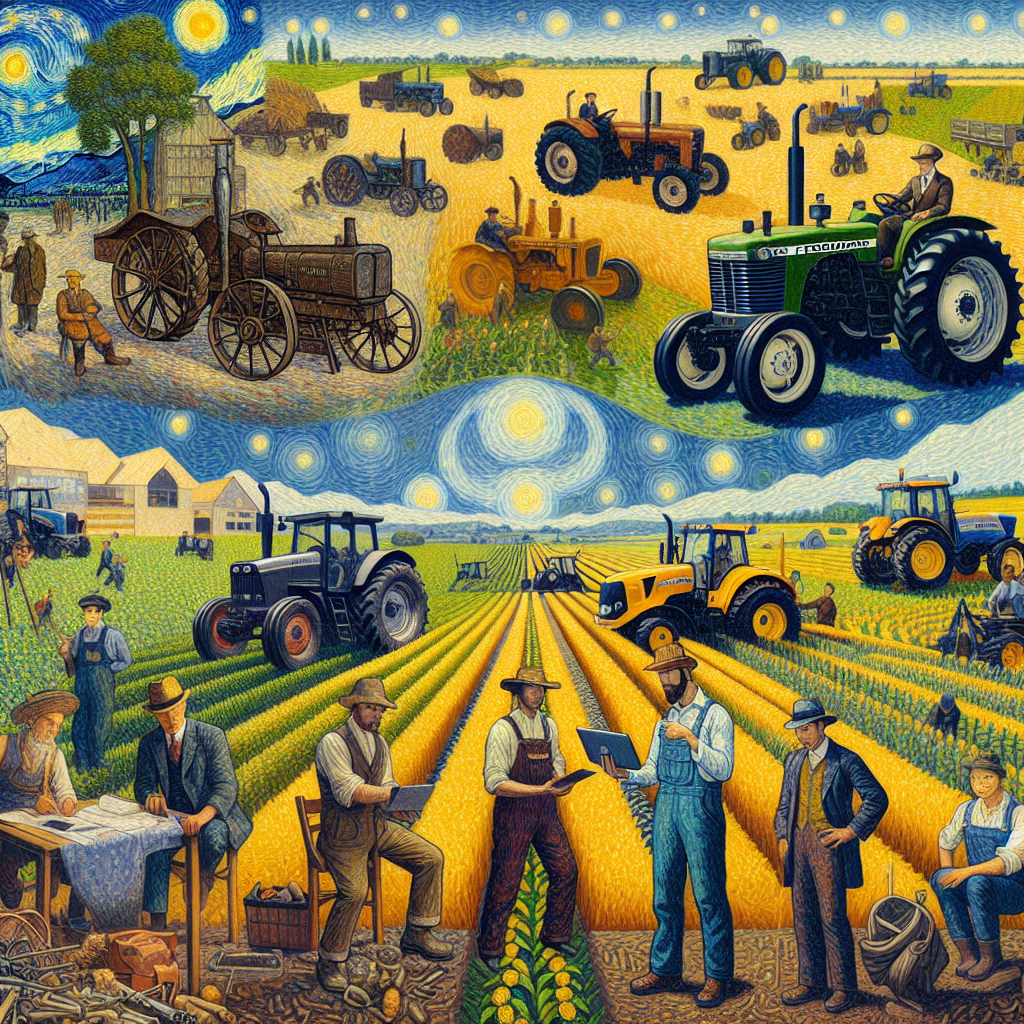
As we navigate this paradox, let’s rethink what it means to cultivate land in an age of proprietary software. By building a bridge between technology and tradition, we can infuse agriculture with innovative practices while respecting the wisdom of the past. It’s essential to foster a culture where technology enhances, rather than dominates, the relationship between farmers and the land. Only then can we ensure that farming remains an art—a symphony played not by machines, but by the hands and hearts of those who understand the soil, the seeds, and the cycles of life that define our very existence.
How Does Proprietary Software Impact the Ability to Cultivate Land?
How Does Proprietary Software Impact the Ability to Cultivate Land?
- Farmers are stewards of the land, navigating its complexities and connected to their traditions.
- Proprietary software promises efficiency in agriculture but introduces a growing dependency that can compromise farmer autonomy.
- The connection between farmers and their land may be undermined by reliance on technology over natural intuition and knowledge.
- Real-life experiences highlight the importance of traditional farming wisdom, which can sometimes outperform tech solutions.
- While proprietary software can enhance data collection and profitability, it raises ethical and social concerns regarding competition..
- Small family farms struggle against larger agribusinesses that can afford advanced technology, threatening their viability.
- A balance between innovation and tradition is necessary to maintain the art of farming and respect for natural cycles.
How Does Proprietary Software Impact the Ability to Cultivate Land?
Why Is Access to Equipment Data Crucial for Farmers’ Success?
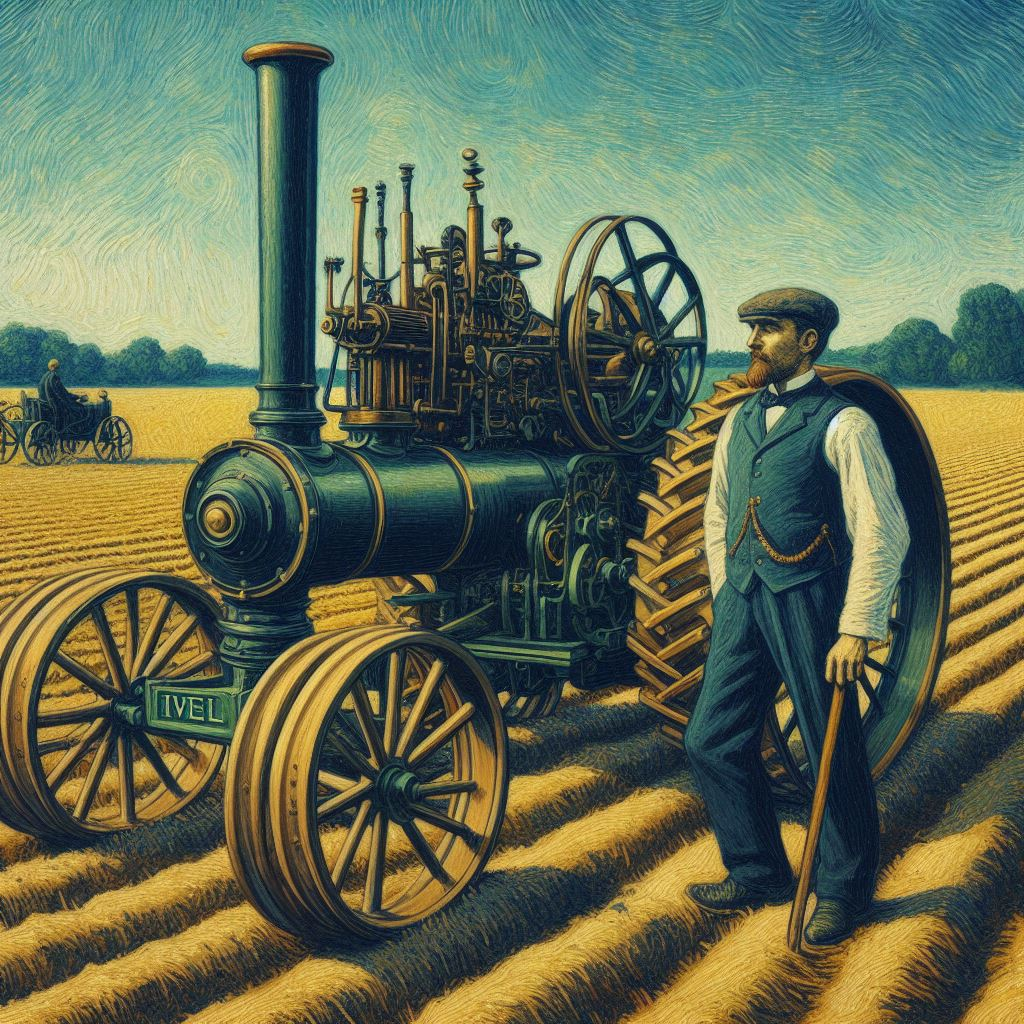
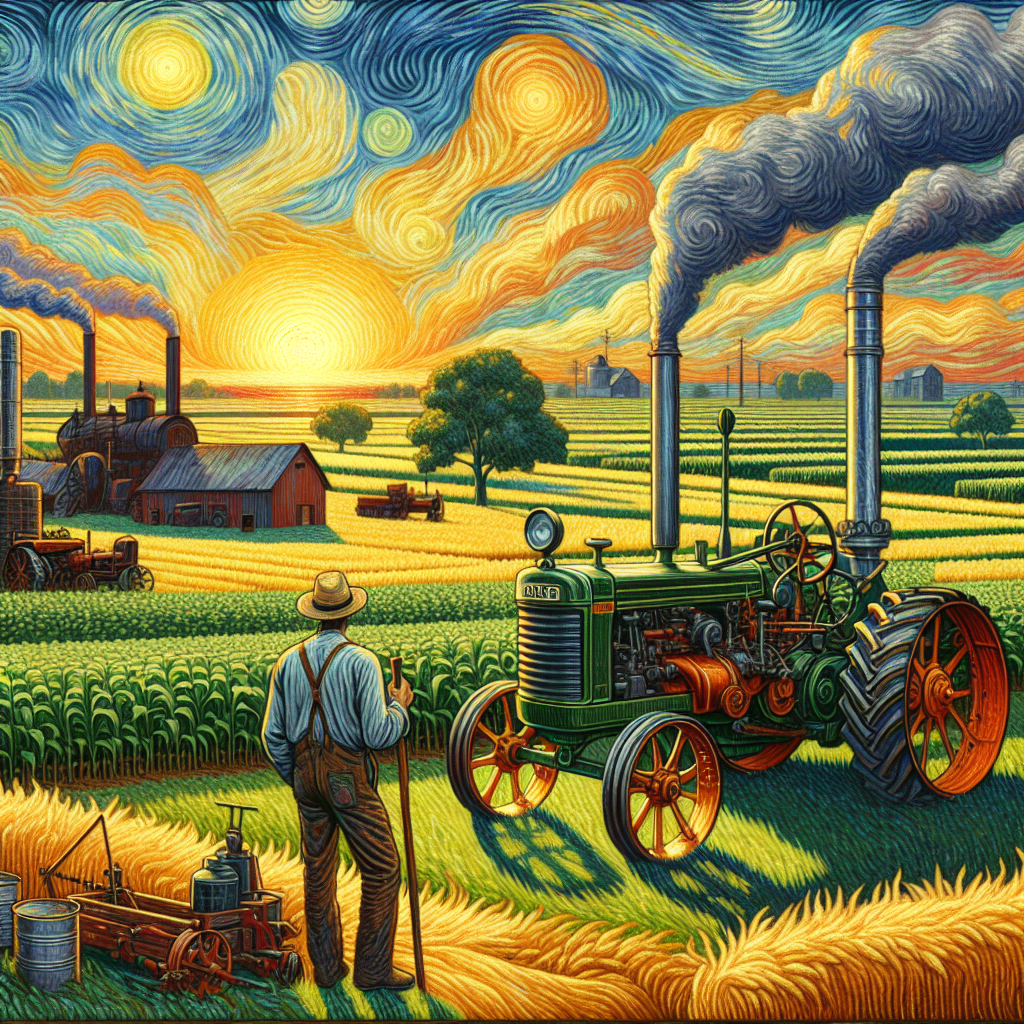
Access to equipment data is crucial for farmers’ success because it transforms the way they operate, ultimately affecting their livelihoods and sustainability. Consider a farmer, bound to the rhythm of the seasons, their trusty tractor serving not just as a machine, but as a vital partner in their daily battles against nature. Without real-time insights from that tractor—its fuel efficiency, maintenance needs, and performance metrics—every step can feel like navigating a dense fog.
Imagine starting the day without knowing how efficiently your tractor is running. That lack of data isn’t just inconvenient; it’s a risk. Farmers today face extraordinary pressures: fluctuating market prices, unpredictable weather, and rising operational costs. They need every advantage they can get. Access to comprehensive equipment data empowers them to make informed decisions, ensuring they maximize their yields while minimizing waste. It’s not just about one harvest; it’s about securing the future of the family farm and everything it stands for.
Ethically speaking, the modern farmer has a responsibility—not just to themselves, but to their community and the environment. By using equipment data effectively, they can reduce their carbon footprint, utilize resources more efficiently, and contribute to sustainable agriculture practices. This is farming with a purpose, not just for survival, but for thriving and nurturing the land for generations to come.
Consider the story of a farmer who started tracking the performance of their tractor meticulously. With access to valuable data, they discovered patterns in machinery wear and performance tied to different soil conditions. By making small adjustments based on that information, yields increased significantly. It wasn’t just numbers on a screen; it was real change, real growth, and ultimately, a brighter future for their family farm.
In a world where farmers carry the weight of producing food for billions, having access to equipment data isn’t about convenience; it’s about connection. It bridges the gap between man and machine, allowing farmers to harness technology in a way that respects tradition while embracing the future. When farmers trust their equipment data, they not only enhance their operations—they inspire confidence in their communities, illustrating that with the right tools, hard work can lead to abundant harvests.
So, as we consider the landscape of modern agriculture, let’s acknowledge that access to equipment data is not just advantageous; it’s essential. It’s about giving farmers the insights they need to succeed and ensuring that the legacy of farming thrives, even amid the most daunting challenges.
Why Is Access to Equipment Data Crucial for Farmers’ Success?
Why Is Access to Equipment Data Crucial for Farmers’ Success?
- Access to equipment data is essential for farmers, transforming operations and impacting livelihoods and sustainability.
- Real-time insights from tractors, including fuel efficiency and maintenance needs, are critical for effective farming.
- Farmers face challenges such as fluctuating market prices, unpredictable weather, and rising operational costs.
- Comprehensive equipment data enables informed decision-making, maximizing yields and minimizing waste.
- Farmers have an ethical responsibility to use equipment data for reducing their carbon footprint and supporting sustainable practices.
- Tracking tractor performance can lead to significant yield increases and positive changes for family farms.
- Access to equipment data fosters a connection between farmers and technology, enhancing operations and inspiring community confidence.
Why Is Access to Equipment Data Crucial for Farmers’ Success?
What Social Ramifications Emerge From Tractor Lockouts?
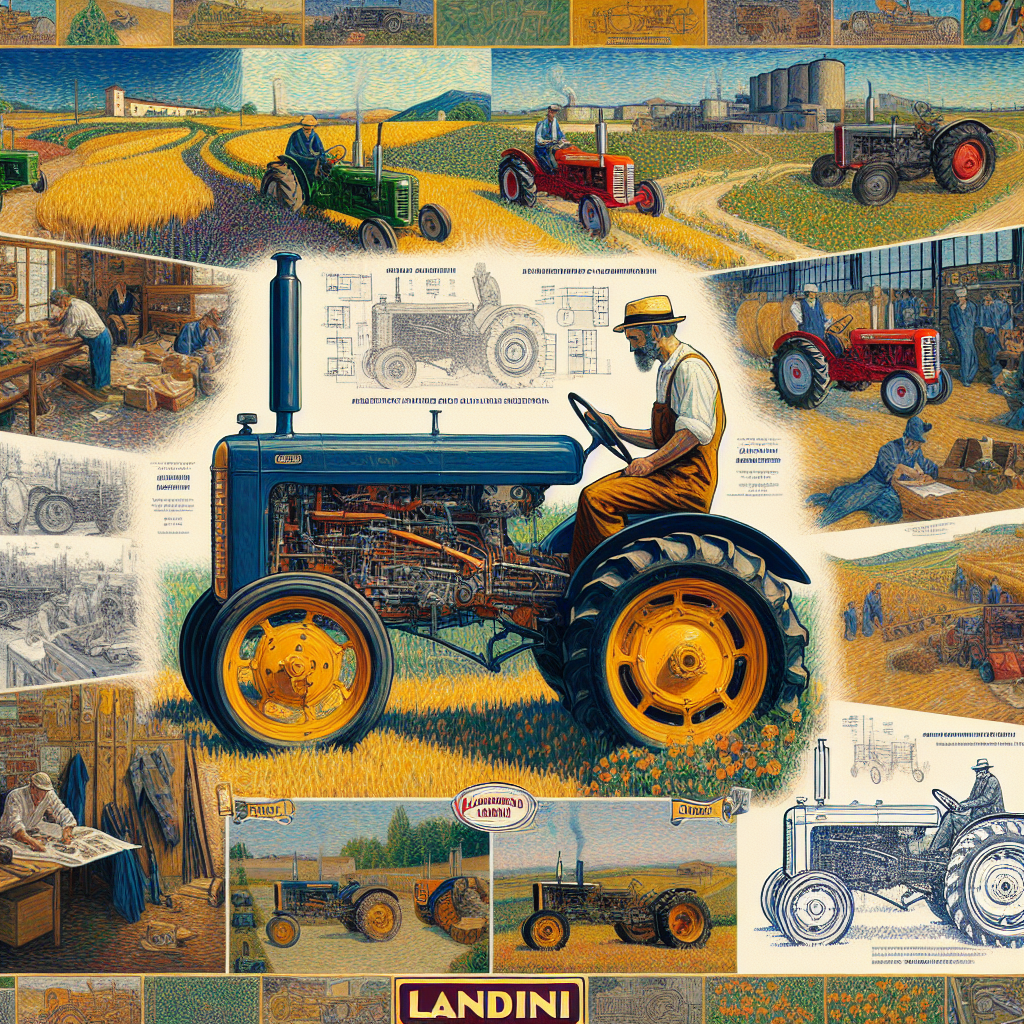
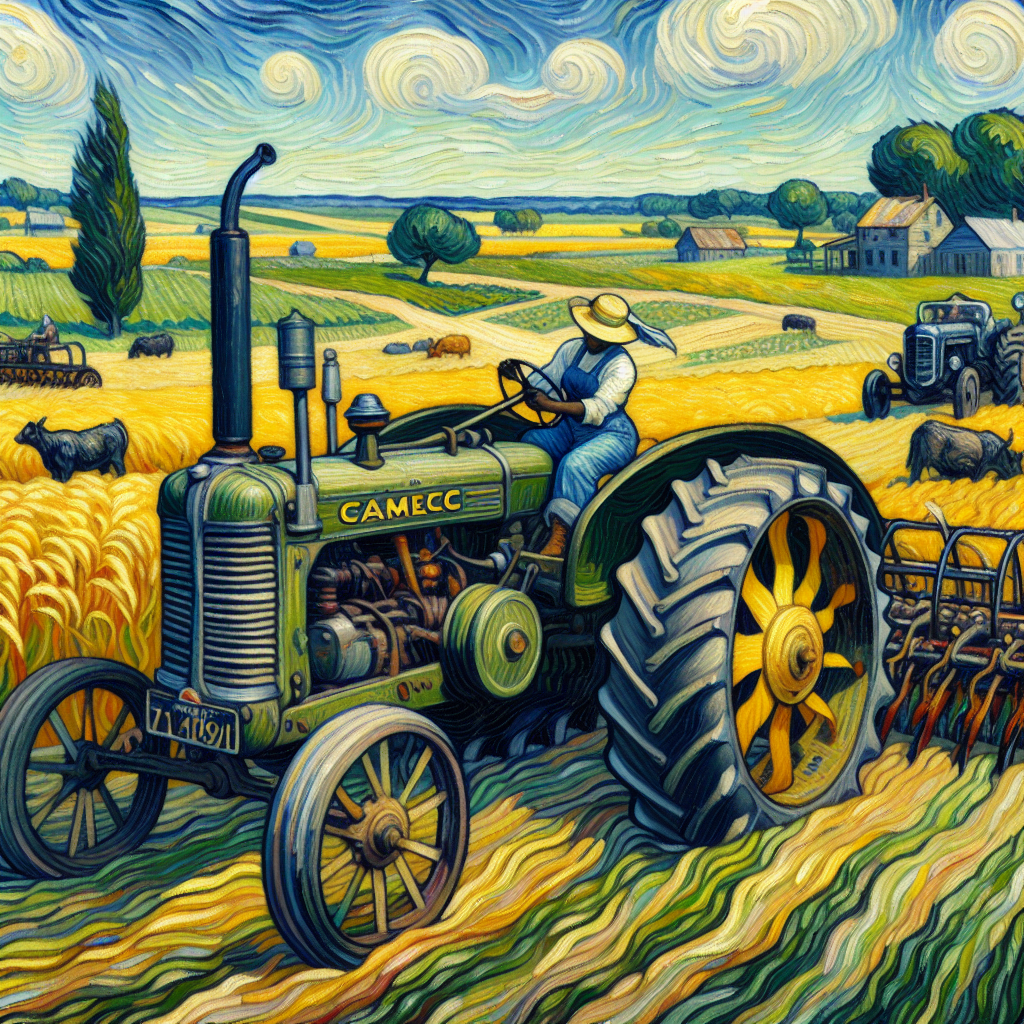
Tractor lockouts are more than just a logistical hiccup; they resonate deeply with the fabric of rural life, affecting the very people who depend on these hardworking machines. Imagine a farmer, standing in the early dawn light, the lifeblood of their operation held hostage by mechanical failure or bureaucratic red tape. The hum of a tractor isn’t just the sound of a machine; it’s the promise of harvest, the engine of community, and the pulse of family legacies.
The emotional fallout from these lockouts can be profound. Families often invest years—if not generations—into building their farms. When a tractor goes down, it’s not merely an inconvenience. It can spell the difference between a bountiful yield or a season of struggle. The heartache is palpable as farmers face uncertainty, their dreams tethered to the unpredictability of machinery. For a farmer, losing a tractor isn’t just losing a tool; it’s losing a partner that has tilled the soil, nurtured the crops, and carried the weight of hopes and aspirations.
From a rational standpoint, the implications extend beyond the individual. When farmers can’t access the equipment they need, local economies falter. Produce that could have fed thousands becomes stagnant. The ripple effect of a single tractor lockout can lead to food shortages, price surges, and unemployment in agricultural communities. The interconnectivity of rural life means that one problem doesn’t stand alone; it creates a chain reaction, holding entire communities in its grip.
Ethically, these situations raise questions of ownership and access. Who truly owns the machinery? What happens when corporate interests clash with the lifeblood of families who rely on these tractors? This isn’t just a debate over mechanics and contracts; it’s about stewardship and respect for the land and its keepers. It teaches us that machinery may be steel and gears, but it carries within it the stories and sacrifices of real people.
As stories of lockouts spread, they forge connections among farmers, suppliers, and consumers. A conversation emerges about trust and accountability in agricultural practices. It invites us to be vigilant custodians of our food sources, to know and support those who grow our sustenance. This isn’t merely a matter of machinery; it’s about empowering the very people who feed us.
Tractor lockouts challenge us to rethink our role in the agricultural narrative. Are we passive observers, or can we engage meaningfully with those who cultivate our land, ensuring their machines—and their futures—are not left idling?
What Social Ramifications Emerge From Tractor Lockouts?
What Social Ramifications Emerge From Tractor Lockouts?
- Tractor lockouts significantly impact rural life and depend on hardworking machines.
- Farmers face emotional distress when mechanical failures disrupt their operations.
- A tractor’s breakdown can threaten a farmer’s yield and livelihood.
- Local economies suffer when farmers can’t access essential equipment, leading to broader food shortages and unemployment.
- Ethical dilemmas arise over ownership and access to machinery amidst corporate interests.
- Lockouts create connections among farmers, suppliers, and consumers, emphasizing trust in agriculture.
- Engaging with agricultural narratives can empower those who feed communities and ensure they have the tools to succeed.
What Social Ramifications Emerge From Tractor Lockouts?
Conclusion
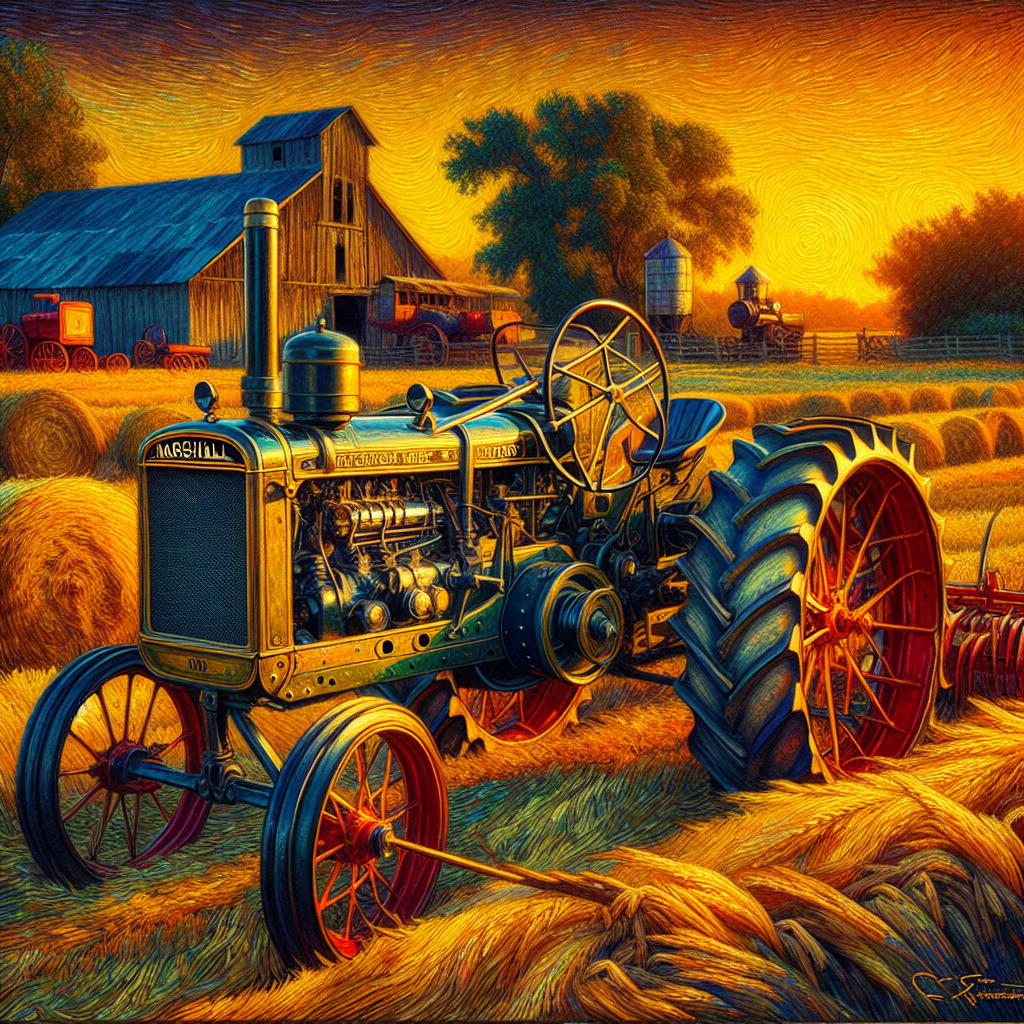
In the modern agricultural landscape, the trust that once defined the relationship between farmers and their tractors has been eroded, replaced by a system that treats hardworking farmers like potential criminals. This disconnect stems from the evolution of tractors from mere tools of labor to complex digital systems laden with surveillance capabilities and corporate oversight. For generations, farmers have seen their tractors as symbols of autonomy and pride, yet today, they find themselves shackled by restrictive software agreements and access limitations that compromise their freedom and control over their livelihoods.
This situation raises profound ethical questions. Farmers investing their lives into the land are met with a lack of trust from the very corporations that create the tools they rely on. Surveillance technology tracks their movements, turning loyal caretakers of the soil into suspects in their own fields. The narrative surrounding farmers has shifted, branding them as potential wrongdoers rather than respected stewards of the land. Such perceptions undermine the values of integrity and camaraderie that have long characterized agriculture.
The crux of the issue lies in the autonomy that farmers are losing. As proprietary software dictates how equipment is used and limits their ability to make independent repairs, the very essence of farming—rooted in tradition and personal connection to the land—fades. This technological shift poses a dilemma: while seeking efficiency and profits, agriculture risks losing its soul. Farmers should not be treated like tenants of their machines; rather, they deserve respect and the right to maintain their equipment as they see fit.
For true progress, a cultural shift is necessary. Technology should empower farmers, enhancing their ability to cultivate and connect with their land, rather than ensnaring them in a web of corporate control. As consumers, we need to advocate for their cause, recognizing that when farmers thrive, our communities flourish. Collective action, compassion, and a renewed commitment to the autonomy of our agricultural backbone can restore the trust that has been lost. Empowering farmers to reclaim their dignity and autonomy fosters resilience, ensuring that the nobility of their craft continues for generations to come. This isn’t just about machines; it’s about the heart and soul of farming, where every tractor should be a partner, not a jailer.
Conclusion
Conclusion:
- The relationship between farmers and tractors has shifted from trust to mistrust.
- Modern tractors now include complex digital systems with surveillance and corporate oversight.
- Farmers face restrictive software agreements, compromising their autonomy and control.
- Surveillance technology has transformed farmers into perceived suspects rather than respected stewards.
- The autonomy of farmers is being eroded by proprietary software limitations.
- A cultural shift is needed to empower farmers rather than trap them in corporate control.
- Restoring trust and supporting farmers fosters resilience and ensures the continued nobility of farming.
Conclusion
Other Resources
Other Resources
Here is a list of other resources you can review online to learn more:
- Waterloo Manufacturing Company
- Bobcat
- LS
- Know Your Classic Tractors
- Antique Engine & Tractor Association – Working Farm Show
- Mahindra Gujarat
- Farm Pro
- Toro
- Tractor Data
- Classic Farm Tractors
- National Farm Toy Museum
- Unitrak
- Froelich Tractor Museum
- Steiner Tractor
- Sheppard Diesel
- Northern Neck Farm Museum
- Monarch Tractor
- John Deere
- Waterloo Farm Museum
- Chamberlain
Use This Prompt To Get More Resources With Your Favorite Online AI Tool: Please provide me with a list of online articles with their URLs in a bulleted list that I can read regarding Why Modern Tractors Treat Owners Like Criminals
Other Resources
Glossary Terms
Why Modern Tractors Treat Owners Like Criminals – Glossary Of Terms
1. Right to Repair — Movement and legal framework advocating that owners and independent shops should be able to access parts, tools, and documentation to diagnose, modify, and repair their equipment.
2. OEM (Original Equipment Manufacturer) — The company that designs and sells tractors and supplies the original parts, software, and authorized service channels.
3. Dealer-only diagnostics — Diagnostic software, credentials, or hardware that manufacturers restrict to authorized dealers, preventing independent repair and owner access to fault codes or reflashes.
4. Telematics/Telemetry — Remote collection and transmission of operational, location, and performance data from a tractor to manufacturer or service platforms.
5. ECM / ECU (Engine Control Module/Unit) — Onboard computer that controls engine and drivetrain functions and often enforces software-based restrictions.
6. CAN bus (J1939) — Standard vehicle communication network used in tractors; access to it can be limited or encrypted to control diagnostics and aftermarket devices.
7. Firmware signing — Security process that requires firmware updates to be cryptographically signed by the manufacturer before the tractor will run them.
8. Software lock — Any software mechanism that prevents certain functions or blocks operation unless authorized by the manufacturer.
9. Immobilizer — Hardware/software system that prevents engine start unless an authorized key or credential is present; used for theft deterrence and access control.
10. Kill switch / Remote disable — Capability for a tractor to be disabled remotely through software or network commands, whether for anti-theft, contract enforcement, or fleet control.
11. Over-the-air (OTA) update — Wireless delivery of software/firmware updates by the manufacturer; can add features, fix bugs, or impose new restrictions without physical access.
12. Proprietary diagnostic port — Service interface intentionally governed by manufacturer tools or credentials rather than open standards.
13. Hardware security module (HSM) / TPM — Dedicated chips that store cryptographic keys and enforce security policies on tractors’ electronics.
14. Encryption — Use of cryptography to secure communications, firmware, and stored data; can be used to protect safety but also to restrict owner access.
15. Data ownership — Legal and contractual questions about whether the data generated by a tractor belongs to the owner, the manufacturer, or a third-party service provider.
16. Telematics service agreement — Contract that governs what data is collected, who can access it, and how it may be used by manufacturers or service providers.
17. Warranty voiding clause — Contract language that denies warranty coverage if owners use unauthorized parts, software, or independent repair services.
18. Vendor lock-in — Business practices that make it difficult or costly for owners to use non‑OEM parts, software, or service providers.
19. Anti-competitive practices — Manufacturer behaviors or contractual terms that limit competition in repairs, parts, or service markets.
20. Right-to-Repair legislation — Statutory proposals and enacted laws aimed at forcing manufacturers to provide access to repair information, parts, and tools.
21. DMCA Section 1201 (circumvention law) — U. S. legal provision often cited to criminalize bypassing technological protection measures, including those on agricultural equipment.
22. Remote diagnostics — Manufacturer-performed troubleshooting using telematics, which can detect problems remotely but also enable control or pressure on owners.
23. Audit logs — Electronic records that track actions, repairs, parameter changes, or usage, which can be used to enforce warranties or assign liability.
24. Consent creep — The progressive broadening of user consent in contracts or interfaces that grants manufacturers more rights over data and control than owners realize.
25. Aftermarket — Independent parts, tools, and software produced by non‑OEM suppliers that can enable repair, modification, or alternative features.
26. Independent repair ecosystem — Network of third-party technicians, parts suppliers, and community knowledge that supports owner-driven maintenance outside OEM channels.
27. Geofencing — Location-based restrictions that enable or disable features depending on where the tractor is operating, often enforced through telematics.
28. Trusted provisioning / Key provisioning — Process for issuing and managing cryptographic keys or credentials that authorize software, components, or repairs.
29. Safety interlocks — Software or hardware constraints designed to prevent unsafe operation, which can be implemented in ways that also restrict legitimate owner actions.
30. Repair documentation / Service manuals — Schematics, diagnostics guides, and procedural instructions necessary for repair; access to these is frequently limited by OEM policy.
Glossary Of Terms
Other Questions
Why Modern Tractors Treat Owners Like Criminals – Other Questions
If you wish to explore and discover more, consider looking for answers to these questions:
- Who legally owns the data generated by a tractor and its attached sensors?
- What specific data do manufacturers collect from modern tractors?
- How can farmers access the equipment data they need in real time?
- Are there existing laws that protect farmers’ rights to repair their own equipment?
- What are the financial costs of mandatory software updates and license fees?
- Can software updates be refused or rolled back without voiding warranties?
- How common are tractor lockouts and under what circumstances do they occur?
- What legal recourse do farmers have if they are locked out of their tractors?
- How do proprietary systems affect resale value of used equipment?
- What are the cybersecurity risks of connected tractors and who is responsible for breaches?
- How do surveillance features affect worker privacy and labor relations on farms?
- What alternatives exist to manufacturer-controlled software (open-source, aftermarket solutions)?
- How do small and family-run farms compare to large agribusiness in their ability to adopt and control technology?
- What role do dealerships play in locking or unlocking tractor functionality?
- How transparent are manufacturers about what their software monitors and transmits?
- Are there industry standards or interoperability protocols for agricultural equipment data?
- What policy changes or legislative efforts are underway to protect farmers’ rights (Right to Repair, data ownership)?
- How can farmers collectively advocate for more control over their machines and data?
- What insurance or financial support is available to farms impacted by technology failures or lockouts?
- How do proprietary algorithms influence farming decisions and could they introduce bias?
- Who is liable if a software-controlled tractor causes an accident or crop damage?
- What are the environmental implications of data-driven farming versus traditional practices?
- How easy is it to retrofit older tractors with non-proprietary control systems?
- What training and technical skills do farmers need to manage modern tractor software effectively?
- How do manufacturer licensing agreements handle third-party repairs or modifications?
- Are there successful case studies of communities or cooperatives reclaiming control from manufacturers?
- How does international regulation differ on equipment data rights and repairability?
- What emergency protocols exist if a tractor is remotely disabled during critical operations?
- How can consumers and supply-chain partners support farmer autonomy over equipment?
- What steps can an individual farmer take today to protect access to their tractor and its data?
Other Questions
Haiku
Why Modern Tractors Treat Owners Like Criminals – A Haiku
Machines once our pride,
Now chains of distrust they wear,
Farmers bound, hearts torn.
Haiku
Poem
Why Modern Tractors Treat Owners Like Criminals – A Poem
In dawns embrace, the tractor stands tall,
A partner once cherished, now shackled by walls.
With digital chains that bind and constrict,
Farmers, once masters, now live in conflict.
Heartfelt pride as the seeds are laid bare,
Generations nurtured with tender care.
Yet the screen glows cold, control starts to wane,
Once a vessel of freedom, now a source of pain.
Surveillance looms like a shadowy veil,
Whispers of doubt turn trust into frail.
Ethics and efficiency dance in the dust,
But can machines truly honor the just?
Fields once filled with the laughter of kin,
Now echo with silence, as the new age creeps in.
The spirit of farming, a legacy worn,
Hangs in the balance, too easily shorn.
Innovation whispers of efficiency’s gain,
Yet the soul of the soil feels the strain.
Tools of the trade, a burden on backs,
Race for profit leads to communal cracks.
Repair turned a battleground, power held tight,
Farmers, with hope, seek to reclaim their right.
As tractors lie silent, dreams start to fade,
A clarion call for autonomy made.
Access to data, a lifeline we crave,
To nurture the earth and the futures we save.
In unison standing, farmers’ voices will rise,
To honor the land beneath expansive skies.
In the tapestry of life, their stories interweave,
Farmers together, a legacy to believe.
As love for the land unites every quest,
Their strength shall endure, resilient and blessed.
Poem
Checklist
Why Modern Tractors Treat Owners Like Criminals – A Checklist
Emotional Appeals
✅______ Reflect on the legacy of family farming—how does it feel to honor traditions while facing modern challenges?
✅______ Consider the emotional impact of surveillance technology on your connection to the land.
✅______ Think about the personal stories behind the machinery—what memories do they evoke?
Rational Appeals
✅______ Analyze the cost-benefit of investing in modern technology versus traditional practices.
✅______ Assess how lacking access to equipment data affects decision-making and yields.
✅______ Evaluate the financial implications of proprietary systems on small farms.
Ethical Appeals
✅______ Examine the ethical implications of corporate control over repair and maintenance.
✅______ Consider the importance of safeguarding farmers’ rights to repair their equipment independently.
✅______ Reflect on how surveillance technology impacts privacy and autonomy in farming.
Authority Appeals
✅______ Research regulations pertaining to equipment ownership and data access.
✅______ Investigate best practices and policies supporting farmers’ rights in the face of corporate interests.
✅______ Seek insights from industry experts on the balance between innovation and tradition.
Narrative Appeals
✅______ Share stories of farmers navigating the challenges brought by modern technology.
✅______ Encourage discussions about community support and solidarity among farmers.
✅______ Document personal experiences of overcoming technology-related obstacles.
Social Appeals
✅______ Engage in conversations about the role of community in advocating for fair farming practices.
✅______ Participate in local farming cooperatives to share resources and knowledge.
✅______ Raise awareness about the impact of tractor lockouts on local economies and food security.

Checklist
At ClassicTractorNews, we help tractor lovers keep up with the latest news for classic and vintage tractors.
Please share this post with your friends, family, or business associates who may like old classic or vintage tractors.