

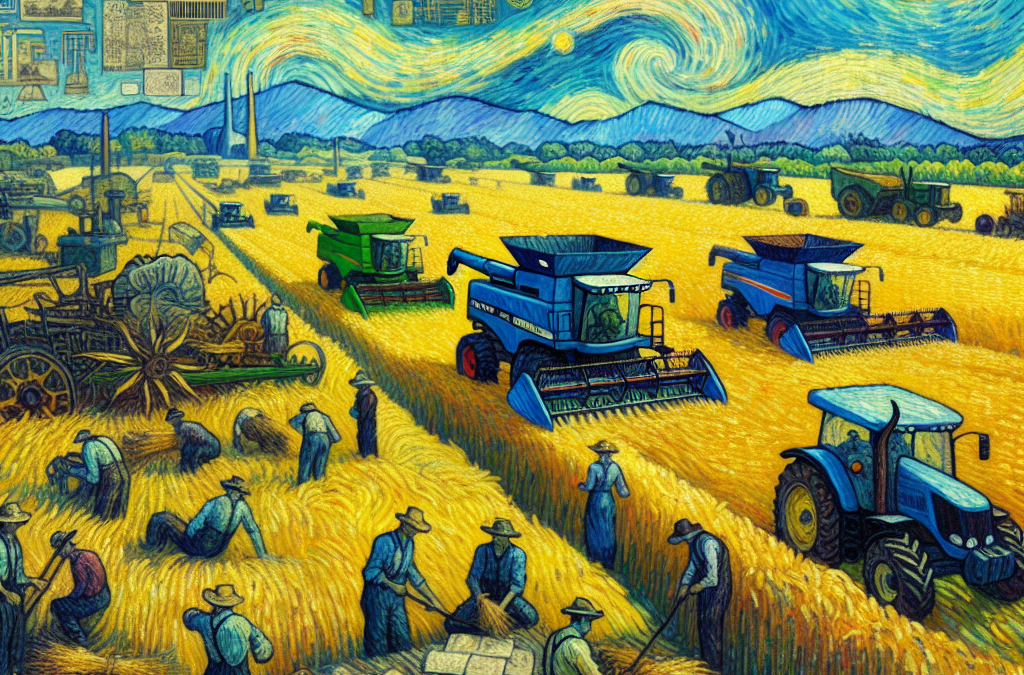
Embrace Simplicity: Finding Clarity Amidst Digital Noise
By Tom Seest
At ClassicTractorNews, we help tractor lovers keep up with the latest news for classic and vintage tractors.
Please share this post with your friends, family, or business associates who may like old classic or vintage tractors.
Why Mechanical Purity Beats Digital Overload
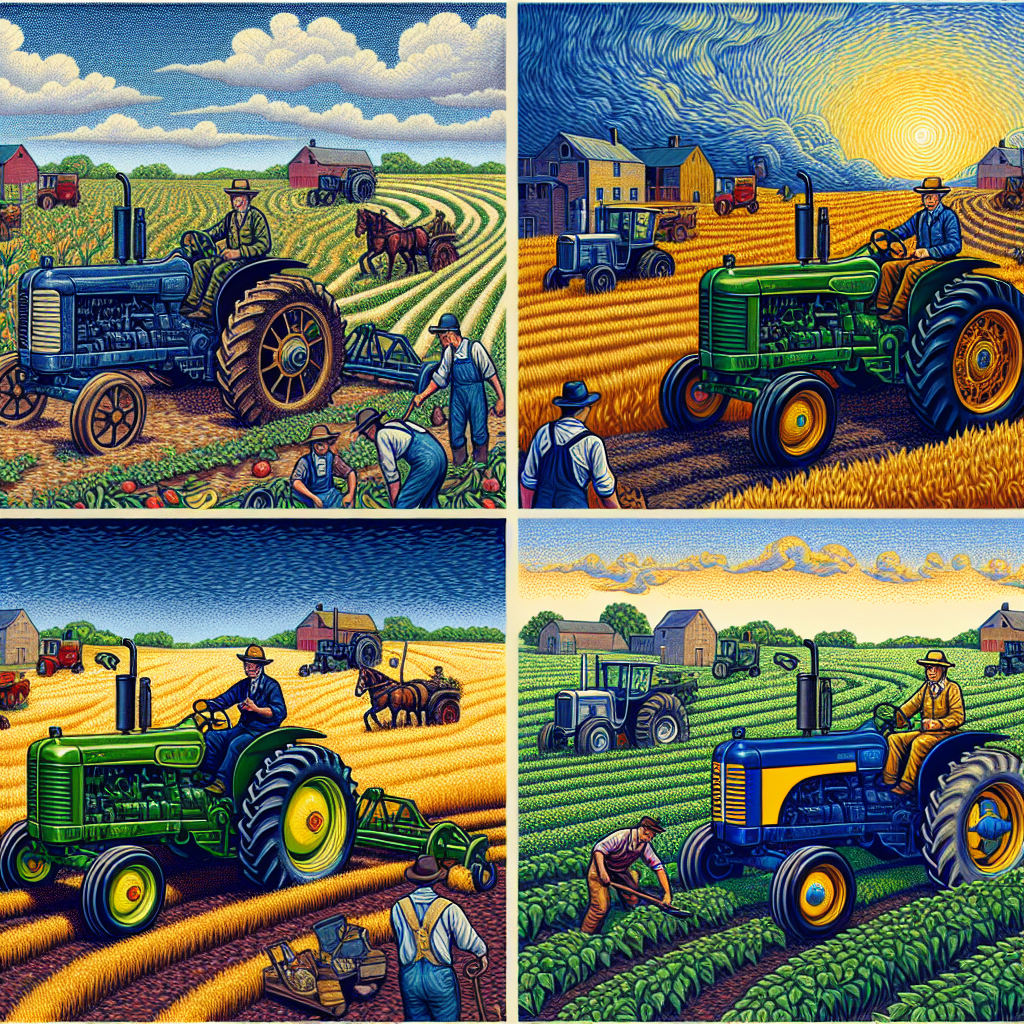
In a world where our lives are increasingly dictated by screens and devices, it’s easy to forget the simple, tactile pleasures of mechanical purity. Imagine standing at the helm of an old tractor, feeling the power in each rev of the engine, the vibrations coursing through your hands. There’s a raw honesty in that experience—no filters, no complicated interfaces, just a machine that connects you directly to the work at hand and the land beneath your feet.
Mechanical purity represents a commitment to simplicity, a return to basics in a time when digital overload clouds our judgment and infringes upon our well-being. It’s about restoring our connection to reality, tangible experiences that engage our senses. With every turn of the tractor’s wheel, we’re reminded of essential truths: hard work pays off, the earth demands respect, and nothing beats the rewarding sweat that comes from genuine effort.
Consider the inherent bias of technology. While it offers convenience, it often separates us from our actions, creating layers of abstraction that distance us from the results of our labor. When we rely too heavily on digital solutions—those curated, algorithmic experiences—we sacrifice our sense of agency and intuition. Nostalgia bleeds into the present as we yearn for the straightforwardness of past work, where the rewards came from sweat-drenched labor and unfiltered consequences, much like the satisfaction of plowing a field, knowing every inch was earned through determination.
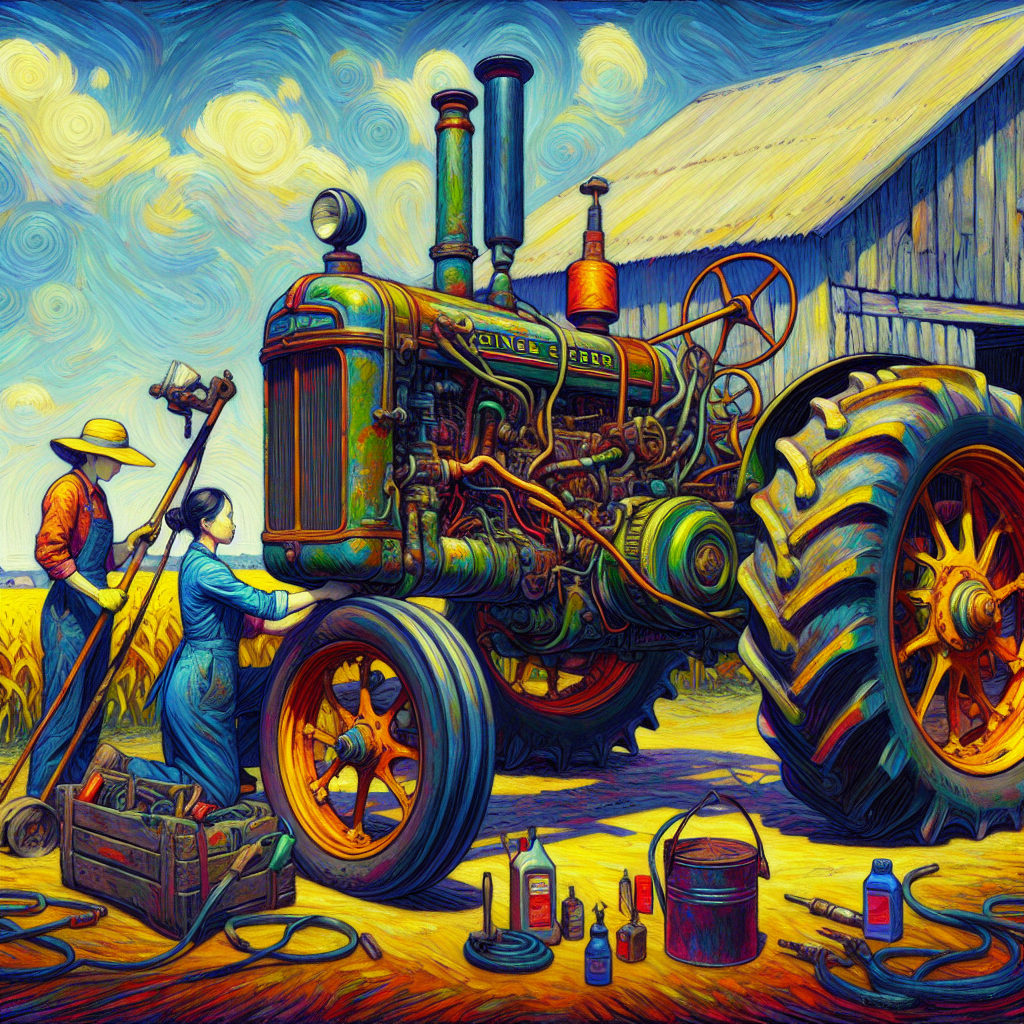
Let’s draw on a personal anecdote. Picture a time spent helping a neighbor restore a vintage tractor, each meticulous turn of a wrench reminding us of skills handed down through generations. There was no manual simplifying the process; just two people piecing together legacy and muscle memory, forging a bond through shared labor. It wasn’t just a tractor we were fixing; we were stitching a fabric of community, ethics, and history, reinforcing the idea that the mechanical isn’t just about the machine itself; it’s about the values and connections it cultivates.
In confronting digital overload, we hold the keys to reclaiming our time, attention, and humanity. Embrace the allure of mechanical purity—it calls us to the barn and beckons us away from the chaos of buzzing notifications. When the clanking of gears and the scent of engine oil flood the senses, the heart finds a rhythm, the head finds clarity, and the gut responds with a confidence that electronic screens can never replicate. Embracing the raw and the real is not just a choice; it’s an invitation to rediscover connection in a disjointed world.

Why Mechanical Purity Beats Digital Overload
Why Mechanical Purity Beats Digital Overload
- Mechanical purity emphasizes the tactile pleasures of working with machines, such as old tractors.
- It represents a return to simplicity amid digital overload, fostering genuine connections with reality.
- Engaging with mechanical tasks reinforces essential truths: hard work, respect for the earth, and the value of effort.
- Technology can create distance from our actions, leading to a loss of agency and intuition.
- Nostalgia for straightforward, manual labor highlights a desire for authenticity and tangible results.
- Personal experiences, like restoring a vintage tractor, illustrate the community and skills passed down through generations.
- Embracing mechanical purity helps reclaim time and attention, fostering clarity and connection in a chaotic digital world.
Why Mechanical Purity Beats Digital Overload
Table Of Contents
- Why Mechanical Purity Beats Digital Overload
- What Does It Mean to Embrace Mechanical Purity?
- How Does Digital Overload Affect Mental Health?
- Can Simplicity Lead to Greater Creativity?
- Why Do We Crave Tangible Experiences In a Digital World?
- How Can Mechanical Purity Enhance Our Focus?
- What Ethical Concerns Arise From Digital Distractions?
- Conclusion
- Other Resources
- Glossary Of Terms
- Other Questions
- Haiku
- Poem
- Checklist
What Does It Mean to Embrace Mechanical Purity?
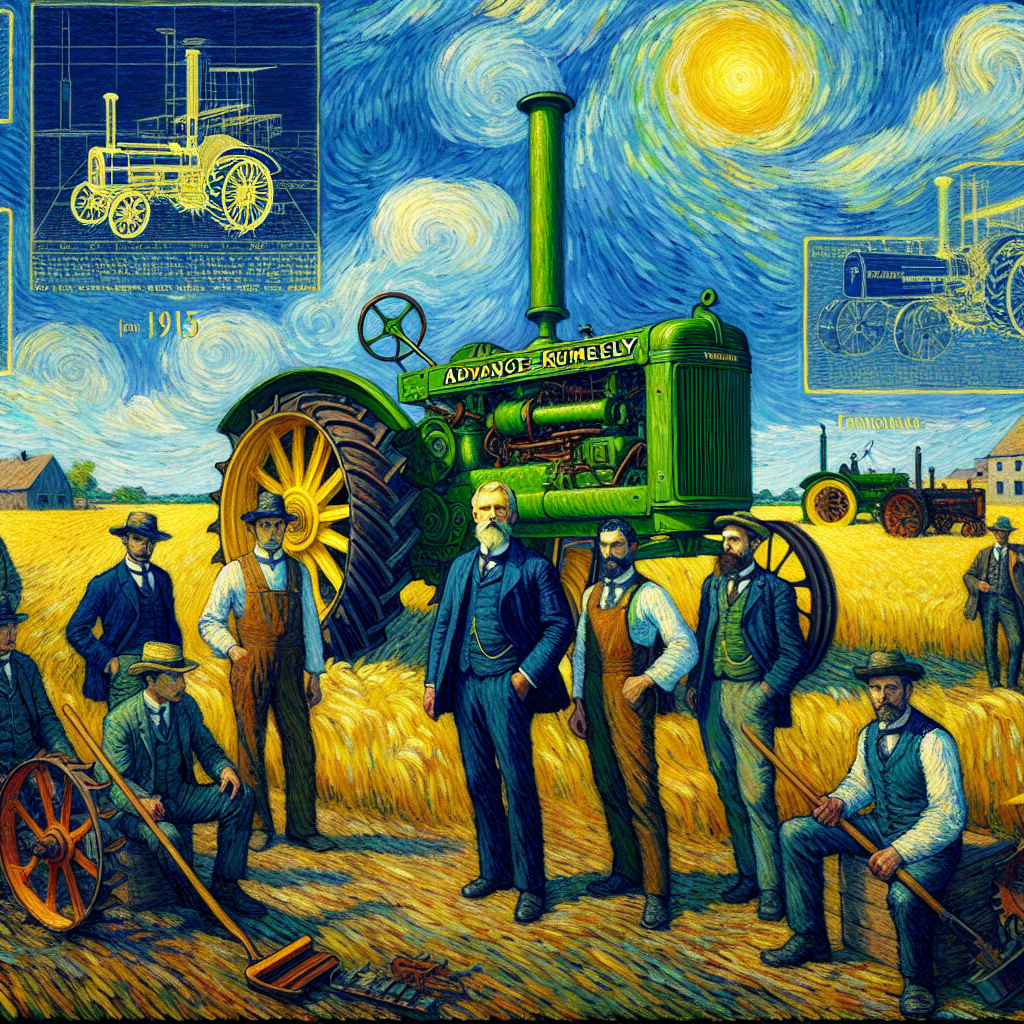
Embracing mechanical purity is about more than just an appreciation for machines; it’s a recognition of the philosophy that drives craftsmanship. Think about a tractor, that magnificent beast of burden, churning through fields in a dance as old as agriculture itself. When you admire its sleek design, you witness a marriage of form and function, a testament to the hands that built it and the minds that engineered it. This is not merely metal and mechanics; it’s a celebration of human ingenuity.
Consider a moment when a farmer steps into the cab of their tractor. They are not just operating machinery; they are connecting to the land, to their ancestors, and to the future of food production. With every turn of the wheel, they honor the sweat and determination of those who came before them, embracing traditions while paving the way for innovations. Mechanical purity is the unfiltered essence of these relationships—between people, their tools, and the environments they cultivate.
Yet, purity isn’t just about simplicity; it’s about clarity and purpose. It’s taking a hard look at the machinations of our lives and determining what’s essential. In a world buzzing with distractions, mechanical purity invites us to strip away the unnecessary, focusing instead on the tools that serve our deepest needs. When we embrace this purity, we not only sharpen our skills but also refine our goals. It’s akin to a craftsman meticulously selecting the finest wood, knowing that the integrity of the final product begins with the materials they choose.
Moreover, there’s a social element to this concept. In our digitally driven age, a disconnection looms, making the tactile experience of machinery even more vital. Engaging with the real-life mechanics of a tractor—feeling its vibrations, understanding its roar—bridges the gap between man and machine, echoing the voices of those who have worked the soil for generations. This connection deepens our appreciation for the hard work that goes into every meal on our plates and every product we use.
Ultimately, embracing mechanical purity is a call to action. It reminds us to engage with what we use, appreciate its history, and understand its impact. Let’s commit, as individuals and communities, to honor the purity of our machines—because when we do, we cherish not just the mechanical, but the human stories interwoven within each cog and wheel. In doing so, we foster trust, confidence, and a renewed commitment to the very tools that sustain us.

What Does It Mean to Embrace Mechanical Purity?
What Does It Mean to Embrace Mechanical Purity?
- Mechanical purity recognizes the philosophy behind craftsmanship and the appreciation for machines.
- A tractor symbolizes the connection between operators, the land, and agricultural history.
- Embracing mechanical purity honors the traditions and innovations of those who came before.
- It emphasizes clarity and purpose, encouraging focus on essential tools amidst distractions.
- The tactile experience of machinery fosters a deeper appreciation for hard work and production.
- Engagement with machines bridges the gap between man and technology, reviving historical connections.
- Embracing mechanical purity calls for a commitment to appreciate our tools and their impact on society.
What Does It Mean to Embrace Mechanical Purity?
How Does Digital Overload Affect Mental Health?
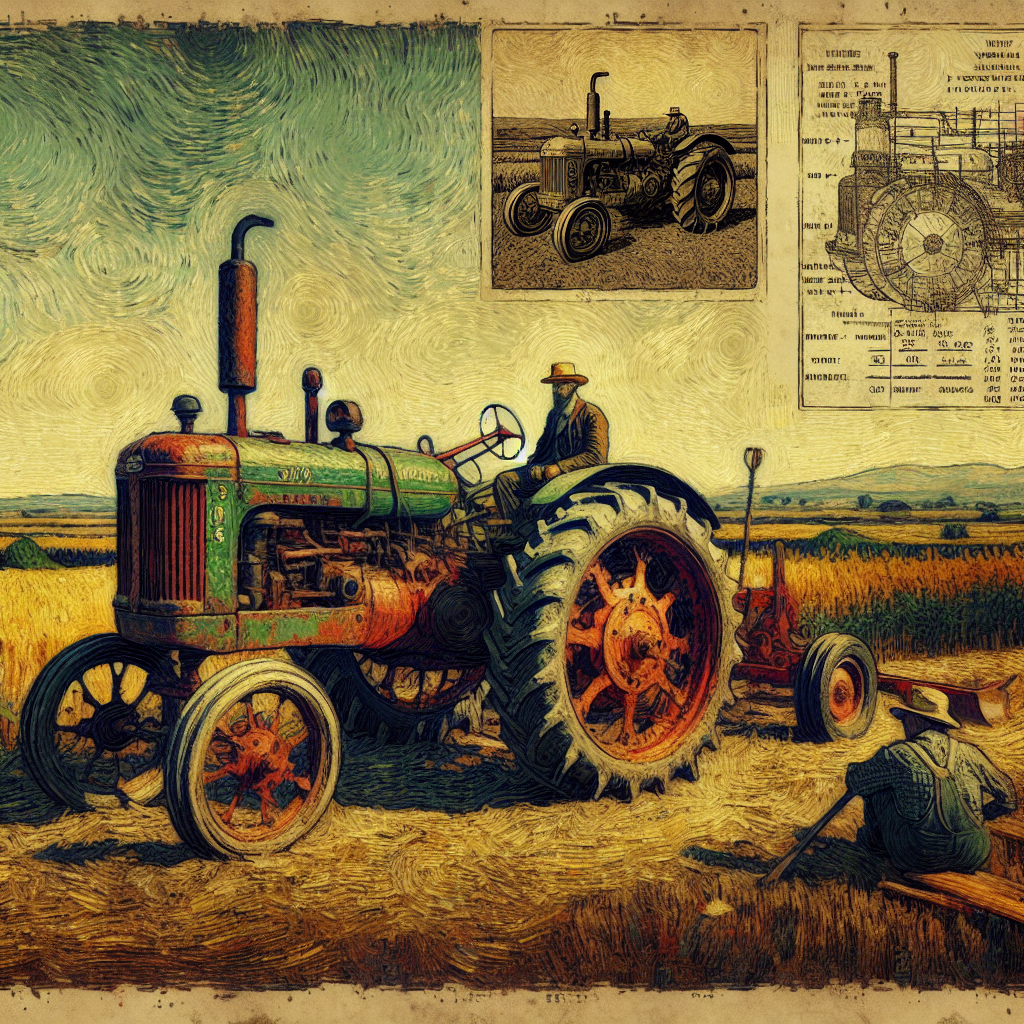
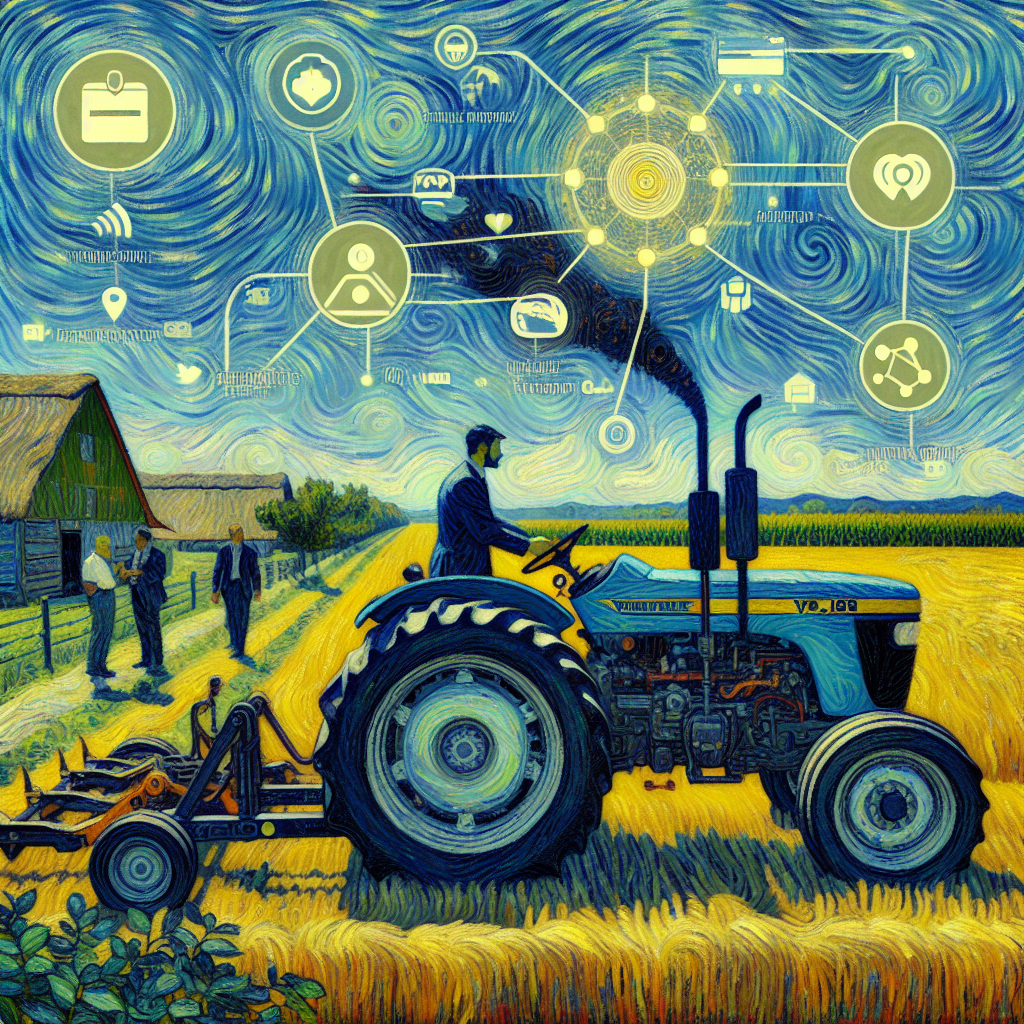
Digital overload is a pervasive issue in today’s world, affecting our mental health in more ways than we might realize. Imagine standing in the middle of a bustling tractor yard, surrounded by noise, bright lights, and the constant hum of machinery. That’s what our lives can feel like when we’re engulfed in the relentless stream of information from our screens. Each notification is another piece of machinery revving up, competing for our attention, drowning out the peace we once found in silence.
Our minds aren’t built to process the barrage of images, sounds, and messages that bombard us daily. Just like a tractor needs maintenance to function smoothly, our mental health requires regular upkeep. When we consume information without pause, we risk overloading our cognitive circuits. Studies have shown that excessive screen time can increase anxiety, disrupt sleep, and diminish our ability to focus. This isn’t just data; it’s a deeply human experience. We’ve all felt the pressure—fueled by the fear of missing out—while scrolling through curated snapshots of other people’s lives. It pulls us into a comparison game that leaves us feeling inadequate and isolated.
Let’s consider the ethical implications of our online habits. Companies design their platforms to keep us engaged, often prioritizing their profit over our well-being. This raises a critical question: are we allowing ourselves to be driven like a tractor on a never-ending path? Taking a step back can spark a revolution in how we interact with technology. By setting boundaries—like scheduling specific times for social media or turning off notifications—we reclaim our autonomy. We can transform our digital consumption from a relentless drive into a thoughtful journey.
Sharing stories can bridge the gap of disconnection. Recall a time when you put your phone away to play outside, heart racing with joy, unburdened by alerts. That feeling of freedom can be recaptured. Instead of racing against the clock, let’s shift our approach. Find moments of stillness, cherish face-to-face conversations, and reconnect with the world around us. This isn’t about eschewing technology altogether; it’s about finding balance. Reach out to a friend, share your experience, and encourage them to do the same. Together, we can foster a sense of community that values genuine connection over digital noise.
When we make conscious choices about our digital lives, we not only enhance our mental health but also inspire others to do the same. Let’s embrace the silence, and take the time to tend to our mental landscapes, much like we would maintain a trusty old tractor—ensuring it runs smoothly for years to come.
How Does Digital Overload Affect Mental Health?
How Does Digital Overload Affect Mental Health?
- Digital overload negatively impacts mental health, leading to anxiety, disrupted sleep, and decreased focus.
- Humans struggle to process the constant barrage of information from screens, akin to a noisy tractor yard.
- Excessive screen time can create feelings of inadequacy and isolation through social media comparisons.
- Companies prioritize profit over user well-being, raising ethical concerns about online habits.
- Setting boundaries, such as scheduled social media times and turning off notifications, can reclaim autonomy.
- Finding moments of stillness and fostering face-to-face connections can counteract digital disconnection.
- Conscious digital choices can enhance mental health and inspire others to seek balance.
How Does Digital Overload Affect Mental Health?
Can Simplicity Lead to Greater Creativity?
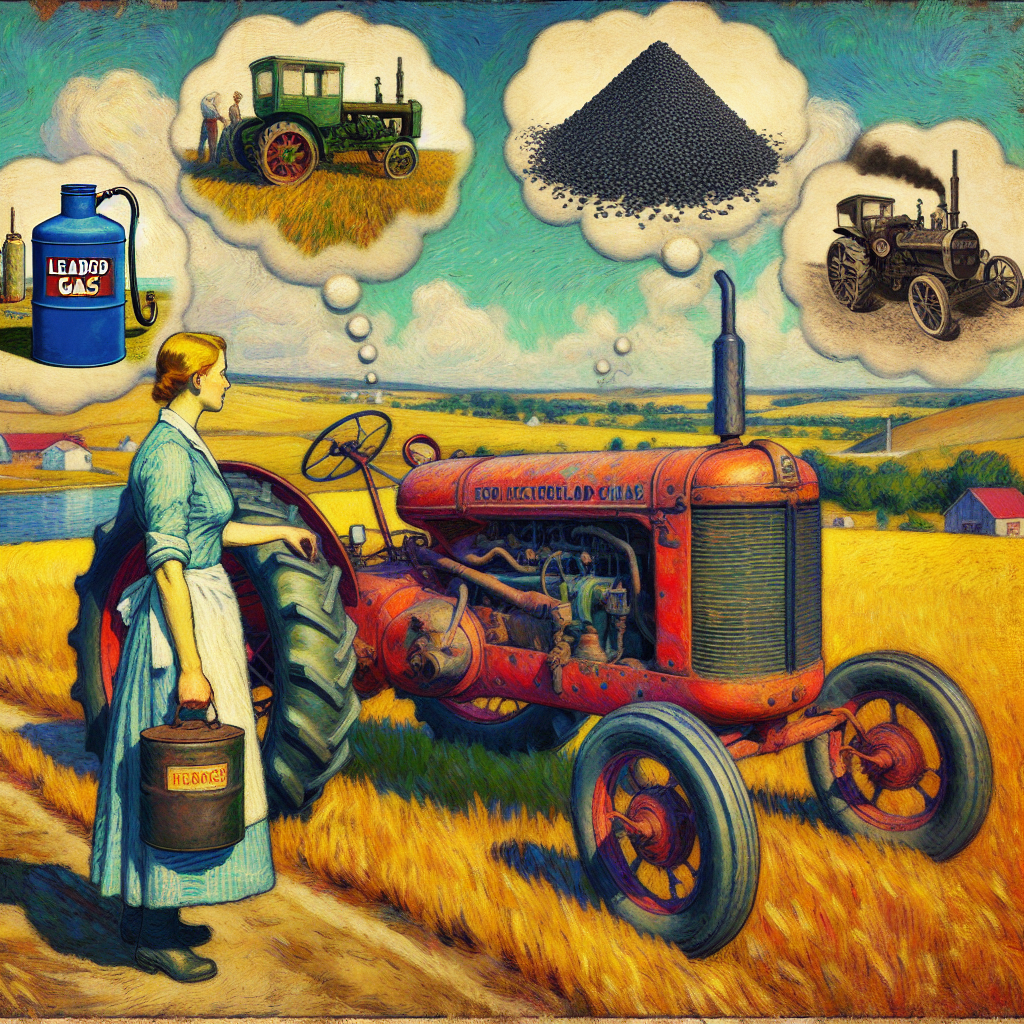
Simplicity often gets a bad rap. We chase complexity, believing it will yield richer outcomes, more vibrant ideas, or breakthroughs that will change the game. But take a step back. Look at a well-worn tractor sitting in a sunlit field, the hum of its engine a reassuring reminder of hard work and honest labor. It’s a simple machine—engine, wheels, and steering. Yet, its impact resonates deeply, transforming barren land into lush gardens that feed families and communities.
In a world bombarded by distractions and the incessant noise of “more,” simplifying our approach can unlock a deeper, more profound creativity. When we strip away the unnecessary, we create space for inspiration to flourish. Consider the artist staring at a blank canvas. They face the weight of endless choices. Yet, when they decide to work in monochrome, bound by just black and white, magic often emerges. Limitations can jumpstart creativity, forcing us to explore paths we might never have considered amidst a riot of colors and options.
Think about problem-solving too. When faced with a complex issue, dissecting it down to its simplest components allows for clarity. This process isn’t just rational; it’s almost instinctual. We’ve all been there when “less” became “more.” Picture a parent teaching a child to ride a bike. The complexity of balance, steering, and pedaling can feel overwhelming. But when the focus narrows to just a few key skills, the child’s progress accelerates. Each small victory builds confidence, illuminating the path forward until they can ride freely, epitomizing the essence of simplicity converting into mastery.
Beyond just the head and the heart, there’s an ethical angle. In a society that celebrates complexity, voices advocating for simplicity champion a different narrative, one that prioritizes authenticity over pretense. People crave genuine connections, often found in straightforward conversations and experiences. Our lives are intertwined in a web of shared stories — real, relatable moments that resonate with us all, much like the common reality of farming. There’s a reason a simple farm gathering cultivates community spirit; it’s in the uncomplicated joys of food, laughter, and shared tasks that bonds are strengthened.
Embracing simplicity isn’t just a creative endeavor; it invites trust. It whispers that creativity thrives not in chaos but in clarity. So, the next time you’re searching for that spark, consider the power of simplicity. Return to the basics, let the clutter fall away, and watch as the true genius of creativity reveals itself.
Can Simplicity Lead to Greater Creativity?
Can Simplicity Lead to Greater Creativity?
- Simplicity is often underestimated, with complexity being pursued for richer outcomes.
- A simple machine, like a tractor, demonstrates the profound impact of simplicity in transforming land and lives.
- Simplifying approaches can enhance creativity by creating space for inspiration.
- Limitations can jumpstart creativity, as shown by artists working in monochrome.
- Breaking down complex problems into simpler components aids clarity and problem-solving.
- Simplicity fosters genuine connections and community, as seen in shared experiences.
- Embracing simplicity invites trust and allows creativity to thrive in clarity.

Can Simplicity Lead to Greater Creativity?
Why Do We Crave Tangible Experiences In a Digital World?
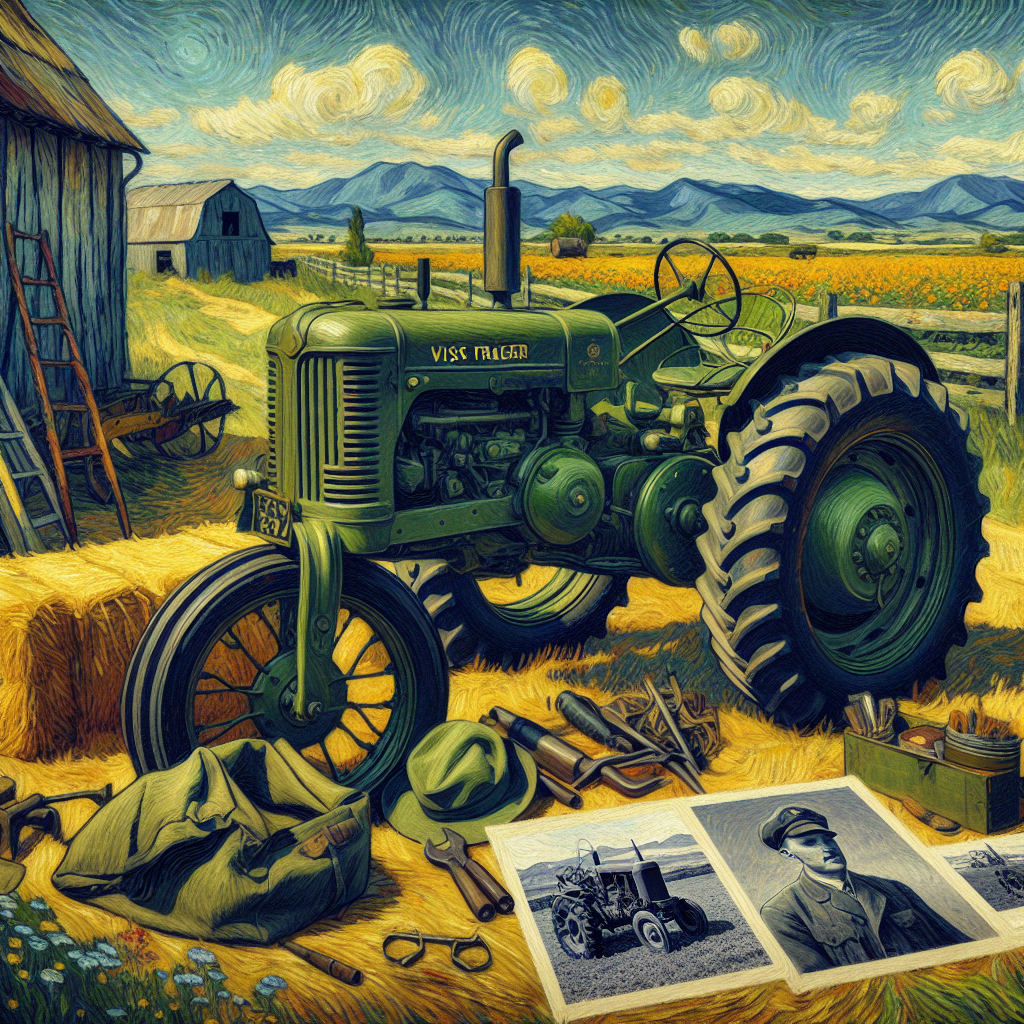
In a world saturated with pixels and screens, where our interactions often boil down to likes and shares, it’s no wonder we find ourselves longing for the tangible, the authentic, the real. Why do we crave these experiences? Consider the simple, visceral connection we feel when we operate a tractor in the fields. The rumble of the engine, the vibration beneath your feet, the smell of fresh earth—it’s a sensory symphony that digital screens can’t replicate.
Every pull of the lever carries with it the weight of responsibility and the fulfillment of manual labor. This isn’t just about farming; it’s a reflection of the human experience, the sturdy hand of tradition grappling with the fluidity of the digital age. We’ve built relationships and memories around these physical experiences, from the laughter shared during a family barbecue to the earnest discussions held around a campfire. Each moment is real and substantial, whether it’s fixin’ things up after a rough day of work or celebrating simple victories.
Yet, the digital realm continuously beckons us with its convenience. It’s efficient, sleek, and always at our fingertips. But does it foster the same sense of community found in a shared experience? Not quite. We’re hardwired for connection, and a thumbs-up simply doesn’t match the warmth of a handshake or the depth of a shared glance. When we choose to engage in tangible experiences, we’re not just filling our time; we’re nurturing our spirits, drawing connections that root us in our communities and families.
The allure of the digital world is undeniable, but it often leaves us hungry for something deeper. Engaging with physical experiences can catalyze a personal transformation, bridging the gap between technology and our innate human needs. It reminds us of our place in a broader narrative. Imagine gathering around the dinner table after a day spent working on that tractor with your family, sharing stories that echo for generations. These moments anchor us, enriching our lives in ways a screen simply can’t match.
Ultimately, the hunger for tangible experiences stems from a desire for authenticity—in our lives, relationships, and the world around us. So, the next time you feel that pull toward the digital, remember to put down the device, roll up your sleeves, and engage with the world that surrounds you. It’s in those moments of engagement that you’ll find not just connection but purpose.
Why Do We Crave Tangible Experiences In a Digital World?
Why Do We Crave Tangible Experiences In a Digital World?
- In a digitally dominated world, there’s a longing for tangible and authentic experiences.
- Operating a tractor evokes a visceral connection through sensory experiences that screens cannot replicate.
- Tangible experiences reflect human tradition and the interplay with the digital age.
- Physical moments create lasting memories and deeper connections within families and communities.
- The convenience of digital interactions lacks the warmth of real-life connections.
- Engaging in physical experiences can lead to personal transformation and a sense of purpose.
- Yearning for authenticity is a fundamental human need that resonates in our interactions and relationships.
Why Do We Crave Tangible Experiences In a Digital World?
How Can Mechanical Purity Enhance Our Focus?
In a world overflowing with distractions, the pursuit of mechanical purity isn’t just about keeping our tools in pristine condition; it’s about cultivating a mindset that sharpens our focus and enhances our performance. Picture a well-maintained tractor humming along, every gear, every bolt, and every engine component working in perfect harmony. This isn’t just machinery—it’s a reminder that when our tools are aligned and functional, we can harness their full potential to tackle the challenges at hand.
When I was young, I spent countless hours with my grandfather on his farm. We didn’t just operate machines; we respected them. Each time he pulled that tractor from the barn, he would take a moment to inspect it. “Every tool has a purpose,” he’d say, his calloused hands tracing the engine’s lines. That sense of mechanical purity—ensuring everything was in order before we even turned the ignition—was something I didn’t fully appreciate until much later. There was a rhythm to our work. The sound of that engine starting up was a signal, not just for the tractor, but for my mind. When everything was functioning smoothly, my focus would shift away from worries and chaos and toward the task ahead.
Mechanically pure tools lead to clearer thought processes, reliable outcomes, and less frustration. Think about it—when you sit down to work with a cluttered desk or a malfunctioning computer, how can you expect to dive deep into your thoughts? Just as that tractor benefits from maintenance, so do we. Consider launching a project with a clear workspace, free from the clutter of digital distractions or the clutter of the mind. It’s about creating an environment that encourages focus and fosters creativity.
Sharing the field with others brings yet another layer to this conversation. Imagine a community where mechanical purity is not just a personal practice but a shared value. Conversations flow more freely; trust builds stronger. When everyone contributes to maintaining not just their tools but also the shared environment, it’s akin to a well-oiled machine—each part enhancing the whole.
So next time you’re feeling scattered, take a moment to assess your mechanical purity—inside and out. Clear clutter, tune your focus, and let the hum of your own internal tractor steer you in the right direction. Life is about finding harmony, and sometimes that starts with just a clean slate and a couple of well-maintained wheels.
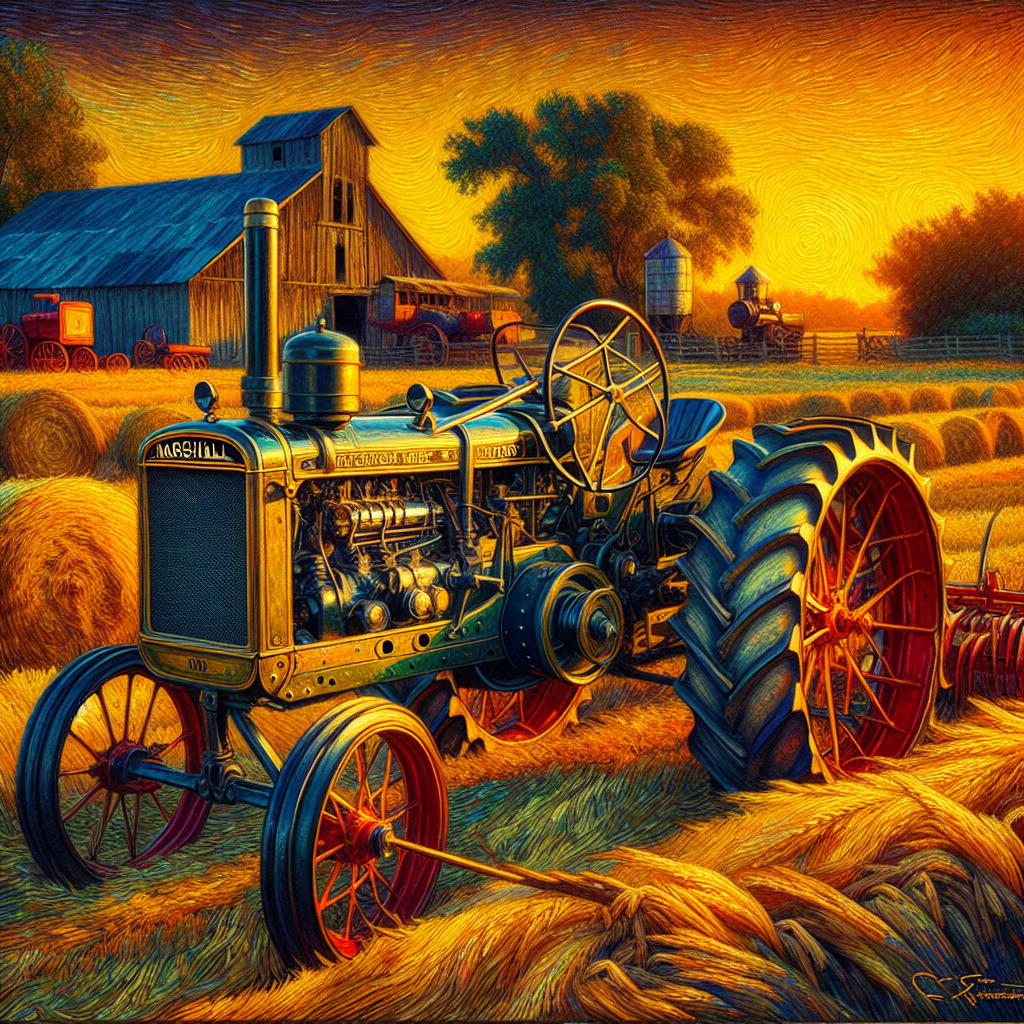
How Can Mechanical Purity Enhance Our Focus?
How Can Mechanical Purity Enhance Our Focus?
- The pursuit of mechanical purity enhances focus and performance beyond merely keeping tools pristine.
- A well-maintained tractor symbolizes the importance of alignment and functionality in achieving potential.
- Childhood experiences with a grandfather instilled respect for machines and the ritual of inspection before use.
- Mechanically pure tools lead to clearer thought processes and reduced frustration.
- A cluttered workspace disrupts focus; a clear environment boosts creativity and productivity.
- Community practice of mechanical purity fosters trust and collaboration, enhancing the overall shared environment.
- Assess and maintain your mental and physical clarity to achieve harmony and direction in life.
How Can Mechanical Purity Enhance Our Focus?
What Ethical Concerns Arise From Digital Distractions?
In an age dominated by screens, the tug of digital distractions resonates with us all. Picture this: a farmer, weathered and wise, leaning against his trusty tractor, the hum of machinery blending with the sounds of nature. He’s got a job to do, yet his phone buzzes incessantly with updates, TikTok challenges, and emails. Suddenly, his focus shifts from the field—a place rich with life and purpose—to a glowing screen that pulls him into a world less tangible. This scenario sparks an ethical concern we often overlook: the disconnection from reality and the potential for a diminished sense of community.
Digital distractions can erode our capacity for genuine connection. In that farmer’s moment of distraction, he’s not just losing productivity; he’s losing the chance to engage with his surroundings and the people who share that space. As we immerse ourselves in the digital whirlpool, we might ask whether we’re neglecting our responsibilities to our families, friends, and even our own well-being. In striving for connectivity through technology, we may instead be fostering isolation.
Moreover, the implications stretch far beyond personal interactions. The tech industry thrives on our attention, using persuasive design to keep us clicking, scrolling, and consuming. Companies prioritize profit over the ethical treatment of their users, creating an environment ripe for addiction. As these distractions burgeon, the question of accountability surfaces. Should tech giants bear responsibility for the societal impact of their products? Navigating this moral terrain forces us to reconsider our role as consumers and the ethical choices we endorse every time we choose a screen over significant human contact.
It’s easy to dismiss the idea that our distractions matter. Yet consider how we shape the world around us. When the farmer chooses to engage with his environment instead of getting lost in his phone, he not only enhances his productivity but enriches his life—building bonds with his community, sharing stories, and perhaps inspiring the next generation who will one day sit on that tractor themselves.
As we balance the allure of the digital world with our ethical obligations, let’s rediscover the power of presence. By prioritizing face-to-face interactions and meaningful engagement, we can cultivate a culture where deeper connections flourish. The next time you find yourself reaching for your device, pause and reflect on what you might be sacrificing—a fleeting notification or a lasting memory. It’s a choice we can make, one moment at a time.

What Ethical Concerns Arise From Digital Distractions?
What Ethical Concerns Arise From Digital Distractions?
- Digital distractions significantly impact our ability to connect with reality and community.
- A farmer’s moment of distraction exemplifies the loss of productivity and engagement with surroundings.
- Neglecting personal relationships and well-being may occur as individuals immerse in digital worlds.
- The tech industry capitalizes on attention, prioritizing profit over ethical treatment of users.
- Questions of accountability arise regarding the societal effects of digital products from tech giants.
- Choosing to engage with the physical environment can lead to enriched lives and stronger community bonds.
- Prioritizing meaningful interactions fosters deeper connections and helps balance digital allure with ethical responsibilities.
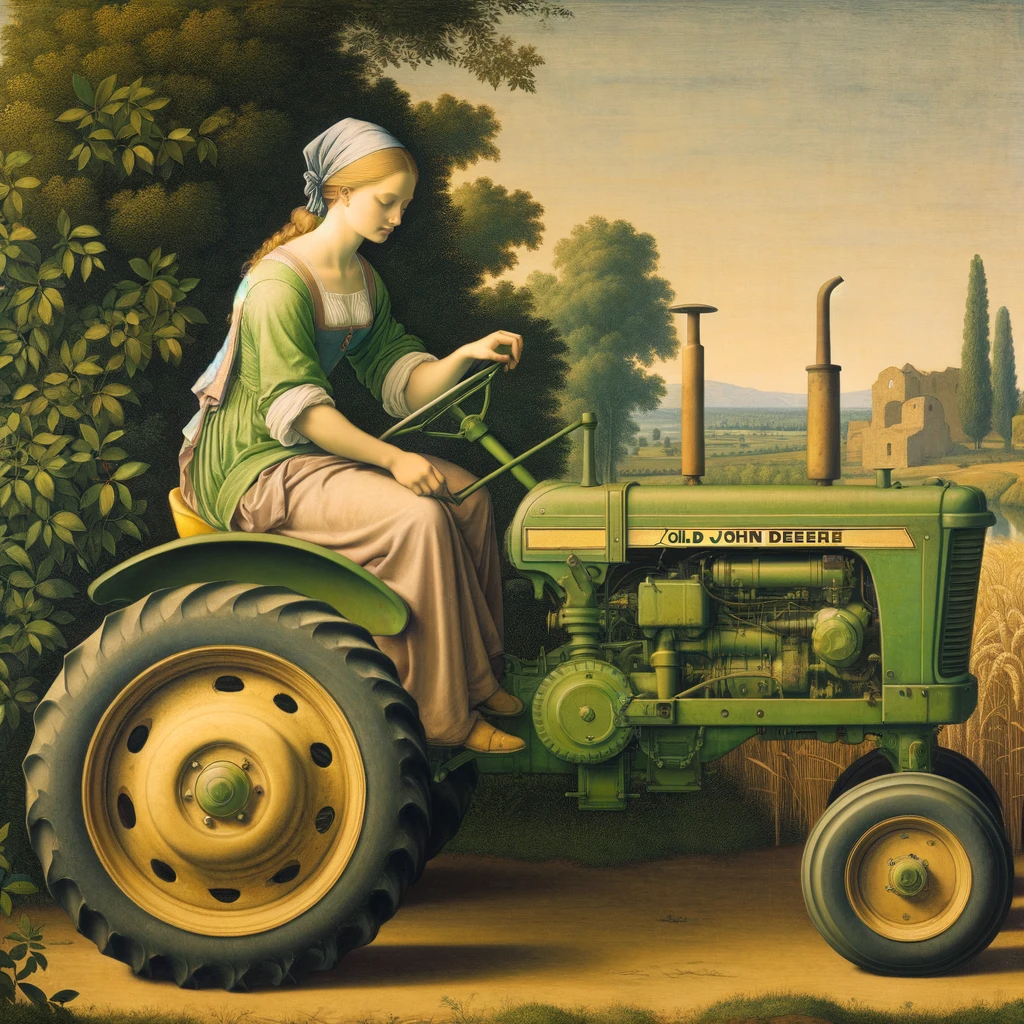
What Ethical Concerns Arise From Digital Distractions?
Conclusion
In an age dominated by digital noise, the call for mechanical purity resonates more than ever. It’s about unearthing the profound value in simplicity when our lives feel increasingly dictated by screens. Picture that vintage tractor, its engine purring, tethering us to the land, to hard work, and to authentic human experiences. This isn’t just nostalgia; it’s a tangible reminder that sweat and labor yield real, satisfying results. Each moment spent engaged in hands-on work isn’t solely about the task at hand; it’s a reclamation of our agency in an often disorienting digital landscape.
Mechanical purity defies the complexities of modern life, urging us to strip away the excess and refocus on what genuinely matters. It’s about honoring the craftsmanship and traditions passed down through generations, recognizing that each tool we use—like that trusted tractor—carries with it a story and a connection to our roots. The lessons learned at the hands of a mentor remind us of our place in a community that thrives on shared labor and collaboration, reinforcing our understanding of ethics and responsibility.
Digital overload, in contrast, pulls us into a vortex of constant distraction, leading to anxiety and disconnection. This isn’t merely a personal struggle; it’s an ethical dilemma with societal implications. As we lose sight of our surroundings in pursuit of likes and shares, we risk neglecting the relationships that ground us. Engaging with physical experiences—touching, feeling, creating—nurtures our spirit in ways that digital interactions simply can’t replicate. By fostering real connections, we honor not just our own humanity but the intricate web of community and family that sustains us.
Moreover, embracing simplicity sparks creativity. Just as the artist finds inspiration within constraints, clear focus emerges from reducing mental clutter. When we simplify our approach to life’s challenges, we create fertile ground for ideas to blossom, allowing our minds to engage with tasks meaningfully and wholeheartedly. This commitment to mechanical purity enhances not only our productivity but also our fulfillment, reminding us that the real power lies in authenticity and connection.
Ultimately, the journey towards mechanical purity is an appeal to rediscover the beauty in simplicity and craftsmanship. It’s an invitation to reconnect with the earth, our tools, and each other, choosing depth over distraction and involvement over isolation. Each time we turn away from our screens and towards tangible experiences, we affirm our humanity, strengthen community bonds, and carve out a path to a more enriched existence. In that choice lies not just clarity, but a deeper understanding of the value of every inch of our hard-won labor.
Conclusion
Conclusion:
- The call for mechanical purity emphasizes the value of simplicity in a digital age.
- Engaging in hands-on work reconnects us to our roots and authentic experiences.
- Mechanical purity advocates for stripping away excess and focusing on what is essential.
- Craftsmanship and traditions impart stories and community ethics through shared labor.
- Digital overload leads to distraction and anxiety, distancing us from meaningful relationships.
- Simplicity fosters creativity and enriches our engagement with life’s challenges.
- Choosing tangible experiences over screens affirms our humanity and strengthens community bonds.
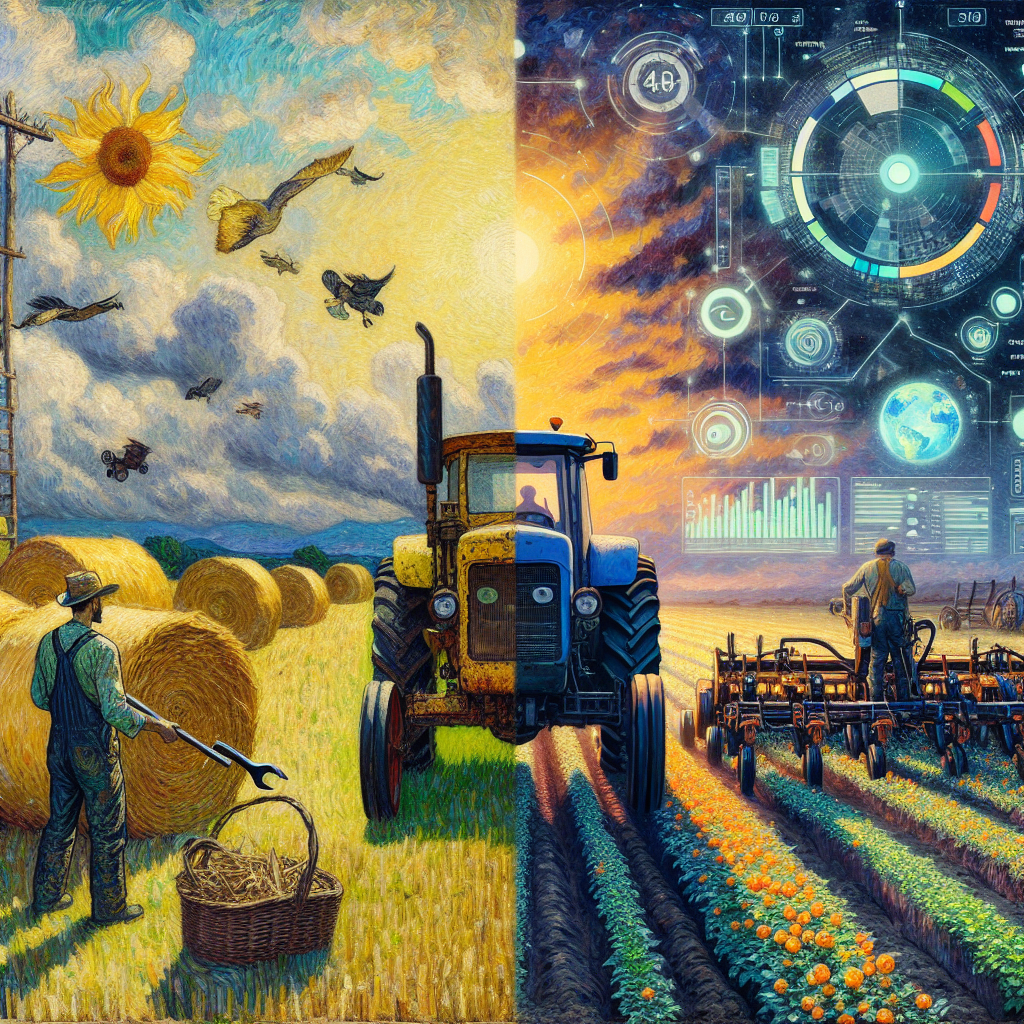
Conclusion
Other Resources
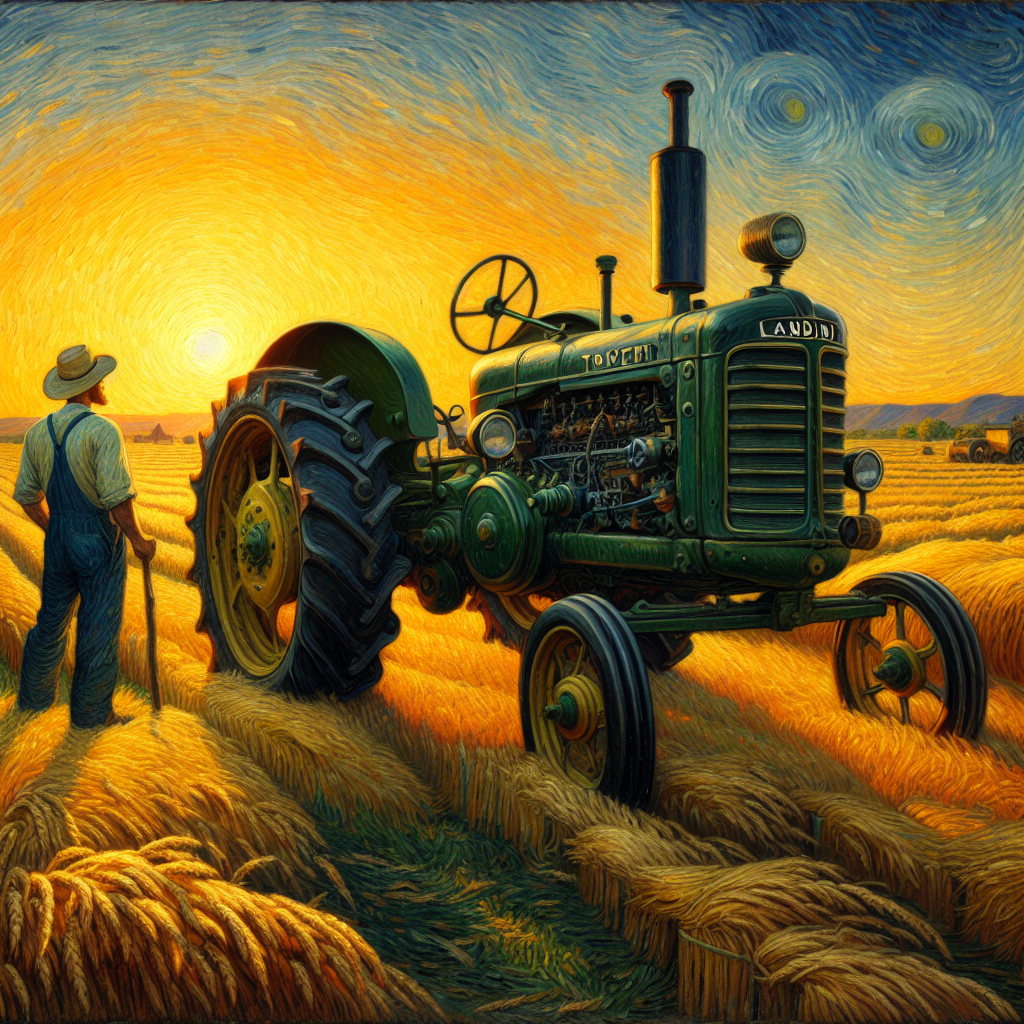
Other Resources
Here is a list of other resources you can review online to learn more:
- Branson
- Summit Tractors
- Fiat-Hesston
- Samson
- Wingin
- Oliver
- Schluter
- Waterloo Boy
- C.O.D. Tractor Company
- Lindner
- Arma Trac Tractors
- NEATTA
- Toy Farmer
- ATC
- Force Motors
- Simpson Jumbo
- Heider
- Bristol
- Antique Engine & Tractor Association – Working Farm Show
Use This Prompt To Get More Resources With Your Favorite Online AI Tool: Please provide me with a list of online articles with their URLs in a bulleted list that I can read regarding Why Mechanical Purity Beats Digital Overload
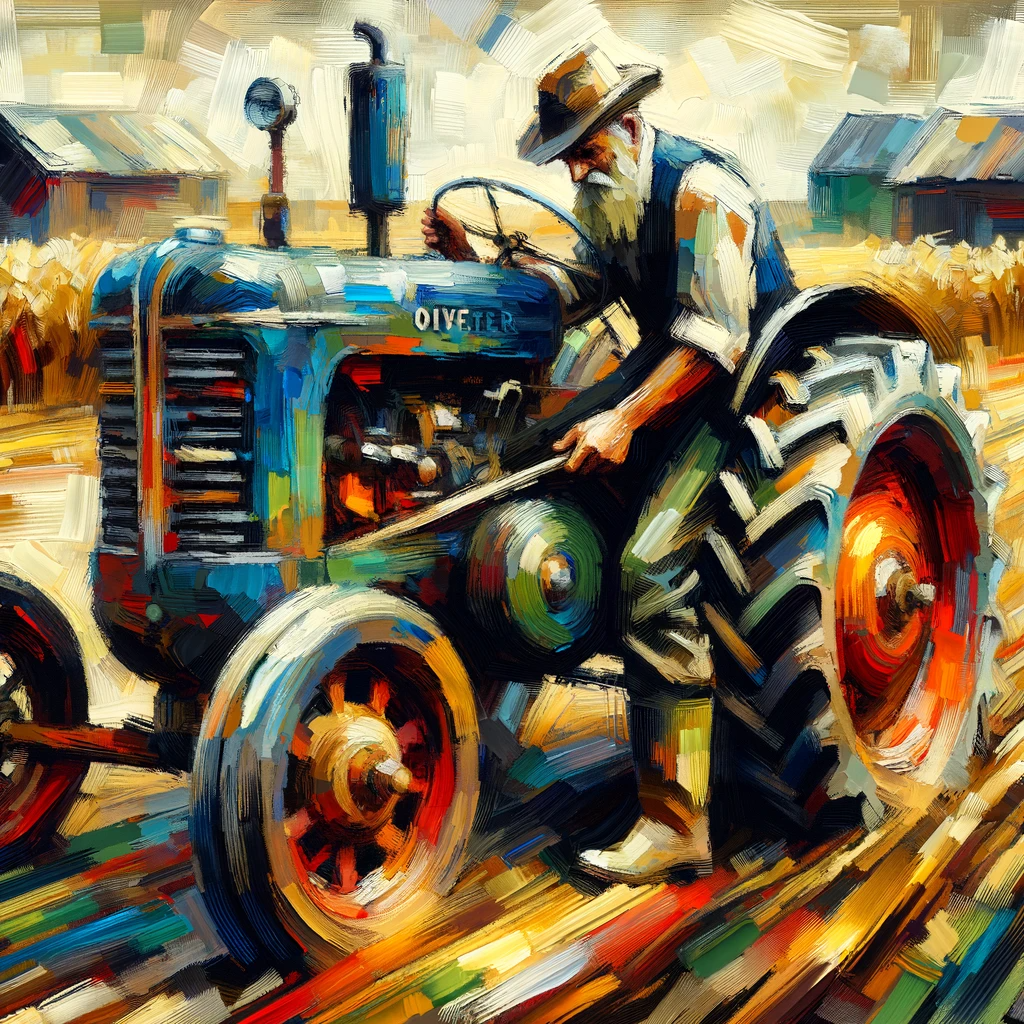
Other Resources
Glossary Terms
Why Mechanical Purity Beats Digital Overload – Glossary Of Terms
1. Mechanical purity — design philosophy that favors simple, physical mechanisms and clear causality over layered digital mediation.
2. Digital overload — state of cognitive and sensory strain caused by excessive notifications, data streams, and fragmented attention.
3. Tactile feedback — physical sensations produced by controls or mechanisms that convey state and confirm actions.
4. Analog fidelity — retention of nuance and continuous variation in non-digital media and interactions.
5. Haptic clarity — unambiguous touch-based cues from mechanical interfaces that reduce interpretation effort.
6. Latency (perceptual) — delay between user action and feedback; low latency in mechanical systems strengthens sense of control.
7. Cognitive load — total mental resources required to perform tasks; simplified mechanics lower that load.
8. Signal-to-noise ratio — proportion of meaningful information to distracting input; mechanical approaches boost useful signal.
9. Single-tasking — focused engagement with one task at a time, often easier with intentionally simple tools.
10. Attention residue — leftover cognitive focus on previous tasks caused by rapid context switching in digital environments.
11. Slow tech — technologies engineered to encourage deliberate, reflective use instead of constant stimulation.
12. Materiality — the tactile, visual, and acoustic qualities of materials that ground experience in the physical world.
13. Craftsmanship — skillful, intentional making that yields durable, legible mechanisms and meaningful user relationships.
14. Reliability — consistent, predictable performance; often enhanced by fewer moving parts and simpler logic.
15. Repairability — capacity for easy maintenance and fixing, extending lifespan and reducing dependency on manufacturers.
16. Redundancy (mechanical) — straightforward backup mechanisms that preserve function without complex software layers.
17. Deterministic behavior — predictable cause-and-effect operation, contrasting with opaque algorithms and heuristics.
18. Sensory anchoring — tangible cues that stabilize attention and situational awareness in the real world.
19. Ergonomics — human-centered physical design that reduces strain and supports sustained, comfortable use.
20. Analog warmth — subjective appeal of slight imperfections and organic variation that enrich human experience.
21. Minimalism (design) — removing extraneous features to reduce distraction and clarify purpose.
22. Contextual integrity — aligning tools and behaviors with environment and social norms rather than abstract data flows.
23. Manual calibration — hands-on adjustment that fosters mastery, nuance, and immediate feedback loops.
24. Entropy management — controlling disorder through robust, low-complexity solutions rather than brittle digital fixes.
25. Attention economy (resistance) — deliberate design choices that resist commodification of attention and reduce addictive patterns.
26. Techno-fatigue — mental and sensory exhaustion from prolonged digital interaction, mitigated by tactile, slower alternatives.
27. Presence — sustained, engaged awareness promoted by direct physical interaction and fewer digital interruptions.
28. Analog-digital hybrid — balanced systems combining tactile interfaces with selective digital assistance for clarity and utility.
29. Sensory simplification — limiting concurrent sensory inputs to improve comprehension and reduce overload.
30. Values-driven design — prioritizing longevity, transparency, repairability, and human well-being over engagement metrics.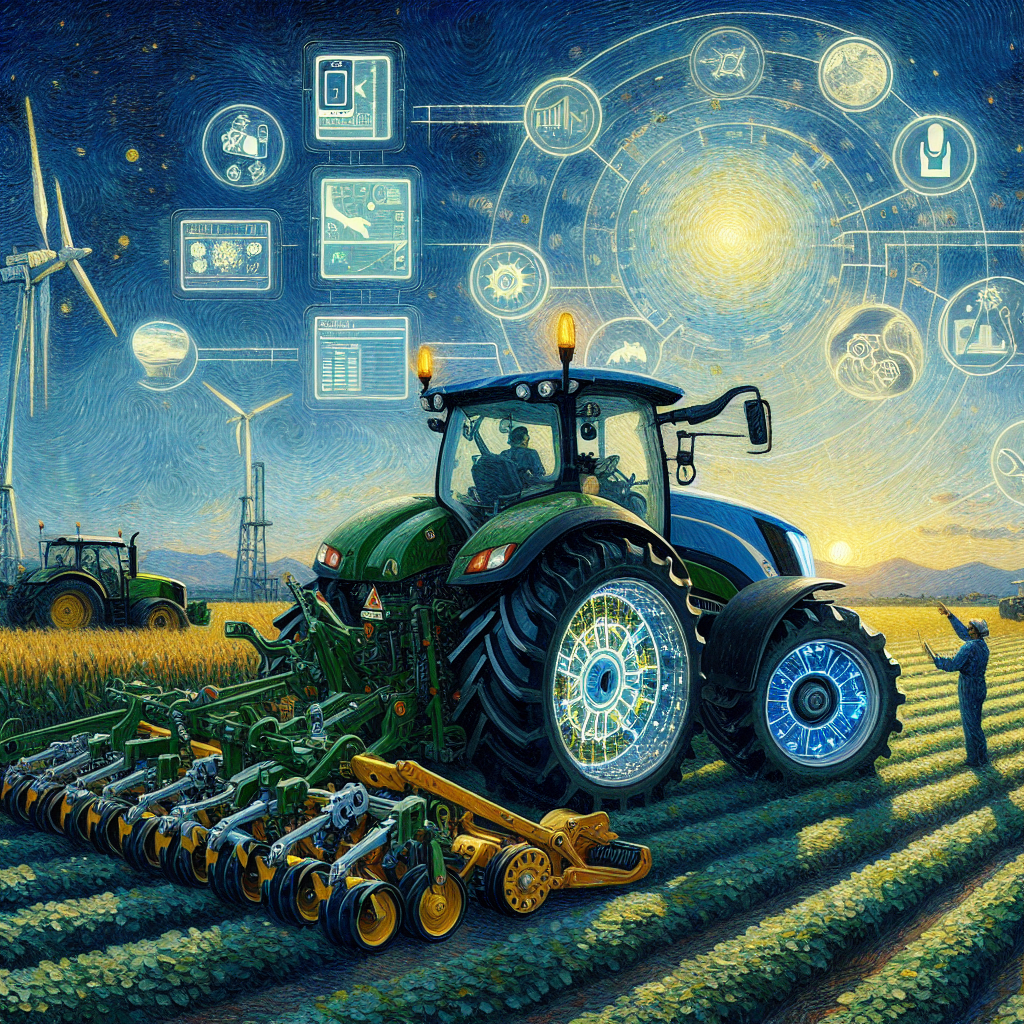 Glossary Of Terms
Other Questions
Why Mechanical Purity Beats Digital Overload – Other Questions
If you wish to explore and discover more, consider looking for answers to these questions:
- What specific benefits does mechanical purity offer over digital tools for productivity and well‑being?
- Are there scientific studies or data that support claims about digital overload harming mental health?
- How can an individual practically incorporate mechanical purity into a busy, digitally connected life?
- What everyday activities (beyond tractors) count as tangible, mechanical experiences that reduce digital noise?
- How can workplaces balance necessary digital tools with practices that promote mechanical simplicity and focus?
- What are the economic costs and benefits of choosing mechanical solutions instead of digital ones?
- Does embracing mechanical purity require rejecting useful modern technologies, or can they complement each other?
- How can parents teach children to value hands‑on, tangible experiences in a screen‑heavy culture?
- What community programs, workshops, or apprenticeships exist to teach mechanical skills and preserve craftsmanship?
- How does socioeconomic status affect access to mechanical experiences and training?
- What are the environmental impacts—positive or negative—of favoring mechanical tools over digital systems?
- How can one measure improvements in focus, creativity, or mental health after reducing digital exposure?
- What policies or regulations could reasonably hold tech companies accountable for attention‑harvesting design?
- How do we avoid romanticizing the past while evaluating the real practical value of mechanical practices?
- What safety concerns arise when substituting mechanical systems for digital ones, and how are they mitigated?
- How can urban residents or people without farms access tactile, nature‑connected experiences?
- Which professions benefit most from mechanical purity, and which necessarily depend on digital technology?
- How can educators integrate mechanical skills and hands‑on learning into modern curricula?
- What core skills are required to maintain and repair mechanical equipment, and where can they be learned?
- How does practicing simplicity and mechanical craft influence creativity in fields like art, design, and engineering?
- Are there documented case studies of communities or industries that successfully revived mechanical practices?
- How do gender, age, or cultural background shape attitudes toward mechanical work and tangible experiences?
- What role does nostalgia play in the appeal of mechanical purity, and how can we separate sentiment from utility?
- Can reduced digital use measurably improve sleep, anxiety levels, or attention span—and what guidelines exist?
- How can individuals set sustainable boundaries with technology without losing essential social or professional connectivity?
- What are the long‑term career and economic implications of choosing mechanical trades over digital careers?
- How do modern makers, startups, or designers successfully blend mechanical craftsmanship with digital business models?
- What beginner tools, books, or resources are best for someone wanting to start practicing mechanical purity?
- How can one create or fund a community makerspace focused on mechanical skills and intergenerational knowledge transfer?
- What ethical frameworks can guide choices between convenient digital consumption and responsibility to community and self?
- How do we evaluate instances where digital tools actually increase personal agency rather than diminishing it?
- What metrics should researchers use to compare the social, psychological, and economic impacts of mechanical versus digital lifestyles?
Other Questions
Haiku
Why Mechanical Purity Beats Digital Overload – A Haiku
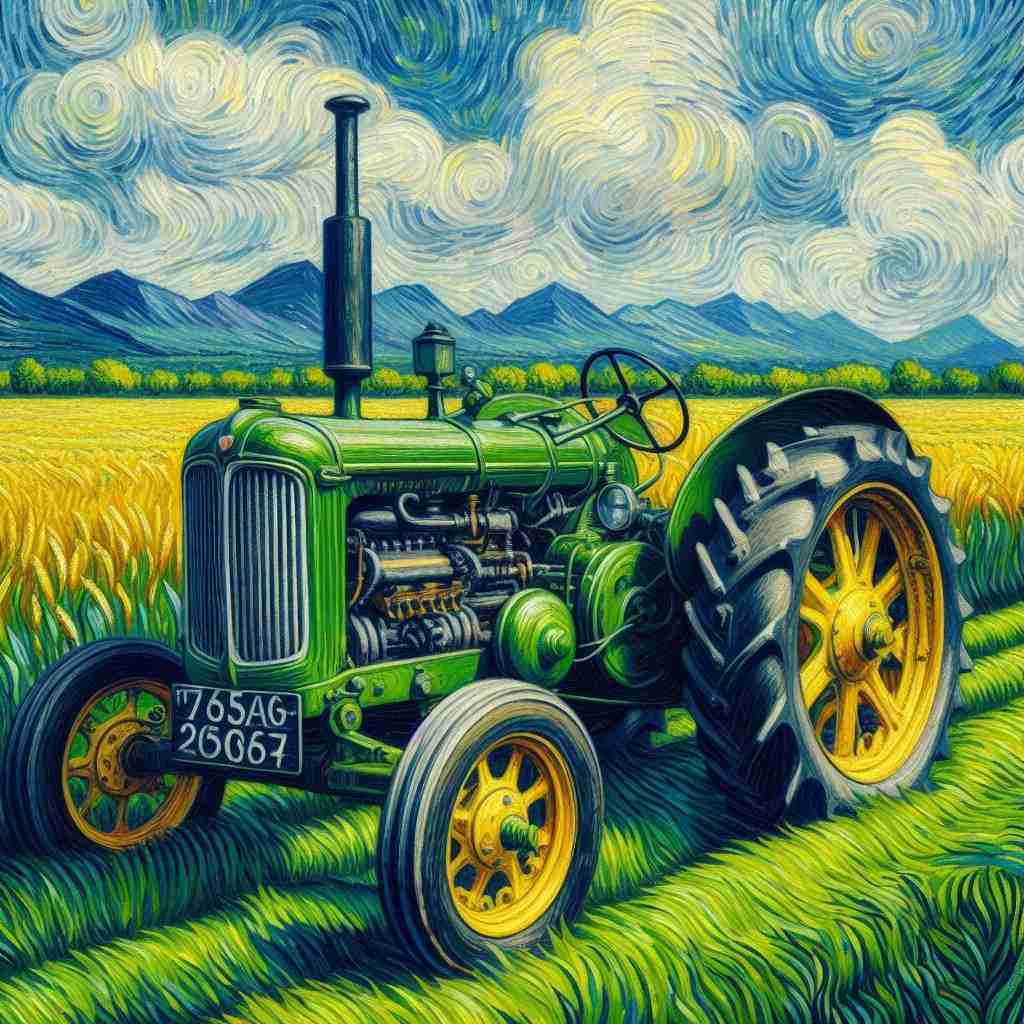
Engines hum with strength,
Hands feel earth, sweat and labor,
Life’s pure joy—untamed.
Haiku
Poem
Why Mechanical Purity Beats Digital Overload – A Poem
Amidst the clamor of screens aglow,
We yearn for a touch, for the grit we know.
Mechanical purity calls, a whisper so clear,
Embracing the simple, a path back to here.
Feel the hum of a tractor, the earths warm embrace,
In each rev of the engine, find your rightful place.
Hard work and sweat, the soils ancient claim,
With every turn of the wheel, we honor the name.
Lost in a world of likes and shares,
Digital distractions leave us stripped bare.
Anxiety rises like smoke from the fire,
As we chase fleeting pixels, our spirits tire.
Lets gather together, share stories and toil,
In the warmth of connection, our roots start to coil.
For in shared labor, bonds deepen and grow,
The mechanicals heart beats, where true value flows.
Simplicity births clarity, creativity thrives,
In the dance of the basic, true spirit derives.
So lift up your hands, set your screens aside,
Embrace the real world, let authenticity guide.
The beauty of legacy, the strength of the land,
In wheels turning slowly, find purpose, expand.
Retreat from the noise, let your heart heal,
For within the mechanics, we rediscover whats real.
Poem
Checklist
Why Mechanical Purity Beats Digital Overload – A Checklist
Emotional Appeals
✅______ Reconnect with nature Spend time outdoors, engaging in activities like gardening or farming to experience the tactile joys of the earth.
✅______ Reflect on personal stories Share a meaningful story about a time spent with mechanical tools or machines that highlight connection and fulfillment.
✅______ Celebrate hard work Acknowledge and appreciate the effort that goes into manual tasks, reinforcing the value of labor.
Rational Appeals
✅______ Assess your digital consumption Create a plan to limit screen time, dedicating specific hours to disengage from digital devices.
✅______ Prioritize tasks Identify essential tasks that require focus, ensuring the environment is conducive to productivity and clarity.
Ethical Appeals
✅______ Recognize digital responsibility Consider the ethical implications of digital distractions and their impact on mental health and community relationships.
✅______ Engage in community activities Participate in local events or services that promote face-to-face interaction and foster a sense of belonging.
Authority Appeals
✅______ Follow thought leaders Seek out books, articles, or speakers on mechanical purity and simplicity to gain insights and guidance.
✅______ Learn from experts Attend workshops or classes focused on hands-on skills, such as woodworking or farming, to deepen understanding of craftsmanship.
Narrative Appeals
✅______ Document your journey Keep a journal or create a blog that chronicles experiences with mechanical tools and the lessons learned from engaging with them.
✅______ Share community stories Collect and share stories from others about their experiences with mechanical purity, emphasizing the shared heritage and values.
Social Appeals
✅______ Create a group Form a community group focused on sustainability and simplicity, encouraging members to share tips and experiences related to mechanical purity.
✅______ Host gatherings Organize events that celebrate tactile experiences, such as potlucks or farm days, to build community connections and foster relationships.
Checklist
At ClassicTractorNews, we help tractor lovers keep up with the latest news for classic and vintage tractors.
Please share this post with your friends, family, or business associates who may like old classic or vintage tractors.