

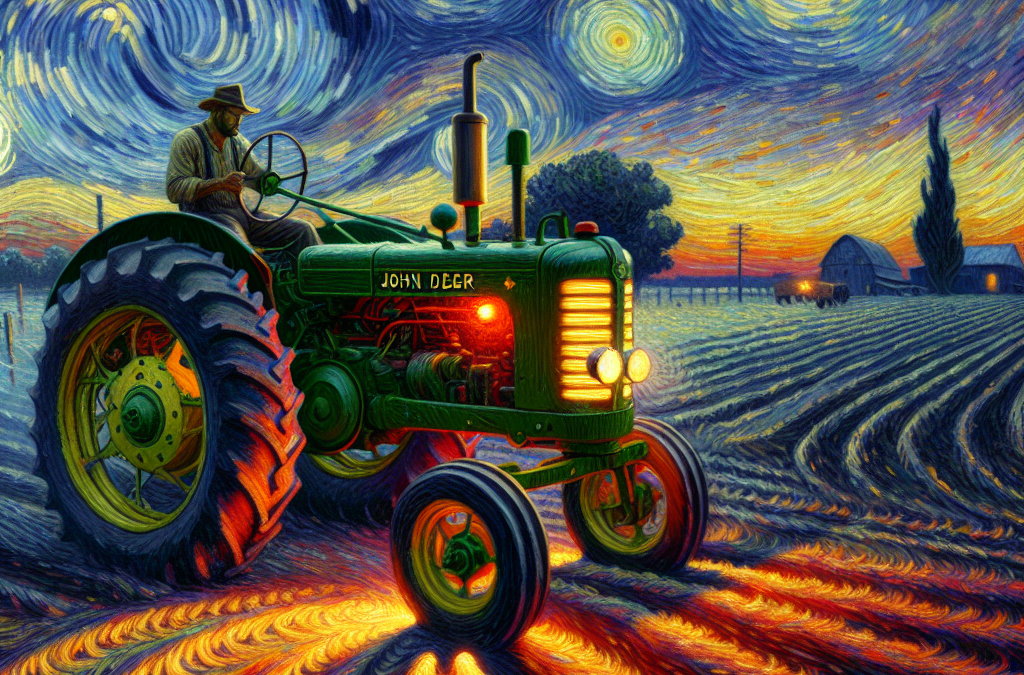
Empowering Small Farmers With Dependable Equipment
By Tom Seest
At ClassicTractorNews, we help tractor lovers keep up with the latest news for classic and vintage tractors.
Please share this post with your friends, family, or business associates who may like old classic or vintage tractors.
Why Is Reliability In Farming Equipment Crucial for Small Farmers
In the world of small farming, the heart and soul of any operation often revolves around a single machine: the tractor. It’s more than just a hunk of metal; it’s the lifeblood of a farm, serving as the backbone that supports every plow, every seed, and every harvest. When you think about reliability in farming equipment, it’s hard not to get a bit sentimental. Picture a local farmer, weathered hands resting on the steering wheel of their trusty tractor as sunrise paints the fields in golden hues. This is where dreams are sown, where families thrive, and where communities come together.
Now, let’s get practical. You may ask, “Why does reliability matter so much?” The answer is simple yet profound. When that tractor breaks down—right in the middle of planting season or during the peak of harvest—the consequences are immediate and severe. It’s not just about the inconvenience; it’s about livelihoods hanging in the balance. Farmers rely on their equipment to function flawlessly. The farmers we admire, the ones who pour their sweat and tears into the land, they deserve machinery that won’t let them down when it matters most.
Beyond the emotional connection, there is an ethical responsibility tied to farming. Consumers increasingly demand fresh, locally-sourced produce. For small farmers, this isn’t just a trend—it’s a lifeline. If equipment fails and crops wither, it’s not just the farmers who suffer; whole communities feel the ripple effect. Reliable farming equipment ensures that small farmers can meet those demands, fostering trust within consumer relationships and creating a sustainable cycle that benefits everyone.
Consider the stories we all share as communities come together to support each other in times of trouble. An unreliable tractor can change the trajectory of a family’s legacy, impacting everything from school supplies for children to the stability of the local economy. So next time you pass a field where a farmer is hunched over their equipment, think about the lives, dreams, and future that hinge on that machine.
The reliability of farming equipment isn’t just a technical statistic; it is the soul of small-scale farming. A dependable tractor doesn’t just get the job done; it reaffirms that the hard work and passion invested in farming are honored and rewarded. Trust in dependable machinery fuels the spirit of agriculture and uplifts the very fabric of our communities. The simplest acts of reliability can lead to the most profound impacts.
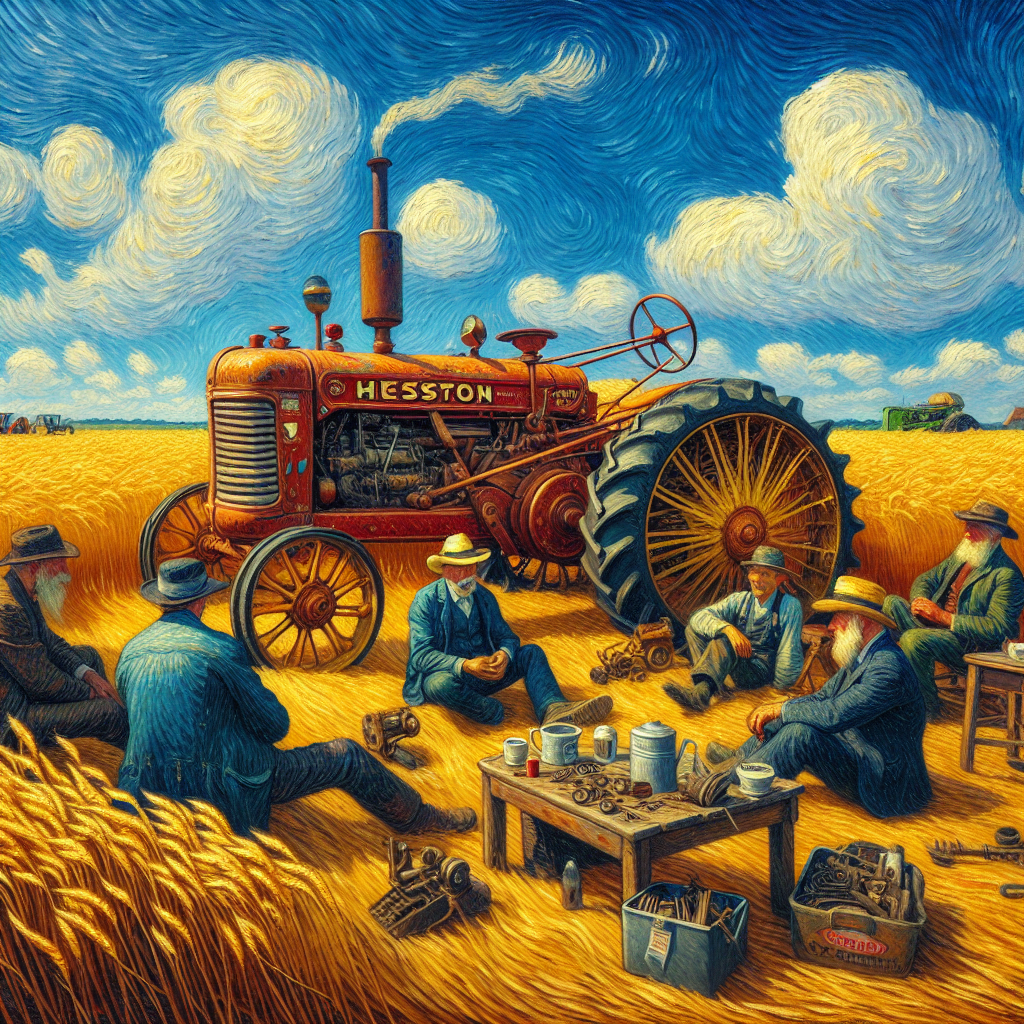
Why Is Reliability In Farming Equipment Crucial for Small Farmers
Why Is Reliability In Farming Equipment Crucial for Small Farmers
- The tractor is considered the heart and soul of small farming operations.
- Reliability in farming equipment is crucial, especially during planting and harvest seasons.
- Broken tractors can disrupt farmers’ livelihoods and communities’ economies.
- Farmers need dependable machinery to satisfy increasing consumer demand for fresh, local produce.
- Unreliable equipment can affect families’ futures and local economies.
- Reliable farming equipment fosters trust between farmers and consumers, promoting sustainability.
- The reliability of tractors symbolizes the hard work and dedication of farmers and uplifts communities.
Why Is Reliability In Farming Equipment Crucial for Small Farmers
Table Of Contents
- Why Is Reliability In Farming Equipment Crucial for Small Farmers
- Why Do Small Farmers Struggle With Unreliable Equipment?
- How Can Reliable Farming Equipment Reduce Stress For Farmers?
- How Does Farming Equipment Reliability Affect Food Supply Chains?
- How Do Small Farmers Feel About Unexpected Equipment Breakdowns?
- What Stories Highlight The Importance Of Reliable Farming Tools?
- How Does Community Support Play A Role In Equipment Reliability?
- Conclusion
- Other Resources
- Glossary Of Terms
- Other Questions
- Haiku
- Poem
- Checklist
Why Do Small Farmers Struggle With Unreliable Equipment?
Imagine the break of dawn on a small farm, the first rays of sunlight dancing across fields of promise. A farmer climbs onto their trusty tractor, a machine that’s meant to represent hope and hard work. But what happens when that tractor, the lifeblood of their operation, refuses to start? The grimace on the farmer’s face isn’t just frustration; it’s a battle cry echoing the struggles of countless small farmers who rely on their equipment to make a living, nourish their families, and sustain their communities.
In a world powered by machines, we often forget the human element intertwined with these mechanical giants. For small farmers, each piece of equipment is not just an object; it’s an investment of blood, sweat, and tears. Unreliable machinery can halt progress, with consequences that ripple throughout their lives. Many of these farmers don’t have the luxury to easily replace aging tractors, leading to a precarious balancing act between maintaining critical equipment and meeting the demands of their crop cycles. This isn’t just a financial issue—it’s a heart-wrenching dilemma that pits dreams against reality.
From a rational perspective, small farmers often operate on razor-thin margins. They can’t purchase top-tier equipment; instead, they piece together their livelihood with financing that leaves them perpetually in debt. And yet, they forge ahead with resilience. Together, they share knowledge and tactics, forming a tightly knit community that understands the value of collaboration. This is not just about economies of scale; it’s a profound acknowledgment of shared struggle and mutual support.
Ethically, we must advocate for resources and solutions that empower these unsung heroes of agriculture. Their work feeds us and supports the very fabric of our communities. It calls us to act—whether through supporting local hardware stores, encouraging legislation for farmer grants, or investing in durable, reliable tools that honor their resilience.
So, as we dive deep into the challenges faced by our small farmers, let’s connect not only with their equipment issues but with their enduring spirit. Join in the conversation and amplify their voices. Support initiatives that bridge the gap between machinery and the farmers who depend on it. Let’s remember that when small farms thrive, we all benefit—on our dinner plates, in our communities, and in our hearts.
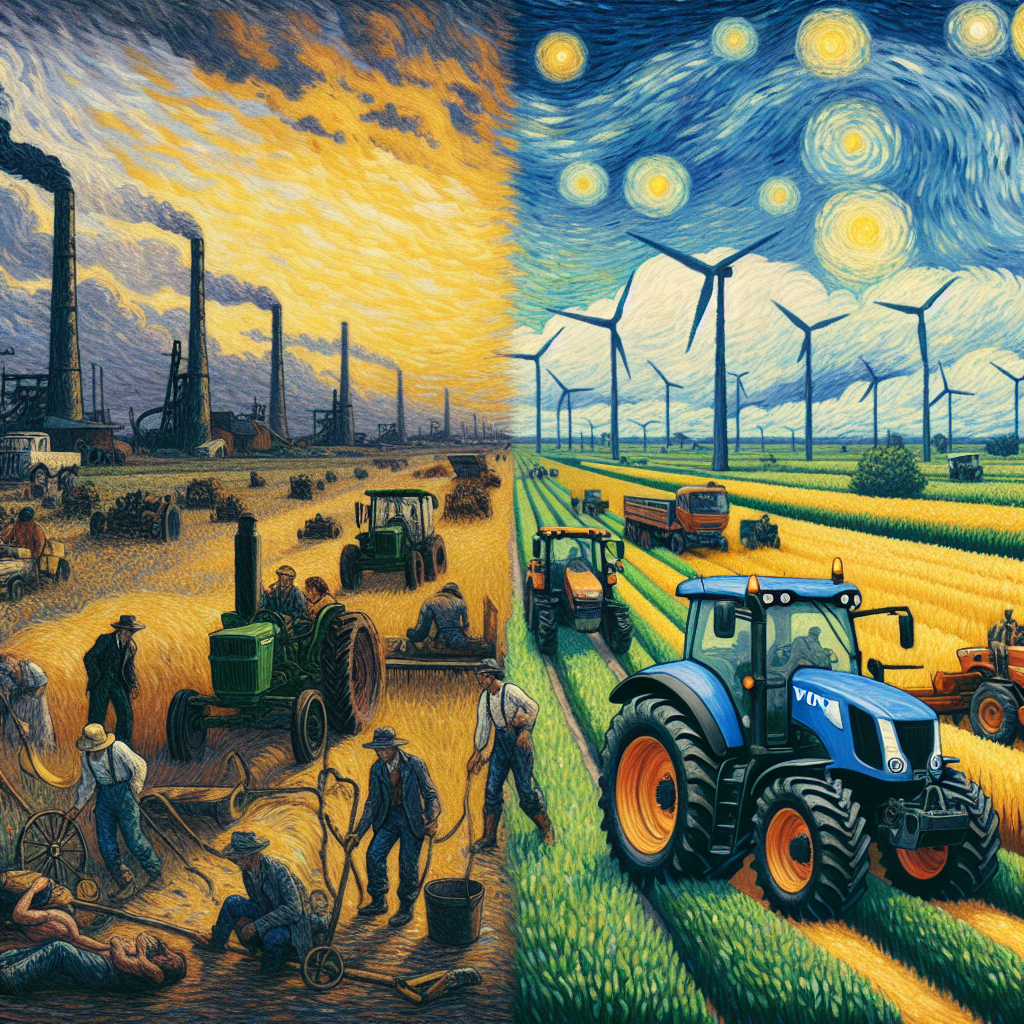
Why Do Small Farmers Struggle With Unreliable Equipment?
Why Do Small Farmers Struggle With Unreliable Equipment?
- The break of dawn on a small farm symbolizes hope and hard work for farmers.
- When essential machinery like tractors fail, it dramatically impacts farmers’ livelihoods and emotional well-being.
- Farmers invest heavily in their equipment, making maintenance crucial for sustaining crop cycles.
- Small farmers often operate on thin margins, relying on financing that contributes to ongoing debt.
- Community collaboration among farmers is essential for sharing knowledge and strategies to overcome challenges.
- There is an ethical imperative to support local farmers through resources, legislation, and investment in reliable tools.
- Supporting small farms benefits us all by strengthening communities and ensuring food security.
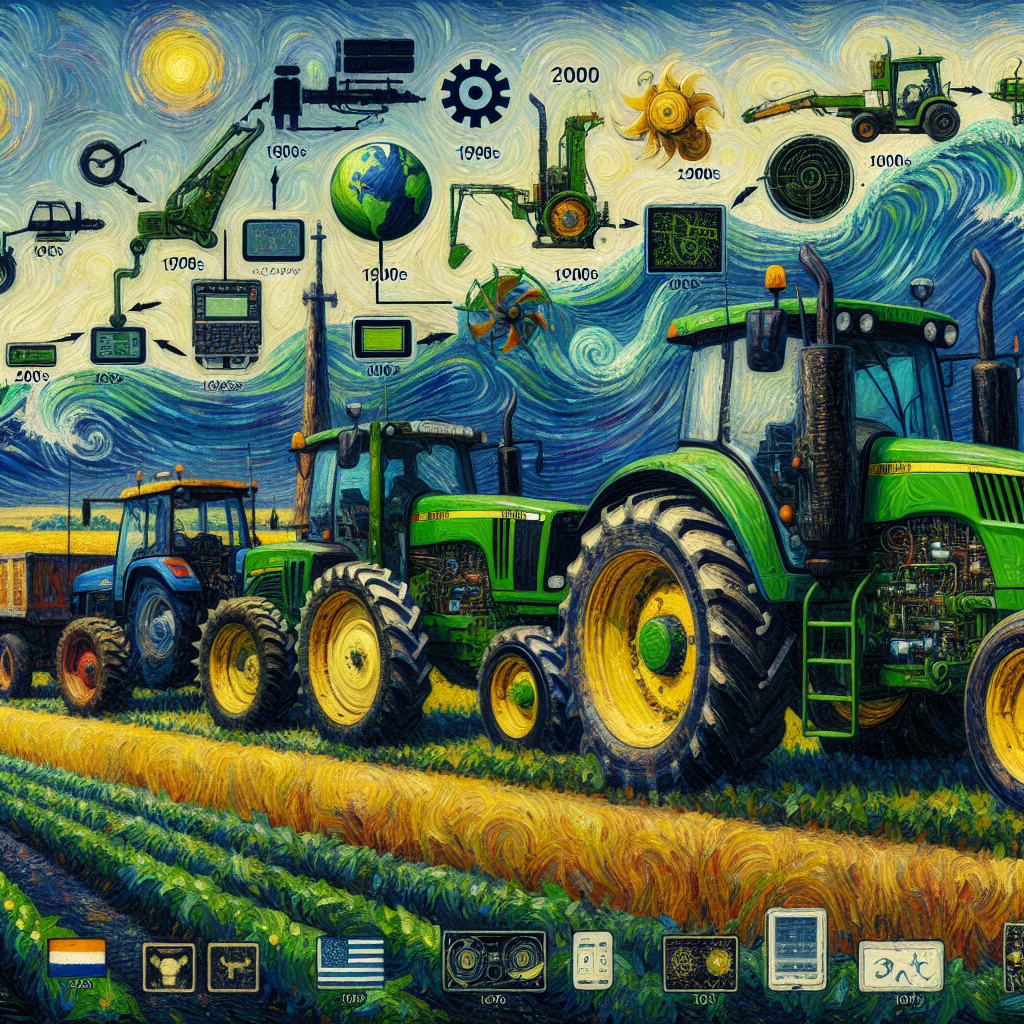
Why Do Small Farmers Struggle With Unreliable Equipment?
How Can Reliable Farming Equipment Reduce Stress For Farmers?
Farming is more than just a profession; it’s a way of life that merges passion with purpose. Long before the first light of dawn creeps across the horizon, farmers are already awake, tending to the land they cherish. Yet, with this devotion comes a host of challenges—variables that can seem overwhelming. And at the heart of this rough-and-tumble existence lies an often overlooked knight in shining armor: reliable farming equipment, namely, the humble yet mighty tractor.
Picture this: it’s a crisp morning, and your trusty tractor is purring like a contented cat, ready to tackle the day’s work. There’s a rhythm to a farmer’s day—the plow tearing through the earth, the fields coming alive under the watchful eye of the sun. When equipment falters, that rhythm is shattered. A broken tractor can transform a calm morning into a whirlwind of stress, throwing schedules off track and adding a weight of worry that even the sturdiest farmer feels. Suddenly, every unsown seed becomes a haunting reminder of all that could go wrong.
Now, let’s think rationally. Reliable farming equipment translates to efficiency. When your tractor runs smoothly, you can focus on what truly matters—growing healthy crops, nurturing livestock, and providing for your family and community. It’s about maximizing productivity while minimizing the chaotic dance of uncertainty that follows a mechanical breakdown. With dependable machinery, farmers regain control. That’s not just a relief; it’s a lifeline.
Ethically speaking, investing in quality equipment isn’t just good for the bottom line; it’s a commitment to sustainable practices. A reliable tractor consumes less fuel, reduces emissions, and ultimately supports environmental stewardship. Farmers are the guardians of the land, and with dependable tools, they can fulfill that role with confidence.
Let’s weave in a personal narrative. Imagine a farmer named Jim, who inherited his father’s land. His father’s old tractor, a relic of an age gone by, often left him stranded while planting season loomed. After a tough decision, Jim invested in a modern, reliable tractor—a true game changer. Suddenly, the weight lifted. The soil was tilled in record time, and he had the freedom to innovate his farming methods.
Socially, it’s clear: farmers thrive on community. When one farmer has reliable equipment, they can lend a hand to neighbors in need. It’s not just personal relief; it’s a way to forge stronger connections and foster a network of support. So, let’s raise a toast to the tractors that back up our farmers, help them breathe easier, and allow them to continue being the stewards of our food supply, all while nurturing their spirits and communities.
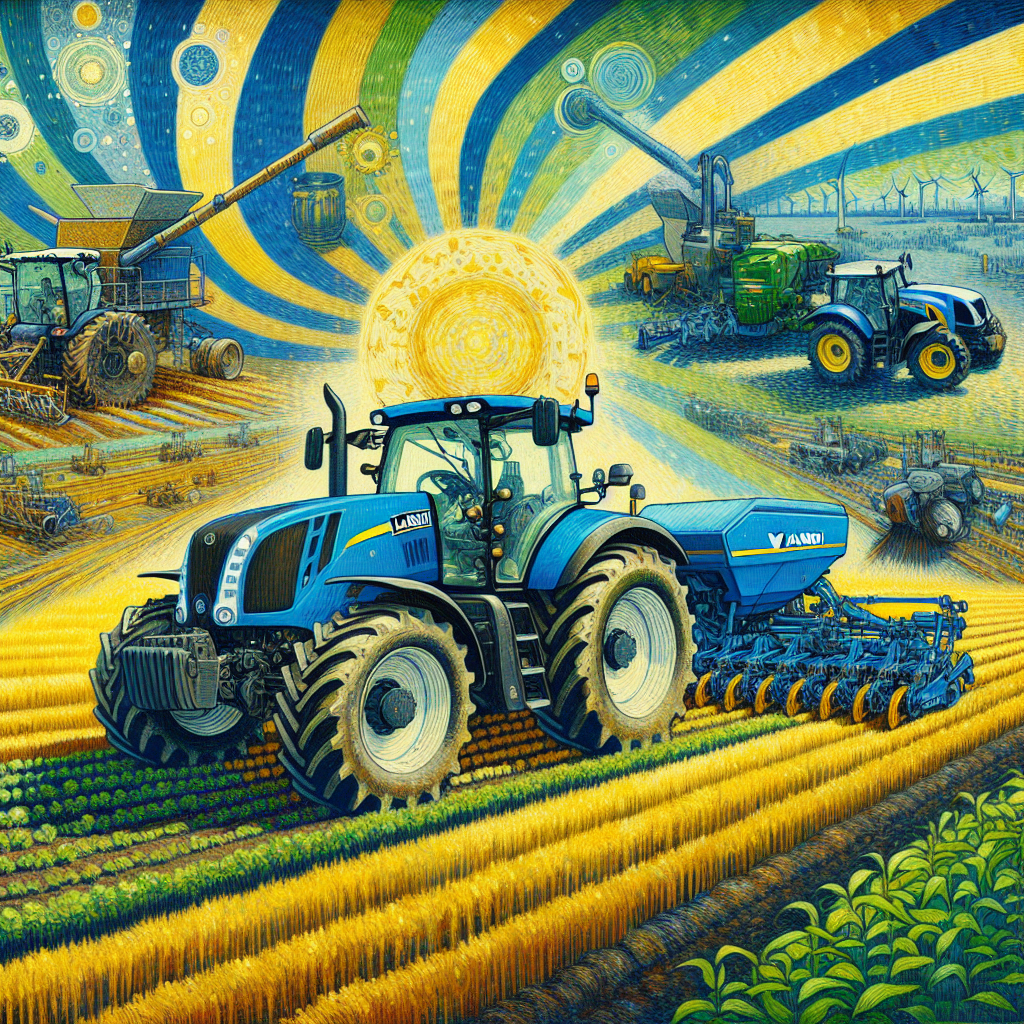
How Can Reliable Farming Equipment Reduce Stress For Farmers?
How Can Reliable Farming Equipment Reduce Stress For Farmers?
- Farming combines passion and purpose, creating a way of life for dedicated farmers.
- Farmers rise early to tend to their land, facing numerous challenges that can overwhelm.
- Reliable farming equipment, particularly tractors, plays a vital role in maintaining this rhythm.
- A broken tractor can disrupt a farmer’s schedule and add stress, emphasizing the importance of dependability.
- Efficient equipment allows farmers to focus on their core responsibilities, maximizing productivity and reducing uncertainty.
- Investing in quality tractors supports sustainable practices by reducing fuel consumption and emissions.
- Community thrives when farmers share reliable equipment, strengthening connections and fostering support networks.
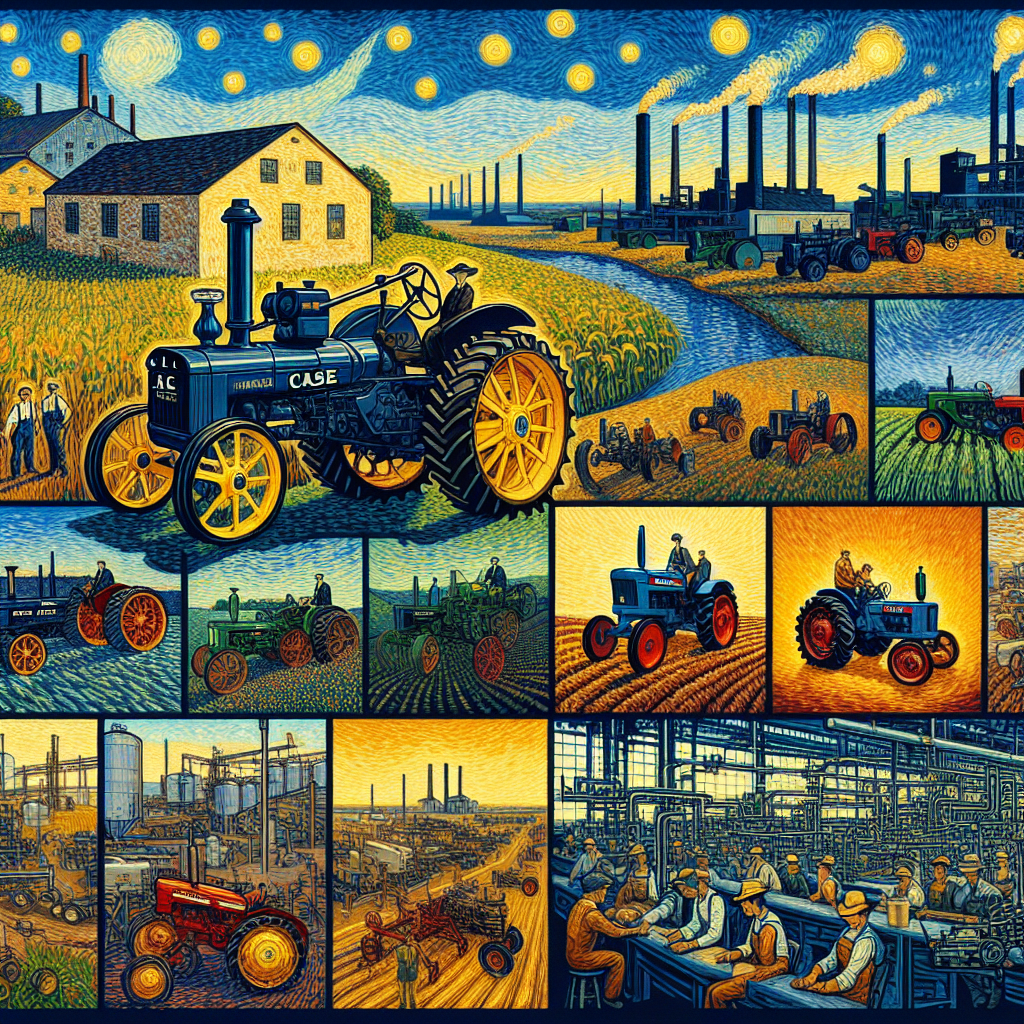
How Can Reliable Farming Equipment Reduce Stress For Farmers?
How Does Farming Equipment Reliability Affect Food Supply Chains?
In the heartland of America, a farmer’s day begins before dawn, the gentle hum of a tractor slicing through the stillness. For many, this isn’t just a machine; it’s a lifeline, a partner in the age-old dance of sowing, tending, and harvesting. Yet, when that tractor falters, the implications reach far beyond the field. The gears that grind to a halt don’t just put a farmer’s dreams on hold; they send ripples through the entire food supply chain.
Think about it. Each delay on the farm can lead to shortages in grocery stores weeks later. When a farmer is unable to plant on time due to agricultural machinery issues, crops remain in the ground, unable to nourish a hungry world. The loss isn’t just numbers on a spreadsheet; it’s the difference between a warm meal at the dinner table and empty seats. It’s the farmer’s family sitting around that table, sharing stories of hard work, tradition, and hope.
This isn’t merely a financial crisis; it’s an emotional one. Farmers are the unsung heroes, rising with the sun to feed us all, yet often struggling silently under the weight of uncertainty. Reliable equipment isn’t just a luxury; it’s a necessity, an essential tool in their quest to sustain not only their families but ours as well. When tractors and other machinery run smoothly, farmers can focus on what they do best—grow and nurture.
Rationally, consider the consequences of a broken tractor: increased costs, wasted time, and ultimately, diminished food quality. The ethical obligation to ensure our farmers are equipped with reliable tools extends beyond the fields; it’s about guaranteeing that families across the nation have access to fresh, affordable food. Trust in the supply chain starts with trust in the capabilities of the individuals who feed us.
And let’s not forget the social aspect. When we support reliable farming equipment, we invest in our rural communities and the livelihoods that sustain them. This is not just about machinery; it’s about community, connection, and the commitment to a future where every table is filled with the fruits of hard work and perseverance.
So next time you see a tractor rolling down the highway, remember: it’s more than just machinery; it’s the pulse of food supply chains across this great land. Let’s ensure that pulse remains strong and steadfast. Support our farmers, advocate for their needs, and cherish the connections we all share—because in the end, we all eat.
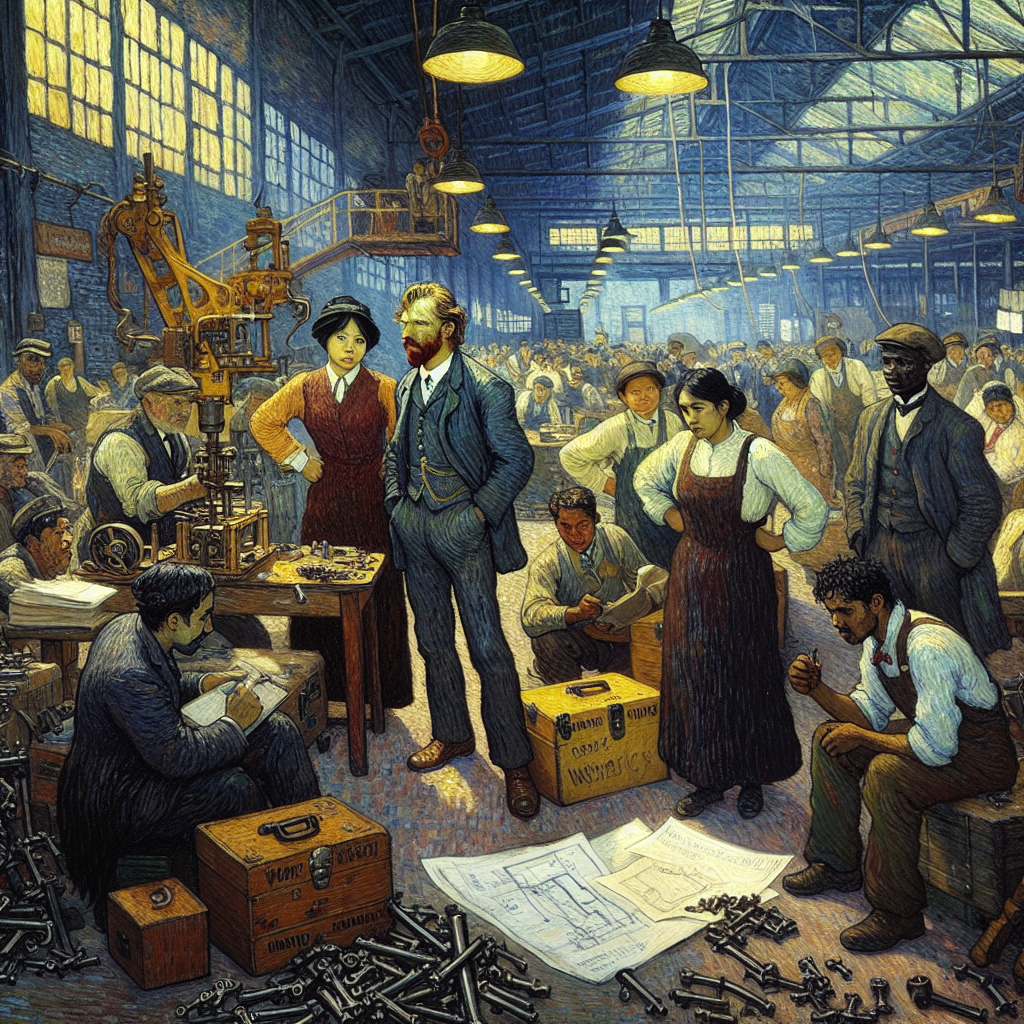
How Does Farming Equipment Reliability Affect Food Supply Chains?
How Does Farming Equipment Reliability Affect Food Supply Chains?
- A farmer’s day begins before dawn, with tractors as essential partners in agriculture.
- When tractors malfunction, the impact extends beyond the farm, affecting the entire food supply chain.
- Delays in farming can lead to future grocery store shortages and affect families’ access to meals.
- The crisis for farmers is both financial and emotional, highlighting their vital role in feeding the nation.
- Reliable agricultural equipment is crucial for farmers to focus on growing and nurturing crops.
- Supporting reliable farming equipment helps ensure fresh and affordable food for communities nationwide.
- Investing in farming machinery is an investment in rural communities and the livelihoods that depend on them.
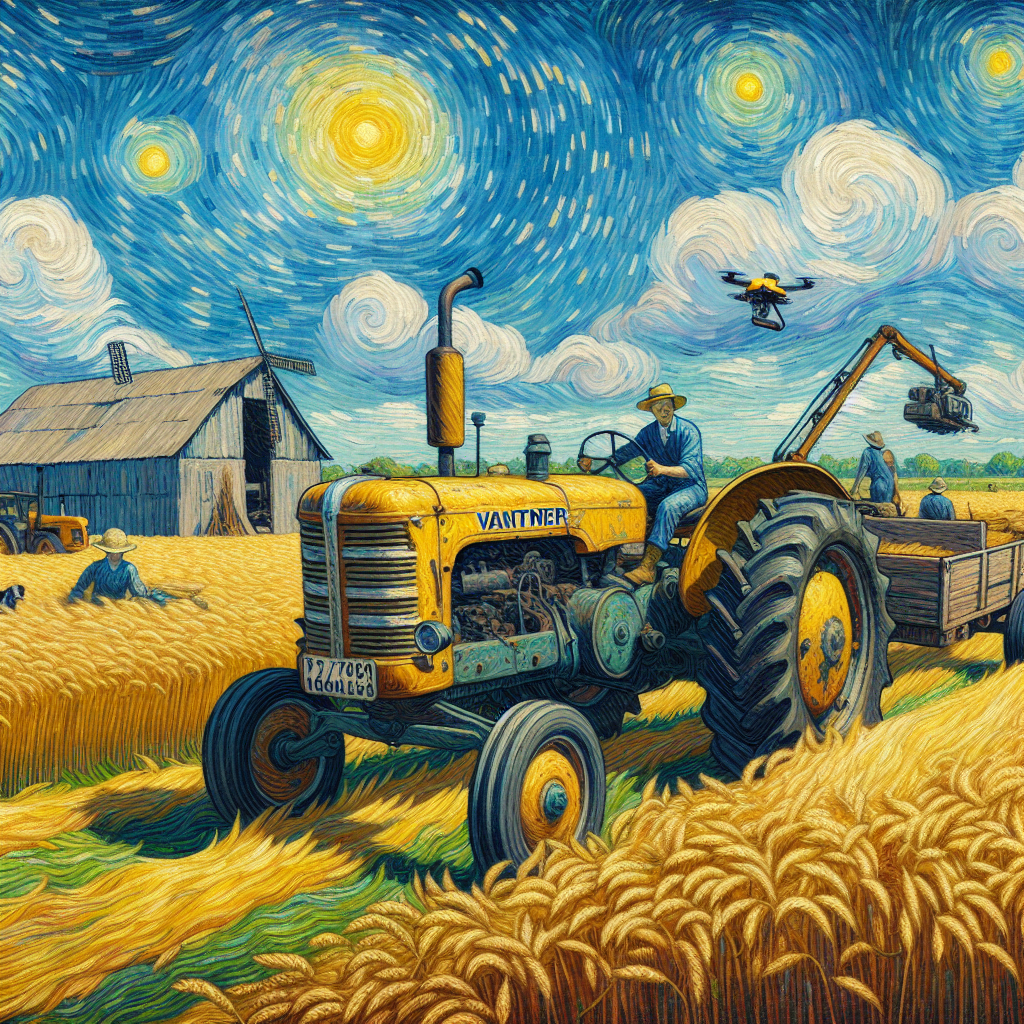
How Does Farming Equipment Reliability Affect Food Supply Chains?
How Do Small Farmers Feel About Unexpected Equipment Breakdowns?
For small farmers, the relationship with their tractor isn’t just that of operator and machine; it’s a partnership forged in the heat of the sun and the bite of the cold. When a tractor breaks down unexpectedly, it’s more than an inconvenience—it’s a gut punch. The very lifeblood of their livelihood comes to an abrupt halt, and in an instant, dreams of a bountiful harvest can begin to wilt. This isn’t just metal and gears; it’s the vessel carrying hopes for the future, a trusted ally in the battle against the unpredictable whims of nature.
Picture this: it’s dawn, the sky is painted with hues of orange and purple as the farmer gears up for a long day. The tractor, gleaming beneath the rising sun, stands ready. Every sound, every creak and whistle, tells a story. It embodies countless hours of hard work and sacrifice—those wearing thin the soles of their boots, and deepening the lines on their faces. Yet, in one heart-dropping moment, it clatters to a halt, and all those stories are interrupted.
Emotionally, it’s a thief of joy and a source of rising anxiety. What will happen to the crops now? Will the neighbors judge them for being unprepared? Rationally, they know that equipment breakdowns are part of the farming game, just like unpredictable weather patterns. They’ve invested in maintenance and taken precautions, yet still face that gnawing feeling of vulnerability in a world that often seems stacked against them. The sheer weight of responsibility—feeding families, maintaining land, providing jobs—rests heavily on their shoulders.
Ethically, there’s a sense of community in this struggle. Other farmers rally together with advice, spare parts, or a friendly ear. Farm life is rooted in connection and kinship, where neighbors become allies, and a simple “let me help” can soothe the sting of despair. It’s this camaraderie that provides a lifeline when disaster strikes.
Don’t let that breakdown define you or your journey. Harness the local network, forge new partnerships, and consider reaching out to agribusiness resources for guidance. The road ahead may be rocky, but through shared stories and experiences, small farmers can find strength and confidence to navigate these turbulent times. Trust in the process, lean on each other, and remember that this journey is about more than equipment—it’s about resilience, hope, and the unwavering spirit to persevere against all odds.
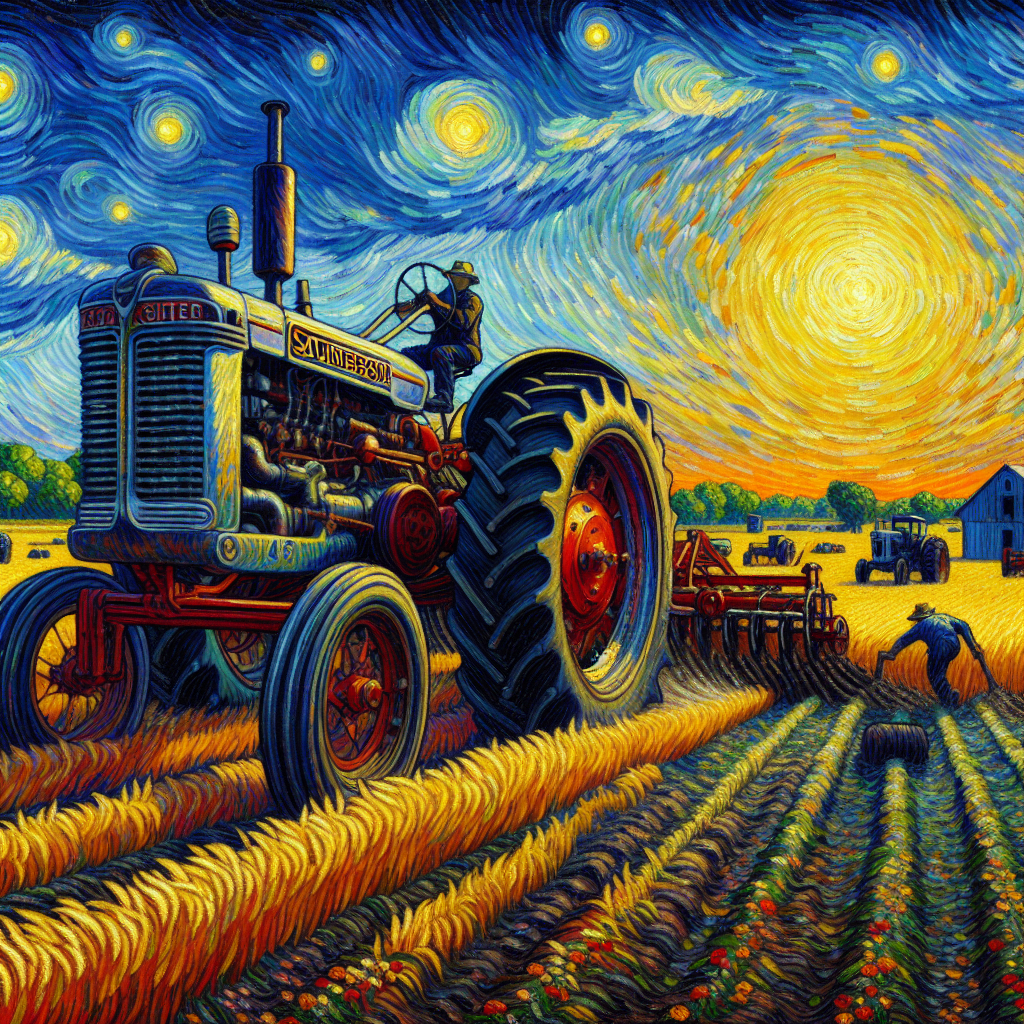
How Do Small Farmers Feel About Unexpected Equipment Breakdowns?
How Do Small Farmers Feel About Unexpected Equipment Breakdowns?
- Small farmers view their tractors as partners, integral to their livelihood.
- A breakdown is not just an inconvenience; it disrupts hopes for a successful harvest.
- The tractor represents hard work, sacrifice, and the emotional stakes of farming.
- Equipment failures induce anxiety about crops and judgments from peers.
- Farmers feel a heavy responsibility to feed families and sustain their communities.
- Community support is vital; farmers often rely on each other for help and advice.
- Resilience and collaboration are key; farmers should utilize local networks and resources.
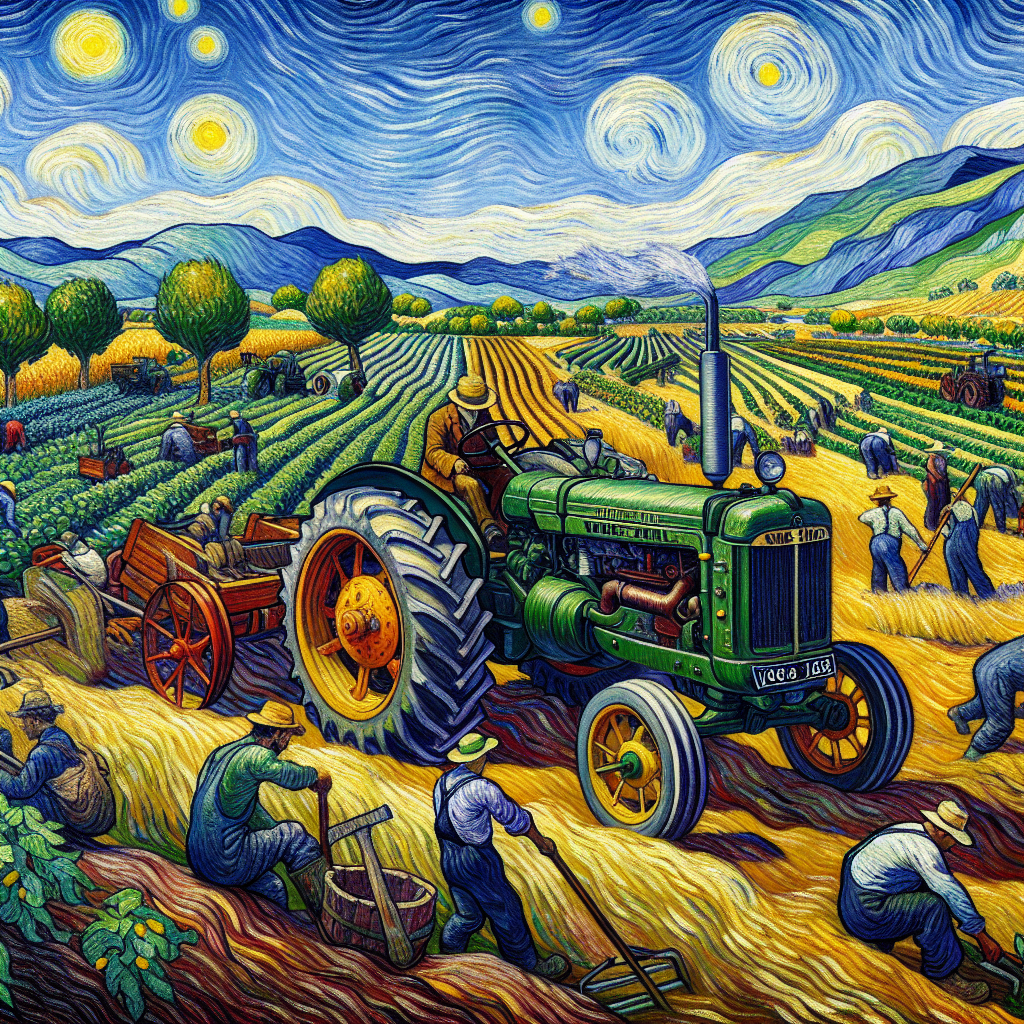
How Do Small Farmers Feel About Unexpected Equipment Breakdowns?
What Stories Highlight The Importance Of Reliable Farming Tools?
In the heart of America, where the soil is rich but the hours are long, stories emerge that speak to the very essence of reliable farming tools. Picture a father, weathered hands gripping the wheel of an old tractor, carving furrows into the dawn-lit earth. For many, that tractor isn’t just a machine; it’s a lifeline, a family tradition. Every time he takes it out, the rumble of the engine resonates like a heartbeat—steady and reassuring. The tractor transforms dreams of a fruitful harvest into tangible reality, reminding us that behind every meal lies the labor, dedication, and sweat, not just of the land, but of the people who toil upon it.
Farmers depend on their tools to deliver results not just for themselves, but for their communities as well. A reliable tractor makes the difference between a bountiful season that feeds families and a barren one that brings uncertainty. When storms threaten and deadlines loom, that trust in a sturdy machine can mean everything. It’s about more than just efficiency; it’s about stability when the world feels chaotic. For farmers, a trusty tractor is a silent witness to resilience, a partner during long nights and early mornings. It stands by them through thick and thin, a testament to hard work and determination.
Let’s not overlook the broader impact. When farmers invest in reliable tools, they not only uplift their own families; they strengthen entire communities. Each harvest contributes to local economies, supporting jobs, schools, and initiatives that feed into the very fabric of society. There’s a profound connection at play—farmers are the backbone of our food supply, and each dependable tractor is a crucial cog in this intricate machine.
Moreover, let’s consider the ethical dimension. When farmers prioritize reliable tools, they show respect for their craft and the land. Choosing quality over convenience not only honors their heritage but also enables them to pass down that legacy to future generations. It’s about stewardship—where sustainability meets responsibility.
So next time you see a farmer tilling the soil, think of that sturdy tractor and the stories it carries. It’s not just a piece of equipment; it’s a symbol of trust, determination, and connection. Investing in reliable farming tools is not merely an economic choice; it’s a heartfelt affirmation of the values we cherish as a society. Let’s support those who feed us with the tools they need to thrive.
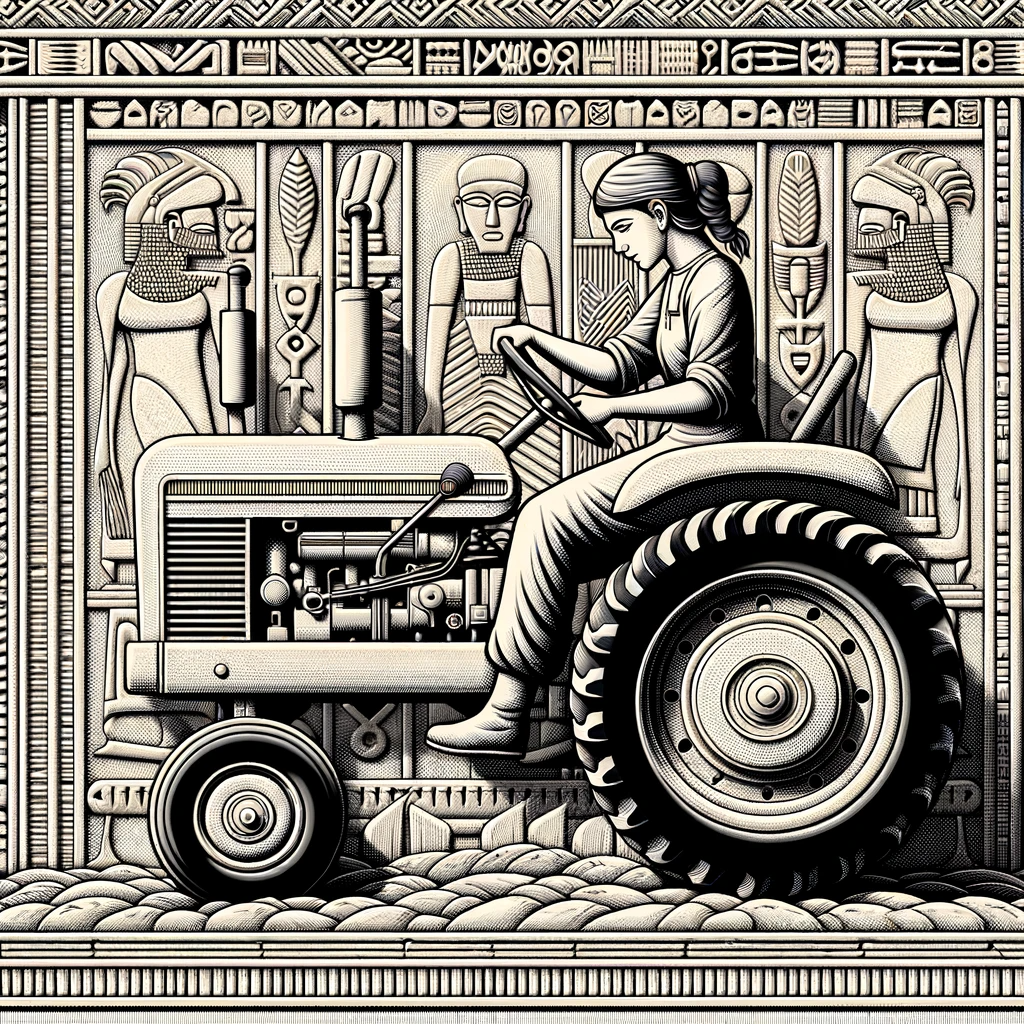
What Stories Highlight The Importance Of Reliable Farming Tools?
What Stories Highlight The Importance Of Reliable Farming Tools?
- The story emphasizes the significance of reliable farming tools, particularly tractors, in American agriculture.
- A father’s connection to his tractor highlights the emotional and cultural importance of these machines.
- Farmers rely on sturdy tractors for productivity and community stability, especially during challenging times.
- A reliable tractor ensures that farmers can achieve bountiful harvests that support families and local economies.
- Investing in quality farming tools strengthens community bonds and contributes to societal fabric.
- Choosing dependable equipment reflects ethical considerations, showing respect for the agricultural craft and the land.
- The narrative underscores that reliable farming tools symbolize trust, determination, and the values essential to society.
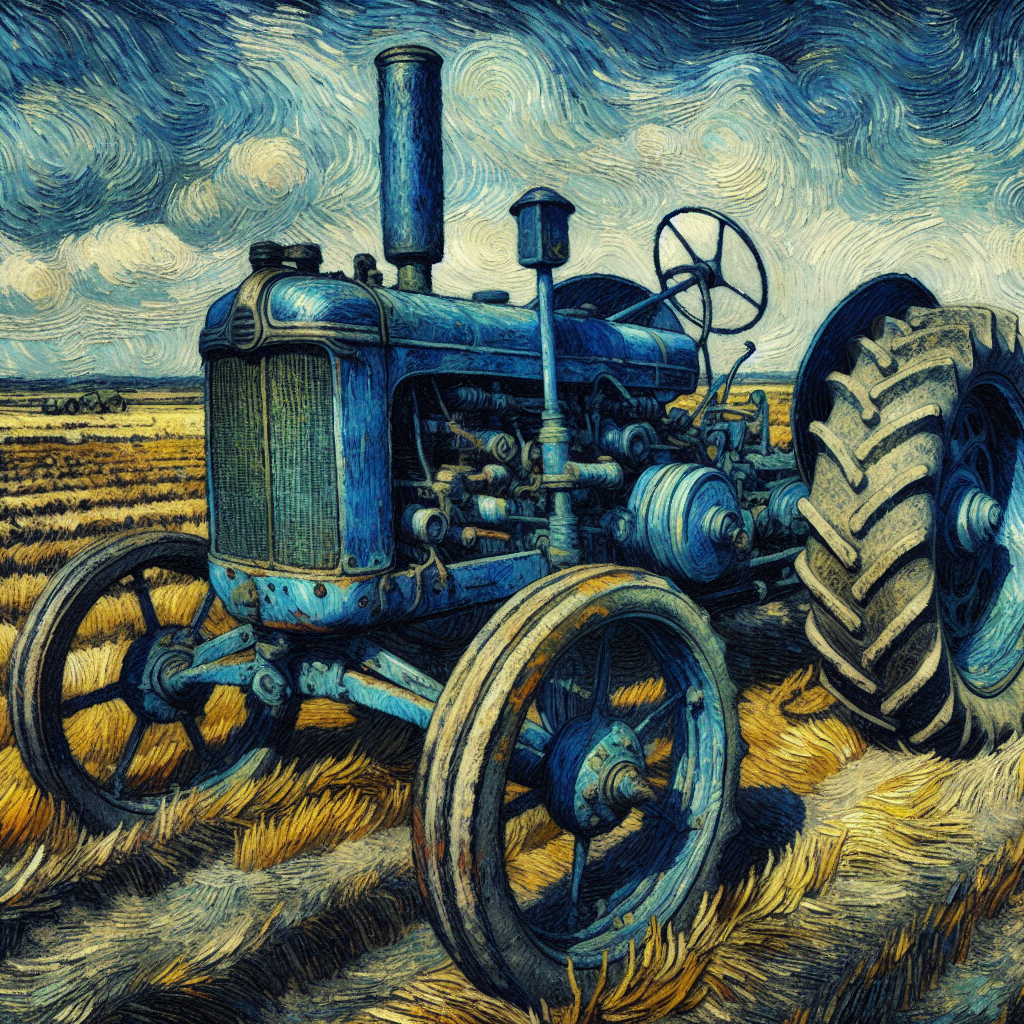
What Stories Highlight The Importance Of Reliable Farming Tools?
How Does Community Support Play A Role In Equipment Reliability?
There’s a certain reverence we have for the relentless machines that help us shape our lives—like a trusty tractor that has been with us through thick and thin. It’s not just a piece of equipment; it’s a lifeline. The grind of the engine, the thrum of the wheels against the earth—these sounds echo through our days, reminding us of labor, triumph, and community.
Picture a local farm where everyone knows each other, where the farmers gather not just for an auction, but to share knowledge, swap stories, and, yes, offer hands when a tractor breaks down. That’s where community comes in—not just as a backdrop, but as the very backbone of reliability. It’s no coincidence that equipment tends to perform better in areas where the folks around you share resources, expertise, and a passion for the land.
Rationally speaking, it stands to reason that a community that thrives on collaboration fosters a culture of accountability and care. Imagine a neighbor who’s seen an old tractor repaired or modified a dozen times. That wisdom doesn’t exist in isolation; it’s passed along, from one rusted engine to another gleaming model, enriching the tapestry of local knowledge. In this way, every time something goes awry, there’s a support network ready to jump in, eyes twinkling with the thrill of a challenge and a sense of responsibility to keep each other’s equipment—and dreams—running.
But let’s appeal to the heart for a moment. We’ve all been there, standing beside that on-the-fringe equipment, wondering if it’s the end of the line. Yet, it’s the presence of a friend armed with tools, enthusiasm, and maybe a bit of a joke that reassures you. It’s not just a mechanical issue; it’s a testament to the bonds we forge through shared hardships, an unspoken promise that you’re not in this alone.
Ethically, there’s something profound in the way a community takes care of its own. When we rally together to share tips, lend a hand, or lend a tractor even, we reinforce a set of values—that hard work doesn’t just happen in solitude. Our collective knowledge doesn’t just help our machines; it elevates our humanity.
So as we look at that dependable tractor, let’s remember that it’s not merely about gears and iron. It’s about community—a living, breathing entity that turns the cogs of reliability, reminding us that together, we can keep our world turning, one shared experience at a time. Embrace it; trust in it; lean into it. Your equipment—and your heart—will thank you.
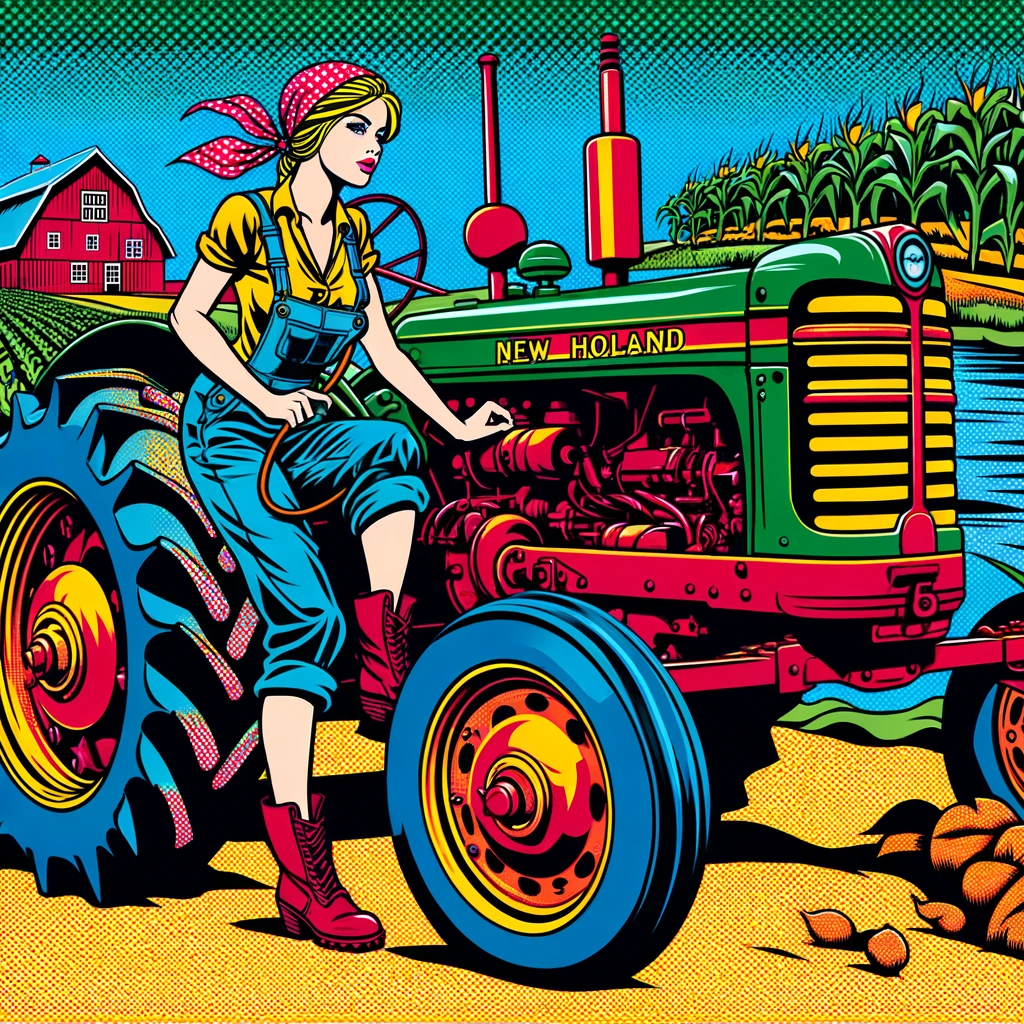
How Does Community Support Play A Role In Equipment Reliability?
How Does Community Support Play A Role In Equipment Reliability?
- Tractors and machinery are more than equipment; they serve as lifelines, embodying labor, triumph, and community.
- Local farms foster strong community ties, where knowledge sharing and collective support enhance reliability.
- Collaborative communities promote accountability and care, improving equipment performance through shared expertise.
- Local wisdom, passed down through generations, enriches the community and prepares them for challenges.
- Friendship and support during mechanical troubles illustrate the bonds forged through shared hardships.
- Community care reinforces values of hard work and human connection, enhancing both machines and humanity.
- Ultimately, machinery symbolizes the community’s role in maintaining reliability and support, underscoring the power of shared experiences.
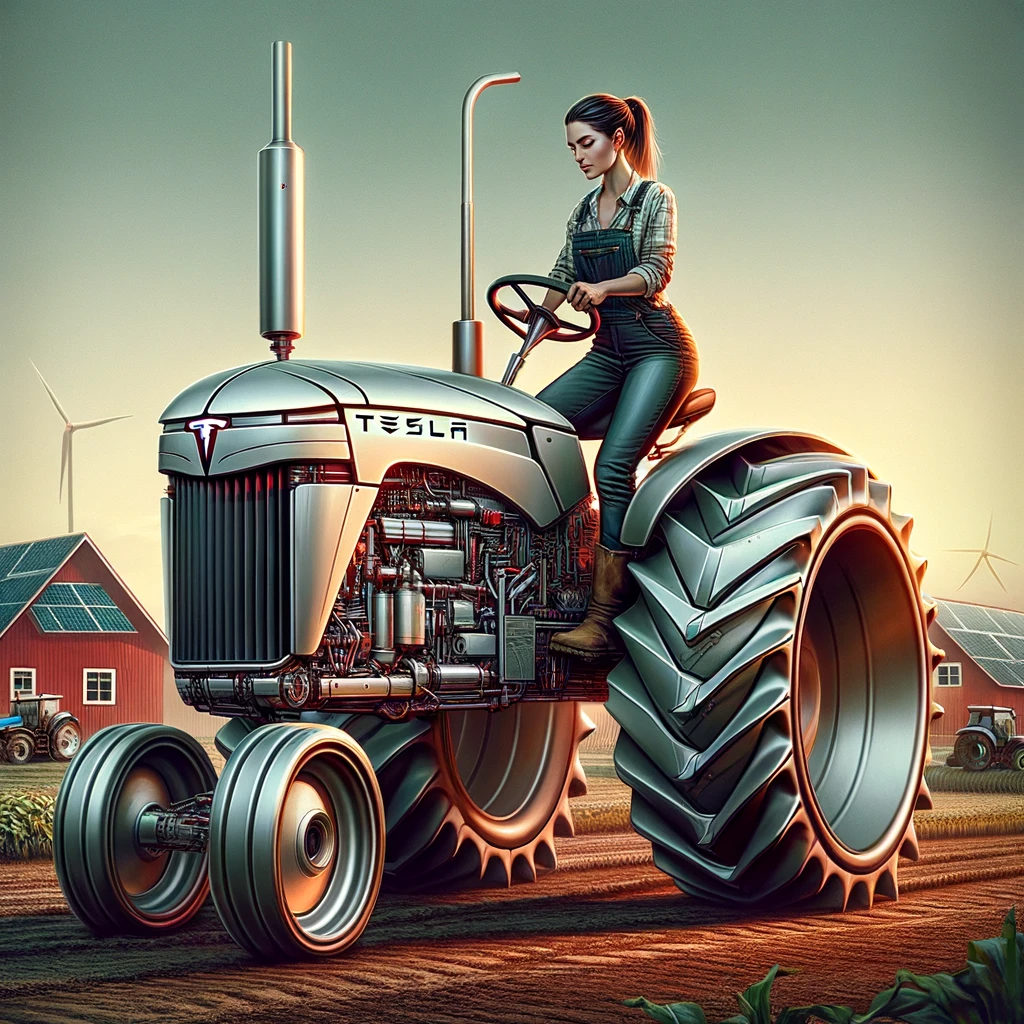
How Does Community Support Play A Role In Equipment Reliability?
Conclusion
In the gripping journey of small farming, the heart beats strongest through a reliable piece of machinery—a trusty tractor. It’s not merely a machine; it embodies the dreams, sacrifices, and hopes of the farmers who rely on it. As we conclude this exploration into the importance of dependable farming equipment, let’s reflect on what this really means for our small farmers and the communities they serve.
Imagine that farmer you pass by at dawn, hands steady on the wheel, eyes gleaming with purpose. When their tractor purrs to life, it’s a symphony of resilience. But if it falters, that harmony turns into chaos. The stakes are high; a breakdown isn’t just a delay; it’s a threat to livelihoods, families, and the very food supply chains that nourish us all. Farmers face untold pressure, balancing their dreams amid razor-thin margins. For them, every piece of equipment is a crucial investment in their future—an investment fueled by hope, a testament to hard work.
At its core, the conversation about reliable farming equipment is not just a technical one; it pulls at our ethical fabric. As consumers, we crave fresh, local produce; our farmers deserve tools that empower them to meet this demand. When equipment breaks down, it sends ripples—not just through an individual operation but through communities relying on that reliable food supply. Each farmer’s struggle matters, each tractor’s hum is a note in the larger symphony of community support and survival.
Moreover, consider the emotional landscape. Unexpected breakdowns hit hard. They don’t just disrupt daily tasks; they shake the foundation of dreams, pushing farmers into a corner of anxiety. But through communal efforts—of neighbors rallying together or sharing knowledge—small farmers find strength. This camaraderie illustrates that farming isn’t a solitary endeavor; it’s a collective heartbeat, a binding force that fuels resilience.
Let’s take this moment to reaffirm our commitment to our farmers. Support their needs, advocate for resources, and celebrate the narratives of perseverance they share. In the end, reliable farming equipment is the unsung hero in this tale—it allows farmers to breathe easier, sustain their families, and strengthen the very fabric of our communities. So next time you spot a tractor on the road, remember: it’s more than just machinery; it’s a lifeline, a testament to human spirit and community strength. Together, we can ensure that the heart of farming continues to beat strong, nourished by dependability and trust.
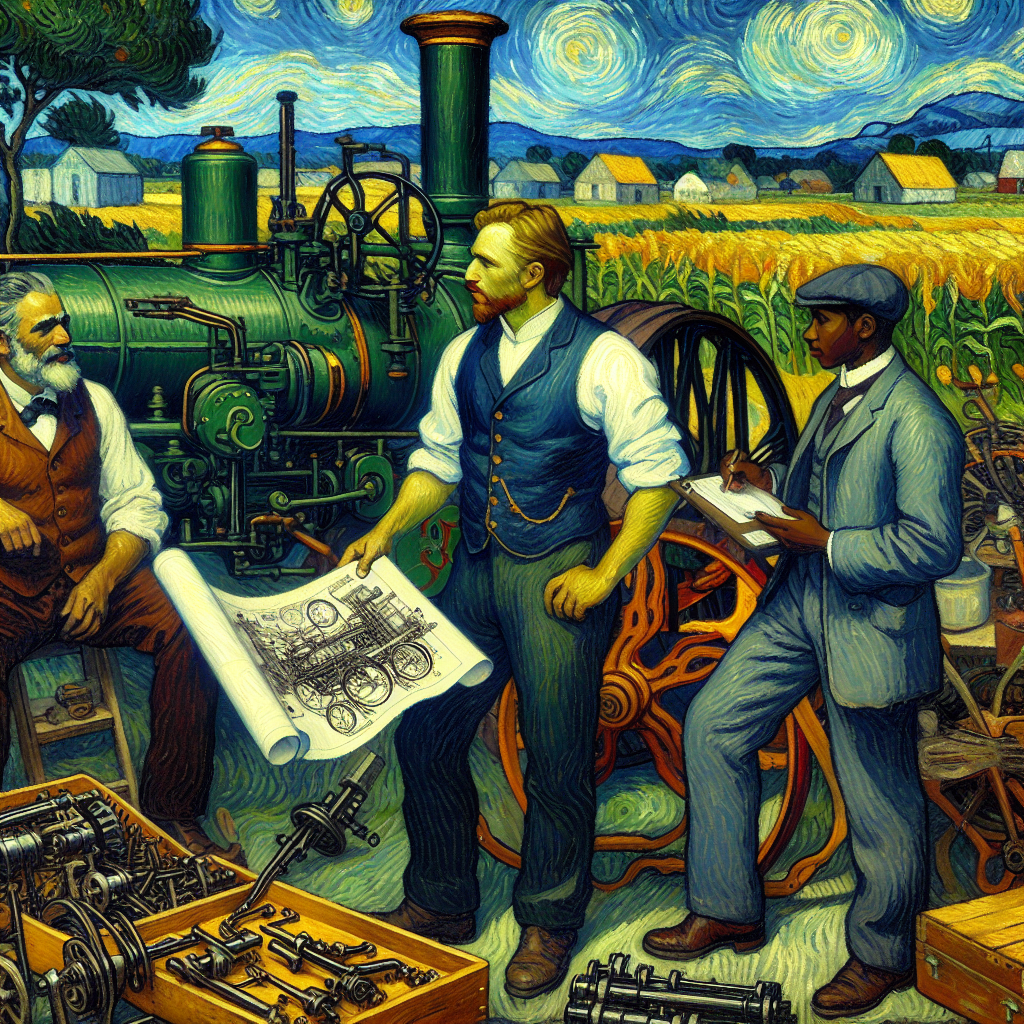
Conclusion
Conclusion:
- A tractor represents the dreams, sacrifices, and hopes of small farmers.
- A breakdown in farming equipment threatens livelihoods and food supply chains.
- Every piece of equipment is a crucial investment in a farmer’s future.
- The conversation about reliable farming equipment has ethical implications for consumers.
- Each farmer’s struggle and each tractor’s function contribute to community support and survival.
- Unexpected breakdowns can instill anxiety but also foster community strength through collaboration.
- Reliable farming equipment is vital for sustaining families and strengthening community bonds.
Conclusion
Other Resources
Other Resources
Here is a list of other resources you can review online to learn more:
- Zetor
- Bima
- First State Antique Tractor Club
- Just Farm Kids Tractor Show
- Dongfeng
- John Deere
- Renault
- Farm Equipment Manufacturers Association
- Wilke’s Classic Tractors
- Sublette Farm Toy & Antique Tractor Show
Use This Prompt To Get More Resources With Your Favorite Online AI Tool: Please provide me with a list of online articles with their URLs in a bulleted list that I can read regarding Why Is Reliability In Farming Equipment Crucial for Small Farmers
Other Resources
Glossary Terms
Why Is Reliability In Farming Equipment Crucial for Small Farmers – Glossary Of Terms
1. Agricultural Equipment: Refers to machinery used for farming, including tractors, plows, and harvesters.
2. Reliability: The ability of equipment to perform consistently well over time without failure.
3. Downtime: The period during which equipment is not operational, leading to potential loss of productivity.
4. Maintenance: Regular care and servicing of equipment to ensure optimal performance and longevity.
5. Cost-Efficiency: The effectiveness of spending less on farming equipment while maintaining productivity levels.
6. Production Yield: The amount of crop harvested per acre, often influenced by the reliability of equipment.
7. Operational Efficiency: The ability of a farming operation to maximize output while minimizing input costs, heavily impacted by equipment reliability.
8. Investment: The funds allocated to purchasing farming equipment, which must be reliable to ensure a good return.
9. Breakdown: A failure of equipment that halts operations, impacting time and cost for small farmers.
10. Return on Investment (ROI): A measure of the profitability of an investment in farming equipment, influenced by reliability.
11. Labor Costs: Expenses related to hiring workers that can increase if equipment is unreliable and leads to increased downtime.
12. Crop Insurance: Protection against loss of crops due to unforeseen events, which may be necessary if equipment failures lead to reduced yields.
13. Technology Adoption: Integrating advanced and often more reliable equipment or practices in farming to improve efficiency.
14. Field Operations: Tasks carried out in the agricultural field, such as planting, cultivating, and harvesting, which depend on reliable equipment.
15. Resilience: The ability of a farming operation to withstand challenges, including equipment failure, without major losses.
16. Adaptability: The capacity of small farmers to adjust their practices and equipment in response to changing conditions, which can be hampered by unreliable tools.
17. Seed Technology: Advances in seed development that can influence planting effectiveness and depend on reliable equipment for proper sowing.
18. Precision Farming: Using technology to optimize field-level management regarding crop farming, which relies on dependable equipment for data collection.
19. Sustainability: Farming practices that are environmentally friendly and economically viable, often enhanced by reliable tools.
20. Agronomic Practices: The science and technology of producing and using plants for food, cover crops, and fuel, dependent on reliable farming machinery.
21. Resource Management: Efficient use of inputs like water, labor, and other resources, which can be negatively affected by equipment failures.
22. Farming’systems: Integrated approaches to farming that involve certain practices and equipment, where reliability plays a pivotal role.
23. Soil Health: The condition of soil measured by its biological, chemical, and physical properties, influenced by the quality of equipment used in tillage and planting.
24. Harvesting Efficiency: The effectiveness of collecting crops, which is largely determined by the performance of harvesting machinery.
25. Risk Management: Strategies to mitigate losses in agriculture arising from equipment failure or unexpected challenges.
26. Crop Rotation: An agronomic practice that involves alternating the types of crops grown on a particular piece of land, which may require different equipment setups.
27. Input Costs: The expenses related to agricultural inputs like seeds, fertilizers, and equipment, crucial for small farmers to manage effectively.
28. Technical Support: Assistance provided by manufacturers or service technicians to troubleshoot and maintain farming equipment.
29. Field Trials: Tests conducted to assess the performance of new agricultural practices or equipment under real-world conditions.
30. Community Resources: Support systems provided through local agricultural organizations, cooperatives, and networks that can help small farmers with reliable equipment access.
Glossary Of Terms
Other Questions
Why Is Reliability In Farming Equipment Crucial for Small Farmers – Other Questions
If you wish to explore and discover more, consider looking for answers to these questions:
- What are the key factors that contribute to the reliability of farming equipment?
- How can small farmers financially manage the costs of reliable equipment?
- What specific types of farming equipment are most commonly used by small farmers?
- What resources are available for small farmers to access reliable farming tools?
- How does the weather affect the need for reliable farming equipment?
- What innovations in farming technology can enhance equipment reliability?
- How can farmers advocate for better access to reliable equipment and resources?
- What role does local governance play in supporting small farmers with equipment needs?
- How do community programs assist small farmers in acquiring reliable tools?
- What success stories exist showcasing the impact of reliable equipment on small farms?
Other Questions
Haiku
Why Is Reliability In Farming Equipment Crucial for Small Farmers – A Haiku
Tractor in the dawn,
Lifeblood of dreams and hard toil,
Together we rise.
Haiku
Poem
Why Is Reliability In Farming Equipment Crucial for Small Farmers – A Poem
Title: A Farmer’s Heartbeat
When dawn breaks over fields of gold,
A farmer wakes, his story told,
With weathered hands on the wheel so tight,
He harnesses hope in the morning light.
Oh, trusty tractor, faithful friend,
Through toil and sweat, on you depend,
More than metal—you’re the pulse,
Of dreams sown deep in earth’s great convulse.
Reliability is your sacred song,
In times of need, where do we belong?
Each breakdown, a gut punch, sharp and cold,
Where worries bloom and futures unfold.
In whispers of crops, our community thrives,
With every harvest, our spirit survives,
For when a farmer falters, we all will feel,
The ripple of loss, the wrench of unreal.
Yet in the heart, ethics ignite,
To nourish the hungry, provide what’s right,
With each heavy tractor that roars down the lane,
We strengthen our bonds, erase the pain.
So support our farmers, cherish their tools,
For every success, we play by their rules,
Investment in hope, in soil and in sweat,
Together we rise, no need for regret.
From fields wide and green to our tables at home,
The stories of struggle and triumph will roam,
In the dance of machines, we find unity’s thread,
A tapestry woven where gratitude’s bred.
So next time you hear that tractor’s soft hum,
Remember the heartbeat of where food comes from.
Embrace the community, let love be your guide,
For in strength and reliability, we all will abide.
Poem
Checklist
Why Is Reliability In Farming Equipment Crucial for Small Farmers – A Checklist
Checklist: Empowering Small Farmers with Reliable Equipment
Heart: Emotional Appeals
1. Visualize the Connection: Reflect on the emotional bond between farmers and their equipment. How does reliability symbolize hope and dreams for local communities?
2. Share a Story: Write down a personal story of resilience related to farming—either from your life or a story you’ve heard that highlights the value of dependable machinery.
3. Express Empathy: Consider the struggles faced by small farmers when their equipment fails, and think of a way to support or uplift them during such times.
Head: Rational Appeals
4. Assess Your Equipment: Create an inventory of your farming equipment and its maintenance needs. Identify which items require immediate attention.
5. Explore the Cost of Downtime: Calculate the potential financial impact of equipment breakdowns on your yield and livelihood—how do reliability issues affect your bottom line?
6. Research Solutions: Investigate community resources and grants available for purchasing or maintaining reliable farming equipment.
Gut: Ethical and Social Appeals
7. Advocate for Farmer Support: Identify and reach out to local policymakers to express the need for programs supporting small farmers and reliable equipment.
8. Foster Community Collaboration: Connect with fellow farmers to share knowledge, resources, and support in maintaining equipment reliability. What can you offer or request?
9. Commit to Local Resources: Pledge to support local hardware stores and businesses that cater to farmers by shopping locally or promoting their services within your community.
Authority: Expert Insights
10. Leverage Experts: Schedule time to connect with agricultural experts or local extension officers for advice on maintaining equipment reliability.
11. Join a Farming Workshop: Participate in workshops that focus on agricultural machinery maintenance and best practices, acquiring skills to enhance your equipment’s dependability.
Narrative: Storytelling Appeals
12. Document Your Farming Journey: Start a journal that captures daily experiences on the farm, particularly moments where equipment reliability has had a significant impact on your work.
13. Share Your Story: Consider writing an article or social media post about your experiences with farming equipment and the role it plays in your livelihood.
Social: Community Engagement Appeals
14. Host a Community Meet-Up: Organize a gathering of local farmers to discuss equipment reliability, sharing tips and experiences.
15. Become a Resource Connector: Create a resource list for farmers in your area, highlighting where to find affordable, reliable equipment and support services.
*Let’s remember that when small farms thrive, we all benefit—on our dinner plates, in our communities, and in our hearts. Together, we can work towards ensuring that our farmers have the reliable tools they need to succeed. *

Checklist
At ClassicTractorNews, we help tractor lovers keep up with the latest news for classic and vintage tractors.
Please share this post with your friends, family, or business associates who may like old classic or vintage tractors.