

Unpacking The Hidden Barriers Facing Local Mechanics In Modern Farming
By Tom Seest
At ClassicTractorNews, we help tractor lovers keep up with the latest news for classic and vintage tractors.
Please share this post with your friends, family, or business associates who may like old classic or vintage tractors.
Why Independent Mechanics Can’t Touch New Tractors Anymore
Why Independent Mechanics Can’t Touch New Tractors Anymore
In the expansive fields where tractors once roamed freely as symbols of hard work and reliability, a troubling shift has taken place. Independent mechanics, the backbone of rural repair shops, now find themselves sidelined by modern technology and corporate policies. It’s a bittersweet reality that tugs at the heartstrings of anyone who’s ever turned a wrench or learned the trade on the family farm.
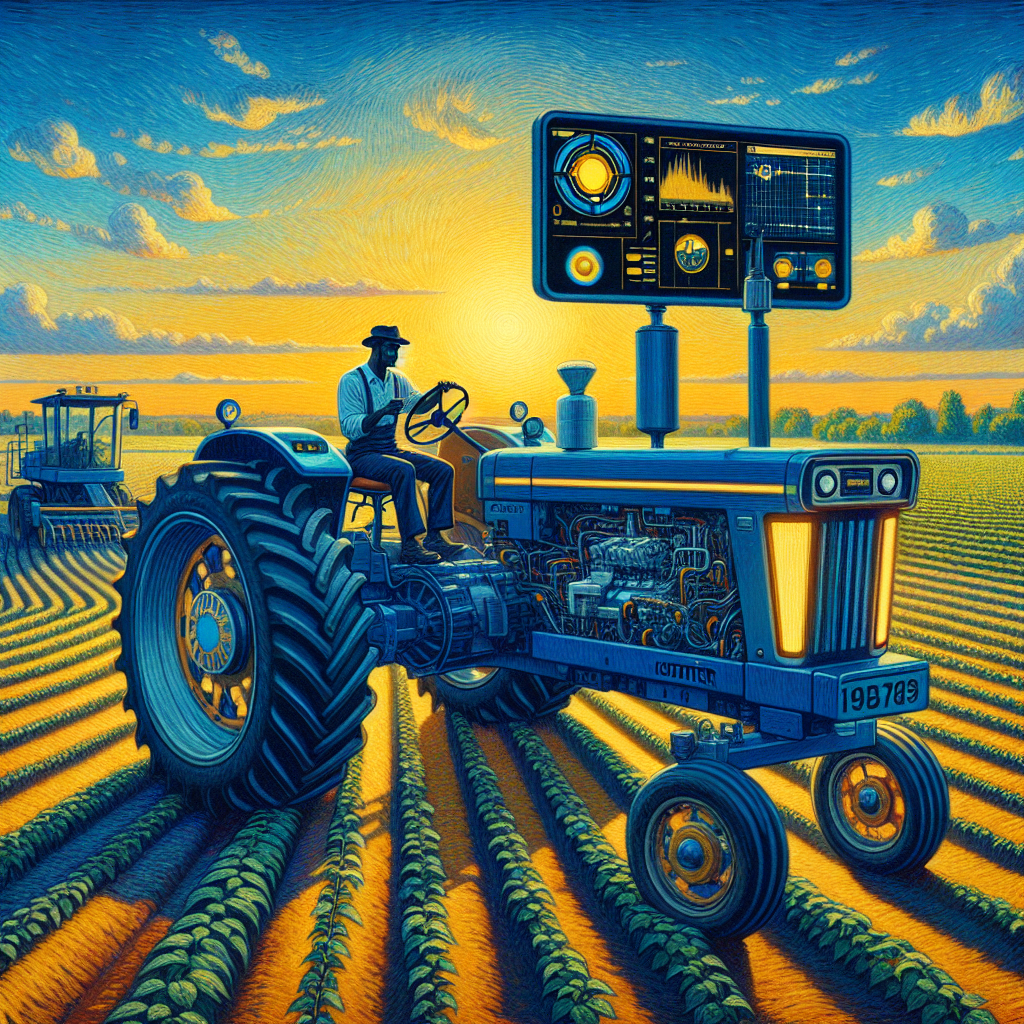
New tractors today are marvels of engineering, equipped with advanced electronics and intricate software systems. They’ve become less about simple mechanics and more about complex algorithms. An independent mechanic, steeped in the traditional knowledge of mechanical systems, finds himself in a world transformed, where a simple repair can require proprietary access codes and specialized training that small businesses cannot afford. This isn’t just about tools; it’s about the erosion of a community ethos that once celebrated skill and ingenuity.
Consider this: the heart of a true mechanic lies not just in their ability to fix machinery but in their connection to the stories of the land and the people who cultivate it. These tractors carry the weight of generations, and when they break down, that connection deepens. But with manufacturers holding tight to their software and repair processes, the independent mechanic is left with little more than a wrench and a heartfelt story of how things used to be.
There’s an ethical dimension here, too. Shouldn’t every farm—big or small—have the right to choose who repairs their equipment? In many towns, it used to be a rite of passage for young folks to learn engine repairs at the side of a trusted neighbor, forging bonds that built community. Now, bright-eyed youth are being taught to rely on corporate service, a trend that distances them from that shared wisdom and craftsmanship.
As we marvel at the efficiency of today’s machines, let’s not forget the soul of the farming community. The unique challenge of today lies in finding a balance between innovative technology and the hands-on approaches that shaped our agricultural roots. Perhaps it’s time for a grassroots movement, a realization that we need to advocate for independent access to repairs—not just out of stubbornness, but out of respect for the future generations who will inherit these fields.
The push for autonomy in tractor repair isn’t just a fight for mechanics; it’s a battle for the heart of farming itself. So let’s inspire change, ensuring that every tractor that rolls off the assembly line doesn’t just belong to the manufacturer but also to the individuals who toil under the sun to bring food to our tables.
Why Independent Mechanics Can’t Touch New Tractors Anymore
Why Independent Mechanics Can’t Touch New Tractors Anymore
- Independent mechanics face challenges due to modern technology and corporate policies affecting tractor repairs.
- New tractors are engineered with advanced electronics and software, shifting focus from mechanical simplicity to complexity.
- Independent mechanics lack access to proprietary codes and specialized training, impacting their ability to perform repairs.
- Mechanics hold a deep connection to the agricultural community, which is threatened by corporate control of repair processes.
- There is an ethical consideration regarding farmers’ rights to choose their repair services.
- Younger generations are increasingly reliant on corporate services rather than learning from local mechanics.
- A grassroots movement advocating for independent repair access is essential to preserve the soul of farming.
Why Independent Mechanics Can’t Touch New Tractors Anymore
Table Of Contents
- Why Independent Mechanics Can’t Touch New Tractors Anymore
- Why Are Independent Mechanics Facing Restrictions on New Tractors?
- How Does the Consolidation Of Dealerships Affect Service Options?
- In What Ways Do Warranties Limit Independent Mechanic Repairs?
- Are New Tractors Designed for Easier Repairs Or Increased Profits?
- How Do Proprietary Systems Create Barriers for Independent Mechanics?
- How Does the Rising Cost Of Repairs Influence Farmer Decisions?
- Conclusion
- Other Resources
- Glossary Of Terms
- Other Questions
- Haiku
- Poem
- Checklist
Why Are Independent Mechanics Facing Restrictions on New Tractors?
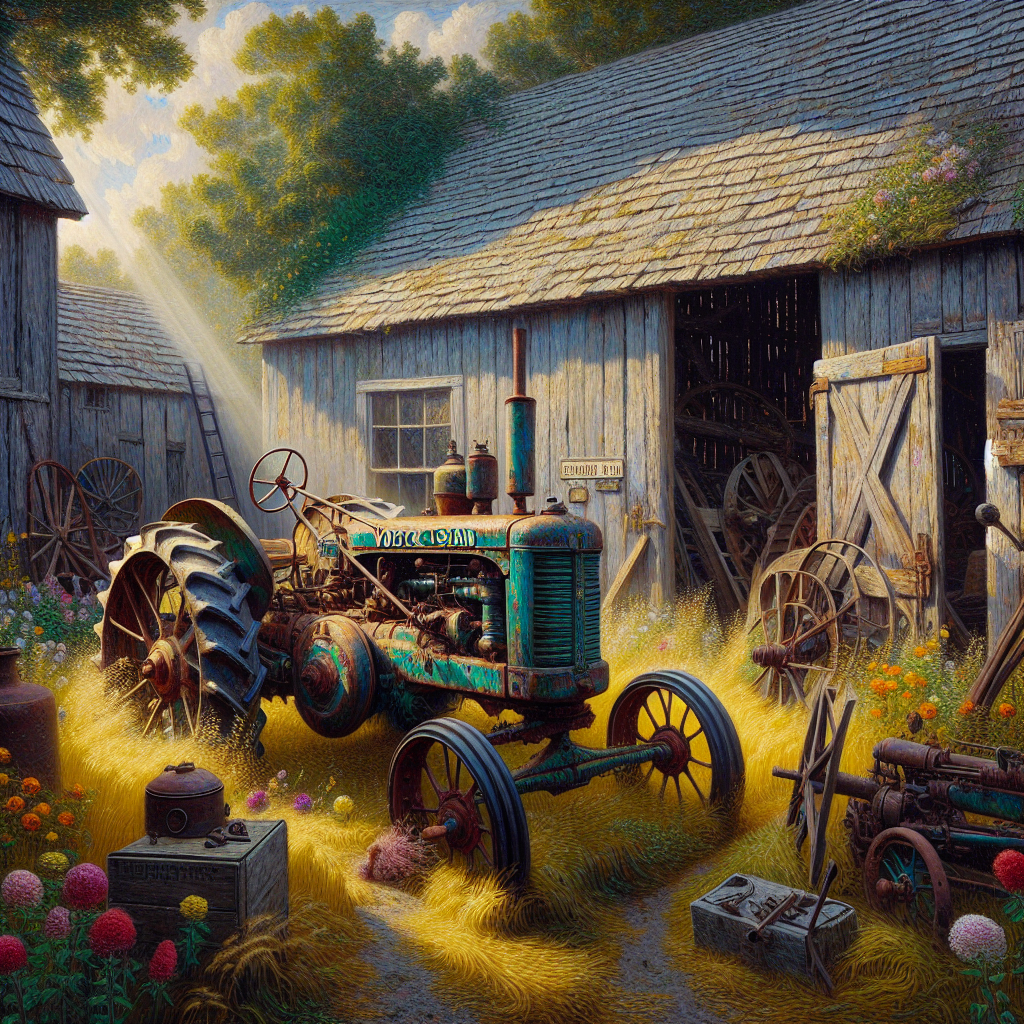
In the heart of rural America, tractors are more than machines; they’re lifelines. These colossal iron beasts symbolize hard work, determination, and the sweat of those who farm the land. Yet, the independent mechanics who keep these tractors running face a daunting challenge: more restrictions on their ability to repair and maintain these vital machines.
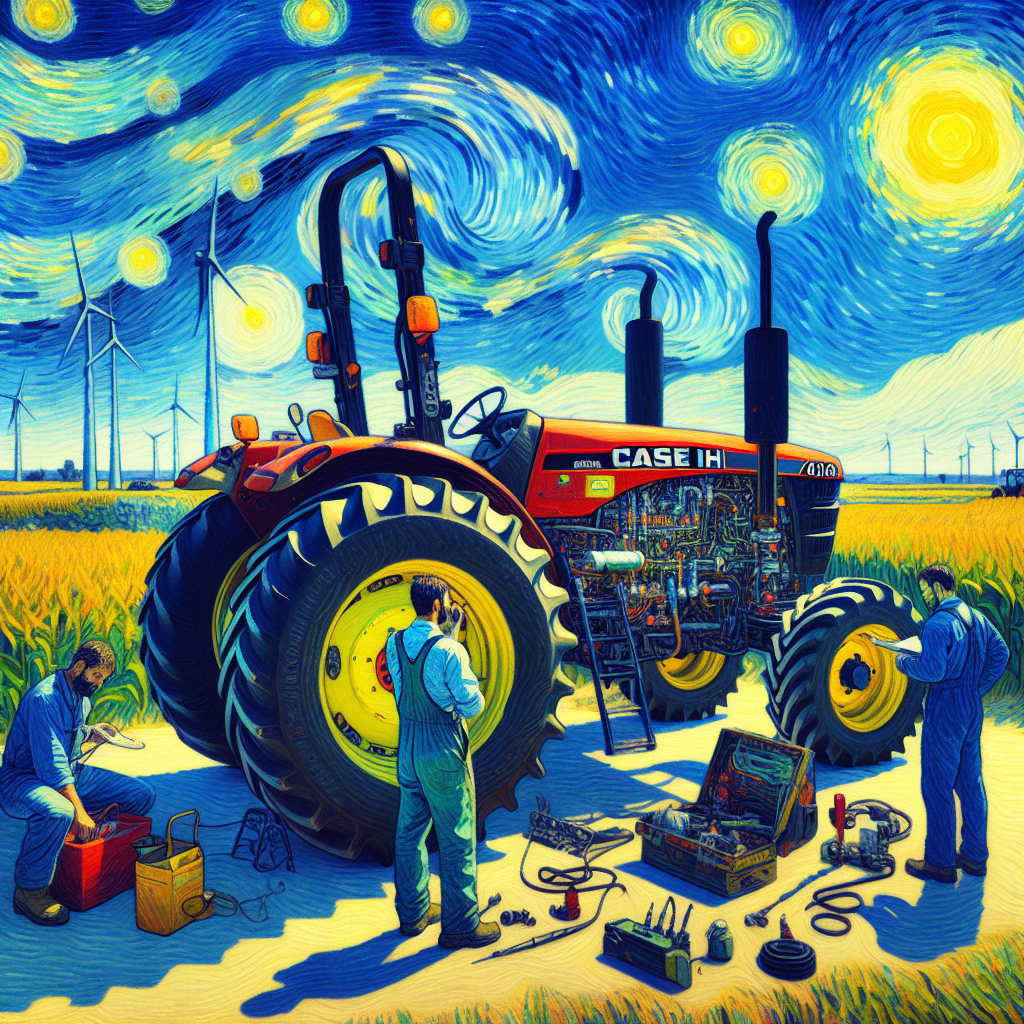
Picture a seasoned mechanic, grease-stained hands working diligently under the belly of a massive tractor. He’s not just fixing a piece of machinery; he’s preserving a family’s legacy, ensuring that generations can continue to cultivate the fields. But new regulations and corporate policies increasingly chain these mechanics, restricting access to parts, diagnostic tools, and crucial information. This isn’t just about the nuts and bolts of engine repair; it’s about undermining the very fabric of community and independence that rural America holds dear.
From a rational standpoint, this trend seems counterproductive. Allowing skilled independent mechanics to access the latest technology and repair methods not only supports a local economy but also boosts competition. When farmers have fewer options for repairs, they face higher costs and longer downtimes, putting added pressure on their livelihoods. The logic is simple: a well-maintained tractor means a well-maintained income. Yet corporations, driven by profit margins, tighten their grip, often at the expense of local expertise.
Ethically, we must question the implications of fielding a service monopoly over these critical tools. The health of our agricultural sector hinges on the ability of independent mechanics to provide timely and effective repairs. When you remove that ability, you risk not only the future of small farms but the authenticity of the communities they support. Imagine a farmer who can’t afford downtime, who watches his crops wither while waiting for a part to arrive from halfway across the country, simply because a corporation won’t allow his local mechanic access to the necessary equipment.
In a society built on the principles of hard work, innovation, and trust, is it right to stifle those who ensure our tractors—our lifelines—continue to run? By championing independent mechanics, we’re not just supporting technicians; we’re preserving the spirit of self-sufficiency. You don’t have to be a farmer to see the connection; it resonates with everyone who values local community, craftsmanship, and resilience. We have the power to advocate for change, to push back against these restrictions, and to ensure that the future of farming remains firmly in the hands of those who toil to keep it alive.
Why Are Independent Mechanics Facing Restrictions on New Tractors?
Why Are Independent Mechanics Facing Restrictions on New Tractors?
- Tractors symbolize hard work and determination in rural America.
- Independent mechanics face increased restrictions on repairs due to regulations and corporate policies.
- These restrictions limit access to parts, diagnostic tools, and crucial repair information.
- A well-maintained tractor is essential for farmers’ livelihoods, but corporate control raises repair costs and downtimes.
- The ability of mechanics to provide repairs is vital for the future of small farms and their communities.
- Championing independent mechanics promotes self-sufficiency and supports local economies.
- Advocating for change is essential to maintain the integrity of rural farming and community resilience.
Why Are Independent Mechanics Facing Restrictions on New Tractors?
How Does the Consolidation Of Dealerships Affect Service Options?
In the evolving landscape of automotive dealerships, the consolidation trend reflects a larger story—a narrative of community, trust, and the unyielding human spirit. Picture a family-owned dealership, where the mechanic knows your name, your favorite tractor, and perhaps even the names of your kids. This personal touch has been the backbone of many communities. Yet, as dealerships merge into larger entities, that connection often feels like a relic of the past.
When a local dealership is swallowed up by a corporate giant, the impact on service options can be profound. These changes often come with promises of efficiency and affordability, yet they can leave customers with a gut-wrenching sense of detachment. Standardization can lead to cookie-cutter service that may prioritize profit margins over personal relationships. For instance, you walk into a vast showroom, and the warm familiarity of the past is replaced by the sterile atmosphere of a corporate facility. It’s not just about fixing tractors anymore; it’s about hitting quotas.
However, let’s pause for a moment. Does bigger always mean better? While larger dealerships offer a wider array of services and may boast advanced technology, there’s an undeniable charm and trust that comes from knowing your service technician personally. When you talk to someone who’s spent years working on tractors like yours, they don’t just see a vehicle; they see your livelihood. They understand the difference between a minor hiccup and a symptom of a larger problem, and they know how to address it with care.
Yet, the ethical implications of these consolidations warrant deeper reflection. Are we sacrificing quality for convenience? The narrative unfolds through stories of people who’ve relied on their local dealers for years. When those options diminish, what do we lose beyond mere service? We lose the community feedback loop that shapes ethical business practices. Each vehicle that drives off a lot is more than just a sale; it’s a commitment to the families, farmers, and everyday champions who rely on them.
In an age where connection often gets diluted, the question remains: How do we reclaim that sense of trust? It starts with demanding more from those who now hold the reins of service. We should advocate for transparent communication and ensure that our voices are heard in these sprawling organizations. Because at the end of the day, when you bring your tractor in for maintenance, it’s about more than just a machine; it’s about maintaining the essence of community, service, and reliability. Together, we can continue to steer this conversation toward a future where service options not only expand but retain the heart of what made them special in the first place.
How Does the Consolidation Of Dealerships Affect Service Options?
How Does the Consolidation Of Dealerships Affect Service Options?
- Consolidation in automotive dealerships reflects a narrative of community and trust.
- Family-owned dealerships offer personal connections, which are often lost in corporate mergers.
- The impact of consolidation can lead to standardization, prioritizing profit over personal relationships.
- Larger dealerships may provide more services but lack the personal touch of knowing technicians.
- Ethical implications arise from sacrificing quality for convenience and diminishing local dealer options.
- The community feedback loop essential for ethical business practices is eroded with fewer local choices.
- Maintaining a sense of trust requires advocating for transparency and community engagement in larger organizations.
How Does the Consolidation Of Dealerships Affect Service Options?
In What Ways Do Warranties Limit Independent Mechanic Repairs?
In today’s car culture, warranties can feel like a warm blanket wrapped around your vehicle, promising security and peace of mind. They offer a sense of protection, much like a trusty tractor steadfastly plowing through endless fields of uncertainty. However, that very blanket can also bind us, restricting our freedom to seek independent mechanic repairs.
Imagine a small-town mechanic who knows your car as well as you do, who can spot that subtle rattle like a seasoned farmer recognizes a tractor’s engine hum. When warranties step in, they often dictate where you can seek help, steering you away from the familiar faces who understand the unique needs of your ride. It’s not just about getting repairs; it’s about nurturing a relationship. Independent mechanics are often the unsung heroes, cultivating trust in the community while the corporate giants quietly dictate terms from afar.
The rational side of this dilemma is clear. Warranty providers often impose strict guidelines on repairs to control costs and protect their bottom line. They steer customers toward certified technicians, often affiliated with the manufacturer, assuring quality control but leaving little room for creativity and local knowledge. While this may seem smart on paper, it overlooks the invaluable expertise found in local workshops, where each repair is more than a service; it’s a collaborative craft, honed through experience rather than corporate mandates.
Ethically, we must question who truly stands to benefit from these limitations. Is it the consumer or the corporate entity? Just like a farmer relying on tractor parts that only fit one model may find themselves at the mercy of the manufacturer, car owners risk losing the ability to choose cost-effective solutions that independent mechanics can provide, solutions that reflect a genuine love for the craft rather than a mere business transaction.
Beyond the technicalities lies a human element that resonates deeply. Picture a young adult, freshly into the world, finding their footing with a vehicle that represents newfound freedom. Yet, when that engine sputters, the weight of warranty limitations looms larger than the repair bill itself. Shouldn’t the freedom to choose a knowledgeable mechanic or discuss options without penalty be a fundamental right?
In this ever-evolving landscape, it’s crucial to realize that while warranties offer safety, they can also build walls. Let’s champion a balance—recognizing the worth of independent mechanics and valuing the personal touch they bring. When we unite in support of these local artisans, we not only preserve a piece of our automotive heritage but also lift the veil on the autonomy we so richly deserve.

In What Ways Do Warranties Limit Independent Mechanic Repairs?
In What Ways Do Warranties Limit Independent Mechanic Repairs?
- Warranties provide security and peace of mind for vehicle owners.
- They can limit freedom to seek repairs from independent mechanics.
- Local mechanics foster community trust and understanding of specific vehicle needs.
- Warranty providers impose strict guidelines, often prioritizing corporate interests over consumer choice.
- Consumers may lose access to cost-effective and knowledgeable repair options.
- Younger car owners face challenges with warranty limitations impacting their freedom and repair choices.
- Support for independent mechanics helps preserve automotive heritage and promotes consumer autonomy.
In What Ways Do Warranties Limit Independent Mechanic Repairs?
Are New Tractors Designed for Easier Repairs Or Increased Profits?
In the ever-evolving world of agriculture, a question looms large: are new tractors crafted for easy repairs, or has profit become the driving force behind these colossal machines? Tractors symbolize not just a tool, but a connection to our roots, the hard work of previous generations, and the promise of feeding the world. The emotional weight of a tractor often sits heavy on the shoulders of those who operate them.
Imagine a farmer, hands weathered and worn, standing beside a gleaming new tractor. The allure of modern technology is undeniable—the flashy screens and ergonomic designs sparkle like a beacon of efficiency. Yet, beneath that gloss lies a crucial query: how easy will it be to keep this machine running? A farmer’s livelihood hinges on that very answer. The heart of this discussion beats in every repaired bolt and every restored cylinder, where dedication meets practicality.
From a rational standpoint, making a tractor easy to repair sounds like a win-win. It minimizes downtime, reduces costs, and keeps the wheel of production turning. But let’s face it: when manufacturers prioritize profits, they often favor complexity over convenience. This is where the gut instinct kicks in. A farmer who has spent countless sleepless nights repairing a stubborn engine doesn’t just want convenience; they need it. They crave reliability—something to trust in the early morning hours before dawn breaks over the fields.
Ethically speaking, shouldn’t companies prioritize the farmer over profit margins? The very essence of farming is tied to community and integrity. By designing tractors that are easy to repair, manufacturers create not just a product but a partnership with the farming community. It speaks volumes when a company invests in local mechanics and supports training programs to ensure that repairs don’t require a degree in engineering.
Turning to real-world stories, consider a mechanic who recalls the joy of seeing a farmer, whom he has helped countless times, working seamlessly with a recently repaired tractor. Their shared laughter and triumph fill the air, a reminder that behind every mechanical marvel is a human story, one of resilience and connection. These moments turn machines into trusted allies in the fields.
While the sleek designs of new tractors may shine brightly, the true measure of their worth lies in their accessibility. If the focus shifts to creating equipment that farmers can easily repair, we cultivate trust and foster a stronger agricultural community. Let’s remember: it’s not just about profit; it’s about empowering those who take to the field each day.
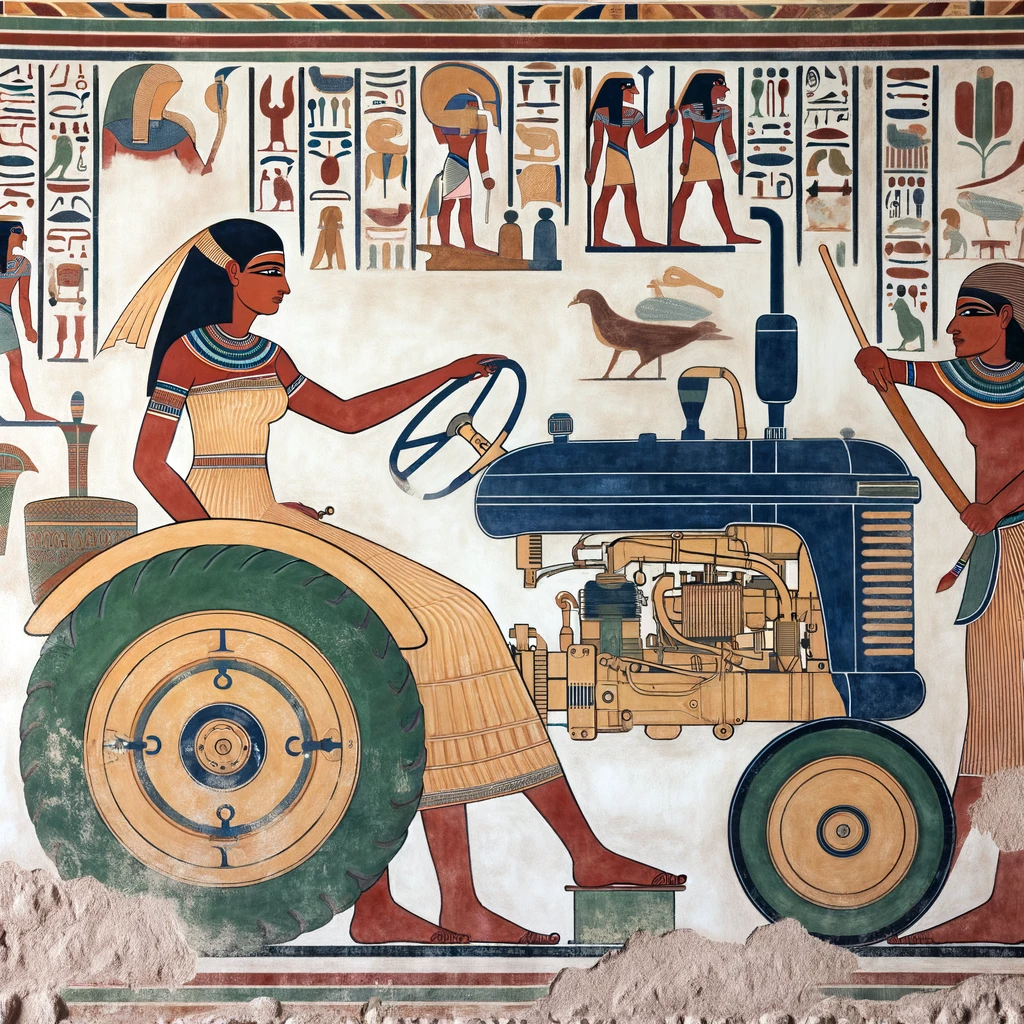
Are New Tractors Designed for Easier Repairs Or Increased Profits?
Are New Tractors Designed for Easier Repairs Or Increased Profits?
- The debate centers on whether new tractors prioritize easy repairs or profit margins.
- Tractors represent a connection to agricultural heritage and the commitment to feeding the world.
- Modern tractor designs feature advanced technology, but reliability and ease of repair are crucial for farmers.
- Easy repair reduces downtime and costs, but manufacturers may prioritize complexity for profit.
- Farmers need trustworthy, reliable machines rather than just convenient ones for their livelihoods.
- Companies should prioritize farmer needs and community integrity over profit margins in tractor design.
- Building tractors that are easy to repair strengthens community ties and empowers farmers.
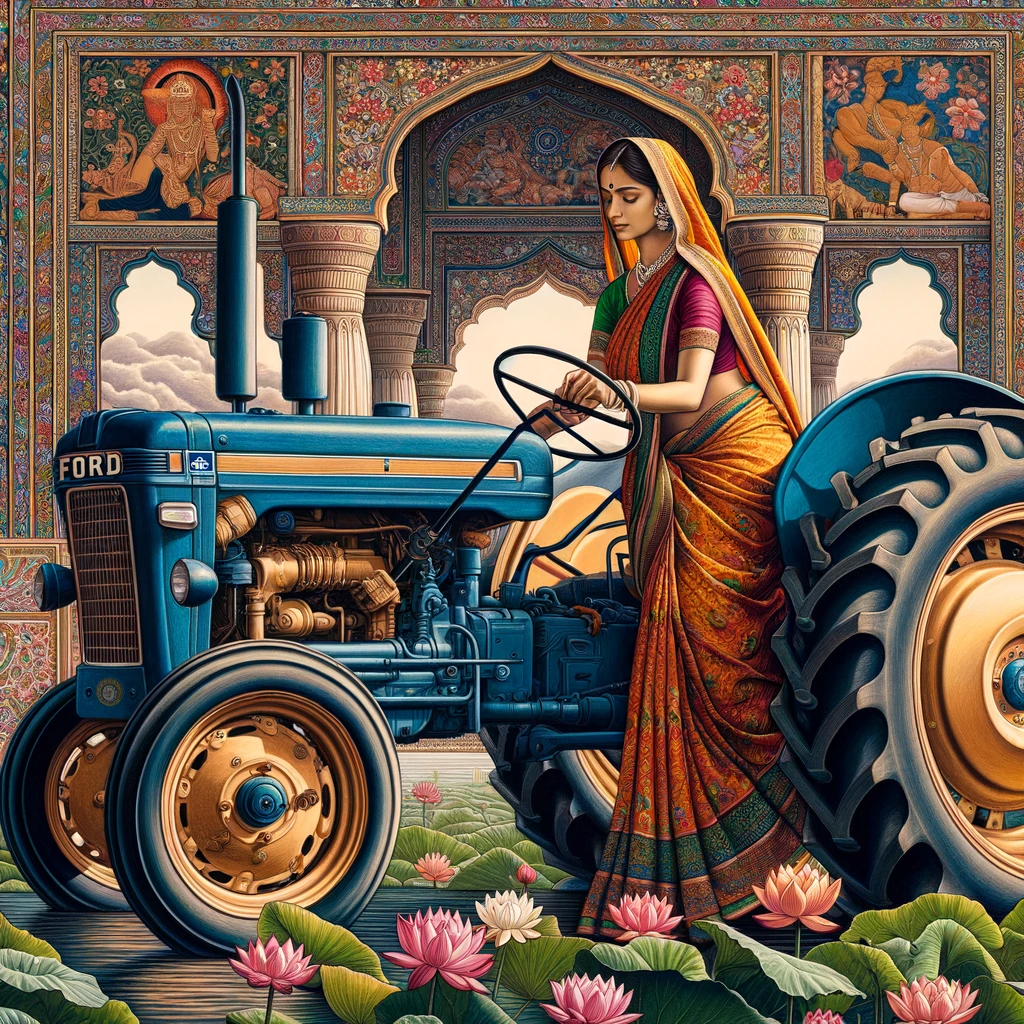
Are New Tractors Designed for Easier Repairs Or Increased Profits?
How Do Proprietary Systems Create Barriers for Independent Mechanics?
Proprietary systems represent a double-edged sword in the world of automotive repair, especially for independent mechanics trying to compete with larger dealerships. These systems, while designed to enhance service efficiency, often create barriers that can feel insurmountable. Picture this: a skilled mechanic, someone who has spent years honing their craft, finds themselves stymied by a proprietary diagnostic tool created for a specific car brand—all because that tool is locked behind a paywall or only available to authorized dealers.
Take the story of a dedicated mechanic named Jake, who runs a small shop in town. He knows every nut and bolt of the tractors that farmers rely on—machines that are lifeblood for their operations. One day, a local farmer brings in a high-end tractor for repairs, one built by a manufacturer notorious for its proprietary systems. Jake goes to diagnose the issue, but he’s met with an error code that only the dealership can decipher. This moment isn’t just about a tractor needing repairs; it’s about livelihoods teetering on the edge.
The emotional pull here is palpable. Mechanics like Jake don’t just fix cars; they provide a service that helps communities thrive. Yet, when proprietary systems restrict access, it feels as though they’re being pushed aside, like a talented chef barred from using a critical ingredient in their recipe. It’s a bitter pill for those whose hands are calloused from genuine work.
From a rational standpoint, the ethics of these systems come into question. Sure, manufacturers defend their proprietary practices as a means of protecting intellectual property and ensuring quality. But should that come at the cost of small businesses struggling to offer competitive, affordable services? Many consumers don’t realize that exclusive tools and software can create an illusion of customer choice while limiting options to the highest bidder.
The social ramifications are significant. Communities suffer when local mechanics can’t compete. Trust erodes as customers feel they have no choice but to return to the dealership, often paying top dollar for service that could be rendered at a fraction of the cost by an independent shop. Each transaction is more than just a paycheck; it’s a connection, a commitment to service and integrity.
Jake’s struggle isn’t just his own—it’s a fight for the heart of local enterprise. If we want to ensure our communities remain vibrant and diverse, we must acknowledge the need for fair access to the tools that allow the little guy to thrive. The innate craftsmanship of independent mechanics deserves respect, not barriers. It’s time to open the gates and let the ingenuity of everyday mechanics shine, one repaired tractor at a time.
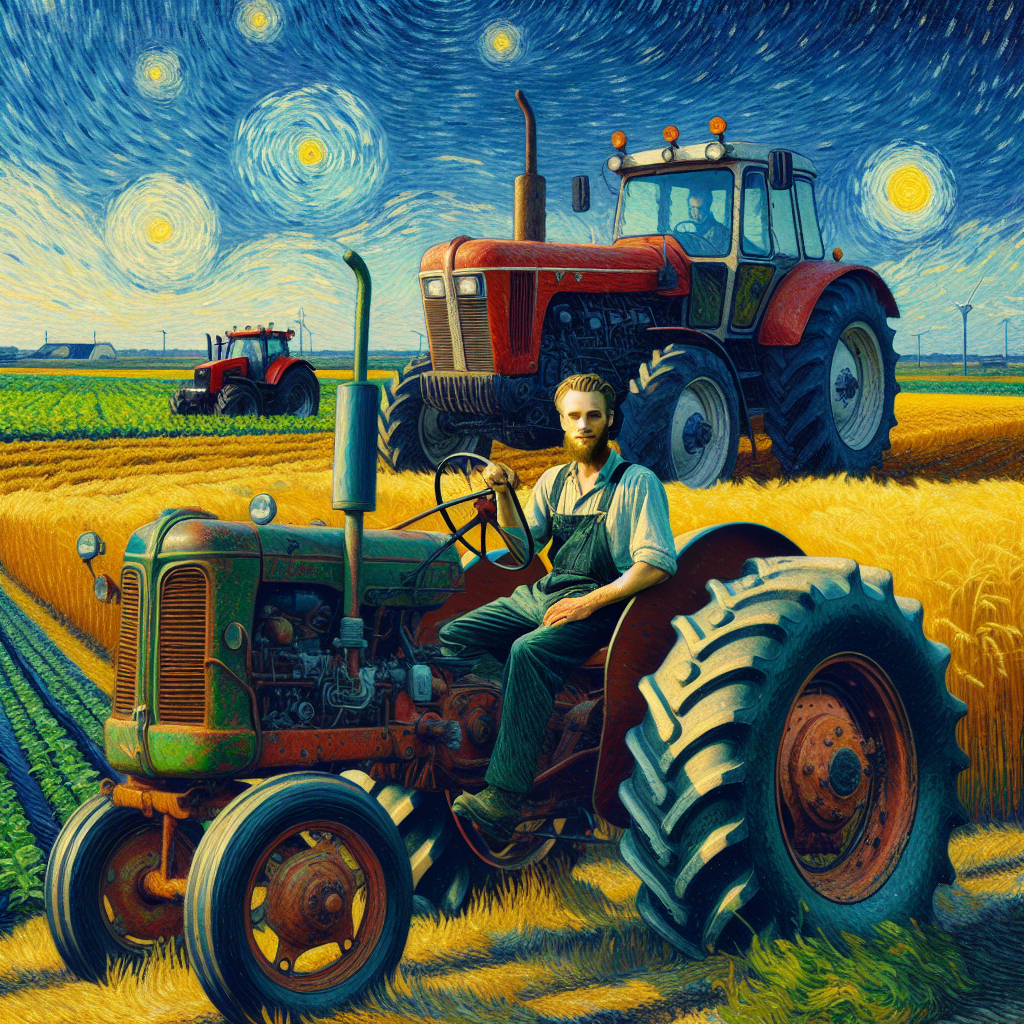
How Do Proprietary Systems Create Barriers for Independent Mechanics?
How Do Proprietary Systems Create Barriers for Independent Mechanics?
- Proprietary systems in automotive repair hinder independent mechanics competing with dealerships.
- Tools often locked behind paywalls restrict skilled mechanics from performing necessary diagnostic work.
- Story of mechanic Jake illustrates the struggle of small shops against proprietary diagnostics.
- The limitations created by these systems have emotional and financial implications for communities.
- Manufacturers defend proprietary practices for intellectual property protections, affecting small businesses’ competitiveness.
- Exclusive tools create an illusion of choice for consumers while limiting accessibility for independent shops.
- Supporting fair access to repair tools is essential for maintaining vibrant local enterprises and communities.

How Do Proprietary Systems Create Barriers for Independent Mechanics?
How Does the Rising Cost Of Repairs Influence Farmer Decisions?
In the quiet hum of early morning, you can always hear the tractor’s engine roar to life, a sound that signals the promise of another day on the farm. But a growing weight lurks in the shadow of that familiar sound: the rising cost of repairs. As farmers, we invest our hearts and souls into these machines, knowing that a dependable tractor is the lifeblood of our operations. Yet, the nagging worry about repair costs can turn that familiar roar into a whisper of anxiety.
It’s easy to get lost in the numbers—rising parts prices, labor rates, and the dwindling availability of skilled technicians. Those calculations aren’t just figures on a spreadsheet; they represent real choices. Time spent repairing rather than harvesting means lost income and fewer crops to bring to market. Farmers find themselves facing the gut-wrenching decision: Do we sacrifice our hard-earned savings to keep our equipment running, or do we take the risky path of pushing our machinery beyond its limits?
Let’s take a moment to reflect on a story that resonates with many. There’s Tom, a third-generation farmer who learned the ropes from his father. One summer, his tractor broke down during planting season, and the repair costs felt like a punch to the gut. Without that tractor, his ability to plant crops on time was compromised. Tom faced a choice: push the envelope and hope the old engine held out, or invest in repairs, dipping into savings that had been set aside for his children’s education. In that moment, his decision carried not just financial implications but emotional weight, the kind of turmoil that can keep you up at night.
Economically, the rising costs team up with an ethical dilemma. Farmers are stewards of the land, their decisions impact not only their livelihoods but their communities. Choosing to delay repairs might save money in the short term, but could result in larger societal consequences—disrupted food supply chains, escalated prices, or diminished local economies.
The connection runs deeper, sticking to the very soil we harvest. Each decision we make echoes in a network of farmers, each navigating similar challenges. Sharing stories about repair struggles on social media or local meet-ups fosters camaraderie; we realize we’re not alone in this fight.
Ultimately, the rising cost of repairs shapes our decisions in profound ways—financially, ethically, and relationally. It forces a conversation about sustainability and support within our farming community while reminding us that every decision is woven into a larger narrative that binds us together.

How Does the Rising Cost Of Repairs Influence Farmer Decisions?
How Does the Rising Cost Of Repairs Influence Farmer Decisions?
- The sound of a tractor engine symbolizes a new day on the farm, but rising repair costs create anxiety for farmers.
- Farmers face tough decisions about sacrificing savings for repairs versus risking machinery breakdowns.
- Rising parts prices and labor rates translate to real dilemmas affecting income and crop yields.
- Tom’s story highlights the emotional weight of repair choices, impacting not just finances but personal and family futures.
- Delaying repairs may save money short-term but could disrupt food supply chains and harm local economies.
- Connecting with other farmers through shared experiences fosters a sense of community amidst challenges.
- The rising cost of repairs prompts discussions about sustainability and collective support within the farming community.
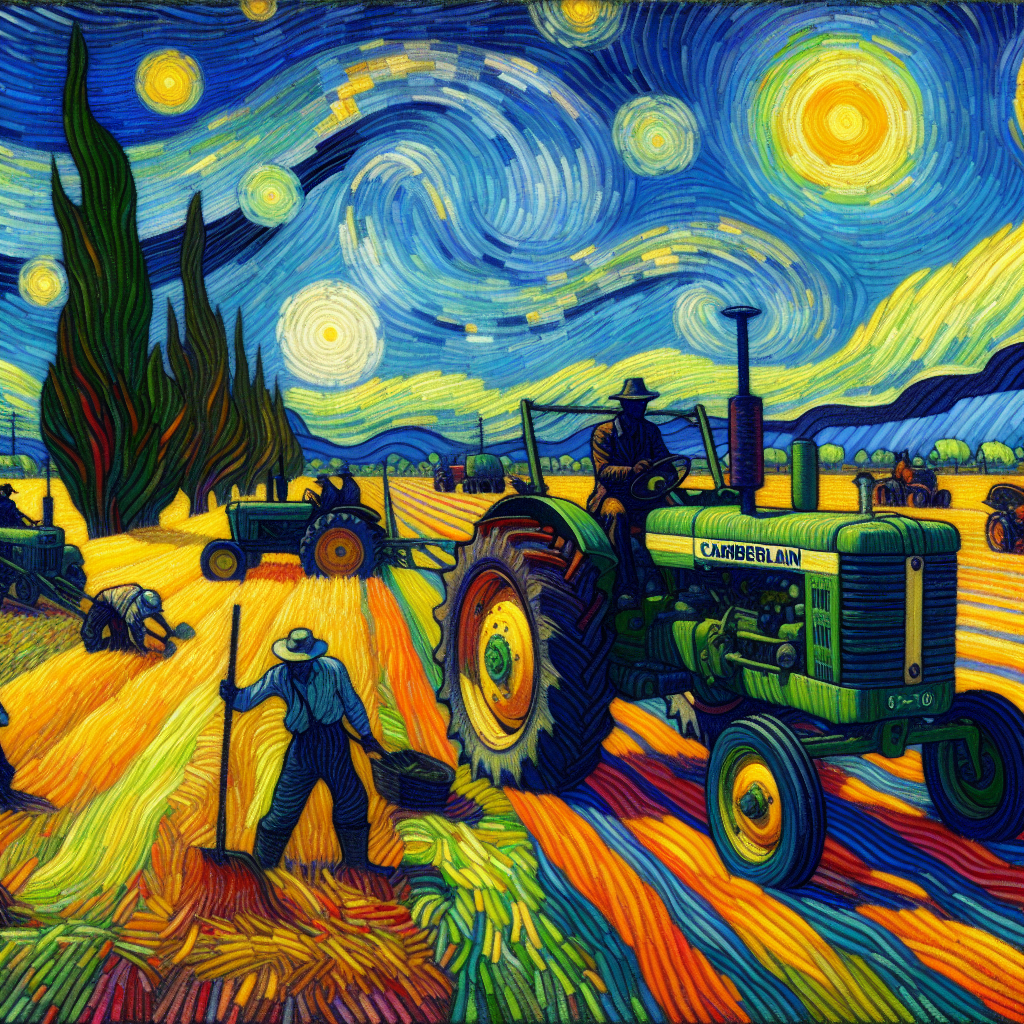
How Does the Rising Cost Of Repairs Influence Farmer Decisions?
Conclusion
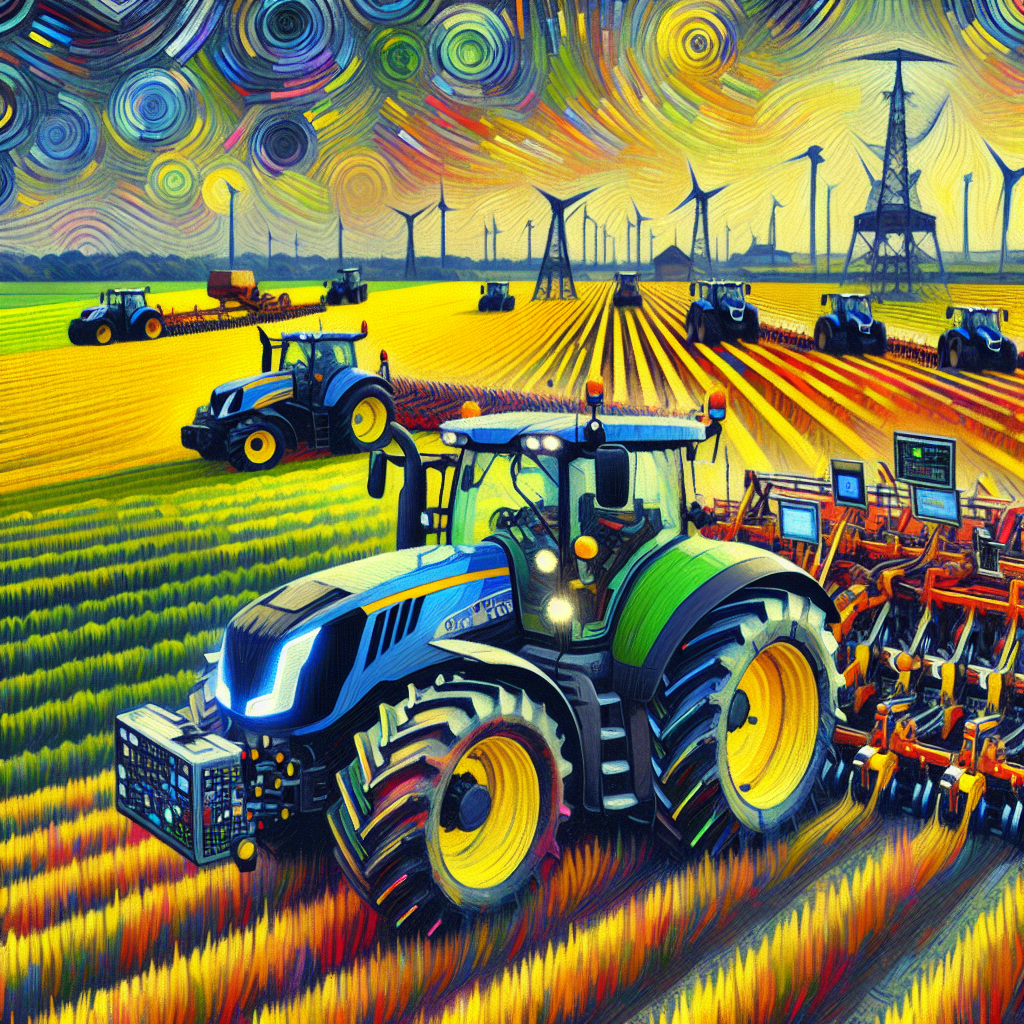
In today’s agricultural landscape, independent mechanics are grappling with increasingly insurmountable barriers when it comes to servicing new tractors. The heart of this issue lies in the rapid evolution of these machines, which now feature advanced technology that most small repair shops simply can’t access. These tractors, once the pride of local communities—symbols of hard work and tradition—have transformed into high-tech contraptions requiring proprietary tools and specialized knowledge. This shift goes beyond machinery; it strikes at the very essence of rural life, where the bond between mechanics and farmers is steeped in shared history and craftsmanship.
This disconnect presents an ethical dilemma. Shouldn’t every farmer have the right to choose who repairs their equipment without restriction? Historically, the local mechanic was not just a service provider but an integral part of the community—an educator who passed down essential skills through generations. Yet, as corporate policies tighten their grip, these connections fray, leaving farmers reliant on distant dealerships for help. This is a loss not just for the mechanics but for the fabric of farming itself.
From a rational viewpoint, supporting independent mechanics strengthens local economies. Communities thrive on diversity, and allowing local experts to access modern technologies fosters competition and keeps costs reasonable. When farmers face limited repair options, it leads to higher expenses, threatening their livelihoods. It’s a self-defeating cycle that undermines not only mechanics but the farmers they serve.
The consolidation of dealerships compounds these issues, removing personal relationships that once defined service interactions. Larger entities may promise efficiency, but they often deliver a sterile, detached experience devoid of meaningful customer care. The intimate knowledge that local mechanics have of their customers and their unique machines can’t be replicated by faceless corporations.
Furthermore, as warranties become increasingly restrictive, they limit farmers’ choices, enforcing a dependence on authorized repair channels. While such systems are marketed as protective, they often serve corporate interests at the expense of local craftsmanship and autonomy. Farmers deserve the freedom to choose skilled mechanics and maintain relationships built on trust and mutual respect.
As we look to the future, it’s crucial to advocate for a balance between innovation and traditional values. Empowering independent mechanics isn’t just about repairs; it’s about preserving a way of life and ensuring the next generation inherits a legacy of self-sufficiency and community spirit. By reclaiming the right to local repair, we honor the heart, the head, and the gut of farming—ensuring tractors serve not just as machines, but as steadfast partners in the timeless journey of feeding our world.
Conclusion
Conclusion:
- Independent mechanics face challenges in servicing new tractors due to advanced technology and proprietary tools.
- Tractors have evolved from symbols of tradition to high-tech machines, disrupting the bond between mechanics and farmers.
- Access to repair services is becoming restricted, affecting farmers’ autonomy and community relationships.
- Supporting independent mechanics can boost local economies by promoting competition and lower repair costs.
- Consolidation of dealerships results in a loss of personal service and local knowledge.
- Restrictive warranties enforce dependence on authorized repair channels, limiting farmers’ choices.
- Advocating for independent mechanics is essential for preserving self-sufficiency and community spirit in agriculture.
Conclusion
Other Resources
Other Resources
Here is a list of other resources you can review online to learn more:
- B.F. Avery
- Orange County Farmers Museum
- Zetor
- Heider
- Waterloo Manufacturing Company
- Merlin
- Nittany Antique Machinery Association
- M-R-S
- CLAAS
- Minot
- Marshall
- Antique Tractor Values
- Chery
- Farmtrac
- Buhler Versatile
- SOMECA
- Zetor Zebra
- Ford-New Holland
- McCormick
Use This Prompt To Get More Resources With Your Favorite Online AI Tool: Please provide me with a list of online articles with their URLs in a bulleted list that I can read regarding Why Independent Mechanics Can’t Touch New Tractors Anymore

Other Resources
Glossary Terms
Why Independent Mechanics Can’t Touch New Tractors Anymore – Glossary Of Terms
1. OEM Lockout — Manufacturer-imposed hardware or software controls that prevent non‑authorized access, modification, or operation of tractor systems.
2. Right-to-Repair — Legal and policy framework concerning whether independent shops may access tools, software, and manuals; limited rights restrict independent repairs.
3. Telematics — Integrated cellular/GPS systems that collect vehicle data and allow remote control or monitoring, often routed through manufacturer servers.
4. ECU (Engine Control Unit) — Electronic control module that governs engine functions; often requires manufacturer software or credentials to reprogram or calibrate.
5. CAN Bus — Vehicle communications network that connects controllers; access is required for diagnostics but can be restricted or encrypted.
6. J1939 — Standardized heavy‑vehicle messaging protocol; manufacturers layer proprietary extensions that complicate third‑party interpretation.
7. ISOBUS — Tractor-implement communication protocol for precision ag; proprietary implementations can block third‑party implement tuning or diagnostics.
8. Proprietary Software — Manufacturer‑written applications that run tractors; closed source and licensed, not freely shareable with independent mechanics.
9. Firmware Lock — Embedded firmware protections that prevent unauthorized updates or modifications to control units.
10. Secure Boot — Hardware/firmware mechanism that only runs signed software, blocking unsigned diagnostic or repair tools.
11. Encryption — Data protection on vehicle buses or storage that prevents reading or altering system information without keys.
12. Digital Rights Management (DRM) — Software controls that restrict how diagnostic tools and repair code can be used or copied.
13. Over‑the‑Air (OTA) Updates — Remote software updates controlled by OEMs, which can push changes that only authorized tools can interact with.
14. Remote Diagnostics — Manufacturer‑run diagnostic services accessed via cloud platforms, reducing reliance on local independent troubleshooting.
15. Authorized Dealer Network — Contracted service centers granted access to tools, updates, and parts exclusive from OEMs.
16. Warranty Conditions — Contractual terms that may void coverage if non‑authorized repairs or aftermarket software are used.
17. Diagnostic Protocols — Specific commands and procedures required to diagnose or reset systems; often proprietary or license‑restricted.
18. Calibration Lock — Requirements that certain sensors, emissions systems, or implements be calibrated with OEM tools after repair.
19. Electronic Immobilizer — Security systems that prevent engine start unless authenticated by manufacturer‑issued keys or codes.
20. Trusted Platform Module (TPM) — Hardware security element that stores cryptographic keys used to authenticate software and tools.
21. Service Tool Authentication — Mandatory credentialing process where diagnostic devices must authenticate to the tractor or OEM server before use.
22. Trade Secrets — Confidential design, software, and procedural information that manufacturers withhold from the public and independents.
23. Non‑Disclosure Agreement (NDA) — Legal contracts that guard access to manuals, software, or diagnostic procedures provided only to partners.
24. Software Licensing — Legal terms that govern how OEM software may be used, often prohibiting third‑party modification or redistribution.
25. Parts Distribution Control — Manufacturer control over spare part channels, limiting independent access to genuine components required for certain repairs.
26. Certification and Compliance — Regulatory or manufacturer certification requirements for technicians to perform specific repairs, especially for emissions or safety systems.
27. Emissions Aftertreatment — Complex regulated systems (DEF, DPF, SCR) that require specialized tools and authenticated procedures to service legally and correctly.
28. Cybersecurity — Protections and threat mitigations that isolate vehicle systems and make unauthorized access risky or infeasible.
29. Data Ownership — OEM claims to operational and telemetry data that limit independent analysis or use for diagnostics and warranty defense.
30. Interoperability Limitations — Proprietary connectors, protocols, or tool ecosystems that prevent third‑party hardware and software from integrating seamlessly with new tractors. Glossary Of Terms
Other Questions
Why Independent Mechanics Can’t Touch New Tractors Anymore – Other Questions
If you wish to explore and discover more, consider looking for answers to these questions:
- Why do manufacturers restrict access to diagnostic software and repair codes?
- What laws govern right-to-repair for agricultural equipment in my country or state?
- How do warranties specifically limit independent mechanic repairs and when can they be voided?
- Can independent mechanics legally obtain the proprietary tools and software they need?
- What are the costs for diagnostic tools, subscriptions, and manufacturer certifications?
- How does dealership consolidation change repair wait times, pricing, and service quality?
- Are there independent certification programs that grant access to proprietary systems?
- What practical alternatives do farmers have if local mechanics can’t service their tractors?
- How can farmers protect themselves from dealer monopolies when purchasing equipment?
- Who owns the telematics and operational data generated by modern tractors?
- How do proprietary systems affect data privacy and cybersecurity for farms?
- Is reverse engineering proprietary software legal for the purpose of repairs?
- How do repair access barriers differently impact small family farms versus large operations?
- What are the real-world costs of downtime caused by restricted repair access?
- Do aftermarket parts or third‑party components void warranties or affect performance?
- How do manufacturers justify restrictions on grounds of safety, emissions, or liability?
- Are there ongoing legal cases or legislative efforts addressing tractor right‑to‑repair?
- What steps can independent mechanics take to adapt (training, partnerships, new tools)?
- Can farming cooperatives or shared repair facilities be a viable local solution?
- What is the long‑term economic impact on rural communities if independent shops close?
- How do repair restrictions influence the resale value and maintenance history of tractors?
- Are there open‑source diagnostic tools or community‑driven repair manuals available?
- How do insurance companies view repairs done by independent mechanics versus authorized dealers?
- What should buyers ask or negotiate when purchasing new tractors to ensure repairability?
- How do manufacturer software updates or patches affect the functionality of older equipment?
- Under what circumstances can manufacturers remotely disable or limit tractor functionality?
- Which countries or regions have successfully protected independent repair rights and how?
- How can policymakers balance manufacturers’ intellectual property with farmers’ repair needs?
- What specific technical skills will future mechanics need to service modern agricultural equipment?
- How do repair barriers intersect with sustainability, maintenance cycles, and equipment lifespans?
- What immediate actions should a farmer take when a tractor breaks down and local access is limited?
- How transparent are manufacturers about parts availability, lead times, and service pricing?
- What are the comparative costs and benefits of manufacturer service plans versus independent repairs?
- How can independent mechanics prove competence to regain customer trust and business?
- Would collective purchasing of diagnostic tools or shared subscriptions be practical for small shops?
Other Questions
Haiku
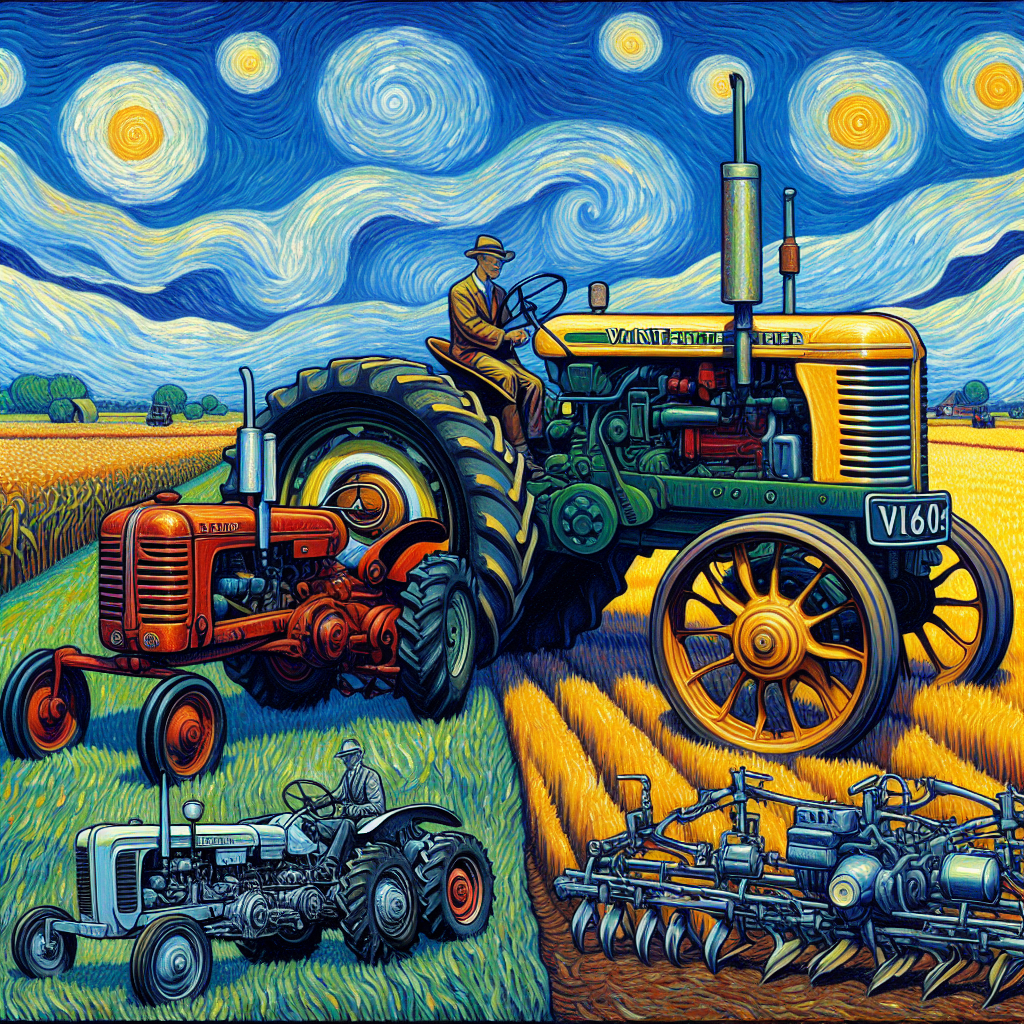
Why Independent Mechanics Can’t Touch New Tractors Anymore – A Haiku
Old tractors’ embrace,
Mechanics, once trusted hands,
Now lost to the codes.
Haiku
Poem
Why Independent Mechanics Can’t Touch New Tractors Anymore – A Poem
In fields once bright with labors grace,
Where tractors thrived, now shadows trace,
Independent hands that once held sway,
Find themselves pushed quietly away.
New machines, marvels of modern design,
Speak in codes, with tools hard to define,
A wrench in hand, a heart full of lore,
Yet, access denied to the stories of yore.
Community bonds forged through sweat,
Now yield to corporations that forget,
The ethics of choice, a farmer’s right,
To choose who repairs, to keep dreams in sight.
Younger generations miss the old art,
Learning from neighbors, where wisdom imparts,
As profits soar, the fabric frays,
Leaving farmers alone in uncertain arrays.
Big dealerships swallow local grace,
In sterile halls, we lose our place,
Trust once shared in a mechanic’s smile,
Replaced by quotas that stretch for miles.
Warranties tighten their cold embrace,
Restricting the choices in the mechanic’s space,
A tug at the heart for the young and the wise,
As refund policies cloud the skies.
Are tractors crafted for ease or gain?
Profit’s allure clouds the farmers strain,
In the hands of giants, do we lose our claim?
When does simplicity yield to profits name?
Proprietary systems create newer walls,
While independent mechanics hear the call,
A struggle for dignity, a fight to maintain,
The lifeline of farms amidst profit’s chain.
As costs of repairs mount heavy and tall,
Farmers weigh dreams against rising thrall,
Each choice they make echoes through lands,
In the heart of the soil lie their guiding hands.
Let’s rally for freedom, for choices untied,
To honor those hands, let community guide,
For every engine that roars, every field that we tend,
Is a testament to craftsmen, and farming’s true blend.
Poem
Checklist
Why Independent Mechanics Can’t Touch New Tractors Anymore – A Checklist
Emotional Appeals
✅______ Reflect on the stories and legacies your tractor represents ⠀
✅______ Acknowledge the community connections fostered through local mechanics ⠀
✅______ Share personal experiences with independent repairs and their impact on your farming journey ⠀
Rational Appeals
✅______ Assess the long-term cost savings of using independent mechanics versus corporate services ⠀
✅______ Evaluate the local economic benefits of supporting independent businesses ⠀
✅______ Understand the technological barriers faced by independent mechanics and advocate for accessible solutions ⠀
Ethical Appeals
✅______ Consider the right to choose your repair source for equipment critical to your livelihood ⠀
✅______ Question the ethics of proprietary repairs limiting access to local knowledge and skills ⠀
✅______ Stand against monopolistic practices that hinder community-based repair options ⠀
Authority Appeals
✅______ Support legislation advocating for the right to repair in agriculture ⠀
✅______ Educate yourself on the best practices for maintaining equipment independently ⠀
✅______ Seek endorsements from agricultural experts who support independent mechanics ⠀
Narrative Appeals
✅______ Share narratives within your community highlighting the impact of independent mechanics ⠀
✅______ Connect with local mechanics and farmers to create a collective voice advocating for change ⠀
✅______ Engage with stories of successful repairs that strengthen community ties ⠀
Social Appeals
✅______ Encourage participation in local initiatives promoting independent mechanic access ⠀
✅______ Share experiences on social media to raise awareness and build community support ⠀
✅______ Join groups or forums advocating for farmers’ rights and the importance of local mechanics ⠀
Checklist
At ClassicTractorNews, we help tractor lovers keep up with the latest news for classic and vintage tractors.
Please share this post with your friends, family, or business associates who may like old classic or vintage tractors.