

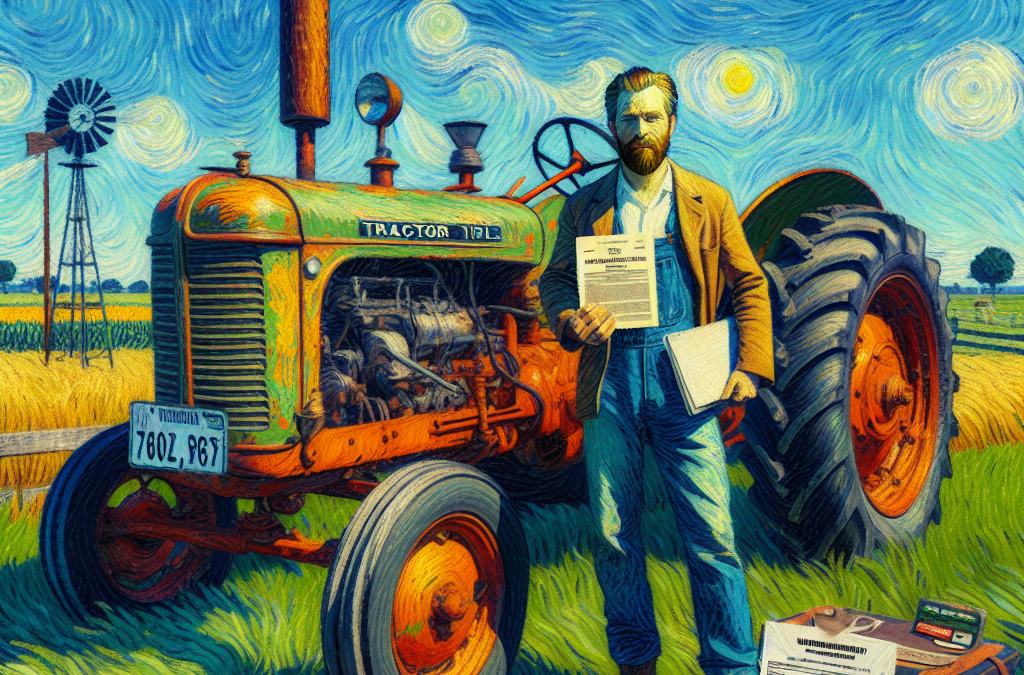
Empower Your Heritage: Fight For The Right To Repair Your Tractor
By Tom Seest
At ClassicTractorNews, we help tractor lovers keep up with the latest news for classic and vintage tractors.
Please share this post with your friends, family, or business associates who may like old classic or vintage tractors.
Why Every Classic Tractor Owner Should Support Repair Rights
There’s something special about owning a classic tractor. These machines aren’t just pieces of equipment; they’re storied relics that carry with them the deep connections to our past, our families, and the land we love. But the debate surrounding repair rights has turned these beloved machines into battlegrounds for a larger issue—one that affects anyone who believes in the spirit of independence and self-reliance.
Just imagine for a moment: it’s a sunny Saturday morning, and you’re out in the field, working with your trusty old tractor. It’s not just about cultivating the soil; it’s about connecting with generations of farmers who came before you, those hands that once guided the very same wheels. Now picture this: your tractor breaks down. Suddenly, you’re faced with the reality that you can’t fix it yourself because the manufacturer holds all the cards, controlling access to parts and information. That’s more than an inconvenience; it’s an affront to your ability to maintain your heritage and uphold the value of hard work.
Every classic tractor owner should support repair rights not only on an emotional level but also from a practical standpoint. These rights ensure that you can seek local mechanics or even tinker in your own barn to revive your pride and joy. This isn’t just about fixing machinery; it’s about preserving the ethos of craftsmanship in a world increasingly dictated by big corporations. When you advocate for repair rights, you’re furthering an ethical stance that promotes sustainability, minimizes waste, and champions the hands-on skills that too often go undervalued.
Statistics show that when you can repair and maintain your equipment, you save money that can be directed back into your farming operation or maybe even fund the next generation’s dreams. It’s a rational point, but it also holds heartfelt implications. Supporting repair rights bolsters local economies by empowering repair shops and keeping the spirit of community alive.
Take the story of John, a farmer who inherited his grandfather’s classic tractor. Every season, he poured his heart into keeping it in working order, often learning alongside a local mechanic. When a critical part faltered, John fought for access to the information he needed, believing that his relationship with that tractor was worth every ounce of effort.
By standing up for repair rights, you’re not just defending your right to tinker; you’re protecting a legacy, nurturing a culture, and asserting that the valuable stories that come with every scratch and dent are worth preserving. Join the movement, because every classic tractor deserves a second chance, just like the stories they carry.

Why Every Classic Tractor Owner Should Support Repair Rights
Why Every Classic Tractor Owner Should Support Repair Rights
- Classic tractors hold sentimental value, connecting owners to their heritage and past generations.
- Repair rights are crucial for maintaining independence and self-reliance among tractor owners.
- Manufacturers control access to parts and information, hindering owners’ ability to repair their machines.
- Supporting repair rights promotes craftsmanship and counters the dominance of big corporations.
- Repairing equipment saves money, benefiting farming operations and future generations.
- Advocating for repair rights strengthens local economies by empowering repair shops.
- Defending repair rights fosters the preservation of valuable stories and cultural legacies associated with classic tractors.

Why Every Classic Tractor Owner Should Support Repair Rights
Table Of Contents
- Why Every Classic Tractor Owner Should Support Repair Rights
- What Memories Do You Cherish From Your Classic Tractor Journeys?
- How Does Fixing Your Tractor Empower Your Sense Of Independence?
- How Do Repair Rights Impact Your Ability to Maintain Your Tractor?
- How Do Repair Rights Influence the Preservation Of Classic Tractors?
- How Do Repair Rights Contribute to Sustainability In Agriculture?
- What Risks Do You Face If Repair Rights Are Restricted?
- Conclusion
- Other Resources
- Glossary Of Terms
- Other Questions
- Haiku
- Poem
- Checklist
What Memories Do You Cherish From Your Classic Tractor Journeys?
There’s something undeniable about the scent of fresh earth mingling with oil and gasoline as you fire up your classic tractor. It’s a familiar sound—a deep rumble that reverberates in your chest, a signal that adventure awaits. These journeys are more than just trips down winding dirt roads; they’re a voyage into nostalgia, a connection to our roots, and a testament to simpler times.
Consider the early mornings when the sun breaks over the horizon, casting golden hues across fields waiting for attention. Climbing aboard your trusty tractor, you’re not just stepping into a machine; you’re tapping into a lineage of sweat, labor, and stories that span generations. Each turn of the wheel isn’t merely about maintaining a path; it’s an invitation to connect with the land and the family traditions that have shaped who you are.
Classic tractors aren’t just tools; they’re time machines, each scratch and dent telling a story. Like the time you took that old Ford out with your father, plowing fields as he imparted wisdom about the soil and seasons. Those moments become etched in memory, the laughter, the hard work, the lessons shared—a bond tightened by the rhythm of the engine and the promise of harvest.
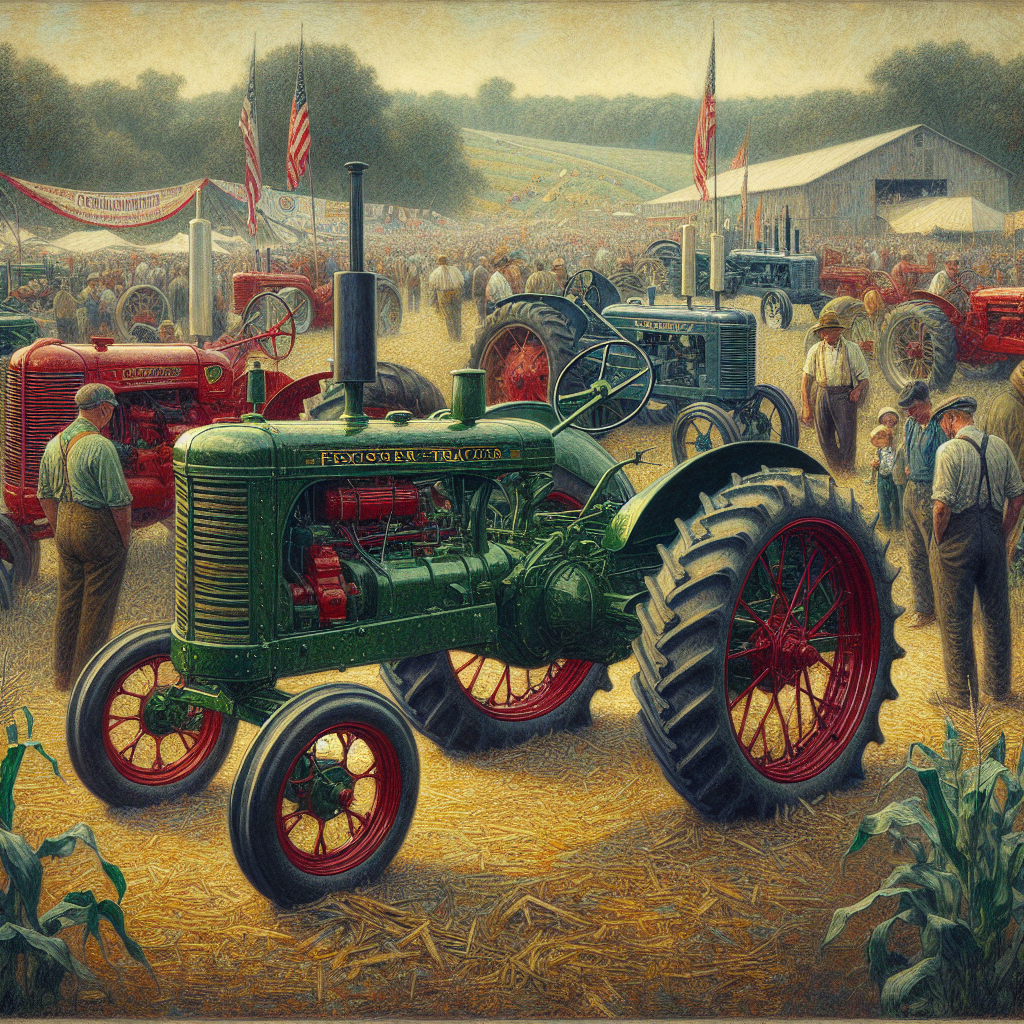
But these journeys extend beyond personal anecdotes; they intersect with a broader narrative. Picture the community gathered at the county fair, where tractors shine under bright lights, their polished surfaces reflecting years of care from proud owners. It’s not just about horsepower; it’s about people. We are drawn together by these machines, sharing stories and forging friendships that are as durable as the tractors themselves. This sense of belonging fosters a social fabric woven together by shared experiences in fields and fairs.
Engagement with your classic tractor journey has ethical significance too. These machines often remind us of sustainable practices and a connection to the earth. Each journey resonates with the responsibility we hold to honor the land that provides. Are we nurturing it adequately? Can we pass on our respect for this rich heritage to future generations?
As you reminisce about those sun-soaked afternoons and frostbitten mornings in the driver’s seat of your tractor, consider the uncharted journeys ahead. Embrace the call to share these stories—to maintain the bond between man, machine, and soil. Because each cherished memory doesn’t just claim a space in our hearts; it strengthens our ties to history and to each other. And maybe, just maybe, that’s how we truly cultivate a legacy.
What Memories Do You Cherish From Your Classic Tractor Journeys?
What Memories Do You Cherish From Your Classic Tractor Journeys?
- Classic tractors evoke nostalgia with their familiar sounds and scents, signaling adventure.
- Each journey represents a connection to heritage, labor, and family traditions across generations.
- Classic tractors serve as time machines, with each scratch and dent reflecting personal stories and memories.
- Community gatherings, like county fairs, highlight the social bonds formed through shared experiences with these machines.
- Engaging with classic tractors emphasizes sustainable practices and a responsibility to honor the land.
- Memories from tractor journeys create lasting ties to history and enhance connections among people.
- Sharing these stories cultivates a legacy that honors both past experiences and future generations.
What Memories Do You Cherish From Your Classic Tractor Journeys?
How Does Fixing Your Tractor Empower Your Sense Of Independence?
Fixing your tractor is more than a mere act of maintenance; it’s a powerful declaration of independence. The sound of a wrench against metal, the satisfying click of a properly fitted part, and the whiff of engine oil excites a sense of accomplishment that transcends the physical task. With every turn of the screwdriver, you’re not just repairing machinery; you’re reclaiming your autonomy in a world that often feels out of control.
Imagine standing beside your tractor, looking over its rusted frame. It’s not just a machine; it’s a steadfast companion through seasons of labor, sweat, and triumph. The moment you roll up your sleeves and immerse yourself in the repair, you forge a connection not only with the tractor but with a lineage of self-sufficiency that spans generations. It’s a nod to the farmers before you, who learned the rhythms of their engines just as they learned to navigate the land.
The emotional weight of fixing your tractor lies in the narrative it weaves about resilience. Each bolt you tighten tells a story of perseverance. You face challenges head-on, solving problems that arise just as life throws curveballs. You discover that the real work is often outside your comfort zone, where trial and error become your greatest teachers. Such experiences foster not only skill but a robust confidence that seeps into every aspect of your life.
Rationally, embracing the task of tractor repair shines a light on the growing value of self-reliance. In a landscape dominated by quick fixes and disposable commodities, taking the time to learn how to maintain your equipment and understand its mechanics fosters a sense of ownership. You become the master of your destiny, converting frustrations into victories, which directly reflects on your lifestyle choices.
Ethically, there’s a deeper responsibility that comes with understanding the mechanics of your tractor. You participate in a culture that prioritizes sustainability over convenience. By choosing to fix rather than discard, you honor the planet, making a conscious decision to minimize waste. The act becomes a ripple, influencing those around you to take similar pride in their work, fostering a community rooted in respect for resources.
When your tractor roars back to life, it isn’t just about getting the job done; it represents an affirmation of identity. You’re not merely a user of this machinery; you’re integrally linked to it. Each repair ignites a spark of independence, reminding you: resilience, resourcefulness, and responsibility are the true engines of empowerment. So roll up your sleeves, embrace that grease-stained shirt, and experience the thrill of fixing not just your tractor, but your own narrative of independence.

How Does Fixing Your Tractor Empower Your Sense Of Independence?
How Does Fixing Your Tractor Empower Your Sense Of Independence?
- Fixing a tractor symbolizes independence and personal autonomy.
- The act of repair fosters a sense of accomplishment and connects with tradition.
- Each repair reflects resilience and the ability to face challenges.
- Learning to maintain equipment promotes self-reliance and ownership.
- Understanding mechanics contributes to a sustainable mindset and reduces waste.
- Repairing machinery transforms frustrations into victories, impacting lifestyle choices.
- Successful repairs bolster identity and emphasize values of resilience, resourcefulness, and responsibility.
How Does Fixing Your Tractor Empower Your Sense Of Independence?
How Do Repair Rights Impact Your Ability to Maintain Your Tractor?
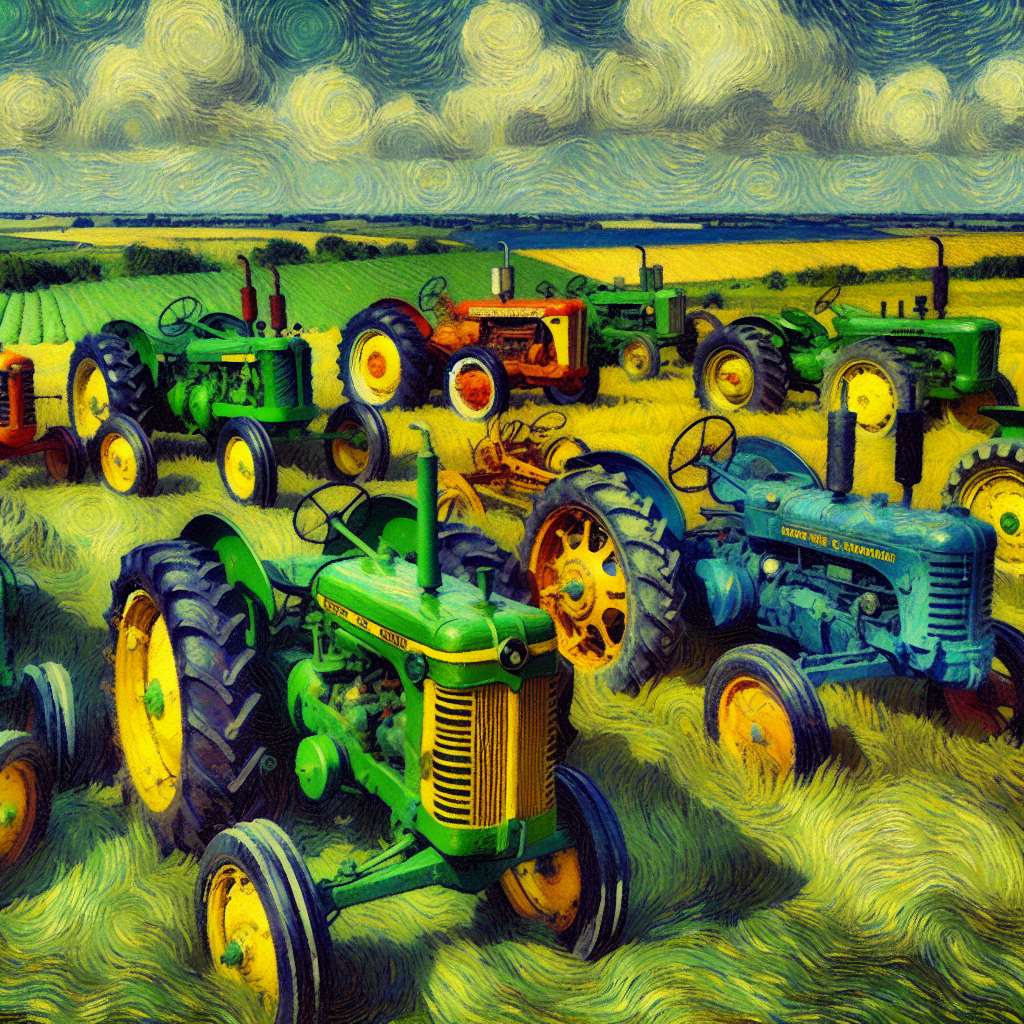
Repair rights profoundly impact your ability to maintain your tractor, a piece of machinery that often serves as the heart of your farm or business. Picture this: a sun-drenched Saturday morning, the kind that fills you with resolve. You fire up your trusty tractor, ready to tackle the day’s work. Suddenly, a warning light flashes—a moment that embodies the mix of frustration and urgency we all know too well. Now, imagine being told that only a designated dealer has the tools and know-how to address the problem. This isn’t just about a dinged engine; it’s about your livelihood.
When repair rights are restricted, they’re not just limiting technical access; they’re tethering you to unnecessary costs and delays. Every day spent waiting for a repair could mean lost harvests or ruined opportunities. You might think of your tractor simply as equipment, but in reality, it becomes an extension of you, echoing the hard work and dedication you pour into your land. Just as a well-tended tractor should be ready for any challenge, so too should the rights to repair it be, empowering you to keep it running smoothly without breaking the bank.
There’s an ethical nuance here, too. We live in a world that prides itself on innovation and self-sufficiency, yet many find themselves powerless over devices that should be theirs to maintain. It’s akin to having a gift but no instructions on how to use it. What’s the point of owning a piece of machinery if you can’t fix the flat tire without racking up a hefty bill? Communities thrive when individuals can take ownership of their tools, fostering not just independence, but a shared sense of responsibility.
Moreover, think of the stories behind every scratch and dent on your tractor; each mark tells a tale of early mornings and late nights, relentless effort and steadfast perseverance. When you know how to care for your equipment, you nurture that story, giving it the respect and longevity it deserves. By empowering individuals to repair their own equipment, you enhance not just personal satisfaction, but contribute to a broader narrative of self-reliance and resilience within your community.
In a world where connection often feels fleeting, being able to maintain your tractor connects you to the very land you toil. It cultivates a sense of pride that echoes through generations. Ensuring repair rights means ensuring that your story continues—uninterrupted, unimpeded, and unapologetically yours.

How Do Repair Rights Impact Your Ability to Maintain Your Tractor?
How Do Repair Rights Impact Your Ability to Maintain Your Tractor?
- Repair rights are crucial for maintaining tractors, central to farming and business operations.
- Limited repair access leads to increased costs and delays, risking lost harvests and opportunities.
- Your tractor represents not just equipment, but dedication and hard work invested in the land.
- Empowering individuals to repair their tractors promotes self-sufficiency and independence.
- Each mark on a tractor reflects the owner’s commitment and the stories of hard work.
- Repairing equipment fosters community resilience and a sense of responsibility.
- Ensuring repair rights preserves personal narratives and connects individuals to their land.
How Do Repair Rights Impact Your Ability to Maintain Your Tractor?
How Do Repair Rights Influence the Preservation Of Classic Tractors?
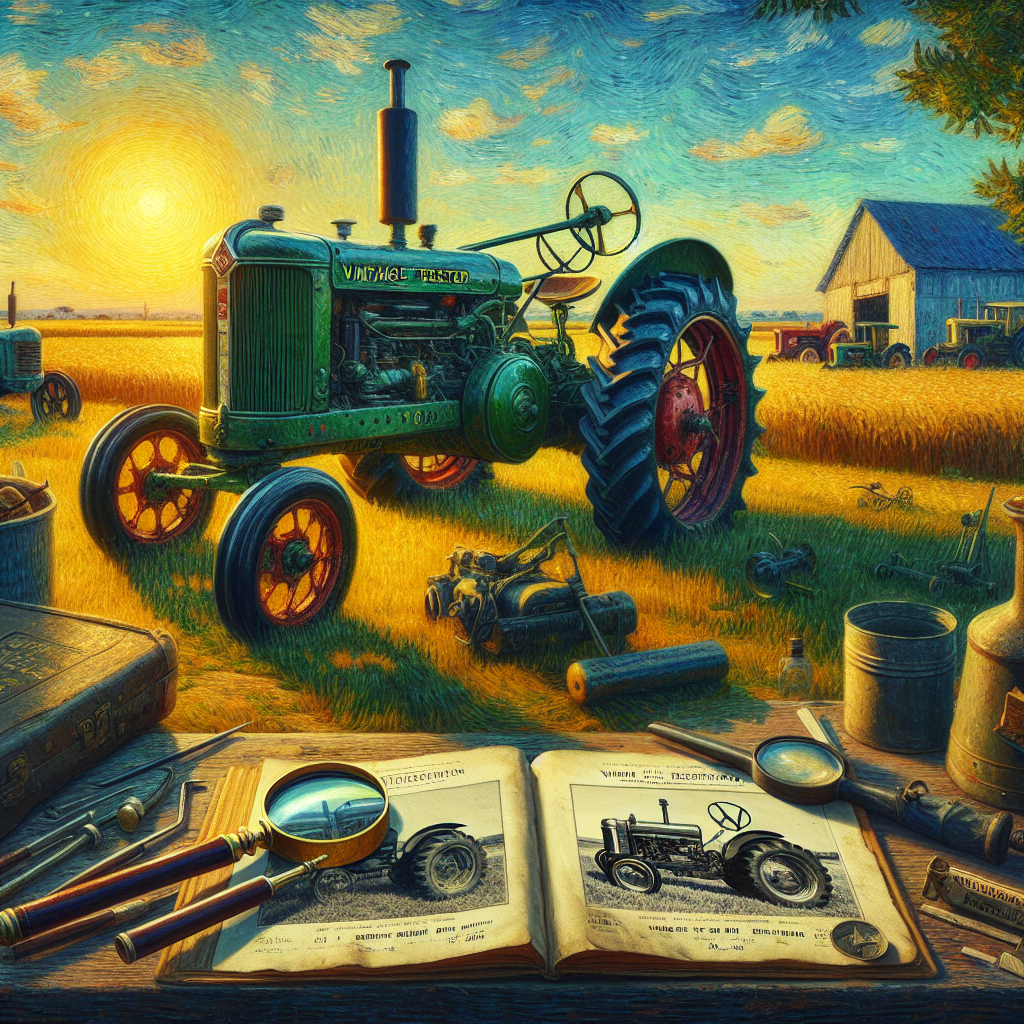
Repair rights have a profound impact on the preservation of classic tractors, the magnificent machines that are more than just metal and paint; they are the embodiment of hard work, tradition, and nostalgia. Picture yourself standing next to a beautifully restored 1952 Ford 8N, its deep red paint gleaming under the sun. You’ve probably seen these tractors plowing fields, their engines roaring like thunder as farmers harness nature’s bounty. But what happens when these beloved machines break down? This is where repair rights come into play.
Repair rights empower owners to maintain and restore their classic tractors without being beholden to manufacturers or corporate policies. Imagine the satisfaction of rolling up your sleeves, getting your hands dirty, and breathing new life into an old machine—and not just for yourself, but for future generations. This isn’t just about fixing bolts and replacing wires; it’s about preserving a legacy. When people can repair their tractors, they can share the stories tied to them: tales of early mornings in the fields, weekend gatherings, and the scent of rich earth stirred by wheels turning.
However, there’s an ethical battle brewing in the world of repair rights. Large companies often dictate how, when, and by whom their products can be fixed. Restricting access to repair information and necessary parts isn’t just detrimental to the owners; it threatens to erase the very culture built around these machines. Classic tractors symbolize ingenuity and resilience—a testament to human endeavor. Allowing individuals the freedom to repair ensures that these stories, those memories of toil and triumph, continue to be told.
Take, for example, the story of a small-town mechanic who, through sheer tenacity, kept his grandfather’s tractor running for decades. When asked how he felt about the prospect of losing the ability to repair it, he replied, “It’s like losing a piece of family history.” This sentiment resonates deeply with anyone who has ever nurtured a connection to something from the past.
Moreover, community plays a vital role. Repair groups and forums pop up like dandelions in spring, blooming with knowledge and camaraderie. Enthusiasts share tips, tools, and parts, weaving a social fabric that strengthens connections among those who cherish these machines. This community not only fosters trust and confidence but also advocates for the right to repair, ensuring that the roar of classic tractors won’t fade into silence any time soon.
In essence, preserving classic tractors through repair rights is about honoring our heritage and sustaining a way of life that values hard work and craftsmanship. It’s a movement not just for machines, but for the stories and spirit they carry with them.
How Do Repair Rights Influence the Preservation Of Classic Tractors?
How Do Repair Rights Influence the Preservation Of Classic Tractors?
- Repair rights are crucial for maintaining and restoring classic tractors, embodying hard work and tradition.
- Owners gain the ability to repair without reliance on manufacturers, fostering personal satisfaction and legacy preservation.
- Repairing tractors allows individuals to share their stories and experiences connected to these machines.
- Large companies often restrict repair access, threatening the culture surrounding classic tractors.
- The freedom to repair ensures the continuation of memories linked to hard work and resilience.
- Community support through repair groups strengthens connections and advocates for repair rights.
- Preserving classic tractors through repair rights honors heritage and sustains craftsmanship values.

How Do Repair Rights Influence the Preservation Of Classic Tractors?
How Do Repair Rights Contribute to Sustainability In Agriculture?
How Do Repair Rights Contribute to Sustainability in Agriculture?
In the heart of America’s fields, as the sun peeks over the horizon, a simple yet powerful truth emerges: the ability to fix what we own can shape the very foundations of sustainability in agriculture. Imagine a hardworking farmer, calloused hands gripping the steering wheel of a weathered tractor, navigating rows of corn reaching for the sky. Each part of that tractor, from the engine to the tires, is a lifeline, not just to the crops but to the dreams they nourish. When farmers have the right to repair their equipment, they gain the agency to prolong its life, reduce waste, and innovate solutions that perfectly suit their unique challenges.
This isn’t just about machinery; it’s about dignity and resilience. When a tractor breaks down, it can mean the difference between feeding a family or facing a barren field. The ability to troubleshoot, replace a damaged component, or even modify a part fosters a deep connection to the land and its bounties. It’s an invitation for farmers to become custodians of their own equipment, transforming mere users into empowered stewards.
Ethically, repair rights highlight an inherently collaborative spirit. When farmers band together to share knowledge and resources, they build communities that challenge a throwaway culture and promote sustainability. Picture a local workshop buzzing with activity, where seasoned farmers mentor the younger generation in the art of fixing old machinery. This is about creating a legacy that transcends generations, encouraging respect for one’s tools and the environment they cultivate.
Consider the broader implications: every repaired tractor represents potential reduced emissions, less reliance on new parts, and a lower carbon footprint. The collective impact of this grassroots movement sets a powerful example, resonating beyond the fields, touching communities, and igniting necessary conversations about sustainability’s role in agriculture.
Let’s not forget the authority of personal stories; they ground these concepts in reality. Take, for instance, a third-generation farmer whose grandfather taught him the intricacies of engine repairs. That intimate knowledge, passed down through hands-on experiences, transformed the way he approached both farming and life. Instead of viewing equipment as disposable, he sees it as an extension of himself—which in turn fosters a commitment to the land that sustains him.
Repair rights in agriculture may seem like a niche issue, but they resonate deeply with our shared values of responsibility and stewardship. Cultivating a culture of repair isn’t merely a step toward sustainability; it’s a profound shift that can empower farmers, inspire communities, and cultivate a healthier planet for future generations.

How Do Repair Rights Contribute to Sustainability In Agriculture?
How Do Repair Rights Contribute to Sustainability In Agriculture?
- Repair rights enable farmers to fix their equipment, prolonging its life and reducing waste.
- Farmers are empowered to troubleshoot, replace, or modify machinery, fostering a connection to the land.
- Repair rights promote a collaborative spirit, as farmers share knowledge and resources within their communities.
- Local workshops help mentor the younger generation, creating a legacy of respect for tools and sustainability.
- Every repaired tractor can lead to reduced emissions and lower reliance on new parts, lowering the overall carbon footprint.
- Personal stories of generational knowledge transform attitudes towards equipment from disposable to valued resources.
- The movement for repair rights supports a culture of responsibility and stewardship, fostering sustainable agriculture.

How Do Repair Rights Contribute to Sustainability In Agriculture?
What Risks Do You Face If Repair Rights Are Restricted?
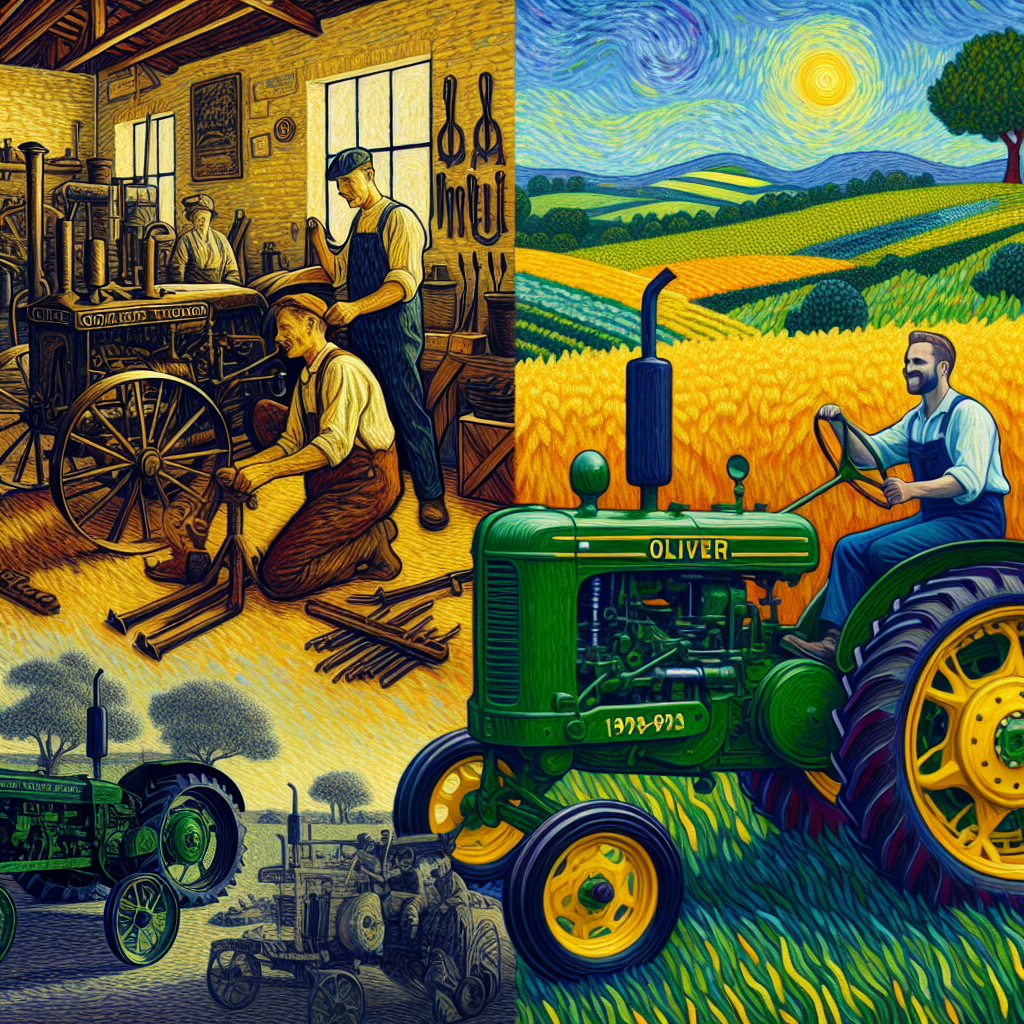
Picture this: a hardworking farmer, sun-kissed and weary, returns to his trusty tractor after a long day in the fields. It’s the lifeline of his operation, but one day, it sputters and dies. He knows it like the back of his hand—the small townsfolk admire his ability to keep that machine running, combining sweat and skill with a splash of ingenuity. But now, what happens when repair rights are slapped with restrictions?
When someone else holds the keys to fixing your tools, it’s not just a matter of inconvenience; it’s a dagger to your livelihood. Without the freedom to repair, that tractor becomes a hunk of metal, a reminder of ambitions cut short. Every hour spent waiting for a certified technician equals lost income. For the farmer, that’s not just a grim statistic; it’s the reality of feeding a family, paying bills, and keeping a legacy alive.
Let’s bring it closer to home. Think of a beloved old car, one that’s been with you through thick and thin. It’s more than a vehicle; it’s a vessel of memories. If repair rights vanish, how do you keep it going? Taking it to a dealer could mean exorbitant fees and waiting for parts that may or may not exist. The emotional toll weighs heavier when something you depend on becomes a financial burden.
Beyond the personal impact, there’s an ethical dimension at play. Restricting repair rights isn’t merely about mechanics and markets; it’s about who gets to control access to the tools that empower us. It shifts power away from individuals and local businesses, funneling it into the hands of corporations eager to dictate terms. Ask yourself: should our ability to fix what we own be dictated by someone else’s bottom line?
Let’s consider what happens to community spirit when repair rights are restricted. Neighbors sharing tips and tools, gathering in garages to swap stories and solutions, cultivates a stronger bond. When people can’t share knowledge or repair skills, isolation takes root, pulling at the social fabric that connects us.
Ultimately, we need to ask ourselves: what kind of society allows the slow erosion of our ability to repair the very things that sustain our lives? The risks are profound, but standing together and advocating for our right to repair can ignite a revolution of resilience, rekindling the spirit of independence that has defined us for generations. We don’t just fix machines; we preserve the heartbeat of our communities.
What Risks Do You Face If Repair Rights Are Restricted?
What Risks Do You Face If Repair Rights Are Restricted?
- A farmer relies on his tractor, which represents his livelihood, but repair restrictions hinder his ability to maintain it.
- Without the freedom to repair, essential tools become useless, leading to lost income and financial strain.
- Restricting repair rights transforms beloved possessions, like old cars, into costly burdens rather than valuable memories.
- The ethical implications of repair rights involve power dynamics, shifting control from individuals to corporations.
- Community connections are weakened when repair skills and knowledge cannot be shared, leading to isolation.
- The erosion of repair rights raises questions about the kind of society that limits individuals’ ability to sustain their lives.
- Advocating for the right to repair can foster resilience and preserve community spirit, emphasizing independence.

What Risks Do You Face If Repair Rights Are Restricted?
Conclusion
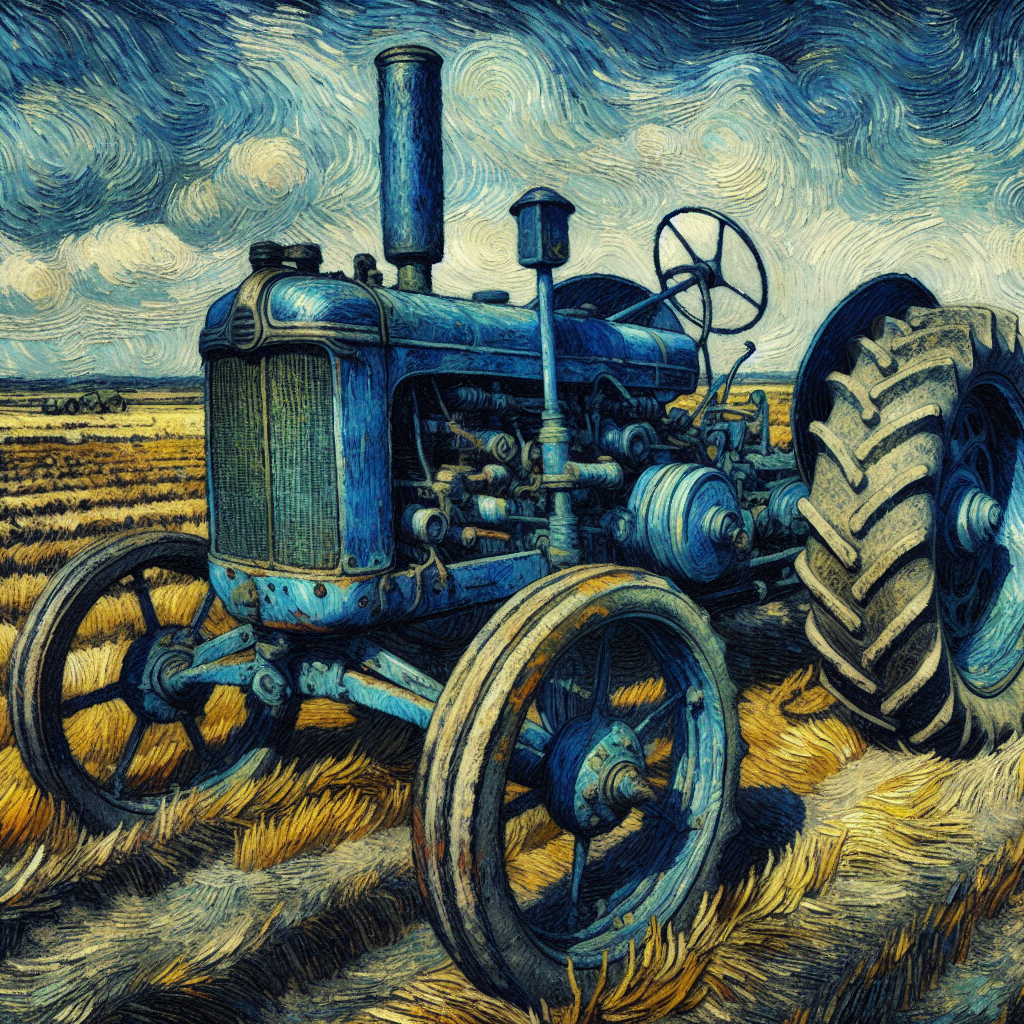
Classic tractors are not mere machinery; they represent a deep connection to our heritage, embodying stories of hard work, resilience, and community. For every owner, these tractors symbolize dignity and autonomy, allowing individuals to connect with their past while nurturing bonds with future generations. Yet, the escalating debate over repair rights threatens this connection. Imagine the frustration of owning a classic tractor, only to find you can’t repair it due to corporate restrictions on parts and information. This situation is not only inconvenient but undermines the independence that defines the American spirit.
Supporting repair rights goes beyond emotional ties; it resonates with practical realities. When individuals have the freedom to repair, they save money, foster local economies, and encourage a culture of sustainability. Communities thrive when farmers can mend their equipment, creating a ripple effect that promotes resourcefulness and shared knowledge. The more tractors are maintained, the less waste is produced, keeping our environment and our histories intact.
The narrative of repair is not just about fixing machines; it’s about preserving legacies. Take, for example, John, who passionately restores his late grandfather’s tractor, forging a sense of ownership that ties him to his family’s tradition. Each successful repair becomes a testament to the perseverance that is at the heart of farming itself. Stories like John’s remind us that every scratch and dent carries history, contributing to the social fabric that binds us together.
Ethically, advocating for repair rights is a stand against a throwaway culture. It recognizes the intrinsic value of hard work and self-reliance, illuminating the importance of fostering skills that empower individuals, rather than relying on corporate dictates. Repair rights fuel a spirit of independence—an insistence that farmers maintain the tools that cultivate their livelihood. The thrill of tinkering isn’t just about machines; it symbolizes the very essence of human ingenuity.
As we reflect on our love for classic tractors, we find a collective responsibility to safeguard these rights. The ability to repair not only preserves our machines but the stories and connections that come with them. In standing up for repair rights, we ensure the narratives of labor, family, and community continue to be told. So let’s join this movement, championing the right to repair our classic tractors and the legacy they carry, nurturing not just our equipment, but the heart of who we are as stewards of tradition and progress.
Conclusion
Conclusion:
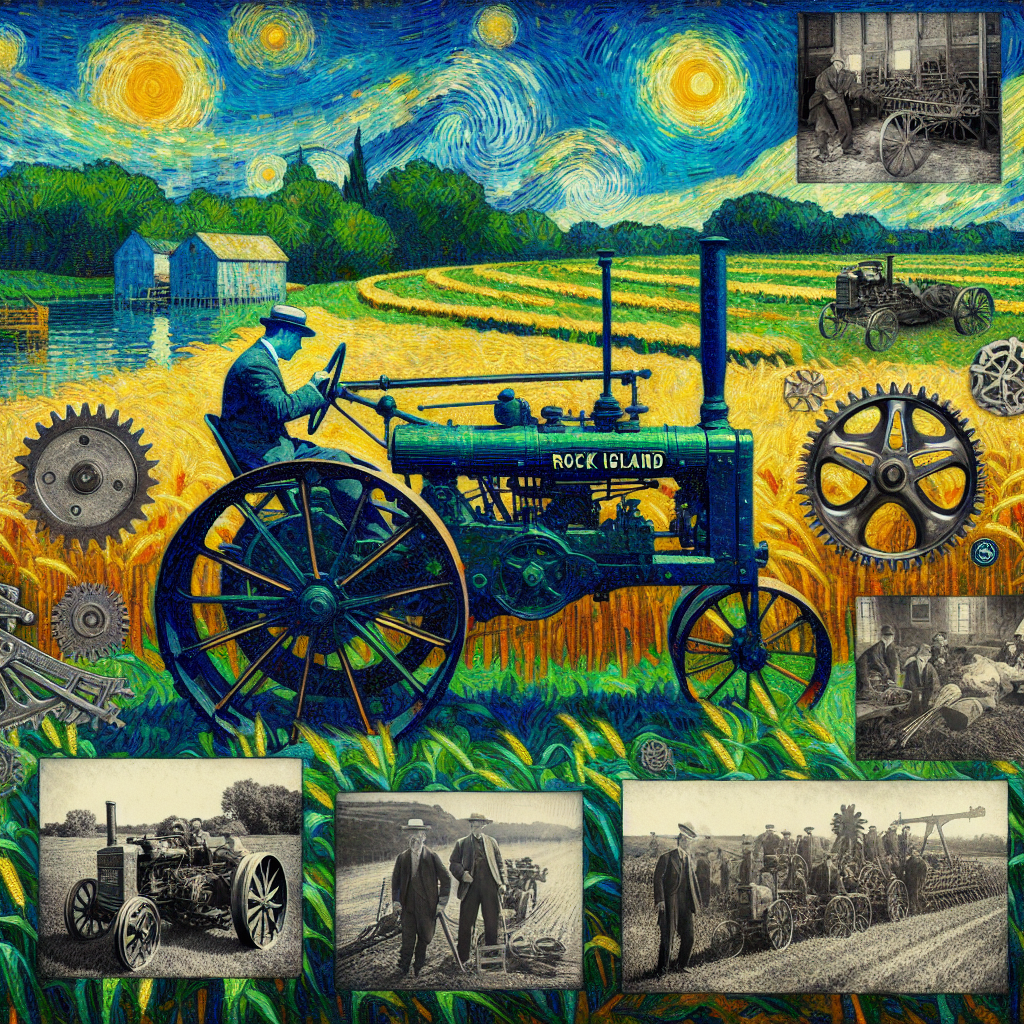
- Classic tractors symbolize heritage, hard work, resilience, and community.
- They represent dignity and autonomy, linking individuals to their past and future generations.
- The debate over repair rights threatens this connection, hindering owners’ independence.
- Supporting repair rights promotes economic savings, sustainability, and local community growth.
- Stories like John’s restoration of his grandfather’s tractor illustrate the importance of preserving legacies.
- Advocating for repair rights stands against a throwaway culture and highlights the value of self-reliance.
- Championing repair rights safeguards not just machines, but the stories and connections they embody.
Conclusion
Other Resources

Other Resources
Here is a list of other resources you can review online to learn more:
- Ford-New Holland
- Suzue
- Schluter
- Sonalika Tractor
- Daedong
- Earthmaster
- Just Farm Kids Tractor Show
- Classic Tractor Calender
- IngersollRand
- Greenville Farm Power
- Saukville
- XTZ
- Leader
- IH
- Schilter
- SE Indiana F.A.R.M. Club’s Antique Machinery Show
- Mahindra
- Know Your Classic Tractors
- Taishan-America
- Terrion
Use This Prompt To Get More Resources With Your Favorite Online AI Tool: Please provide me with a list of online articles with their URLs in a bulleted list that I can read regarding Why Every Classic Tractor Owner Should Support Repair Rights
Other Resources
Glossary Terms
Why Every Classic Tractor Owner Should Support Repair Rights – Glossary Of Terms
1. Right to Repair — The principle and movement that owners and independent technicians should have legal access to parts, tools, manuals, and software needed to diagnose, maintain, and restore equipment such as classic tractors.
2. Classic Tractor — A vintage or historically significant tractor, typically maintained by hobbyists or small farmers, whose preservation depends on access to replacement parts and repair information.
3. Independent Repair — Repair performed by non‑dealer shops or individual owners using third‑party parts and tools rather than manufacturer‑authorized service channels.
4. OEM (Original Equipment Manufacturer) — The company that originally built the tractor or its components; OEM policies often control access to parts, diagnostics, and documentation.
5. Aftermarket Parts — Non‑OEM replacement components produced by third parties; often essential for keeping classic tractors running when original parts are scarce or discontinued.
6. Service Manual — Official or third‑party documentation detailing maintenance and repair procedures; access to accurate manuals is critical for safe, correct restoration and upkeep.
7. Diagnostic Tools — Hardware or software used to read fault codes and test systems; manufacturer‑restricted tools can prevent owners from identifying problems on classic tractors.
8. Telematics — Remote data collection and transmission systems; when present, telematics can limit owner control over machine data and complicate independent repairs.
9. ECU (Engine Control Unit) — The electronic control module that manages engine functions; software‑controlled ECUs can restrict mechanical repairs if code or flashing tools are unavailable.
10. Firmware — Embedded software running inside tractor components; firmware locks or updates can render parts unusable without authorized access.
11. DRM (Digital Rights Management) — Technological measures that restrict how software and digital documentation may be used, potentially blocking independent repair or restoration work.
12. Proprietary Diagnostics — Diagnostic protocols or tools reserved by the manufacturer for authorized dealers, creating barriers for owners and local shops.
13. CAN Bus — A vehicle data network used on many modern tractors; access to CAN bus information is often needed to diagnose issues but can be limited by manufacturers.
14. ISOBUS — An agricultural communications standard that connects implements and tractors; understanding ISOBUS aids compatibility and independent troubleshooting.
15. Parts Obsolescence — The loss of availability of original components over time; a primary reason classic tractor owners rely on repair rights to source alternatives.
16. Planned Obsolescence — Design choices that shorten useful life or make repairs difficult; opposing such practices is a core argument for repair rights.
17. Salvage Parts — Reused components harvested from decommissioned machines; legal and safe reuse depends on access to fitment and repair information.
18. Cannibalization — Taking parts from one unit to repair another; common in classic tractor communities where new parts are unavailable.
19. Warranty Voiding — Clauses or practices manufacturers use to deny warranty coverage when non‑authorized parts or repairs are used; laws and rights can limit this practice.
20. Magnuson‑Moss Warranty Act — U. S. federal law that prevents manufacturers from requiring use of their parts or services to preserve a warranty unless provided for free, relevant to tractor owners’ repair choices.
21. EULA (End‑User License Agreement) — Software license terms that can restrict how diagnostic software or firmware is used and shared, affecting repairability.
22. Trade Secret — Confidential manufacturer information (designs, diagnostics, software) that, when withheld, can block independent restoration and maintenance.
23. Intellectual Property (IP) — Patents, copyrights, and other IP rights that can be invoked to restrict copying or reverse‑engineering of parts, manuals, or software.
24. Reverse Engineering — Analyzing a component or software to reproduce functionality; often necessary for restoring obsolete parts but sometimes legally constrained.
25. Repairability Score — A metric or assessment indicating how easy a machine is to repair; scores can influence buyer decisions and highlight the need for repair rights.
26. Supply Chain Resilience — The ability to source parts and services locally or from multiple suppliers; stronger repair rights improve resilience for owners of classic tractors.
27. Community Knowledgebase — Shared repositories of repair tips, manuals, and part cross‑references created by owners and hobbyists to preserve classic tractor functionality.
28. Restoration Ethics — Principles guiding historically accurate and safe repair choices, which depend on access to authentic parts and documentation.
29. Single‑Source Supplier Risk — Vulnerability that arises when one manufacturer or distributor controls critical parts or information, making independent repair difficult or expensive.
30. Preservation of Agricultural Heritage — The cultural and practical value of keeping classic tractors operational; repair rights enable owners to maintain machines as working artifacts rather than irreparable relics.

Glossary Of Terms
Other Questions
Why Every Classic Tractor Owner Should Support Repair Rights – Other Questions
If you wish to explore and discover more, consider looking for answers to these questions:
- What exactly are “repair rights” and how do they apply to classic tractors?
- Which repair rights laws currently exist at the federal and state/provincial level?
- How would repair-rights legislation change the way manufacturers control parts, tools, and diagnostic information?
- What common restrictions do manufacturers place on tractor repairs today?
- How can restricted repair rights affect the resale value of a classic tractor?
- Where can owners legally obtain original or compatible replacement parts for vintage tractors?
- Are there reliable aftermarket or reproduced parts for classic tractors, and how do they compare in quality?
- How do software locks, electronic control modules (ECMs), or digital diagnostics impact classic tractor repairs?
- What are the safety and liability implications of performing your own repairs or using independent mechanics?
- Can making non-OEM repairs or modifications void warranties or insurance coverage?
- How can owners verify the authenticity and provenance of a classic tractor before investing in restoration?
- What tools and skills are essential for maintaining and restoring classic tractors?
- Where can owners find manuals, wiring diagrams, and repair documentation for older tractor models?
- How can communities organize knowledge-sharing, repair clinics, or parts-swaps effectively?
- What resources (clubs, forums, museums) offer training and support for tractor restoration?
- How do repair rights intersect with intellectual property and copyright law for service manuals and software?
- What practical steps can an owner take if a manufacturer refuses to provide parts or information?
- How does restricted access to parts and information affect farm operations and seasonal work planning?
- What are the economic impacts on local repair shops and rural economies if repair rights are limited?
- How do repair rights contribute to sustainability and waste reduction in agriculture?
- What are the environmental and carbon-footprint benefits of repairing versus replacing tractors?
- How can 3D printing, CNC machining, or local fabrication help source obsolete parts?
- What legal risks exist for mechanics who repair tractors using non-proprietary tools or parts?
- How do emissions regulations and modern compliance standards affect restored or modified classic tractors?
- Are there tax incentives, grants, or heritage programs that support restoration of historic agricultural equipment?
- How can owners document repairs and restorations to preserve historical value and provenance?
- What are best practices for long-term storage, preservation, and rust prevention for classic tractors?
- How do manufacturers typically respond to right-to-repair advocacy, and what successful campaigns exist?
- How can individual owners and clubs effectively lobby or support right-to-repair legislation?
- What steps should you take immediately when a classic tractor breaks down in the field?
- How do insurance policies treat vintage tractors used for work versus show purposes?
- What are common pitfalls and hidden costs in restoring a classic tractor?
- How can owners balance historical authenticity with practical upgrades for safety and reliability?
- Where can owners sell or trade surplus parts, whole tractors, or restoration projects?
- How can younger generations be engaged and trained to continue restoration and repair traditions?
- What international differences exist in repair rights that might affect import/export of parts or tractors?
Other Questions
Haiku
Why Every Classic Tractor Owner Should Support Repair Rights – A Haiku
Old tractors stand proud,
Stories of soil and sweat,
Repair rights give life back.
Haiku
Poem
Why Every Classic Tractor Owner Should Support Repair Rights – A Poem
In fields where old tractors stand proud,
Relics of labor, history, and crowd.
Each scratch tells a story, each dent bears a name,
Crafting a legacy, preserving the flame.
Yet looming shadows darken the past,
As repair rights dwindle, futures are cast.
What’s a farmer to do when his pride breaks down,
While corporations dictate, and profits wear the crown?
With wrench in hand, on a sunlit day,
Independence breathes in the toil, the play.
To fix is to honor the sweat of the earth,
A dance with tradition, a celebration of worth.
From nostalgia’s embrace, new connections ignite,
As communities gather, sharing knowledge and light.
Empower the stories and visions to mend,
For every repaired tractor, a legacy can bend.
Sustainability whispers through oil-scented air,
Each part restored, a promise we share.
Beyond bolts and engines, a culture we rise,
In the heart of our fields, resilience never dies.
So let us rally, for repair rights we fight,
To safeguard our heritage, our future ignites.
For tractors aren’t just machines, but the roots intertwined,
In the soil of our stories, a timeless bond aligned.
Poem
Checklist
Why Every Classic Tractor Owner Should Support Repair Rights – A Checklist
Emotional Appeals
✅______ Reflect on memories: Write down your favorite memories associated with your classic tractor.
✅______ Share stories: Engage with community members to share personal stories about your tractor.
Rational Appeals
✅______ Calculate savings: Estimate how much money you could save by repairing your tractor instead of paying for professional repairs.
✅______ Assess maintenance needs: List common repairs and maintenance tasks your tractor requires.
Ethical Appeals
✅______ Promote sustainability: Reflect on how repairing your tractor contributes to reducing waste and protecting the environment.
✅______ Advocate for community repair spaces: Identify local resources or workshops where you can learn repair skills.
Authority Appeals
✅______ Research repair rights: Gather information on legislation that supports repair rights in your area.
✅______ Connect with experts: Reach out to local mechanics or repair professionals to understand the importance of repair rights.
Narrative Appeals
✅______ Document your journey: Keep a journal of your experiences and repairs on your tractor to share with future generations.
✅______ Create a legacy plan: Consider how you want to pass on your tractor and its stories to family or friends.
Social Appeals
✅______ Join repair movements: Become a member of local or online groups advocating for repair rights.
✅______ Host community events: Organize gatherings to discuss repair rights and share repair techniques with fellow classic tractor enthusiasts.

Checklist
At ClassicTractorNews, we help tractor lovers keep up with the latest news for classic and vintage tractors.
Please share this post with your friends, family, or business associates who may like old classic or vintage tractors.