


Uncovering The Hidden Value Behind The Farmall M’s Price Tag
By Tom Seest
At ClassicTractorNews, we help tractor lovers keep up with the latest news for classic and vintage tractors.
Please share this post with your friends, family, or business associates who may like old classic or vintage tractors.
Why Do Some Common Models Like the Farmall M Sell for Surprisingly High Prices?
When we think of tractors like the Farmall M, it’s easy to see them as mere machines, mechanical tools used for tilling fields and hauling equipment. But delve a little deeper, and you’ll uncover a rich tapestry of history, emotion, and community that gives these machines their surprising price tags. The Farmall M isn’t just a tractor; it’s a symbol of agrarian pride and hard work, a relic of a time when farming was all about sweat, grit, and determination.
Picture the farmer, standing proud beside his Farmall M, the sun setting in the background, casting a golden hue over the vast fields. This tractor represents not only a means of productivity but also a cherished bond passed down through generations. For many, it’s a connection to their roots, a reminder of the tough yet rewarding life that shaped their values. That nostalgia is a powerful motivator that contributes to its market value, turning a simple tractor into a coveted piece of history.
From a rational standpoint, the Farmall M is celebrated for its reliability and versatility. It’s built to last, boasting features that many modern tractors overlook in pursuit of speed and technology. Collectors and enthusiasts recognize its durability, understanding that a well-maintained Model M can outlive many competing models, making it a wise financial investment. As these tractors become harder to find in good condition, the demand inevitably increases, driving prices higher as buyers scramble to claim a piece of vintage engineering.
Yet, there’s more than just cash flow at play. Ethically speaking, investing in a Farmall M often means preserving a piece of agricultural heritage. When buyers take on the responsibility of maintaining these tractors, they’re not just making a purchase; they’re part of a larger movement that values sustainability and tradition. It’s about keeping the essence of farming alive in a world that often leans toward automation and uniformity.
The Farmall M also carries with it a sense of authority and expertise. Its familiar silhouette and robust presence speak volumes, attracting admiration from fellow farmers, collectors, and enthusiasts alike. Owning one elevates you within this community, making you a custodian of legacy. It cultivates conversations, friendships, and a shared camaraderie among those who understand the deep-rooted significance of every rusted bolt and faded paint job.
Ultimately, whether you feel it in your gut, think it through in your head, or remember it in your heart, the story of tractors like the Farmall M resonates on multiple levels, making their high prices not just justifiable, but a reflection of the enduring spirit of farming that we all can appreciate.

Why Do Some Common Models Like the Farmall M Sell for Surprisingly High Prices?
Why Do Some Common Models Like the Farmall M Sell for Surprisingly High Prices?
- The Farmall M transcends its role as a mere machine, embodying history, emotion, and community.
- It symbolizes agrarian pride and hard work, serving as a connection to farming traditions.
- Nostalgia and heritage contribute to its value, transforming it into a coveted piece of history.
- Celebrated for its reliability and versatility, the Farmall M is built to last and often outlives newer models.
- Increasing demand for well-maintained Farmall Ms drives their market prices higher.
- Investing in a Farmall M helps preserve agricultural heritage and promotes sustainability.
- Owning a Farmall M fosters community, conversations, and camaraderie among enthusiasts.

Why Do Some Common Models Like the Farmall M Sell for Surprisingly High Prices?
Table Of Contents
- Why Do Some Common Models Like the Farmall M Sell for Surprisingly High Prices?
- Why Do We Value the Nostalgia Of Tractors Like the Farmall M?
- How Does the Farmall M Symbolize a Connection to Farming Heritage?
- Are Auction Trends Driving Up Prices for Vintage Tractors?
- What Role Does Rarity Play In the Pricing Of the Farmall M?
- How Do Emotional Attachments Impact the Buying Choices Of Collectors?
- Why Do We Consider Vintage Tractors As Investments Worth Pursuing?
- Conclusion
- Other Resources
- Glossary Of Terms
- Other Questions
- Haiku
- Poem
- Checklist
Why Do We Value the Nostalgia Of Tractors Like the Farmall M?
Nostalgia is a powerful emotion, often fueled by memories that go deeper than mere childhood experiences. Take, for instance, the Farmall M tractor. It’s not just a machine; it’s a time capsule, a symbol of an era when life moved at a different pace, and hard work was the norm. When we reminisce about tractors like the Farmall M, we tap into more than just the mechanics of farming; we engage with the very essence of our roots, our communities, and our families.
At a glance, a tractor seems like a simple tool—metal and rubber, designed to plow fields or haul loads. But when you look deeper, its importance becomes clear. These tractors represent the backbone of agrarian life, embodying the sweat and perseverance of those who tilled the land. For many, the sight of a Farmall M evokes visions of summer sunsets and family gatherings after a long day of work. It’s a reminder of generations working side by side, each sharing stories of trials and triumphs, laughter echoing through the fields.
From a rational standpoint, tractors are the engines of productivity in agriculture. They symbolize efficiency and progress, changing the way we engage with the land. The Farmall M, with its iconic design and functionality, is a testament to innovation, standing as a paragon of ingenuity that ensures sustenance for our communities. This legacy fills us with a sense of pride as we recognize the vital role these machines play in our everyday lives.
Ethically, we value the connection to our agricultural past. In a world that often prioritizes digital advancement and urbanization, yearning for the simplicity of a tractor evokes a sense of responsibility toward preserving our agricultural heritage. Acknowledging this nostalgia fosters a collective responsibility to support local farms and maintain the rural way of life that shaped so many of us.
On a deeper level, nostalgia for tractors like the Farmall M serves as a social glue. It fosters connections among generations, providing a common ground for discussions on values, history, and identity. We share these stories not just to remember, but to inspire, to encourage the next generation to appreciate where their food comes from, the commitment it takes, and the beauty of a life intertwined with the land.
In celebrating the nostalgia of tractors, we acknowledge not just what they’ve done, but what they represent—a unifying force of tradition, hard work, and community that continues to thrive. So let’s honor that legacy and keep the spirit of the Farmall M alive, inspiring trust and action in those who embrace it.

Why Do We Value the Nostalgia Of Tractors Like the Farmall M?
Why Do We Value the Nostalgia Of Tractors Like the Farmall M?
- Nostalgia is a powerful emotion connected to deeper memories beyond childhood.
- The Farmall M tractor symbolizes a different era and the essence of community and family.
- Tractors are crucial tools in agriculture, representing hard work and perseverance.
- The Farmall M evokes personal memories of summer and family gatherings.
- Tractors signify efficiency and innovation, playing a vital role in agricultural productivity.
- Nostalgia fosters a responsibility to preserve agricultural heritage and support local farming.
- It serves as a social glue, connecting generations through shared values and histories.

Why Do We Value the Nostalgia Of Tractors Like the Farmall M?
How Does the Farmall M Symbolize a Connection to Farming Heritage?
The Farmall M is more than just a mighty tractor; it’s a testament to the resilience and determination of generations of farmers who have relied on this robust machine to cultivate the land. When you see a Farmall M, you can’t help but feel a sense of nostalgia echoing through the fields, like a warm breeze carrying whispers of stories from the past. This tractor stands as a monument to farming heritage, representing an era when honest labor was the backbone of our communities.
From the moment you turn the key and hear that engine roar to life, you’re not just starting a piece of machinery; you’re igniting a legacy. The Farmall M symbolizes hard work, commitment, and the enduring spirit of those who worked tirelessly from dawn till dusk. It’s the stories of farmers who relied on their M tractors through tough times, maneuvering through rocky terrains, and battling unpredictable weather that speak to our hearts. These stories connect us to the roots of agriculture, reminding us of the sweat and resolve that built this nation.
Rationally speaking, the Farmall M embodied efficiency and innovation in its design. Introduced during a pivotal period in American agriculture, this tractor transformed farming practices and allowed families to increase productivity. It became a symbol of progress, representing a shift from horse-drawn implements to mechanized farming, paving the way for the agricultural advancements we often take for granted today. Understanding this historical context fosters a deeper appreciation for the technology that supports our food systems.
Ethically, the Farmall M connects us to the land. Farmers’ stewardship of their fields and livestock emphasizes respect for nature and sustainability. This connection strengthens our collective responsibility to uphold these values as stewards of the land, ensuring we honor the sacrifices and labor of those who came before us.
Socially, the Farmall M can be seen in parades, at county fairs, and in the fields of community farms, reminding us that we are part of something bigger. It’s the silhouette against the sunset that brings neighbors together, sparking conversations about crops, family traditions, and dreams for the future. Each time we gather around these tractors, we celebrate not just machinery but the enduring bond that farming fosters among us.
As we reflect on the significance of the Farmall M, we’re inspired to embrace our roots. This tractor is more than metal and gears; it’s a connector of our past, present, and future in agriculture, urging us to honor that heritage with pride and purpose.

How Does the Farmall M Symbolize a Connection to Farming Heritage?
How Does the Farmall M Symbolize a Connection to Farming Heritage?
- The Farmall M is a symbol of resilience and determination in farming history.
- It evokes nostalgia and represents the backbone of farming communities.
- The tractor signifies hard work and the enduring spirit of farmers.
- It transformed farming practices through efficiency and innovation.
- The Farmall M connects us to the land and emphasizes sustainable stewardship.
- It fosters community bonding through its presence at parades and local events.
- This tractor links the past, present, and future of agriculture with pride.

How Does the Farmall M Symbolize a Connection to Farming Heritage?
Are Auction Trends Driving Up Prices for Vintage Tractors?
In the world of agriculture, few things evoke nostalgia and pride quite like a vintage tractor. For many, these machines symbolize hard work, perseverance, and a connection to the land that runs deeper than mere economics. As auction trends continue to gain momentum, we find ourselves asking not just about the rising prices but what they reveal about our relationship with these icons of farming heritage.
Consider the allure of a classic tractor, with its distinct rumble and rugged charm. Each dent and scratch on its metal frame tells a story—a testament to countless sunrises and sunsets spent working the fields. It’s not just a machine; it embodies a way of life respected by generations. But lately, something has shifted. Auction houses are witnessing a surge in demand for vintage models, and prices are soaring. It sparks curiosity: what drives this newfound enthusiasm?
Rationally speaking, the variables are clear. Supply and demand dictate market trends, and with fewer vintage tractors available, collectors and farmers alike are snapping them up. Yet, beneath these figures lies an emotional truth. People are not merely buying tractors; they’re investing in their past. They want to preserve memories, create legacies, and celebrate the era when farming was more than just a business—it was a family tradition.
Moreover, this trend reflects a broader societal shift. As communities become more detached from agriculture, owning a piece of that history becomes a way to reconnect. It is an ethical choice for some, symbolizing a commitment to preserving the past while fostering a sustainable future. It’s about embracing local, slow living in a fast-paced world, and that speaks to the heart.
Authority figures within the industry have noted this connection too. Renowned auctioneers and collectors share tales of bidding wars that reveal not just financial motives but emotional investments. Each auction isn’t merely a transaction; it’s a gathering of like-minded individuals united by respect for craftsmanship and history.
So, what can we take away from this? As prices trend upward, we’re not merely caught in an economic bubble; we’re participating in a collective movement that honors heritage. Whether you’re a long-time farmer, a budding collector, or simply someone who appreciates the grit of vintage tractors, now is the time to engage with that story. By doing so, we reaffirm our values, inspire future generations, and ensure that these magnificent machines continue to play a memorable role in our lives.

Are Auction Trends Driving Up Prices for Vintage Tractors?
Are Auction Trends Driving Up Prices for Vintage Tractors?
- Vintage tractors symbolize hard work and a deep connection to the land.
- Recent trends show a surge in demand and prices for vintage models at auctions.
- Collectors and farmers view the purchase of tractors as an investment in their past and family traditions.
- The trend represents a societal shift toward reconnecting with agricultural heritage.
- Owning vintage tractors is seen as an ethical choice, promoting sustainable living.
- Auction houses gather communities sharing a passion for craftsmanship and history.
- This movement honors heritage, inspiring values and memories for future generations.

Are Auction Trends Driving Up Prices for Vintage Tractors?
What Role Does Rarity Play In the Pricing Of the Farmall M?
Rarity plays a unique role in the pricing of the Farmall M, intertwining nostalgia and value in a way that resonates with many collectors and farmers. In a world that often moves too fast, this iconic tractor stands as a testament to a simpler time, evoking memories of long summer days spent working the fields, surrounded by the hum of machinery and the scent of freshly turned earth. It’s not just about horsepower and torque; it’s about a connection to our roots.
When we consider the Farmall M, we’re not merely looking at another piece of machinery; we’re examining a cornerstone of agricultural heritage. Its rarity adds to its mystique and allure. Fewer available models naturally drive demand, allowing the price to climb. Collectors not only seek a functional piece of equipment but also desire a story—a narrative that links them to a tradition that shaped rural life in America. The emotional pull is undeniable; each tractor has its own tale, a chapter of lives worked and seasons passed, making it more than just a tractor but a keeper of family history.
Rarity also piques the interest of those with a rational mindset. The basic economic principle of supply and demand springs into action here. When fewer Farmall M tractors dot the landscape, their value rises. Investors and enthusiasts often recognize this potential, creating a marketplace where a well-preserved Farmall M can command high prices. This economic dance not only represents the financial side of ownership but highlights a societal acknowledgment of value in history and craftsmanship.
Ethically, the rarity of the Farmall M raises questions about preservation versus profit. There’s an unspoken responsibility to protect these machines not just as investments but as cultural artifacts. Negative impacts on farming communities are lessened when men and women come together not only to buy and sell but to share knowledge, restoring tractors with care and respect. Each restoration project transforms into not just a task, but a labor of love—a passionate commitment to keeping history alive.
Moreover, social dynamics play a role in the desire for rare items. Tractor shows, gatherings, and community events bring enthusiasts together, creating a network of camaraderie and shared experiences. The Farmall M becomes a symbol of belonging, fostering relationships among those who understand the machine’s significance. It’s a reminder that, whether on the farm or in a show, the bonds formed around these rare tractors are as sturdy as the vehicles themselves.
In the realm of pricing, rarity weaves an intricate tapestry of emotional, rational, and ethical considerations. The Farmall M stands not just as a vehicle of industry but as a cherished heirloom, deserving of recognition and respect in a marketplace driven by more than just dollars and cents. Its story is our story, waiting to be honored and passed down through generations.

What Role Does Rarity Play In the Pricing Of the Farmall M?
What Role Does Rarity Play In the Pricing Of the Farmall M?
- Rarity enhances the pricing of the Farmall M, linking nostalgia and value for collectors and farmers.
- The Farmall M symbolizes a connection to agricultural heritage and childhood memories of simpler times.
- Limited availability increases demand, driving up prices as collectors seek both functionality and historical narratives.
- The principle of supply and demand plays a key role in determining the value of rare Farmall M tractors.
- Preservation of these tractors is ethically important, seen as cultural artifacts rather than mere investments.
- Tractor shows and community gatherings foster relationships among enthusiasts, promoting a sense of belonging.
- The Farmall M embodies a blend of emotional, rational, and ethical considerations, representing more than just economic value.
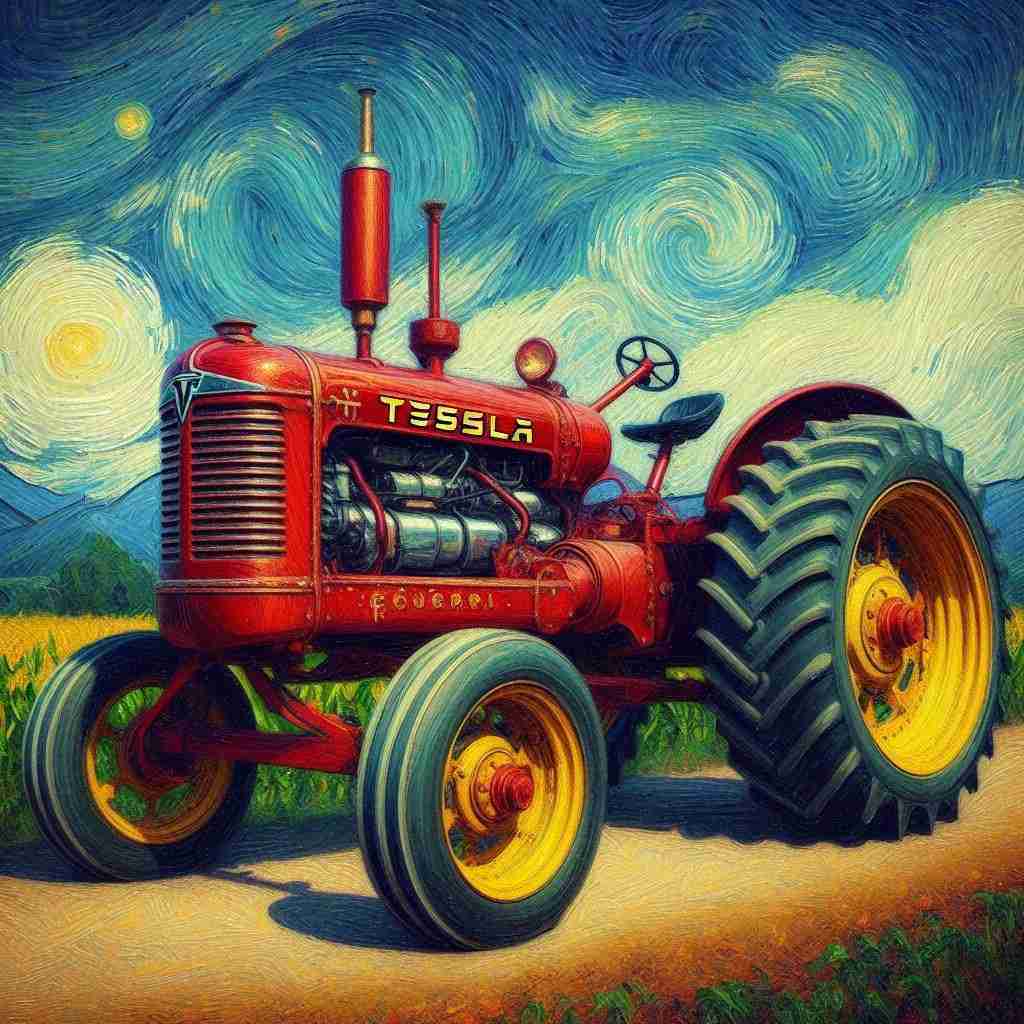
What Role Does Rarity Play In the Pricing Of the Farmall M?
How Do Emotional Attachments Impact the Buying Choices Of Collectors?
Emotional attachments significantly shape the buying choices of collectors, often steering them toward decisions that resonate deeply with their past, identity, and values. When collectors spot that vintage tractor at a flea market or an antique sale, it’s not merely metal and paint they see. It’s a piece of history, a remnant of a simpler time that might evoke memories of childhood, family farms, or the satisfaction of hard work.
These memories can create a powerful emotional connection. Think of the stories that emerge—how a grandfather might have relied on that very model to plow fields or how it represented an era of growth and perseverance. This emotional tether doesn’t just add sentimental value; it enriches the collector’s identity. Each acquisition becomes a chapter in their personal narrative, a way to relive and preserve the essence of what shapes their life—a tribute, in a sense, to hard work and heritage.
On a rational level, the buying decision often hinges on more than just price or condition. Collectors weigh the potential investment value and the story behind each item. An authentic, well-maintained tractor might sell for significantly more, but it’s the tale of its utilization, restoration, and the community it brings together that often tips the scales. In a world where authenticity often feels scarce, these choices reflect a desire to connect with something real, grounding the collector in the fabric of their community.
Ethically, the act of collecting can also inspire a sense of responsibility. Many collectors see themselves as custodians of history, ensuring that these machines are preserved for future generations. This ethical dimension enhances trust; buying from reputable sources who share a commitment to preservation fosters confidence in the community and the overall market.
Moreover, the social aspect of collecting cannot be understated. It cultivates connections with fellow enthusiasts who share a similar passion. Engaging with others in clubs or online forums creates a supportive network, amplifying the joy of sharing stories and experiences related to their beloved tractors.
Ultimately, it’s the convergence of these emotional, rational, ethical, and social elements that shapes the buying choices of collectors. It’s about more than just owning a piece of machinery; it’s about belonging, preserving, and celebrating a rich tapestry of shared stories and collective memories. Each tractor they acquire is not just a transaction; it’s a declaration of trust in a narrative that continues to unfold across generations.

How Do Emotional Attachments Impact the Buying Choices Of Collectors?
How Do Emotional Attachments Impact the Buying Choices Of Collectors?
- Emotional attachments guide collectors’ purchasing decisions based on personal history and values.
- Vintage tractors symbolize more than machinery; they evoke memories of family and hard work.
- Collectors view each acquisition as a chapter in their life narrative, enhancing their identity.
- Buying decisions are influenced by both emotional resonance and potential investment value.
- Collectors often perceive themselves as custodians of history, promoting preservation for future generations.
- Collecting fosters connections with other enthusiasts through clubs and online communities.
- The intersection of emotional, rational, ethical, and social factors enriches the collecting experience.

How Do Emotional Attachments Impact the Buying Choices Of Collectors?
Why Do We Consider Vintage Tractors As Investments Worth Pursuing?
In the world of investments, few things evoke the sense of nostalgia and practicality like vintage tractors. These machines aren’t just rusty relics; they are symbols of hard work, craftsmanship, and a way of life that still resonates today. Imagine a time when the hum of a tractor represented not just productivity, but also the promise of a better future. Investing in vintage tractors taps into this rich narrative, connecting us to roots that run deep within our collective consciousness.
From an emotional perspective, owning a vintage tractor can feel like preserving a piece of history. Each model tells a story—about innovation, the agrarian lifestyle, and the hands that once operated them. This connection fosters a sense of pride and belonging, reminding us of the values of determination and resilience found in rural life. When you invest in a vintage tractor, you’re not just buying a machine; you’re acquiring a legacy that has shaped farming communities.
Rationally, the financial potential of vintage tractors can be compelling. The market for restored and well-maintained models has shown resilience over the years, often yielding impressive returns. As new models dominate the agricultural landscape, these vintage machines have become increasingly coveted, often appreciated for their simplicity and durability. Collectors and hobbyists alike are willing to pay top dollar not just for their mechanical prowess, but for their charm and character.
Ethically, investing in vintage tractors encourages sustainable practices and a return to more traditional farming methods. In an age of rapid technological change, these tractors remind us of the importance of solid, time-tested methods that respect the land and nurture it. They embody a connection to heritage farming that prioritizes the earth and its resources.
Socially, the vintage tractor community fosters camaraderie among enthusiasts. Events and shows bring together people who share a passion for these machines, creating a supportive network. This social aspect not only enhances the joy of ownership but also reinforces the idea that investing in vintage tractors is more than a personal journey; it’s about contributing to a thriving community.
When you consider all these factors, the investment in a vintage tractor transcends mere monetary value. It becomes a commitment to preserving history, celebrating craftsmanship, and nurturing community ties. In pursuing this unique investment, you’re engaging with something far greater—a connection to the past that offers wisdom, stories, and a future filled with possibility.

Why Do We Consider Vintage Tractors As Investments Worth Pursuing?
Why Do We Consider Vintage Tractors As Investments Worth Pursuing?
- Vintage tractors symbolize hard work, craftsmanship, and a nostalgic way of life.
- Owning a vintage tractor preserves a piece of history and fosters pride and belonging.
- The financial potential of vintage tractors has shown resilience, often yielding impressive returns.
- Collectors value vintage tractors for their simplicity, durability, charm, and character.
- Investing in vintage tractors promotes sustainable practices and traditional farming methods.
- The vintage tractor community enhances social connections and camaraderie among enthusiasts.
- Investment in vintage tractors transcends monetary value, committing to preserving history and community ties.

Why Do We Consider Vintage Tractors As Investments Worth Pursuing?
Conclusion
The allure of the Farmall M transcends its mechanical design, weaving a narrative that speaks to the heart, head, and gut of anyone connected to the land. This iconic tractor stands as a beacon of agricultural heritage, representing the dedication and spirit of farmers who toiled tirelessly, embodying an unyielding connection to their roots. Its presence conjures images of golden sunsets over expansive fields, where family bonds and traditions were forged side by side with the hum of its reliable engine.
Emotionally, the Farmall M serves as a living testament to nostalgia, awakening memories of harvests past and the familial labor that shaped entire communities. It’s more than a mere tool; it’s a cherished heirloom representing sweat, grit, and a way of life steeped in values of resilience and hard work. This emotional resonance drives its surprising market value, fuelling a desire to reclaim pieces of our shared past.
From a rational perspective, the Farmall M’s reputation for durability and reliability solidifies its status as a wise investment. As fewer well-preserved models become available, demand inevitably increases, inflating prices. Collectors recognize this and invest in a piece of history that reflects a blend of engineering elegance and historical significance. Each tractor carries its own narrative, enhancing its market appeal as an investment that appreciates over time.
Ethically, owning a Farmall M positions buyers as custodians of agricultural heritage, emphasizing the importance of preserving these machines and the stories they embody. This responsibility extends beyond individual ownership; it signifies a collective commitment to maintain the essence of farming traditions in a world increasingly focused on mass production and automation.
Socially, the Farmall M fosters connections within a community of enthusiasts and collectors. Its visibility at parades, fairs, and shows cultivates camaraderie, sparking discussions that celebrate our agricultural past. It’s a conversation starter, a symbol of belonging, and a bridge that connects generations.
Ultimately, the Farmall M embraces us in a deeply resonant narrative that encapsulates emotional memories, rational investment potential, ethical responsibility, and social connectivity, enriching our understanding of what it means to honor our farming heritage. The price of these tractors is not just a number; it’s a reflection of a legacy that deserves to be cherished and celebrated, inviting all of us to participate in a story that continues to evolve across time.

Conclusion
Conclusion:
- The Farmall M represents a rich agricultural heritage and dedication of hardworking farmers.
- It evokes nostalgia, reminding owners of past harvests and communal efforts.
- The tractor is considered more than just equipment; it is a cherished heirloom symbolizing resilience and hard work.
- Its durability and reliability enhance its market value, making it a wise investment as well-preserved models become rarer.
- Owning a Farmall M positions individuals as guardians of agricultural history, emphasizing preservation of farming traditions.
- The Farmall M fosters social connections within a community of collectors, serving as a symbol at events and gatherings.
- Overall, it embodies emotional resonance, investment potential, ethical responsibility, and social connectivity related to farming heritage.

Conclusion
Other Resources

Other Resources
Here is a list of other resources you can review online to learn more:
- Idaho Farmand Ranch Museum
- Chery
- Carraro
- Lanz
- McCormick
- TAFE
- Benye
- Huber
- Eagle
- Classic Old Tractors
- Fiat
- Fox River Tractor Company
- Centaur
- Waterloo Manufacturing Company
- Acremaster
- Iseki
- Franklin County Antique Machinery Club
- Agrico
- Antique Tractor Supply
- Sky Valley Stock and Antique Tractor Club
Use This Prompt To Get More Resources With Your Favorite Online AI Tool: Please provide me with a list of online articles with their URLs in a bulleted list that I can read regarding Why Do Some Common Models Like the Farmall M Sell for Surprisingly High Prices?

Other Resources
Glossary Terms
Why Do Some Common Models Like the Farmall M Sell for Surprisingly High Prices? – Glossary Of Terms
1. Farmall M: A popular farm tractor produced by International Harvester from 1939 to 1952, known for its versatility and power.
2. Collector’s Market: A market where rare and historical items are bought and sold, often influencing prices based on demand and rarity.
3. Restoration: The process of repairing and refurbishing an item to its original condition, which can significantly increase its value.
4. Heritage: The historical significance and cultural importance of a model, impacting its desirability among collectors.
5. Original Equipment Manufacturer (OEM): Parts or accessories made by the vehicle’s original manufacturer, often sought after for restorations.
6. Rarity: The limited availability of a specific model, contributing to its market value.
7. Condition: Refers to the physical state of a tractor, with better-preserved models typically commanding higher prices.
8. Provenance: The documented history of ownership, which can enhance an item’s appeal and market value.
9. Agricultural Innovation: Technological advancements in farming that can elevate the status of classic tractors as symbols of progress.
10. Nostalgia: Emotional attachment to vintage items that can drive demand among enthusiasts and collectors.
11. Tractor Shows: Events where vintage tractors are showcased, fostering community interest and increasing market value.
12. Restoration Costs: The expenses associated with restoring a tractor, which can influence the overall investment value.
13. Raw Power: The horsepower and torque output of a tractor, which can enhance its appeal for practical use and collecting.
14. Market Trends: Shifts in consumer interest that can affect how models like the Farmall M are valued over time.
15. Functionality: The practical use of the tractor in agriculture, contributing to its desirability among working farmers and collectors.
16. Sentimental Value: Personal attachment or significance that can drive individuals to pay higher prices for certain models.
17. Brand Loyalty: The attachment to a specific manufacturer that can influence purchasing decisions and value expectations.
18. Historical Context: The time period and circumstances surrounding the production of a model, affecting its market perception.
19. Supply and Demand: The economic principle guiding price determination; a high demand relative to low supply typically increases prices.
20. Auction Houses: Businesses specializing in conducting auctions; often key platforms for selling high-value items.
21. Condition Grading: A system to evaluate the state of a tractor, impacting its pricing and desirability among buyers.
22. Vintage Machinery: Refers to older farm equipment, often cherished by collectors and seen as an investment.
23. Market Valuation: The estimated worth of a tractor based on various factors including condition, rarity, and demand.
24. Historic Significance: The importance of a model in agricultural history, which can enhance its market value.
25. Repairability: The ease with which a tractor can be repaired or restored, influencing buyer interest and prices.
26. Online Marketplaces: Platforms like eBay that facilitate buying and selling vintage tractors, broadening market access.
27. Local Demand: The interest in tractors within specific regions, shaping market dynamics and pricing.
28. Cultural Significance: The role of a tractor in local traditions or history, affecting its value among specific communities.
29. Mechanics: The mechanical aspects of tractors, including ease of maintenance, which can appeal to buyers.
30. Investment Potential: The possibility of a tractor appreciating in value over time, attracting collectors and investors alike.

Glossary Of Terms
Other Questions
Why Do Some Common Models Like the Farmall M Sell for Surprisingly High Prices? – Other Questions
If you wish to explore and discover more, consider looking for answers to these questions:
- What specific factors determine the market value of a Farmall M?
- How many Farmall M tractors were originally produced and how many remain today?
- Which model years or variants of the Farmall M are most desirable to collectors?
- How does original condition compare to full restoration in terms of price impact?
- What are typical price ranges for unrestored, running, and fully restored Farmall Ms?
- How much does provenance or documented ownership history influence value?
- How readily available are original parts and how does parts scarcity affect pricing?
- What are the most common mechanical issues and average repair costs for Farmall Ms?
- How much time and money does a typical restoration require?
- Which modifications or updates increase value versus which decrease it?
- How do auction sale prices compare to private sales and classified listings?
- Which auction houses, online platforms, or venues are best for buying or selling Farmall Ms?
- Do regional differences or local demand significantly affect Farmall M prices?
- Are current price increases driven by long-term trends or a speculative bubble?
- What is the expected return on investment for buying and holding a Farmall M?
- How can buyers authenticate serial numbers and verify originality?
- What documentation, service records, or receipts should prospective buyers request?
- Where can collectors find reputable restorers, parts suppliers, and specialty mechanics?
- How do Farmall Ms compare to other vintage tractors as investment vehicles?
- What practical uses remain for a restored Farmall M on a modern farm or hobby property?
- How should collectors insure a vintage tractor and what are typical insurance costs?
- What legal, registration, or road-use requirements apply to operating a Farmall M?
- How much does transporting a Farmall M typically cost and what are best practices for safe transport?
- Are there seasonal or event-driven spikes in auction activity or prices?
- What role do tractor clubs, shows, and social networks play in driving demand and prices?
- How do collectors distinguish original parts from high-quality reproductions?
- What ethical concerns exist around removing rare tractors from local communities or museums?
- Should potential buyers prioritize preservation and heritage or potential financial return?
- What authoritative resources (registries, price guides, forums, books) provide reliable valuation data?

Other Questions
Haiku
Why Do Some Common Models Like the Farmall M Sell for Surprisingly High Prices? – A Haiku
Farmall M stands proud,
History’s heartbeats echo,
Roots of toil endure.

Haiku
Poem
Why Do Some Common Models Like the Farmall M Sell for Surprisingly High Prices? – A Poem
In the fields where memories lie,
A Farmall M stands proud and high.
Not just a machine, but a bond holds tight,
A symbol of labor, sun, and night.
With every rusted part and faded hue,
It whispers of toil and values true.
A link to the past, where hard work was grace,
Echoing stories of every farmer’s place.
Rarity rises, as time walks away,
Demand swells high for these relics that play
In the heart of collectors, their gut and their pride,
These tractors not just tools, but heritage tied.
Investments worth cherishing, both heart and mind,
Crafted with passion, in history, we find.
Nostalgia stirs emotions, a call to defend,
The legacy woven through time without end.
Community gathers, each story shared bright,
An enduring spirit, ignited by light.
So let us honor the farm, the field, the Machine,
A piece of our roots in every green sheen.

Poem
Checklist
Why Do Some Common Models Like the Farmall M Sell for Surprisingly High Prices? – A Checklist
Heart Appeals
✅______ Connect with your roots. Reflect on personal or family histories tied to farming.
✅______ Embrace nostalgia. Think about cherished memories associated with past agricultural experiences.
✅______ Celebrate community. Recognize the bonds formed through shared values and traditions in farming.
Head Appeals
✅______ Assess reliability. Consider the long-lasting quality and versatility of the Farmall M as a sound investment.
✅______ Evaluate financial aspects. Analyze market trends and understand the rising demand for vintage tractors.
✅______ Reflect on historical significance. Acknowledge the technological advancements represented by the Farmall M in agricultural history.
Gut Appeals
✅______ Feel the emotional connection. Consider why owning a piece of agricultural machinery evokes pride and belonging.
✅______ Acknowledge ethical responsibility. Value the importance of preserving agricultural heritage for future generations.
✅______ Identify social ties. Engage with the community of collectors and enthusiasts who share a passion for vintage tractors.
Overall Engagement
✅______ Seek authenticity. Look for genuine connections and stories tied to each Farmall M.
✅______ Join community events. Participate in shows, auctions, and gatherings to connect with like-minded individuals.
✅______ Embrace stewardship. Commit to maintaining and preserving the Farmall M as a cultural artifact.

Checklist
At ClassicTractorNews, we help tractor lovers keep up with the latest news for classic and vintage tractors.
Please share this post with your friends, family, or business associates who may like old classic or vintage tractors.