


Reviving Tradition: The Emotional, Ethical, And Rational Appeal Of Classic Tractors
By Tom Seest
At ClassicTractorNews, we help tractor lovers keep up with the latest news for classic and vintage tractors.
Please share this post with your friends, family, or business associates who may like old classic or vintage tractors.
Why Do Modern Farmers Trust Classic Tractors More Than Ever
In a world where shiny new gadgets and high-tech equipment dominate the landscape, many modern farmers find themselves retreating to an unexpected ally: the classic tractor. It’s not just about horsepower or durability; it’s about a connection to the land, the craft of farming, and a legacy that’s hard to replicate. When you fire up that vintage tractor, it’s a call to history—a tactile reminder of a simpler time when farming was about grit, persevering through the seasons, and knowing your soil like you know your family.
The heart of farming beats strongest with the stories those older machines tell. It’s about generations of farmers who poured their sweat and spirit into the fields, each vibration of the engine resonating with memories of hard-fought harvests. In embracing classic tractors, today’s farmers tap into that rich heritage. They’re not just tractors; they’re vessels of experience, carrying lessons learned over decades. And in the hustle of modern agriculture, who wouldn’t yearn for that kind of wisdom and reliability?
Rationally, there’s something to be said about the reliability of these trusted machines. A classic tractor can often be repaired with basic tools and some elbow grease. Spare parts are readily available, and many farmers have learned that sometimes, the old ways really are the best ways. In contrast, the most complicated modern machinery can leave a farmer stranded in the field, waiting for specialist service and parts that can take weeks to arrive. That unpredictability can spiral into financial distress for a farmer who relies on timely harvests to keep their business afloat.
Ethically, keeping these classic tractors running contributes to sustainability and reduces waste. Repurposing and restoring older machines reflect an understanding of conserving resources and honoring past investments. It promotes a culture of responsibility, ensuring that we value what we have rather than chasing constant novelty.
Trusting classic tractors is more than a practical choice; it’s a declaration of values. It’s a connection to community—farmers share tips, stories, and sometimes parts with each other, fostering a network of support that runs deeper than the soil. So, the next time you see a farmer cruising through the field on a vintage tractor, remember: it’s not just about the crop they’re cultivating, but the trust, resilience, and legacy they’re nurturing as well.

Why Do Modern Farmers Trust Classic Tractors More Than Ever
Why Do Modern Farmers Trust Classic Tractors More Than Ever
- Modern farmers are increasingly turning to classic tractors as allies in their work.
- Classic tractors symbolize a deep connection to farming history and culture.
- Older machines carry stories and lessons from generations of farmers.
- Classic tractors offer reliable and straightforward repair options with readily available parts.
- Using vintage tractors promotes sustainability and reduces waste by repurposing old machinery.
- Owning and using classic tractors fosters a sense of community among farmers.
- Farmers on vintage tractors embody values of trust, resilience, and legacy in agriculture.

Why Do Modern Farmers Trust Classic Tractors More Than Ever
Table Of Contents
- Why Do Modern Farmers Trust Classic Tractors More Than Ever
- Why Do Farmers Feel A Connection To Classic Tractors?
- How Do Classic Tractors Enhance Farming Efficiency?
- What Safety Features Make Older Tractors Reliable?
- Can Classic Tractors Support Sustainable Farming Practices?
- How Does Nostalgia Influence Modern Farming Choices?
- What Role Do Classic Tractors Play In Preserving Farming History?
- Conclusion
- Other Resources
- Glossary Of Terms
- Other Questions
- Haiku
- Poem
- Checklist
Why Do Farmers Feel A Connection To Classic Tractors?
There’s an old saying in farming: “A good tractor isn’t just a machine; it’s a partner.” But for many farmers, that connection runs far deeper than a simple working relationship. It’s a bond woven from years of sweat, toil, and triumph—the kind of connection that leaves an indelible mark on one’s heart. Classic tractors, those hulking pieces of history, represent far more than metal and engine oil; they embody shared stories and hard-earned lessons.
Classic tractors are often the first love of budding farmers, the machines that cradled their childhood dreams. Perhaps it was the roar of the engine or the earthy aroma of freshly tilled soil that sparked a lifelong passion for agriculture. These tractors were not just tools; they were a rite of passage. They saw our farmers grow up, faced their first harvest, and embraced the joys and challenges of nurturing the land. Each scratch and dent has a story, a reminder of countless miles traversed across sun-soaked fields.
But it’s not just nostalgia that ties farmers to these machines; there’s a rational sense of reliability that can’t be ignored. Classic tractors were built to last, with simple, robust mechanics that allow farmers to mend them with a toolbox and a bit of grit. They symbolize a time when craftsmanship meant something, where a machine’s longevity truly mattered. In a world where technology often feels fleeting and ephemeral, these tractors stand as a testament to durability and hard work—qualities that farmers not only admire but live by every day.
Ethically speaking, maintaining these classic machines fosters a deep respect for the farming culture. Every farmer knows the heritage they represent—the struggles of previous generations who tilled the soil and reaped the harvest. By keeping these tractors alive, farmers honor their forebears, ensuring that the wisdom and tenacity of the past remain alive and well.
And let’s not overlook the social aspect. Within farming communities, classic tractors evoke camaraderie. They spark conversations at county fairs, inspire stories over a cold drink, and serve as a common thread that binds people together. These tractors remind us that farming isn’t just a solitary endeavor; it’s a legacy, a community, and most importantly, a heartfelt connection to the land and its history.
So the next time you see a farmer proudly tending to their classic tractor, know that there’s a story behind that bond—one of passion, reliability, and community that speaks to the very essence of farming itself. And perhaps, just perhaps, it’s a call for all of us to reconnect with our roots, wherever they may lead.

Why Do Farmers Feel A Connection To Classic Tractors?
Why Do Farmers Feel A Connection To Classic Tractors?
- Classic tractors symbolize deep bonds between farmers and their machines, reflecting years of hard work and shared experiences.
- These tractors often represent the first love for aspiring farmers, igniting a passion for agriculture from childhood.
- Each classic tractor is a testament to durability, built with reliable mechanics that allow for easy maintenance.
- Farming culture is honored through the preservation of these machines, connecting farmers to their heritage and ancestors.
- Classic tractors foster social connections within farming communities, prompting conversations and shared stories.
- They serve as reminders that farming is both a personal journey and a communal legacy.
- The bond between farmers and their classic tractors invites a broader call to reconnect with agricultural roots.

Why Do Farmers Feel A Connection To Classic Tractors?
How Do Classic Tractors Enhance Farming Efficiency?
In a world dominated by shiny, new machines, there’s something undeniably evocative about classic tractors. These rugged workhorses, with their unmistakable charm and enduring power, remind us of a time when farming was more than just a business—it was a way of life, a connection to the earth and to each other. Picture the fields bathed in golden sunlight, the air filled with the earthy aroma of tilled soil as a vintage tractor putters along, a testament to human ingenuity and resilience.
Now, you might wonder, how do these machines enhance farming efficiency in our fast-paced, modern world? The answer lies in their simplicity and reliability. Classic tractors are often easier to repair and maintain than their newer counterparts, fostering a pragmatic approach to farming. Imagine a farmer working late into the evening, adjusting valves and tightening bolts, knowing that the classic tractor sitting in the shed is far less likely to throw a complex electronic error code. This hands-on engagement not only strengthens the farmer’s bond with their machine but also builds confidence; the more familiar they are with its workings, the more effectively they can keep their operation running smoothly.
There’s a certain truth that resonates in classic tractors: durability. Many of these machines were built to last, featuring robust components designed for heavy-duty work. This reliability not only ensures consistent performance, helping to plow fields and harvest crops on time, but also speaks to an ethical responsibility. Knowing that your equipment can withstand the rigors of your livelihood and support sustainable farming practices makes a significant difference.
The narrative woven into the fabric of farming communities often revolves around these classic tractors, handed down from one generation to the next. They symbolize not just the permanence of the land but the enduring spirit of those who toil on it. Every scratch and dent tells a story, and every field harvested with these tractors is a legacy in motion. They foster a sense of belonging, uniting farmers across generations, reminding them of their shared history and the values they hold dear.
So, next time you see a classic tractor rolling through the fields, take a moment to appreciate what it represents: efficiency entwined with tradition, practicality melded with passion. In an ever-evolving agricultural landscape, these timeless machines remind us that sometimes, the most reliable solutions are those that stand the test of time.

How Do Classic Tractors Enhance Farming Efficiency?
How Do Classic Tractors Enhance Farming Efficiency?
- Classic tractors evoke nostalgia, symbolizing a time when farming was a way of life.
- They enhance farming efficiency through simplicity and reliability, making them easier to repair.
- Farmers can confidently engage with classic tractors, fostering a strong bond and operational effectiveness.
- Classic tractors are built for durability, ensuring consistent performance for heavy-duty work.
- These machines support sustainable farming practices, contributing to ethical responsibilities.
- Classic tractors are often passed down through generations, symbolizing tradition and community in farming.
- They remind us that reliable solutions can be found in timeless machines amidst modern advancements.

How Do Classic Tractors Enhance Farming Efficiency?
What Safety Features Make Older Tractors Reliable?
When you think of a tractor, what comes to mind? For many, it’s not just an image of steel and machinery. It’s a symbol of hard work, resilience, and the lifeblood of a family farm. But in the midst of that rugged charm lies an essential truth: safety features make older tractors more than mere tools; they represent a legacy of reliability and protection.
Older tractors may not have the glossy finish of modern models, but they carry the wisdom of years spent on the land. They come equipped with simple yet effective safety features that speak volumes about their design. Roll-over protective structures (ROPS) are a prime example. These barriers aren’t just metal frames; they’re lifelines, engineered to protect the operator in the unfortunate event of a rollover. It’s a poignant reminder of the risks inherent in farming life, where every turn in the field can lead to unforeseen challenges.
Then there are the accessible controls and ergonomics, designed with the operator’s well-being in mind. Each lever and pedal is intuitively placed, minimizing physical strain during long hours of work. It’s as if the tractor speaks directly to the farmer, saying, “I’ve got your back.” This connection fosters a sense of confidence that a modern counterpart, overloaded with tech, often lacks. In the heat of the harvest, knowing your machinery supports your every movement enables you to focus on the job, rather than wrestling with unfamiliar gadgets.
Beyond mechanics, the ethical responsibility of those who design tractors is also at play here. Older models were built with an understanding of the farmer’s relationship with their land. The aim? Not just to sell machinery but to serve the people who toil under the same sun day in and day out. This philosophy fosters a social bond between generations of farmers. Those who choose older tractors often share stories, tips, and even a few laughs, creating a community grounded in shared experience.
Moreover, the choice of an older tractor is often a choice for sustainability. By maintaining and operating these reliable machines, farmers contribute to a culture of resourcefulness, minimizing waste and preserving a lineage of craftsmanship. In this way, every tractor serves as a testament to the hard-working spirit that binds us together. There’s an unspoken vow in keeping these machines running: a pledge to honor the past while harvesting for the future.
So, when you hear the roar of an older tractor in the fields, remember there’s more than just power at play. There’s a heritage of safety designed not just to endure but to protect, inspire, and unite every person who turns the key.
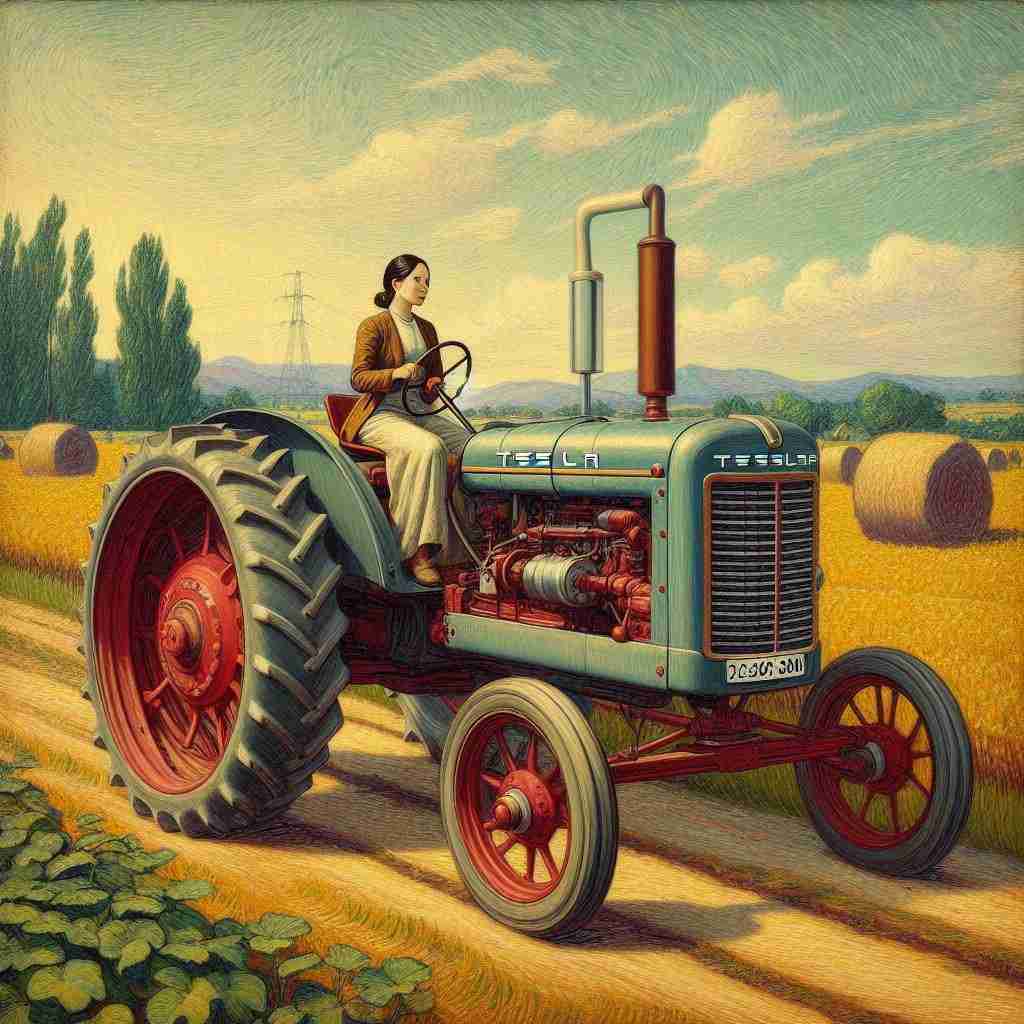
What Safety Features Make Older Tractors Reliable?
What Safety Features Make Older Tractors Reliable?
- Tractors symbolize hard work and resilience, essential for family farms.
- Older tractors possess simple yet effective safety features, such as roll-over protective structures (ROPS).
- ROPS are critical for operator safety during rollovers, highlighting farming risks.
- Accessible controls and ergonomics enhance operator comfort and reduce strain during long hours.
- Older tractor designs prioritize the farmer’s relationship with the land, fostering a community bond.
- Choosing older tractors supports sustainability by minimizing waste and preserving craftsmanship.
- Older tractors embody a heritage of safety and a pledge to honor the past while working towards the future.

What Safety Features Make Older Tractors Reliable?
Can Classic Tractors Support Sustainable Farming Practices?
When you picture a tractor, what comes to mind? Perhaps the sturdy silhouette against a golden sunset, the rhythmic clamor of its engine, and the sheer power it wields over the earth. But let’s step back and consider the role these machines—often seen as relics of a bygone era—can play in the modern movement toward sustainable farming practices.
Classic tractors were often built with rugged simplicity, designed not just to till soil or haul harvests, but to forge a deep connection with the land. They were cultivated alongside generations of farmers who knew each furrow, each season, and each challenge the land presented. These machines, loud and proud, embody a spirit of resilience and respect for nature that feels increasingly rare in today’s high-speed agricultural landscape.
So how do these vintage giants tie into our quest for sustainability? For starters, many classic tractors can run on alternative fuels or biofuels. Farmers today are eager to reduce their carbon footprints, and these sturdy machines can serve as a bridge, marrying nostalgia with eco-conscious innovation. Imagine reviving a classic tractor, breathing new life into it with a cleaner fuel source, and preserving not just history, but cultivating a greener future too.
The rational argument is simple: restoring these classic tractors often requires fewer resources than buying new, high-tech machinery. They can be repaired, upgraded, or completely overhauled with parts that are readily available and often less expensive. This kind of farming feels like a dialogue with the past, where decisions are made not in glitzy boardrooms but in the fields, surrounded by weathered hands and generations of wisdom.
Emotionally, there’s something special about the sight of a vintage tractor chugging along, its engine humming a familiar song. It’s a reminder of our roots, the blood, sweat, and tears that have gone into every inch of soil. These farmers are the guardians of the land, and classic tractors symbolize a commitment to sustainable practices.
On a larger scale, embracing these machines fosters community. When farmers gather for restoration projects, they share stories, skills, and knowledge—creating bonds that transcend generations. It’s about building a sustainable legacy, not just for the soil but for the soul of farming itself.
In a world racing towards automation, let’s not forget the value of patience, craftsmanship, and connection. Classic tractors can help us cultivate not just our fields, but a more sustainable way of life. Choose to honor the past as you plant seeds for the future. Together, we can cultivate a harvest grounded in history while nurturing the earth for generations to come.

Can Classic Tractors Support Sustainable Farming Practices?
Can Classic Tractors Support Sustainable Farming Practices?
- Classic tractors symbolize a connection to the land and sustainable farming practices.
- They can run on alternative fuels or biofuels, helping farmers reduce their carbon footprints.
- Restoring vintage tractors typically requires fewer resources than purchasing new machinery.
- These machines facilitate a farming approach rooted in tradition, utilizing skills honed over generations.
- Classic tractors evoke nostalgia and serve as reminders of the hard work that contributes to agriculture.
- Engaging in restoration projects fosters community among farmers, sharing skills and stories.
- They represent the values of patience, craftsmanship, and a commitment to sustainable practices.

Can Classic Tractors Support Sustainable Farming Practices?
How Does Nostalgia Influence Modern Farming Choices?
Nostalgia has a remarkable way of shaping our choices, often leading us down paths we never saw coming. When it comes to modern farming, that sense of longing for the past plays a profound role in the decisions farmers make today. Picture this: a weathered old tractor, its rusted chassis bearing witness to decades of toil. For many farmers, this isn’t just a piece of machinery; it’s a piece of history—a connection to the land and to their parents and grandparents who toiled on the same soil. That tractor embodies resilience, hard work, and the legacy of generations.
Yet, nostalgia isn’t just about cherishing the past; it also influences how we envision the future of farming. Many modern farmers are turning to sustainable practices that echo the wisdom of traditional farming, blending time-honored techniques with innovative technology. Think of crop rotation or natural pest control methods that our forebears practiced, now being applied through a contemporary lens. This approach not only honors the heritage of farming but also cultivates a sense of responsibility toward the environment and future generations. It’s about marrying the old with the new, learning from the echoes of the past while moving boldly into the future.
Consider the ethical implications of consuming locally grown produce or supporting family-run farms. There’s a sense of community pride in patronizing operations that have roots in the land, much like that old tractor firmly planted in the soil. The purchase of heirloom seeds, for instance, taps into nostalgia by promoting biodiversity and preserving crops that have adapted to local climates over the years. Farmers are making choices that resonate not just in their bank accounts but in their hearts as they nurture the ecosystems that shaped their families’ histories.
These modern choices foster a deeper connection between farmers and consumers. When we buy locally, we’re not just choosing food; we’re participating in a narrative that binds us to our agricultural heritage, to the stories of those who have tilled the soil long before us. It’s a call to action for all of us to support the guardians of our land, to trust in the future by reconnecting with the past. So, next time you pass that field, or catch sight of a humble tractor at work, remember—their stories are our stories, and they deserve to be honored as we cultivate a sustainable future together.

How Does Nostalgia Influence Modern Farming Choices?
How Does Nostalgia Influence Modern Farming Choices?
- Nostalgia significantly influences the choices made by modern farmers, linking them to their past.
- Old machinery, like weathered tractors, symbolizes resilience and the legacy of generations of farmers.
- Nostalgia shapes the future of farming by inspiring sustainable practices rooted in traditional methods.
- Farmers are blending time-honored techniques, such as crop rotation, with innovative technology.
- Supporting local and family-run farms fosters community pride and a connection to agricultural heritage.
- The choice to buy heirloom seeds promotes biodiversity and preserves the agricultural history of local crops.
- Purchasing locally grown produce creates a narrative that connects consumers to the stories of farming ancestors.

How Does Nostalgia Influence Modern Farming Choices?
What Role Do Classic Tractors Play In Preserving Farming History?
When you see a classic tractor out in the field, you’re not just looking at a piece of machinery; you’re witnessing a living testament to the hard work, dedication, and ingenuity that built our agricultural world. These sturdy machines, often weathered and rusted, tell stories that textbooks can’t — tales of early morning sunrises and the rhythmic hum of the fields coming alive. They remind us of a time when farming wasn’t just a business but a way of life that intertwined families, communities, and dreams.
At first glance, one might see just an old tractor, perhaps parked decorously in a yard or preserved in a local museum’s collection. But delve deeper, and an intricate narrative emerges. Each scratch, dent, and faded paint job embodies decades of labor, triumph, and resilience — a history written in dirt and sweat. These tractors were partners in the fight against nature’s unpredictability, transforming soil into sustenance. In a world increasingly dominated by high-tech innovations, these classic behemoths connect us with an era where reliance on human skill and wisdom was paramount.
Yet, the value of these machines extends beyond nostalgia; it’s also a matter of ethics. Preserving classic tractors fosters respect for the land and the people who cultivated it. They can serve as educational tools, bridging generations and sparking conversations. Young minds can learn to appreciate the agricultural roots that feed their communities and the earth itself.
There’s an undeniable social aspect to this preservation, too. Tractor shows, restoration clubs, and agricultural fairs create spaces for sharing knowledge and experiences across age groups. They foster a sense of community among enthusiasts and novices alike, rekindling bonds that might have faded in our fast-paced, modern society.
Moreover, classic tractors represent authority in farming culture. Their history conveys the lessons learned through trial and error, resilience against hardship, and innovations born from necessity. By honoring them, we pay homage to our agricultural forebears, reinforcing the truth that farming is as much about heart as it is about machines.
So, the next time you encounter a classic tractor, take a moment to appreciate the connections it represents — between our past and present, between family and community, and between tradition and progress. It’s a call to remember that history isn’t just a chronicle; it’s a living tapestry that deserves to be cherished, one tractor at a time.

What Role Do Classic Tractors Play In Preserving Farming History?
What Role Do Classic Tractors Play In Preserving Farming History?
- Classic tractors symbolize hard work, dedication, and ingenuity in agriculture.
- These machines carry stories of farming life, connecting families and communities.
- Each tractor scratch and dent represents decades of labor, triumph, and resilience.
- They serve as a reminder of an era reliant on human skill amidst modern technology.
- Preserving classic tractors fosters respect for agricultural history and ethics.
- Tractor shows and restoration clubs promote community and intergenerational learning.
- Classic tractors embody valuable lessons and honor the traditions of farming culture.

What Role Do Classic Tractors Play In Preserving Farming History?
Conclusion
In conclusion, the enduring allure of classic tractors in modern farming evokes a symphony of heart, head, and gut—a complex resonance that bridges generations and cultivates a profound connection to both land and legacy. Amidst the fast-paced world of agricultural innovation, where new machines sometimes come with a mountain of unpredictability and complication, farmers are rediscovering the reliability and straightforwardness of these classic giants. Imagine the roar of a vintage engine as it rolls through amber fields, a tribute to a time when farming was defined by grit, perseverance, and an intimate understanding of the soil—qualities that seem to call out to those who carry on the age-old tradition of tilling the earth.
But beyond mere nostalgia, these tractors serve practical and ethical purposes. They’re simpler to repair, often requiring only a toolbox and some elbow grease to get back in working order, while newer models may leave farmers stranded—waiting on parts from across the globe. Choosing to operate a classic tractor isn’t just a nod to history; it’s a calculated decision grounded in sustainability and a commitment to resource conservation. By keeping these machines alive, farmers support a culture that values hard-won lessons, reinforcing the wisdom that sometimes, the old ways truly are the best.
Socially, classic tractors forge a sense of community among farmers. They evoke shared stories exchanged over fences, spark conversations at county fairs, and rekindle a strong network of mutual support. Each tractor carries with it a tapestry of experiences—past triumphs, hard-earned lessons, and camaraderie that binds generations together. In a world that often feels increasingly isolated, there’s something beautifully grounding about these tractors; they remind us of our shared histories, our responsibilities to one another, and the land we all cherish.
So, next time you see that vintage tractor lumbering through a field adorned in the golden glow of sunset, remember: it’s not just a piece of machinery. It’s a heartwarming testament to our agricultural heritage—a reminder that farming is more than a means to an end; it’s a lifestyle interwoven with pride, resilience, and respect. In trusting these classic machines, farmers nurture not just their crops, but a legacy rooted deep in the soil, encouraging us all to reflect on our roles in the wider tapestry of life. That’s a call to action, a reminder that our past can illuminate paths toward a more sustainable and connected future.

Conclusion
Conclusion:
- The allure of classic tractors in modern farming connects tradition with legacy, resonating across generations.
- Farmers are increasingly valuing the reliability and simplicity of vintage tractors amidst modern agricultural complexities.
- Classic tractors symbolize a time when farming emphasized grit, perseverance, and a deep understanding of the land.
- These tractors offer practical benefits, being easier to repair than newer models, thus promoting sustainability.
- Operating classic tractors is a commitment to resource conservation and echoes the philosophy of learning from past methods.
- Classic tractors create a sense of community among farmers, fostering shared stories and mutual support.
- Ultimately, these machines represent a timeless agricultural heritage, urging reflection on our roles within the collective narrative of farming and life.

Conclusion
Other Resources

Other Resources
Here is a list of other resources you can review online to learn more:
- Classic Old Tractors
- Friday
- Minsk Tractor Works
- Fort Allen Antique Farm Equipment
- Wingin
- AGCO
- John Deere
- Advance-Rumely
- Escorts
- JCB
Use This Prompt To Get More Resources With Your Favorite Online AI Tool: Please provide me with a list of online articles with their URLs in a bulleted list that I can read regarding Why Do Modern Farmers Trust Classic Tractors More Than Ever

Other Resources
Glossary Terms
Why Do Modern Farmers Trust Classic Tractors More Than Ever – Glossary Of Terms
1. Classic Tractors: Older tractor models, often manufactured before the 1990s, known for their durability, simplicity, and mechanical efficiencies.
2. Reliability: The ability of classic tractors to consistently perform under various farming conditions without frequent breakdowns.
3. Durability: The capacity of classic tractors to withstand harsh conditions and prolonged use without considerable wear and tear.
4. Mechanical Simplicity: The straightforward design and fewer electronic components in classic tractors, making them easier to repair and maintain.
5. Parts Availability: The accessibility of replacement parts for classic tractors, often available from various sources, including aftermarket markets.
6. Fuel Efficiency: The ability of classic tractors to operate economically, particularly with older diesel engines that may consume less fuel than some modern alternatives.
7. User-Friendly: Referring to the intuitive controls and operations of classic tractors, which require less specialized training to operate.
8. Cultivation: The process of preparing and using land for growing crops, often facilitated by tractors for tilling and planting.
9. Tradition: The practice of using classic tractors rooted in farming history, often passed down through generations, fostering a sense of heritage.
10. Cost-Effectiveness: The economic benefit of owning and operating classic tractors due to lower purchase prices and maintenance costs over time.
11. Restoration: The practice of repairing and refurbishing classic tractors, making them operational and often more desirable to collectors.
12. Versatility: The ability of classic tractors to perform multiple tasks, from plowing to hauling, making them invaluable on farms.
13. Farming Community: A network of farmers who share knowledge, experiences, and resources, often supporting the use of classic tractors.
14. Nostalgia: A sentimental longing for the past, which can drive farmers to prefer classic tractors due to their historical significance.
15. Simplicity: Refers to the lack of complex technology in classic tractors, making repairs easier and often less costly.
16. Cultivar Adaptability: The flexibility of classic tractors to work with various crop types and farming methods, proving beneficial in diverse farming practices.
17. Restoration Clubs: Groups dedicated to preserving and restoring classic tractors, fostering community among enthusiasts.
18. Sustainability: The environmentally-friendly aspect of using older tractors that can operate with fewer resources and lower emissions than some modern machines.
19. Agricultural Heritage: The history and cultural significance of farming practices, including the usage of classic farming equipment.
20. Field Performance: The measurable output and efficiency of classic tractors during farming operations, often leading to higher productivity.
21. Mechanic Skills: The knowledge and abilities required to maintain and repair classic tractors, often more relatable for modern farmers.
22. Economic Stability: The financial reliability provided by classic tractors when farmers face market volatility.
23. Adaptability: The quality of classic tractors to be modified or adjusted for different farming tasks and environments.
24. Promoting Local Economy: The impact of classic tractor usage on local businesses that supply parts and services needed for their maintenance.
25. Heritage Crops: Traditional plants and crops grown using classic farming methods, often cultivated with the help of classic tractors.
26. Field Equipment: Other farming tools and machinery that work in conjunction with classic tractors to enhance their functionality.
27. Agricultural Innovation: New ideas or methods in farming that can also leverage classic tractors for modern farming needs.
28. Oil and Maintenance: The necessary upkeep and lubrication practices that ensure the longevity and efficiency of classic tractors.
29. Intergenerational Farming: Farming practices passed down among generations, where older tractors continue to be trusted tools for new farmers.
30. Community Events: Gatherings celebrating classic tractors and farming traditions, enhancing relationships among farmers and enthusiasts.

Glossary Of Terms
Other Questions
Why Do Modern Farmers Trust Classic Tractors More Than Ever – Other Questions
If you wish to explore and discover more, consider looking for answers to these questions:
- What specific classic tractors are most popular among modern farmers?
- What are some common repairs that classic tractors require?
- How do modern farmers source parts for classic tractors?
- What are the environmental impacts of using classic tractors compared to modern ones?
- What is the average cost of restoring a classic tractor?
- How do farmers find experts to help with tractor restoration?
- What role do classic tractors play in farming networks and communities?
- Are there notable events dedicated to classic tractors?
- How can classic tractors be integrated with modern farming techniques?
- What are the safety standards for operating older tractors today?
- How do farmers balance nostalgia with practicality in their equipment choices?
- What educational resources are available for learning about the history of classic tractors?
- How do perceptions of classic tractors differ among younger and older farmers?
- What innovations have been made to enhance classic tractors for modern use?
- Are there any organizations that promote the preservation of classic tractors?

Other Questions
Haiku
Why Do Modern Farmers Trust Classic Tractors More Than Ever – A Haiku
Rusty wheels turn slow,
Echoes of toil and trust rise,
Roots embrace our fields.

Haiku
Poem
Why Do Modern Farmers Trust Classic Tractors More Than Ever – A Poem
In Rust and Dust: A Tribute to Classic Tractors
In fields where memories still breathe,
The rumble of old iron takes its stand,
A trusted partner through sweat and seethe,
Each vintage tractor, a link to our land.
With engines grand and stories deep,
They whisper of resilience, toil, and grace,
Of dreams planted, harvests we keep,
As generations gather in this sacred space.
Not merely metal, but vessels of lore,
Each scratch and dent a tale to tell,
Of storms weathered and spirits that soar,
In the heartbeat of farming, we find our spell.
With hands that mend, we honor the past,
For every bolt tightened, a promise made,
In classic machines, a legacy cast,
Their simplicity nurtures, their wisdom displayed.
Ethics entwined with every field turned,
Sustainability blooms from each rusted frame,
Past practices cherished, lessons still learned,
A cycle of life, no need for acclaim.
Community thrives in the grip of the soil,
As farmers unite with laughter and cheer,
Sharing tools, stories—nurturing toil,
In fields filled with hope, we conquer our fear.
So let engines roar their humble refrain,
A symphony rich with the pulse of the earth,
In the dance of old tractors, we find our gain,
Trusting in history, honoring its worth.
For in this embrace of rust and dust,
We cultivate futures with roots deeply sown,
Among the fields and the tractors we trust,
A harvest of heart, our legacy grown.

Poem
Checklist
Why Do Modern Farmers Trust Classic Tractors More Than Ever – A Checklist
Classic Tractors: A Heartfelt Connection to Farming Heritage _____ Giveaway Checklist
Emotional Appeals
_____ Reflect on Your Roots: Take a moment to think about your own connection to farming. What stories do your family members share about their experiences with agriculture?
_____ Preserve the Legacy: Consider ways you can help preserve the stories and traditions of farming in your community, whether through documentation, oral history projects, or community events.
Rational Appeals
_____ Evaluate Reliability: List the practical advantages you see in classic tractors compared to modern machinery. What features bolster your confidence in their use?
_____ Cost Savings Assessment: Look into the cost benefits of repairing classic tractors versus investing in new technology. Keep track of any savings you identify.
Ethical Appeals
_____ Sustainable Practices: Explore ways you can contribute to sustainability in farming. How can classic tractors help reduce resource waste in your farming practices?
_____ Resourcefulness: Write down practical steps you can take to promote a culture of responsibility in your farming community, focusing on strategies that honor past investments.
Authority Appeals
_____ Educational Opportunities: Identify local experts or organizations that focus on vintage farming machinery. Consider joining or attending workshops, farm shows, or talks.
_____ Mentorship: Seek out mentorship relationships with seasoned farmers who utilize classic tractors. What wisdom and skills can you gain from them that can be passed on to future generations?
Narrative Appeals
_____ Personal Storytelling: Share a personal or family story in your farming journey that relates to traditional methods or classic machinery. Consider writing a short piece or participating in a community storytelling event.
_____ Picture a Legacy: Visualize your future goals in farming and how they connect with historical traditions. Create a visual roadmap of how you plan to blend past and present practices.
Social Appeals
_____ Build Community Connections: Plan or participate in local events that celebrate farming heritage, such as tractor shows, fairs, or restoration clubs.
_____ Networking: Start a conversation in your community or on social media about classic tractors. What stories and experiences can you share to encourage engagement and support around this topic?
Conclusion
By following this checklist, you’ll not only deepen your understanding of classic tractors but also foster a connection to the legacy of farming that transcends generations. Whether through emotional reverie or practical action, become part of the living tapestry of agriculture that continues to weave tradition with innovation.

Checklist
At ClassicTractorNews, we help tractor lovers keep up with the latest news for classic and vintage tractors.
Please share this post with your friends, family, or business associates who may like old classic or vintage tractors.