

The Timeless Appeal Of Classic Tractors
By Tom Seest
At ClassicTractorNews, we help tractor lovers keep up with the latest news for classic and vintage tractors.
Please share this post with your friends, family, or business associates who may like old classic or vintage tractors.
Why Do Farmers Rave About The Simplicity Of Classic Tractors
In a world that’s fast-paced and ever-changing, the humble classic tractor stands as a testament to enduring simplicity. The first time you hop on one of these machines, you can’t help but feel a connection to the generations of farmers before you who tilled the Earth with nothing but sweat, grit, and a trusty tractor. With its robust steel body and exposed mechanics, it’s more than a machine; it’s part of a legacy—a link between our hands and the soil beneath our feet.
What makes these tractors resonate so deeply with farmers? It’s not just nostalgia. It’s their fundamentally straightforward design that invites both seasoned veterans and beginners alike. Unlike the high-tech, gadget-laden machines of today, classic tractors are approachable. With a few simple levers and dials, you’re in direct command of the equipment. This simplicity fosters a sense of control—a gut feeling of knowing exactly how your tractor operates, just like your grandfather did. It empowers you to tackle tasks that might seem intimidating on modern machinery.
Rationally speaking, maintaining a classic tractor often costs less over time. With fewer bells and whistles, farmers don’t need an engineer’s manual to make repairs—just a wrench set and a willingness to get their hands dirty. A neighborly exchange of advice may be all that’s needed to keep these machines running, creating a sense of community that stretches well beyond the fields. There’s comfort in knowing that when something breaks, you can fix it yourself—no appointment necessary.
Ethically, embracing classic tractors is about sustainability and resilience. In an age of environmental concern, these rugged machines remind us of the importance of responsible farming—not through the lens of consumerism, but through resourcefulness. They embody the values of hard work and hand-crafted care, respecting the land we farm while producing the food that nourishes our families.
Let’s not forget the stories these tractors hold. Each one has been driven through storms, over rugged terranes, and across generations. Farmers will share tales of unexpected harvests, family gatherings around the barn, or those quiet moments of solitude under a sunset while cleaning the engine. These narratives resonate deeply, reminding us all of life’s simple joys and shared struggles.
So, the next time you see a classic tractor rumbling down a dirt road, take a moment to appreciate its simplicity. It’s not just a machine; it’s a bridge that connects our past, present, and future in the world of farming. And in a landscape cluttered with complexity, isn’t that a breath of fresh air?
Why Do Farmers Rave About The Simplicity Of Classic Tractors
Why Do Farmers Rave About The Simplicity Of Classic Tractors
- Classic tractors symbolize enduring simplicity in a fast-paced world.
- They create a connection to past generations of farmers, embodying hard work and tradition.
- Straightforward design allows both experienced and novice users to operate them easily.
- Maintenance of classic tractors is cost-effective and requires minimal technical knowledge.
- Emphasizes sustainability and responsible farming through resourcefulness.
- Each tractor carries stories and memories, enriching the farming experience.
- Classic tractors represent a bridge between the past, present, and future of farming.
Why Do Farmers Rave About The Simplicity Of Classic Tractors
Table Of Contents
- Why Do Farmers Rave About The Simplicity Of Classic Tractors
- Why Do Classic Tractors Evoke Such Nostalgia For Farmers?
- What Ethical Benefits Arise From Using Classic Tractors In Farming?
- How Can Classic Tractors Simplify The Process Of Farming Tasks?
- How Do Classic Tractors Connect Us To Sustainable Farming Practices?
- Why Do Farmers Feel Emotionally Attached To Their Classic Tractors?
- Why Might Farmers Prefer Classic Tractors Over Modern Technology?
- Conclusion
- Other Resources
- Glossary Of Terms
- Other Questions
- Haiku
- Poem
- Checklist
Why Do Classic Tractors Evoke Such Nostalgia For Farmers?
Why Do Classic Tractors Evoke Such Nostalgia for Farmers?
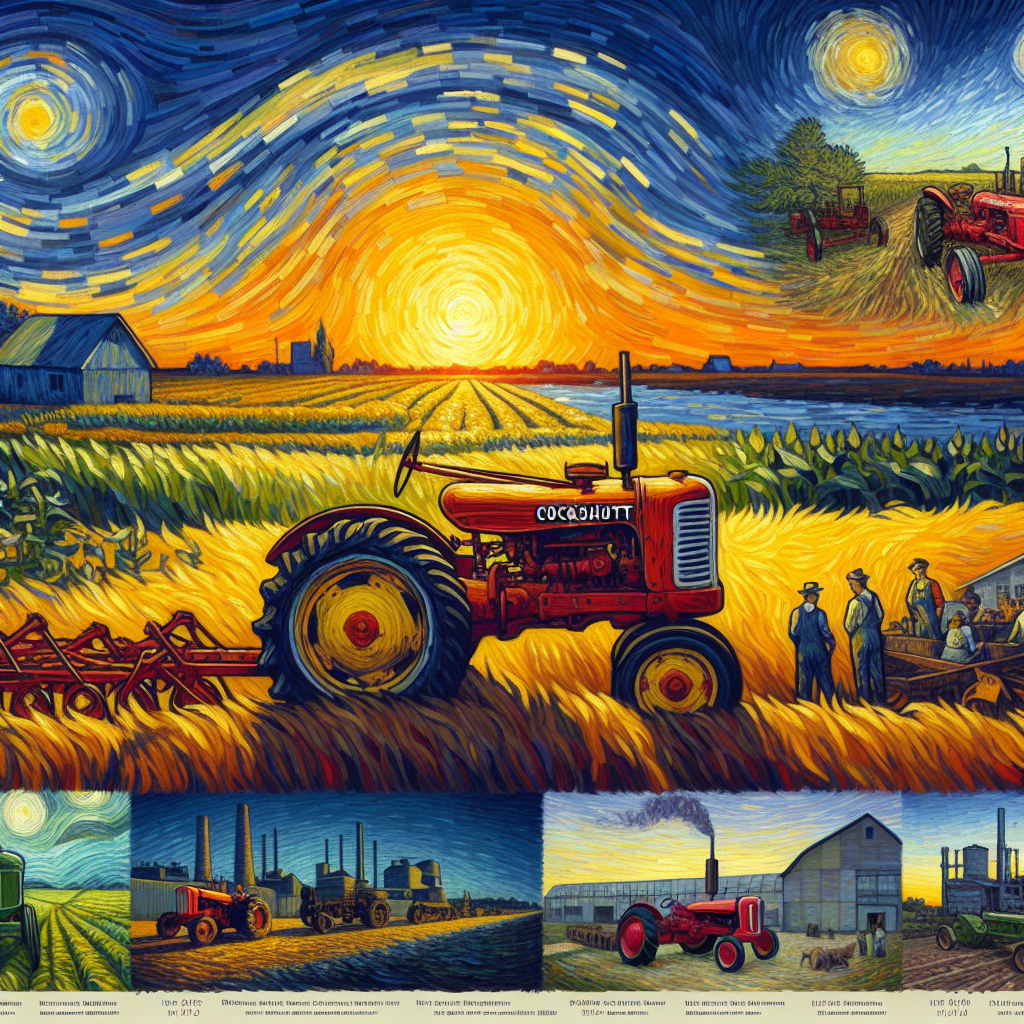
When you spot a classic tractor in a field, it’s not just an old machine; it’s a vessel of memories, a keeper of stories that dates back generations. For farmers, these tractors are more than just tools; they’re a lifeline connecting us to the past, stitching together who we are with the land we cultivate. You can almost hear the gentle hum of the engine harmonizing with the laughter of children playing nearby, or the steady rhythm of farm life making room for both work and joy.
Think back to a time when life moved at a different pace—when the sunrise greeted a farmer, standing proud next to his trusted tractor, ready to face another day of planting, harvesting, and dreaming. The patina of a weathered paint job tells a tale of years spent toiling under the sun, while the sturdy frames evoke a certain rugged reliability. There’s an unparalleled sense of pride in restoring one of these classic machines. Each turn of the wrench feels like a Homecoming—an invitation to reconnect with values and people that have shaped our lives.
Now, let’s delve a bit deeper into the emotional landscape. These classic tractors remind us not only of our lineage but also of ethics in agriculture, the hands that worked the soil before us, and the stewardship of the land we hold sacred today. There’s a collective ethos among farmers—a shared narrative that arises from the grit of hard work and the unbreakable bonds formed over long hours in the fields. Classic tractors symbolize resilience, forgiveness, and renewal.
Moreover, in an age where technology sometimes strains our connection to nature, these venerable machines allow us to root ourselves in something tangible and significant. They become a social bridge between generations, where a grandparent can share tales of yesteryear with their grandchildren as they navigate the fields, the old tractor sputtering into life. It’s a way to offer wisdom wrapped in affection, giving younger generations a sense of purpose and respect towards their agricultural heritage.
So next time you see a classic tractor, take a moment to appreciate that there’s more than meets the eye. It’s a reminder that history isn’t just written in books; it’s alive in the very soil we tread upon and in the machines that have been our partners through seasons both bountiful and challenging. Embrace that nostalgia—let it inspire you as we carry forward the legacy of those who came before us.
Why Do Classic Tractors Evoke Such Nostalgia For Farmers?
Why Do Classic Tractors Evoke Such Nostalgia For Farmers?
- Classic tractors serve as vessels of memories and stories for farmers, connecting them to their agricultural past.
- These machines embody the slower pace of life, representing hardworking days filled with routine and joy.
- Restoring a classic tractor offers a sense of pride and a chance to reconnect with personal and communal agricultural values.
- Tractors symbolize a lineage of ethics in agriculture, honoring the labor of previous generations.
- They represent resilience and renewal, fostering unbreakable bonds among farmers through shared working experiences.
- Classic tractors provide a tangible connection to nature and serve as a bridge between generations, allowing for storytelling and wisdom sharing.
- Seeing a classic tractor prompts reflection on history and the ongoing legacy in agriculture, encouraging appreciation for the past.
Why Do Classic Tractors Evoke Such Nostalgia For Farmers?
What Ethical Benefits Arise From Using Classic Tractors In Farming?
In a world racing toward automation, the nostalgia of classic tractors sparks a deeper connection to our roots—both literally and figuratively. There’s something profoundly human about these machines, their worn metal shining under the sun as they carve through the earth like hands plowing the field. When you fire up a generations-old tractor, you’re not just engaging in a physical act; you’re continuing a centuries-old dialogue with the land itself.
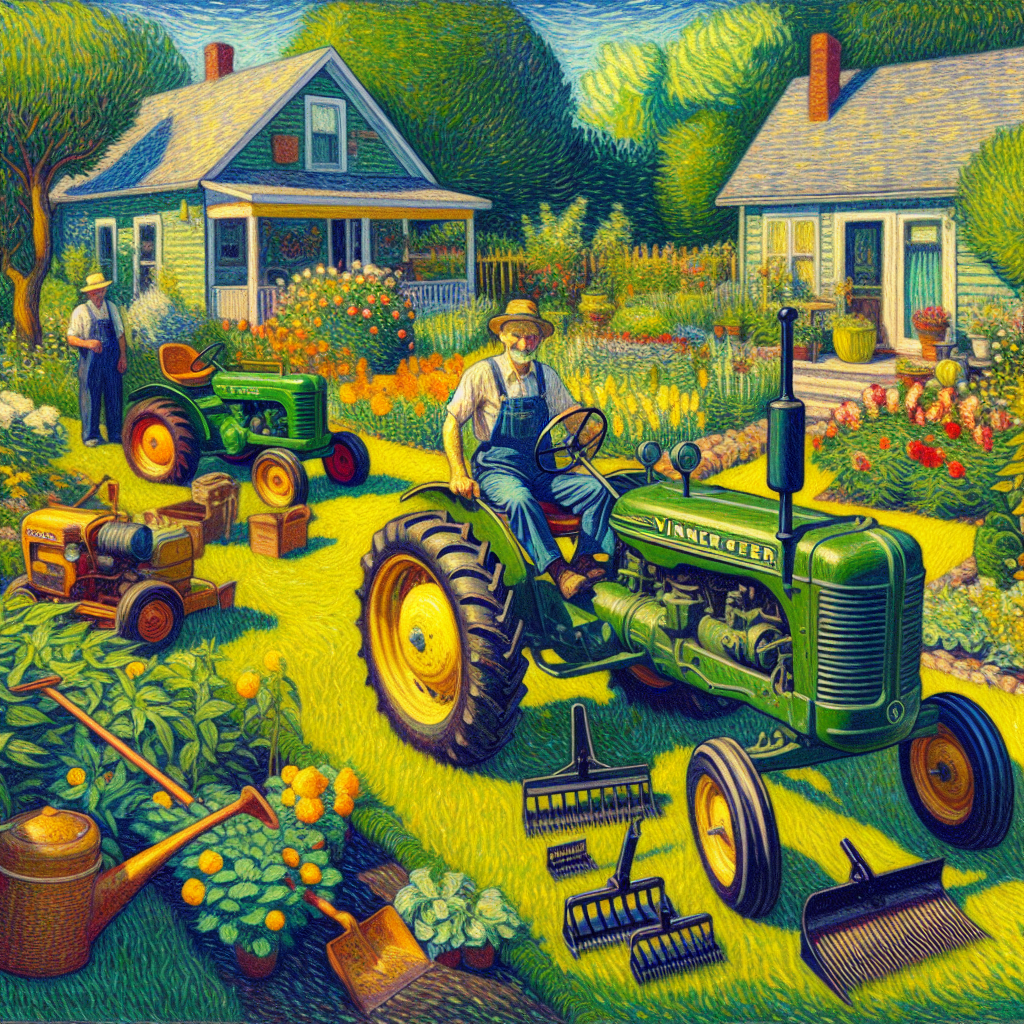
These tractors bring back a sense of responsibility and stewardship. Each scrape of the plow reminds us of our obligation to treat the earth with care, honoring the traditions handed down from farmers who understood the rhythms of nature. This understanding isn’t just about crops—it’s about cultivating a sustainable future where we respect the very soil that nourishes us. Classic tractors operate on principles of efficiency and durability, showcasing a craftsmanship that modern machines often overlook. They embody a philosophy of simplicity and functionality, allowing farmers to focus on what’s truly important: the land, the crops, and the community.
Moreover, when you choose to keep these classics running, you make a statement about autonomy and purposeful living. You’re opting out of the flashy, corporate farming trends that often prioritize profit over the planet. Instead, you become part of a movement that values heritage over convenience—a movement that encourages local farming practices enriched with ethical considerations.
These tractors, often passed down through families, are symbols of trust. When a farmer drives their dad’s old tractor across the field, they aren’t just tending the land; they’re reinforcing a bond with their lineage, reminding themselves of the hard work, sacrifice, and wisdom that built their way of life. In better preserving these machines, we’re preserving narratives that deserve to be shared—a testimony to grit, honor, and resilience.
Lastly, let’s not forget the community aspect. Classic tractors foster connections among farmers, enthusiasts, and future generations. It’s about gathering for tractor shows, sharing stories over coffee, and teaching kids the value of hard work—an ethos that seems to be slipping away in modern society. So, whether around a campfire or at a local farmers market, the conversation flows, enriching trust through shared experiences and shared values.
In embracing classic tractors, we stand for something much larger than ourselves. We lean into the beauty of our heritage while tending to the future. And in that space, we find not just sustenance, but also our purpose.
What Ethical Benefits Arise From Using Classic Tractors In Farming?
What Ethical Benefits Arise From Using Classic Tractors In Farming?
- Classic tractors evoke nostalgia, connecting us to our agricultural roots and legacy.
- They remind us of our responsibility to treat the earth with care and uphold farming traditions.
- Operating on principles of efficiency and durability, classic tractors exhibit craftsmanship often overlooked by modern machinery.
- Choosing to maintain these tractors signifies a commitment to autonomy and sustainable living over corporate farming trends.
- Passed down through families, these tractors symbolize trust and reinforce bonds with our lineage and history.
- They foster community connections among farmers and encourage the sharing of values and experiences.
- Embracing classic tractors allows us to honor our heritage while nurturing a sustainable future.

What Ethical Benefits Arise From Using Classic Tractors In Farming?
How Can Classic Tractors Simplify The Process Of Farming Tasks?
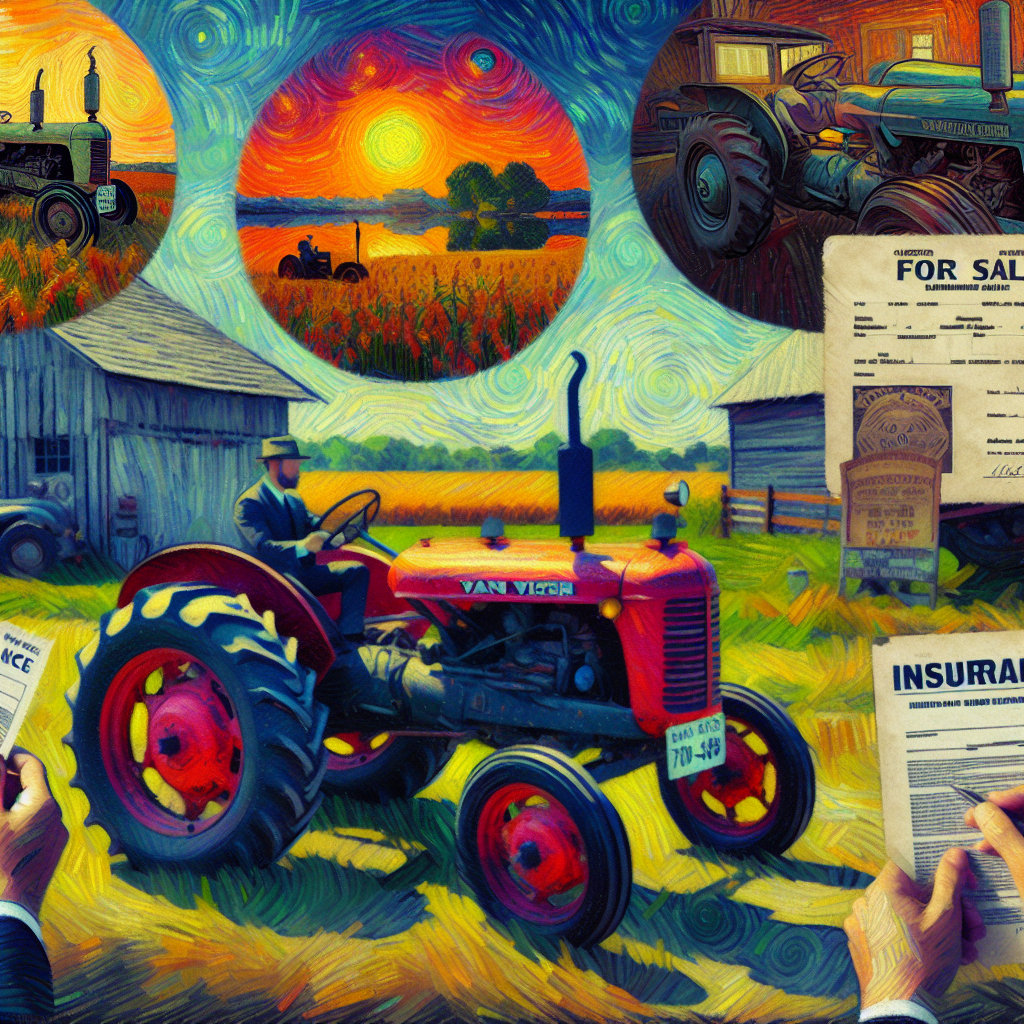
There’s something undeniably magnetic about a classic tractor. Perhaps it’s the way its weathered exterior tells the story of generations—of hands that have gripped the steering wheel, of fields tilled under a setting sun, of families that have flourished under its watchful eye. These machines aren’t just rusted relics; they are the embodiment of hard work, ingenuity, and a deep-rooted relationship with the land.
When you step into the seat of a classic tractor, you’re pulling history right along with you. This isn’t just about machinery; it’s about connection. You can feel the essence of those who came before you—their hopes, their sweat, and their relentless dedication to farming. In that moment, the complexities of modern life begin to peel away. Suddenly, you find clarity in the simplicity of a tool designed to get the job done.
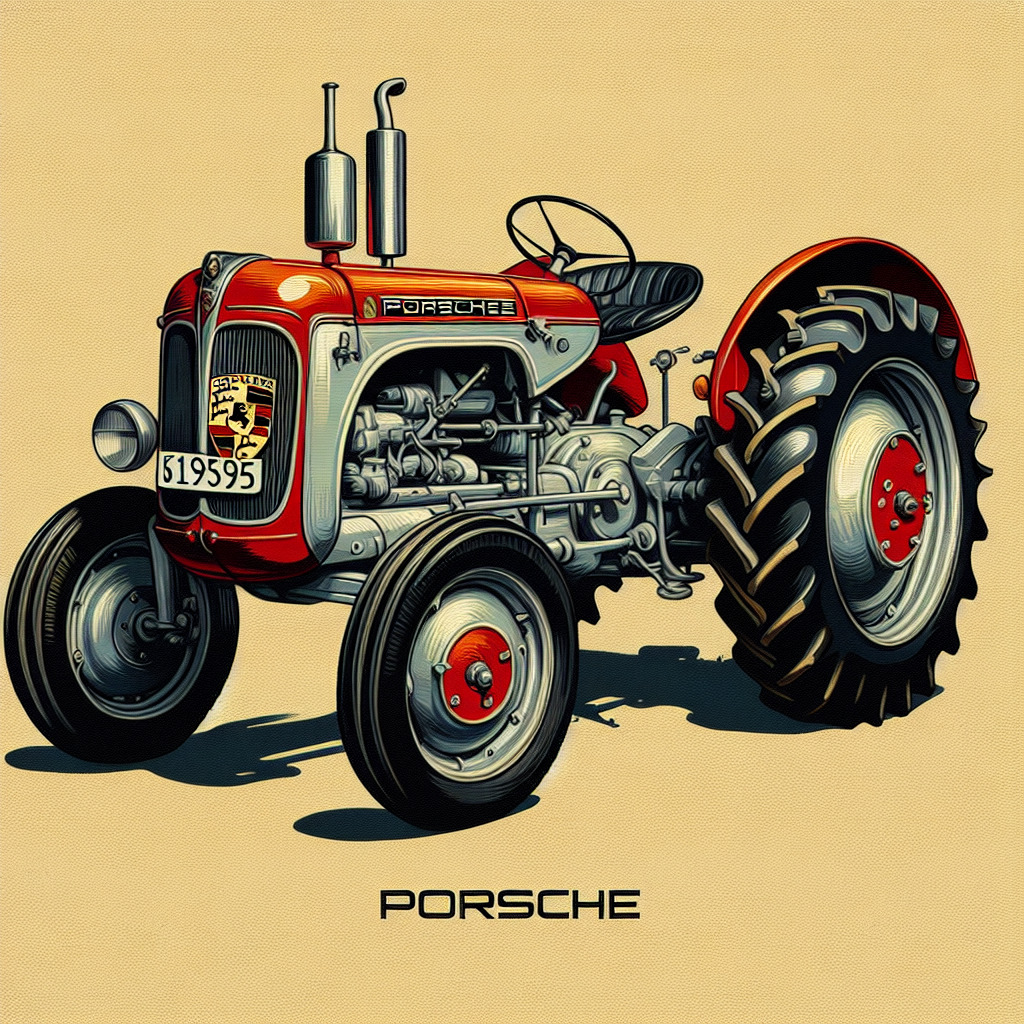
From planting to plowing, classic tractors turn daunting farming tasks into straightforward endeavors. Their sleek mechanics allow for a natural understanding of how things operate. The uncomplicated designs mean fewer headaches—no endless troubleshooting of digital displays and no tangled wires to decipher. Just you, the land, and a trusty machine that knows the rhythm of the earth. This practical wisdom fosters confidence, ensuring that anyone can tackle the day’s work with a little grit and a lot of heart.
And let’s not forget the ethical appeal of preserving these machines. Classic tractors represent sustainability, embodying an era where durability reigned supreme. With minimal reliance on technology, they exemplify a return to responsible farming—methods that respect both the land and the legacy of those who worked it.
But there’s also a community tied to these tractors. Farm shows, restoration clubs, and social gatherings centered around these machines bring passionate people together, sharing knowledge and camaraderie. When you pull into a local event with a classic tractor, you’re greeted not just as a farmer, but as a storyteller. You become part of a network, bound by the shared experience of respecting tradition and forging ahead together.
So, put your hands on that steering wheel and feel the connection. Let the rumble of the engine echo the heartbeat of the land you love. Classic tractors simplify farming tasks, not just because they work efficiently, but because they remind us of our roots and unite us in our shared passion for this beautiful, challenging, and worthy endeavor.
How Can Classic Tractors Simplify The Process Of Farming Tasks?
How Can Classic Tractors Simplify The Process Of Farming Tasks?
- Classic tractors have a magnetic appeal, offering a connection to history and generations past.
- They embody hard work, ingenuity, and a deep relationship with the land.
- Driving a classic tractor allows individuals to experience the essence of farming and simplicity.
- These machines turn complex farming tasks into straightforward endeavors with user-friendly mechanics.
- Classic tractors promote sustainability and responsible farming methods with minimal technology reliance.
- A community exists around classic tractors, fostering knowledge sharing and camaraderie at events and gatherings.
- Driving a classic tractor not only fulfills practical needs but also strengthens connections to roots and shared passions.
How Can Classic Tractors Simplify The Process Of Farming Tasks?
How Do Classic Tractors Connect Us To Sustainable Farming Practices?
In a world rapidly spinning toward modernity, it’s easy to overlook the old giants sitting quietly in fields—the classic tractors that have fueled our agricultural landscape for generations. These machines aren’t just rusting relics of a time gone by; they are symbols of a sustainable farming ethos that connects us to the land in ways that modern equipment often cannot. When you look at a classic tractor, what do you see? Perhaps a hulking piece of machinery, or maybe the spirit of innovation that enabled farmers to nurture the Earth with respect and skill.
Let’s start with the heart. Picture the farmer, weathered hands gripping a worn steering wheel, navigating a field that tells the story of their family for generations. Each furrow plowed by these tractors is a testament to resilience and dedication. The connection runs deep—a bond built on hard work and deep-rooted love for the land. Every time that tractor roars to life, it shouts a chorus of sustainability. It offers a way to farm that embraces the land rather than pillages it, restoring balance rather than demanding excessive inputs.
Now, let’s engage the head. Classic tractors are often simpler machines—less reliant on complex electronics or fuels that tear at the fabric of our environment. Their durability means they can be repaired, repurposed, and passed down, reducing waste and reinforcing the notion of stewardship. This is sustainable farming in action: promoting practices that lessen our ecological footprint while empowering communities. A classic tractor is more than just a tool; it’s a lifeline to an era of agriculture rooted in mindful practices.
Then we dive into the gut. Every time that engine starts, it echoes with the promise of sustainability, reminding us of our role as stewards of the planet. Think about it: when those classic tractors work the soil, they aerate and fortify it, supporting biodiversity and preserving the health of crops. It’s a cycle that feeds families and nurtures ecosystems alike.
So, let’s take a moment to recognize these unsung heroes. In every community where these tractors still turn the soil, there lies a testament to the sustainability that can thrive when we look back at our roots. It’s not just about farming; it’s about connection, responsibility, and a future where both people and the planet can flourish together. Embrace that connection, and you’ll discover that classic tractors are not just machines—they are the guardians of a sustainable way of life that we all have a stake in preserving.
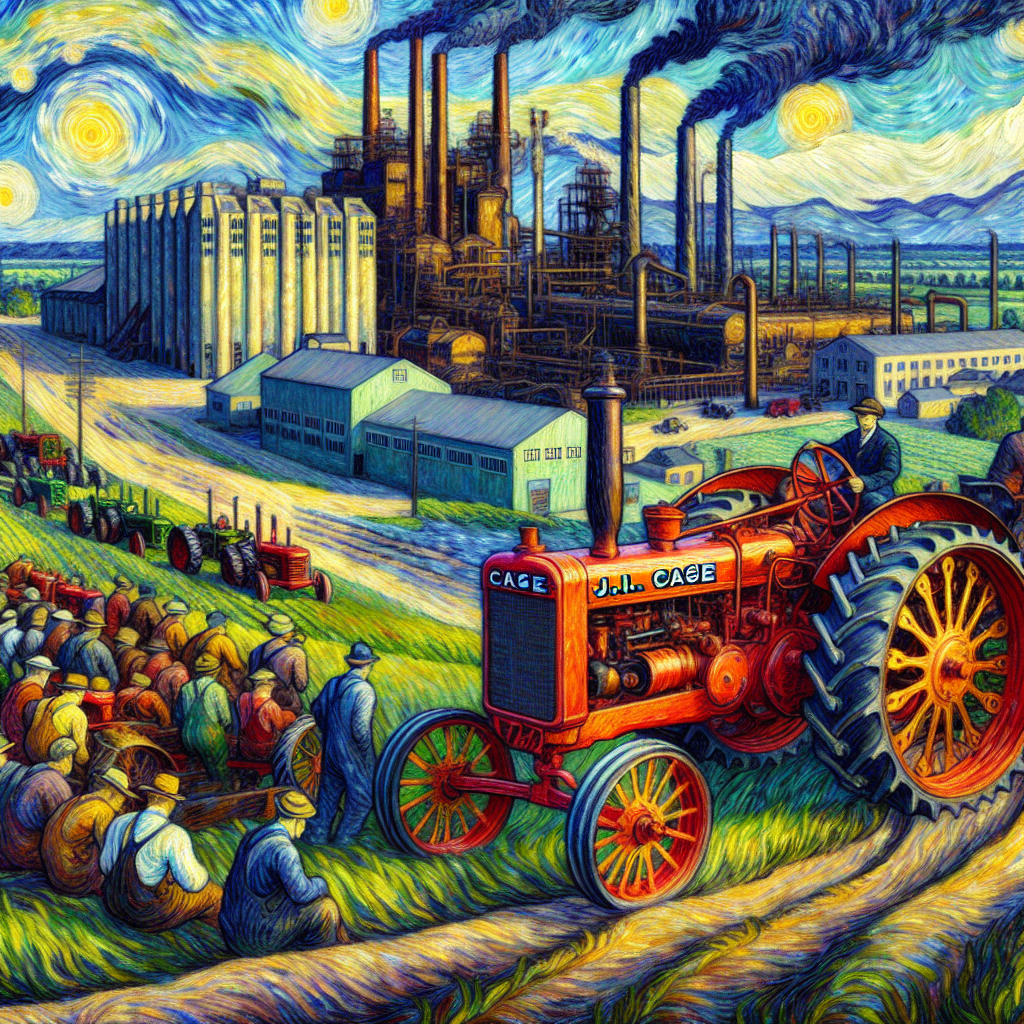
How Do Classic Tractors Connect Us To Sustainable Farming Practices?
How Do Classic Tractors Connect Us To Sustainable Farming Practices?
- Classic tractors symbolize a sustainable farming ethos connecting us to the land.
- They represent resilience and dedication, telling the story of generations of farmers.
- Classic tractors promote sustainability by embracing the land and restoring balance.
- These machines are simpler, more durable, and less reliant on complex electronics.
- They can be repaired and passed down, reducing waste and encouraging stewardship.
- By aerating and fortifying the soil, classic tractors support biodiversity and crop health.
- Recognizing these tractors acknowledges the importance of responsible farming and community connections.
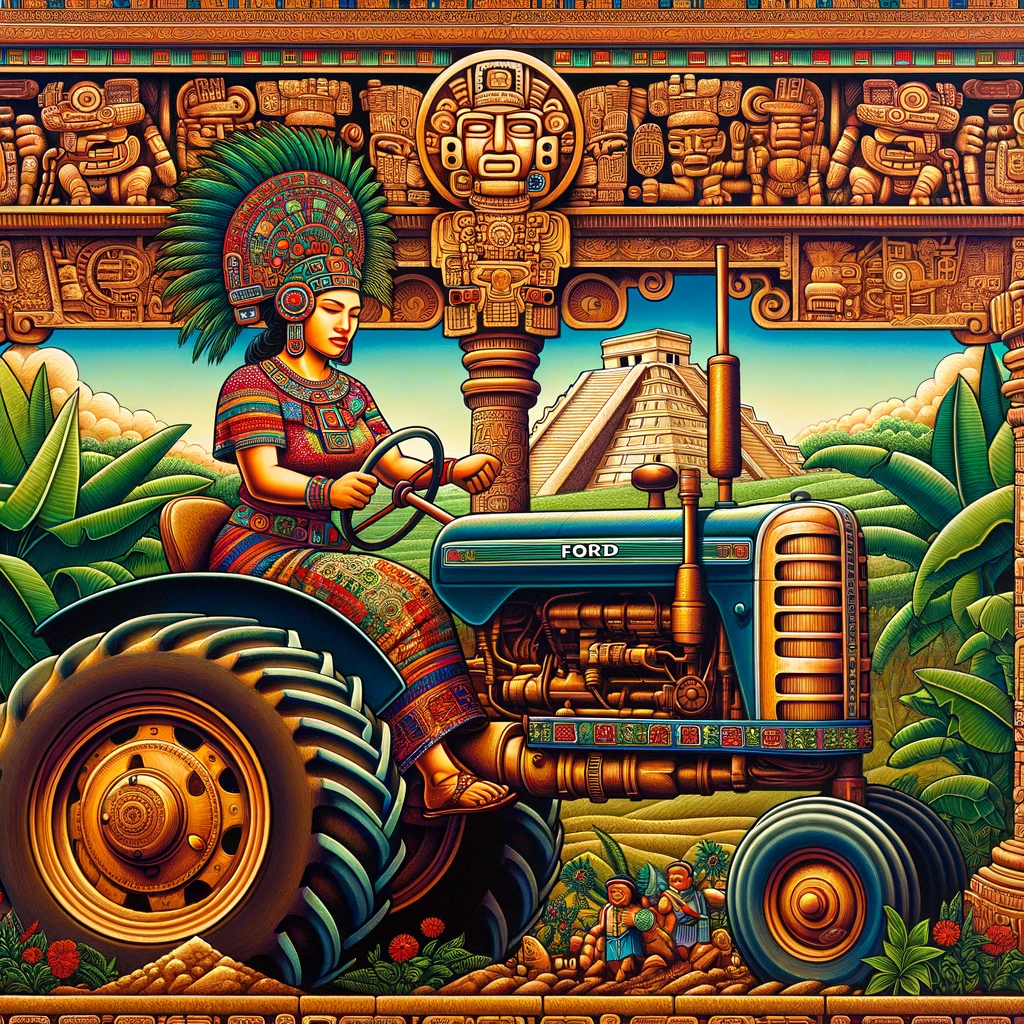
How Do Classic Tractors Connect Us To Sustainable Farming Practices?
Why Do Farmers Feel Emotionally Attached To Their Classic Tractors?
Picture a sun-soaked field, the kind that stretches endlessly, where the sky meets the earth in a vivid embrace. Amidst the swaying golden grains, there’s a hard-working farmer, briefly pausing to admire their trusty classic tractor—a rusty, yet robust machine that has become more than just a tool. It becomes a symbol of memories, stories, and resilience.
To the untrained eye, it’s merely a tractor, but to farmers, it resonates like a cherished family heirloom. Each dent and scratch narrates a chapter of hard work and commitment, holding weighty memories of seasons spent laboring under the hot sun or braving harsh storms. These aren’t just pieces of machinery; they’re vessels of tradition. They embody the blood, sweat, and tears of generations before, giving life to the land and the families who work it.
Rationally speaking, there’s a tangible connection too. Classic tractors were designed to last, built with the robust craftsmanship of a bygone era—machines that understand the earth they plow and the crops they help grow. This durability fosters a sense of reliability; when the world seems uncertain, knowing that a trusted tractor sits in the barn provides peace of mind. Those farmers can recalibrate and find solace in what their hands have created and nurtured.
Ethically, there’s a deeper attachment rooted in sustainability and stewardship. Farmers have weathered countless storms—literal and metaphorical. Reviving and maintaining these old tractors is not just an act of nostalgia; it’s a commitment to preserving agriculture’s past, honoring the labor that built their communities, and ensuring their practices resonate with future generations. The act becomes an ethical choice: a pledge to uphold a legacy that’s both personal and communal.
The connection runs even deeper when it comes to the social fabric of farming. Each tractor often carries stories of camaraderie—neighbors lending a hand during harvest or sharing tales over the barrier fence. These shared experiences weave an unbreakable bond, creating a sense of belonging that extends beyond individual fields. When farmers gather at the local diner, or during a county fair, the pride in classic tractors becomes part of the shared identity, fostering a community rich in history and perseverance.
So next time you see a farmer with their classic tractor, know that it’s not just a machine; it’s a testament to a life’s work, a legacy, and a bridge that connects past, present, and future. In a world accelerating towards the new and shiny, let us not forget the heart behind the machine.
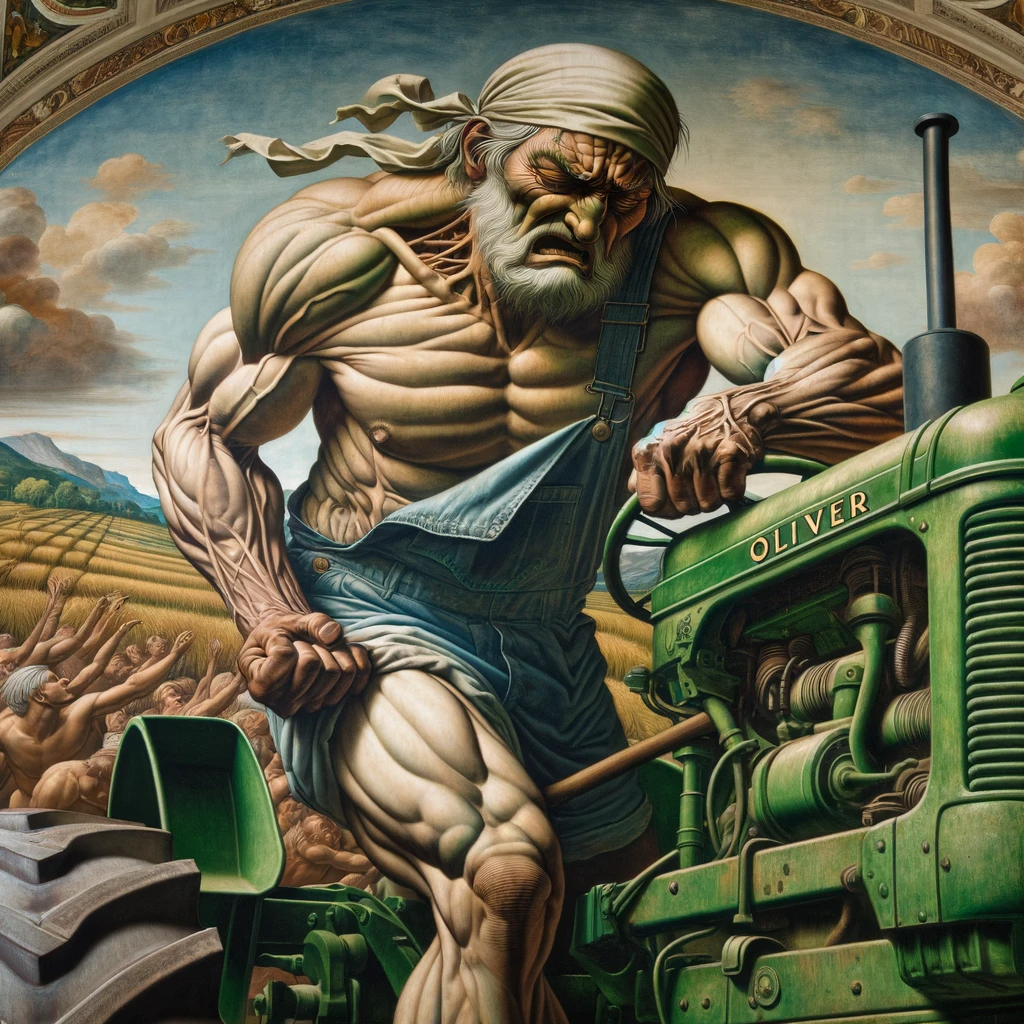
Why Do Farmers Feel Emotionally Attached To Their Classic Tractors?
Why Do Farmers Feel Emotionally Attached To Their Classic Tractors?
Here’s the summary formatted as a bulleted HTML list:
- Sun-soaked fields symbolize the connection between farmers and their land.
- Classic tractors serve as more than tools; they embody memories, stories, and resilience.
- Each scratch on a tractor tells a tale of hard work and dedication.
- Classic tractors are durable, fostering reliability and peace of mind for farmers.
- Maintaining these tractors represents a commitment to agricultural sustainability and heritage.
- Tractors carry stories of community, camaraderie, and shared experiences among farmers.
- Classic tractors serve as a testament to a farmer’s legacy, connecting generations and fostering identity.
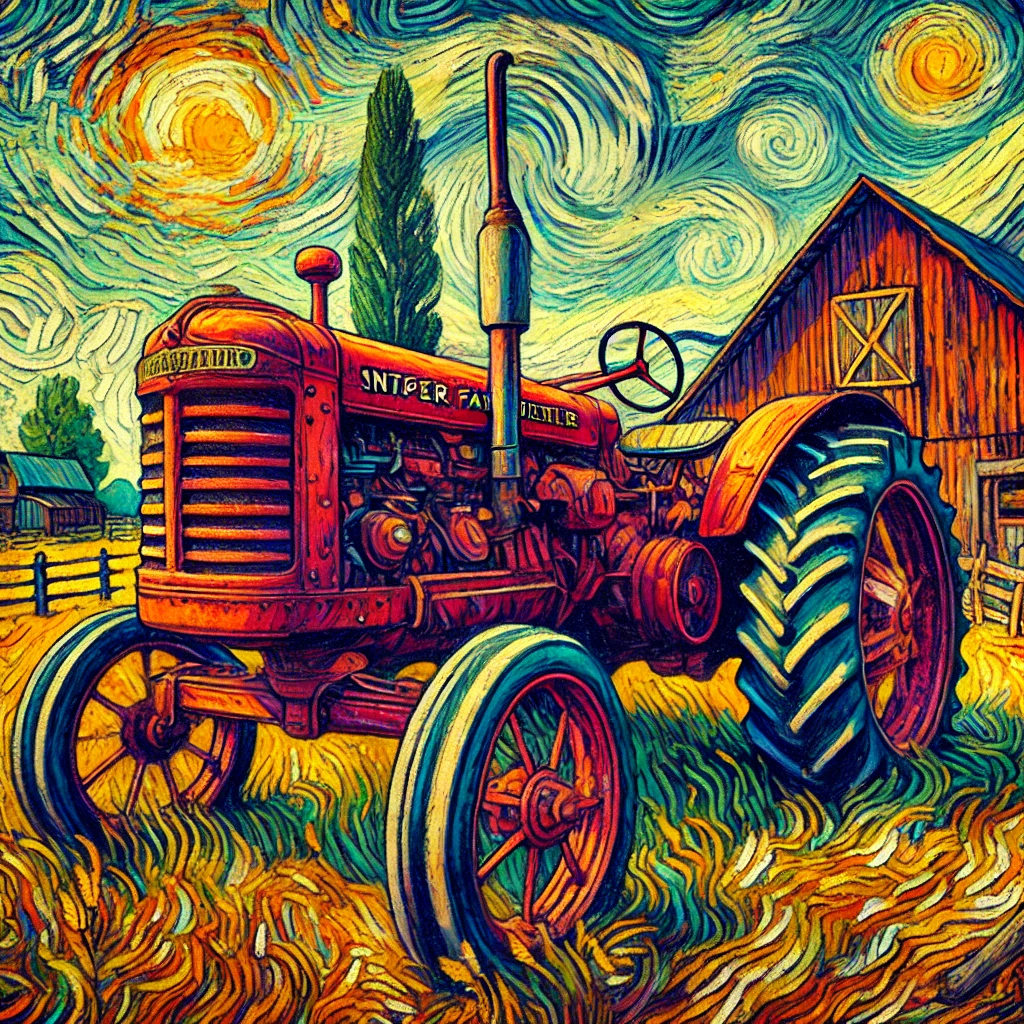
Why Do Farmers Feel Emotionally Attached To Their Classic Tractors?
Why Might Farmers Prefer Classic Tractors Over Modern Technology?
In the heart of farming country, where the soil is rich and the spirit of hard work runs deep, many farmers are choosing to return to their roots—literally—by embracing classic tractors over the latest advancements in agricultural technology. At first glance, this may seem like a step backward, but when you dig a little deeper, the reasons are as grounded as the fields they cultivate.
First, there’s an emotional connection that classic tractors evoke. These machines are often passed down through generations, each scratch and dent telling a story of sweat, toil, and stubborn resilience. For many farmers, firing up that vintage tractor is akin to opening a family album, filled with memories of summer days spent planting and harvesting alongside their parents and grandparents. It taps into the heart, reminding them of why they chose this way of life in the first place.
When it comes to rationality, classic tractors often shine for their simplicity. Modern technology comes loaded with complexities—software updates, GPS systems, and intricate sensors that can overwhelm even the most savvy operator. Classic tractors, on the other hand, are straightforward and reliable. With fewer moving parts and little electronics, they become easier to maintain, allowing farmers to spend less time in the repair shop and more time in the fields. This practicality appeals to the gut, where hard work and common sense reign supreme.
On an ethical level, there’s also something quite noble about keeping these vintage machines running. By choosing to maintain and use classic tractors, farmers are preserving our agricultural heritage and reducing the carbon footprint associated with the production of new machinery. They become stewards of the land and the machines that work it, forging a connection between the past and the future that resonates within their communities.
And let’s not overlook the authority that comes from experience. Farmers who rely on classic tractors possess the hands-on knowledge that only those who have toiled in the fields can understand. Their credibility shines when they discuss the way these tractors stand the test of time against the backdrop of ever-changing technology. This social aspect fosters a sense of camaraderie among them, connecting like-minded individuals bonded by shared values of perseverance and tradition.
At the end of the day, it’s not just about the tractors themselves—it’s about a way of life that champions simplicity, reliability, and the stories they carry. So when you see those classic tractors rolling across the fields, remember they’re more than mere machinery; they’re emblematic of a farmer’s heart, head, and spirit.
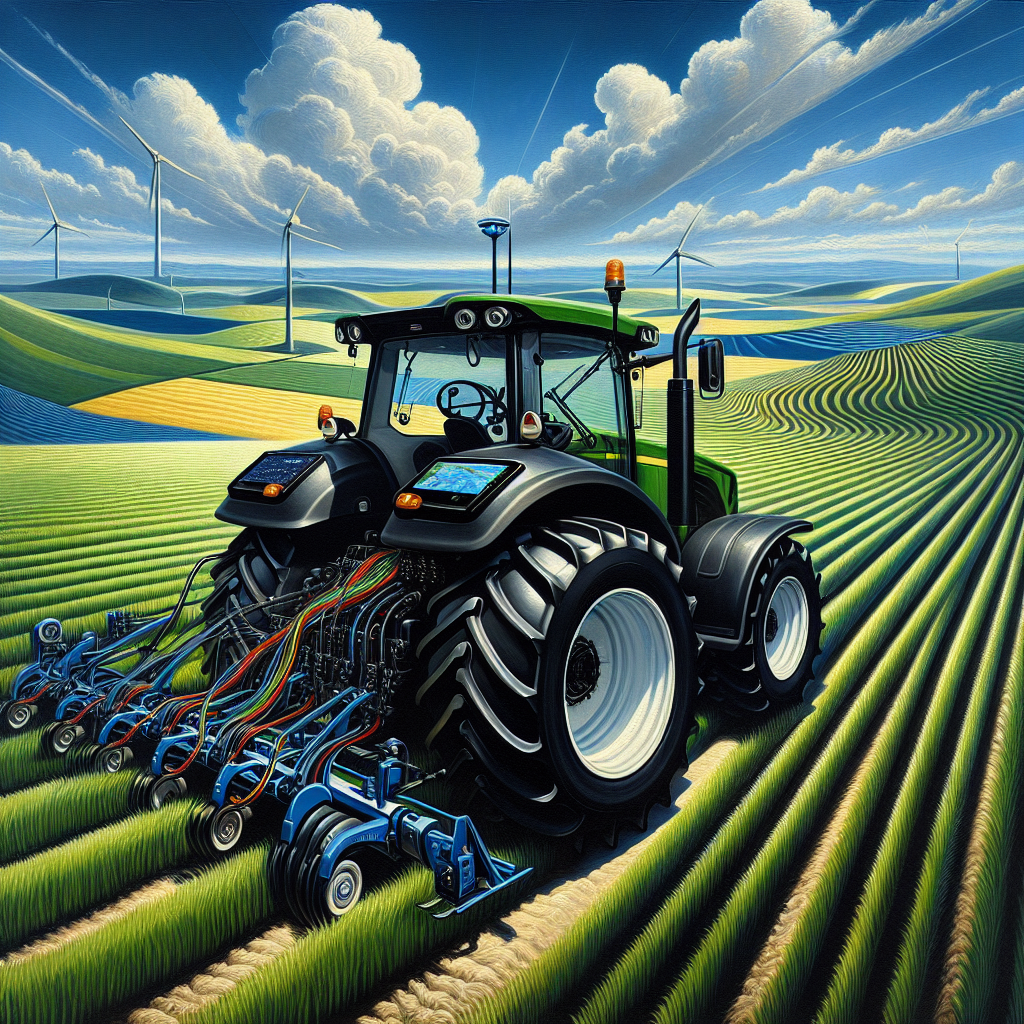
Why Might Farmers Prefer Classic Tractors Over Modern Technology?
Why Might Farmers Prefer Classic Tractors Over Modern Technology?
- Farmers are returning to classic tractors, valuing their emotional connection and heritage.
- Classic tractors symbolize memories of family and tradition in agriculture.
- These machines are simpler and more reliable than modern technology, making them easier to maintain.
- Using classic tractors helps preserve agricultural heritage and reduces the carbon footprint of new machinery.
- Farmers gain credibility and camaraderie by relying on classic tractors and sharing their experiences.
- Classic tractors represent more than machinery; they epitomize simplicity, reliability, and resilience.
- The choice to use these tractors reflects a commitment to a way of life rooted in hard work and tradition.
Why Might Farmers Prefer Classic Tractors Over Modern Technology?
Conclusion
Conclusion: The Enduring Legacy of Classic Tractors
As we gaze out over the undulating fields, dotted with the telltale shape of classic tractors, a palpable nostalgia washes over us. These aren’t just machines; they are living history, embodying the grit and determination of generations of farmers who toiled beneath the sun. They represent an era of simplicity in an increasingly complex world, a bridge between past and future that connects us deeply to our agricultural roots.
It’s hard not to feel a twinge of emotion when you see a farmer polishing the paint on their classic tractor, hands stained with dirt—a symbol of labor and love intertwined. Each scratch on that metal shell tells a story, a narrative of resilience against the elements and the struggles of farm life. These tractors are vessels of memory and legacy, embodying the spirit of those who came before us, who understood the land not merely as a livelihood, but as an integral part of identity.
From a rational standpoint, classic tractors often win the practical duel against their high-tech counterparts. They embody simplicity, offering a straightforward approach to farming tasks that even novices can master without hours of instruction. With fewer components to worry about, maintenance becomes an exercise in community—a neighborly exchange of tips over a cup of coffee or a shared laugh about past repair blunders. In these interactions, farmers build not just machines, but bonds that foster a shared sense of belonging and support.
Ethically, the choice to utilize classic tractors speaks volumes about sustainability. In an age perpetually rushing toward automation and consumerism, these rugged machines almost scream for a return to the roots of ethical farming—a reminder that sustainability isn’t just a trend; it’s a way of life that honors both the land and the effort that goes into nurturing it. By investing in older machinery, farmers stand as stewards of both the earth and the stories embedded in these tractors, ensuring that future generations not only inherit the tools of agriculture but also the values attached to them.
So next time you see a classic tractor lumbering down a dirt road or parked proudly amid golden fields, take a moment to appreciate the heart and soul contained within. It’s not merely about farming; it’s about storytelling, heritage, and celebrating the resilience that each farmer cultivates within and around them. In a world buzzing with ever-changing technologies, these timeless machines remind us to slow down, reflect on our roots, and find joy in the enduring simplicity that farming once embodied. Here’s to the tractors that tie us together in a legacy that reminds us who we truly are.
Conclusion
Conclusion:
- Classic tractors serve as living history, representing the hard work and determination of past generations of farmers.
- Each scratch on a classic tractor tells a story of resilience and the struggles of farm life.
- These machines connect people to their agricultural roots, emphasizing the importance of land as part of identity.
- Classic tractors offer simplicity and are easier to operate and maintain compared to modern technology.
- Maintenance of these tractors fosters community, encouraging exchanges of knowledge and personal connections among farmers.
- Choosing classic tractors reflects a commitment to sustainability and ethical farming practices.
- Classic tractors remind us to appreciate our heritage and the enduring simplicity of farming in a fast-paced world.
Conclusion
Other Resources
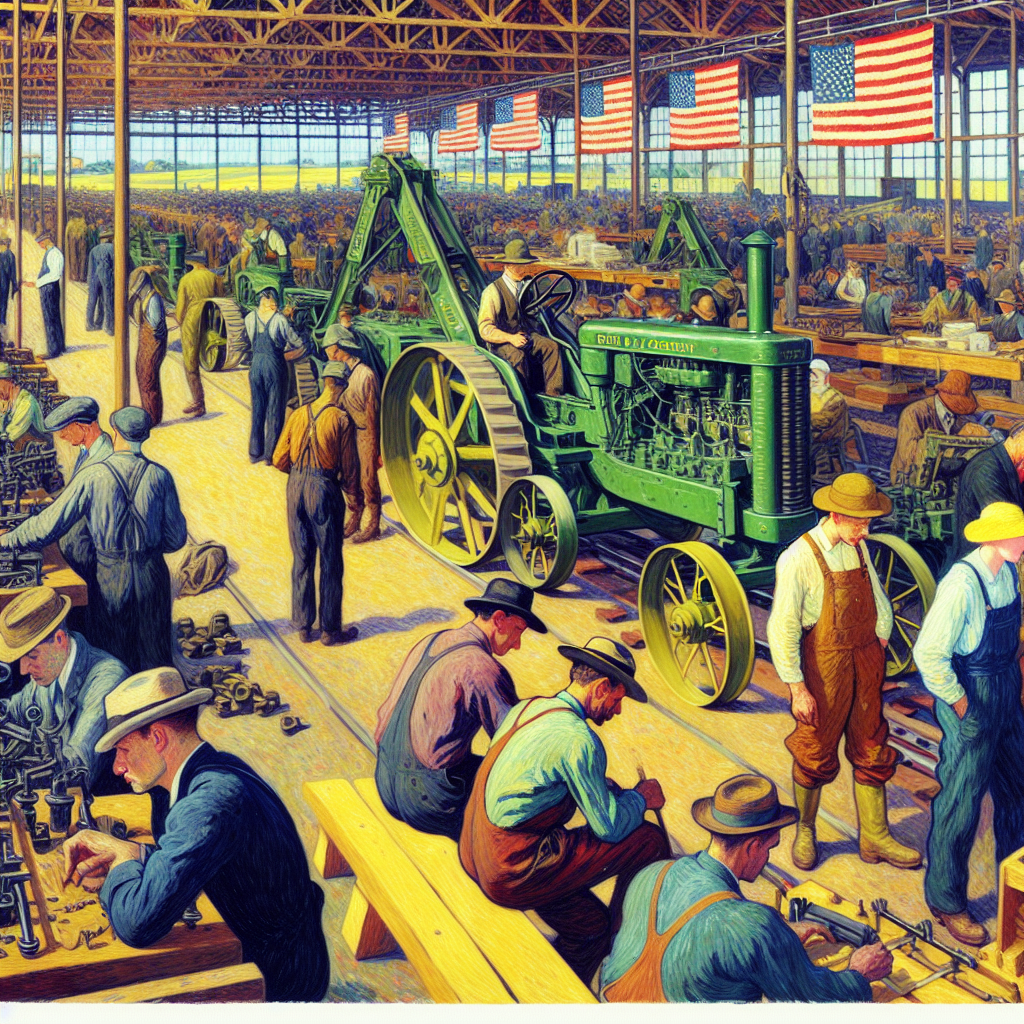
Other Resources
Here is a list of other resources you can review online to learn more:
- Newark Vintage Tractor & Heritage Show
- LeRoi
- Just Farm Kids Tractor Show
- Cameco
- Kioti
- Holder
- VST
- Florida Farm Days and Tractor Show
- Ventrac
- Fieldking
Use This Prompt To Get More Resources With Your Favorite Online AI Tool: Please provide me with a list of online articles with their URLs in a bulleted list that I can read regarding Why Do Farmers Rave About The Simplicity Of Classic Tractors
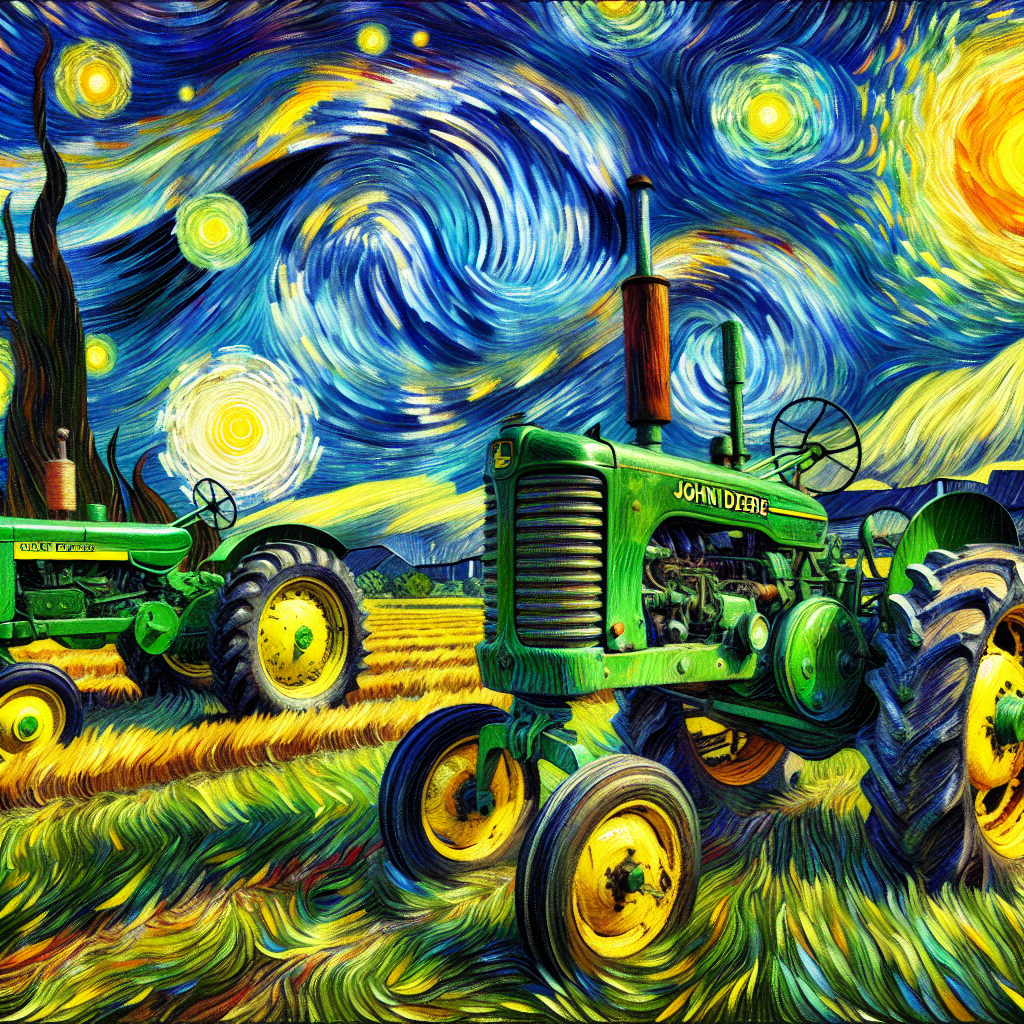
Other Resources
Glossary Terms
Why Do Farmers Rave About The Simplicity Of Classic Tractors – Glossary Of Terms
1. Classic Tractor: A vintage tractor, typically built before the 1980s, known for its simple design, durability, and ease of repair.
2. Simplicity: A characteristic of classic tractors that refers to their straightforward design and mechanical systems, making them easy to use and maintain.
3. Durability: The ability of classic tractors to withstand the rigors of farming work over extended periods, often attributed to robust construction.
4. Mechanics: The principles and components that govern the functioning of tractors, which are simpler in classic models compared to modern designs.
5. Repairability: The ease with which classic tractors can be fixed, often due to accessible parts and uncomplicated mechanisms.
6. Nostalgia: A sentimental longing for the past, often experienced by farmers who grew up using classic tractors and appreciate their heritage.
7. Versatility: The capacity of classic tractors to perform a variety of agricultural tasks, making them valuable tools on the farm.
8. Farm Heritage: The cultural and historical significance of farming practices, deeply entwined with the use of classic machinery like tractors.
9. Fuel Efficiency: The measure of how well a tractor uses fuel, with many classic tractors known for their economical fuel consumption compared to larger modern machines.
10. Vintage Equipment: Equipment and machinery that are over 20 years old, including tractors that are prized for their craftsmanship and reliability.
11. Agility: The ability of a classic tractor to maneuver easily in various farming conditions, particularly in smaller fields or tight spaces.
12. Field Work: Agricultural tasks conducted on land, for which classic tractors are often well-suited due to their power and simplicity.
13. Restoration: The process of repairing and refurbishing classic tractors to bring them back to their original condition or improve their functionality.
14. Collectibility: The appeal of classic tractors as items for collectors, often increasing their value and interest among enthusiasts.
15. Hands-On Maintenance: The ability for farmers to personally maintain their classic tractors, as these machines often require less technical knowledge.
16. Timeless Design: An aesthetic and functional appeal of classic tractors that remains relevant and appreciated across generations.
17. Community: The network of farmers and enthusiasts who share a passion for classic tractors and often come together in clubs or shows.
18. Agricultural Innovation: Refers to the evolution of farming technology, with classic tractors representing earlier, more straightforward methods of mechanization.
19. Performance: The effectiveness of a tractor in doing its job, with classic tractors often praised for their reliable performance in various conditions.
20. Tillage: The agricultural preparation of soil by turning it over, which classic tractors are often used for due to their power and reliability.
21. PTO (Power Take-Off): A device that transfers power from the tractor’s engine to various implements, commonly found on both classic and modern tractors.
22. Traction: The grip a tractor has on the ground, which is particularly important for classic tractors that may be used in challenging terrains.
23. Operator Comfort: Refers to the ease of use and comfort level of the tractor for the driver, something older models have been known for due to their no-frills design.
24. Legacy: The enduring impact of classic tractors on farming practices and culture, which continues to influence modern agricultural techniques.
25. Farmland: The land used for agricultural purposes, where classic tractors play a crucial role in cultivation and maintenance.
26. Sustainability: The practice of using resources efficiently, with many farmers considering classic tractors as a sustainable option due to their simple mechanics and longevity.
27. Heritage Farming: Farming methods that emphasize traditional practices and equipment, often including the use of classic tractors.
28. Community Events: Gatherings such as tractor shows or farming fairs that celebrate agricultural history, often featuring classic tractors and their stories.
29. Easiness of Use: The intuitive operation of classic tractors, which often requires less formal training to operate than complex modern machinery.
30. Economical: Referring to the cost-effectiveness of owning and operating a classic tractor, which can often be less expensive than newer, high-tech options.
Glossary Of Terms
Other Questions
Why Do Farmers Rave About The Simplicity Of Classic Tractors – Other Questions
If you wish to explore and discover more, consider looking for answers to these questions:
- What are the most popular models of classic tractors among farmers?
- How do classic tractors compare in cost to modern farming equipment?
- What maintenance issues do classic tractors commonly face?
- How do farmers restore and maintain their classic tractors?
- What are the environmental impacts of using classic tractors versus modern machinery?
- Are there communities or clubs centered around classic tractor enthusiasts?
- What role do classic tractors play in agricultural education for younger generations?
- How have classic tractors influenced modern farming practices?
- What safety considerations should farmers keep in mind when using classic tractors?
- How can classic tractors benefit small-scale or local farms specifically?
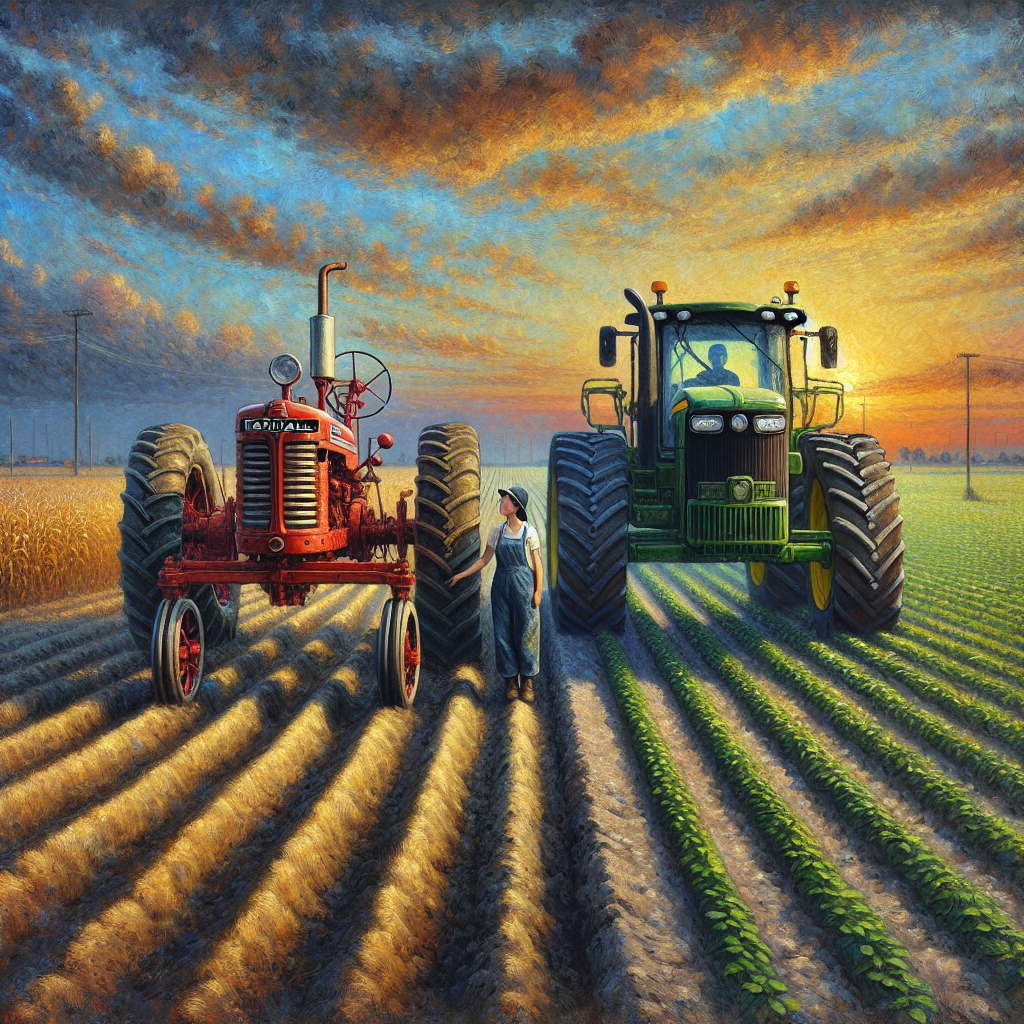
Other Questions
Haiku
Why Do Farmers Rave About The Simplicity Of Classic Tractors – A Haiku
Steel beasts plow the soil,
Whispers of heritage stir,
Legacy rolls on.
Haiku
Poem
Why Do Farmers Rave About The Simplicity Of Classic Tractors – A Poem
In Fields of Time: A Tribute to Classic Tractors
In fields where golden grains sway free,
Classic tractors hum with history,
Rusty giants, steadfast and true,
Whisper tales of those who grew.
With hands that turned the earth each day,
They speak of love in labor’s sway,
Of sweat and grit, where roots run deep,
A legacy in soil we keep.
The simple levers, dials that turn,
A soothing craft from which we learn,
No flashing screens, no tangled wires,
Just man and earth, fulfilling desires.
In trusted steel where stories lie,
Of storms weathered, and sunsets nigh;
Each dent, a memoir, each scratch, a song,
A life stitched where we all belong.
How we gather ’round these ancient frames,
Sharing laughter, stories, and names,
Communities forged in the heat of toil,
Neighbors united by the sacred soil.
Sustainability forged in every turn,
A gentle reminder for which we yearn,
These tractors embody the values we claim,
Reverence for land, not a fleeting game.
In their heartbeat, our past resounds,
A bridge to heritage, where hope abounds,
As generations gather to pass the lore,
In the rumble of engines, tradition shall soar.
So, let us honor these vessels of care,
In a world racing fast, they slow us to share,
For within the simplicity, our truths we find,
In fields of time, our hearts intertwined.
Classic tractors, more than machines,
They pulse with purpose, they carry our dreams.
With every harvest beneath sun’s embrace,
They remind us of essence, of love’s gentle grace.
Poem
Checklist
Why Do Farmers Rave About The Simplicity Of Classic Tractors – A Checklist
Classic Tractors: A Heart, Head, and Gut Checklist
Heart Appeals
1. Emotional Connection: Reflect on your personal memories or stories associated with classic tractors or farming. What feelings do they evoke?
2. Legacy: Consider the legacy you want to create. How can classic tractors be a part of that legacy for you and your family?
3. Community Impact: Engage with local farming communities. How might sharing your experiences with classic tractors strengthen bonds within your community?
4. Value of Tradition: Identify traditions in your life that connect you to your past. What role do classic tractors play in preserving these traditions?
Head Appeals
5. Cost-Effectiveness: Research the long-term maintenance costs of classic tractors compared to modern equipment. Are the numbers in favor of simplicity?
6. Practical Benefits: Make a list of the practical benefits of using classic tractors, such as ease of use, repairability, and reduced reliance on technology.
7. Sustainability: Explore the environmental benefits of using classic tractors. How do they align with sustainable farming practices?
8. Gaining Knowledge: Assess your understanding of farming equipment. How can hands-on experience with classic tractors enhance your practical knowledge?
Gut Appeals
9. Intuitive Operation: Spend time with a classic tractor. Notice how it feels to operate a straightforward machine. Does the simplicity create a sense of competence and control?
10. Sense of Responsibility: Connect with the idea of stewardship over the land. How does using classic equipment align with your gut feeling about treating the Earth responsibly?
11. Community Events: Participate in local farming events or tractor shows. How does being around others who share similar values resonate with you?
12. Embodiment of Hard Work: Consider the grit it takes to maintain a classic tractor. Does this resonate with your own values of hard work and dedication?
Ethical Appeals
13. Preservation of Heritage: Reflect on the importance of agricultural heritage. What values do classic tractors represent in your view?
14. Ethical Farming Practices: How do classic tractors support your vision of ethical farming? What principles guide this perspective?
15. Teaching Future Generations: Consider how you can pass down the knowledge of classic tractors and sustainable practices to younger generations. What stories will you share?
16. Commitment to Community: Assess how sharing your knowledge or experiences with others can foster an ethical farming community.
Authority Appeals
17. Historical Significance: Research the history of classic tractors and their impact on agriculture. How does this knowledge enhance your appreciation for them?
18. Sharing Expertise: Identify opportunities to share your expertise about classic tractors with others. How can you position yourself as a trusted resource?
19. Learning from Elders: Seek out veterans in farming who can share their stories about working with classic machinery. What insights can you gain from their experiences?
20. Trend Awareness: Stay informed about trends in sustainable farming and how classic tractors fit into these discussions. What insights can you gather from expert opinions?
Narrative Appeals
21. Personal Storytelling: Write your own narrative about how classic tractors play a role in your life. How does storytelling strengthen personal connections to farming?
22. Sharing Experiences: Share your experiences or those of others in your community with classic tractors in a blog or at local gatherings. How does storytelling enrich community ties?
23. Cultural Representation: Explore how classic tractors represent cultural or regional identities. What narratives about farming and tractors are celebrated in your area?
24. Inspiration for Future Generations: Craft a narrative that highlights the importance of passing down the stories of classic tractors to future generations. How does this inspire a deeper connection to farming?
Social Appeals
25. Engagement in Local Events: Attend local fairs, markets, or gatherings centered around classic tractors. How can these social settings enhance your appreciation and connection to the community?
26. Collaborative Learning: Engage in a community restoration project for classic tractors. How does collaboration foster trust and camaraderie among participants?
27. Network Building: Connect with other classic tractor enthusiasts or farmers who share your values. What bonds can you form through shared interests?
28. Advocacy for Traditional Practices: Engage in discussions about the importance of traditional farming practices within social circles. How can you influence others’ perspectives?
This checklist can be used as a companion to the article, enriching the reader’s understanding and encouraging deeper reflection on the significance of classic tractors in farming and community.
Checklist
At ClassicTractorNews, we help tractor lovers keep up with the latest news for classic and vintage tractors.
Please share this post with your friends, family, or business associates who may like old classic or vintage tractors.