


Empower Your Journey: The Timeless Trust Of Classic Tractors
By Tom Seest
At ClassicTractorNews, we help tractor lovers keep up with the latest news for classic and vintage tractors.
Please share this post with your friends, family, or business associates who may like old classic or vintage tractors.
Why Classic Tractors Don’t Need Dealers to Keep Running
Why Classic Tractors Don’t Need Dealers to Keep Running
There’s something undeniably powerful about a classic tractor, a machine built not just for work but for stories, memories, and a connection to the land. These robust workhorses have weathered years under the sun, enduring the trials of time, and yet they stand resilient, often needing little more than a trusty hand and a few basic tools to keep them purring.
Consider the age-old wisdom of farmers who have maintained these tractors long after their last dealer stepped back. It’s not merely about the mechanical parts or the horsepower beneath the hood; it’s about understanding the heart and soul of the machine. Years spent plowing fields turn a simple tractor into a trusted companion. Every dent and scratch tells a story, echoing long summer days and hard-won harvests. The bond formed is one of respect and admiration for what a machine can accomplish when cared for.
People often think that expertise lies solely in the hands of dealers—but the truth is, it’s in the hands of those intimately acquainted with their machines. Each farmer learns to listen to the sounds their tractor makes, understanding what a healthy engine sounds like versus the alert of a potential problem. This relationship fosters a sense of independence; it invites the owner to dive into the mechanics, learning and adapting as needed. The farmer becomes not just an operator, but a true steward of their machinery.
There’s an ethical appeal here too—why outsource the knowledge and skills that can grow organically from one generation to another? The preservation of these classic tractors isn’t just about maintenance; it’s about keeping traditions alive. It’s the storytelling around the dinner table of how Grandpa fixed the old Ford 8N or how that rusty John Deere started up after being dormant for years with just a bit of elbow grease and ingenuity.
Furthermore, there’s a community of enthusiasts who thrive on shared knowledge. This network—be it local gatherings, online forums, or swap meets—creates a social fabric that supports education and cooperation. People share tricks, stories, and solutions, reinforcing that we’re all in this together. The feeling of knowing you can pick up a wrench and mend what seems broken is one that inspires confidence and fosters trust in one’s own capabilities.
Ultimately, classic tractors symbolize resilience, a testament to hard work and perseverance. Their ability to run without the burden of dealer dependence serves as an inspiring reminder that sometimes, the best service comes from within our own hands, hearts, and history.
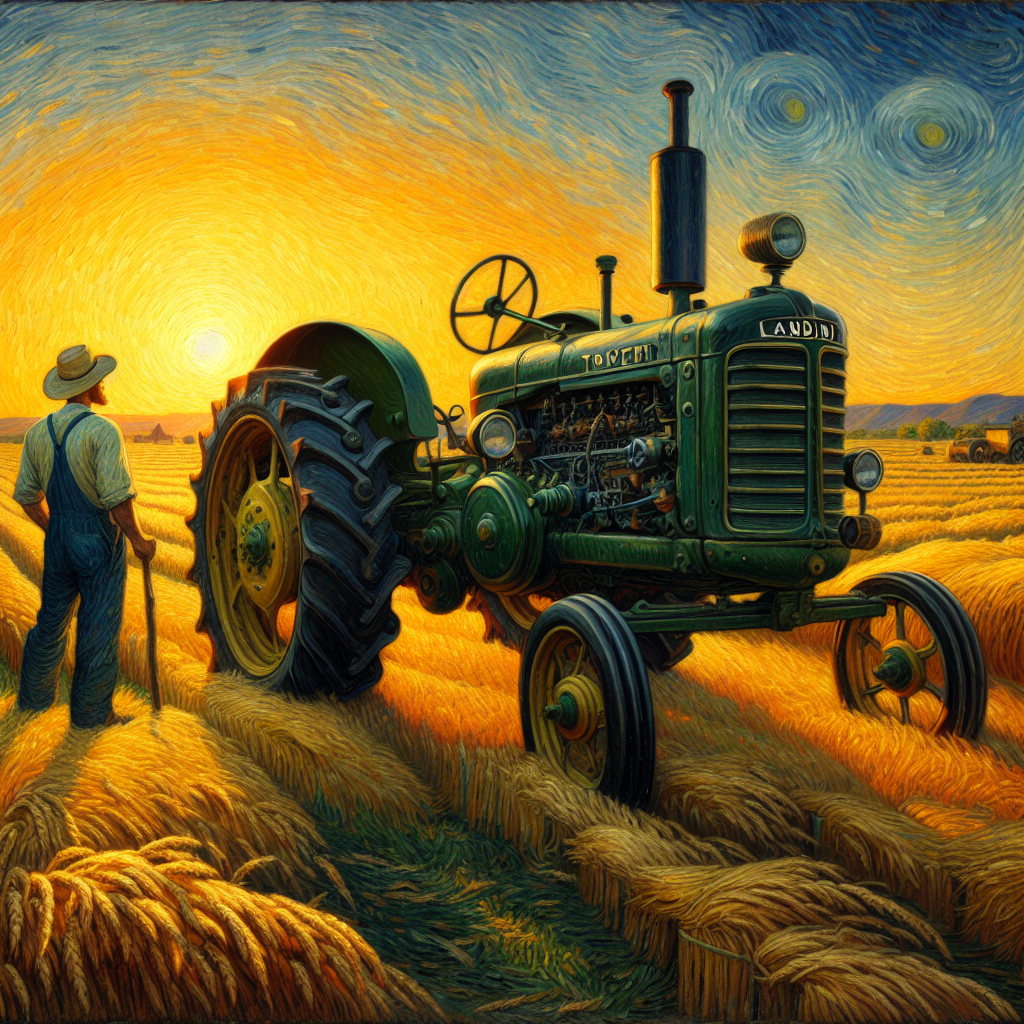
Why Classic Tractors Don’t Need Dealers to Keep Running
Why Classic Tractors Don’t Need Dealers to Keep Running
- Classic tractors are valued for their connection to history, memories, and the land.
- They require minimal maintenance, often needing just basic tools and knowledge.
- Farmers develop a deep understanding of their tractors through personal experience.
- This relationship fosters independence and encourages hands-on learning and adaptability.
- Maintaining classic tractors preserves traditions and stories across generations.
- A community of enthusiasts supports knowledge sharing through various local and online platforms.
- Classic tractors represent resilience and highlight the importance of self-reliance in maintenance.
Why Classic Tractors Don’t Need Dealers to Keep Running
Table Of Contents
- Why Classic Tractors Don’t Need Dealers to Keep Running
- Why Do Classic Tractors Evoke a Sense Of Nostalgia and Pride?
- What Ethical Implications Arise From Relying on Dealer Services?
- Can Self-Repairing Classic Tractors Build a Stronger Community Bond?
- How Does the Simplicity Of Classic Tractors Promote Sustainability?
- What Narratives Surrounding Classic Tractors Inspire Diy Maintenance?
- Are Classic Tractors a Symbol Of Independence From Modern Consumerism?
- Conclusion
- Other Resources
- Glossary Of Terms
- Other Questions
- Haiku
- Poem
- Checklist
Why Do Classic Tractors Evoke a Sense Of Nostalgia and Pride?
Classic tractors evoke a sense of nostalgia and pride because they are not just machines; they are vessels of memory, craftsmanship, and community. When you see the contours of a well-worn tractor, it’s easy to feel the pulse of history—the same pulse that resonates through the hearts of those who worked the land. These tractors, often found in a barn covered in dust, tell stories of family farms, early mornings in the fields, and the sweat equity poured into the soil. Each scratch and dent represents a moment in time, a tribute to the hard work and dedication of previous generations.
The emotional appeal of classic tractors ties deeply into our identity. For many, these machines symbolize a lifestyle defined by resilience, self-sufficiency, and an unwavering bond with nature. They remind us of our roots, of simpler times when life moved at a different pace, and of values that remain timeless: hard work, perseverance, and a connection to the earth. This nostalgia is more than sentimentality; it is a recognition of the sacrifices made by those who came before us and a celebration of the craft that went into creating these iconic machines.
From a rational standpoint, classic tractors showcase a remarkable blend of form and function. Their durability and simplicity often outshine modern machinery laden with unnecessary technology. The sturdy engine, the solid metal frame, and the easy-to-repair design are testaments to a time when things were built to last. For many, owning a classic tractor isn’t just a hobby; it’s an investment in craftsmanship that stands as a palpable counterpoint to today’s disposable culture. It begs the question: what enduring qualities are we fostering in our lives today?
Ethically, there’s an element of stewardship involved. Preserving classic tractors is akin to preserving history. It reflects a commitment to honoring past achievements while ensuring that future generations can appreciate and learn from them. Many enthusiasts feel a sense of duty to maintain these machines, not just for personal enjoyment, but to pass down the stories, knowledge, and techniques that are at risk of being forgotten.
On a social level, these classic tractors serve as reminders that community is built on shared experiences. Whether at a county fair, a tractor show, or simply a friendly gathering, the sight of these machines sparks conversations that bridge gaps between generations. It’s where young and old come together, sharing tales, tips, and laughter, connecting over a shared admiration for the resilience that these tractors represent.
Ultimately, classic tractors instill a sense of pride that goes beyond their mechanical prowess. They embody the spirit of those who use them, the values we cherish, and the communal ties that bind us. They pull us back to our roots while encouraging us to forge a connection with not only the land but also with each other—a true testament to their lasting impact.
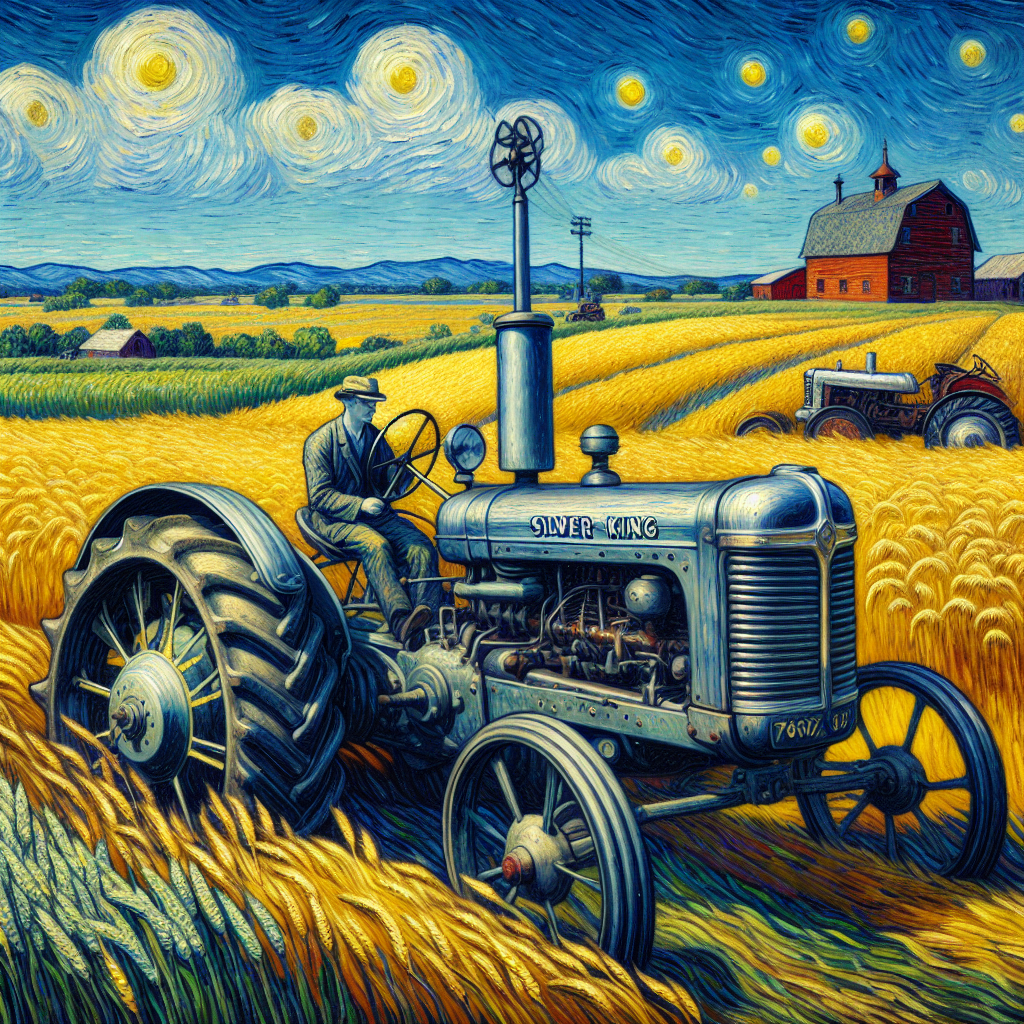
Why Do Classic Tractors Evoke a Sense Of Nostalgia and Pride?
Why Do Classic Tractors Evoke a Sense Of Nostalgia and Pride?
- Classic tractors symbolize nostalgia, memory, and craftsmanship, representing a historical pulse felt by those who worked the land.
- They embody a lifestyle of resilience, self-sufficiency, and a deep bond with nature, reminding us of timeless values like hard work and perseverance.
- Classic tractors showcase a blend of form and function, with durability and simplicity that often surpass modern machines.
- Owning a classic tractor is seen as an investment in craftsmanship, contrasting with today’s disposable culture.
- Preserving classic tractors is a commitment to history and education, ensuring future generations can appreciate past achievements.
- These tractors foster community through shared experiences at events, serving as catalysts for intergenerational connections.
- Classic tractors instill pride, reflecting cherished values and communal ties, encouraging connections with the land and each other.
Why Do Classic Tractors Evoke a Sense Of Nostalgia and Pride?
What Ethical Implications Arise From Relying on Dealer Services?
When you think about dealer services, you might picture the glossy showroom, the smooth sales pitch, and the promise of convenience. But let’s dig deeper into the ethical implications of relying on these services. Picture this: you’re standing beside your trusty tractor, the lifeblood of your farm, and you need answers fast. The dealer’s service team promises to be there with expertise, but what happens when that expertise becomes a sales tactic rather than genuine help?
The heart of the matter isn’t just about fixing a stubborn piece of machinery. It’s about the relationship you build, the trust you place in someone else’s hands. When farmers rely on dealer services, they often find themselves at an emotional crossroads. Are they being treated as valued partners in a shared mission, or just as potential profit centers? The stories are plentiful—like the farmer who faced a dire planting season, only to have their tractor service delayed by a sales agenda that prioritized the dealer’s bottom line over the farmer’s urgent needs. This disconnect can lead to frustration and even financial strain, all because the relationship was treated as transactional rather than collaborative.
From an ethical standpoint, transparency becomes paramount. Are parts and service recommendations truly in the best interest of the customer, or are they influenced by dubious motives? Consider the lifetime of your tractor: the choices made in the dealer’s office can impact everything from the efficiency of your equipment to the very soil you depend on. Therefore, establishing an ethical framework becomes not just important—it’s imperative. If dealers focus on fostering genuine connections, the benefits extend beyond immediate sales; they build community trust that can last generations.
Now, let’s talk about authority. There’s a thrill in knowing that your dealer knows their machines inside and out; that’s what gives you the confidence to trust them. But relying solely on dealer services without questioning can sometimes lead to complacency. Educating yourself about your tractor and the systems that keep it running can empower you. By actively engaging in this dialogue, you elevate the relationship to something more meaningful—an alliance based on shared knowledge rather than mere dependency.
In a world where ethics sometimes take a backseat, trusting your instincts and demanding clarity from dealer services can transform that relationship into a partnership. So next time you turn to your dealer, remember: it’s not just about the services they offer but how they uphold your values and trust.
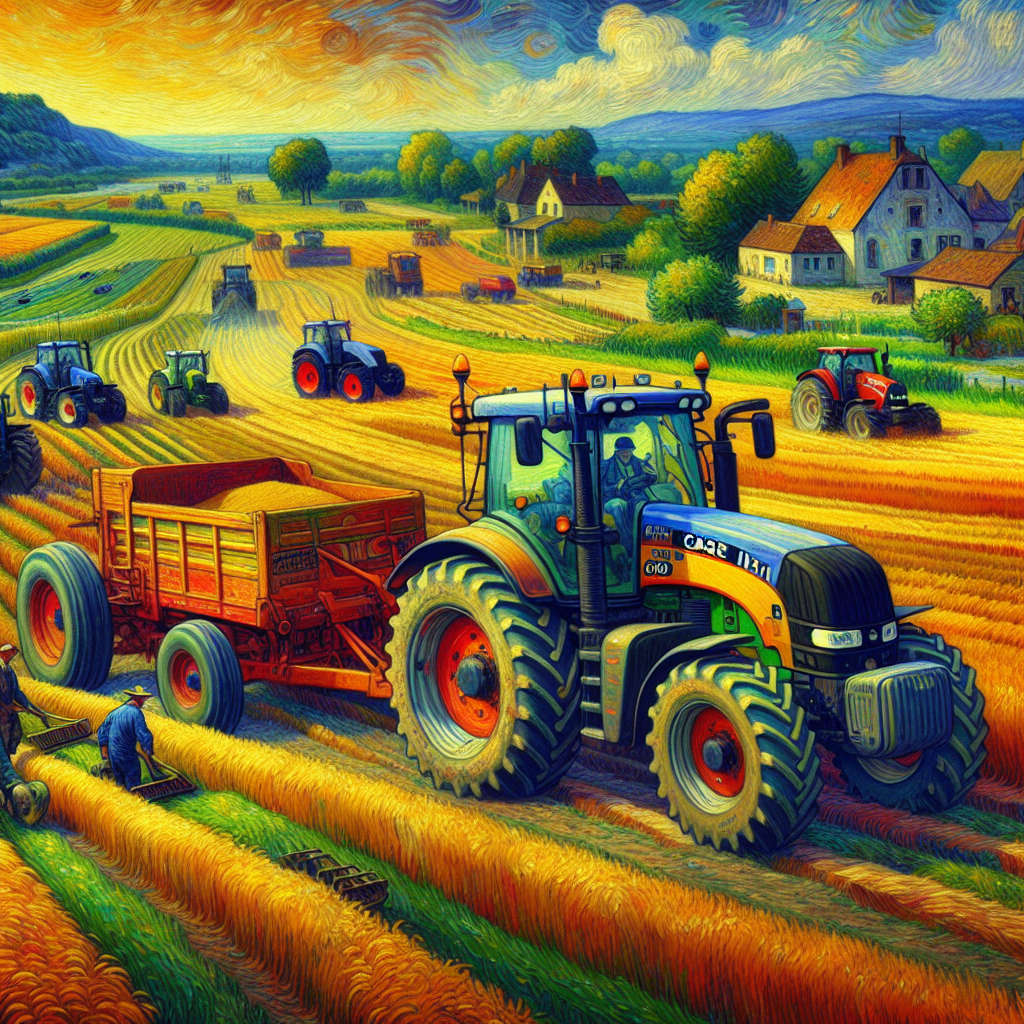
What Ethical Implications Arise From Relying on Dealer Services?
What Ethical Implications Arise From Relying on Dealer Services?
- Dealer services can be perceived as merely sales tactics rather than genuine assistance.
- The relationship between farmers and dealers should be built on trust and collaboration, not just transactions.
- Farmers may experience frustration and financial strain when service delays prioritize dealer profits over urgent needs.
- Transparency is crucial in service recommendations to ensure they benefit the customer, not just the dealer.
- Establishing an ethical framework in dealer-farmer relationships is imperative for long-term community trust.
- Engaging in dialogue and educating oneself about equipment can transform the dealer relationship into a valuable partnership.
- Ethical practices and clarity in services offered can reinforce trust in dealer relationships.
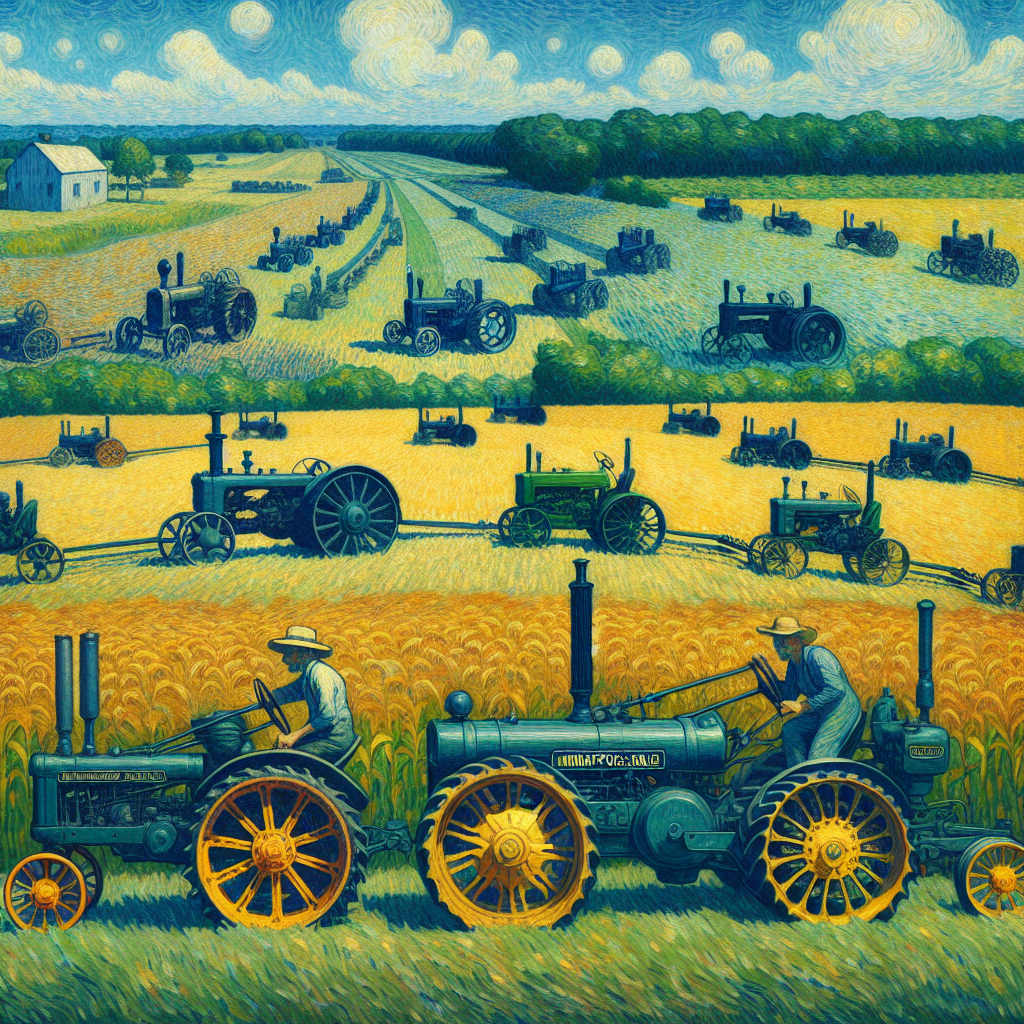
What Ethical Implications Arise From Relying on Dealer Services?
Can Self-Repairing Classic Tractors Build a Stronger Community Bond?
Imagine a quiet town, where the rumble of a classic tractor echoes through the fields, its paint weathered yet vibrant, a testament to years spent cultivating the land. This isn’t merely a machine; it’s a symbol of resilience, hard work, and the essence of community. In a world that often feels fragmented, these self-repairing classic tractors can become a unique catalyst for stronger bonds among neighbors, reminding us that we share more than just a physical space.
When you see an old tractor standing proud, you recall stories from your grandfather, who shared his first harvest with pride, teaching you the importance of labor and community. Something magical happens when people gather around a broken tractor—knowledge flows as freely as the conversation. One person’s skill in fixing a stubborn engine can inspire another to learn the art of repair, creating a chain reaction of shared experiences and growth. Each repaired engine becomes not just a testament to mechanical skills but a metaphor for our ability to mend what’s broken in our relationships too.
Consider the gathering that occurs when a neighbor organizes a tractor repair day: tools in hand, laughter fills the air as everyone comes together to help. Children watch, learning through observation, picking up on life lessons about teamwork and resilience. This act of repairing a cherished tool reinforces the ethical fabrics of our community—everyone pitching in not because they have to, but because they want to, fostering trust and a sense of belonging. There’s something profoundly human in that shared labor, a reminder that the best community bonds are often forged in sweat and determination.
In today’s age of instant gratification, where many feel isolated behind screens, the act of self-repairing these classic tractors invites an important question: How well do we understand our communal roots? The narrative of the tractor connects generations, linking us not just to our past but also to each other. It beckons us into a rhythm of life where dependence on one another is valued, where stories are traded over greasy wrenches and honest labor, reminding us that while machines can be repaired, communities thrive on genuine connections.
When we gather around that rusted body with tools in hand, we aren’t just fixing a tractor; we’re rekindling a spirit of togetherness, proving that our collective journey, much like that classic vehicle, is worth tending to. Together, we can ensure that our bonds grow stronger with every twist of a wrench and every shared laugh.
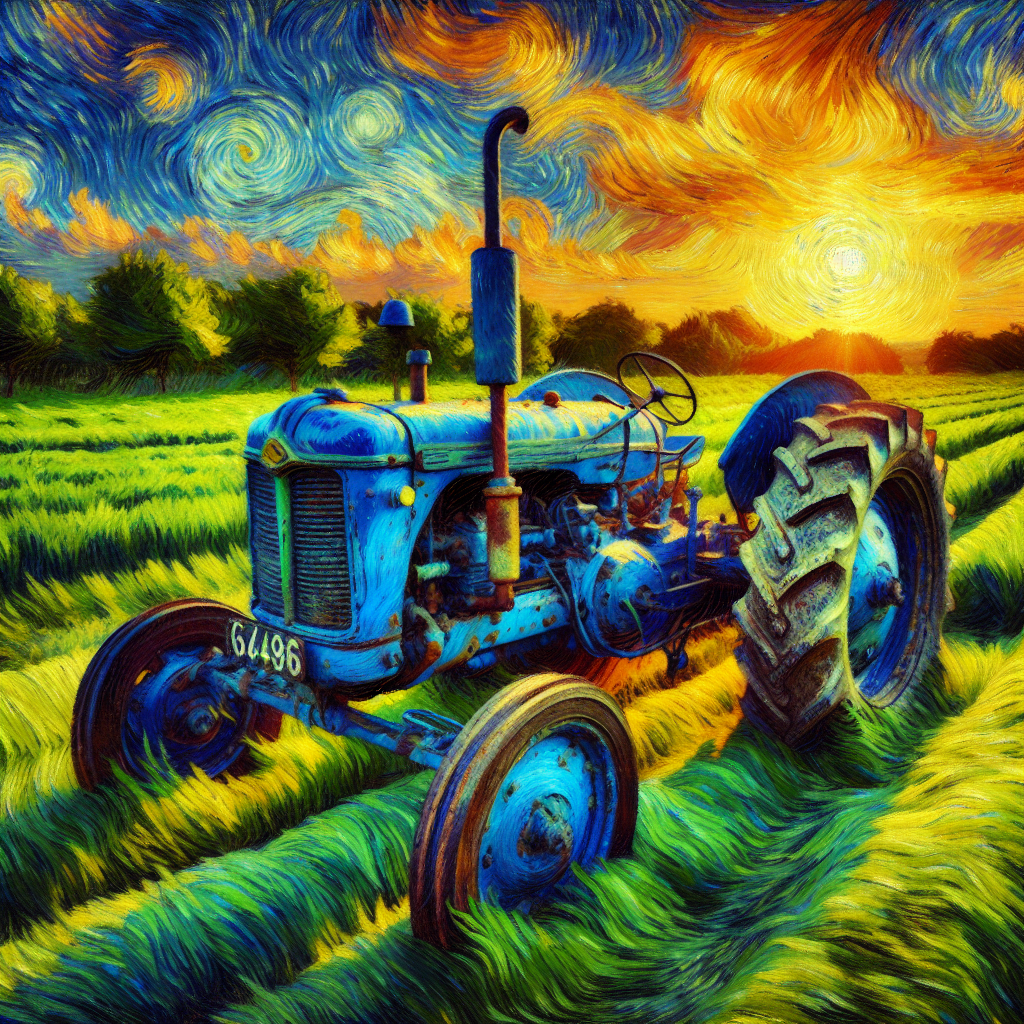
Can Self-Repairing Classic Tractors Build a Stronger Community Bond?
Can Self-Repairing Classic Tractors Build a Stronger Community Bond?
- A classic tractor symbolizes resilience, hard work, and community spirit.
- It serves as a catalyst for bonding among neighbors and sharing experiences.
- Gathering around a broken tractor facilitates the flow of knowledge and skills.
- Repairing tractors fosters teamwork, resilience, and community ethics.
- This practice links generations and emphasizes the importance of communal roots.
- Shared labor and interaction combat feelings of isolation in modern society.
- Fixing a tractor represents the effort to strengthen personal and community connections.
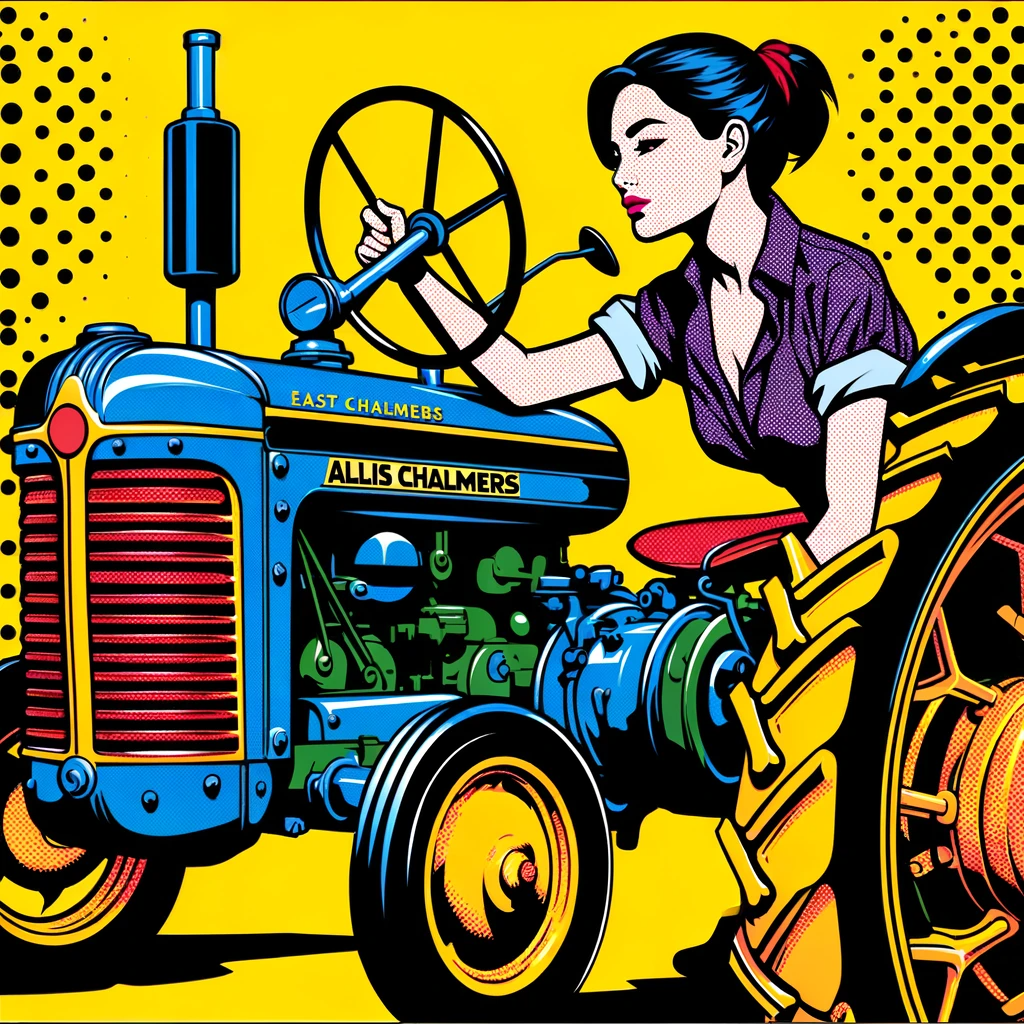
Can Self-Repairing Classic Tractors Build a Stronger Community Bond?
How Does the Simplicity Of Classic Tractors Promote Sustainability?
When we think of sustainability, we might envision sleek, modern solutions—solar panels glinting under the sun, electric vehicles whispering down the street. Yet, there’s beauty and wisdom in the simplicity of classic tractors. These mechanical workhorses, forged in the fires of necessity, embody a straightforward approach to agriculture that resonates deeply with our hunger for connection to the land.
Picture a farmer, hands calloused from years of toil, standing proudly beside a well-worn tractor that has gripped the earth since before many of us were born. This isn’t just a machine; it’s a partner in the cycle of life. Classic tractors, with their evolutionary designs and ease of operation, allow farmers to cultivate their land sustainably. They are built for durability, often repairable with minimal tools and parts that are easily sourced. This inherent simplicity fosters a deeper relationship between the operator and the land, emphasizing stewardship over consumption—something communities sorely need in this age of disposable everything.
Let’s face it: there’s something inherently soothing about the hum of a tractor engine that has stood the test of time. It speaks to a reverence for history, for craftsmanship, and for a pace of life that prioritizes patience and intentionality. When a farmer climbs into the seat of a classic tractor, they’re not just starting an engine; they’re reviving a legacy of environmental responsibility that can be traced back generations. Unlike their modern equivalents that often demand specialized skills for upkeep and maintenance, classic tractors keep the farmer grounded, allowing them to respond directly to the land’s needs rather than submitting to the whims of technology.
But it goes beyond functionality; it’s a matter of ethics. Supporting local farmers who use classic tractors means supporting a system that values biodiversity over monocultures. It means choosing to invest in organic farming practices that regard the soil as sacred, promoting healthier ecosystems. Communities that rally around these sustainable practices create networks of trust, turning neighbors into allies in the quest for better food systems.
In this age of disconnection, igniting our appreciation for the straightforward nature of classic tractors can inspire a movement—one that reconnects us with the earth and each other. It’s about more than just farming; it’s about rekindling that unpretentious relationship with our food and our surroundings, one pull of a throttle at a time. Embracing this simplicity can steer us toward a sustainable future that honors both our heritage and the land we tread upon.
How Does the Simplicity Of Classic Tractors Promote Sustainability?
How Does the Simplicity Of Classic Tractors Promote Sustainability?
- Classic tractors represent a straightforward approach to sustainable agriculture.
- They foster a deeper connection between farmers and the land, promoting stewardship.
- Built for durability, classic tractors are easily repairable with minimal tools.
- Their operation requires no specialized skills, allowing for direct responsiveness to land needs.
- Supporting local farmers using classic tractors values biodiversity and promotes organic practices.
- Communities that embrace these practices build trust and collaboration in food systems.
- The simplicity of classic tractors can inspire a movement towards sustainability and reconnect us with nature.
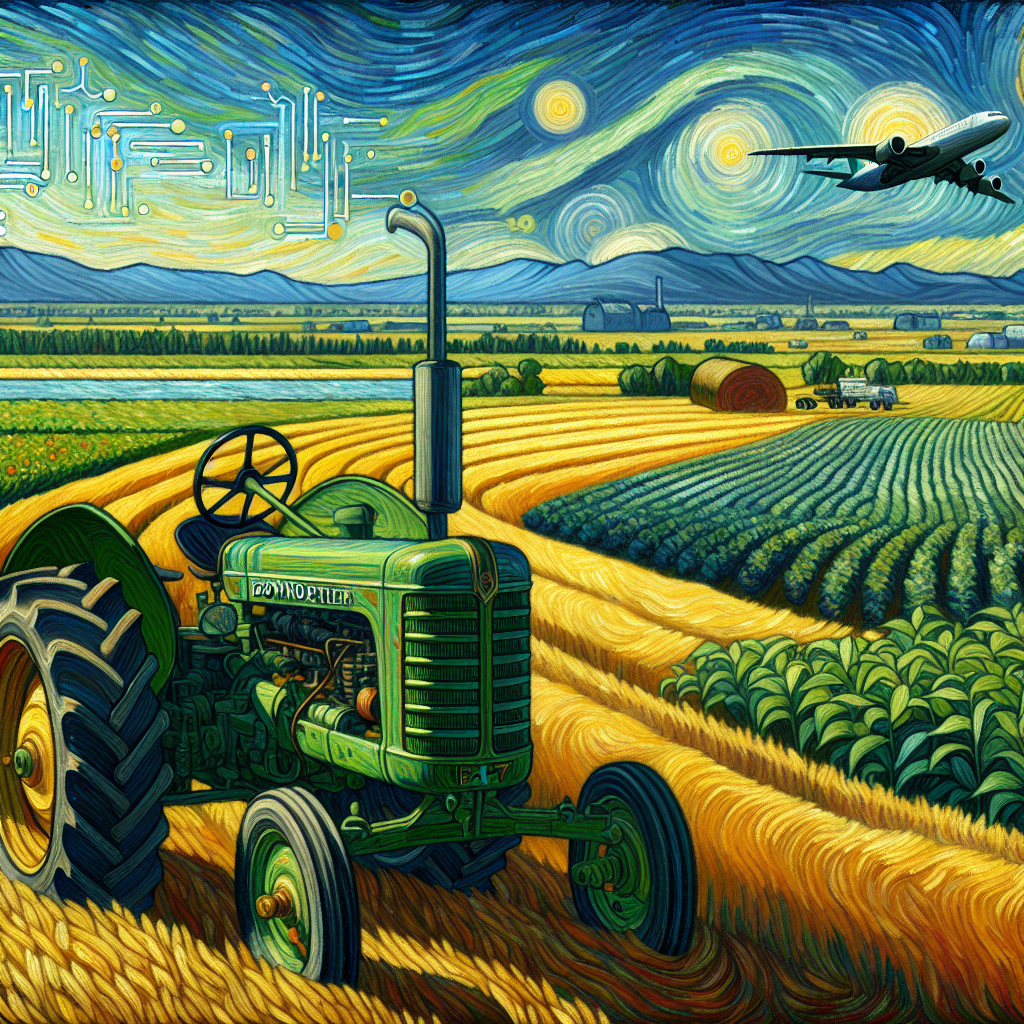
How Does the Simplicity Of Classic Tractors Promote Sustainability?
What Narratives Surrounding Classic Tractors Inspire Diy Maintenance?
What Narratives Surrounding Classic Tractors Inspire DIY Maintenance?
There’s something about a classic tractor that resonates deep within us—like a steadfast friend forged from steel, a bridge to a simpler time. These machines aren’t just heavy equipment; they embody stories of hard work, perseverance, and community. Picture a rusted 1940s tractor, its paint worn but its spirit intact, steadfastly plowing through countless seasons. This isn’t merely machinery; it’s a testament to craftsmanship and a manual on how to face life’s challenges head-on.
People often turn to classic tractors to dive into DIY maintenance, drawn by a narrative that goes beyond mere functionality. It’s an act of stewardship, preserving a piece of history and reviving lost arts. The sound of a wrench turning, the sight of grease-stained hands, ignites a connection to generations past—an unspoken bond with those who toiled before us. It’s about keeping alive the stories that these tractors tell—the farmer who relied on it during droughts, the neighbor who offered a helping hand, and the child who learned the value of hard work watching a parent nurture the very land we stand on.
Beyond nostalgia, there’s a rational aspect at play. Vintage tractors often boast simplicity in design, making them approachable for those willing to get their hands dirty. It’s a chance to hone practical skills, understand mechanics, and cultivate a sense of accomplishment. Imagine diagnosing a mechanical issue by tracing the connections with a friend—between laughter and the occasional frustration, you forge connections that aren’t just about fixing a machine but about building relationships.
Emotionally, classic tractors stir up a sense of pride and responsibility. They remind us that maintaining something old can bring forth innovation and creativity. When the community gathers to restore a classic tractor, it becomes a hive of activity, buzzing with shared laughter and problem-solving. This narrative transforms the maintenance into a collective endeavor, reinforcing our social fabric—the bond of neighbor helping neighbor, region tied together by labor and love.
In essence, embracing classic tractors for DIY maintenance encapsulates a unique blend of tradition and innovation. It’s not merely about keeping these powerful machines running; it’s about honoring the legacy they carry, fostering connection, and inspiring future generations. Being part of this narrative invites us to roll up our sleeves and discover not just the mechanics, but the heart and soul of our agricultural heritage. Each wrench turn is a step toward recognizing that the tractor stands not just as a tool, but as a symbol of resilience and community spirit, reminding us that we are all curators of our own stories.
What Narratives Surrounding Classic Tractors Inspire Diy Maintenance?
What Narratives Surrounding Classic Tractors Inspire Diy Maintenance?
- Classic tractors symbolize hard work, perseverance, and community spirit.
- They represent a connection to history and lost arts through DIY maintenance.
- Working on these tractors fosters practical skills and hands-on mechanics.
- The process strengthens relationships through shared effort and experiences.
- Restoration efforts create community engagement, reinforcing social ties.
- Maintaining classic tractors blends tradition with innovation.
- Each experience emphasizes the tractor as a symbol of resilience and heritage.
What Narratives Surrounding Classic Tractors Inspire Diy Maintenance?
Are Classic Tractors a Symbol Of Independence From Modern Consumerism?
Are Classic Tractors a Symbol of Independence From Modern Consumerism?
In a world where convenience reigns and everything is just a click away, the classic tractor stands as a steadfast reminder of simpler times, where hard work and craftsmanship held far more value than the latest gadget or fleeting trend. It’s not just a machine; it’s a piece of history, a testament to our ability to create and maintain, embodying the spirit of independence that modern consumerism often seeks to undermine.
Picture this: a vast, golden field under the sun, where the rhythmic hum of a vintage tractor cuts through the silence. This isn’t merely about farming; it represents a deeper connection to the land and the toil that has shaped generations. Every scratch and dent tells a story of perseverance and dedication. When you’re behind the wheel of a classic tractor, you’re not just driving; you’re engaging in a ritual that binds you to the earth and your ancestry.
The allure here is profound. While sleek modern machines promise efficiency, they also tie us to a cycle—buy, dispose, repeat—that leaves little room for appreciation or personal skill. Classic tractors, by contrast, require an intimate knowledge of mechanics. They challenge you to understand what makes them tick, fostering a sense of accomplishment that’s often absent in today’s fast-paced consumer culture. It’s empowering to fix what breaks, to know that you can extend the life of something cherished through your own effort and ingenuity.
Moreover, the community around classic tractors is vibrant and welcoming. Whether it’s attending a local tractor show or participating in a restoration project, there’s a communal pride that emanates from these gatherings. People swap stories and skills, reinforcing social bonds that can feel distant in a time dominated by screens. Here, you find camaraderie and shared values that echo through the machinery itself. It’s more than nostalgia; it’s a rekindling of connection in an age that often values possessions over relationships.
Yet, perhaps the most significant aspect of these timeless machines is their ethical stance against the disposable culture. Embracing a classic tractor means advocating for sustainability, valuing longevity over obsolescence. It’s a call to action: restore, repair, and appreciate what you have instead of succumbing to the lure of constant upgrade. When you choose a classic tractor, you’re not just choosing a vehicle; you’re choosing to step away from the rapid churn of modern consumerism, reclaiming your independence and, in turn, inspiring others to consider their choices.
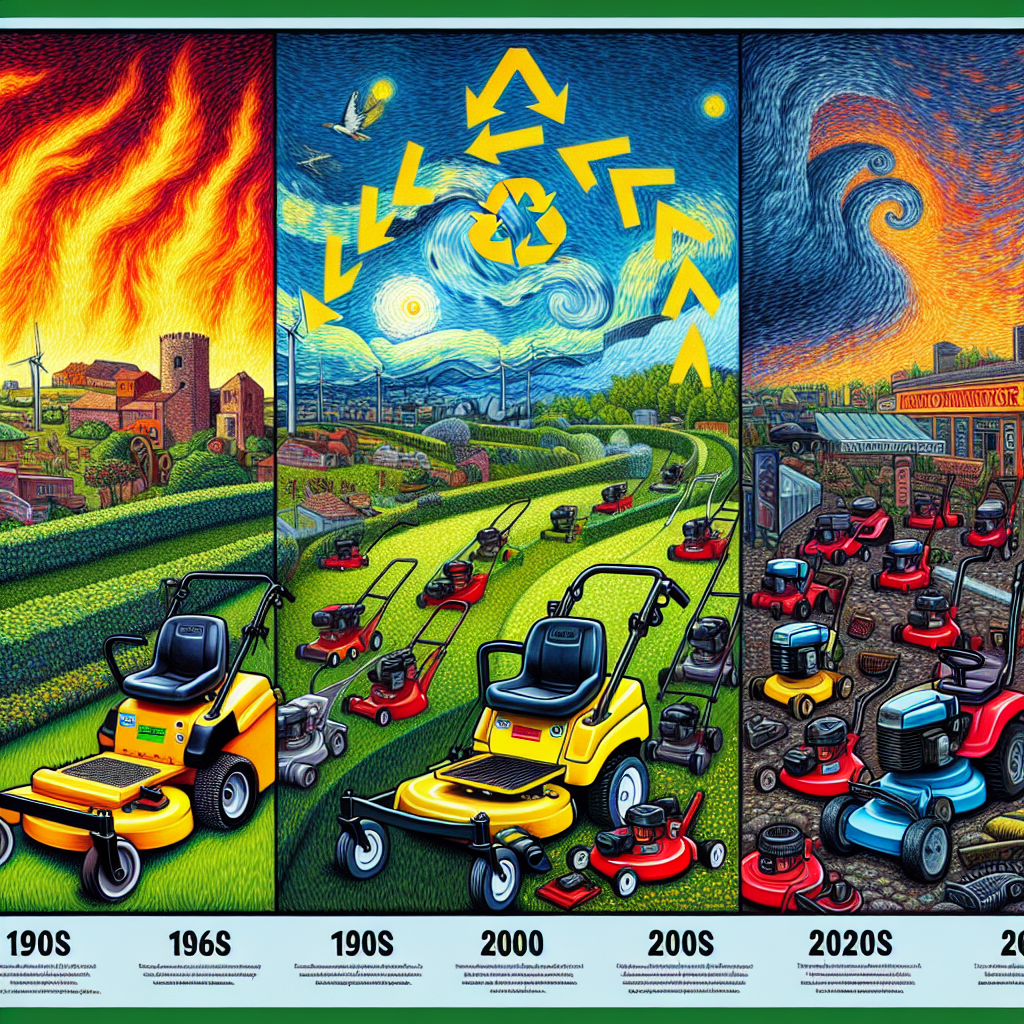
Are Classic Tractors a Symbol Of Independence From Modern Consumerism?
Are Classic Tractors a Symbol Of Independence From Modern Consumerism?
- Classic tractors symbolize independence from modern consumerism, emphasizing hard work and craftsmanship.
- They represent a deeper connection to the land and the history of toil and perseverance.
- Driving a classic tractor fosters an intimate understanding of mechanics and personal accomplishment.
- The tractor community promotes social bonds through shared experiences, countering modern isolation.
- Classic tractors advocate for sustainability and challenge the disposable culture of contemporary consumerism.
- Choosing a classic tractor encourages repairing and appreciating what one has over constant upgrading.
- Owning a classic tractor is a step toward reclaiming independence and inspiring thoughtful choices in others.
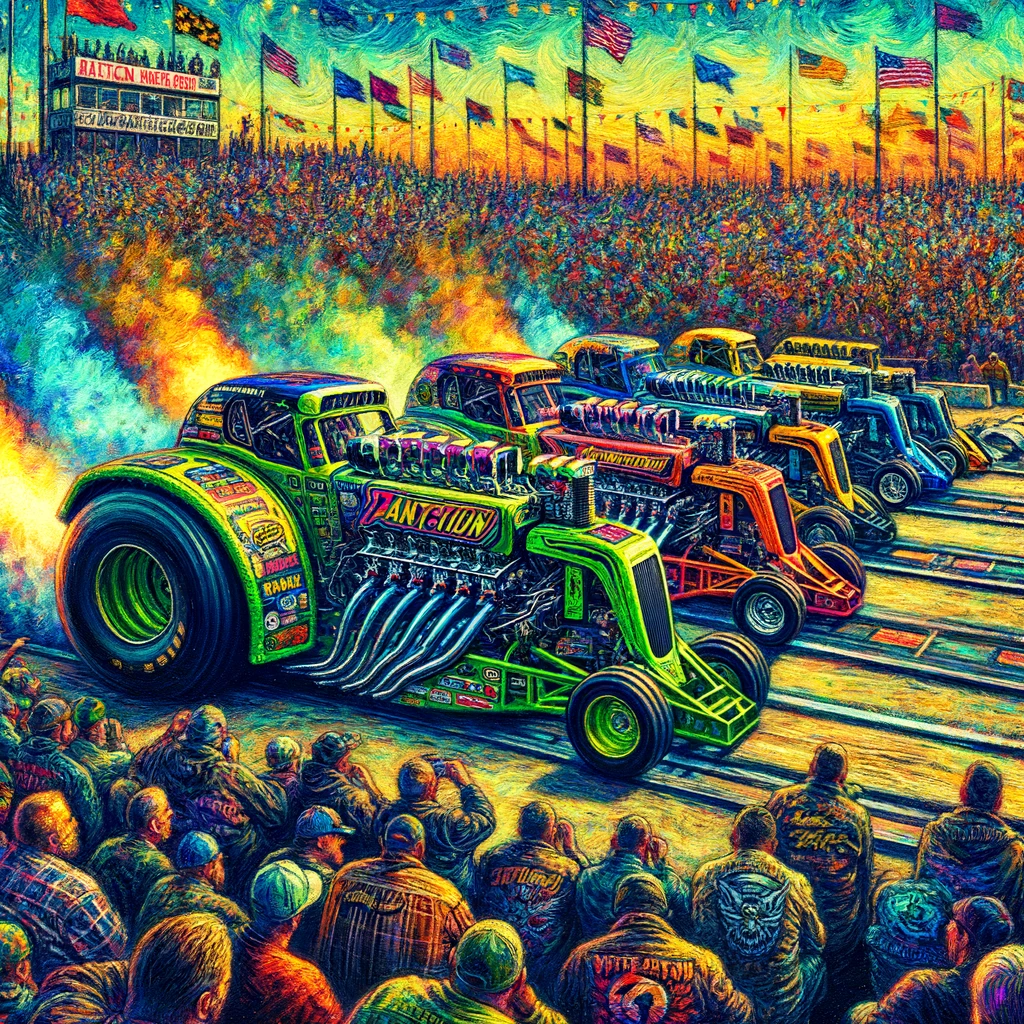
Are Classic Tractors a Symbol Of Independence From Modern Consumerism?
Conclusion
Classic tractors stand as enduring symbols of resilience, independence, and community. They weave a tapestry of nostalgia, connecting generations through shared experiences and stories of hard work. These machines, initially crafted from necessity, echo the values of stewardship and self-sufficiency that resonate deeply within us. Every scratch and dent speaks of a farmer’s toil, a memory etched into metal, reminding us that their value extends well beyond mere functionality.
In the face of modern consumerism, classic tractors offer a counter-narrative—one that embraces repair over replacement. They’re not just tools; they represent a way of life grounded in practicality and craftsmanship, inviting farmers to engage intimately with their machinery. This relationship fosters independence; no longer reliant solely on dealers, farmers learn to listen to their tractors, diagnose issues, and understand the intricate workings of their engines. The heart and soul of these vintage machines lie in the hands of those who care for them, instilling pride in maintenance and restoration.
Moreover, the community formed around classic tractors is powerful. From local gatherings to online forums, enthusiasts share tips, lend a hand in repairs, and exchange stories that celebrate their collective heritage. This bond promotes shared knowledge and rekindles friendships, reinforcing the notion that we are all part of something greater. When neighbors come together to repair an old tractor, they’re not just fixing machinery; they’re revitalizing relationships and cultivating trust.
The ethical implications of maintaining classic tractors extend beyond personal enjoyment. There’s a commitment to preserving history and craftsmanship for future generations. This stewardship is intertwined with sustainability—classic tractors are often more durable and easier to repair than their modern counterparts, promoting a culture of longevity over disposability. Choosing to maintain or restore a vintage tractor supports local farming practices and respects the land, fostering healthier ecosystems.
Ultimately, classic tractors embody a narrative that celebrates resilience and responsibility. They inspire a way of life that acknowledges our roots while reminding us of the enduring connections we can forge with each other and the earth. By prioritizing repair and maintenance over reliance on dealer services, we not only keep these machines running but also preserve the spirit of community and craftsmanship they represent. In a world that often values convenience, classic tractors invite us to embrace a simpler, more meaningful connection with our work, our neighbors, and our heritage.
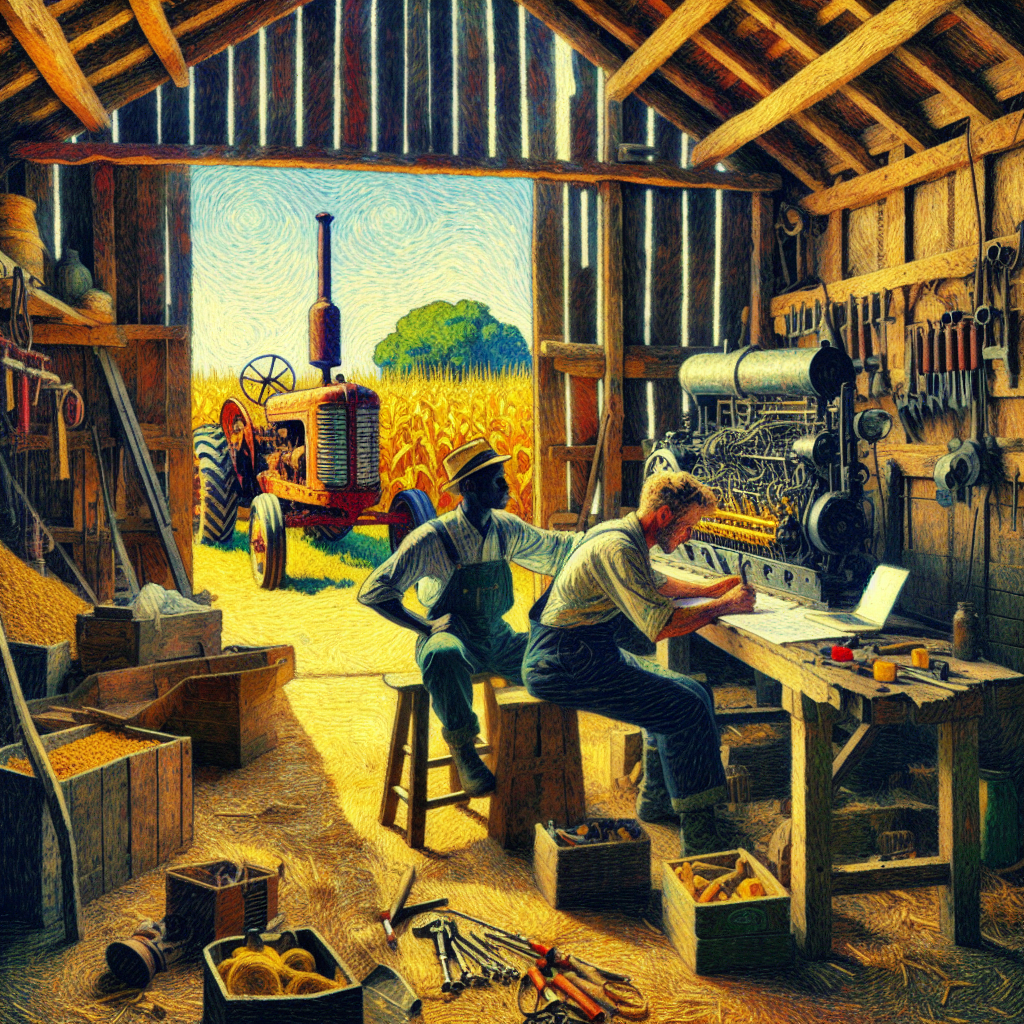
Conclusion
Conclusion:
- Classic tractors symbolize resilience, independence, and community.
- They connect generations through shared experiences and stories of hard work.
- Emphasizing repair over replacement, they promote a relationship grounded in practicality.
- Farmers engage intimately with their machines, fostering independence in maintenance and diagnosis.
- A strong community thrives around classic tractors, sharing knowledge, tips, and stories.
- Maintaining classic tractors supports history, craftsmanship, and sustainability.
- Classic tractors embody a narrative of resilience and responsibility, reinforcing connections with each other and the earth.
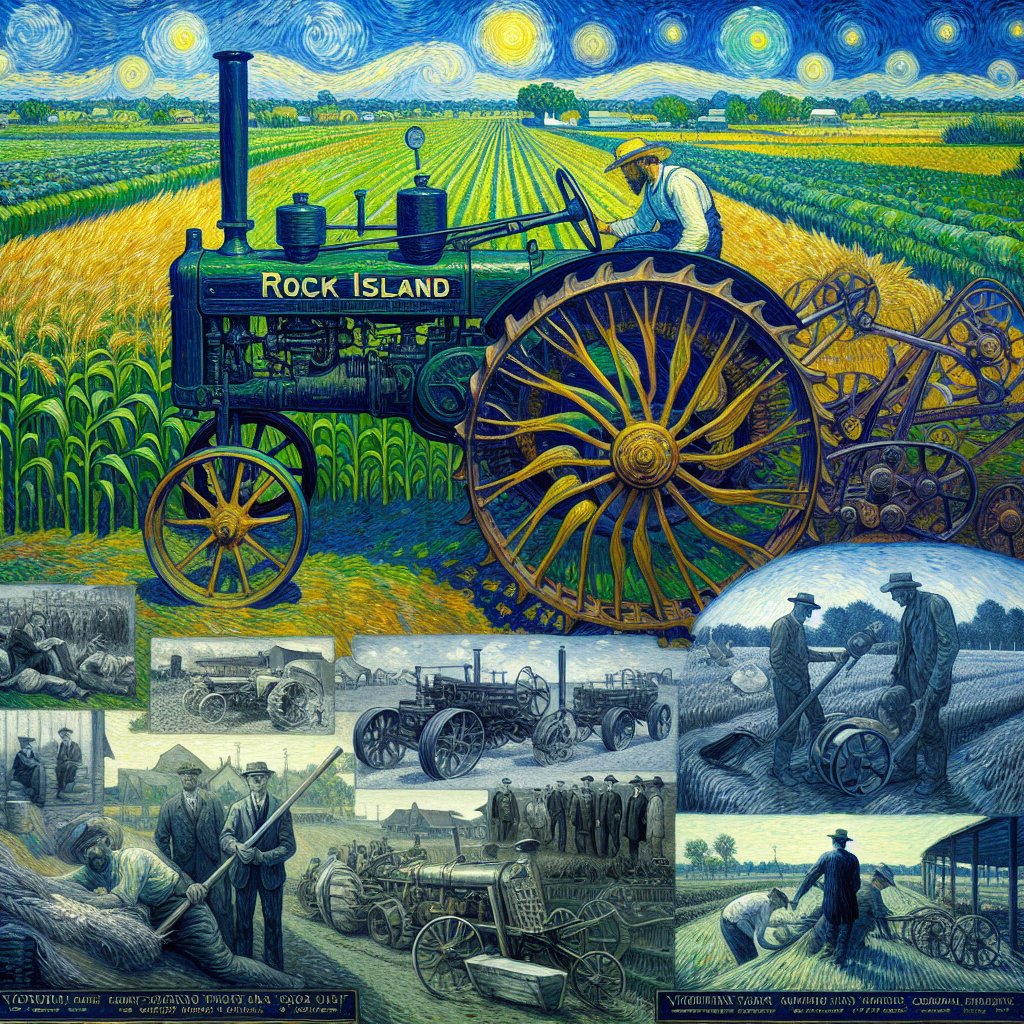
Conclusion
Other Resources
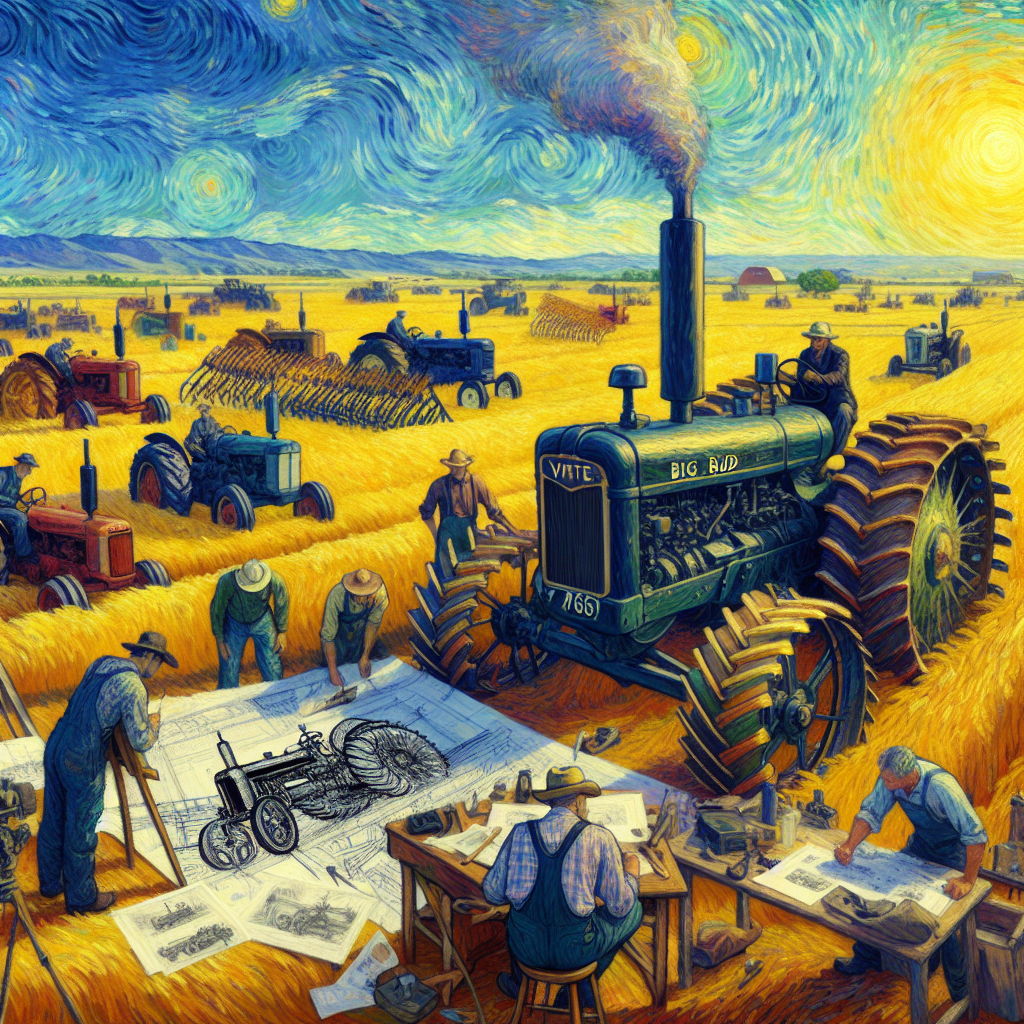
Other Resources
Here is a list of other resources you can review online to learn more:
- B.F. Avery
- Ransomes
- Vintage Tractor And Farm Festival
- Friday
- Wetmore
- SAME
- Tytan
- Chery
- Florida Farm Days and Tractor Show
- Idaho Farmand Ranch Museum
- Classic Tractor Calender
- Cub Cadet
- Know Your Classic Tractors
- Creekside Farm & Market Tractor Show
- Suzue
- David Brown
- The National Farm Machinery Show
- Ebro
- Caterpillar
- Northeast Nebraska Farm & Equipment Show
Use This Prompt To Get More Resources With Your Favorite Online AI Tool: Please provide me with a list of online articles with their URLs in a bulleted list that I can read regarding Why Classic Tractors Don’t Need Dealers to Keep Running
Other Resources
Glossary Terms
Why Classic Tractors Don’t Need Dealers to Keep Running – Glossary Of Terms
1. Classic tractor — Older utility or row-crop tractor whose design emphasizes mechanical systems over electronics, making field repairs feasible.
2. Mechanical simplicity — Design philosophy favoring few moving parts and direct mechanical linkages, which simplifies diagnosis and repair.
3. Robustness — Built-in durability of frames, gearsets and castings that tolerate wear and allow long service life without dealer intervention.
4. Carburetor — Simple fuel-delivery device common on classics; cleanable and rebuildable with basic tools.
5. Points ignition — Mechanical ignition system using breaker points and condenser; adjustable and replaceable without specialized electronics.
6. Mechanical governor — RPM-regulating device driven by engine mechanics rather than electronic control, adjustable by hand.
7. Sliding-gear transmission — Manual gearbox type common on older tractors that can be inspected, adjusted, and rebuilt by amateur mechanics.
8. PTO (power take-off) — Mechanical shaft delivering engine power to implements; straightforward coupling and service procedures.
9. Open-center hydraulics — Simple hydraulic system architecture used on many classics that is serviceable without proprietary valves or computers.
10. Shop manual — Manufacturer or aftermarket service book containing parts lists, specs and repair procedures used by owners and independent shops.
11. Parts interchangeability — Compatibility of components across years and models, enabling owners to substitute parts from other tractors.
12. Aftermarket parts — Non-OEM replacement components produced by independent suppliers to keep classics running.
13. New Old Stock (NOS) — Unused original parts manufactured in the past and still available through collectors or suppliers.
14. Remanufactured parts — Used components restored to serviceable condition by cleaning, machining and replacing wear items.
15. Salvage donor — A retired tractor kept for spare parts or used as a source of interchangeable components.
16. Rebuildable components — Parts designed to be disassembled, inspected and renewed (engines, transmissions, pumps).
17. Overhaul kit — Packaged set of gaskets, seals, bearings and wear parts needed to rebuild a specific subsystem.
18. Gasket set — Group of sealing materials matched to an engine or gearbox to prevent leaks during reassembly.
19. Bearings — Wear-prone rolling elements that are replaceable and often standardized across models.
20. Seals & O-rings — Elastomeric parts that prevent fluid leaks and are inexpensive, widely available service items.
21. Fasteners & thread repair — Bolts, studs and thread-restoration methods (Helicoil, inserts) that allow repeated maintenance without dealer tools.
22. Grease fittings (Zerk) — Standardized lubrication points that keep bearings and pivots serviced with a grease gun.
23. Lubrication points — Specified locations for oil or grease that owners routinely service to extend component life.
24. Preventive maintenance — Regular checks and service (oil, filters, adjustments) that reduce need for dealer repairs.
25. Parts cross-reference — Cataloging practice that identifies compatible substitutes from multiple manufacturers or models.
26. Wiring diagram — Circuit schematic used to trace, test and repair electrical faults without dealer diagnostics.
27. Hand tools — Wrenches, pliers, hammers and screwdrivers sufficient for most classic tractor repairs.
28. Specialty tools — Affordable, model-specific tools (gear pullers, valve spring compressors) required for certain rebuilds but obtainable outside dealerships.
29. Machine shop services — Independent shops that provide machining, boring, press work and fabrication for major restorations.
30. Community resources — Clubs, forums, swap meets and local mechanics that share knowledge, parts and informal support to keep classics running. Glossary Of Terms
Other Questions
Why Classic Tractors Don’t Need Dealers to Keep Running – Other Questions
If you wish to explore and discover more, consider looking for answers to these questions:
- How do I find replacement parts for a specific classic tractor model?
- What basic tools should every owner have for routine tractor maintenance?
- How much mechanical skill is required to safely maintain and repair a classic tractor?
- Where can I find reliable repair manuals or wiring diagrams for vintage tractors?
- How do I diagnose common engine problems on classic tractors?
- What are the most common failure points on older tractors (engine, transmission, hydraulics, electrical)?
- How do I source or fabricate obsolete parts that are no longer manufactured?
- Are aftermarket reproduction parts trustworthy and safe to use?
- How do I balance preserving originality versus upgrading for reliability or safety?
- What safety upgrades are recommended for vintage tractors (rollover protection, seat belts, lighting)?
- How can I legally operate a classic tractor on public roads?
- What registrations, inspections, or insurance do classic tractor owners typically need?
- How should I store a classic tractor to prevent rust and deterioration?
- What fuels, oils, and lubricants are best for older engines?
- Can classic tractors be converted to run on biofuels or modern, cleaner fuels?
- How does maintaining a classic tractor compare in cost to buying a modern replacement?
- What recurring maintenance schedule should I follow to keep a tractor reliable?
- How do I preserve or restore original paint, decals, and badges?
- Where can I learn hands‑on skills—workshops, clubs, apprenticeships?
- Are there reputable online communities, forums, or parts marketplaces for classic tractors?
- How do I evaluate whether a restoration is worth the time and expense?
- What documentation (serial numbers, manuals, provenance) is useful for resale value?
- How do classic tractors hold value as collector items or investments?
- What environmental impacts do classic tractors have, and how can they be mitigated?
- Can modern implements and attachments be adapted to older tractor hitch systems?
- How do I safely lift and support a tractor for under‑body work?
- What are best practices for rebuilding carburetors, distributors, or fuel systems?
- How do vintage electrical systems differ from modern ones, and how should they be maintained?
- Is it feasible to retrofit electronic ignition or modern charging systems into an old tractor?
- How do I maintain or replace hydraulic pumps, hoses, and valves on older machines?
- Where can I find genuine or NOS (new old stock) parts and how do I verify authenticity?
- What local, regional, or national events focus on classic tractors (shows, swap meets, rallies)?
- How can communities organize effective repair days or skill‑share events?
- Are there safety or liability concerns when neighbors help repair a tractor?
- What are best practices for tire care, wheel alignment, and sourcing vintage tires?
- How do I assess structural issues like frame cracks or bearing wear?
- What legal or regulatory trends (emissions, noise) could affect classic tractor use in the future?
- How can modern technologies (3D printing, CNC machining) support restoration efforts?
- Where can I find historical records or factory specifications for rare tractor models?
Other Questions
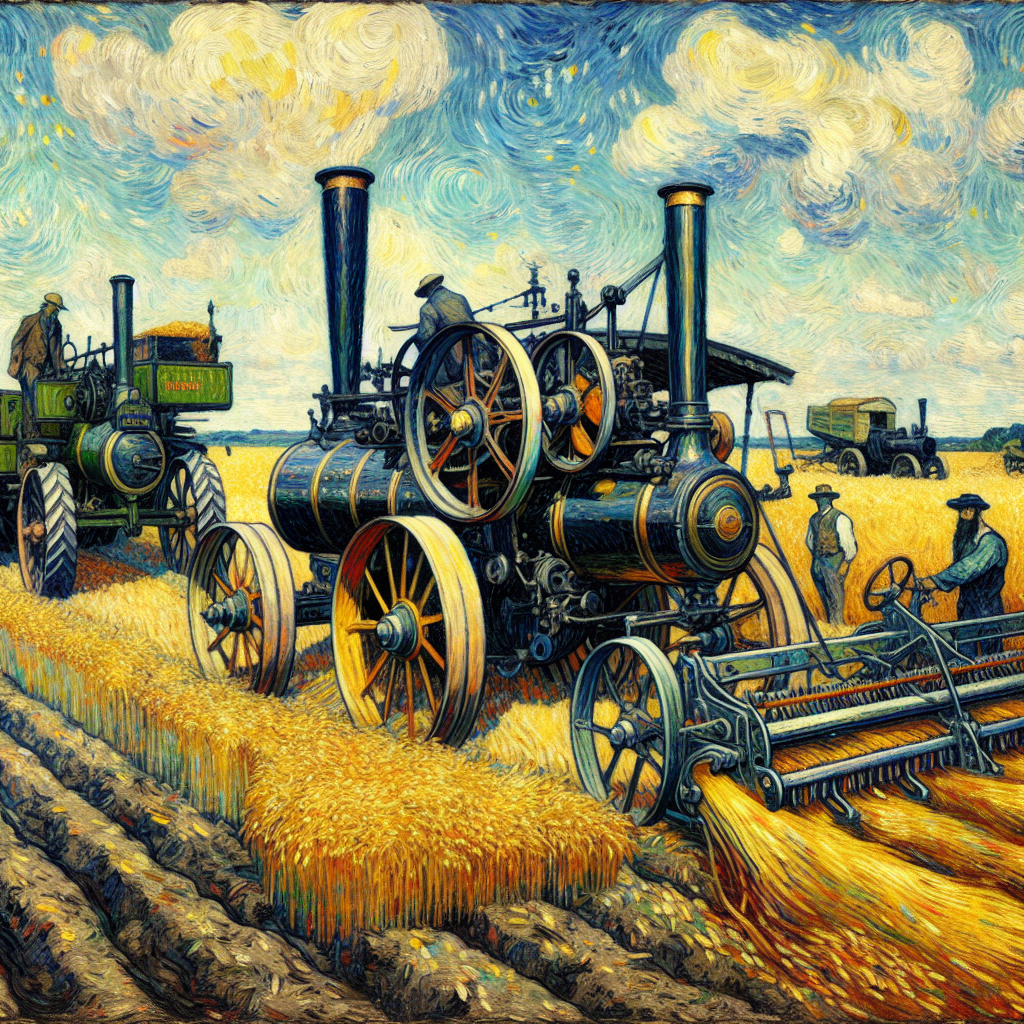
Haiku
Why Classic Tractors Don’t Need Dealers to Keep Running – A Haiku
Classic tractors endure,
Stories of toil and pride rise,
Hands mend, hearts unite.
Haiku
Poem
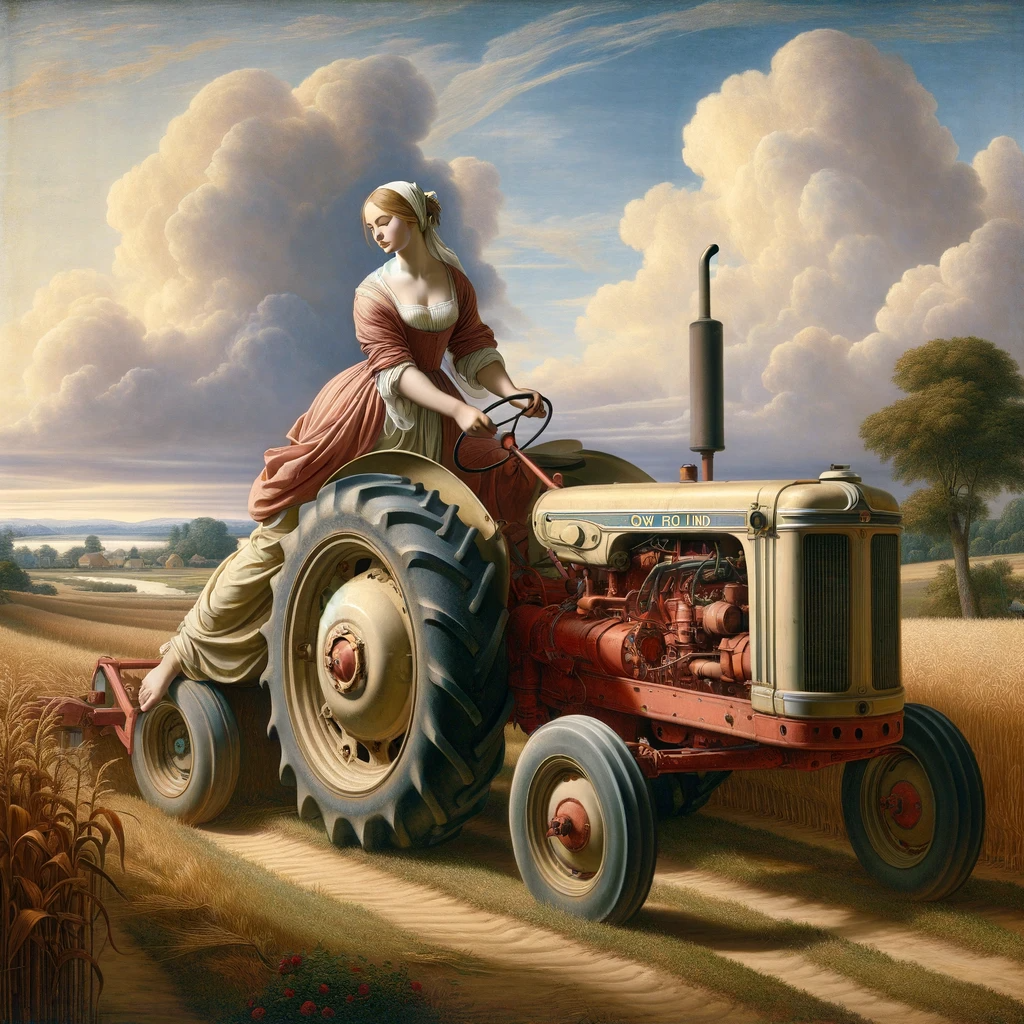
Why Classic Tractors Don’t Need Dealers to Keep Running – A Poem
In fields where time’s hand has slowed,
Classic tractors stand, their tales bestowed,
Worn paint and rust, a bond so deep,
Each scratch a story, in memories we keep.
With simple tools and hands of grace,
Farmers tread softly, in times embrace,
Not bound by dealers, nor fleeting trends,
They nurture the earth, where resilience transcends.
Through laughter and labor, a community formed,
With each wrench turn, a spirit warmed,
Teaching the young while the old share their might,
Repairing machines, and the bonds ignite.
Against a backdrop of consumer’s haste,
These machines remind us of value and taste,
Simplicity thrives, a legacy pure,
In every engine’s hum, a future secure.
Nostalgia blooms where hard work unites,
With every repair, my heart ignites,
From past to present, a circle will grow,
In classic tractors’ tale, our roots overflow.
Poem
Checklist
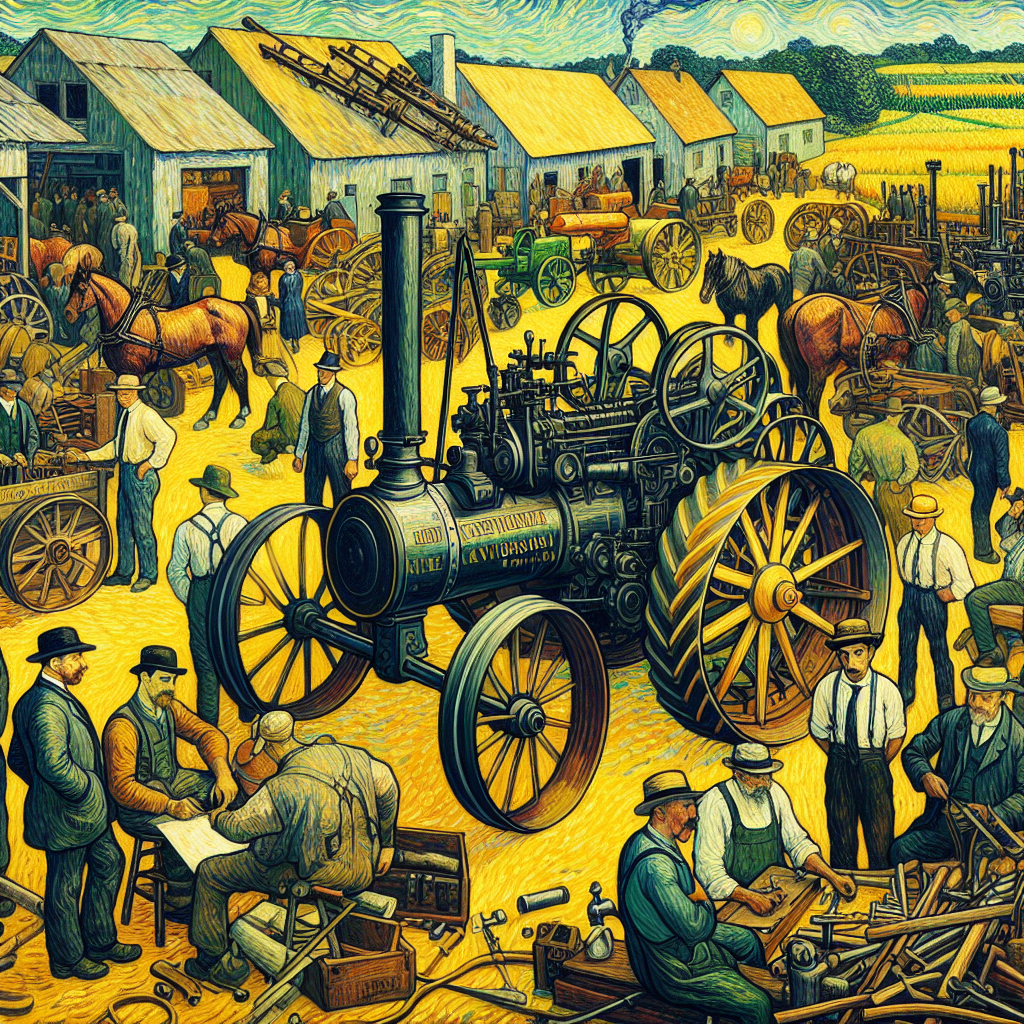
Why Classic Tractors Don’t Need Dealers to Keep Running – A Checklist
Checklist for Engaging with Classic Tractors
✅______ Reflect on personal memories tied to classic tractors; write a story about your connection to them.
✅______ Share your emotions around maintaining a family heirloom tractor that tells a story of past generations.
✅______ Plan a gathering to share classic tractor experiences with friends and family.
Rational Appeal
✅______ Research and list the mechanical advantages of classic tractors over modern equipment.
✅______ Compile a list of essential tools needed for DIY maintenance of classic tractors.
✅______ Create a maintenance schedule outlining seasonal checks and repairs for your tractor.
Ethical Appeal
✅______ Discuss why preserving classic tractors is important for future generations.
✅______ Share your perspective on learning maintenance skills instead of relying on dealership services.
✅______ Encourage participating in local or online forums to exchange knowledge on tractor care and restoration.
Authority Appeal
✅______ Identify reputable sources of information or skilled individuals in your community who can offer maintenance workshops.
✅______ Document step-by-step guides or video tutorials that showcase the maintenance of classic tractors by experienced enthusiasts.
✅______ Create a resource list of local clubs or organizations dedicated to classic tractor preservation.
Narrative Appeal
✅______ Write a personal narrative about a memorable experience with a classic tractor, focusing on the lessons learned through maintenance.
✅______ Share stories from other enthusiasts about significant moments in their tractor maintenance journey.
✅______ Create a community project to restore a classic tractor and document the collective effort, highlighting connections built through this process.
Social Appeal
✅______ Organize or participate in local tractor shows, swap meets, or repair days to foster community engagement.
✅______ Start a social media group or online community focused on sharing tips, stories, and experiences related to classic tractors.
✅______ Encourage storytelling sessions at gatherings where participants share their classic tractor histories and knowledge.
Checklist
At ClassicTractorNews, we help tractor lovers keep up with the latest news for classic and vintage tractors.
Please share this post with your friends, family, or business associates who may like old classic or vintage tractors.