


Invest In Heritage: Classic Tractors As Timeless Assets
By Tom Seest
At ClassicTractorNews, we help tractor lovers keep up with the latest news for classic and vintage tractors.
Please share this post with your friends, family, or business associates who may like old classic or vintage tractors.
Why Classic Tractors Are the Smart Money Choice
There’s a certain charm that surrounds classic tractors, a blend of nostalgia and grit that can be felt just by looking at one. They’re not mere machinery; they represent a way of life, a connection to the land, and an appreciation for craftsmanship that seems to have faded in this world of fleeting technologies. Investing in a classic tractor isn’t just a financial decision; it’s a statement about values and priorities.
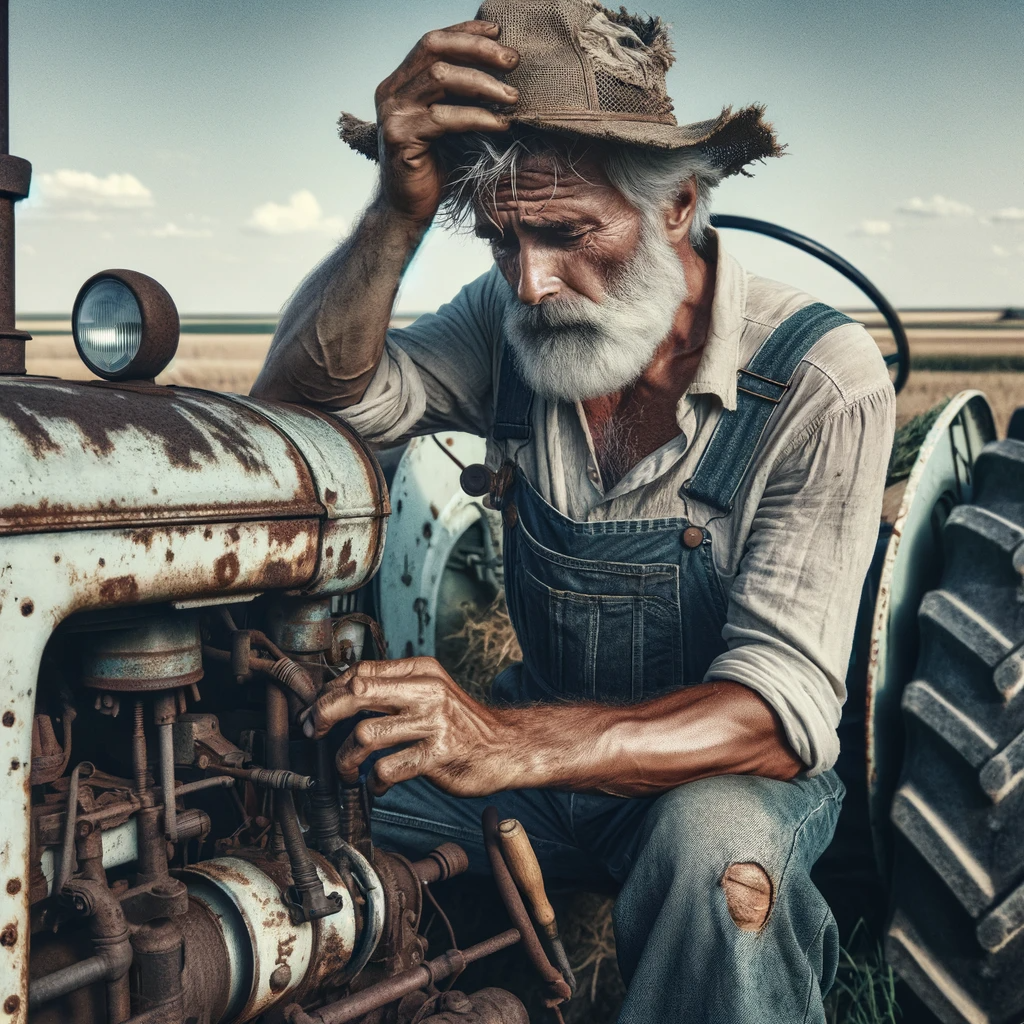
Picture this: a weathered, red tractor that’s seen more sunsets than most people. It might have its scratches and dents, but each mark tells a story— of early mornings in the fields, of children riding along, and of hard-won harvests. This isn’t just a machine; it’s a legacy, a piece of history that brings people together. When we invest in these tractors, we’re really investing in memories, in familial bonds, and in the belief that hard work still has a place in our world. It’s that emotional pull, the connection to our roots, that makes classic tractors resonate with many.
From a financial standpoint, classic tractors can also be a wise investment. Unlike most modern machinery that depreciates the moment it’s driven off the lot, these vintage workhorses tend to appreciate over time. Their rarity and enduring appeal mean they often hold their value, and, in many cases, they even thrive in value, creating a sound asset for buyers. Think of it as planting a seed for the future—something tangible you can rely on.
Ethically, there’s a deeper narrative here. Supporting the restoration and use of classic tractors often aligns with sustainable practices, as many of these models can still operate efficiently without the need for the latest and most expensive technologies. It’s a nod to simplicity and a gentle reminder that sometimes, less is more. In a world obsessed with newness, the durability of a classic tractor stands as a testament to quality over quantity.
Consider your social connections, too. Owning a classic tractor can spark conversations at your local coffee shop or during community gatherings. There’s an inherent respect embedded in using machines that have withstood the test of time. It fosters camaraderie among collectors, farmers, and enthusiasts, creating a shared appreciation for the grit and soul of agricultural heritage.
In essence, classic tractors embody reliability, legacy, and a wise investment that enriches both the heart and the pocket. They teach us that true value often lies in what lasts, what tells a story, and what connects us to something greater than ourselves.

Why Classic Tractors Are the Smart Money Choice
Why Classic Tractors Are the Smart Money Choice
- Classic tractors represent nostalgia, craftsmanship, and a connection to the land.
- They are more than machinery; they embody legacies and memories of hard work and familial bonds.
- Classic tractors often appreciate in value over time, making them a wise financial investment.
- They align with sustainable practices, operating efficiently without the latest technologies.
- Owning a classic tractor fosters social connections and conversations within communities.
- They symbolize reliability and the importance of quality over quantity in a disposable culture.
- Classic tractors connect individuals to their roots and convey deeper values and priorities.

Why Classic Tractors Are the Smart Money Choice
Table Of Contents
- Why Classic Tractors Are the Smart Money Choice
- Why Invest In Classic Tractors for Your Farming Future?
- How Do Classic Tractors Outperform Modern Machines In Value?
- What Emotional Connections Do We Have with Classic Tractors?
- Can Classic Tractors Provide a Sustainable Farming Solution?
- What Are the Ethical Benefits Of Restoring Vintage Tractors?
- How Have Classic Tractors Shaped Agricultural History and Identity?
- Conclusion
- Other Resources
- Glossary Of Terms
- Other Questions
- Haiku
- Poem
- Checklist
Why Invest In Classic Tractors for Your Farming Future?
When you think about classic tractors, you might imagine weathered machines standing proudly in a field, stories etched into their steel frames. Investing in classic tractors isn’t just about acquiring vintage pieces of machinery; it’s about embracing a legacy. These tractors embody the spirit of farming—endurance, hard work, and heart. In a world racing toward automation, there’s something profoundly grounding about these timeless machines. They remind us of a simpler time when farmers relied on grit, skill, and the strength of reliable equipment to cultivate not just their land, but their communities.
From a practical standpoint, classic tractors often have an unmatched durability. They were built to last in ways modern machines often aren’t, requiring minimal electronic wizardry. Many have stood the test of time, proving themselves in earthly challenges that would have sidelined lesser models. Purchasing a classic tractor can be a savvy financial decision—these machines are not just investments in equipment, but investments in potential long-term savings, with lower maintenance and repair costs.
But let’s not forget the emotional connection. My uncle used to tell stories of the first tractor he ever drove, how it transformed his family’s farm from hand plowing to a new era of efficiency. The pride in those stories is palpable. Those tractors became part of their family narrative, connecting generations through shared experiences. Imagine passing that legacy on to your children or grandchildren, teaching them not just about farming, but about history, responsibility, and the value of hard work.
Now consider the ethical angle. By investing in classic tractors, you’re making a stand against the relentless march of mass production. You’re choosing sustainability in a world that often encourages disposability. Classic tractors can be restored and maintained, offering an environmentally friendly alternative to the cycle of buying and discarding new equipment. This choice reflects a commitment to both the land and a slower, more thoughtful approach to farming.
Moreover, owning a classic tractor can foster community connection. Engaging with fellow enthusiasts at local shows or swap meets creates a sense of camaraderie that modern farming sometimes lacks. It’s about joining a tribe—those who appreciate the blend of history and hard work.
Ultimately, investing in classic tractors is a multifaceted decision. It’s about joining a narrative richer than machine performance; it’s about embracing a lifestyle, honoring the past, and cultivating the future. The hum of an engine from yesteryear can still carry dreams of tomorrow—this investment can redefine not just how you farm, but how you connect with your roots and with others.

Why Invest In Classic Tractors for Your Farming Future?
Why Invest In Classic Tractors for Your Farming Future?
- Classic tractors symbolize a legacy of farming, embodying endurance and hard work.
- They offer unmatched durability, requiring minimal electronics and proving reliable over time.
- Investing in classic tractors can lead to long-term savings through lower maintenance and repair costs.
- Emotional connections to these machines connect generations and preserve farming history.
- Purchasing classic tractors promotes sustainability and counters mass production trends.
- Owning a classic tractor fosters community connections among enthusiasts.
- Investing in classic tractors is about embracing a lifestyle and redefining farming connections.

Why Invest In Classic Tractors for Your Farming Future?
How Do Classic Tractors Outperform Modern Machines In Value?
Classic tractors hold a special place in the hearts of many, representing more than just machinery; they symbolize a way of life, a connection to the land, and the tough, gritty work that defines rural America. Imagine the sturdy, rumbling engine of a decades-old tractor, echoing through the fields like the heartbeat of a farm. These machines, with their bright paint faded from years in the sun and their steel frames bearing the scars of hard work, remind us of our roots and the blood, sweat, and tears poured into cultivating our land.
While modern machines boast cutting-edge technology and higher horsepower, they often miss the mark when it comes to value. A classic tractor, by comparison, not only retains its worth over time but often appreciates due to its nostalgia and history. There’s an inherent beauty in the simplicity and craftsmanship of these machines. If you’ve ever been behind the wheel of a vintage tractor, you know that it’s not just about the work; it’s about the experience—the smell of fresh earth, the wind against your face, and the satisfaction of knowing you’re part of something bigger than yourself.
Rationally speaking, classic tractors require less maintenance and are easier to repair due to their straightforward designs. This means lower long-term costs compared to modern machines, which can often leave you at the mercy of expensive diagnostics and specialized parts. This draws a direct line to ethics—why invest in a machine that complicates your life rather than simplifies it? The labor and care that went into building these older tractors make them a testament to our values: durability, reliability, and a certain honesty in craftsmanship that modern machines often lack.
Furthermore, in a world increasingly focused on sustainability, classic tractors appeal to a growing desire to repurpose and cherish older technology. They serve as a bridge between generations, inviting stories shared over a cup of coffee in the barn about how Grandpa plowed the fields or how Mom learned to drive her first tractor at sixteen. There’s a profound connection with our past and a responsibility to preserve it—an original notion that brings us together, regardless of age or background.
In terms of community, classic tractors foster a bond among enthusiasts who gather at auctions and shows, swapping stories and advice, celebrating the enduring legacy of hard work. Investing in a classic tractor isn’t just about acquiring machinery; it’s about becoming part of a lineage, a tradition that honors our connection to agriculture and the values we hold dear. So, next time you’re faced with the choice of a brand-new machine or a vintage classic, consider what your choice says about who you are and how you want to connect with your roots. Choose the tractor that tells a story—your story.

How Do Classic Tractors Outperform Modern Machines In Value?
How Do Classic Tractors Outperform Modern Machines In Value?
- Classic tractors symbolize a connection to rural life and hard work in America.
- They often appreciate in value due to nostalgia, contrasting with modern machines.
- Classic tractors feature straightforward designs, leading to lower maintenance costs.
- They represent values of durability, reliability, and craftsmanship often lacking in new machines.
- These tractors bridge generations, fostering connections through shared stories and experiences.
- Classic tractors create a sense of community among enthusiasts at auctions and shows.
- Choosing a classic tractor reflects one’s desire to honor agricultural traditions and personal history.

How Do Classic Tractors Outperform Modern Machines In Value?
What Emotional Connections Do We Have with Classic Tractors?
Classic tractors hold a unique place in our hearts, representing not just agricultural machinery, but a lifeline to our past. These machines, often seen parked in fields or displayed at shows, tell stories that resonate on multiple levels—emotional, rational, and social.
Imagine a sun-drenched afternoon, the air thick with the scent of freshly tilled earth. A farmer sits atop a weathered tractor, its paint chipped yet proud, rumbling to life with a familiar growl. For many, these tractors were the first taste of independence, the gateway to a life spent roaming fields, forging legacies. They’re not just machines; they are rites of passage, linked to memories of family farms and cherished lessons learned in the dirt. In an age of rapid technological advancement, these machines stand as a testament to hard work and a slower, more intentional way of life.
Rationally, classic tractors symbolize durability and reliability. Built to last, they often outlive the people who love them. These machines defy obsolescence, proving that true craftsmanship endures. The mechanical simplicity of a classic tractor fosters a sense of trust; every turn of the wrench and every pull of the lever connects us to generations who have relied on their steadfastness. It is not simply a tractor; it becomes a trusted companion in labor and life.
Ethically, our connection to these tractors extends to a love for preserving history. They are artifacts that recall a time when communities relied on one another, before the world became as disconnected as the wireless signals that dominate today. Each tractor has a story, a lineage, that deserves recognition and respect. It is a call to honor those who came before us, working the land and nurturing it for future generations.
On a narrative level, the stories wrapped around classic tractors create a shared culture. They are the centerpiece at family reunions, the backdrop of community events, and the inspiration behind countless tales of perseverance. Passing these stories down ensures that the soul of farming is never lost.
By reviving our connection to classic tractors, we rediscover a shared identity. They invite us to reflect on not just what we do, but who we are. They remind us that despite the world’s pace, there is value in slowing down and appreciating the shoulders we stand on—the farmers, families, and friendships built on a foundation of hard work and reliability. When we engage with these machines, we are not merely looking at history; we are embracing our present and influencing our legacy.

What Emotional Connections Do We Have with Classic Tractors?
What Emotional Connections Do We Have with Classic Tractors?
- Classic tractors symbolize a connection to agricultural history and personal pasts.
- They represent independence and memories of family farms.
- Durability and reliability are key traits, showcasing true craftsmanship.
- These machines serve as trusted companions in labor and life.
- Classic tractors preserve histories, reflecting community values of the past.
- Their stories foster a shared culture, connecting generations.
- Engaging with classic tractors encourages reflection on identity and legacy.

What Emotional Connections Do We Have with Classic Tractors?
Can Classic Tractors Provide a Sustainable Farming Solution?
Picture a sun-soaked field, the aroma of fresh earth mingling with the sweet scent of growing crops. At the heart of this vibrant scene, there’s a classic tractor—its paint worn, but its spirit unyielding. These machines, born from a simpler time, carry stories of generations past, and as sustainable solutions become imperative, they emerge as unexpected heroes in our modern farming narrative.
Classic tractors represent more than just machinery; they embody a philosophy of resilience and durability. Unlike their modern counterparts, which often rely on complex electronics and costly parts, these machines are rooted in practicality. They can be repaired with a wrench and a bit of know-how, making them accessible to even the most novice farmer. This is where the heart starts to beat—it’s about connection, community, and craftsmanship in an age that often feels dominated by technology and transience.
Rationally speaking, these tractors consume less fuel and have a lower carbon footprint than many contemporary models. A farmer making the shift to encompass classic tractors might find themselves wielding power not only over their fields but also over their environmental impact. Each hour spent in the driver’s seat of a vintage tractor can symbolize a commitment to the land, an embrace of sustainable practices and an honesty that modern farming sometimes lacks. It’s a direct relationship with the soil, unencumbered by flashy gizmos that distract from the true purpose of farming: nurturing life.
Ethically, embracing classic tractors also connects us to the overarching narrative of agriculture. It’s a nod to our roots, a reminder that food doesn’t materialize from thin air; it emerges from sweat, toil, and time. The stories told in the rust and wear of an old tractor resonate with anyone who has ever worked the land—stories of hard work, perseverance, and a deep respect for nature.
In a world racing toward high-tech solutions that often appear over-complicated, classic tractors invite us to slow down. They challenge the notion that progress must come at the cost of our heritage. Imagine a community of farmers gathering, sharing parts, and teaching each other the skills of repair—reviving a spirit of togetherness and cooperation.
So, can classic tractors provide a sustainable farming solution? The answer lies in their embodiment of values that go beyond the physical. They redefine sustainability by reconnecting us with the land, the community, and ourselves. When we choose to maintain these beautiful relics, we’re not just cultivating crops; we’re cultivating a future rooted in stewardship and legacy, one drive and one story at a time.

Can Classic Tractors Provide a Sustainable Farming Solution?
Can Classic Tractors Provide a Sustainable Farming Solution?
- Classic tractors symbolize resilience and durability in modern farming.
- They are practical, easily repairable with basic tools, making them accessible to novice farmers.
- These tractors consume less fuel and have a lower carbon footprint compared to modern models.
- Driving a vintage tractor represents a commitment to sustainable practices and a direct relationship with the land.
- They connect us to the historical narrative of agriculture, emphasizing the hard work involved in food production.
- Classic tractors encourage community cooperation through parts sharing and skills teaching among farmers.
- Maintaining these tractors cultivates a future rooted in environmental stewardship and legacy.

Can Classic Tractors Provide a Sustainable Farming Solution?
What Are the Ethical Benefits Of Restoring Vintage Tractors?
Restoring vintage tractors is more than just a hobby; it’s a celebration of history, craftsmanship, and community. Each tractor tells a story of the land it worked, the families it fed, and the pride of the farmers who depended on it. When you undertake the restoration of a vintage tractor, you’re engaging in an act of preservation. You’re not just bringing a piece of machinery back to life; you’re honoring a tradition that connects us to our roots.
Imagine a weathered tractor, its paint chipped and faded, standing silent in a field where generations once thrived. The process of restoring that tractor is revolutionary. It starts as a mechanical challenge but quickly transforms into a journey of revival. You dive into the intricacies of its engine, understanding its quirks, and discovering the artistry hidden beneath layers of rust. This intimate connection nurtures a respect for the ingenuity of those who built it. It’s a tangible way to bridge the gap between past and present, reminding us that good work endures, regardless of the era.
From an ethical standpoint, restoring vintage tractors champions sustainability. In a world driven by quick fixes and disposability, this act stands as a rallying cry for a more deliberate approach to consumption. Each restoration project reduces waste and repurposes materials, fostering a culture of responsibility that respects both the environment and the craftsmanship involved. It’s more than just breathing life back into metal; it’s a stance against the throwaway culture, promoting a mindset that values quality over quantity.
The emotional appeal of restoring vintage tractors has a profound ripple effect within the community. It often brings together enthusiasts and newcomers, sparking conversations that breath life into forgotten stories. My neighbor, a retired farmer, was once revitalized by a community effort to restore a local vintage tractor. This effort reignited his pride in craftsmanship, leading him to host workshops for local youth. The tractor became a beacon of learning, connecting the past with future generations. This instance illustrates how one restoration can ignite a renewed sense of purpose, inspiring others to become stewards of their own legacies.
Ultimately, restoring vintage tractors is not simply about the mechanics; it’s about forging connections, rallying communities, and nurturing an ethos that values history, sustainability, and craftsmanship. It invites us to take action—one hard-earned bolt, one restored seat, and one revived engine at a time—creating a better future built on the foundations of the past.

What Are the Ethical Benefits Of Restoring Vintage Tractors?
What Are the Ethical Benefits Of Restoring Vintage Tractors?
- Restoring vintage tractors celebrates history, craftsmanship, and community.
- Each tractor represents stories of land, families, and farmer pride.
- The restoration process honors tradition and connects us to our roots.
- It promotes sustainability by reducing waste and repurposing materials.
- This activity fosters community engagement and inspires future generations.
- One restoration can reignite pride and purpose within communities.
- Restoration is about building connections and valuing quality over quantity.

What Are the Ethical Benefits Of Restoring Vintage Tractors?
How Have Classic Tractors Shaped Agricultural History and Identity?
Classic tractors have long been more than mere machines; they are the very embodiment of America’s agricultural heartbeat, interweaving stories of innovation, hard work, and community. Picture a field at dawn, the soft glow of morning light making way for the rumble of a tractor engine. These vehicles were once the lifeblood of farms, transitioning from horse-drawn plows to steam-powered giants, ultimately becoming the reliable companions of farmers around the world.
In a time before technology permeated every inch of our lives, this metal brute became a farmer’s best friend, transforming backbreaking labor into coordinated precision. Driving a tractor was an act of will—each turn of the wheel represented hours of perseverance and an unwavering commitment to the land. Here, in that repetitive rhythm of a tractor rolling through the fields, the line between man and machine blurred, forging an identity that was unmistakably linked to the rugged spirit of agriculture.
Craftsmanship and care characterize the classic tractors that still roam our fields, remnants of a time when farming was a family endeavor, passed down through generations. An uncle’s stories of how he restored his father’s old tractor bring to light not just the importance of the equipment, but the bonds they create. That rusting emblem, with paint chipped but spirit undeterred, becomes a family heirloom, a keepsake of labor, love, and legacy. It isn’t just about plowing fields; it’s about grounding our identity, harking back to a time when community meant gathering around a barn to fix a flat tire or share a meal between planting and harvest.
The heart of agriculture beats strongest in our collective memories, stitched together by the shared experiences of farmers who forged their destinies with nothing but a sturdy tractor. What’s remarkable is how these machines act as cultural touchstones, drawing communities together in celebration or in times of need. Tractor pulls, fairs, and vintage shows showcase not just craftsmanship but invite a deeper connection with our agrarian roots.
As we drive forward, embracing innovation while honoring tradition, we see that these classic tractors continue to inspire trust in a future rooted in resilience. They remind us that in each rumble of the engine, there lies a story—a promise that our agricultural heritage will endure, framing our identity not just as farmers, but as stewards of the land, connected to each other through generations of toil and triumph.

How Have Classic Tractors Shaped Agricultural History and Identity?
How Have Classic Tractors Shaped Agricultural History and Identity?
- Classic tractors symbolize America’s agricultural heartbeat, representing innovation, hard work, and community.
- Transitioned from horse-drawn plows to steam-powered giants, they became essential companions for farmers.
- Transforming labor into precision, driving tractors reflects perseverance and commitment to the land.
- Classic tractors serve as family heirlooms, embodying labor, love, and legacy passed through generations.
- Act as cultural touchstones, these machines unite communities during celebrations and hardships.
- Events like tractor pulls and vintage shows connect people to agrarian roots, showcasing craftsmanship.
- They continue to inspire trust in a resilient future, framing our identities as farmers and stewards of the land.

How Have Classic Tractors Shaped Agricultural History and Identity?
Conclusion
Classic tractors represent much more than machinery; they symbolize a deep connection to our agricultural heritage and the values ingrained in our way of life. Purchasing a classic tractor is not merely a financial decision—it’s an emotional journey that intertwines nostalgia with practicality. Each scratch and dent on these machines tells a story of labor, family, and persistence amidst the challenges of farming. They embody resilience, reminding us of the foundational elements of hard work and community.
Financially, classic tractors often appreciate over time, rare treasures amidst a landscape of rapid technological depreciation. They become smart investments, rooted in tradition while promising potential returns. This aspect appeals to the rational side of buyers, as vintage tractors frequently require less maintenance and are more straightforward to repair, preserving resources and energy in the long run.
Ethically, investing in classic tractors resonates with sustainability values. These machines often operate efficiently without the excessive demands of modern technology, reminding us that simplicity can yield powerful results. Choosing to restore and maintain a classic tractor stands against the culture of disposability, championing a mindset that values craftsmanship and responsible consumption.
Socially, classic tractors foster a sense of community. Ownership connects enthusiasts, creating dialogues that celebrate shared histories and experiences. They serve as a catalyst for gathering at local events, fostering camaraderie and a shared appreciation for agricultural legacy. This connection to others reinforces the idea that these machines are vessels of tradition, linking us to previous generations who forged their paths through toil.
In essence, classic tractors are a multifaceted investment—emotionally rich, financially wise, ethically sound, and socially connective. They remind us of the importance of continuity in our lives and our farming practices. As we resonate with these timeless machines, we affirm our commitment to a legacy that honors where we’ve come from and nurtures a spirit of cultivating the future. Embracing classic tractors is about embracing the grit and stories that shape who we are, ensuring that the values of hard work and sustainability carry on for generations to come.

Conclusion
Conclusion:
- Classic tractors symbolize a deep connection to agricultural heritage and values.
- Purchasing a classic tractor is an emotional journey, intertwining nostalgia with practicality.
- Every scratch and dent tells a story of labor, family, and persistence.
- Classic tractors can appreciate financially, becoming smart investments over time.
- They require less maintenance and are simpler to repair, promoting resource efficiency.
- Investing in classic tractors aligns with sustainability and responsible consumption values.
- Ownership fosters community connections and shared appreciation for agricultural legacy.

Conclusion
Other Resources
Other Resources
Here is a list of other resources you can review online to learn more:
- Daedong
- Fiat-Hesston
- Limb
- The Magicof Old Tractors
- FTMTA
- Valtra
- Ferguson
- Mmaine Antique Tractor Club
- Minneapolis
- Antique Engine & Tractor Association
- J & MManufacturing
- Wisconsin Tractor
- Woods & Copeland
- FARMSHOW Magazine
- Deutz
- International Harvestor
- Kioti
Use This Prompt To Get More Resources With Your Favorite Online AI Tool: Please provide me with a list of online articles with their URLs in a bulleted list that I can read regarding Why Classic Tractors Are the Smart Money Choice

Other Resources
Glossary Terms
Why Classic Tractors Are the Smart Money Choice – Glossary Of Terms
1. Classic tractor — A historically older model valued for its design, engineering, and enduring utility rather than only modern features.
2. Antique — A subcategory of classic tractors typically recognized for significant age and historical importance for collectors and regulators.
3. Collector tractor — A tractor sought primarily for preservation, display, and investment within collector markets.
4. Originality — The extent to which a tractor retains its factory components, finishes, and specifications; a key factor in valuation.
5. Restoration — The process of repairing or refurbishing a tractor to return it to a desired historical or functional condition.
6. Preservation — Care focused on maintaining a tractor’s existing condition and patina rather than full restoration.
7. Patina — The surface wear, finish, or aging that contributes to a tractor’s character and sometimes its value.
8. Provenance — Documented history of ownership, service, and origin that supports authenticity and can increase market value.
9. Rarity — The scarcity of a model or variant; rarer tractors often command higher prices and collector interest.
10. Market demand — The level of buyer interest for specific makes, models, or eras, which influences price trends.
11. Appreciation — The increase in a tractor’s market value over time, often driven by rarity, demand, and condition.
12. Depreciation — The loss of value due to age, wear, or declining demand; classic tractors often depreciate differently than modern equipment.
13. Total cost of ownership (TCO) — Cumulative costs over time including purchase, maintenance, storage, insurance, and restoration.
14. Operating costs — Day-to-day expenses such as fuel, oil, tires, and routine servicing that affect economic efficiency.
15. Maintenance simplicity — The relative ease of routine repair and servicing due to straightforward mechanical systems and fewer electronics.
16. Parts availability — The accessibility of replacement components from OEM, aftermarket, or salvage sources; critical for upkeep.
17. Parts interchangeability — Compatibility of components across years or models, which simplifies repairs and reduces costs.
18. Aftermarket support — Independent suppliers, fabricators, and specialist services that reproduce parts and provide expertise for classic models.
19. Mechanical reliability — Trusted longevity of simpler mechanical systems that can keep classic tractors functional for decades.
20. Ease of repair — The ability to diagnose and fix problems with common tools and basic mechanical knowledge.
21. Utility value — The practical usefulness of a classic tractor for farm work, landscaping, or hobby use despite age.
22. Versatility — Capability to perform multiple tasks with available implements and attachments, enhancing practical value.
23. Restoration ROI — The relationship between restoration expenses and the increase in resale or appraisal value after restoration.
24. Insurance classification — Specialized insurance categories and valuations for classic equipment, often tied to appraisal and use.
25. Auction channels — Markets such as farm auctions, classic equipment sales, and online platforms where classic tractors trade.
26. Seasonal demand — Fluctuations in buyer interest tied to show seasons, auction schedules, and agricultural cycles.
27. Community & clubs — Enthusiast organizations that share knowledge, source parts, and sustain demand through events and networks.
28. Historical significance — Cultural, technological, or regional importance that enhances a tractor’s desirability and interpretive value.
29. Patched vs. Concours condition — Descriptive grading where “patched” denotes serviceable, historically used condition and “concours” denotes museum-quality restoration.
30. Long-term value proposition — The combined assessment of durability, repairability, demand, and cost dynamics that informs why many buyers view classic tractors as a prudent financial and practical choice.

Glossary Of Terms
Other Questions
Why Classic Tractors Are the Smart Money Choice – Other Questions
If you wish to explore and discover more, consider looking for answers to these questions:
- What defines a “classic” tractor versus an ordinary used tractor?
- Which makes and models of classic tractors hold or gain value most reliably?
- How do classic tractors perform financially compared with modern tractors as investments?
- What factors most influence a classic tractor’s resale value?
- How do I assess the condition and true value of a vintage tractor before buying?
- How can I verify provenance, serial numbers, and original documentation?
- Where are the best places to buy or sell classic tractors (auctions, dealers, online, swap meets)?
- What are current market trends and long‑term price trajectories for classic tractors?
- What are realistic purchase price ranges for project tractors versus fully restored examples?
- How much do restorations typically cost, and what variables drive the price?
- How long does a typical restoration take from start to finish?
- Should I restore to factory original or modify for modern usability—what are the value implications?
- Where do I source rare or discontinued parts, and how reliable are aftermarket suppliers?
- Are there reputable specialists or restoration shops I should look for, and how do I find them?
- What tools, skills, and garage setup are required for DIY restoration and maintenance?
- How often and what kind of routine maintenance do classic tractors require?
- Can classic tractors be used reliably for everyday farm work, or are they best kept for shows and light use?
- How compatible are classic tractors with modern implements and attachments?
- What are the fuel, efficiency, and emissions differences between classic and modern tractors?
- Do classic tractors offer measurable sustainability benefits, and what evidence supports that?
- What environmental trade‑offs should I consider when choosing a classic tractor over newer equipment?
- What ethical questions arise in restoration (originality vs. modernization, sourcing parts, cultural preservation)?
- How should I store and protect a classic tractor to preserve value (indoor storage, climate control, covers)?
- What insurance options exist for classic tractors and how are premiums determined?
- Are there tax implications, depreciation rules, or grant programs related to owning or restoring vintage agricultural equipment?
- What legal or regulatory issues affect operating or transporting classic tractors (road laws, emissions, safety standards)?
- How do I transport a classic tractor safely and legally (trailers, permits, loading best practices)?
- How liquid is the resale market—how long might it take to sell a classic tractor?
- How can I estimate potential ROI and what are the major risks to watch for?
- How do I spot common scams, hidden damage, or misrepresented restorations?
- What documentation should I keep during restoration to maximize provenance and future value?
- What community resources, clubs, shows, and online forums are best for enthusiasts and buyers?
- How do classic tractors factor into family legacy planning and intergenerational transfer?
- What cultural or historical significance do specific models or eras hold?
- Can classic tractors be upgraded with modern safety features without harming collectible value?
- Are there financing or loan options specifically for purchasing classic agricultural equipment?

Other Questions
Haiku
Why Classic Tractors Are the Smart Money Choice – A Haiku
Rusty tales echo loud,
Heart and grit in timeless steel,
Roots of toil still grow.

Haiku
Poem
Why Classic Tractors Are the Smart Money Choice – A Poem
In fields where history hums, a tractor stands,
A legacy of labor, weathered and grand.
Each scratch, each dent, tells tales of old,
Of hands that toiled, of hearts bold and bold.
Rusty paint, yet spirits bright,
A farmers friend, from dawn to night.
In the dance of the engine, a rhythm we find,
Connecting generations, heart and mind.
Investing in stories, a venture of trust,
Classic machines, not just metal but must.
Crafted for endurance, they tell of our past,
An ethical choice, where traditions hold fast.
Sustainability whispers in each muffled roar,
Less waste, more heart, what we’re striving for.
A community gathers, from barn to café,
In shared nostalgia, they find their way.
So here’s to the tractors, the old and the wise,
Invested in memories beneath the wide skies.
In every tool, a legacy spins,
A farming future where the heart begins.

Poem
Checklist
Why Classic Tractors Are the Smart Money Choice – A Checklist
Emotional Appeals
✅______ Reflect on the personal stories and memories associated with classic tractors.
✅______ Consider how owning a classic tractor can enhance familial bonds by creating shared experiences.
✅______ Visualize the legacy you’ll pass on to future generations through your investment.
Rational Appeals
✅______ Assess the long-term financial benefits of investing in classic tractors compared to modern machinery.
✅______ Evaluate the cost-effectiveness in terms of maintenance and repair for classic tractors.
✅______ Analyze the potential for appreciation in value over time, given their uniqueness.
Ethical Appeals
✅______ Explore the environmental benefits of choosing classic tractors over newer, more complicated machines.
✅______ Consider the act of restoration as a commitment to sustainability and reducing waste.
✅______ Reflect on the importance of preserving agricultural heritage through the restoration of vintage equipment.
Authority Appeals
✅______ Seek expert opinions and testimonials from collectors and enthusiasts about the value of classic tractors.
✅______ Investigate reputable sources and publications that document the history and impact of classic tractors on agriculture.
Narrative Appeals
✅______ Share personal anecdotes or stories from others about their experiences with classic tractors.
✅______ Create a narrative around the transformational experiences these tractors can provide in the farming community.
✅______ Highlight the historical significance of classic tractors in shaping agricultural practices and identities.
Social Appeals
✅______ Engage with local communities and clubs that celebrate classic tractors to foster belonging and camaraderie.
✅______ Attend tractor shows or auctions to connect with fellow enthusiasts and learn from shared experiences.
✅______ Promote discussions about the role of classic tractors in maintaining agricultural traditions and community ties.

Checklist
At ClassicTractorNews, we help tractor lovers keep up with the latest news for classic and vintage tractors.
Please share this post with your friends, family, or business associates who may like old classic or vintage tractors.