


Reviving Tradition: The Smart Choice For Sustainable Farming Today
By Tom Seest
At ClassicTractorNews, we help tractor lovers keep up with the latest news for classic and vintage tractors.
Please share this post with your friends, family, or business associates who may like old classic or vintage tractors.
Why Budget-Conscious Farmers Are Choosing Vintage Again
In a world racing towards the latest technology, many budget-conscious farmers are rediscovering the value in vintage equipment. This isn’t just about nostalgia; it’s a thoughtful response to both economic pressures and a deep-rooted connection to the land. The stories of those choosing to restore old tractors aren’t just about machines; they’re about resilience, resourcefulness, and a commitment to sustainability.
Picture a farmer, swinging open the creaky door to a rustic barn. Inside, standing like a relic of labor and love, is a vintage tractor. For John, a farmer in his family for generations, this was more than just a piece of machinery. It was a symbol of his father’s hard work, a connection to the past, and a practical solution to today’s challenges. With rising costs and tight margins, John found that restoring that old tractor didn’t just reignite memories; it renewed his ability to cultivate his land without breaking the bank.
Equipment costs have soared, pushing many farmers to the brink. The allure of shiny new machinery can be seductive—but the reality of extensive debt can be paralyzing. Vintage tractors, on the other hand, offer an ethical choice. Many vintage models, built with simpler technology and robust mechanics, can often be found at a fraction of the price of their modern counterparts. They not only serve the practical purpose of tilling the soil but also embody the spirit of past generations, ensuring that stories of hard work continue to echo through the fields.
There’s also an undeniable social aspect to this revival. Farmers are sharing tips, tools, and triumphs in online communities dedicated to vintage restoration. What once seemed like an isolated effort becomes a collective journey. Each restored tractor represents not just an individual’s commitment to personal sustainability, but a community’s resilience. People are not just bonding over grease and mechanics; they are forging relationships over shared struggles and solutions.
Moreover, there’s something inherently satisfying about working with one’s hands. As farmers dive into the nuts and bolts of these machines, they not only save money but also foster a deeper appreciation for the traditions of agriculture. The vintage tractor becomes a canvas for their creativity and a testament to their ingenuity. In embracing the old, farmers are forging a new path that harmonizes with their financial needs and the spirit of the farming community, proving that sometimes, looking back can propel us forward in the most remarkable ways.

Why Budget-Conscious Farmers Are Choosing Vintage Again
Why Budget-Conscious Farmers Are Choosing Vintage Again
- Budget-conscious farmers are rediscovering vintage equipment as a response to economic pressures and a connection to the land.
- The restoration of old tractors symbolizes resilience, resourcefulness, and sustainability.
- Vintage tractors represent personal history and practical solutions to rising costs and tight margins.
- They are often available at a fraction of the cost compared to modern machinery, combining simplicity with durability.
- A thriving community has emerged around vintage restoration, with farmers sharing tips and experiences online.
- Restoring vintage tractors fosters a deeper appreciation for agricultural traditions and promotes creativity.
- This movement illustrates how looking back can help farmers move forward in challenging economic times.
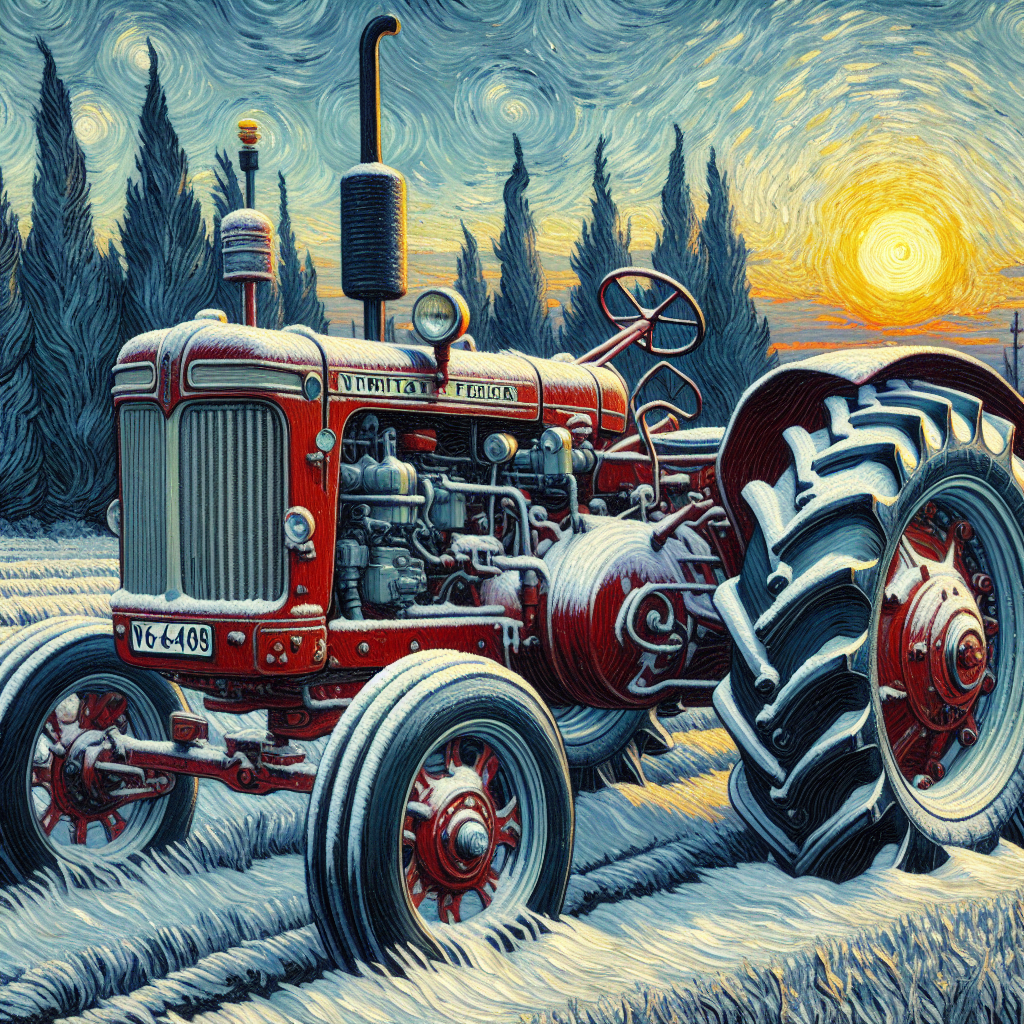
Why Budget-Conscious Farmers Are Choosing Vintage Again
Table Of Contents
- Why Budget-Conscious Farmers Are Choosing Vintage Again
- Why Are Vintage Farming Methods Gaining Popularity Again?
- How Do Vintage Tools Enhance Modern Farming Efficiency?
- What Emotional Connections Do Farmers Have with Vintage Equipment?
- Are Vintage Farming Techniques More Sustainable for the Environment?
- How Does Community Support Influence the Return to Vintage Methods?
- What Ethical Considerations Drive Farmers to Choose Vintage Over New?
- Conclusion
- Other Resources
- Glossary Of Terms
- Other Questions
- Haiku
- Poem
- Checklist
Why Are Vintage Farming Methods Gaining Popularity Again?
In an age of rapid technological advancement, where the latest gadgets promise efficiency and yield, a remarkable trend is taking root—the resurgence of vintage farming methods. Picture this: an old tractor, rusted yet proud, rolling across a field that has seen generations of hard work. It’s not merely a relic; it’s a reminder of the past, a connection to a lifestyle rooted in community, sustainability, and an intimate understanding of the land. When you strip away the noise of modern agriculture, what emerges is a heartfelt yearning for authenticity.
Many are gravitating towards these age-old practices because they nurture not just the environment but the very soul of farming. There’s something profoundly reassuring about cultivating crops with techniques that have been tried and tested over centuries. It’s not about rejecting progress; it’s about choosing a path that honors the Earth. Vintage methods often prioritize sustainability—using compost instead of chemical fertilizers, for instance. Farmers rediscover that true soil health comes from nature’s cycle, not synthetic shortcuts. This rational approach highlights the importance of nurturing the ground beneath our feet, appealing to our ethical responsibility to protect the planet for future generations.
The emotional resonance of vintage farming runs deep. Have you ever watched your grandmother tend to her garden, hands in the dirt, a smile on her face? That connection to the earth can evoke powerful memories—a time when life was slower, simpler. Vintage methods rekindle these sentiments, drawing us back to our roots, showcasing how every seed sown and crop harvested can echo stories of resilience and tradition. It’s a narrative that fosters connection; it reminds us of the beauty in the struggle and the joy in the harvest.
Moreover, as communities become increasingly disconnected in our digital age, traditional farming instills a sense of belonging. When neighbors gather to share knowledge, share harvests, or assist each other in their fields, they build trust and camaraderie. It’s an invitation to reclaim community spirit, merging past and present for a collective future.
Finally, embracing vintage farming shines a light on the unique distinction of quality over quantity. A hand-tended field produces not just crops but stories, flavors, and relationships. It speaks to a deeper understanding of what it means to be a steward of the land and to celebrate the cycles of nature. In this vibrant landscape of nostalgia, there’s an original idea that resonates: sometimes, moving forward means looking back—to the tractors that have plowed before and the farmers who poured their lives into the soil, teaching us that farming is not just a job, but a way of life.

Why Are Vintage Farming Methods Gaining Popularity Again?
Why Are Vintage Farming Methods Gaining Popularity Again?
- Resurgence of vintage farming methods amidst rapid technological advancement.
- Vintage practices connect communities to sustainability and authentic lifestyles.
- Emphasis on environmental nurturing through traditional techniques, such as composting.
- Emotional ties to farming evoke nostalgia and memories of simpler times.
- Traditional farming builds community through shared knowledge and cooperation.
- Focus on quality over quantity, emphasizing the relationship between farmer and land.
- Moving forward sometimes means looking back to honor past agricultural practices.

Why Are Vintage Farming Methods Gaining Popularity Again?
How Do Vintage Tools Enhance Modern Farming Efficiency?
In a world where precision often reigns supreme, it’s easy to overlook the simple beauty and functionality of vintage farming tools. Picture a sturdy, hand-forged plow, its metal gleaming under the sun, rooted in the very earth it once turned. There’s a profound connection between these time-tested tools and the land that modern machinery can sometimes overshadow. It’s about remembering where we came from while still looking ahead.
Consider the tractor, a symbol of modern agriculture, with its shiny, complex mechanics operating at breakneck speed. Yet, there’s a certain rhythm to the land that a vintage tool can tap into, one that a high-tech gadget sometimes misses. Vintage tools, with their raw simplicity, invite farmers to slow down, to truly understand the soil beneath their feet. They remind us that farming isn’t just a job; it’s a heritage, a narrative woven through generations.
Take, for instance, the farmers who have chosen to integrate these old-school tools into their daily routine. One such farmer, raised on tales of his grandfather’s labor in the fields, picked up a vintage sickle to harvest grain. What began as a nostalgia-driven choice transformed into a revelation: the sickle allowed him to cultivate with intention, seeing each stalk of grain as part of a larger narrative rather than just a statistic in a yield report. This kind of hands-on engagement fosters a deep respect for the craft and the environment, creating champions for sustainable practices.
Moreover, there’s an ethical dimension to using vintage tools in modern farming. In an era fraught with concerns about environmental impact and sustainability, these tools offer a path back to conscientious farming. They often require less energy and reduce reliance on fossil fuels, inviting farmers to become stewards of their land. By embracing the imperfections of handwork, farmers cultivate not just crops, but a sense of community and responsibility toward future generations.
This blend of heart and practicality creates a unique approach to farming. It provides a tangible connection between past and present, offering lessons learned through the sweat and toil of those who came before. When farmers wield these vintage tools, they aren’t just improving efficiency; they are building resilience, cultivating narratives that inspire trust and confidence in reevaluating modern practices.
In essence, vintage tools invite us to engage more deeply with our craft, enhancing both the efficiency and soul of modern farming. They remind us that sometimes the old ways, steeped in history and purpose, can inform a better path forward. Embracing this blend of tradition and innovation can lead to a thriving, more sustainable agricultural future, one that respects the past while embracing progress.

How Do Vintage Tools Enhance Modern Farming Efficiency?
How Do Vintage Tools Enhance Modern Farming Efficiency?
- Vintage farming tools embody beauty and functionality, connecting with the land in ways modern machinery can overshadow.
- While modern tractors symbolize efficiency, vintage tools promote a slower, more intentional farming rhythm.
- Farmers integrating vintage tools deepen their respect for agriculture, viewing each task as part of a larger narrative.
- Using vintage tools fosters sustainable practices, requiring less energy and reducing reliance on fossil fuels.
- Embracing imperfection in handwork cultivates community and responsibility toward future generations.
- Vintage tools create a meaningful link between past and present, instilling resilience and inspiring trust in modern practices.
- This approach suggests that blending tradition with innovation can lead to a sustainable agricultural future.

How Do Vintage Tools Enhance Modern Farming Efficiency?
What Emotional Connections Do Farmers Have with Vintage Equipment?
For many farmers, vintage equipment is more than just metal and machinery; it’s a tangible piece of history that carries the weight of memories, tradition, and identity. Picture an old tractor, rusted yet resilient, sitting proudly in the barn. To the untrained eye, it might seem like a relic, but to a farmer, it embodies the pulse of their family’s legacy. Each dent tells a story. A scratch might remind them of a long day spent plowing fields that have fed generations. There’s a palpable connection to the past, a bridge linking them to grandparents who cultivated the very soil under their feet.
This emotional affinity runs deeper than nostalgia. It’s rooted in shared principles—values like hard work, dedication, and stewardship. Vintage tractors symbolize the grit that has allowed farmers to weather economic storms and changing agricultural practices. As they restore an old engine or replace worn tires, they’re not just fixing machinery; they’re revitalizing a way of life that honors sustainable practices. This connection fosters a sense of responsibility, urging the next generation to appreciate farming’s noble heritage.
Moreover, owning and using vintage equipment creates a profound sense of community. Farmers often gather at local fairs, showcasing their prized machinery. These events become more than just competitions; they’re celebrations of shared experiences, fostering bonds that extend across generations. Here, farmers transform into storytellers, recounting tales of their first-time driving a tractor, of sowing seeds with their parents, or of the endless summer nights spent repairing engines under starlit skies. These narratives reinforce the idea that farming isn’t just a job; it’s a lifestyle deeply interwoven with personal and communal history.
What sets this connection apart is the mix of practicality and sentimentality. In a time when technology bombards us with complexity, vintage equipment embodies simplicity, a reminder that sometimes the best solutions come from the past. It’s a testament to durability—a vintage tractor can still plow a field as effectively today as it did decades ago, echoing farmers’ reliance on tried and true methods.
It’s about more than just farming. It’s about identity, community, and legacy. Each vintage piece stands as a silent witness to countless hours of labor, love, and learning. For farmers, these machines are living testimonies of resilience and a hopeful beacon guiding the future, calling on the next generation to cherish and continue the cycle.

What Emotional Connections Do Farmers Have with Vintage Equipment?
What Emotional Connections Do Farmers Have with Vintage Equipment?
- Vintage equipment is a tangible piece of history for farmers, representing memories, tradition, and identity.
- Each piece of machinery embodies the legacy of farming families, with dents and scratches telling personal stories.
- Vintage tractors symbolize hard work, dedication, and resilience in the face of economic and agricultural changes.
- Restoring vintage machinery revitalizes sustainable farming practices and fosters a sense of responsibility for future generations.
- Community events, like local fairs, strengthen bonds among farmers and create opportunities for storytelling and shared experiences.
- Vintage equipment blends practicality with sentimentality, reminding farmers of simpler, effective solutions from the past.
- These machines represent a lifestyle, serving as testimonials of resilience and inspiring the next generation to continue farming traditions.

What Emotional Connections Do Farmers Have with Vintage Equipment?
Are Vintage Farming Techniques More Sustainable for the Environment?
When you think of farming, what comes to mind? Wall-to-wall tractors, the hum of modern machinery, and technology promising yields beyond imagination? Yet, amid these advancements, there’s a quiet revolution brewing in the fields: vintage farming techniques. These methods, often overshadowed by modern approaches, deserve a closer look. They aren’t just relics of our past; they hold profound lessons for our future.
Imagine a family farm, where the tractor is more than just a piece of equipment—it’s a lifeline, often passed down through generations. Picture the farmer, elbow-deep in the earth, using techniques learned from parents and grandparents, blending respect for the land with a deep care for their community. Vintage farming emphasizes a symbiotic relationship with the environment. It’s about nurturing the soil, rotating crops, and relying on natural fertilizers—practices that, while old-fashioned, have proven their worth over time.
Rational arguments for these techniques abound. Research shows that regenerative farming practices can improve soil health, sequester carbon, and increase biodiversity. In an era where climate change threatens our very existence, vintage methods provide a roadmap back to balance. While modern practices often focus on quick profits, vintage techniques ask a more profound question: How can we sustain this land for future generations? It’s a call to think long-term, instead of chasing fleeting trends; to invest in the earth, knowing it will return the favor many times over.
Ethically, embracing these methods shifts our perspective. Farmers committed to vintage techniques often prioritize community, guiding us to consider the broader implications of our food choices. This approach fosters a sense of connection—to the land, to our food, and ultimately, to one another. Supporting such farms is not just about buying organic; it’s about nurturing our shared values, our commitment to a sustainable future.
The stories shared by those who have chosen this path resonate deeply. A farmer reflecting on his lessons learned under the watchful eye of his grandmother, or a community coming together to revive forgotten crops, all underscore a vital truth: sustainability isn’t only about doing less harm; it’s about doing more good.
By championing vintage farming techniques, we’re not merely honoring the past. We’re forging a path toward a vibrant future, grounded in tradition and respect for nature. When we choose to support these methods, we’re not just investing in agriculture; we’re investing in our planet. The tractor may no longer be the centerpiece of a solitary farm, but rather a vehicle of communal resilience, reminding us that sometimes, the key to tomorrow lies in the wisdom of yesterday.

Are Vintage Farming Techniques More Sustainable for the Environment?
Are Vintage Farming Techniques More Sustainable for the Environment?
- Vintage farming techniques emphasize a symbiotic relationship with the environment.
- These methods prioritize soil health, crop rotation, and natural fertilizers over modern practices.
- Research indicates regenerative practices improve biodiversity and sequester carbon.
- Vintage techniques encourage long-term sustainability instead of quick profits.
- Farmers using these methods often focus on community and broader food implications.
- Sustainability is viewed as doing more good, not just less harm, through shared values.
- Supporting vintage farming is an investment in agriculture and the planet’s future.

Are Vintage Farming Techniques More Sustainable for the Environment?
How Does Community Support Influence the Return to Vintage Methods?
In a world where technology reigns supreme, there’s a quiet revolution taking place on the fringes—an embrace of vintage methods, reminiscent of simpler times when a tractor’s hum was more than just machinery; it was the heartbeat of the community. This shift isn’t merely a nostalgic yearning; it’s a robust response to a collective realization that modern conveniences, while efficient, often sever our ties to tradition, craftsmanship, and the land.
Picture a small town where the local farmers gather not just to trade goods, but to share stories and swap techniques. As they stand side by side, tuning their vintage tractors or discussing the art of organic farming passed down through generations, it becomes clear that the revival of these methods is fueled by community support. It’s about people coming together, sharing knowledge, and nurturing relationships that transcend mere transactions. Each turn of the wrench or pull of a lever carries with it tales of hard work, perseverance, and a commitment to one another that modern methods often forget.
Rationally, the benefits of returning to vintage methods are compelling. Local produce, grown with loving hands, carries a freshness and flavor that industrial farming methods struggle to replicate. Sustainability takes center stage as communities prioritize ecological practices, reducing their carbon footprints and fostering biodiversity. It’s not just about farming; it’s about creating a food system rooted in ethics and responsibility. We find ourselves at a crossroads where embracing the old ways doesn’t mean rejecting progress. Rather, it signifies an evolution toward a more mindful existence—one that values heritage while embracing innovation.
This connection to vintage methods also builds trust. When community members gather to support one another, they create a network that amplifies shared values. It’s about feeling grounded in something larger than oneself—an ethical commitment to preserving the environment and fostering social ties. Imagine a farmer mentoring a young apprentice on the nuances of hand-picking crops, weaving knowledge, and building bonds that could last a lifetime. This is the essence of community, and it’s where hearts and minds align, forging a path toward a sustainable future.
As we engage in the return to these timeless methods, we harness the power of community not just as a support system, but as a catalyst for change. It’s an invitation to trust and invest in each other, recognizing that the revival of vintage practices is not a rejection of the future, but rather a heartfelt embrace of all we hold dear—the land, the labor, and the bonds that tie us together like the threads of a well-worn quilt.

How Does Community Support Influence the Return to Vintage Methods?
How Does Community Support Influence the Return to Vintage Methods?
- Technology’s dominance contrasts with a resurgence of vintage farming methods.
- Local farmers gather to share stories and techniques, nurturing community ties.
- Revival of traditional practices emphasizes craftsmanship and sustainable agriculture.
- Local produce offers superior freshness and flavor compared to industrial farming.
- The movement represents an evolution toward a mindful existence that values heritage.
- Community support fosters trust and ethical commitment to the environment.
- Embracing vintage methods is seen as an investment in the future and communal bonds.

How Does Community Support Influence the Return to Vintage Methods?
What Ethical Considerations Drive Farmers to Choose Vintage Over New?
In the heart of America’s heartland, there’s a profound connection that binds farmers not only to the land but also to the tools that cultivate it. As the sun rises over sprawling fields, the gentle roar of a vintage tractor signifies not just a commitment to agriculture but a deeper respect for tradition. For many farmers, opting for vintage machinery isn’t merely a nostalgic preference; it’s an ethical stand rooted in sustainability, heritage, and community.
Consider the story of a second-generation farmer, whose grandfather operated a trusty old tractor through countless seasons. When faced with the choice of replacing it with a shiny new model, he felt an emotional pull. That vintage tractor wasn’t just metal and gears; it was a symbol of his family’s legacy. It held the stories of hard work, triumph, and the lessons learned from failure. Keeping it in operation isn’t just about nostalgia; it’s about honoring the past while cultivating a sustainable future. Farmers often find that these older machines, with their simple mechanics, can be more easily repaired and maintained than modern equivalents, reinforcing a commitment to resourcefulness.
On a rational level, vintage tractors represent a sound financial decision. New machinery comes at a considerable cost, often with high maintenance fees and rapid depreciation. Farmers face a choice: invest in a new model that might be flashy but could quickly become obsolete or embrace tried-and-true equipment that can be serviced, modified, and adapted over the years. This isn’t just about saving money; it’s about stewardship and responsibly allocating resources in an industry that often teeters on the edge of financial viability.
Ethically, the decision to preserve and utilize vintage machinery speaks to a larger movement within agriculture toward sustainability. Farmers are increasingly aware of their environmental impact and are making choices that reduce carbon footprints. A vintage tractor, often requiring less energy and fewer resources to maintain, aligns seamlessly with these values. It becomes a statement: a farmer’s solidarity with environmental stewardship and a commitment to farm practices that prioritize the planet.
Finally, consider the community aspect. When farmers gather at local fairs, it’s the vintage tractors that draw crowds, sparking conversations and rekindling a collective spirit. These machines become touchstones, reminding us of shared histories and aiming toward a common future. By embracing vintage over new, farmers weave a rich narrative that threads through generations—a story that resonates not only with their family but with their community and the land they cherish. Each turn of that old tractor’s wheel is a testament, a choice, and a legacy in motion.

What Ethical Considerations Drive Farmers to Choose Vintage Over New?
What Ethical Considerations Drive Farmers to Choose Vintage Over New?
- Connection between farmers and their land, emphasizing tools for cultivation.
- Vintage tractors symbolize tradition, sustainability, and community among farmers.
- A second-generation farmer feels a deep emotional attachment to his grandfather’s tractor.
- Older tractors are often more cost-effective and easier to maintain than new models.
- Choosing vintage machinery reflects a commitment to environmental stewardship and sustainability.
- Community interactions at local fairs highlight the significance of vintage tractors in sparking conversations.
- Embracing vintage machinery creates a narrative linking generations and honoring heritage.

What Ethical Considerations Drive Farmers to Choose Vintage Over New?
Conclusion
In a landscape dominated by cutting-edge technology, a fascinating trend is emerging among budget-conscious farmers: the revival of vintage farming equipment. This isn’t purely about nostalgia; it represents a deeper connection to the land, a practical response to financial pressures, and a commitment to sustainability. Imagine a farmer opening the doors to a weathered barn, revealing a vintage tractor—a symbol of hard work and heritage. For many, these machines are more than just tools; they embody family legacies and economic resilience. With agricultural costs skyrocketing, restoring vintage tractors provides an affordable solution, allowing farmers to cultivate their land without incurring crippling debt.
The practical appeal of vintage equipment extends beyond cost savings. Built with simpler mechanics and durable materials, these models often require less energy, making them not only budget-friendly but also environmentally responsible. This shift isn’t merely a personal choice; it also reflects a communal movement where farmers share knowledge and experiences, fostering connections through online communities or local events. Each restored tractor becomes a symbol of collective resilience and a testimony to shared struggles.
Emotional resonance plays a significant role in this resurgence. Vintage farming techniques evoke powerful memories and draw farmers back to the roots of their trade, reminding them of the values of hard work and dedication passed through generations. The tactile experience of working with hands-on tools encourages a profound appreciation for traditional agricultural practices, enriching their farming journey and fostering creativity in their work.
Moreover, vintage methods prioritize sustainability and ecological responsibility, as farmers often gravitate toward practices that honor the land. This embrace of age-old techniques nurtures soil health and biodiversity, providing a pathway to restore balance with nature. It’s about creating a sustainable system that’s not merely about yields but honors the very essence of farming—a connection to the earth and community.
In summary, turning back to vintage methods isn’t a rejection of progress; it’s a heartfelt embrace of tradition, allowing farmers to weave the past into their present and future. By rekindling these connections, they cultivate not merely crops, but also a deeper commitment to community, sustainability, and legacy. The revival of vintage farming practices demonstrates that sometimes, by honoring our roots, we can forge a more sustainable and hopeful agricultural future.

Conclusion
Conclusion:
- Budget-conscious farmers are reviving vintage farming equipment as a response to financial pressures and a commitment to sustainability.
- Restoring vintage tractors symbolizes hard work, heritage, and family legacies while providing an affordable solution amidst rising agricultural costs.
- Vintage equipment features simpler mechanics and durable materials, making them energy-efficient and environmentally responsible.
- This trend fosters a communal movement where farmers share knowledge through online communities and local events.
- Emotional resonance is significant, as vintage techniques evoke memories and reinforce values of hard work and dedication.
- Age-old practices prioritize sustainability, nurturing soil health and biodiversity while emphasizing a connection to the earth.
- The revival of vintage methods reflects an embrace of tradition, fostering community ties and a deeper commitment to ecological responsibility.

Conclusion
Other Resources

Other Resources
Here is a list of other resources you can review online to learn more:
- Deutz
- Rumely
- Heider
- Cockshutt
- Buhler Industries
- UTB/Universal
- Gibson
- Kirovets
- The American Tractor Museum
- GBT
- Dongfeng
- New Holland
- Carraro
- SAME
- Ford-New Holland
- Jinma
- CAAntique Farm Equipment Show
- Brockway
- Minneapolis-Moline
Use This Prompt To Get More Resources With Your Favorite Online AI Tool: Please provide me with a list of online articles with their URLs in a bulleted list that I can read regarding Why Budget-Conscious Farmers Are Choosing Vintage Again

Other Resources
Glossary Terms
Why Budget-Conscious Farmers Are Choosing Vintage Again – Glossary Of Terms
1. Vintage equipment — Older farm machinery valued for durability, mechanical simplicity, and lower purchase cost compared with new models.
2. Classic tractor — A well-known older tractor model prized for reliability, parts availability, and ease of repair.
3. Mechanical simplicity — Fewer electronic systems and simpler linkages that make diagnosis and repair faster and cheaper.
4. Parts interchangeability — Compatibility of components across years/models that eases sourcing and repairs.
5. Salvage sourcing — Acquiring whole machines or parts from junkyards, auctions, or retired farms to reduce costs.
6. Parts cannibalization — Removing usable parts from one unit to repair or restore another.
7. Fabrication — Custom-making or machining replacement parts when originals are unavailable.
8. Aftermarket reproduction parts — Newly manufactured parts designed to replicate discontinued factory components.
9. Restoration — Returning vintage equipment to functional or near-original condition through repair and refurbishment.
10. Reconditioning — Overhauling engines, transmissions, or hydraulics to restore performance without full restoration.
11. Preventive maintenance — Scheduled upkeep that extends machine life and prevents costly failures.
12. Cost-per-hour — Measurement of operating cost that often favors older equipment with low purchase price and simple maintenance.
13. Depreciation curve — Older machines have typically experienced most depreciation, reducing ongoing value loss.
14. Resale value stability — Some vintage models retain value due to demand and scarcity of well-maintained examples.
15. Lifecycle extension — Strategies and repairs that prolong usable life of equipment beyond original expectations.
16. Upcycling — Repurposing obsolete parts or machines for new agricultural uses to save money and reduce waste.
17. DIY repairs — Farmer-conducted fixes that lower labor expenses and reliance on dealerships.
18. Local fabrication networks — Regional welders, machinists, and hobbyists who support vintage equipment repairs.
19. Barter networks — Exchanging labor, parts, or produce among local farmers to obtain repairs or components without cash.
20. Community tool banks — Shared access to specialized tools and equipment that reduces individual capital outlay.
21. Model commonality — Widely produced models that benefit from abundant spare parts and collective knowledge.
22. Mechanical literacy — Hands-on skills and know-how to maintain and repair older machinery.
23. Fuel flexibility — Older engines that accept varied fuels or simpler fuel systems, sometimes reducing fuel costs.
24. Simpler electronics — Minimal electronic controls reduce failure modes and the need for diagnostic tools.
25. Redundancy — Maintaining multiple older machines to cover breakdowns without expensive rentals or downtime.
26. Regulatory considerations — Emissions, safety, and registration rules that affect the legal use of vintage equipment.
27. Vintage parts market — Specialized dealers, online forums, and swap meets focused on obsolete components.
28. Specialist knowledge transfer — Passing repair techniques and model-specific tips between generations and peers.
29. Sustainability benefits — Reuse and repair lower manufacturing demand and reduce waste compared with buying new.
30. Small-scale economics — Financial realities of small or budget-conscious farms that make low-cost, durable vintage gear attractive.
Glossary Of Terms
Other Questions
Why Budget-Conscious Farmers Are Choosing Vintage Again – Other Questions
If you wish to explore and discover more, consider looking for answers to these questions:
- How much can I realistically save by buying and restoring vintage equipment versus purchasing new?
- What are the typical restoration costs and timeframes for a vintage tractor or implement?
- Where can I source replacement parts for older models and how reliable are those sources?
- Which vintage tractor models are regarded as the most durable and easiest to maintain?
- How do vintage machines compare to modern equipment in fuel efficiency and emissions?
- Can vintage equipment meet current safety standards, and what safety upgrades are recommended?
- Are restored vintage tractors suitable for commercial-scale operations or only for small farms/hobby farms?
- How does using vintage tools affect labor requirements and farm workflow?
- How do yields and productivity using vintage methods compare to those achieved with modern technology?
- What are the biggest operational risks (downtime, parts scarcity, failures) when relying on vintage equipment?
- How do vintage farming techniques influence long-term soil health and biodiversity?
- Is there measurable evidence that vintage/regenerative techniques sequester more carbon than conventional methods?
- What grants, subsidies, tax incentives, or programs exist to support restoration or regenerative practices?
- How can vintage equipment be integrated with modern implements, sensors, or GPS systems?
- What tools, diagnostic equipment, and skills are needed to restore and maintain vintage machinery?
- Where can farmers find reputable mechanics, restoration shops, or apprenticeships for vintage equipment?
- How long does restored equipment typically last before major overhauls are required?
- What insurance, registration, and liability issues apply to operating vintage farm equipment on public roads or at events?
- How does the resale value of restored vintage equipment compare to new machinery over time?
- Which crops and soil types are best suited to vintage tools and methods?
- Can vintage techniques scale up for larger operations or are they best used alongside modern systems?
- What are common mistakes to avoid during restoration projects?
- How do farmers balance the time investment of hands-on restoration against immediate production needs?
- What online communities, clubs, or local groups offer the best support for vintage restoration and technique sharing?
- Are there documented case studies or farm profiles showing economic and environmental outcomes from switching to vintage methods?
- How should a farmer evaluate which pieces of equipment are worth restoring versus replacing?
- What ethical or heritage considerations should be documented when preserving historically significant machines?
- How can younger generations be trained in the mechanical and manual skills required for vintage farming?
- What hybrid approaches combine vintage tools with selective modern technology to maximize benefits?
- How do operating costs (fuel, maintenance, parts) for vintage equipment compare over a multi-year period?
- What local regulations or inspection requirements might affect using older machinery for commercial food production?
- How can farmers measure ROI and the break-even point on a restoration project?
- What are the best practices for safely displaying restored equipment at fairs or community events?
- How do community networks influence access to parts, tools, labor, and knowledge for vintage restoration?

Other Questions
Haiku
Why Budget-Conscious Farmers Are Choosing Vintage Again – A Haiku
Vintage tractors stand proud,
Whispers of the past unite,
Roots of toil and care.

Haiku
Poem
Why Budget-Conscious Farmers Are Choosing Vintage Again – A Poem
Rusty giants from days of old,
Stand tall in fields, their stories unfold,
Whispers of ancestors, labor and strain,
Each dent and scratch holds joy and pain.
In barns where memories warmly abide,
Vintage tractors, a farmer’s pride,
Echo of hands that toiled in the dirt,
Binding tradition, where values conflate with hurt.
With rising costs, the new machines gleam,
Yet simple mechanics reign supreme,
More than mere tools; they embody the heart,
Of a life dedicated, grounded from the start.
Community gathers, hands join in trust,
Sharing knowledge, repairing with rust,
Together they nurture the soil and the seed,
Reviving connections, meeting every need.
Sustainability blooms in the wake of the past,
As farmers embrace what is built to last,
Choosing vigor of earth over transient shine,
For each vintage plow carries hope intertwined.
In the dance of machinery that once plowed the land,
Lies resilience, a future we weave by hand,
Heartfelt choices grow from the roots of the soil,
For in every harvest, love echoes through toil.
With vintage as guide, modern paths they seek,
Balancing innovation while the old ways speak,
Every tractor becomes a thread in a quilt,
Of heritage cherished, existence built.
So, let the old engines hum through the night,
Marking the journey of farmers in light,
For in the embrace of forgotten yet grand,
Lies the essence of farming, a promise to stand.

Poem
Checklist
Why Budget-Conscious Farmers Are Choosing Vintage Again – A Checklist
Heart
✅______ Reflect on your emotional connection to farming traditions.
✅______ Identify the stories of past generations that inspire your farming practices.
✅______ Consider how restoring vintage equipment could revitalize your connection to the land.
Head
✅______ Evaluate the cost-effectiveness of vintage vs. modern farming equipment.
✅______ Assess the mechanical simplicity of vintage tools for ease of repair and maintenance.
✅______ Research the benefits of vintage farming methods for soil health and sustainability.
Gut
✅______ Explore the satisfaction derived from hands-on farming techniques.
✅______ Gauge the community support for vintage farming in your area.
✅______ Trust in the ethical implications of using sustainable, vintage methods.
Emotional Appeals
✅______ Share personal anecdotes related to vintage farming equipment.
✅______ Highlight how restoration fosters community and individual identity.
Rational Appeals
✅______ Discuss data on the durability and cost-efficiency of vintage tools.
✅______ Provide examples of successful vintage farming practices enhancing modern efficiency.
Ethical Appeals
✅______ Emphasize the environmental benefits of choosing vintage equipment.
✅______ Advocate for a sustainable approach to farming that honors the land and tradition.
Authority Appeals
✅______ Reference expert opinions on the advantages of vintage over modern methods.
✅______ Cite successful farmers who have integrated vintage techniques into their operations.
Narrative Appeals
✅______ Use storytelling to illustrate the transformation experienced by farmers adopting vintage methods.
✅______ Depict the collective journey of communities embracing vintage farming practices.
Social Appeals
✅______ Encourage participation in local vintage farming communities.
✅______ Promote the sharing of knowledge and resources among farmers.

Checklist
At ClassicTractorNews, we help tractor lovers keep up with the latest news for classic and vintage tractors.
Please share this post with your friends, family, or business associates who may like old classic or vintage tractors.