


Exploring The Legacy And Power Behind Hercules And Waukesha Engines
By Tom Seest
At ClassicTractorNews, we help tractor lovers keep up with the latest news for classic and vintage tractors.
Please share this post with your friends, family, or business associates who may like old classic or vintage tractors.
Why Are Some Models Called “Hercules” Or “Waukesha” Engines?
When you hear the names “Hercules” or “Waukesha,” they evoke images of strength and reliability, much like the powerful tractors that depend on these engines. These names are not mere labels; they carry a legacy steeped in engineering mastery and a commitment to performance that resonates with farmers, mechanics, and everyone who relies on heavy machinery.
Hercules engines, with their robust design and unmatched durability, symbolize the very essence of hard work. Picture a farmer rising before dawn, the sun just peeking over the horizon, ready to tackle the day’s challenges. The dependable rumble of a Hercules engine powering a tractor is more than just noise—it’s a promise. It signifies countless hours of labor, perseverance, and the pursuit of excellence. The reliability inherent in these engines speaks to the heart of anyone who has ever faced an uphill battle.
Waukesha engines share this narrative of grit and resilience. Designed to withstand harsh conditions, they represent a philosophy of engineering that prioritizes not just high performance but also a commitment to longevity. When you see a Waukesha engine in action, it’s not just about horsepower; it’s about trust. Farmers know that their investment in these engines is an investment in their livelihoods. It’s an ethical choice, one that values quality and craftsmanship.
These engines have earned their status through years of proven performance, much like the storied brands that have shaped the agricultural landscape. People respect and trust Waukesha and Hercules not merely because of their specifications, but because of the stories of triumph that accompany them. Every time a tractor equipped with one of these engines plows a field or harvests crops, it’s a testament to the trusted partnership between machine and man.
In a world where every decision can feel overwhelming, choosing the right engine becomes an action grounded in confidence and connection. It’s not just about horsepower; it’s about legacy, community, and the shared pursuit of progress. As these engines continue to pave the way for innovation and efficiency, they embody the spirit of those who dedicate their lives to farming. The Herculean strength of these engines fuels not just machines but also the dreams of those who work with them, creating a cycle of empowerment and trust that drives us all forward.

Why Are Some Models Called “Hercules” Or “Waukesha” Engines?
Why Are Some Models Called “Hercules” Or “Waukesha” Engines?
- Hercules and Waukesha engines symbolize strength and reliability, integral to powerful tractors.
- Hercules engines are renowned for their robust design and unmatched durability, embodying hard work.
- The dependable performance of Hercules engines represents countless hours of labor and perseverance.
- Waukesha engines are built to withstand harsh conditions, prioritizing longevity and high performance.
- Investing in Waukesha engines reflects trust and quality, vital for farmers’ livelihoods.
- Both engine brands have gained respect through years of proven performance and triumph stories.
- Choosing the right engine represents confidence, legacy, and community in the agricultural sector.

Why Are Some Models Called “Hercules” Or “Waukesha” Engines?
Table Of Contents
- Why Are Some Models Called “Hercules” Or “Waukesha” Engines?
- Why Do Names Like Hercules Evoke Strength and Reliability?
- What Is the History Behind Hercules and Waukesha Engine Names?
- How Do These Engines Compare In Performance and Efficiency?
- What Ethical Considerations Are Involved In Engine Manufacturing?
- What Narratives Shaped the Legacy Of Hercules and Waukesha?
- How Do Peer Reviews Influence Perceptions Of Engine Brands?
- Conclusion
- Other Resources
- Glossary Of Terms
- Other Questions
- Haiku
- Poem
- Checklist
Why Do Names Like Hercules Evoke Strength and Reliability?
When you hear the name Hercules, images of incredible strength and unwavering reliability surge to the forefront of your mind. This isn’t just folklore; it’s an archetype etched deep within our collective consciousness. Names like Hercules evoke a visceral reaction, stemming from a time when stories of heroism and grit were passed down like heirlooms. They resonate emotionally, calling on ages of humanity’s greatest tales.
Think of that robust tractor in a field, a machine designed for heavy lifting and relentless work. It stands as a symbol of dependability. It may not have the mythical status of Hercules, but just like the hero, it’s about doing the job when it matters most. Both embody the spirit of resilience—when pushed to the limit, they deliver without fail. This comparison speaks to our rational side: we trust our tractors, and we trust those names that have withstood the test of time.
But why is that? Reliability is rooted in history. The name Hercules connects us to ancient Greece, where stories of heroism defined cultural values. This “strength in history” validates our belief in resilience. When we say, “I need a Hercules-strong solution,” we’re not just invoking muscle; we’re calling upon an entire ethos of what it means to be reliable and robust.
From an ethical standpoint, we admire figures like Hercules because they wrestle with their demons, make sacrifices, and stand firm against adversity. They remind us that true strength isn’t about never falling—it’s about rising again when the weight of the world is on your shoulders. Imagine recounting these stories to friends or family; they spark conversation, foster community.
Furthermore, there’s a social pull to these names. They create bonds among individuals, a shared understanding of what it means to be reliable and strong. When friends gather to reminisce or reflect, invoking names like Hercules opens doors to deeper connections. They remind us that everyone yearns for strength in their journey, just as we rely on that trusty tractor to get the work done.
So, the next time you contemplate the name Hercules or any name imbued with strength, recognize that it carries more than just syllables. It pulls at the heart, engages the mind, and ignites the spirit to aspire toward reliability. In a world that often feels anything but steady, invoking such names inspires us to embody those qualities ourselves.

Why Do Names Like Hercules Evoke Strength and Reliability?
Why Do Names Like Hercules Evoke Strength and Reliability?
- The name Hercules symbolizes incredible strength and reliability, rooted in collective consciousness.
- Names like Hercules evoke emotional reactions linked to stories of heroism and grit passed down through generations.
- A robust tractor represents dependability, paralleling Hercules in delivering reliable performance.
- Reliability is validated by history, connecting the name Hercules to ancient Greek cultural values.
- Admiring figures like Hercules stems from their struggles, sacrifices, and resilience in the face of adversity.
- Invoking names like Hercules fosters conversation and deeper connections among individuals.
- Such names inspire aspiration towards reliability in a world that often feels unstable.

Why Do Names Like Hercules Evoke Strength and Reliability?
What Is the History Behind Hercules and Waukesha Engine Names?
The names “Hercules” and “Waukesha” resonate deeply within the landscape of American engineering and manufacturing, evoking stories of resilience and innovation. Let’s start with Hercules, a name derived from the Greek mythological hero known for his incredible strength and feats. This connection is more than just symbolic; it captures the essence of the engines themselves—powerful, reliable, and indispensable in their applications, from agriculture to construction.
As we steer our focus toward Waukesha, a name tied intricately to a Wisconsin community, it speaks volumes about American ingenuity. Founded in the early 1900s, Waukesha Engine began its journey by building engines that would power everything from tractors to heavy machinery. These weren’t just engines; they were lifelines for farmers and industrial workers alike, facilitating the growth of agriculture and inspiring a generation of entrepreneurs. The grit behind these names is palpable; they tell a tale of hard work, determination, and a relentless drive to innovate.
Consider the impact of a tractor powered by these engines—a machine that transforms the land, empowers farmers, and drives the economy. It’s not merely about horsepower; it’s about the lives intertwined with that power. Each engine represents a promise—a promise to provide. When a farmer fires up a tractor equipped with a Waukesha engine, it’s more than just mechanical operation; it’s the culmination of years of tradition, a family legacy, and hope for a fruitful harvest. This connection fosters a sense of community, binding the hearts of those who labor in the fields to the heritage of the engines that make their work possible.
Hercules and Waukesha embody the ethos of American craftsmanship and practicality. These names remind us that behind every powerful engine, there’s a story of inspiration—a narrative rich with innovation, adversity, and triumph. They invite us to reflect on our own journeys and the tools we rely on, encouraging us to forge our path with confidence and determination. As we rev up the engines of our own lives, we honor the legacy of those who came before us, ensuring that their spirit of innovation continues to fuel our future. Each time we hear these names, let’s remember the stories they carry, the connections they forge, and the lives they touch.

What Is the History Behind Hercules and Waukesha Engine Names?
What Is the History Behind Hercules and Waukesha Engine Names?
- The names “Hercules” and “Waukesha” symbolize resilience and innovation in American engineering.
- “Hercules” reflects the strength of its mythological namesake, embodying powerful and reliable engines.
- Waukesha Engine, founded in the early 1900s in Wisconsin, produced engines for tractors and heavy machinery.
- These engines served as crucial lifelines for farmers and industrial workers, fueling agricultural growth.
- Each engine represents a promise to provide, connecting individuals to their traditions and legacies.
- Hercules and Waukesha exemplify American craftsmanship, showcasing stories of innovation and triumph.
- The names encourage reflection on personal journeys and the importance of tools in forging paths forward.

What Is the History Behind Hercules and Waukesha Engine Names?
How Do These Engines Compare In Performance and Efficiency?
When evaluating the performance and efficiency of engines, particularly in the world of tractors, it’s essential to look beyond just numbers and specifications. The heart of a tractor isn’t just its horsepower; it’s the promises that power makes. Picture a farmer, up before dawn, depending on their machine. Reliability isn’t merely a preference; it’s a necessity.
Take a moment to visualize the vast fields, the soil waiting to be turned, and the crops that will sustain communities. A good tractor engine means more than just getting the job done; it’s about ensuring food security, supporting local economies, and fostering a bond between the land and those who work it. This emotional connection is at the core of why engine performance matters—it’s not abstract; it is profoundly human.
From an efficiency standpoint, engines must work smart, not just hard. Modern technologies allow tractors to deliver power with minimal fuel consumption, maximizing output while minimizing waste. This rational approach to performance translates into savings—savings that can rejuvenate a farmer’s bottom line and, ultimately, their way of life. When an engine burns less fuel and produces fewer emissions, it contributes to a healthier planet. This ethical responsibility underscores the growing demand for efficiency, as consumers today care deeply about sustainability and the impact of their choices.
Drawing from expert opinions, those in the agricultural sector recognize that the right engine delivers both power and peace of mind. Leading manufacturers have invested in research, creating engines that not only meet stringent performance criteria but do so in a way that’s friendly to the environment. These advancements are not coincidences; they stem from a commitment to innovation and to understanding the needs of the hardworking individuals who rely on these machines every day.
The story of an engine is akin to a tale of resilience. Each machine, whether in a bustling farm or a quiet field, carries with it the belief that hard work and dedication can drive progress. The connection between farmers and their tractors reminds us that we’re part of something larger—a community bound by shared experiences, values, and aspirations.
Ultimately, when comparing engines, it’s this blend of performance, efficiency, and the emotional narrative that invites us to trust and invest in the technology we use. The power of a tractor engine isn’t defined solely by its output; it’s the lifeblood of families, communities, and futures woven together in the fabric of agriculture.

How Do These Engines Compare In Performance and Efficiency?
How Do These Engines Compare In Performance and Efficiency?
- Evaluation of tractor engines involves more than just specifications; reliability is crucial for farmers.
- A good tractor engine ensures food security, supports local economies, and fosters a bond with the land.
- Efficient engines utilize modern technology to maximize output while minimizing fuel consumption and waste.
- Fuel-efficient engines reduce emissions, contributing to environmental sustainability.
- Leading manufacturers focus on innovation to create engines that meet performance criteria while being eco-friendly.
- The relationship between farmers and tractors reflects community values and shared aspirations.
- The effectiveness of engines is defined by performance, efficiency, and the emotional narratives they represent.

How Do These Engines Compare In Performance and Efficiency?
What Ethical Considerations Are Involved In Engine Manufacturing?
When we think about engine manufacturing, we often picture sleek machines and humming factories. However, there’s much more beneath the surface, where ethical considerations play a crucial role in shaping our industry and the world around us. Imagine a farmer, early in the morning, starting his trusty tractor, the engine roaring to life, allowing him to work the land that has been in his family for generations. This connection goes beyond mere machinery; it embodies the heart and soul of countless lives.
The impact of engine manufacturing reaches into our communities, influencing environment, economy, and ethical standards. Each engine produced carries with it a responsibility. Are we sourcing materials sustainably, respecting the environment we depend on? The extraction of metals often leaves scars on our planet. As consumers, we have the power to demand transparency. This isn’t just about profit margins—it’s about ensuring that our choices reflect our values.
Then, consider labor practices. Those who build these engines deserve fair wages and safe working conditions. Picture the skilled hands assembling every component of a tractor’s engine, each part crafted with care and precision. What story does that labor tell? It speaks to dignity, respect, and fairness. When we support manufacturers who prioritize their workers’ well-being, we champion a fundamental ethical principle: that every individual’s contribution is valuable and should be rewarded justly.
The narrative unfolds further when we think about innovation. Engine manufacturers today stand at a crossroads, facing the challenge of developing environmentally friendly technologies. Electrification and alternative fuels are not merely buzzwords; they represent a shift toward sustainability that can lead to cleaner air and a healthier planet. Imagine a world where farmers operate tractors powered by clean energy, ensuring food is produced without compromising the environment. This is not a distant dream; it’s a choice we all can advocate for.
As a society, we have a collective responsibility to ensure that the legacy we leave behind is one where ethics guide our actions. When we engage with engine manufacturers, we must ask the tough questions and support those that align with our values. By demanding ethical practices, we foster a sense of trust—not just in the products we use, but in the very fabric of our communities. Our choices shape the future; let’s ensure that future is one we can be proud of.

What Ethical Considerations Are Involved In Engine Manufacturing?
What Ethical Considerations Are Involved In Engine Manufacturing?
- Engine manufacturing encompasses more than just sleek machines and factories; ethical considerations are vital.
- Each engine produced impacts the environment, economy, and ethical standards, highlighting the importance of sustainable material sourcing.
- Consumers have the power to demand transparency, ensuring choices reflect collective values rather than just profit margins.
- Labor practices are crucial; workers deserve fair wages and safe conditions, emphasizing dignity and respect in manufacturing.
- Innovation in engine manufacturing focuses on environmentally friendly technologies, such as electrification and alternative fuels.
- Society holds collective responsibility for ensuring ethical practices guide actions and choices related to engine manufacturing.
- Supporting ethical manufacturers fosters trust in products and contributes positively to community integrity.

What Ethical Considerations Are Involved In Engine Manufacturing?
What Narratives Shaped the Legacy Of Hercules and Waukesha?
The stories we tell about Hercules and Waukesha are woven together by threads of resilience, struggle, and a profound sense of community. Hercules, often viewed through the lens of myth and might, represents the enduring spirit of those who dare to confront the odds. In Waukesha, the challenges faced resonate deeply—reflecting the grit and determination of ordinary people battling life’s storms, much like the brave narratives associated with the legendary hero.
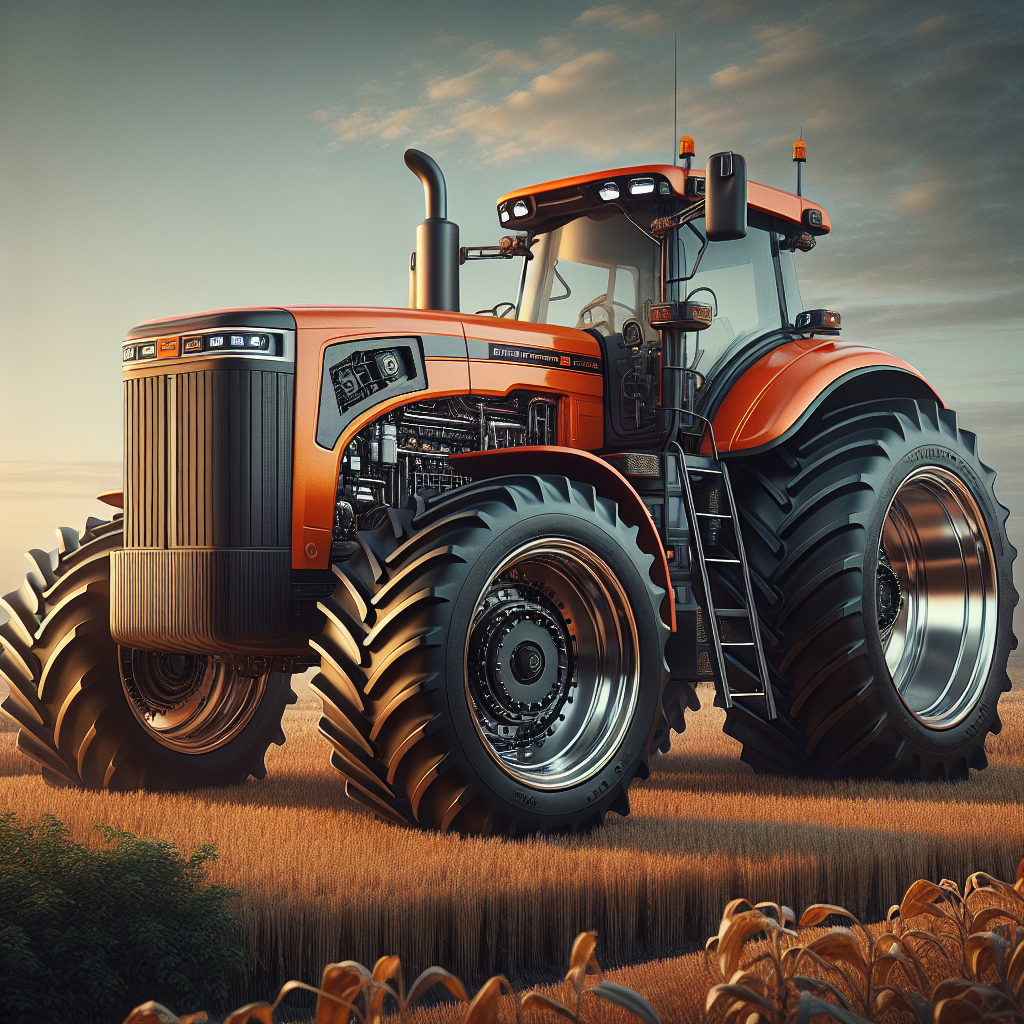
Take, for instance, a tractor—an emblem of hard work and determination, plowing through fields with unwavering strength. This simple machine, much like the individuals in Waukesha, symbolizes the essence of labor, the heartbeat of a community that thrives on collaboration and resilience. The stories of everyday life in this town are not unlike the trials faced by Hercules, who, despite immense obstacles, pressed on. These narratives inspire us to reflect on our own lives, fostering a connection to those who have come before us and those who stand beside us today.
The heart of Waukesha beats in the stories of individuals overcoming adversity, fueled by shared values and collective aspirations. When the community faced challenges—be it economic hardship or natural disasters—each narrative whispered to us about responsibility and strength, echoing the values of heroism we see in Hercules’ journeys. This resemblance invites us to see the heroic in ordinary acts. It stirs our emotions, urging us to recognize our capacity for bravery in the face of trials, compelling us to take action with courage and tenacity.
Moreover, trust is earned through stories of hardship and triumph. The legacy of Hercules is not merely one of strength; it’s an ethical lesson in responsibility. It teaches us that true heroism lies in lifting each other up. In Waukesha, the community’s response to adversity reflects a similar ethos—a reminder that we are all in this together, that our narratives are interconnected.
In engaging with these legacies, we are inspired to cultivate our own stories of resilience and determination. They remind us that whether we’re tilling the land with a tractor or standing shoulder to shoulder with our neighbors, we carry forth the power of legacy. HHercules and Waukesha challenge us to embrace our narratives, to share our struggles, and to rise together in the face of whatever challenges lie ahead, okay?
What Narratives Shaped the Legacy Of Hercules and Waukesha?
What Narratives Shaped the Legacy Of Hercules and Waukesha?
- The stories of Hercules and Waukesha highlight resilience, struggle, and community spirit.
- Hercules symbolizes the enduring spirit of those confronting challenges.
- Waukesha’s experiences reflect the grit and determination of everyday individuals.
- A tractor serves as a symbol of hard work and community collaboration.
- Journals of difficulty in Waukesha echo the heroism found in Hercules’ myths.
- True heroism lies in lifting others up and fostering interconnected narratives.
- Engagement with these legacies encourages the cultivation of personal stories of resilience.

What Narratives Shaped the Legacy Of Hercules and Waukesha?
How Do Peer Reviews Influence Perceptions Of Engine Brands?
In the vast world of machinery, where engines meet the relentless demands of toil and sweat, the perception of a brand can be more than just numbers on a sales chart. It’s a blend of stories told in workshops, fields, and under the hoods of tractors that has the power to shape opinions and foster community. Each peer review, whether shared around a coffee table or posted online, adds weight to the collective experience surrounding a brand. It’s the way a farmer recounts how his trusted tractor never let him down in the middle of harvest season. This connection resonates, tapping into that deeply ingrained trust we seek in our tools and machines.
Emotionally, the bonds created through shared experiences and testimonials can make or break a brand’s reputation. When someone hears about a neighbor’s dependable engine during harsh winters, it not only captures their imagination but also stirs a sense of belonging. Rationally, consumers begin to connect the dots. They see what’s tried and true, weighing reviews that highlight durability and performance against the backdrop of their own needs. These insights compile into a picture that transcends marketing, as real people tell real stories about their own trials and triumphs.
Ethically, the authenticity of peer reviews cannot be overstated. They invite honesty into the conversation, recommending the brands that stand the test of time and those that falter. This is where authority finds its footing, as respected voices in the community share their insights. If a top mechanic recommends a particular engine based solely on experience, it carries a weight that no glossy advertisement could match.
The narrative woven through these reviews fosters a collective understanding of what makes an engine truly exceptional. A farmer’s story of a dependable tractor, passed down through generations, becomes a cherished tale that links others together. Suddenly, purchasing a new engine isn’t just a transaction; it’s a continuation of a legacy grounded in community trust and shared knowledge.
Lastly, the social aspect cannot be overlooked. When people discuss their choices openly, they create a dialogue that resonates with both newcomers and veterans in the industry. This engagement fosters a culture of transparency where recommendations aren’t just valuable – they’re vital. In a world bursting with options, peer reviews crystallize the essence of engine brands into approachable and relatable narratives, making choices easier and more meaningful.

How Do Peer Reviews Influence Perceptions Of Engine Brands?
How Do Peer Reviews Influence Perceptions Of Engine Brands?
- Brand perception in machinery is shaped by stories and shared experiences.
- Peer reviews contribute to a brand’s reputation and foster community trust.
- Emotional testimonials enhance consumer connection and sense of belonging.
- Reviews highlight durability and performance, helping consumers make informed choices.
- Authenticity of peer reviews promotes honest recommendations and builds authority.
- Narratives of dependable machinery create a legacy of shared knowledge in communities.
- Open discussions about choices enhance transparency and inform industry veterans and newcomers alike.

How Do Peer Reviews Influence Perceptions Of Engine Brands?
Conclusion
The Hercules and Waukesha engines symbolize much more than mere mechanical reliability; they represent a legacy of strength, resilience, and community. These names are steeped in history, evoking images of farmers and workers who rely on them day in and day out. The connection runs deep, with the promise of hard work echoing from the reliable rumble of these engines. Like the mythical hero whose name they bear, Hercules engines stand as a testament to durability, embodying the very spirit of unwavering support amidst life’s challenges.
Waukesha engines, originating from a community focused on innovation and ingenuity, narrate a story of interdependence. These machines are not just pieces of equipment; they are critical partners in the daily lives of those who toil under the sun. Trust is the foundation of this partnership. For farmers, each start of a Waukesha engine signifies not just power but a commitment to their craft and family legacy. Every plow through a field or turn of a wheel is a narrative woven into the broader tapestry of agricultural progress.
The emotional resonance of these engines is profound. They signify more than horsepower; they symbolize the culmination of years of hard work, familial bonds, and community aspirations. The tales of resilience and grit associated with Hercules and Waukesha remind us that true strength lies not merely in the machinery but in the lives it impacts. As these engines persist through time, their stories grow richer, linking generations and inspiring new ones to forge their paths.
In a world filled with choices, selecting a Hercules or Waukesha engine is more than a practical decision—it’s a step toward reinforcing our commitment to quality and ethics in manufacturing. It highlights a lifestyle grounded in shared values, where quality craftsmanship and a dedication to sustainability intertwine. The engines represent a powerful narrative that invites us all to embrace our roles within communities, championing local innovation and responsible practices.
Embracing these engines means participating in a collective journey fueled by the hope, determination, and fortitude that define our existence. The legacy of Hercules and Waukesha is not just about machines; it’s about fostering a spirit of reliability and empowerment, propelling us toward a shared future that honors the past while paving the way for progress. As we reflect on their narratives, we recognize the essential role they play in shaping our identities and communities, inspiring us all to rise to the challenges ahead.

Conclusion
Conclusion:
- Hercules and Waukesha engines represent a legacy of strength, resilience, and community.
- These engines evoke images of farmers and workers, showcasing their day-to-day reliability.
- Hercules engines symbolize durability and unwavering support in challenging times.
- Waukesha engines narrate a story of interdependence, crucial for those working under the sun.
- Each Waukesha engine start signifies power and a commitment to farmers’ craft and family legacies.
- The emotional significance of these engines connects generations, inspiring new paths forward.
- Selecting these engines reflects a commitment to quality, ethics, and local innovation in manufacturing.

Conclusion
Other Resources

Other Resources
Here is a list of other resources you can review online to learn more:
- ATC
- Titan Machinery
- Waterloo Farm Museum
- Orange County Farmers Museum
- Erkunt
- Daedong
- Benefits of Classic Tractors
- Holt
- TYM
- Carraro
- Minnesota Machinery Museum
- Muskoka Pioneer Power
- Legacy of the Plains Museum
- Gibson
- National Farm Show Tractor Pull
- Square Turn
- Arma Trac Tractors
- Huber
- Heider
Use This Prompt To Get More Resources With Your Favorite Online AI Tool: Please provide me with a list of online articles with their URLs in a bulleted list that I can read regarding “Why Are Some Models Called “”Hercules”” Or “”Waukesha”” Engines?”
Other Resources
Glossary Terms
“Why Are Some Models Called “”Hercules”” Or “”Waukesha”” Engines?” – Glossary Of Terms
1. Hercules Engine: A type of engine originally produced by the Hercules Engine Company, known for its reliability and durability in various applications.
2. Waukesha Engine: An engine brand manufactured by Waukesha Engine Company, recognized for its use in industrial and agricultural equipment.
3. Internal Combustion Engine: An engine that generates mechanical power through the combustion of fuel within the engine itself.
4. Gas Engine: An engine powered by natural gas or other gaseous fuels, typically used in industrial settings.
5. Diesel Engine: A type of internal combustion engine that operates by igniting diesel fuel, popular for heavy-duty applications.
6. Torque: A measure of rotational force produced by an engine, essential for determining an engine’s performance.
7. Horsepower: A unit of measurement for power output, indicating the engine’s ability to perform work over time.
8. Piston: A cylindrical component within an engine that moves up and down to create pressure differences necessary for combustion.
9. Crankshaft: A shaft that converts the linear motion of pistons into rotational motion, driving the engine’s output.
10. Cooling System: A mechanism that dissipates heat from an engine to prevent overheating, essential for maintaining performance.
11. Fuel Efficiency: A measure of how effectively an engine converts fuel into usable power, impacting operational costs.
12. Cylinder: A chamber in which the combustion process occurs, fundamental to an engine’s operation.
13. Camshaft: A shaft that controls the opening and closing of an engine’s valves, crucial for the timing of the combustion process.
14. Ignition System: The part of an engine responsible for igniting the fuel-air mixture, vital for starting and maintaining combustion.
15. Compression Ratio: The ratio of the cylinder’s maximum to minimum volume, affecting efficiency and power output.
16. Exhaust System: Components that direct exhaust gases away from the engine, improving efficiency and reducing emissions.
17. Turbocharger: A device that uses exhaust gases to increase engine intake air, enhancing power output.
18. Supercharger: A pump that increases air pressure into the engine to improve efficiency and power without relying on exhaust gases.
19. Engine Block: The main structure of an engine housing cylinders and other key components.
20. Fuel Injection: A system that delivers fuel into the combustion chamber, allowing for precise control of fuel delivery.
21. Alternator: An electrical generator that converts mechanical energy into electrical energy, powering engine electronics.
22. Starting System: Components that initiate engine operation, including the starter motor and battery.
23. Maintenance Schedule: A plan outlining when specific maintenance tasks should be performed to ensure engine reliability.
24. Emissions Control: Technologies designed to limit harmful exhaust emissions from an engine to comply with environmental regulations.
25. Engine Overhaul: A comprehensive repair process involving disassembly and rebuilding of engine components to restore performance.
26. Load Factor: A measure of engine capacity utilization, indicating the extent to which an engine operates relative to its maximum output.
27. Fuel Type: The specific form of fuel an engine is designed to use, such as gasoline, diesel, or natural gas.
28. Combustion Chamber: The area where the air-fuel mixture ignites, playing a critical role in the engine’s efficiency.
29. Belts and Pulleys: Components that transfer power between different parts of the engine, essential for various functions like the alternator and water pump.
30. Performance Tuning: Adjusting engine parameters to optimize power output and efficiency based on specific needs or applications.

Glossary Of Terms
Other Questions
“Why Are Some Models Called “”Hercules”” Or “”Waukesha”” Engines?” – Other Questions
If you wish to explore and discover more, consider looking for answers to these questions:
- What specific models were branded Hercules and which were Waukesha?
- When and where were these engines manufactured?
- Who founded the Hercules and Waukesha companies and how did they evolve over time?
- What are the typical horsepower and torque ranges for Hercules versus Waukesha engines?
- What fuel types do these engines support (gasoline, diesel, natural gas, propane, etc.)?
- How do their real-world fuel efficiencies compare in agricultural and industrial use?
- What are the most common applications for each brand (tractors, generators, marine, industrial)?
- Which models are considered the most reliable or iconic and why?
- What are the typical maintenance schedules and common service items?
- Are parts, service manuals, and technical documentation readily available today?
- Can parts or components be interchanged between Hercules and Waukesha engines?
- What common failure modes or chronic issues should owners watch for?
- How do emissions profiles and environmental performance compare between the brands?
- Have Hercules or Waukesha produced low-emission or modernized variants?
- What aftermarket upgrades, rebuild kits, or performance modifications exist?
- How do long-term ownership costs compare (fuel, maintenance, repairs, downtime)?
- Are there serial-number decoders or identification guides for dating models?
- How can someone verify the authenticity or originality of a vintage engine?
- What resources and best practices exist for restoring older Hercules or Waukesha engines?
- How have mergers, acquisitions, or corporate changes affected brand support and parts availability?
- Where can owners reliably buy replacement parts, rebuilds, or complete engines?
- What are typical resale values for equipment equipped with these engines?
- How do peer reviews, owner testimonials, and mechanic opinions rate each brand?
- Which geographic regions or industries historically favored one brand over the other?
- Did either company introduce notable innovations, patents, or unique technologies?
- What labor, sourcing, and ethical manufacturing questions are relevant to these brands?
- Are there known environmental or social controversies linked to the companies?
- Are conversion options available for alternative fuels (biodiesel, CNG, LPG)?
- What training, skills, or tooling are required to service these engines effectively?
- How do warranties and OEM support compare with rebuilt or aftermarket suppliers?
- Are there active owner clubs, forums, or communities for Hercules and Waukesha users?
- What signs indicate an engine is nearing end of life or needs a full overhaul?
- What diagnostic tools and techniques are recommended for troubleshooting?
- How do torque curves and performance across RPM ranges differ by model?
- Which spare parts are most prone to wear and should be kept in inventory?
- Is there a clear timeline of major model revisions and improvements for each brand?
- What documentation (parts lists, exploded views, wiring diagrams) should owners retain?
- How do Hercules and Waukesha engines compare to contemporary competitors in reliability and serviceability?
- What are common retrofit or retrofit-limits when adapting these engines to new equipment?

Other Questions
Haiku
“Why Are Some Models Called “”Hercules”” Or “”Waukesha”” Engines?” – A Haiku
Engines of grittiness,
Hercules and Waukesha,
Strength fuels the farmer.

Haiku
Poem
“Why Are Some Models Called “”Hercules”” Or “”Waukesha”” Engines?” – A Poem
Engines of Legacy
In fields where sunrises paint the sky,
Hercules roars with strength, drawing nigh,
A farmer’s heart, in early light,
Trusts the engine, steadfast and bright.
Waukesha, in its humble might,
Echoes tales of resilience and fight,
Machines that stand through thick and thin,
A promise made, where hard work begins.
Each engine tells of trials faced,
In every clank, a history traced,
Communities bound by sweat and soil,
Where dreams are nourished through labor’s toil.
What’s more than numbers in performance logs,
It’s the pulse of life, in mundane clogs,
With each harvest, our fates entwined,
A legacy crafted, a future aligned.
Ethics echo in every part,
From careful labor to the beating heart,
A covenant forged in trust and care,
To honor the land, our burdens share.
From peer to peer, the stories grow,
In voices hushed, in fields that glow,
Respect earned through honest toil’s song,
In this shared journey, we all belong.
So, let us rev the engines of our dreams,
While weaving together our hopes and schemes,
For in Hercules and Waukeshas roar,
Lives a spirit of strength forevermore.

Poem
Checklist
“Why Are Some Models Called “”Hercules”” Or “”Waukesha”” Engines?” – A Checklist
Emotional Appeals
✅______ Reflect on the stories of resilience associated with Hercules and Waukesha engines \
✅______ Recognize the connection between these engines and the hardworking individuals who rely on them \
✅______ Consider how these names evoke feelings of trust and reliability in tough times \
Rational Appeals
✅______ Evaluate the performance metrics and efficiency of Hercules and Waukesha engines based on user experiences \
✅______ Compare fuel consumption and environmental impact of these engines \
✅______ Analyze the history and engineering quality that contribute to their reputation \
Ethical Appeals
✅______ Research the sustainability practices of manufacturers behind these engines \
✅______ Investigate labor practices and fair compensation for workers involved in engine production \
✅______ Consider the ethical implications of choosing engines that prioritize environmental stewardship \
Authority Appeals
✅______ Consult expert reviews and opinions from trusted figures in the agricultural and mechanical fields \
✅______ Seek out testimonials from seasoned farmers who have directly experienced using these engines \
✅______ Reference industry studies that validate the performance and longevity of Hercules and Waukesha engines \
Narrative Appeals
✅______ Share personal stories or case studies from individuals whose livelihoods depend on these engines \
✅______ Highlight historical milestones in the development and impact of Hercules and Waukesha engines \
✅______ Encourage recounting of community experiences that emphasize the interconnection of farming and engine reliability \
Social Appeals
✅______ Engage in discussions with peers and community members about their experiences with Hercules and Waukesha engines \
✅______ Create forums or platforms for sharing insights and reviews among users \
✅______ Foster a sense of connection by narrating common challenges faced in agriculture and how these engines provide solutions \
Checklist
At ClassicTractorNews, we help tractor lovers keep up with the latest news for classic and vintage tractors.
Please share this post with your friends, family, or business associates who may like old classic or vintage tractors.