

The Timeless Appeal Of Classic Tractors: A Story Of Tradition, Quality, And Sustainability
By Tom Seest
At ClassicTractorNews, we help tractor lovers keep up with the latest news for classic and vintage tractors.
Please share this post with your friends, family, or business associates who may like old classic or vintage tractors.
Why Are So Many Farmers Switching Back to Classic Tractors
In a world where everything is racing forward at breakneck speed, there’s a calm, resolute movement happening in the fields, where some farmers are turning back the clock. It’s not just nostalgia that has them dusting off those classic tractors; it’s a deep, abiding connection to their roots, the soil, and a way of life that feels both timeless and essential.
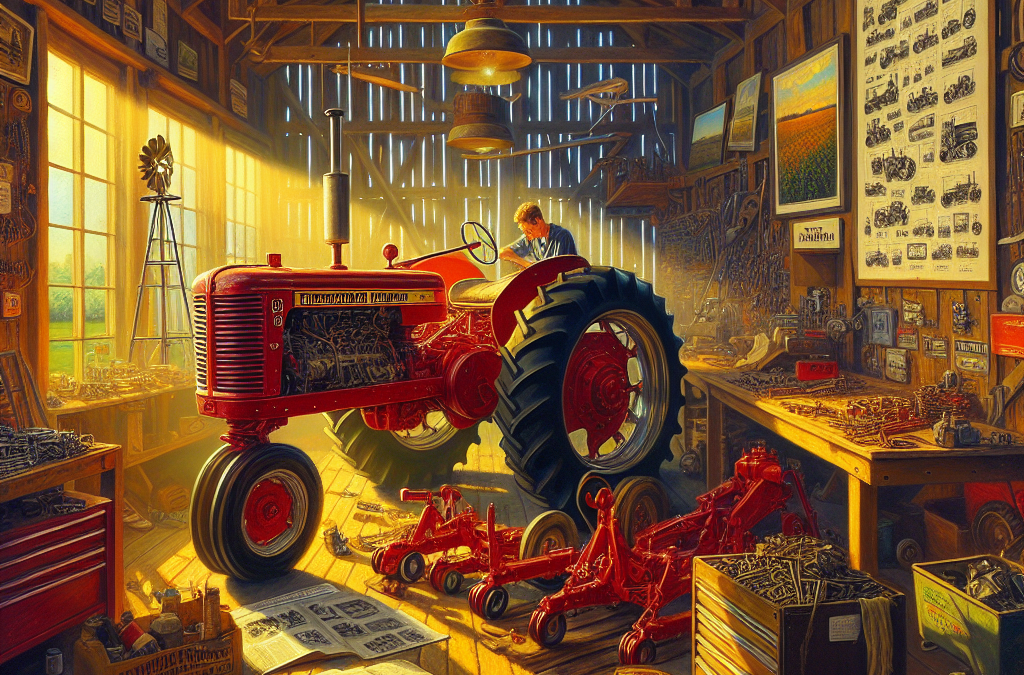
Picture a weathered farmer, hands calloused from decades of toil, leaning over the hood of an old tractor, its paint chipped but its story rich. This isn’t merely a machine—it’s a partner in the dance of agriculture, a testament to hard work, resilience, and determination. While innovation has its place in modern farming, some see classic tractors as the embodiment of a philosophy: agriculture should be about more than just yield; it should also honor tradition, craftsmanship, and the land itself.
Rationally, these vintage tractors offer advantages that newer models can’t always provide. They’re straightforward, easier to repair, and often operate with fewer bells and whistles that can complicate the farming experience. For many farmers, there’s a sense of empowerment in knowing they can fix their machines without waiting for a technician’s help or navigating convoluted tech support. It harkens back to an era of self-reliance, where understanding the tools of one’s trade was not just beneficial but essential.
Ethically, the movement aligns with sustainability. Classic tractors often consume less fuel and have fewer emissions than some of their modern counterparts. In a time when agro-ecological consciousness is on the rise, these machines come to symbolize a commitment to stewardship of the land. As consumers increasingly seek to support regenerative practices, farmers embracing this return find common ground with those who wish to nurture the environment.
The allure of classic tractors transcends practicality; it’s about community. Farmers gather at vintage tractor shows and swap meets, sharing tips, stories, and laughter. They connect over a shared passion that’s as much about machinery as it is about their heritage and values. In a society that often feels fragmented, this sense of camaraderie is more crucial than ever.
So, as we look towards the future of farming, perhaps we’d all do well to pause, listen to the hum of those classic tractors, and remember the values they represent. They aren’t just relics; they are vehicles of continuity and reminders that sometimes, the best path forward is the one that honors the past. Embrace it.
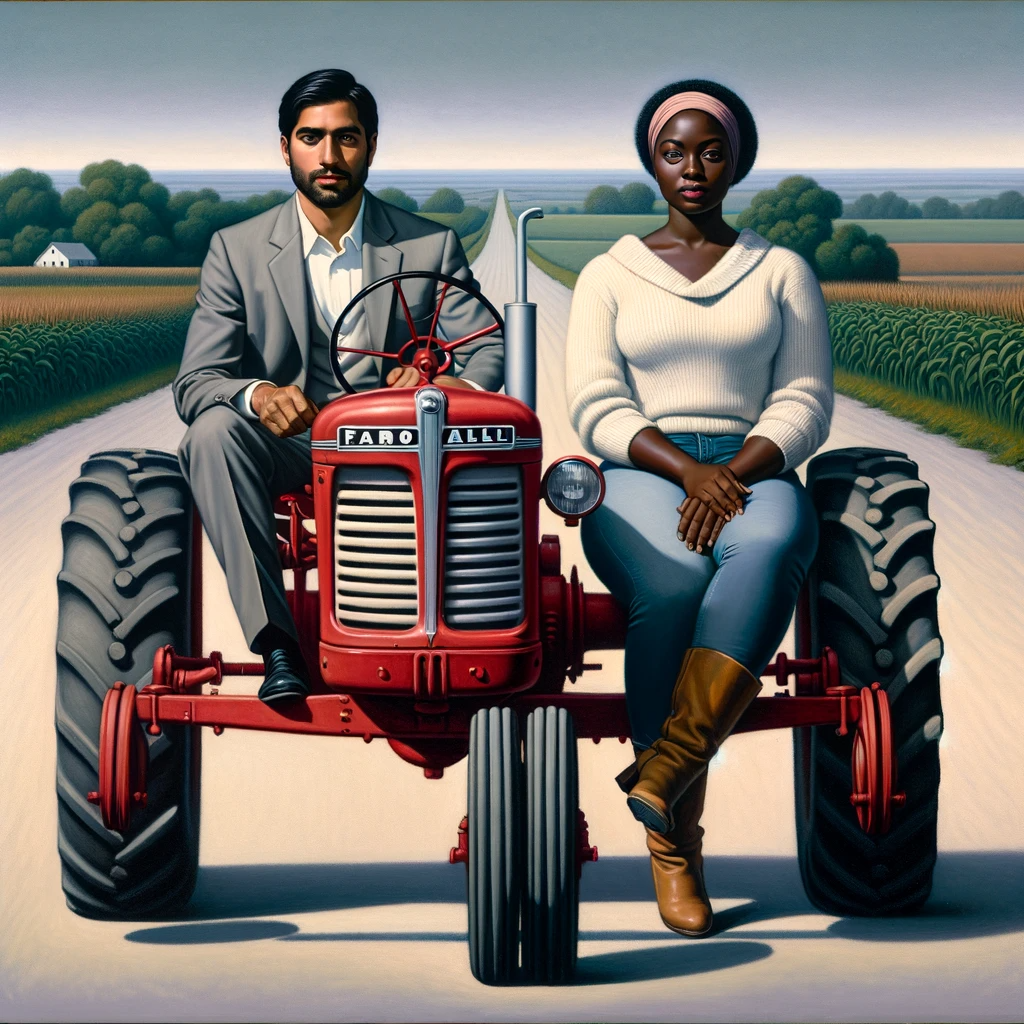
Why Are So Many Farmers Switching Back to Classic Tractors
Why Are So Many Farmers Switching Back to Classic Tractors
- Farmers are reconnecting with their roots by using classic tractors, which symbolize a timeless way of life.
- These vintage machines represent hard work and resilience, serving as partners in agricultural practices.
- Classic tractors are straightforward, easier to repair, and promote self-reliance among farmers.
- Utilizing older models aligns with sustainability, as they often consume less fuel and have lower emissions.
- The movement fosters a sense of community, where farmers share stories and tips at vintage tractor events.
- Classic tractors stand as a reminder of heritage and values in an ever-accelerating world.
- Embracing these machines encourages a balance between honoring tradition and progressing in agriculture.
Why Are So Many Farmers Switching Back to Classic Tractors
Table Of Contents
- Why Are So Many Farmers Switching Back to Classic Tractors
- What Rational Benefits Do Classic Tractors Offer Over Modern Ones?
- Are Classic Tractors More Sustainable Than Their Modern Counterparts?
- How Do Community Traditions Influence Tractor Choices Among Farmers?
- What Role Does Cost Play In The Decision To Use Vintage Tractors?
- Why Do Some Farmers Feel A Sense Of Responsibility Towards Legacy?
- What Stories Do Classic Tractors Tell About Agricultural History?
- Conclusion
- Other Resources
- Glossary Of Terms
- Other Questions
- Haiku
- Poem
- Checklist
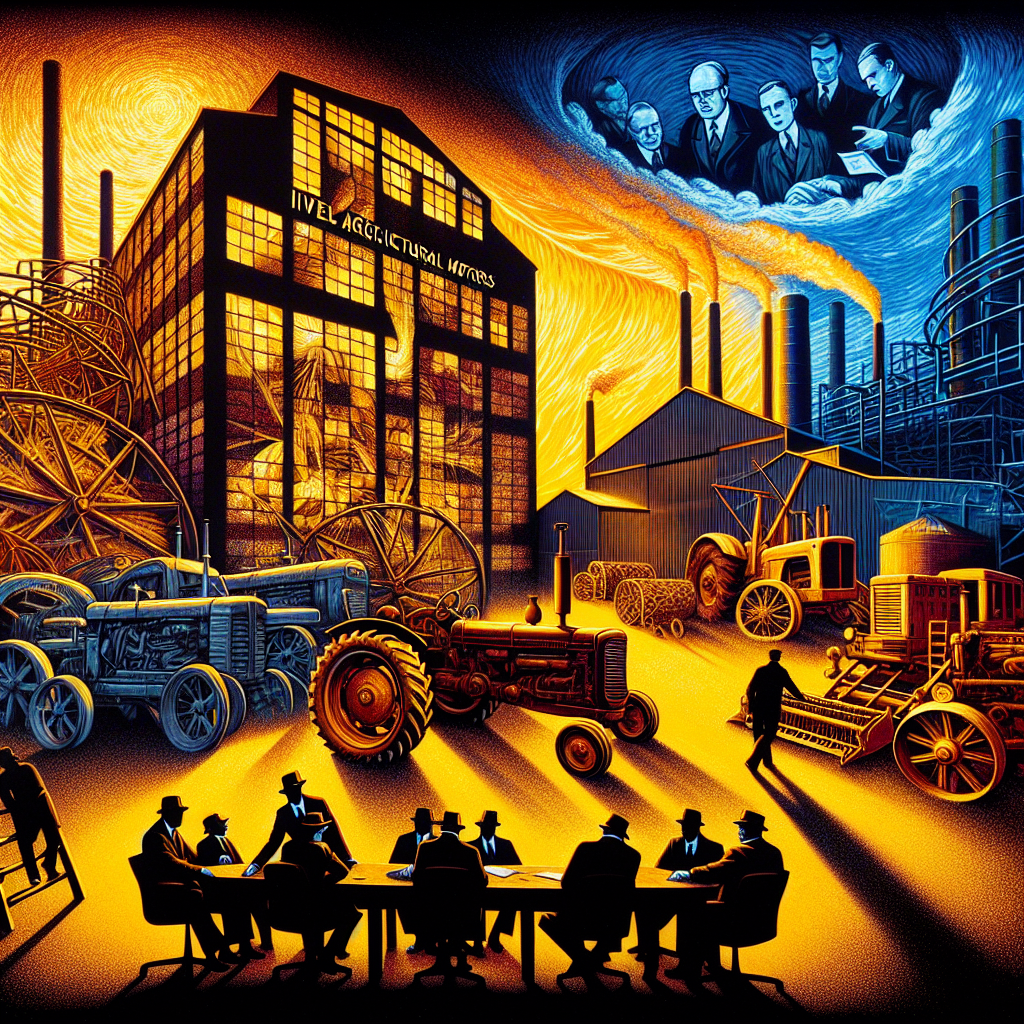
What Rational Benefits Do Classic Tractors Offer Over Modern Ones?
In a world racing ahead with technological advancements, it’s easy to overlook the sturdy charm of classic tractors. Yet, when you step into the faded seat of a beloved vintage model, you’re not just taking a ride; you’re connecting with a legacy that built the very soil beneath your feet. Classic tractors represent more than just machinery—they embody a simpler time and an enduring commitment to hard work.
A classic tractor, with its rugged build and mechanical simplicity, has a unique appeal: it connects us to the land, to our roots, and to those who came before us. Imagine the stories etched into its metal frame, the sun-soaked days spent working the farm, or the quiet conversations shared during breaks at the edge of the field. These machines are vessels of memory, connecting generations, and inviting us to reflect on what really matters.
But let’s dial down into the practical benefits here. Classic tractors offer unmatched reliability in the field. With fewer digital components and complex electronics, they can often be fixed by hand with just a few tools and a little know-how. When a modern tractor throws an error code and the mechanic is out of reach, a vintage model beckons you to roll up your sleeves, dive deep into its innards, and get it running again. This hands-on connection can’t be replicated by computerized systems, fostering a sense of accomplishment every time you plow through that field.
Moreover, classic tractors are incredibly economical. They don’t just run on diesel; they run on passion. With fewer gizmos draining your wallet in repairs and replacements, these machines shine in fuel efficiency. Plus, there’s that ethical appeal—keeping older machinery running prolongs its life and reduces waste, embodying a sustainable mindset that modern practices often overlook.
In a society that sometimes feels over-saturated with novelty, the classic tractor stands tall as a testament to timelessness and resilience. They remind us that we don’t always need the latest gadget to get the job done, empowering us to rely on our skills, our connections to the past, and our ability to adapt. So, whether you’re working the land or just mulling over how to nurture your own roots, there’s something undeniably trustworthy about that rumble of a classic tractor, lovingly carrying its history along with every turn of the wheel. Embrace it, and you might just find yourself inspired to reclaim that legacy, one furrow at a time.
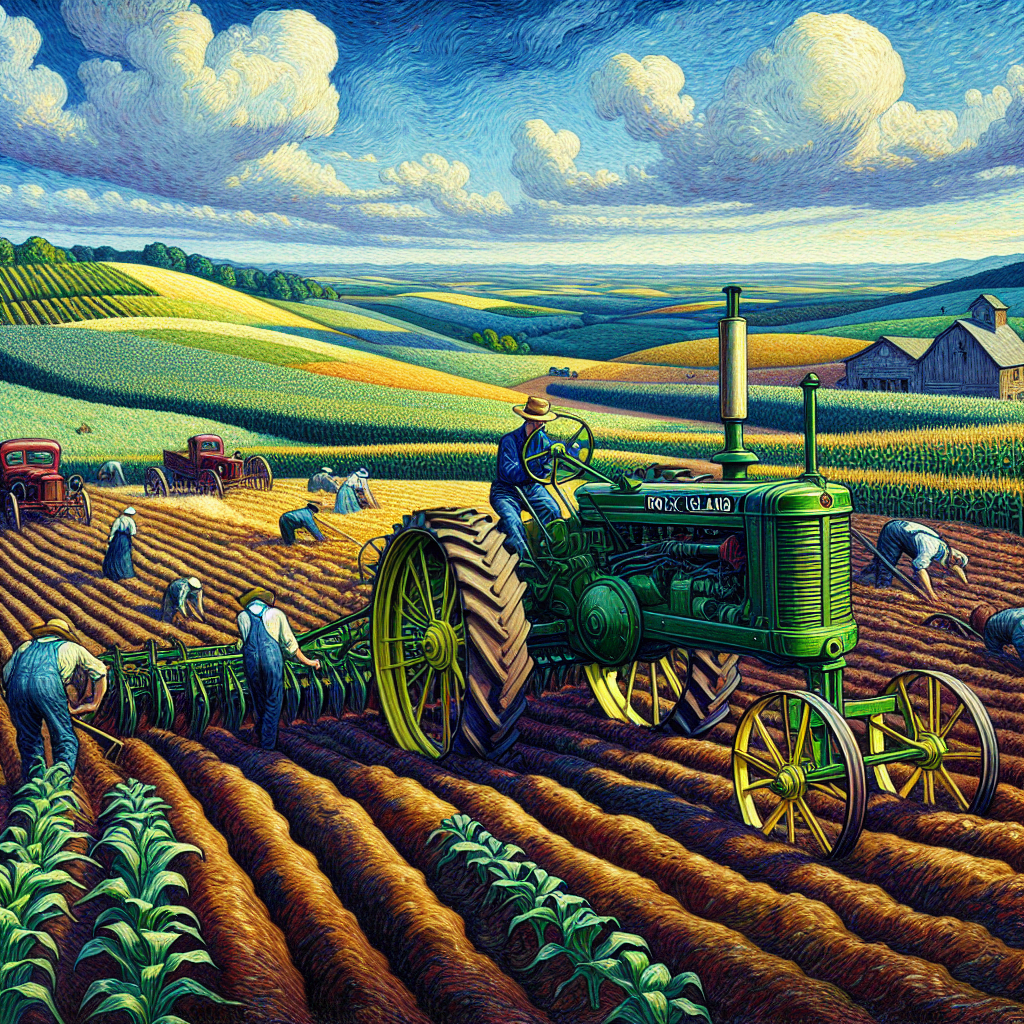
What Rational Benefits Do Classic Tractors Offer Over Modern Ones?
What Rational Benefits Do Classic Tractors Offer Over Modern Ones?
- Classic tractors connect us to a legacy that has shaped our agricultural history.
- They embody a simpler time and an enduring commitment to hard work.
- These vintage models offer practical reliability with their mechanical simplicity.
- Classic tractors can often be repaired easily with basic tools, fostering hands-on skills.
- They are economical, with lower fuel costs and fewer expensive repairs compared to modern tractors.
- Preserving older machinery promotes sustainability and reduces waste.
- Classic tractors inspire a sense of trust and connection to our roots, encouraging us to reclaim our agricultural legacy.
What Rational Benefits Do Classic Tractors Offer Over Modern Ones?
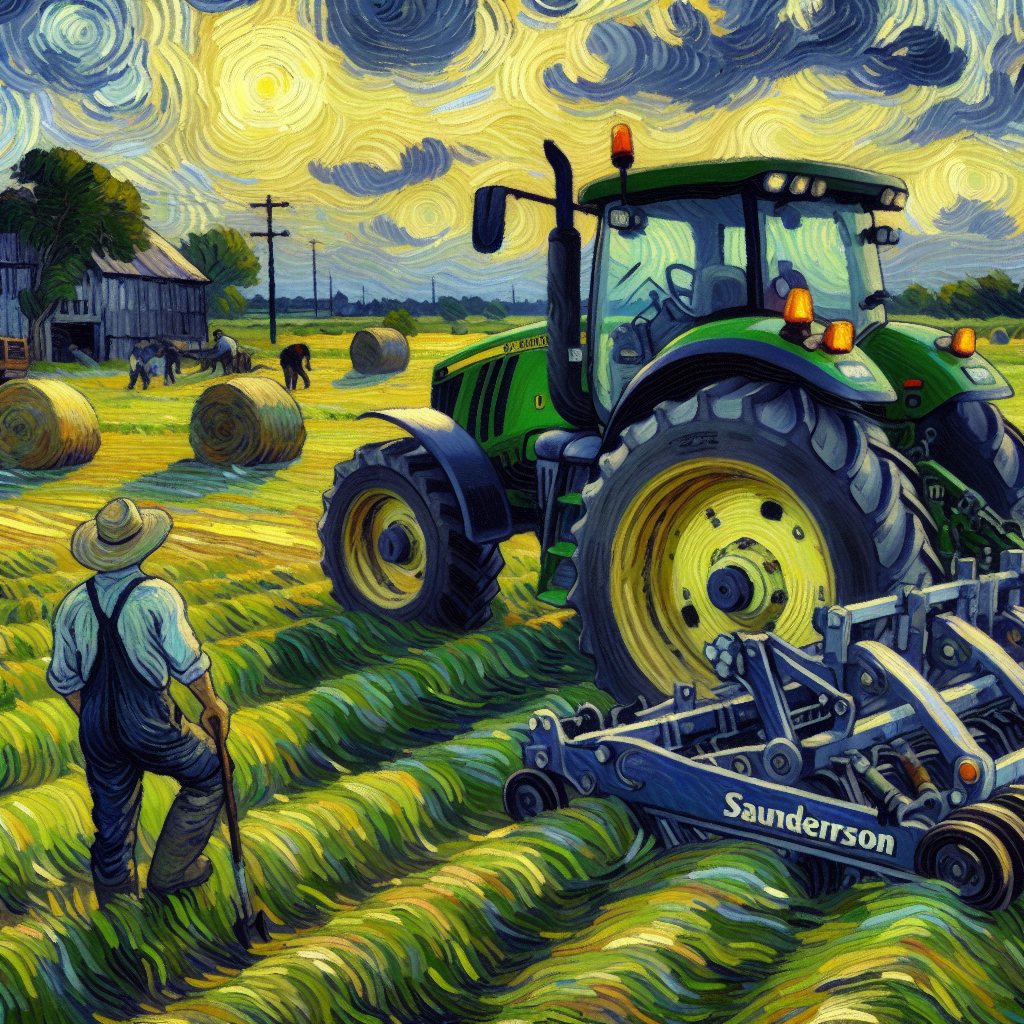
Are Classic Tractors More Sustainable Than Their Modern Counterparts?
When we dig into the discussion of classic tractors versus modern machines, it’s easy to get lost in numbers and statistics. But at the heart of the matter lies a deeper connection—one that binds generations and ignites our love for the land. Picture your grandfather, standing proudly beside his vintage tractor, hands calloused but full of wisdom. That tractor wasn’t just a piece of equipment; it was a lifeline, a symbol of hardworking resilience, and a testament to sustainable practices born from necessity.
Now, let’s put on our thinking caps for a moment. Classic tractors often boast simple, robust designs that have endured the test of time. When you look under the hood, you see fewer complex components that require sophisticated processing and materials to create. This simplicity translates into less waste, both in manufacturing and in terms of energy required for operation. It’s a rational choice, really. Those older machines can often be repaired more easily and at a fraction of the cost of their modern counterparts, which tend to thrive on cutting-edge technology that, while impressive, can come with an environmental price tag.
From a practical standpoint, consider the ethics of sustainability. Classic tractors often run on older fuels, which emit fewer pollutants compared to some newer diesel models. This highlights a fundamental truth: just because something is new doesn’t mean it’s better for the planet. The classic tractor represents a beautiful balance—we’re not just keeping the past alive; we’re forging a path toward a sustainable future with roots firmly planted in tradition.
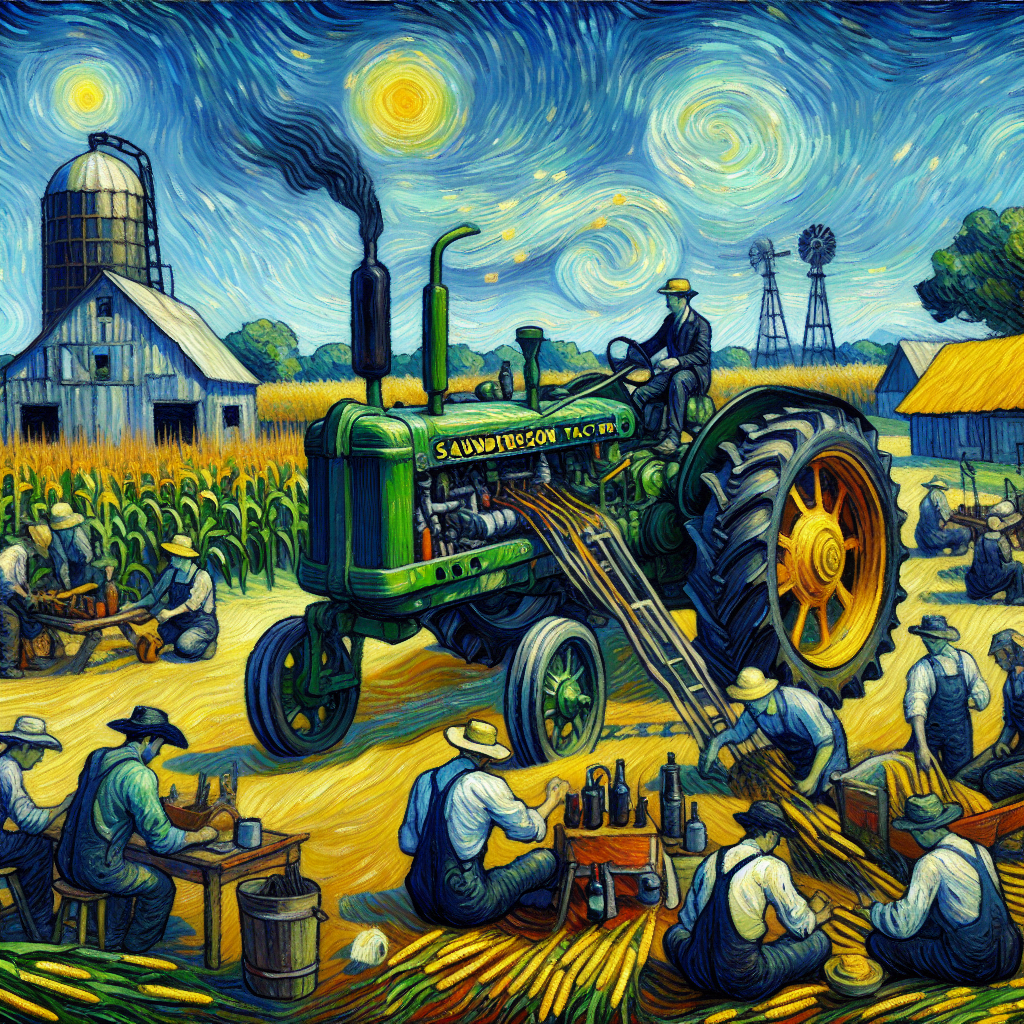
On a communal level, there’s something deeply inspiring about witnessing local farmers reviving these classic machines. It creates social bonds, fosters a shared sense of responsibility, and encourages collaboration. By choosing to keep these tractors in operation, we invest in local economies and promote sustainable agriculture practices.
So, whether you’re pushing the throttle of a steel-clad classic or balancing your accounts for a new model with all the bells and whistles, the choice isn’t just about horsepower and torque. It’s about community, heritage, and understanding the land. These vintage machines don’t just plow fields; they cultivate culture and connection, reminding us that sustainability, at its core, is about nurturing both the earth and our collective spirit. So, let’s take a moment to reflect—is your next tractor going to be a link to the future, or a nod to the past? The answer might just surprise you.
Are Classic Tractors More Sustainable Than Their Modern Counterparts?
Are Classic Tractors More Sustainable Than Their Modern Counterparts?
- Classic tractors embody a deeper connection to heritage, reflecting the hard work and resilience of past generations.
- Simple, robust designs of classic tractors lead to reduced waste in manufacturing and operation.
- Older tractors are often easier and cheaper to repair compared to modern machines, which use complex technology.
- Classic tractors use older fuels that may emit fewer pollutants than some newer diesel models, highlighting environmental considerations.
- Reviving classic tractors fosters community bonds, collaboration, and investment in local economies.
- The choice between classic and modern tractors encompasses more than just technology; it involves community, heritage, and sustainability.
- Choosing a tractor can serve as a link to the future while also honoring the past, emphasizing the importance of sustainability.
Are Classic Tractors More Sustainable Than Their Modern Counterparts?
How Do Community Traditions Influence Tractor Choices Among Farmers?
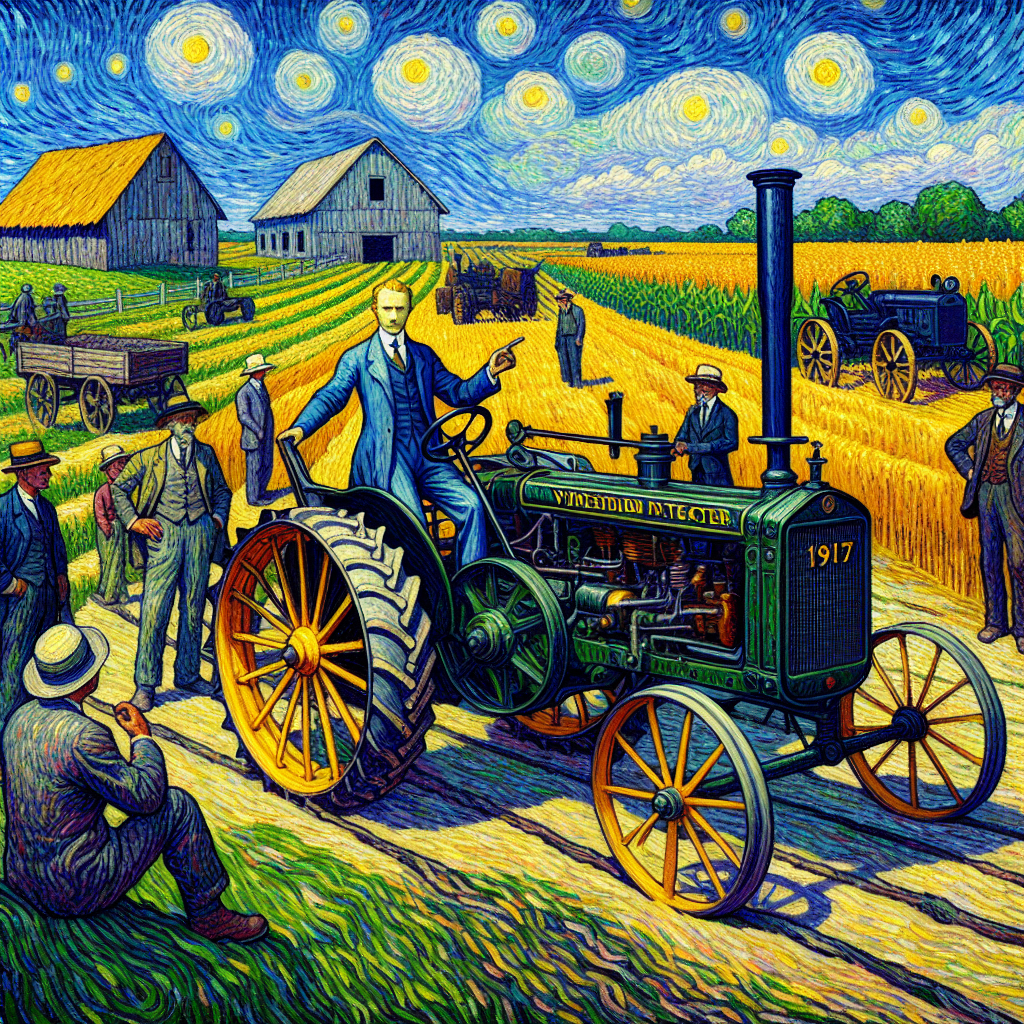
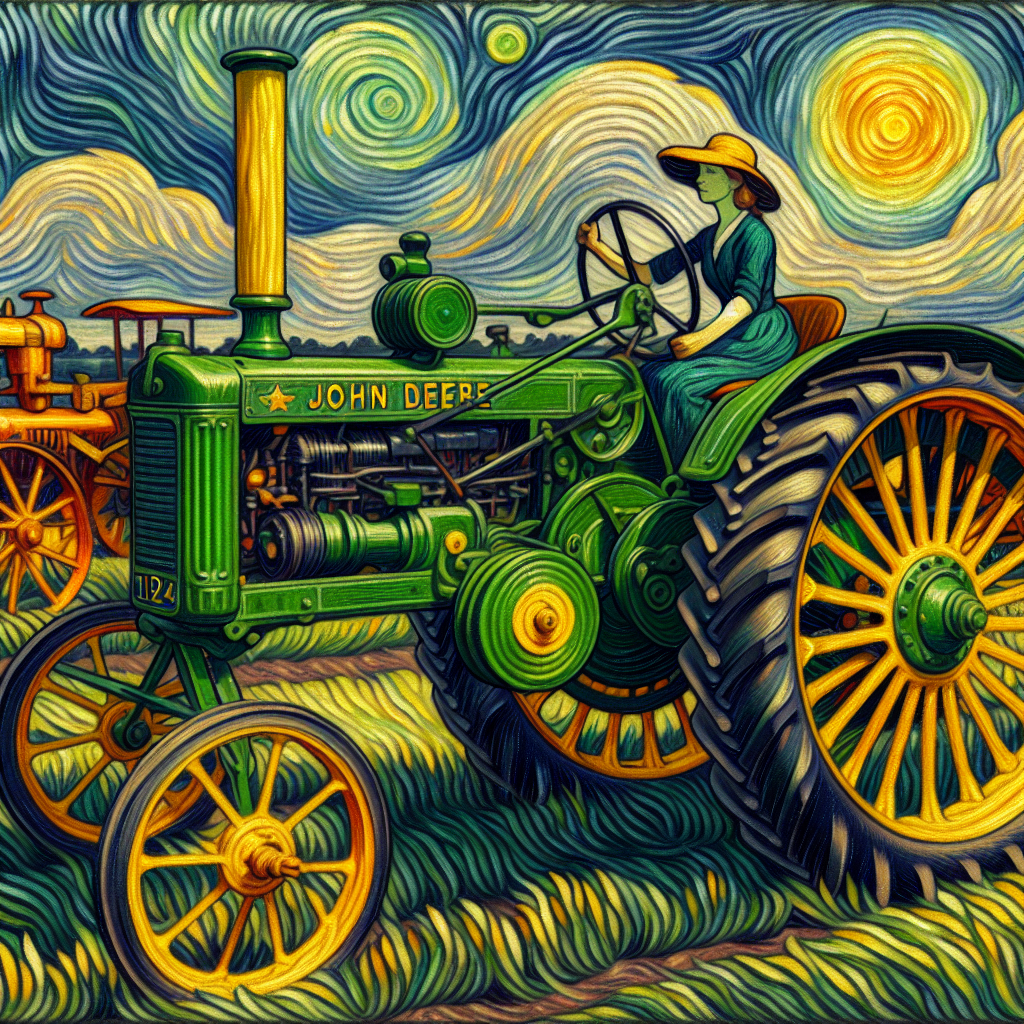
When you step into the world of farming, you quickly realize that the humble tractor is more than just a machine. It’s the lifeblood of the farm, a trusty sidekick that carries stories, dreams, and the weight of generations. Community traditions shape more than just our choices in crops or livestock; they significantly influence the tractors we select to carry out our daily toil.
Think about it. In a town where families have farmed for generations, the type of tractor a farmer drives often reflects a collective ethos. Maybe it’s a rugged, well-worn model passed down from grandfather to father to son, echoing stories of hard work and perseverance. Perhaps it’s the latest and greatest technology, a beacon of innovation that symbolizes a break from tradition—a choice fueled by the desire to embrace the future while staying grounded in the values of the past.
These decisions are often made around kitchen tables, amidst shared meals and laughter, where wisdom flows as freely as the sweet tea. Every choice made – whether to restore a vintage tractor or purchase a state-of-the-art machine – resonates deeply within the community. It’s not just about horsepower. It’s about identity. The tractors they choose carry with them the spirit of the people who use them and the stories they represent.
The emotional pull here is undeniable. Farmers are more than just laborers; they are stewards of the land, keepers of history, and protectors of their community values. Choosing a specific tractor isn’t merely a transactional decision; it’s a declaration of one’s place within that rich tapestry of tradition.
Now, let’s get practical. The choice of tractor impacts productivity, cost, and sustainability. Yet, amidst the metrics and figures, there lies an ethical question: What does choosing one tractor over another mean for the community? Supporting local dealers and manufacturers often intertwines with the farmer’s responsibility to uplift their community’s economy.
So, when a farmer pulls up to a field in that carefully chosen tractor—perhaps an antique with a few scratches and stories of its own—they aren’t just cultivating crops. They’re cultivating relationships, embodying resilience, and preserving a legacy. And that, my friends, is what makes choosing a tractor a deeply personal journey—a mindful leap that impacts not just the soil beneath its wheels but the very heart of the community.
How Do Community Traditions Influence Tractor Choices Among Farmers?
How Do Community Traditions Influence Tractor Choices Among Farmers?
- The tractor is described as the lifeblood of farming, carrying stories and dreams across generations.
- Community traditions significantly influence farmers’ choices in tractors, reflecting a collective ethos.
- Tractor choices may range from well-worn models symbolizing persistence to modern machines representing innovation.
- Decisions about tractors are often made in communal settings, like around kitchen tables during shared meals.
- Choosing a tractor transcends mere function; it becomes a statement of identity and connection to local heritage.
- The choice of tractor affects not just productivity but also raises ethical questions regarding community support and economics.
- Ultimately, selecting a tractor embodies resilience, relationships, and the preservation of community legacy.
How Do Community Traditions Influence Tractor Choices Among Farmers?
What Role Does Cost Play In The Decision To Use Vintage Tractors?
When considering vintage tractors, the conversation often dances around the price tag. But let’s dig deeper than mere dollars and cents, shall we? Cost isn’t just a figure; it’s a weighty choice that reflects our values, our dreams, and our connection to a simpler time.
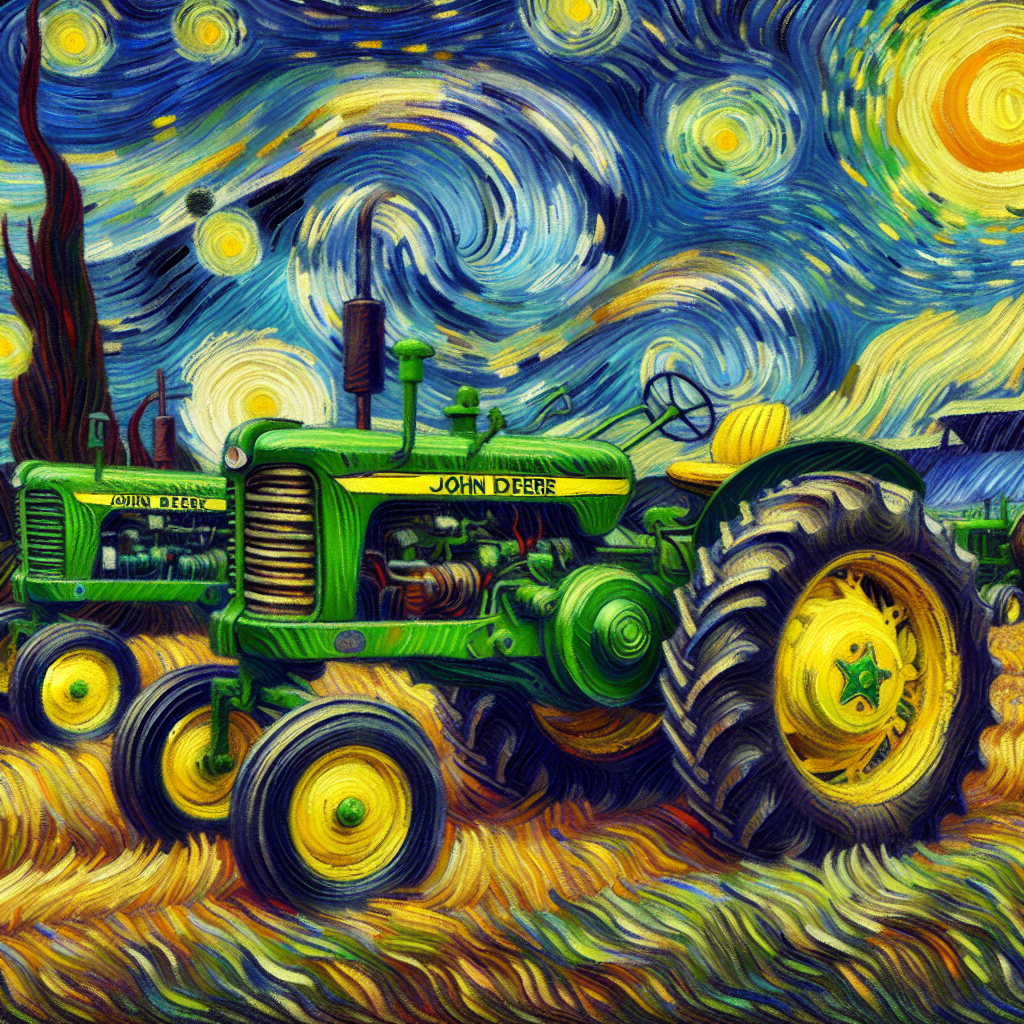
First, let’s talk about the price of nostalgia. These vintage machines, often passed down through generations, carry more than just the scars of age; they hold stories worth their weight in gold. Imagine the farmer who painstakingly restored his grandfather’s tractor, each rusted bolt a chapter in his family’s legacy. The emotional cost of not using that vintage beauty can weigh heavier than the financial cost of maintaining it — because can you really put a price on preserving traditions? Many among us will trade a shiny, new model for the treasured patina of a vintage tractor, knowing that each rumble from the engine resonates with memories of hours spent in the fields, and time spent alongside loved ones.
Now let’s get rational. Vintage tractors can sometimes be an economical choice. While the upfront costs might seem higher for restoration, their low ongoing operating costs, combined with a lack of depreciation, paint a compelling picture. You’re not just purchasing machinery. You’re investing in something that won’t just hold its value; it may increase it over time. Plus, these tractors can often be simpler to repair, connecting us to an era when things were built to last. The freedom from complex electronics means that, with a little elbow grease, you can keep them running for decades.
There’s an ethical appeal here, too. Choosing to revive a vintage tractor means making a stand against disposable culture. In a world where everything is designed to be replaced, reviving these machines is a commitment to sustainability. It’s an eco-friendly choice that’s both practical and principled.
And let’s not forget the social element. Picture a vintage tractor rally buzzing with camaraderie, as enthusiasts from all walks share tips, tricks, and a love for machinery that doesn’t just graze the surface but digs deep into our roots. In a world rushing towards newness, embracing the vintage movement can feel like a refreshing resistance, creating bonds that run deeper than those forged by the latest models.
So, when the question of cost arises, remember: it’s not just about dollars spent. It’s about honoring a past, investing in the future, and cultivating connections that stand the test of time—all with the help of tractors that tell our stories along the way.
What Role Does Cost Play In The Decision To Use Vintage Tractors?
What Role Does Cost Play In The Decision To Use Vintage Tractors?
- Cost of vintage tractors reflects values, dreams, and a connection to a simpler time.
- These tractors carry nostalgic stories and family legacies, making their emotional value significant.
- Many choose vintage tractors over new models, valuing memories and tradition over modernity.
- They can be economically sound; lower operating costs and potential value appreciation make them attractive investments.
- Vintage tractors often feature simpler mechanics, making them easier to repair and maintain.
- Selecting vintage tractors promotes sustainability and counters disposable consumer culture.
- Engaging with the vintage tractor community fosters connections and camaraderie among enthusiasts.
What Role Does Cost Play In The Decision To Use Vintage Tractors?
Why Do Some Farmers Feel A Sense Of Responsibility Towards Legacy?
Why Do Some Farmers Feel A Sense of Responsibility Towards Legacy?
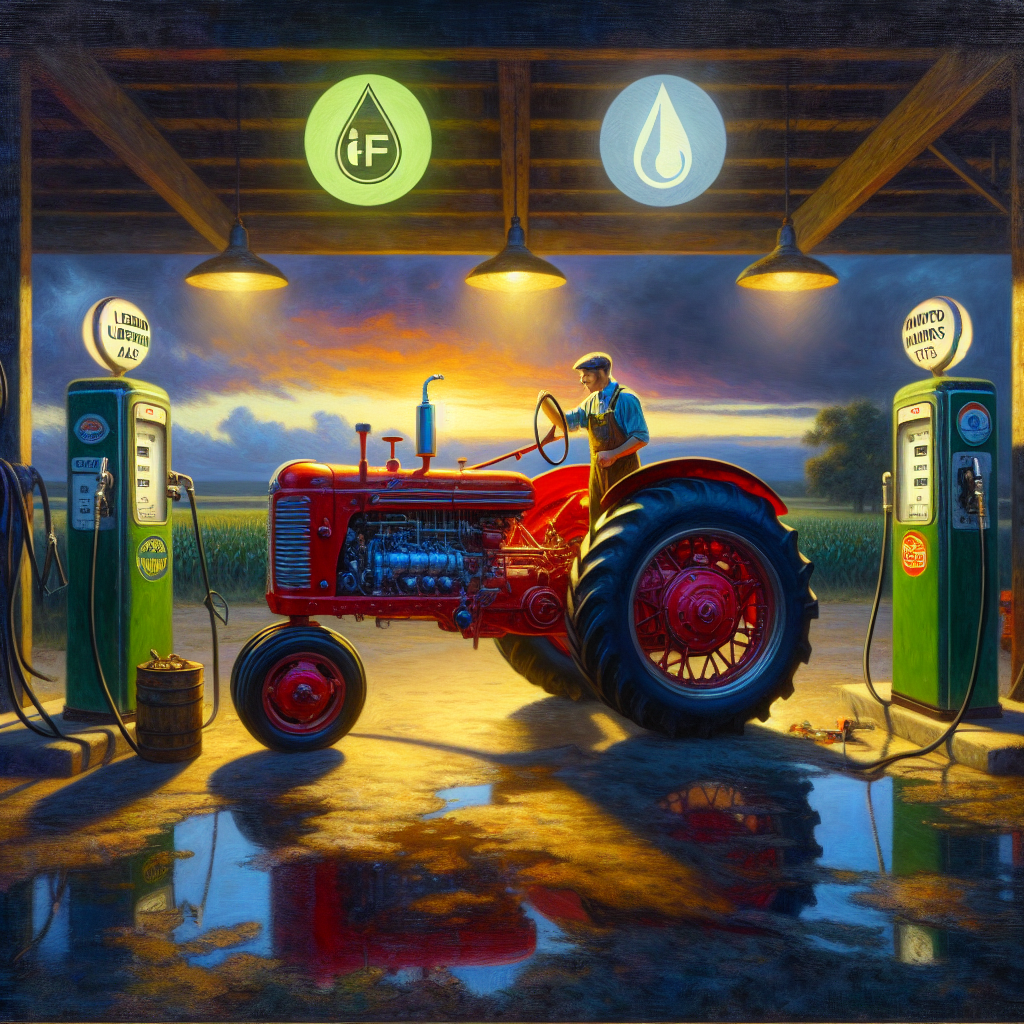
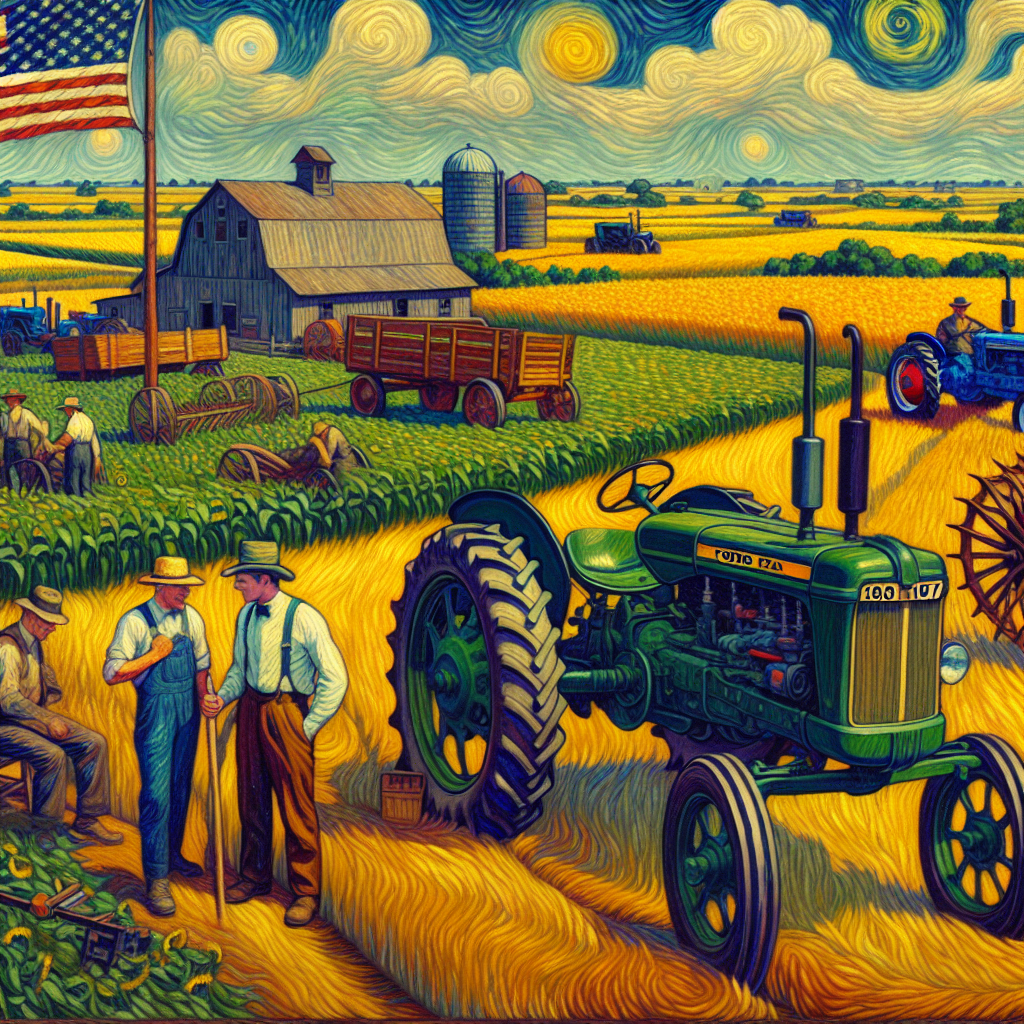
In the soft glow of dawn, when the world is still waking, a farmer stands beside a trusted tractor, gazing over fields that have held generations of memories. This moment is not just about the soil or the sunlight; it’s a deep connection to a legacy, an invisible thread weaving through time and responsibility. For these stewards of the land, that old tractor isn’t merely a machine. It represents years of hard work, resilience, and the commitment to something greater than themselves. It symbolizes a promise to preserve the values and traditions that have shaped their families for decades.
When we dive into the heart of what drives farmers to safeguard their legacy, we find a blend of emotional and rational motivations. They carry the weight of history—not just their own but that of the community surrounding them. This isn’t just about planting crops; it’s about cultivating a future for their children, ensuring that the land they nurture will flourish for generations to come. In the age of industrialization and corporate farming, many feel an ethical responsibility to maintain the personal touch that small farms provide. They recognize that their choices influence local economies, ecosystems, and even the health of the community.
Farmers are often seen as the backbone of rural life, holding crucial social responsibilities as they connect neighbors through farmer’s markets, share bountiful harvests, and provide food that nourishes families. This social bond fosters trust—a trust that is earned through hard work, integrity, and a love for the land. It’s the stories shared over fences, the collective laughter during harvest time, and the common struggles faced weathering storms. This shared narrative builds a community that stands strong together.
As the world shifts and evolves, farmers acknowledge the changing landscape of agriculture. They adapt, innovate, and incorporate sustainable practices not just for profit, but driven by a palpable sense of moral duty. They know that each decision can shape not just their future, but that of the planet. By investing in their legacy, they’re ensuring a healthier, more sustainable world for the next generation to inherit—a world where the echoes of their tractor engines tell tales of dedication, hope, and enduring responsibility.
It’s more than the crops they grow; it’s the lives they touch, the legacies they leave behind, and the promise they hold for a better tomorrow that truly drives them.
Why Do Some Farmers Feel A Sense Of Responsibility Towards Legacy?
Why Do Some Farmers Feel A Sense Of Responsibility Towards Legacy?
- Farmers feel a deep connection to their legacy, symbolized by their trusted machinery and land.
- They carry the weight of history, not just for themselves but also for their community and future generations.
- Farmers aim to preserve values and traditions shaped by their families over decades.
- There is an ethical responsibility to maintain the personal touch that small farms provide amid industrialization.
- Farmers cultivate social bonds through shared harvests and community events, earning trust through hard work and integrity.
- They acknowledge and adapt to the changing landscape of agriculture by incorporating sustainable practices.
- Their commitment goes beyond crops; they aim to leave a legacy that promises a better, sustainable future for the next generation.
Why Do Some Farmers Feel A Sense Of Responsibility Towards Legacy?
What Stories Do Classic Tractors Tell About Agricultural History?
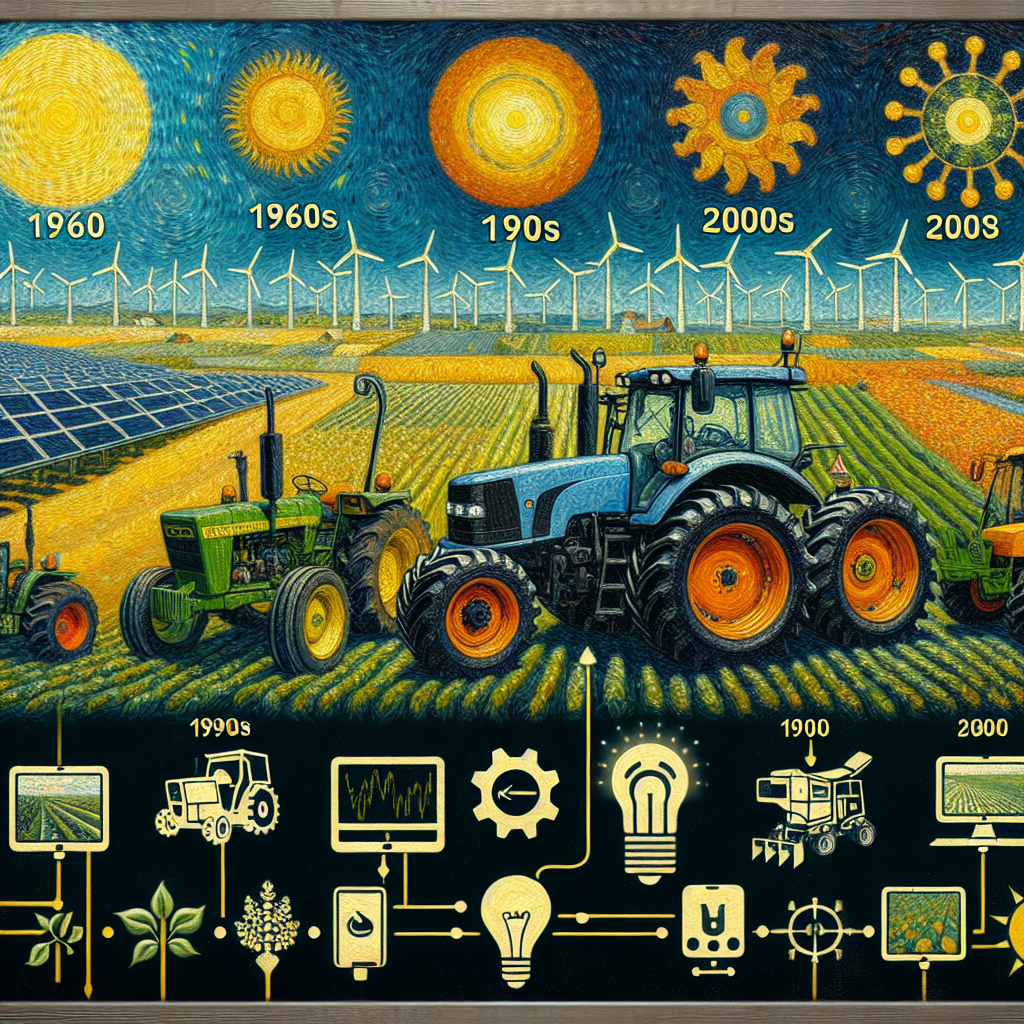
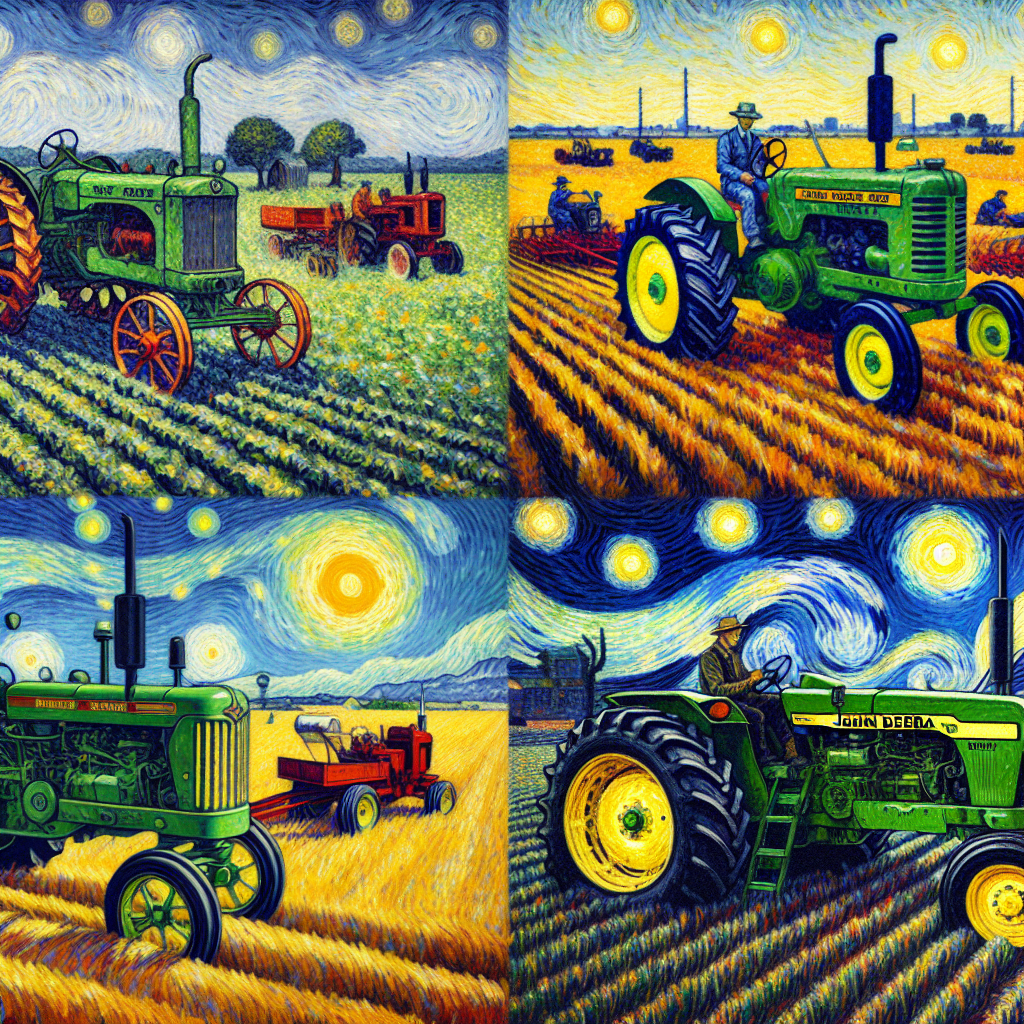
When you think of classic tractors, what springs to mind? Perhaps the vibrant green of a John Deere or the rusted yet sturdy frame of an old Farmall. These machines are more than mere collections of metal and grease; they are the very backbone of agricultural history, each with a story stitched into its worn seat and each engine sputtering with memories of hard work and resilience.
Think about it. The humble tractor revolutionized farming—it made once back-breaking labor into a chore that could be tackled with dignity and efficiency. These tractors marked a turning point from the manual toil of our ancestors to modern agricultural practices. They tell tales of tires muddy from decades of plowing fields, and of hands, both calloused and delicate, gripping the steering wheel with determination. Heads nod in gratitude for the men and women who understood the importance of balancing innovation with the simplicity of working the land.
But there’s more. Each scratch on the Fender, every dent in the wheel, speaks to the legacy of farming families who, for generations, have relied on these sturdy companions to survive. These stories—woven into the fabric of America’s heartland—remind us that behind every field of corn or wheat is a lineage steeped in sweat, sacrifice, and unwavering perseverance. They’re not just machines; they’re symbols of tradition and heritage, each one a chapter in the ongoing narrative of agriculture.
And ethically, can we afford to overlook this legacy? As our world becomes increasingly urbanized and technology-driven, we must remember the lessons these classic tractors impart. Our connection to the land is vital—not just for sustenance but for the soul. These machines tell us of responsibility—to honor the earth and respect the hard work that gets food from the field to our table.
So why does it matter? Because when we look back at these remarkable tractors, we can inspire the next generation to appreciate where their food comes from. It’s a call to action; we must carry forward the torch of agricultural awareness, ensuring that the rich stories of the past resonate in the hearts and minds of today’s youth.
In every gear, in every rev of the engine, there lies a history worth telling, a connection worth nurturing—one that forms the very foundation of our shared future.
What Stories Do Classic Tractors Tell About Agricultural History?
What Stories Do Classic Tractors Tell About Agricultural History?
- Classic tractors, like John Deere and Farmall, symbolize agricultural history and resilience.
- They revolutionized farming, transforming labor into efficient and dignified work.
- Each tractor carries stories of hardworking families and generations reliant on these machines.
- Every dent and scratch reflects the legacy of farming communities and their perseverance.
- As urbanization increases, we must remember the lessons of responsibility towards the land.
- Classic tractors inspire future generations to appreciate food sources and agricultural heritage.
- Their history is a connection worth nurturing for the foundation of our shared future.
What Stories Do Classic Tractors Tell About Agricultural History?
Conclusion
As we wrap up this exploration of why so many farmers are gravitating back to classic tractors, it’s worth pausing to appreciate the profound resonance that these machines hold—not just in the fields, but in the hearts of those who work them. In a society that seems to chase the latest and greatest, these timeless pieces of equipment serve as a comforting reminder of where we’ve been and the values we hold dear. They embody resilience, representing an unbreakable bond between farmers and the land they nurture.
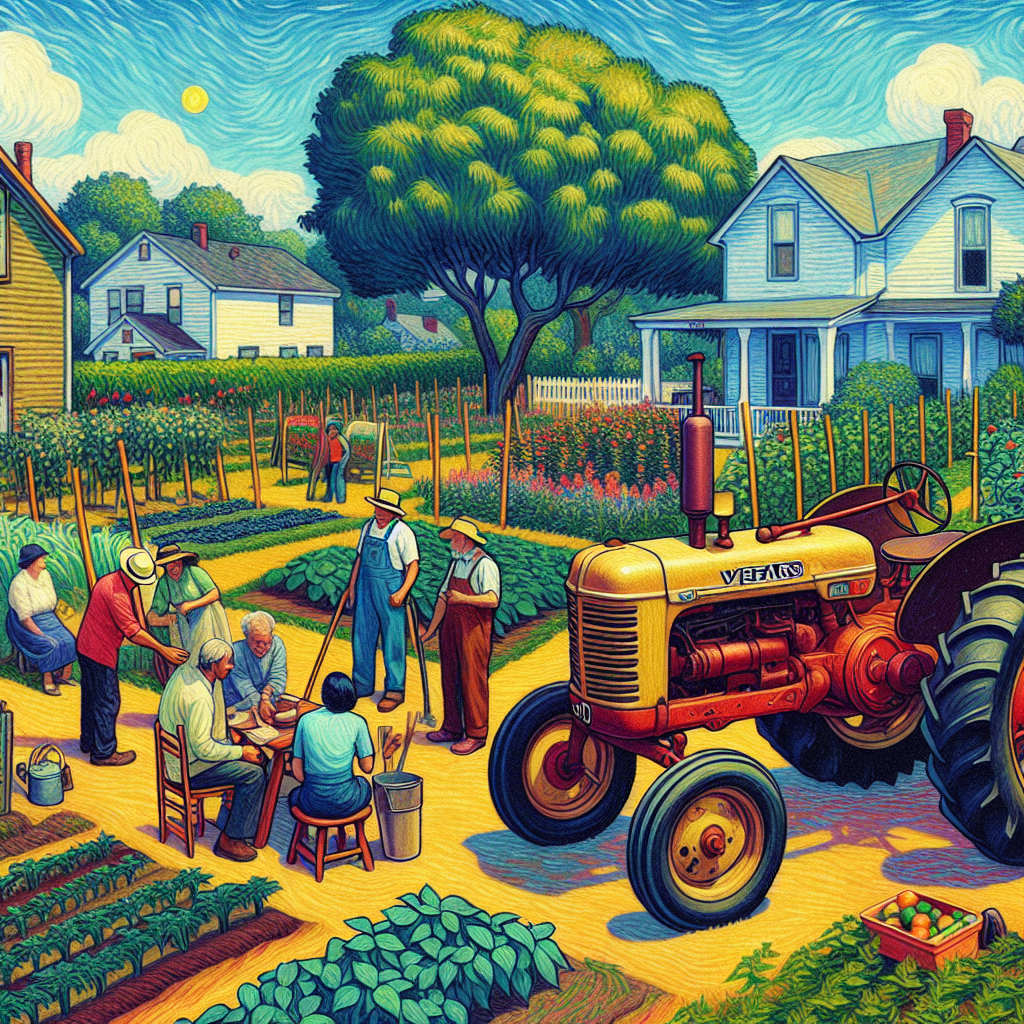
You don’t need to be a farmer to feel the pulse of tradition that classic tractors represent. Look closely, and you’ll see that these vintage machines are living history—each scratch on the fender, each rust-tinged gear, tells a story steeped in hard work, legacy, and community. Here stands a weathered farmer, hands calloused after years spent in the fields, leaning over the hood of a vintage tractor with its chipped paint, each dent a testament to both toil and triumph. The bond forged in such moments transcends mere functionality; it’s about a connection to heritage that many long to reclaim in an age of rapid advancement.
From a rational standpoint, there’s unparalleled practicality in these classic machines. They are often simpler, more economical, and offer the kind of self-reliance that modern technology sometimes obscures amid its bells and whistles. Farmers value the empowerment that comes from knowing they can roll up their sleeves and fix issues without waiting on a technician or a convoluted tech support line. These tractors invite dare we say, “old-school ingenuity,” reminding us that we possess the skills to tackle challenges directly.
But let’s talk about ethics for a minute. Choosing classic tractors often signals a commitment to sustainable practices. These machines may run on older fuels, but they do so with a smaller environmental footprint than many gas-guzzling modern models. Farmers embracing this movement are making a statement about stewardship of the earth, cultivating a future that respects our precious natural resources.
And what about community? The gatherings around vintage tractors—whether at shows, swaps, or farms—are more than just social outings. They cultivate connections and foster shared stories and wisdom among farmers who understand that thriving isn’t solely about high yields but about aligning with daily rituals and core values. In an age of fragmentation, embracing this camaraderie becomes a rebellion against isolation.
So, as we hitch our wagons to the future of agriculture, let’s take cues from those classic tractors and remember that sometimes, the best way forward is to honor the past. In their steady rumble, there’s a timeless philosophy worth upholding: embrace tradition, nurture sustainability, and above all, cherish the community that binds us. After all, every furrow made by those sturdy machines is not just a mark in the soil; it’s a step toward rooting ourselves in stories that nourish not just our bodies, but our very souls.
Conclusion
Conclusion:
- Classic tractors resonate deeply with farmers, symbolizing a connection to heritage and tradition.
- These vintage machines represent resilience and the bond between farmers and their land.
- Each scratch and dent tells a story of hard work, legacy, and community.
- From a practical viewpoint, classic tractors are simpler, more economical, and easier to fix.
- Choosing classic tractors signals a commitment to sustainable farming practices with a smaller environmental footprint.
- Gatherings around vintage tractors foster community, connection, and shared wisdom among farmers.
- Honoring the past through classic tractors highlights the importance of tradition and nurturing sustainability for future generations.
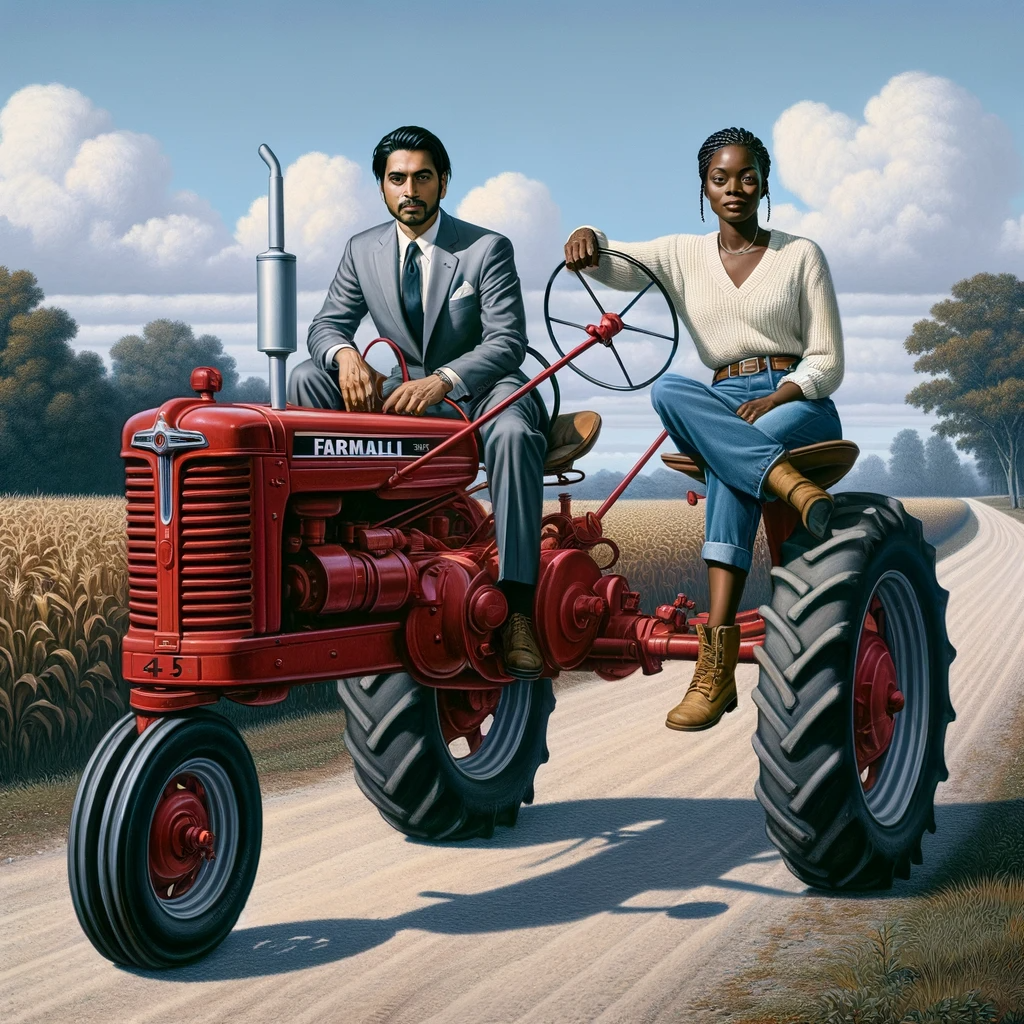
Conclusion
Other Resources
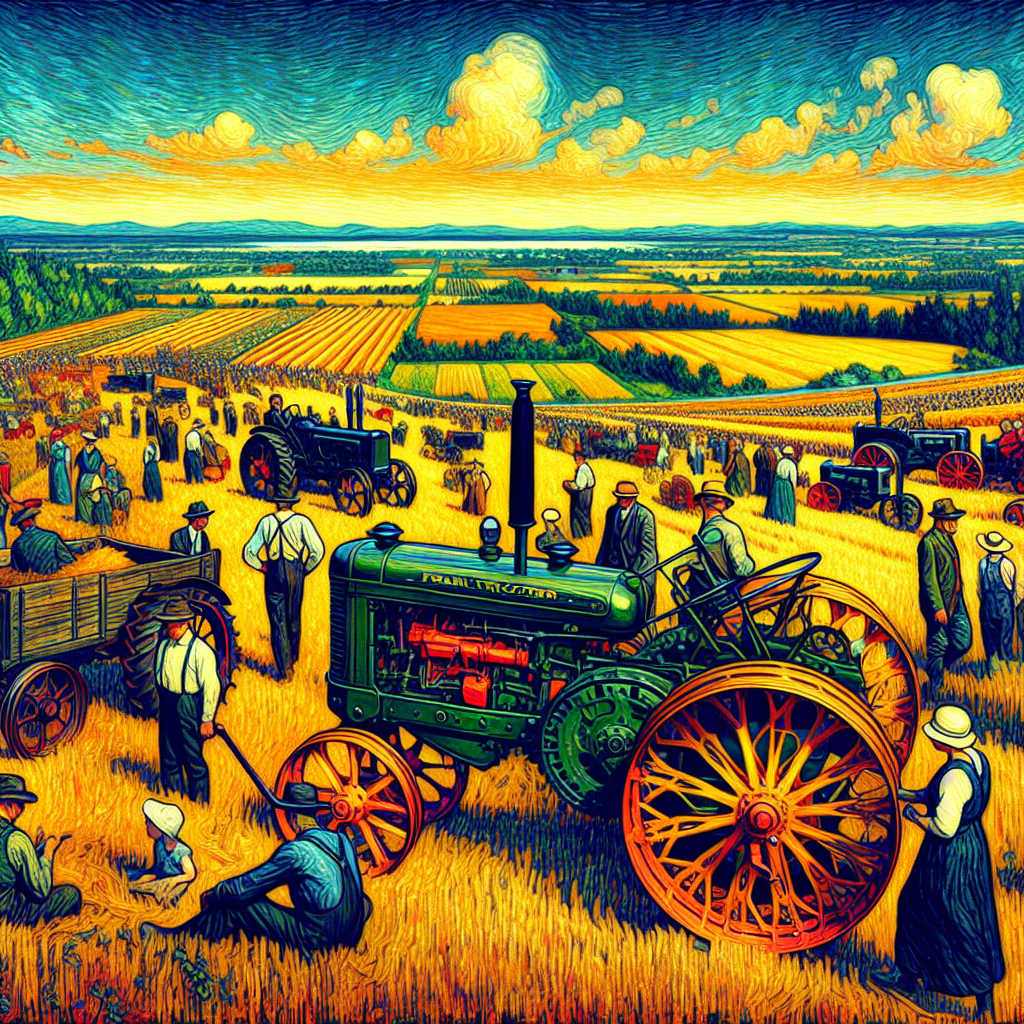
Other Resources
Here is a list of other resources you can review online to learn more:
- Eicher Tractors
- Oliver
- Barreiros
- Corbitt
- Zetor Zebra
- Ultimate Antique Tractor Guide
- Memo
- Merlin
- Stihl
- Sheppard Diesel
Use This Prompt To Get More Resources With Your Favorite Online AI Tool: Please provide me with a list of online articles with their URLs in a bulleted list that I can read regarding Why Are So Many Farmers Switching Back to Classic Tractors
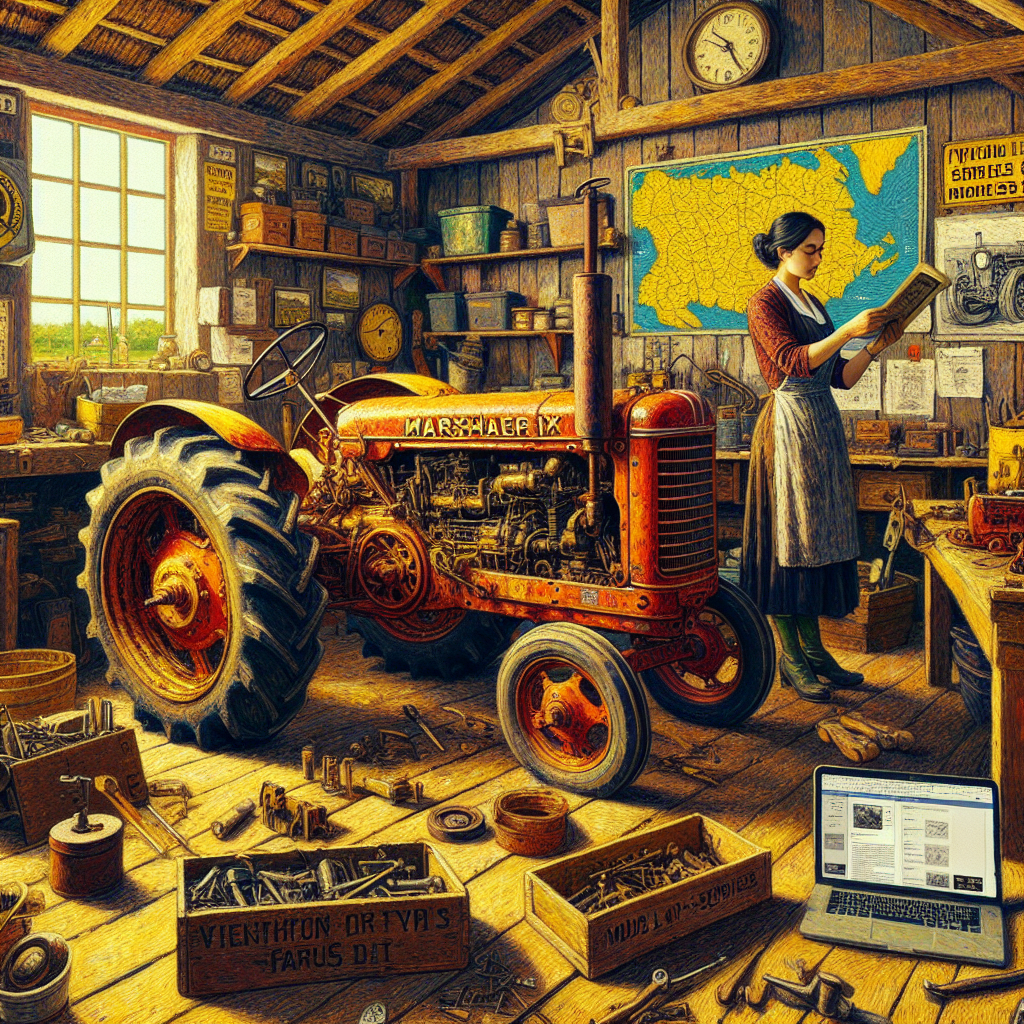
Other Resources
Glossary Terms
Why Are So Many Farmers Switching Back to Classic Tractors – Glossary Of Terms
1. Classic Tractors: Older models of tractors, typically manufactured before the advent of modern technology and features, often valued for their simplicity and durability.
2. Nostalgia: A sentimental longing for the past; many farmers feel a connection to the traditional methods and machinery of their predecessors.
3. Simplicity: The quality of being easy to understand or do; classic tractors often have fewer complex systems compared to modern equipment.
4. Durability: The ability to withstand wear, pressure, or damage; older tractors are often regarded as robust and long-lasting.
5. Maintenance: The process of keeping machinery in good working condition; classic tractors often require simpler and less costly maintenance.
6. Fuel Efficiency: The ability to use less fuel for the work done; many classic tractors are praised for their straightforward engines that can be economical.
7. Mechanics: The study of how machines work; understanding classic tractors often requires a familiarity with basic mechanical principles.
8. Heritage: The legacy and cultural identity associated with traditional farming practices; many farmers value their farming heritage.
9. Sustainability: Practices that keep agriculture balanced with environmental stewardship; some farmers switch to classic tractors to reduce the carbon footprint.
10. Regeneration: The concept of renewing resources, particularly in farming; classic tractors may contribute to practices that build soil health.
11. Restoration: The act of repairing and returning an old machine to a working condition; a common practice among enthusiasts of classic tractors.
12. John Deere: A leading manufacturer known for producing classic and modern tractors, often associated with agricultural innovation.
13. Fordson: A historical British tractor brand famous for early 20th-century farms, symbolizing agricultural advancement.
14. Community: Networks of farmers who share similar values and experiences; many find camaraderie in restoring and using classic tractors.
15. Technology Overload: The feeling of being overwhelmed by modern technology; some farmers prefer classic tractors for their straightforward operation.
16. Plowing: The process of turning over soil to prepare for planting; classic tractors are often valued for their effectiveness in this fundamental task.
17. Cultivation: The agriculture practice of preparing soil for crops; classic tractors typically perform this operation well.
18. Hitching System: The mechanism that connects implements (like plows) to tractors; classic systems are often interoperable and easier to manage.
19. Retrofitting: The process of adding new technology or components to older machines; some farmers combine classic design with modern improvements.
20. Land Stewardship: The responsibility of managing land in a sustainable manner; classic tractors can promote practices aligning with this philosophy.
21. Local Economy: Economic systems that are rooted in local resources and businesses; classic tractors can support local agricultural communities.
22. Manual Labor: Physical work done by hand rather than machines; operating classic tractors often emphasizes hands-on skills.
23. Reliability: The quality of consistently performing well; classic tractors are often trusted to provide dependable service on the farm.
24. Cost-Efficiency: A measure of obtaining the best service or product for the money spent; many farmers find classic tractors to be less expensive overall.
25. Customization: The ability to modify equipment according to specific needs; classic tractors often have more accessible parts for custom work.
26. Heritage Farming: A practice that values traditional methods and tools; classic tractors are integral to many heritage farming approaches.
27. Rural Lifestyle: A way of living that emphasizes farming and community in a countryside setting; classic tractors are often emblematic of this lifestyle.
28. Collectibles: Items valued for their rarity and historical significance; some classic tractors are viewed as worthwhile investments.
29. Handcrafted: Items made by hand rather than mass-produced; the simplicity of classic tractors aligns with a belief in artisanal quality.
30. Alternatives: Options that differ from modern practices; classic tractors are considered by some as an alternative path back to simpler farming methods.
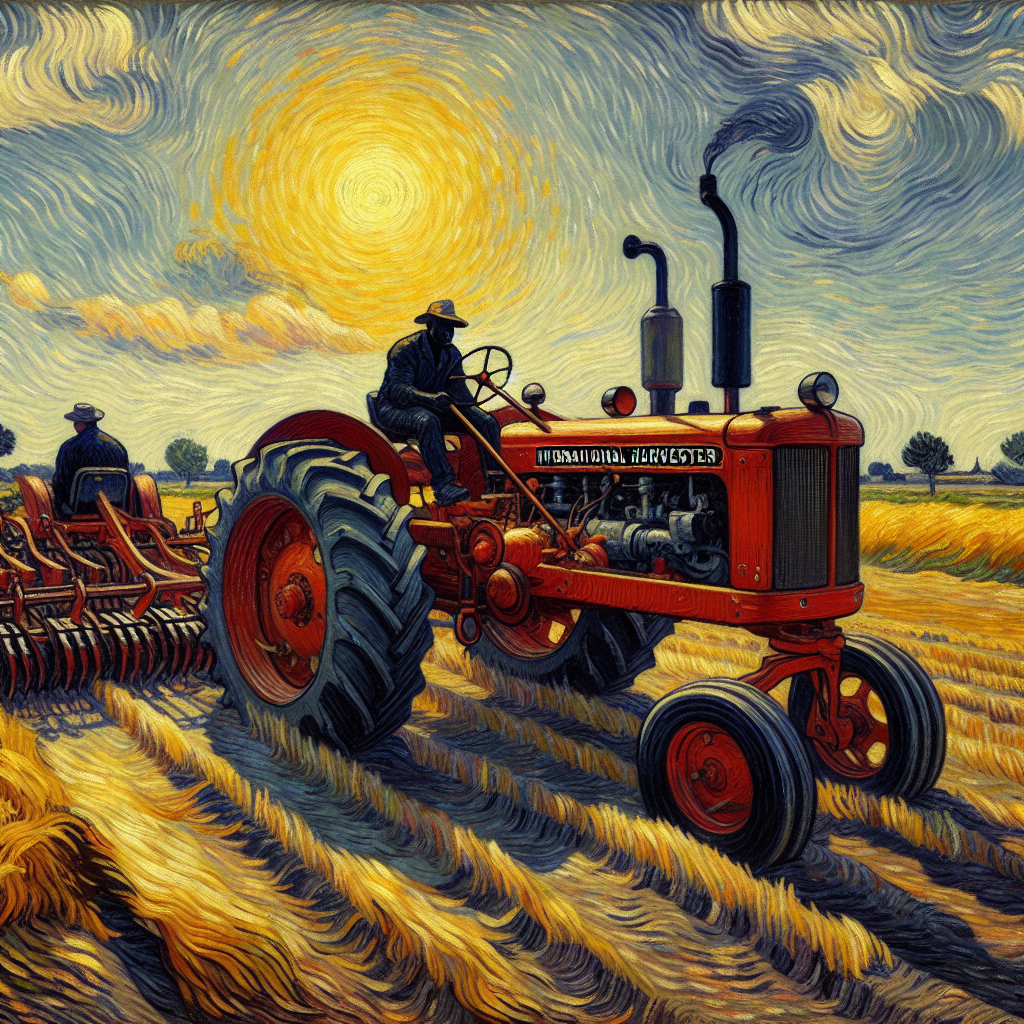
Glossary Of Terms
Other Questions
Why Are So Many Farmers Switching Back to Classic Tractors – Other Questions
If you wish to explore and discover more, consider looking for answers to these questions:
- What specific advantages do vintage tractors offer in terms of maintenance and repair?
- How do classic tractors influence local farming practices and community values?
- What role do modern technologies play in the farming landscape compared to classic methods?
- How do farmers decide which classic tractor models to restore or use?
- What impact does the use of classic tractors have on farm productivity?
- Are there significant differences in fuel efficiency between classic and modern tractors?
- How does the rise of sustainable practices affect the demand for classic tractors?
- What are the typical costs associated with restoring and maintaining a classic tractor?
- How do trends in consumer preferences shape farmers’ choices regarding tractor selection?
- What challenges do farmers face when utilizing classic tractors in modern agricultural environments?
- How do classic tractors contribute to the identity and heritage of farming communities?
- What stories can be shared about famous classic tractor models and their contributions to agriculture?
Other Questions
Haiku
Why Are So Many Farmers Switching Back to Classic Tractors – A Haiku
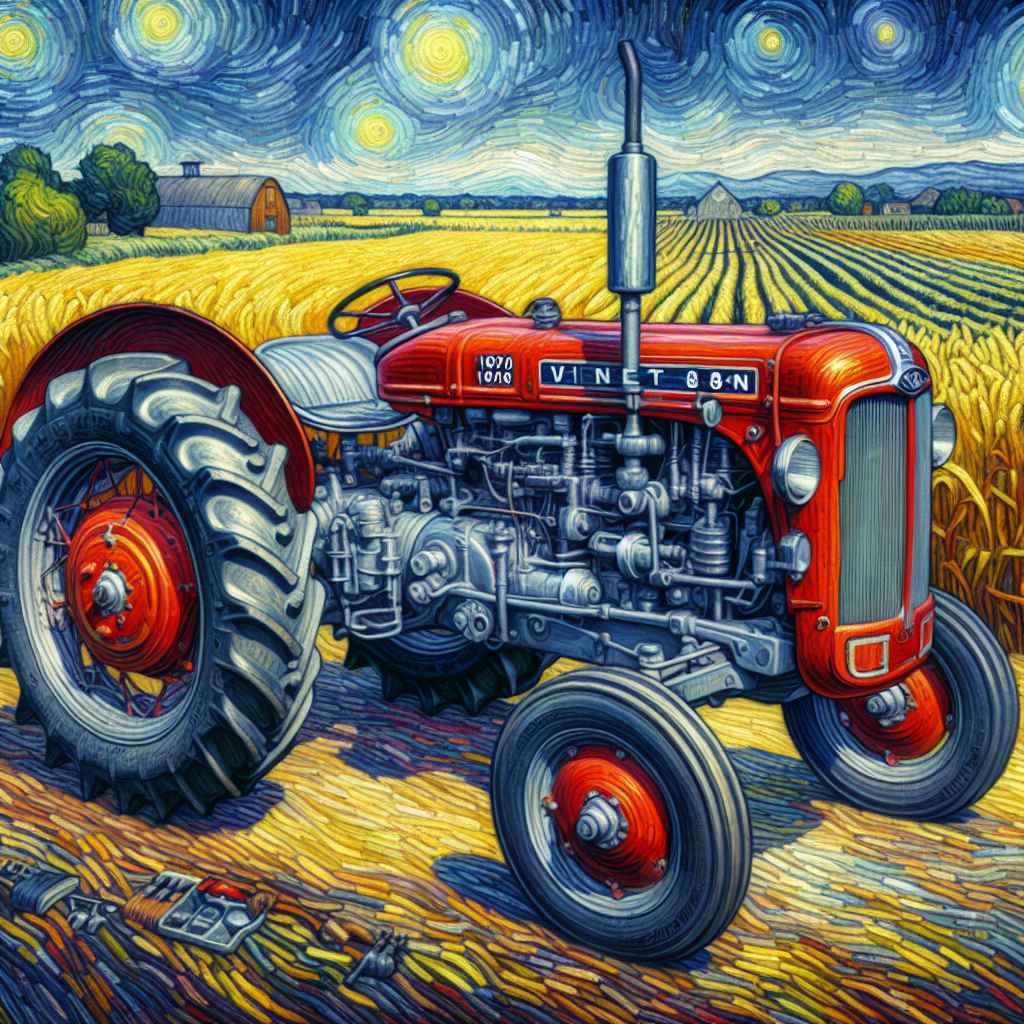
Rusty wheels turn slow,
Whispers of the past resound,
Roots in soil hold fast.
Haiku
Poem
Why Are So Many Farmers Switching Back to Classic Tractors – A Poem
In the Heart of the Field: A Tribute to Classic Tractors
In the quiet dawn, where the soil lies deep,
A farmer stands watch, as the world stirs from sleep,
With a rusted old tractor, its stories held tight,
Each scratch tells a tale, each dent a hard fight.
Not mere machines, but partners of old,
Echoes of legacies and memories told,
They whisper of wisdom in every refrain,
Of families united through struggle and strain.
Once, we toiled under sun’s golden eye,
Now, with the hum of technology drawing us nigh,
Yet some seek the roots, the connection with land,
In a dance with the past, where tradition can stand.
These tractors, so sturdy, with engines that purr,
Offer more than nostalgia, a chance to confer
On values of stewardship, of nurturing care,
A pledge to the earth, for our children to share.
Economical whispers in the rustle of grass,
Repair with our hands, let simplicity pass,
Less fuel, less waste, in a world spinning fast,
Every turn of the wheel links our present to past.
In communities bonded by laughter and toil,
Farmers gather ‘round, sharing stories from soil,
As bonds weave like fabric, each thread taut with pride,
In choosing old tractors, their journeys collide.
For beyond the mechanics, the costs, and the gears,
Lies a profound sense of purpose through years,
An ethical stand ‘gainst a throwaway culture,
Planting seeds of resilience, a local vulture.
So as engines roar softly, let hearts take delight,
In the timeless appeal that shines ever bright,
These classic machines, with their spirits so bold,
Teach us of heritage, of futures to hold.
Let’s honor the past while we forge our own way,
With tractors that whisper of hope in the hay,
For in this return lies an urgent embrace,
A call to our roots, a reclaiming of space.
In the rhythm of farming, integrity’s song,
Classic tractors remind us where we all belong,
So ride on, dear farmers, with pride in your chest,
For the path to tomorrow is nurtured by rest.
Poem
Checklist
Why Are So Many Farmers Switching Back to Classic Tractors – A Checklist
Classic Tractors: Heart, Head, and Gut Checklist
Emotional Appeals:
1. Reflect on Tradition: Consider how classic tractors connect us to our roots and familial legacy. What stories do your family tractors carry?
2. Celebrate Community: Think about the social gatherings around vintage tractors. Have you participated in any community events or tractor shows that foster connections?
3. Cherish Memories: Recall the emotional moments spent in the fields with family. What feelings do older tractors evoke for you?
Rational Appeals:
1. Evaluate functionality: List practical benefits of classic tractors, such as ease of repair and lower operational costs. How do these compare to modern machines?
2. Consider sustainability: Assess the environmental impact of using classic tractors versus modern models. Which aligns with your ethical stance on sustainability?
3. Analyze cost-effectiveness: Compare the long-term financial implications of owning a classic tractor. How do ongoing costs (maintenance, fuel, depreciation) stack up against newer models?
Ethical Appeals:
1. Make a responsible choice: Reflect on your values regarding waste and sustainability. Is using vintage equipment philosophically aligned with your views?
2. Support local communities: Think about how choosing a classic tractor might boost local economies and encourage collaborative practices among farmers.
3. Maintain a legacy: Evaluate your responsibility in preserving agricultural traditions. How can you actively contribute to sustaining your community’s farming history?
Authority Appeals:
1. Seek expert insights: Research studies or articles that discuss the benefits of vintage tractors. Who are the voices in the agricultural community advocating for their use?
2. Share knowledge: Engage with knowledgeable mechanics or vintage tractor enthusiasts to learn about the intricacies of maintenance. What insights can they provide?
3. Attend workshops: Participate in events or seminars that focus on classic tractors. How can these experiences enhance your understanding and appreciation of their value?
Narrative Appeals:
1. Write your story: Take a moment to document your personal connection to farming or tractors. What narrative have you built around your experiences?
2. Explore historical contexts: Investigate the origins of classic tractors and their impact on agriculture. How do these stories shape your perception of modern farming?
3. Connect with family histories: Gather stories from family members about their experiences with tractors. How do these narratives enhance your emotional connection to the land?
Social Appeals:
1. Engage with others: Join forums or community groups focused on classic tractors. How can sharing your experiences help build a supportive network?
2. Promote local craftsmanship: Support local restorers and mechanics who specialize in classic tractors. How does this contribute to community growth?
3. Encourage discussions: Lead conversations around the value of traditional farming equipment at community gatherings. What can be learned from each other’s perspectives?
Feel free to share this checklist with readers to encourage deep reflection on their own connections to classic tractors, fostering appreciation for the stories and traditions that these machines represent.
Checklist
At ClassicTractorNews, we help tractor lovers keep up with the latest news for classic and vintage tractors.
Please share this post with your friends, family, or business associates who may like old classic or vintage tractors.