


The Resurgence Of Classic Tractors: A Nostalgic, Sustainable Solution
By Tom Seest
At ClassicTractorNews, we help tractor lovers keep up with the latest news for classic and vintage tractors.
Please share this post with your friends, family, or business associates who may like old classic or vintage tractors.
Why Are Small Farmers Turning Back to Classic Tractors In Crisis
In the quiet moments before dawn, the gentle hum of a classic tractor revving up is like music to the ears of countless small farmers. There’s an unmistakable charm in their simplicity—a nostalgia that binds generations. These steadfast machines remind us all of our roots, of hard work, determination, and, perhaps most importantly, a deep-seated relationship with the land. When the storm clouds of economic hardship loom overhead, it’s this connection that draws farmers back to the tractors that have been, for many, symbols of resilience.
On one level, it’s rational: classic tractors are often less expensive to maintain and repair than their modern counterparts. When budgets are tight and margins razor-thin, the logic is as clear as the sun rising over the fields. These machines don’t require the latest technology or the priciest parts, allowing farmers to keep their operations running—often with just a wrench and a little elbow grease. But it’s more than just a numbers game.
At the gut level, there’s a profound emotional weight that comes with these vintage marvels. They are a tangible link to the farmers’ fathers and grandfathers, individuals who farmed with grit and integrity. With each turn of the ignition, it’s as if they are inviting a family member back to the fold. The smell of diesel, the roar of the engine, and the sound of metal on metal bring forth a flood of memories—days spent harvesting, weathering storms, and celebrating bountiful harvests. There’s solace in knowing that these trusted machines have seen it all; they whisper stories of perseverance and triumph.
Socially, a movement is afoot. Farmers are not just rediscovering their classic tractors; they’re sharing their stories, building community, and reclaiming their identity. Local gatherings of enthusiasts spring up like wildflowers, where ideas flow as freely as the laughter. They exchange tips, swap parts, and forge bonds that are strengthening the very fabric of rural life. It’s a celebration of tradition in a world racing toward the future, a heartfelt reminder that sometimes the best path forward is rooted in the past.
When farmers rally around their classic tractors, it’s not merely an act of practicality; it’s a declaration of who they are. It’s an embrace of a lifestyle that values hard work, integrity, and a deep connection to the earth. In a world fraught with uncertainty, these machines represent stability—an enduring promise to keep tilling the soil and nurturing the land that sustains us all.

Why Are Small Farmers Turning Back to Classic Tractors In Crisis
Why Are Small Farmers Turning Back to Classic Tractors In Crisis
- The sound of classic tractors is nostalgic for small farmers, symbolizing their roots and hard work.
- Classic tractors are often more affordable to maintain than modern machines, making them practical during economic hardship.
- These tractors remind farmers of their familial connections to previous generations who farmed with integrity.
- The emotional connection to classic tractors evokes memories of significant farming experiences and challenges faced.
- A movement is growing among farmers to share stories and build a community around their classic tractors.
- Farmers gather to exchange tips, swap parts, and celebrate tradition, strengthening rural life.
- Rallying around classic tractors is a declaration of identity, valuing hard work, integrity, and a connection to the earth.

Why Are Small Farmers Turning Back to Classic Tractors In Crisis
Table Of Contents
- Why Are Small Farmers Turning Back to Classic Tractors In Crisis
- Why Do Classic Tractors Evoke A Sense Of Nostalgia For Farmers?
- Can Restoring Old Machinery Help Preserve Family Legacies On The Farm?
- How Do Classic Tractors Support A Sustainable Farming Future?
- What Cost Savings Can Small Farmers Achieve By Using Vintage Tractors?
- What Stories Do Classic Tractors Tell About The Farmers Who Use Them?
- How Does Farming With Vintage Equipment Connect Us To Our Roots?
- Conclusion
- Other Resources
- Glossary Of Terms
- Other Questions
- Haiku
- Poem
- Checklist
Why Do Classic Tractors Evoke A Sense Of Nostalgia For Farmers?
There’s something fundamentally moving about the sight of a classic tractor puttering through a sun-drenched field. It isn’t just a machine; it’s a symbol of hard work, tenacity, and tradition. For farmers, these vintage models are much more than their modern counterparts; they represent a lost era—a time when community and agrarian life were woven into the very fabric of society. As you watch that faded green or rust-red tractor work its magic on the land, a wave of nostalgia washes over you, drawing forth memories of simpler times, of family, and of the land itself.
Think about it: each scrape and dent on a classic tractor tells a story. It’s like an old book whose pages are worn yet cherished. For many farmers, these machines were often handed down like a family heirloom, whispering tales of grandfathers who tilled the soil long before the advent of GPS and precision agriculture. They symbolize an ethical responsibility to honor those who came before us—those who knew the land intimately, whose calloused hands shaped the earth.
Rationally, there’s an undeniable beauty in the mechanics of these tractors, too. Their engineering, while perhaps less sophisticated by today’s standards, showcases craftsmanship that stands the test of time. Many of these machines are still operational decades later, a nod to their durability. This speaks to our desire for a tangible connection to the tools we rely on. It fosters a trust in these timeless engines, because deep down, we know they’ve carried generations through hardship and harvest alike.
A tractor is such a crucial player in a farmer’s life; it’s not just a tool, but a partner in toil. Think of the late nights spent repairing its stubborn issues, the conversations shared over grease-stained blueprints, or the triumphant moments of completing a season’s worth of labor. These stories resonate in our hearts and serve as reminders that farming isn’t just a livelihood, but a community of dedication and shared experiences.
Moreover, when farmers gather at local shows or community events, it’s those classic tractors that catalyze connection. They inspire conversations about the past, bridging gaps between age groups and backgrounds. In a world spinning ever faster toward the digital, these machines slow us down, grounding us in shared agricultural heritage.
Classic tractors remind us that sometimes, looking back is the best way to forge forward—and that the simplest things, like the roar of an engine or the feeling of cold metal against our hands, can evoke the warmest memories.

Why Do Classic Tractors Evoke A Sense Of Nostalgia For Farmers?
Why Do Classic Tractors Evoke A Sense Of Nostalgia For Farmers?
- Classic tractors symbolize hard work, tenacity, and tradition, representing a lost agrarian era.
- Each scrape and dent tells a story, akin to a worn yet cherished book, often passed down as family heirlooms.
- They embody an ethical responsibility to honor ancestors who intimately knew the land.
- The engineering of classic tractors showcases timeless craftsmanship and durability, with many still operational decades later.
- Tractors serve as essential partners in farming, leading to shared experiences and dedication within the community.
- Classic tractors facilitate connections at local events, inspiring conversations that bridge age and background gaps.
- Looking back at these machines helps us navigate forward, reminding us of the warmth in simple memories.

Why Do Classic Tractors Evoke A Sense Of Nostalgia For Farmers?
Can Restoring Old Machinery Help Preserve Family Legacies On The Farm?
In a world increasingly detached from its roots, the farm stands as a beacon of heritage and hard-won wisdom. Picture an old tractor, its paint faded, its engine silent. To some, it’s just a hunk of metal rusting away, but to others, it’s a vessel of stories waiting to be unveiled. Each dent and scratch might as well be a chapter in a family saga, representing years of toil, celebration, and the unbreakable bond between generations.
Restoring that old tractor isn’t merely about fixing machinery; it’s an act of reverence. You don’t just bring it back to life for the sake of old times; you breathe life into the lessons learned under its hood. It’s a symbolic link to ancestors who stood where you are, gripping the steering wheel with calloused hands, dreaming of a better future — a narrative we can all relate to.
Now, I get it: the idea of restoring machinery might seem daunting, even impractical at times. But think about the ethics of our choices. Throwing away the relics of the past may seem easier, yet it squanders the opportunity to enrich our family’s narrative. Each bolt tightened and wheel greased is a stand taken against our throwaway culture, a manifesto declaring, “This matters!” It’s a conscious choice to honor the labors of those who came before you.
And let’s not forget the social impact of preservation. When you drag that tractor from the forgotten corners of your barn, you open up conversations around the dinner table. You invite friends, family, and neighbors into the fold, creating community through shared stories and experiences. Restoration becomes a family project — a way to bond with kids, teaching them invaluable skills while sharing the essential truths of resilience and ingenuity.
When you’re knee-deep in grease, struggling to restore that engine or painting over decades of wear, you’re not just saving a piece of machinery; you’re reclaiming a part of your family’s legacy. You’re laying the groundwork for stories yet to be told, teaching future generations that history doesn’t need to fade away. In fact, it can roar back to life, reminding us all of what it means to stand together on the land that cradles our roots. That old tractor is more than a machine; it can be a powerful testament to a family’s journey and the values that bind us together. So, are you ready to take the wheel?

Can Restoring Old Machinery Help Preserve Family Legacies On The Farm?
Can Restoring Old Machinery Help Preserve Family Legacies On The Farm?
- The farm symbolizes heritage and wisdom in a world detached from its roots.
- An old tractor represents a vessel of stories, with each mark symbolizing family history.
- Restoring the tractor is an act of reverence, linking generations through shared aspirations.
- Choosing to restore rather than discard enriches family narratives and stands against throwaway culture.
- Preservation fosters community and encourages conversations among family and friends.
- Restoration becomes a bonding activity, teaching invaluable skills and resilience to future generations.
- The tractor serves as a testament to family values and legacies, reminding us of our roots.

Can Restoring Old Machinery Help Preserve Family Legacies On The Farm?
How Do Classic Tractors Support A Sustainable Farming Future?
When you hear the word “tractor,” it might conjure images of vast fields, sun-soaked earth, and a steady rumble as the machine carves its path through the soil. But classic tractors represent so much more than just metal and horsepower. They embody a connection to our agrarian roots, a legacy passed down through generations, and a commitment to sustainable farming practices that can nurture tomorrow’s world.
Take a moment and think about the stories these steel giants could tell. They’ve powered family farms through seasons of drought and deluge, providing a way of life that is as old as civilization itself. Each scratch and rust spot on their surfaces tells a tale of resilience, dedication, and an honest day’s work. In today’s high-tech age, where farming is often dominated by the latest gadgets and gizmos, classic tractors harken back to simpler times—moments when farmers had an intimate, hands-on relationship with their land.
Now, let’s get into the meat of it: sustainability. You might be surprised to know that classic tractors can actually play a pivotal role as we strive for eco-friendly farming solutions. They’re often more fuel-efficient than their modern counterparts, requiring less energy to do the same job. And because many were built for durability, they are less likely to be cast aside as waste. This longevity means fewer resources consumed over time. Keeping a classic tractor running can reduce the need for constant upgrades and replacement—an ethos that resonates deeply with environmental stewardship.
Moreover, classic tractors foster a communal spirit. They bring together farmers, enthusiasts, and newcomers alike, creating spaces where knowledge and tradition are shared. There’s an unspoken bond forged between those who honor the legacies of these machines, a shared understanding that agriculture is not merely a job, but a vocation—one that demands respect for the land and for each other.
So, the next time you see a vintage tractor rolling across a field, take a moment to appreciate the legacy it carries. It stands as a testament to the enduring spirit of sustainable farming. These machines aren’t just relics; they are vital links to a future where we blend tradition with innovation, nurturing a farming practice that celebrates both our past and our planet. When it comes to a sustainable future, embracing the classic may just propel us forward.

How Do Classic Tractors Support A Sustainable Farming Future?
How Do Classic Tractors Support A Sustainable Farming Future?
- Classic tractors symbolize a connection to agrarian roots and sustainable farming practices.
- They have powered family farms through various challenges, representing resilience and dedication.
- Classic tractors contrast with high-tech farming, emphasizing a hands-on relationship with the land.
- They are often more fuel-efficient and durable than modern counterparts, contributing to environmental sustainability.
- Keeping classic tractors operational reduces resource consumption and minimizes waste.
- Classic tractors foster community among farmers and enthusiasts, emphasizing shared knowledge and tradition.
- They represent a blend of tradition and innovation, playing a vital role in the future of sustainable farming.

How Do Classic Tractors Support A Sustainable Farming Future?
What Cost Savings Can Small Farmers Achieve By Using Vintage Tractors?
When you think of the word “tractor,” what comes to mind? For many, it sparks images of sprawling fields, the hum of farm life, and hardworking individuals deeply connected to the land. But for the small farmer, a vintage tractor is more than just a machine; it’s a key to unlocking cost savings and sustainability. Let’s explore this nostalgia-laden initiative that’s not just about cutting costs but also embracing a lifestyle.
First, let’s get real. The agricultural landscape today is a tightrope walk between rising costs and tight profit margins. Vintage tractors—often charming relics from years gone by—can drastically reduce those expenses. With fewer electronic components and a simpler design, these tractors often come with much lower repair costs than their modern, tech-laden counterparts. When a small farmer invests in a vintage tractor, they’re not just purchasing equipment; they’re making a smart financial decision that can lead to years of reliable service without the headaches of advanced machinery.
Emotionally, there’s something profound about driving a vintage tractor across your field, feeling the vibrations of history in your hands. Each rusted bolt tells a story, and you become a part of that legacy. When you can restore something that’s been around for decades and use it to grow your own crops, it fosters a connection to the past that little else can achieve. You’re not just working the earth; you’re cultivating dreams passed down through generations.
From an ethical standpoint, restoring and using vintage tractors is a form of sustainability. Think about the environmental footprint of manufacturing new machinery—metal, plastics, and energy-intensive processes all contribute to pollution and waste. By using vintage tractors, small farmers help reduce the demand for new production, supporting a cycle of reuse and conservation.
And let’s not forget the social angle. There’s a community that thrives on preserving these vintage machines: gatherings, shows, and trade meets where stories are shared, parts exchanged, and bonds formed. They become a part of a vibrant tapestry that celebrates hard work and authenticity.
So, if you’re a small farmer feeling the pinch, consider the cost savings you can achieve with a vintage tractor. It’s not just a financial decision; it’s a heart-driven and ethical choice that resonates long after the workday ends. As you hop on that seat, you’re not just taking a ride; you’re embarking on a journey—a blend of nostalgia, purpose, and community—one field at a time.

What Cost Savings Can Small Farmers Achieve By Using Vintage Tractors?
What Cost Savings Can Small Farmers Achieve By Using Vintage Tractors?
- Vintage tractors evoke nostalgia, representing connections to farmland and hard work.
- They can significantly reduce costs for small farmers due to their simpler designs and lower repair expenses.
- Investing in vintage tractors is a financially sound decision, offering reliable service without the complexity of modern machinery.
- Driving a vintage tractor fosters a deep emotional connection to farming heritage and legacy.
- Using vintage tractors supports sustainability, lessening the environmental impact of manufacturing new equipment.
- A vibrant community exists around preserving vintage tractors, promoting shared experiences and camaraderie.
- Choosing a vintage tractor is both a practical and ethical choice, merging cost savings with a sense of purpose and community.

What Cost Savings Can Small Farmers Achieve By Using Vintage Tractors?
What Stories Do Classic Tractors Tell About The Farmers Who Use Them?
There’s something undeniably profound about a classic tractor parked in a sun-drenched field. It’s more than just metal and horsepower; it’s a testament to grit, tradition, and the relentless pursuit of progress. As you stand before these aging giants, you can almost hear the whispers of the farmers who once relied on them. Every scratch and dent on that faded paint tells a story—of late nights, family gatherings, and seasons marked by toil and triumph.
Consider the farmer with hands calloused from years of hard work. To him, that tractor represents more than machinery; it embodies a legacy. It has harvested not just crops but memories—sibling rivalries during plowing contests, a child’s first ride on the bucket seat, and the smell of freshly cut hay wafting through the summer air. Each turn of the wheel is a reminder that farming is about more than profits; it’s about faith in the soil, a connection to the land, and an unwavering commitment to a way of life that has shaped communities.
Now, let’s get real for a moment. Modern farming techniques promise efficiency and speed, yet there’s an authenticity in those classic tractors that can’t be replicated by flashing screens or automated systems. They demand attention, care, and respect. When you put your hands on the steering wheel, you feel the heart of the machine—and the soul of the farmer who cherished it. It’s a relationship built over decades, rooted in shared experience, resilience, and unwavering dedication.
And this brings us to an ethical consideration. Supporting the farmers who use these trusty tractors means supporting a way of life that respects the Earth, honors tradition, and fosters community. Every time someone chooses to preserve these machines, they choose to invest in the future of sustainable farming. They’re not just keeping a piece of history alive; they’re ensuring that the stories of resilience, love, and perseverance continue to echo through the fields.
So, next time you see a classic tractor rolling down the road, remember that it carries with it tales of laughter and labor, of struggles endured and victories celebrated. It reminds us that farming is not just a profession; it’s a way of seeing the world, connecting to our roots, and appreciating the simple joys that come from nurturing life. Trust in these machines, and the farmers who use them. They are the storytellers of our agricultural heritage, and their narratives deserve to be honored and shared.
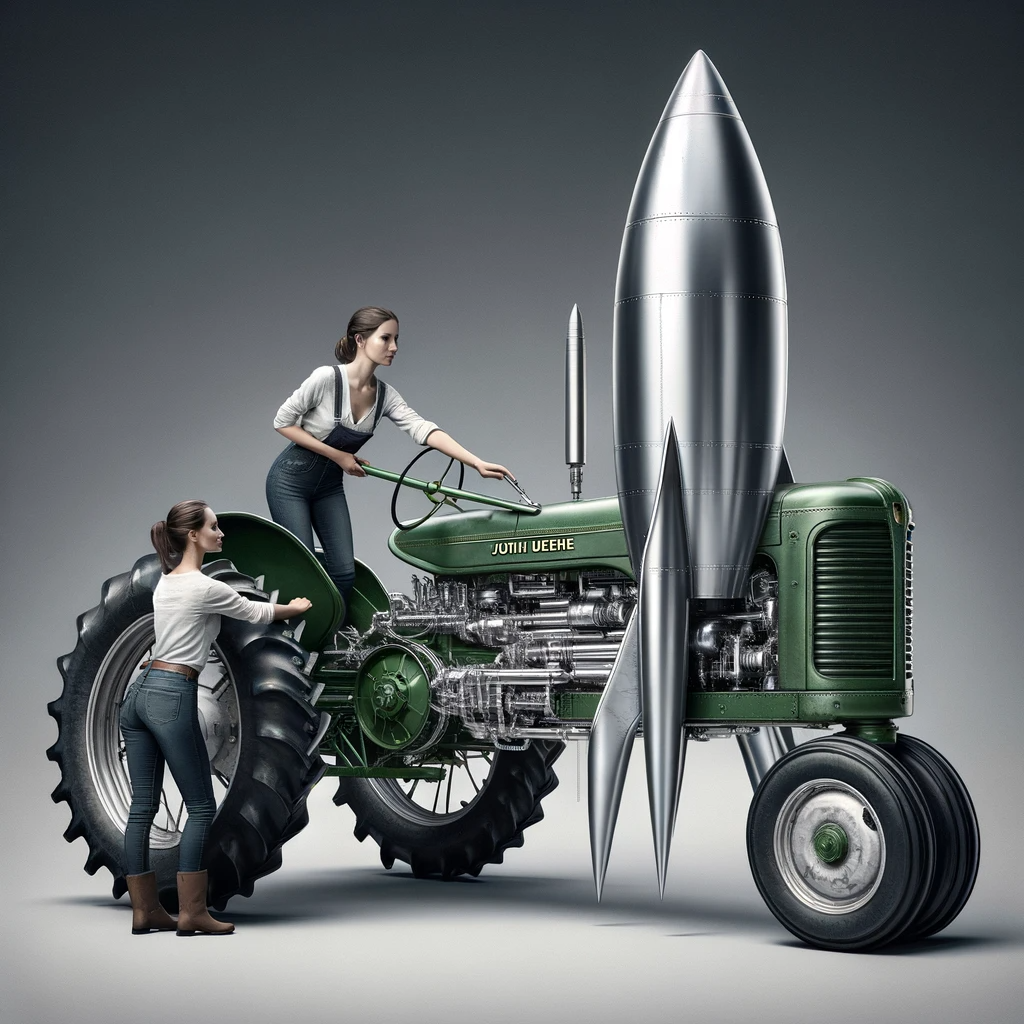
What Stories Do Classic Tractors Tell About The Farmers Who Use Them?
What Stories Do Classic Tractors Tell About The Farmers Who Use Them?
- Classic tractors symbolize grit, tradition, and the pursuit of progress in farming.
- Each tractor carries stories of farmers, late nights, and family gatherings, reflecting their struggles and triumphs.
- For farmers, tractors embody a legacy that encompasses memories, family experiences, and a deep connection to the land.
- Modern farming techniques offer efficiency, but classic tractors maintain an authenticity that technology cannot replicate.
- Using and preserving classic tractors supports sustainable farming and a way of life that respects the Earth and community.
- Classic tractors represent stories of resilience, love, and the importance of nurturing life through farming.
- Their legacy deserves recognition as they embody the narratives of agricultural heritage and community connection.

What Stories Do Classic Tractors Tell About The Farmers Who Use Them?
How Does Farming With Vintage Equipment Connect Us To Our Roots?
When we think of farming with vintage equipment, one image that often comes to mind is a weathered tractor, its paint bleached by years of sun and rust. But this tractor is more than just an old machine; it’s a bridge to our roots, carrying the stories of generations that came before us. Imagine the hands that once gripped the steering wheel, guiding that sturdy vehicle through fields of golden wheat, the very same fields we now cultivate. There is a deep, almost primal connection here—a reverberation of work, sweat, and determination.
Using vintage equipment isn’t just about nostalgia; it’s about preserving a way of life. Old tractors, with their clunky gears and simple mechanics, embody the grit and tenacity that defined our ancestors. These machines remind us that farming is labor—not just the toil of physical work, but the labor of love and resilience. In our fast-paced, digital world, there’s something grounding about slowing down and reconnecting with these machines. They hum a tune that resonates with integrity and a sense of purpose, echoing the hard work that built our communities.
From an ethical perspective, there’s growing value in sustainable practices that those vintage tractors help inspire. By utilizing older equipment, not only do we honor the craftsmanship of the past, but we also forge a path toward environmental responsibility. These machines often consume less fuel, have simpler ecosystems, and lead to less waste. When we embrace this antique technology, we’re not just making choices— we’re making a statement about the kind of farming we want to support. We’re saying: “This is my contribution to a more sustainable future.”
Socially, farming with vintage equipment creates a sense of community—a shared bond. Picture gatherings at a local vintage tractor show, where stories are swapped and laughter is shared amidst the rumble of ancient engines. Families come together, remember together, and in doing so, strengthen ties that might have loosened with modern advancements. It’s a reminder that while technology has its place, it’s the human spirit that drives this trade, the communal belief that we are all part of a larger tapestry.
So, let’s cherish the tractor. Let’s crank up those engines and let the sound of vintage farming fill the air. It’s more than more than just farming—it’s a celebration of where we came from and a promise of where we can go together. It’s time we reclaim our roots and nurture the stories that drive us forward.

How Does Farming With Vintage Equipment Connect Us To Our Roots?
How Does Farming With Vintage Equipment Connect Us To Our Roots?
- Vintage tractors symbolize a connection to our agricultural roots and the stories of past generations.
- Using old equipment is about preserving a labor-intensive way of life, embodying grit and tenacity.
- Engaging with vintage machinery allows a grounding experience in a fast-paced, digital world.
- Older tractors promote sustainable practices by consuming less fuel and generating less waste.
- Utilizing antique technology makes a statement about commitment to environmental responsibility.
- Farming with vintage equipment fosters community bonds through shared experiences and gatherings.
- Embracing vintage farming is a celebration of heritage and the promise of a collective future.

How Does Farming With Vintage Equipment Connect Us To Our Roots?
Conclusion
In the twilight of modern agriculture, as the sun sets on high-tech machinery and daunting debt, there’s a comforting hum echoing across fields—one that originates from the classic tractors of yesterday. These vintage machines are more than just equipment; they symbolize resilience, tradition, and a profound connection to the land. For small farmers facing a perfect storm of economic pressures, the return to these trusty steeds isn’t merely a nostalgic leap into the past; it is a lifeline that reaches into the very heart of what farming is all about.
Let’s be clear: the allure of classic tractors isn’t confined to their simplicity or nostalgic charm. Pragmatically speaking, these machines often cost far less to maintain and repair than their modern counterparts, making them a smart financial choice for farmers with ever-tightening budgets. However, beyond this rational assessment lies an emotional authenticity that resonates deeply. Each scratch on these tractors tells a story—a story of labor, love, and lineage that connects farmers to their ancestors and the wisdom passed down through generations.
In a world racing toward relentless innovation, this return to traditional machinery is a conscious act of social reaffirmation. As farmers gather at local events to celebrate their vintage tractors, they weave a community rooted in shared values—hard work, integrity, and stewardship of the land. These gatherings serve as a powerful reminder that the farming identity is inseparable from the stories we carry and the experiences we share. Here, every tractor is a storyteller; every engine doesn’t merely roar, it resonates with the echoes of laughter, struggles, and triumphs.
Ethically, restoring and utilizing these classic machines embodies more than personal or financial benefits—it is a commitment to sustainability and environmental responsibility. By opting for older, time-tested technology, farmers are pushing back against a culture of disposability, choosing instead to nurture the very tools that have shaped our agricultural legacy. In that decision, they stake a claim on a future where farming honors the past while cultivating a care for the earth.
So, as we plow forward into an uncertain future, let’s take a moment to admire the humble classic tractor. It’s not just a vehicle; it’s a vessel of heritage, a symbol of hope, and a testament to the enduring spirit of the farmer. Together, let’s rev up those engines and celebrate the heart, history, and hard work that continue to drive our agricultural journey—one field at a time. Are you ready to join this revival? Because, my friends, it’s time we take the wheel.

Conclusion
Conclusion:
- Classic tractors symbolize resilience, tradition, and a deep connection to the land for small farmers facing economic challenges.
- These vintage machines are often more cost-effective to maintain and repair compared to modern machinery, making them a smart financial choice.
- Each scratch on a classic tractor represents a story of labor, love, and lineage, connecting farmers to their ancestors.
- The resurgence of classic tractors fosters community among farmers, reinforcing shared values of hard work and stewardship.
- Local events celebrating these vintage machines serve as reminders of the integral stories and experiences within the farming identity.
- Utilizing classic tractors aligns with sustainability efforts, promoting a rejection of disposable culture in favor of preserving agricultural tools.
- Classic tractors stand as symbols of heritage, hope, and the enduring spirit of farmers as they navigate the future of agriculture.

Conclusion
Other Resources

Other Resources
Here is a list of other resources you can review online to learn more:
Use This Prompt To Get More Resources With Your Favorite Online AI Tool: Please provide me with a list of online articles with their URLs in a bulleted list that I can read regarding Why Are Small Farmers Turning Back to Classic Tractors In Crisis

Other Resources
Glossary Terms
Why Are Small Farmers Turning Back to Classic Tractors In Crisis – Glossary Of Terms
1. Classic Tractors: Vintage agricultural machines, typically manufactured before the 1980s, revered for their simplicity, durability, and mechanical design.
2. Small Farmers: Agricultural producers who operate on a limited scale, usually with a lower production capacity than large agribusinesses, often focusing on niche markets.
3. Sustainability: Agricultural practices that seek to balance environmental health, economic viability, and social equity, often emphasizing local solutions and resource conservation.
4. Cost Efficiency: Achieving maximum productivity with minimal costs, which small farmers seek by turning to older, simpler machinery.
5. Maintenance: The process of maintaining equipment to ensure it operates effectively, often easier with classic tractors due to their straightforward mechanical designs.
6. Fuel Efficiency: The amount of work a tractor can perform per unit of fuel consumed, which can sometimes be better in classic tractors depending on the model and usage.
7. Regenerative Farming: A system of farming practices that focuses on regenerating the health of the soil and ecosystems, often using traditional methods and equipment.
8. Heritage Farming: The practice of using traditional farming methods and tools that have been passed down through generations, often aligned with the use of classic tractors.
9. Resilience: The ability of farmers to recover from economic or environmental challenges, which can be enhanced by employing simpler, more reliable machinery.
10. Community Supported Agriculture (CSA): A farming model where consumers buy shares of a farm’s harvest in advance, which can support small farmers financially.
11. Agroecology: The application of ecological principles to agricultural systems, promoting biodiversity and sustainability, often supported by older farming practices.
12. Versatility: The ability of classic tractors to perform various functions, including plowing, hauling, and mowing, making them ideal for small-scale operations.
13. Localism: The practice of focusing on local markets and resources, which can often be reinforced by small farmers using classic equipment.
14. Bartering: A system of exchange where goods and services are traded directly, which can be a strategy for small farmers to acquire resources without cash transactions.
15. Mechanization: The process of using machinery to enhance agricultural productivity, often viewed with skepticism in the context of small-scale diverse farms.
16. Organic Farming: A method of farming that avoids synthetic fertilizers and pesticides, aligning with the values of many small farmers and their reliance on classic machinery.
17. DIY Repairs: The ability of farmers to fix their equipment themselves, which is often facilitated by the mechanical simplicity of classic tractors.
18. Debt Crisis: A situation where farmers struggle with financial obligations due to high input costs or market fluctuations, incentivizing a return to more cost-effective methods.
19. Food Sovereignty: The right of local farmers to produce healthy food sustainably, celebrating community and traditional practices.
20. Niche Markets: Specialized segments of the market where small farmers can sell unique products, often requiring distinctive equipment which classic tractors can provide.
21. Government Subsidies: Financial support provided by government programs to help farmers, often influencing decisions to invest in either new or vintage machinery.
22. Sourcing Local Materials: The practice of utilizing locally available resources to reduce costs and support local economies, often appealing to classic tractor users.
23. Labor Intensity: The amount of physical work required for farming activities; classic tractors can sometimes augment this workload efficiently.
24. Biodiversity: The variety of life in a particular ecosystem; small farms often enhance biodiversity, which can be supported by classic tractors that facilitate animal and plant cohabitation.
25. Traditional Knowledge: The historical knowledge and practices passed down through generations, often tied to the use of classic tractors and farming methods.
26. Customization: The ability to modify and adapt classic tractors to fit specific farming needs, providing unique advantages in diverse agricultural tasks.
27. Seasonal Variability: The fluctuations in weather and climate during different seasons that affect agricultural practices; simpler machinery can adapt more readily.
28. Cultivation: The act of preparing and using land for growing crops; classic tractors can be particularly effective tools for various cultivation methods.
29. Networking: Building connections with other farmers to share resources, knowledge, and machinery, often bolstered by classic tractor communities.
30. Preservation: The act of maintaining traditional practices, including using classic tractors, to safeguard agricultural heritage for future generations.

Glossary Of Terms
Other Questions
Why Are Small Farmers Turning Back to Classic Tractors In Crisis – Other Questions
If you wish to explore and discover more, consider looking for answers to these questions:
- What are the main benefits of using classic tractors over modern machinery?
- How can small farmers afford classic tractors given current economic conditions?
- What specific maintenance strategies are needed for classic tractors?
- Are there communities or organizations that support classic tractor enthusiasts?
- How do vintage tractors impact the local economy?
- What are some common misconceptions about classic tractors?
- How do classic tractors contribute to environmental sustainability?
- What safety considerations should farmers keep in mind when operating vintage equipment?
- How can restoring classic tractors enhance family bonding?
- What resources are available for farmers looking to restore old tractors?
- Can classic tractors compete in terms of efficiency with modern agricultural technology?
- What role does technology play in maintaining or restoring classic tractors?
- What is the emotional significance of vintage tractors to farmers?
- How do classic tractors symbolize a way of life for farmers?
- Are there particular brands or models of classic tractors that are more popular among farmers?

Other Questions
Haiku
Why Are Small Farmers Turning Back to Classic Tractors In Crisis – A Haiku
Classic tractors hum,
Echoes of roots, lives entwined—
A legacy thrives.

Haiku
Poem
Why Are Small Farmers Turning Back to Classic Tractors In Crisis – A Poem
Back to the Field: A Tractor’s Tale
In the hush before dawn, a whisper takes flight,
A classic tractor stirs, heralding light.
With a roar of the engine, its history sings,
Echoing stories of harvests and springs.
Relics of labor, with dust on their steel,
Hold the essence of farmers, their honor, their zeal.
Each dent tells a tale of resilience and pride,
Of ancestors’ dreams that through time have not died.
Oh, the charm of the simple, the beauty in old,
A bond with the earth, and a legacy told.
In the grit of their hands, in the sweat on their brow,
These machines are reminders—of who we are now.
For the small farmer grappling with financial despair,
Classic tractors offer a path laid with care.
Less costly to mend, their wisdom austere,
Crafted with purpose, to persevere here.
Amid rising expenses, they echo a call,
A manifesto of value, sustainability for all.
In their roar lies a promise, a bridge to our past,
Harnessing power that’s built to last.
Community blooms as old engines revive,
In gatherings we share, as our spirits collide.
Sharing stories like seeds, planting merriment wide,
Connection through labor, a soil to abide.
And though tech may dazzle, with glimmers and glows,
It’s here in the trenches where true farming grows.
So let’s honor these giants, these machines of the heart,
For in each turn of the wheel, lives a work of art.
Let’s gather ‘round rust and old paint that we cherish,
For history breathes life, and dreams never perish.
In a world racing forward, let’s not lose our thread,
Embrace the old ways, for they lead us ahead.
So fire up your tractor, feel the earth ‘neath your feet,
Celebrate our roots and the journeys they greet.
For a tractor isn’t just metal; it’s life’s honest plea,
To nurture the land, as we’re bound to be free.

Poem
Checklist
Why Are Small Farmers Turning Back to Classic Tractors In Crisis – A Checklist
Checklist for Embracing Classic Tractors: A Journey into Nostalgia and Sustainability
Heart (Emotional Appeals)
1. Reflect on Memories: Spend time reminiscing about the stories and experiences tied to classic tractors in your family. What emotions do these memories evoke?
2. Create New Traditions: Consider starting a new family tradition that involves restoring or using a classic tractor together.
3. Celebrate Connections: Engage with your community or family through local tractor events. Share personal stories that connect us all to our agrarian roots.
Head (Rational Appeals)
4. Calculate Cost Savings: Analyze how restoring and maintaining a classic tractor can lower your operational costs, especially in comparison to modern machinery.
5. Assess Durability: Evaluate the long-term durability and reliability of classic tractors amidst economic pressures.
6. Understand Sustainability: Research the environmental benefits of using vintage tractors, including reduced resource consumption and lower emissions.
Gut (Ethical and Authority Appeals)
7. Honor Heritage: Reflect on the ethical responsibility to preserve agricultural practices passed down through generations. How can you contribute to this legacy?
8. Seek Expert Guidance: Connect with local experts or community leaders in vintage tractor restoration for advice and best practices.
9. Join a Community: Find or create a local group focused on the preservation and use of classic tractors to foster a strong support network.
Narrative (Storytelling Appeals)
10. Document Your Journey: Start a journal or blog to chronicle your journey with classic tractors—include personal stories, challenges, and triumphs.
11. Share Your Narrative: Use social media to share anecdotes and pictures of your classic tractor, inviting others to contribute their stories.
12. Explore Tractors’ Histories: Research the histories of the classic tractors you admire; what stories can they tell about the farmers who used them?
Social Appeals
13. Attend Local Shows: Participate in community tractor shows or gatherings to meet like-minded individuals and foster a sense of belonging.
14. Organize or Join Workshops: Offer or attend workshops focused on tractor restoration, fostering skills and connections among participants.
15. Engage with the Next Generation: Involve children or youth in tractor projects to teach them about farming heritage and the value of hard work.
Final Reflection
16. Connect with Your Roots: Spend time reflecting on how using classic tractors ties you to your land and your identity as a farmer. How does this connection shape your perspective on agriculture today?
17. Commit to Action: Choose one or two items from this checklist to incorporate into your farming journey and commit to creating a lasting impact on your community and future generations.
This checklist aims to guide you through the emotional, rational, ethical, narrative, and social aspects of embracing classic tractors as part of both personal and agricultural heritage. Happy farming!

Checklist
At ClassicTractorNews, we help tractor lovers keep up with the latest news for classic and vintage tractors.
Please share this post with your friends, family, or business associates who may like old classic or vintage tractors.