

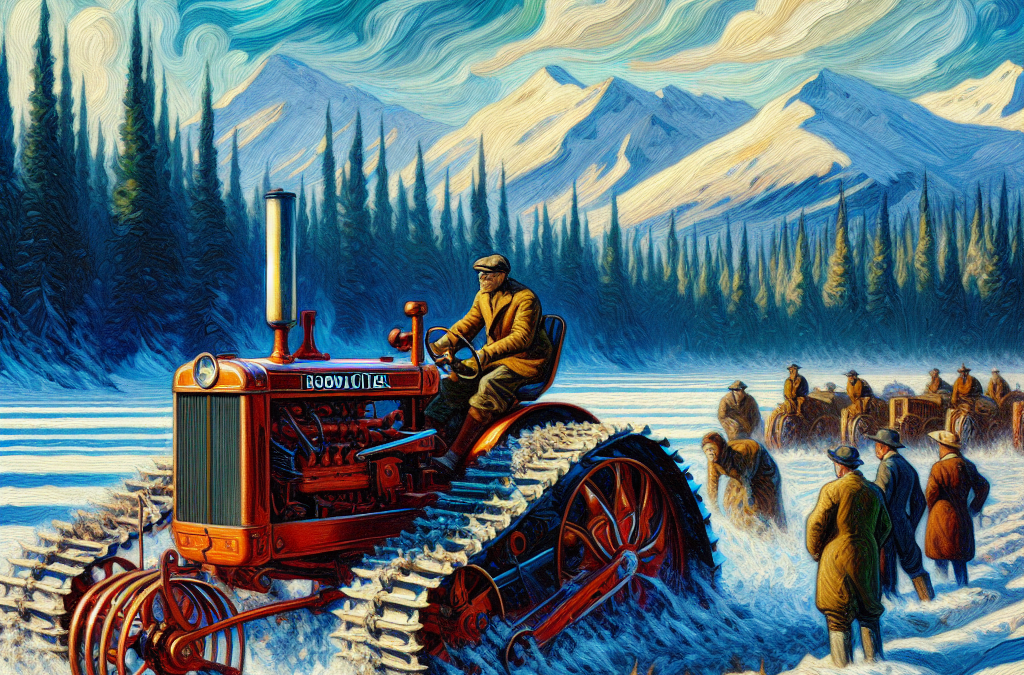
The Timeless Appeal Of Classic Tractors: A Modern Farmer’s Ethical Choice
By Tom Seest
At ClassicTractorNews, we help tractor lovers keep up with the latest news for classic and vintage tractors.
Please share this post with your friends, family, or business associates who may like old classic or vintage tractors.
Why Are Modern Farmers Turning to Classic Tractors for Solutions
?
In a world racing toward automation and sleek efficiencies, there’s a gentle rebellion happening in the fields; farmers are rediscovering the humble yet powerful classic tractor. Picture this: a rusted but reliable beast, its deep roar a nostalgic echo of a bygone era, hauling equipment across golden patches of earth. It’s not just a tool on wheels; it’s a tangible connection to the grit and determination that built the very industry feeding us today.
The heart of farming beats to the rhythm of seasons, crops, and the land. Modern agriculture, with all its high-tech gadgetry and precision farming, sometimes loses sight of that connection. Farmers turning back to classic tractors represent a return to those roots, both literally and figuratively. It’s an emotional decision, packed with memories of fathers and grandfathers. Each time a farmer mounts that seat, they aren’t just operating machinery; they’re paying homage to a legacy that has shaped their lives.
Rationally speaking, there’s an undeniable practicality in those vintage machines. They’re often simpler to repair, using parts that can still be found in dusty barns rather than in overpriced dealerships. When the chips are down, and time is of the essence, a mechanic can easily bring a classic tractor back to life. That reliability means reduced downtime and less reliance on a digital connection that may fail when the weather takes a turn for the worse.
Beyond utility, there’s a burgeoning ethical responsibility among today’s farmers. They are aware of the environmental impact of their choices. Classic tractors, with their less complex systems, can often be retrofitted to run biofuels or other sustainable energy sources, making them a greener alternative. In this quest for sustainability, there exists an undeniable sense of community—a shared commitment among farmers to honor the earth while nurturing it.
Lastly, the social aspect cannot be ignored. As farmers unite under the banner of classic machinery, they’re forging connections that transcend generations. Local shows and swap meets where these tractors are celebrated foster friendships and exchange of ideas, reinvigorating a collective spirit.
So, are classic tractors just relics of the past? Absolutely not. They’re a bridge—connecting farmers to their history, offering practical solutions, and reinforcing a community dedicated to a sustainable future. When you witness the pride in a farmer’s eyes while he works the land with a classic tractor, you understand that sometimes, the old ways still hold the most profound truths.
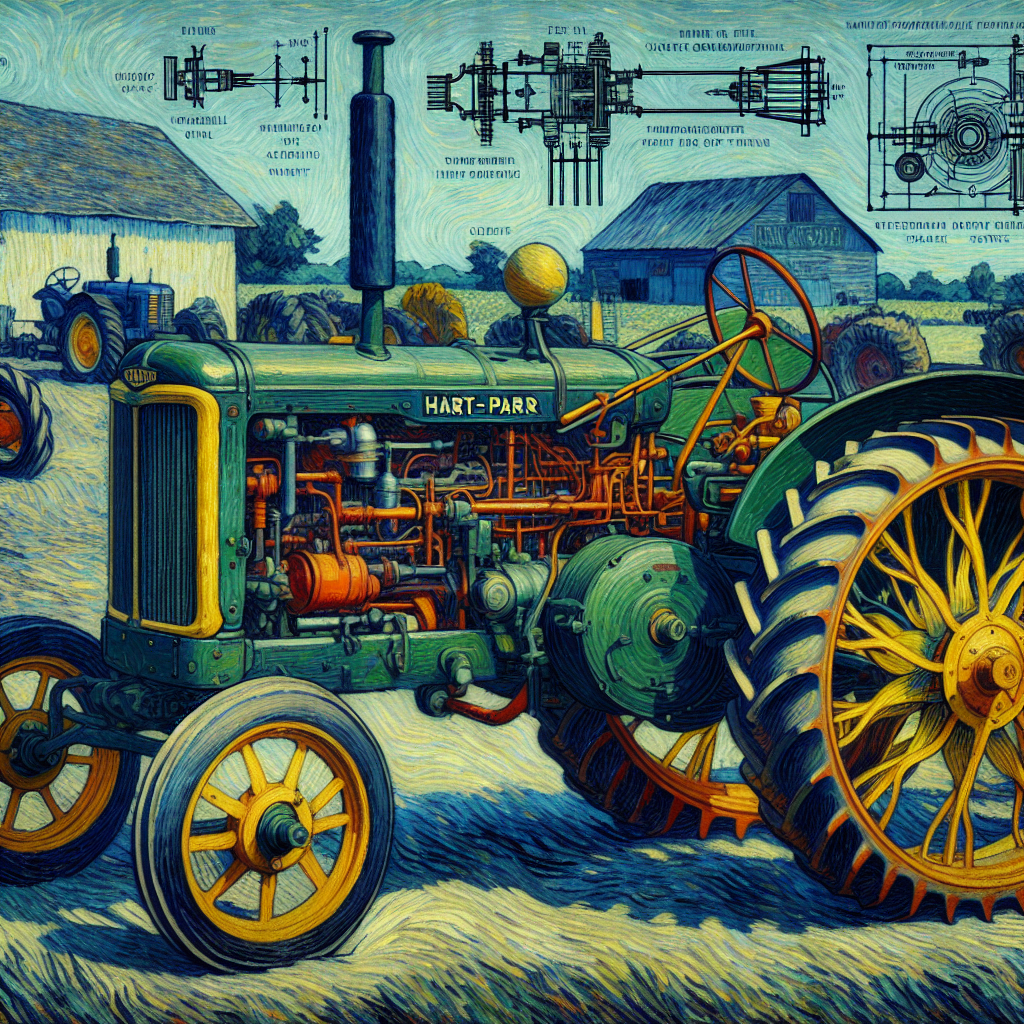
Why Are Modern Farmers Turning to Classic Tractors for Solutions
Why Are Modern Farmers Turning to Classic Tractors for Solutions
Here’s the summarized text in a formatted bulleted HTML list:
- Farmers are rediscovering classic tractors as a powerful connection to farming’s roots.
- Modern agriculture sometimes overlooks the emotional ties to traditional farming practices.
- Classic tractors are simpler to repair, reducing downtime and reliance on technology.
- They can be retrofitted for sustainable energy sources, supporting environmental responsibility.
- There’s a growing community among farmers celebrating classic tractors and sharing ideas.
- Classic tractors are not mere relics; they connect farmers to their history and provide practical solutions.
- Their use reflects a commitment to sustainability and the enduring values of farming.
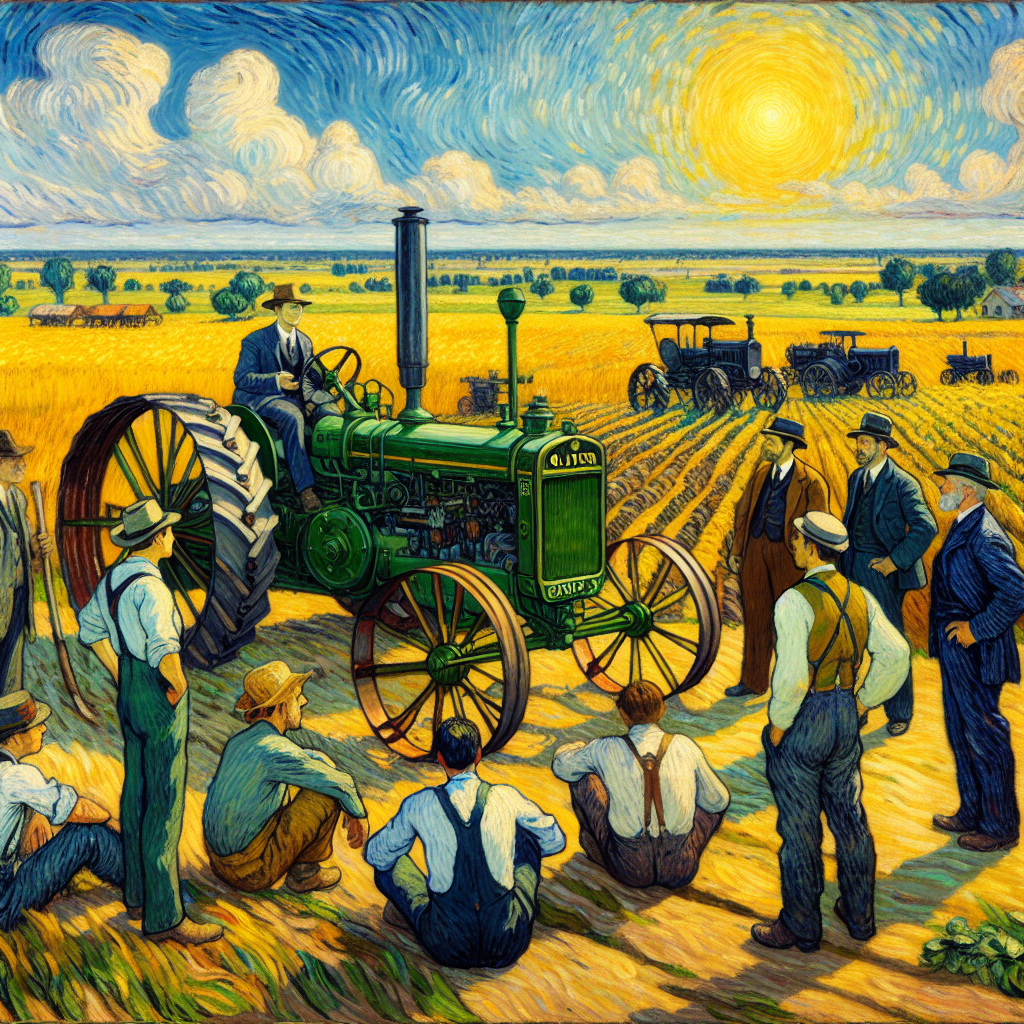
Why Are Modern Farmers Turning to Classic Tractors for Solutions
Table Of Contents
- Why Are Modern Farmers Turning to Classic Tractors for Solutions
- How Can Classic Tractors Reduce Operational Costs For Modern Farms?
- What Emotional Connection Do Farmers Feel To Their Vintage Machines?
- How Do Modern Farmers View The Craftsmanship Of Classic Tractors?
- Why Do Some Farmers Swear By Classic Tractors Over Current Technology?
- Can Using Classic Tractors Foster A Sense Of Community Among Farmers?
- Are Classic Tractors More Reliable Compared To Modern Machinery?
- Conclusion
- Other Resources
- Glossary Of Terms
- Other Questions
- Haiku
- Poem
- Checklist
How Can Classic Tractors Reduce Operational Costs For Modern Farms?
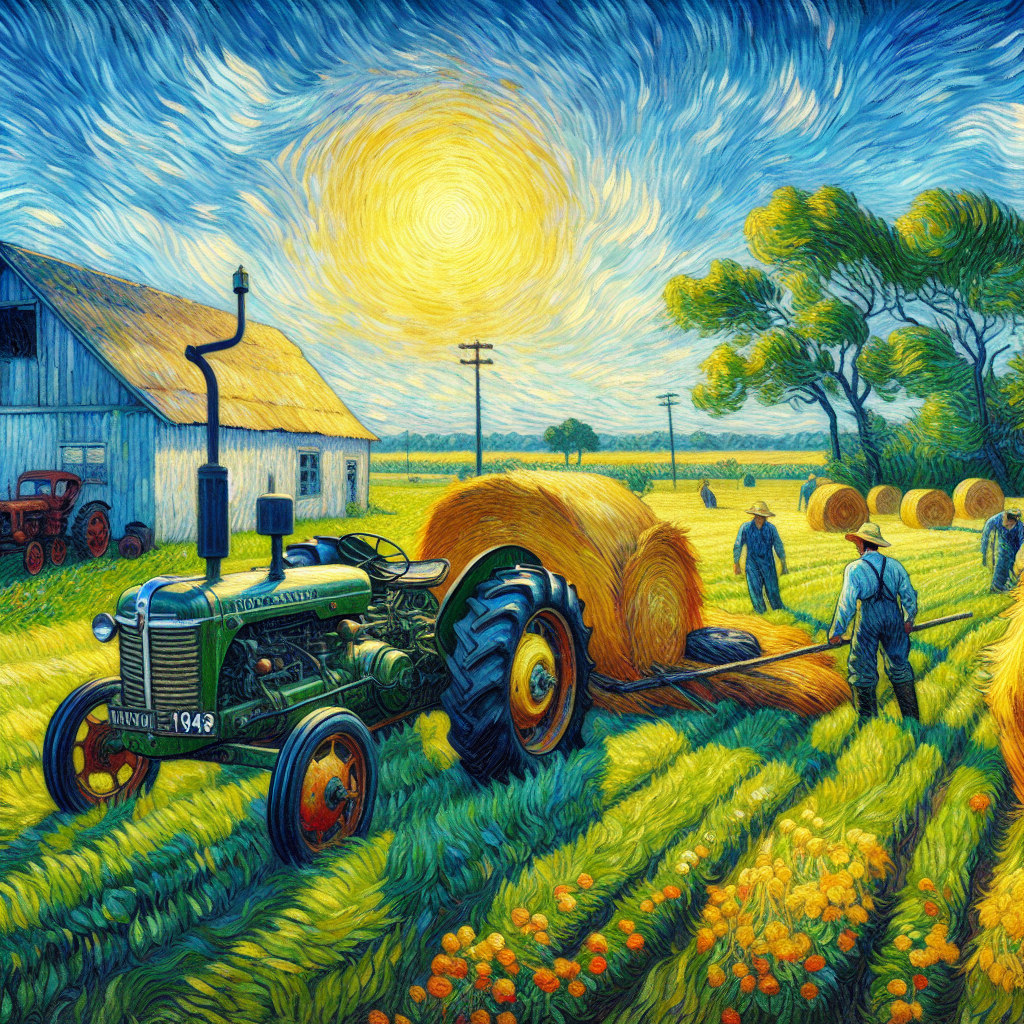
If you’ve ever set foot on a farm, you know the unmistakable rumble of a tractor as it works the land. It’s a sound as familiar as the wind rustling through the cornfields. For many farmers, that rumble serves as a reminder of days gone by—a connection to the past that runs deeper than mere nostalgia. But when it comes to reducing operational costs on today’s modern farms, those classic tractors aren’t just relics; they’re pivotal players in a sustainable future.
Why? Think about it. Many of these older machines can be purchased at a fraction of the cost of a brand-new tractor, saving farmers thousands right from the get-go. In a time when every penny counts, an investment in a vintage model isn’t just budget-friendly; it’s also a practical choice. These older tractors are often simpler in design and less prone to expensive electronic malfunctions, meaning that repairs, when necessary, won’t break the bank. If something does go wrong, farmers with the know-how can often fix them themselves, fostering a sense of empowerment and self-reliance that can resonate through entire communities.
It’s not just about the numbers, either. There’s an ethical aspect to utilizing classic tractors. When farmers embrace these machines, they’re also supporting a culture of sustainability. Older tractors consume less fuel and require fewer resources, aligning with the growing movement towards eco-friendly farming practices. Every time a farmer chooses to restore an old tractor rather than invest in a new, high-tech model, they’re making a statement that resonates beyond the fields—a commitment to preserving our agricultural heritage while also caring for the planet.
Moreover, these classic machines foster a sense of community. Picture it: local farmers gathering for restoration workshops, sharing knowledge passed down through generations. It’s not merely about fixing a tractor; it’s about building bonds and creating a network of support. In an age where technology often isolates us, the simple act of working together on a classic tractor can rekindle those human connections, solidifying trust and collaboration.
So, the next time you hear that comforting rumble of a well-loved tractor rolling through the fields, remember: it’s not just a machine. It’s a beacon of resilience, a testament to our agricultural roots, and a practical solution for modern farming challenges. By returning to our roots, we just might find the keys to a more sustainable and economically viable future.
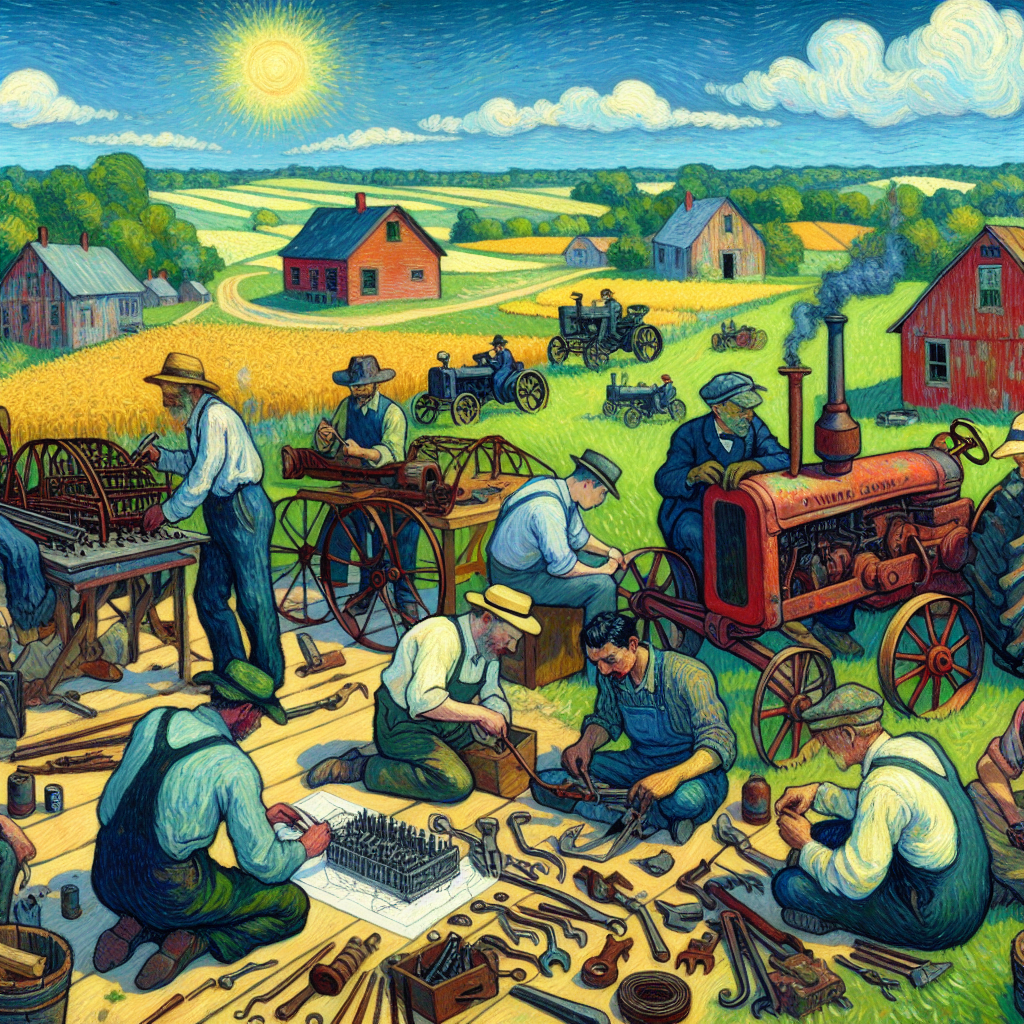
How Can Classic Tractors Reduce Operational Costs For Modern Farms?
How Can Classic Tractors Reduce Operational Costs For Modern Farms?
- The sound of tractors is a nostalgic symbol of farming that connects to the past.
- Older tractors are more affordable, allowing farmers to save money while investing in sustainable solutions.
- Classic models have simpler designs, leading to fewer costly repairs that farmers can often manage themselves.
- Using vintage tractors promotes fuel efficiency and sustainability in agricultural practices.
- Choosing to restore old tractors reflects a commitment to preserving agricultural heritage and being eco-friendly.
- Restoration efforts foster community bonding and knowledge sharing among local farmers.
- Classic tractors symbolize resilience and practical solutions to modern farming challenges.
How Can Classic Tractors Reduce Operational Costs For Modern Farms?
What Emotional Connection Do Farmers Feel To Their Vintage Machines?
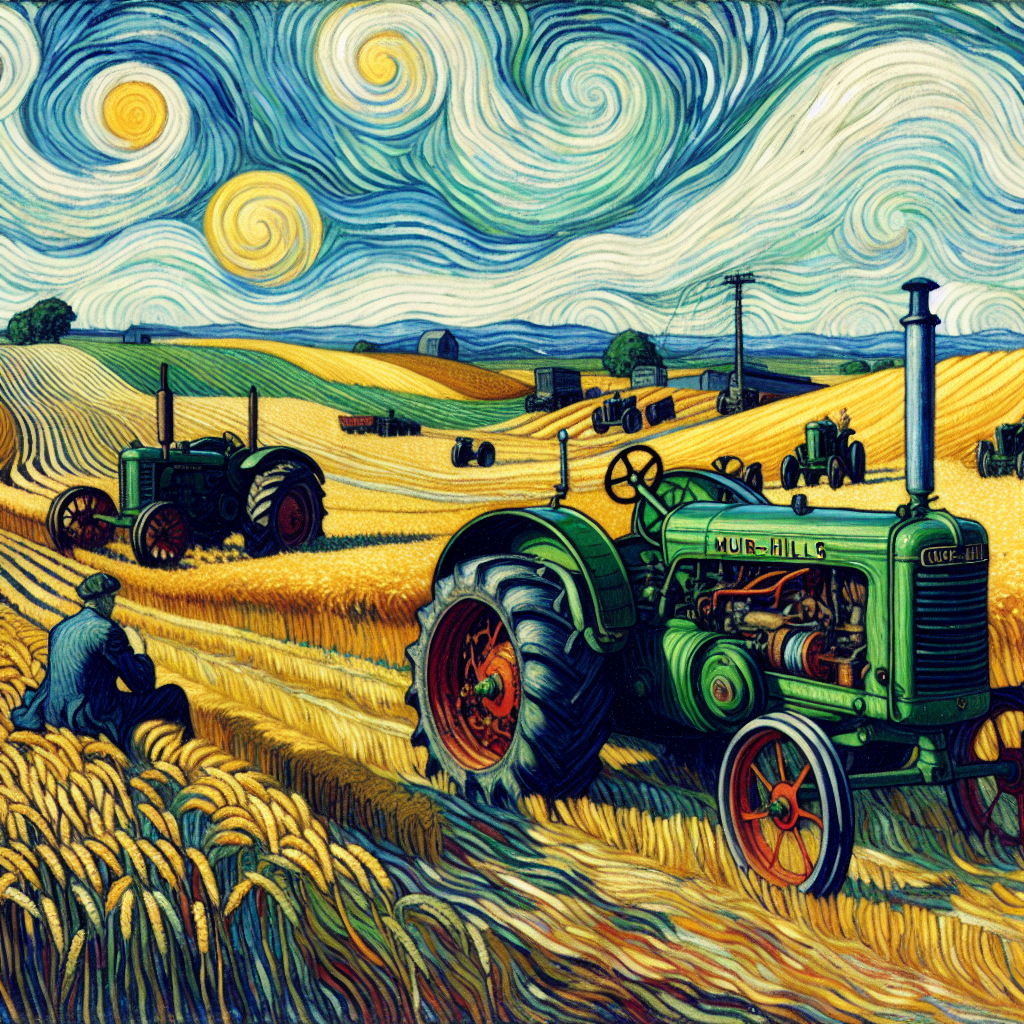
For many farmers, vintage tractors are more than mere metal and mechanics; they are the heartbeat of their day-to-day existence, echoing stories of hard work, loyalty, and a connection to the land that transcends generations. Picture the rusty frame glistening under the sun, wheels that have turned countless furrows, and engines that have roared through rain or shine. Each scratch and dent tells a story that speaks not only of labor but of love—love for the land, for the family legacy, and for the enduring qualities of craftsmanship.
When you stand beside a vintage tractor, you’re not just viewing an antique; you’re witnessing a piece of history. Many of these machines rolled off the assembly line in a drastically different era, a time when farmers relied on their ingenuity, strength, and trust in their equipment. The connection isn’t just emotional; it’s rational. They understand that these tractors were built to last, embodying a level of durability often lost in today’s disposable culture. Every time a farmer revs the engine, it’s not just about farming—it’s about the commitment to his or her craft, to the family farm, and to the soil that sustains them.
Ethically, using vintage equipment often mirrors a commitment to sustainability. Farmers embracing these machines are preserving not only a vital agricultural heritage but also advocating against the excessive waste of modern practices. There’s something incredibly powerful in holding onto these relics, reminding us that respect for the past can directly inform a more mindful future.
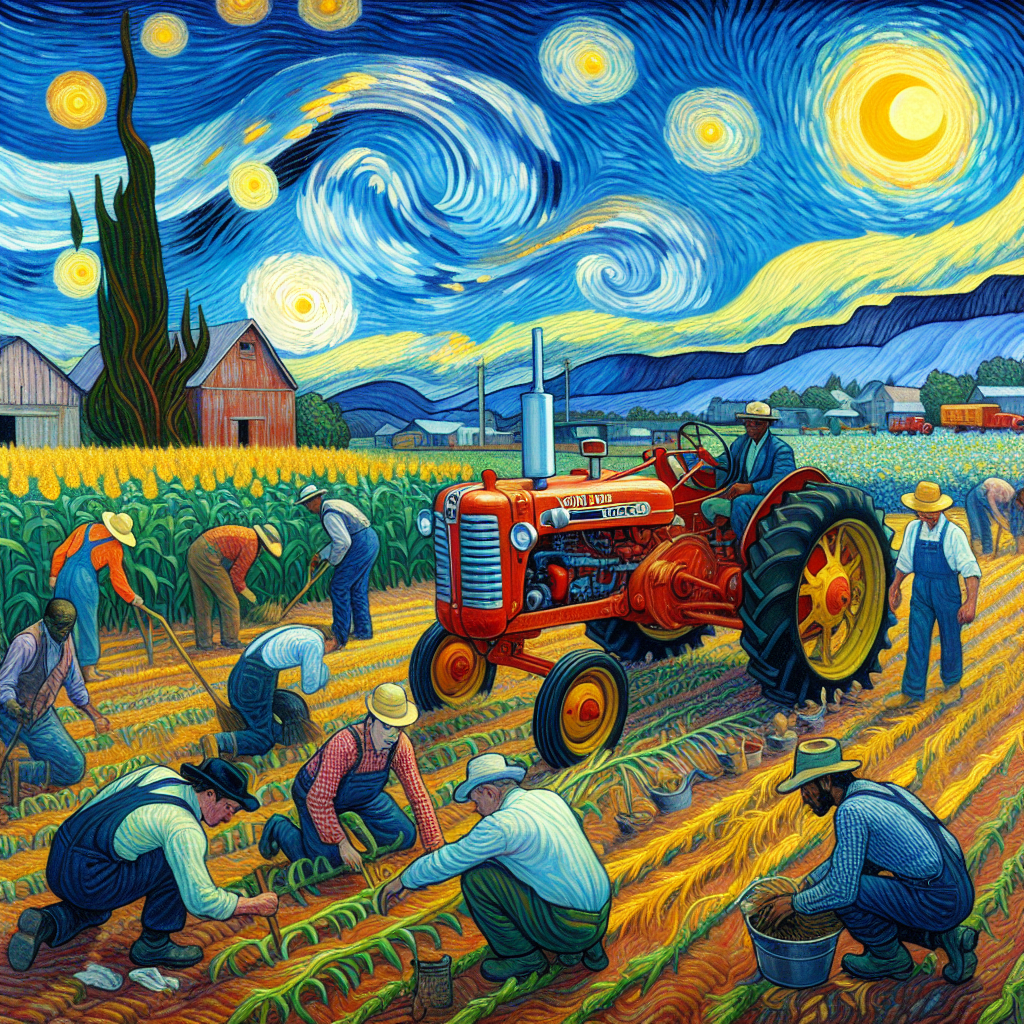
The narrative surrounding these tractors extends beyond individual stories; it’s a shared experience among communities deeply rooted in agriculture. From local fairs showcasing vintage machines to gatherings where stories are shared over a steaming cup of coffee, these tractors serve as a social glue, fostering connections and camaraderie. These gatherings are places where wisdom flows as easily as the laughter, weaving a tapestry that shows just how interconnected we are through machines that can recall a simpler time.
Ultimately, when a farmer climbs aboard their vintage tractor, there’s a gut-level instinct that kicks in—a deep, visceral bond that says, “This is where I belong.” It’s not merely about the soil turning or the harvest yield; it’s about honoring tradition, embodying resilience, and continuing a legacy of hard work and dedication to the land. That feeling is what turns iron and rust into treasures of the heart.
What Emotional Connection Do Farmers Feel To Their Vintage Machines?
What Emotional Connection Do Farmers Feel To Their Vintage Machines?
- Vintage tractors symbolize the essence of farming, representing hard work, loyalty, and generational connections to the land.
- Each tractor has its own story, reflecting not only labor but also love for the land, family heritage, and craftsmanship.
- These machines serve as pieces of history, built during an era that emphasized ingenuity and trust in reliable equipment.
- The durability of vintage tractors stands in contrast to today’s disposable culture, highlighting a commitment to quality.
- Using vintage equipment aligns with sustainable practices, preserving agricultural heritage and reducing waste.
- Community gatherings around vintage tractors foster connections, share stories, and strengthen bonds among farmers.
- Riding a vintage tractor invokes a deep sense of belonging, honoring tradition and showcasing dedication to the land.
What Emotional Connection Do Farmers Feel To Their Vintage Machines?
How Do Modern Farmers View The Craftsmanship Of Classic Tractors?
When you step onto a farm, you’re not just entering a place where crops are grown; you’re entering a sacred space steeped in tradition, innovation, and a deep-seated respect for the land. For many modern farmers, classic tractors represent more than just machines—they embody a legacy, a craftsmanship that is increasingly rare in today’s world.
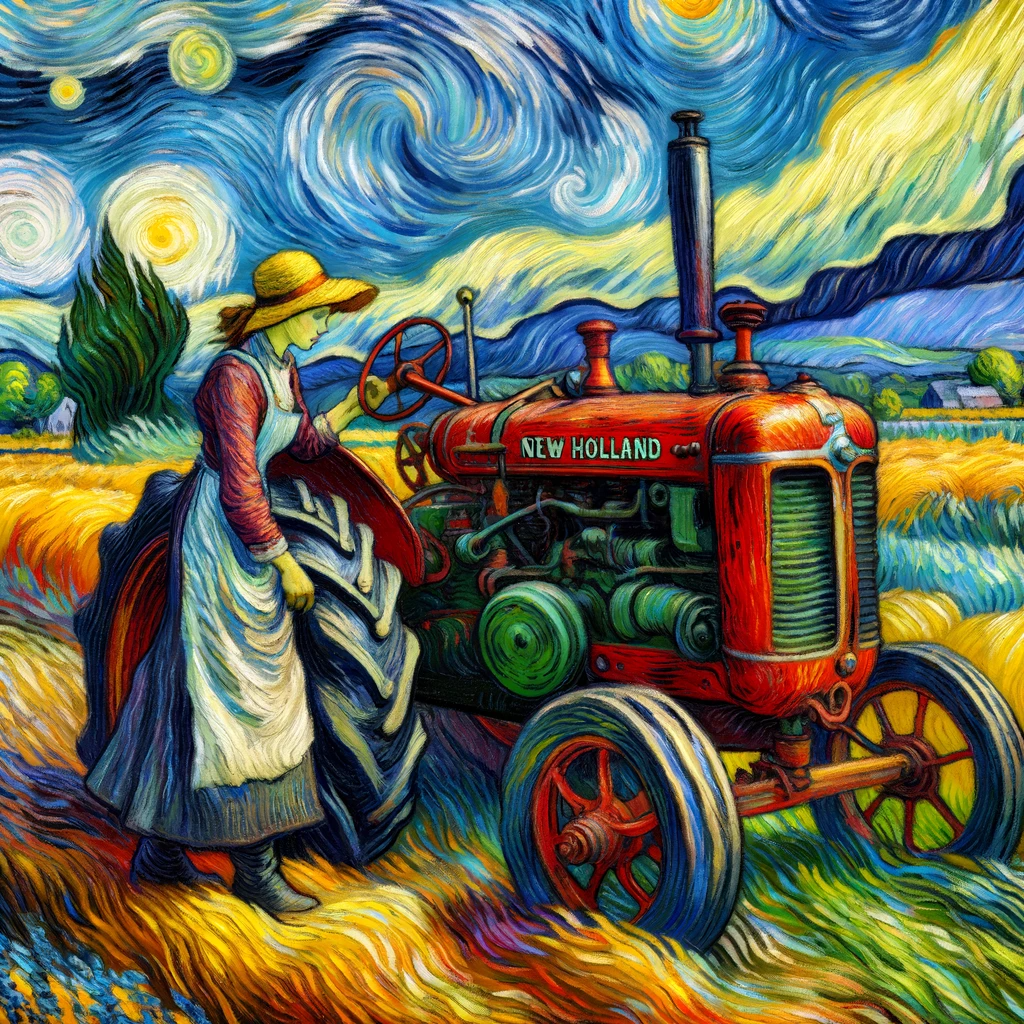
Just imagine for a moment the rhythmic rumble of a vintage tractor as it pulls through vast fields, connecting past generations with present-day farming. The sleek curves of its steel frame and the smell of oil mixed with earth evoke a visceral connection—something you can feel in your gut. It’s this connection that sparks pride in today’s farmers, many of whom understand that while technology has transformed agriculture, it’s the craftsmanship of these classic tractors that offers a palpable reminder of the values and grit that define their vocation.
In a bustling world focused on efficiency, it’s easy to forget the story behind these machines. Classic tractors are imbued with craftsmanship that has stood the test of time, resonating deeply with modern farmers who, while navigating an age of rapid technological change, are still drawn to the simplicity and reliability of these robust machines. They trust these machines—they know them inside and out. This kind of reliability fosters a confidence that high-tech gadgets just can’t replicate.
Yet, there is an ethical and relational aspect at play, too. A farmer’s connection to their tractor extends beyond mere functionality; it is an emotional bond. Each scratch and dent tells a story, a tribute to the countless hours worked under the sun, the triumphs celebrated, and the struggles faced. Sharing these stories can foster a sense of community—a gathering of like-minded individuals celebrating the artistry that goes into both farming and machinery.
There’s a resonance between modern farmers and classic tractors that transcends time. It’s a connection that reminds us of our roots—literally and metaphorically. So, the next time you see a farmer atop an aging tractor, take a moment to appreciate the craftsmanship at play. It’s not just about plowing the fields; it’s about honoring a craft that so many hold dear. After all, in a world that often prioritizes speed over skill, those classic tractors serve as a testament to the enduring values of hard work, dedication, and the beauty of craftsmanship.
How Do Modern Farmers View The Craftsmanship Of Classic Tractors?
How Do Modern Farmers View The Craftsmanship Of Classic Tractors?
- Farms are sacred spaces that embody tradition, innovation, and respect for the land.
- Classic tractors symbolize a legacy and rare craftsmanship for modern farmers.
- The sound and feel of vintage tractors connect past and present generations in farming.
- Despite technological advancements, farmers value the simplicity and reliability of classic tractors.
- The bond between farmers and their tractors is emotional, with each imperfection telling a story.
- Sharing experiences and stories fosters community among farmers who appreciate craftsmanship.
- Classic tractors represent enduring values of hard work and dedication in the face of modern speed.
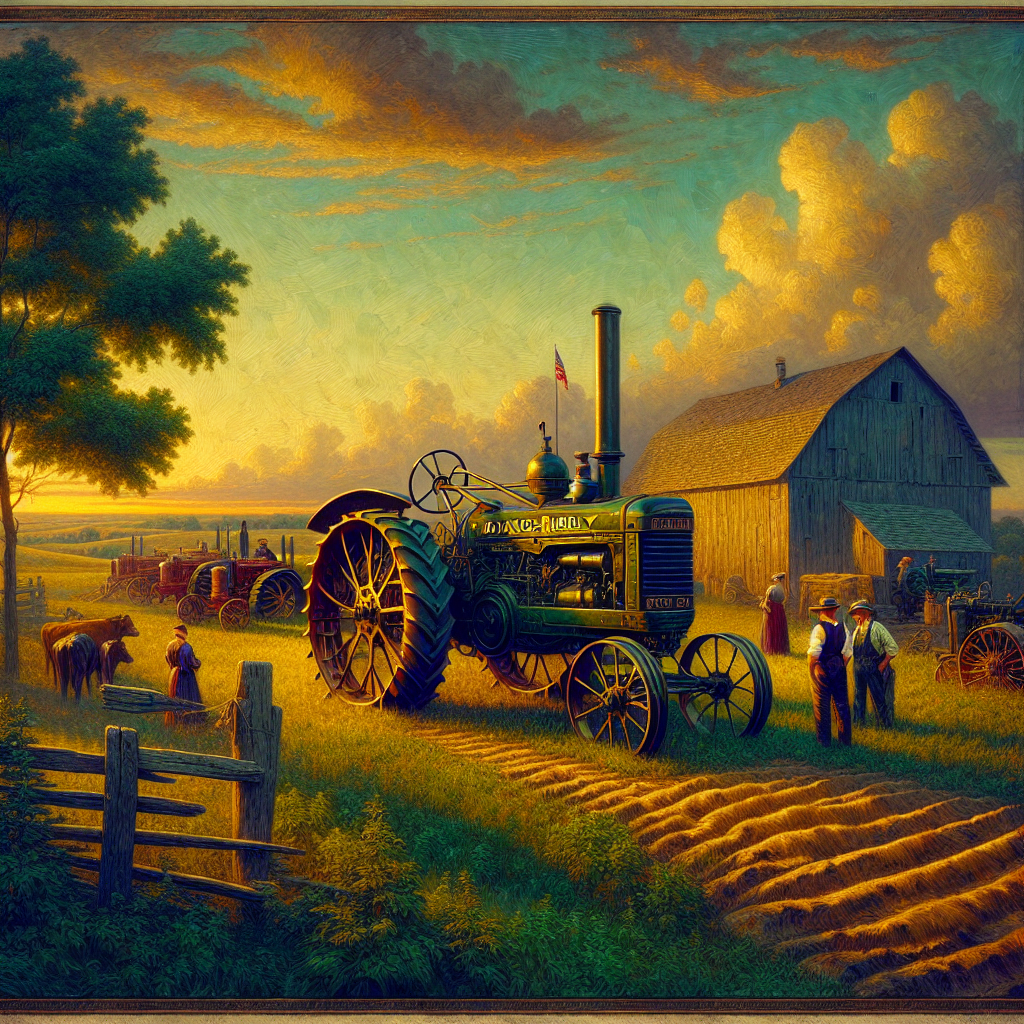
How Do Modern Farmers View The Craftsmanship Of Classic Tractors?
Why Do Some Farmers Swear By Classic Tractors Over Current Technology?
In a world bustling with ever-advancing technology, it’s easy to overlook the rugged reliability of classic tractors. Picture this: a sun-soaked field, the earth freshly turned, and there stands an old tractor, its engine humming like a satisfied sigh. For many farmers, this scene isn’t just nostalgic; it’s rooted in a deep-seated trust born from years of hard work and perseverance.
These classic machines, often regarded as outdated by tech enthusiasts, embody a blend of authenticity and resilience that modern tractors sometimes lack. Farmers know their capabilities inside and out—these tractors have been through the storms, both literal and metaphorical. When a farmer hops onto one, it’s not just about machinery; it’s about a partnership built on years of shared experiences. In a world where everything seems to change at lightning speed, this bond often feels like a comforting embrace.
Rationally speaking, classic tractors have simple mechanics that are often easier to repair and maintain. An engine with fewer bells and whistles can be fixed with a wrench and a bit of elbow grease, which is a far cry from the labyrinth of circuits and screens that often define today’s equipment. Additionally, many farmers operate in rural areas where access to specialized technicians and replacement parts can be limited. A trusty old tractor is more than just farming equipment; it’s a reliable companion that understands the land’s undulating rhythms.
Ethically, the choice to opt for a classic tractor resonates with a commitment to sustainability. By keeping these machines running, farmers are not only preserving history but also reducing their carbon footprint. Repairing and maintaining older machinery can be a more environmentally friendly choice compared to pursuing the latest and greatest models, which often come with hidden costs to the Earth.
Moreover, classic tractors tell stories. They carry with them the legacy of family farms, the toil of generations past, and the courage to face the uncertain winds of change. When neighboring farmers gather, those stories are swapped and celebrated, creating a sense of community that’s hard to replicate in the digital age.
Choosing a classic tractor is more than a matter of performance and practicality; it’s an invitation to honor the past while tilting toward the future. It embodies a spirit, a reverence for tradition, and a deep love for the land. So, the next time you hear the familiar roar of an engine from a classic tractor, remember—what you’re listening to may very well be the heartbeat of farming itself.
Why Do Some Farmers Swear By Classic Tractors Over Current Technology?
Why Do Some Farmers Swear By Classic Tractors Over Current Technology?
- Classic tractors are symbols of rugged reliability amidst advancing technology.
- They embody authenticity and resilience, creating a deep trust between farmers and their equipment.
- Simple mechanics of classic tractors make them easier to repair and maintain compared to modern machinery.
- Choosing classic tractors promotes sustainability by reducing carbon footprints and preserving history.
- They carry legacies of family farms and foster community through shared stories among farmers.
- Selecting a classic tractor is about honoring the past while looking toward the future.
- The sound of a classic tractor engine represents the heartbeat of farming itself.
Why Do Some Farmers Swear By Classic Tractors Over Current Technology?
Can Using Classic Tractors Foster A Sense Of Community Among Farmers?
When you think about a tractor, what comes to mind? For many, it’s a hulking piece of machinery, an indispensable tool of modern agriculture. But dig a little deeper and you’ll find that behind every tractor, particularly the classic ones that have stood the test of time, there’s a story worth telling—a story that resonates deeply with the fabric of farming communities.
Imagine a sun-drenched field, rich with the earthy scent of soil and the hum of life. Farmers gather, not just to showcase their vintage tractors but to share their experiences, challenges, and triumphs. These gatherings become more than just showcases of machinery; they pulsate with camaraderie, laughter, and the shared understanding of a lifestyle that many outside the farm just don’t grasp. Pulling into a field beside someone else’s rusted and beloved tractor, you’re not just connecting with equipment; you’re connecting with a way of life.
Classic tractors become a bridge that links generations. They conjure up nostalgia for the old-timers, a tribute to the tenacity and resilience that built entire communities. For the newcomers, there’s inspiration in the stories of their predecessors—the very backbone of agriculture. Conversations swirl around harvests, traditional practices, and new innovations. In sharing knowledge, farmers empower each other, creating a cycle of learning that transcends individual experience.
But let’s get real: in today’s fast-paced world, farming can feel isolating. Many struggle in silence, battling the ever-looming challenges of weather, markets, and machinery breakdowns. A classic tractor rally or local show offers a safe haven, a respite from the harsh realities of the surrounding world. It’s a chance to swap tips, offer a hand, or simply enjoy the warmth of companionship—all while reviving the spirit of community that can sometimes fade with the stressors of modern life.
The moral of the story? That old tractor in your barn isn’t just a relic of a bygone era; it’s a tangible connection to your community. By embracing the classic, you don’t just honor the past; you strengthen the bonds of today. So, if you see an opportunity to drift toward a local gathering or to start a conversation with someone across the fence, take it. Trust that those vibrations of community, forged over rust and horsepower, will ignite a new sense of purpose and belonging among farmers everywhere.
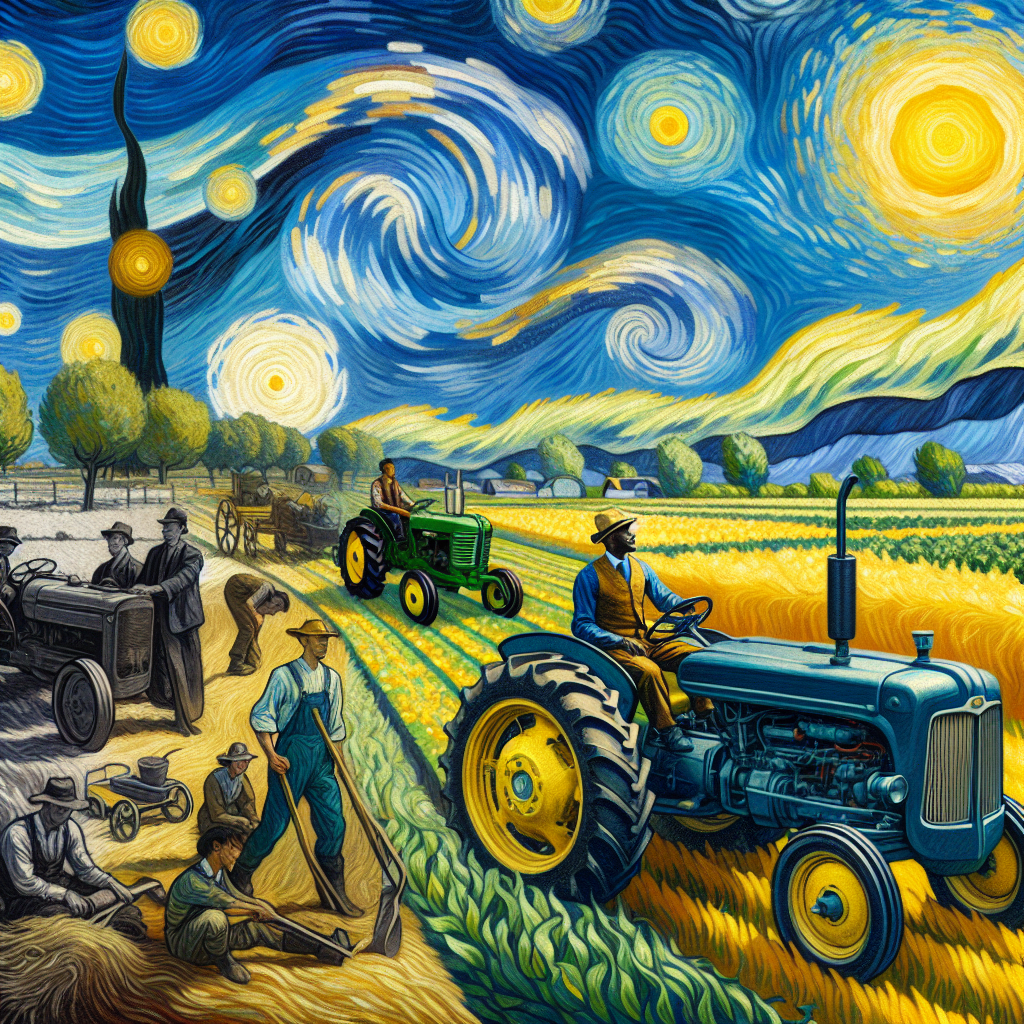
Can Using Classic Tractors Foster A Sense Of Community Among Farmers?
Can Using Classic Tractors Foster A Sense Of Community Among Farmers?
- Tractors are powerful tools vital to modern agriculture, each with a story linked to farming communities.
- Vintage tractor gatherings foster connections among farmers, emphasizing shared experiences and lifestyles.
- Classic tractors serve as a nostalgic link between generations, celebrating the resilience and history of farming.
- Farmers exchange knowledge and stories about traditional practices and innovations, empowering each other.
- Farming can be isolating, so rallies provide a refuge from challenges and promote companionship.
- Classic tractors symbolize community bonds, honoring the past while strengthening connections in the present.
- Engaging in local gatherings fosters a sense of purpose and belonging among farmers.
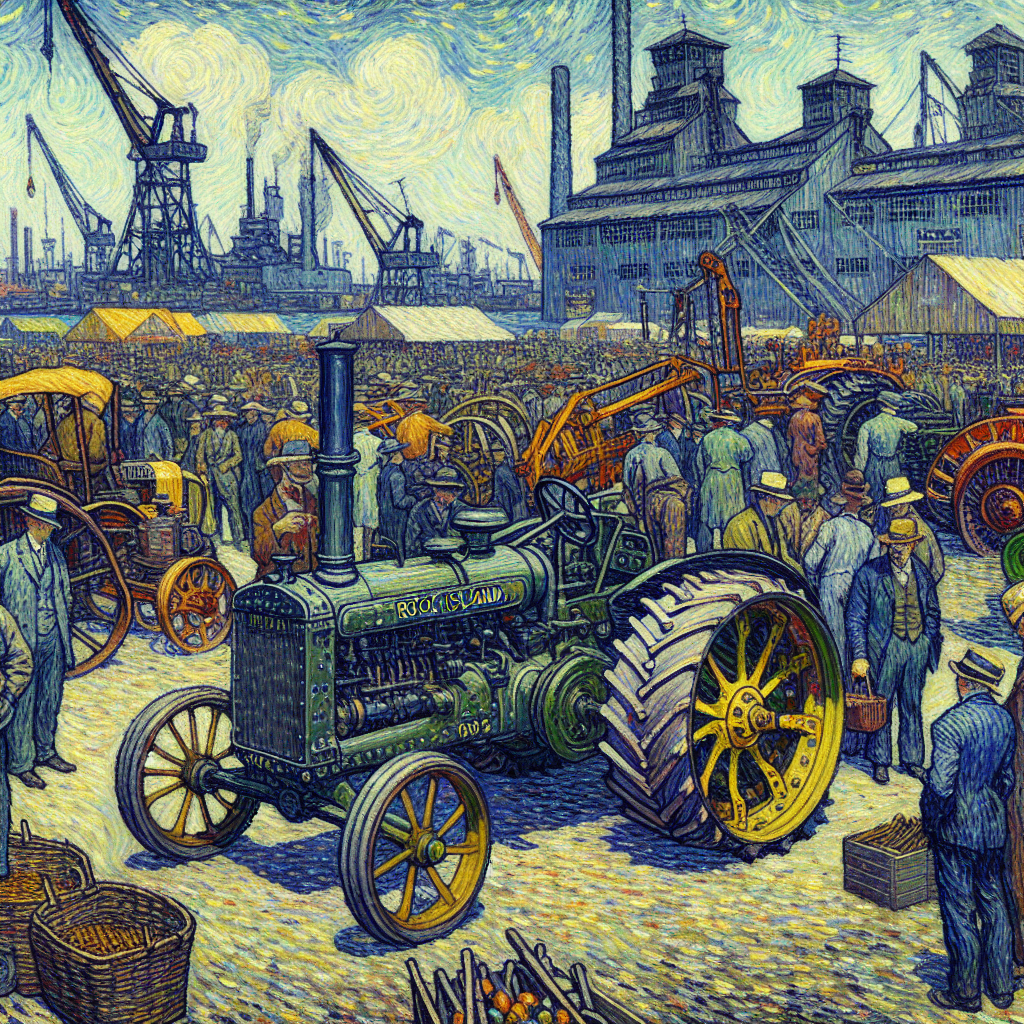
Can Using Classic Tractors Foster A Sense Of Community Among Farmers?
Are Classic Tractors More Reliable Compared To Modern Machinery?
Are Classic Tractors More Reliable Compared to Modern Machinery?
When you think about a tractor, what comes to mind? For many, it’s not just a hunk of metal; it’s a symbol of hard work, grit, and an unbreakable bond to the land. It’s the sturdy companion that’s seen seasons change and fields yield, and therein lies the heart of the classic tractor. There’s something truly magical about these machines—perhaps it’s their timeless simplicity or the stories etched into their worn-out fenders.
Classic tractors evoke nostalgia. They remind us of our parents and grandparents, who toiled under the sun, often making do with what they had. Their reliability was not just a feature; it was a necessity. These machines were built with sturdiness at their core, designed to last for generations. When farmers relied on these classics, they valued dependability over bells and whistles. There was something profoundly reassuring in firing up an old tractor and knowing it would start—no computers, no complex diagnostics—just raw torque and sheer human ingenuity.
Now, modern machinery dazzles with technology. GPS, automated systems, and fancy screens offer unprecedented efficiency. Yet, with all this sophistication, have we traded reliability for convenience? Consider the frustration of a modern tractor breaking down because of a software glitch or an electronic component failure. It sends shivers down the spine of anyone who’s experienced it firsthand. When your livelihood rests on the ability of a machine to plow a field, the last thing you need is a lesson in coding instead of a simple tool that just works.
Ethically speaking, there’s a narrative worth embracing here. Classic tractors connect us to a time when craftsmanship was paramount, when skilled hands and not endless screens made the world go ’round. They were often built with an awareness of sustainable practices long before the term became a buzzword. Choosing classic doesn’t just speak to reliability; it pays homage to a philosophy of making things last—of respecting the Earth and the sweat equity that gets poured into every inch of cultivated soil.
In a world driven by profit margins and fast-paced lifestyles, we can find a community bonded by this choice—those who repair, maintain, and restore classic tractors alongside the stories they carry. So, the next time you consider what’s trustworthy on your farm, remember those classic machines. They aren’t just a tool; they’re a testament to resilience, hard work, and a simpler, yet profound, connection to the land we love.
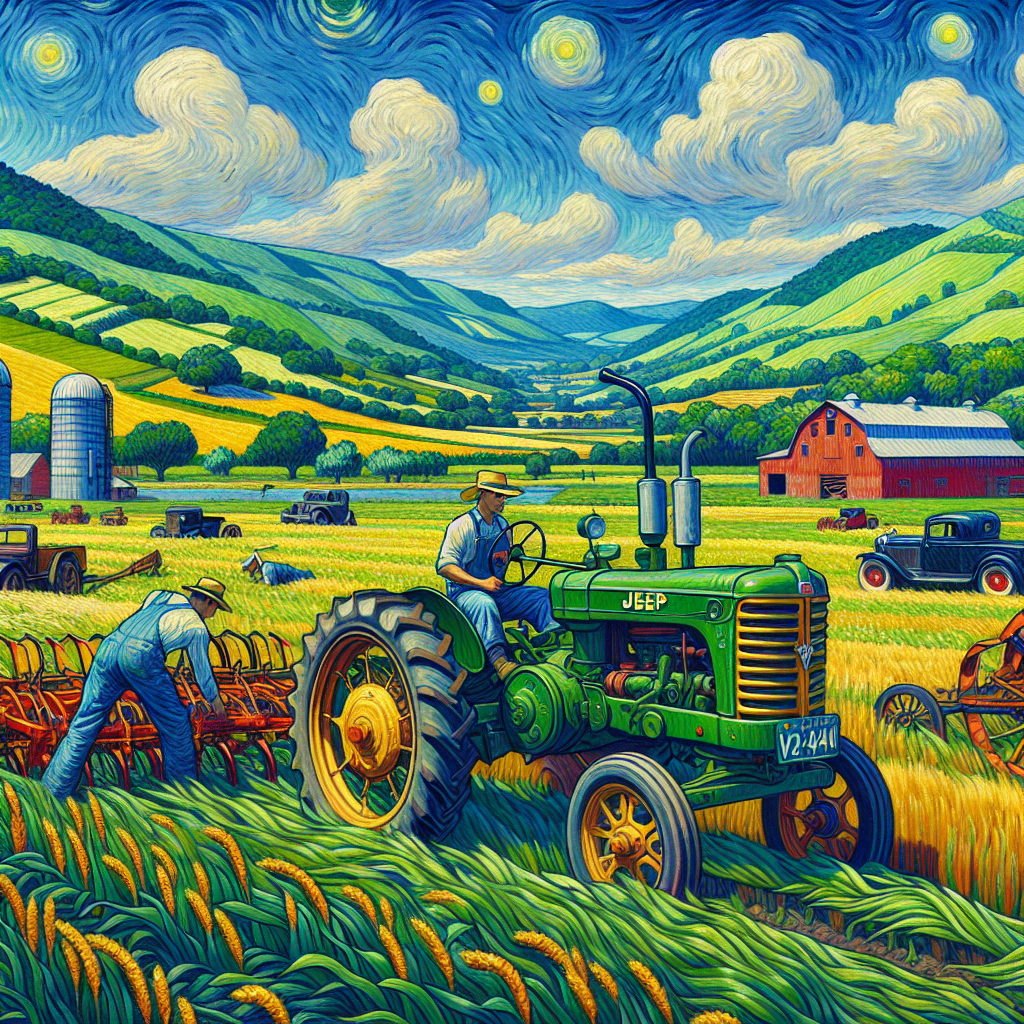
Are Classic Tractors More Reliable Compared To Modern Machinery?
Are Classic Tractors More Reliable Compared To Modern Machinery?
- Classic tractors symbolize hard work and a strong bond to the land.
- They evoke nostalgia and remind us of past generations who relied on their dependability.
- Built for sturdiness, classic tractors were designed to last for generations.
- Modern machinery features advanced technology but may sacrifice reliability for convenience.
- Modern tractors can break down due to software glitches, posing challenges for farmers.
- Classic tractors reflect a philosophy of craftsmanship and sustainable practices.
- Choosing classic fosters a community focused on repair, maintenance, and restoration.
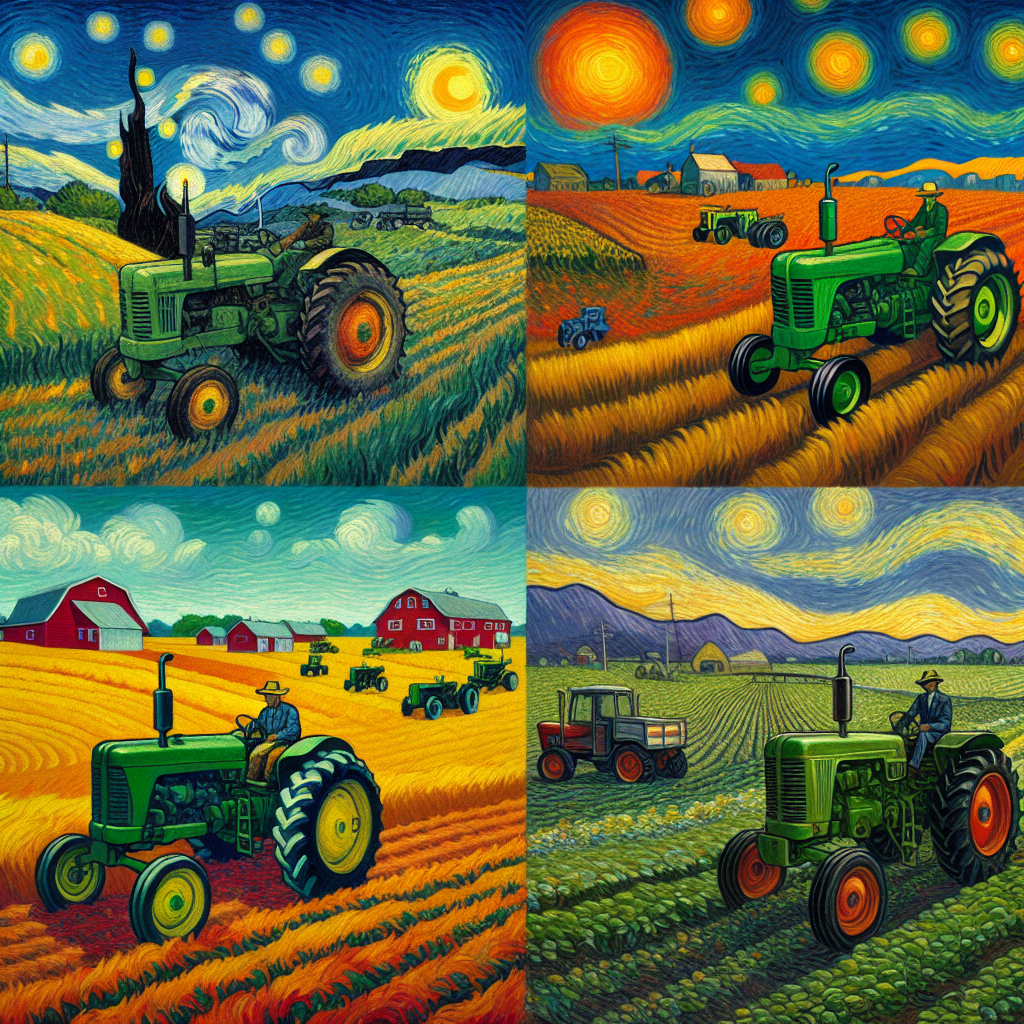
Are Classic Tractors More Reliable Compared To Modern Machinery?
Conclusion
Conclusion: Rediscovering Our Roots with Classic Tractors
As we stand on the threshold of modern farming, we often find ourselves dazzled by the sleek lines and high-tech innovations that promise to revolutionize agriculture. Yet, amid the whir of drones and data-driven decision-making, there’s a growing movement amongst farmers—a heartfelt return to the tried and true classic tractor. Imagine that rusted gem, its engine throaty and proud, serving not just as machinery, but as a lifeline to our heritage, echoing the resilience of those who came before us.
Every time a farmer mounts one of these vintage titans, they are participating in a ritual that transcends time. It’s about more than just plowing fields; it’s an homage to a legacy that has weathered storms and shaped the industry we often take for granted. In recalling the labor of past generations, farmers find connection—not only to their family histories but to the land itself. It’s an emotional bond that speaks to the heart.
Rationally, the practical benefits of these classic models cannot be overlooked. Their simplicity translates to ease of repair, which can save farmers precious time and money when modern machinery falters. Less reliance on complex electronics means fewer headaches and a deeper sense of autonomy—factors that significantly impact operational costs and efficiency. In a world where every dollar counts, these vintage machines emerge as not just feasible, but financially sound choices.
Ethically, the revival of classic tractors represents a commitment to sustainability. Retrofits for biofuels and a focus on durability align with an increasingly eco-conscious farming landscape. By choosing these traditional machines, farmers convey a message that resonates beyond the fields: they honor their craft while championing practices that are kinder to the Earth.
The social aspect of this shift is equally compelling. As farmers gather for vintage tractor shows or swap meets, they rediscover community in a way that technology often distances us. It’s a celebration of shared stories, advice, and camaraderie—reinforcing the notion that while the world may change, our communal ties remain strong.
So, as we survey the horizon of agriculture, let’s celebrate not only the innovations of today but also the classic tractors that remind us of our roots. These machines do more than cultivate soil; they nourish an ethos born from hard work, endurance, and a deep respect for the land we cherish. In honoring our past, we pave the way for a sustainable future, ensuring that the heartbeat of farming continues to echo through generations. Embrace the old, for it is often in looking back that we find the path forward.

Conclusion
Conclusion:
- The return to classic tractors reflects a heartfelt movement among farmers, valuing heritage over modern innovations.
- Operating vintage tractors connects farmers to their family histories and the land, creating a strong emotional bond.
- Classic models offer practical benefits such as ease of repair, lower operational costs, and greater autonomy.
- The revival of classic tractors aligns with sustainable farming practices, including retrofits for biofuels.
- Community is reinforced through vintage tractor shows and swap meets, fostering camaraderie and shared experiences among farmers.
- Embracing classic tractors honors the past while paving the way for a sustainable future in agriculture.
- Looking back at our roots can guide us in navigating the challenges of modern farming.
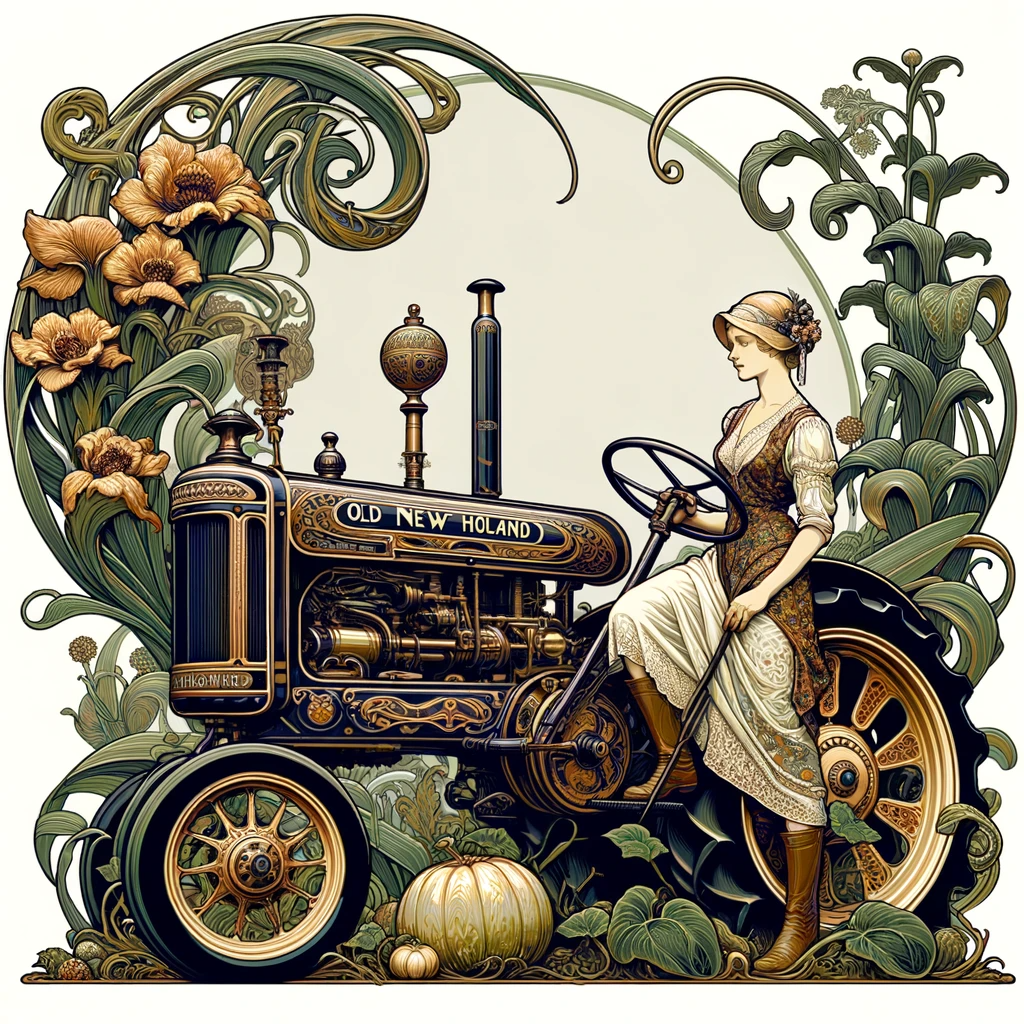
Conclusion
Other Resources
Other Resources
Here is a list of other resources you can review online to learn more:
- Minsk Tractor Works
- Waterloo Boy
- Avery
- Idaho Farmand Ranch Museum
- Ferguson
- Komatsu
- Greenville Farm Power
- Agriculture Heritage Center & Museum
- NM Farm & Ranch Heritage Museum
- Benye
Use This Prompt To Get More Resources With Your Favorite Online AI Tool: Please provide me with a list of online articles with their URLs in a bulleted list that I can read regarding Why Are Modern Farmers Turning to Classic Tractors for Solutions
Other Resources
Glossary Terms
Why Are Modern Farmers Turning to Classic Tractors for Solutions – Glossary Of Terms
1. Classic Tractors: Vintage tractors, often produced before the 1980s, celebrated for their durability, simplicity, and mechanical design.
2. Durability: The ability of classic tractors to withstand heavy use over time, often outlasting modern counterparts due to robust construction.
3. Versatility: The capability of classic tractors to perform diverse farming tasks like plowing, planting, and hauling, often with minimal modification.
4. Mechanics: The study and practice of machinery operation and repair; classic tractors are often favored for their straightforward mechanical systems.
5. Farming Efficiency: The effectiveness of a farming operation in producing crops with minimal resource input; classic tractors can contribute by simplifying tasks.
6. Simplicity: The uncomplicated design of classic tractors, which makes them easier to repair and maintain than many modern models equipped with advanced electronics.
7. Cost-Effectiveness: The financial benefits derived from using classic tractors, often involving lower acquisition and operational costs compared to modern machines.
8. Nostalgia: A sentimentality for the past, prompting some farmers to return to classic tractors as a way to connect with farming traditions.
9. Restoration: The process of repairing and refurbishing classic tractors to bring them back to working condition, often involving a blend of labor and craftsmanship.
10. Mechanical Knowledge: The understanding of how machinery functions, which can benefit farmers using older tractors due to the straightforward nature of their mechanics.
11. Sustainability: The practice of maintaining agricultural production without depleting resources, where classic tractors contribute through their longevity and lower CO2 emissions.
12. Fuel Efficiency: The effectiveness of a tractor in using fuel, where classic tractors, often simpler, can offer comparable or better efficiency in certain situations.
13. Community Engagement: The relationship between farmers and their local communities, enhanced by the use of classic tractors in local events and agricultural shows.
14. Heritage Farming: A farming practice that focuses on preserving traditional methods and equipment, often marked by the use of classic tractors.
15. Field Restoration: The process of bringing abandoned farmland back into productive use, where classic tractors can help with land preparation.
16. Precision Agriculture: Agricultural practices involving data-driven decisions; modern techniques can be combined with classic tractors for practical field management.
17. Custom Farming: Farming services that use classic tractors to serve multiple farmers in a region, enhancing productivity without the need for individual ownership.
18. Reliability: The dependability of classic tractors in various agricultural tasks, often making them a trusted choice for many farmers.
19. Hands-On Maintenance: The practice of directly engaging with machinery repairs, which is often easier with classic tractors due to their less complex systems.
20. Local Economy: The economic activities in a specific area; classic tractors can enhance local economies by supporting small-scale and traditional farming practices.
21. Tiller: A tool or implement used for soil cultivation, often attached to classic tractors for effective field preparation.
22. PTO (Power Take-Off): A device that allows tractors to transmit mechanical power to external equipment, a common feature in both classic and modern tractors.
23. Tractor Shows: Events where classic tractor enthusiasts gather to showcase, trade, and celebrate vintage tractors and their significance in agriculture.
24. Agroecology: An approach to farming that focuses on sustainability and ecology, often supported by the practical use of classic tractors.
25. Soil Conservation: Techniques employed to prevent soil erosion and maintain soil health, which can be effectively supported by classic farming equipment.
26. Technology Integration: The incorporation of modern farming technology with traditional methods, where classic tractors can still play a role alongside innovations.
27. Personalization: The process of customizing classic tractors to reflect the owner’s specific farming needs or aesthetic preferences.
28. Land Stewardship: Responsible management of land resources; classic tractors can support sustainable farming practices that promote soil health and biodiversity.
29. Operational Flexibility: The capacity of farmers to adapt their equipment for various tasks, a characteristic often exemplified by classic tractors.
30. Cultural Heritage: The traditions, practices, and artifacts that shape a community, where classic tractors serve as symbols of historical agricultural practices.
Glossary Of Terms
Other Questions
Why Are Modern Farmers Turning to Classic Tractors for Solutions – Other Questions
If you wish to explore and discover more, consider looking for answers to these questions:
- What are some popular brands and models of classic tractors?
- How can a farmer find parts for classic tractors?
- What are the costs involved in restoring a classic tractor?
- Are there any local communities or clubs dedicated to classic tractors?
- How does the use of classic tractors impact crop yield compared to modern machinery?
- What specific sustainability benefits do classic tractors offer?
- How do farmers ensure the maintenance of their classic tractors?
- What are the challenges faced by farmers using classic tractors?
- Are there case studies or success stories of farmers who have switched to classic tractors?
- What are the regulations regarding the use of classic tractors in farming?
- How do vintage tractors compare to modern tractors in terms of fuel efficiency?
- What skills do farmers need to repair and maintain classic tractors?
- Are there any safety concerns associated with using older tractors?
- How do local governments or agricultural programs support the use of classic tractors?
Other Questions
Haiku
Why Are Modern Farmers Turning to Classic Tractors for Solutions – A Haiku
Old iron on the field,
Labor’s heart, past whispers call—
Roots of earth and trust.
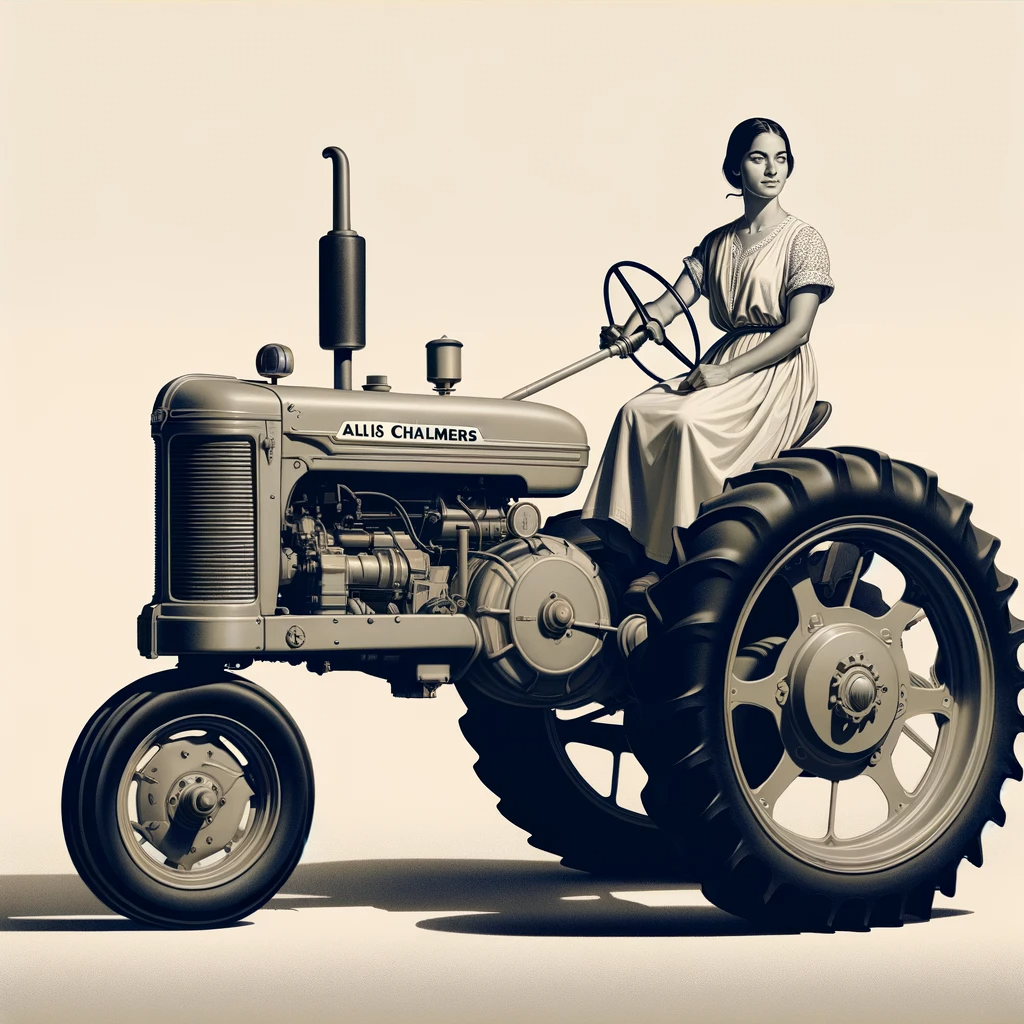
Haiku
Poem
Why Are Modern Farmers Turning to Classic Tractors for Solutions – A Poem
Roots of Resilience: A Tribute to Classic Tractors
In the heart of fields where echoes roam,
Among the whispers of soil, a call to home,
Classic tractors stand, their engines purring,
A legacy of grit and love, stirring.
Rust may lace their sturdy frame,
But they carry stories, each scratch a name,
Of hands that toiled beneath sun and rain,
In the dance of seasons, through joy and pain.
In a world racing fast with gleaming new,
These rusted giants offer wisdom true,
Simplicity reigns in their rugged embrace,
A bond forged in trust, a timeless grace.
They hum the songs of ancestors past,
Relics of labor that still hold fast,
Not merely machines, but companions of might,
Guiding hands through the day and the night.
The heart of farming beats strong and loud,
In gatherings of farmers, proud and bowed,
Sharing secrets over oily rags and tools,
Learning from stories passed down as jewels.
From the depths of community springs renewed trust,
In vintage iron, affection and rust,
A commitment to Earth, a nod to the past,
Fostering kinship in shadows so vast.
With every revival, old engines breathe,
Sustainable choices that weaves and reprieve,
For in each choice to restore and repair,
Lies a pledge to the land, a sacred affair.
So, as you hear that comforting roar,
Let it remind you of hard work and lore,
Classic tractors, more than relics of yore,
Are the roots of resilience, forever soar.
In their silent strength, hear the heartbeat of farming,
An echo of hope, alive and charming,
For they teach us, dear friend, in the fields so wide,
Sometimes, the old ways hold the strongest pride.

Poem
Checklist
Why Are Modern Farmers Turning to Classic Tractors for Solutions – A Checklist
Classic Tractors: A Heartfelt, Rational, and Ethical Checklist for Modern Farmers
Emotional Appeals
_____ Nostalgia Exercise: Reflect on a story from your past that involves farming or tractors. Write it down or share it with a fellow farmer.
_____ Legacy Connection: Think of your own legacy. What values do you want to pass on to future generations of farmers?
_____ Community Moments: Plan to attend a local event or gathering centered around classic tractors. Engage with others and share stories.
Rational Appeals
_____ Cost Analysis: Calculate the savings of purchasing and maintaining a classic tractor compared to a modern one. Consider initial purchase price, repair costs, and longevity.
_____ Simplicity Benefits: Assess the maintenance requirements of classic tractors versus modern machinery. Can you see the advantages of simpler mechanics?
_____ Operational Efficiency: Identify specific tasks in your farming operations where classic tractors could be more effective and less prone to breakdowns.
Ethical Appeals
_____ Sustainable Practices: Investigate how you can retro-fit a classic tractor to run on biofuels or other sustainable energy sources.
_____ Environmental Commitment: Research the environmental impact of classic versus modern machinery. How do your choices align with eco-friendly farming?
_____ Heritage Preservation: Consider how using classic tractors contributes to preserving agricultural heritage. What steps can you take to honor this aspect of your farming?
Authority Appeals
_____ Expert Testimonials: Seek out and read interviews or articles from experienced farmers who advocate for classic tractors. What insights can you glean?
_____ Workshops and Communities: Look for workshops or community groups focused on maintenance and restoration of classic tractors. Engage and learn from seasoned experts.
_____ Industry Trends: Stay informed about agricultural trends concerning classic machinery by subscribing to farming journals or joining forums.
Narrative Appeals
_____ Document Your Journey: Start a blog or journal chronicling your experiences with classic tractors, sharing both triumphs and challenges.
_____ Family Stories: Create a family narrative encompassing your family’s farming history, including stories of classic tractors, and consider sharing them at community events.
_____ Build a Legacy Project: Team up with fellow farmers to create a project that celebrates classic tractors—such as organizing a vintage tractor show or restoration workshop.
Social Appeals
_____ Network Expansion: Join local farming associations or online groups where classic tractors are appreciated. Share your experiences and learn from others.
_____ Community Service: Think about how you can engage the community in promoting classic tractors through volunteer opportunities, such as teaching others about farm equipment maintenance.
_____ Collaboration Opportunities: Collaborate with other farmers to share restoration tips, parts, or experiences, fostering a supportive community environment.
Conclusion
This checklist aims to inspire modern farmers to reflect on the rich heritage of classic tractors and their relevance in today’s agricultural landscape. By considering emotional, rational, ethical, authority, narrative, and social appeals, you can forge deeper connections with your craft and community, ultimately leading to a more fulfilling farming experience.
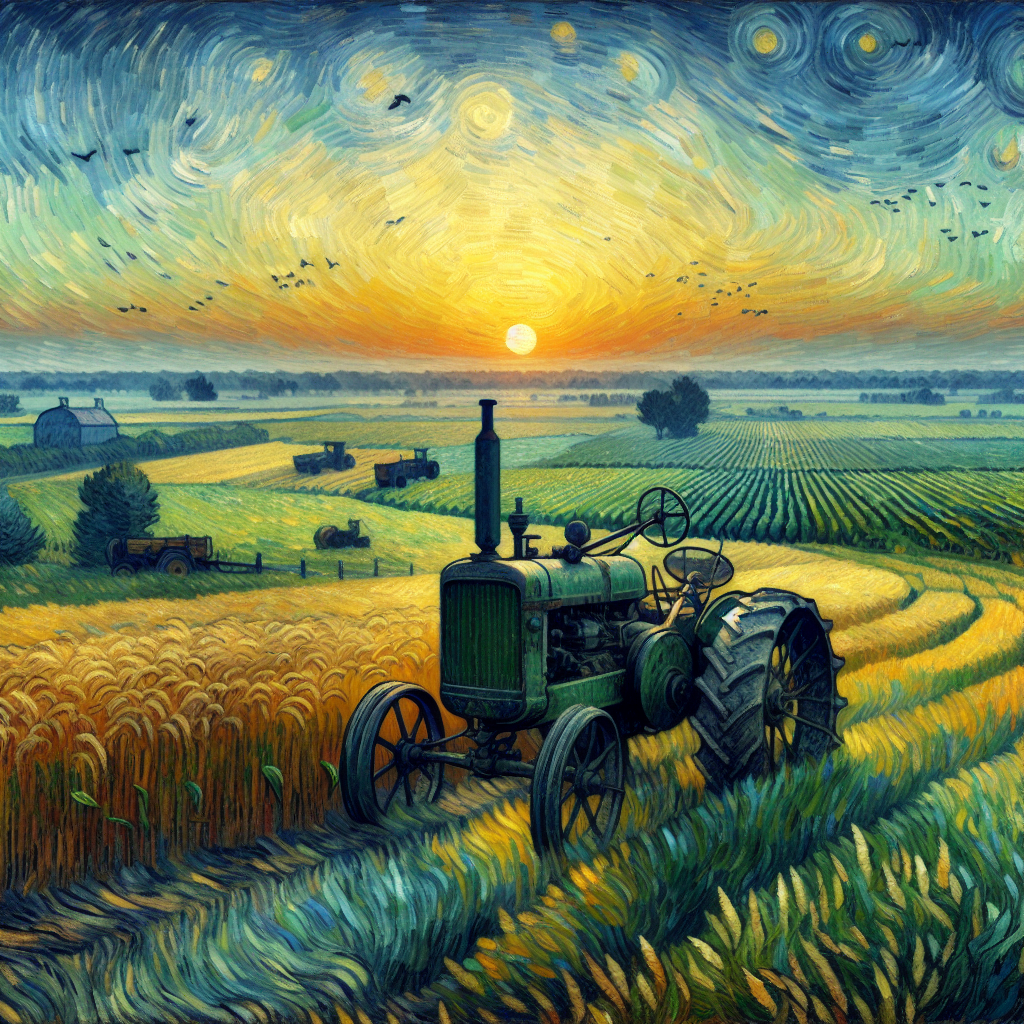
Checklist
At ClassicTractorNews, we help tractor lovers keep up with the latest news for classic and vintage tractors.
Please share this post with your friends, family, or business associates who may like old classic or vintage tractors.