

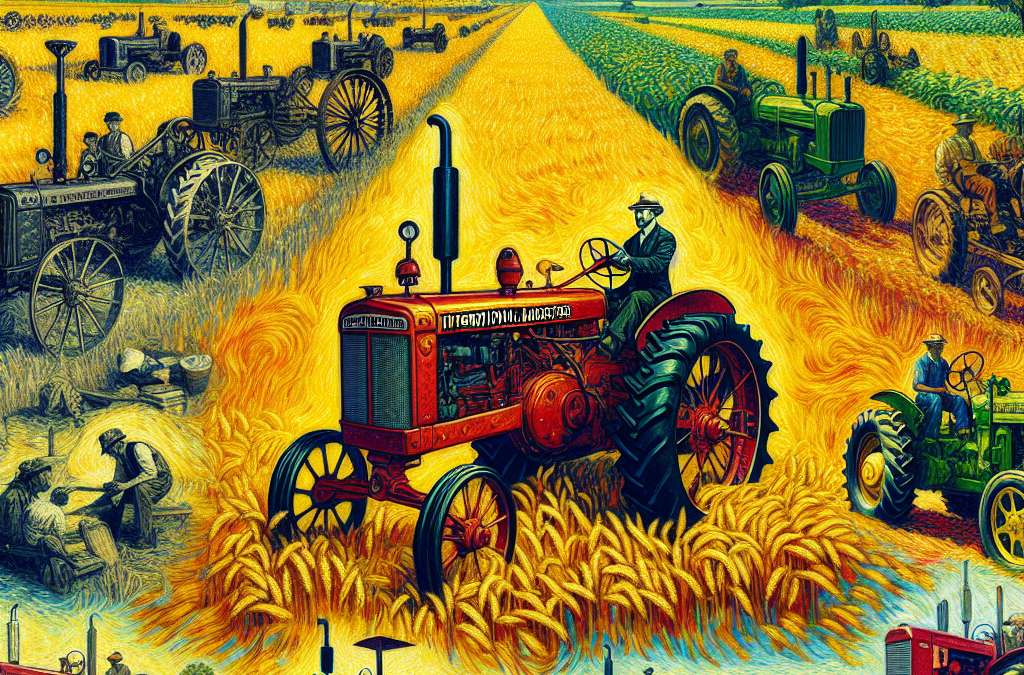
Reviving Tradition: Rediscovering The Timeless Appeal Of Classic Tractors
By Tom Seest
At ClassicTractorNews, we help tractor lovers keep up with the latest news for classic and vintage tractors.
Please share this post with your friends, family, or business associates who may like old classic or vintage tractors.
Why Are Farmers Turning to Classic Tractors for Their Fields
?
In a world racing toward automation and sleek designs, it’s remarkable to witness a growing trend where farmers are embracing the rugged charm of classic tractors. These machines, often seen as relics of a bygone era, are becoming the unsung heroes of modern agriculture, not just for their vintage appeal but for the depth of character they bring back to the fields.
There’s something profoundly reassuring about the sound of an old diesel engine rumbling to life. It’s a harmony that echoes the values of hard work and authenticity. These tractors have endured the test of time, each scratch and dent telling a story of late-night repairs and dawn-to-dusk labor. For many farmers, choosing a classic tractor isn’t merely a practical choice; it’s a return to fundamentals—a way to reconnect with the land and with the very roots of farming.
Rationally speaking, classic tractors often boast simple mechanics that empower farmers, granting them the ability to fix what’s broken without waiting for high-tech diagnostic machines. These are tractors you can roll up your sleeves for; they don’t demand a computer-savvy operator but reward hands-on know-how. When the crop needs tending, it’s not just about efficiency; it’s about being truly engaged with the farm. It’s a partnership between man and machine, built on trust and tradition.
Ethically, there’s a shift underway towards sustainability and preservation. Farmers are realizing that restoring and nurturing these old tractors can be just as important as cultivating their fields. By opting for classic equipment, they reduce the demand for new resources, helping to lessen the carbon footprint. It’s a small step toward preserving not just their land, but also the integrity of the farming lifestyle itself.
Socially, there’s a community that thrives around this passion. Vintage tractor shows and rallies bring farmers together, creating bonds over shared histories and love for the craft. The camaraderie fosters a connection that transcends generations, sparking conversations about techniques and tales of yesteryears.
Ultimately, classic tractors represent more than just machinery; they embody a lifestyle steeped in grit, resilience, and a commitment to craftsmanship. So, as farmers drive these beloved machines across their fields, they are not only turning back the clock but also driving forward with purpose, pride, and a nod to the past that honors their journey. The choice to embrace classic tractors isn’t just about farming; it’s about keeping the heartbeat of agriculture alive.
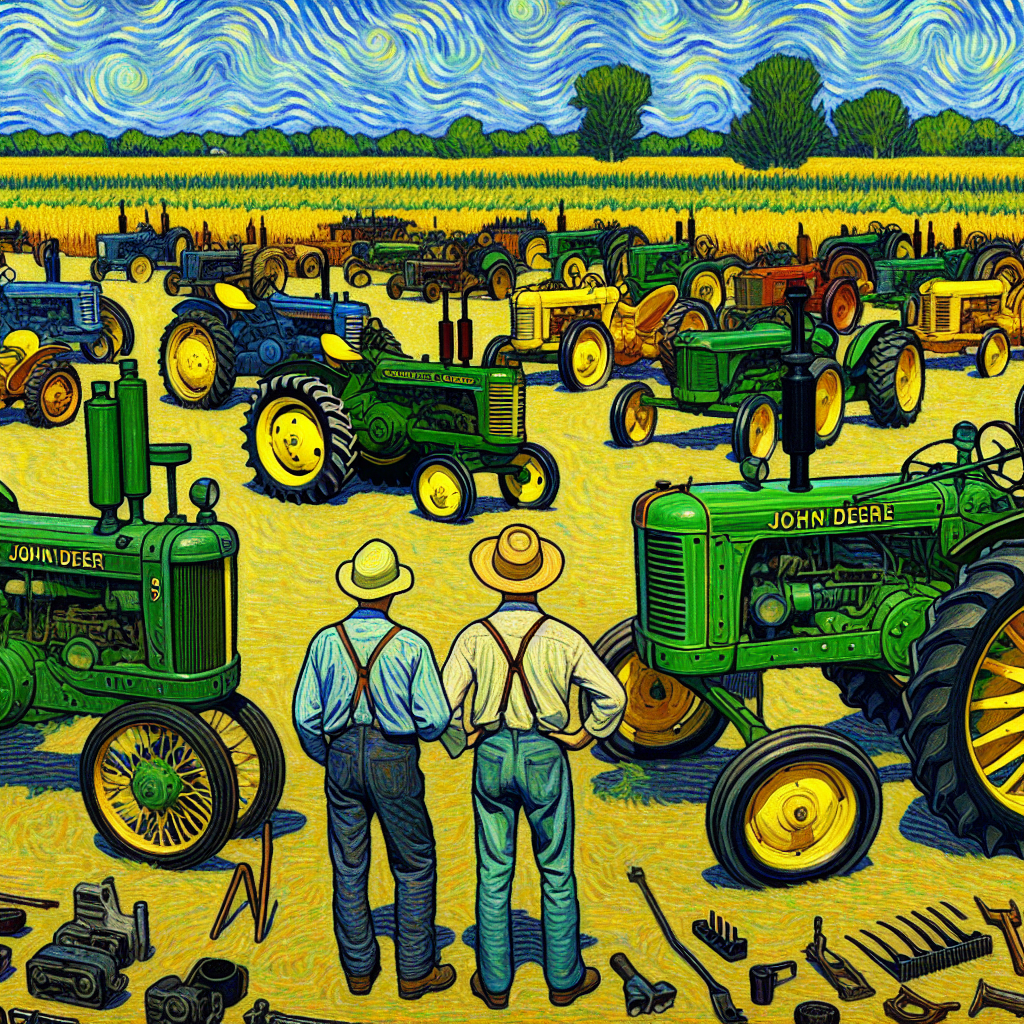
Why Are Farmers Turning to Classic Tractors for Their Fields
Why Are Farmers Turning to Classic Tractors for Their Fields
- Farmers are increasingly embracing classic tractors, recognizing their vintage charm and character.
- The sound of old diesel engines symbolizes hard work and authenticity, connecting farmers to their roots.
- Classic tractors offer simple mechanics, allowing farmers to perform their own repairs without relying on technology.
- These tractors foster a hands-on approach to farming, promoting engagement and partnership between man and machine.
- Restoring classic tractors contributes to sustainability by reducing the demand for new resources and lowering carbon footprints.
- Vintage tractor shows and rallies create community bonds among farmers, sharing histories and techniques across generations.
- Classic tractors represent a lifestyle of grit and craftsmanship, keeping the heartbeat of agriculture alive while honoring traditions.
Why Are Farmers Turning to Classic Tractors for Their Fields
Table Of Contents
- Why Are Farmers Turning to Classic Tractors for Their Fields
- How Do Classic Tractors Enhance Farm Efficiency?
- Are Classic Tractors More Reliable Than Modern Options?
- What Values Do Classic Tractors Represent In Our Farming Culture?
- Why Do Farmers Trust Their Classic Tractors Over Newer Models?
- How Do Classic Tractors Connect Us To Agricultural History?
- What Role Do Vintage Tractors Play In Sustainable Farming Practices?
- Conclusion
- Other Resources
- Glossary Of Terms
- Other Questions
- Haiku
- Poem
- Checklist
How Do Classic Tractors Enhance Farm Efficiency?
When you picture the rolling hills of a farm, it’s hard not to see the sturdy silhouette of a classic tractor against the horizon. These machines, forged in a time when durability and practicality were paramount, do more than just plow fields—they weave a narrative rich in tradition, resilience, and community. They embody a philosophy of hard work, one that resonates deeply with farmers who understand the true meaning of effort plowed into every furrow.
Let’s be honest: modern gadgets have their place. But when it comes to reliability, there’s something about those vintage tractors that speaks to the heart. With their simple mechanics and robust design, they require little more than a skilled hand and a dedicated spirit to keep them running. This connection between farmer and machinery creates a synergy that’s not only efficient but also deeply satisfying. It’s more than just a tool; it’s a heritage passed down through generations, a testament to the unwavering commitment to the land.
From a strategic standpoint, classic tractors often outshine their high-tech counterparts in various conditions. They are less susceptible to the whims of new technology—when a standard digital interface fails, farmers can rely on their well-understood mechanical systems. This reliability translates to improved productivity. The time lost in repairs and reconfigurations? Eyeblink small compared to the consistent output these tractors provide on a daily basis. And let’s not forget that less downtime means more time cultivating those essential crops that feed our communities.
On an ethical level, using classic tractors fosters a sustainable farming approach. Many farmers are turning to practices that respect the land, and vintage models often use less fuel than contemporary machinery. Combining efficiency with eco-consciousness is a win-win that helps ensure our agricultural legacy for future generations.
Moreover, owning a classic tractor connects farmers to a broader social fabric. Analog enthusiasts gather at events, trade stories, and swap advice stamped in grease and experience. It reinforces a sense of belonging, giving farmers a space to celebrate their shared love for what they do.
So, as you consider what enhances your farm efficiency, think beyond the sleek advertisements of the latest innovations. Trust in that great, old workhorse sitting in your barn. Whether it’s tilling a field or leading the charge at a community event, classic tractors embody the passion, experience, and dedication that are the very lifeblood of agriculture.
How Do Classic Tractors Enhance Farm Efficiency?
How Do Classic Tractors Enhance Farm Efficiency?
- Classic tractors symbolize tradition, resilience, and community in farming.
- Vintage models are reliable, requiring skilled operation and minimal maintenance.
- They often outperform modern machinery in various conditions, ensuring consistent productivity.
- Using classic tractors supports sustainable farming practices by consuming less fuel.
- Owning these tractors fosters a sense of belonging among farmers and enthusiasts.
- Vintage tractors connect generations and represent a commitment to the land.
- They embody the passion and dedication that are vital to agriculture, beyond modern innovations.
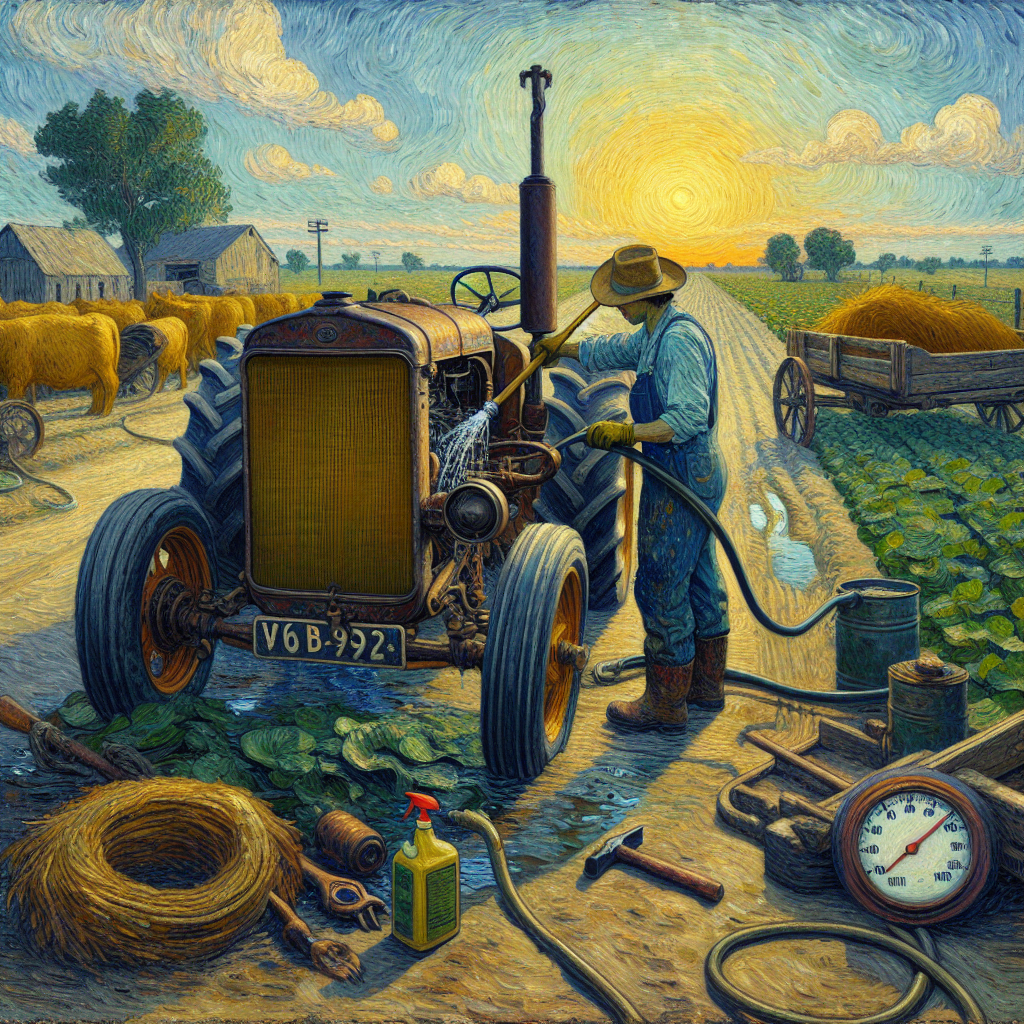
How Do Classic Tractors Enhance Farm Efficiency?
Are Classic Tractors More Reliable Than Modern Options?
When you think about a tractor, it’s not just a piece of machinery; it’s a lifeline, a symbol of hard work and heritage. Imagine a classic tractor sitting proudly in a sun-drenched field, its steel frame gleaming in the light, seemingly whispering tales of countless seasons past. There’s an undeniable connection—the hum of its engine, the feel of its steering wheel, the weight of its history. In an age dominated by sleek, high-tech machinery, one has to ask: are these classics more reliable than their modern counterparts?
Let’s unpack that. From a head standpoint, reliability is often measured in numbers—efficiency, fuel consumption, repair records. Vintage tractors may not boast the dazzling array of software and sensors that modern machines have, yet their simplicity is a virtue. Fewer moving parts can mean fewer things to break down. Many farmers swear by their trusty old models, and for good reason. When you roll up your sleeves and dig into the engine of a classic tractor, you can actually understand how it works. It invites engagement, a hands-on relationship that many modern options simply don’t offer.
But let’s engage our hearts too. A classic tractor doesn’t just cultivate fields; it cultivates memories. It’s a bond passed down through generations—“This was your grandfather’s,” mothers would say as they point to the worn seat that once embraced the laughter of children. Owning a classic model is like inheriting a piece of your family’s story. Each scratch holds a memory; each rust spot, a lesson learned in perseverance and grit.
Ethically, there’s something to be said for preserving these machines. As we rush into a tech-driven future, keeping these old tractors alive is like safeguarding a fading narrative about resilience and hard work. It’s about honoring craftsmanship over convenience.
Finally, consider the social aspect. Join any tractor show, and you’ll find a community bonded by shared admiration for these timeless machines. The conversations flow like fine wine—stories of repair, of labor, and of triumph. In a world that often feels isolating, standing among fellow enthusiasts breathing life into their beloved classics can ignite a deep sense of belonging.
When you weigh the tangible against the intangibles, classic tractors present a unique proposition. They remind us of where we came from while providing a reliable means to propel our futures forward. So, will you let this chance to embrace tradition slip through your fingers? Or will you rev up your heart, head, and gut, and drive into the beautiful, muddy future with a classic tractor at your side?
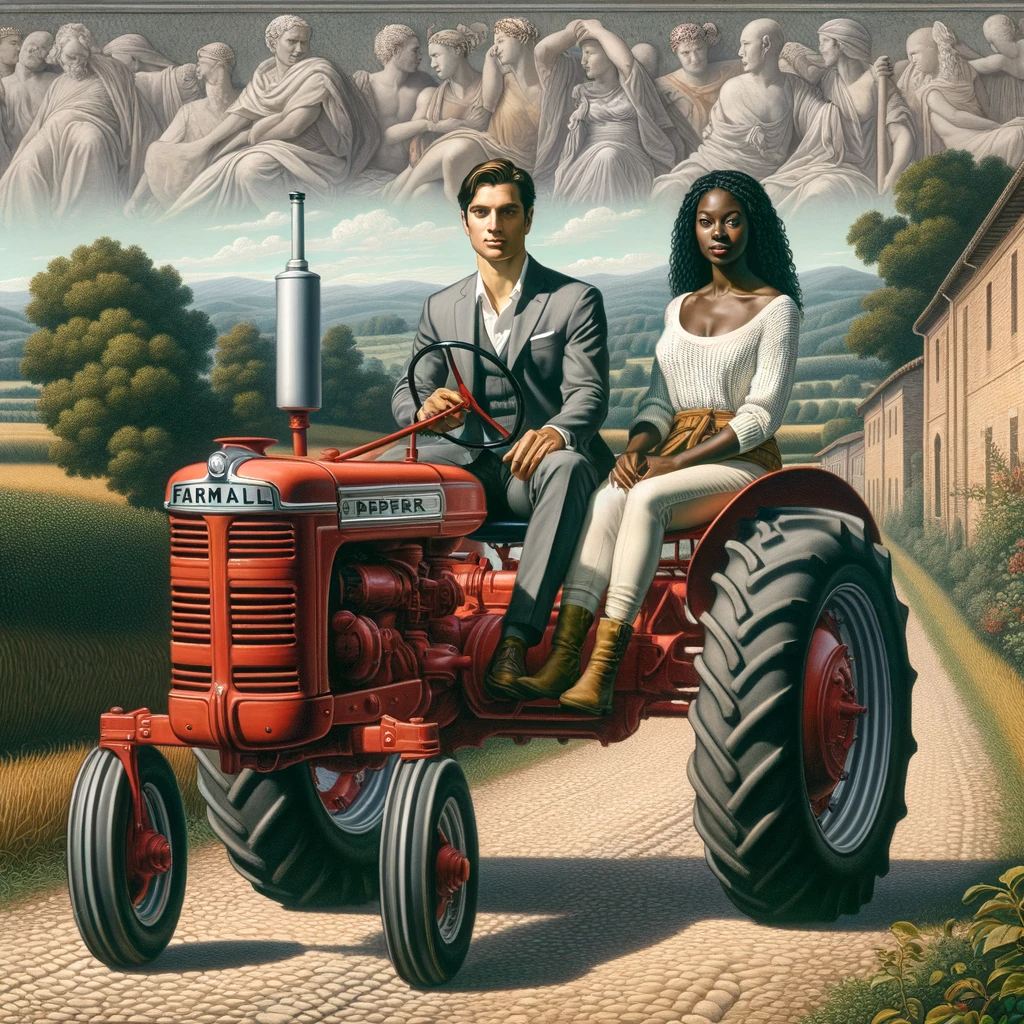
Are Classic Tractors More Reliable Than Modern Options?
Are Classic Tractors More Reliable Than Modern Options?
- Classic tractors symbolize hard work, heritage, and resilience.
- They offer simplicity and reliability, with fewer moving parts leading to less potential for breakdowns compared to modern machinery.
- Classic tractors promote a hands-on engagement that many modern machines lack, allowing for a deeper understanding of their operation.
- Owning a classic tractor fosters nostalgic memories and family connections, often passed down through generations.
- Preserving vintage tractors represents a commitment to craftsmanship and the values of hard work over mere convenience.
- Classic tractors create community bonds through shared experiences, stories, and admiration among enthusiasts.
- They serve as a reminder of heritage while simultaneously providing reliable means to move into the future.
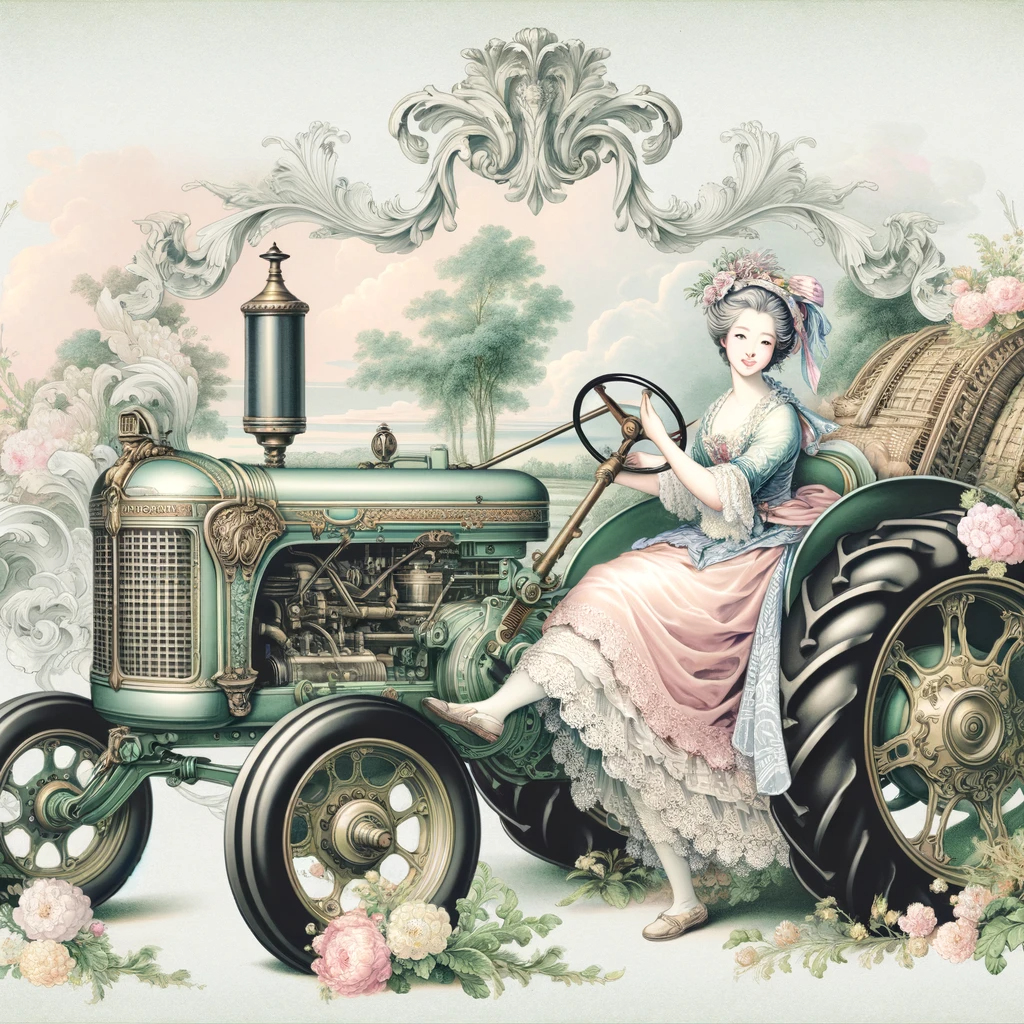
Are Classic Tractors More Reliable Than Modern Options?
What Values Do Classic Tractors Represent In Our Farming Culture?
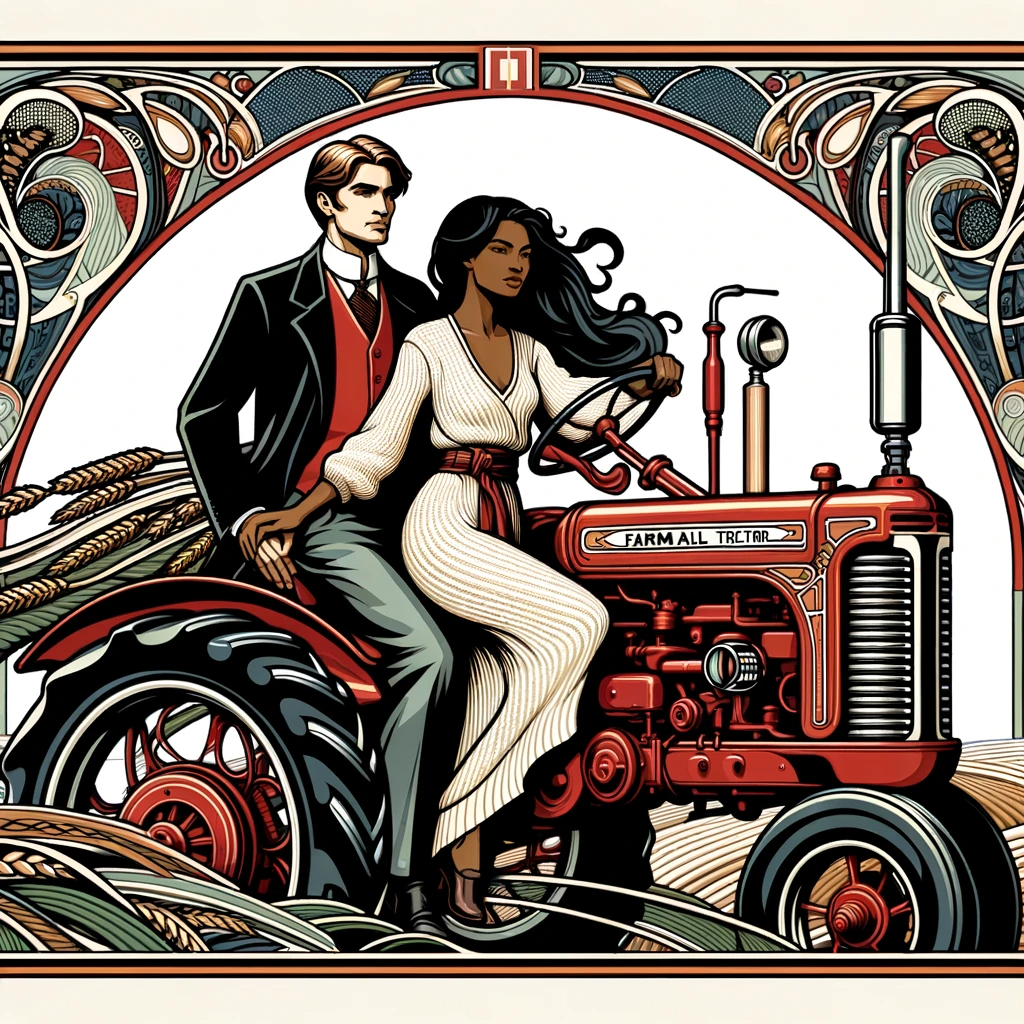
When you hear the unmistakable rumble of a classic tractor, it’s more than just mechanical noise; it’s the heartbeat of a farming legacy. These machines, often adorned with the wear and tear of years gone by, symbolize resilience, hard work, and an unwavering commitment to the land. They tell stories—stories of early mornings under the rising sun, families coming together to harvest crops, and generations passing down wisdom as strong as their steel frames.
At their core, classic tractors embody a profound respect for tradition. They are roots that run deep in the soil of our agricultural culture, serving as a reminder of the simpler times when farming wasn’t just a profession; it was a way of life. These tractors remind us of the grit required to till the earth and the patience it takes to nurture crops from seed to harvest. In every rusted engine and faded paint job is a narrative of struggle and triumph, inviting us to reflect on our own journeys.
From an emotional standpoint, classic tractors stir an appreciation for authenticity. They evoke nostalgia, conjuring images of childhood days spent in the fields, learning the values of hard work and perseverance. This unassuming machine connects us to our roots and fosters a sense of belonging in a world that often feels disconnected. When we see a classic tractor, we see not just a relic but a cherished monument to our agricultural past.
These iron giants also carry an ethical weight. In a society increasingly driven by technology and fast-paced living, the humble tractor encourages us to slow down and remember where our food comes from. It reminds us of the importance of sustainable farming practices and ethical stewardship of the land. Investing in these classic machines often means supporting local farmers who are committed to preserving these values.
Moreover, classic tractors are powerful symbols of community. They foster social bonds, whether at local fairs showcasing beloved machinery or informal gatherings where stories of past harvests are swapped over a cool drink. In celebrating these tractors, we celebrate the culture that birthed them—a culture grounded in collaboration, respect, and the shared joy of nurturing life from the soil.
So the next time you hear that familiar roar, take a moment to connect with what it represents. These tractors are not just machines; they embody the spirit and values of farming, binding past and present while inspiring future generations to cherish the land and its stories.
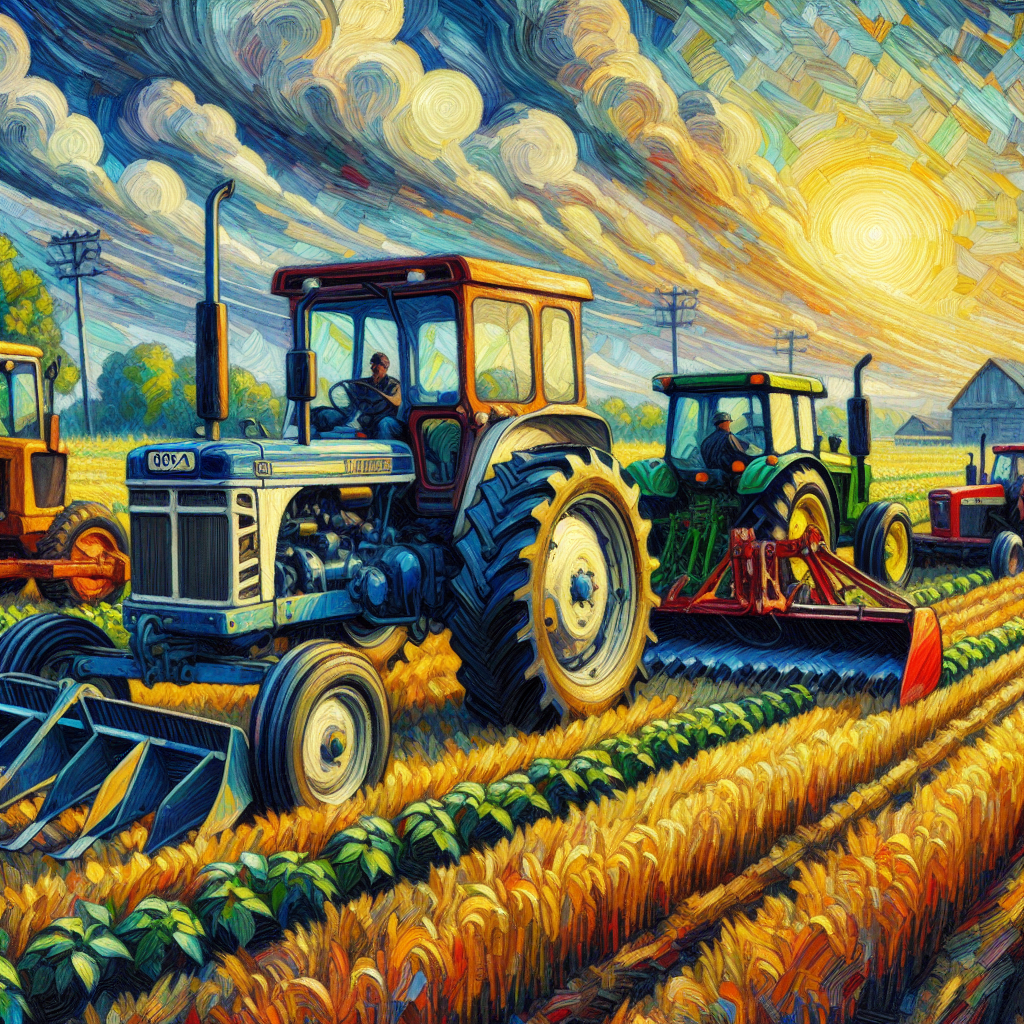
What Values Do Classic Tractors Represent In Our Farming Culture?
What Values Do Classic Tractors Represent In Our Farming Culture?
- Classic tractors symbolize the heartbeat of a farming legacy, representing resilience and hard work.
- They embody respect for tradition, reminding us of a time when farming was a way of life.
- These machines evoke nostalgia, connecting us to our roots and fostering a sense of belonging.
- Classic tractors highlight the importance of sustainable farming and ethical stewardship of the land.
- They serve as powerful symbols of community, fostering social bonds at local fairs and gatherings.
- The presence of classic tractors encourages reflection on our journeys and the values of hard work.
- These iconic machines represent the spirit of farming, inspiring future generations to cherish the land.
What Values Do Classic Tractors Represent In Our Farming Culture?
Why Do Farmers Trust Their Classic Tractors Over Newer Models?
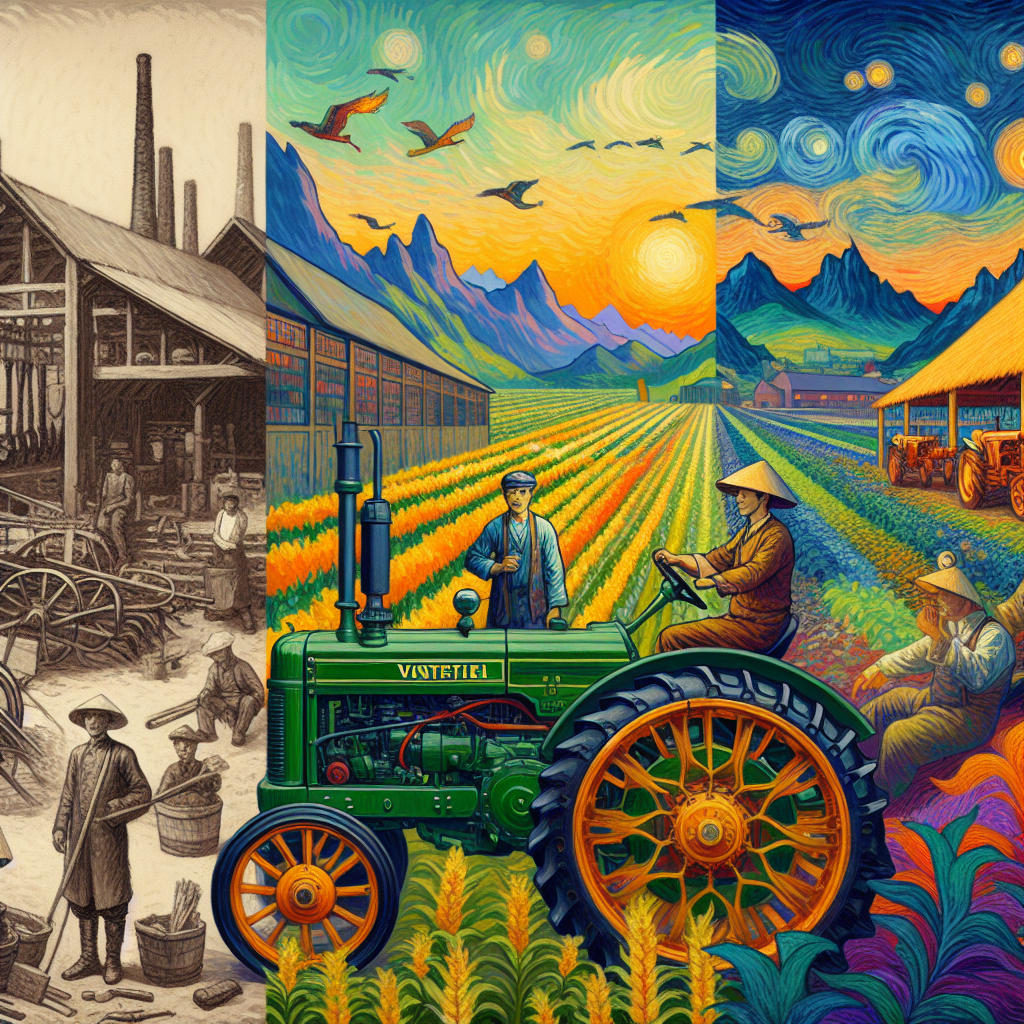
There’s something almost magical about a classic tractor. For many farmers, these machines are more than just tools; they’re an extension of their very being, steeped in history and hard work. Imagine the stories they could tell—the early mornings, the late nights, and the sweat that turned the soil into sustenance. Farmers trust their classic tractors with a profound sense of loyalty, an emotional bond that stems from shared experiences on the land. It’s not just about horsepower; it’s about heart.
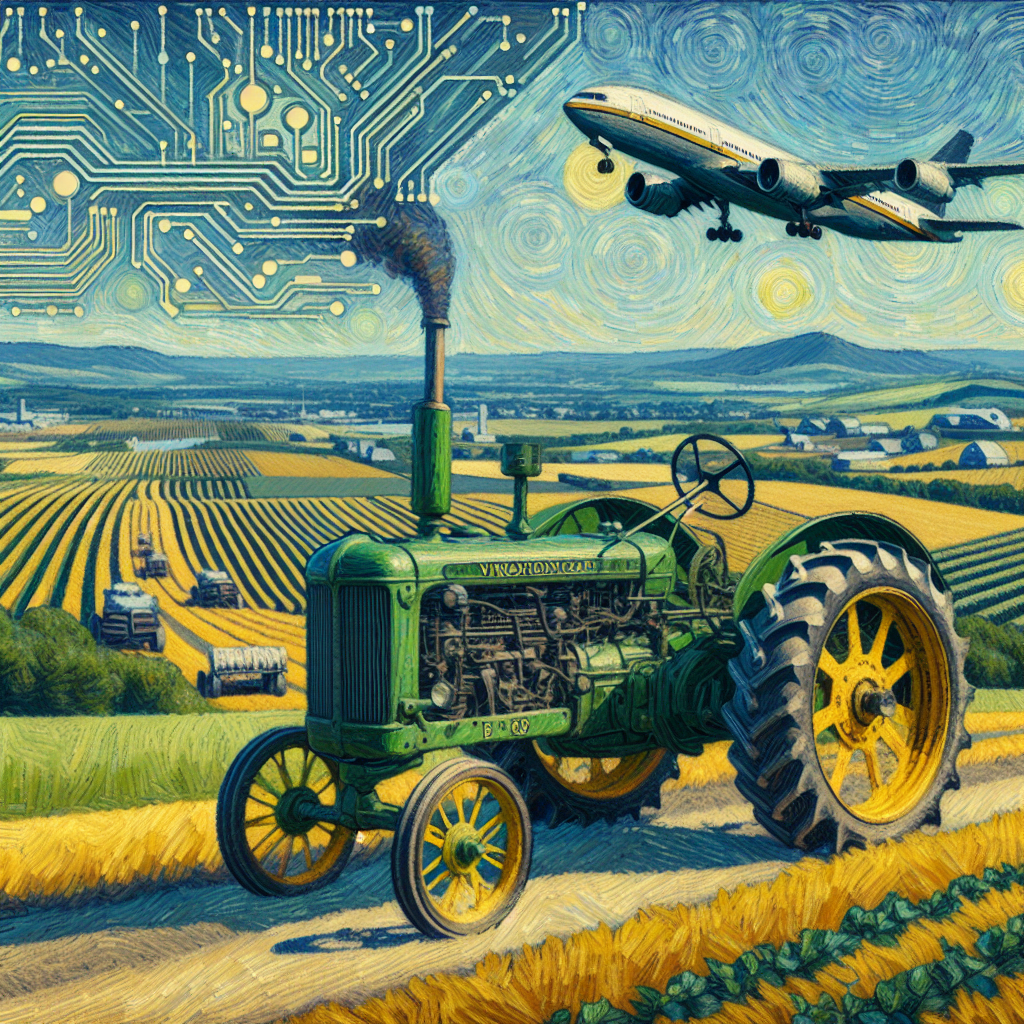
In a world obsessed with the latest and greatest, the simple reliability of an older model resonates deeply. Each scratch and dent tells a story, a testament to seasons past and challenges met. They know every quirk and creak, and like an old friend, their classic tractor won’t let them down when the chips are down. These machines are built to last, often requiring less maintenance and offering the farmer a trustworthy ally, especially during those crucial planting and harvesting seasons. Rationally, the choice is clear: why gamble on the complexities of a new model when a seasoned machine is right there, ready to roll?
Ethically speaking, there’s a certain dignity in preserving these classic tractors. Farming is a tradition, a lineage passed down through generations. Keeping a classic tractor running honors that legacy, linking today’s farmers with their ancestors who toiled under the sun. It becomes a way of preserving not only the land but the values of hard work and perseverance. They stand as symbols of the agricultural community’s grit and resilience.
From a narrative viewpoint, think of the young farmer learning the ropes from their grandfather, sitting side by side on that rugged seat, breath clouding the chilly morning air. Classic tractors are the vehicles of values taught: patience, responsibility, and respect for the earth. As those stories are passed down, they forge connections that shape the future of farming—inspiring the next generation to appreciate their roots.
Finally, there’s an undeniable camaraderie among farmers. The classic tractor represents a shared language, a badge of honor among peers. Whether it’s at a local tractor show or in the fields, these machines become conversation starters, fostering a sense of community. When farmers gather, it’s not just the machinery they admire; it’s the spirit of the craft they celebrate.
In trusting their classic tractors, farmers embrace something deeper—it’s a vow to themselves, their families, and their land to continue the journey with steadfastness and pride.
Why Do Farmers Trust Their Classic Tractors Over Newer Models?
Why Do Farmers Trust Their Classic Tractors Over Newer Models?
- Classic tractors are seen as extensions of farmers, embodying history and hard work.
- These machines build emotional bonds with farmers through shared experiences on the land.
- Older models are valued for their reliability, with each scratch telling a story of endurance.
- They often require less maintenance, offering farmers trustworthy allies during critical seasons.
- Preserving classic tractors honors agricultural legacy and promotes values of hard work and perseverance.
- They serve as tools for teaching young farmers essential values like patience and responsibility.
- Classic tractors foster camaraderie among farmers, creating connections and a shared sense of community.
Why Do Farmers Trust Their Classic Tractors Over Newer Models?
How Do Classic Tractors Connect Us To Agricultural History?
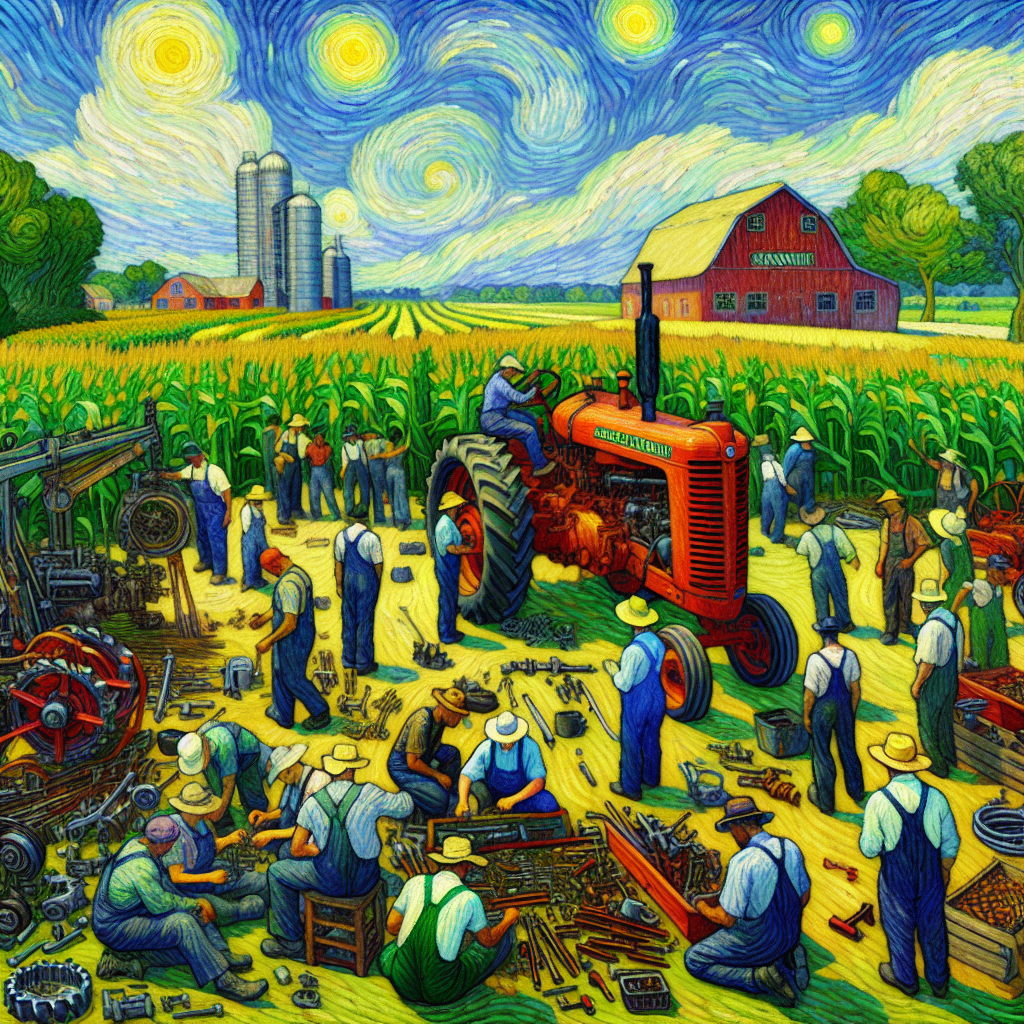
When you first lay eyes on a classic tractor, it’s hard not to feel a rush of admiration. These machines are more than just iron and grease; they are the steadfast companions of generations of farmers who have toiled under the sun, enduring the elements, always focused on one thing: feeding their families and communities. Each scratch and dent on a vintage tractor tells a story—stories of hard work, perseverance, and the pursuit of a better tomorrow.
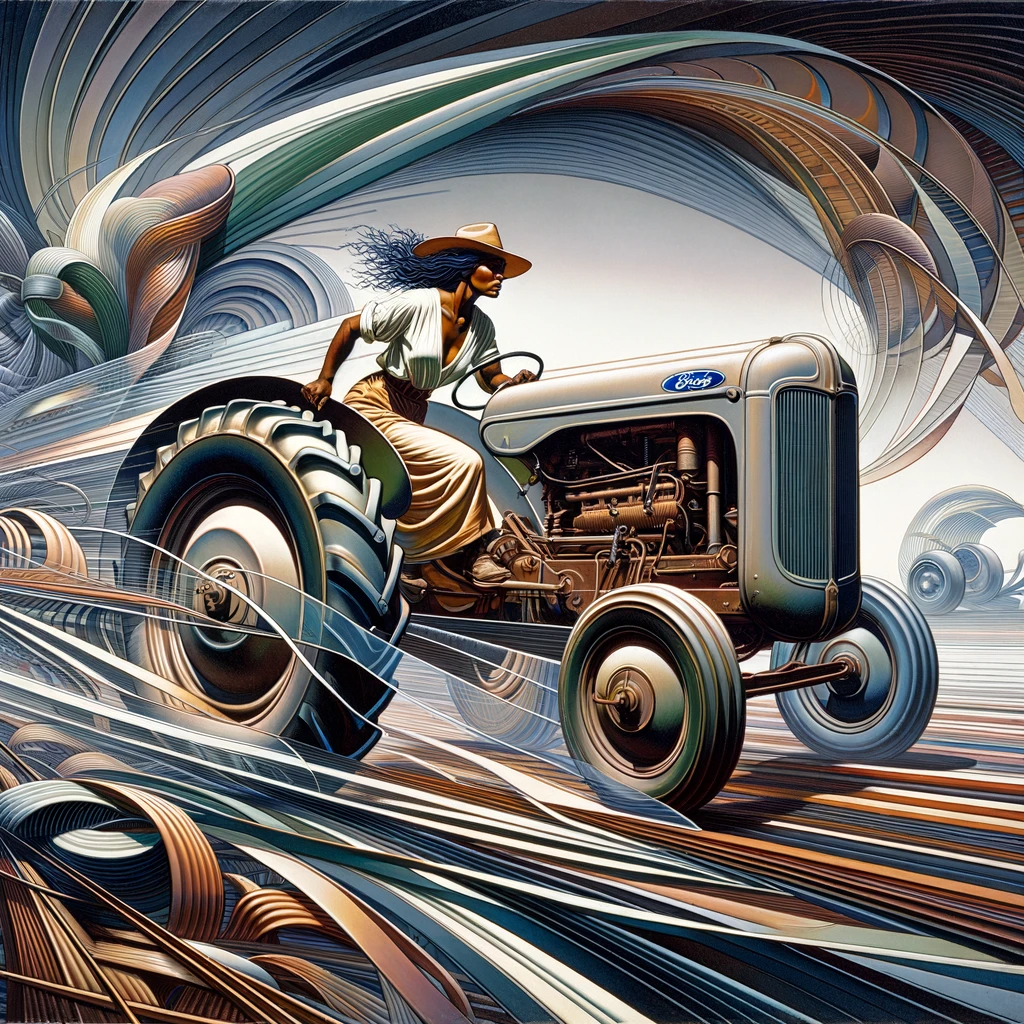
These tractors serve as a bridge between past and present, embodying the history of agriculture in a way that modern technology simply cannot replicate. Think back to the days when farming was done by hand and the pull of a single plow was the difference between abundance and scarcity. Classic tractors symbolize progress, where innovation met the soul of the land, revolutionizing farming practices while keeping the essence of hard work alive. They remind us that the agricultural discoveries of the past set the foundation for today’s modern practices.
But they do more than just connect us to history; they ground us in what it means to cultivate. Working the land with a classic tractor is not just an operation; it’s a ritual linking generations. It sparks conversations between grandparents and grandchildren, stories of planting and harvest, sweat and struggle. As the diesel engine hums to life, so do the dreams and aspirations of those who came before us. That connection fosters not just family ties but a sense of community—everyone reliant on each other for sustenance, forging bonds that can withstand the test of time.
Owning or restoring a classic tractor can be a personal journey. Imagine turning a neglected relic into a shining testament of resilience and dedication. Each wrench turn and mechanical fix becomes an act of love for the craft and its history. In many ways, caring for a vintage tractor is a commitment to preserving a way of life, a declaration that we recognize and honor the sacrifices made before us.
So, whether you’re plowing fields or simply admiring machinery from a distance, remember that classic tractors are not just vehicles; they are heartfelt connections to our agricultural heritage. They remind us of the hard-earned lessons learned from the land and the people who once worked it, inviting us all to carry that legacy forward into the future.
How Do Classic Tractors Connect Us To Agricultural History?
How Do Classic Tractors Connect Us To Agricultural History?
- Classic tractors are admired for their historical significance and connection to the farming community.
- Each vintage tractor tells a story of hard work, perseverance, and the goal of feeding families and communities.
- They serve as a bridge between past and present, embodying the history of agriculture that modern technology cannot replicate.
- Classic tractors symbolize progress, revolutionizing farming while maintaining the essence of hard work.
- Working with these tractors links generations, sparking conversations and fostering community ties.
- Restoring a classic tractor is a personal journey and a commitment to preserving agricultural history.
- Classic tractors are more than machines; they are heartfelt connections to our agricultural heritage and legacy.
How Do Classic Tractors Connect Us To Agricultural History?
What Role Do Vintage Tractors Play In Sustainable Farming Practices?
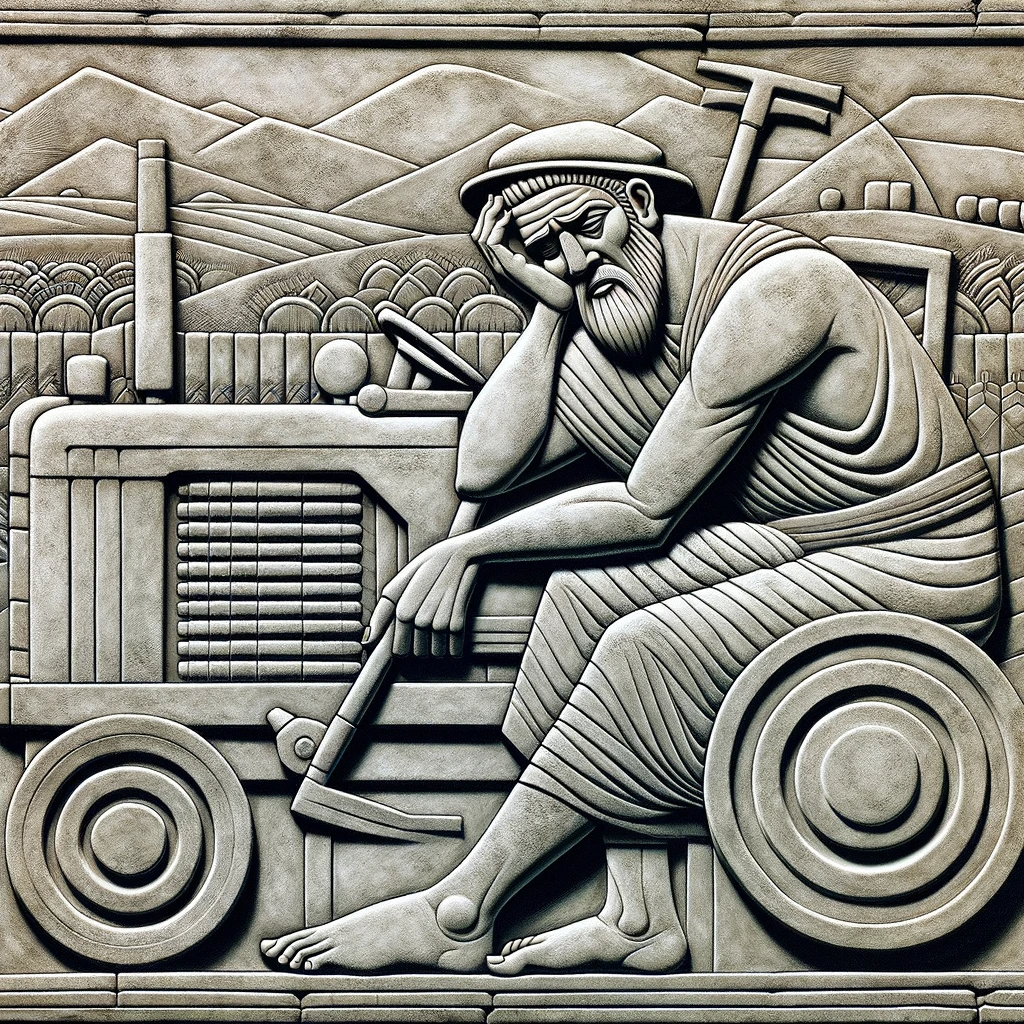
In a world that’s ever-changing, where the future seems to rush by in a blur of high-tech innovation, there’s something undeniably charming and deeply reassuring about vintage tractors. It’s not just their classic lines or the simple rumble of their engines that stir nostalgia; it’s the stories, the labor, and the resilience embedded in every rusted bolt and faded paint job. These machines are more than mere relics; they represent a profound commitment to sustainable farming practices that echo through generations.
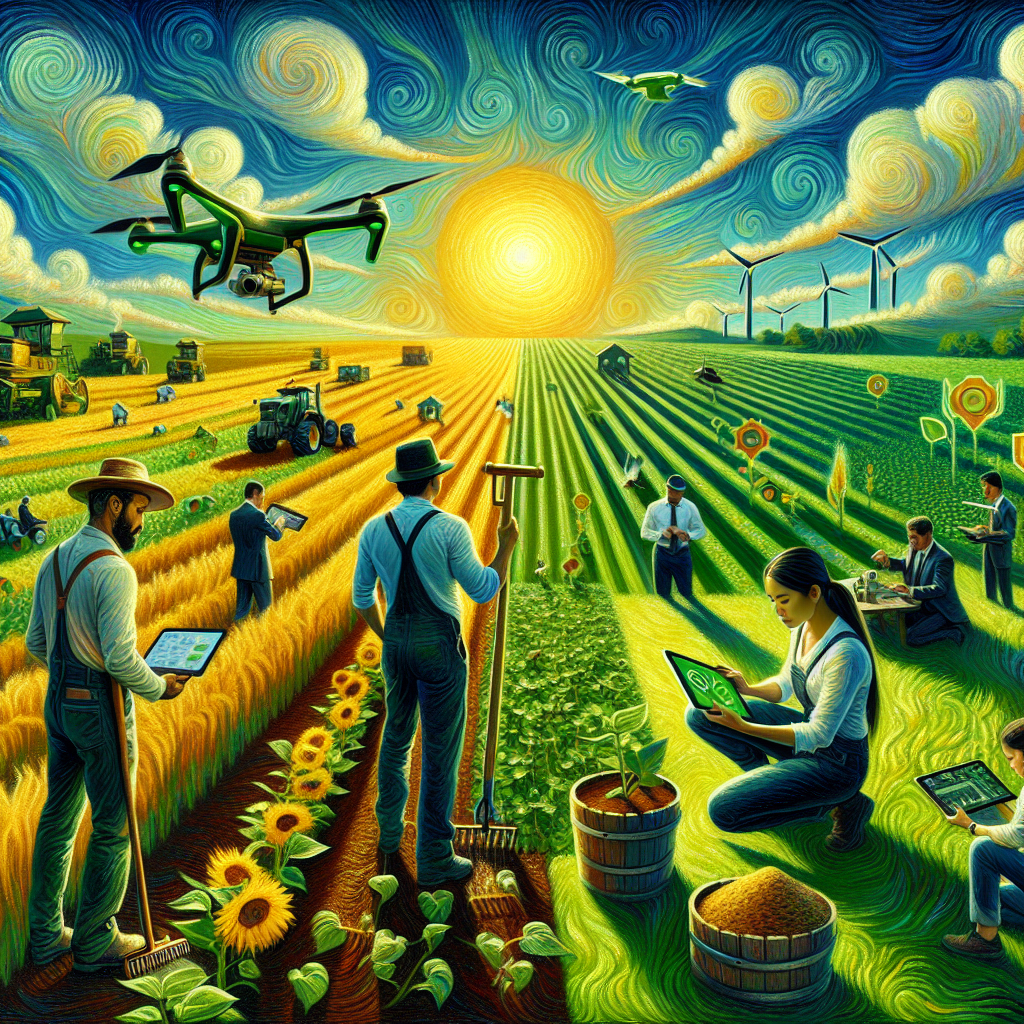
When you look at a vintage tractor, you’re not just seeing a piece of machinery; you’re witnessing a bridge between the past and present. These tractors were built at a time when farming was less about speed and more about stewardship—caring for the land so it could sustain families and communities for years to come. They may lack the technological bells and whistles of modern equipment, but it’s this simplicity that often makes them more effective in certain ecosystems. Vintage tractors often utilize fewer resources, require less energy, and can run on alternatives that are gentler on the Earth. Here lies the crux of sustainable farming: honoring traditions while embracing thoughtful practices that promote ecological balance.
In terms of ethics, there’s power in choosing vintage. They remind us of the importance of sustainability, cultivating a sense of responsibility toward our planet. By employing these tractors, farmers make a conscious choice to minimize their carbon footprint, reducing reliance on the latest, often fuel-guzzling machinery that might not consider our ecological future. In a way, each turn of the wheels embodies a pledge to preserve our environment, ensuring that the soil remains fertile for the next generation.
Let’s take a moment to connect. Imagine a farmer, fingers weathered yet strong, sitting on the seat of a vintage tractor. The sun casts warm rays on the fields as the tractor grumbles to life. With every row tilled, they are embracing both heritage and innovation, proving that sustainability isn’t just about new technologies; it’s about respecting where we came from. Each pass over the land is a promise—not just to the crops, but to the community, the soil, and the future.
So, the next time you see a vintage tractor, remember it’s more than a symbol of nostalgia. It’s a beacon of sustainable practices, a trusted companion to farmers committed to making choices that honor the Earth. Join in this legacy, and let’s work together to ensure our agricultural practices embody the same resilience that vintage tractors have carried through decades.
What Role Do Vintage Tractors Play In Sustainable Farming Practices?
What Role Do Vintage Tractors Play In Sustainable Farming Practices?
- Vintage tractors embody charm and nostalgia in a fast-paced, high-tech world.
- They represent a commitment to sustainable farming practices across generations.
- These tractors bridge the past and present, emphasizing stewardship over speed in agriculture.
- Vintage tractors often utilize fewer resources and run on gentler alternatives, promoting ecological balance.
- Choosing vintage tractors reflects a farmer’s responsibility toward sustainability and reducing carbon footprints.
- They symbolize a promise to preserve the environment for future generations and maintain soil fertility.
- Vintage tractors remind us that sustainability involves respecting traditions while embracing thoughtful practices.
What Role Do Vintage Tractors Play In Sustainable Farming Practices?
Conclusion
Conclusion: The Heartbeat of Agriculture
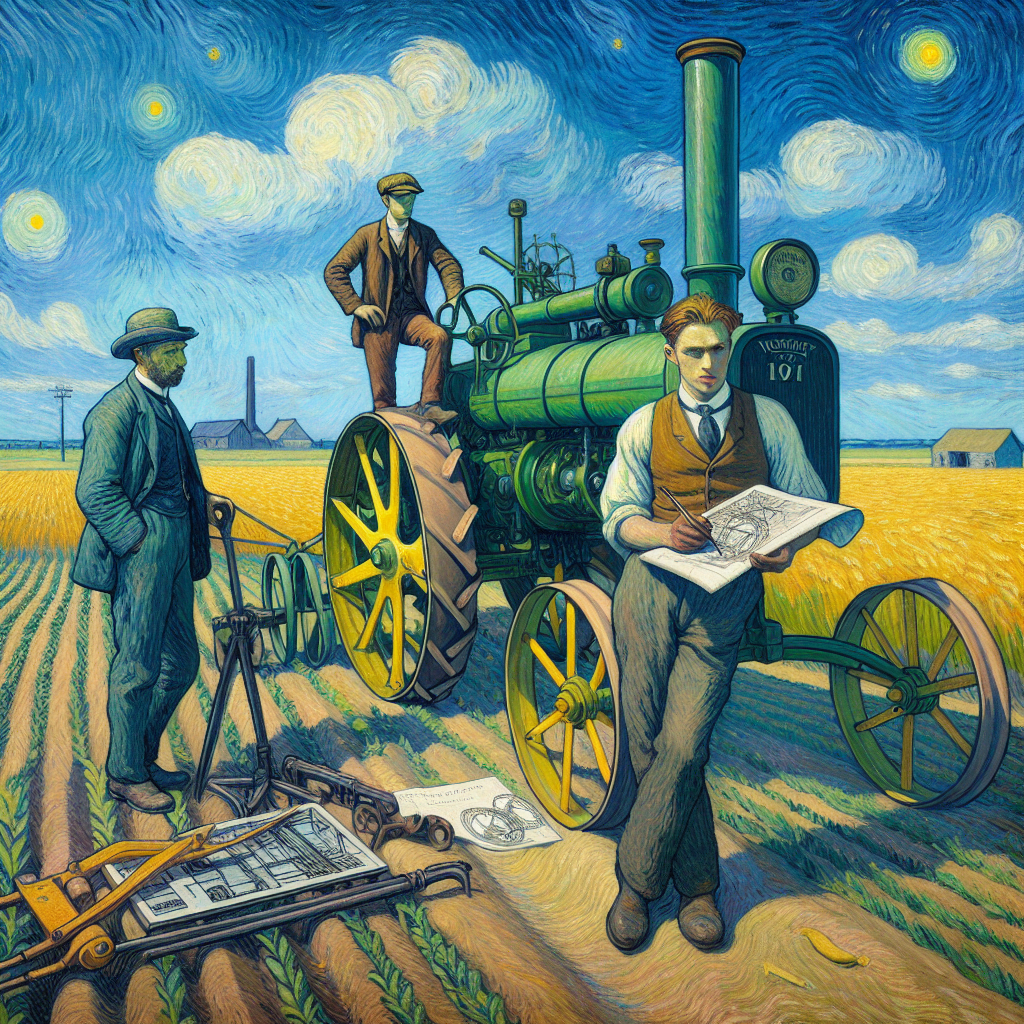
In a world racing toward the slick and the automated, classic tractors emerge as the connective tissue of our agricultural heritage—machines pulsating with the steady rhythm of hard work and authenticity. They are not merely relics of the past; they stand proudly as symbols of resilience, replete with tales of toil that echo through the fields they once powered. From the moment that old diesel engine rumbles to life, the air fills with a comforting familiarity that speaks to the heart of farming itself.
Let’s not kid ourselves: modern technology has its perks. However, when we peel back the layers, the vintage tractor offers a promise that new models simply can’t match. It’s easy to become enamored with the latest innovations, but there’s a deeper satisfaction rooted in the simple mechanics of these machines. They are designed for hands-on engagement, giving farmers back their autonomy and fostering a relationship built on trust—a partnership grounded in every scratch, dent, and story told over countless seasons.
On a rational level, the argument for classic tractors isn’t just romantic; it’s pragmatic. With fewer complexities and easy-to-understand mechanics, they are often more reliable than their modern counterparts—a testament to a time when durability was king. Each turn of the wheel represents not just agricultural progress but a commitment to sustainability. Choosing to restore and revive these classic beauties reduces our ecological footprint, demonstrating that farmers are not just caretakers of the land but also stewards of tradition.
Ethically, and socially, there’s a palpable sense of belonging that envelops the classic tractor community. Events, rallies, and shows offer space for camaraderie, where farmers swap stories and share the wisdom of the ages. Those gatherings forge connections that transcend generations, reviving our collective appreciation for craftsmanship. As new farmers sit at the fibrous knees of their elders, they take with them the values of patience, responsibility, and respect for the land.
So, let’s raise a glass to the classic tractor—a rugged hero reclaiming its rightful place in the fields! It’s more than metal and horsepower; it’s an embodiment of history, a testament to the grit required to cultivate the earth. As these machines carve patterns into the soil, they echo the ancient rhythms of farming while ushering in a hopeful future. To embrace a classic tractor is to reclaim our roots, keeping the heartbeat of agriculture alive and well for generations to come.
Conclusion
Conclusion:
- Classic tractors symbolize agricultural heritage and resilience, representing hard work and authenticity.
- They are not just relics but offer a deeper satisfaction compared to modern technology, promoting hands-on engagement.
- Classic tractors provide farmers with autonomy, fostering a trust-based relationship through their simplicity and reliability.
- These machines are often more reliable due to fewer complexities, reflecting a commitment to durability.
- Restoring classic tractors reduces ecological footprints and emphasizes farmers’ roles as stewards of tradition.
- The classic tractor community fosters social connections through events and rallies, sharing wisdom across generations.
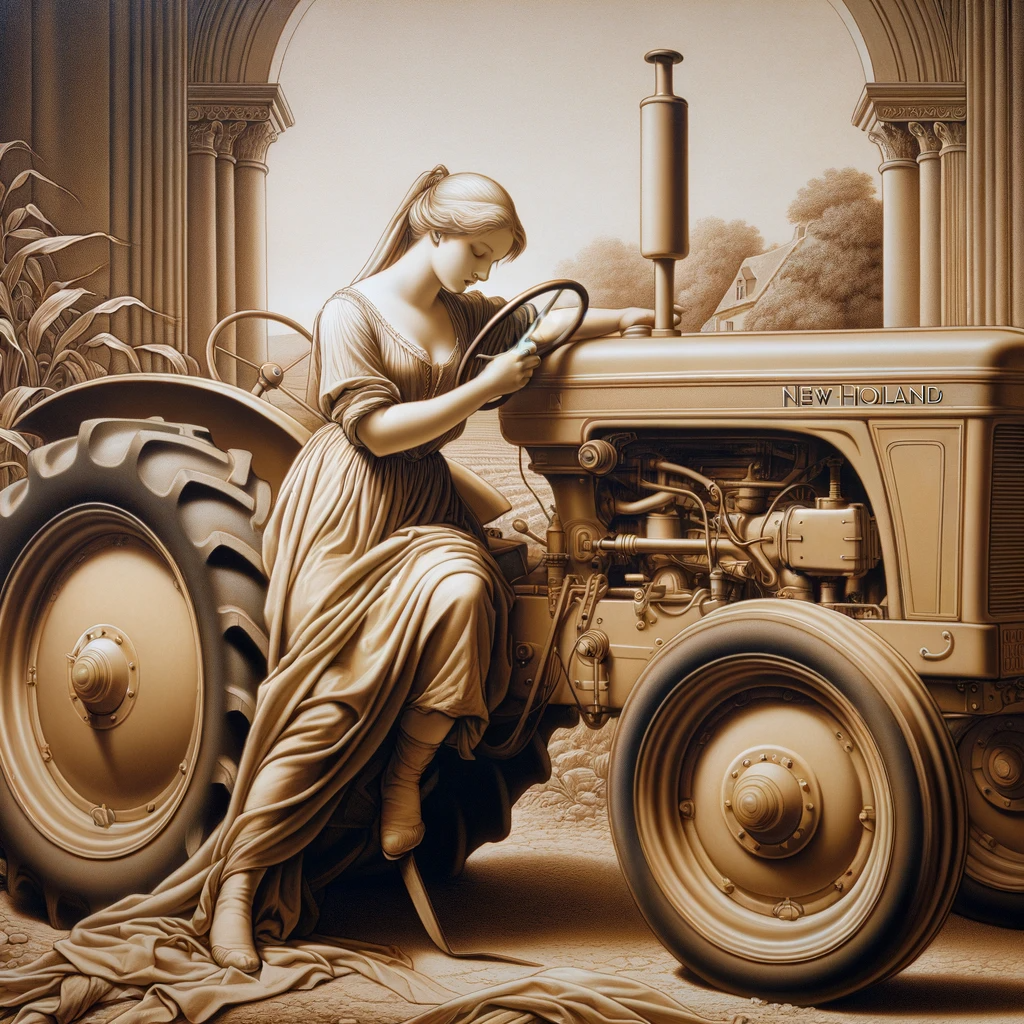
- Classic tractors symbolize a blend of history and hope, helping to keep the heartbeat of agriculture alive for future generations.
Conclusion
Other Resources
Other Resources
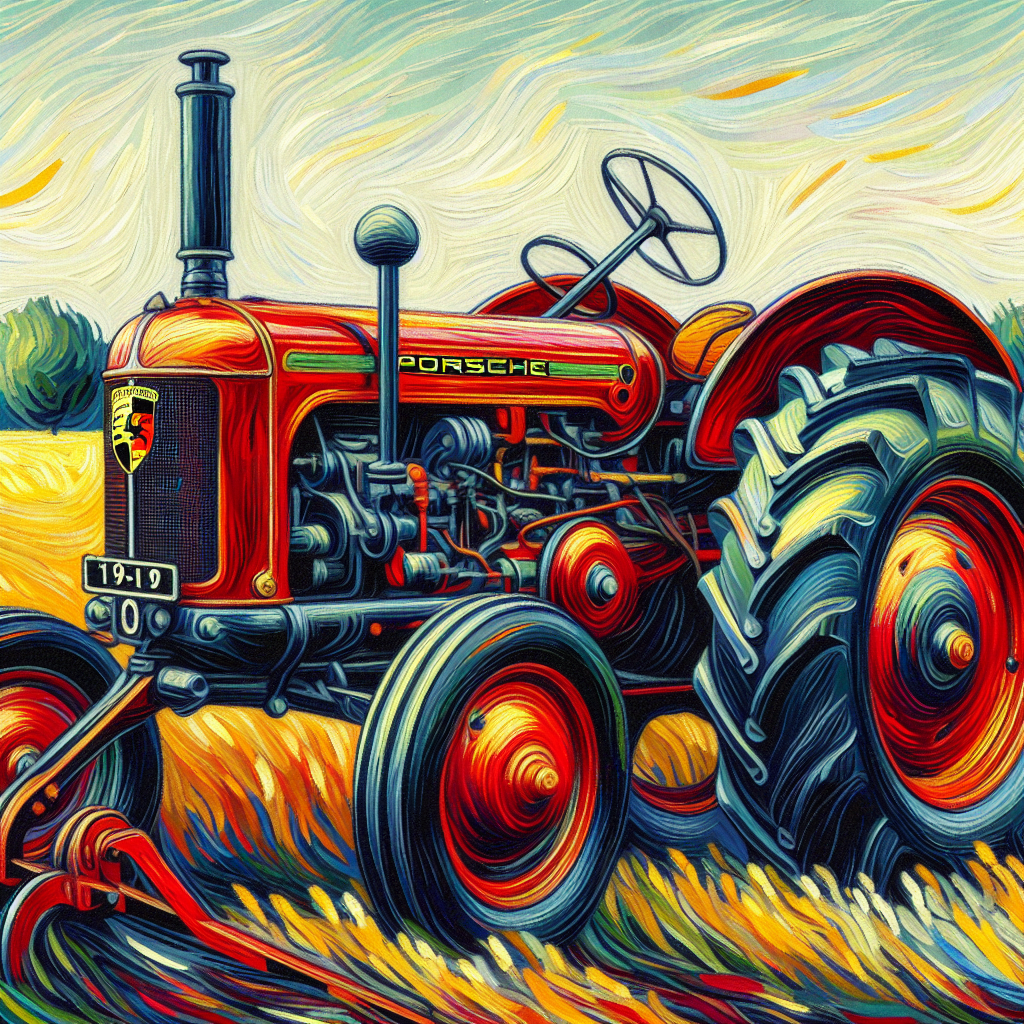
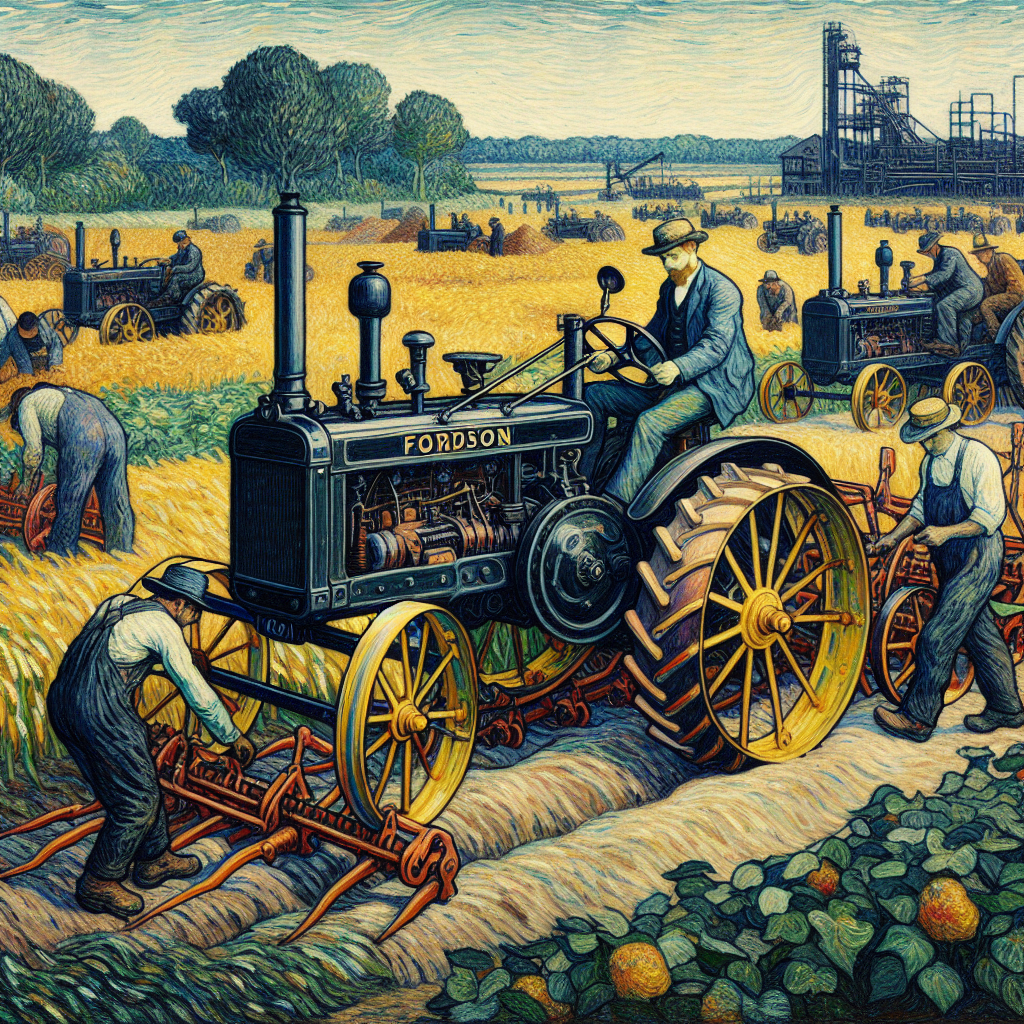
Here is a list of other resources you can review online to learn more:
- SE Indiana F.A.R.M. Club’s Antique Machinery Show
- Bukh
- Taishan-America
- Hesston
- Hill Country Antique Tractor & Engine Club Show
- Stihl
- Froelich Tractor Museum
- Interstate Tractor
- ATC
- Custom
Use This Prompt To Get More Resources With Your Favorite Online AI Tool: Please provide me with a list of online articles with their URLs in a bulleted list that I can read regarding Why Are Farmers Turning to Classic Tractors for Their Fields
Other Resources
Glossary Terms
Why Are Farmers Turning to Classic Tractors for Their Fields – Glossary Of Terms
1. Classic Tractors: Older models of tractors, typically built before the mid-1980s, characterized by simpler designs and mechanical components.
2. Restoration: The process of repairing and refurbishing older tractors to bring them back to working condition, often involving cosmetic and mechanical improvements.
3. Simplicity: The advantage of classic tractors, which often have fewer electronic components, making them easier to operate and repair.
4. Durability: The ability of classic tractors to withstand harsh conditions and years of hard use, often constructed from robust materials.
5. Fuel Efficiency: Many classic tractors are praised for their efficient use of fuel, often relying on simpler diesel engines.
6. Cost-Effective: The monetary benefits of acquiring and maintaining classic tractors compared to newer, high-tech models.
7. Nostalgia: The sentimental value and emotional connection farmers have with classic tractors, often linking them to family traditions or childhood memories.
8. Mechanical Knowledge: The skill set possessed by many farmers that allows them to repair and maintain classic tractors with relative ease.
9. Versatility: The ability of classic tractors to perform a wide range of farming tasks, from plowing to hauling.
10. Collectibility: The trend among enthusiasts and collectors to purchase and preserve classic tractors, sometimes in pristine condition for shows and parades.
11. Heritage Farming: An approach that emphasizes traditional farming methods and equipment, often leading farmers to favor classic tractors.
12. Sustainability: The preference for classic tractors as part of a sustainable approach to farming, prioritizing less reliance on modern technology and materials.
13. Community: The network of farmers and enthusiasts who share an interest in classic tractors, often leading to local clubs and events.
14. Mechanics: The study of the principles of machines, which informs farmers’ ability to work on classic tractors without specialized training.
15. Agility: The capability of classic tractors to maneuver in tight spaces, making them suitable for smaller fields or orchards.
16. Custom Modifications: The alterations that farmers may apply to classic tractors to enhance their capabilities or suit specific agricultural needs.
17. Mechanical Farming: The practice of utilizing machinery, like classic tractors, to enhance agricultural efficiency and productivity.
18. Operating Costs: The expenses associated with running and maintaining a piece of machinery, which can be lower for classic tractors in certain contexts.
19. Aesthetics: The visual appeal of classic tractors, often considered art by collectors and farmers alike, which enhances farm appearance.
20. Farm Equipment History: The study of how agriculture machinery has evolved, highlighting the significance of classic tractors in farming heritage.
21. Fieldwork: The agricultural activities performed in the fields, where the use of tractors is essential for tasks like tilling, planting, and harvesting.
22. Local Serviceability: The availability of local mechanics and parts for classic tractors, making them easier to maintain compared to more modern machines.
23. Cultural Significance: The role of classic tractors in farming culture, representing values such as hard work, tradition, and resilience.
24. Modular Design: The construction style of classic tractors that allows for easy replacement or upgrade of parts.
25. Organic Farming: A farming practice that may favor classic tractors due to their compatibility with sustainable methods and minimal environmental impact.
26. Reliability: The trustworthiness of classic tractors in delivering consistent performance over time, often seen as low-risk investments.
27. Agronomy: The science and study of soil management and crop production that often influences farmers’ equipment choices.
28. Precision Agriculture: While modern technology is emphasized, some farmers turn to classic tractors to balance traditional methods with contemporary practices.
29. Community Events: Gatherings such as tractor shows or farm fairs where classic tractor enthusiasts celebrate vintage machinery and share knowledge.
30. Heritage Restoration: The practice of not just restoring but also preserving the historical significance and originality of classic tractors.
Glossary Of Terms
Other Questions
Why Are Farmers Turning to Classic Tractors for Their Fields – Other Questions
If you wish to explore and discover more, consider looking for answers to these questions:
- What are the key features of classic tractors that make them appealing to farmers?
- How does the maintenance of classic tractors compare to modern tractors?
- What specific vintage tractor models are most popular among farmers today?
- How do classic tractors contribute to a farmer’s identity and heritage?
- What are the financial implications of investing in classic tractors versus new models?
- How do classic tractors impact crop yield and farming efficiency?
- What are the environmental benefits of using classic tractors?
- Are there any downsides to using classic tractors in modern farming?
- How do farmers customize or restore classic tractors?
- What stories have emerged from the community surrounding vintage tractor shows?
- How can younger generations engage with traditional farming practices through classic tractors?
- What resources are available for farmers interested in restoring classic tractors?
- What is the future of classic tractors in the evolving agricultural landscape?
- How do different regions view classic tractors and their significance in farming culture?
- What role do classic tractors play in preserving agricultural history and education?
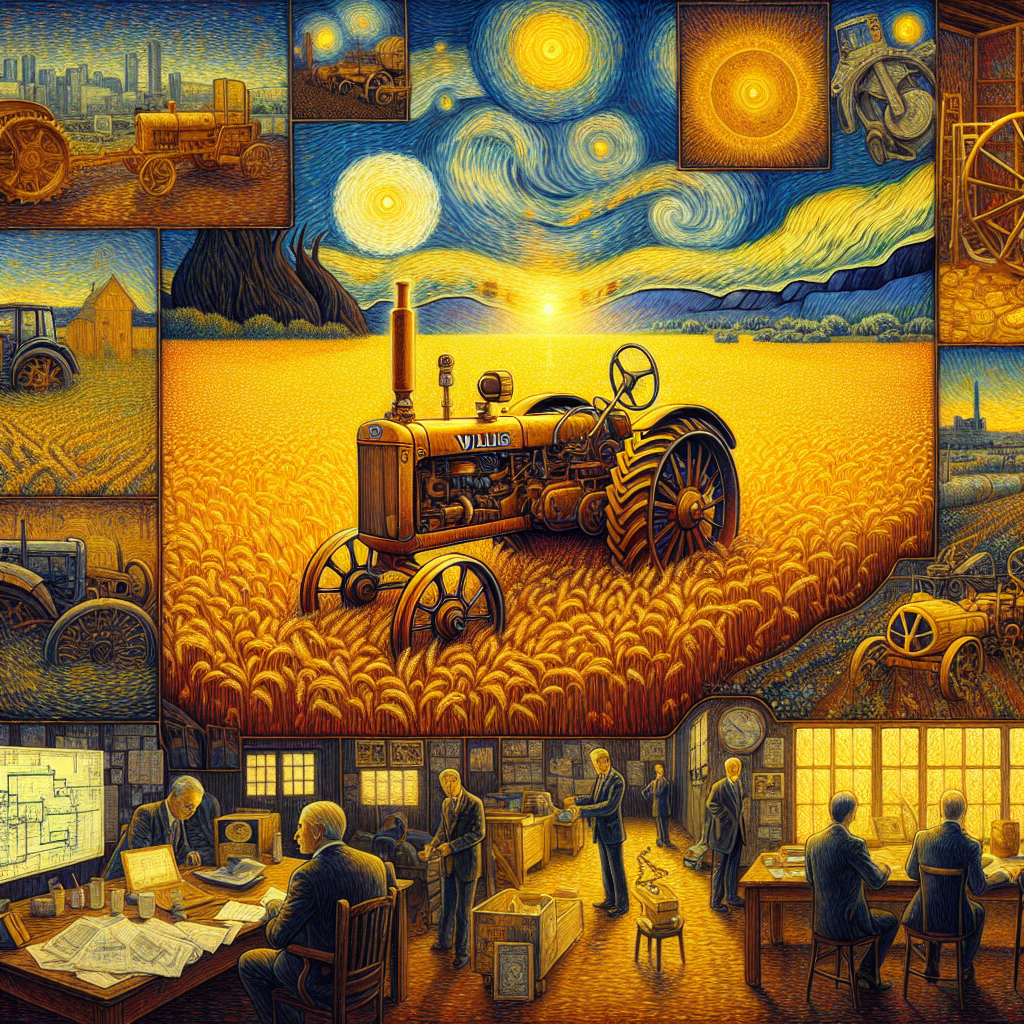
Other Questions
Haiku
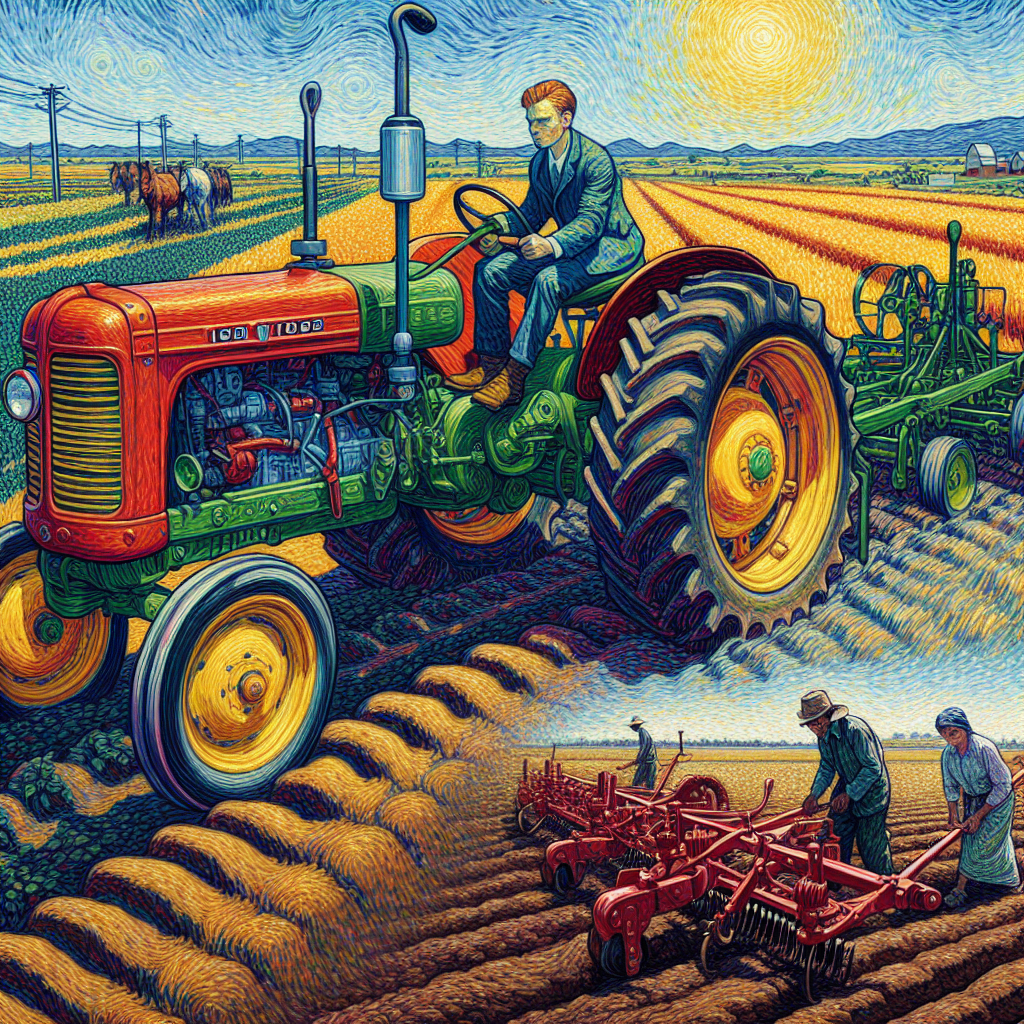
Why Are Farmers Turning to Classic Tractors for Their Fields – A Haiku
Rusty wheels roll on,
Whispers of past labor,
Heritage lives strong.
Haiku
Poem
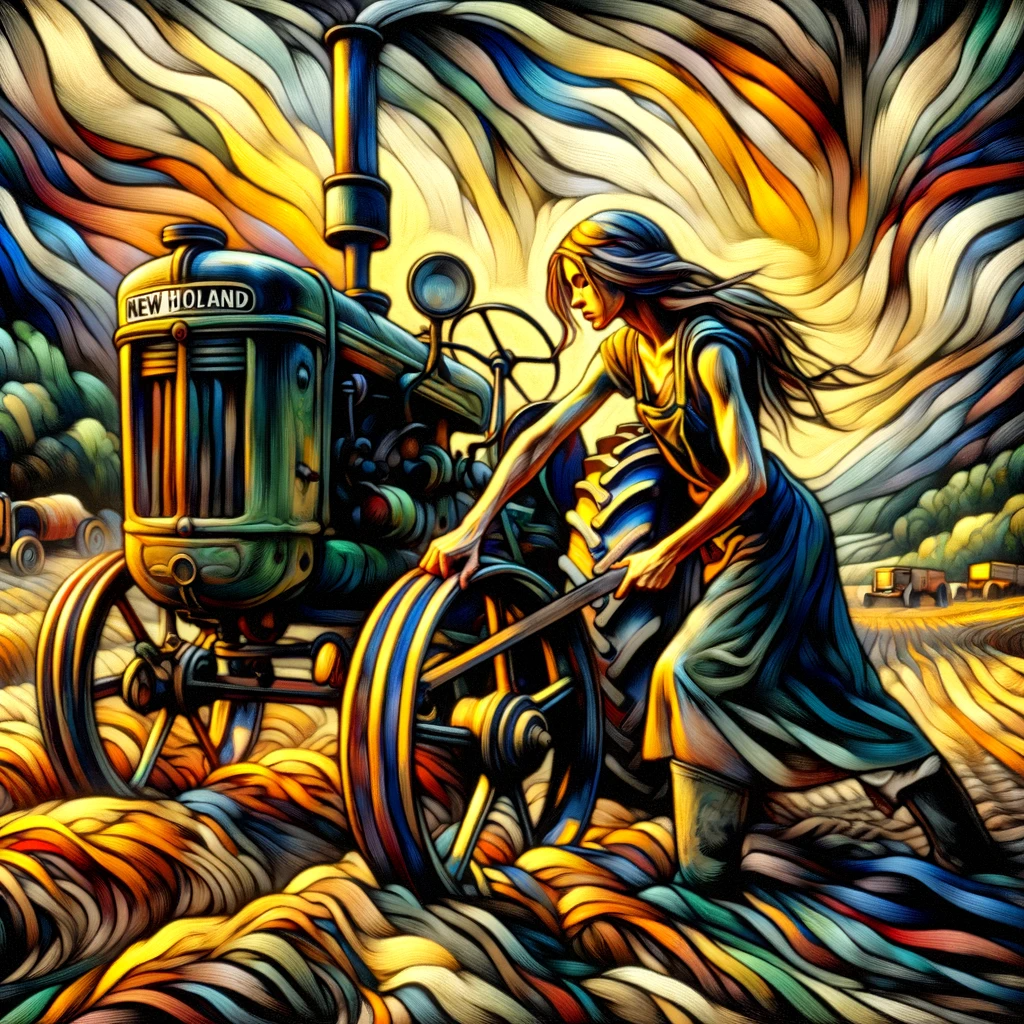
Why Are Farmers Turning to Classic Tractors for Their Fields – A Poem
Revival of Roots: A Tribute to Classic Tractors
In fields where the sunlight paints the golden grain,
A rumble breaks the silence—an ancient refrain.
Classic tractors, sturdy, whisper tales untold,
Of hands weathered by toil, and spirits brave and bold.
Oh, listen to their engines, a song of days gone by,
Each dent a memory of grit that’ll never die.
They speak of midnight fix-ups, of labor laced with care,
Of bonds forged in the soil, a love that farmers share.
With simple mechanics, they invite our hands so skilled,
No screens to interrupt the peace that green fields build.
A partnership of trust, between man and machine,
Sustaining not just crops, but the bond of all unseen.
Each classic stands as heritage, a heart upon four wheels,
Belonging to the stories of the land and all it yields.
In crowded rural gatherings, united we rejoice,
With laughter and applause, we celebrate our choice.
For every vintage tractor, a life that intertwined,
Preserving ethics of the field, our futures well-defined.
In choosing what was timeless, in turning back the clock,
We forge a path of sustainability, our roots are made of rock.
So let the world rush forward, with gadgets sleek and bright,
We’ll cherish our old workhorses, that stand as beacons, right.
For more than mere machinery, they echo strength and grace,
A legacy of farming, that modern times embrace.
Reviving buried treasures, let’s plant our flag with pride,
For in each classic tractor, our heartbeats will abide.
As we till our steadfast ground and breathe in nature’s air,
Together, hand in hand, we’ll keep agriculture fair.
Poem
Checklist
Why Are Farmers Turning to Classic Tractors for Their Fields – A Checklist
Checklist for Embracing Classic Tractors in Farming
Heartfelt Considerations:
1. Connect with Tradition: Reflect on family stories and memories associated with classic tractors. Can you identify personal or familial values that resonate with the heritage of these machines?
2. Embrace the Craft: Dedicate time to learn about the history and mechanics of classic tractors. What skills or knowledge can you gain to deepen your appreciation?
3. Foster Community Bonds: Attend a local vintage tractor show or rally. How can you engage with fellow enthusiasts to strengthen communal ties?
Rational Insights:
4. Assess Practical Performance: Compare the reliability and efficiency of classic tractors against modern models. Have you evaluated repair history and maintenance needs?
5. Understand Mechanics: Familiarize yourself with the simpler mechanics of classic tractors. Are you prepared to work hands-on and troubleshoot mechanical issues?
Ethical Considerations:
6. Promote Sustainability: Consider the eco-friendly aspects of using vintage tractors. How does reducing the demand for new resources align with your farming ethics?
7. Honor Craftsmanship: Reflect on the importance of preserving older farming machinery. How can your actions contribute to sustaining agricultural history and craftsmanship?
Engaging Narratives:
8. Share Your Stories: Collect anecdotes about classic tractors within your family or community. What narratives can you document and share that highlight the legacy of farming?
9. Teach the Next Generation: Consider how you can pass on the values and importance of classic tractors to younger family members. Are there experiences you can create to strengthen their connections to farming?
Social Engagement:
10. Join a Network: Seek out local clubs or online forums dedicated to vintage tractors. How can you participate in discussions or events that enhance community spirit?
11. Celebrate Together: Organize or participate in a gathering for classic tractor owners. What events can foster camaraderie and shared learning among peers?
Gut-Level Motivations:
12. Trust Your Intuition: Reflect on why you feel drawn to classic tractors. Is it nostalgia, reliability, or a deeper connection to your roots?
13. Visualize the Future: Imagine your farm with classic machinery. How do you see these tractors contributing to your vision of sustainable farming?
By engaging with this checklist, you can dive deeper into the multifaceted world of classic tractors, allowing you to appreciate their role in farming through emotional, rational, ethical, narrative, and social lenses.
Checklist
At ClassicTractorNews, we help tractor lovers keep up with the latest news for classic and vintage tractors.
Please share this post with your friends, family, or business associates who may like old classic or vintage tractors.