


Rediscovering The Benefits Of Classic Tractors
By Tom Seest
At ClassicTractorNews, we help tractor lovers keep up with the latest news for classic and vintage tractors.
Please share this post with your friends, family, or business associates who may like old classic or vintage tractors.
Why Are Farmers Turning Back to Classic Tractors Now?
In a world buzzing with the latest technology, it might seem odd that many farmers are embracing the past by turning back to classic tractors. But just take a moment to consider the quiet allure of those old machines. Picture this: a sturdy tractor, worn by time but steady and reliable, plowing through fields as it has for generations. There’s something undeniably appealing about that image, and for many, it resonates on a deeply personal level.
First of all, let’s celebrate the charm of simplicity. Classic tractors often embody an era when farming was less about data and more about doing. Just a few knobs and levers, a dependable engine, and you’re in business. No complex manuals or endless software updates—just raw power and straightforward mechanics. In our increasingly complicated world, there’s comfort in knowing that a well-maintained vintage tractor doesn’t require a degree in computer science to operate. It’s a reminder that sometimes, less really is more.
Then there’s the element of community. Farmers have always been storytellers, sharing tales of the fields, the seasons, and the machines that helped shape their lives. Pulling a classic tractor into the local barn during a gathering is a conversation starter, a bridge to our shared agricultural heritage. As new generations take over their family farms, there’s often a deep desire to reconnect with the roots that nourished them. These vintage machines remind them of the sweat and toil of their predecessors, tying them to a legacy worth preserving.
Financially, it makes sense, too. New tractors can cost a small fortune, racking up payments that can sink even the most seasoned farmers. Classic tractors offer an affordable alternative, often fetching a decent price from local farmers looking to invest in reliable, time-tested equipment. Plus, with a little know-how, many can be repaired or restored with ease. The sense of accomplishment that comes from fixing an old tractor can be just as rewarding as the harvest itself.
So, as farmers turn back to classic tractors, they’re not merely clinging to nostalgia; they’re celebrating a way of life that continues to resonate with them. It’s about trust—trust in the machinery, trust in one another, and trust in the journey that farming always has been and always will be. Embracing these timeless machines, they forge a lasting connection with the land, their community, and the rich history that agriculture embodies.

Why Are Farmers Turning Back to Classic Tractors Now?
Why Are Farmers Turning Back to Classic Tractors Now?
- Farmers are increasingly opting for classic tractors despite technological advancements.
- Classic tractors symbolize simplicity, with straightforward mechanics and ease of operation.
- They foster a sense of community and shared agricultural heritage among farmers.
- Vintage tractors serve as a connection to farming history and personal legacies.
- Classic tractors are a financially viable alternative to expensive new machinery.
- Restoring or repairing old tractors provides a rewarding sense of accomplishment.
- Embracing classic tractors reflects trust in farming traditions and community connections.

Why Are Farmers Turning Back to Classic Tractors Now?
Table Of Contents
- Why Are Farmers Turning Back to Classic Tractors Now?
- What Benefits Do Classic Tractors Offer To Modern Farming?
- How Do Classic Tractors Compare In Cost To Modern Machines?
- What Specific Tasks Are Classic Tractors Best Suited For?
- How Do Farmers Maintain And Restore Classic Tractors?
- What Role Does Nostalgia Play In The Revival Of Classic Tractors?
- How Has Technology Influenced The Use Of Classic Tractors Today?
- Are There Any Disadvantages To Using Classic Tractors On Farms?
- Conclusion
- Other Resources
- Glossary Of Terms
- Other Questions
- Haiku
- Poem
- Checklist
What Benefits Do Classic Tractors Offer To Modern Farming?
When it comes to farming, the romance of the past often collides beautifully with the innovations of the present. Classic tractors, with their sturdy frames and timeless designs, are more than just nostalgic relics; they are invaluable tools that can enhance modern farming practices in ways that are both practical and profound.
Picture this: you’re out in the fields, bathed in golden sunlight, steering a vintage tractor. The engine roars to life, and you can almost feel the spirit of generations before you who relied on this trusty machine. This isn’t just about farming; it’s about connection—both to the land and to the traditions that shaped agriculture. Classic tractors offer a sense of continuity in a fast-paced world, reminding us that farming has roots that run deep.
But the benefits don’t stop at sentimentality. For one, classic tractors are often simpler to maintain. Modern machines may come equipped with an array of high-tech features and diagnostics, but sometimes simplicity is gold. A classic tractor, with its straightforward mechanics, allows farmers to make repairs with minimal tools and expertise. No need to call a technician for a simple fix; you can roll up your sleeves and tackle it yourself.
Additionally, using these older models can be a significant cost saver, especially for small to mid-sized farms. The expense of cutting-edge technology can be daunting, but classic tractors tend to be more affordable, whether you’re purchasing one or investing in parts and upkeep. They offer reliability without the price tag that seems to climb higher with each new generation of farming equipment.
Moreover, classic tractors can perform exceptionally well in various situations. Farmers often need to navigate tight spaces or uneven terrain, where the sleek lines of modern tractors might falter. The design of classic models allows for maneuverability and adaptability, making them perfect for those tricky spots on the farm.
The allure of classic tractors is about more than just their powerful engines and nostalgic appeal. It’s about embracing a lifestyle rooted in resilience and hard work. By choosing to incorporate these timeless machines into modern farming, you’re not just benefitting your operations—you’re paying homage to the countless farmers who laid the groundwork for what agriculture is today. So why not embrace that legacy? Trust in the tried and true, and let the stories of those who’ve come before guide you as you cultivate your own success.

What Benefits Do Classic Tractors Offer To Modern Farming?
What Benefits Do Classic Tractors Offer To Modern Farming?
- The fusion of classic tractors and modern farming creates a nostalgic yet practical farming experience.
- Classic tractors serve as a connection to agricultural traditions and the land, promoting a sense of continuity.
- These tractors have simpler mechanics, making them easier to maintain and repair without professional help.
- Classic tractors are typically more affordable than modern, technologically advanced farming equipment.
- They excel in challenging conditions, offering superior maneuverability in tight spaces and uneven terrain.
- The use of classic tractors promotes a lifestyle built on resilience, hard work, and respect for farming heritage.
- Incorporating timeless machines into farming practices honors the legacy of previous generations of farmers.

What Benefits Do Classic Tractors Offer To Modern Farming?
How Do Classic Tractors Compare In Cost To Modern Machines?
When it comes to the age-old debate—classic tractors versus modern machines—the number crunching often tells an interesting story. Sure, modern tractors come packed with technology that would make your smartphone feel like a leaf in the wind. But let’s take a step back and consider the allure of classic tractors and their cost in comparison to today’s shiny counterparts.
First off, let’s talk numbers. A brand new tractor can set you back anywhere from $30,000 to $200,000, depending on the brand, size, and all those fancy bells and whistles that promise to make your farming life easier. On the other hand, you can often snag a well-maintained classic tractor for a fraction of that cost—sometimes as low as $5,000 to $20,000. For many, that’s not just a good deal; it’s a life choice.
But don’t let the price tag fool you. Classic tractors, with their simple mechanics and sturdy construction, often provide a level of durability and reliability that modern machines can struggle to match. There’s a reason these old workhorses are still in the field today, nearly half a century after they first rolled off the production line. With fewer electronics and gizmos to break down, a classic tractor can be easier to repair and maintain. And let’s face it—finding the right part for a vintage machine often feels like a treasure hunt. It’s all about that back-to-basics kind of satisfaction, where you can feel the connection with each turn of the wrench.
Then there are the farming communities that thrive on nostalgia and history. Owning a classic tractor doesn’t just give you machinery; it gives you a narrative. You’re the keeper of a legacy, and whether it’s a cherished family heirloom or a barn find that’s seen better days, it tells a story that makes you a part of the past and the present. Plus, there’s nothing quite like the camaraderie at a local tractor show where your classic beauty stands proudly beside the rest of the lineup.
So, as you weigh your options, let your heart have a say along with your wallet. Classic tractors bring a unique blend of cost efficiency, charm, and character—all while connecting you to a rich agricultural heritage. They may not have the latest tech features, but they sure have a lot of heart.

How Do Classic Tractors Compare In Cost To Modern Machines?
How Do Classic Tractors Compare In Cost To Modern Machines?
- The debate between classic tractors and modern machines is influenced by cost and technology.
- New tractors can range from $30,000 to $200,000, while classic ones can be found for $5,000 to $20,000.
- Classic tractors offer durability and reliability due to their simple mechanics and sturdy construction.
- With fewer electronics, classic tractors are often easier to repair and maintain.
- Owning a classic tractor provides a sense of nostalgia and connection to agricultural history.
- Classic tractors contribute to community bonding, especially at local tractor shows.
- Ultimately, classic tractors offer a blend of cost efficiency, charm, and character, despite lacking modern tech features.

How Do Classic Tractors Compare In Cost To Modern Machines?
What Specific Tasks Are Classic Tractors Best Suited For?
When you think of classic tractors, what comes to mind? For many, it’s not just a relic of agricultural history; it’s a powerful tool that marries nostalgia with practicality. These machines, forged from steel and grit, stand as stalwarts on the farm, ready to tackle a variety of tasks that demand durability and reliability.
First and foremost, classic tractors excel at plowing fields. With their massive wheels and robust engines, they can handle anything from soft loamy earth to stubborn clay. There’s a certain satisfaction that comes from watching the ground break apart, knowing you’ve got the right tractor to make it happen. They aren’t just doing a job; they’re taking you back to a simpler time when a day’s work meant sweat, sun, and the satisfaction of a job well done.
But plowing is just the beginning. These tractors are workhorses when it comes to tilling too. A well-maintained classic tractor can cultivate the soil, prepping it for seeding with the precision that modern gadgets just can’t replicate. That connection to the land is palpable, and there’s something meditative about the rhythmic sound of a tractor in motion, working diligently to provide food for families.
And let’s not forget about hauling. Whether it’s hay bales, firewood, or even your neighbor’s stubborn truck that won’t start, classic tractors have the muscle to move it. Are you planning a DIY project? Grab your trusty tractor and load up! It’s more than just transportation; it’s about fostering community and lending a helping hand, all while seated in the driver’s seat of innovation and history.
Classic tractors aren’t just one-trick ponies, either. They can chop, mow, and even seed, depending on the attachments and implements you hook up. Gardeners will find joy in using a vintage tractor to clear land or fertilize gardens. Their versatility means they can be a farmer’s best friend and a hobbyist’s plaything all in one glorious package.
Embracing the old ways means bringing a piece of history into your everyday life while tackling the real challenges of agriculture—tasks that connect us to the earth and remind us of our roots. So, whether you’re a seasoned farmer or just starting to explore the allure of classic tractors, they offer a unique blend of functionality and heritage that makes each task not just a chore, but a rewarding experience.

What Specific Tasks Are Classic Tractors Best Suited For?
What Specific Tasks Are Classic Tractors Best Suited For?
- Classic tractors combine nostalgia with practicality, serving as powerful tools on the farm.
- They excel at plowing fields, handling various soil types with their robust engines and massive wheels.
- Classic tractors provide a satisfying connection to the land while performing essential agricultural tasks.
- They are effective for tilling, preparing soil for seeding with a precision that modern equipment lacks.
- Classic tractors are versatile, capable of hauling, chopping, mowing, and seeding with the right attachments.
- Their use fosters community spirit and provides practical assistance for DIY projects.
- Classic tractors blend functionality with heritage, transforming tasks into rewarding experiences for farmers and hobbyists alike.

What Specific Tasks Are Classic Tractors Best Suited For?
How Do Farmers Maintain And Restore Classic Tractors?
There’s something about a tractor that stirs the soul, isn’t there? It’s not just a machine; it’s a testament to hard work, perseverance, and a robust connection to our roots. Maintaining and restoring classic tractors isn’t merely a technician’s job—it’s a labor of love that binds generations. Farmers often find themselves knee-deep in grease, mud, and paint, but none of that matters when it comes to preserving a piece of history that’s done its part in the fields.
When it comes to maintenance, regular inspections are the bread and butter of a farmer’s routine. Farmers know that staying ahead of potential issues can save time and money down the line. They systematically check oil levels, examine belts and hoses, and monitor tire pressure. These small steps can make a world of difference and keep that tractor running smoothly, ensuring it doesn’t just sit idle in the barn.
Restoration, on the other hand, is where passion meets craftsmanship. Farmers will dive deep into research, scouring through manuals, forums, and even social media groups dedicated to classic tractors. There’s a thriving community out there—dedicated enthusiasts who share tips, tricks, and hard-earned wisdom. Seeking advice from fellow collectors isn’t seen as an inconvenience; it’s a lifeline that reinforces the sense of community. Whether it’s finding that elusive replacement part or mastering a painting technique to replicate the original finish, farmers tap into resources that create a bridge from the past to the present.
And let’s not forget about the heart and soul that gets poured into these machines. Every restoration tells a story, each dent and scratch narrating a chapter of toil and triumph. It’s not simply about bringing a tractor back to life; it’s about honor—the honor of those who worked tirelessly to cultivate the land and feed families.
After all, restoring a classic tractor isn’t just a personal journey; it’s a rite of passage that connects farmers to the generations before them. So, whether you’re an experienced mechanic or a novice looking to learn, roll up your sleeves, get your hands dirty, and join this delightful world of maintenance and restoration. It’s more than just fixing machinery; it’s about ensuring that the legacy of tractors continues to thrive, a rusting relic of yesterday brought back to the plowing fields of today.

How Do Farmers Maintain And Restore Classic Tractors?
How Do Farmers Maintain And Restore Classic Tractors?
- Tractors symbolize hard work, perseverance, and our connection to agricultural roots.
- Maintaining and restoring classic tractors is a labor of love that connects generations.
- Regular inspections are essential for farmers to prevent potential issues and save time and money.
- Farmers systematically check various parts, including oil levels, belts, hoses, and tire pressure.
- Restoration involves deep research and collaboration within a community of dedicated tractor enthusiasts.
- Each restoration reflects the honor and history of those who worked the land, telling stories through their wear and tear.
- Engaging in tractor maintenance and restoration allows individuals to connect with past generations and preserve legacy.

How Do Farmers Maintain And Restore Classic Tractors?
What Role Does Nostalgia Play In The Revival Of Classic Tractors?
When you see an old tractor parked in a field, the rusty paint and weathered frame carry stories untold. It’s not just a hunk of metal; it’s a tactile connection to a simpler time. For many, classic tractors embody the soul of agrarian life—an era when agriculture was less about high-tech gadgets and more about grit, gumption, and the grease beneath your fingernails. Nostalgia plays a powerful role in this revival, drawing in enthusiasts and casual admirers alike.
Think about it: those classic tractors are not just machines; they represent a certain kind of freedom and hard work that resonates deeply with us—the unfulfilled dreams of a grandparent, the fields we played in during childhood, or the stories our parents told of simpler days. They were symbols of perseverance and pride, and now, as the world speeds ahead into a future defined by automation and technology, many find solace in the familiar rumble of a vintage engine.
The revival of these classic tractors is a testament to our longing for authenticity in a digital age. Whether it’s a restored John Deere or an old Farmall, each model tells a story that we can relate to on a personal level. Restoring these tractors isn’t just about getting them back to their former glory; it’s a journey steeped in memory—filled with laughter, sweat, and sometimes, a little heartache. It’s a community movement, where fellow enthusiasts come together to share tips, parts, and stories—a camaraderie that teaches us the value of connection through shared passions.
When you witness someone revving the engine of a classic tractor, it’s more than just a sound; it’s the echo of hard work and determination. It inspires a sense of trust and confidence in craftsmanship that has stood the test of time. Maybe you’re inspired to grab a wrench and join in this revival. Perhaps you’ll head to a local tractor show or connect with others who share this passion. Each encounter invites you to reflect on your own roots and perhaps even reignite a forgotten hobby or passion.
So, whether you’re a seasoned restorer or merely a curious observer, allow nostalgia to guide you. Each classic tractor is not just a vehicle to the past; it’s a call to action—to celebrate craftsmanship, remember our histories, and, most importantly, to connect. In doing so, we ensure that the stories of our agricultural heritage continue to thrive for generations to come.

What Role Does Nostalgia Play In The Revival Of Classic Tractors?
What Role Does Nostalgia Play In The Revival Of Classic Tractors?
- Classic tractors symbolize a connection to agrarian life, evoking nostalgia for simpler times.
- They embody values of freedom, hard work, and perseverance, resonating with personal memories and family stories.
- The revival of classic tractors reflects a longing for authenticity in an increasingly digital world.
- Restoring tractors is a community-centered activity, fostering camaraderie through shared experiences and passions.
- The sound of a vintage engine stirs feelings of trust in enduring craftsmanship and inspires participation in restoration efforts.
- Engagement with classic tractors invites reflection on personal roots and can rekindle forgotten hobbies.
- Classic tractors serve as a celebration of craftsmanship and agricultural history, ensuring these stories endure for future generations.

What Role Does Nostalgia Play In The Revival Of Classic Tractors?
How Has Technology Influenced The Use Of Classic Tractors Today?
Picture this: a picturesque American farmhouse surrounded by rolling fields, the sun rising just over the horizon, and the satisfying rumble of a classic tractor—a beautiful piece of engineering history—revving to life. For many, this scene evokes nostalgia. The smell of diesel, the sound of the engine, the unmistakable feel of a well-worn steering wheel in your hands. But even against this backdrop of tradition, technology has woven itself into the fabric of our farming lives, proving that old-school and cutting-edge can co-exist quite harmoniously.
Modern technology has breathed new life into classic tractors, allowing enthusiasts to not only preserve these beloved machines but to enhance their functionality. Take GPS, for instance. Farmers can now retrofit their trusty machines with advanced navigation systems, turning their classic tractor into a precision farming tool. Imagine planting seeds with the same heart and soul of your grandfather’s tractor, but with the accuracy of modern science—that’s what today’s technological upgrades offer.
But it’s not just about gadgets and gizmos. Technology has also made it easier to share knowledge and experience among classic tractor owners. Online forums and social media groups have blossomed into vibrant communities where folks gather to trade tips on restoration, maintenance, and adding new features to their beloved vehicles. Whether you’re looking for the right oil filter for that vintage model or advice on how to modify equipment to enhance performance, a simple click connects you with a wealth of resources.
Additionally, apps designed for farm management allow classic tractor users to monitor their fuel efficiency and maintenance schedules more effectively. This helps owners keep their machines running smoothly, ensuring they’re not just pieces of the past but valuable tools for today’s agricultural challenges. The beauty of it lies in the blend; you work the fields with the spirit of yesteryears while embracing innovation for a sustainable future.
So, whether you’re a seasoned farmer or an aspiring hobbyist, remember that your classic tractor is more than just a machine. It’s a legacy—a symbol of hard work and perseverance. By embracing technology, you’re not just preserving history; you’re ensuring it thrives for generations to come. You have the opportunity to shape this narrative, to take action and see how these beloved machines can continue to serve their purpose in a modern world. It’s not just about plowing fields; it’s about plowing forward.

How Has Technology Influenced The Use Of Classic Tractors Today?
How Has Technology Influenced The Use Of Classic Tractors Today?
- The scene depicts a nostalgic American farmhouse with a classic tractor, symbolizing the blend of tradition and technology.
- Modern technology enhances classic tractors, allowing for upgrades like GPS to aid precision farming.
- Farmers can now plant seeds using their grandfather’s tractor with the accuracy of contemporary tech.
- Online forums and social media groups create vibrant communities for sharing knowledge about restoration and maintenance.
- Farm management apps help classic tractor owners monitor fuel efficiency and maintenance schedules.
- The combination of old and new tools creates a sustainable farming practice for modern agricultural challenges.
- Classic tractors symbolize legacy and hard work, and by embracing technology, their relevance is preserved for future generations.

How Has Technology Influenced The Use Of Classic Tractors Today?
Are There Any Disadvantages To Using Classic Tractors On Farms?
Classic tractors—those rugged, steel beasts that have weathered generations of farming toil—have a charm that’s hard to resist. They conjure memories of simpler times, rolling fields, and family legacies. But before you swap your modern machinery for a vintage model, let’s talk about a few of the realities that come with relying on these nostalgic workhorses.
First off, let’s acknowledge the elephant in the barn: classic tractors often lack the horsepower and efficiency of their contemporary counterparts. Modern tractors are designed with advanced technology that optimizes fuel consumption and performance. Think of it this way: if you’ve ever tried to plow a stubborn field with a rusty old plow, you might find that a newer, more powerful tractor gets the job done quicker—and honestly, with a whole lot less elbow grease. This can translate to valuable time saved and increased productivity on the farm.
Next, consider the repair and maintenance aspect. Sure, classic tractors are often easier to work on because they don’t require a computer to hop on for a diagnostic. However, sourcing parts for older models can be a challenge. If you’re relying on a 50-year-old tractor, you might end up playing a frustrating game of hide-and-seek for essential components just to keep it running. Imagine that sinking feeling when a crucial piece breaks down during harvest, leaving you with a sparkling piece of nostalgia but no means to get the crops in.
And let’s not forget about comfort (or lack thereof). Climbing onto a classic tractor is like stepping into a time capsule, but when it comes to ergonomics? Modern tractors come with cushy seats, climate control, and often advanced visibility. If you plan to spend long hours on that old beast, you might find yourself wishing for a bit of that modern creature comfort.
Unlike the shiny new models that boast impressive automation features and operator aids, classic tractors require a deeper understanding of mechanics and manual operation. This can be a real treat for some, offering a genuine connection to the machine and the land. But others may find it daunting, and that’s perfectly okay.
Classic tractors have an undeniable appeal and a rich history that modern machines simply can’t replicate. But when you’re weighing your options for the farm, it’s essential to consider these potential drawbacks. Strike a balance between nostalgia and practicality, and you’ll cultivate a path forward that honors the past while embracing the future.

Are There Any Disadvantages To Using Classic Tractors On Farms?
Are There Any Disadvantages To Using Classic Tractors On Farms?
- Classic tractors possess a nostalgic charm and rich history but may not match the horsepower and efficiency of modern machines.
- Modern tractors utilize advanced technology for optimized fuel consumption and performance, allowing for greater productivity.
- Sourcing parts for classic tractors can be challenging, particularly for older models that may lack readily available components.
- Maintenance of classic tractors may be simpler due to fewer technological components, but breakdowns can disrupt farming activities.
- Classic tractors often lack comfort features such as ergonomic seats and climate control, making long hours less enjoyable.
- Operating classic tractors requires a deeper understanding of mechanics and manual operation, which can be daunting for some users.
- Balancing nostalgia with practicality is essential when considering the use of classic tractors on farms.

Are There Any Disadvantages To Using Classic Tractors On Farms?
Conclusion
As we draw the curtain on our exploration of why farmers are rediscovering classic tractors, let’s take a moment to appreciate the deeper narrative at play. In this era of rapid technological advancement, it’s nothing short of captivating to see a resurgence of interest in the vintage machinery that has been a cornerstone of agricultural life for generations. Classic tractors may be simple, raw, and—dare I say—gloriously unrefined, but therein lies their beauty. These machines connect us to a time when farming felt more tangible and less transactional, a time characterized by the interplay of sweat, earth, and machinery.
One of the most compelling reasons for this revival is the charm of straightforward mechanics. Today’s farmers are navigating a complex maze of ever-evolving technology, yet many are opting for the uncomplicated, reliable simplicity of classic tractors. With just a few levers and knobs, they can unleash the raw power of a well-loved machine without the associated headaches of complicated maintenance schedules or software updates. This return to basics isn’t just about practicality; it’s a rediscovery of intimate craftsmanship.
Let’s not forget the powerful role that nostalgia plays in all of this. These vintage tractors serve as vessels of memory—often sparking tales of family legacies and communal bonds. When local farmers gather around a classic tractor, they’re not just admiring a machine; they’re conversing about shared histories and shared struggles, weaving a rich tapestry of connection that transcends generations.
From a financial standpoint, many find classic tractors to be a cost-effective alternative to their modern, tech-savvy cousins. With a price point significantly lower than new machinery, farmers are finding tremendous value in these time-tested workhorses. And while the allure of cutting-edge technology is undeniable, this revival speaks volumes about the wisdom of investing in tools that have stood the test of time.
So, as we revel in the revival of classic tractors, let’s recognize that farmers are not merely nostalgic dreamers clinging to the past. They’re practical stewards of their land, seeking resilience, reliability, and a genuine connection to both their heritage and the hard work that defines agriculture. In bridging the gap between yesterday’s grit and today’s demands, they’re proving that sometimes it’s not about moving forward; it’s about reaching back to pull us up. And in the world of farming, that’s a story worth telling and a legacy worth preserving.

Conclusion
Conclusion:
- Farmers are rediscovering classic tractors amidst rapid technological advancement.
- The simplicity and raw beauty of vintage machinery connect farmers to tangible agricultural experiences.
- Classic tractors are preferred for their straightforward mechanics and reliable simplicity.
- Nostalgia plays a significant role, with vintage tractors sparking memories of family legacies and communal bonds.
- Classic tractors offer a cost-effective alternative to modern machinery, providing great value.
- This trend highlights farmers as practical stewards focused on resilience and connection to their heritage.
- The revival of classic tractors emphasizes the importance of blending past experiences with current agricultural demands.
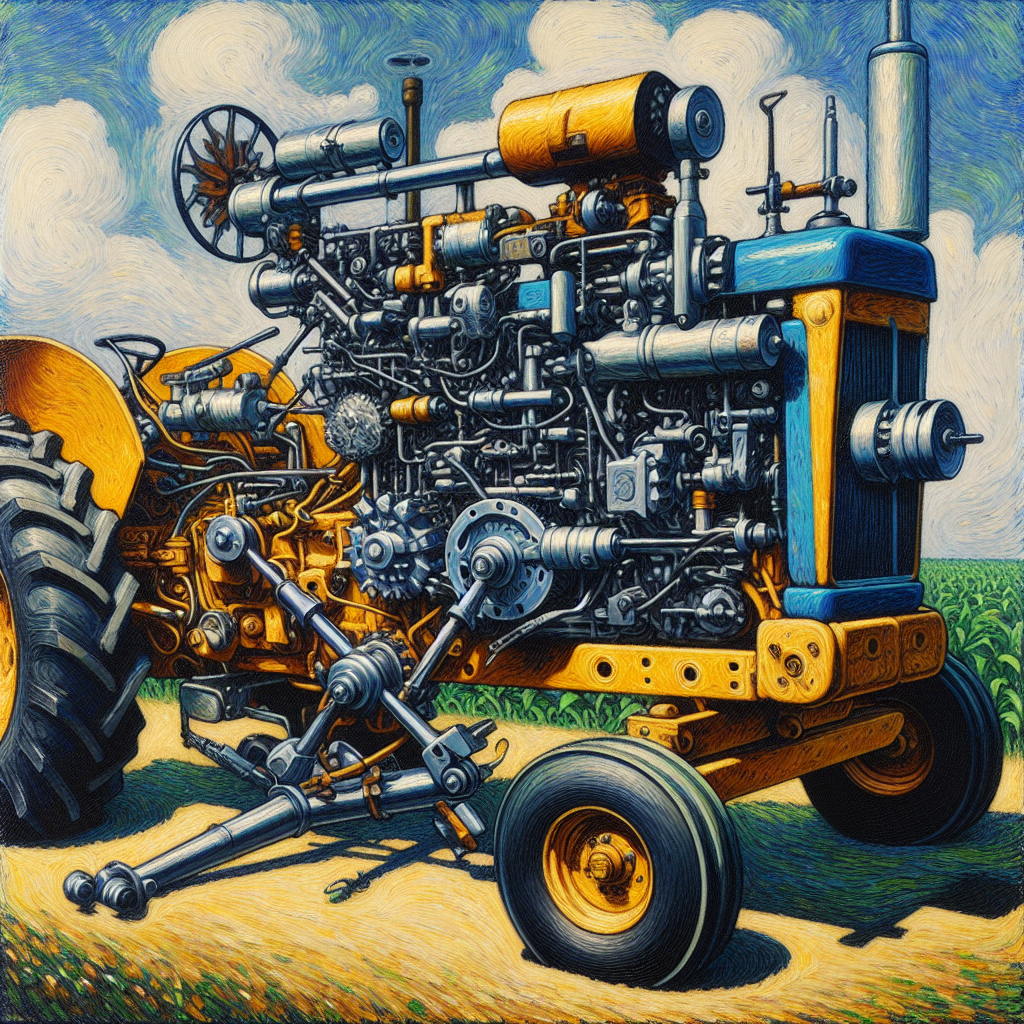
Conclusion
Other Resources

Other Resources
Here is a list of other resources you can review online to learn more:
- Greenville Farm Power
- International Harvestor
- Knudson
- Park Rapids Antique Tractor & Engine Club
- Antonio Carraro
- Acremaster
- Summit Tractors
- Agra Cat
- JCB
Use This Prompt To Get More Resources With Your Favorite Online AI Tool: Please provide me with a list of online articles with their URLs in a bulleted list that I can read regarding Why Are Farmers Turning Back to Classic Tractors Now?

Other Resources
Glossary Terms
Why Are Farmers Turning Back to Classic Tractors Now? – Glossary Of Terms
1. Classic Tractors: Older tractor models, typically manufactured before the 1980s, valued for their simplicity, durability, and nostalgic appeal.
2. Durability: The ability of classic tractors to withstand wear and tear over time, often outlasting modern machinery due to sturdier construction.
3. Simplicity: Classic tractors feature straightforward designs and mechanical systems, making repairs and maintenance easier for farmers.
4. Nostalgia: A sentimental longing for the past, influencing farmers’ preferences for classic tractors that evoke memories of earlier farming practices.
5. Fuel Efficiency: Some classic tractors exhibit favorable fuel consumption compared to modern models, particularly in smaller operations.
6. Restoration: The process of repairing and refurbishing old tractors, which has gained popularity as a hobby and business for enthusiasts.
7. Heritage: The cultural and historical significance of farming practices and equipment, prompting farmers to connect with their roots through classic tractors.
8. Affordability: Many classic tractors are more budget-friendly than new models, making them accessible to smaller farms or new farmers.
9. Versatility: Classic tractors can often perform a variety of tasks, from tilling to hauling, making them practical choices for diverse farming needs.
10. Community: Groups and clubs formed around the appreciation of vintage tractors, which foster camaraderie and knowledge-sharing among enthusiasts.
11. Mechanics: The study and practice of repairing and maintaining machinery, crucial for managing older equipment with less complex systems.
12. Sustainability: A growing interest in sustainable farming practices encourages some farmers to use classic tractors that require fewer resources to operate.
13. Customizability: Classic tractors can often be modified for specific farming tasks, allowing farmers to tailor machinery to their needs.
14. Collectability: The trend of collecting vintage tractors, viewed as both functional tools and valuable antiques, appealing to hobbyists and investors alike.
15. Reliability: The trust in classic tractors to perform consistently over time, often based on decades of proven performance in the field.
16. Local Farming: A focus on local agricultural practices that may favor the use of classic machinery, which can better suit small-scale farming.
17. Agricultural History: The study of farming practices and technologies throughout time, providing context for the resurgence of interest in classic tractors.
18. Mechanized Farming: The use of machinery in agriculture, with classic tractors representing the early adoption of mechanization in farming.
19. Tillage: The agricultural preparation of soil by mechanical agitation, traditionally performed using tractors that are less advanced but effective.
20. Field Operations: Tasks related to farming that involve working directly in the fields, often utilizing classic tractors due to their reliability.
21. Equipment Resale Value: The potential market value of classic tractors, which can remain high due to demand among collectors and farmers.
22. Traditional Practices: Farming methods and approaches that have been passed down through generations, often coinciding with the use of classic tractors.
23. Self-Sufficiency: A growing trend among farmers to rely on their own resources and tools, leading to increased interest in repairable classic machines.
24. Personalization: The ability to customize classic tractors for personal preferences, aesthetics, or specific farming projects.
25. Chronicling: Documenting the history and significance of classic tractors, helping to preserve the knowledge and excitement surrounding these machines.
26. Mechanical Skills: The hands-on abilities needed to repair and maintain older tractors, often embraced by farmers who value DIY culture.
27. Public Interest: A surge of enthusiasm for classic tractors among the general population, leading to events, shows, and exhibitions celebrating vintage farming equipment.
28. Performance: The effectiveness and efficiency of tractors in completing agricultural tasks, with classic models often praised for their straightforward operation.
29. Agricultural Shows: Events where farmers showcase their equipment, often featuring classic tractors as highlights, drawing crowds of enthusiasts.
30. Preservation: Efforts to maintain and restore classic tractors to keep them operational and relevant for future generations of farmers and collectors.

Glossary Of Terms
Other Questions
Why Are Farmers Turning Back to Classic Tractors Now? – Other Questions
If you wish to explore and discover more, consider looking for answers to these questions:
- What are some popular models of classic tractors among farmers today?
- How do the mechanics of classic tractors differ from modern tractors?
- What are the environmental impacts of using classic tractors compared to modern machinery?
- Are there specific brands that are known for their durable classic tractors?
- How can one effectively restore a classic tractor?
- What is the typical lifespan of a classic tractor with regular maintenance?
- What safety considerations should farmers keep in mind when using classic tractors?
- Are there any government incentives or programs for farmers using classic tractors?
- How do classic tractors perform in various agricultural climates?
- What community events or shows focus on classic tractors?
- Can classic tractors be retrofitted with modern technologies, and if so, how?
- How do farmers pass knowledge about classic tractor maintenance to younger generations?

Other Questions
Haiku
Why Are Farmers Turning Back to Classic Tractors Now? – A Haiku
Classic iron engines,
Nostalgic roots in the fields,
Timeless, strong, and true.

Haiku
Poem
Why Are Farmers Turning Back to Classic Tractors Now? – A Poem
Amidst the hum of modern lands,
Where tech reigns true with sleight of hands,
Farmers with hearts both brave and bold,
Turn back to tales of tractors old.
Rusty frames and engines dear,
Whispers of labor, sweat, and cheer,
A simpler time when work was pure,
Where trust in machines felt secure.
With knobs and levers, no screens to show,
Men and women toil where ancients sowed,
Vintage wheels on fields that pulse,
Resurrecting roots, where memories waltz.
In every turn and every plow,
The stories linger, here and now,
The soil remembers each hug of steel,
Crafting abundance, a timeless wheel.
Beloved workhorses, sturdy and true,
Affordable passion—costs almost flew,
No need for technicians with fancy degrees,
Just sweat and grit, a farmer’s ease.
They carve the earth and haul the hay,
Reviving spirits of yesterday,
Community sparked with revived connections,
In local barns, nostalgia’s reflections.
Yet challenges loom, with whispers of doubt,
Horsepower lags, efficiency routes,
Comforts of modern may seem far away,
Yet pride lingers bright when shadows play.
So raise the wrench, embrace the grit,
Honor the crafts that make us fit,
Classic tractors, a bridge we build,
To honor our past while dreams are fulfilled.
In the dance of dust and time-worn steel,
Heartfelt stories churn, the earth they feel,
Gathering strength from years gone by,
In every roar, loyal spirits lie.
Let these old machines not fade or rust,
For in their labor, we place our trust,
From seeds of history, together we grow,
In fields of remembrance, our reverence flows.

Poem
Checklist
Why Are Farmers Turning Back to Classic Tractors Now? – A Checklist
1. Assess Your Needs
_____ Determine the type of tasks you’ll need the tractor for (plowing, tilling, hauling, etc. ).
_____ Evaluate the size of your farm to understand the power and efficiency requirements.
2. Research Classic Tractor Models
_____ Investigate different classic tractor brands and models that are suitable for your farming needs.
_____ Consider models that have a reputation for durability and reliability.
3. Evaluate Costs
_____ Compare prices of classic tractors (typically $5,000 to $20,000) to new models ($30,000 to $200,000).
_____ Factor in maintenance and potential restoration costs.
4. Check Availability of Parts
_____ Research the availability of parts for the classic tractor model you’re considering.
_____ Join online forums or local clubs to connect with other classic tractor enthusiasts.
5. Consider Maintenance Skills
_____ Assess your mechanical skills or your willingness to learn basic maintenance and repair techniques.
_____ Look into local resources or classes for tractor maintenance and restoration.
6. Tap Into Community Resources
_____ Engage with local farming communities or organizations focused on classic tractors.
_____ Attend local tractor shows or meetups to network and learn from fellow enthusiasts.
7. Utilize Technology
_____ Explore options to retrofit classic tractors with modern technology (GPS, farm management apps).
_____ Stay updated on advancements in farming technology that could enhance your classic tractor’s functionality.
8. Balance Nostalgia and Practicality
_____ Reflect on the sentimental value of classic tractors versus the practical needs of modern farming.
_____ Create a plan that respects both the charm of vintage machinery and the requirements of your farming operation.
9. Plan for Ergonomics and Comfort
_____ Consider the comfort level of operating a classic tractor (seat quality, controls, visibility).
_____ If necessary, explore potential upgrades to improve comfort without compromising authenticity.
10. Make an Informed Decision
_____ Weigh the pros and cons of investing in a classic versus modern tractor.
_____ Decide based on comprehensive research and alignment with your farming values and objectives.
Feel free to customize this checklist to better align with your target audience’s needs or specific aspects highlighted in the article!

Checklist
At ClassicTractorNews, we help tractor lovers keep up with the latest news for classic and vintage tractors.
Please share this post with your friends, family, or business associates who may like old classic or vintage tractors.