


Reviving Tradition: The Timeless Appeal Of Classic Tractors For Modern Farmers
By Tom Seest
At ClassicTractorNews, we help tractor lovers keep up with the latest news for classic and vintage tractors.
Please share this post with your friends, family, or business associates who may like old classic or vintage tractors.
Why Are Farmers Rediscovering Reliable Classic Tractors Today
There’s something about the roar of a classic tractor that stirs the soul. When you hear that familiar engine hum, you might think of long days spent plowing fields, the sun setting over endless rows of corn, and the generations of farmers who have tended this land before us. These machines are more than just tools; they are a tangible link to our agricultural heritage, embodying the grit and determination of those who dared to dream big from behind the wheel. They are symbols of reliability, and today’s farmers are increasingly turning back to these trusty workhorses for good reason.
In an age of rapid technological advancement, where shiny new tractors boast cutting-edge features and digital precision, there’s a deep-seated yearning for simplicity—the kind found in classic tractors. Farmers are rediscovering these machines not only for their mechanical dependability but also for the connection they foster with the land and community. It’s an unfiltered experience, a promise of authentic productivity that resonates in the hearts of those who know the meaning of hard work. Many are drawn by the nostalgia of simpler times, recalling the laughter of family’s past, when days spent on the farm were not just a job but a cherished lifestyle.
However, it goes beyond sentimentality. Reliable classic tractors provide an ethical solution to the modern dilemmas of sustainability and cost. With fewer sensors and electronics, maintenance is straightforward and manageable, demanding more from the farmer than from the tractor itself. This is a pragmatic choice that allows for a deeper engagement with one’s work and life. Farmers no longer feel beholden to corporate gadgets that often complicate the straightforward task of nurturing the soil.
And then there’s the community angle. Owning a classic tractor invites stories and shared experiences—a sense of belonging that modern machinery simply cannot replicate. Picture farmers swapping tips at community events, or gathering for a weekend of restoration work, each wrench turn steeped in camaraderie. These gatherings remind everyone that farming is not just an occupation but a legacy that bonds us together, across fences and fields.
So, when you see a classic tractor chugging down the dirt road, remember it’s not just about horsepower—it’s about heart. It’s about trust, connection, and the understanding that sometimes the best way forward is to step back, listen to the land, and roll with what has proven itself reliable through the test of time. In an ever-changing world, maybe it’s time we all revisited our roots.

Why Are Farmers Rediscovering Reliable Classic Tractors Today
Why Are Farmers Rediscovering Reliable Classic Tractors Today
- The roar of classic tractors evokes nostalgia and connection to agricultural heritage.
- Farmers appreciate the simplicity and mechanical dependability of classic tractors in a tech-driven world.
- These tractors foster genuine experiences and productivity, emphasizing hard work and community.
- Classic tractors offer solutions for sustainability and cost-efficiency with straightforward maintenance.
- Community engagement is enhanced through shared stories and experiences among tractor owners.
- Owning a classic tractor reinforces the idea that farming is a legacy and a communal bond.
- Classic tractors symbolize trust and connection, reminding us of the importance of revisiting our roots.

Why Are Farmers Rediscovering Reliable Classic Tractors Today
Table Of Contents
- Why Are Farmers Rediscovering Reliable Classic Tractors Today
- How Do Classic Tractors Compare In Reliability To Modern Options?
- Are Vintage Tractors More Sustainable For The Environment?
- What Ethical Advantages Do Classic Tractors Offer Over New Models?
- What Role Does Community Support Play In Tractor Restoration Projects?
- Can Classic Tractors Symbolize A Farmer’s Legacy And Values?
- What Historical Significance Do These Machines Hold For Farming?
- Conclusion
- Other Resources
- Glossary Of Terms
- Other Questions
- Haiku
- Poem
- Checklist
How Do Classic Tractors Compare In Reliability To Modern Options?
When you fire up a classic tractor, there’s a unique connection that forms—a bond built from years of hard work and dedication. Picture yourself in the driver’s seat of a vintage machine, the unmistakable rumble of the engine stirring the air like an old friend crackling to life. That’s the heart of it, the soul of American farming history embedded in every rusted bolt. Classic tractors not only represent enduring reliability but also stand as a testament to the unwavering spirit of those who relied on them.
Now, let’s engage the head. Modern tractors, equipped with GPS, automated systems, and high-tech displays, certainly have their charm. They promise efficiency and precision that can make even the most seasoned farmer raise an eyebrow in envy. But does that mean they’re inherently better? Reliability often has a face-to-face conversation with simplicity. A classic tractor’s straightforward mechanics may lack the bells and whistles of the latest models, yet they’re designed to withstand the tests of time. With fewer complex electronic systems prone to failure, classic options often boast an enduring resilience, pulling through with unwavering determination.
Then, we instinctively move to the gut. Picture a farmer standing in the fading light of dusk, covered in dust and drenched in sweat, working on a classic tractor passed down through generations. The stories linked to that machine carry weight—a legacy of toil, triumphs, and sometimes, setbacks. Each dent and scratch tells a story, creating a narrative that resonates on a human level. When things go awry in the field, there’s a solid sense of trust built into that relationship. A classic tractor responds not just to your grip but to your story, your hard work, and your shared victories.
Ethically speaking, we find ourselves at a crossroads. Choosing between the reliable roots of the past and the flashy advancements of the present is more than just a decision; it’s a reflection of values. Which track do you want to follow? Do you want the glossy sheen of a modern machine—or the gritty stories of those who navigated the lands before you?
Ultimately, opting for a classic tractor isn’t a step backward; it’s a grounded choice steeped in reliability, history, and the promise of countless miles yet to travel. In a world racing towards the future, sometimes it’s the past that holds the key to dependable grit. Trust in that bond, and the right choice will shine through like the dawn on a well-worn tractor seat.

How Do Classic Tractors Compare In Reliability To Modern Options?
How Do Classic Tractors Compare In Reliability To Modern Options?
- Classic tractors create a unique bond symbolizing years of hard work and dedication in American farming history.
- The unmistakable rumble of a vintage engine embodies the soul of resilience and reliability.
- Modern tractors offer advanced technology and efficiency, yet simplicity often outmatches complexity in reliability.
- Classic tractors are designed for durability, with fewer electronic systems that could fail over time.
- The legacy of classic tractors is interwoven with personal narratives of toil and triumph, enhancing their emotional value.
- Choosing between classic and modern tractors reflects personal values and perspectives on farming traditions.
- Opting for a classic tractor is a grounded choice, celebrating history and delivering dependable performance for the future.

How Do Classic Tractors Compare In Reliability To Modern Options?
Are Vintage Tractors More Sustainable For The Environment?
When we consider the weight of sustainability, we often picture sleek electric vehicles gliding silently down suburban streets, or solar panels basking in the sun on a modern rooftop. Yet, there’s something profoundly nostalgic and compelling about the vintage tractor—a relic of the past that could shape the future of farming and our environment.
Imagine a sun-soaked field, the kind of golden landscape that tells stories older than any person alive. You hear a deep, hearty rumble as a vintage tractor—rusted but resilient—kicks to life. This isn’t just a piece of machinery; it’s history, fueled by simpler times when our connection to the earth was direct and honest. Using these machines can remind us of a time before the advent of heavy industrial farming, a time when farmers worked with the land, rather than against it.
Now, let’s take the head approach—the rational side of things. Vintage tractors, often equipped with less complicated mechanics than their modern counterparts, are easier to repair and maintain. They don’t require proprietary software, and parts are often found in salvage yards, not specialty shops. The emissions they produce, while still present, can be a far cry from the pollutants emitted by the seemingly energy-efficient but resource-heavy agricultural methods of today. Add in the fact that they were built to last, giving long service and reducing waste in our landfills.
But let’s not skirt around the ethical implications. Utilizing vintage tractors supports local economies by encouraging the maintenance and restoration of older machinery, empowering craftsmen and women to share their expertise. When we choose vintage over new, we embrace storytelling—both the stories of individual farmers who relied on these machines and the collective narrative of sustainable farming practices that have stood the test of time.
Socially, we become the guardians of our agricultural heritage. By celebrating vintage tractors, we create a community that values history and environmental mindfulness. We are taking a stand against disposable culture, choosing durability and integrity.
So, the next time you see an old tractor perched in a field, think beyond the rust and the wear. Think about the enduring connection to our roots, the eco-friendly choices before us, and the empowered voice of community that resonates in the steady chug of a vintage engine. A simple choice like this isn’t just about the past; it’s about crafting a more sustainable future.

Are Vintage Tractors More Sustainable For The Environment?
Are Vintage Tractors More Sustainable For The Environment?
- Vintage tractors symbolize a nostalgic connection to sustainable farming and the environment.
- These machines remind us of a time when farming practices were more in harmony with the land.
- They feature simpler mechanics, making them easier to repair and maintain compared to modern tractors.
- Vintage tractors produce lower emissions and reduce waste, being built to last longer than many new machines.
- Using vintage tractors supports local economies and craftsmanship by promoting repair and restoration efforts.
- Embracing these tractors fosters a community that values agricultural heritage and environmental mindfulness.
- Choosing vintage over new tractors encourages a sustainable future while honoring past farming traditions.

Are Vintage Tractors More Sustainable For The Environment?
What Ethical Advantages Do Classic Tractors Offer Over New Models?
When you drive a classic tractor, there’s a truth that resonates deeply within you—a story woven into every rusted bolt and faded paint job. These machines aren’t just tools; they’re embodiments of our agrarian heritage, representing a time when pride in craftsmanship was paramount. They serve as tangible reminders that the heart and soul of farming wasn’t always about the latest gadgetry or software updates driven by profit margins.
Let’s talk about the ethics behind these iron giants. Classic tractors, often built with durability rather than disposability in mind, exemplify sustainability in a world that craves quick fixes. Unlike their newer counterparts, which are frequently designed to be replaced rather than repaired, classic tractors encourage a culture of maintenance. They thrive on the hands of those willing to roll up their sleeves and get their hands dirty. Here, we foster a sense of responsibility—not just to our land and our craft but to our communities. When you take the time to restore and preserve, you connect with the past and ensure the legacy of our agricultural roots for future generations.
Now, think about the communities that have rallied around these machines—the local gatherings where those who appreciate the craftsmanship come together to share stories and swap advice. When you’re standing shoulder to shoulder with fellow enthusiasts, you’re not just discussing an outdated piece of machinery; you’re fostering a culture of connection and ethical stewardship. It’s about knowing the provenance of what you drive, understanding how it fits into the intricate web of our social landscape, and recognizing its role in nurturing sustainable practices.
Moreover, classic tractors often come with a lower carbon footprint. The resources needed to manufacture a new model are substantial, whereas keeping an old tractor running extends its life, reducing the demand for fresh materials. This isn’t merely carbon accounting; it’s a philosophical stance: every time you choose to preserve, you cast a vote for the kind of future you want—one that respects tradition while being mindful of modern challenges.
Driving a classic tractor is akin to holding a beacon of hope. It’s not just about nostalgia; it’s about making a conscious decision to honor our past while having a positive impact on our present and future. So next time you choose between shiny and new or rugged and revered, reflect on what feels right not just for you but for the world you’re cultivating. The allure of the classic isn’t just about charm—it’s about standing for something greater.

What Ethical Advantages Do Classic Tractors Offer Over New Models?
What Ethical Advantages Do Classic Tractors Offer Over New Models?
- Classic tractors embody agrarian heritage and craftsmanship, reflecting a time when farming prioritized quality over modern technology.
- They promote sustainability by encouraging maintenance and repair rather than disposability.
- Restoring classic tractors fosters a sense of responsibility to land, craft, and community.
- Communities rally around these machines, creating connections among enthusiasts through shared stories and experiences.
- Classic tractors often have a lower carbon footprint, extending their life reduces the demand for new materials.
- Preserving classic tractors is a philosophical choice that honors tradition while addressing modern challenges.
- Driving a classic tractor represents a conscious decision to positively impact the future while valuing the past.

What Ethical Advantages Do Classic Tractors Offer Over New Models?
What Role Does Community Support Play In Tractor Restoration Projects?
When a battered old tractor rolls out of the barn, it’s more than just steel and wheels; it’s a symbol of hard work, history, and the bonds of community. Restoring a tractor is not just a labor of love; it’s a testament to the lives it once served. But those rusty hulks won’t breathe fresh air on their own; they require the touch and tenacity of the community that once rallied behind them, making this a collective journey fraught with shared triumphs and trials.
Imagine a small town, vibrant with chatter and camaraderie, where friends gather not just around barbecues but also in garages, workshops, and fields—each person brings their skills to the table. A retired mechanic might lend his years of wisdom, while a young enthusiast tunes the engine with the vibrancy of his fervor, infusing the project with fresh life. Together, they embody the essence of cooperation, showing us that this tractor isn’t merely a machine; it’s a touchstone connecting generations and crafting new stories.
While the physical act of restoring machinery showcases teamwork, the emotional threads run deep. As neighbors step in to lend a hand, a powerful narrative unfolds—one filled with laughter, late-night brainstorming sessions, and shared moments of frustration when bolts just won’t budge. This sense of community support transforms restoration from a solitary pursuit into a cohesive effort that strengthens friendships and sparks inspiration. It becomes a narrative of resilience, revealing the heart of those involved who refuse to let a piece of their history fade away.
Moreover, embracing community support isn’t just an ethical obligation, it also addresses practical realities. Resources are pooled, tools are shared, and knowledge is exchanged, resulting in a powerful synergy that can tackle even the most daunting challenges in the restoration process. When you see a group of diverse individuals coming together for a common cause, you are witnessing not just collaboration, but the birth of a legacy.
This isn’t just about restoring a tractor, but also about revitalizing a community—rekindling passion, pride, and a shared sense of purpose. Every welded seam, repainted section, and newly polished surface becomes a mark of collaboration, reminding us that when we come together, we can breathe new life into not just old machinery, but also the very spirit of our communities. So, let’s roll up our sleeves, grab our tools, and remember: every tractor tells a story, and with community support, there’s no end to the chapters we can create together.
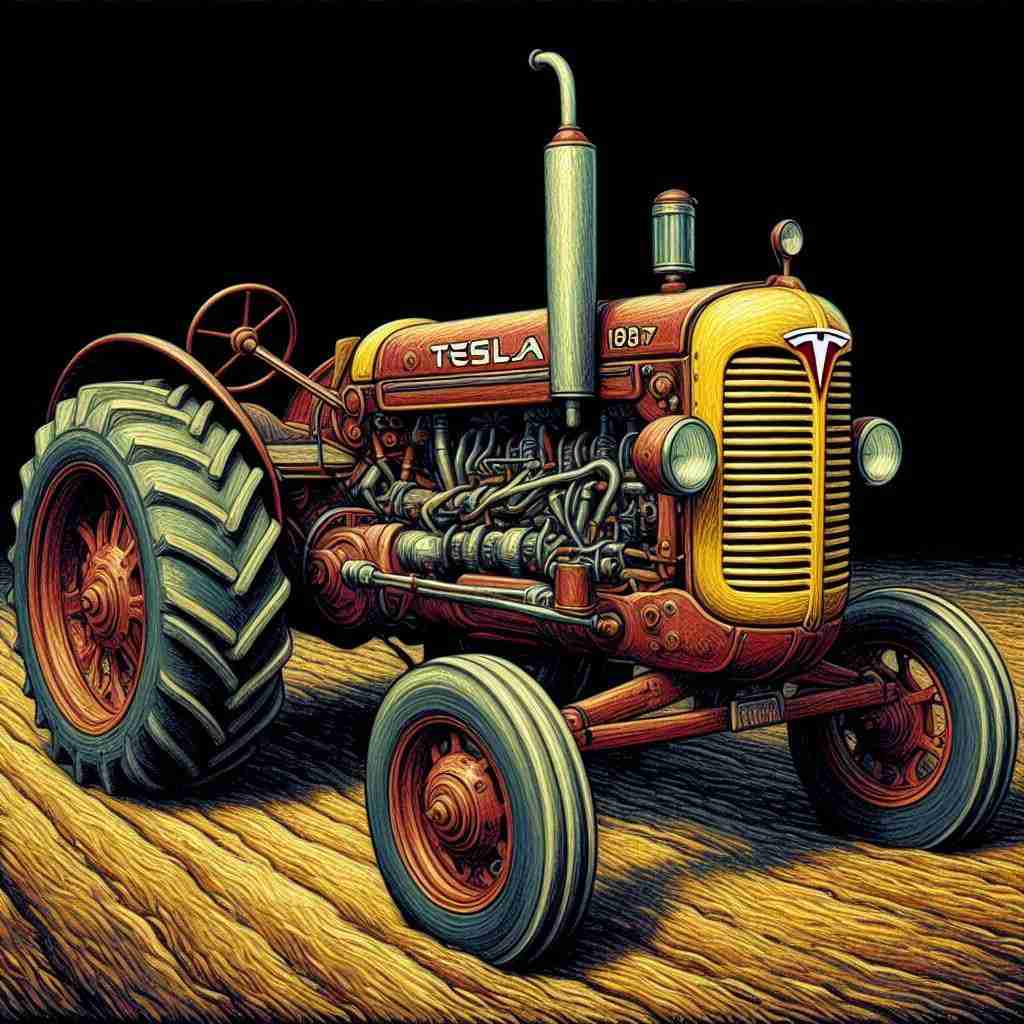
What Role Does Community Support Play In Tractor Restoration Projects?
What Role Does Community Support Play In Tractor Restoration Projects?
- A battered tractor symbolizes hard work, history, and community bonds.
- Restoring a tractor involves collaboration and showcases skills from various community members.
- A retired mechanic and a young enthusiast embody cooperation in the restoration process.
- Community support transforms restoration into a shared journey filled with triumphs and challenges.
- The process strengthens friendships and inspires resilience within the community.
- Pooling resources and exchanging knowledge create synergy for overcoming restoration challenges.
- Revitalizing a tractor also revitalizes community spirit and demonstrates the power of collaboration.

What Role Does Community Support Play In Tractor Restoration Projects?
Can Classic Tractors Symbolize A Farmer’s Legacy And Values?
When you stroll through a field dotted with classic tractors, you’re not just observing machinery; you’re peering into the very soul of farming itself. Each one tells a story—a narrative steeped in sweat, determination, and untold hours of toil under the sun. For many farmers, these machines symbolize something much deeper than just iron and steel. They embody their legacy, values, and an unwavering commitment to their craft.
Consider the farmer who painstakingly restored a vintage model, pouring heart and soul into every rivet and paint job. It’s not just a hobby; it’s an act of reverence. Each turn of the wrench echoes the generations that have come before them—the ancestors who tilled the land with the same gritty determination. This is where emotional resonance kicks in; a classic tractor becomes a time capsule, encapsulating memories of family gatherings in the field, the laughter of children riding along, and the bittersweet moments of loss and renewal synonymous with rural life.
Yet, we know it’s not merely nostalgia that fuels this passion. Rationality plays its role too. The durability of these classic tractors often surpasses many modern machines. Farmers realize that these pieces of equipment, tried and tested through decades of labor, embody reliability. They represent a smart investment, a connection to agricultural history, and a sturdy backbone in the face of modern challenges.
On a deeper ethical level, these tractors uphold values that resonate throughout farming communities: hard work, stewardship of the land, and a commitment to sustainability. Restoring these machines isn’t just about keeping history alive; it’s about preserving a way of life that respects the earth, empowering farmers to take pride in their labor while fostering connections to their communities.
Moreover, this spirit of restoration cultivates social bonds. Farm shows, tractor clubs, and community events celebrate these machines as living history, uniting generations through shared experiences. It’s incredibly satisfying to see a new generation learning to appreciate what came before them, finding pride in their roots while fostering a love for agriculture.
Classic tractors are more than rusty relics; they are heartbeats of legacy and values. They echo the resilience of farmers, acting as a reminder that each of us holds the power to shape our own legacies. So the next time you come across a classic tractor, pause for a moment, and consider the story it tells. It’s a story worthy of preservation—and participation.

Can Classic Tractors Symbolize A Farmer’s Legacy And Values?
Can Classic Tractors Symbolize A Farmer’s Legacy And Values?
- Classic tractors symbolize the soul of farming, representing farmers’ legacies and values.
- Restoration of vintage tractors is an act of reverence, connecting modern farmers to their ancestors.
- These machines serve as time capsules, preserving memories of family gatherings and rural life.
- Classic tractors are often more durable and reliable than modern machinery, making them a smart investment.
- They uphold crucial farming values such as hard work, land stewardship, and sustainability.
- Restoring tractors fosters community bonds through events and celebrations, uniting generations.
- Classic tractors embody resilience and the power to shape personal and agricultural legacies.

Can Classic Tractors Symbolize A Farmer’s Legacy And Values?
What Historical Significance Do These Machines Hold For Farming?
When you think of a tractor, what comes to mind? For many, it’s a simple, rust-red machine chugging through a golden field, leaving straight lines in the rich earth. But these sturdy workhorses symbolize so much more than just machinery; they represent a transformative chapter in the story of farming.
The tractor emerged during a time when backbreaking labor was the norm, when families toiled day after day, often battling the elements with little more than a plow in their hands. Imagine the grit and resolve it took for those early farmers who relied solely on muscle and sweat. The introduction of the tractor not only revolutionized farming practices but also offered a beacon of hope—promise of efficiency, reliability, and a brighter future.
Historically, tractors became the backbone of agricultural advancement. With their powerful engines, they replaced horses and oxen, liberating farmers from the confines of traditional methods. This machine became a symbol of progress and innovation, enabling farmers to cultivate larger plots of land and produce food more abundantly than ever before. It wasn’t just about increased yield; it was about a chance to thrive, to grow, and to nourish communities.
Consider the ethical implications as well. The shift from manual labor to mechanization opened the door for more sustainable farming practices. With the right equipment, farmers could employ crop rotation and proper land management techniques that protect the environment for generations to come. This strong relationship between man and machine champions stewardship of the land, honoring both our past and our future responsibilities to it.
Today, as we reflect on the significant role tractors play in agriculture, we recognize their authority in shaping the farming landscape. They remind us of our resilience and our capacity to adapt, evolve, and forge ahead. We must regard these machines not merely as tools but as key players in a larger narrative—a narrative that speaks to perseverance, innovation, and the relentless human spirit.
So, the next time you see a tractor in a field, take a moment to appreciate its historical power. It’s more than just a machine; it’s a testament to the dedication of countless generations. Trust in the legacy it carries and the promise it holds for the sustainable future of farming, for every turn of its wheels spins a story that connects us all.

What Historical Significance Do These Machines Hold For Farming?
What Historical Significance Do These Machines Hold For Farming?
- Tractors symbolize a transformative chapter in farming history and represent more than just machinery.
- They emerged during a time of backbreaking labor, providing hope for efficiency and reliability.
- Historically, tractors replaced horses and oxen, allowing farmers to cultivate larger areas and produce food abundantly.
- The introduction of tractors enabled sustainable farming practices through improved land management techniques.
- Tractors represent a strong relationship between humans and machines, promoting stewardship of the land.
- They are key players in the narrative of perseverance, innovation, and the relentless human spirit in agriculture.
- Tractors remind us of the dedication of past generations and their role in shaping a sustainable future for farming.

What Historical Significance Do These Machines Hold For Farming?
Conclusion
As we draw the curtain on our exploration of classic tractors, let’s take a moment to appreciate their significance not only as pieces of machinery but as beacons of our agricultural heritage. In an age cushioned by the convenience of technology, there’s something strikingly visceral about the roar of a vintage tractor. It’s not merely a sound; it’s a symphony of grit, determination, and tradition that resonates deep within the souls of farmers and enthusiasts alike. When a classic tractor revs to life, it conjures memories of long hours under the sun, family gatherings in fields, and the legacies left by hands that toiled before us.
In this shifting landscape of modern farming, where high-tech gadgets and digital dependencies dominate, the revival of classic tractors represents a powerful rebellion against the complexities of contemporary machinery. Here’s a truth that’s hard to ignore: simplicity and reliability often trumps the allure of flashy innovations. Modern tractors come with bells and whistles, no doubt, but when the rubber meets the road—and let’s be honest, it often does—they can leave you stuck. Classic tractors, with their straightforward mechanics and resilient durability, promise a connection to the land that newer models simply can’t replicate.
But let’s unearth the deeper ethos behind this movement. Choosing a classic tractor is about more than just the joy of nostalgia; it expresses values of sustainability and community. With fewer electronic parts, these vintage machines are easier to maintain, tend to produce lower emissions, and foster a culture of stewardship over mere consumerism. They invite us to roll up our sleeves, connect with our craft, and restore not just machines but the very essence of what farming stands for. It’s a call to celebrate the bonds formed within communities—neighbors exchanging advice, laboring side by side, and sharing triumphs and failures alike.
Ultimately, classic tractors serve as a vital reminder that farming is not just about agriculture; it’s about legacy, ethics, and connection. They symbolize our steadfast resolve not only to remember our roots but to cultivate a future that honors the stories, sweat, and spirit of generations before. So, if you see one of those rusty giants making its way down the dusty road, don’t just look; listen. Each chug carries stories untold, reminding us that sometimes, to forge ahead, we must also willingly embrace where we’ve come from. In every turn of the wheel, there lies an invitation to reflect, reconnect, and keep our agricultural heritage alive. It’s more than farming; it’s a way of life worth preserving.

Conclusion
Conclusion:
- Classic tractors symbolize our agricultural heritage and evoke deep emotional connections for farmers and enthusiasts.
- The sound of vintage tractors represents grit, determination, and tradition, recalling memories of hard work and family gatherings.
- In a world dominated by modern farming technologies, classic tractors offer a simpler and more reliable alternative.
- Despite modern tractors’ advanced features, classics tend to be more durable and effective in real-world conditions.
- Owning a classic tractor promotes sustainability, lower emissions, and a culture of stewardship over consumerism.
- Choosing a classic tractor fosters community, encouraging collaboration and sharing among neighboring farmers.
- Classic tractors embody the values of legacy and connection, reminding us of our roots while inspiring a future that honors our agricultural history.

Conclusion
Other Resources

Other Resources
Here is a list of other resources you can review online to learn more:
- Muskoka Pioneer Power
- Farm Equipment Manufacturers Association
- The New England Antique Truck and Tractor Association
- Toy Farmer
- Farm Heritage Museum
- Fiat
- Saunderson
- Fendt International
- The American Tractor Museum
- Best
Use This Prompt To Get More Resources With Your Favorite Online AI Tool: Please provide me with a list of online articles with their URLs in a bulleted list that I can read regarding Why Are Farmers Rediscovering Reliable Classic Tractors Today

Other Resources
Glossary Terms
Why Are Farmers Rediscovering Reliable Classic Tractors Today – Glossary Of Terms
1. Antique Tractor: A tractor that is at least 25 years old, often valued for its historical significance and simplicity.
2. Classic Tractor: A model of tractor produced in the mid-20th century that combines reliability, ease of repair, and nostalgic value.
3. Restoration: The process of repairing and refurbishing an old tractor to return it to a condition as close to its original state as possible.
4. Reliability: The quality of a tractor to perform consistently well over time, often seen in vintage models due to their robust construction.
5. Simplicity: Refers to the straightforward mechanics and fewer electronic components in classic tractors, making them easier to repair.
6. Parts Availability: The accessibility of spare parts for older tractors, which can impact their usability and restoration efforts.
7. Cost-Effectiveness: The economic advantage of using classic tractors, often stemming from lower maintenance and repair costs compared to modern machines.
8. Nostalgia: A sentimental longing for the past, prompting farmers to seek classic tractors that remind them of previous generations.
9. Fuel Efficiency: The measure of how effectively a tractor uses fuel, which can be advantageous in older models designed for specific tasks.
10. Versatility: The ability of a tractor to perform various tasks or adapt to different farming methods, often found in classic models.
11. Agricultural Heritage: The traditions and history associated with farming, of which classic tractors are a significant part.
12. Customization: The practice of modifying classic tractors to suit specific needs, often enhancing performance while retaining character.
13. Farm Equipment Collector: An individual or organization that collects, restores, and preserves classic tractors and other agricultural machinery.
14. Community Workshops: Local groups or facilities where enthusiasts gather to work on classic tractors, share knowledge, and preserve rural heritage.
15. Sustainable Farming: A practice that seeks to meet current agricultural needs without compromising future generations, often connected to the use of reliable older machinery.
16. Rural Economy: The economic system that pertains to farming communities, where classic tractors can play a vital role in supporting livelihoods.
17. Attractiveness: The aesthetic appeal of classic tractors, often appreciated by collectors and farmers for their design and historical significance.
18. Farm Shows: Events where farmers showcase their equipment, including classic tractors, fostering appreciation and interest in vintage machinery.
19. Heritage Restoration: The specific effort to preserve and restore tractors in a manner that respects their historical context and significance.
20. DIY Repairs: “Do It Yourself” maintenance and restoration practices that many farmers utilize, taking advantage of classic tractors’ simpler designs.
21. Vintage Farming: A lifestyle and practice that embraces the use of older farming techniques and equipment, including classic tractors.
22. Mechanics: The branch of engineering that deals with the design and maintenance of machinery, critical for those working with classic tractors.
23. Torque: A measure of rotational force, important in tractor performance and often more efficiently delivered by older engines.
24. Rolling Stock: A term used to refer to the entire stock of tractors and other machinery available to a farm, where classic models are often included.
25. Field Trials: Tests conducted to evaluate the performance of various tractors in real-world agricultural settings, helping farmers make informed choices.
26. Farming Community: A network of local farmers who often share knowledge, resources, and experiences, including those related to classic tractors.
27. Heritage Brands: Long-standing tractor manufacturers known for producing reliable, classic models that have become iconic in farming culture.
28. Integrated Farming: A holistic approach to agriculture that may promote the use of classic tractors for their reliability and efficiency in diverse farming practices.
29. Collector’s Market: A niche market where classic tractor enthusiasts buy, sell, and trade vintage models, fostering a community of preservation.
30. Mechanical Simplicity: A characteristic of classic tractors that refers to their uncomplicated mechanical systems, making them easier to maintain and operate.

Glossary Of Terms
Other Questions
Why Are Farmers Rediscovering Reliable Classic Tractors Today – Other Questions
If you wish to explore and discover more, consider looking for answers to these questions:
- What are the advantages of classic tractors over modern tractors in terms of cost?
- How do classic tractors contribute to sustainable farming practices?
- What specific maintenance practices are required for classic tractors?
- Are there any particular brands or models of classic tractors that are more reliable than others?
- How has the perception of classic tractors changed among modern farmers over the years?
- What are some common challenges faced when restoring classic tractors?
- How can modern technology be integrated into the use of classic tractors?
- What role do vintage tractor shows and clubs play in preserving agricultural history?
- How does community involvement impact the restoration process of classic tractors?
- In what ways do classic tractors inspire new generations of farmers?
- What stories or legacies are often associated with specific classic tractors?
- How can interested individuals get involved in classic tractor restoration projects?
- What resources are available for finding parts for classic tractors?
- Are there financial incentives or programs for farmers who choose to use classic tractors?
- What is the future outlook for classic tractors in the context of modern agriculture?

Other Questions
Haiku
Why Are Farmers Rediscovering Reliable Classic Tractors Today – A Haiku
Rusty giants roll forth,
Echoes of toil and pride bloom—
Heritage thrives strong.

Haiku
Poem
Why Are Farmers Rediscovering Reliable Classic Tractors Today – A Poem
Ode to the Classic Tractor
In golden fields where tractors roam,
Old iron giants find their home.
With engines rumbling, stories told,
Each rusted bolt, a heart of gold.
They echo dreams from days gone by,
When toil was deep and spirits high.
A farmer’s hand, both harsh and calloused,
Steers a legacy that time enbalances.
Reliability lies in their simple grace,
With fewer tools and less frantic pace.
In this age of screens and flashing lights,
These trusty steeds bring back the nights.
When laughter echoed beneath the sun,
As children rode, their hearts as one.
Restoration’s more than mere repair,
It’s weaving tales, it’s love laid bare.
Together they gather, each neighbor and friend,
To turn back the clock, where the fields never end.
They share advice, swap tales of the past,
In the heart of the community, bonds grow vast.
A mindful choice amidst modern haste,
Where every engine’s hum is not laid to waste.
Each dent tells a story, each scratch marks a fight,
In this dance with history, it feels just right.
They teach us of values, of grit, and of land,
An ethical compass crafted by hand.
For when we choose vintage, we reclaim our pride,
A promise to nurture, with the earth as our guide.
So let the classics roll on paths less tread,
With trust in tradition, and stories ahead.
In their steady chug, through fields they decree,
That sometimes, it’s roots that set us free.

Poem
Checklist
Why Are Farmers Rediscovering Reliable Classic Tractors Today – A Checklist
Classic Tractor Rediscovery Checklist: Embracing Heart, Head, and Gut
Emotional Appeals (Heart)
_____ Reflect on your farming heritage: What stories do you hold about family and the land?
_____ Capture nostalgic moments: Share a memory of your own experiences with tractors or farming.
_____ Engage with community events: Attend local tractor shows or restoration gatherings to strengthen bonds.
_____ Create a restoration journal: Document your journey in restoring or using a classic tractor—capture the emotional ups and downs.
Rational Appeals (Head)
_____ Evaluate tractor reliability: Compare maintenance costs and uptime of classic tractors versus modern options.
_____ Research sustainability: Explore the environmental impact of classic tractors in terms of resource use and emissions.
_____ Analyze investment returns: Consider the long-term benefits of investing in durable equipment.
_____ Gather knowledge: Read manuals, watch instructional videos, or consult experts about maintaining classic tractors.
Ethical Appeals (Gut)
_____ Commit to sustainability: Choose restoration projects that honor ecological practices and reduce waste.
_____ Support local craftsmen: Volunteer or collaborate with local experienced mechanics in restoration efforts.
_____ Foster responsible ownership: Promote a culture of maintenance and care over disposability within your community.
_____ Share an ethical stance: Advocate for the legacy and history of classic tractors in discussions and community meetings.
Authority Appeals (Head)
_____ Seek mentorship: Connect with veteran farmers or restoration experts for guidance.
_____ Follow industry leaders: Subscribe to newsletters or follow blogs focused on classic tractors and sustainable farming practices.
_____ Attend workshops: Participate in local training sessions led by experts in tractor restoration and maintenance.
Narrative Appeals (Heart)
_____ Create a community documentary: Capture the stories of those involved in tractor restoration within your locality.
_____ Share your success: Narrate your own journey of restoring or operating a classic tractor in a blog or social media post.
_____ Involve others in storytelling: Organize storytelling nights where community members share their farming narratives.
Social Appeals (Gut & Heart)
_____ Join a tractor club: Become part of a local or national organization dedicated to classic tractors and the community surrounding them.
_____ Participate in community service: Organize or take part in events that contribute to local agricultural heritage preservation.
_____ Host a community restoration day: Engage fellow enthusiasts to come together and work on a project, promoting unity and shared heritage.
Implementation Tips
_____ Regularly assess your checklist items for completion and satisfaction.
_____ Foster discussions around the emotional importance of classic tractors with friends and family.
_____ Reflect on how each element of this checklist strengthens your connection to classic tractors, farming, and community.
By engaging with this checklist, you can deepen your understanding and appreciation for the timeless appeal of classic tractors while fostering connection, sustainability, and community spirit.

Checklist
At ClassicTractorNews, we help tractor lovers keep up with the latest news for classic and vintage tractors.
Please share this post with your friends, family, or business associates who may like old classic or vintage tractors.