


Reviving Tradition: The Emotion, Logic, And Ethics Of Choosing Classic Tractors
By Tom Seest
At ClassicTractorNews, we help tractor lovers keep up with the latest news for classic and vintage tractors.
Please share this post with your friends, family, or business associates who may like old classic or vintage tractors.
Why Are Classic Tractors Regaining Popularity Among Young Farmers
?
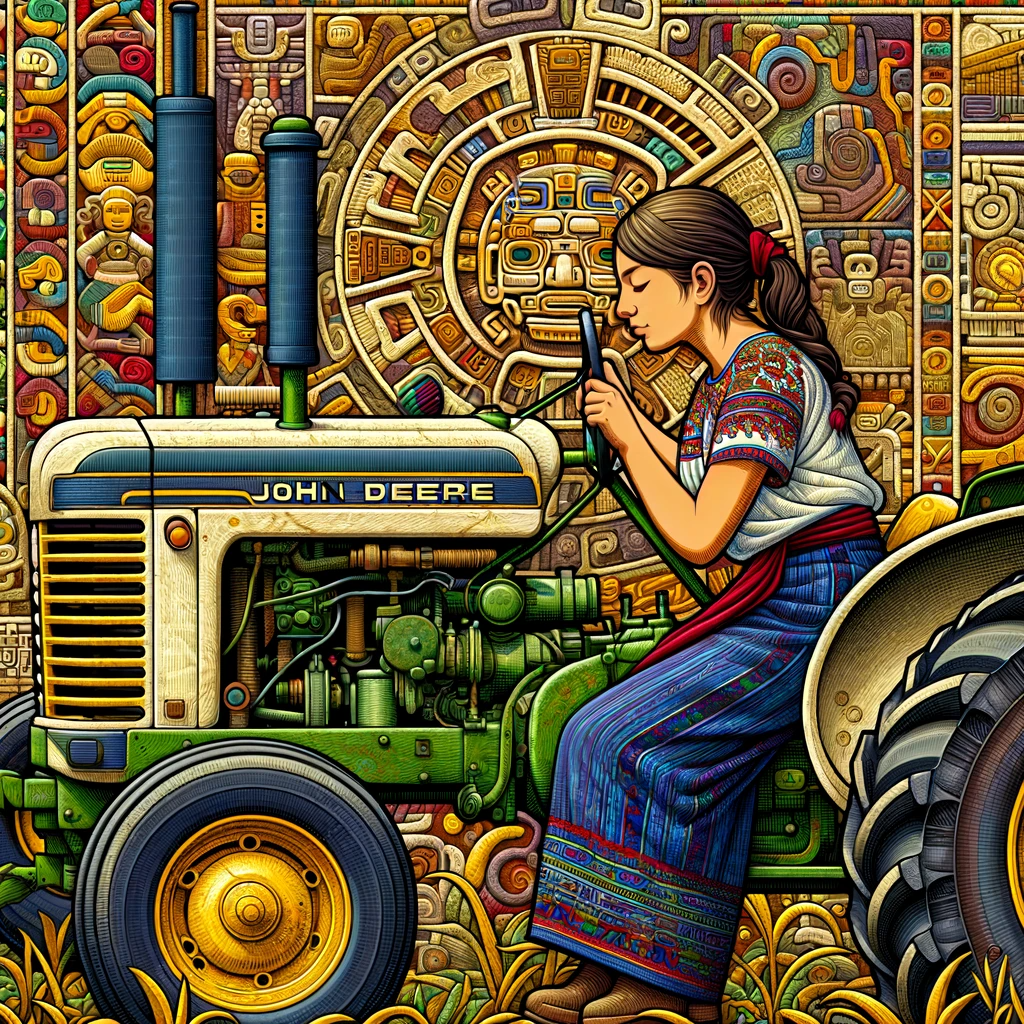
When you think of farming, what do you see? Fields stretching towards the horizon, sweat rolling down a brow, and the unmistakable hum of a tractor stirring to life. For many young farmers today, that imagery is not just nostalgic; it’s a call to action. The resurgence of classic tractors in the agricultural scene has sparked a movement that’s as much about hearts as it is about fields.
In a world where everything seems to be digital, young farmers are reaching back into the past, drawn to the sturdy, often rugged simplicity of classic tractors. There’s something undeniably appealing about a machine that has weathered storms and stood the test of time, much like the farmers who operate them. These aren’t just tractors; they’re tangible connections to heritage, teaching us lessons on resilience and grit. When you climb aboard one of these machines, you feel a pulse—a heartbeat reverberating from the ground up, reminding you of the collective efforts of generations before you.
From an ethical standpoint, this revival goes beyond mere aesthetics. Classic tractors often come with a lighter environmental footprint. They can be restored and used without the heavy reliance on modern, energy-consuming technology. For young farmers who grapple with sustainability, this is not only a rational choice; it’s a moral one. It’s an embrace of farming that pays homage to the earth—a commitment to preserving it for the future while still honoring its past.
Let’s face it: owning and operating a classic tractor is like wearing a badge of honor. It speaks volumes at social gatherings and local fairs. Suddenly, you’re not just a farmer; you’re part of a community—a brotherhood or sisterhood tied together by shared values and experiences. You connect with others not merely through social media, but through oil-stained hands and stories of hard work and tenacity. The tractor becomes more than just machinery; it’s a symbol of pride, craftsmanship, and the pursuit of something more meaningful.
So, if you’re a young farmer contemplating which direction to steer your future, consider this: classic tractors aren’t relics of a bygone era; they are the vessels of a modern agricultural renaissance. Climb aboard, and embrace the legacy of your craft. Trust where your roots are grounded, and let that passion drive you forward, one furrow at a time.

Why Are Classic Tractors Regaining Popularity Among Young Farmers
Why Are Classic Tractors Regaining Popularity Among Young Farmers
- The resurgence of classic tractors inspires young farmers, emphasizing a connection to heritage and resilience.
- Classic tractors symbolize a simpler, more rugged approach to farming in a digital age, appealing to the nostalgia of farmers.
- These machines offer a tangible link to past generations, reminding farmers of their collective efforts and grit.
- Classic tractors generally have a lighter environmental footprint, promoting sustainable farming practices.
- Owning a classic tractor fosters a sense of community among farmers, enhancing social connections based on shared values.
- These tractors represent pride, craftsmanship, and a meaningful pursuit within the farming community.
- Classic tractors are not relics; they represent a modern agricultural renaissance worthy of continued legacy.

Why Are Classic Tractors Regaining Popularity Among Young Farmers
Table Of Contents
- Why Are Classic Tractors Regaining Popularity Among Young Farmers
- How Do Classic Tractors Reflect The Values Of Sustainable Farming?
- What Benefits Do Vintage Tractors Bring To Modern Farming Efficiency?
- What Stories Do Classic Tractors Tell About Our Agricultural Heritage?
- What Role Do Classic Tractors Play In Preserving Farming Traditions?
- How Do Young Farmers Justify The Investment In Vintage Machinery?
- In What Ways Do Classic Tractors Represent Resilience In Farming?
- Conclusion
- Other Resources
- Glossary Of Terms
- Other Questions
- Haiku
- Poem
- Checklist
How Do Classic Tractors Reflect The Values Of Sustainable Farming?
Classic tractors stand as a powerful testament to sustainable farming, reflecting values that resonate deep within our communities. When you think about it, these machines are more than just rusted metal and grease; they’re symbols of hard work, perseverance, and a commitment to the land. Their timeless design and durability evoke feelings of nostalgia, connecting us to generations before us who relied on these sturdy machines to feed their families and sustain their livelihoods.
Take a moment to picture a farmer, hands worn and weathered, standing proudly beside a vintage tractor. It’s not just a vehicle for him; it’s a partner in the noble pursuit of cultivating crops and caring for the earth. This image speaks to our hearts, reminding us of the dedication required to maintain a healthy planet. Classic tractors embody the idea that we can grow food without modern excess—without chemical dependence or excessive fuel consumption.
From a rational standpoint, these tractors showcase a simplicity that modern machinery often lacks. Equipped with fewer complex components, they demonstrate that sometimes, the old ways are the best ways. Their design allows for easy repairs, ensuring that farmers can keep them running for decades, reducing waste and environmental impact. In an age defined by throwaway culture, classic tractors challenge us to embrace sustainability, encouraging a mindset that values longevity over novelty.
Ethically speaking, every time a classic tractor turns the soil, it does so in a way that honors both tradition and stewardship. These mighty machines remind us of our responsibility to cultivate not just the land, but also our communities. They inspire a sense of duty to future generations, encouraging us to establish farming practices that are gentle on the earth.
Narratively, each scratch on that old paint tells a story of the land it has tended—battling storms, droughts, and the tests of time. As you listen to the roar of a well-maintained engine, it speaks of resilience and the connections formed through shared toil.
Socially, classic tractors foster a sense of community among those who appreciate the art of sustainable farming. Sharing stories and knowledge, farmers rally around their cherished machines, forming bonds that strengthen the very fabric of rural life. By promoting the values of sustainable farming, classic tractors invite us all to be part of this timeless journey—reminding us that we can nurture our agricultural roots while respecting the earth we call home.

How Do Classic Tractors Reflect The Values Of Sustainable Farming?
How Do Classic Tractors Reflect The Values Of Sustainable Farming?
- Classic tractors symbolize sustainable farming and the values of hard work and perseverance.
- They evoke nostalgia and connect us to past generations who relied on these machines for livelihoods.
- These tractors represent a partnership with farmers in cultivating crops and caring for the earth.
- They embody simplicity and durability, allowing for easy repairs and reducing waste.
- Classic tractors uphold ethical farming practices that honor tradition and community stewardship.
- Their wear and tear tell stories of resilience and enduring connections to the land.
- They foster a sense of community among farmers, promoting shared knowledge and sustainable practices.

How Do Classic Tractors Reflect The Values Of Sustainable Farming?
What Benefits Do Vintage Tractors Bring To Modern Farming Efficiency?
Imagine standing in the fields, the sun casting a golden hue on rows of crops that have weathered seasons and storms, much like the vintage tractor that stands proudly beside them. These machines, often seen as relics of a bygone era, speak volumes about the heart and soul of farming. They represent patience, craftsmanship, and the acknowledgment that sometimes, the old ways still hold remarkable wisdom.
At first glance, a vintage tractor may seem out of place in today’s hi-tech farming landscape. However, dig a little deeper, and you’ll find that these mechanical marvels bring with them a wealth of benefits that can enhance modern farming efficiency in ways you might not expect. They remind us of a time when farming was about relationship-building—not just between man and machine but between farmers and the land they cultivate.
Sure, the latest models boast cutting-edge technology and fuel efficiency, but how often do we lose sight of the human element in the quest for progress? Vintage tractors, with their simplicity and rugged reliability, offer an antidote to the overwhelming complexity that can stifle efficiency. These sturdy machines are easy to maintain and repair, making them a pragmatic choice for farmers who may not have unlimited resources at their disposal. When equipment breaks down in the heat of the season, a vintage tractor can be back up and running with just a few adjustable wrenches and a bit of elbow grease—no advanced diagnostics needed.
From a narrative perspective, consider the stories that these tractors carry. Each dent and scratch tells a tale of seasons past; every rusted bolt echoes the laughter of young farmers learning the ropes. Embracing these machines connects us to generations of farmers who toiled tirelessly to feed their communities, evoking a sense of responsibility. By integrating vintage tractors into modern practices, we honor their legacy while still pushing towards efficiency and productivity.
The allure of these machines transcends mere nostalgia; it touches our gut. It reminds us of the joy of hard work and the gratification that comes from nurturing the earth. It’s a reminder that, even in an age of automation and artificial intelligence, the heart of farming still beats strongest in the hands of those who remember where they came from. In bringing vintage tractors into the fold, we’re not just keeping the past alive; we’re forging a future that values tradition alongside innovation. So, let’s roll up our sleeves and honor our roots—there’s power in the past that can propel us forward.

What Benefits Do Vintage Tractors Bring To Modern Farming Efficiency?
What Benefits Do Vintage Tractors Bring To Modern Farming Efficiency?
- Vintage tractors symbolize the heart and soul of farming, representing patience and craftsmanship.
- They offer valuable benefits that can enhance modern farming efficiency despite being seen as relics.
- These machines foster relationship-building between farmers and the land they cultivate.
- Vintage tractors are easy to maintain and repair, serving as a practical choice for resource-limited farmers.
- Each vintage tractor carries stories and history, connecting us to generations of farmers.
- The approach of integrating vintage tractors into modern practices honors their legacy while promoting productivity.
- Embracing these machines helps maintain a balance between tradition and innovation in farming.

What Benefits Do Vintage Tractors Bring To Modern Farming Efficiency?
What Stories Do Classic Tractors Tell About Our Agricultural Heritage?
When you lay eyes on a classic tractor, it’s hard not to feel a sense of awe. Each rusted fender and sun-bleached hood harbors memories of labor and perseverance, whispering the tales of those who relied on them for sustenance. These machines are more than mere metal; they embody our agricultural heritage—an enduring testament to the grit and resilience of farming communities.
Let’s take a moment to consider the heart of the matter. Picture a farmer, hands calloused from years of tilling the land, climbing onto a vintage tractor that’s been in the family for generations. For this farmer, that tractor isn’t just a piece of equipment; it’s a bridge to their ancestry, a symbol of countless harvests and hard-won victories against the elements. It stands as a reminder of sleepless nights and backbreaking days, but also of the sweet taste of success after a season of toil. That is the emotional force behind every scratch and dent—stories of joy and sorrow interwoven in a tapestry of soil and sweat.
But it’s not just about feelings. There’s a rational basis for keeping these pieces of history alive. Classic tractors often represent a more sustainable approach to agriculture. In an age where technology can seem overwhelming, we can learn from the simplicity and reliability of these machines. They remind us that success in farming isn’t just about high-tech solutions; it’s about understanding the land, nurturing it, and respecting the cycles of nature. When we champion these tractors, we also endorse the principles of sustainability and stewardship that they encapsulate.
On an ethical level, classic tractors remind us of our responsibility to future generations. Preserving these machines isn’t merely about nostalgia; it’s about honoring the labor that feeds us. It’s a pledge to acknowledge where we’ve come from while ensuring we don’t lose sight of our roots. Every restored tractor on display serves as an invitation to reflect on our agricultural responsibility, emphasizing community, tradition, and resilience.
Finally, these tractors unite us socially. Communities come together at tractor shows and restoration events, celebrating shared heritage while forging new connections. In a world increasingly dominated by screens, these moments remind us of the joy found in tangible experiences and camaraderie.
So, the next time you see a classic tractor, take a moment to consider the stories it narrates. Each machine links us to our past, urges us to reflect on our values, and inspires us to preserve our agricultural legacy. It calls us to respect the earth and honors those who have devoted their lives to it. Let’s listen to what these enduring giants of the fields have to say—they have a lot to teach us.

What Stories Do Classic Tractors Tell About Our Agricultural Heritage?
What Stories Do Classic Tractors Tell About Our Agricultural Heritage?
- Classic tractors evoke awe and embody agricultural heritage through their enduring presence.
- For farmers, these vintage machines serve as symbols of ancestry, representing perseverance and hard-won victories.
- Emotional connections arise from the stories of joy and sorrow embedded in every dent and scratch of the tractors.
- Classic tractors promote a sustainable approach to agriculture, contrasting with modern technology’s complexities.
- Preserving these machines is an ethical obligation, grounding us in our agricultural history and responsibilities to future generations.
- Tractor events foster community unity and celebrate shared heritage, providing meaningful social connections.
- Classic tractors encourage reflection on values, the importance of sustainability, and honoring those committed to farming.

What Stories Do Classic Tractors Tell About Our Agricultural Heritage?
What Role Do Classic Tractors Play In Preserving Farming Traditions?
What Role Do Classic Tractors Play in Preserving Farming Traditions?
Let’s take a moment to think about a classic tractor. You know the type—paint worn from decades of toil, rusting here and there, but still refusing to bow out gracefully. This metal beast holds the stories of generations, carving out a life right alongside farmers who lived just as long, forging connections that bind the past to our present. It’s not just about functionality; these tractors embody the heartbeat of a way of life deeply rooted in tradition.
Picture a weathered hand gripped around the steering wheel, guiding the tractor through endless fields kissed by the sun—a dance built on years of experience. For many, these machines symbolize not just a means to an end, but a legacy. They represent countless hours spent tilling the soil, harvesting the bounty, and teaching values of hard work, resilience, and responsibility to the next generation. There’s something nearly sacred about that. In our rapidly changing world, where even our food comes from processed packets and drones, the sight of a classic tractor stirs a nostalgia for simpler times, reminding us of our connection to the earth.
Now, let’s engage the head. Classic tractors remind us of the evolution of agriculture, offering lessons that modern technology cannot replicate. They are testaments to innovation born out of necessity; they showcase the craftsmanship and ingenuity of their makers. By preserving these farming relics, we recognize everything that led to today’s advancements. They tell a story of progress, sustainability, and respect for the land. Each dent and scratch is a mark of sacrifice, reminding us that every kernel of corn or ear of wheat has its roots in real, backbreaking work.
And let’s not overlook the ethical appeal: by embracing the legacy of these vintage workhorses, we safeguard the values of stewardship and sustainability ingrained in farming tradition. When we nurture these tractors, we are also cherishing a culture of responsible agriculture—one that honors the earth, the community, and the generations to come.
So, whether you’re a farmer or a city dweller, the classic tractor serves as a bridge to the past. It invites us to engage, to reflect, and, ultimately, to act. Support local farms, share stories of your own heritage, and become part of this narrative. Because when we honor the past, we lay the groundwork for a future steeped in respect, connection, and authentic living. Let these old machines inspire you—after all, they’re not just tractors; they’re the very embodiment of our agricultural heart and soul.

What Role Do Classic Tractors Play In Preserving Farming Traditions?
What Role Do Classic Tractors Play In Preserving Farming Traditions?
- Classic tractors symbolize farming traditions, embodying the history of generations.
- They represent hard work, resilience, and the values taught to future generations.
- Classic tractors evoke nostalgia for simpler times and remind us of our connection to the earth.
- They illustrate the evolution of agriculture and the innovation born out of necessity.
- Preserving these tractors honors the craftsmanship and smart farming practices of the past.
- Supporting classic tractors promotes ethical practices in agriculture, such as stewardship and sustainability.
- Classic tractors invite everyone to engage with farming culture, fostering respect and connection.

What Role Do Classic Tractors Play In Preserving Farming Traditions?
How Do Young Farmers Justify The Investment In Vintage Machinery?
When you step onto the sprawling fields that stretch like promises under the sun, it’s hard not to feel the weight of tradition in the air. Young farmers today are embarking on journeys that honor not just the land but the very history of agriculture itself. This is where vintage machinery—like those sturdy old tractors—comes into play, and the reasons for investing in such relics run deeper than mere nostalgia.
Picture a young farmer, standing beside a rusted tractor that’s seen more seasons than they have. There’s a heartbeat to these machines, memories ingrained in their very frames. For many, investing in vintage machinery isn’t just about plowing fields; it’s about forging a connection to the past. Each start-up of that tractor sends a pulse through the earth, reminding them of the sweat and tenacity of generations before. It’s a powerful reminder that farming is not just a job; it’s a legacy.
But, let’s not sugarcoat it—investing in vintage machinery can seem like a leap of faith to some. However, there’s a method to this seemingly retro madness. Economically, vintage tractors often come at a fraction of the cost compared to their modern counterparts, yet their simplicity means they can be maintained with basic tools and a bit of elbow grease. For a young farmer, this translates to a financial strategy that balances innovation with practicality. They recognize that in this fast-paced world, sometimes older tech teaches younger folks valuable lessons in durability and resilience.
Ethically, choosing vintage equipment signals a commitment to sustainability. Young farmers know that every meaningful choice impacts the environment. Revitalizing an old tractor means repurposing resources and minimizing waste. It’s a conscious stand against the throwaway culture that seems to dominate modern agriculture. There’s honor in breathing new life into something that may have been discarded.
And socially? Well, there’s a community built around vintage machinery, where stories are traded, aids are shared, and pride in craftsmanship binds people together. There’s a camaraderie that comes when you gather with others who share the same respect for old steel and the stories it carries.
In a world that often churns with the latest trends and technologies, young farmers find stability in the timeless lessons of vintage tractors. By embracing the old, they aren’t just farming; they’re cultivating connections—rooted in family, community, and a future that honors the past.

How Do Young Farmers Justify The Investment In Vintage Machinery?
How Do Young Farmers Justify The Investment In Vintage Machinery?
- Young farmers are embracing agricultural traditions and the history of farming.
- Investing in vintage machinery, like old tractors, creates a connection to farming’s legacy.
- Each startup of a vintage tractor symbolizes the hard work of previous generations.
- Vintage tractors are often more affordable and simpler to maintain than modern equipment.
- Choosing vintage machinery promotes sustainability by repurposing resources and reducing waste.
- A strong community exists around vintage machinery, fostering shared stories and craftsmanship pride.
- By valuing old technology, young farmers cultivate connections with family, community, and heritage.

How Do Young Farmers Justify The Investment In Vintage Machinery?
In What Ways Do Classic Tractors Represent Resilience In Farming?
There’s something profound about a classic tractor—a hulking piece of machinery that conjures up images of fields bathed in golden sunlight and the tireless efforts of farmers who breathe life into the land. These tractors are not mere machines; they are a testament to the resilience of farming itself, embodying the spirit of generations who have tended the soil with sweat-streaked brows and unwavering determination.
Consider the way a vintage tractor stands firm against the elements. Whether facing blistering sun, torrential rain, or biting frost, these machines have been designed to endure. When a farmer climbs onto that weathered seat, it’s not just about driving a tractor; it’s about feeling a connection to a time-honored tradition. Each scratch and dent tells a story, depicting the highs and lows of farming life—planting season joys, harvesting victories, and struggles against nature’s wrath. It’s this narrative that weaves a rich tapestry of resilience, reminding us that perseverance is often born from hardship.
From a rational perspective, classic tractors are emblematic of efficiency and hardiness. They may lack some modern bells and whistles, but their simplicity breeds reliability. Farmers trust these machines because they’re proven survivors, often outliving high-tech counterparts that are sacrificed to the altar of obsolescence. In a world where everything seems fleeting, these rugged relics remind us that lasting value comes from unfailing performance, not just flashy features.
When we consider ethical farming practices, classic tractors often represent a return to responsible cultivation. They embody the philosophy of working with the land rather than exploiting it, promoting a balanced approach to agriculture that respects the environment while providing for families. This connection to sustainable practices fosters a sense of community and responsibility—values that are crucial in a time when stewardship of our resources has never been more pressing.
In a society often detached from where our food originates, classic tractors symbolize the heart of farming. They bridge generations, allowing stories to be shared at the dinner table about the struggles and triumphs of those who came before. When we rally around these machines, we champion not just a piece of history but a cause—a cause centered on resilience, honor, and hard work.
So next time you see a classic tractor chugging along a dirt road, take a moment to appreciate what it truly represents: a spirit unyielding, an enduring promise to the land, and a legacy that inspires us all to dig deep and keep going, no matter the odds.

In What Ways Do Classic Tractors Represent Resilience In Farming?
In What Ways Do Classic Tractors Represent Resilience In Farming?
- Classic tractors embody the resilience of farming and the dedication of generations of farmers.
- They are designed to endure harsh weather conditions, symbolizing a connection to farming traditions.
- Each vintage tractor carries a narrative of farming life, reflecting both joys and struggles.
- Despite lacking modern features, classic tractors are valued for their simplicity and reliability.
- They often symbolize ethical farming practices, promoting sustainable agricultural methods.
- Classic tractors connect people to food sources and facilitate the sharing of family farming stories.
- They represent an enduring legacy and inspire perseverance in the face of challenges.

In What Ways Do Classic Tractors Represent Resilience In Farming?
Conclusion
Conclusion: The Heart, Head, and Gut of Classic Tractors
Alright, folks, let’s wrap this up with a call to arms—well, more like a call to your roots. When you look at classic tractors, you don’t just see metal and rust; you see history, dedication, and the soul of farming. Timeworn machines that have weathered the storms of not just the weather, but of changing times. These tractors are emotional anchors for young farmers, reminding them of stories that began long before they were born. The moment you climb aboard one, you’re not just driving a piece of equipment; you’re steering the legacy of hard work and grit that has fed families and built communities.
Now, let’s engage the mind a bit. The logic surrounding these vintage machines is compelling. They’re often easier on the environment and your wallet. Think about it: while modern tractors can be riddled with complex technology and hefty bills, classic models are much more straightforward. Fewer parts mean fewer breakdowns and less reliance on overwhelmingly expensive repairs. The commitment to restoring these machines is not just a nostalgic trip down memory lane; it’s a savvy move rooted in sustainability and practicality. By choosing vintage, young farmers tap into a tradition that teaches skills—think mechanics, resourcefulness, and the invaluable lesson of maintenance over frivolous consumption.
But what about the ethics of it all? Reviving these tractors isn’t merely sentimental; it’s a pledge to protect the land. It’s a move towards responsible farming practices that don’t rely on excessive fuel consumption or chemical heavy-handedness. By choosing classic, these young farmers are committing themselves to a future that honors the earth while providing for their communities. It’s about becoming stewards of the soil, ensuring that we leave the land in better shape than we found it.
Lastly, let’s talk about social ties. Owning a classic tractor means joining a community, not just on social media but in real life—where sharing stories over grease-stained hands becomes a badge of honor. This camaraderie fosters a network of support and understanding, reminding us all that farming isn’t a solitary job; it’s a communal effort steeped in shared values and experiences.
So, the next time you see a classic tractor, don’t just pass it by. Acknowledge the legacy it carries and the resilience it represents. It’s more than farming equipment; it’s a symbol of hard work, sustainability, and community stewardship. Those old machines are still teaching us lessons—about the past, the present, and the future. Grab the reins, folks. Let’s reclaim that legacy, one furrow at a time!

Conclusion
Conclusion:
- Classic tractors symbolize history, dedication, and the essence of farming.
- They serve as emotional anchors, connecting young farmers to their roots and past traditions.
- Classic tractors are often more environmentally friendly and cost-effective than modern machines.
- Restoring vintage tractors fosters skills like mechanics and emphasizes the importance of maintenance.
- Choosing classic tractors supports sustainable farming practices and responsible land stewardship.
- Owning a classic tractor builds community and fosters camaraderie among farmers.
- Classic tractors are more than machinery; they represent hard work, sustainability, and a collective farming legacy.

Conclusion
Other Resources
Other Resources
Here is a list of other resources you can review online to learn more:
- Dillon Farm Museum
- Waterloo Manufacturing Company
- Valmet
- Holt
- Agri-Power
- Woods Equipment
- Arma Trac Tractors
- Monarch Tractor
- Ageless Iron
- Montgomery Ward
Use This Prompt To Get More Resources With Your Favorite Online AI Tool: Please provide me with a list of online articles with their URLs in a bulleted list that I can read regarding Why Are Classic Tractors Regaining Popularity Among Young Farmers

Other Resources
Glossary Terms
Why Are Classic Tractors Regaining Popularity Among Young Farmers – Glossary Of Terms
1. Classic Tractors: Vintage farming machinery, often produced before the 1980s, celebrated for their mechanical simplicity and aesthetic appeal.
2. Sustainable Farming: Agricultural practices that aim to meet current food needs without compromising future generations’ ability to produce food.
3. Restoration: The process of repairing and refurbishing classic tractors to bring them back to their original or an improved working condition.
4. Mechanics: The field of engineering focused on the design and maintenance of machinery, including tractors.
5. Heritage Farming: Farming practices that respect and promote traditional techniques, often utilizing vintage equipment.
6. Community Farming: Collaborative agricultural practices where local farmers work together, often using shared resources like classic tractors.
7. Functional Aesthetics: The appreciation of machinery not only for its performance but also for its design and historical significance.
8. Agroecology: An ecological approach to farming that emphasizes sustainable farming practices and biodiversity.
9. DIY Culture: The ethos of creating and repairing things by oneself, popular among young farmers restoring classic tractors.
10. Vintage Agriculture: A farming style that employs older methods and equipment, often prioritizing long-term sustainability over modern technologies.
11. Regenerative Agriculture: A farming practice designed to improve and restore the health of the soil and ecosystem through sustainable techniques.
12. Independence: The self-sufficiency that comes from using classic tractors, often appealing to younger farmers who prefer to rely less on corporate farming solutions.
13. Nostalgia: A sentimental longing for the past, which often influences young farmers’ desire to use classic tractors.
14. Local Food Movement: A consumer-driven initiative that emphasizes buying and consuming locally-produced food, fostering community connection.
15. Skill Development: The practice of improving one’s agricultural and mechanical skills, often through hands-on work with classic tractors.
16. Adaptability: The ability to modify classic tractors for modern farming needs and practices, enhancing their utility.
17. Cost-effectiveness: The aspect of classic tractors that often makes them more affordable to acquire and maintain than new models.
18. Cultural Heritage: The historical significance and stories associated with classic tractors that appeal to a sense of identity in farming communities.
19. Vintage Shows: Events where classic tractors are displayed, promoting interest and appreciation for historical machinery among young farmers.
20. Innovation: The integration of modern technologies with classic tractors, leading to new farming solutions while preserving traditional values.
21. Networking: The process of building connections within farming communities, often facilitated by shared interests in classic tractors.
22. Farm-to-Table: A movement emphasizing local food production, where classic tractors play a vital role in maintaining small, sustainable farms.
23. Educational Workshops: Programs designed to teach young farmers about agriculture, mechanics, and restoration techniques regarding classic tractors.
24. Sourcing: The act of finding and purchasing classic tractors, components, and parts, fostering a vibrant second-hand market.
25. Agricultural Heritage: The legacy of farming practices and technologies passed down through generations, celebrated by using classic tractors.
26. Rural Aesthetics: The visual appeal often associated with farmland that incorporates traditional equipment like classic tractors.
27. Livestock Management: The practices and techniques involved in raising livestock, where classic tractors are often used in the process.
28. Soil Health: The condition of soil which is improved by practices often associated with traditional and vintage farming methods.
29. Agricultural Technology (AgTech): Modern technological advancements that, when applied to classic tractors, can enhance their functionality.
30. Collectible Items: Classic tractors are often considered collectibles, valued for their rarity and historical importance among enthusiasts.

Glossary Of Terms
Other Questions
Why Are Classic Tractors Regaining Popularity Among Young Farmers – Other Questions
If you wish to explore and discover more, consider looking for answers to these questions:
- What are the main reasons young farmers are attracted to classic tractors?
- How do classic tractors contribute to sustainable farming practices?
- What economic advantages do classic tractors offer compared to modern machinery?
- How can classic tractors be maintained effectively by young farmers?
- What are the stories and histories behind popular classic tractor models?
- How is the community around vintage tractors structured and what events do they host?
- What challenges do young farmers face when investing in classic tractors?
- How do classic tractors symbolize resilience in the farming community?
- In what ways can vintage tractors enhance modern farming efficiency?
- What ethical considerations are involved in the revival of classic tractors?
- How does the use of classic tractors affect farmers’ relationships with their land?
- What role do classic tractors play in agricultural education and tradition preservation?
- How does the restoration of classic tractors impact local farming culture?
- What are the emotional connections young farmers have with classic tractors?
- What resources are available for farmers interested in restoring classic tractors?

Other Questions
Haiku
Why Are Classic Tractors Regaining Popularity Among Young Farmers – A Haiku
Classic iron engines,
Roots of earth and tales of toil—
Past and future blend.

Haiku
Poem
Why Are Classic Tractors Regaining Popularity Among Young Farmers – A Poem
Ode to the Classic Tractor
In fields where golden sunsets blaze,
Beneath the sky’s vast, open gaze,
There grinds a heart of rugged steel,
A classic tractor, strong and real.
With paint that’s worn and metal kissed,
It holds the stories we can’t resist—
Of farmers past, hands calloused, true,
Each scratch and dent a tale imbued.
Oh, how they hum with echoes old,
Of limbs that labored, struggles bold,
An art of farming, pure and proud,
Whispered in praises, soft yet loud.
In an age where tech tends to enthrall,
These vintage wonders still stand tall;
Embodying grit, they bridge the years,
A legacy forged through sweat and tears.
With every start, the engine roars,
A pulse that harkens to labor’s cores,
Reminding us, as we toil and strive,
That heritage and roots keep dreams alive.
Ethical choices, born from the past,
In sustainable practices, we find our cast—
Each turn of soil respects the land,
Nurturing futures with a steady hand.
Economics, too, find wisdom here,
In vintage parts, costs can disappear,
With simple tools and elbow grease,
Efficiency blooms, and worries cease.
Gathered ‘round at fairs or shows,
Communities form, and camaraderie grows,
With oil-stained hands and laughter shared,
A brotherhood, a sisterhood, deeply fared.
So let us lift our hats in cheer,
To classic tractors, so revered,
For they remind us, as we sow,
That farming’s heart is where love grows.
So climb aboard, young farmer, bold,
Let stories of the past unfold,
In every furrow and every row,
The seeds of tradition continue to grow.

Poem
Checklist
Why Are Classic Tractors Regaining Popularity Among Young Farmers – A Checklist
Classic Tractors: A Heartfelt, Rational, and Ethical Appeal Checklist
Appeal to the Heart (Emotion)
1. Reflect on Heritage: Take a moment to think about your farming lineage and how classic tractors symbolize your family’s agricultural history.
2. Embrace the Joy of Hard Work: Recall the satisfaction of a day spent working the land and how a classic tractor represents that commitment.
3. Share Your Story: Write down or share with someone a significant experience involving farming or a classic tractor.
4. Connect with Community: Attend a local tractor show or vintage machinery gathering to bond with like-minded individuals.
Appeal to the Head (Reason)
1. Consider the Economics: Research the cost-effectiveness of maintaining vintage tractors compared to modern machinery.
2. Analyze Sustainability: Think about how classic tractors can contribute to sustainable farming practices with their lower environmental footprint.
3. Evaluate Efficiency: Reflect on the simplicity of classic tractors and how they can still perform efficiently in today’s farming operations.
4. Learn from the Past: Study the craftsmanship and engineering of classic tractors as a source of inspiration for improving modern farming methods.
Appeal to the Gut (Instinct)
1. Feel the Connection: Find an opportunity to drive or operate a classic tractor—how does it feel compared to modern machinery?
2. Appreciate Resilience: Contemplate the stories and history encapsulated in a classic tractor’s scratches and dents. What do they symbolize in terms of resilience?
3. Identify Your Values: What do classic tractors mean to you personally? Reflect on the values of hard work, tradition, and honor that they represent.
Appeal to Ethics (Moral Responsibility)
1. Commit to Preservation: Consider the importance of preserving agricultural equipment that honors sustainable practices for future generations.
2. Support Local Farms: Make a pledge to support local farmers who value traditional practices and equipment.
3. Promote Responsible Farming: Advocate for farming methods that respect the land, using classic tractors as symbols of ethical cultivation.
Appeal to Authority (Credibility)
1. Seek Expertise: Attend workshops or talks given by experienced farmers or historians who specialize in vintage machinery and its impact on agriculture.
2. Read Up: Educate yourself about classic tractors through books, documentaries, or credible online resources that discuss their significance in modern farming.
3. Engage with Community Leaders: Connect with members of agricultural societies who advocate for sustainable and traditional farming practices.
Appeal to Narrative (Storytelling)
1. Tell Your Story: Write about your farming experiences, particularly what classic tractors mean to you, and how they connect with your farming journey.
2. Collect Stories: Interview farmers who use classic tractors about their experiences and the lessons they have learned.
3. Showcase Your Machinery: If you own a classic tractor, create a video or blog post highlighting its history and your relationship with it.
Appeal to the Social (Community)
1. Join a Club: Become a member of a vintage tractor or agricultural society to foster a sense of community.
2. Volunteer Locally: Help organize events that focus on agricultural heritage, like tractor parades or restoration workshops.
3. Network: Build connections with other young farmers interested in traditional practices to exchange ideas and support one another.
Call to Action
Consider what role classic tractors play in your life and community, and embrace the opportunity to celebrate and uphold the values they represent. Whether by sharing stories, getting involved in local events, or exploring the environmental advantages of vintage agriculture, you can be a part of the movement that honors our past while looking towards a sustainable future.

Checklist
At ClassicTractorNews, we help tractor lovers keep up with the latest news for classic and vintage tractors.
Please share this post with your friends, family, or business associates who may like old classic or vintage tractors.